
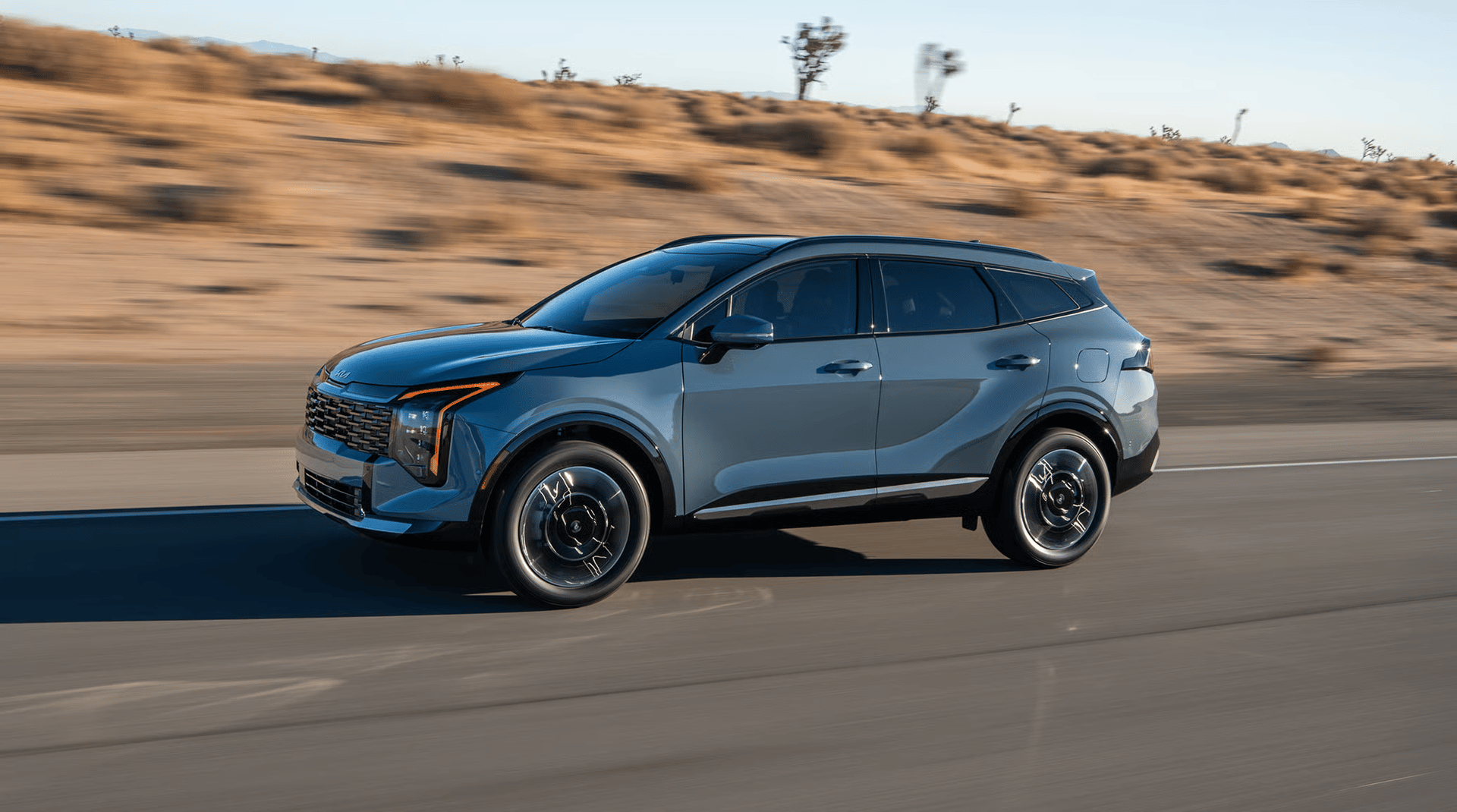
From a Kia Sportage that parks itself from a key fob to a Lucid Air with hands-free parallel parking standard across the lineup
Credit: Kia
Park-assist features have grown considerably more common in new cars, ranging from simple sensors that signal how much farther a driver can creep forward to systems that handle the entire parking maneuver, whether or not the driver even sits inside the vehicle. These systems rely on the same underlying technology that enables various levels of semi-autonomous driving. While specific implementations vary somewhat between automakers, shoppers now have genuinely plenty of choices across nearly every vehicle segment on the market today.
Some of these systems come standard, while others require upgrading to a pricier trim level, and knowing which applies to a specific model matters considerably before assuming a self-parking feature will actually come included at a given price point. The vehicles below span everything from budget-friendly crossovers to six-figure luxury sedans, giving shoppers genuine range regardless of overall vehicle size or price point.
The 10 vehicles below appear in U.S. News & World Report, covering the best self-parking cars for 2026. They range from an affordable hybrid crossover to full-size trucks and six-figure luxury flagships, showing that self-parking technology has spread well beyond simply the priciest end of the market. Some manufacturers bundle these systems standard across an entire lineup. In contrast, others reserve them specifically for a higher trim, so confirming exact availability before shopping matters just as much as comparing the underlying technology itself. Test driving a specific system in a genuinely tight, real-world parking situation, instead of relying purely on a dealership demonstration in an open lot, gives shoppers a considerably more accurate and genuinely honest sense of exactly how well a given system actually performs in practice under everyday, genuinely imperfect conditions instead of a carefully controlled showroom environment designed specifically to showcase the technology at its absolute best.
Credit: Lucid
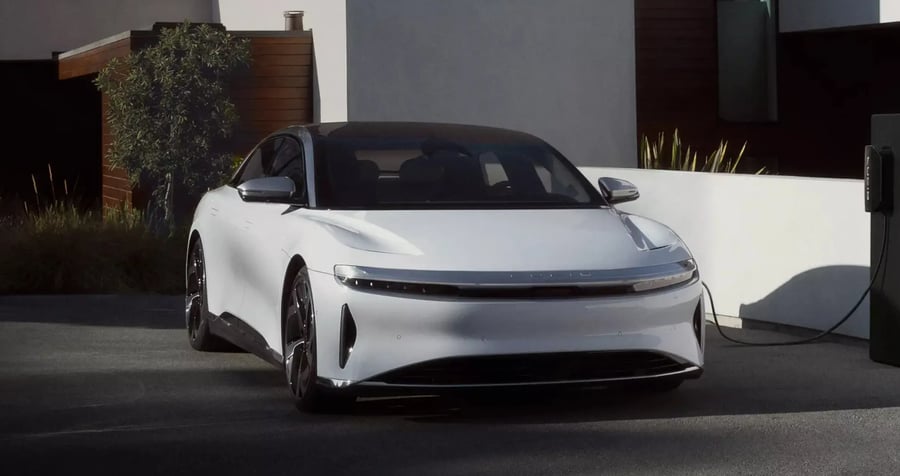
The Lucid $LCID Air earns a U.S. News Rating of 9.6 on a 10-point scale, reflecting excellence across nearly every category the outlet evaluates. This luxury electric sedan doesn't come cheap, but it stands as a genuine paragon among EVs specifically for its range, performance and advanced driver-assistance technology.
Lucid's Auto Park system ranks among the Air's many standard features, and it proves genuinely sophisticated, providing hands-free perpendicular and parallel parking without requiring the driver to touch the wheel once the maneuver begins. Though the system works well, first-time users typically need a bit of practice getting used to the pairing of steering wheel-mounted controls and infotainment prompts that guide the process.
The Lucid Air comes in numerous configurations, with a choice of up to 512 miles of range or more than 1,200 horsepower depending on the specific trim selected. Regardless of which configuration a buyer chooses, the driving experience itself proves genuinely delightful throughout, giving the Air real credibility as a technology showcase well beyond simply its parking capabilities.
This particular pairing of class-leading range, considerable horsepower and genuinely refined self-parking technology gives the Lucid Air real claim to the top spot on this list, even among a field of increasingly sophisticated competitors. Shoppers cross-shopping the Air against other luxury EVs should note that Auto Park comes bundled standard instead of gated behind a pricier trim. This detail distinguishes Lucid's approach from several rivals covered elsewhere on this list. Lucid's underlying sensor suite also powers a broader set of driver-assistance features throughout the Air, giving the sedan genuine consistency between its parking system and its highway driving aids. Buyers should test the system personally during a dealership visit specifically, since the learning curve reviewers describe varies somewhat depending on a driver's prior experience with similar semi-autonomous features. Comparing Auto Park's specific capabilities against Tesla $TSLA's similar Smart Summon feature gives shoppers cross-shopping electric sedans a useful reference point, since both systems tackle similar parking challenges through somewhat different technical approaches.
Credit: Ram
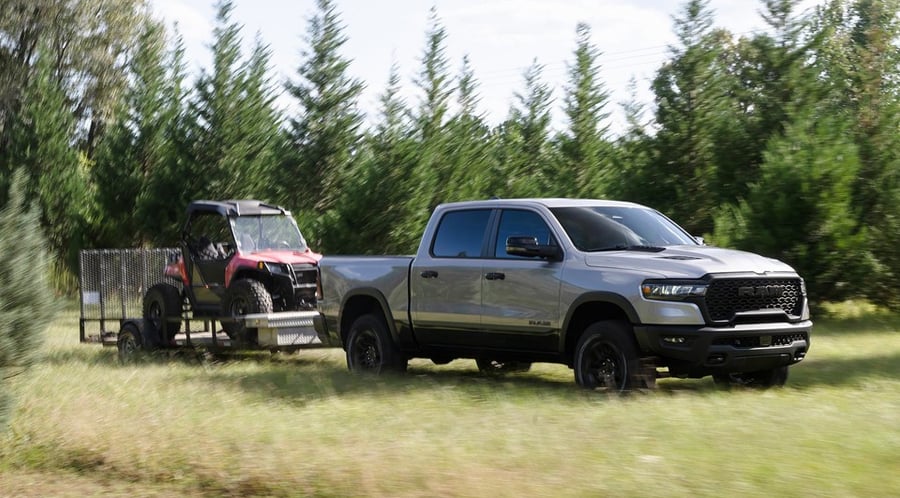
The Ram 1500 earns a U.S. News Rating of 9.5, and reviewers note it faces tough competition from the Ford $F F-150 and Chevrolet Silverado 1500. However, the Ram shines specifically through its genuinely user-friendly infotainment interface and intuitive menu layout throughout the cabin. This upscale, comfortable, and technologically advanced truck gives full-size pickup shoppers real reason to consider self-parking technology even in a segment not traditionally associated with it.
The Ram 1500 comes standard with the ParkSense front and rear parking-assistance system across the entire lineup, giving every trim level access to this particular feature regardless of price. ParkSense helps the truck parallel or perpendicular park by sensing nearby vehicles and other obstacles, though the driver must still identify the actual parking spot before the system takes over.
This semi-automated system requires the driver to remain in control of the truck's turn signals, gear shifter, and brakes if prompted to act, distinguishing it from the more fully automated systems found on some competing vehicles covered elsewhere on this list. This particular design gives drivers genuine oversight throughout the parking maneuver instead of handing over complete control.
This pairing of standard availability across the entire lineup and genuinely intuitive operation gives the Ram 1500 real appeal for truck buyers specifically nervous about maneuvering a full-size pickup into tight parking spots. Shoppers specifically comparing full-size trucks should note that ParkSense's standard availability across the entire Ram 1500 lineup gives budget-focused buyers access to the same core parking technology found on considerably pricier trims. The truck's considerable size makes ParkSense especially valuable in dense urban settings, where a full-size pickup's dimensions can otherwise make routine parking a stressful experience for less experienced drivers. Buyers should also compare ParkSense directly against rival systems on the F-150 and Silverado during a test drive, since sensor sensitivity and overall responsiveness can vary meaningfully between competing full-size trucks. The truck's overall U.S. News Rating of 9.5 reflects strong performance across categories well beyond parking specifically, including cabin comfort, towing capability and the infotainment system reviewers consistently single out for praise.
Credit: Kia
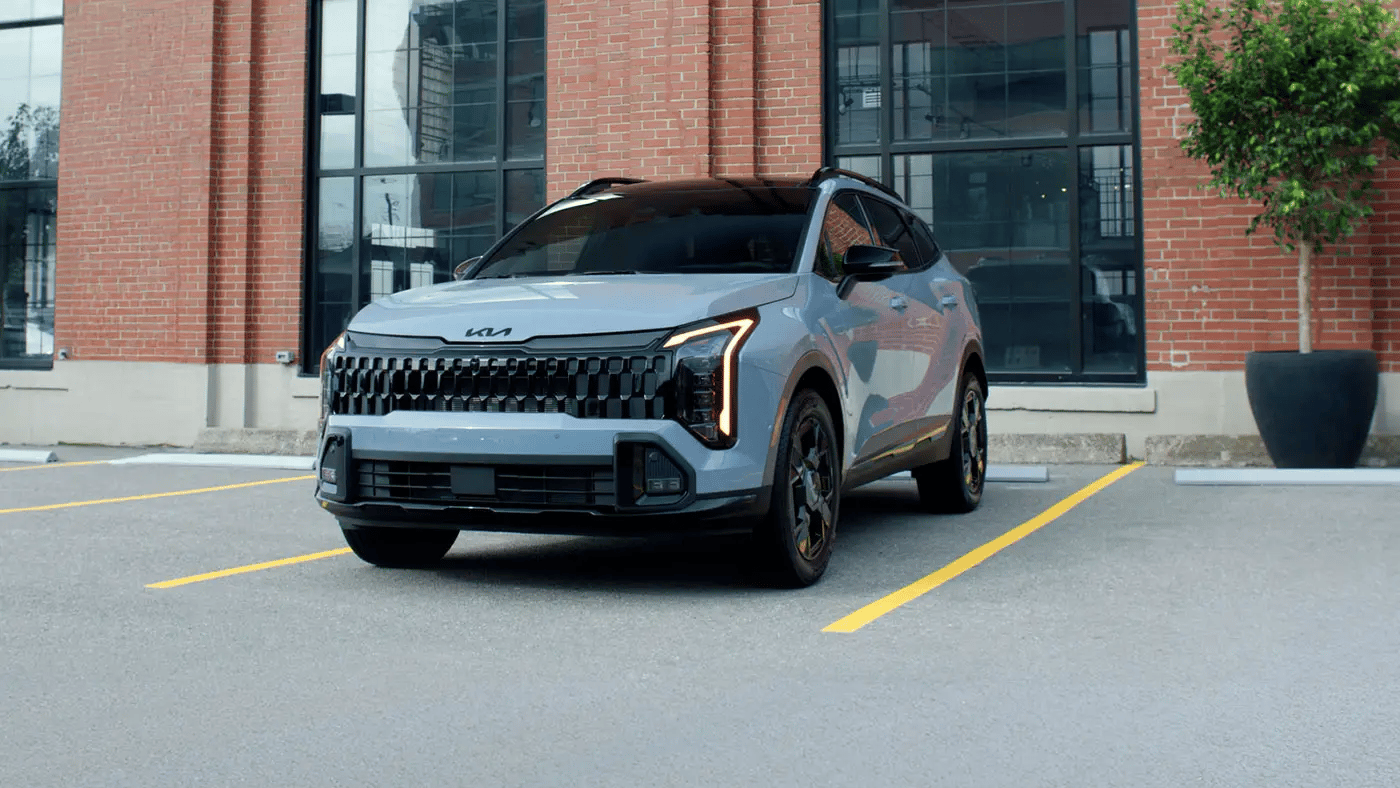
With a base price of just $30,290, the Kia Sportage Hybrid ranks among the most affordable hybrid crossovers on the market, and it also ranks among the best of the Sportage's gas, hybrid and plug-in hybrid lineup. Reaching Kia's self-parking technology specifically requires stepping up to the top SX Prestige trim, which carries a base price of $40,390. However, this trim also brings a considerable range of additional features and amenities that keep it a genuine bargain compared with most other vehicles covered on this list.
Kia's self-parking system proves genuinely advanced for a mainstream, value-focused automaker, since it ranks among the few systems in this category that work from outside the vehicle as well as from inside. In either case, the driver initiates the self-parking process through the vehicle's internal controls or the smart key fob.
The Sportage Hybrid won U.S. News' 2026 Best Compact Hybrid SUV for the Money award. It stood as a finalist for the Best Compact Hybrid SUV for Families award, giving the model considerable all-around appeal well beyond simply its self-parking capability. This broader recognition reflects genuine strength across value, efficiency and family-friendly features.
This particular pairing of genuine affordability and considerable flexibility, since the system works both from inside and outside the vehicle, gives the Sportage Hybrid real appeal for budget-conscious shoppers specifically hoping to avoid paying a luxury price for self-parking technology. Shoppers hoping to use the smart key fob's remote function specifically should confirm current fob range limitations, since these systems typically require the driver to stay within a short distance of the vehicle throughout the maneuver. Kia's decision to make this system work from outside the vehicle reflects genuine attention to real-world use cases, such as narrow garages or tightly packed parking structures where climbing into the car first proves genuinely impractical. Shoppers should also compare the SX Prestige trim's total equipment list against rival top trims from Honda $HMC and Toyota $TM, since Kia's pricing strategy often includes more standard features at a comparable price point than competing brands offer.
Credit: Ford
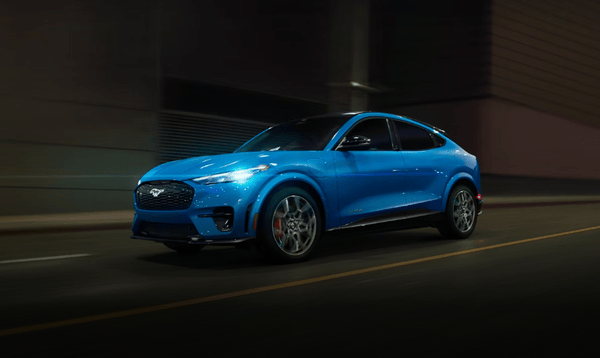
The Ford $F Mustang Mach-E ranks among the best electric SUVs currently available, and it stood as a finalist for U.S. News' 2026 Best Compact Electric SUV for Families award. The Mustang Mach-E benefits from Ford's BlueCruise semi-autonomous driving system, which requires either a one-time $2,000 payment or an ongoing subscription, and the vehicle is available with the Active Park Assist 2.0 system specifically for parking.
Active Park Assist 2.0 scans for available parking spots directly, then uses sensors to guide the car into both perpendicular and parallel spots without requiring the driver to steer during the actual maneuver. Reviewers describe Ford's broader driver-assistance suite as working smoothly in the Mach-E overall. However, some note occasional glitches and a general preference for GM's Super Cruise system found on the Chevrolet Blazer EV.
BlueCruise and Active Park Assist 2.0 together form part of a genuinely competitive package of safety and driver-assistance features, and this combination ranks among the biggest reasons the Mustang Mach-E delivers such strong overall value within the compact electric SUV segment. This pairing of semi-autonomous highway driving and automated parking gives the Mach-E genuine range across multiple different driving scenarios.
This particular blend of family-friendly practicality and considerable driver-assistance technology gives the Mustang Mach-E real appeal for shoppers specifically seeking an electric SUV that doesn't skimp on convenience features. Shoppers weighing the one-time BlueCruise payment against an ongoing subscription should calculate their expected ownership length, since the upfront option typically proves more economical for buyers planning to keep the vehicle for several years. Ford's decision to bundle Active Park Assist 2.0 alongside BlueCruise reflects a broader strategy of packaging driver-assistance features together, giving buyers a single upgrade path instead of piecemeal options scattered across multiple separate packages. Buyers should also confirm current BlueCruise-compatible road coverage in their specific area before committing to the subscription, since the system currently works only on mapped divided highways instead of every road nationwide.
Credit: Lexus
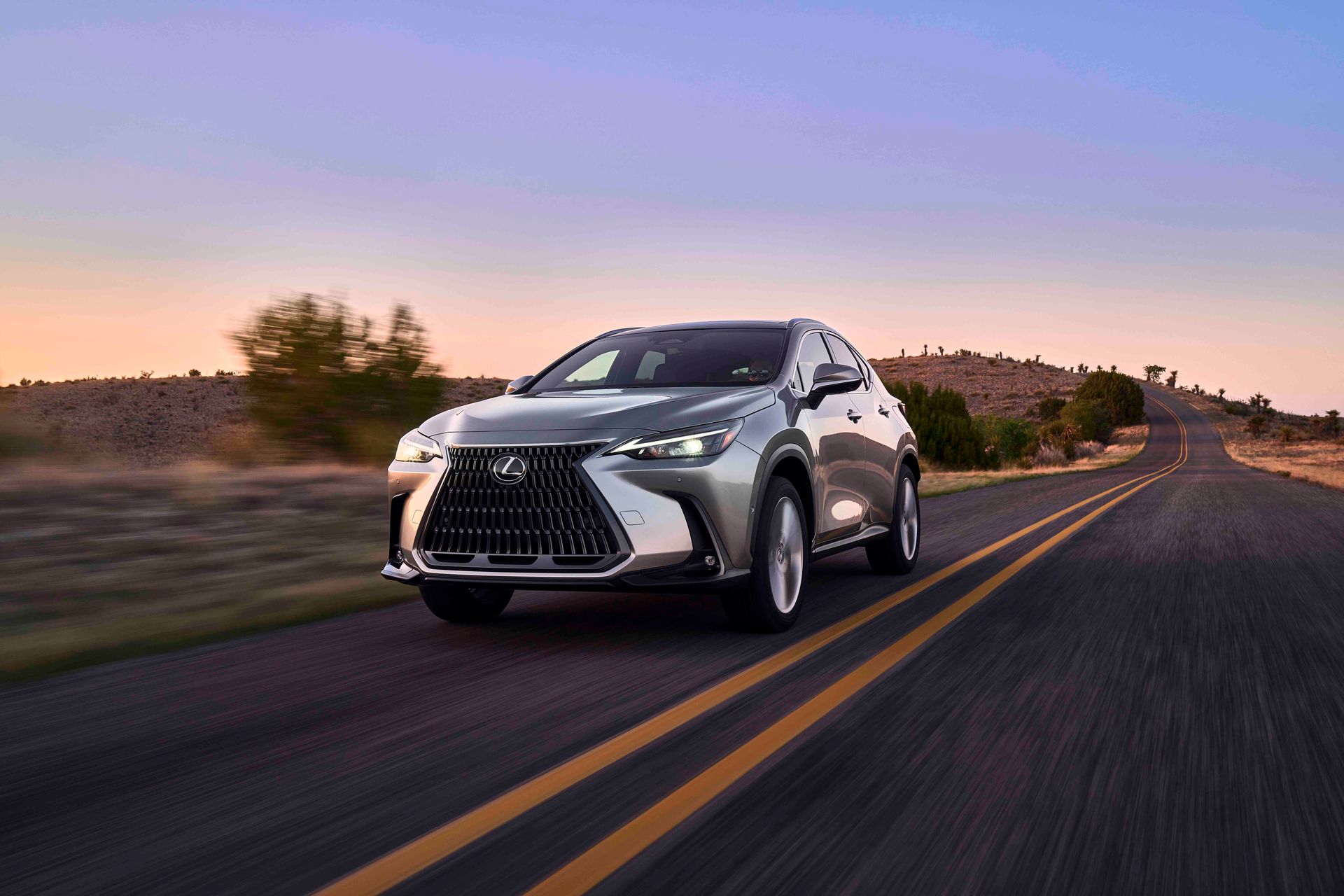
The Lexus NX Hybrid ranks as a small luxury crossover that undercuts most of its rivals on pricing, and it also ranks among the most efficient vehicles with a gas engine covered throughout this list. The NX Hybrid earns a rating of up to 40 miles per gallon in combined city and highway driving, which falls just short of the Kia Sportage Hybrid's 42-mile-per-gallon rating, though it still proves genuinely fantastic for a luxury vehicle in this class.
The Luxury trim, positioned just below the top-tier F Sport Handling model, includes the Lexus Advanced Park hands-free parking-assist system as part of its considerable feature set. This particular system works with both parallel and perpendicular parking spots and gets activated directly through the car's infotainment display instead of a separate physical control.
The NX Hybrid features a four-cylinder engine paired with two electric motors, and buyers can choose between front-wheel drive or all-wheel drive depending on their specific climate and driving needs. Reviewers describe the NX Hybrid as delivering a smooth, relaxing highway driving experience with genuinely few fuel stops required over longer trips.
This particular pairing of luxury badge appeal, genuine fuel efficiency and hands-free parking technology gives the Lexus NX Hybrid real appeal for shoppers specifically hoping to avoid choosing between efficiency and considerable convenience features. Shoppers specifically prioritizing the absolute best fuel economy within this class should still cross-shop the Kia Sportage Hybrid's slightly stronger rating. However, the Lexus badge and parking technology may justify the modest efficiency gap for some buyers. Lexus positioning Advanced Park within the Luxury trim specifically, instead of reserving it for the priciest F Sport Handling model, gives efficiency-focused buyers genuine access to the feature without needing to pay for performance upgrades they may not want. Buyers cross-shopping luxury compact SUVs more broadly should compare Advanced Park's specific activation method against rival systems, since some competitors require a physical button instead of Lexus's touchscreen-based approach.
Credit: Genesis
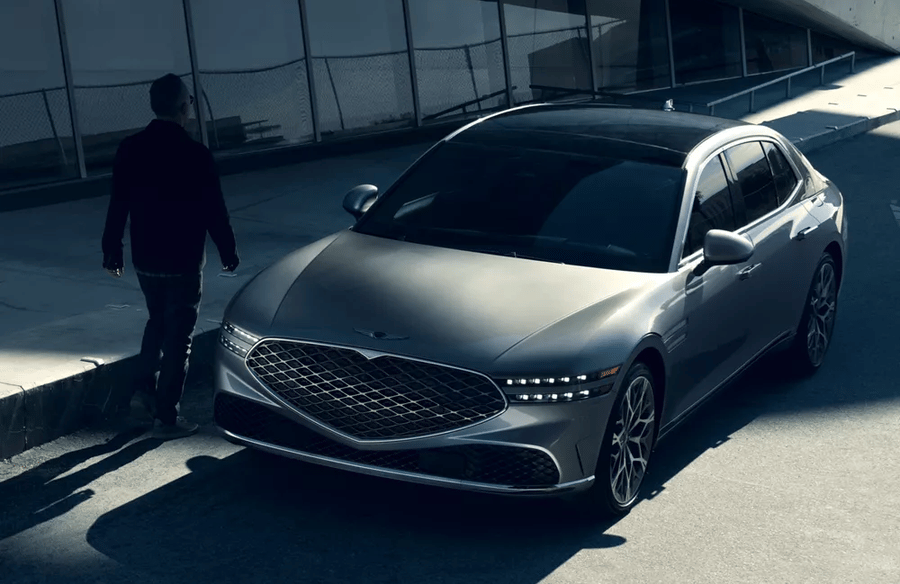
The Genesis G90 functions as the luxury brand's flagship vehicle, and it presents itself as sophisticated both inside and out, earning a U.S. News Rating of 9.4. The G90 doesn't come cheap, and it no longer represents quite the bargain it once did relative to its European rivals, though all of its safety features come standard regardless of trim level.
Those standard features include the Remote Smart Parking Assist 2 system, which can be controlled either from inside the car or remotely using the vehicle's key fob, guiding the G90 in and out of parallel or perpendicular parking spots without requiring the driver to sit behind the wheel. Reviewers report genuine satisfaction with how these systems operate, specifically noting that alerts sound at appropriate moments without feeling overactive or intrusive throughout the process.
The G90 moves swiftly and sleekly thanks to a twin-turbo V6 engine, all-wheel drive, and an adaptive suspension system that together deliver a genuinely delightful driving experience whether a driver prefers a relaxed or spirited pace. This particular blend of considerable performance and refined parking technology gives the G90 real range beyond simply its flagship status within the Genesis lineup.
This pairing of standard-across-the-board safety features and genuinely reassuring remote parking operation gives the Genesis G90 real appeal for luxury shoppers specifically seeking flagship refinement without paying extra for the most advanced convenience technology. Shoppers cross-shopping the G90 against established European flagships should note that its standard-across-the-board safety features often require a costly options package on rival sedans, giving the Genesis genuine value despite its own considerable price. Genesis including every safety feature standard reflects the brand's broader positioning strategy of undercutting established luxury rivals on both price and included equipment. This strategy has helped the brand build genuine credibility since its founding. Buyers should also compare the G90's total price against comparably equipped rivals from Mercedes-Benz and BMW, since Genesis frequently undercuts these established brands even after accounting for every available option.
Credit: Mercedes-Benz
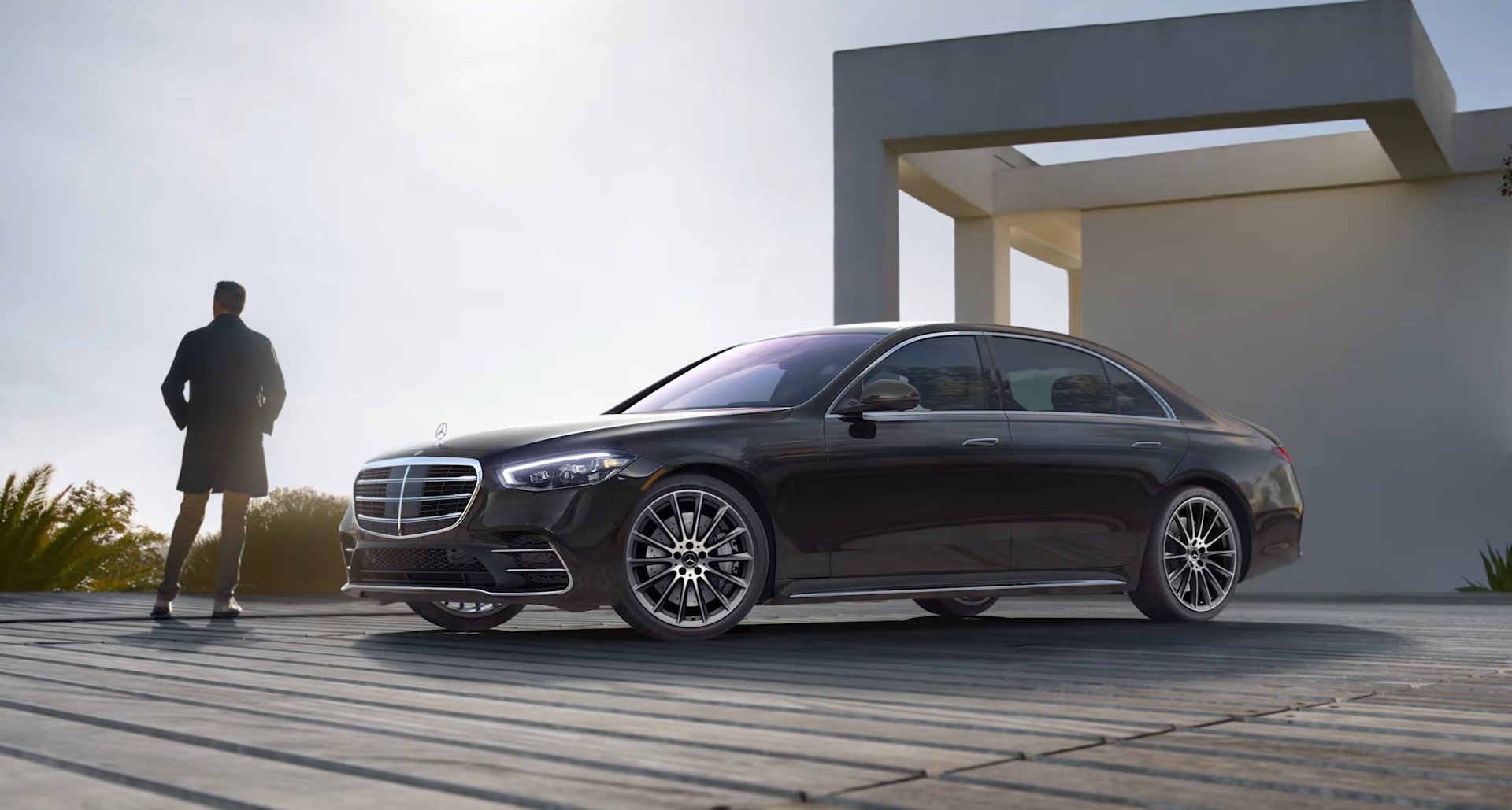
The Mercedes-Benz S-Class dominates the shrinking class of luxury large sedans through a stately presence, impressive performance and a considerable range of features, earning a U.S. News Rating of 9.4. Reviewers note that, as with most vehicles in this particular class, the S-Class's in-car technology can feel genuinely overwhelming at times, since Mercedes-Benz tends to put considerable functionality onto screens throughout the cabin. However, the overall experience still proves fast, satisfying and undeniably luxurious.
The full lineup of S-Class models comes standard with Mercedes' Active Park Assist system, which automatically steers the car in and out of a parking spot to ease the stress of maneuvering this particularly large sedan through tight urban spaces. This system works with both perpendicular and parallel parking spots, giving drivers genuine flexibility regardless of the specific type of spot available.
The S-Class ranks among the more powerful vehicles in its segment, available with a turbocharged six-cylinder engine, a twin-turbocharged V8 or V12, or a plug-in hybrid powertrain depending on the specific configuration a buyer selects. The higher-end Maybach variants can easily surpass a quarter-million dollars once buyers start adding options, reflecting the considerable range of pricing found across the broader S-Class lineup.
This pairing of standard parking assistance and considerable powertrain variety gives the S-Class real appeal for luxury shoppers seeking flagship-level technology, regardless of which engine they ultimately choose. Shoppers specifically overwhelmed by the S-Class's extensive screen-based controls should budget extra time during a test drive to familiarize themselves with the interface, since the learning curve reportedly proves steeper than on simpler rival sedans. The S-Class's considerable screen-based interface reflects Mercedes' broader design philosophy across its current lineup, and buyers accustomed to simpler physical controls in older luxury sedans may need genuine adjustment time behind the wheel. Buyers should request a thorough infotainment walkthrough from a dealership specifically, since the S-Class's considerable menu depth means important features can otherwise go unnoticed during a brief test drive.
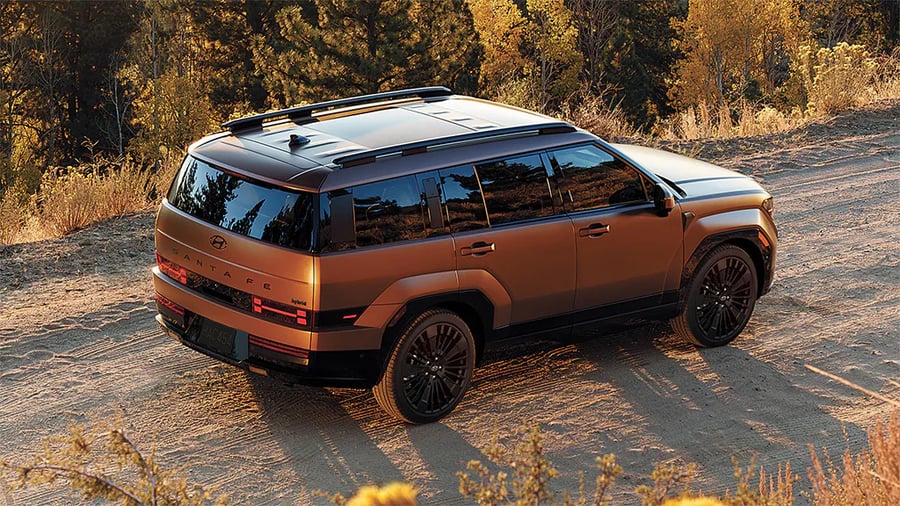
Credit: Hyundai
The brawny-looking Hyundai Santa Fe ranks as a genuine bargain within its class and stands among the best midsize SUVs currently available, earning a U.S. News Rating of 9.3. The Santa Fe stood as a finalist for U.S. News' Best 3-Row SUV for the Money award for the second consecutive year, reflecting sustained strength in value relative to its competitors.
Though the entry-level trims provide the strongest overall value, Hyundai's Remote Smart Parking Assist system specifically requires upgrading to either the Limited trim, priced at $44,350, or the Calligraphy trim, priced at $47,350. This system can be operated using Hyundai's smart key fob, either from inside the vehicle or remotely, letting a driver observe from a short distance while the Santa Fe maneuvers into or out of a tight spot.
This remote capability proves genuinely useful specifically in situations where the Santa Fe ends up parked so tightly that climbing inside comfortably becomes difficult. This particular scenario, while relatively uncommon, gives the remote feature genuine practical value beyond simply serving as a technological novelty.
The Santa Fe features a turbocharged four-cylinder engine across its entire lineup, and this model year brings a new transmission specifically designed to smooth out some acceleration hiccups found in previous versions. This pairing of genuine value and considerable spaciousness gives the Santa Fe real appeal for family shoppers specifically weighing whether the pricier trims justify their added cost. Shoppers torn between the Limited and Calligraphy trims should compare their exact feature differences beyond parking technology, since the roughly $3,000 gap also affects interior materials and additional convenience features. Hyundai's decision to gate remote parking behind the priciest trims mirrors a broader industry pattern, since several other vehicles on this list similarly reserve their most advanced parking features for buyers willing to pay for higher trim levels. The roughly $3,000 price gap between the Limited and Calligraphy trims also affects other amenities beyond parking technology, including upholstery materials and additional driver-assistance features bundled into the pricier Calligraphy package specifically.
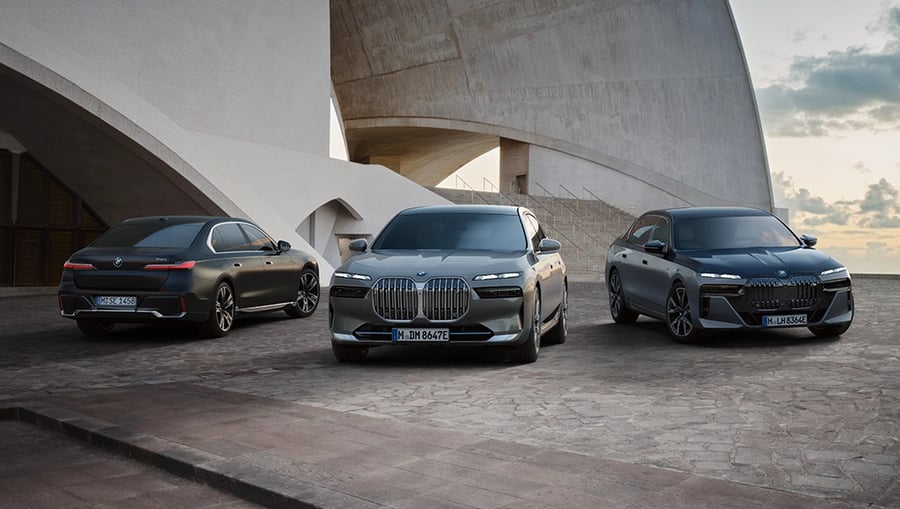
Credit: BMW
Measuring 212.2 inches long, the BMW 7 Series ranks as the largest sedan currently sold in the United States, earning a U.S. News Rating of 9.3, and reviewers note that being big and outrageous forms much of the model's overall appeal. The idea of a car this large parking itself proves nearly irresistible to shoppers, though like most BMW technology, this particular convenience comes at a genuine cost.
Reviewers describe BMW's broader driver-assistance systems as first-rate and consistently effective. However, the Driving Assistant Professional highway system specifically requires an unobscured view of the driver's face to function properly, a detail some reviewers discovered firsthand while wearing winter scarves. Adding these systems to an already six-figure car pushes the total price considerably higher still.
BMW's Park Assist system operates independently from Driving Assistant Professional, though it uses many of the same underlying sensors and cameras throughout the vehicle. The system activates through a button on the console or gear shifter at speeds below 20 miles per hour, scanning for a spot large enough to accommodate this particularly large sedan before requesting driver confirmation and steering automatically into the spot.
This particular pairing of genuine size and considerable parking sophistication gives the BMW 7 Series real appeal for shoppers specifically seeking flagship presence without sacrificing the practical convenience that a vehicle this large genuinely requires. Shoppers specifically planning to use Driving Assistant Professional during colder months should factor in how face coverings such as scarves or masks can interfere with the system's driver-monitoring camera, a genuinely practical consideration in winter climates. BMW's decision to separate Park Assist from the pricier Driving Assistant Professional package gives budget-conscious buyers in this segment genuine access to parking convenience without paying for the full highway driving suite. Buyers should also test Park Assist specifically in a genuinely tight urban parking structure before purchase, since the system's real-world performance in cramped, low-visibility spaces matters more than showroom demonstrations typically reveal.
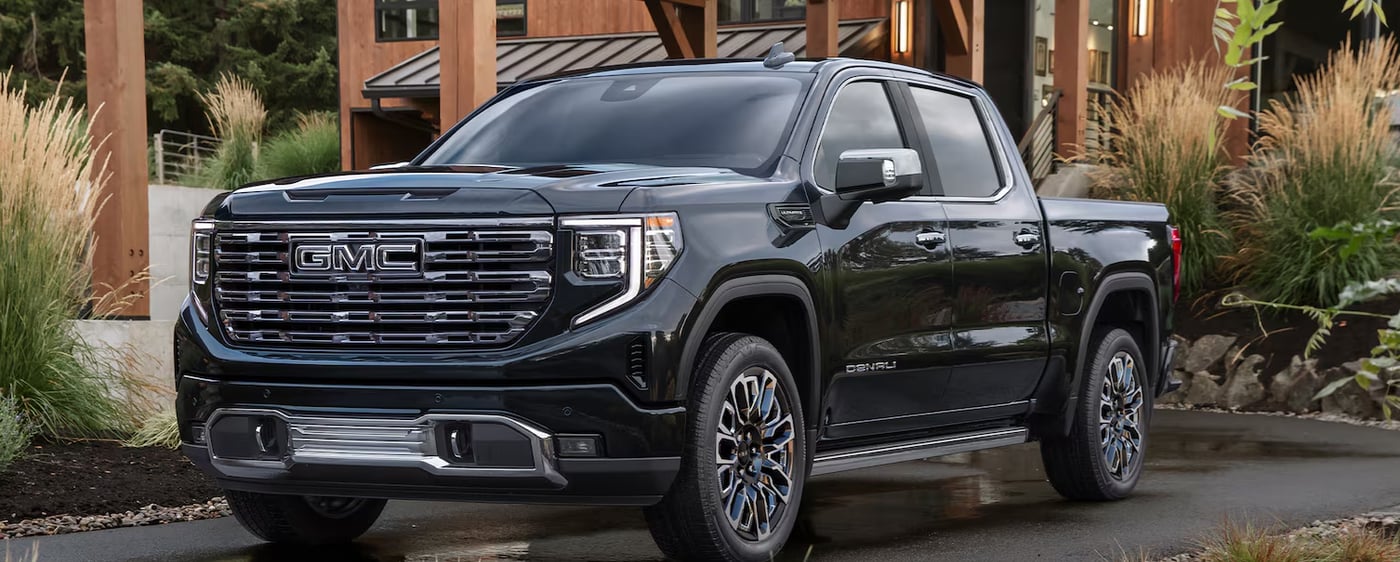
Credit: GMC
The GMC Sierra EV ranks as a genuinely beefy and hefty truck, weighing roughly 9,000 pounds and measuring about 7 feet wide and nearly 20 feet long, earning a U.S. News Rating of 9.2. This considerable size makes clear that GMC didn't design the Sierra EV around the typical eco-friendly image associated with many other electric vehicles, and its performance specifications reflect that same emphasis on scale and power.
The Sierra EV's self-parking features prove especially handy, specifically given how much girth a driver must manage while maneuvering this particular truck into a tight spot. The truck comes standard with front and rear parking sensors, a fairly typical feature among luxury models today, though upgrading to the mid-tier, off-road-capable AT4 trim specifically unlocks a hands-free park-assist system that works with both parallel and perpendicular spots.
The AT4 trim also includes standard Super Cruise, GM's considerable hands-free highway driving system, giving buyers genuine convenience technology across both highway and parking scenarios within a single trim upgrade. This pairing of hands-free parking and hands-free highway driving gives the AT4 trim real appeal for shoppers specifically seeking maximum convenience technology in a single truck.
The Sierra EV ranges from 605 to 760 horsepower depending on configuration and offers up to 478 miles of range, giving this particular electric truck considerable performance credentials to match its self-parking convenience and imposing physical dimensions. Shoppers specifically torn between the base trim and the AT4 should weigh how much they value hands-free parking and highway driving together, since both features bundle into the same single trim upgrade instead of being available separately. GMC's decision to position hands-free parking alongside off-road capability within the AT4 trim reflects the brand's broader strategy of targeting buyers who want both rugged capability and considerable convenience technology in a single truck. Shoppers should also compare the AT4's total price against a comparably equipped Ford $F F-150 Lightning or Rivian $RIVN R1T, since electric truck pricing varies considerably across brands even at similar performance and capability levels.