From Avebury's stone circle surrounding a living village to a Cornish clifftop with Arthurian ruins above the Atlantic
George Ciobra / Unsplash
England's small towns occupy a distinct cultural register that its major cities do not. London, Manchester, and Birmingham offer world-class museums, restaurants, and cultural institutions, but the particular quality of an English market town, from the medieval guildhall still functioning as a community space to the pub whose fire has been burning versions of itself for centuries, exists in concentrated form only in the places that urban growth and industrial development passed over. The towns bypassed by economic progress are, in this case, the ones that kept something worth having.
The practical case for including small towns in an England itinerary is also strong. The national rail network connects even remote market towns to London and the major cities with a frequency and reliability that makes day trips feasible from a city base and overnight stays logistically simple. A traveler based in London can reach Lavenham in Suffolk, Rye in East Sussex, or Bakewell in Derbyshire within two to three hours by train, which gives the small town experience a geographic accessibility that comparable distances in North America, where rail connections are far thinner, would not permit.
The eight towns below appear in Travel + Leisure, covering destinations from Cornwall in the far southwest to Derbyshire in the north. Each offers a distinct version of the English small town experience, from Arthurian legend and Atlantic cliffside ruins to medieval wool trade prosperity frozen in amber to prehistoric stone circles that predate even Stonehenge's most famous monuments. Together they represent the range of what England's smaller places offer: history, landscape, food, and the specific pleasure of a country that does quaint with more conviction than anywhere else on earth. Nowhere else in the world does quaint quite like England, and these eight towns prove it comprehensively.
Credit: English Heritage National Trust
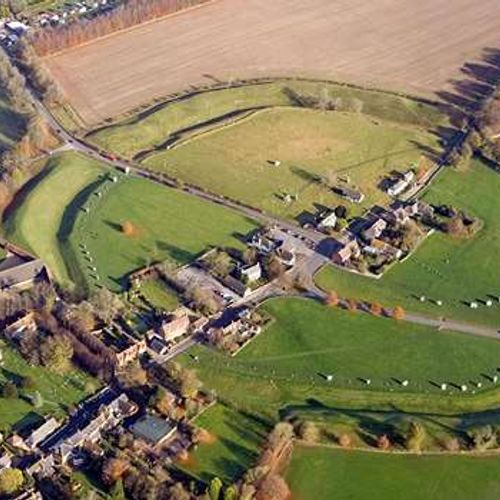
Avebury, a village in Wiltshire less than an hour from Stonehenge, gives visitors the experience of walking through an active archaeological site rather than viewing one from a distance behind a rope barrier. The Avebury Henge, the large stone circle within which the village itself is partially built, surrounds the houses, pubs, and lanes of a functioning English village in a way that makes the human relationship to prehistoric landscape feel genuinely continuous rather than curated. Two smaller stone circles in the surrounding area extend the archaeological program beyond the main henge, giving the visit a scope that the Stonehenge experience, focused on a single monument, does not provide. The ability to walk up to and touch the standing stones, which Stonehenge's management rightly restricts at its more visited site, gives Avebury a physical intimacy with the Neolithic period that no other accessible prehistoric monument in England matches.
The village's more recent history is legible in the 16th-century Avebury Manor and Garden, a grand estate that adds a layer of Tudor and later history alongside the prehistoric. The Red Lion pub, famed for its roaring fire and warming comfort food, gives the visit its appropriately English conclusion: a warming meal in a village pub within walking distance of a stone circle that predates the Roman occupation of Britain by thousands of years. The Red Lion's unique combination of a firelit interior and its proximity to the stones makes it among the most atmospheric post-walk pubs in England for travelers who have just spent an afternoon at the henge.
The surrounding Wiltshire downland gives Avebury a landscape context that the stones alone do not fully express. The ancient ridgeway paths, the chalk hill figures cut into nearby slopes, and the other Neolithic monuments distributed across the area make a full day of walking and exploring the region's archaeological landscape a natural extension of the village visit for travelers with the time to cover the broader terrain on foot. Avebury rewards the visitor who budgets a full day rather than a rushed afternoon.
Simon Morley / Unsplash
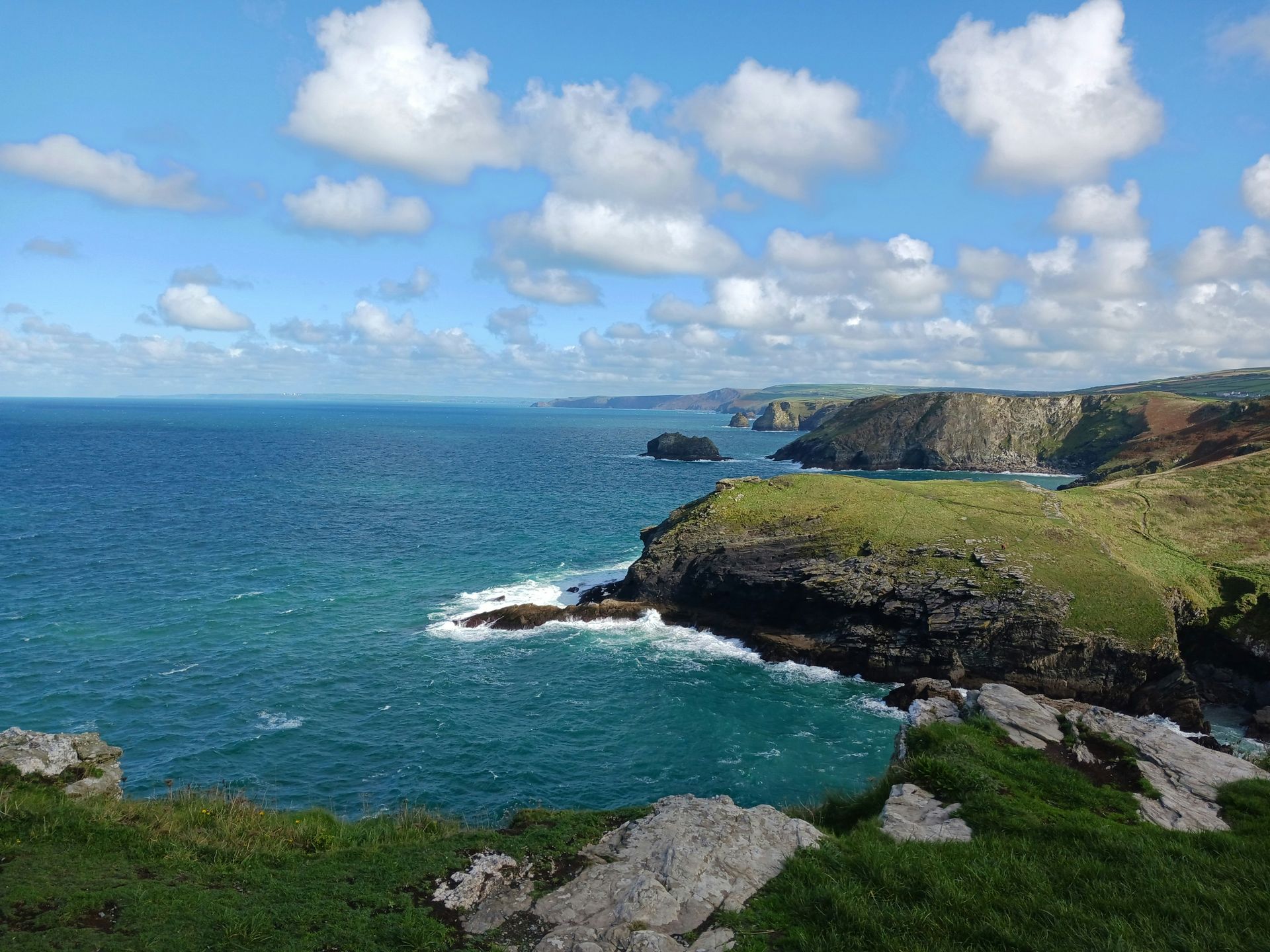
Tintagel sits on Cornwall's Atlantic coast in a landscape so dramatically vertical that the cliffside ruins of its castle feel like a natural extension of the geology rather than a human imposition on it. The connection to the legend of King Arthur, who is said to have ruled from a stronghold here, gives the site a mythological weight that purely historical ruins do not carry. Whether or not Arthur was a historical figure, the landscape of Tintagel is exactly the kind of coastal cliff fortress the legend requires, and the ruins give the mythology a physical address that anchors the story in specific stone and sea. Merlin's Cave, a natural cavern at the base of the cliffs accessible at low tide, gives the Arthurian dimension its most atmospheric physical expression and rewards travelers who time their visit to coincide with the tide's withdrawal.
The town itself provides the practical infrastructure for a full day of coastal and mythological exploration. The Cornish Bakery serves the hot Cornish pasty, the most appropriate food for windswept cliff walks. King Arthur's Café meets the cream tea obligation that comes with visiting any Cornish town. Roly's Fudge Pantry takes care of dessert in a way that aligns with the town's famous fudge tradition. The sequence of pasty, cream tea, and fudge, consumed across a day of cliff walking and castle ruin exploration, constitutes the Tintagel visit in its most complete and most characteristically Cornish form.
St. Nectan's Glen, a short hike from the town, gives Tintagel's natural program its most dramatic element: a 60-foot waterfall dropping through a rocky pool in a wooded glen that the area's deep legends have made a place of pilgrimage as well as a hiking destination. The glen's specific microclimate, wetter and greener than the exposed Atlantic clifftop above it, gives the landscape variety within a single day's walking that the coastline alone, however spectacular, does not provide. Visitors who skip the glen in favor of the castle ruins alone are leaving the better half of the day's experience behind.
Ali Gooya / Unsplash
Bakewell, a stone-built market town in the heart of the Peak District National Park, has given the world one of its most recognizable English baked goods: the Bakewell tart, a jam-and-almond pudding invented here approximately 200 years ago. The local bakeries lining the market square give visitors a direct comparison between authentic regional versions and the commercial alternatives supermarkets across the country distribute, and the difference is consistently significant enough to justify the comparison. Several local bakeries compete for the title of best tart in town, giving the food tourism dimension genuine pluralism rather than a single destination answer.
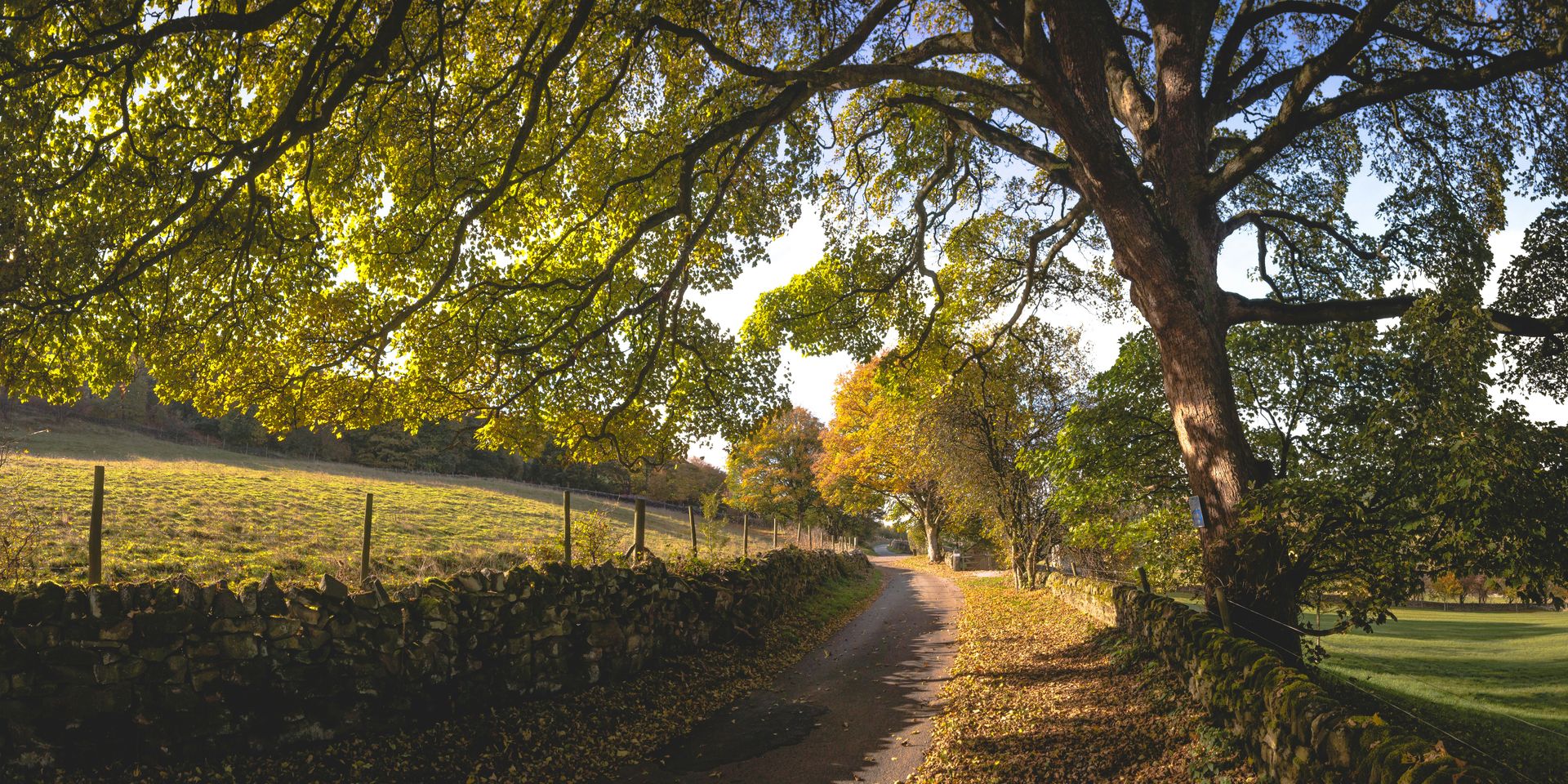
The Peak District National Park that surrounds Bakewell gives the town an outdoor program of considerable scale. The hiking trails that fan out from the town center cover moorland, limestone dales, and gritstone edges that give the southern Pennines their specific, dramatic character. The combination of market-town amenities and immediate access to the national park makes Bakewell a practical base for multi-day Peak District walking as well as a worthwhile destination in its own right. Several excellent pubs, including The Manners and The Red Lion, give the evenings the appropriate English structure of pints and warming food after days of outdoor walking.
Chatsworth House, the country estate of the Duke $DUK of Devonshire and one of the finest stately homes in Europe, sits within easy reach of Bakewell and adds a cultural dimension that the town's food and walking program complements rather than replaces. The house's art collection, its gardens, and the surrounding parkland designed by Capability Brown give Chatsworth a full day's program for visitors who arrive with enough time to cover both the interior and the grounds. Most Bakewell visitors who skip Chatsworth report that they wish they had not, which makes the addition of at least an afternoon there a practical recommendation rather than an optional extra for first-time visitors to the area.
Phil Hearing / Unsplash
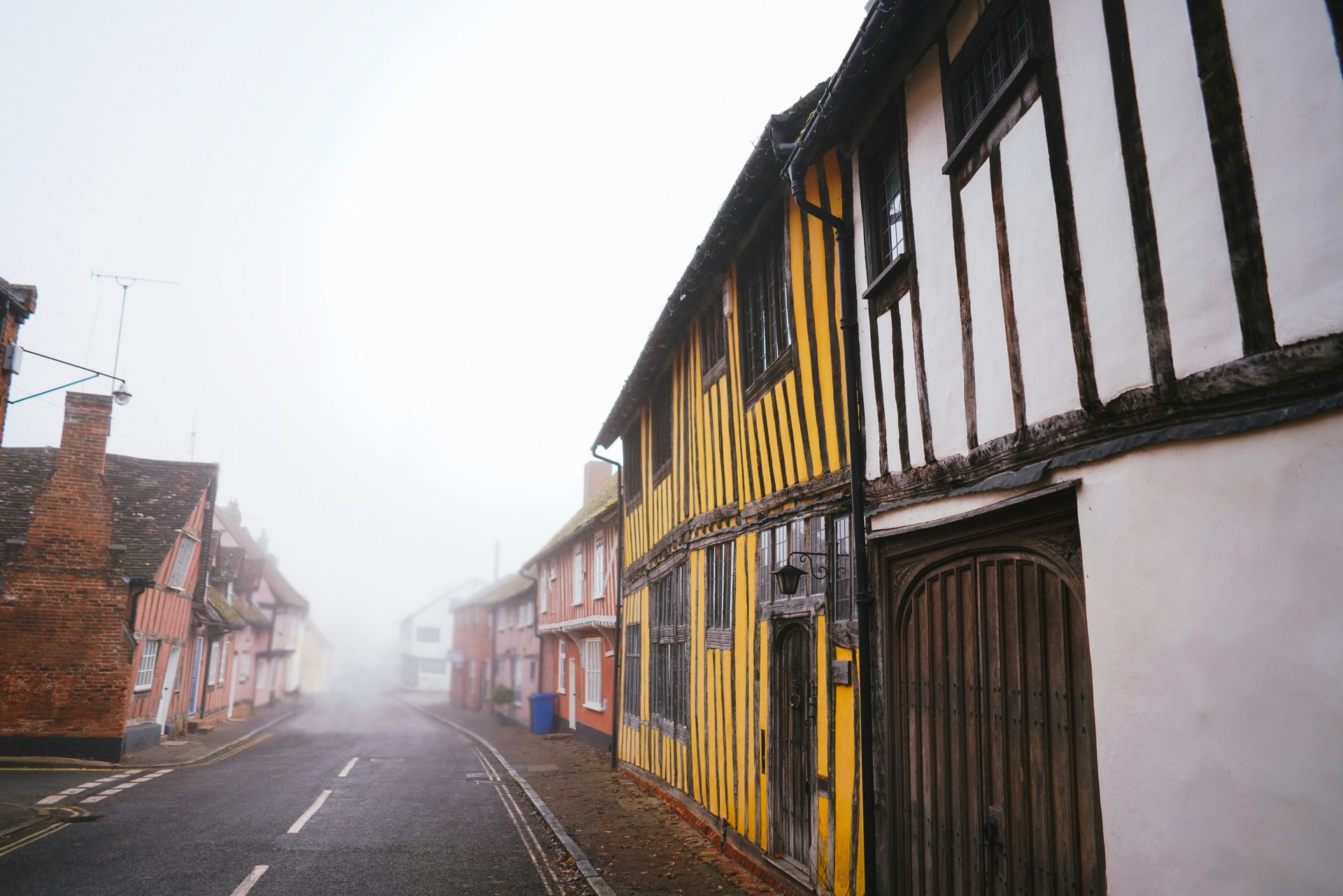
Lavenham is the most visually striking of England's medieval market towns, and the reason is a historical accident that has benefited the town for centuries. The collapse of the wool trade in the late 15th century left the town without the economic resources to update its buildings, meaning that the timber-framed medieval structures that prosperity built were never replaced by the Georgian, Victorian, and modern buildings that transformed more economically active English towns across the subsequent centuries. What remains is a high street of leaning, haphazardly angled medieval buildings in a riot of pastel colors and exposed timbers that gives walking through Lavenham the quality of a town that time bypassed rather than one that preservation has carefully restored.
The Lavenham Guildhall, the extraordinary Tudor building at the center of the market square, is the town's most significant interior attraction. A remarkably well-preserved Tudor room where tea is served gives visitors the experience of drinking in a medieval space that the building's living institutional history has maintained rather than museum-curated. The guildhall's survival as a functioning space rather than a pure heritage attraction gives the building an authenticity that the best-preserved English historic buildings achieve when they remain embedded in community life rather than separated from it by ticket barriers and interpretive panels.
The town has appeared in several film productions, most famously as Harry Potter's birthplace in "Harry Potter and the Deathly Hallows: Part One," which gives Lavenham a pop culture dimension alongside its historical significance. The excellent eateries behind the medieval facades offer a contemporary food program, featuring regional Suffolk produce sourced from the county's farming landscape. Lavenham is reachable from London by train to Sudbury, followed by a short bus or taxi journey, and the approach through the surrounding Suffolk countryside provides a gradual transition from the modern world into the medieval one.
Nick Fewings / Unsplash
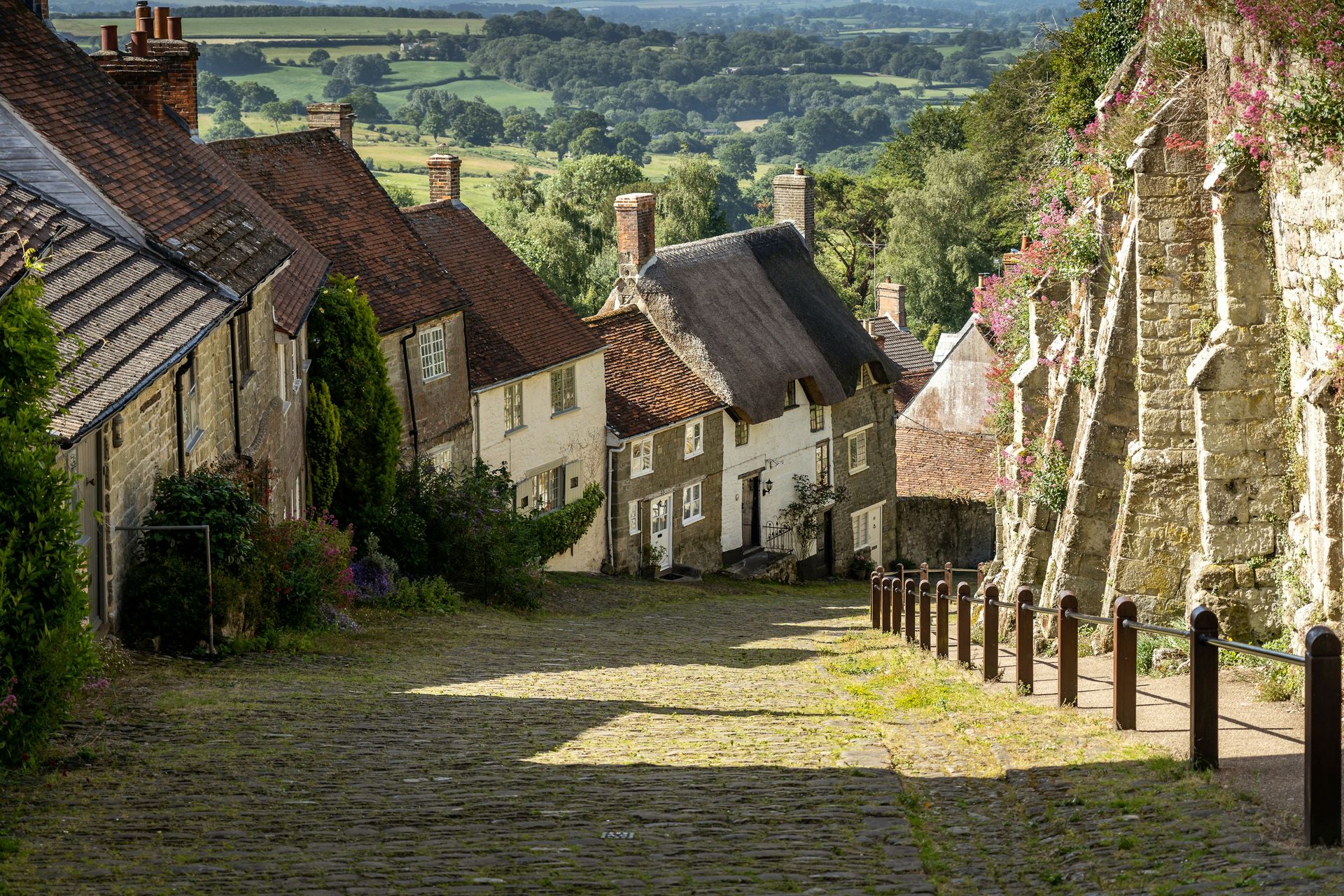
Shaftesbury is a small Dorset hilltop town whose Gold Hill, the steep cobblestone street descending past a row of thatched cottages with views over the surrounding countryside, has been called one of the most romantic sights in England. The street's visual character combines the steep geometry of the cobbled lane with the thatched roofline and the pastoral view that opens at the bottom to a panorama of the Blackmore Vale, and the actual experience of walking it confirms rather than disappoints the reputation that photography has built around it. Gold Hill has become the town's primary identity, and rightly so: it is one of those rare English scenes that looks exactly as it should.
Shaftesbury Abbey, whose ruins sit within the town, provides a historical grounding that Gold Hill's picturesque qualities complement. The abbey was founded in 888 AD by King Alfred, the monarch credited with creating England as a unified political entity. This gives the ruins a founding significance that few English ecclesiastical sites can match. The abbey's scale is legible in the remaining foundations, and the interpretive materials give the ruins enough context for a visit that is both historically informative and atmospherically resonant, as English ruins in the English countryside tend to be.
The surrounding Dorset hills give walkers access to landscapes that the region produces in seasonal visual forms of considerable quality. Fontmell Down, Duncliffe Wood, and Melbury Beacon, the hilltop that formed part of the beacon chain used to warn of the approaching Spanish Armada in 1588, give the town's outdoor program a range of terrain from open chalk downland to dense woodland to historically significant hilltop positions with long views. The combination of the town's visual and historical depth, along with the walking landscape immediately around it, makes Shaftesbury one of the most rewarding day-trip destinations in southern England for travelers who want more than a single photogenic street.
Maciek Wroblewski / Unsplash
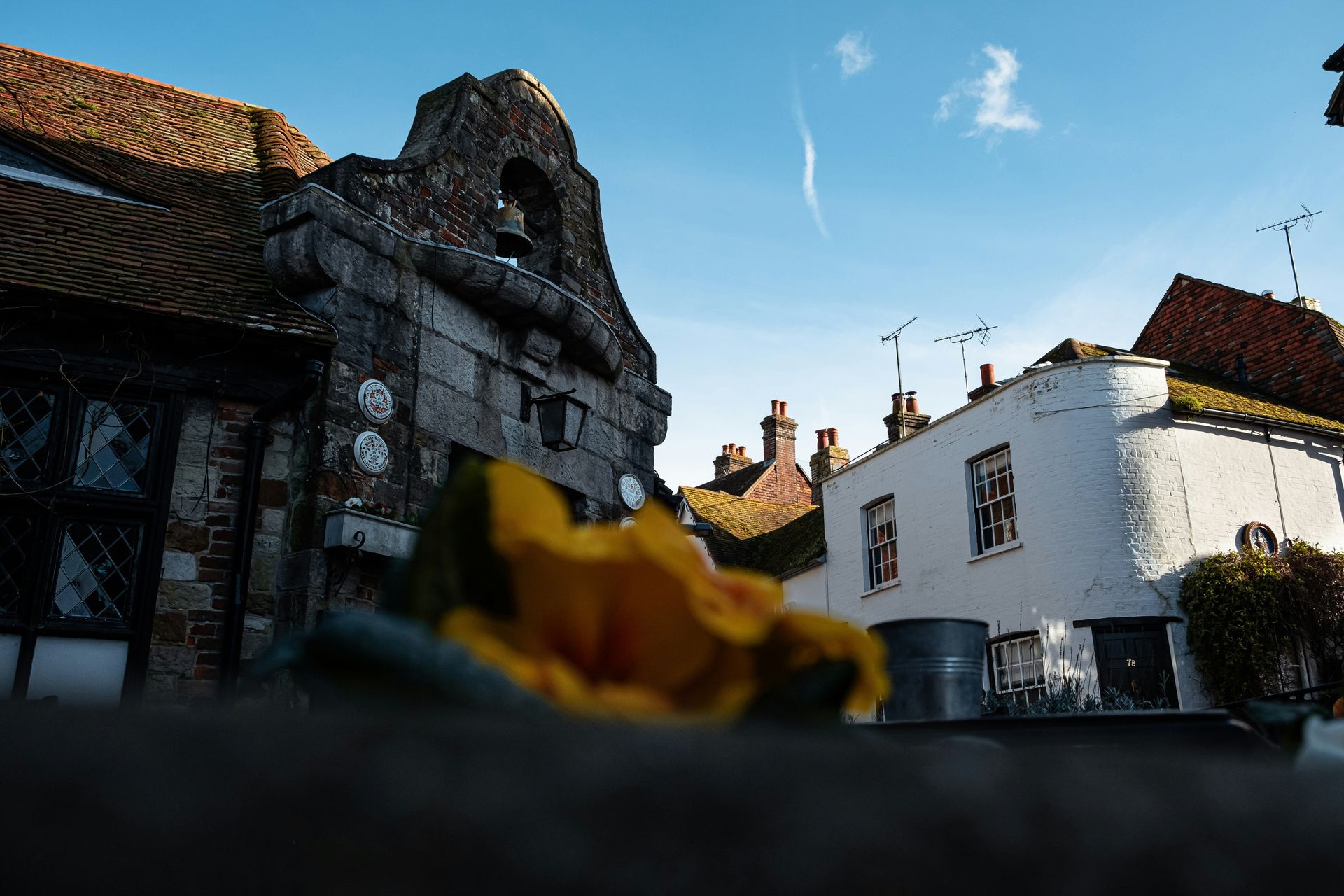
Rye perches two miles from the coast at the confluence of three rivers, its medieval center raised on a hill above the surrounding marshes, in a position that centuries of seafaring, smuggling, and occasional French raids have shaped as much as the landscape has. The cobblestone streets and the crooked, leaning houses that line them give central Rye a medieval atmosphere more intact than almost any other town of comparable size in southern England. The network of secret passages and ancient alleyways that runs through and beneath the town gives exploration a dimension that visible street-level architecture does not exhaust, and the sense of discovering something concealed gives Rye a specific pleasure that more legibly laid-out historic towns do not produce.
The Mermaid Inn, established in 1156 and a notorious smuggling den in the 18th century, is now one of the most atmospheric pubs in southern England. The interior carries the weight of its centuries in every beam, stone, and inglenook fireplace, giving the pub experience its most historically resonant English version available at any property open to the public. The Sunday roast dinner is specifically recommended in the source, which places the Mermaid in the category of pubs worth timing a visit around rather than simply dropping into on a whim.
The 12th-century bell tower of St. Mary's Church, climbable for a panoramic view over the town's warren of medieval streets and rooflines, gives Rye the elevated perspective that the town's dense street plan makes difficult to achieve from ground level. Simon the Pieman on Lion Street gives the afternoon its cream tea conclusion: scones with strawberry jam and clotted cream in a town that has been feeding travelers since the Roman era. Rye's proximity to London, accessible by train in roughly 90 minutes, makes it the most practical of the southeast England small towns for a day trip from the capital without an overnight stay. The town's combination of medieval atmosphere, smuggling history, climbable church tower, and afternoon cream tea gives the day a shape that rewards the early train and the late return, making Rye one of those rare English towns that fully justifies the journey regardless of the weather on arrival.
BEN ELLIOT / Unsplash
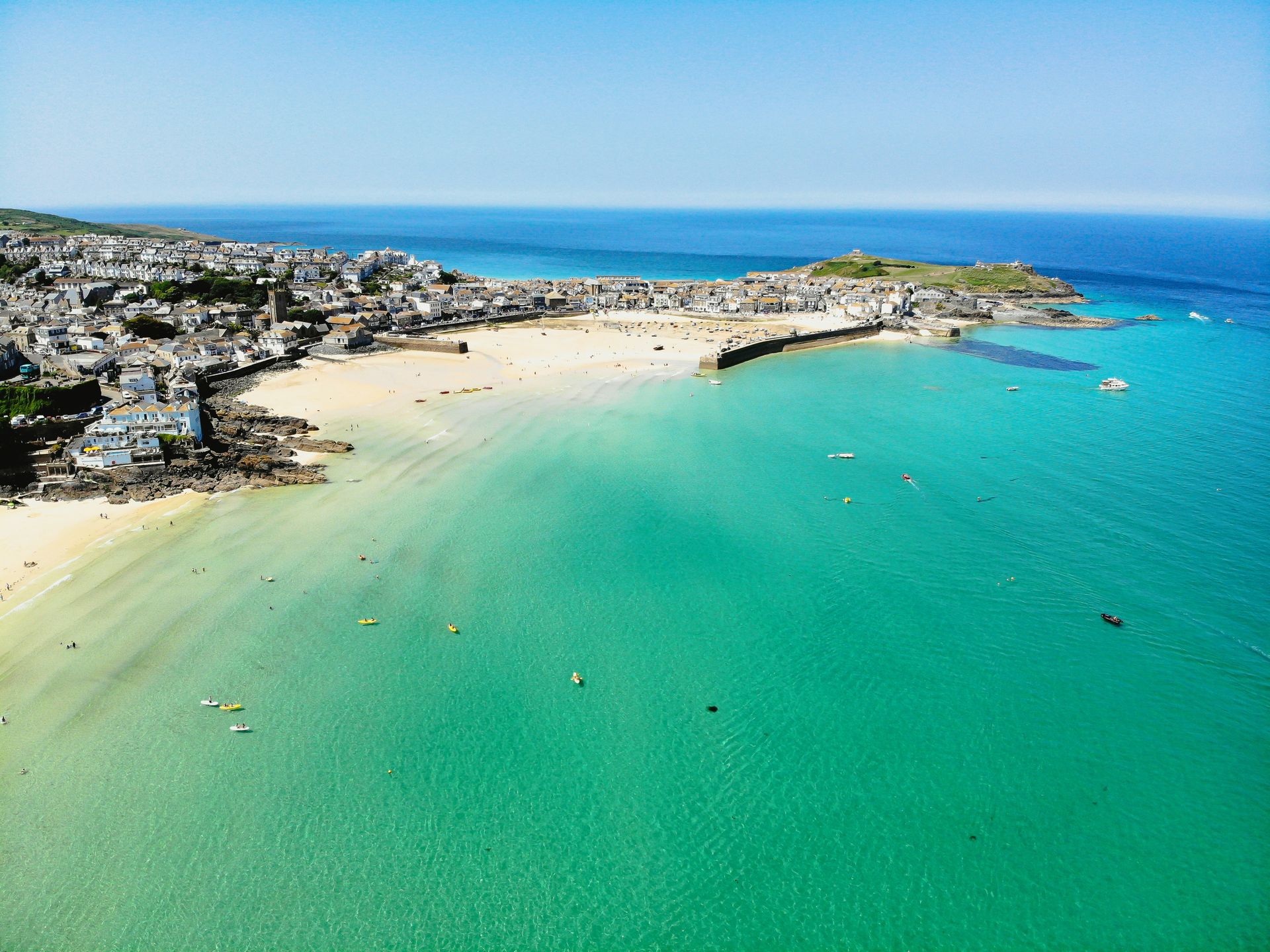
St. Ives has completed a transition that few English coastal towns have managed with equal success: from working fishing village to nationally recognized arts destination, while retaining enough of the original harbor character and beach quality to justify the journey on multiple independent grounds. The soft sandy beaches that regularly win quality awards give the town a summer beach credential backed by the Celtic Sea's reliable surf. The seafood dining options that the town's fishing heritage continues to supply give the food program a connection to the working harbor that the gallery culture of the town center has not displaced, which is the specific quality that makes St. Ives more satisfying than coastal towns that have allowed the tourism economy to fully replace the fishing one.
Tate St. Ives, the seafront gallery that opened in 1993 as a regional outpost of the London institution, gives the arts dimension its most significant expression. Rotating modern art exhibitions focus on British artists, many with specific connections to the St. Ives school of mid-twentieth-century painters who made the town an artistic community in the first place. The connection between the gallery's content and the landscape that inspired the artists whose work it shows gives Tate St. Ives a specificity to place that the national Tate collections in London, however strong, cannot replicate. Standing in front of a Barbara Hepworth sculpture while the light from the harbor comes through the gallery windows gives the work a context that a London gallery cannot supply.
The cluster of additional galleries that has grown around the Tate's presence gives St. Ives an arts infrastructure unusually dense for a town of its size, providing visitors with serious artistic interests a full program across multiple spaces rather than a single institution. The combination of gallery visiting, beach swimming, seafood eating, and harbor walking gives St. Ives the most varied single-town day program of any destination on this list and the strongest argument for an overnight stay rather than a day trip.
Humans Made This / Unsplash
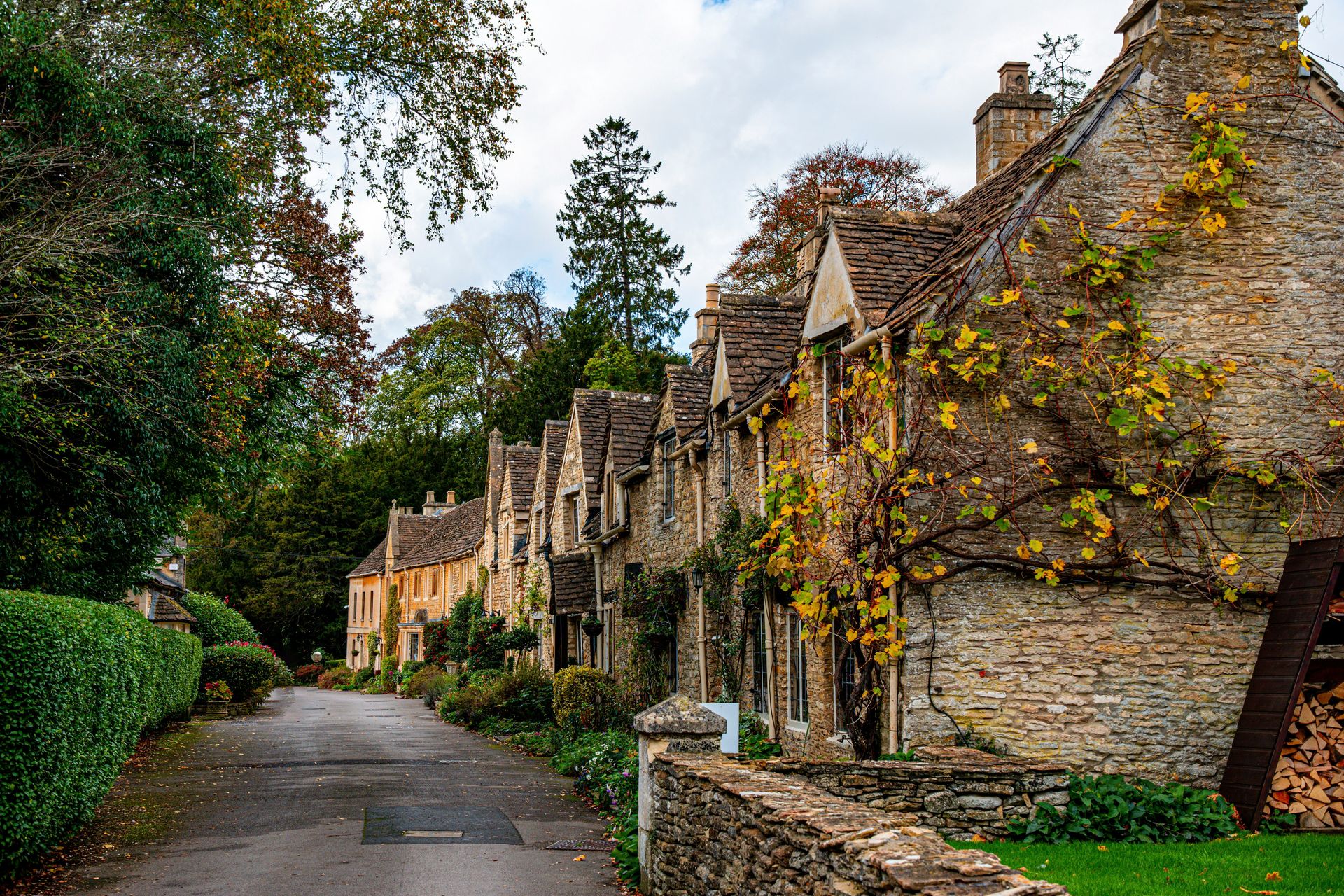
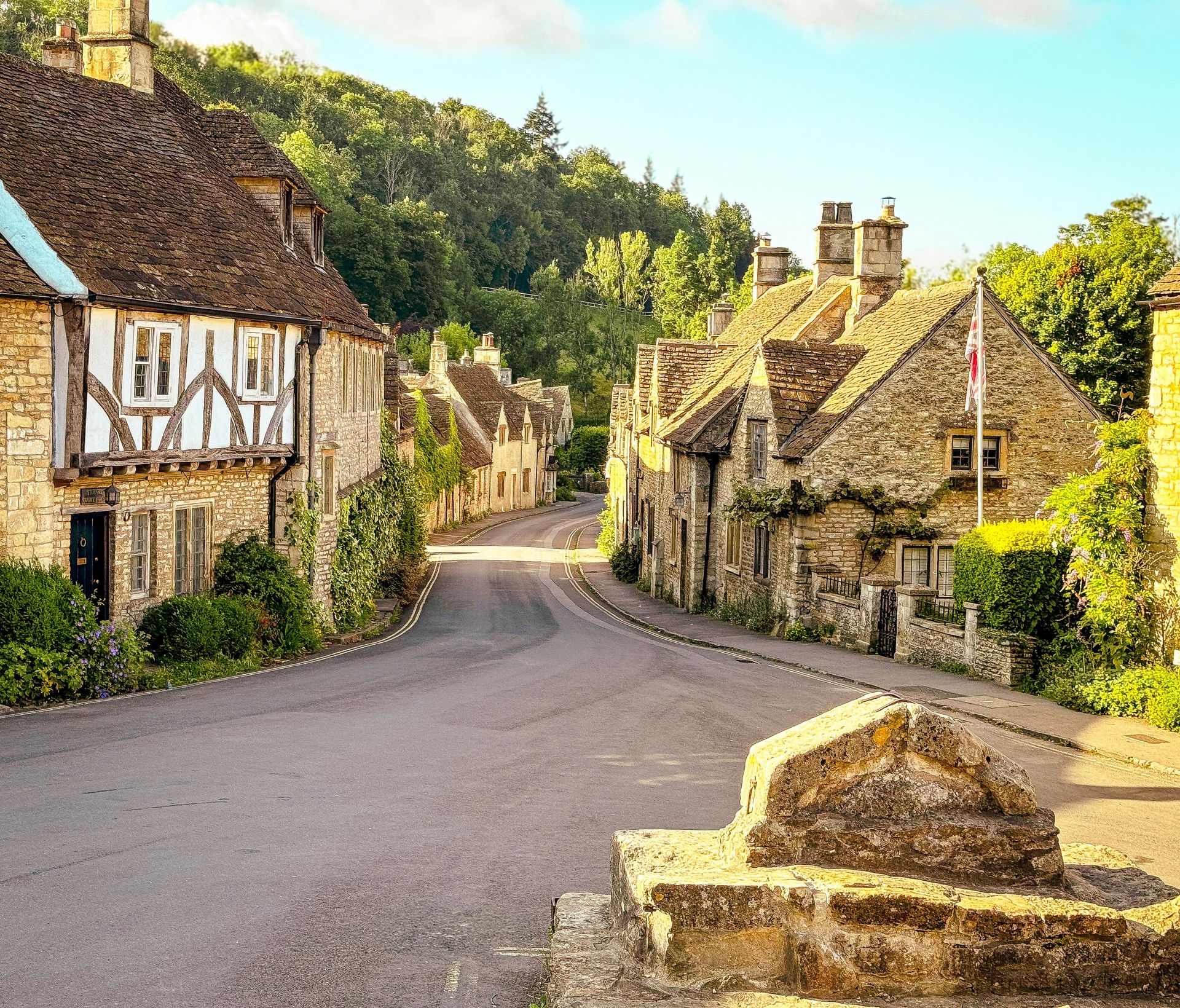
Castle Combe, a Cotswolds village in Wiltshire, has accumulated the title of prettiest village in England with a conviction that the ferocity of the competition makes it remarkable. The honey-hued stone houses built from local Cotswold limestone, the flower-lined lanes, and the stream running through the valley give the village a visual character so specifically evocative of the English countryside ideal that it has appeared in countless postcards, magazine covers, television series, and films, including Downton Abbey and Steven Spielberg's War Horse. The village's specific visual coherence comes from the uniformity of the building material: every house in Castle Combe is built from the same warm golden limestone, which gives the streetscape a harmony that mixed-material towns cannot achieve.
The walking paths that spiral into the surrounding countryside extend the visit outdoors. Grabbing fresh produce from the honesty boxes that local residents place outside their homes, as the source specifically recommends, gives the picnic in the surrounding Cotswold hills a characteristically local, generous feel that reflects the village's warmth extending beyond its own lanes. The fields and woodland paths that fan out from the village in multiple directions give the afternoon a physical engagement with the Cotswolds landscape that the village's own compact scale cannot fully provide on foot within its boundaries.
Castle Combe's position within the broader Cotswolds region gives day visitors access to other stone villages, including Bourton-on-the-Water, Burford, and Bibury, within easy driving distance, making it the strongest starting point for a Cotswolds day or weekend itinerary. The combination of the village's extraordinary visual quality, the surrounding walking country, and its accessibility from Bath by a short drive makes Castle Combe a practical centerpiece of a southwestern England itinerary. Few places in England deliver the visual reward of Castle Combe so immediately and so completely, which is why the prettiest village title, contested as it always is, keeps returning to this particular street of golden stone houses beside a Wiltshire stream.
