
From Hood River's volcano views and wind-sport gorge to Friday Harbor's ferry-only San Juan Islands where orca sightings anchor daily life
Rosalie Barley / Unsplash
Small towns scattered across the Pacific Northwest carry a genuinely postcard-like feel, whether that means cozy cottages perched atop a rocky coastline or a downtown lined with Victorian homes and towering old-growth trees. The real draw usually extends well beyond the town center itself, since hiking trails typically lead to waterfalls or hidden coves, and nearby parks often feature beaches that rarely see a crowd, even during peak summer travel across the wider region.
The region rewards both adventure and genuine retreat in roughly equal measure, and a well-planned visit can pack in a full day of exploring followed by a quiet evening tucked away somewhere warm and unhurried. The most charming small towns throughout the Pacific Northwest strike a genuinely appealing balance between these two moods, and they’re scattered across a surprisingly wide geographic range, stretching as far east as McCall, Idaho, and as far west as Cannon Beach, Oregon, on the opposite edge of the region entirely.
The nine towns below appear in Travel + Leisure, which covers standout small-town destinations across the Pacific Northwest. Each one pairs a genuinely distinct small-town character with easy access to the natural scenery that defines the broader region. Renting a car makes visiting several of them within a single trip considerably more practical. Some sit within easy day-trip range of each other, while others, especially the ferry-only islands, demand a bit more advance planning to actually reach. Building in this kind of flexibility from the start tends to make the entire trip feel considerably less rushed. Travelers $TRV with limited time should prioritize the two or three towns that genuinely match their interests, whether that means lake life, coastal hiking, or simply a change of scenery, rather than cramming every single stop into one packed itinerary.
Bonne Moreland / Flickr
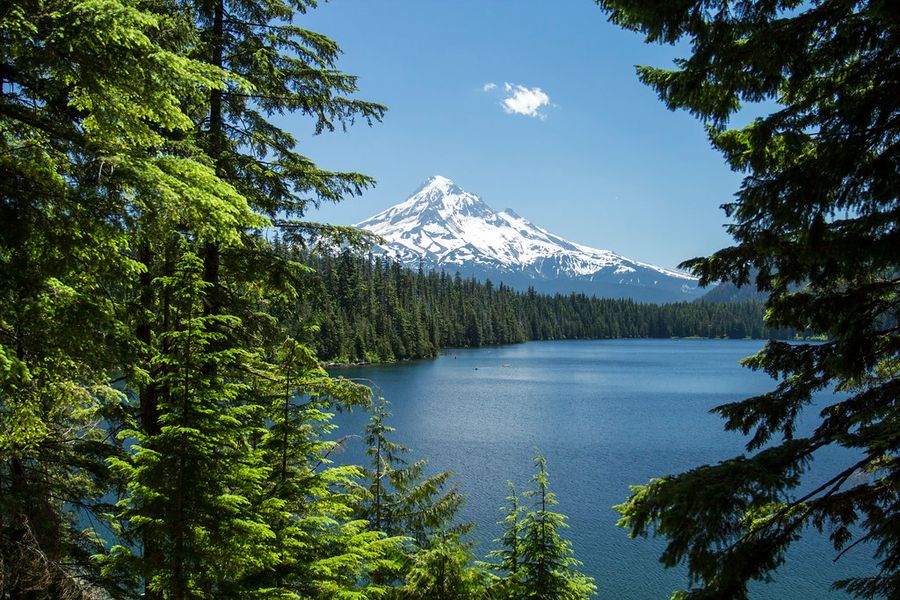
Hood River sits directly along the Columbia River, giving windsurfers, boaters, and anglers genuinely easy access to the water right from town. To the west, the river canyon cuts dramatically into the surrounding rock, creating a spectacular gorge up to 4,000 feet deep and laced with waterfalls, while Mount Hood towers to the south, an active stratovolcano offering hiking, biking, and skiing across its slopes depending on the season.
Local outdoor outfitters throughout the area emphasize just how much variety a single visit can pack in, since a traveler could realistically go skiing on Mount Hood in the morning and sample local wine, beer, or cider in the afternoon, all without leaving the immediate area. Farm-to-table dining further rounds out the appeal, giving visitors a genuinely complete sense of the Columbia River Gorge’s agricultural and outdoor identity in a single trip.
Downtown Hood River anchors the whole experience, and historic buildings throughout the compact core house shops, eateries, and breweries well suited to an easy afternoon of wandering between outdoor adventures. The town’s central location along the gorge makes it a genuinely convenient base for day trips in multiple directions, whether that means heading toward the mountain or exploring further along the river itself.
Visitors planning a trip around a specific outdoor activity should check seasonal conditions carefully beforehand, since wind sports, skiing, and mountain biking all depend heavily on the time of year they choose to visit. Booking accommodation well ahead during peak summer windsurfing season also helps, since Hood River’s reputation among windsurfers has grown considerably over the years. Few towns in the region pack this much genuine variety, from volcano views to wine tasting, into such a compact, walkable downtown core. Visitors specifically interested in windsurfing should check wind forecasts before committing to a specific day, since conditions along the gorge can shift considerably. Layered clothing also helps considerably, given how much temperatures can swing between the river and the mountain.
Charles Knowles / Flickr (CC BY 2.0)
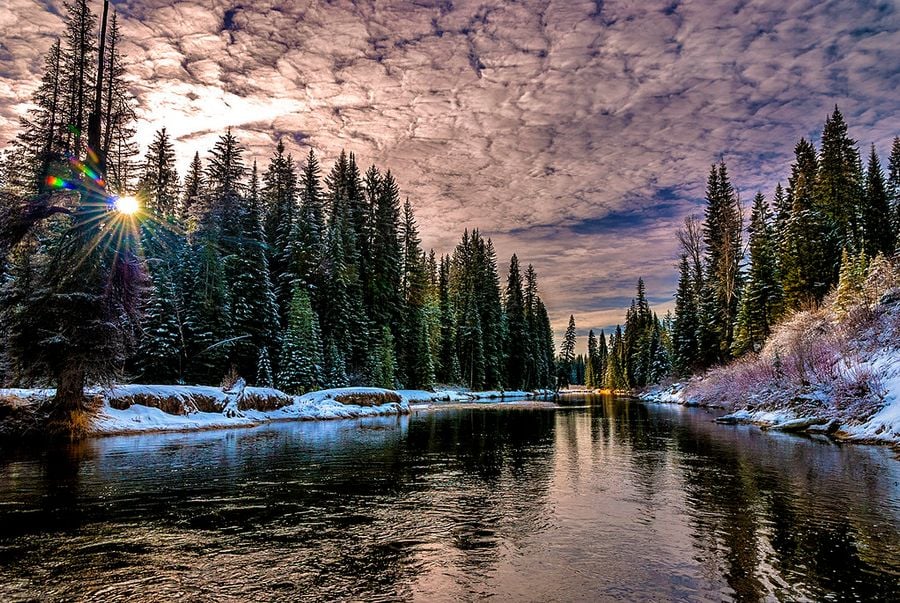
Life in McCall revolves almost entirely around the outdoors, and the town offers boating on Payette Lake throughout the summer, along with skiing once winter sets in, plus biking, hiking, cross-country skiing, and snowshoeing, depending on the season. Long daylight hours and cold, clear water define the lake experience throughout the warmer months, giving visitors genuine flexibility in how they spend a day on or near the water.
Contrary to any assumption that McCall shuts down outside the peak summer season, the town maintains a genuinely active calendar year-round, and winter in particular delivers a strong ski scene centered on nearby Brundage Mountain Resort. Fall might actually represent the town’s best-kept secret for travelers who prefer a quieter pace, since crowds thin considerably once the summer boating season winds down.
Downtown McCall offers a genuinely walkable mix of restaurants and shops, including spots with outdoor patios overlooking the lake, giving visitors a relaxed way to end a day outdoors. This lakeside dining scene adds a genuinely social dimension to a town otherwise built around solo or small-group outdoor recreation throughout most of the year.
Travelers $TRV specifically drawn to a quieter, less crowded version of lake-town life should strongly consider visiting during the fall shoulder season, when McCall retains its outdoor appeal without the peak-summer boating traffic. Winter visitors focused on skiing should book Brundage Mountain lodging well in advance, since the resort’s reputation continues to draw a growing number of visitors each season. Few lake towns anywhere in Idaho manage to stay this genuinely active across every single season of the year. Visitors renting equipment locally should book in advance during the busiest summer weekends, as demand for boats and kayaks climbs considerably during peak season. Layered clothing also helps considerably, given how quickly mountain weather can shift throughout the day. A reusable water bottle also helps on longer summer hikes near the lake. Sunscreen genuinely helps, too, given how strong the sun can feel at this elevation.
Daniel Akselrod / Unsplash
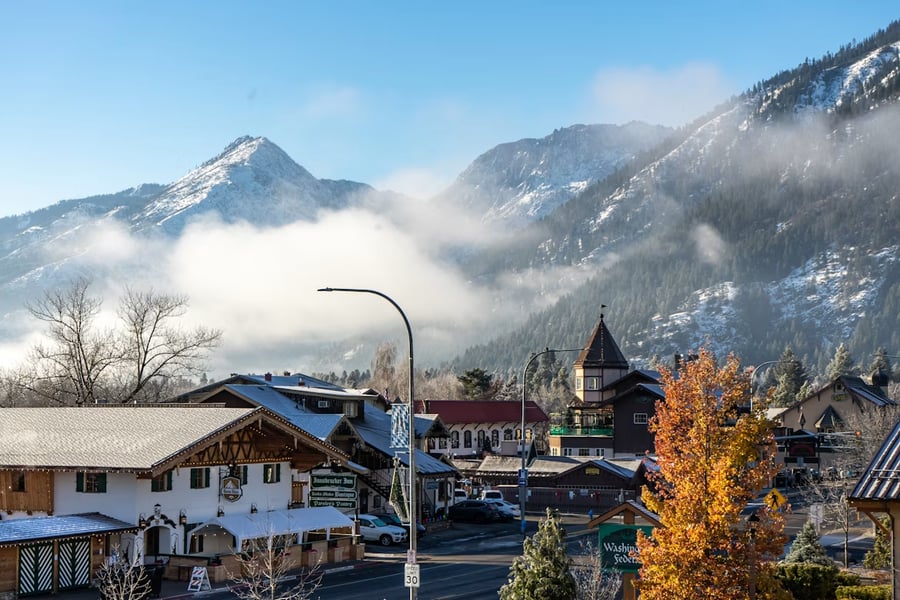
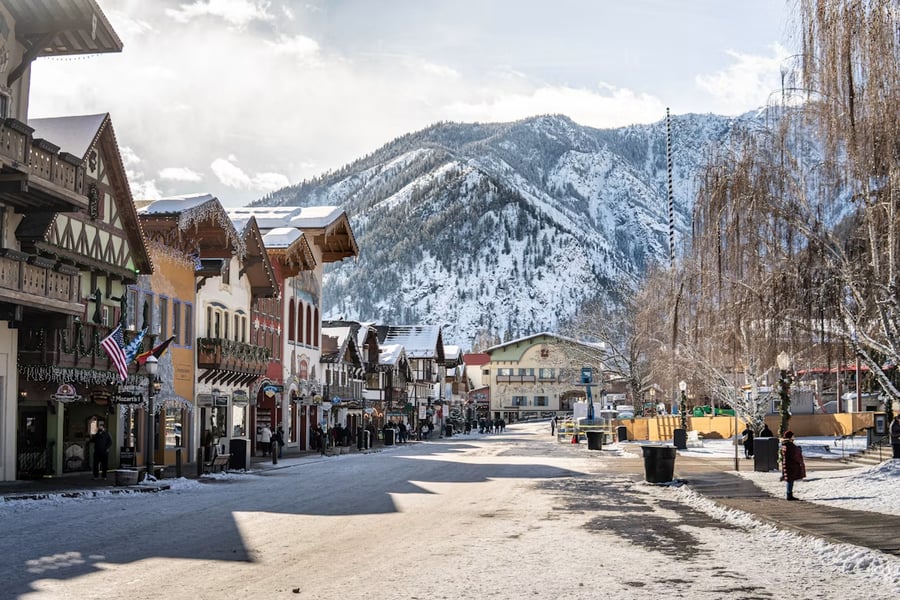
Tucked into the Cascade Mountains far from Washington’s coastline, Leavenworth is best known for its Bavarian-style architecture, which creates a genuinely rare European atmosphere in the middle of Central Washington. Waterfront Park, where ospreys and eagles nest, extends the town’s appeal well beyond its themed downtown core, and nearby ski areas and wineries round out a genuinely varied set of day-trip options for visitors staying in town.
Summer specifically opens up access to some of Washington’s best hiking opportunities, along with river rafting through the surrounding mountains, giving warm-weather visitors plenty of outdoor activities beyond simply admiring the town’s distinctive architecture. This seasonal shift transforms Leavenworth from a purely scenic stop into a genuine outdoor adventure base for several months each year.
Winter turns Leavenworth into a genuinely different kind of destination, and the town becomes a standout, specifically once the holiday season arrives, drawing crowds for elaborate holiday light displays alongside sledding, Nordic skiing, and snowshoeing throughout the surrounding hills. Few other towns on this list transform this dramatically between seasons, giving repeat visitors a genuinely different experience depending on when they choose to return.
Travelers $TRV planning a winter visit specifically around the holiday lights should book accommodation well in advance, since this particular season draws some of the town’s largest crowds of the entire year. Visitors hoping to combine the Bavarian architecture with genuine outdoor adventure should consider a summer trip instead, pairing a walk through downtown with a rafting trip or hike through the surrounding Cascades. Few towns anywhere in Washington transform this dramatically between seasons while keeping their core identity intact year-round. Visitors planning a summer rafting trip should book with a local outfitter well ahead, since the most popular river routes fill quickly. Comfortable walking shoes also help considerably, given how much of downtown is best explored on foot. A reusable water bottle also helps on longer hikes into the surrounding mountains. Sunscreen helps too.
Nils Huenerfuerst / Unsplash
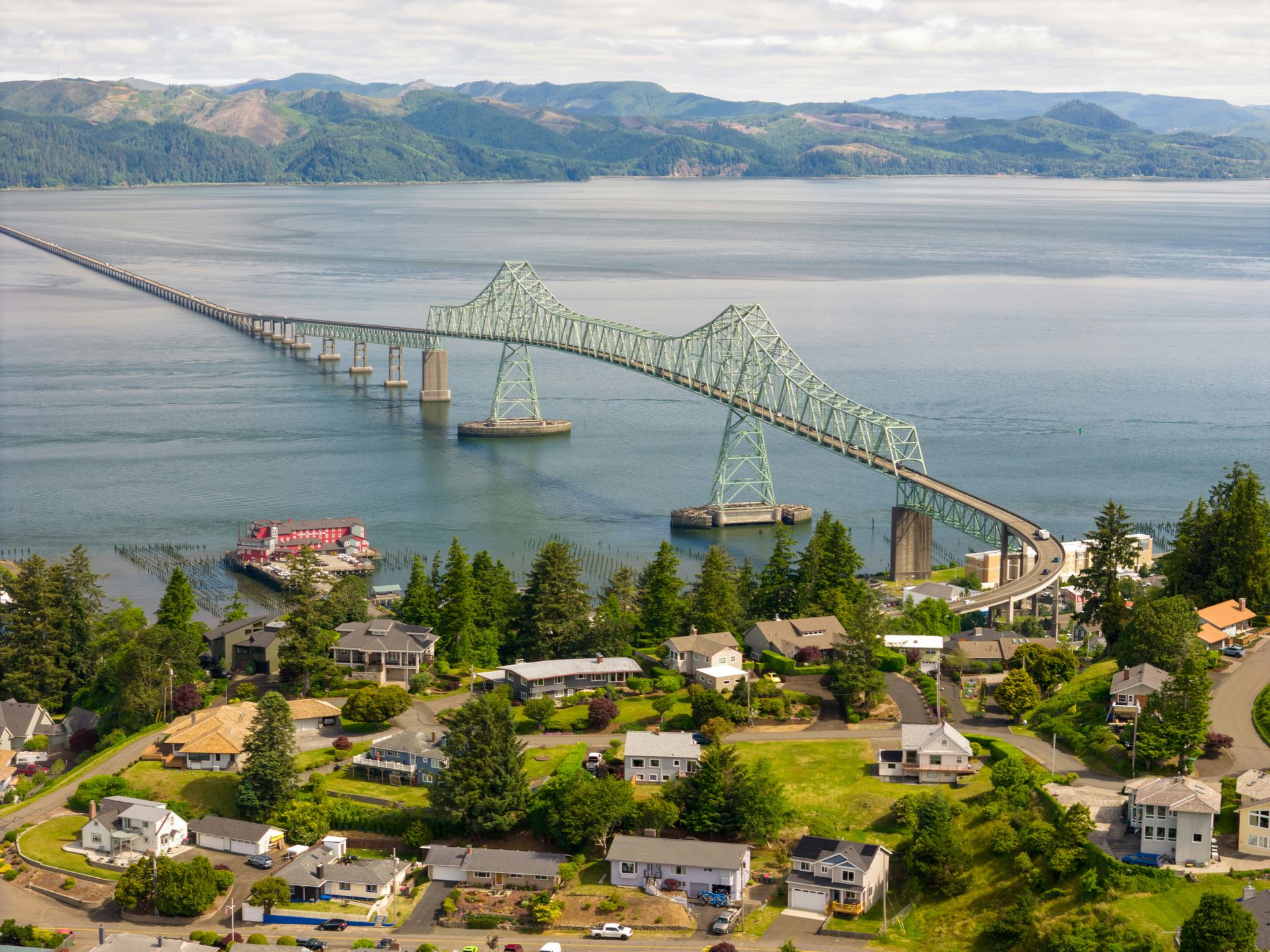
Astoria sits precisely where the Columbia River meets the Pacific Ocean, and the town blends a charming mix of Victorian-era homes with a genuinely working waterfront that gives it an authentic fishing-village feel rather than a manufactured tourist version. A long riverwalk runs directly along the water, offering easy access into the heart of downtown, which stays lined with breweries, galleries, and restaurants serving the day’s fresh catch.
Astoria’s character shifts noticeably between seasons, running charmingly sleepy through winter before genuinely coming alive each summer as the unofficial hub of Oregon’s North Coast. Fine dining, lively bars, and hidden secondhand shopping gems throughout town give visitors plenty of reasons to linger beyond a quick photo stop at the town’s famous riverfront.
Coffee shops, upscale restaurants, and antique stores scattered throughout downtown give visitors a genuinely varied way to spend an afternoon between outdoor stops along the coast. Local recommendations consistently point toward a small cluster of downtown spots for coffee, fine dining, and antiquing, giving first-time visitors an easy starting point for exploring the town’s compact core.
Travelers $TRV visiting during the off-season should expect a noticeably quieter, sleepier version of Astoria compared with the lively summer months, which some visitors specifically prefer for the reduced crowds. Booking dinner reservations ahead of time during the peak summer season helps considerably, since Astoria’s best-known restaurants draw steady demand from both locals and visiting travelers throughout the busiest months. Few coastal towns in Oregon balance a genuinely working waterfront with this much visitor-friendly dining and shopping within the same compact downtown. Visitors interested in the town’s maritime history should also visit the Columbia River Maritime Museum, which adds real depth to a walk along the riverfront. A light rain jacket also helps considerably, since coastal weather here can shift quickly even in summer. Comfortable shoes also help considerably, given how much of the riverwalk rewards a slow, unhurried pace. A hat genuinely helps too, especially on longer summer days spent out on the open water under direct sun.
Steven Pavlov / Wikimedia Commons (CC BY-SA 3.0)
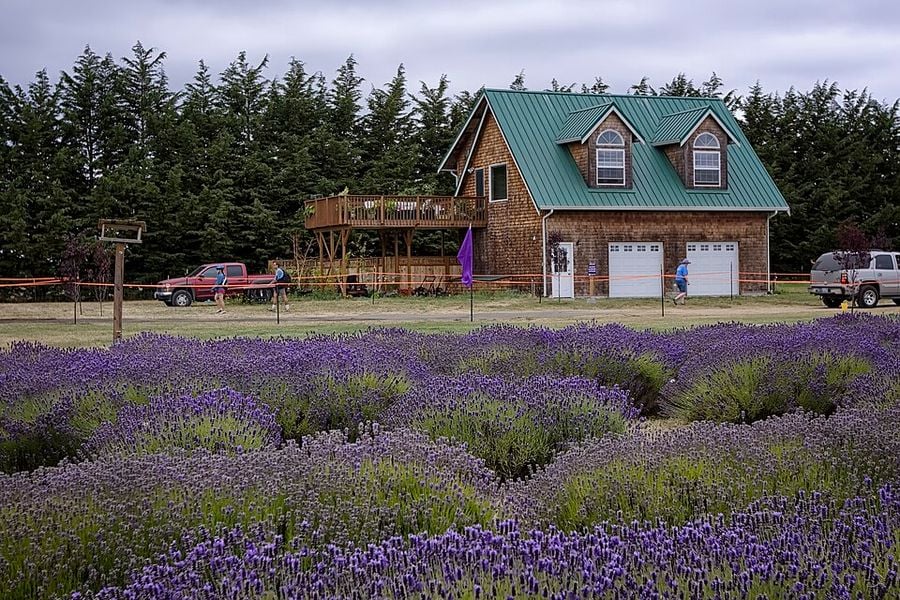
The Olympic Peninsula ranks among the most beautiful corners of the entire Pacific Northwest, and Sequim occupies one unusually sunny nook within it, sitting directly in the rain shadow of the Olympic Mountains. Beyond its reputation for unusually sunny days, the town holds lovely lavender fields set against a dramatic mountain backdrop, giving it a genuinely distinct identity compared with the region’s typically rainier reputation.
Sequim’s location between the mountains and the sea gives residents and visitors alike genuinely easy access to both landscapes in a single short drive. Hiking, skiing, surfing, kayaking, biking, and farming all remain closely woven into daily life throughout the area, reflecting just how directly the region’s natural surroundings shape everyday routines for the people who actually live there.
Family-owned lavender farms throughout the area, including working farms open to visitors, offer travelers a genuinely hands-on way to experience the crop closely associated with the town’s identity. Visiting during the lavender bloom, typically in July, rewards travelers with sweeping fields of purple set against the mountain backdrop that defines much of the area’s scenery.
Travelers $TRV hoping to time a visit around peak lavender season should plan for early to mid-July specifically, since bloom timing can shift slightly from year to year depending on weather conditions. Visitors interested in combining a farm visit with genuine outdoor recreation should build in time for both, since Sequim’s appeal rests equally on its agricultural charm and its easy access to mountains and coastline alike. Few towns in the Pacific Northwest offer this much reliable sunshine alongside such genuinely easy access to both mountains and coastline. Visitors combining a farm visit with a coastal or mountain excursion should plan the driving time carefully, since distances between stops add up quickly. Sun protection also helps considerably, since Sequim’s dry, sunny climate differs noticeably from the surrounding rainier region. A wide-brimmed hat also helps considerably during a full day spent walking the lavender fields.
Mythtown / Wikimedia Commons (CC BY-SA 4.0)
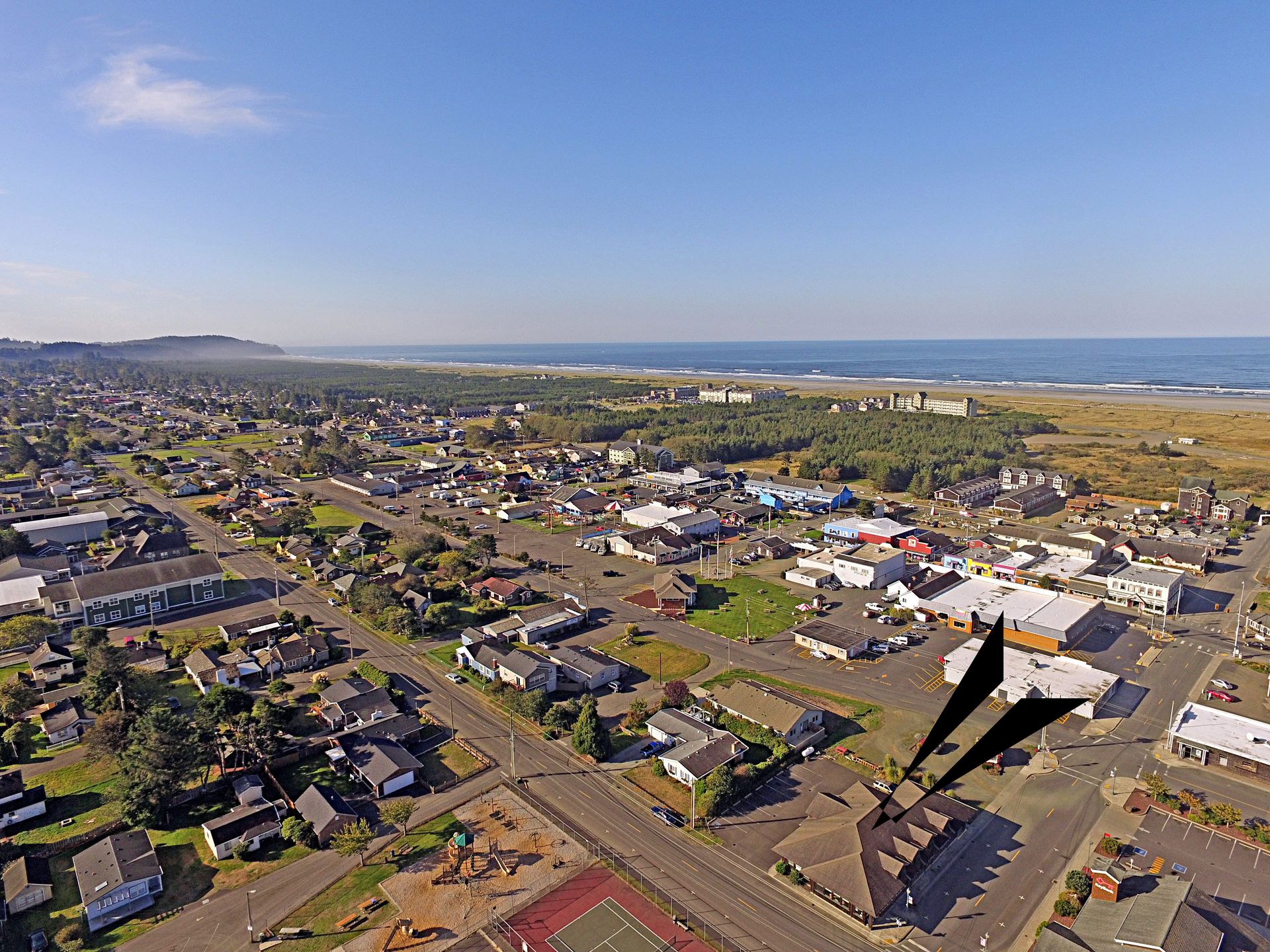
Just north of Astoria, the tiny town of Long Beach, Washington, sits along one of the longest continuous beaches found anywhere in the United States. Nearly everything in town revolves around the ocean and the sandy shore itself, and essential stops include the North Head Lighthouse at Cape Disappointment State Park alongside the scenic Discovery Trail, which traces the shoreline for miles.
Downtown Long Beach holds a genuinely fun mix of shops and family-friendly activities, though the wider peninsula retains a spacious, uncrowded feel that stays consistently relaxed even during busier stretches of summer. This pairing of a lively small downtown and a genuinely open, uncrowded peninsula gives Long Beach a distinct character compared with more densely packed coastal towns elsewhere in the region.
Fresh-shucked oysters rank among the town’s essential food experiences, reflecting the broader seafood culture that defines much of the Long Beach Peninsula’s identity. Visitors specifically interested in local seafood should build time into their trip for a proper oyster tasting, since the region’s oyster farming has genuinely shaped much of the local economy and culinary identity for generations.
Travelers $TRV planning a visit around kite-flying or beach activities should check wind conditions beforehand, since the exposed, open shoreline that makes Long Beach so appealing for these activities also means weather can shift quickly. Visiting the lighthouse and Discovery Trail earlier in the day tends to offer calmer conditions before afternoon winds typically pick up along the coast. Few coastal towns in Washington offer this much open shoreline access while still keeping a genuinely lively, walkable downtown nearby. Visitors planning a kite-flying trip specifically should check the calendar for the town’s annual kite festival, which draws enthusiasts from across the region. A warm layer also helps considerably, since coastal wind can make afternoons feel cooler than the forecast suggests. Sturdy footwear also helps considerably, given how much sand and driftwood line the open shoreline. A hat helps too.
Backroad Packers / Unsplash
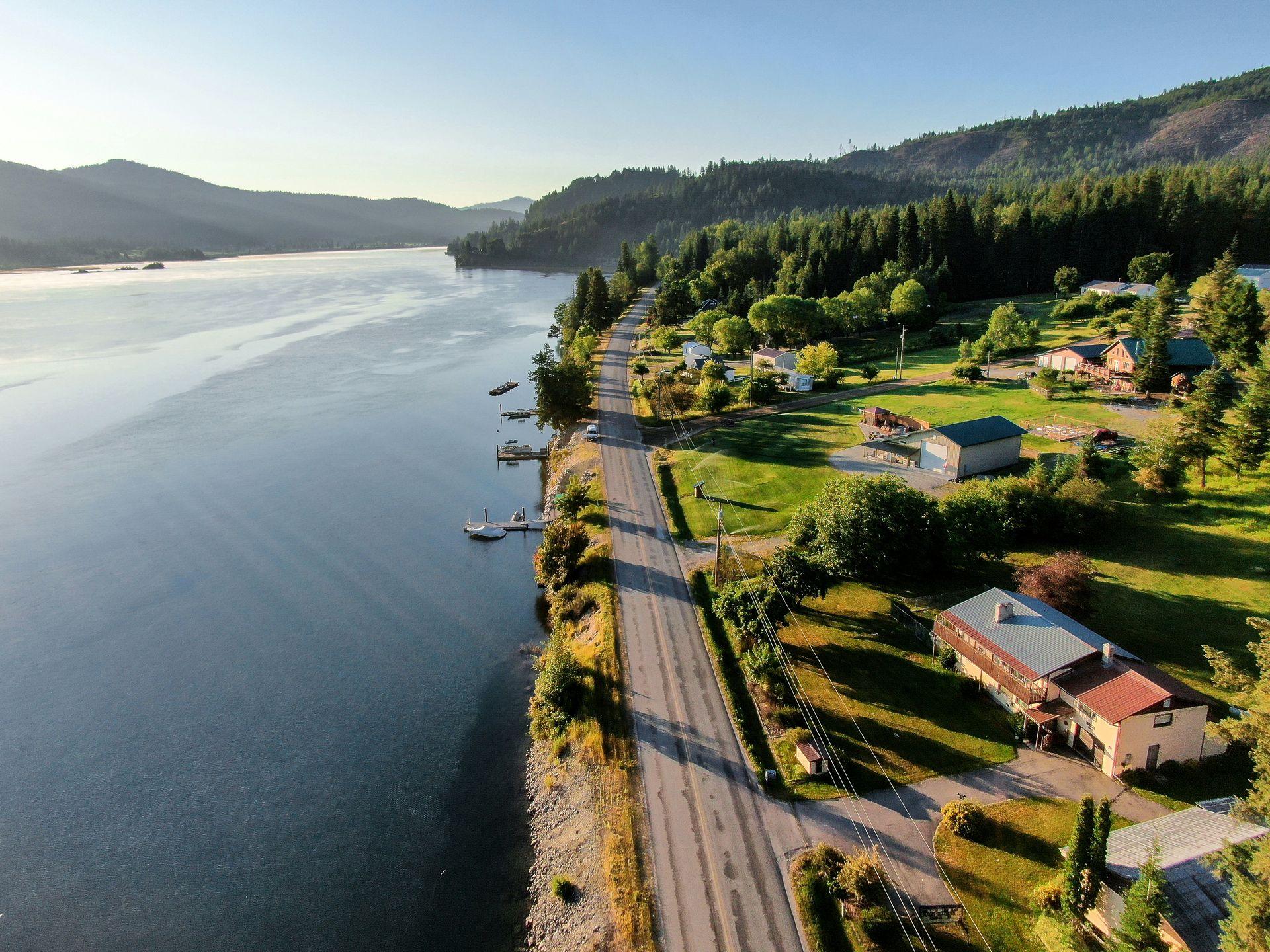
Water reigns supreme throughout Sandpoint, positioned directly around the shore of Lake Pend Oreille, Idaho’s largest lake, offering essentially endless boating, fishing, and kayaking opportunities. Visitors can spend entire days playing in the water at Sandpoint City Beach or rent a pontoon or motorboat for a dedicated day of waterskiing across the lake’s open water.
A genuinely different kind of skiing waits at neighboring Schweitzer Mountain Resort, which offers sweeping views directly over Lake Pend Oreille from its slopes, giving winter visitors a scenic payoff alongside the actual skiing itself. This pairing of lake recreation in summer and mountain skiing in winter gives Sandpoint genuine year-round appeal instead of a single, narrow high season.
Between outdoor adventures, Sandpoint’s genuinely walkable downtown features more than 40 restaurants and an ongoing calendar of events, giving visitors plenty to explore without needing a car to get around. This density of dining options within a relatively small town gives Sandpoint a genuinely surprising range of food choices for its overall size.
Travelers $TRV planning a winter ski trip to Schweitzer should book lodging well ahead during peak holiday weeks, since the resort’s lake views have helped it build a steadily growing following among skiers throughout the region. Visitors focused on summer lake activities should also reserve boat rentals in advance, particularly during the busiest stretches of July and August. Few towns of this size anywhere in Idaho offer this many restaurants alongside such genuinely easy access to both lake and mountain recreation. Visitors planning a summer boating trip should book rentals well ahead, since demand for pontoons and motorboats climbs considerably during the busiest weeks. Sun protection also helps considerably, given how much time visitors spend out on the open water. A reusable water bottle also helps on longer days spent out on the water. A hat genuinely helps too on sunny, bright days, especially during long afternoons spent out on the open water under direct summer sun.
JimPetkiewicz / Unsplash
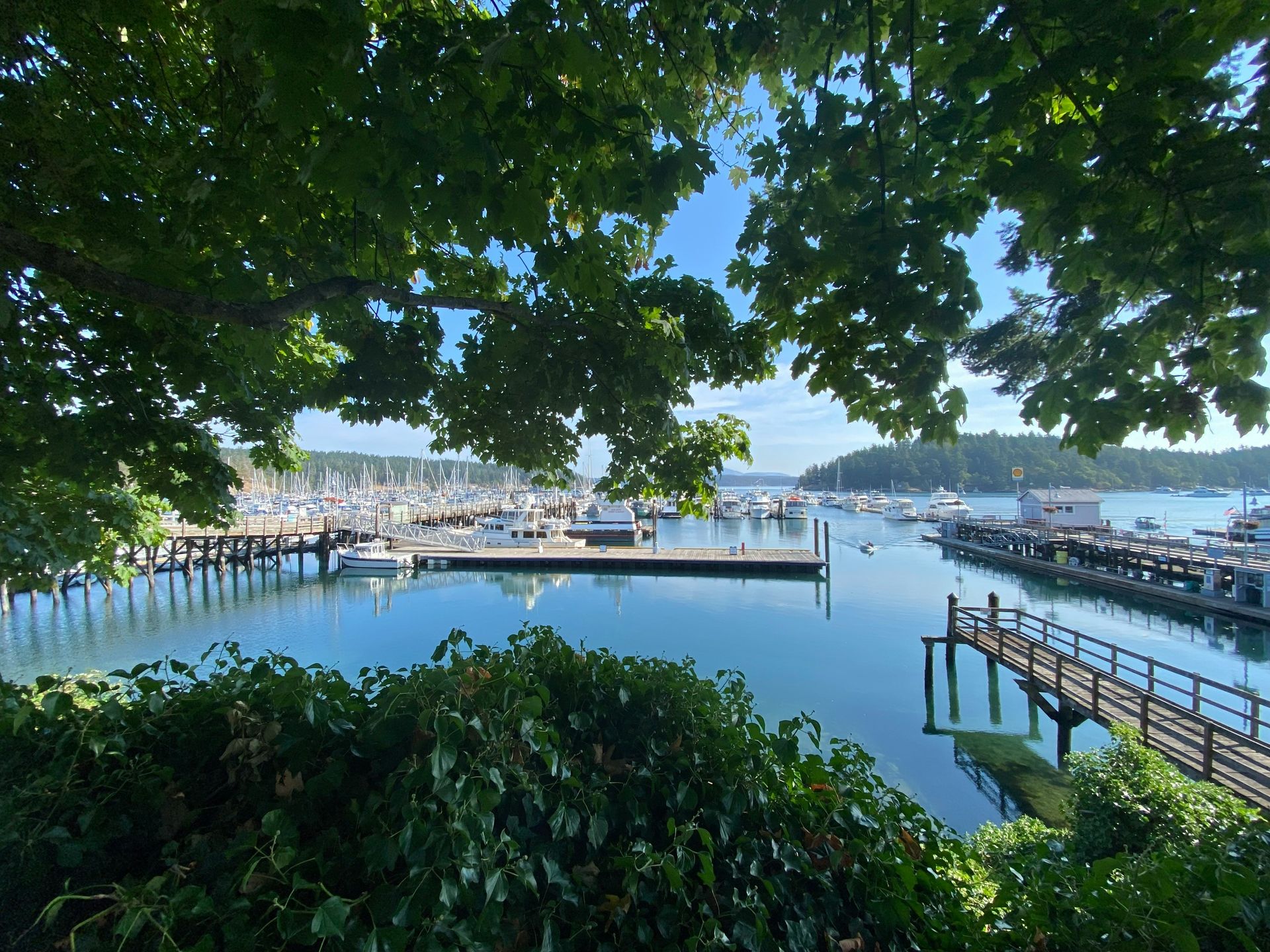
Friday Harbor sits at the heart of the San Juan Islands, a region renowned for reliable whale sightings and a deep maritime culture that shapes much of daily life across the islands. Part of the town’s charm comes directly from its relative inaccessibility, since reaching Friday Harbor requires a ferry, private boat, or plane, a logistical hurdle that keeps the town noticeably quieter than more easily reached destinations.
Once visitors actually arrive, they find a small town still genuinely free of franchise chains, filled instead with independent shops, restaurants, a local brewery,, and farm stands, alongside hiking, kayaking, and whale watching that draw so many visitors in the first place. This combination lets visitors slow down considerably while still packing a genuinely full range of experiences into even a short stay.
Whale watching ranks among the single biggest draws for visitors specifically, and the surrounding waters support a genuinely rich ecosystem beyond whales alone, including numerous bird species and other marine mammals visible from parks scattered along the island’s shoreline. Local tour operators specializing in whale watching have developed genuine expertise in navigating these waters across the changing seasons.
Travelers $TRV hoping to see whales specifically should research seasonal sighting patterns before booking a tour, since different whale species pass through the region at different times throughout the year. Booking ferry tickets well in advance during the peak summer season also matters considerably, since the limited ferry schedule can fill up quickly during the islands’ busiest travel months. Few towns in the Pacific Northwest reward the extra effort of reaching them quite as consistently as Friday Harbor does for visitors willing to take the ferry. Visitors traveling without a vehicle should carefully confirm ferry schedules in advance, as service frequency varies noticeably by season. A warm layer also helps considerably, since temperatures out on the water tend to run cooler than on land. Binoculars also help considerably for spotting wildlife from the island’s many shoreline parks.
Caleb Jack / Unsplash
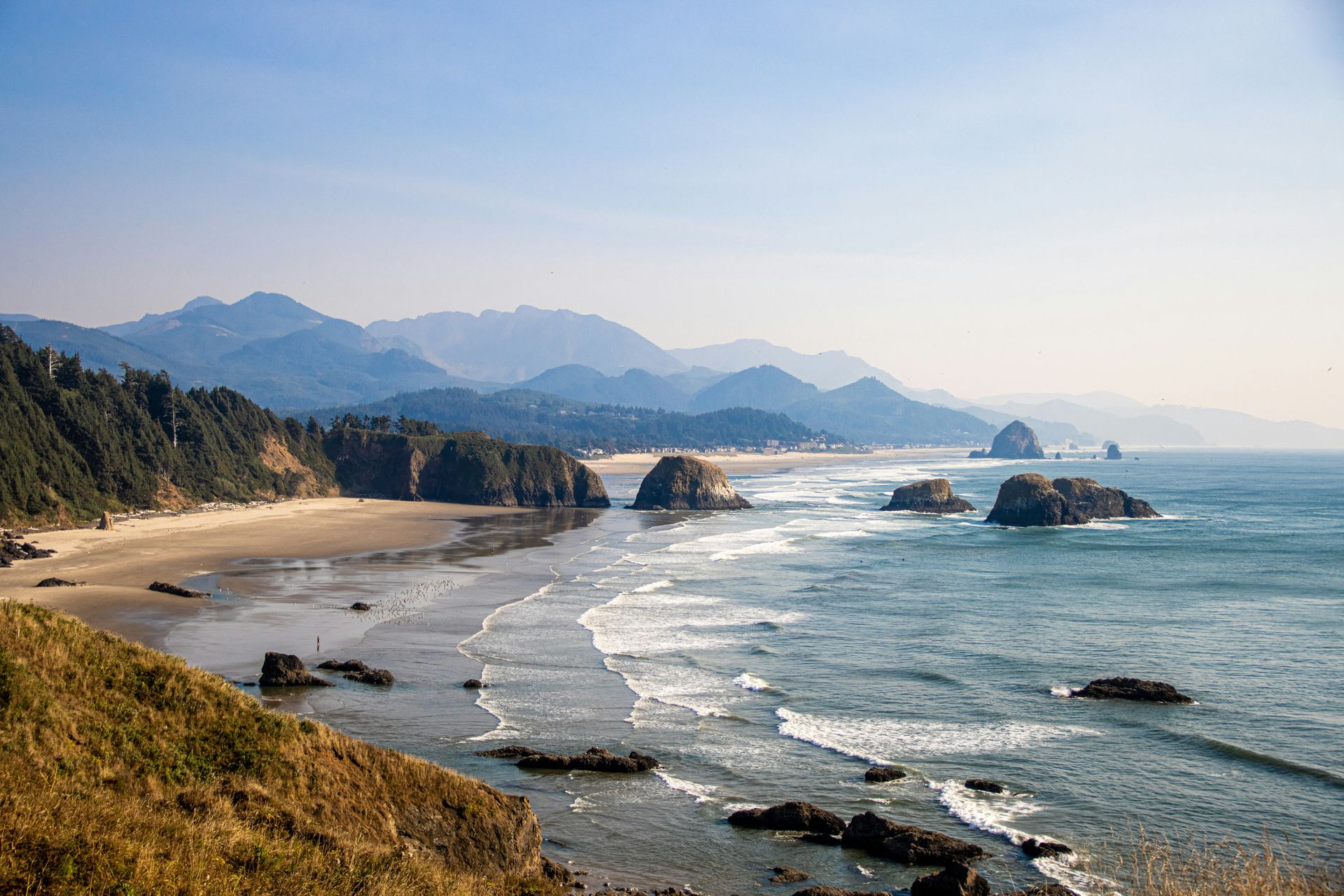
Haystack Rock, jutting dramatically out of a long, sandy beach along the Pacific coastline, ranks among Oregon’s most photographed sites, and the tiny coastal town of Cannon Beach sits just inland from it. Home to just over 1,500 residents, the town holds a genuine concentration of locally owned businesses, and Ecola State Park sprawls just to the north, offering sweeping ocean views, access to quiet coves, and plenty of hiking trails for visitors staying in the area.
Cannon Beach’s stunning coastline and rugged natural beauty draw visitors initially, but the town’s genuinely walkable downtown, filled with art galleries, luxury lodging,, and dining that showcase the broader bounty of Pacific Northwest ingredients, tends to keep them exploring well beyond the beach itself. This blend of natural drama and genuine village charm gives Cannon Beach a rare mix of qualities among Oregon’s coastal towns.
Visitors specifically drawn to Haystack Rock should plan their visit around low tide, when tide pools around the rock’s base become accessible and reveal a genuinely rich array of intertidal marine life. Timing a visit this way transforms a simple photo stop into a considerably richer experience for travelers interested in coastal ecology as well as the scenery itself.
Booking accommodation well in advance during peak summer months matters considerably in Cannon Beach, since the town’s small size and genuine popularity mean rooms fill quickly throughout the busiest parts of the year. Visitors hoping for a quieter experience should consider visiting during the shoulder seasons, when the coastline remains just as dramatic without the summer crowds. Few towns along the Oregon coast combine this much natural drama with such a genuinely walkable, art-filled downtown within easy reach of the beach. Visitors specifically interested in tide pool exploration should check tide charts before their trip, since low tide windows shift considerably from day to day. A light jacket also helps considerably, since coastal wind can make even a sunny afternoon feel cooler than expected.