From beef noodle soup born of civil war homesickness to bubble tea invented at a Taipei roadside stand and now exported worldwide
meilin zhou / Unsplash
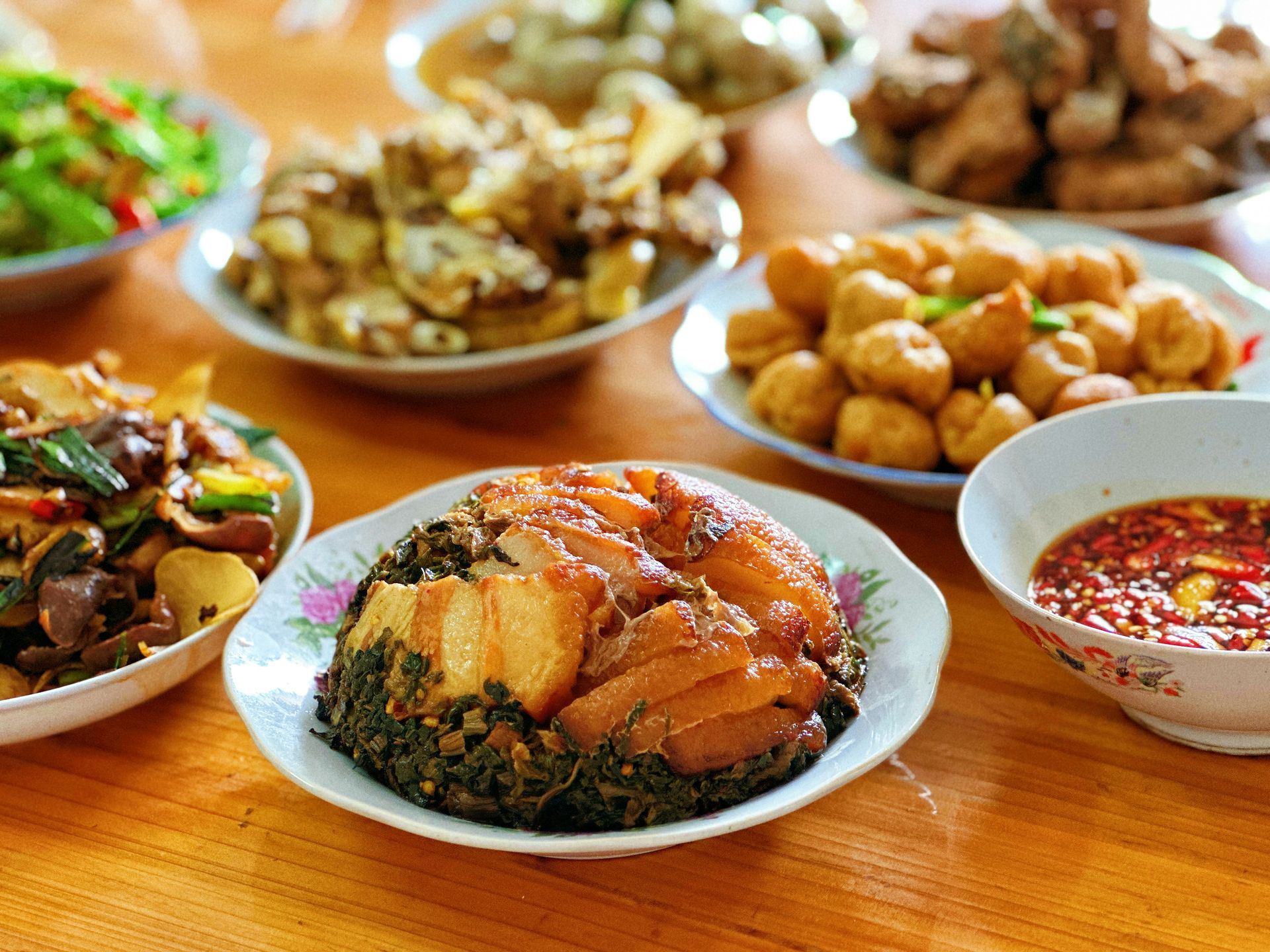
Taiwan’s food culture operates on a principle that most culinary destinations pay lip service to but rarely achieve: the best food is rarely in the most expensive restaurant. The xiao chi tradition, whose name translates as “small eats,” gives the street food stall and the night market cart the same cultural prestige as the tasting menu restaurant, and the family-run stalls that fry, grill, or steam one or two dishes to absolute perfection are the institutions that define what Taiwanese food actually is. The island draws on Chinese Fujian, Cantonese, and Hakka culinary traditions as its foundation, then layers Japanese colonial influence, indigenous Formosan ingredients, and a specific Taiwanese improvisational creativity on top of them to produce a food culture that resembles its influences without being reducible to any of them.
The night market is the format that gives the xiao chi tradition its most concentrated single expression: dozens of vendors under bare bulbs, each running their own family operation, serving cheap and specific street food from oyster omelets to stinky tofu to shaved ice to scallion pancakes. Taiwan has its own beef noodle soup festival. It invented bubble tea and exported it worldwide. Din Tai Fung, whose xiaolongbao soup dumplings began on Xinyi Road in Taipei in 1972, now operates over 170 branches worldwide. The country’s indigenous Formosan peoples, representing 16 officially recognized groups, have their own mountain and forest cuisine whose wild boar, bamboo-tube rice, and millet wine give the island a food dimension that the Han Chinese culinary tradition does not encompass.
The 10 foods and drinks below appear in Lonely Planet, covering Taiwan’s most essential eating and drinking experiences from street corners to family restaurants. The 10 items below span the full range of Taiwan’s food culture, from the national dish and the globally exported drink to the indigenous mountain cuisine whose ingredients come from forests and habitats that no restaurant supply chain can access.
Charles Chen / Unsplash
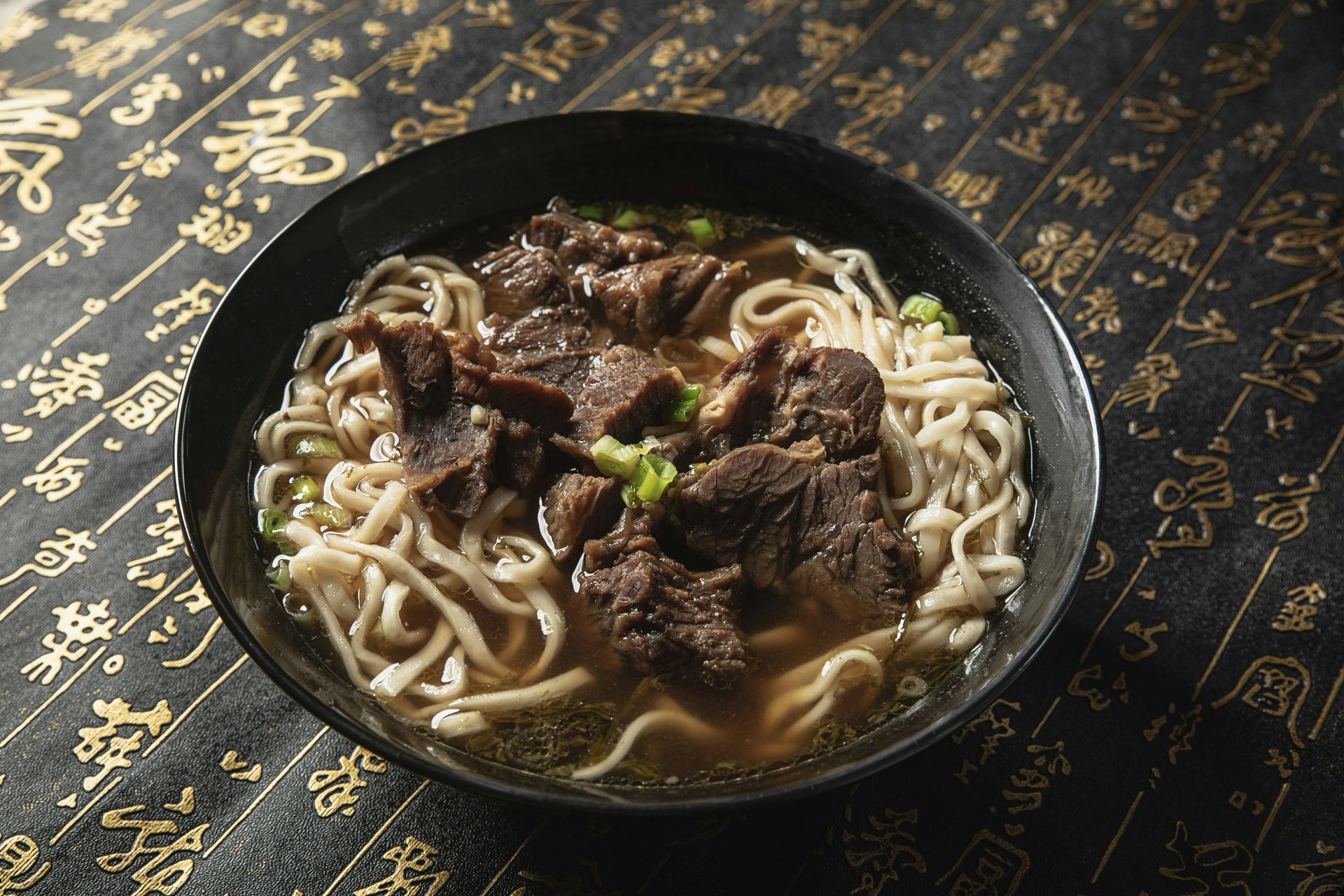
Taiwanese beef noodle soup gives the island its most beloved and culturally significant single dish: a bowl of braised beef and chewy wheat noodles in a slow-simmered broth with Sichuan spice and pickled mustard greens, whose specific flavor profile reflects the dish’s origin. The soup was created by veterans of China’s civil war who crossed to Taiwan carrying their regional recipes, and the homesickness embedded in the dish’s creation gives the broth a specific emotional weight that the food writing around niurou mian consistently acknowledges. The dish now has its own festival, has been credited with reversing a long-held cultural taboo on eating beef in Taiwan, and is the answer to the question of what to order first in Taipei.
The braised beef, whose slow cooking gives the broth its distinctive depth and whose tenderness provides the eating experience's most satisfying textural element, is the dish’s structural center, and the wheat noodles, whose chewiness gives the bowl its most characteristically Taiwanese starchy component, provide the soup's most practically sustaining element. The Sichuan spice gives the broth a warmth specific to the mainland Chinese regional cooking tradition that the civil war veterans brought with them, and the pickled mustard greens give the rich broth its acidic counterbalance, whose sharpness cuts the fattiness of the braised meat.
Yongkang Beef Noodles in Taipei gives the dish its most celebrated single address, and the daily queue that the restaurant maintains is a practical endorsement whose length reflects both the restaurant’s quality and the cultural seriousness with which Taipei takes the competition for the city’s best single bowl of niurou mian. The beef noodle soup’s status as a national dish gives it a specific competitive ecosystem specific to Taiwan: there is a dedicated beef noodle festival, a series of annual competitions whose judges rank the city’s restaurants by broth quality, noodle texture, and beef preparation, and a food journalist community whose annual best-bowl lists generate genuine public engagement equivalent to the restaurant criticism given to fine dining in other culinary cultures.
Jason Leung / Unsplash
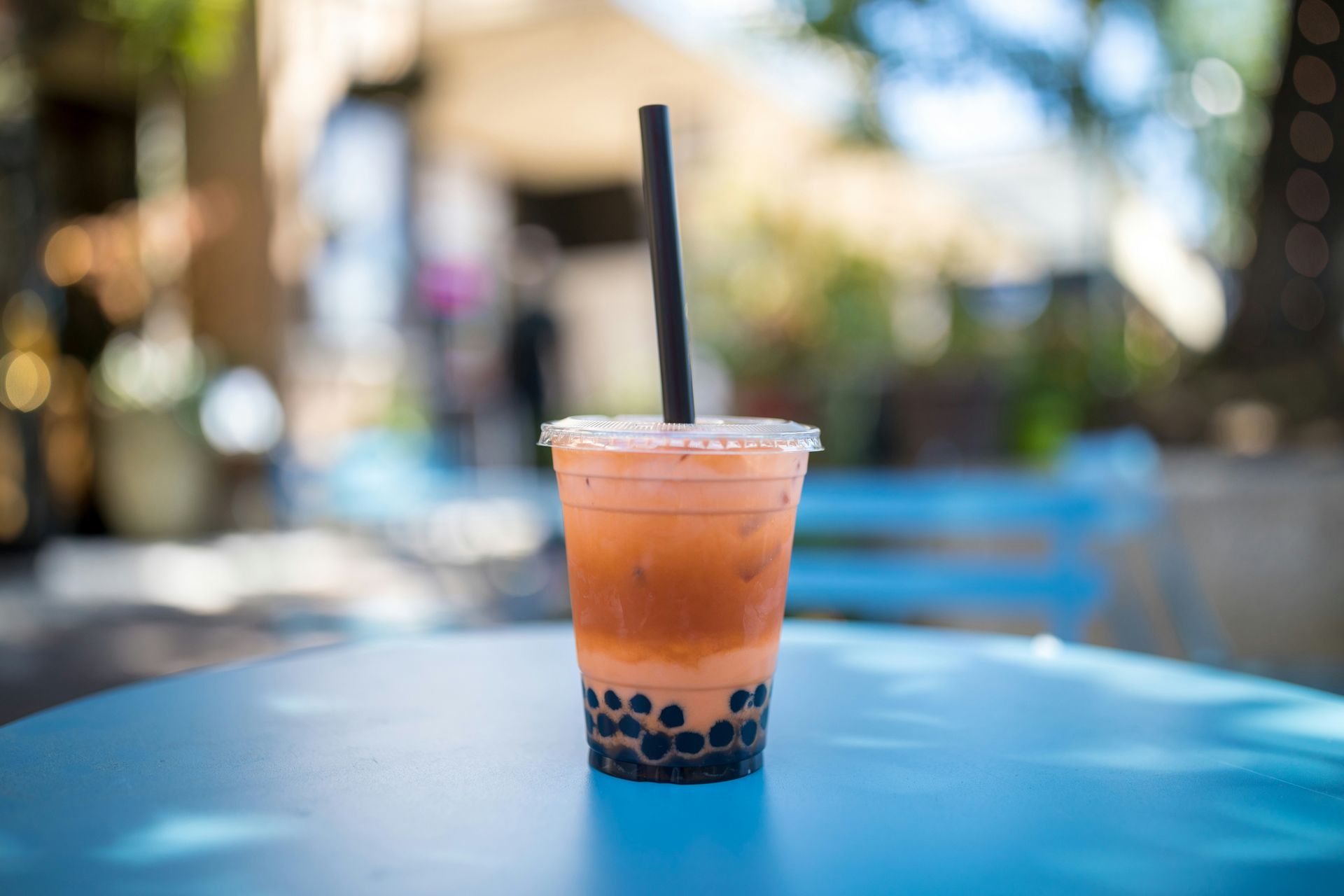
Bubble tea, known in Taiwan as boba cha or zhenzhu naicha, gives the island its most globally exported single food invention: a drink that began as a tea shaken with milk, ice, sugar, and chewy tapioca pearls at roadside stands in the 1980s and has since expanded into a worldwide beverage industry whose creative variations, blended fruits, pureed taro, sweet potato balls, and cheese foam toppings, give the original formula a creative range that the Taiwanese originator would not entirely recognize. The chewy tapioca pearls that give the drink its textural signature and its name, the “bubbles” of tapioca that rise through the extra-wide straw alongside the tea, are the element whose novelty in the global beverage landscape made bubble tea’s worldwide spread both rapid and culturally specific to Taiwan.
The cocktail-style shake over ice that precedes the pour gives the drink its most physically distinctive preparation moment, and the extra-wide straw whose diameter accommodates the tapioca pearls alongside the liquid gives the drinking experience its most specifically engineered single utensil. The drink’s current iteration in Taiwan has moved well beyond the classic milk tea base into a creative range whose competitive innovation among Taiwanese bubble tea operators offers visitors a different product landscape from the international chain versions that represent the export of the concept without the full creative energy of the Taiwanese original.
Chun Shui Tang in Taipei, credited as one of the drink’s originators, gives the bubble tea experience its most historically significant single address, and the comparison between the Chun Shui Tang version and the creative contemporary variations available throughout the city gives the serious bubble tea visitor a specific tasting itinerary specific to a drink whose development has been continuous and locally driven since its invention. The tapioca pearl’s specific chewiness, produced by the sweet potato starch processing that gives the sphere its gummy exterior and firm center, is the element that global imitators most frequently fail to replicate accurately, giving Taiwan-made boba its most immediately distinguishable single quality advantage over the international chain version.
Max Oh / Unsplash
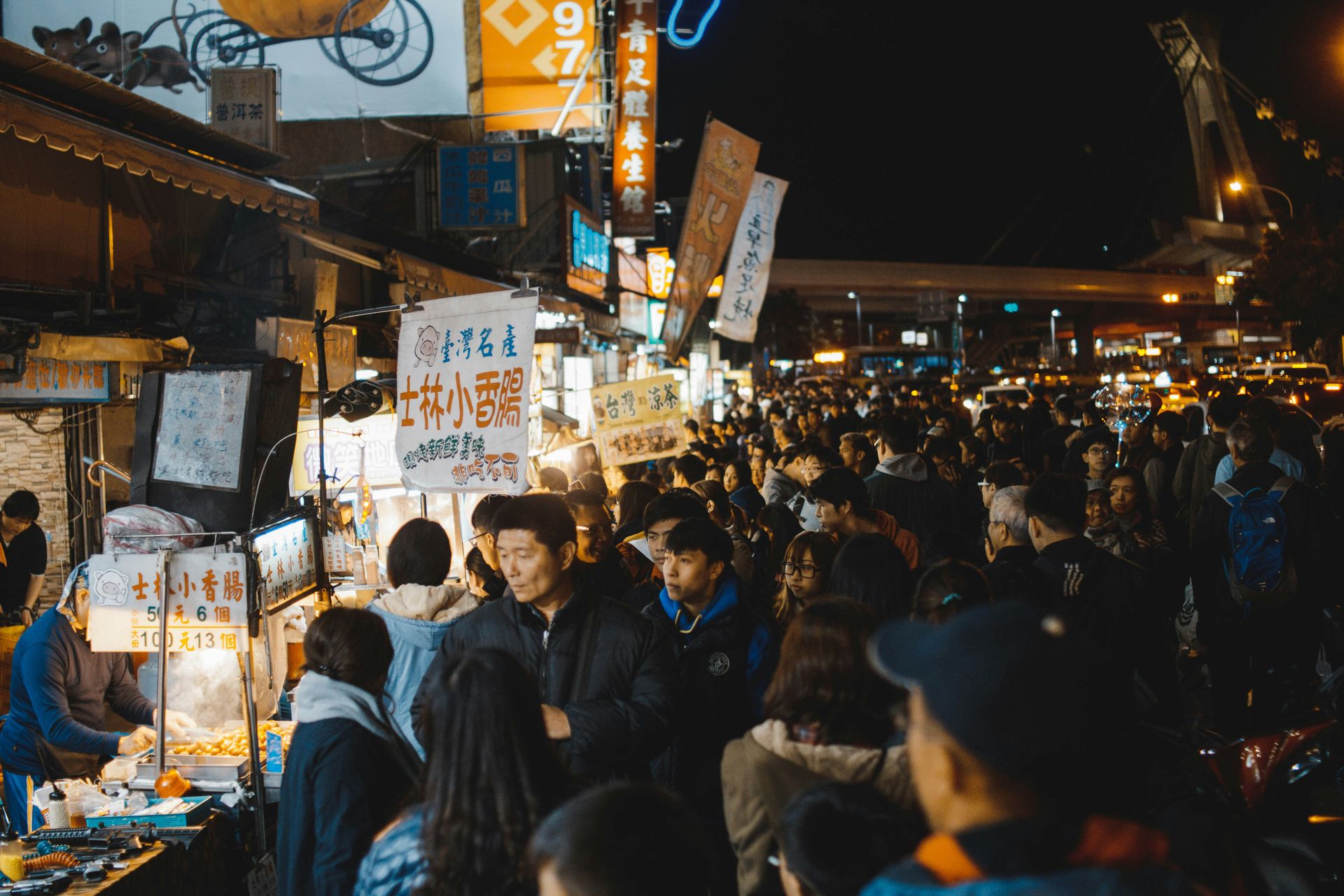
The Taiwanese night market gives the xiao chi tradition its most concentrated and most theatrically specific format: dozens of family-run stalls under bare bulbs selling cheap, specific, and deeply regional street food whose variety gives the market visitor a grazing itinerary specific to an island whose food culture has always valued the individual stall’s specific excellence over the all-things menu. The stinky tofu, whose fermented smell is as aggressively pungent as its English name suggests and whose flavor rewards the adventurous visitor with a complex, deeply savory experience, is the night market’s most polarizing and characteristically Taiwanese single-food encounter.
The oyster omelet, a gooey mixture of egg, oysters, and sweet potato starch paste whose slippery texture gives the dish a consistency unlike any other fried egg preparation, is the night market program's most specifically Taiwanese single omelet. The salt-crisp fried chicken tossed with basil leaves and five-spice gives the fried chicken format its most specifically aromatic and most herb-intensive single preparation. The shaved ice desserts topped with red beans, mango, taro balls, and sweet condensed milk give the sweet program its most refreshingly appropriate conclusion for a humid Taiwanese evening.
Miaokou Night Market in Keelung gives the night market experience its most recommended single address from the Lonely Planet article, and the market’s specific Keelung character, a port city whose food culture reflects the seafood-heavy northeastern Taiwanese diet, gives the Miaokou visitor a market whose food selection differs specifically from the Taipei night markets that most first-time visitors encounter. Shilin Night Market in Taipei, whose scale and tourist-friendliness make it the most visited single night market on the island, gives the first-time visitor the most accessible and most comprehensive single introduction to the format, and the Raohe Street Night Market gives the visitor who has already seen Shilin a smaller and more locally oriented alternative whose food selection differs from the Shilin circuit. Miaokou Night Market in Keelung, recommended by the Lonely Planet article, gives the visitor who travels beyond Taipei the most specifically port-city-inflected night market program on this list.
Amos K / Unsplash
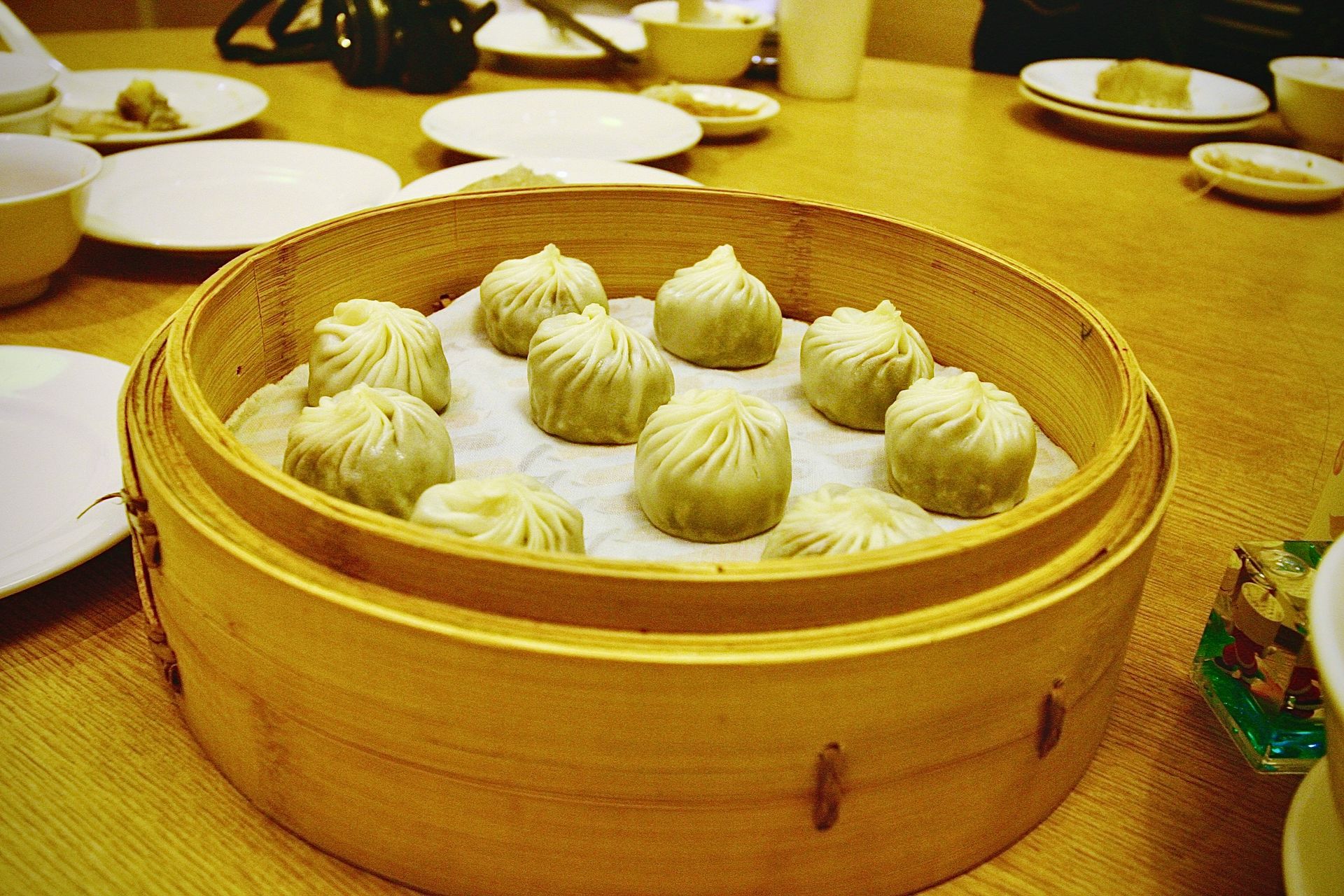
Din Tai Fung served its first steamer of hand-pleated xiaolongbao in Taipei in 1972, and the soup dumplings that the original Xinyi Road branch continues to produce have become one of the most internationally recognized single Taiwanese food exports: a steamed pork dumpling filled with soup whose specific construction, requiring a sealed skin thin enough to be translucent but strong enough to contain the liquid without breaking, gives the xiaolongbao its most technically demanding single manufacturing challenge. The Michelin star the brand earned in Hong Kong in 2010, not in Taipei but in the international market where its quality could be benchmarked against the world’s other soup dumpling producers, gives Din Tai Fung recognition as a specific comparative authority.
The 170-plus global branches give Din Tai Fung its most extensive restaurant network of any Taiwan-origin food brand, and the daily queues at the original Xinyi Road branch in Taipei give the original location its most practically significant endorsement: the visitors who queue daily at the source restaurant when the same chain’s branches are available in their home cities are making a specific pilgrimage whose motivation is the belief that the original version in the original location represents the standard against which the global branches are measured.
The wonton soup and the pork cutlet over egg-fried rice that appear alongside the xiaolongbao on the Din Tai Fung menu give the meal a broader Shanghai-style dining program beyond the dumplings, and the technical precision paired with simplicity of concept that defines the original Xinyi Road menu gives the restaurant its most enduring culinary credential: a kitchen that does a small number of things to the highest possible standard and does not expand the menu to the point where quality becomes uneven. The Xinyi Road branch’s physical condition, a street-level restaurant in a Taipei commercial neighborhood, not a mall or hotel setting, gives the original location its most specifically modest physical context, whose contrast with the global brand’s international prestige gives the first visit a specific surprise whose humility the worldwide reputation does not predict.
Soc Nang Dong / Unsplash
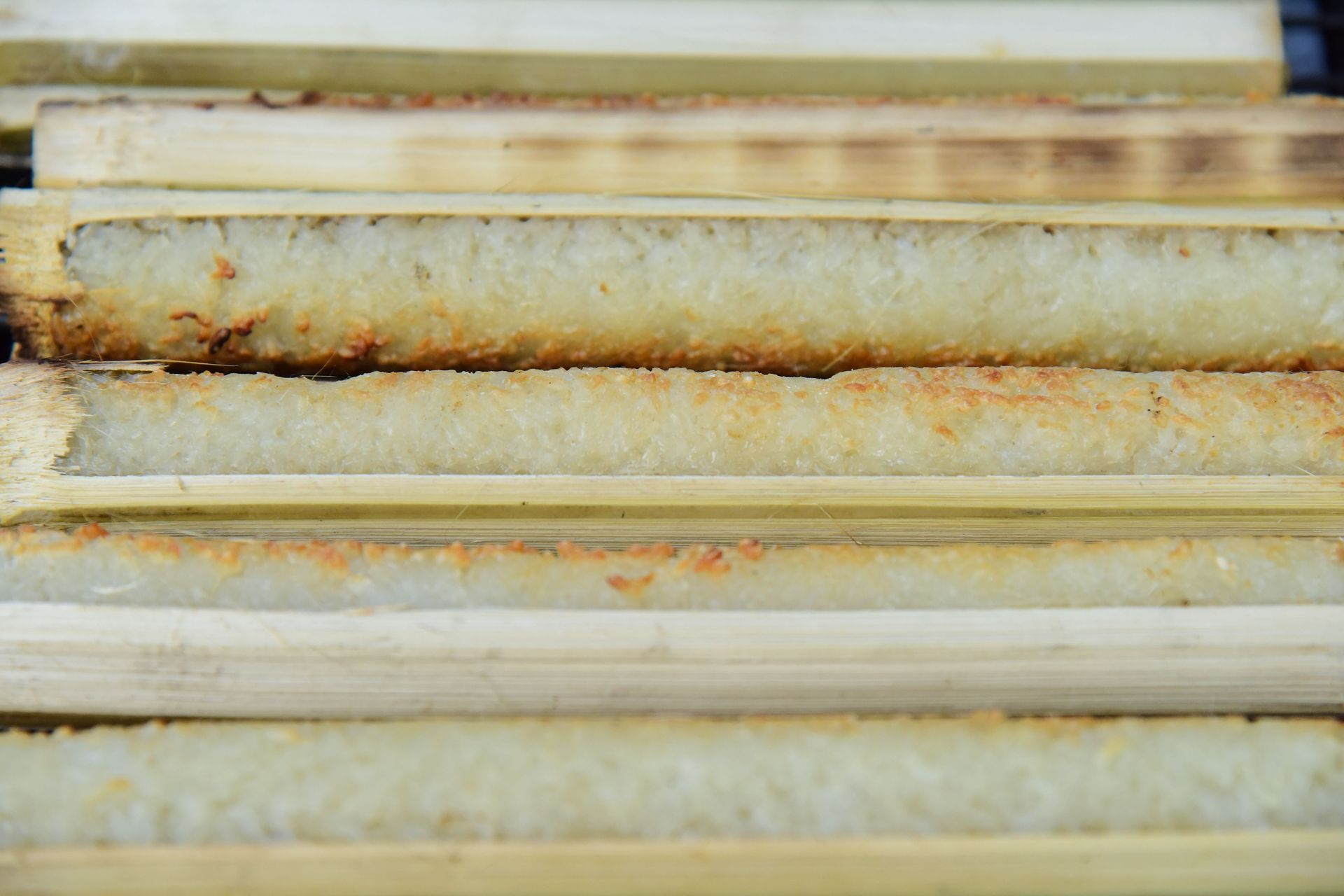
The indigenous Formosan cuisines, whose 16 officially recognized peoples give Taiwan’s population a diversity that the dominant Han Chinese cultural narrative consistently underrepresents, give the serious food visitor the island’s most distinctive and most culturally specific single food encounter. The mountain and forest ingredients whose foraged quality gives the indigenous kitchen its most specific character, wild boar with onions and greens, steamed rice stuffed into bamboo tubes, and millet wine whose ritual significance in tribal ceremonies gives the drink a cultural weight beyond its alcoholic content, represent a food tradition whose origins predate the Chinese settlement of Taiwan and whose continuation reflects the indigenous communities’ commitment to the culinary practices that define their cultural identity.
The bamboo-tube rice, steamed inside the bamboo whose woody, slightly smoky flavor the cooking vessel imparts to the grain, gives the indigenous rice preparation its most specifically material cooking method, and the millet wine, whose fermentation process and grain base give it a flavor profile distinct from both the Chinese rice wines and the Japanese sake that the surrounding culinary cultures produce. The betel-nut salad, the bird’s nest fern, and the flying squirrel dishes that appear in the more remote indigenous restaurant programs give the adventurous visitor encounters specific to a cuisine whose ingredients come from habitats and practices that the urban food supply chain does not access.
Taiya Popo in Yilan gives the indigenous cuisine experience its most recommended destination, and the Yilan location’s proximity to Taipei’s eastern side gives the capital-based visitor a manageable day-trip access to the indigenous food program, whose remoteness in the mountain regions makes the dedicated restaurant a more practical entry point than the village source for most visitors. The indigenous Formosan food’s specific agricultural and ecological context, whose mountain villages, bamboo forests, and taro fields give the ingredients their most specific provenance, gives the cuisine a traceability whose depth the restaurant kitchen can represent but not fully replicate without the physical environment that produced the foraged ingredients in the first place.
Marvin Bayer / Pexels
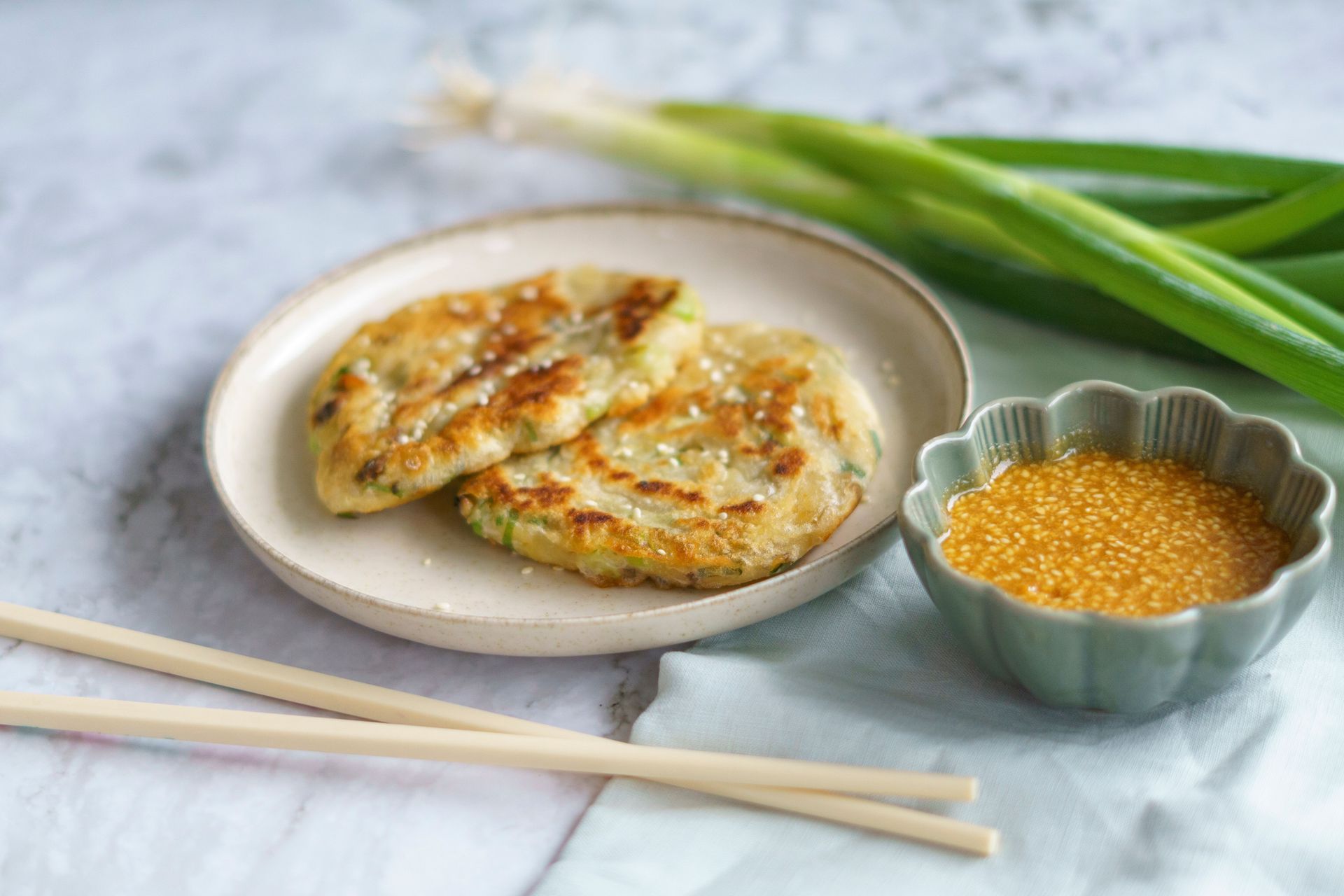
The scallion pancake, congyoubing in Mandarin, gives the Taiwan street food program its most democratically affordable and most immediately satisfying single street food in the classic preparation: a crisp and pillowy green-onion-and-fried-egg pancake that is just oily enough to earn its hangover cure reputation and just simple enough that the quality of the specific vendor’s technique is immediately apparent in the result. The article’s specific guidance, look for a cook of advancing years at the wok, reflects a practical truth about Taiwanese street food whose most accomplished individual practitioners are typically the ones who have been making the same dish for decades and whose accumulated repetition has produced a muscle memory whose result the younger vendor cannot replicate in the same terms.
The cart format that gives the scallion pancake its most typical street food presentation also gives the vendor selection its most accessible practical guidance: the line of waiting diners in front of a humble cart is a more reliable quality signal than any review or award, and the Taiwanese street food culture’s collective consensus on whose pancake is worth the wait concentrates the best practitioners on the streets whose queues make the vendor’s quality self-evident. The dish’s flavor profile, savory green onion, crispy fried egg, and the slightly greasy richness of the fried dough, give the simplicity its most unapologetic expression.
Raohe Street Night Market in Taipei gives the scallion pancake its most recommended single market address, and the Raohe market’s position as one of Taipei’s oldest continuously operating night markets gives the scallion pancake vendor there a physical setting whose surrounding food culture gives the market visit its most complete single night market program alongside the pancake stop. The scallion pancake’s overnight preparation in some versions, whose dough resting gives the gluten development a specific elasticity that the rush-made version cannot achieve in the same terms, gives the best street pancake its most technically grounded quality argument: the patience invested in the preparation is the single most important variable in the result’s quality.
Josh Olalde / Unsplash
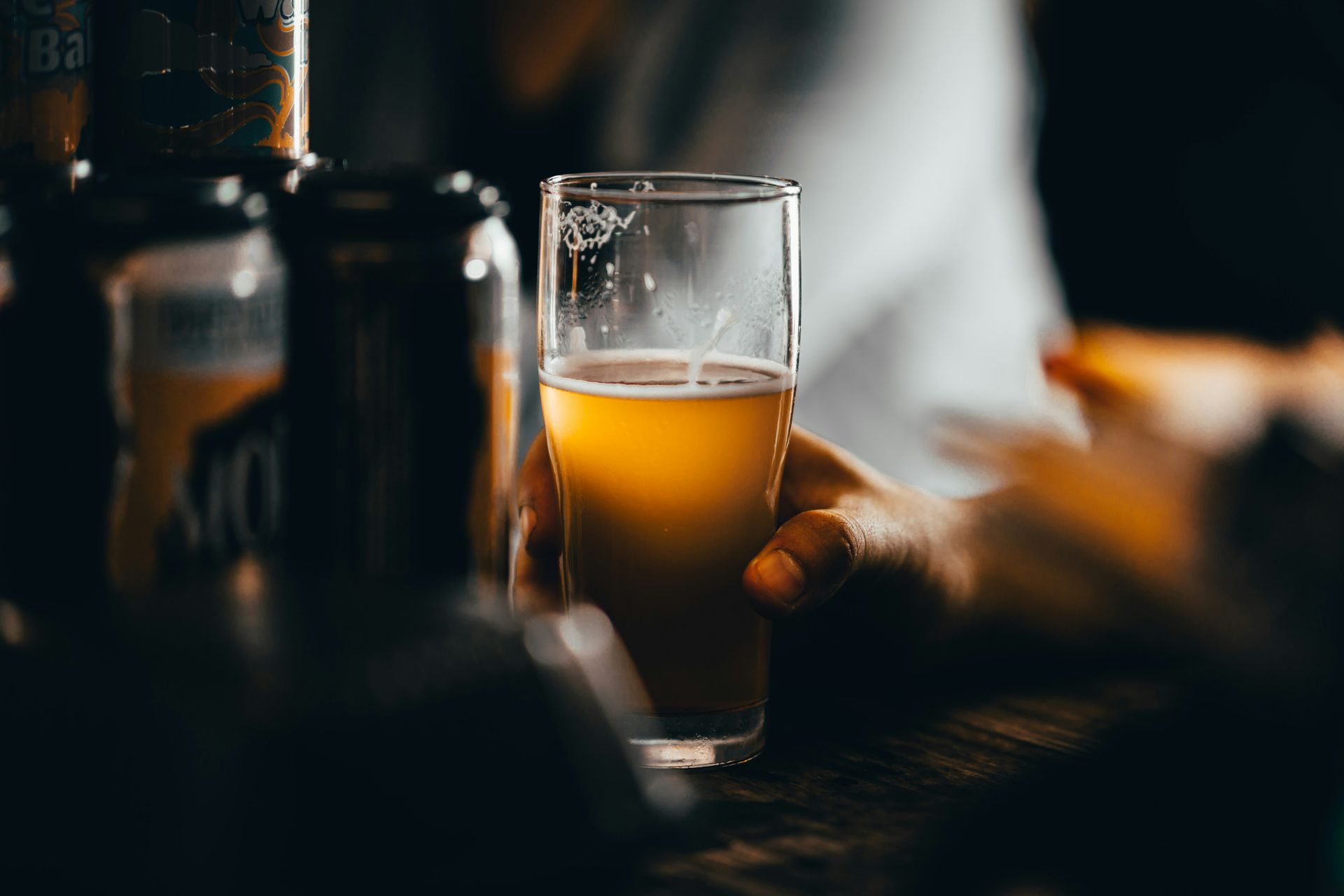
Taipei’s craft beer scene has developed with the specific Taiwanese approach of taking an imported cultural format and immediately adapting it to local ingredients and sensibilities: the home-grown brands Taihu, Sunmei, and Zhangmen give the craft beer program its most Taiwan-specific product lineup, whose creative brews harnessing kumquats, longan honey, and smoked plums give the tasting flights a flavor vocabulary specific to the island’s fruit and agricultural production. The thimble-sized serving glasses, the article notes, give craft beer bars a specific pouring format that prioritizes the tasting flight over the pint, creating a cumulative craft beer evening with a variety-over-volume structure specific to a beer culture that is more interested in flavor exploration than volume consumption.
The speakeasy-style cocktail bars, whose dark-wood, moody interiors give the craft cocktail scene its most specifically atmospheric physical format, offer a premium drinking program whose mixology ambition reflects a city that has absorbed global cocktail culture and applied Taiwanese ingredients and aesthetic sensibility to its execution. Once Taipei, whose masterful creations in a dark-wood setting give the speakeasy format its most celebrated single Taipei address, gives the cocktail bar circuit its most specifically upscale single destination.
Driftwood in Taipei gives the craft beer and cocktail program its most specifically recommended starting point from the Lonely Planet article, and the bar’s position in the Taipei nightlife circuit gives the craft beer and cocktail evening its most natural single first stop from which the broader Taipei bar scene branches in multiple directions. The Taiwanese craft beer brands whose local ingredient approach gives the beer program its most specifically Taiwan-inflected character, kumquat sours, longan honey ales, and smoked plum porters, represent a brewing philosophy that the imported craft beer brands available in the same bars cannot replicate in the same terms: these are not style exercises but direct translations of Taiwan’s agricultural produce into fermented beverage form. The Da’an and Zhongshan neighborhoods of Taipei offer the bar hop's most geographically concentrated circuit, with the greatest density of craft beer bars and cocktail speakeasies within walking distance of each other.
meilin zhou / Unsplash
The Hakka people, who make up 15 to 20 percent of Taiwan’s population and represent a Han Chinese subgroup with a distinct language, customs, and food culture, give the island its most specifically defined regional culinary identity outside the indigenous Formosan tradition. The Hakka cuisine’s salty and strong-flavored profile, heavy on pork, tofu, and soy sauce, and historically shaped by the long agricultural workdays that required hearty and calorie-dense food, gives the Hakka kitchen a flavor register whose intensity distinguishes it from the lighter and more fragrant cooking styles of the coastal Taiwanese food culture.
The rural Kaohsiung district of Meinong, whose population is overwhelmingly Hakka, offers the cuisine its most geographically concentrated and culturally authentic single-visit address. The stuffed tofu, bantiao glutinous rice noodles, braised pork hock, and lei cha ground tea that define the Meinong Hakka specialties give the regional food program its most complete single-destination tasting menu without requiring a restaurant reservation: the local food stalls and family restaurants of Meinong give the visitor access to the full Hakka culinary range in a village setting whose agricultural and cultural character gives the food its most contextually appropriate physical environment.
The lei cha, a ground tea paste made from roasted tea leaves, grains, and nuts, combined with hot water into a thick, intensely flavored drink, gives the Hakka food program its most unusual and culturally specific single beverage. Meinong Traditional Hakka Restaurant gives the Hakka cuisine experience its most specifically recommended single address in the district, and the Kaohsiung location’s accessibility from the city center by public transport gives the Meinong food day its most practically manageable single itinerary. The Meinong Hakka paper umbrella craft tradition, whose production workshops give the village a cultural program beyond the food, gives the Meinong day trip its most complete possible itinerary: a morning at a paper umbrella workshop, a Hakka lunch at a local restaurant, and an afternoon exploring the village’s agricultural landscape gives the Kaohsiung day trip its most culturally layered single option.
hung chou / Pexels
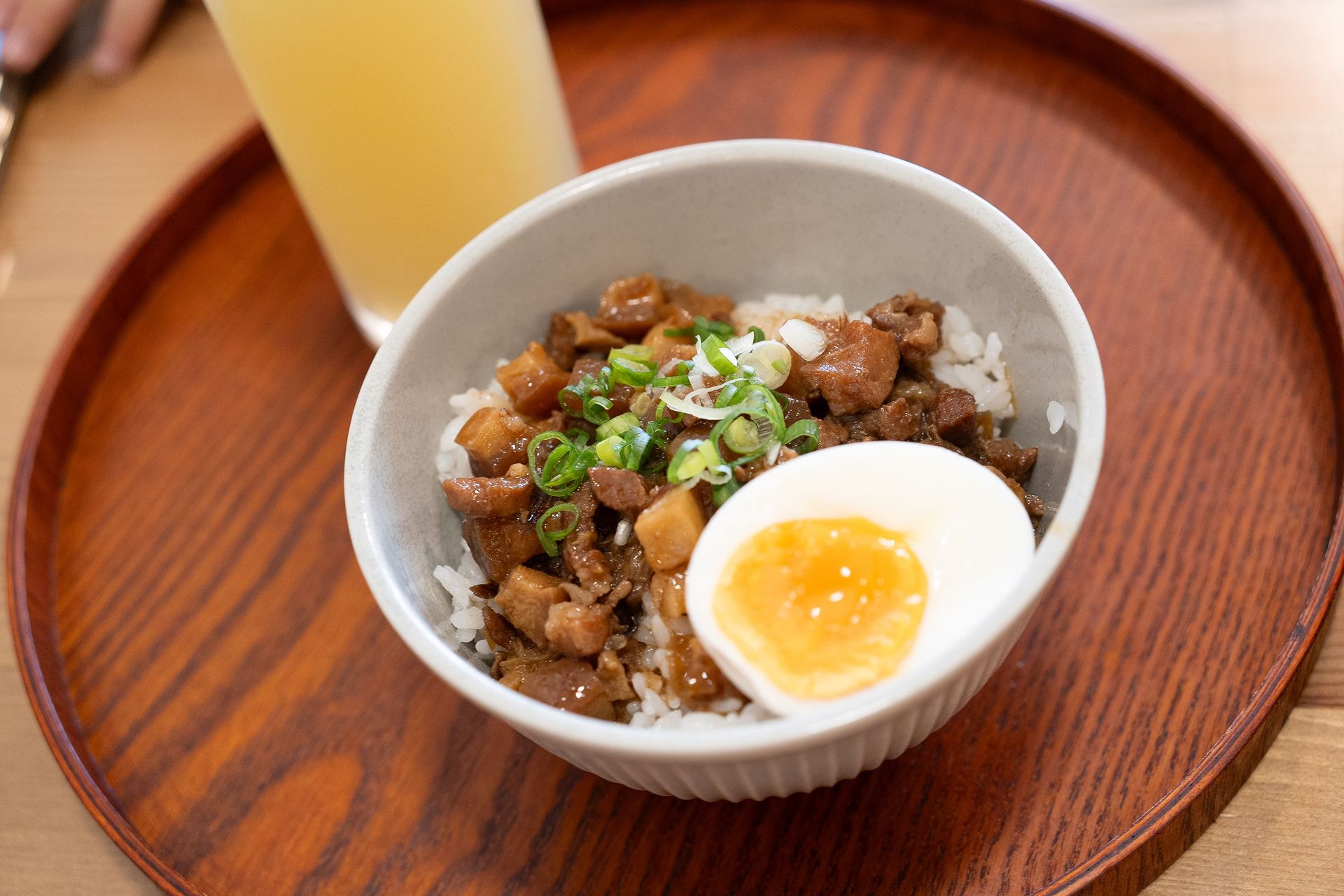
Lu Rou Fan gives the Taiwanese comfort-food canon its most universally beloved single dish: slow-braised minced pork belly served over white rice, whose soy sauce, five-spice, garlic, and sweet seasoning marinade give the pork its most deeply fragrant and most intensely savory preparation. The pork’s braising liquid, whose concentrated flavors seep into the white rice below and give the grain its most practically delicious single sauce application, gives the bowl its most characteristic flavor dynamic: the neutral rice absorbing the braising liquid’s soy-and-spice depth to produce a dish whose simplicity of presentation contains the full range of the Taiwanese flavor palette in its most essential form.
The dish’s appearance across every price level of Taiwanese eating, from street food stalls to home kitchens to restaurant menus, gives it democratic accessibility, characteristic of a food culture that does not reserve its most beloved dishes for the most expensive settings. The modest appearance, a simple bowl of rice topped with glistening braised pork, gives Lu Rou Fan its most deceptive single quality: the visual simplicity does not prepare the first-time visitor for the flavor complexity whose depth reflects the slow braising time, and whose patience produces the tender and richly seasoned result.
Jin Feng Braised Pork Rice in Taipei gives the dish its most specific address, and the restaurant’s consistent recognition among Taipei food journalists and local food enthusiasts gives the recommendation its most community-validated authority. The affordable price point the dish maintains, even at its most celebrated single address, gives the Lu Rou Fan experience its most democratic credential: one of Taiwan’s most beloved dishes at one of its most celebrated restaurants is accessible to every visitor, regardless of budget. The dish’s specific role in Taiwanese home cooking, where the braised pork belly pot simmering on the stove gives the domestic kitchen its most characteristically Taiwanese single aroma, gives the restaurant version its most personal reference point for the Taiwanese diner, whose childhood memory of the home version gives the restaurant bowl its most emotionally resonant single comparison.
seventyoneplace / Flickr (CC BY-NC-ND 2.0)
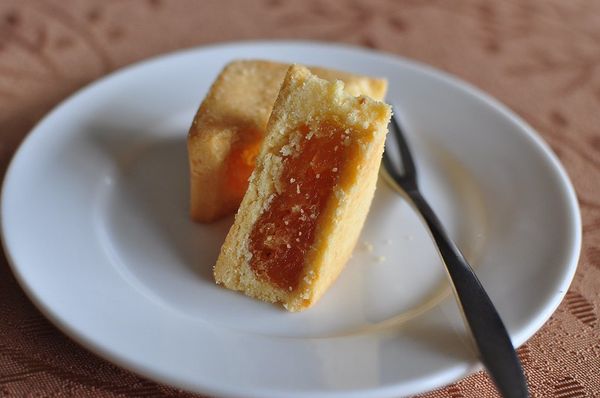
The pineapple cake, feng li su in Mandarin, gives Taiwan its most specifically celebrated single pastry export: a square shortbread cake with a sweet-tart pineapple filling whose buttery, crumbly exterior and intensely fruity center give the small package a flavor density specific to a confection that has been refined across decades of Taiwanese bakery competition. The traditional version, whose filling mixed pineapple with winter melon to moderate the tropical fruit’s intensity and extend the ingredient budget, has given way in the contemporary version to pure pineapple fillings whose more intense fruit flavor reflects both the higher quality of current pineapple cultivation in Taiwan and the consumer preference for the concentrated fruit taste.
The salted egg yolk variation, whose savory center gives the sweet pineapple exterior its most unexpected single flavor contrast, gives the pineapple cake program a sophisticated option whose sweet-savory balance reflects the broader Taiwanese food culture’s comfort with combining registers that other culinary traditions keep strictly separate. The gift-giving function that pineapple cakes serve in Taiwan, with visitors buying boxes to bring home as souvenirs, gives the pastry its most specifically cultural single role: a food that encodes the visit to Taiwan in a portable and shelf-stable form whose recipient in another country receives not just the cake but the specific cultural credential that a Taiwan-made pineapple cake carries.
Chia Te Bakery in Taipei gives the pineapple cake experience its most widely recommended single address, and the bakery’s consistent recognition as one of Taipei’s most celebrated pineapple cake producers gives the Chia Te purchase its most specific quality endorsement among the city’s many bakeries, whose pineapple cake competition gives the visitor a surplus of high-quality options from which Chia Te emerges as the most consistently cited single best. The pineapple cake’s shelf stability, lasting several weeks without refrigeration, gives the souvenir its most practically advantageous single travel credential and makes it the most reliably portable food item available at any Taiwan airport or bakery for the departing visitor.
