The best — and most historic — castles in Ireland
From Cahir Castle's river island where Excalibur was filmed to a Galway tower that drew Yeats and Shaw to its literary banquets
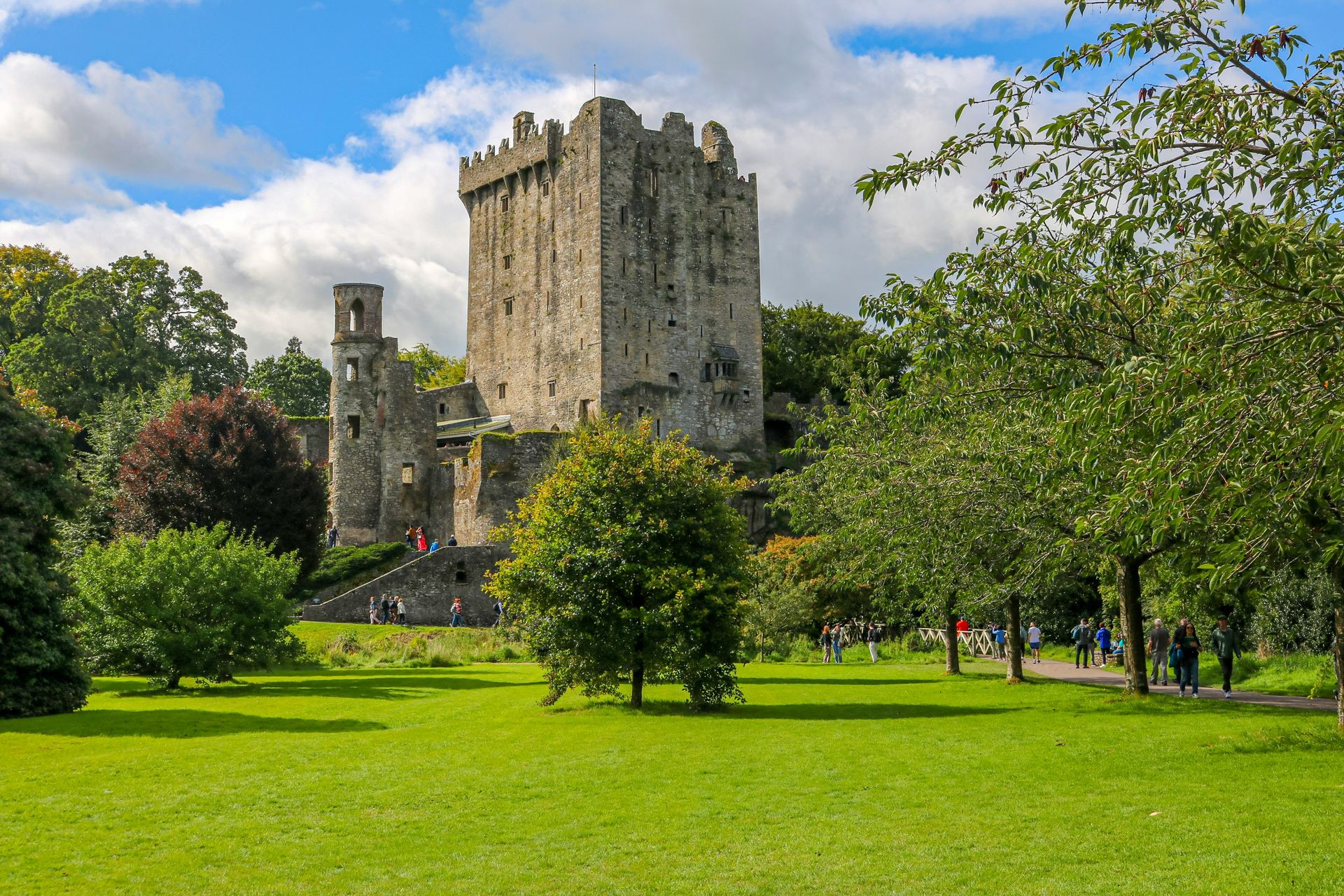
Dahlia E. Akhaine / Unsplash
Ireland’s castles do not exist in isolation from the landscape around them. They were built into it: on rocky islands in river channels, atop coastal outcrops, at the edge of loughs, and in the centers of market towns that still function as living communities. The result is a kind of historical immersion that a standalone monument cannot provide: the castle, the village, the water, and the hill are one continuous thing, and visiting one means encountering all the others. The survival rate of these fortifications is also remarkable. Some are ruin-only, but many restoration projects have brought them to full functionality: government buildings, luxury hotels, event venues, and working family homes.
What makes Ireland’s castles particularly compelling for visitors is the range of stories they contain. Norman conquests, Gaelic clan rivalries, literary gatherings, Viking settlements, and medieval power struggles all left their marks in stone, and the castles that remain are the physical residue of those layered histories. Guided tours, audiovisual presentations, on-site heritage centers, and, in some cases, full medieval banquets with live entertainment make those stories accessible to visitors who arrive knowing very little about Irish history and leave knowing considerably more.
These 10 castles come from Travel + Leisure’s list of the most beautiful castles in Ireland, selected from 20 fortifications across the island’s north, south, east, and west coastlines and interior counties, drawing on expert local knowledge of what makes each site worth the journey. Visiting even a fraction of this list within a single trip requires planning routes that weave through several counties and setting aside dedicated days for each region, given how much ground the complete list covers between Galway, Dublin, Waterford, and Donegal, with the west coast sites alone representing a half-day drive from those in the east.
1 / 10
1. Cahir Castle appeared in both Excalibur and The Tudors
_(2)-900x603.jpg)
John5199 / Wikimedia Commons (CC A 2.0)
Cahir Castle dates from the 13th century and ranks among Ireland’s largest and best-preserved fortifications. It occupies a rocky island on the River Suir in County Tipperary, a naturally defensive position deliberately chosen by its builders. The design represented the state of the art at the time of construction, and much of the original structure survives, despite the castle having been rebuilt and expanded over subsequent centuries. Today, guided tours, a bookshop, and an audio-visual presentation tell the story of the fortress and its occupants.
The castle’s film credentials are a specific draw for visitors who have encountered it on screen without knowing its name. It appeared in John Boorman’s 1981 film Excalibur, which used the medieval authenticity of the location to good effect, and it was also featured in the popular television series The Tudors. Those appearances have extended Cahir Castle’s profile well beyond the visitors who seek it out specifically for its historical significance.
Genuine medieval scale, good preservation, a dramatic river island setting, and screen familiarity together make Cahir Castle one of the more complete castle experiences in Ireland. Visitors who have time for one castle in County Tipperary will find that Cahir offers most of what a castle visit can: authentic architecture at a significant scale, a compelling location, and a story worth following through the on-site presentations. The audio-visual format, in particular, provides context that the stones alone cannot. Cahir’s size and state of preservation also mean the structure withstands extended exploration in a way that partial ruins elsewhere do not, with enough intact architecture to reward close attention to the details of medieval construction. The bookshop is also worth a stop for visitors who want to extend their understanding of the castle beyond what the tour covers. The River Suir island setting also gives Cahir a visual quality at a distance that most Irish castles lack: the water encircling the fortification is visible from multiple approach angles.
2 / 10
2. Trim Castle took 30 years to build on the River Boyne
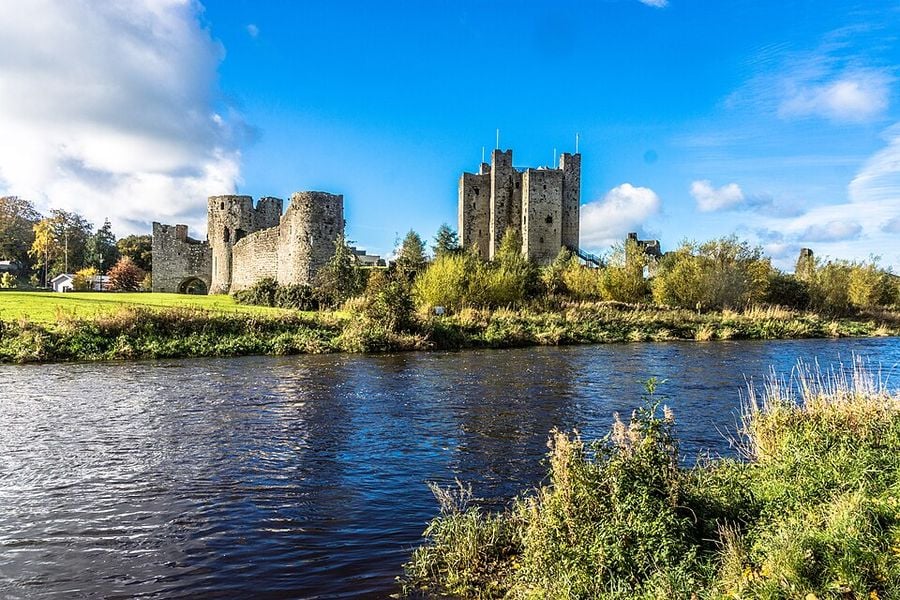
William Murphy / Wikimedia Commons (CC A-SA 2.0)
Trim Castle stands on the banks of the River Boyne in County Meath and holds the distinction of being the largest Anglo-Norman fortification in Ireland. Construction began in the 12th century and continued for 30 years, a timeline that reflects the project's ambition and the logistical challenges of building a 20-sided tower of this scale in the medieval period. At its height, a surrounding ditch, curtain wall, and moat protected the massive tower, making it a formidable defensive structure by the standards of its era.
The town of Trim itself grew up around the castle and retains a concentration of medieval structures that give the area genuine historical density beyond the castle alone. The visitor center, located beside the castle, offers a collection of medieval armor and scale model buildings, as well as access to castle tours, providing a comprehensive introduction to the fortification and its context within the Norman expansion into Ireland.
The scale of Trim Castle is what distinguishes it from most other fortifications on this list. The 20-sided tower is an architectural anomaly, and the three-decade construction period speaks to how seriously its builders took the project of establishing a Norman presence in County Meath. For visitors who want to understand the Anglo-Norman conquest of Ireland in physical terms, Trim Castle provides the most substantial and accessible architectural evidence available in the country. The visitor center’s scale models and medieval armor give visitors a physical sense of the period that text-based displays cannot replicate as effectively. The town of Trim itself merits additional time beyond the castle: the concentration of medieval structures gives the town more historical density than most Irish market towns of comparable scale, and the combined visit to the castle and the surrounding medieval townscape makes for a more complete experience of the Norman period in County Meath than the castle alone can offer.
3 / 10
3. Dunguaire Castle welcomed Yeats and Shaw to Galway Bay
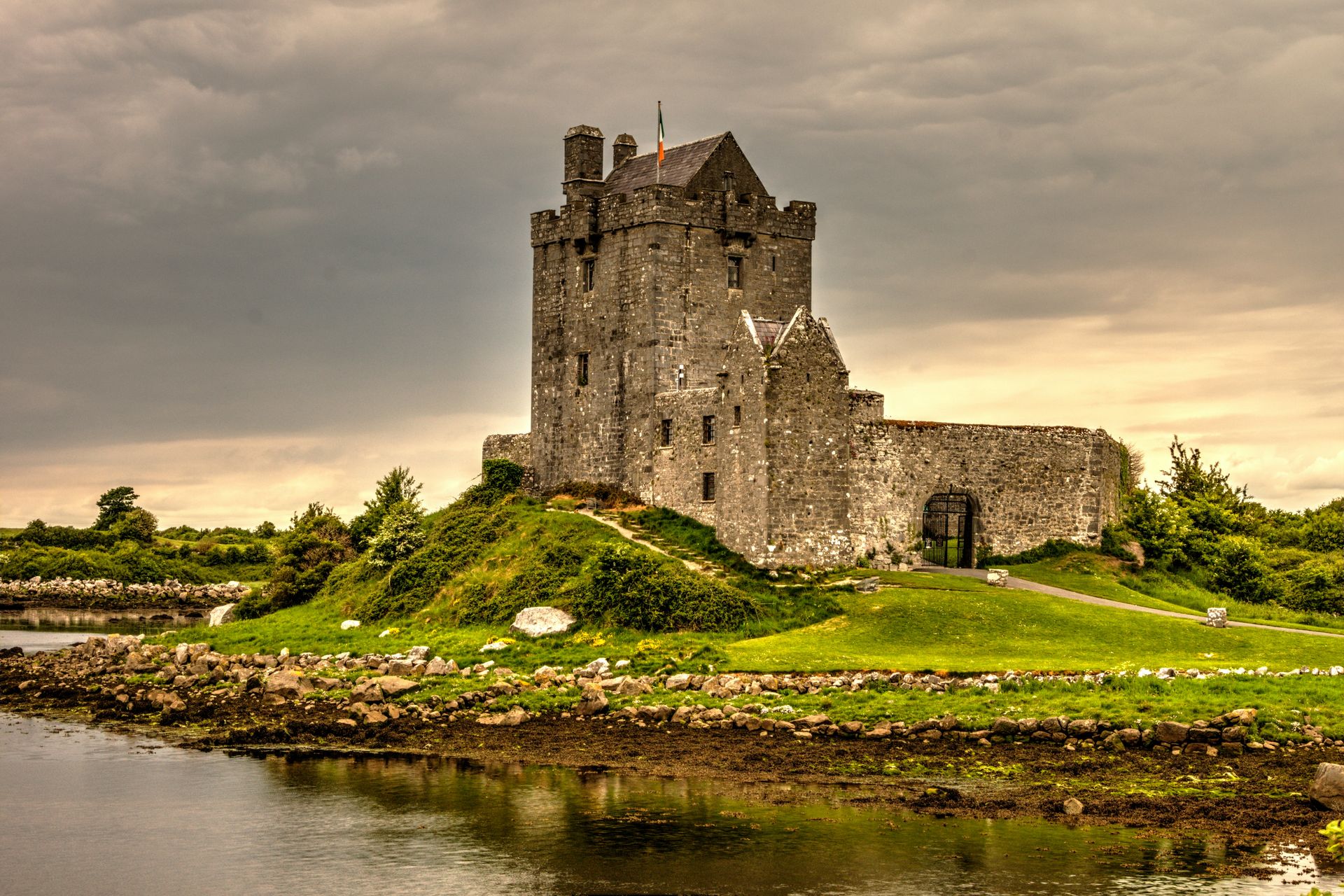
Wallace Bentt / Unsplash
Dunguaire Castle was built in 1520 on a rocky outcrop along the shores of Galway Bay in County Galway, and its distinctive 75-foot traditional Irish tower is widely considered the most photographed of Ireland’s many castle towers. The structure’s literary history adds a layer to its visual appeal: in the early 1920s, Oliver St. John Gogarty, a surgeon and prominent literary figure, purchased and repaired the castle, whose ownership transformed the property into a gathering point for the Irish literary revival. Writers, including W.B. Yeats and George Bernard Shaw, were among the notable figures who visited during that period.
The castle has been closed since 2022, so visitors cannot currently access the interior. The exterior is still fully visible and worth the stop: the silhouette of the tower against Galway Bay is exactly as striking in person as the photographs suggest. Medieval architecture, a coastal setting, and a documented literary history together make Dunguaire a site with multiple layers of meaning that reward knowing before arrival.
When the castle reopens to visitors, the interior will again be accessible. In the meantime, the exterior viewing remains worthwhile as part of a broader exploration of County Galway’s coastline. The literary connection in particular is worth pausing over: the castle’s role in the Irish revival of the early 20th century is not a minor footnote but a substantive chapter in the history of Irish letters, and Gogarty’s choice to locate that intellectual gathering at a 16th-century tower on Galway Bay reflects a deliberate connection between Ireland’s literary ambitions and its physical heritage. When the castle reopens, the evening banquet program that previously ran here will offer another layer of access to the site’s cultural significance alongside the historical and architectural elements. The temporary closure since 2022 has made Dunguaire a destination for exterior appreciation only, but the tower’s silhouette against Galway Bay is sufficiently impressive to justify the stop regardless.
4 / 10
4. Dublin Castle marks a Viking site near Trinity College
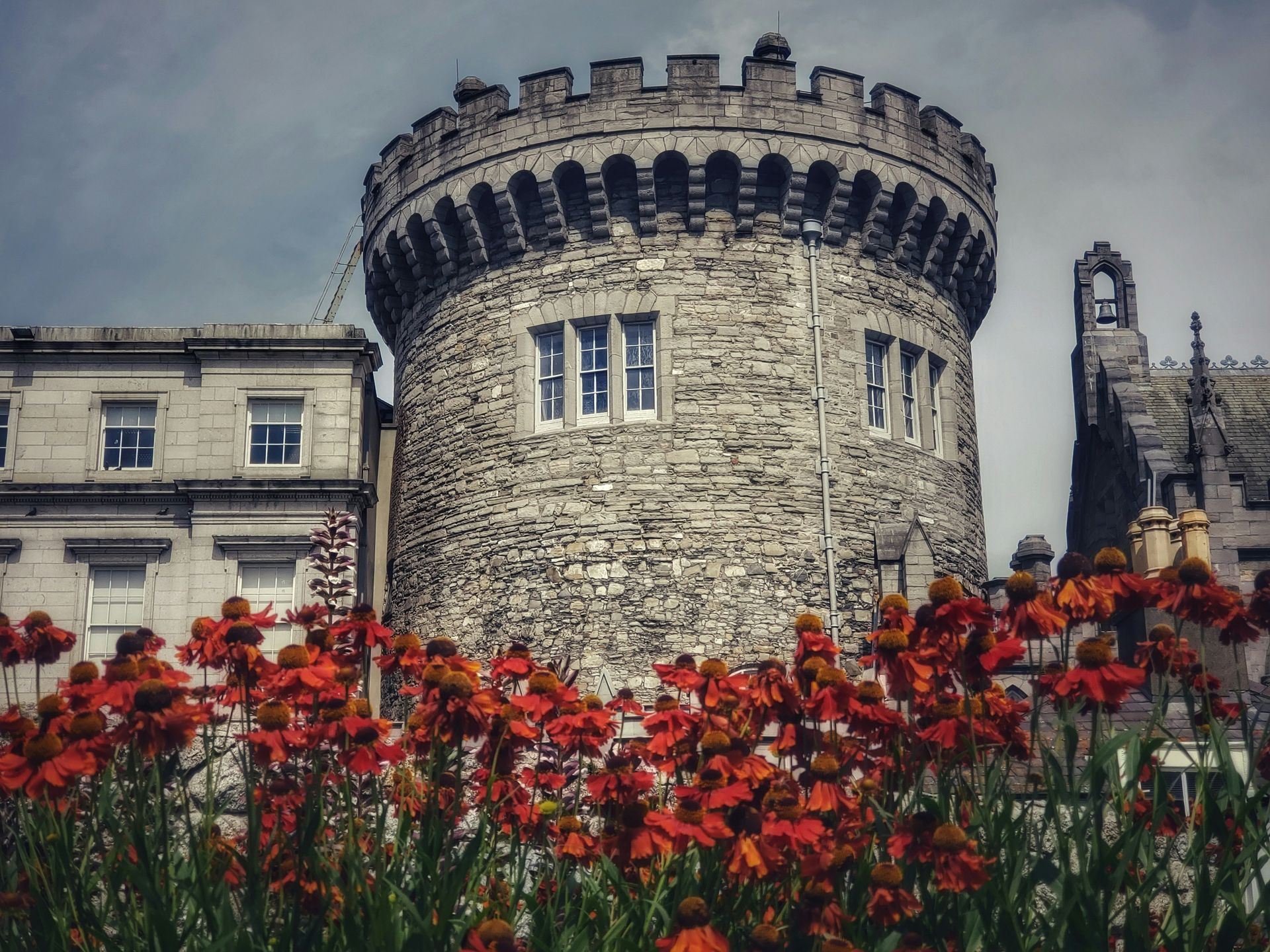
Jeremy Matteo / Unsplash
Dublin Castle was built in the 13th century on the site of an earlier Viking settlement, placing it at the intersection of two distinct periods of Irish urban history. A 10-minute walk from Trinity College, it sits within comfortable reach of the most heavily visited part of the Irish capital. The medieval tower at the castle’s core features walls nearly 16 feet thick, constructed largely during the reign of King Henry III. The structure has served as a government complex for centuries and continues to do so alongside its role as a tourist attraction.
The castle is open daily for both self-guided visits and guided tours that cover the Chapel Royal, state apartments, undercroft, and heritage center. The undercroft is of specific archaeological interest: it preserves visible evidence of the original Viking and medieval structures beneath the current building, giving visitors a physical connection to the settlement that preceded the Norman castle. The Castle Gardens, enclosed by wrought-iron gates with Celtic-inspired spiral designs, provide an additional reason to linger.
Dublin Castle’s proximity to Trinity College, its daily opening hours, and the range of experiences it offers across multiple access levels make it one of the most practically accessible castles in Ireland. For visitors spending a day in central Dublin, the castle fits naturally into a walking itinerary that can also include Trinity College, Christ Church Cathedral, and the Liberties district. The archaeological layering of the site — Viking settlement, Norman castle, and ongoing government complex — compresses several centuries of Dublin’s development into a single location that also happens to be a 10-minute walk from the city’s most-visited university campus, making it a natural component of any central Dublin walking itinerary. The Castle Gardens are worth setting aside time for, as the Celtic-inspired ironwork on the gates is a design detail many visitors miss when focusing entirely on the buildings.
5 / 10
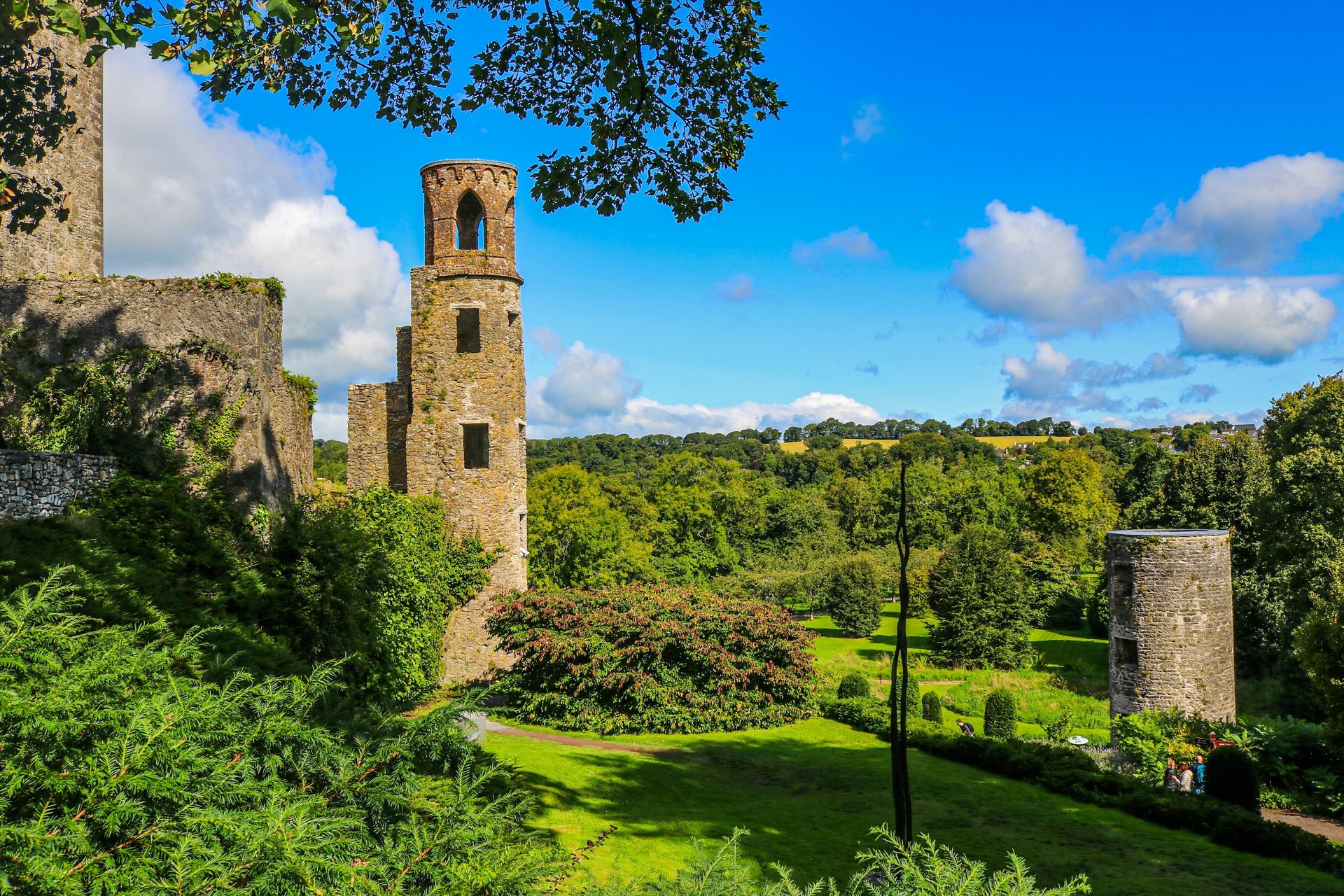
5. Blarney Castle grants eloquence to all who kiss its stone
Dahlia E. Akhaine / Unsplash
Blarney Castle dates from 1446 and stands as one of Ireland’s most popular attractions by visitor volume. The large tower house uses 18-foot-thick walls that slope inward as they rise, a structural technique that combined stability with defensive function. Most visitors arrive specifically to kiss the famous Blarney Stone, which, according to legend, confers the gift of eloquence — or the gift of gab, as the Irish tradition puts it — on anyone who performs the ritual.
The list of documented stone-kissers extends well beyond ordinary tourists to include politicians, musicians, and other public figures who have made the trip to County Cork for the experience. The castle’s grounds are extensive and worth exploring beyond the tower itself: the surrounding landscape offers woodland walks, a poison garden, and gardens that add natural beauty to a visit that might otherwise focus entirely on the architectural element.
Blarney Castle’s popularity is a practical consideration for planning. It draws large crowds, particularly during peak summer months, and visitors who want to avoid the longest queues benefit from arriving early in the morning or late in the afternoon. The castle’s enduring appeal rests not just on the stone legend but also on the genuine quality of the 15th-century structure and the setting in County Cork’s green countryside, which provides a backdrop that would justify a visit even without the famous kissing ritual. The poison garden and woodland walks on the grounds offer a different, less crowded way to experience the property, and visitors who arrive primarily for the grounds often find the visit more satisfying than those who focus entirely on the kissing ritual and the queue it entails. The poison garden is a specific and unusual addition that turns an expectation of a conventional castle garden into something more unusual and memorable for visitors who take the time to walk its full length and not pass through it quickly.
6 / 10
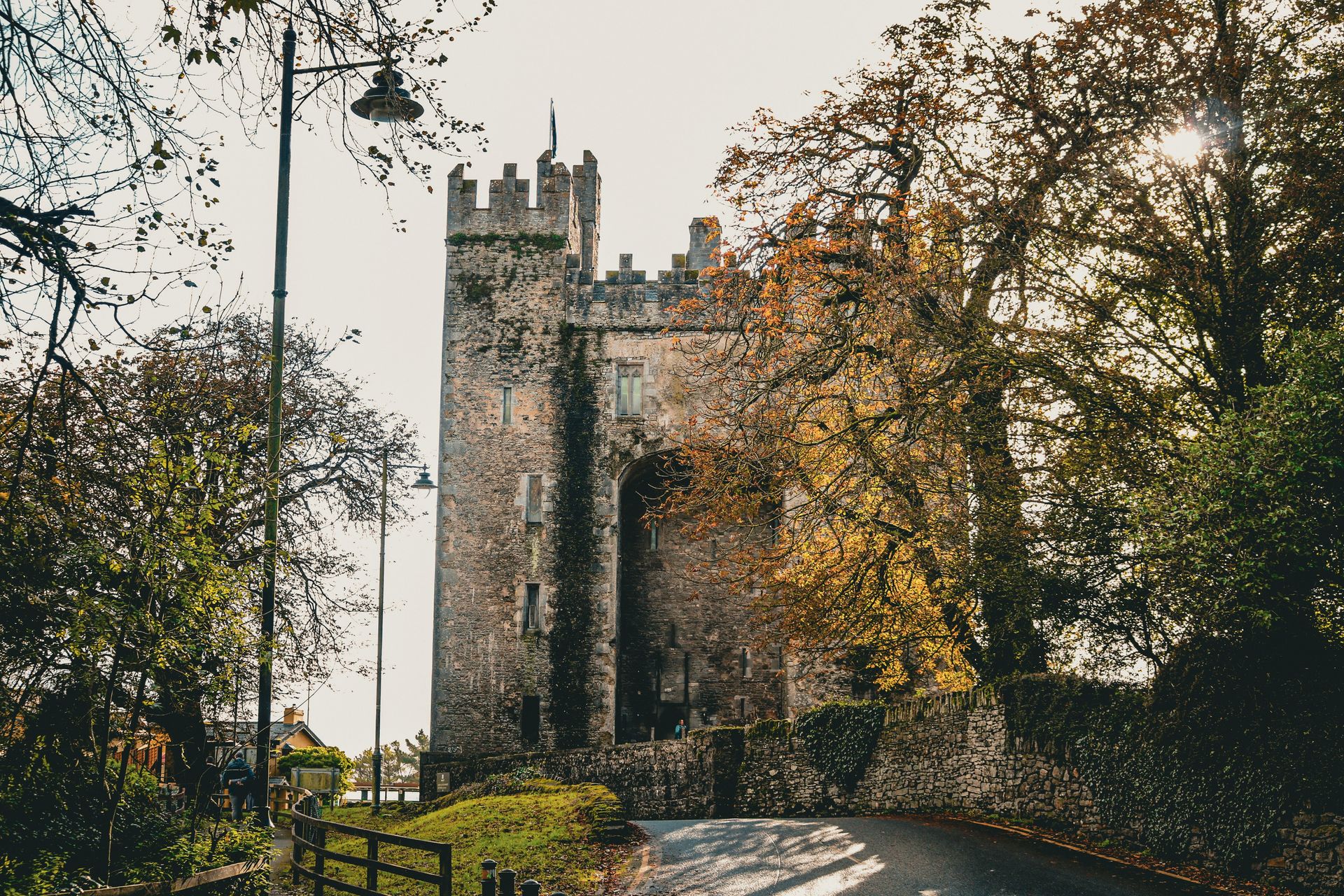
6. Bunratty Castle runs medieval banquets in its Great Hall
Dahlia E. Akhaine / Unsplash
Bunratty Castle occupies a site with an unusually deep historical timeline: the location began as a Viking trading camp in 970, and the current castle was built in 1425 on ground that had already seen centuries of human activity. Restored in the 1950s, the castle houses art and tapestries dating back to the 14th century, giving the interior an aesthetic density that restoration projects in less careful hands often fail to achieve. The castle is now the centerpiece of the 26-acre Bunratty Folk Park, a recreated 19th-century village with farmhouses, shops, and homes ranging from humble rural dwellings to a Georgian residence dating to 1804.
The medieval banquet experience is the attraction that sets Bunratty apart from most castle visits in Ireland. Guests gather in the Great Hall for a four-course meal accompanied by performances from the Bunratty Castle singers, an evening format that combines dining with live entertainment in a space that has hosted such gatherings since the castle’s earliest occupants. The banquet is deliberately theatrical, but it takes place in an authentic setting of considerable age.
The Bunratty Folk Park element adds a dimension that purely medieval-focused castle visits lack: the recreated 19th-century village gives visitors a window into a different, more recent period of Irish history alongside the medieval castle at its center. For families or groups with diverse historical interests, a medieval fortress and a Victorian-era village together provide enough range to sustain a full day’s exploration without significant overlap. The restored 1950s interior, with its 14th-century furnishings, also offers one of the most authentically appointed castle interiors on this list, rewarding slow exploration over a quick walk-through. The banquet format specifically transforms a castle visit into an evening event rather than an afternoon stop, giving Bunratty a social dimension most castle experiences lack and making the property worth considering as an evening destination independently of the daytime Folk Park visit.
7 / 10
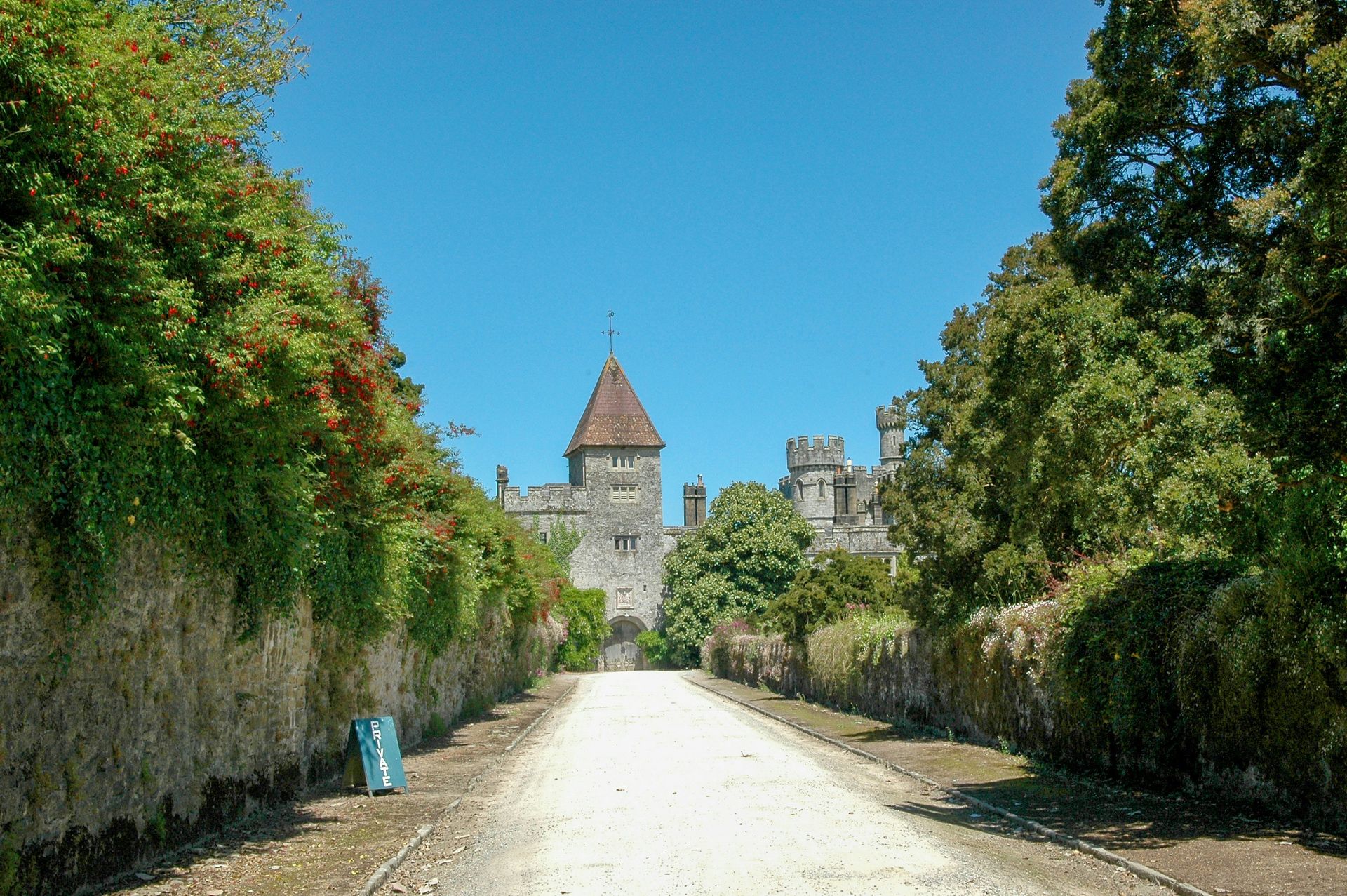
7. Lismore Castle books only as a whole for up to 27 guests
Sonya Brady / Unsplash
Lismore Castle stands on the banks of the Blackwater River in County Waterford, where it has served as one of the ancestral homes of the Duke $DUK and Duchess of Devonshire. The fortress’s origins date to 1185, making it among the older sites on this list, but the current Gothic-style structure reflects a major rebuilding project completed in the mid-19th century that gave the castle its dramatic present appearance. The elaborate gardens and a contemporary art gallery are open to the public during the day, providing access to the property’s grounds without requiring a full rental commitment.
The castle itself operates on a rental-only basis, and not in parts: the entire property books as a unit, accommodating groups of up to 27 guests across 15 bedrooms. That model suits the castle for family gatherings, corporate retreats, or special occasions where exclusive use of the entire property is the point. The standard of accommodation and the setting on the Blackwater River make the rental experience a different proposition from any hotel stay, however luxurious.
For visitors who are not booking the property but want to experience something of Lismore, the gardens and gallery represent a genuinely worthwhile visit. The contemporary art gallery in particular provides an interesting juxtaposition with the castle’s medieval origins and Victorian Gothic architecture, a curatorial decision that reflects the Duke and Duchess’s broader engagement with contemporary culture alongside their role as custodians of a historical property of considerable age and architectural complexity. The Blackwater River setting also gives Lismore Castle a waterside perspective that the photographs of the Gothic exterior do not fully convey. The castle’s completeness as a livable property, with 15 furnished bedrooms, also gives the rental experience a quality that a standard hotel stay in a historic building cannot replicate, since the exclusive access covers the entire property, not just a single room.
8 / 10
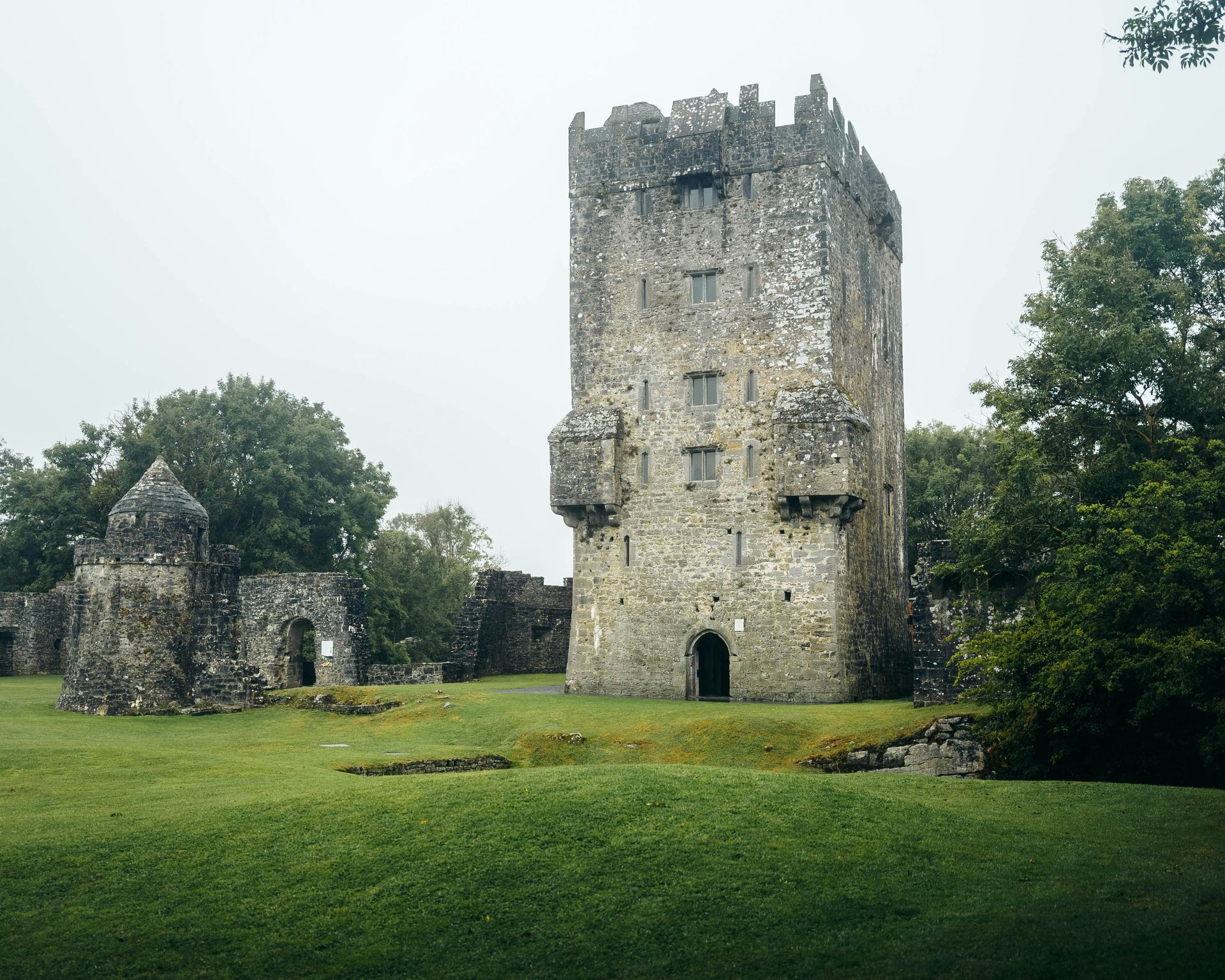
8. Aughnanure Castle claims bats and a banshee as residents
Rory McKeever / Unsplash
Aughnanure Castle was built in the 15th century by the O’Flaherty clan near the shores of Lough Corrib in County Galway, and the well-preserved tower house was subsequently restored in the 1960s to the standard now open to visitors. The remains on site include a watch tower, a banquet hall, and bastions that give a clear sense of the original fortification’s scale and defensive organization. Three species of bats have established a presence within the structure, adding a living, non-human element to the castle’s occupancy.
The supernatural dimension of Aughnanure is, by local account, more extensive than the bats alone. The apparition of the former gamekeeper’s ghost and the wail of a banshee have both entered the local record as reported events, claims that belong to a long Irish tradition of associating old fortifications with persistent spiritual presences. The source does not validate these reports, but their existence is part of the castle's cultural record and forms a distinct strand of its appeal to visitors interested in Irish folklore alongside its architectural and historical content.
Aughnanure Castle is open for tours and provides one of the more layered castle experiences in County Galway. Medieval O’Flaherty history, careful 1960s restoration, the bat colony, and the supernatural tradition together make it a site that offers more than a standard castle visit. The Lough Corrib setting also provides the kind of west-of-Ireland scenery that puts the fortification in environmental context. Aughnanure is also close enough to Galway City to serve as a half-day excursion, making it accessible to visitors using Galway as a base for exploring the wider Connacht region. The bat colony is also a genuinely unusual element: few castle experiences in Ireland include a resident wildlife population as part of the standard visit. The three bat species have occupied the O’Flaherty tower for a long time, predating the 1960s restoration and continuing to this day.
9 / 10
9. Athenry Castle keeps a removable Great Hall staircase

Graham Horn / Wikimedia Commons (CC A-SA 2.0)
Athenry Castle overlooks the Clarinbridge River in County Galway and dates from the 13th century, when the Norman presence in Connacht was still in its early stages of consolidation. The castle retains parts of its original medieval walls, battlements, and decorative stone carvings, preservation that reflects both the quality of the original construction and the care that has gone into its ongoing maintenance. A wooden staircase, specifically designed for removal during battles, provides access to the Great Hall, preventing enemy forces who breach the lower level from advancing further into the fortification.
From March to November, the adjacent Athenry Heritage Center offers an expanded visitor experience that includes medieval costumes, armor, and weaponry alongside a replica of a period market square and dungeon. The interactive format is deliberately family-oriented, with guided tours, a picnic area, a playground, and hands-on exhibits that make the castle accessible to younger visitors who might find a purely architectural tour insufficient.
The removable staircase is the detail that most visitors remember. It is the kind of specific engineering decision that makes medieval defensive thinking concrete and understandable: the castle’s builders were not simply creating a large stone structure but thinking through the sequence of events during a siege and designing physical responses to each stage. That kind of purposeful, problem-solving architecture is what separates a visit to Athenry Castle from a visit to a ruin that happens to be old. The Heritage Centre’s seasonal opening from March to November also means the best time to visit Athenry Castle is during the warmer months, when the full context of medieval costumes, weaponry, and replica spaces is available alongside the castle itself. The removable staircase is also a feature that architecture enthusiasts can examine directly, grounding the abstract concept of medieval defensive design in a physical detail that visitors can see up close without special access or additional cost.
10 / 10
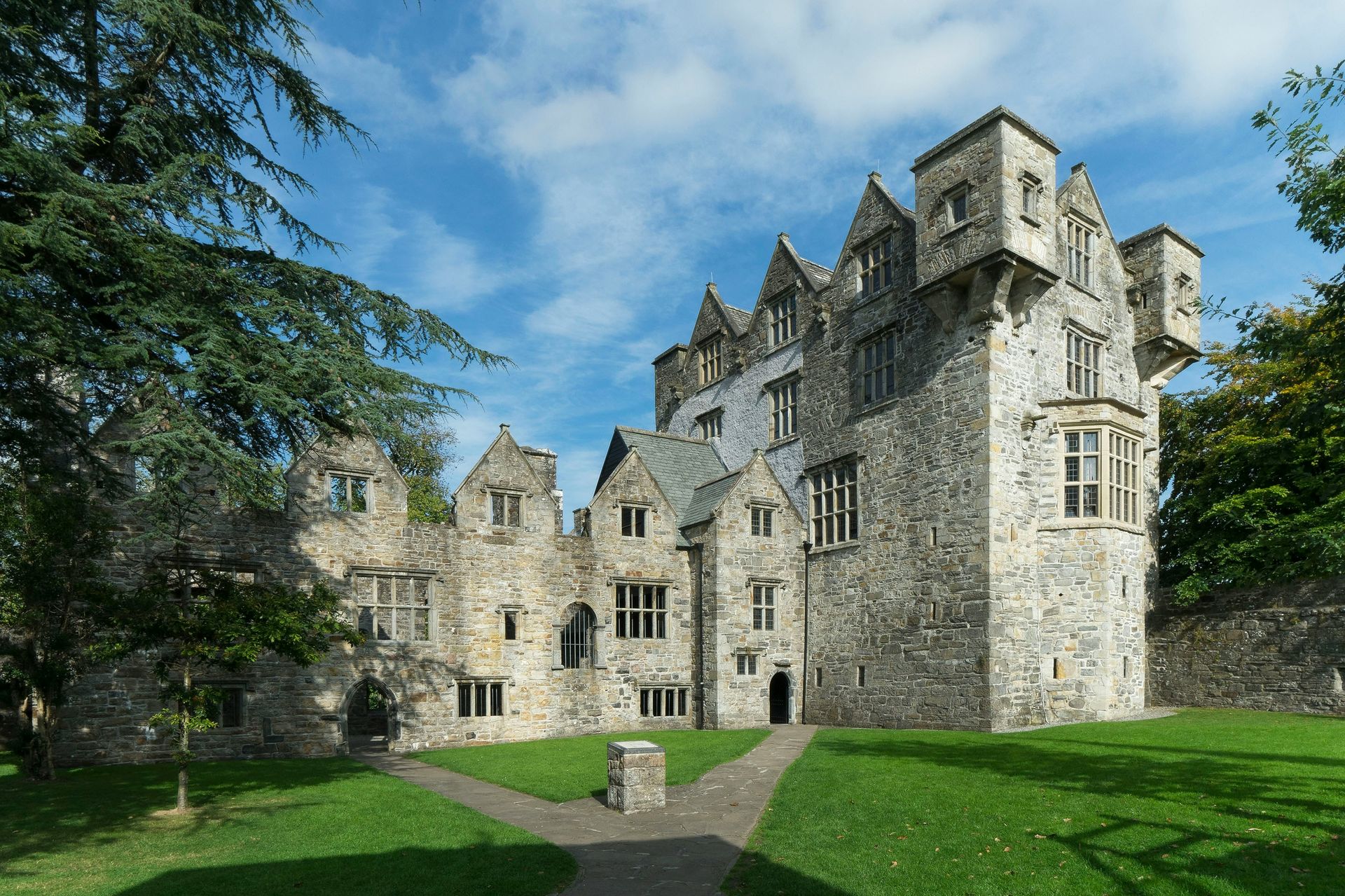
10. Donegal Castle outlasted O’Donnell’s attempt to raze it
Wietse Jongsma / Unsplash
Donegal Castle was built in the 15th century by Red Hugh O’Donnell and overlooks the River Eske in the center of Donegal Town, where it remains one of the defining landmarks of the urban center. Following a defeat in the Nine Years’ War, O’Donnell attempted to destroy the castle to prevent it from passing into English hands, a decision that reflects the intensity of the conflict and the personal connection O’Donnell felt to the structure. The attempt failed, and the castle was restored in 1616 by Sir Basil Brooke, who added a new manor house to the original structure during the reconstruction.
Restoration work completed in the early 1990s preserved the architectural character of both the 15th-century original and the 17th-century additions introduced by Brooke. The result is a structure that carries two distinct historical periods simultaneously, with the Gaelic tower and the Jacobean manor house forming an architectural conversation that reflects the era's political transition. Visitors can take guided tours of the castle, with opening dates and hours varying by season.
The story of O’Donnell’s failed destruction attempt is the detail that gives Donegal Castle a narrative dimension beyond pure architectural appreciation. A castle that its own builder tried to demolish carries a different emotional weight from one that simply survived conquest or abandonment, and the fact of its survival — through attempted destruction, English occupation, and centuries of weathering — gives the building an unlikely persistence that makes it worth visiting on those terms as much as any other. The town of Donegal itself, which grew up around the castle and the river, provides additional walking interest for visitors who want to extend the stay beyond the castle tour into the broader historic townscape and the River Eske waterfront that frames the castle from below on the town’s lower level, completing the full picture of how the castle relates to the wider settlement.
