
The best — and most iconic — regional fast food chains in the U.S.
From Whataburger's Texas roots and proprietary ketchup to Hawaii's loco moco at Zippy's, America's best regional fast food chains
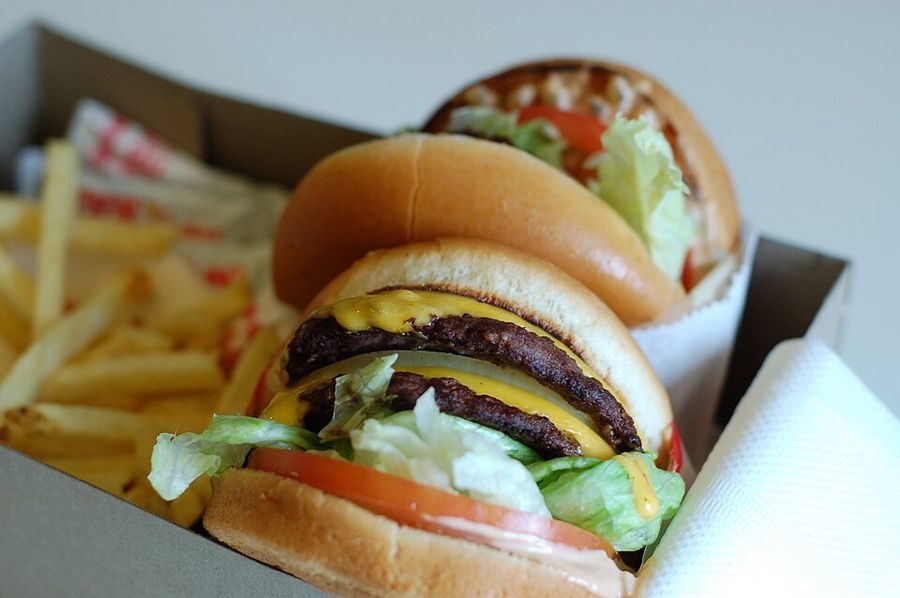
Jess Sawrey / Wikipedia Commons (CC BY 2.0)
One of the pleasures of road-tripping across the United States is discovering that American fast food is not a monolithic national culture but a collection of intensely local ones. The chains that define eating in Texas are not the same as those that define eating in Wisconsin, and the chains that define eating in Hawaii are unlike anything on the mainland. The regional fast food chain is a specific cultural artifact: a restaurant whose identity is inseparable from the place it came from, whose recipes reflect local ingredient availability and taste preferences, and whose regulars develop an attachment that national chains, however convenient, rarely inspire at the same depth. The line outside Hattie B’s in Nashville on a Saturday afternoon is not a line of people waiting for chicken. It is a line of people waiting for a specific experience that exists in the fullest form in its city of origin.
The cult following dynamic is part of what makes regional fast food worth seeking out for travelers. In-N-Out Burger inspires the kind of loyalty that leads Californians living elsewhere to plan airport layovers around terminal locations. Whataburger’s proprietary ketchup has a sufficient following that the company sells it online to customers who cannot get to a location. Culver’s ButterBurger has a regional devotion in Wisconsin that the chain has successfully exported across the Midwest without diluting the original product. The food is the reason, but the attachment is cultural.
The 10 chains below appear in Travel + Leisure, each representing a distinct region of the country and a specific local food culture worth seeking out on the next American road trip. The variety across the list reflects how different American food culture looks from one corner of the country to another, and how much the road trip loses when the traveler eats only at the same national chains available at every exit.
1. Whataburger has run Texas burger culture since the 1950s
Credit: Whataburger
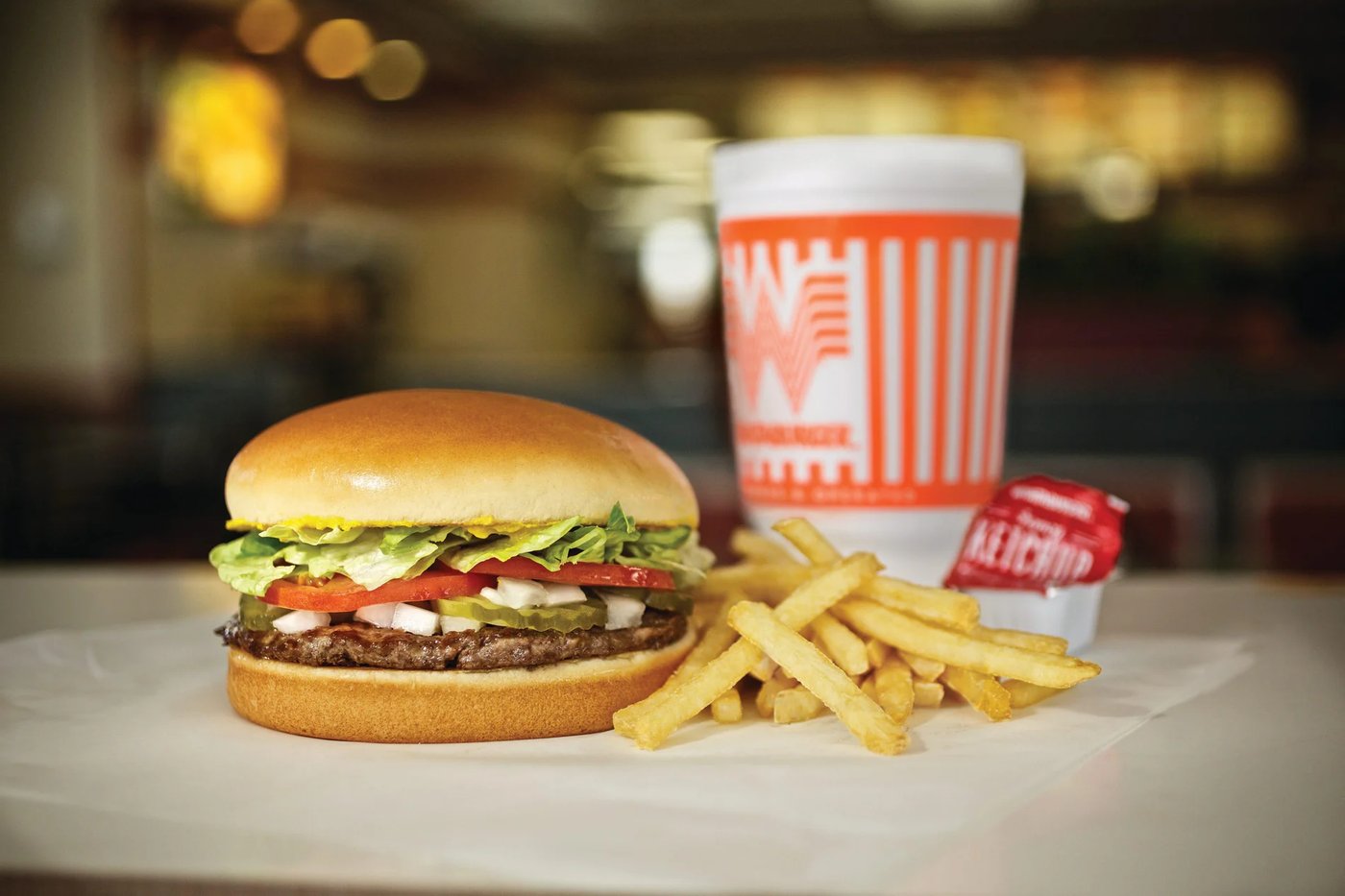
Whataburger has been a Texas institution since the 1950s, and its expansion into 16 additional states with over a thousand locations has not changed the core identity that made it a regional legend: freshly made burgers, a proprietary ketchup whose flavor profile is specific enough that the company sells it online to customers who live beyond the chain’s footprint, and a consistency of product that the scale of the operation has not compromised. The Texas roots are still visible in the orange-and-white color scheme, the A-frame locations that became architectural shorthand for the brand, and the customer base whose loyalty extends to buying the condiments as standalone products.
The classic Whataburger, upgraded with a toasted brioche bun, is the recommended order, and the logic is straightforward: the brioche adds richness and structural quality that a standard fast-food bun does not, giving the burger a texture that matches the quality of the patty beneath it. The chain’s breakfast menu, available around the clock at many locations, gives the late-night or early-morning traveler a biscuit-and-egg option that reflects the Texas fast-food tradition, a regional character national chains have never replicated.
The expansion into states like Tennessee, Kansas, and Arizona has made Whataburger more accessible to travelers who previously needed a Texas visit to try it, but the experience is most complete in its home state, where the chain’s cultural significance runs deep. Ordering a Whataburger at a Texas location, where staff and customers share a common understanding of what the chain means, gives the traveler something closer to a genuine regional experience than the same order placed at a newer location in a state where the brand is still establishing its identity. The Honey Butter Chicken Biscuit, a Whataburger breakfast item whose sweetened butter-and-fried-chicken biscuit format predates the national hot chicken biscuit trend by several years, gives the breakfast menu a Southern-specific item that the traveler on an early Texas road trip should order without hesitation.
2. In-N-Out Burger built a West Coast cult on fresh meat
Louiemantia / Wikimedia Commons (CC BY-SA 4.0)
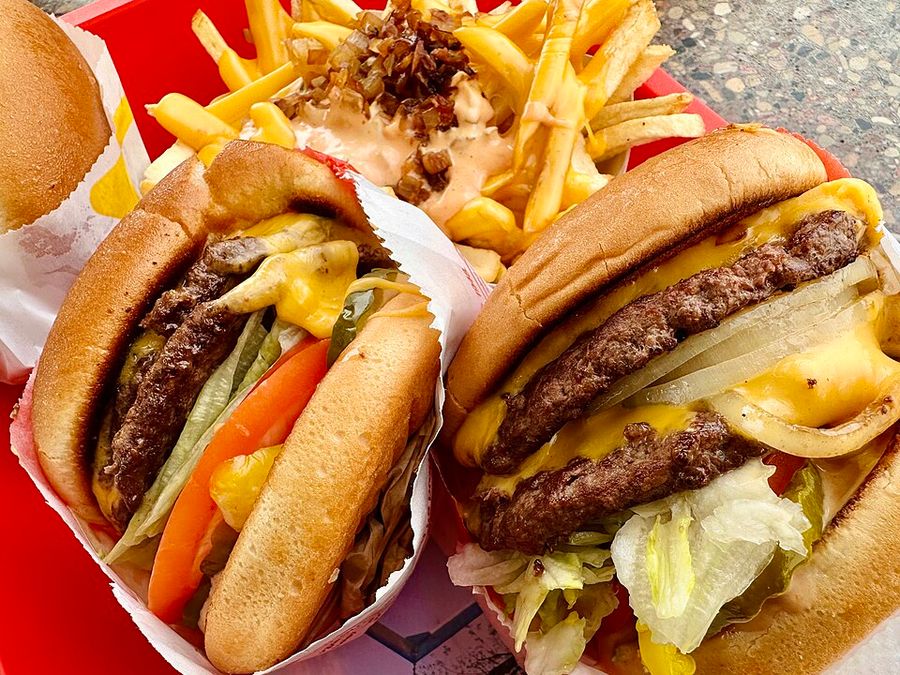
In-N-Out Burger has been a West Coast institution since its founding in the late 1940s, and its reputation rests on a specific operational philosophy: fresh, never-frozen beef patties, a menu small enough to maintain quality across every item, and a not-so-secret menu of modifications whose existence is communicated entirely by word of mouth. The animal-style burger, which adds mustard cooked into the patty, extra spread, pickles, and grilled onions, is the most celebrated of these modifications and the one that most clearly demonstrates the kitchen’s flexibility within a constrained menu.
The animal-style fries, covered in cheese, spread, and grilled onions, give the ordering experience its most indulgent option, and the milkshakes, made with real ice cream in a limited selection of flavors, give the menu its dessert dimension without the complexity that a broader shake program would require to maintain freshness standards. The commitment to fresh product is the differentiator that In-N-Out’s most devoted customers cite as the reason for their loyalty: the chain has consistently declined to expand faster than its supply chain of fresh beef can support, keeping product quality consistent even as locations have grown.
The expansion eastward into Colorado, Texas, and Tennessee has extended the brand’s reach beyond the West Coast, but the California locations, particularly those in Los Angeles and the Bay Area, where the chain has its deepest cultural roots, give the In-N-Out experience its fullest expression. The airport locations in Las Vegas and Phoenix give the traveler a chance to try the chain without a dedicated detour, and both are reliably busy at all hours, which is itself a form of social proof for the curious visitor who has heard about In-N-Out but not yet had the chance to try it. The protein-style burger, which replaces the bun with a lettuce wrap, is a secret menu item that California's health-conscious food culture produced and reflects how the chain’s kitchen accommodates its specific regional customer base.
3. Biscuitville bakes from-scratch biscuits in the Carolinas
Credit: Biscuitville
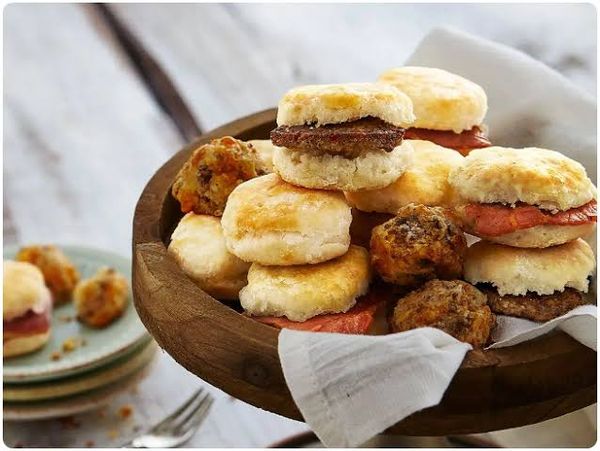
Biscuitville began in North Carolina in the 1960s as a handful of bread-and-milk stores and has grown into a chain of more than 85 locations across North Carolina, South Carolina, and Virginia. The chain’s specific contribution to the regional fast food landscape is the made-from-scratch biscuit, produced fresh throughout the day and used as the foundation for a breakfast sandwich menu that runs well into the lunch hour. The from-scratch commitment distinguishes Biscuitville from the fast food chains that use frozen or par-baked biscuits: the texture, the layering, and the specific buttery quality of a biscuit made from fresh dough in a hot oven cannot be replicated from a frozen product, and the difference is immediately apparent to anyone who has eaten both.
The spicy chicken and honey biscuit sandwich is the recommended order, and its specific pleasure is the contrast between the heat of the seasoned chicken and the sweetness of the honey on a warm, flaky biscuit. The combination reflects a flavor logic specific to Southern cooking, where heat and sweetness are balanced in preparations that the rest of the country has discovered only recently through the national expansion of Nashville hot chicken concepts. Biscuitville was doing this pairing long before it became a trend.
The chain’s geographic concentration in the Carolinas and Virginia means a dedicated Biscuitville visit requires being in those states, making it one of the more regionally specific experiences on this list. The concentration is also part of the appeal: a chain that has resisted expansion beyond its core region maintains a local identity that national franchises lose as they spread farther. Eating a Biscuitville biscuit sandwich in its home territory gives the traveler access to a breakfast tradition the South has developed over generations, one this chain represents at its most consistent and accessible. That form is worth experiencing at least once before the national biscuit chains make the from-scratch original harder to remember.
4. Schoop’s Hamburgers has served simple burgers since 1948
Credit: Schoop’s Hamburgers
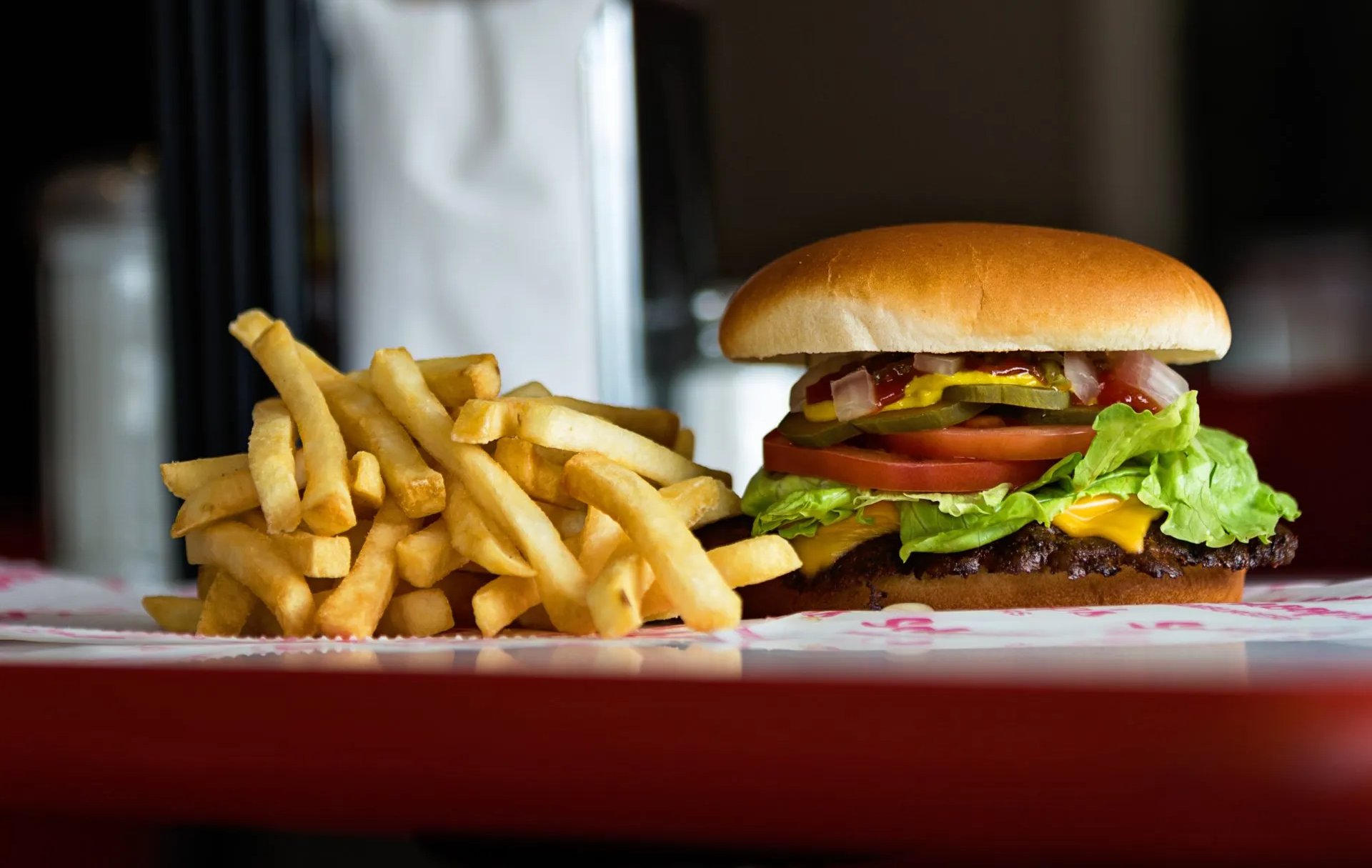
Schoop’s Hamburgers is the smallest chain on this list by location count, with fewer than 20 restaurants spread across Indiana and Illinois, and the small footprint is part of what makes it worth seeking out. Since 1948, the chain has served burgers and fries without the menu complexity that most fast-food chains have added over the decades, and its commitment to simplicity has kept it on regional favorite lists for more than 75 years. The value of a chain like Schoop’s is precisely what it lacks: no seasonal limited-time offerings, no customization platforms, no app-based ordering with loyalty points. A hamburger, a counter, and a price that reflects the operational simplicity of the model.
The special hamburger, which comes with double the meat, is the recommended order and the one that most directly expresses the chain’s identity. A double-patty burger at a simple regional diner carries a different quality from the same item at a national chain: the beef is the focus, the bun is the appropriate vehicle, and the condiments support the patty without competing with it. The fries complete the order in the same straightforward terms, and the whole experience runs at a pace and a price that the larger chains, with their more complex operations, cannot match.
The Indiana and Illinois footprint gives Schoop’s a Midwest character that reflects the region’s food culture: honest, unfussy, and built around the satisfaction of a well-executed simple thing. The traveler who encounters a Schoop’s location on a Midwest road trip and orders the special hamburger will find a fast-food experience whose unpretentious quality is itself a form of regional authenticity, and whose 75-plus years of consistent operation are the most reliable indicator of product quality any restaurant can offer. The chain’s consistency across its small number of locations means that Schoop’s experience does not vary significantly between restaurants, giving the traveler who has eaten at one location a reliable baseline for what to expect at the next.
5. Hattie B’s Hot Chicken tastes most authentic in Nashville
Credit: Hattie B's Hot Chicken
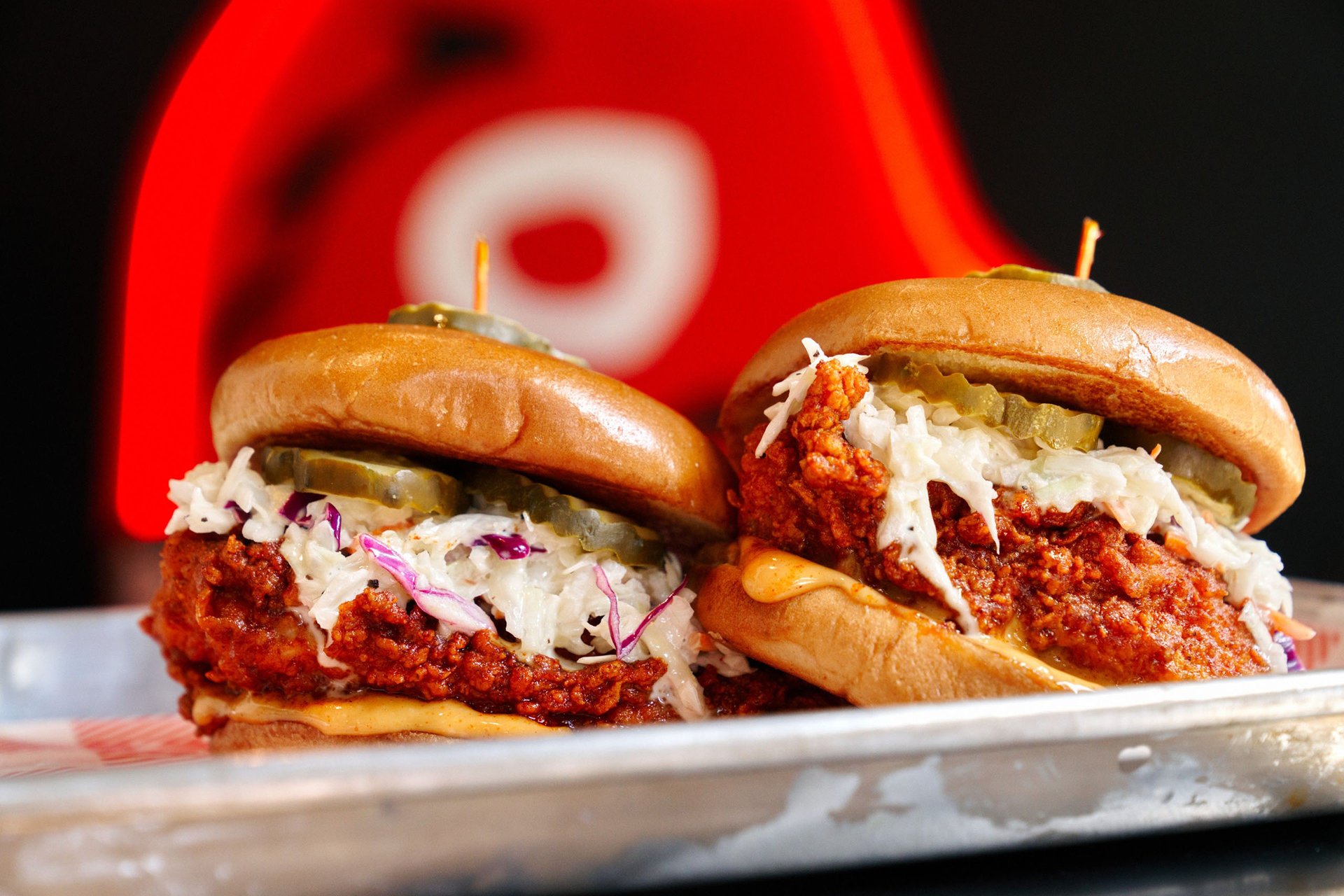
Hattie B’s Hot Chicken now operates locations in Atlanta, Las Vegas, Austin, Dallas, and other major cities, but Nashville remains its point of origin and its best location by the cultural logic that applies to all regional food: the dish tastes most complete in the context that produced it. Nashville hot chicken is a specific preparation, not merely spicy fried chicken, and Hattie B’s is the chain that brought it to national attention without abandoning the heat levels that the original Nashville tradition demands. The menu offers bone-in and boneless options across a range of heat levels from Southern to Shut the Cluck Up, and the choice of heat level is as significant as any other ordering decision.
The line at a Nashville Hattie B’s location on a weekend operates as its own form of social information: the willingness of locals and visitors alike to wait in it is the most direct available evidence of the product’s quality. Ordering ahead at the Nashville location allows the heat-level selection to be confirmed and the wait managed, but the walk-up experience, joining the line and watching the kitchen from the ordering position, gives the visit a specific energy that the delivery and pickup formats do not replicate. The chicken arrives on white bread with pickles, which are not incidental: the bread absorbs the spiced oil and becomes part of the eating experience, and the pickles provide the acid contrast that the heat requires.
The expansion to other cities has made Hattie B’s accessible without a trip to Nashville, and the quality at the non-Nashville locations is consistent with the original. But the Nashville visit gives the hot chicken its fullest context: a city whose food identity has been shaped by this specific preparation for generations, where the ranking of hot chicken shops is a subject of genuine local debate, and where eating a heat-level chicken sandwich at Hattie B’s is understood as participation in a specific culinary tradition.
6. Culver’s put a Wisconsin ButterBurger on the Midwest map
Credit: Culver's
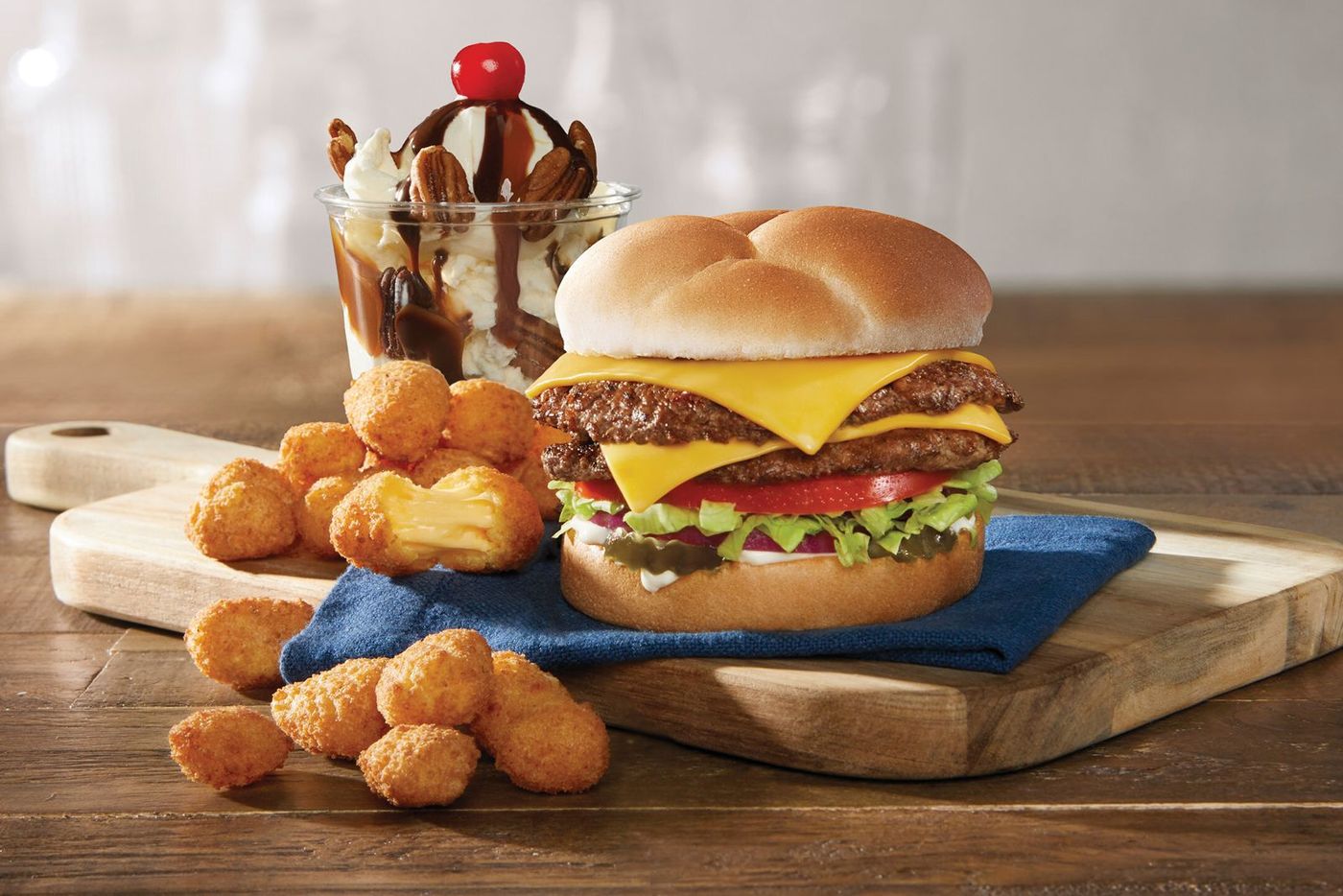
Culver’s opened its first location in Wisconsin in 1984 and built its identity around two products: the ButterBurger, whose bun is toasted with butter before assembly, and the Wisconsin cheese curds, fresh enough to squeak when bitten and fried to a golden crust that gives them a textural contrast the national chain mozzarella stick does not approach. These two items together give the Culver’s order its regional specificity: both are products of the Wisconsin dairy tradition, and the quality of each reflects the ingredient quality of the state’s dairy output.
The ButterBurger’s distinctive quality comes from the toasted bun, whose buttered surface creates a slight crunch and a richness that a standard steamed or plain-toasted bun does not. The patty underneath is fresh, never frozen, which gives the burger a texture distinction from the national chains whose supply chain logistics require frozen beef. The cheese curds are best ordered fresh, which at a busy Culver’s location is almost always the case: the turnover keeps the fryer active, and the curds that arrive at the tray have had minimal time to sit.
The expansion across the Midwest and into the South has made Culver’s one of the more geographically accessible regional chains on this list, but the Wisconsin locations offer the ButterBurger's most complete version. The customer service that Culver’s has maintained as a brand priority, with food delivered to the table and a friendliness of interaction that the national chains’ efficiency-focused service models do not replicate, gives the experience a quality dimension beyond the food itself. The original Sauk City, Wisconsin, location still operates, and a visit there gives the Culver’s experience its most historically grounded version. The frozen custard, served daily in a rotating flavor of the day alongside vanilla and chocolate standbys, gives Culver’s a dessert program whose dairy quality reflects the same Wisconsin ingredient standard that makes the cheese curds worth ordering. Fresh-frozen custard, made in smaller batches than standard soft serve, has a richness and density that the machine-extruded product cannot match.
7. Habit Burger and Grill is California’s charbroil answer
Credit: Habit Burger
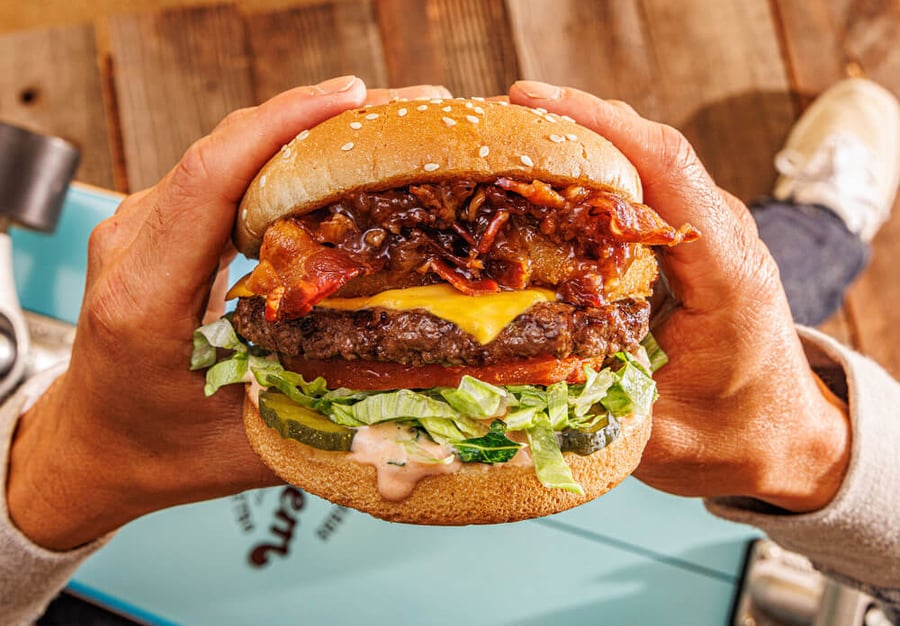
California produced two of the country’s most devoted regional burger followings, and Habit Burger and Grill, born in Santa Barbara, is the less famous of the two without being the lesser. The charburger, cooked over an open flame rather than on a flat iron, develops a distinct char and smokiness that the griddle-cooked patty does not, and the finished burger's flavor profile reflects the cooking method in a way that distinguishes Habit from both In-N-Out and the national fast-food alternatives. The Santa Barbara origin gives the chain a California coastal character specific to its geography.
The fry menu gives Habit its most distinctive ordering dimension: beyond the standard fry, it includes sweet potato fries and tempura green beans, both of which expand the side dish category beyond the single preparation most fast food chains narrow it to. The tempura green beans, in particular, are a California-specific offering whose Japanese culinary influence reflects the state’s food culture and offers a vegetable option with enough personality to compete with the burger for attention. The chain has expanded up and down both coasts, making it more accessible than its Santa Barbara origins suggest, but the West Coast locations, where the chain’s coastal California identity is most contextually coherent, remain the most satisfying places to eat it.
The comparison to In-N-Out is inevitable, and the honest answer is that the two chains are doing different things. In-N-Out’s menu constraint and fresh-beef focus give it a purity of concept. Habit’s charbroiled method and broader menu give it a different kind of quality, one that rewards exploration of the ordering options. A California traveler who has only tried one of the two has not finished the research. The Santa Barbara original location, still operating in the city where the chain began, gives the Habit visit its most historically complete version: the same charbroiled burger in the coastal California context that produced it, which gives the food a geographic coherence that the chain’s East Coast locations cannot replicate in the same terms.
8. Sheetz makes Mid-Atlantic gas stops a full dining option
Credit: Sheetz
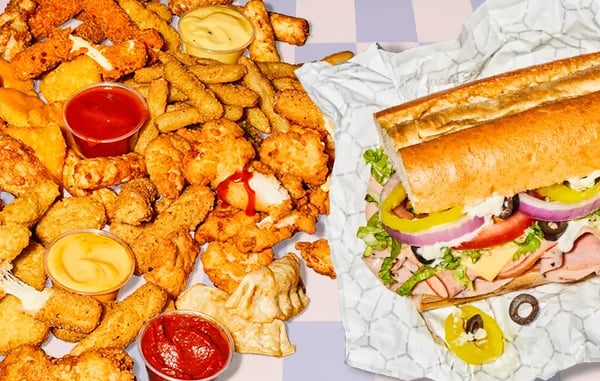
Sheetz made its name in the 1950s as a roadside convenience chain in the Mid-Atlantic and has become one of the country’s most celebrated examples of a fast food operation embedded within a gas station. The made-to-order menu, available through touchscreen kiosks that allow extensive customization, gives Sheetz an operational model whose quality significantly exceeds that of a typical gas station food program. The spicy bacon ranch sliders are the recommended order for travelers who want a quick roadside meal with enough heat and flavor to justify the stop beyond the fuel tank.
The convenience store format gives Sheetz a practical appeal specific to the road-trip context: stopping for gas and walking out with a freshly made meal, a coffee, and whatever snacks the next leg of the drive requires is a logistical efficiency that a dedicated restaurant stop cannot provide. The Sheetz Made-to-Order, or MTO, menu covers breakfast items, sandwiches, burgers, wraps, and sides, with a depth that most standalone fast-food chains do not offer in a single-stop format.
The Mid-Atlantic concentration, with locations across Pennsylvania, West Virginia, Virginia, Maryland, Ohio, and North Carolina, gives Sheetz its distinct regional identity: it is the road-trip companion of the I-81 corridor, the chain whose orange signage means food and fuel are available at the same exit. The customer-centric service culture that has made Sheetz a regional loyalty benchmark extends to 24-hour operation at most locations, giving the late-night driver an option whose quality holds across the hours when other chains have closed or reduced their menus. The Sheetz coffee program, which runs from standard drip to espresso drinks and specialty-flavored options, provides the road-trip driver with a caffeine infrastructure competitive with standalone coffee chains at a price the dedicated coffee shop cannot match at the same stop. The MTO breakfast items, available through the full 24-hour operation, give the early driver an egg-and-cheese sandwich option whose made-to-order quality exceeds what the gas station food category typically produces.
9. D’Angelo grills sandwiches across five New England states
Credit: D’Angelo Grilled Sandwiches
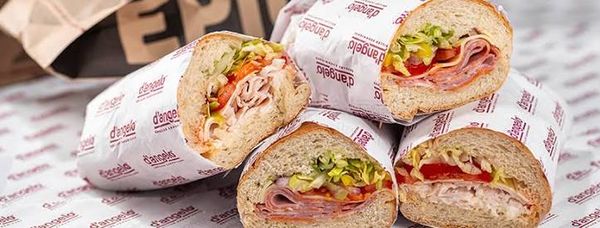
D’Angelo Grilled Sandwiches has locations across Connecticut, Rhode Island, Massachusetts, New Hampshire, and Maine, and the chain’s specific contribution to the New England fast food landscape is the grilled sandwich, made on fresh bread whose exterior is toasted on a flat iron to a slight crispness that the cold sandwich format does not produce. The chicken Caesar salad wrap is the recommended order: a crunchy, cool grilled chicken wrap with romaine, Caesar dressing, and Parmesan, providing the refreshing qualities appropriate to a summer lunch along the New England coast.
The New England sandwich culture that D’Angelo belongs to reflects the region’s food practicality: a well-made sandwich at a fair price, executed consistently across a network of locations whose geographic spread covers the small-state geography of the northeastern corner of the country. The five-state footprint gives D’Angelo a reach sufficient to serve the New England traveler from southern Connecticut to the Maine coast without the logistical challenge that a more dispersed chain would impose.
The grilled preparation gives D’Angelo its technical distinction from the cold sub shops that compete in the same regional market. Heating the bread and the fillings together, allowing the cheese to melt and the sandwich’s internal temperature to equalize, produces a coherence of texture and flavor that the cold sandwich cannot match in the same terms. The New England traveler who has only experienced the region’s cold sandwich culture, not its grilled sandwich equivalent, has an easy and worthwhile gap to close, and D’Angelo provides the most consistent access to that experience across the region. The chain’s steak sandwich, a New England diner staple whose grilled steak strips on a toasted roll give the menu its most regionally specific item, offers the traveler a format specific to the northeast’s working lunch tradition and a distinctly regional character that the national fast casual chains have attempted and never successfully replicated at the same genuinely local depth.
10. Zippy’s brings plate lunch from Oahu to Las Vegas
Credit: Zippy's
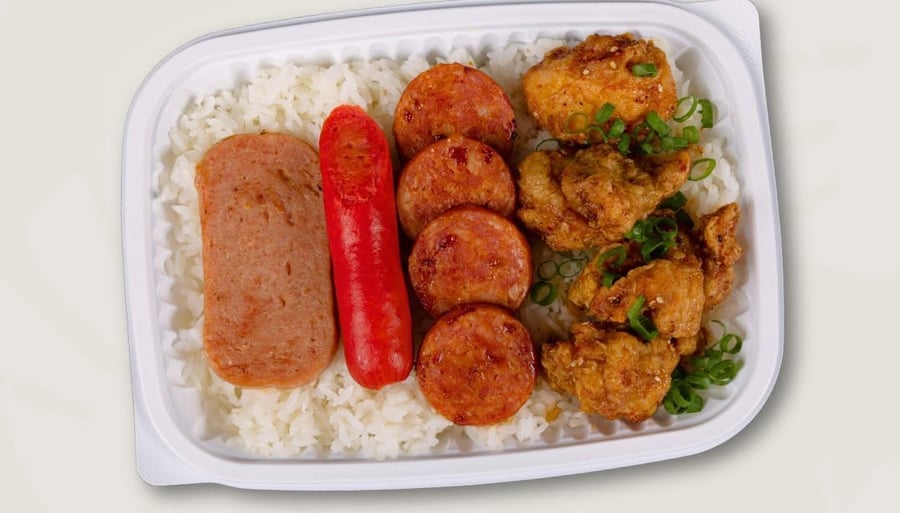
Zippy’s has been an Oahu institution since the 1960s, and the diner’s menu is a direct expression of Hawaii’s specific food culture: the convergence of Japanese, Korean, Filipino, Chinese, Portuguese, and native Hawaiian culinary traditions that the island’s immigration history produced over more than a century of multicultural settlement. The plate lunch format, a scoop of rice, a scoop of macaroni salad, and a protein, is the working lunch of Hawaii’s local population, and Zippy’s serves it in the full range of protein options that the island’s culinary diversity makes available: teriyaki chicken, loco moco, chicken katsu, and whatever the daily special reflects of the kitchen’s seasonal and cultural range.
The loco moco, white rice topped with a hamburger patty, a fried egg, and brown gravy, is the most specifically Hawaiian item on the menu and the one most worth ordering as a first experience with the chain. The dish has no direct equivalent in mainland American fast food, and the textures and flavors working together, the richness of the gravy, the runny yolk of the egg, and the savory beef patty over the neutral rice base, give the plate a specific satisfaction that the traveler encountering it for the first time finds both unexpected and immediately coherent.
The Las Vegas location gives mainland travelers access to Zippy’s without a Hawaii trip, and the quality closely matches the original enough to serve as a legitimate introduction to the chain. But the Oahu locations, where the surrounding food culture and the specific Hawaiian context give the plate lunch its full meaning, remain the most complete version of what Zippy’s is. Eating a loco moco at a Zippy’s on Oahu, where it is understood as a local institution and not a novelty, gives the traveler something closer to the genuine experience that the Las Vegas location, however good, cannot fully replicate. The chili, a Zippy’s staple served as a side dish or as a topping on the loco moco and other plate items, is a specific Zippy’s product with its own devoted following among local customers, and it gives the chain a menu item whose specificity to this restaurant is as strong as the proprietary ketchup is for Whataburger.