
The best — and most practical — cities in the U.S. for conferences
From Las Vegas's million-plus hotel rooms to San Diego's waterfront convention center and near-perfect year-round weather
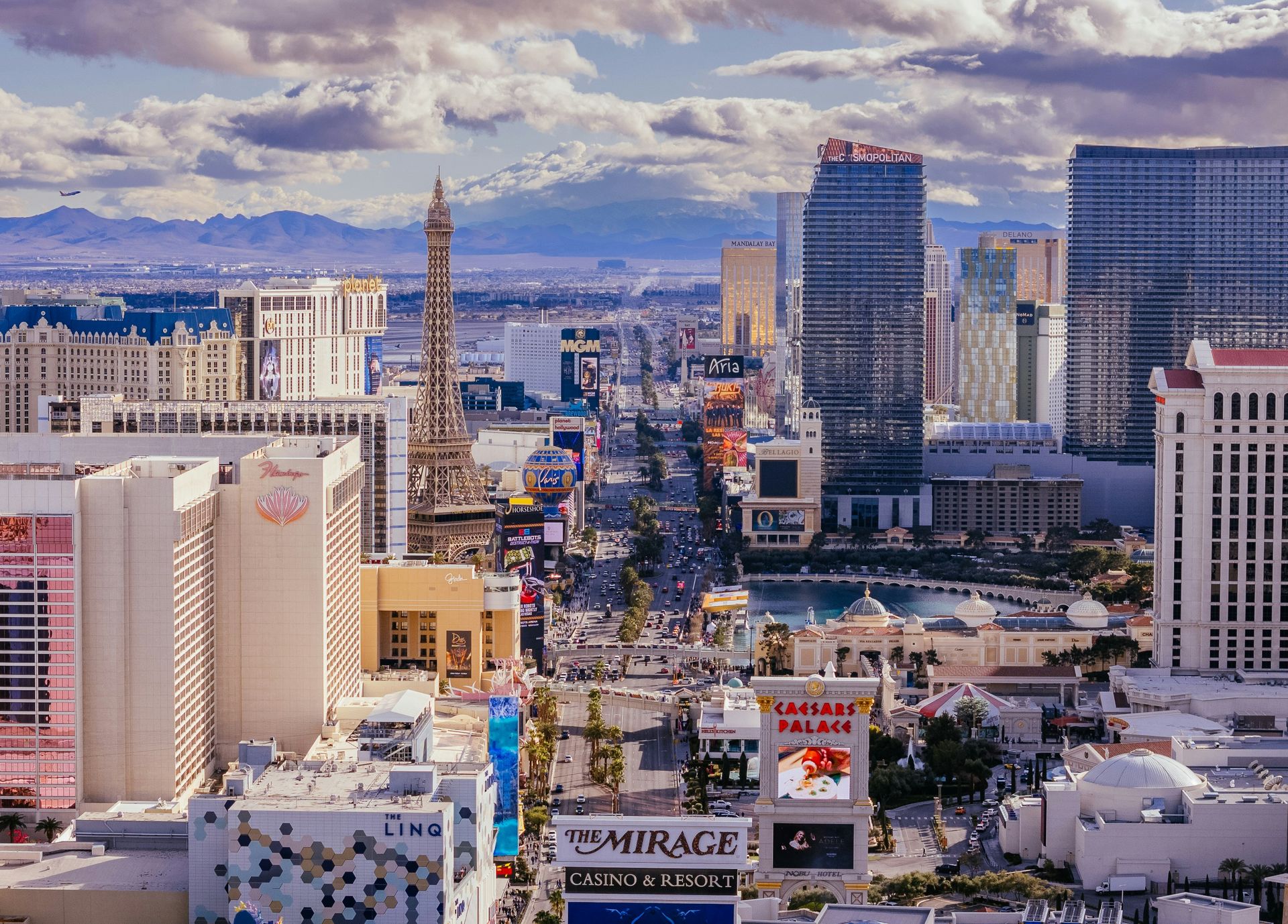
Nils Huenerfuerst / Unsplash
The choice of conference city is not a neutral logistical decision. Attendance data consistently shows that the destination itself is a material factor in whether registrants convert to attendees: a conference in Las Vegas or New York draws more attendees from the same mailing list than the identical program in a second-tier conference city, because the destination is part of the value proposition the attendee weighs against the cost and time of travel. The U.S. News and World Report ranking captures this dynamic by incorporating both the logistical factors that planners evaluate, meeting space, accessibility, affordability, safety, and sustainability, and the experiential factors that drive attendee decisions, cultural attractions, dining quality, nightlife, and walkability.
The methodology, developed with input from event planners across multiple industries, evaluated 52 major U.S. cities across this full range of factors. The outcome reflects the conference market’s dual accountability: to the planner who needs the logistics to work and the budget to hold, and to the attendee who is weighing the conference against other demands that week. The cities that score highest are those where both tests pass simultaneously, and where the destination’s off-hours offerings give the attendee a reason to attend that extends beyond the content of the sessions themselves.
The 10 cities below represent the full top tier of the ranking published by U.S. News and World Report, which evaluated cities across meeting space, accessibility, affordability, safety, sustainability, and experiential factors that drive attendee interest. Each city profile below notes the primary logistical advantage and the primary logistical caution, giving the conference planner both the affirmative case for the city and the honest qualification that any fair and genuinely complete assessment of that city’s conference suitability requires.
1. Las Vegas holds the most hotel rooms in the U.S.
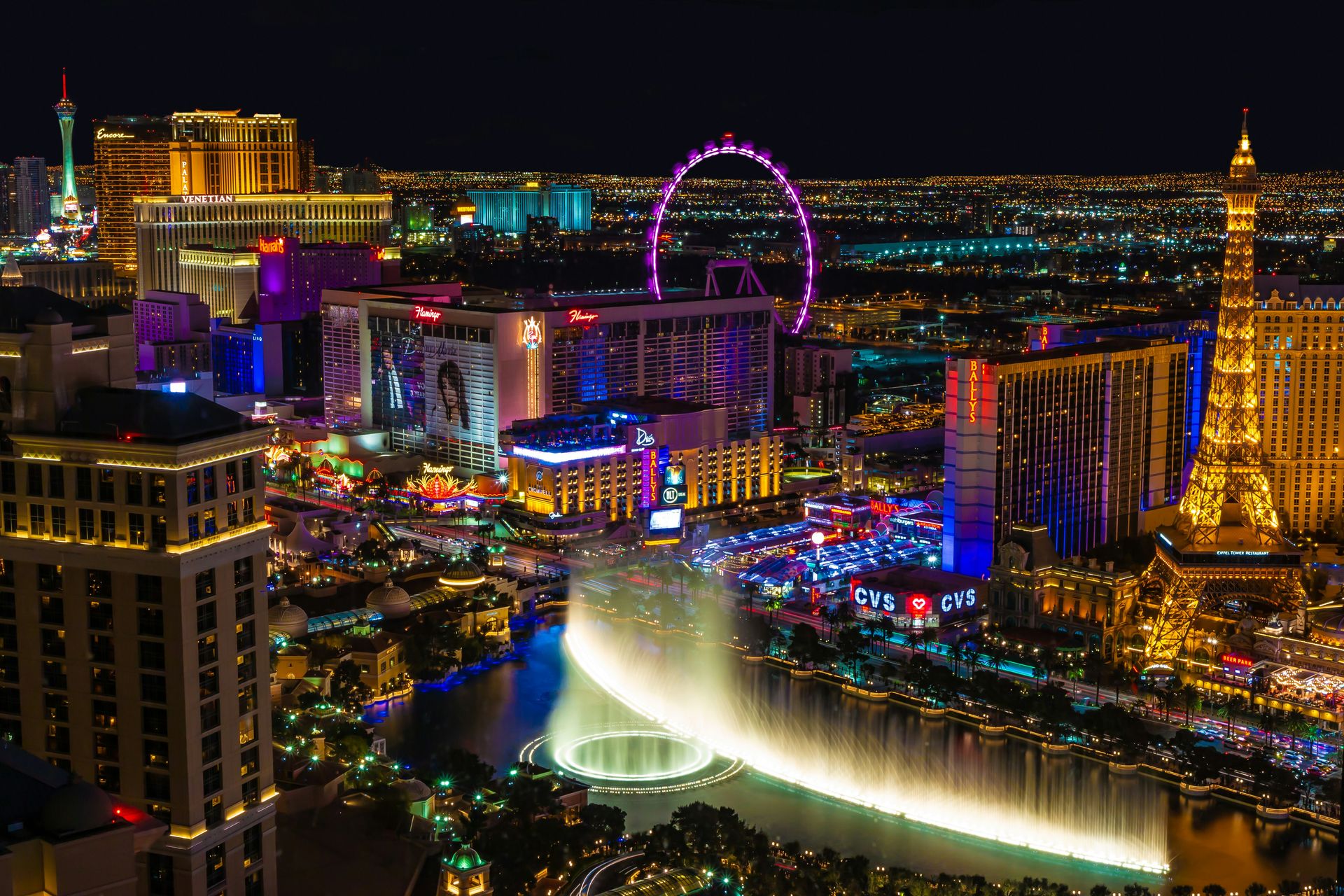
Julian Paefgen / Unsplash
Las Vegas holds the top position in the U.S. News conference city ranking, earning it through a convergence of capacity advantages that no other American city can match. The Las Vegas Convention Center completed a $600 million renovation this year, giving the facility modernized infrastructure and the capacity to accommodate the largest trade shows and conventions in the industry. The hotel room inventory, the largest of any U.S. city, gives the conference organizer the ability to house any scale of event without overflow logistics, and the concentration of hotel meeting space in the Strip’s mega-resorts means that the convention center is supplemented by millions of additional square feet of event space within walking distance.
The airport, one of the most connected midsize airports in the country, offers conference attendees direct flights from nearly every major American market and a terminal-to-Strip distance measured in minutes. The infrastructure’s efficiency reflects a city whose economy is built around accommodating large groups of people with minimal friction, and whose continuous investment in convention infrastructure gives it a competitive edge over older conference cities whose facilities have not received comparable capital investment.
The post-conference program is the most comprehensive leisure menu in the American conference market: the Sphere, the Venetian’s Grand Canal Shoppes, the Bellagio fountains, and the casino floors of a dozen world-class resorts offer an evening program that requires no planning and no transportation. The primary logistical caution is walkability: the distances between Strip properties look shorter on a map than they are on foot in desert heat, and the conference planner who assumes that attendees will walk between venues should verify actual distances carefully. The monorail that runs along the rear of the Strip properties provides transit between some venues, and rideshare pricing in Las Vegas is competitive with most American cities, giving the conference organizer practical shuttle options that supplement the walking-distance limitations.
2. Chicago anchors North America’s largest convention center
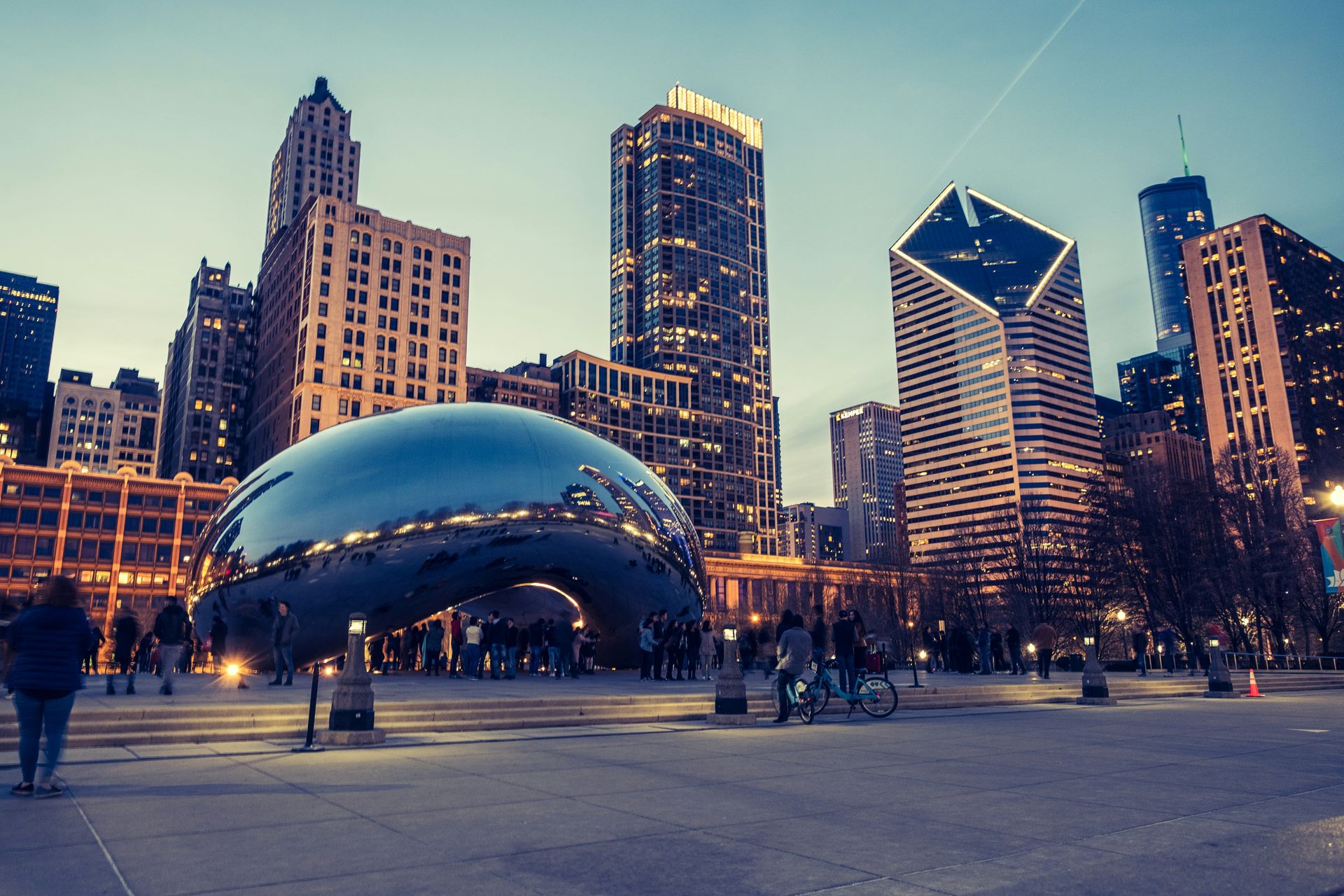
Lance Anderson / Unsplash
Chicago holds the second position and gives the conference market its most logistically complete major city option: McCormick Place, the largest convention center in North America, gives Chicago the physical capacity for the highest-attendance trade shows in any industry, and the city’s dual airport system, O’Hare and Midway, gives the conference attendee flight options from virtually every domestic market. The transit system, with its elevated rail network connecting the Loop to both airports and to the major conference hotel neighborhoods, gives the attendee a transportation option whose quality and coverage reduce the shuttle chartering logistics that conference planning in car-dependent cities requires.
The hotel inventory is large enough to accommodate major conventions without bidding wars for room blocks, and the distribution of hotels across the River North, Magnificent Mile, and South Loop neighborhoods gives attendees options at a range of price points. McCormick Place’s direct connection to the hotel and restaurant infrastructure of the South Loop and Near South Side gives the convention attendee a walkable post-session program whose quality reflects the neighborhood’s development around the convention complex.
The city’s lakefront setting, with its 26 miles of public lakefront parks that offer attendees a distinctly Chicago outdoor experience, and the Museum Campus adjacent to McCormick Place, add depth to the cultural program. The logistical caution is seasonal: first- and fourth-quarter events carry meaningful weather risk at O’Hare, whose notoriety for winter storm delays gives the conference organizer in those windows a contingency-planning responsibility that year-round warm-weather cities do not require. The Chicago transit system’s reliability in winter weather, whose elevated rail lines and underground subway segments give it a specific resilience to snow and ice that surface-dependent transit systems in warmer cities fail to match, gives the conference attendee a city that remains operationally functional in winter weather even when the notorious O’Hare airport delays compromise the inbound travel program for the conference’s critical first morning of opening sessions.
3. Orlando offers the second-largest U.S. hotel inventory
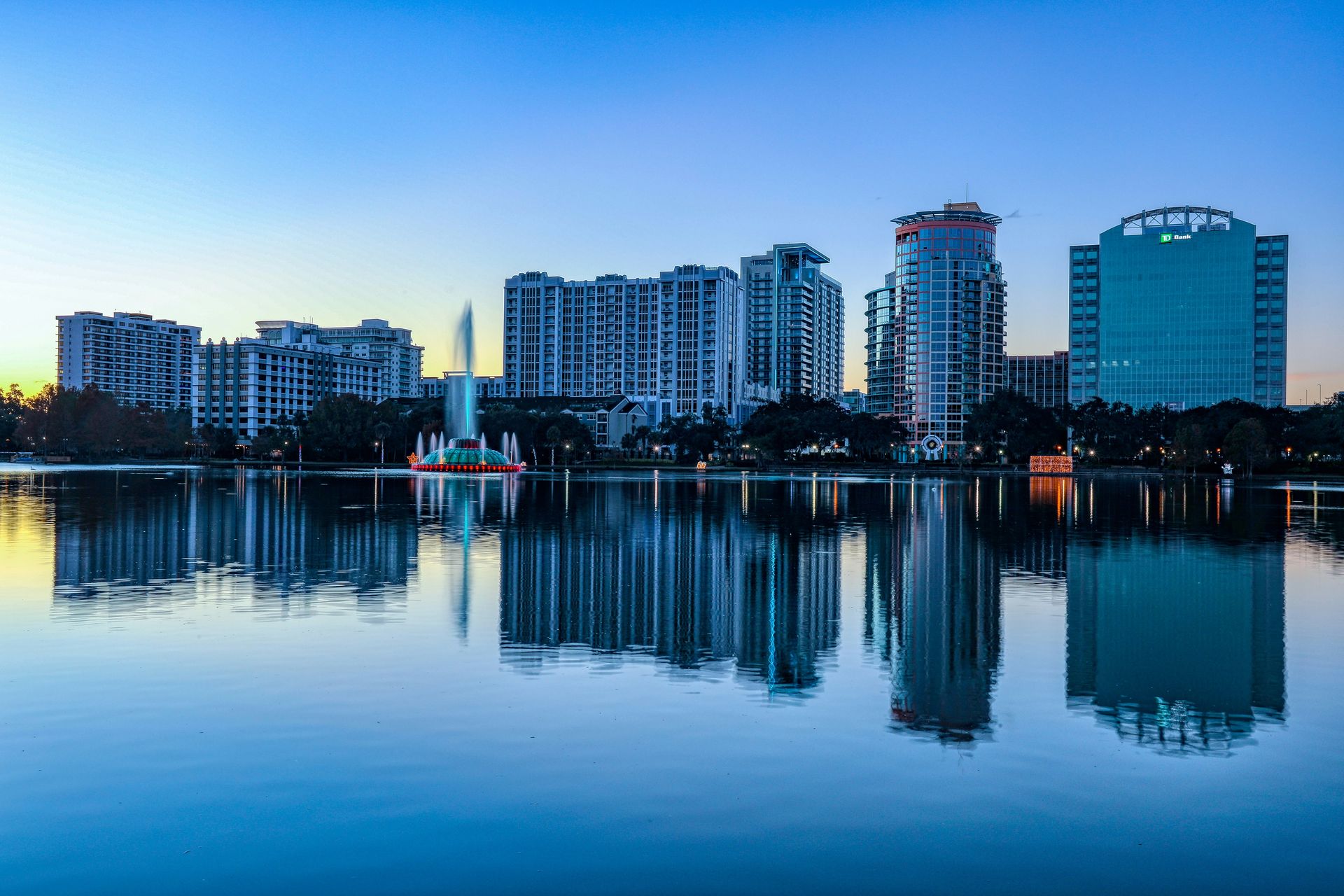
Mick Haupt / Unsplash
Orlando holds the third position and gives the conference market its most complete hospitality infrastructure outside of Las Vegas: the hotel room inventory is second only to Las Vegas among American cities, and the Convention Center District that clusters event space, hotels, dining, and entertainment in a walkable zone gives the large conference a self-contained geographic program whose single-district concentration reduces the transportation logistics that spread-out conference cities require. The Orange County Convention Center, the second-largest convention center in the United States, provides Orlando with the physical space for the industry’s largest events, alongside Las Vegas and Chicago.
The theme park proximity that defines Orlando’s leisure identity is a genuine conference asset: Disney $DIS World, Universal, and the other major parks give the conference organizer an evening or day-off excursion program whose scale and variety exceed anything the conference cities with more conventional cultural attractions can assemble. The “bleisure” traveler, who extends the conference into a family vacation or a personal leisure day, finds Orlando’s most compelling argument in its theme parks, and the opportunity to combine a major conference with a Disney World visit drives attendance from registrants who would not make the trip for the conference alone.
The honest logistical profile acknowledges the cultural limitations: Orlando lacks the museum depth of Chicago, the dining variety of New York, or the neighborhood character of Washington D.C.'s historic districts. The retail program, anchored by the Mall at Millenia and the surrounding outlet centers, and the more than 170 golf courses in the metropolitan area, provide the non-theme-park leisure program with its primary options. The Kennedy Space Center at Cape Canaveral, an hour’s drive from the Orange County Convention Center, gives the conference excursion program a specifically Florida cultural destination whose significance and visual scale give the full-day bus excursion a program quality that the generic retail and golf options do not provide at the same level of visitor engagement and cultural significance.
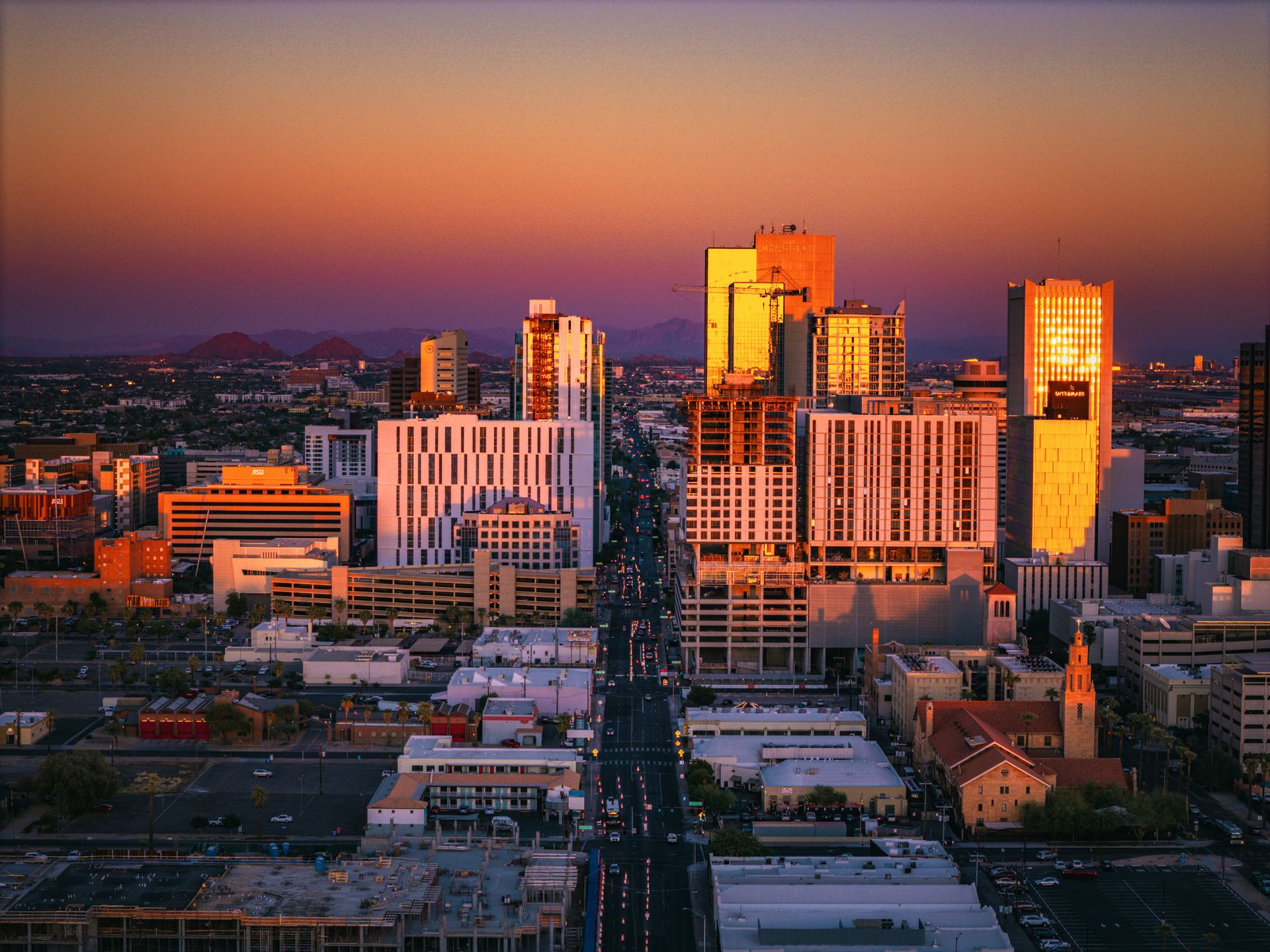
4. Phoenix features 300 sunny days and an outdoor event space
Nils Huenerfuerst / Unsplash
Phoenix holds the fourth position and gives the conference market its most weather-reliable outdoor event destination in the contiguous United States: the roughly 300 days of sunshine per year and the Phoenix Convention Center’s 80,000 square feet of dedicated outdoor event space give the conference program an outdoor meeting and reception option that the rainy-season cities in the Southeast and the winter-affected cities in the Midwest and Northeast cannot reliably provide. The Sunbelt climate gives the conference a predictable weather baseline whose value increases directly as the event’s programming includes outdoor components.
The bleisure profile is among the strongest in the conference market: the Phoenix-area resorts, particularly those in Scottsdale, give the conference attendee a pool, spa, and golf program whose quality and design give the resort stay a leisure experience that the urban conference hotel in Chicago or New York does not provide in the same immediate outdoor access terms. The sunrise hike up Camelback Mountain before the morning keynote and the afternoon pool session before the evening networking reception give the Phoenix conference schedule a distinct outdoor rhythm, with physical variety that offers the multi-day attendee a recovery program tailored to the desert resort environment.
The honest logistical limitation is transit: Phoenix’s transit system and walkability scores are meaningfully lower than those of the top-ranked cities, and the metro area's car-dependent layout means attendees without vehicles will rely on rideshare for off-convention-center travel. The conference planner who builds social events beyond the convention complex should factor transportation logistics into the program design in a way that does not require transit in transit-rich cities. The organized shuttle programs that the major Scottsdale resorts run between the resort, the convention center, and the airport give the conference organizer a practical infrastructure whose reliability and frequency give the car-free attendee a functional conference week without the personal vehicle that Phoenix’s distinctly car-oriented and sprawling geographic layout would otherwise require from the majority of conference attendees.
5. Houston provides the lowest lodging rates on the list
-1920x1282.jpg)
Carlos Delgado / Unsplash
Houston holds the fifth position and offers the conference market its most compelling cost argument: its lodging rates are among the lowest of any major American conference hub, which gives the conference organizer a room block cost and a per-attendee daily rate that coastal hub cities and Las Vegas cannot match. The two international airports, George Bush Intercontinental and William P. Hobby, provide conference attendees with direct flight access from domestic and international markets, and the George R. Brown Convention Center’s downtown location gives the event a central address accessible from the major hotel clusters.
The Texas-specific conference social program gives the Houston conference a cultural specificity: the Houston Livestock Show and Rodeo, the largest rodeo in the world, and the MLB program at Daikin Park, a short walk from the convention center, give the event planner locally anchored social event options whose regional character gives the out-of-town attendee an experience specific to this city. The Space Center Houston and the Museum District give the cultural excursion program a depth specific to Houston’s identity as both a space industry hub and one of the most museum-dense cities in the South.
The primary seasonal consideration is summer weather: Houston’s Gulf Coast position makes it subject to extreme heat, humidity, and tropical storm activity between June and September, and the conference planner who books a summer Houston event should have contingency plans for weather-related disruptions. The mild winter temperatures make Houston a strong option for the first- and fourth-quarter conference calendar that the northern cities manage around winter storm risk. The Houston culinary scene, which has developed into one of the most diverse in the South thanks to the city’s largest immigrant population of any American city, gives the conference dining program a range of restaurant options whose breadth and quality give the city’s dining credentials a strength specific to the ethnic diversity that Houston’s petroleum and medical industries have assembled.
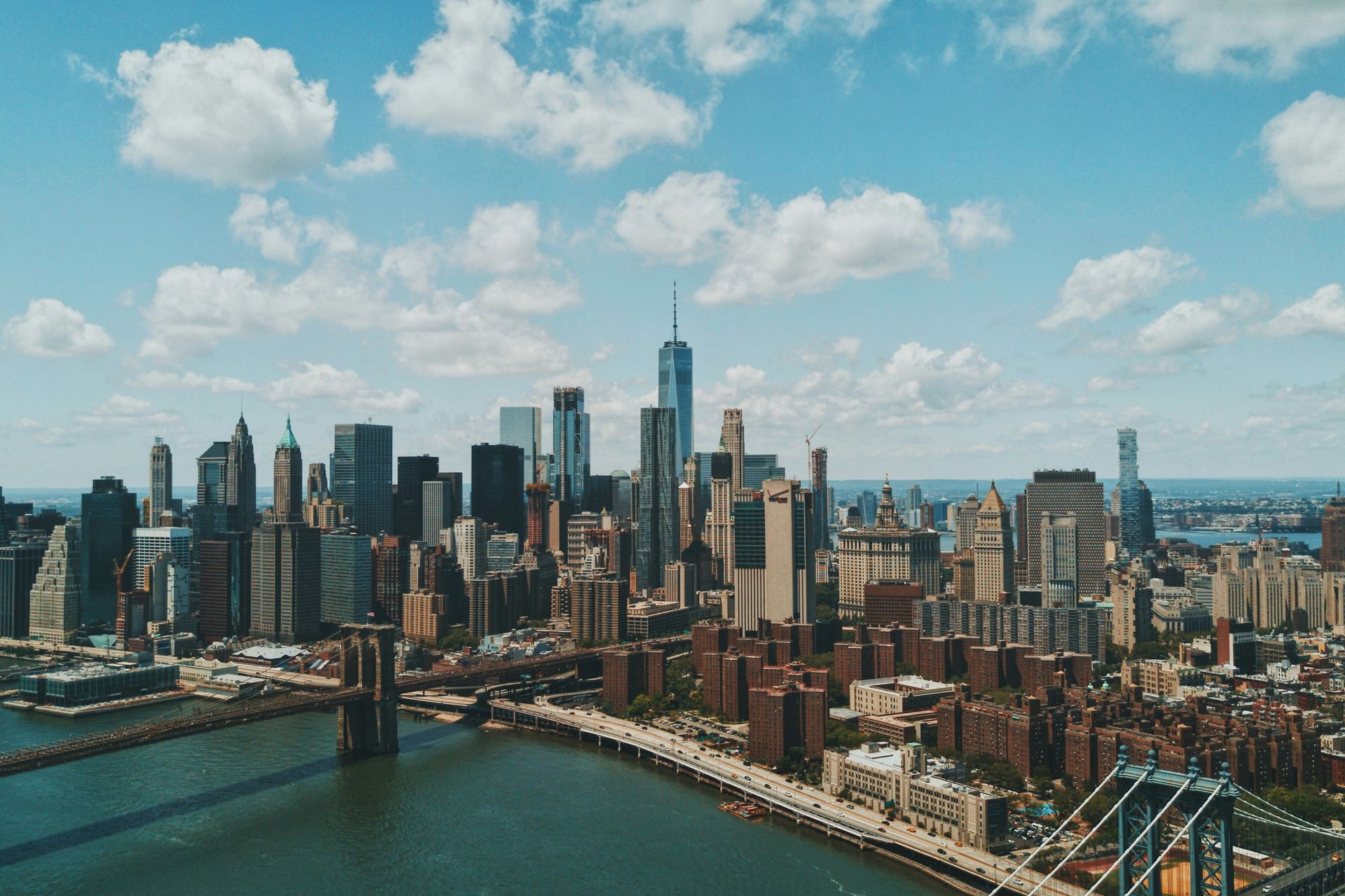
6. New York City draws global conference attendance
Patrick Tomasso / Unsplash
New York City holds the sixth position and gives the conference market its most globally connected single address: the three major airports, JFK, LaGuardia, and Newark, collectively serve more international routes than any other metropolitan area in the country, which means that the New York conference has an attendance advantage among international registrants that no other American city can match. The cultural program is, by definition, the deepest of any city in this ranking: Broadway, world-class museums, Michelin-starred restaurants, and the specific energy of the world’s most visited urban destination give the attendee an off-hours program whose quality and variety are without peer.
The Javits Center gives the New York conference its primary dedicated convention facility, and the High Line’s terminus at the Javits Center’s entrance gives the conference attendee an immediately accessible urban park experience specific to Manhattan’s West Side that no other major convention center in the country provides at its front door. The transit system, the only major American network that operates 24 hours a day, gives the conference attendee the freedom to move across the city without car logistics at any hour of the day or night.
The primary limitation is cost: New York lodging rates are the highest of any city in the ranking, and food and beverage costs at New York conference venues reflect the city’s overall cost structure, making the per-attendee budget materially higher than in any other city on the list. The conference planner who chooses New York accepts the cost premium in exchange for the attendance premium that the city’s global accessibility and cultural program reliably produces. The specific advantage for the international conference is measurable: the three-airport complex collectively handles more international passenger volume than any other American metropolitan area, and the flight availability from Europe, Asia, and Latin America gives international attendees options that Chicago and West Coast cities offer only in limited numbers.
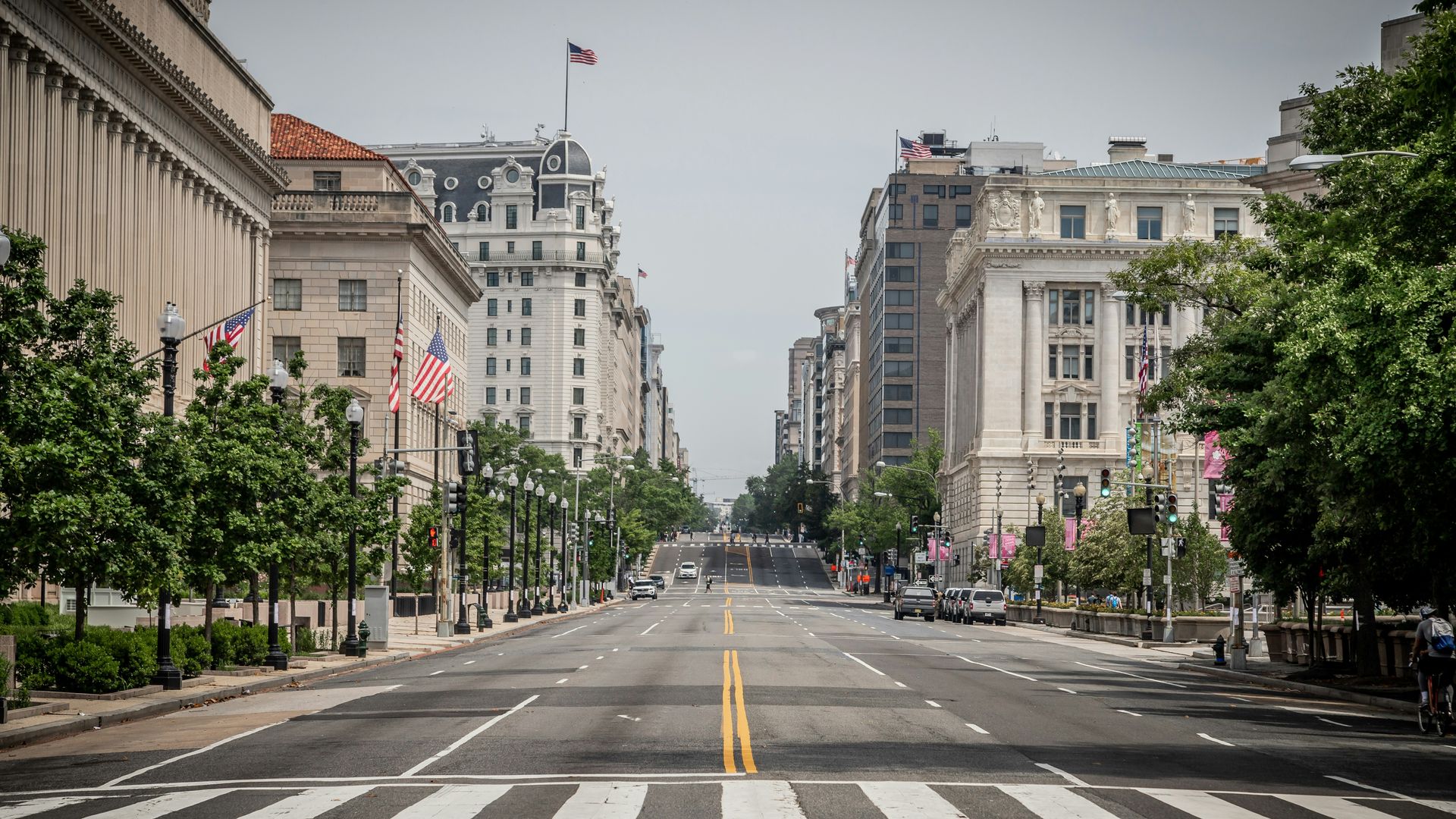
7. Washington, D.C. earned the highest sustainability score
Vlad Tchompalov / Unsplash
Washington D.C., holds the seventh position and gives the conference market its most politically connected conference address and its highest sustainability score in the ranking. The sustainability credential reflects the city’s concentration of LEED-certified hotels and the prominent green infrastructure, with its parks and tree-lined streets, that give the capital’s built environment a specifically managed ecological quality. For the conference organizer whose attendees include government relations professionals, policy experts, or international delegates, the Washington, D.C., address has a specific professional relevance that no other city on the list offers in the same immediate terms.
The three airport connections, Reagan National, Dulles, and BWI, give the conference attendees multiple entry points into the metropolitan area, and the city’s transit system, one of the largest in the country, gives attendees the option to navigate the city without vehicles. The walkability score reflects the compact geography of the core city, with its major conference hotels, government buildings, and cultural institutions concentrated in a pedestrian-accessible district, creating a city that works on foot.
The Smithsonian Institution’s museums, all free of admission, give the cultural program an access model unavailable in any other major American city: a conference attendee in Washington can visit the National Air and Space Museum, the National Portrait Gallery, or the National Museum of African American History and Culture without the cost calculation that museum admission in Chicago or New York requires. The quality of nightlife and dining, both of which improved significantly in recent years, gives the D.C. conference its most pleasant recent development: the city’s food scene and rooftop bar culture now compete with those of coastal cities in a way the D.C. of a decade ago could not. The capital’s hotel room count, while lower than other top conference cities, includes a concentration of high-quality boutique and luxury properties in Georgetown, Dupont Circle, and the Penn Quarter, whose design and service standards give the senior executive attendee a Washington D.C. hotel experience that the mega-resort conference properties in Las Vegas and Orlando do not provide in the same specific urban hotel terms.
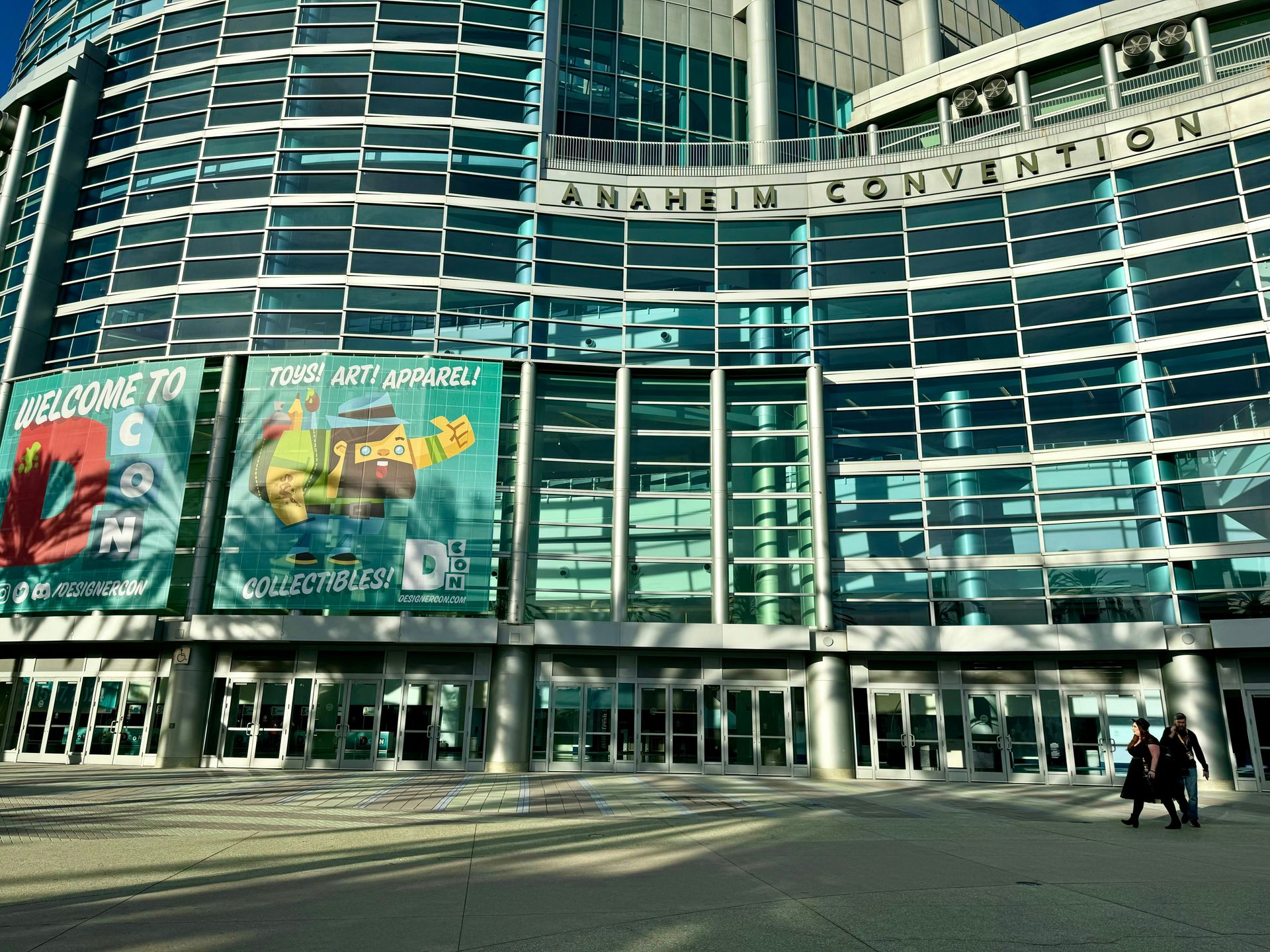
8. Anaheim houses the largest West Coast convention center
John Diep / Unsplash
Anaheim holds the eighth position and offers the conference market the largest convention center on the West Coast, alongside year-round mild weather that makes the Southern California coastal climate one of the most event-reliable in the country. The Anaheim Convention Center’s scale, which gives it the West Coast’s largest event footprint, makes Anaheim the logical choice for large-scale trade shows or industry conferences that need West Coast access and the physical space to accommodate a major production. The minimal precipitation and consistent temperature range that Anaheim’s climate provides give outdoor event components a reliability that the conference cities of the Pacific Northwest and the Northeast cannot provide year-round.
The Anaheim GardenWalk, a half-mile from the convention center, offers conference attendees a walkable dining, nightlife, and retail program accessible without transportation from the convention complex. The proximity to Disneyland, which offers the conference a potential evening event venue and a day-off excursion accessible to the entire attendee demographic regardless of professional background, gives Anaheim a conference social program asset specific to its geography. The broader Orange County access, including the coastal towns of Newport Beach, Laguna Beach, and Huntington Beach, gives the attendee who extends the trip a beach program within 30 minutes by car.
The honest limitation is the generic character of the immediate convention center district: the restaurant and entertainment options within walking distance of the convention center are competent but not distinctive, and the conference attendee who compares the Anaheim street-level experience to Chicago’s Magnificent Mile or San Antonio’s River Walk will find the immediate environment less compelling as a walking city. The conference organizer who plans social events in Anaheim should include transportation to Santa Ana’s restaurant district, the Anaheim Packing District food hall, or the coastal communities to give the evening program quality and local character that the convention center district simply cannot provide within easy walking distance.
9. San Antonio has a Convention Center on the River Walk
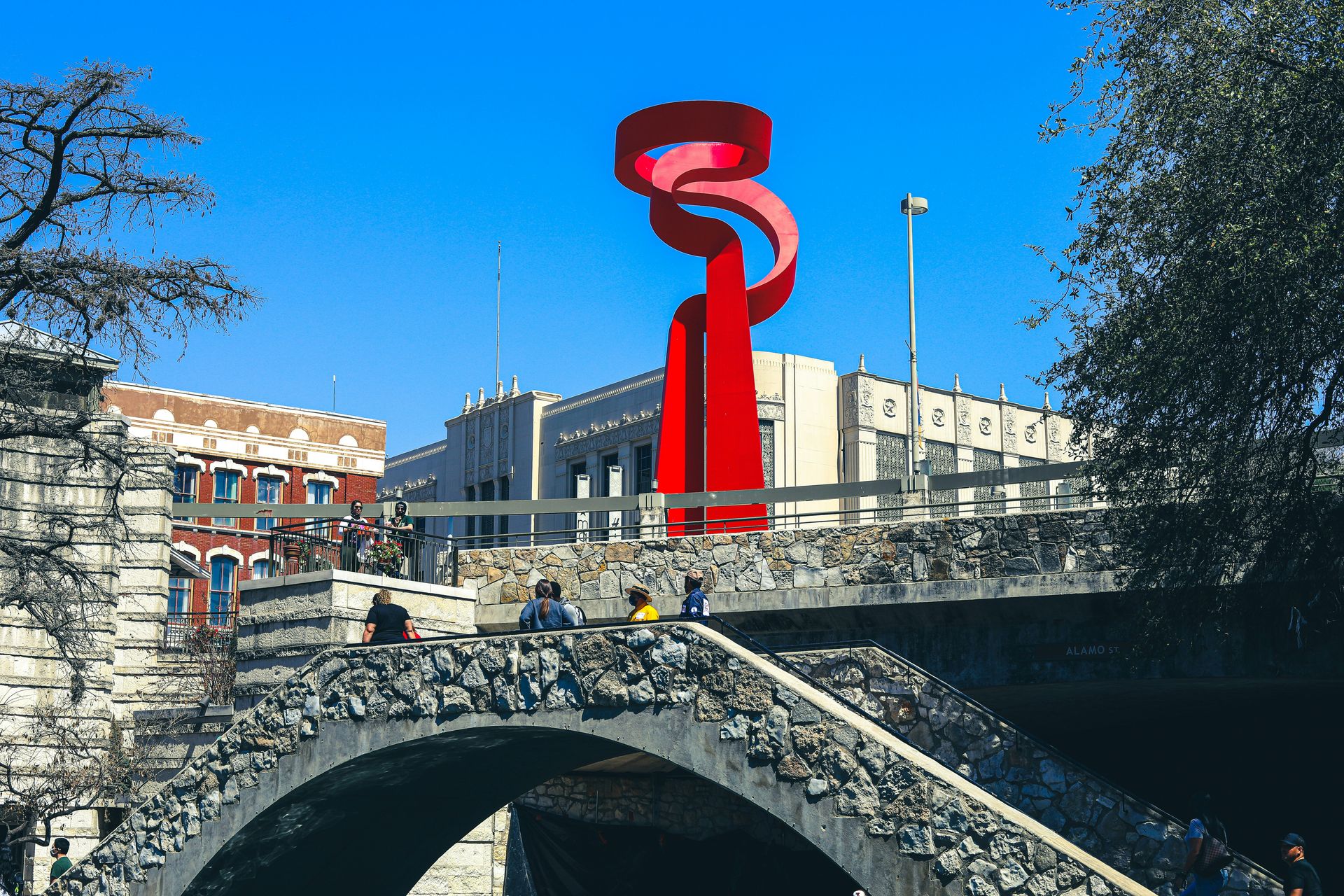
Carl Hunley Jr / Unsplash
San Antonio holds the ninth position and gives the conference market its most distinctive single convention center setting in the ranking: the Henry B. González Convention Center sits on the San Antonio River Walk, the 15-mile urban waterway whose lined walkways, restaurants, and bars give the convention center an immediately adjacent outdoor social program whose character is specific to this city and unavailable at any other major convention venue in the country. The ability to step out of a session and onto the River Walk for a scenic lunch or an evening margarita gives the San Antonio conference a built-in leisure accessibility, without requiring transportation logistics.
The Henry B. González Convention Center features the largest ballroom in Texas, providing San Antonio with the physical capacity for major corporate events or state-level association conferences whose scale exceeds what the city’s overall profile might suggest. The hotel and dining costs give the conference organizer a per-attendee budget that the coastal cities and Las Vegas cannot approach, and the friendly cultural character of the city, whose reputation for welcoming visitors is a consistent theme in attendee feedback from San Antonio conferences, gives the social program a specific warmth specific to this Texas city.
The Alamo, two blocks from the convention center, and the broader city’s Spanish colonial and Mexican cultural heritage give the cultural excursion program a history specific to San Antonio that the generic American conference city does not provide. The honest scale limitation is that the convention center is more modest than those in larger hub cities, and the conference whose attendance exceeds the facility’s capacity will need to move to a larger market. The San Antonio Spurs arena and the city’s growing technology sector, which has brought a younger professional demographic to the city’s east side neighborhoods, give the social program a contemporary entertainment and restaurant dimension alongside the well-known historic River Walk and Alamo district cultural program.
10. San Diego gives conferences near-perfect weather
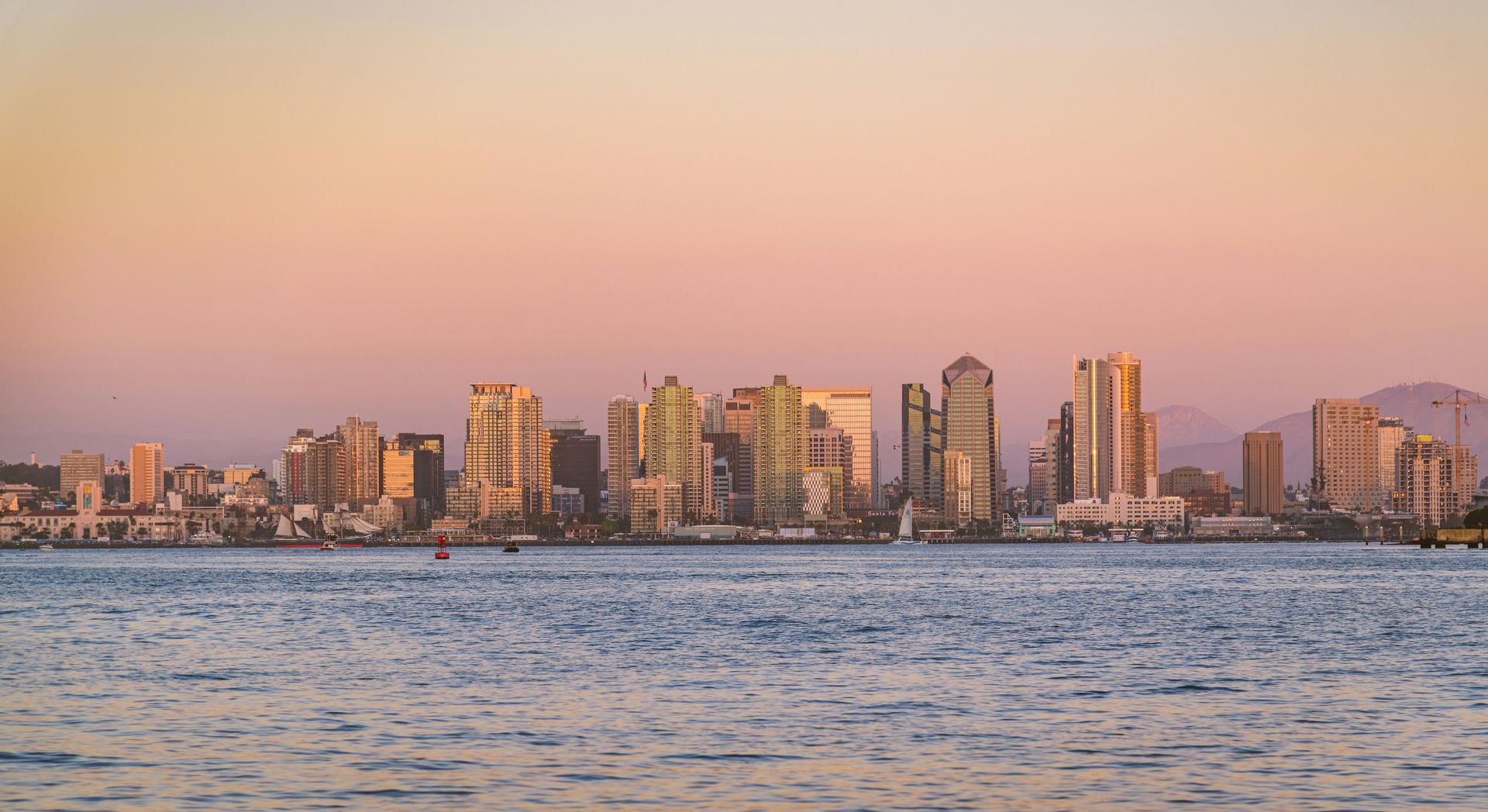
Hari Nandakuma / Unsplash
San Diego holds the tenth position and offers the conference market its most reliably pleasant weather, and a convention center on the San Diego Bay waterfront whose views and immediate neighborhood give the attendee a conference setting with visual quality among the best of any major American convention venue. The near-perfect weather, whose consistency across the full calendar year gives the outdoor conference component a reliability that only Anaheim among the ranked cities approaches, provides the San Diego conference with a weather baseline the organizer can plan around without meaningful seasonal caveats.
The Gaslamp Quarter, walkable from the convention center, provides the conference's evening social program with a historic neighborhood whose concentration of bars, restaurants, and live music venues gives the post-session program a range and an energy specific to San Diego’s Pacific coastal culture. Petco Park, home of the Padres and accessible on foot from the convention center, gives the conference a sporting event option for the evening social program, and the USS Midway Museum on the waterfront gives the cultural excursion a military history program specific to San Diego’s identity as the largest naval installation on the West Coast.
The primary logistical limitation is the transit system and car dependency: San Diego’s public transit leaves meaningful gaps between the convention center and the outlying hotel, restaurant, and leisure options, and the attendee without a vehicle will find the city less independently navigable than the transit-rich cities at the top of the ranking. The conference planner who builds social events beyond the Gaslamp Quarter should incorporate transportation into the program budget without assuming walkable cities. The Balboa Park museum complex, a short rideshare ride from the convention center, gives the conference excursion program access to the largest concentration of museums in any single park in the United States, and the park’s natural setting and botanical gardens give the attendee who prefers a midday outdoor walk an environment specific to San Diego’s Mediterranean-climate landscape. The craft beer scene for which San Diego has earned a national reputation provides the evening social program with a distinctly San Diego cultural product that the conference city guide can build group events around.