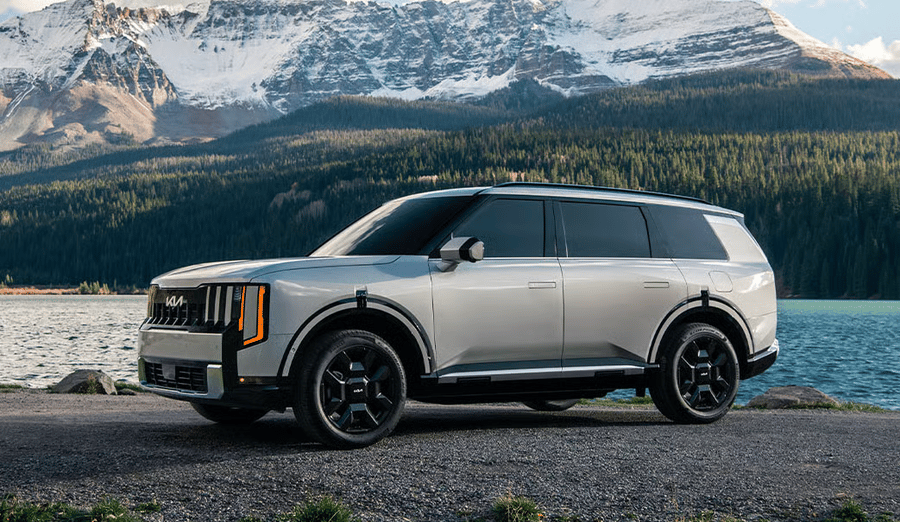
Credit: Kia
The Kia Telluride remains one of the highest-rated SUVs on the market, regardless of class, following its redesign for the 2027 model year, landing the top spot in U.S. News’s midsize SUV ranking this year and drawing consistent praise for its styling and upscale cabin appointments. No single SUV satisfies every buyer, though, and the Telluride costs more than it used to while its exterior design won’t appeal to everyone shopping in this particular segment.
Shoppers who’ve looked closely at the Telluride and still don’t understand the hype have plenty of genuinely strong alternatives to consider instead. Some cost meaningfully less, offer more muted styling, or deliver better fuel efficiency, while others simply fit a particular buyer’s circumstances and driving habits better than Kia’s flagship three-row SUV manages to.
The 10 alternatives below appear in U.S. News, ranked by U.S. News Rating and covering the strongest competitors to the Kia Telluride this year. Buyers should weigh each option against their own priorities, whether that means budget, off-road capability, family practicality, or interior luxury. Test-driving a shortlist of two or three genuinely helps narrow the decision more than specs alone ever could. Local dealer inventory and seasonal incentives also shift the calculus meaningfully from month to month. None of these 10 alternatives beat the Telluride at absolutely everything, but each one genuinely outperforms it in at least one specific area that matters enough to some buyers to justify looking elsewhere, whether that’s a lower starting price, a more rugged trail-ready trim, a roomier third row, or simply a different aesthetic that better matches personal taste. Reading through all 10 with a specific priority in mind, instead of simply chasing the highest overall rating, tends to produce a considerably better final decision.
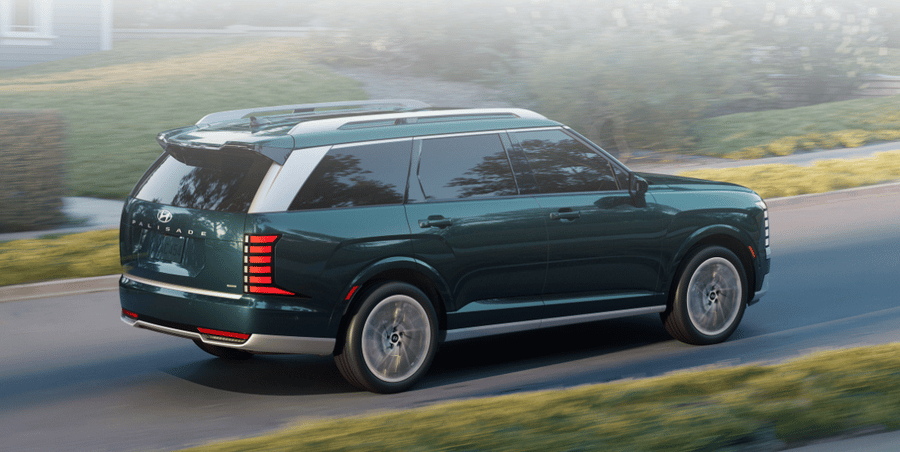
Credit: Hyundai
The Kia Telluride is good enough that its closest match, a direct corporate relative, shouldn’t surprise anyone shopping this segment. The Hyundai Palisade, priced from $39,435 and carrying a 9.0 out of 10 U.S. News Rating, underwent a full redesign for the 2026 model year, and testing found it genuinely improved compared with the previous generation. This redesign added interior space to the three-row midsize SUV, making it one of the most generously proportioned models in its entire class.
The Palisade is now also available with an XRT Pro trim, equipped for light-duty off-road capability that broadens the SUV’s appeal beyond strictly on-road family duty. A 3.5-liter V6 engine powers the base Palisade, while a separate hybrid powertrain option delivers a bit more power for buyers specifically prioritizing efficiency alongside performance.
The ride stays smooth and comfortable throughout the lineup, though some rivals in this class offer punchier acceleration and sportier handling for buyers who prioritize driving dynamics over outright comfort. This trade-off makes the Palisade a genuinely strong choice, especially for buyers who value a calm, composed ride over sportier handling.
Buyers cross-shopping the Palisade against the Telluride should pay close attention to trim-specific features, since the two vehicles share considerable mechanical DNA but diverge meaningfully in styling, badge cachet, and specific standard equipment at each price point. Hyundai’s longer standard warranty coverage compared with Kia’s own terms gives Palisade buyers an additional point of differentiation worth factoring into a side-by-side comparison. The Palisade’s dashboard layout also feels noticeably more conventional than the Telluride’s, which may appeal to buyers who prefer familiar physical controls over a heavily digitized interior. Buyers should test both vehicles back-to-back if possible, since subtle differences in seat comfort and visibility often matter more than spec-sheet comparisons. Both dealerships often negotiate similarly, so shoppers should compare out-the-door pricing instead of sticker price alone. Seasonal incentives can shift this comparison, too.
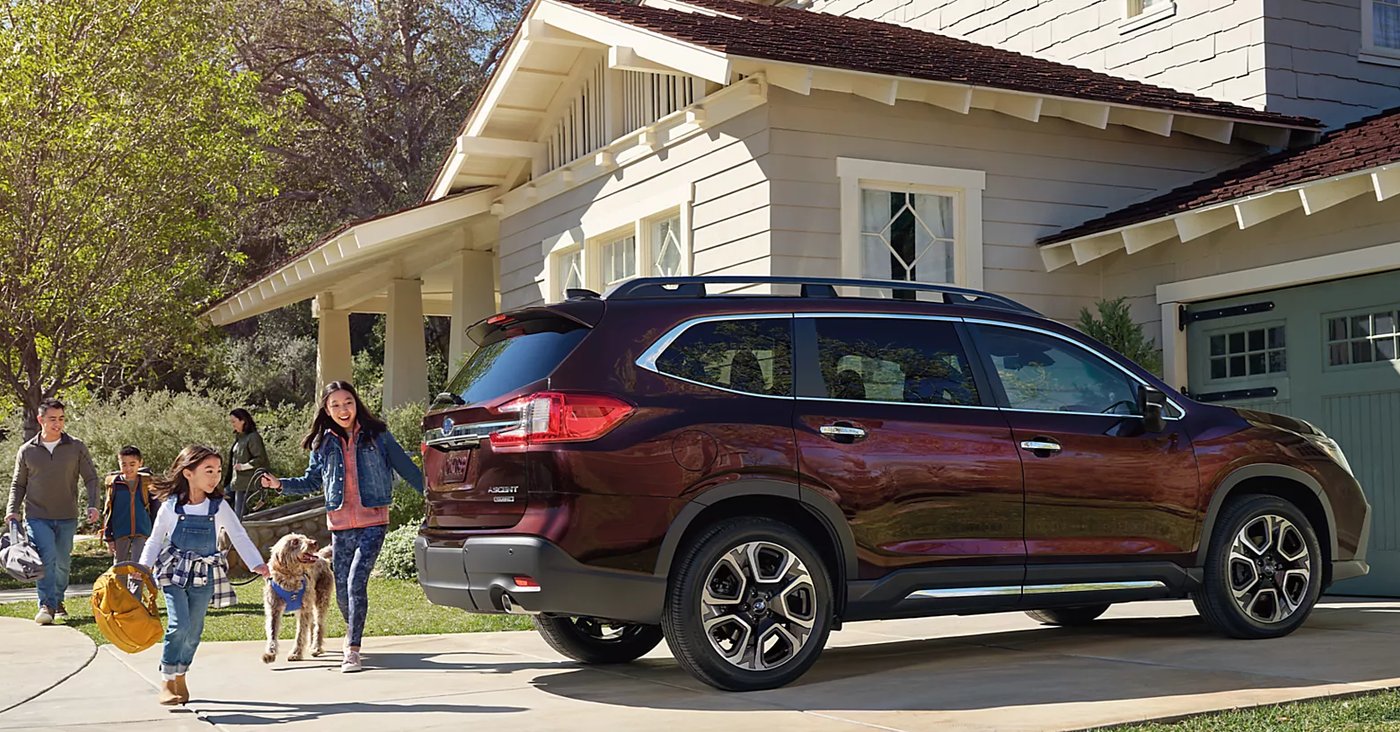
Credit: Subaru
Buyers drawn to the Kia Telluride specifically for its rugged styling should consider the Subaru Ascent, priced from $40,795 and rated 8.6 out of 10 by U.S. News, which ranks among the more genuinely rugged vehicles on this list. Standard all-wheel drive helps offset the Ascent’s slightly higher base price, and like the Telluride, it can be configured to seat eight passengers across three rows.
As Subaru’s largest vehicle, the Ascent was originally designed to give growing Subaru families a larger option to move into as their needs expanded, though its practicality, comfort, and abundance of safety features make it a genuinely worthwhile cross-shop against the Telluride regardless of brand loyalty. A turbocharged four-cylinder boxer engine pairs with a continuously variable automatic transmission and standard all-wheel drive throughout the lineup.
Two distinct sets of driving modes come included, including the X $TWTR-MODE system built specifically for slick roads or varied trail conditions, giving the Ascent genuine off-road credibility beyond its practical family-hauling duties. With 8.7 inches of ground clearance, the Ascent ranks among the most all-terrain-capable vehicles found anywhere in this class.
Buyers prioritizing genuine off-road capability alongside three-row practicality should carefully weigh the Ascent’s X-MODE system and ground-clearance advantage against the Telluride’s available all-wheel-drive system, since the two vehicles take meaningfully different approaches to off-pavement capability. Subaru’s EyeSight suite of standard driver-assistance features also gives every Ascent trim a genuinely strong safety foundation regardless of which specific configuration a buyer chooses. Subaru’s dealer network tends to be smaller than Kia’s in many regions, so buyers should confirm service availability near them before committing to the Ascent specifically. Buyers planning genuine off-road use should also compare approach and departure angles carefully, since these figures matter as much as raw ground clearance. Insurance costs can also differ meaningfully between the two brands, so getting a quote early helps with overall budgeting. Regional dealer stock also varies considerably.
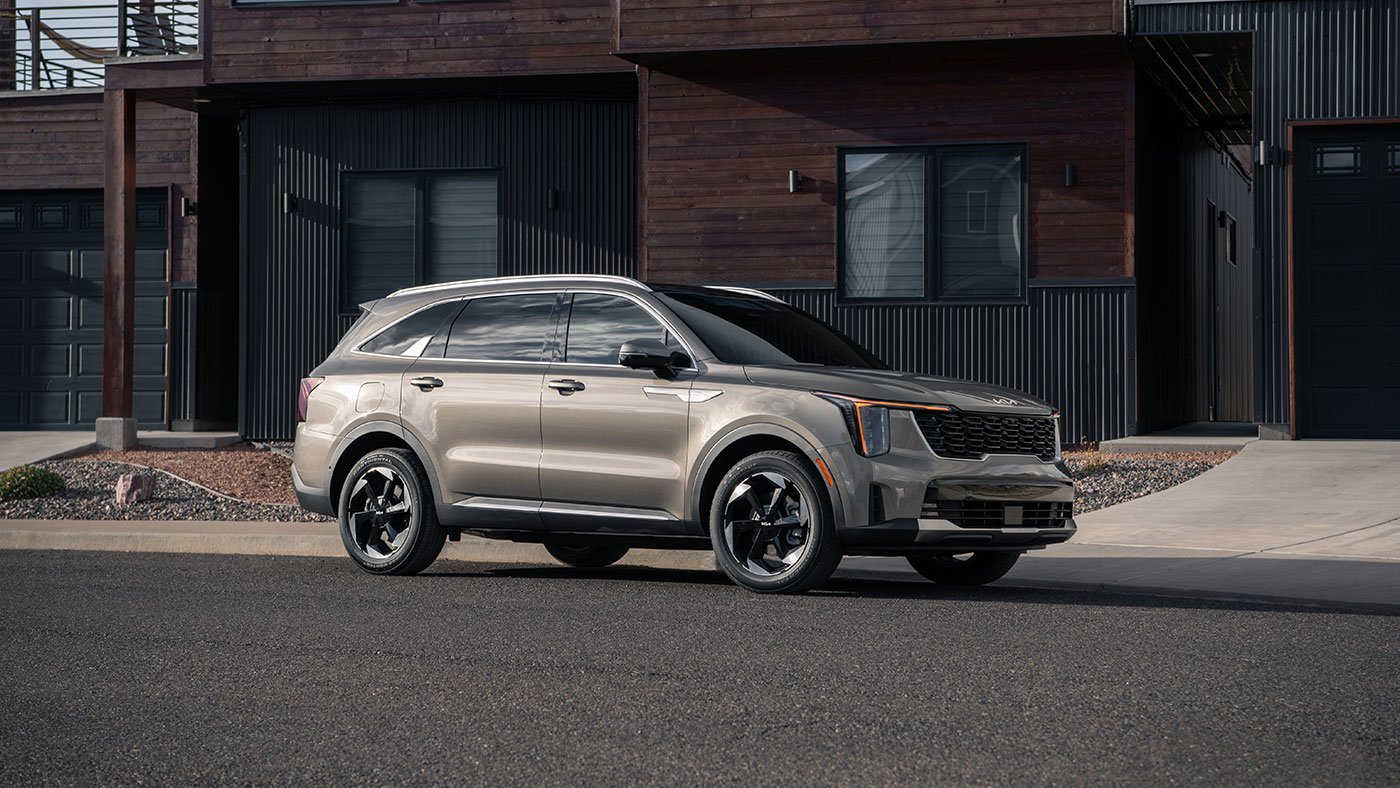
Credit: Kia
Shoppers looking for a three-row SUV on a genuinely tight budget will find it hard to beat the Kia Sorento, priced from $32,190 with an 8.8 out of 10 U.S. News Rating, though it runs smaller than the Telluride and most other vehicles on this list. The Sorento won U.S. News’s 2026 Best 3-Row SUV for the Money award, though pricing climbs considerably at the top of the range, making value-conscious shoppers wise to avoid the highest trims and scrutinize the options list carefully before committing to extras.
Testing found the Sorento carries an upscale look and feel, even in its lower trims, a genuinely rare quality among budget-focused three-row SUVs in this price bracket. Inside, the Sorento seats six or seven passengers, depending on the trim and seating arrangement chosen.
The base four-cylinder engine performs adequately but unremarkably, though it delivers genuinely strong fuel economy ratings that partially offset its modest power output. Hybrid and plug-in hybrid versions of the Sorento are also available, both priced higher than the base model but delivering genuinely strong value within their respective segments.
Buyers specifically prioritizing budget should stick close to the Sorento’s lower and middle trims, since the value proposition that makes this SUV so compelling erodes considerably once buyers start adding expensive option packages near the top of the lineup. The Sorento’s tighter third row, compared with the Telluride, matters most for families who regularly need to seat adults back there rather than just children on shorter trips. The Sorento’s smaller overall footprint also makes it noticeably easier to park and maneuver in tight urban settings compared with the considerably larger Telluride. Buyers should also compare warranty terms carefully, since coverage details can shift meaningfully between the Sorento and its larger Telluride sibling. Fuel costs over time also favor the smaller Sorento noticeably compared with the larger, heavier Telluride. Seasonal promotions can shift this math, too.
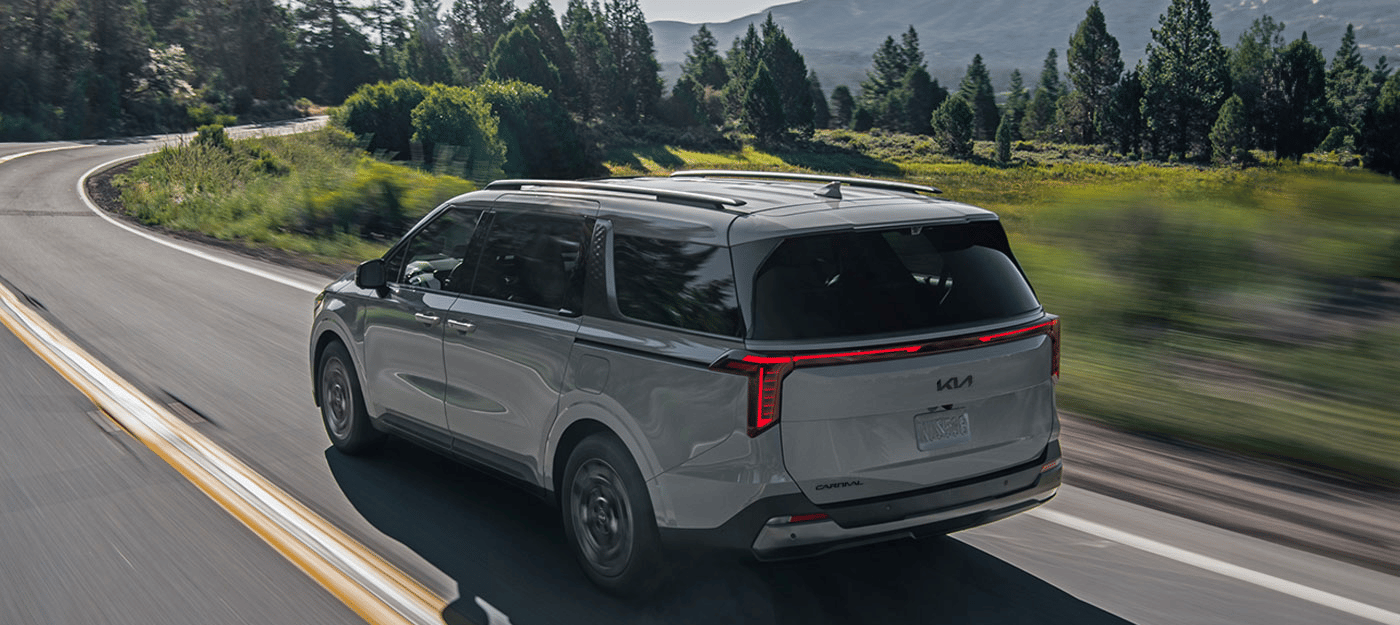
Credit: Kia
Choosing a minivan over an SUV for family duty remains an unpopular opinion among many shoppers, though sliding doors and genuinely spacious floor plans give minivans a real practical edge worth considering. The Kia Carnival Hybrid, priced from $40,990 with an 8.4 out of 10 U.S. News Rating, competes with the Telluride while offering a peppy, efficient hybrid powertrain that justifies the modest price premium for buyers with flexible budgets.
Testing consistently emphasizes that shoppers shouldn’t dismiss the humble minivan without giving one a genuine try, and this particular Kia makes a genuinely strong alternative to its SUV sibling. Features such as second-row reclining lounge seats might well change the mind of a committed SUV shopper who test-drives one.
The Carnival Hybrid offers up to eight adult-friendly seats, and its wide sliding doors provide considerably easier access to the third row than most SUVs manage, including the Telluride itself. Buyers do sacrifice the Telluride’s higher ride height and available all-wheel drive by choosing the Carnival Hybrid, though the minivan remains genuinely enjoyable to drive, with a quiet, smooth ride in most driving conditions.
Families prioritizing third-row access and interior flexibility over ride height or all-wheel-drive capability should seriously consider the Carnival Hybrid, since its practical advantages in these areas genuinely outweigh what it gives up compared with a traditional SUV. Buyers specifically hauling bulky cargo alongside passengers will also appreciate the Carnival Hybrid’s flat load floor, which simplifies loading compared with many SUVs’ stepped cargo areas. Resale value for minivans has historically lagged behind comparable SUVs, so buyers focused on long-term value should weigh that factor against the Carnival Hybrid’s strong everyday practicality. Families who tow occasionally should note that minivans generally offer lower towing capacity than comparable SUVs, a real consideration for anyone hauling a trailer regularly. Insurance premiums for minivans also tend to run slightly lower than for comparable three-row SUVs in many regions.
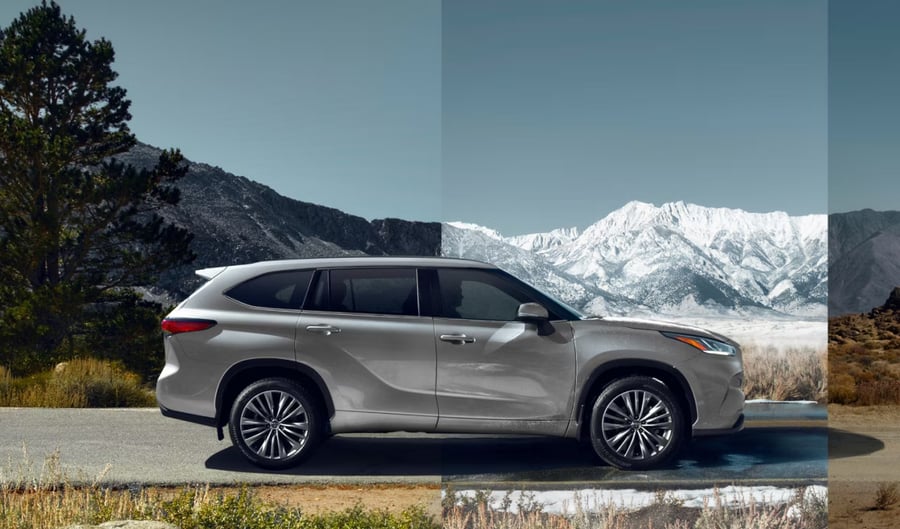
Credit: Toyota
The standard Toyota $TM Highlander has long impressed first-time riders with its sheer size, though families who outgrow it eventually run into real space limitations as children grow and cargo needs expand. The Grand Highlander, priced from $41,360 with a 9.0 out of 10 U.S. News Rating, made its debut for the 2024 model year as an elegantly stretched-out version of Toyota’s midsize three-row staple, and the appeal becomes obvious once buyers actually experience the extra space.
This upsized version of one of the segment’s longtime standbys offers genuinely airy accommodations across all three rows, alongside excellent infotainment technology that keeps pace with newer rivals. Buyers seeking stronger performance can also choose a Grand Highlander hybrid model, reviewed separately, though the standard gas model satisfies most shoppers thanks to its smooth cruising manners on both highway and city roads.
A 2.4-liter four-cylinder engine pairs with a smooth eight-speed automatic transmission throughout the gas-powered lineup, delivering reasonably responsive and adequately efficient performance for a three-row family SUV of this size. This balance of space, technology, and everyday drivability makes the Grand Highlander a genuinely strong choice for families who’ve outgrown the standard Highlander without needing to jump all the way up to a full-size SUV.
Buyers deciding between the standard Highlander and the Grand Highlander should first assess their actual space needs, since the Grand Highlander’s added size and cost only pay off for families who genuinely need the extra room the standard model can’t provide. Toyota’s reputation for long-term reliability also gives Grand Highlander buyers genuine confidence that the vehicle will hold its value over a longer ownership period. The Grand Highlander’s standard third-row USB charging ports also address a common complaint about older three-row SUVs that left rear passengers without convenient device charging. Buyers should also carefully compare cargo space behind the third row, since this figure varies more than headline passenger counts might suggest.
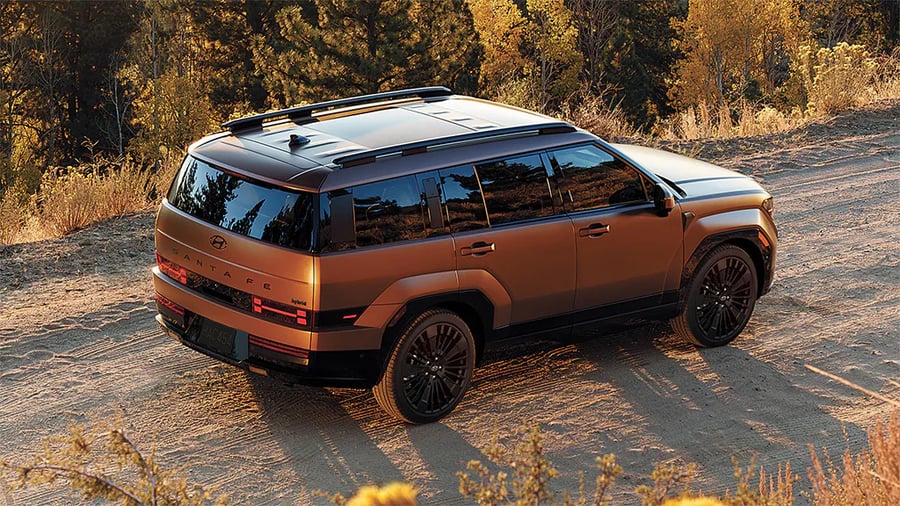
Credit: Hyundai
The Hyundai Santa Fe, priced from $34,800 with a 9.3 out of 10 U.S. News Rating, stands out as immediately recognizable in the crowded, competitive midsize SUV segment, carrying the upscale look and feel typically associated with considerably more expensive vehicles. While the Santa Fe’s base pricing is within shouting distance of the Kia Telluride, the clearest advantages emerge once buyers step up to the Santa Fe Hybrid, which is reviewed separately from the standard gas model.
Even in base form, though, the Santa Fe delivers genuinely strong fuel economy ratings regardless of whether a buyer chooses front-wheel drive or all-wheel drive. The Santa Fe stands as a finalist for U.S. News’s 2026 Best 3-Row SUV for the Money award, reflecting its genuinely strong overall value proposition within this competitive segment.
The Santa Fe seats six or seven passengers, depending on configuration, and its turbo-four engine provides plenty of usable power for daily driving and highway merging alike. Testing found the Santa Fe smooth and confident on the road, with minimal body roll and a genuine ability to approach obstacles confidently, whether navigating city streets or more rural, uneven roads.
Buyers specifically drawn to the Santa Fe’s distinctive styling should also seriously consider the hybrid version, since the efficiency gains and added power there meaningfully strengthen the Santa Fe’s overall case against pricier three-row rivals in this segment. The Santa Fe’s boxy, rugged-looking exterior design also gives it genuine visual distinction in parking lots dominated by more rounded, conventional SUV silhouettes. The Santa Fe’s dual-tone interior color options also offer buyers meaningfully more personalization than the more conservative color schemes of several direct competitors. Buyers should also test the Santa Fe’s turning radius in tight parking situations, since its boxier proportions can feel different from more rounded rivals. Financing offers on the Santa Fe also tend to stay competitive with Kia’s own promotional rates throughout much of the year.
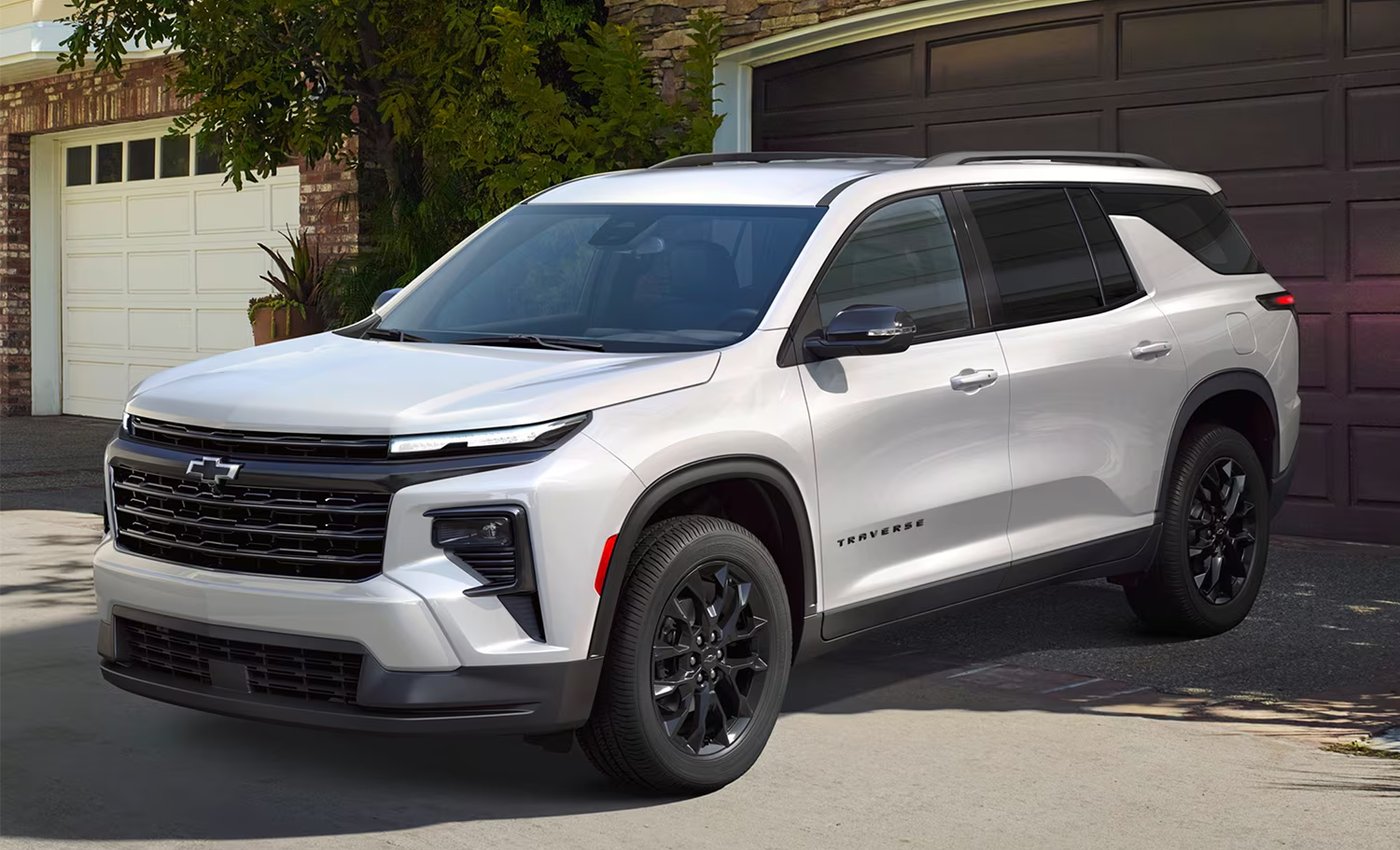
Credit: Chevrolet
The Chevrolet Traverse, priced from $40,800 with an 8.8 out of 10 U.S. News Rating, earns praise as a handsome and comfortable SUV that stands out specifically for its excellent third-row legroom, a genuine rarity among three-row midsize SUVs where the last row often feels like an afterthought. Bold, boxy exterior styling gives the Traverse a considerably more chiseled look than many competitors, making it one of the more visually striking midsize SUVs currently on sale.
The Traverse runs more spacious than most other midsize SUVs, with three genuinely roomy rows of seating throughout the cabin. This Chevy stands as a finalist for U.S. News’s 2026 Best Midsize 3-Row SUV for Families award, and its interior technology ranks as genuinely top-notch within the segment. The Traverse can also be upgraded with Super Cruise, Chevy’s popular hands-free highway driving system, adding a genuine technology edge over many direct rivals.
A 2.5-liter turbo-four engine pairs with an eight-speed automatic transmission across the lineup, delivering plenty of power and decent fuel economy for a vehicle of this size. The lineup’s highlight remains the Z71 model, which adds all-terrain tires and dedicated driving modes for genuine off-road capability, which is genuinely unusual within this particular segment.
Families prioritizing third-row comfort for older kids or adult passengers should weigh the Traverse’s legroom advantage heavily, since few direct rivals match its consistent spaciousness across all three rows. The Traverse’s available Super Cruise system also works across a growing network of mapped highways, extending its usefulness for buyers who regularly drive long interstate distances. GM’s OnStar system also comes bundled with the Traverse, adding a layer of safety and connectivity services that some rival brands charge extra for as a separate subscription. Buyers should also compare cargo volume behind the third row, since some rivals sacrifice cargo space specifically to achieve the Traverse’s generous legroom. Regional dealer incentives can meaningfully shift pricing, too.
Credit: Mazda
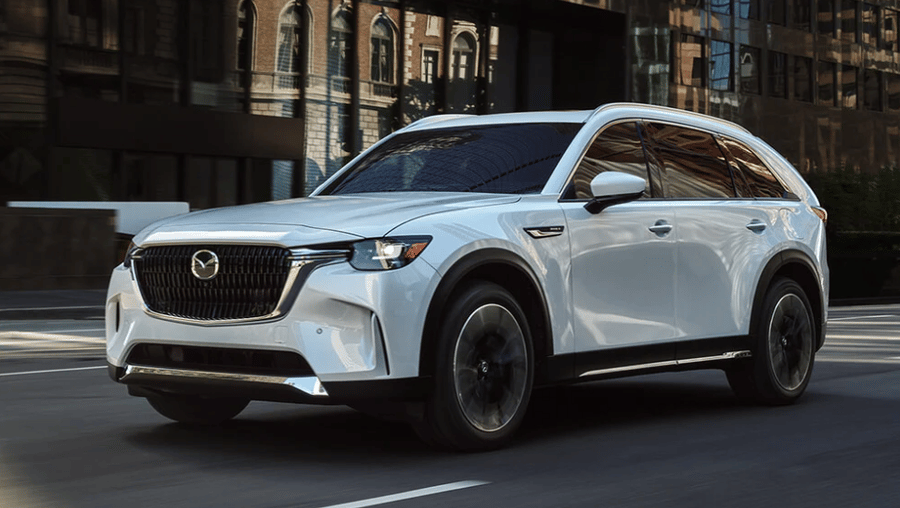
Buyers looking for a midsize SUV on par with the Kia Telluride, specifically in terms of styling, should check out the Mazda CX-90, priced from $38,800 and rated 8.8 out of 10 by U.S. News. This elegant SUV carries many of Mazda’s signature upscale design touches throughout the cabin and exterior, and testing found it carries more visual edge than its own Mazda stablemates.
The CX-90 compares favorably with many other vehicles on this list in terms of price across its trim lineup, and its interior feels genuinely luxury-grade regardless of which specific trim a buyer chooses. The CX-90’s infotainment system can prove confusing to use in certain situations, though, since the touchscreen only responds to touch input when a smartphone stays connected via the system’s wireless interface.
Two engine options are available on the CX-90, both featuring a mild-hybrid system that adds a modest efficiency boost without requiring buyers to commit to a full hybrid powertrain. Acceleration takes something of a back seat to this Mazda’s genuinely fantastic handling, which makes the CX-90 feel considerably smaller than its actual footprint suggests. All-wheel drive comes standard throughout the lineup, and a plug-in hybrid version with more power and modest all-electric range remains available as well, reviewed separately.
Buyers specifically prioritizing driving dynamics and interior styling over outright efficiency or ease of use should weigh the CX-90’s excellent handling against its occasionally finicky infotainment system before committing to a purchase. Buyers drawn to genuine driving engagement over raw acceleration numbers should prioritize a test drive of the CX-90, since its handling characteristics rarely translate fully through spec sheets alone. Mazda’s smaller dealer footprint compared with mainstream rivals means buyers in some regions may need to travel farther for service, a genuine consideration for CX-90 shoppers. Mazda’s loyalty and conquest incentives also occasionally make the CX-90 more competitively priced than its sticker price initially suggests. Regional availability of specific trims also varies.
Credit: Volkswagen
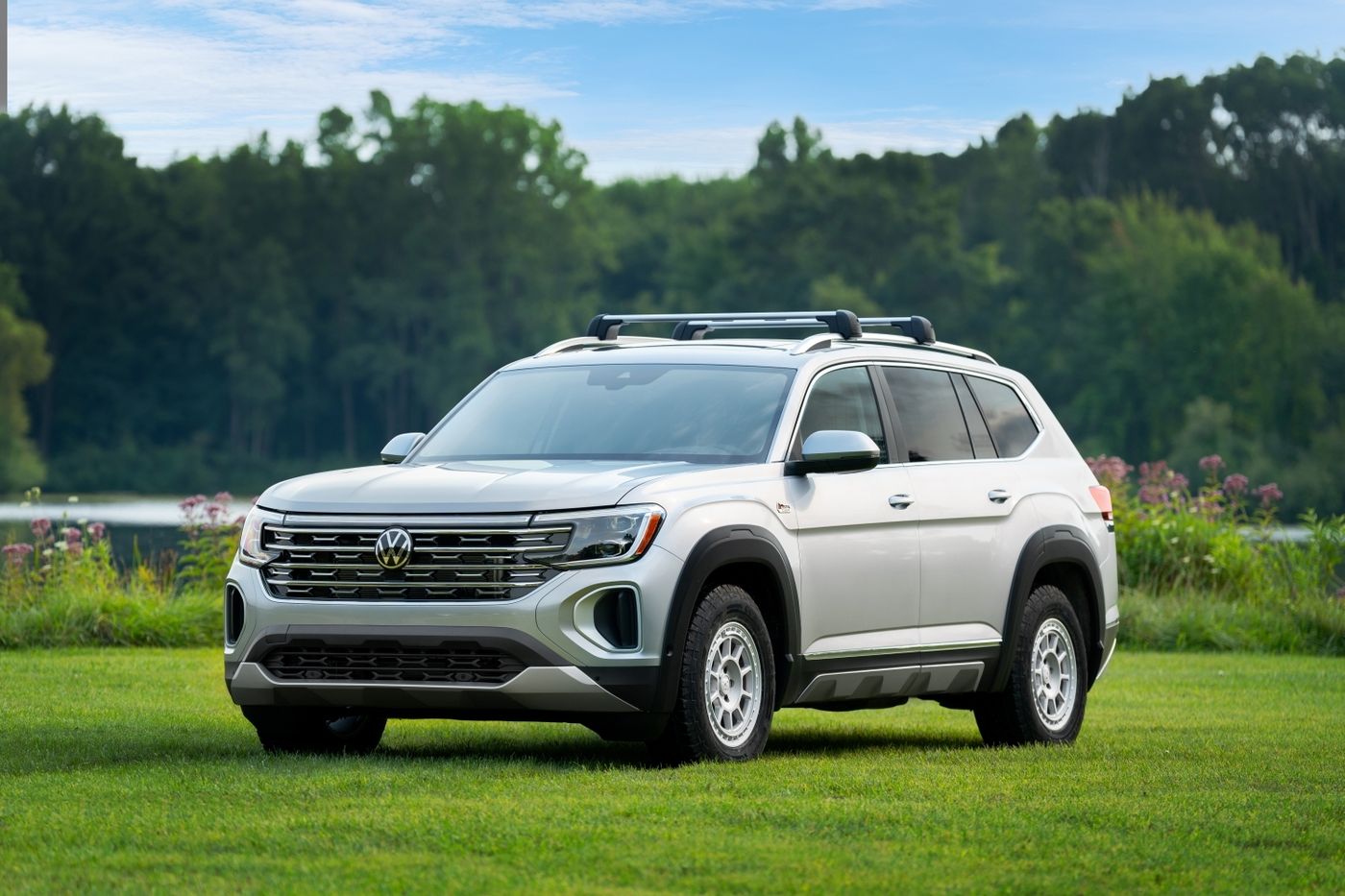
The spacious Volkswagen Atlas, priced from $39,310 with an 8.8 out of 10 U.S. News Rating, was designed specifically with the American family in mind, and that design intent shows clearly throughout the cabin. Its third row stays genuinely easy to access, cargo space remains generous throughout, and the overall layout feels logical and genuinely user-friendly for everyday family use.
The Atlas ranked among the first midsize SUVs to offer a genuinely adult-friendly third row, a distinction that helped establish this Volkswagen as a real success within the segment early on. Second-row seats slide and tumble forward for easier access to the rear, and the first two rows offer plenty of space as well, making the Atlas a genuinely comfortable way for a family of seven to travel together on longer trips.
A 2.0-liter turbo-four engine powers the Atlas, cruising easily though without particularly energetic or aggressive acceleration characteristics, and the eight-speed automatic transmission occasionally hesitates noticeably during shifts. This Volkswagen is available with both front-wheel drive and all-wheel drive, giving buyers genuine flexibility depending on their climate and driving needs.
Families specifically prioritizing third-row space for adults or older teenagers should weigh the Atlas heavily against other options on this list, since few rivals match its pairing of genuinely adult-friendly rear seating and straightforward, logical interior design. Volkswagen’s available panoramic sunroof also brightens the Atlas’s cabin considerably, adding a genuinely premium touch to what remains a fundamentally practical, family-focused SUV. Volkswagen’s included maintenance plan for new buyers also helps offset some of the Atlas’s ownership costs during the first few years after purchase. Buyers should also compare towing capacity carefully, since the Atlas’s figures differ meaningfully depending on the specific engine and drivetrain combination chosen. Volkswagen’s warranty coverage also compares favorably with most competitors, adding genuine peace of mind for cautious first-time VW buyers. Regional dealer stock and available color choices also vary widely.
Credit: Honda
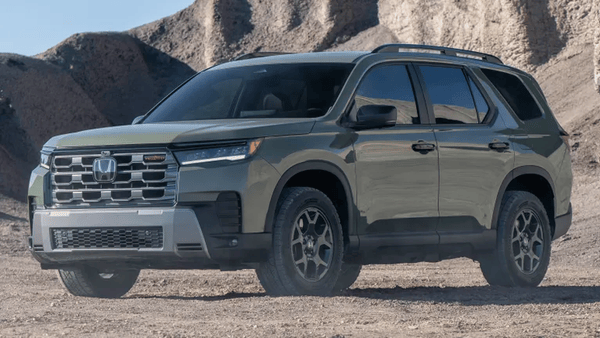
Honda $HMC refreshed the Pilot SUV for 2026, priced from $42,195, with an 8.7 out of 10 U.S. News Rating. It features a new front-end design, a standard 12.3-inch touchscreen, a 10.2-inch digital gauge cluster, additional standard features, and an upgraded steering feel. These changes pushed the base price higher than before, though the Pilot remains a genuinely solid match for buyers cross-shopping the Telluride.
Testing describes the Pilot as offering a calm, casual, and orderly driving experience overall, and this Honda’s 3.5-liter V6 engine stands as something of a rarity in a segment that has largely trended toward turbocharged four-cylinder engines in recent years. The Pilot’s powertrain delivers genuinely strong power, though it doesn’t return particularly great fuel economy compared with more efficiency-focused competitors in this class.
Inside, the Pilot stays comfortable and spacious throughout the first two rows, though the third row runs genuinely cramped, a common shortcoming shared among many midsize three-row SUVs regardless of brand. This trade-off between front-row comfort and rear-row space reflects a broader pattern across much of this segment, rather than a shortcoming unique to Honda.
Buyers specifically prioritizing a traditional V6 engine over the turbocharged four-cylinders now common throughout this segment should weigh the Pilot’s power delivery against its comparatively modest fuel economy figures before finalizing a decision. Honda’s reputation for dependable long-term ownership costs also gives Pilot buyers genuine confidence that the SUV’s higher upfront price will pay off over years of ownership. Honda’s strong reputation for resale value also gives Pilot buyers genuine confidence that the SUV will hold its value better than several rivals on this list. Buyers should also carefully compare the Pilot’s specific trim lineup, since available features vary considerably between the base and top-tier configurations. Financing terms through Honda also tend to stay competitive, helping offset some of the Pilot’s higher starting price. Regional dealer stock also varies by trim and color.
