
The best — and most scenic — fall cruises of 2026
From New England foliage viewed from Seabourn's open decks to Disney's Halloween deck parties in the Caribbean
Daniel Stiel / Unsplash
Fall is one of the most rewarding seasons to cruise, and one of the least crowded. The summer rush has thinned, shoulder-season pricing often applies, and the destinations themselves are frequently at their best: New England’s foliage peaks in October, the Mediterranean sheds its summer crowds in September and October, and the Caribbean’s hurricane risk drops in November as the season winds toward its official close. The conditions that make certain destinations difficult in peak summer — heat, crowds, humidity — ease across the fall months without the destination losing what made it worth visiting in the first place.
The range of fall cruise experiences available spans more registers than the foliage-and-sweaters association suggests. A Halloween-themed sailing through the Caribbean with a cruise line built around family entertainment occupies the same season as a luxury expedition through the Greek islands, a slow drift down the Hudson River past gothic mansions and military academies, and a Pacific Coast repositioning cruise that moves ships southward after their Alaska summers. Each answers a different version of the question of where to go and what to do in the fall.
The seven cruise types below appear in U.S. News & World Report, covering the full range of what fall cruising offers across destinations, formats, and travel styles. Each represents a specific season — the itinerary, the conditions, and the experience that autumn creates in each region.
1. New England and Canada capture peak foliage from the water
Jonathan Ng / Unsplash
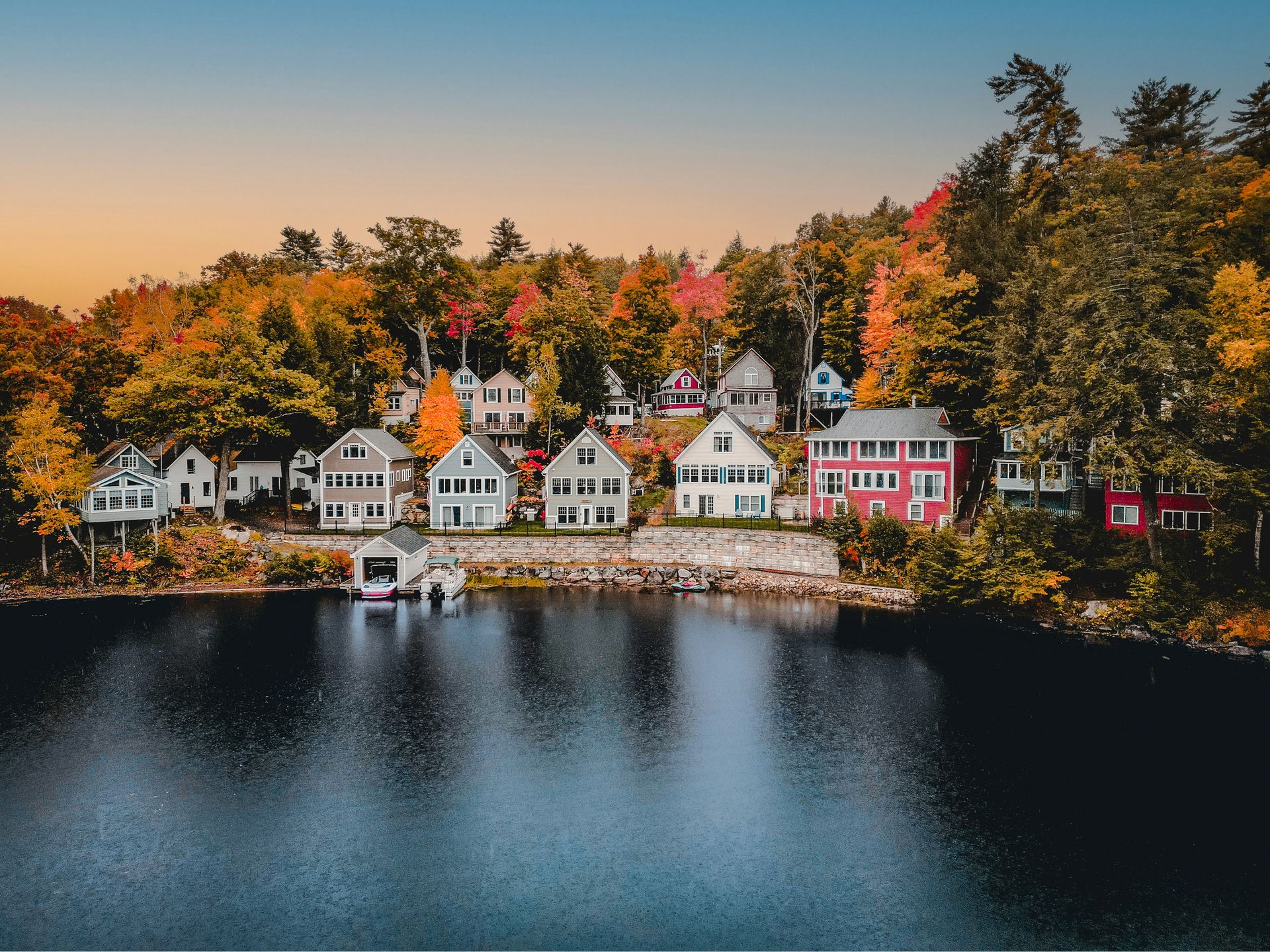
New England and the eastern coast of Canada give fall foliage its most celebrated expression, and a cruise through the region removes the logistical complexity of driving between leaf-peeping stops while providing onboard comfort that makes the scenic experience genuinely relaxing rather than exhausting. Itineraries combine U.S. Atlantic ports in Massachusetts, New York, and Maine with Canadian stops in Nova Scotia and Quebec, which gives a single sailing the geographic range that a driving trip of equivalent scope would require a week or more to cover independently.
Seabourn’s 12-day Canada and New England Fall Foliage cruise departs New York City and stops in Newport, Rhode Island; Boston; Rockland, Maine; Halifax, Nova Scotia; Charlottetown on Prince Edward Island; and Saguenay, Quebec City, and Montreal. The three sea days give passengers time to recover from port days and enjoy the spa and sun terrace while the ship repositions between stops. The luxury format suits the destination’s character: coastal New England and maritime Canada reward slow engagement and the quality of attention that Seabourn’s shore excursions and onboard programming encourage.
The timing window for New England and Canada foliage cruises runs roughly from late September through mid-October, with the peak color varying by latitude and elevation. Passengers who book closer to the actual foliage peak will find the onboard viewing, from private balconies and the ship’s open decks, at its most vivid. The combination of scenic cruising through river mouths and coastal waters, with foliage at its height, gives this itinerary a visual experience that the same ports offer in a more subdued register during any other season.
2. The Hudson River cruise combines fall foliage with historical stops and Gothic architecture

Trent Erwin / Unsplash
The Hudson River cruise format gives fall foliage a specific cultural and historical context that the broader New England and Canada ocean itineraries approach only at their port stops. American Cruise Lines’ nine-night Hudson River Fall Foliage Cruise sails from New York City to Albany, stopping in Sleepy Hollow, West Point, Kingston, Hyde Park, and the Catskill Mountains. The river cruise format means smaller ships, fewer passengers than on oceangoing vessels, and near-daily disembarkation, which gives the Hudson itinerary a shoreside immersion depth that the ocean format cannot provide as often.
Sleepy Hollow, where Washington Irving set his Headless Horseman legend, adds a literary and atmospheric dimension to fall sailing in the Hudson Valley. The Sleepy Hollow Cemetery and the Gothic Revival Lyndhurst Mansion are excursion options whose architectural and historical character suits the season with unusual precision: visiting a Victorian mansion and a 19th-century cemetery in October, with the surrounding forests in full color, is an experience that no other time of year produces in the same register. West Point’s patriotic tour and the Catskill Mountains’ Main Street stops extend the itinerary across different registers of Hudson Valley identity.
The Hudson River’s private balcony views, framed by the river banks and the hillside foliage above them, give the experience a specific intimacy that the broader oceanic version of fall foliage cruising trades for scale. For travelers who want the most focused and historically textured fall foliage cruise available, the Hudson River itinerary provides a depth of regional identity that the larger ocean sailings distribute more broadly.
3. The Pacific Coast cruise repositions ships from Alaska as fall temperatures moderate

Mick Haupt / Unsplash
Pacific Coast fall cruises benefit from a logistical coincidence that gives them their specific value: cruise lines completing their Alaska seasons in early fall move ships southward along the coast, creating affordable repositioning sailings that combine photo-worthy Pacific Coast ports with comfortable mid-60s to mid-70s temperatures. The season’s timing gives passengers access to coastal British Columbia, Oregon, and California under conditions that summer’s heat sometimes makes less pleasant, with the lush landscapes of the Pacific Northwest still green and the California coast clear and warm.
Royal Caribbean $RCL’s weeklong Pacific Coastal Cruise sails from Vancouver, British Columbia, to San Diego with stops in Astoria, Oregon, and San Francisco. Astoria, identified as the first permanent U.S. settlement west of the Rockies and known for its well-preserved Victorian architecture, gives the itinerary a historical stop that cruise passengers rarely encounter on Caribbean or Mediterranean sailings. San Francisco’s Golden Gate Park and Alamo Square $SQ give the California stop an iconic urban scenery dimension that the Oregon coast’s historical character complements rather than repeats.
Three sea days during the Pacific Coastal sailing give passengers time to absorb the ship’s amenities and the Pacific Ocean views before the next port. The progression from Vancouver’s Canadian scenery through the Oregon coast to San Francisco and San Diego traces a geographic and cultural diversity across a single week that the Pacific’s west-facing coastline produces specifically: each stop has its own distinct identity, and the ship’s movement between them gives the journey a sense of progression that static resort destinations cannot provide.
4. The Caribbean in November offers lower crowds and comfortable temperatures
Christian Lendl / Unsplash
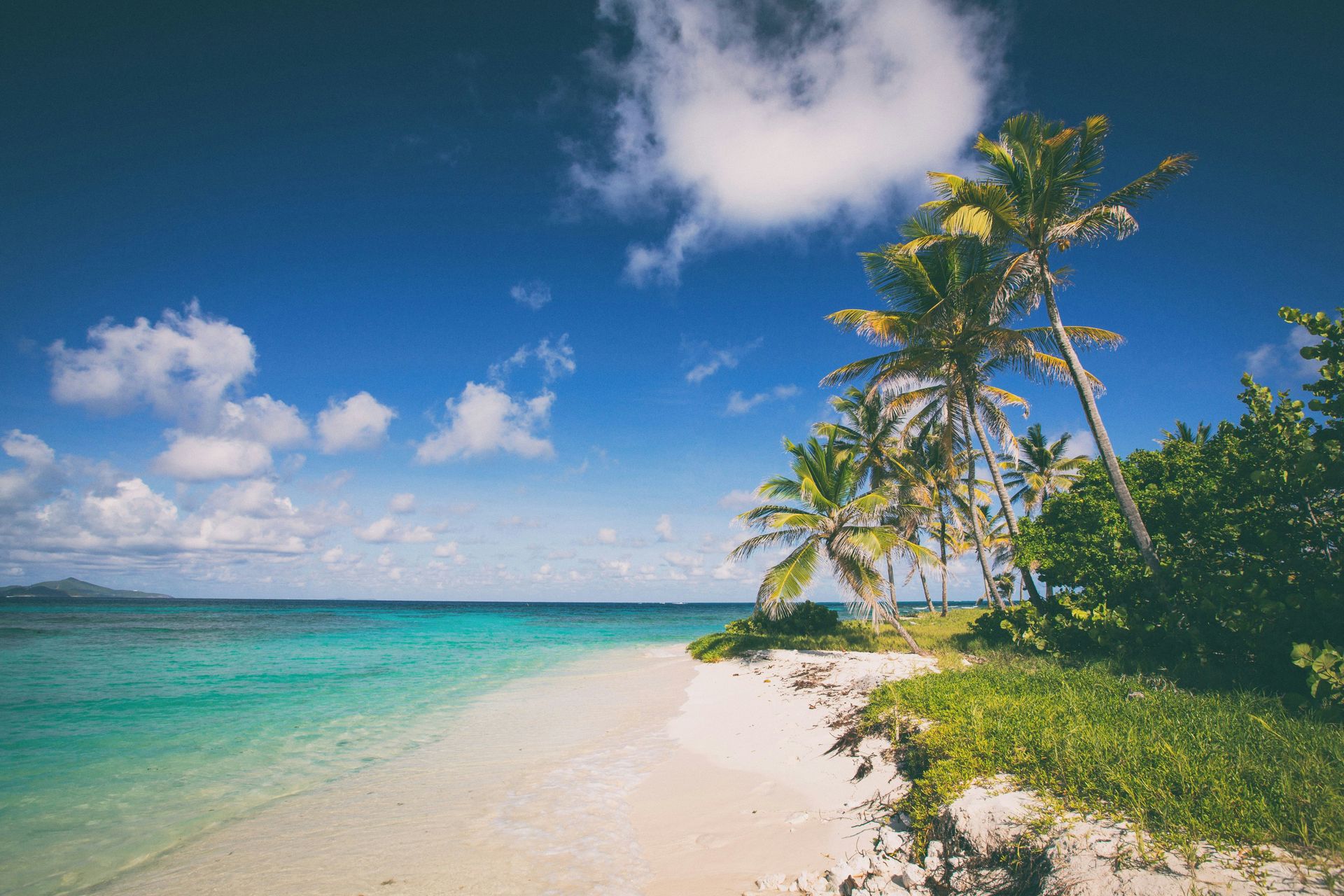
The Caribbean’s fall shoulder season opens a window between the end of hurricane season’s most active period and the high-season start in December that gives November Caribbean cruising specific practical advantages: fewer passengers competing for cabin availability, lower fares in many cases, and temperatures in the low-to-mid 80s that give the destination its warmth without the summer’s peak humidity. Storm activity typically winds down in early to mid-November, and cruise insurance covers the residual risk for passengers who want additional protection.
Virgin Voyages’ eight-night Eastern Caribbean and Bimini Beach Club cruise sails round-trip from Miami to Puerto Plata in the Dominican Republic, San Juan, Puerto Rico, St. Croix in the U.S. Virgin Islands, and the line’s private Beach Club at Bimini. The adults-only format gives the fall sailing a social character calibrated to the type of traveler who chooses the Caribbean in shoulder season: those seeking the destination’s natural qualities rather than the peak season’s crowd energy. Shore excursions include land and sea tours of Old San Juan’s colonial architecture and scuba diving in the clear waters around St. Croix.
The private Beach Club at Bimini gives the sailing’s final full day a controlled environment without the general public access that most Caribbean beach destinations involve during even the quieter fall season. The combination of a historically rich port in San Juan, a marine environment in St. Croix that specifically attracts divers, and the adults-only beach club gives the Virgin Voyages November itinerary a range of activities that the lower crowds of the shoulder season make more accessible.
5. Greece and the Mediterranean reach their best conditions for cruising in the fall
-1920x1102.jpg)
CALIN STAN / Unsplash
The Mediterranean in fall gives travelers the specific combination of conditions that summer visitors cannot access: the tourist crowds of July and August have dispersed, temperatures are pleasant rather than extreme, rainfall is minimal, and the late-harvest produce that the season generates — figs, grapes, pomegranates — gives the onshore dining a specificity to the agricultural calendar that other seasons do not provide. The combination of beautiful scenery from clifftop views over the Aegean, comfortable weather, and fewer fellow tourists makes fall the strongest overall case for Mediterranean cruising of any season.
Silversea’s 10-day round-trip voyage from Athens visits Mykonos, Volos, Thessaloniki, Rhodes, and Santorini in Greece, plus two full days in Istanbul. The Turkish stops give the itinerary a cultural and culinary dimension that a Greece-only sailing cannot provide: a spice market, a Turkish bath, and access to Istanbul’s extraordinary historical and architectural density give two days in Turkey a substance that the Greek islands complement rather than duplicate. Excursions include Greek cooking classes, guided tours of ancient ruins, including the archaeological site of Kamiros — known as “little Pompeii” — and the Istanbul cultural programming.
The Silversea luxury format gives the Greek island sailing the quality of shore excursion and onboard experience that the fall Mediterranean specifically rewards: a season that reduces external friction (crowds, heat) is best paired with a ship that reduces logistical friction and maximizes the quality of what each port day delivers.
6. The Panama Canal and Central America suit travelers who prefer history with their scenery
Ricardo Morales / Unsplash
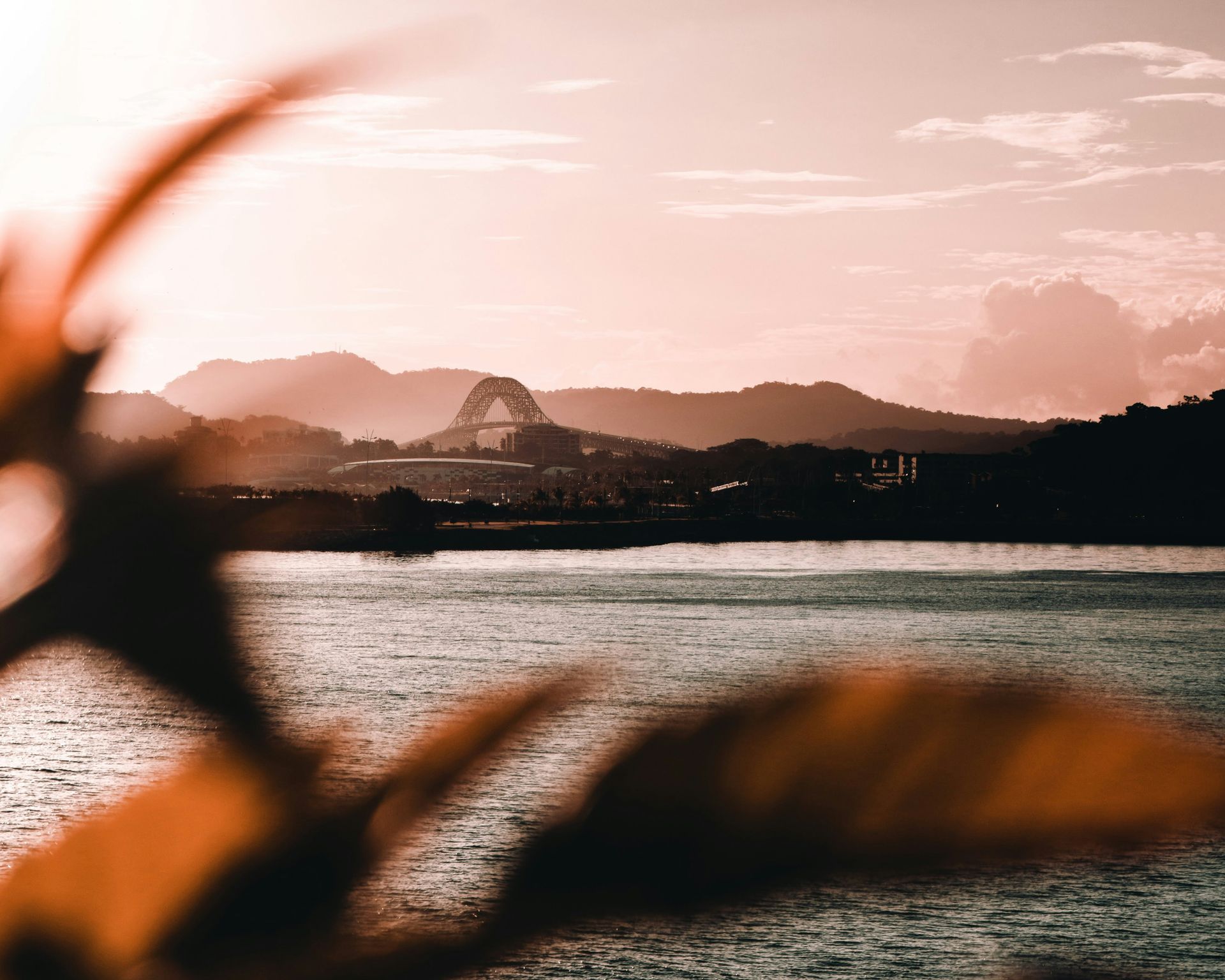
The Panama Canal and Central America in October and November experience some rainfall typical of the shoulder season in this equatorial region, but the trade-off offers passengers fewer crowds, better cabin availability, and a slower pace that the Panama Canal’s status as a navigational engineering marvel specifically rewards. A full or partial transit of the Canal gives passengers the experience of watching a ship navigate the lock system that connects the Atlantic and Pacific Oceans — a process that benefits from the unhurried attention that a sea day allows rather than the rushed port visit that peak season pacing sometimes imposes.
Viking Ocean Cruises’ 15-day Panama Canal and Central America voyage sails round-trip from Fort Lauderdale with stops in Montego Bay, Jamaica; Colon, Panama; Puerto Limon, Costa Rica; Roatan, Honduras; Belize City, Belize; and Cozumel, Mexico. The partial Canal transit and scenic cruising day give the itinerary its centerpiece engineering experience alongside seven culturally distinct port stops that span the Caribbean, Central American, and Mexican registers of the region’s diversity.
The slower pace of the 15-day voyage suits the type of traveler the source identifies: seniors and those who want history and gentle adventure in combination rather than a high-intensity itinerary. The Canal’s own history — its construction, its role in global trade, and the engineering challenges it solved — gives the transit a narrative depth that most scenic cruising lacks, and the surrounding Central American ports add ecological and cultural variety that the Canal alone would not provide.
7. Halloween-themed cruises on Disney give families a spooky Caribbean celebration
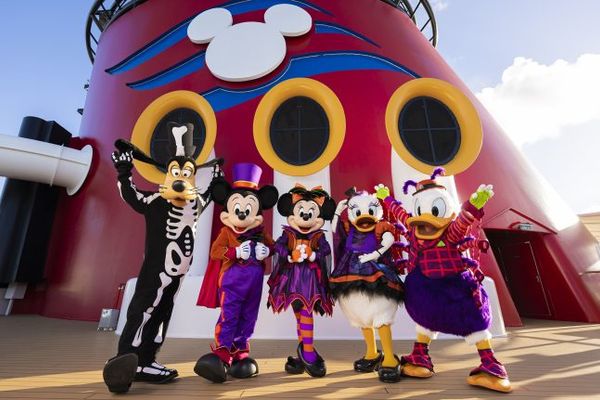
Credit: Disney Cruise Line
Disney $DIS Cruise Line’s Halloween on the High Seas itineraries run through September and October, giving families a themed fall cruise that uses the Disney character roster to bring the Halloween season to Caribbean sailing in a format designed specifically for multigenerational travel. The programming includes meet-and-greets with Disney characters in Halloween costumes, spooky arts and crafts, deck parties with haunted decorations, costume contests, and onboard trick-or-treating with the full distribution of treats that the holiday requires.
The family-friendly execution gives Halloween-themed cruising a specific appeal that adult-oriented Halloween events do not: children can encounter beloved characters in costume, collect candy from stations throughout the ship, and experience the holiday at a scale and production quality that home celebrations rarely match. The ship’s Caribbean itinerary provides a warm-weather backdrop that makes the Halloween decorations and programming feel genuinely festive rather than incongruous with the tropical setting.
Several cruise lines offer Halloween programming in the fall, but Disney’s version benefits from the depth of the company’s character catalog and the specific investment in seasonal programming that the Disney Cruise Line has developed across multiple ships and itineraries. For families whose fall calendar includes Halloween, a Disney sailing through the Caribbean offers a way to combine the holiday celebration with a Caribbean vacation without choosing between the two.