From Angkor Wat's dawn reflection in a still pond to Fairbanks where northern lights overlap with a pink arctic sunrise over the snow
Dawid Zawila / Unsplash
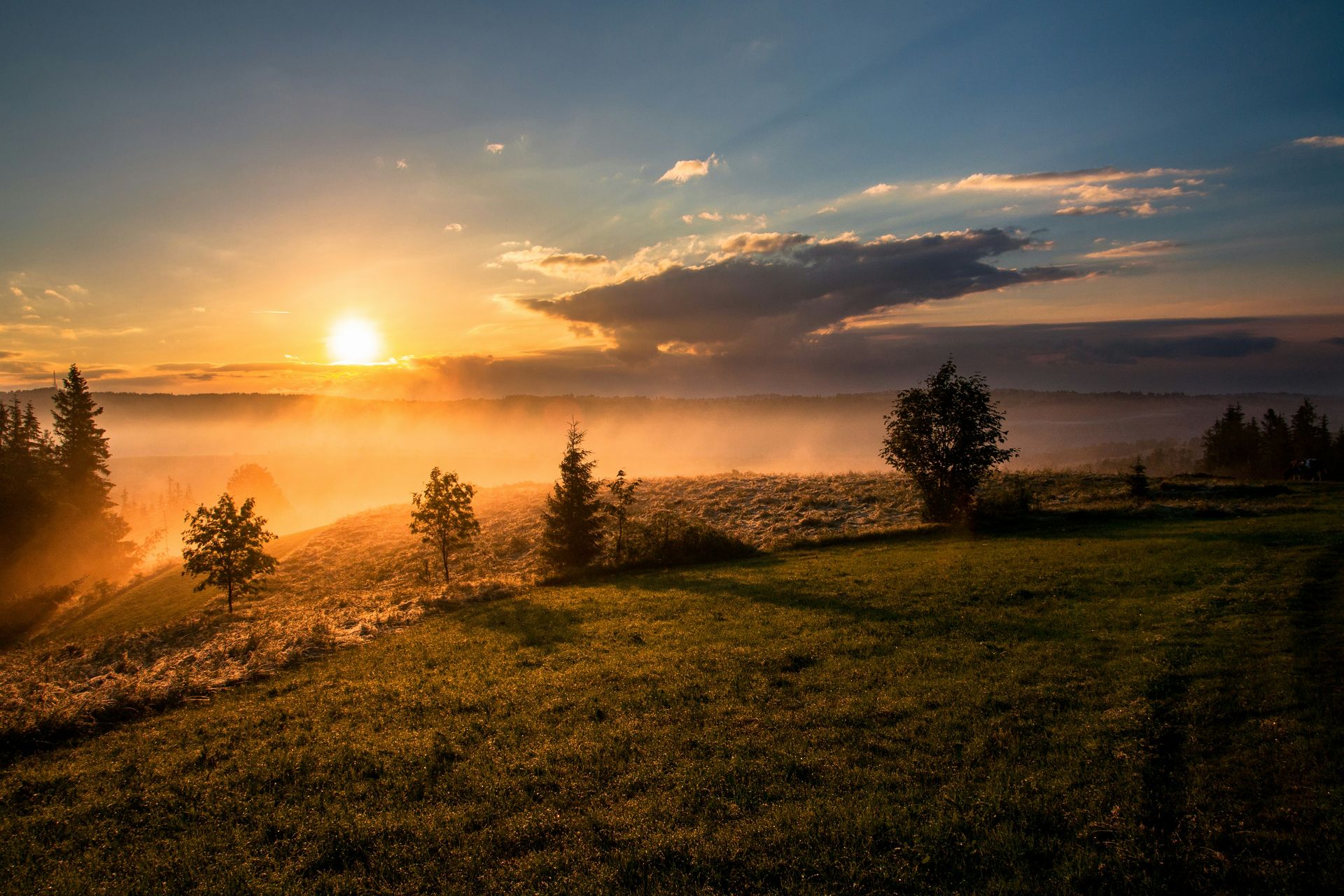
An early alarm on vacation rarely feels welcome, especially when the world outside the hotel window still looks pitch-black, and every instinct says to roll over and go back to sleep. Once the sun’s rays actually start peeking over the horizon, though, the world tends to go quiet, and the dancing colors filling the sky have a way of making the lost sleep feel entirely worth it in the end.
Chasing sunrises around the world, from beach horizons to mountain peaks to the rim of a desert canyon, offers travelers a genuinely different way to experience a destination they might otherwise see only in full daylight. Getting up before the crowds and before the mind starts buzzing with its usual worries creates a rare kind of stillness, one built specifically around being present for the start of a genuinely new day.
The 10 sunrises below appear in Lonely Planet, covering favorite sunrise spots recommended from around the world. Each one rewards a genuinely different kind of early wakeup, whether that means a physically demanding hike, a quiet boat ride, or simply the right beach at the right hour. Checking sunrise times the night before remains essential, no matter which destination a traveler ultimately chooses to chase. A few extra minutes of preparation the night before consistently makes the difference between a smooth morning and a rushed, frustrating one. Some of these sunrises reward physical effort, whether that means a demanding hike or an early paddle out to open water, while others simply reward being in the right place with genuinely low expectations. Either way, the specific pairing of stillness, changing light, and a fresh start tends to stick with travelers long after the rest of a trip has faded from memory.
Vladimir Haltakov / Unsplash
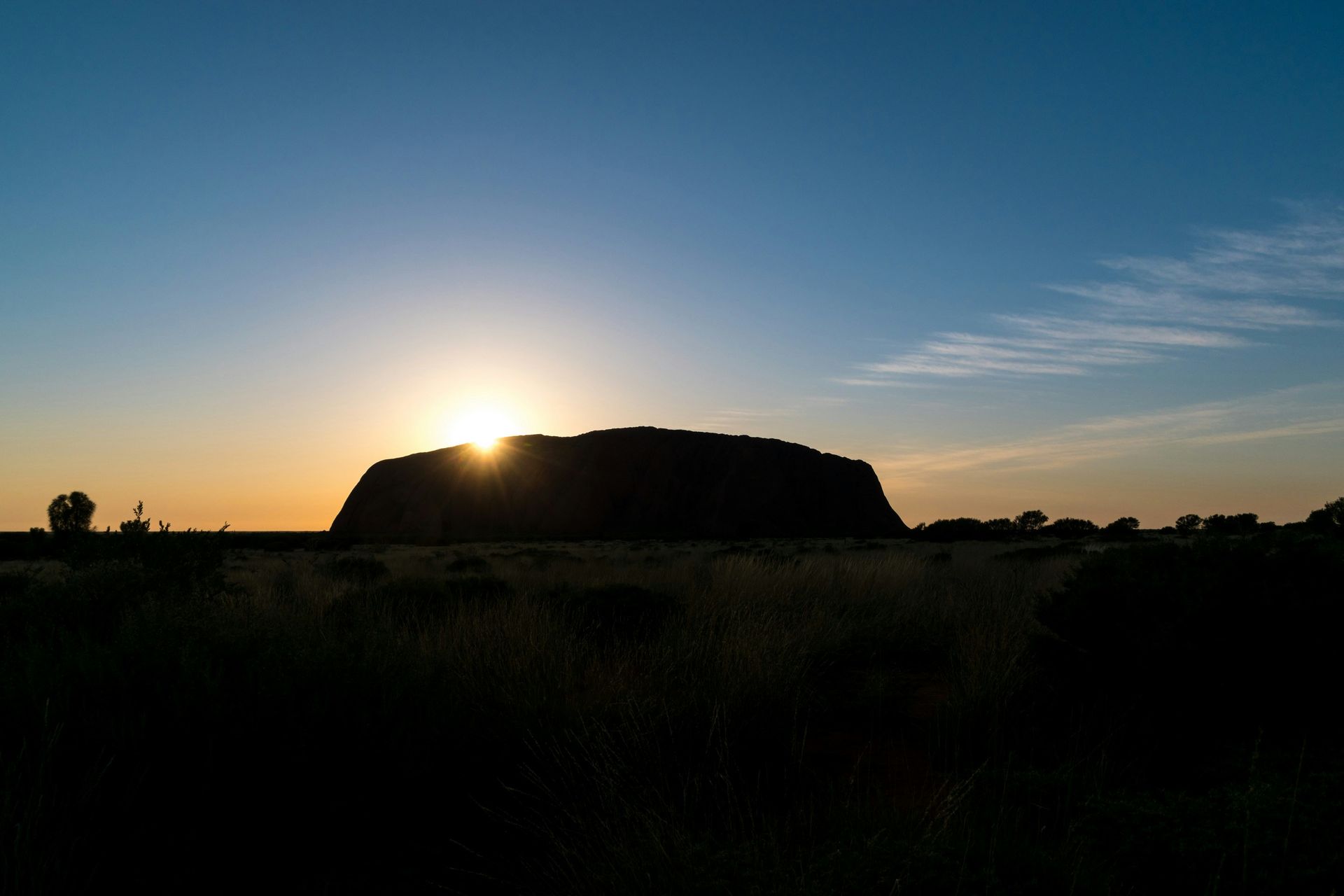
Uluru-Kata Tjuta, in Australia’s Northern Territory, formed more than 500 million years ago, and these towering red rock formations have held deep sacred significance for Aboriginal peoples for tens of thousands of years. Watching sunrise reflect directly off these formations creates a genuine sense of connection to the surrounding landscape that daytime visits simply can’t replicate.
Uluru feels almost alive during the golden hour, shifting and transforming visually as it reflects the changing angle of the sun’s rays across its weathered surface. Sunrise here offers an even richer experience than sunset, since the relative silence of early morning lets visitors witness this transformation without the noise and movement of a busier daytime crowd.
Visitors typically watch from designated viewing areas within Uluru-Kata Tjuta National Park, and arriving well before the actual sunrise time gives travelers a chance to find a good spot and settle in before the sky begins to change color. The nearby resort town of Yulara serves as the main base for visitors, with shuttle services running to various sunrise and sunset viewing points throughout the park.
Travelers $TRV should check the park’s official sunrise times before planning a visit, since these shift significantly throughout the year and directly affect when to set an alarm the night before. Bringing warm layers matters too, since desert mornings in the Northern Territory can run considerably colder than the daytime heat the region is famous for. Visitors should also respect the site’s cultural significance by staying within designated viewing areas, since parts of Uluru remain closed to climbing out of respect for its sacred status to Aboriginal communities. Guided walks led by Anangu rangers add real cultural depth to a visit, sharing traditional stories tied to specific rock formations that a self-guided viewing would otherwise miss entirely. The nearby Field of Light art installation also pairs well with a sunrise visit, since some tour packages combine both experiences within a single early morning.
Pietro Dona / Unsplash
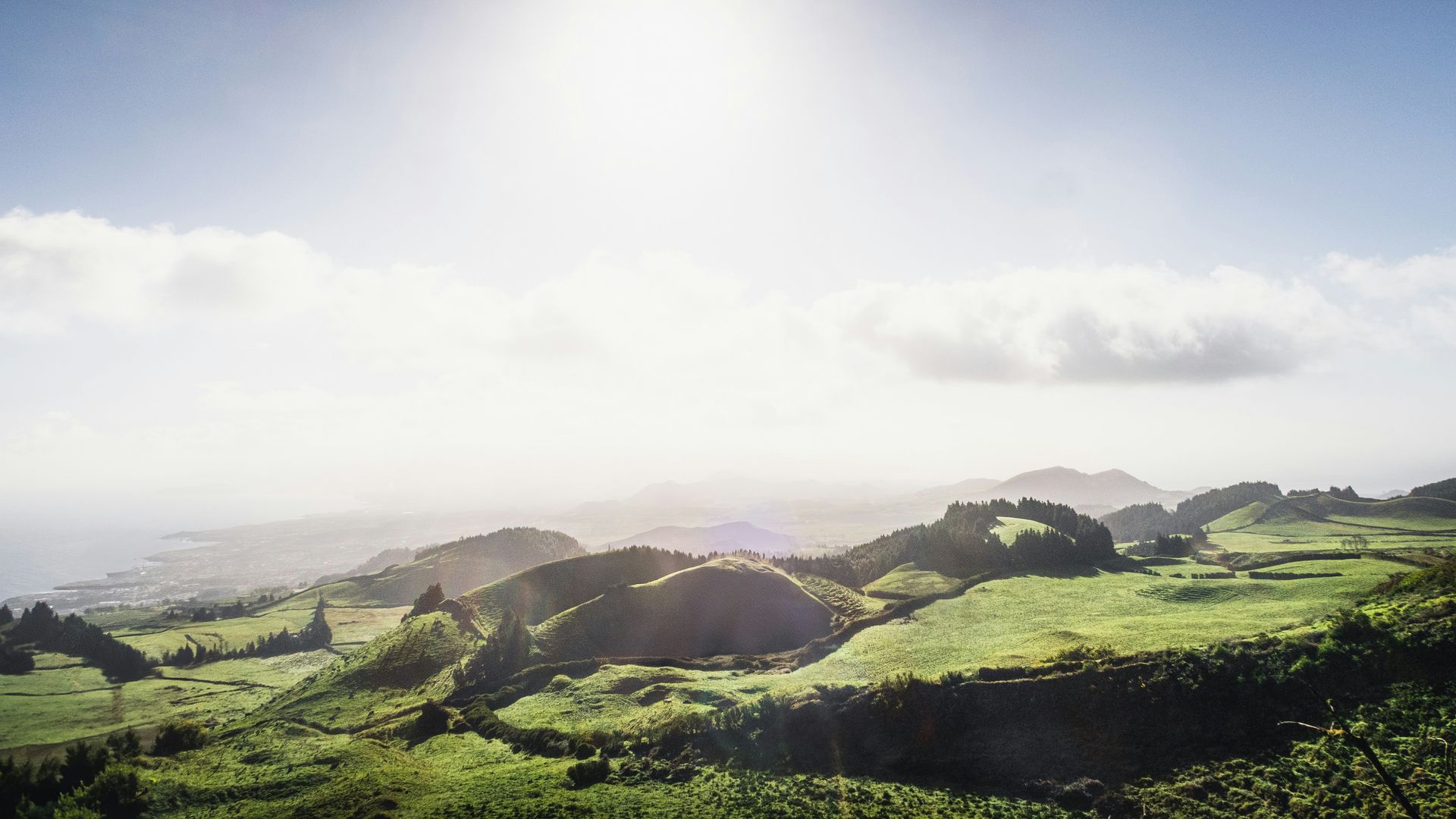
Miradouro da Barrosa, on São Miguel in Portugal’s Azores archipelago, delivers a genuinely otherworldly sunrise experience that feels like stepping into an entirely different dimension. Watching from above a layer of clouds while overlooking endless miles of the Atlantic Ocean rewards the early wakeup considerably more than a typical coastal sunrise ever could.
This particular viewpoint sits at a high enough elevation that cloud cover frequently settles below the lookout itself, creating the genuine sensation of floating above the world rather than simply watching a sunrise from solid ground. This inversion effect, common throughout the volcanic Azores, depends heavily on specific weather conditions, so timing and a bit of luck both play a real role in catching the phenomenon at its most dramatic.
São Miguel’s volcanic terrain creates numerous similar viewpoints scattered across the island, though Miradouro da Barrosa ranks among the most consistently rewarding for this particular above-the-clouds effect. Renting a car remains the most practical way to reach the more remote viewpoints scattered across the island, since public transport options run considerably less frequently in the early morning hours, and sunrise chasing requires it.
Visitors should check recent weather patterns before committing to a specific sunrise viewpoint, since cloud inversions form under fairly particular conditions and don’t occur with complete reliability every morning throughout the year. Visitors should also pack a warm layer for the drive up, since temperatures at elevation can feel considerably colder than at sea level, even during otherwise mild Azorean weather. The nearby town of Ponta Delgada makes a convenient overnight base, putting most of the island’s other volcanic lakes and viewpoints within a genuinely manageable day-trip radius. Sete Cidades, a twin-crater lake roughly 30 minutes away, makes a genuinely worthwhile add-on for travelers extending their stay beyond the sunrise visit alone. Sunrise timing shifts noticeably across the seasons here, so checking current tables the night before helps travelers set an accurate alarm. Sunscreen still matters at elevation, since UV exposure runs meaningfully stronger above the cloud layer than the cooler air temperature might otherwise lead visitors to assume.
Shur Shur / Unsplash
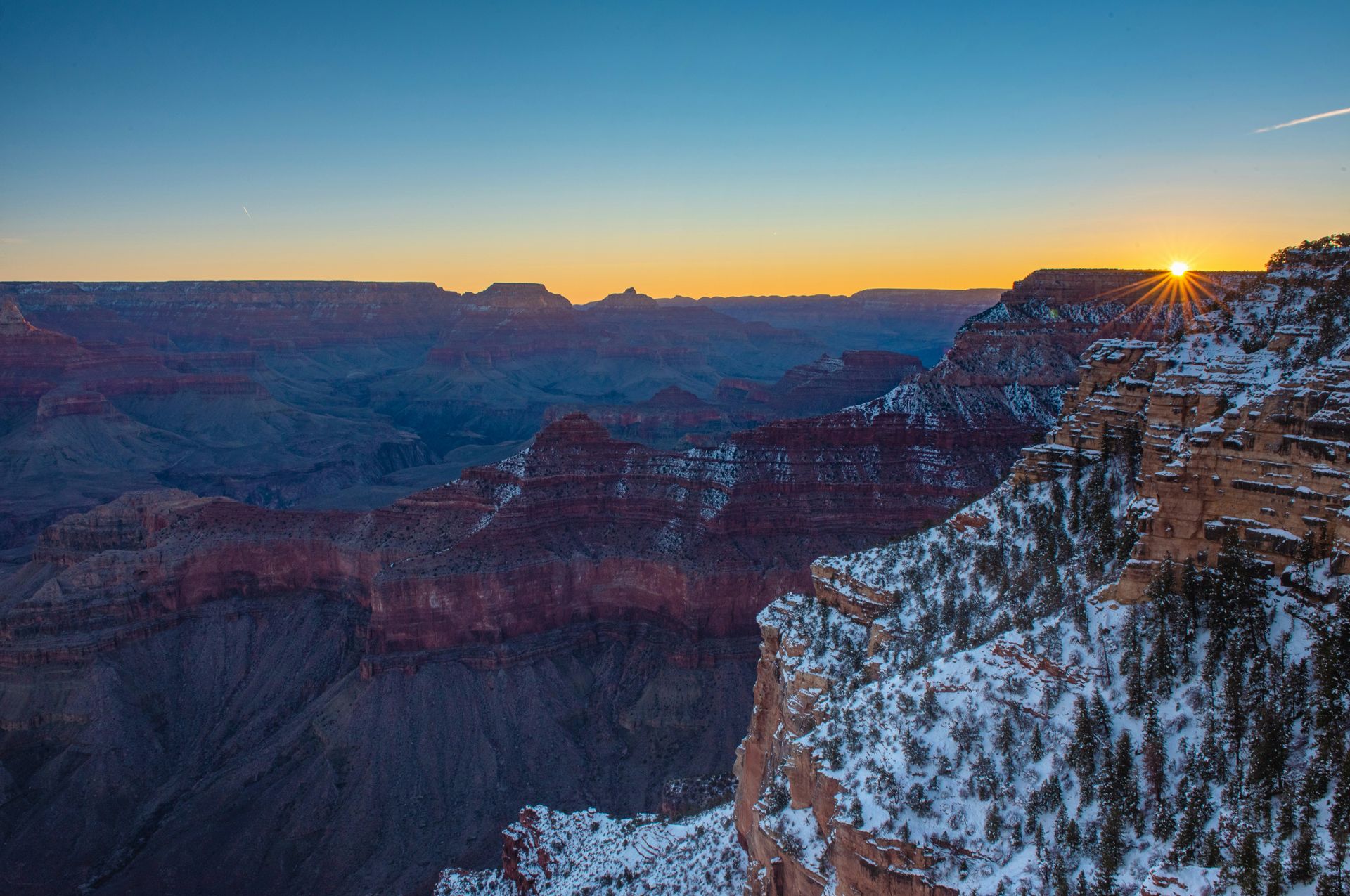
Hiking the Grand Canyon rim to rim in a single day counts as a genuinely tremendous 24-mile endurance challenge, and starting before dawn on the North Rim gives hikers the daylight hours they need to actually complete the full crossing. Watching the sunrise peek over evergreen trees as you descend into the heart of the canyon ranks among the most memorable moments such a trek can offer, rivaled only by finishing the hike later that night under a blanket of stars.
The North Rim sits at considerably higher elevation than the South Rim, giving early risers genuinely dramatic views across layered canyon walls as the sun’s first light gradually reaches deeper into the gorge below. This particular sunrise rewards hikers specifically because of the physical effort required to actually witness it, adding a sense of earned accomplishment that a roadside viewpoint sunrise simply can’t match.
Completing a rim-to-rim hike requires serious planning, including permits, water caching, and a realistic assessment of physical fitness, since the elevation change and distance combine to make it one of the more demanding day hikes in the American Southwest. Hikers typically arrange a shuttle or second vehicle in advance, since the trailheads on each rim sit hours apart by road despite being connected directly by trail.
Travelers $TRV considering this hike should train specifically for both distance and elevation gain well before attempting it, and starting in the cooler months helps considerably, since summer heat within the canyon itself can become genuinely dangerous for underprepared hikers. Hikers should also carry considerably more water than they initially feel necessary, since dehydration is among the most common reasons rescue teams are called out along this particular trail. Permits for camping along the route sell out months in advance during peak season, so hikers should plan their trip and secure permits well before finalizing flights or other travel arrangements. A reliable headlamp matters too, given the predawn start.
Christine Donaldson / Unsplash
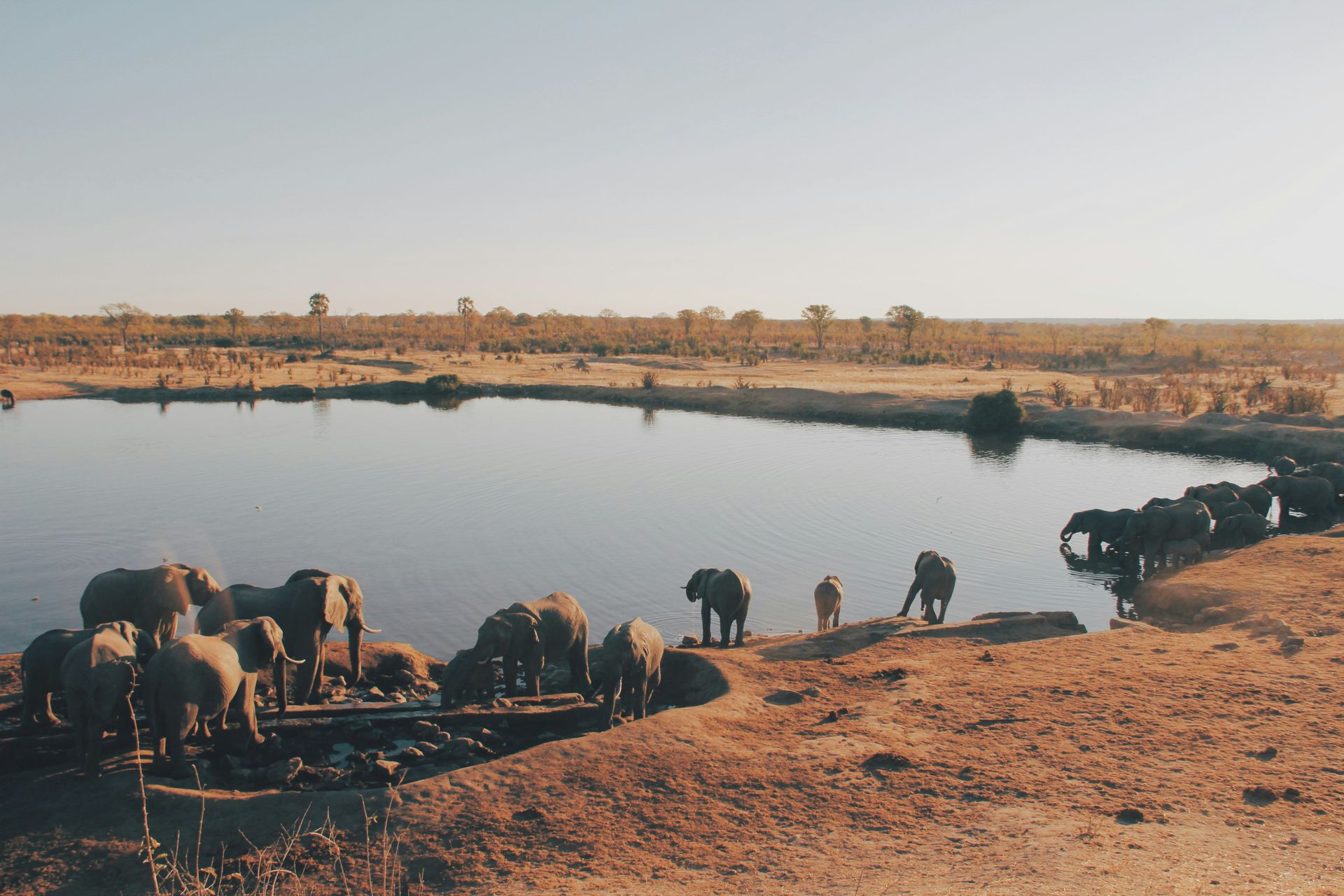
Mornings at Hwange National Park in Zimbabwe begin at dawn, with breakfast served before guests head out for a game drive through the surrounding bush. Watching the sunrise unfold while elephants and zebras roam freely nearby creates a genuinely unmatched atmosphere, blending the visual drama of an African sunrise with the added thrill of watching wildlife move through its natural habitat in real time.
Hwange ranks among Zimbabwe’s largest and most biodiverse national parks, and its varied habitats, from open grassland to dense woodland, support a genuinely wide range of species beyond the elephants and zebras most visitors hope to see first. Morning game drives specifically tend to catch animals at their most active, since many species move and feed most visibly during the cooler hours right around sunrise.
Most visitors base themselves at one of several safari lodges scattered throughout or near the park, many of which build their entire daily schedule around this early wakeup and dawn game drive routine. Guides typically know the specific areas where elephants and other wildlife tend to congregate at this hour, considerably improving the odds of a genuinely memorable sunrise sighting.
Travelers $TRV planning a Hwange visit should book lodges and game drives well in advance during the dry season, specifically, since wildlife concentrates more predictably around remaining water sources during these months, making sunrise game drives considerably more rewarding. Visitors should also pack binoculars specifically for the drive, since spotting wildlife at a distance across Hwange’s open grassland often rewards patient, careful scanning more than proximity alone. Several lodges throughout the park also offer sundowner drinks paired with evening game drives, giving visitors a natural bookend to the early sunrise outing later in the same day. Malaria precautions also matter throughout this part of Zimbabwe, so travelers should consult a doctor about preventive medication well before departure. Neutral-colored clothing also helps blend in better during game drives, and layers matter, given the cool morning air.
Siborey Sean / Unsplash
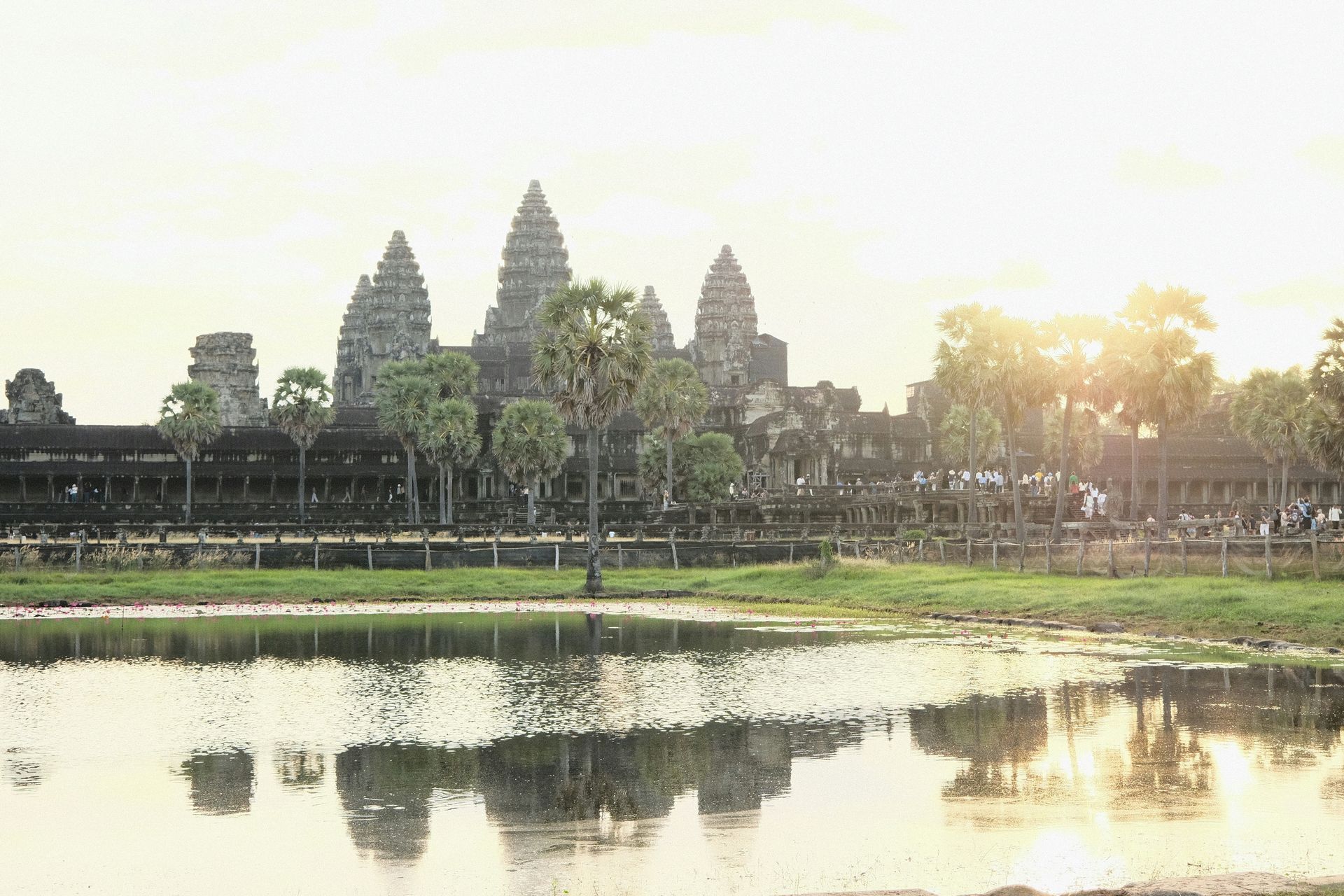
Walking through Angkor Wat in complete darkness before dawn, then watching sunrise from the northern pond directly in front of the main temple, ranks among the most memorable tour experiences available anywhere in Siem Reap, Cambodia. The pond directly reflects the temple’s iconic silhouette, creating a striking mirrored image as the sky behind it streaks with shades of pink and purple.
The genuine quiet of the experience adds considerably to its impact, and watching the whole scene unfold in near-total silence creates a genuinely humbling atmosphere rarely matched at other major world monuments this famous. December specifically offers comfortable temperatures for the predawn wait, making it a popular month for visitors specifically chasing this sunrise.
Angkor Wat’s main temple complex opens early enough specifically to accommodate sunrise visitors, and arriving well before official opening time gives travelers the best chance at securing a good spot along the reflecting pond before crowds build. Hiring a local guide familiar with the temple’s layout helps visitors navigate the darkness safely while also adding historical context to the surrounding ruins.
Travelers $TRV should book accommodation in Siem Reap itself instead of commuting from farther away, since the predawn wakeup required to reach Angkor Wat before sunrise makes proximity to the temple complex genuinely important for anyone hoping to actually make it on time. Visitors should also purchase their temple pass the day before if possible, since ticket lines at the entrance gate can move slowly during the predawn rush of sunrise-chasing visitors. Visitors with extra time should extend their trip to explore the wider Angkor Archaeological Park, since dozens of smaller temples scattered throughout the surrounding jungle reward a slower, multiday visit. Ta Prohm, with its tree roots weaving directly through the ancient stonework, ranks among the most visually striking of these secondary temples. Modest clothing covering shoulders and knees remains required throughout the temple complex, even during the earliest, quietest hours before official opening. A small, reliable flashlight helps considerably during the dark predawn walk through the sprawling temple grounds.
Marco J Haenssgen / Unsplash
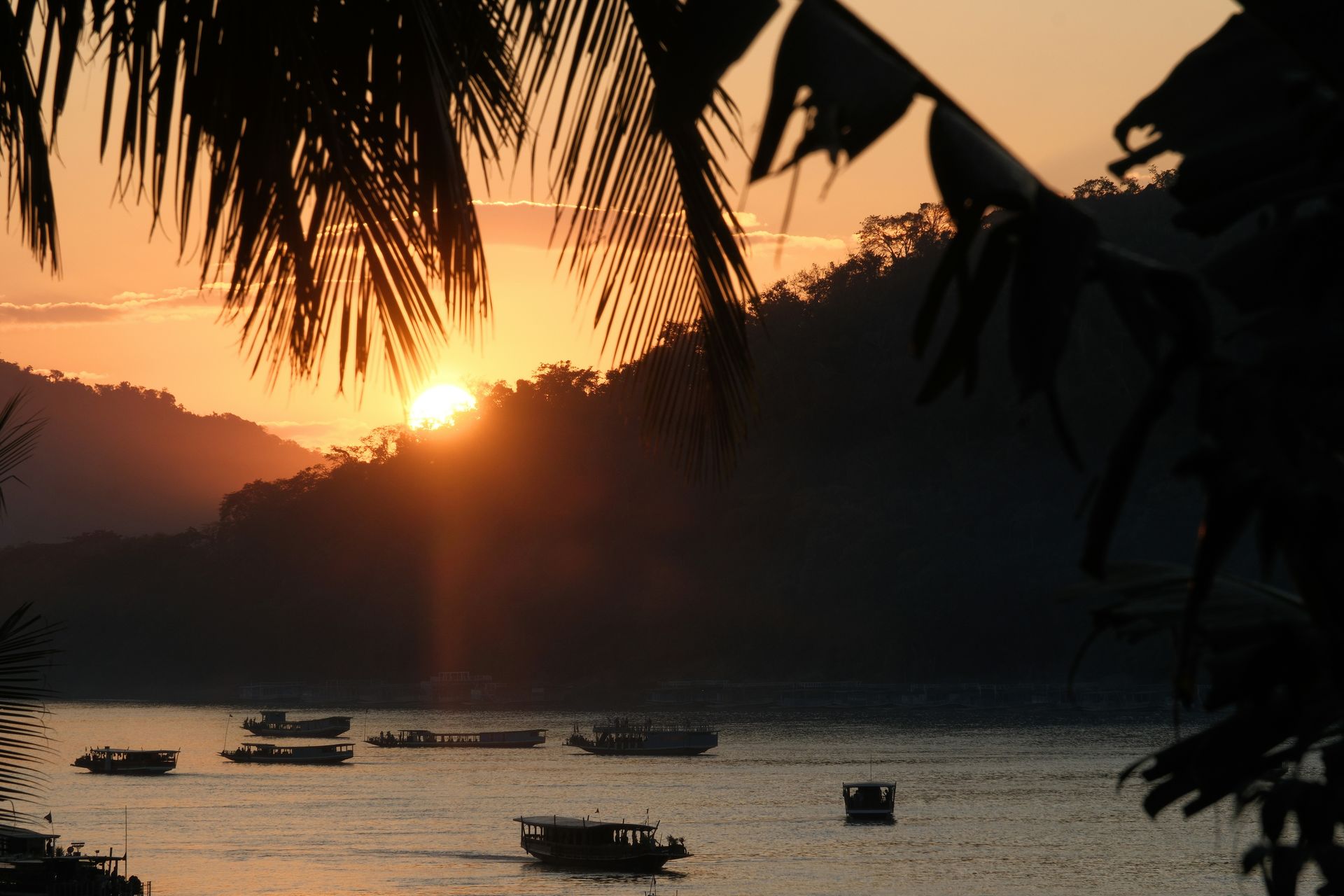
Watching sunrise over the Mekong River in Luang Prabang, Laos, rewards travelers willing to skip the far more popular sunset cruise that draws most visitors instead. Having the river largely to oneself while the sky gradually shifts from pink to purple creates a genuinely magical, absolutely quiet atmosphere rarely available on a more crowded evening cruise along the same stretch of water.
A gourmet breakfast served directly on the boat elevates the experience even further, turning a simple sunrise viewing into a genuinely memorable morning built around both scenery and genuine comfort. Properties such as the Sofitel Luang Prabang offer this kind of curated sunrise cruise experience, giving guests a considerably more relaxed alternative to standing at a crowded riverside viewpoint.
Luang Prabang’s setting along the Mekong gives the town a naturally scenic backdrop for sunrise viewing well beyond the cruise itself, and the town’s UNESCO-listed old quarter offers plenty to explore once the cruise wraps up and the rest of the morning begins. Few river towns anywhere in Southeast Asia combine this much natural beauty with such a genuinely relaxed, unhurried pace of daily life.
Travelers $TRV interested in this experience should book directly through their hotel or a reputable local operator well ahead of their stay, since sunrise cruise slots are considerably more limited than the more popular sunset departures most visitors default to. Visitors should also confirm exactly what the breakfast package includes when booking, since offerings can range from simple pastries to a genuinely full multicourse spread depending on the specific operator. The town’s morning alms-giving ceremony, where monks walk through the streets collecting food from kneeling residents, makes a meaningful add-on for visitors staying through the rest of the morning. Cooler mornings along the river make a light jacket genuinely useful, even though daytime temperatures in Luang Prabang climb considerably warmer. A camera with genuine low-light capability helps capture the shifting river colors considerably better.
Marek Piwnicki / Unsplash
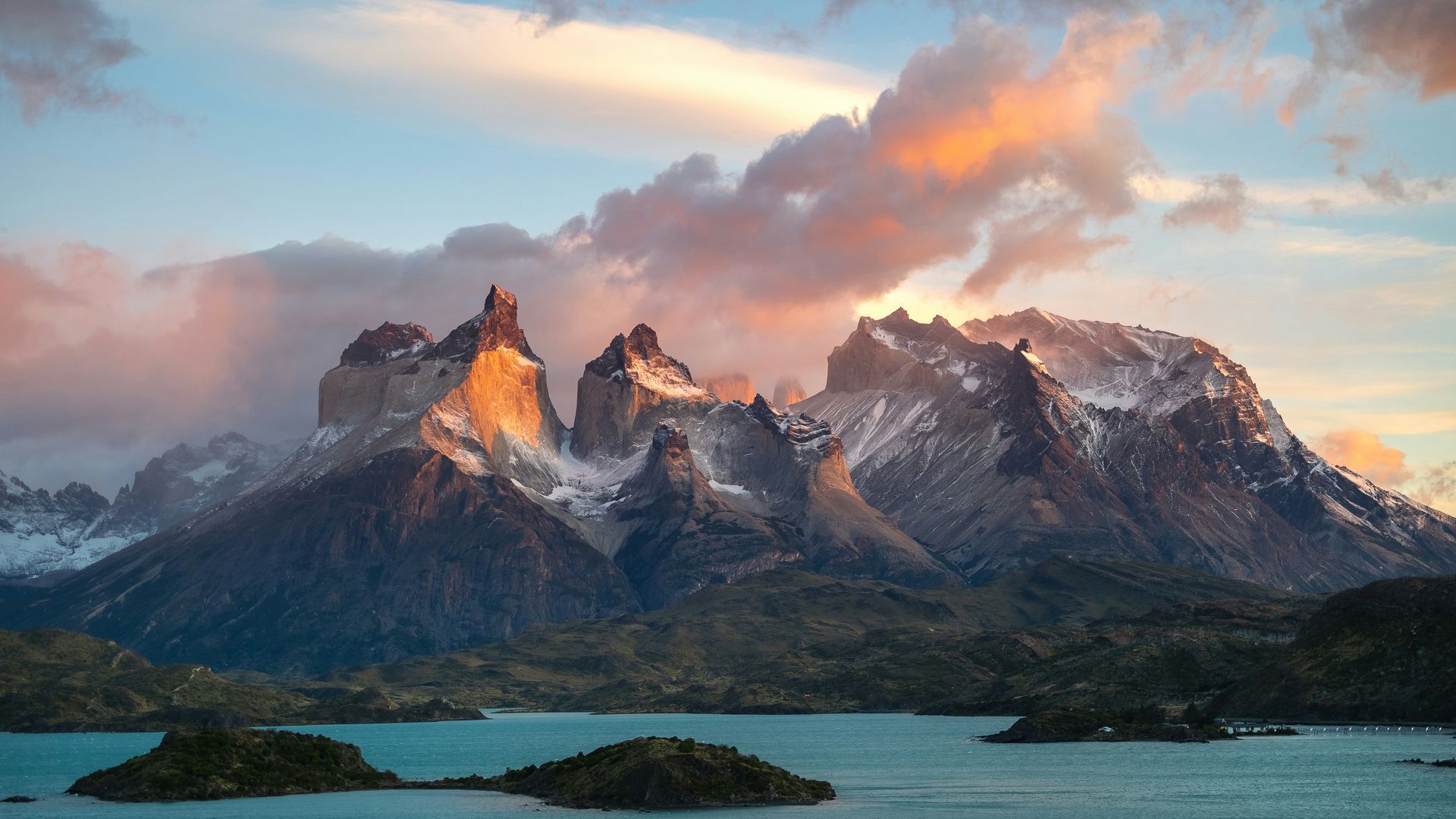
Reaching the base of the granite peaks at Torres del Paine, in Chilean Patagonia, in time for sunrise requires a genuinely demanding three-mile hike that begins well before dawn and typically calls for a headlamp for the pitch-dark early stretch of trail. Watching the sun rise over a turquoise glacial lake, turning the granite peaks a genuine golden-orange, rewards hikers who make it to the base in time, though reaching that point safely requires real preparation and a reliable sense of direction.
Hiking with a small group that met the day before can help, provided someone in the group genuinely knows the correct route, since a wrong turn in the dark can cost precious time before sunrise. An hour or more of scrambling up steep terrain in the cold, even while wearing several layers of winter clothing, tests hikers physically well before they ever reach the payoff at the top.
The weather at Torres del Paine can shift dramatically and without much warning, and clouds occasionally roll in and bring snow shortly after sunrise, cutting the viewing window considerably shorter than hikers might expect going into the climb. This unpredictability makes flexibility and proper gear genuinely essential for anyone attempting this particular sunrise hike.
Travelers $TRV planning this hike should scout the route during daylight hours the day before if at all possible, since navigating unfamiliar terrain in complete darkness adds real risk on top of the physical demands of the climb itself. Hikers should also register with park rangers before setting out in darkness, since doing so gives rescue teams a clear record of who’s on the trail should conditions turn dangerous. Base camps and refugios scattered throughout the park give hikers a place to rest before or after the predawn push, and booking these well ahead matters considerably during peak Patagonian summer. Staying at a refugio near the trailhead itself, instead of a hotel farther away, shaves meaningful time off the already early predawn departure. Trekking poles help considerably on the steeper, rockier sections closer to the actual base of the peaks.
v2osk / Unsplash
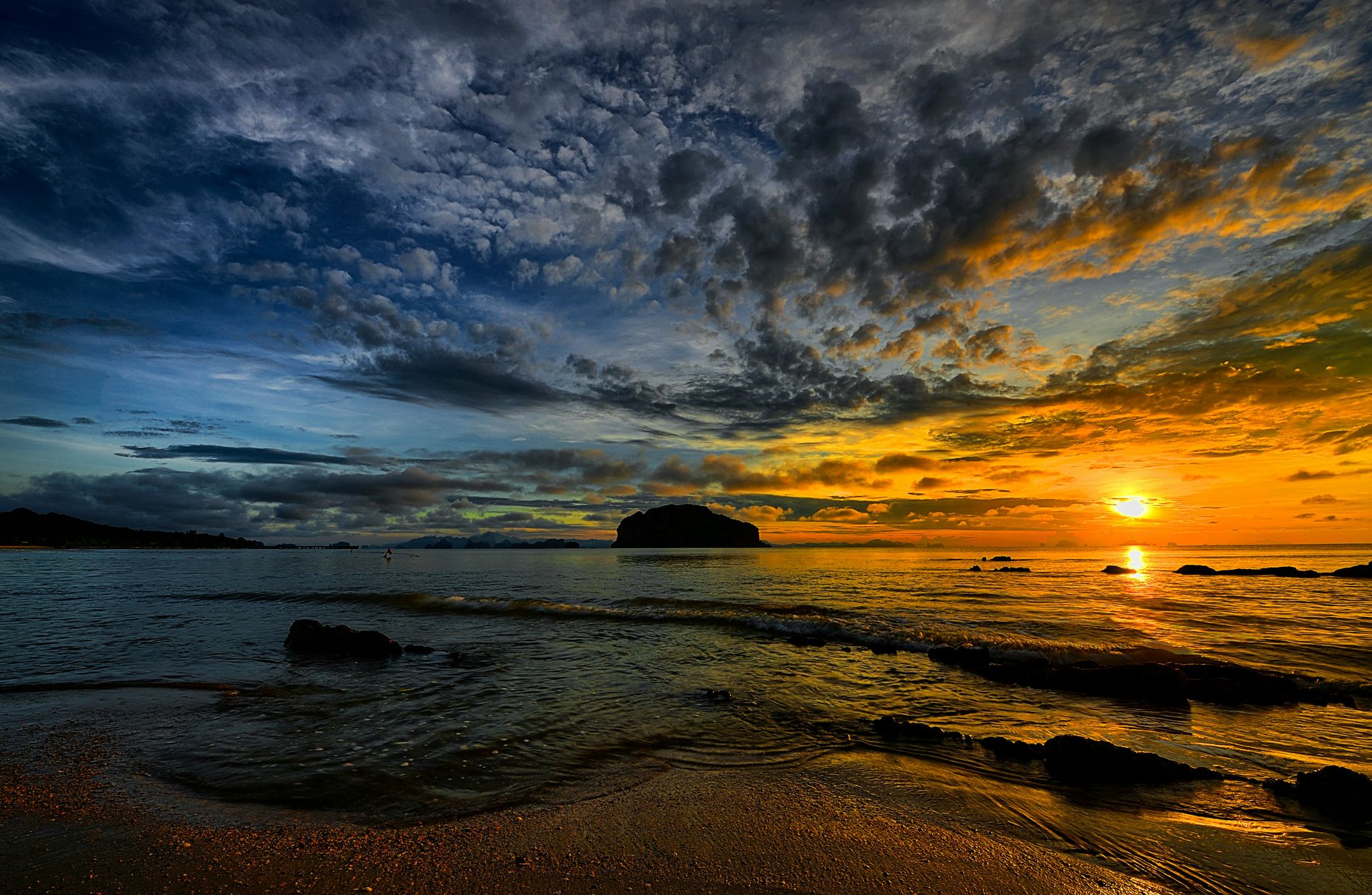
A sunrise paddle organized through Anantara Lawana Resort on Ko Samui, Thailand, carries guests out to a small island owned by the hotel, positioned so visitors can watch the sun rising on one side while the resort’s own beach remains visible on the other. The sunrise itself doesn’t always deliver the most dramatic colors, though the overall moment stays genuinely serene, with calm morning waves rolling gently against the shore throughout the paddle.
Hotel staff familiar with local tides and conditions typically lead these small-group excursions, giving guests a considerably more personal experience than a larger, more commercial sunrise tour elsewhere on the island might offer. The short paddle out to the private island adds a gentle physical element to the outing, waking guests up gradually instead of requiring them to simply sit and wait for the sky to change.
Ko Samui’s calm morning waters throughout much of the year make this kind of paddle genuinely accessible for guests without much prior kayaking experience, and resort staff typically provide all the necessary equipment directly on-site. This ease of access gives even casual travelers a real chance to experience a sunrise from the water rather than simply from a beach chair.
Travelers $TRV staying at resorts offering similar sunrise paddles should confirm timing and availability directly with hotel staff a day in advance, since these excursions often depend on both tide conditions and staff availability that can shift from morning to morning. Guests should also bring a waterproof case for any camera or phone, since morning paddles occasionally involve light splashing even during genuinely calm conditions. Guests at nearby resorts can often arrange similar excursions through local tour operators, even without direct access to a private island associated with a specific hotel. Booking directly through a hotel concierge the day before typically secures a spot more reliably than arranging one independently once already on the island. Sun protection still matters even during the relatively cool early morning hours, since the tropical sun climbs quickly once it clears the horizon.
Yuhan Du / Unsplash
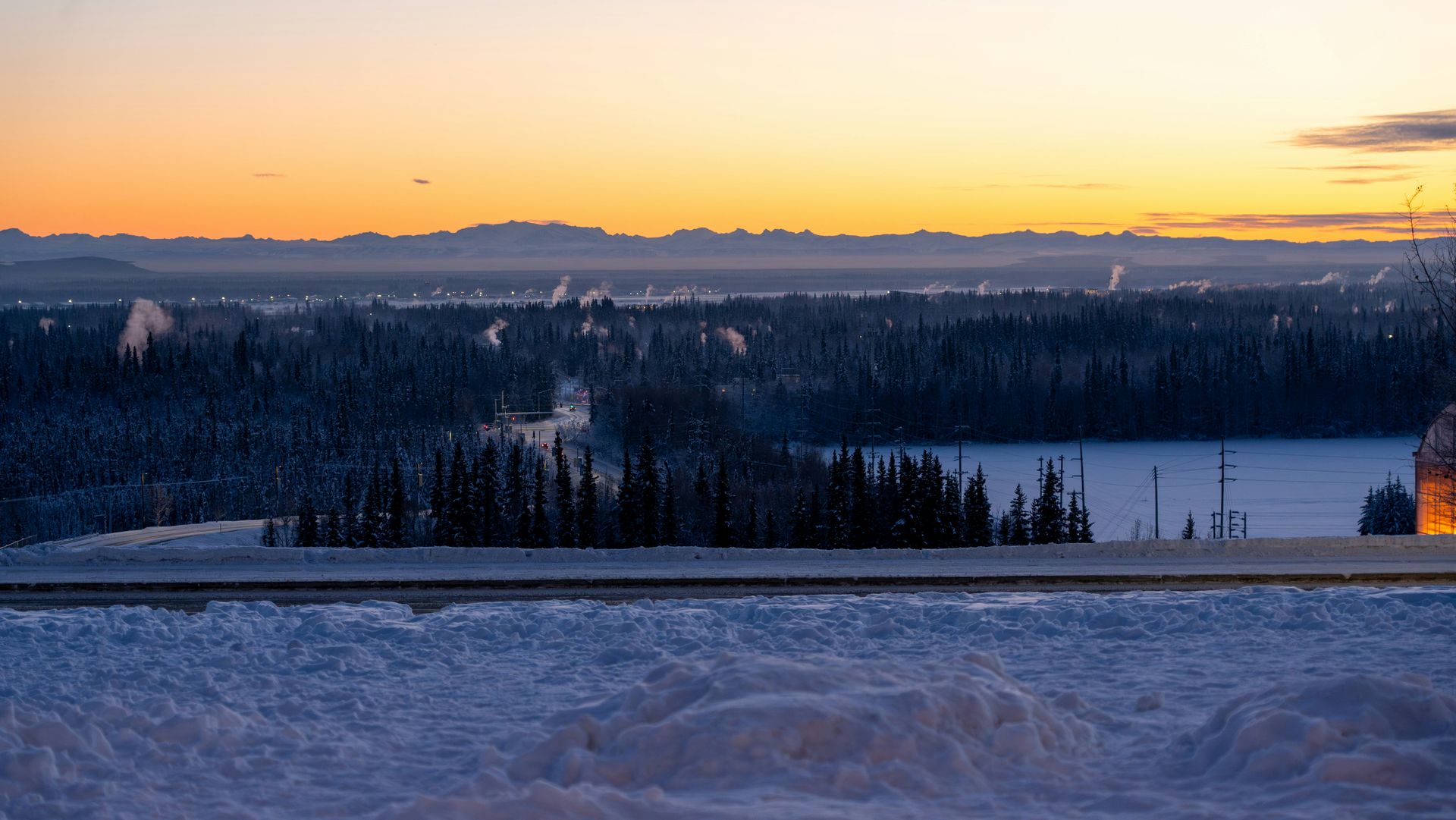
A final morning at Borealis Basecamp outside Fairbanks, Alaska, can deliver an entirely unexpected pairing of natural phenomena, starting with what looks like the tail end of a northern lights display before the aurora suddenly flares back to life. Pulling on layers, boots, hats, snow pants, and mittens quickly enough to catch this kind of unexpected encore rewards guests with genuinely rare sky-watching conditions rarely available anywhere else.
The breakfast yurt at Borealis Basecamp offers genuine 360-degree views across the horizon, letting guests watch green and purple aurora light burst and retreat repeatedly while the eastern sky simultaneously begins turning pink as sunrise approaches. As the sun climbs higher, the aurora fades entirely, and the sky continues shifting through pink, yellow, and eventually a cold, pale blue that makes the surrounding snow glisten under the emerging winter sun.
This overlap between the aurora and sunrise occurs specifically during Alaska’s darker winter months, when the sun rises late enough that lingering northern lights displays can still be seen in the sky. Few destinations anywhere in the world offer this particular pairing of phenomena within the same single morning.
Travelers $TRV hoping to witness this overlap should visit during the heart of winter, specifically when nights run long enough for aurora activity to potentially extend right up until sunrise, and should pack genuinely warm gear given how cold Alaskan winter mornings typically run. Visitors should also check aurora forecasts before booking a specific stay, since solar activity varies considerably from night to night and directly affects the odds of witnessing this particular overlap. Basecamps throughout the Fairbanks area typically include wake-up calls specifically timed to strong aurora activity, letting guests rest normally until conditions actually warrant heading back outside. Genuinely serious cold-weather gear matters here, since Fairbanks winter mornings regularly drop well below freezing even before accounting for wind chill. Hand warmers also help considerably during the long, genuinely cold outdoor wait for both the aurora and sunrise.

Crispin Jones / Unsplash
An unexpectedly early wake-up on a honeymoon in Zanzibar, Tanzania, caused by a snoring travel companion, turned into an entirely unplanned sunrise photography session along the beach instead of a frustrating sleepless morning. Grabbing a nearby camera and heading straight to the shore turned an annoying interruption into a genuinely treasured travel memory, later commemorated with a printed canvas photo as an apology gift.
Zanzibar’s beaches along the island’s coastline offer genuinely reliable sunrise conditions throughout much of the year, with palm trees and simple beach shades creating naturally striking silhouettes against the brightening sky. This kind of impromptu sunrise experience often rivals carefully scheduled ones, since the complete absence of pressure or expectation lets visitors simply enjoy the moment as it unfolds.
Zanzibar’s Indian Ocean coastline offers numerous beaches well-suited to sunrise viewing, beyond any single spot, giving travelers genuine flexibility in choosing exactly where to watch depending on where they happen to be staying. Stone Town and the island’s northern beaches both offer easy access to the water for anyone hoping to catch a similarly spontaneous sunrise during their own stay.
Travelers $TRV hoping to recreate this kind of experience should simply stay somewhere within easy walking distance of the beach, since the best spontaneous sunrise moments tend to happen specifically when getting to the shore doesn’t require much advance planning at all. Visitors should also check tide times before heading to the beach at dawn, since some stretches of Zanzibar’s coastline narrow considerably or disappear entirely at high tide. Local fishermen often head out in traditional wooden dhows at this same early hour, adding an unplanned yet genuinely striking silhouette to many impromptu sunrise photos along the coast. Reef shoes help considerably along rockier stretches of shoreline, since much of Zanzibar’s coast mixes soft sand with patches of coral and stone. A lightweight cover-up also helps for the walk back from the beach.
