The best — and most visited — cities in the world
From Bangkok's gilded Grand Palace and floating markets to Istanbul bridging two continents above the Bosphorus
Marcin Nowak / Unsplash
Millions of travelers pack their bags each year for business trips, vacations, or some mix of the two, and while destinations scatter across every continent, a handful of cities consistently pull in far more visitors than the rest of the world combined. Tracking which cities draw the biggest crowds reveals genuinely interesting patterns in global travel, from the enduring pull of centuries-old European capitals to the rapid rise of energetic Asian metropolises that have transformed into global tourism powerhouses within just a few decades of rapid development and infrastructure investment.
Comparing these top destinations side by side also reveals just how differently a city can earn its place among the world’s most visited. Some draw travelers through sheer architectural ambition and modern spectacle, while others rely on centuries of accumulated history, religious significance, or a simple reputation for affordable food and nightlife that keeps visitors returning year after year. Understanding what actually drives these enormous visitor numbers offers a genuinely useful lens for travelers trying to decide where their next trip should go, whether that means chasing history, architecture, natural scenery, or simply a great meal. The cities below make that comparison easy, since each one earns its spot on the list for genuinely different reasons. Two of the entries draw crowds almost entirely through modern architecture and engineering; several rely on centuries of accumulated history and religious significance; and at least one owes its ranking almost entirely to a single annual pilgrimage rather than to everyday tourism at all.
The 10 cities below appear in U.S. News & World Report, based on data compiled from Euromonitor International’s City Destinations Index for the most recent reporting year available. Together, they offer a genuine cross-section of why people travel in the first place.
1 / 10
1. Bangkok draws Southeast Asia’s biggest crowds
-1920x1486.jpg)
Florian Wehde / Unsplash
Bangkok holds the distinction of being the world’s single most-visited city, and that ranking comes down to a genuinely rare pairing of cultural heritage, an impressive culinary scene, and relative affordability compared with many other major global destinations. Travelers $TRV arrive in enormous numbers to admire the gilded Grand Palace, one of the city’s most recognizable landmarks and a living symbol of Thailand’s royal history that continues to draw crowds year-round.
Street food forms an essential part of any Bangkok visit, and travelers regularly nosh on pad Thai and mango sticky rice from vendors scattered throughout the city’s neighborhoods and night markets. Floating markets add another distinctly Thai experience, letting visitors shop for produce and local goods directly from boats navigating the city’s canals, a tradition that predates Bangkok’s modern skyline by generations.
Wat Pho temple houses a Buddha statue more than 150 feet long, one of the city’s most photographed religious sites, and a genuine feat of traditional craftsmanship, regardless of a visitor’s religious background. Beyond daytime sightseeing, Bangkok’s vibrant nightlife scene draws its own dedicated following, and the city has become a particularly popular destination for backpackers and shopaholics alike, who can hop between numerous shopping centers and malls scattered across nearly every district.
Bangkok is a genuine year-round destination, though temperatures are most pleasant between November and March for travelers who prioritize comfort over savings. Visitors chasing the cheapest rates and thinnest crowds should instead consider the offseason stretch between April and October, when hotel prices drop, and the city’s major attractions become noticeably easier to navigate without fighting through peak-season tourist volumes. Few other cities anywhere in the world manage to combine this level of affordability with genuinely world-class food and cultural attractions within the same compact urban core. This reputation for value keeps drawing repeat visitors long after their first trip through the city’s temples, markets, and street food stalls.
2 / 10
2. Hong Kong blends East and West seamlessly
-1920x1280.jpg)
Henry Lai / Unsplash
Hong Kong, a former British colony, has grown into an energetic city humming with a genuinely unique fusion of Eastern and Western influences visible in nearly every neighborhood. Traditional temples and lively street markets sit seamlessly alongside high-end shops and hyper-modern architecture, giving the city a layered identity that rewards visitors willing to wander beyond its most famous skyline views.
Food culture runs deep throughout Hong Kong, and travelers can dine in a British-style pub one evening before savoring steamed dumplings the next, since the city has earned a well-deserved reputation as the dim sum capital of the world. This culinary range reflects the same East-meets-West identity that defines the rest of the city’s architecture and daily life.
Hong Kong also exists in genuine harmony with the natural landscape surrounding its dense urban core, and more than 40% of the city’s total land area comprises country parks and nature reserves. The Hong Kong Wetland Park and the Ng Tung Chai Waterfalls both rank among the city’s most captivating natural sites, offering a genuinely different pace than the crowded streets of Central or Kowloon.
Travelers $TRV planning a trip specifically around comfortable weather and better hotel rates should aim for the stretch between October and December, when breezy conditions replace the city’s more oppressive summer humidity. Room rates also tend to be more affordable during this window, giving budget-conscious travelers a practical reason to time their visit to the season that offers the most pleasant walking weather. Few cities of comparable density anywhere in Asia manage to preserve this much accessible green space alongside such an intensely built-up urban core. Visitors who split their time between the busy urban core and these quieter natural areas tend to leave with a far fuller sense of the city. The contrast between skyscraper-lined streets and quiet hiking trails just a short ride away remains one of the city’s most underrated qualities. Even a single afternoon spent hiking one of these trails feels worlds away from the density of the harbor front.
3 / 10
3. London houses centuries of royal history
-1920x1280.jpg)
Benjamin Davies / Unsplash
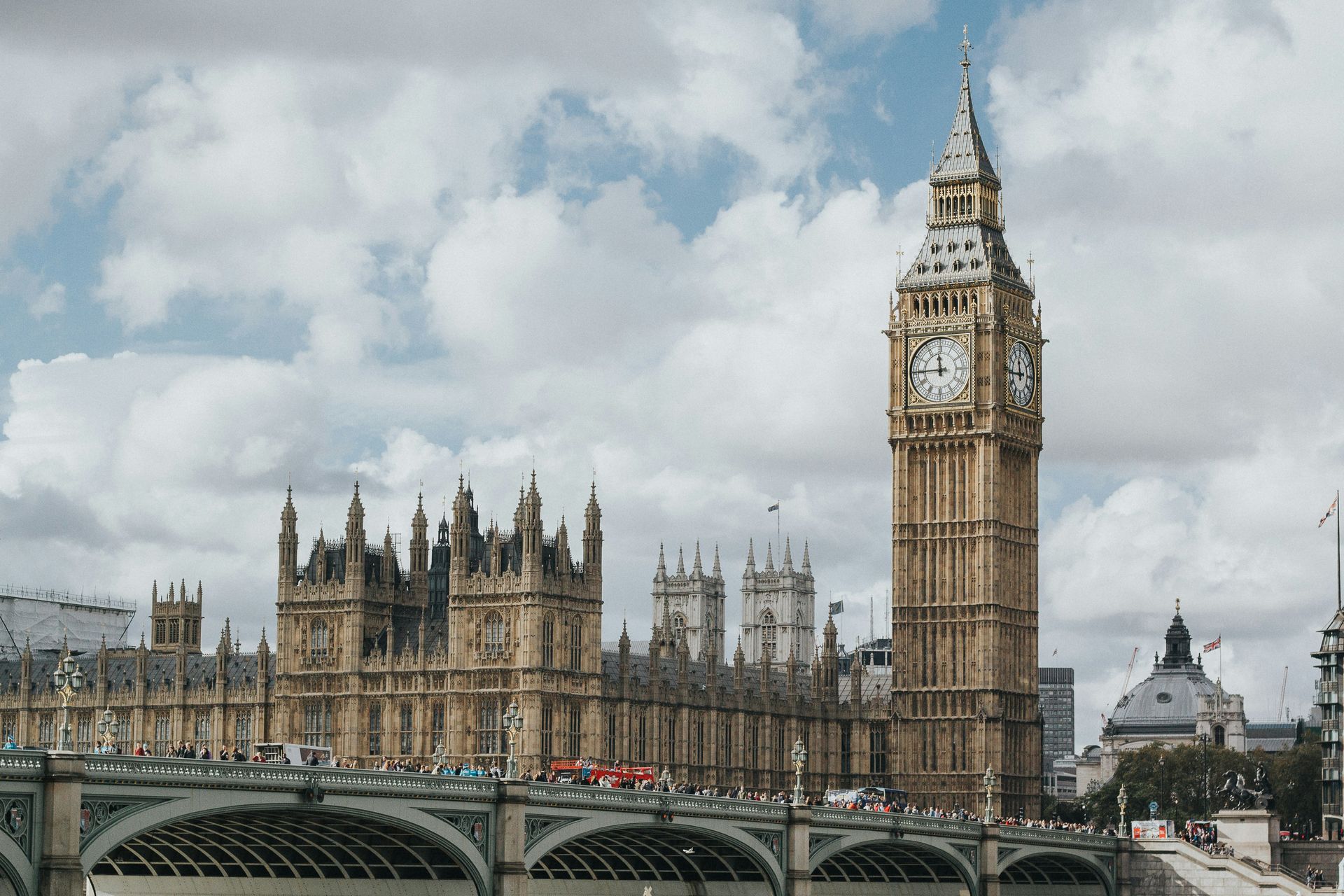
London offers visitors an almost overwhelming range of things to do, from catching a glimpse of the crown jewels at the Tower of London to watching a show in the West End Theatre District to simply relaxing in a classic pub with a proper pint of beer. A vast royal and political history continues to allure travelers from around the world, and touring renowned landmarks such as Buckingham Palace and the Houses of Parliament remains a near-mandatory stop for most first-time visitors to the city.
Classic afternoon tea and shopping at Covent Garden round out a more traditional London itinerary, giving travelers a taste of the city’s genteel side alongside its grander historical landmarks. London’s strong presence in global entertainment draws its own dedicated following, and enthusiasts regularly make the pilgrimage to walk across Abbey Road, popularized by the Beatles, or to seek out filming locations used throughout the beloved Harry Potter film series.
Green space plays a bigger role in London’s identity than many first-time visitors expect from such a famously dense capital city. With more than 3,000 parks scattered throughout the metropolitan area, there remain plenty of places to stop, rest, and simply take in the scenery between stops on a longer sightseeing itinerary.
Travelers $TRV hoping to catch the city’s parks and gardens at their most vivid should plan a trip for March, April or May, when blooms reach their peak and temperatures stay comfortably moderate. This same window also tends to draw somewhat smaller crowds than the height of summer, giving spring visitors a slightly easier time navigating London’s most popular attractions. Few capital cities in the world balance royal tradition, modern entertainment, and accessible green space as consistently as London does across its many boroughs. First-time visitors especially benefit from pacing themselves across several days, since the sheer density of landmarks can otherwise overwhelm a rushed itinerary. Repeat visitors often find they still discover new corners of the city on every subsequent trip.
4 / 10
4. Macao doubles as Asia’s gambling capital
Yuxin Chen / Unsplash
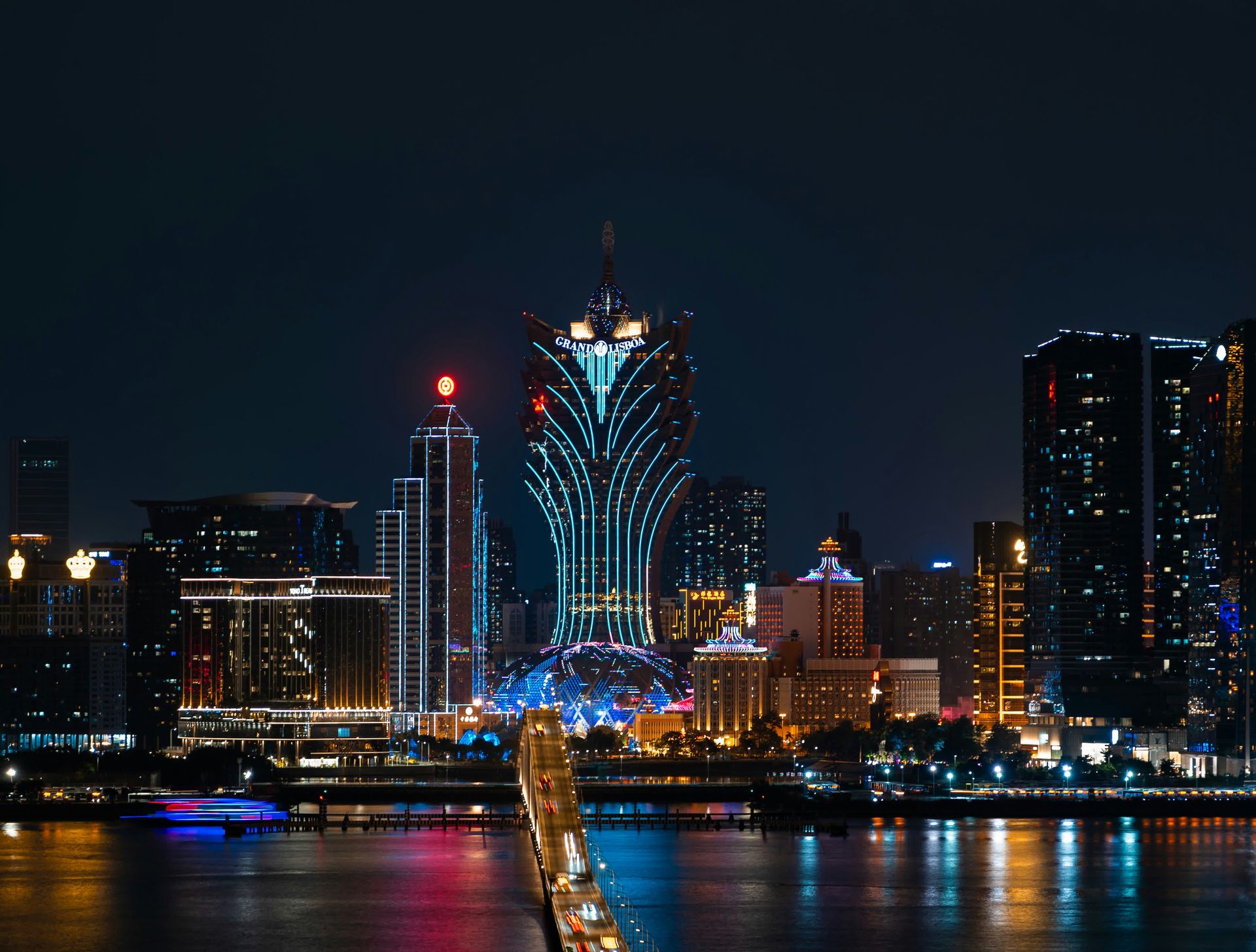
Macao stands as the only destination in China where gambling remains legal, and that distinction has earned the city a global reputation as the gambling capital of the world among travelers seeking casino entertainment. Still, visitors who limit their trip to the gaming floors miss a considerable amount of what makes Macao genuinely worth exploring beyond its casinos and resort towers.
The city’s UNESCO-listed Historic Centre showcases Macao’s identity as a former Portuguese settlement, featuring pastel-colored buildings and the oldest lighthouse in China, both of which give the city an architectural character unlike anywhere else in the region. This Portuguese colonial influence runs throughout much of the older city, creating a genuinely distinct visual identity compared with mainland Chinese cities just across the water.
The Ruins of St. Paul’s, the surviving remnants of a historic Catholic church, rank among Macao’s most photographed landmarks and offer a striking contrast to the neon-lit casino towers visible from nearly the same vantage point. Travelers $TRV can also take in panoramic views from the Observation Lounge at Macau Tower or explore the A-Ma Temple, a site dedicated to the goddess for whom Macao itself is believed to be named.
Peak tourist season in Macao generally runs from October through February, when comfortable temperatures and a steady calendar of holidays draw the largest crowds of the year. Travelers hoping to avoid the busiest stretches should plan a visit outside this window, though Macao’s compact size means even peak-season crowds rarely overwhelm the city’s most significant historic sites. Few destinations anywhere in Asia pack this much colonial history, religious architecture, and modern casino spectacle into such a genuinely compact geographic footprint. Visitors who set aside time for both the casinos and the older colonial streets tend to walk away with a far more complete picture of the city. Even a short walk between the historic center and the modern casino strip reveals just how much the city has layered onto its original colonial footprint.
5 / 10
5. Istanbul bridges two continents at once
Ibrahim Uzun / Unsplash
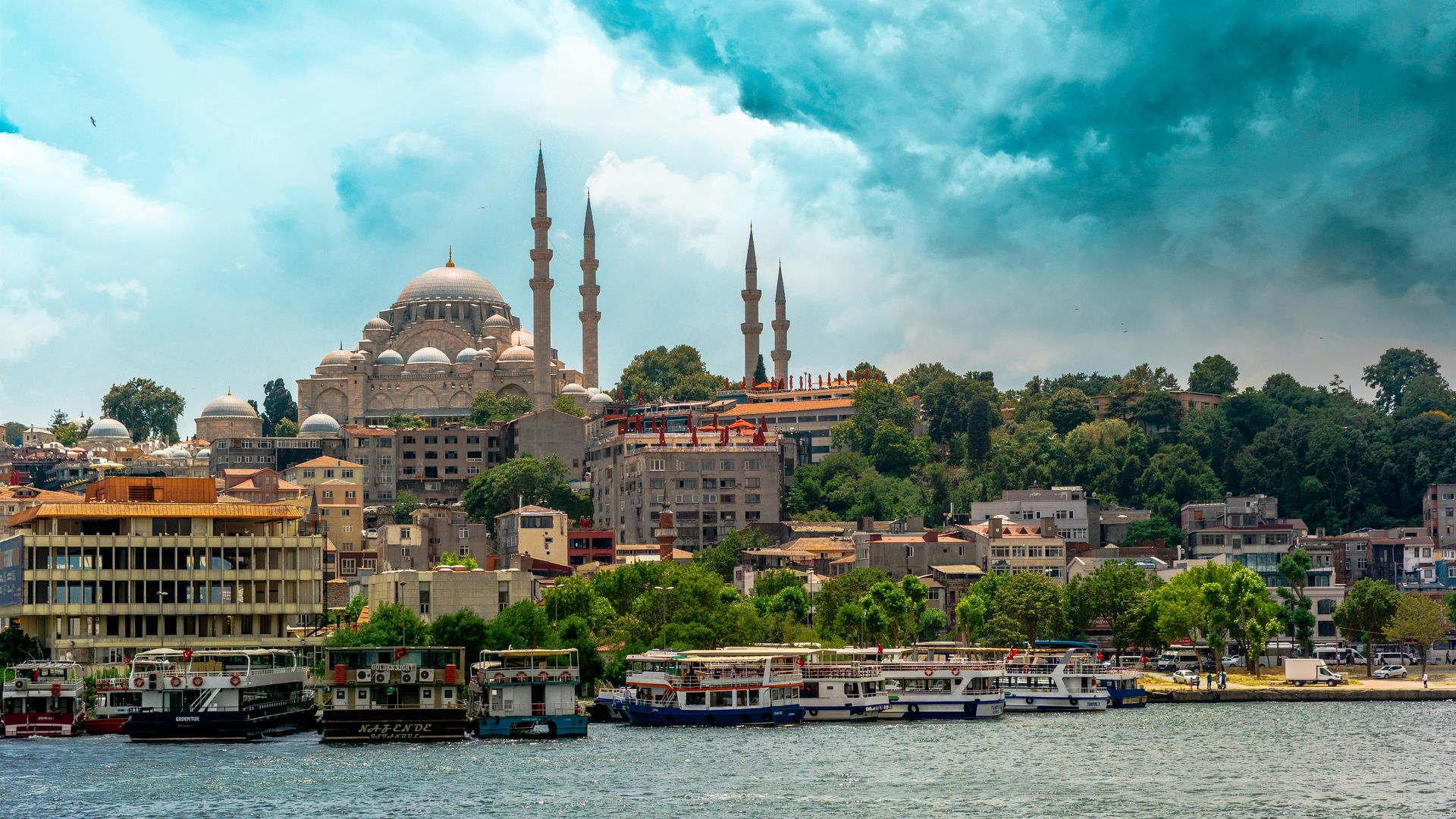
Istanbul once served as the capital of both the Eastern Roman Empire and the Ottoman Empire, and that layered imperial history gives the city an irrefutable historic appeal that few other destinations anywhere in the world can genuinely match. The city also draws considerable intrigue simply for spanning two continents, Europe and Asia, divided by the Bosphorus Strait, widely recognized as one of the world’s most vital shipping waterways.
Hagia Sophia stands as one of the city’s most popular stops, offering a magnificent display of Byzantine architecture backed by some 1,500 years of continuous history. The Grand Bazaar ranks among the world’s largest and oldest shopping markets, offering visitors a genuinely immersive way to experience Istanbul’s centuries-old trading culture firsthand rather than through a museum display alone.
The Galata Tower rounds out the city’s essential stops, offering stellar panoramic views across Istanbul’s skyline and the waterways that divide it. Climbing to the top rewards visitors with a single sweeping view that captures the historic peninsula and the modern city, spread across both continents simultaneously.
Travelers $TRV hoping for manageable crowds and comfortable temperatures in the 60s and 70s Fahrenheit should plan a visit between March and May or September and November. These shoulder seasons consistently deliver some of the most pleasant conditions for walking through the city’s historic districts without contending with either summer’s peak crowds or winter’s colder, wetter weather. Few cities anywhere on Earth let travelers stand on two continents within the same short afternoon of sightseeing, and Istanbul makes that crossing feel genuinely effortless. Travelers who split their time evenly between the European and Asian sides tend to come away with the fullest possible sense of the city’s dual identity. Ferries crossing the Bosphorus offer some of the cheapest and most scenic ways to experience that continental divide firsthand. Locals rely on the same ferries daily, giving visitors a genuine glimpse of ordinary commuting life alongside the tourist experience.
6 / 10
6. Dubai reaches for architectural extremes
Kate Trysh / Unsplash
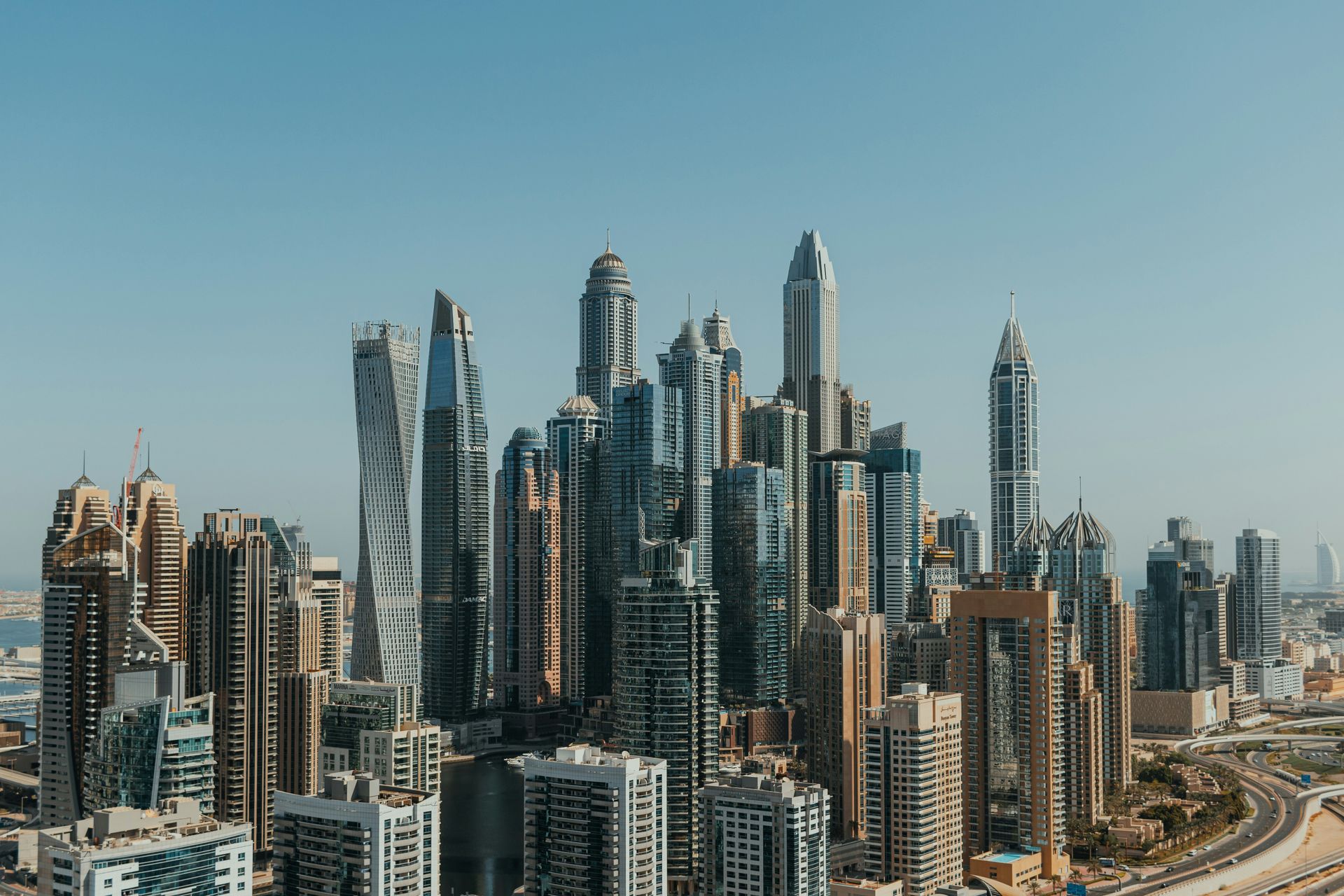
Dubai has built its global reputation around sheer scale and ambition, and this Middle Eastern metropolis genuinely seems to have it all, from glitzy five-star hotels lining the coast to unparalleled architecture rising throughout the skyline. Fascinating archaeological sites and traditional souks still exist alongside this modern spectacle, giving visitors a fuller picture of the region’s history beyond the city’s more recently built attractions.
A proper Dubai visit typically includes a thrilling desert safari through the surrounding dunes, along with a more traditional abra ride across Dubai Creek, giving travelers a genuine contrast between the city’s ancient trading roots and its modern tourism industry. Dining at Michelin-starred restaurants and visiting the Museum of the Future both rank among the city’s most talked-about modern experiences, while the Dubai Miracle Garden displays millions of flowers arranged into genuinely elaborate floral sculptures.
The Burj Khalifa, the world’s tallest building, caps off a typical Dubai itinerary, and venturing up to one of its observation decks offers sweeping views of the entire city and the surrounding desert landscape. Few other structures anywhere in the world offer this particular pairing of engineering ambition and genuine sightseeing payoff from a single building.
Travelers $TRV seeking the most comfortable weather should visit Dubai between November and March, when temperatures remain well below the punishing summer heat. Visitors specifically hoping for the smallest crowds can consider a summer visit instead, though they should prepare for triple-digit temperatures, which can make extended outdoor exploration genuinely difficult during the hottest parts of the day. Few destinations anywhere in the world have transformed themselves this dramatically within a single generation, and Dubai’s skyline reflects that ambition at nearly every turn. Travelers who budget enough time for both the desert excursions and the city’s towers tend to leave with the most complete sense of what Dubai actually offers. The pace of construction across the city shows little sign of slowing, with new towers and attractions regularly reshaping the skyline.
7 / 10
7. Mecca anchors Islam’s holiest pilgrimage
Sam Riz / Unsplash
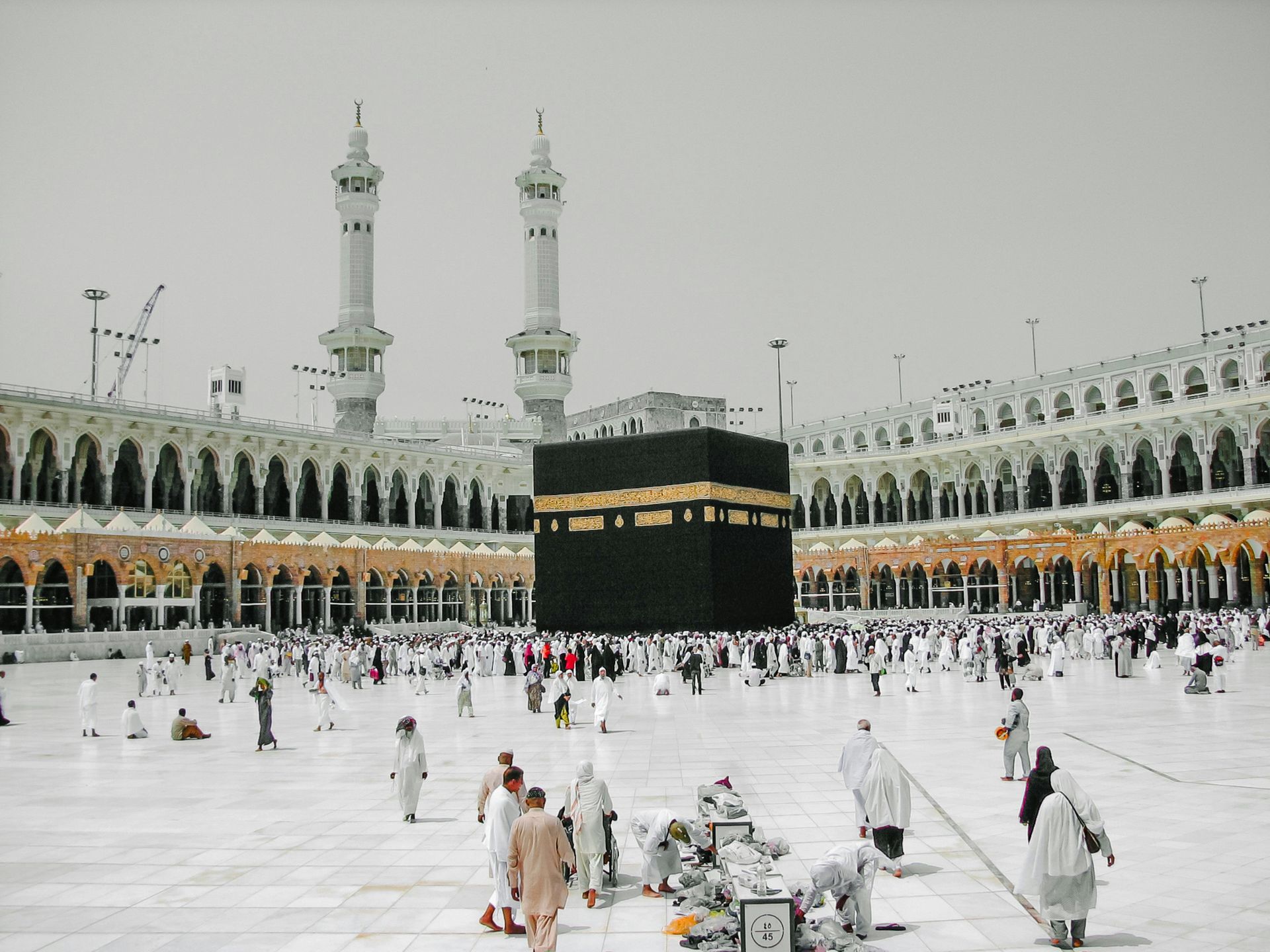
Mecca sits within the Sirāt Mountains of Saudi Arabia, and beyond ranking among the world’s most-visited cities, it holds the distinction of being one of the most important religious locations anywhere on Earth. Widely acknowledged as the holiest city in Islam, Mecca is the birthplace of the Prophet Muhammad and home to the Kaaba, a structure within the Masjid al-Haram, the world’s largest mosque.
Each year, millions of Muslims undertake a sacred pilgrimage to the city known as Hajj, a religious obligation that draws visitors from every corner of the globe during a specific window on the Islamic calendar. This annual pilgrimage alone accounts for a substantial share of Mecca’s overall visitor numbers, sharply distinguishing the city’s tourism patterns from those of destinations driven primarily by leisure travel or architectural sightseeing.
Mecca’s religious significance shapes nearly every aspect of how the city functions and who can actually visit it. Saudi government regulations restrict access to Mecca specifically to Muslims, a policy rooted in the city’s status as Islam’s holiest site and one that sets Mecca apart from every other destination on this particular list of the world’s most-visited cities.
Understanding this access restriction matters for any traveler curious about Mecca’s remarkable visitor numbers, since the city’s tourism is entirely driven by religious devotion rather than the kind of general sightseeing that drives visits to most other major global destinations. Mecca’s inclusion among the world’s most-visited cities speaks directly to the sheer scale of the Hajj pilgrimage itself, instead of any broader appeal to leisure travelers. Few cities anywhere on the list carry quite this same weight of religious meaning, and Mecca’s visitor numbers reflect a devotion that spans the entire Muslim world. For Muslim travelers specifically, completing the Hajj remains a lifelong religious aspiration, one that shapes the city’s visitor patterns unlike anywhere else on this list. Outside the Hajj season, the city still receives a steady flow of pilgrims performing the smaller Umrah throughout the year.
8 / 10
8. Antalya soaks up Mediterranean sunshine
Atif Zafrak / Unsplash
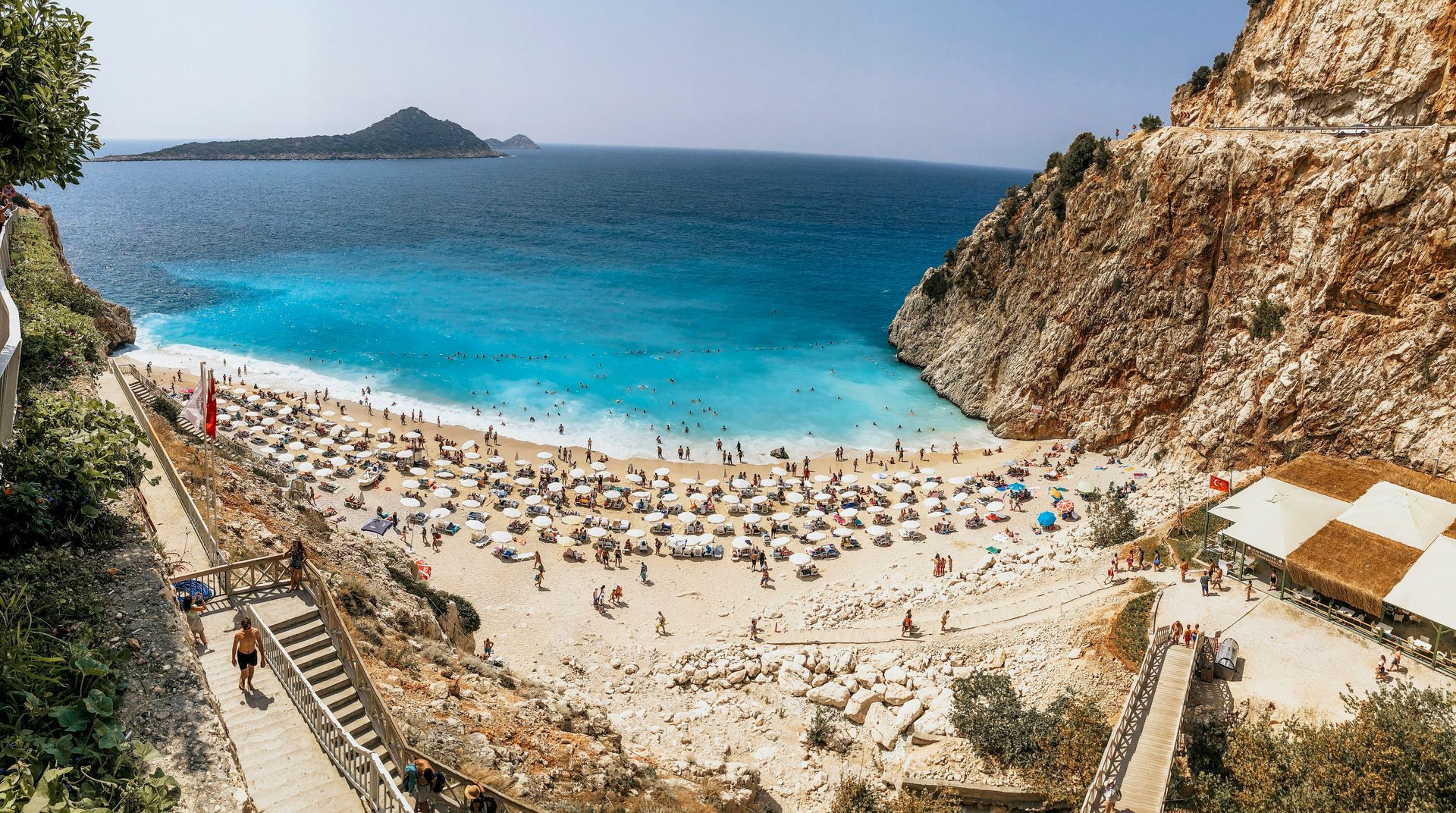
Antalya sits along the turquoise shores of the Mediterranean Sea in the Turkish Riviera, and the city has built its reputation on breathtaking beaches paired with a genuinely blissful climate delivering roughly 300 days of sunshine each year. Popular shorelines such as Konyaaltı and Lara Beach tempt many travelers to spend their entire visit simply lazing along the coast, soaking up the sun without ever venturing farther inland.
The city rewards visitors who make time to explore beyond its beaches, as Antalya is home to ruins and archaeological sites dating back to the Roman, Byzantine, and Ottoman empires. The Aspendos theater ranks among the best-preserved Roman theaters anywhere in the world, giving history-minded travelers a genuinely impressive site to explore between beach days.
Natural wonders extend the city’s appeal even further beyond its coastline and ancient ruins. The Düden and Kurşunlu waterfalls both offer travelers a scenic trek away from the beaches, delivering dramatic cascades that stand in sharp contrast to Antalya’s otherwise sun-baked Mediterranean landscape and provide a cooler, greener alternative to a day spent purely on the sand.
Travelers $TRV hoping to avoid peak beach season while still enjoying genuinely warm weather should plan a visit for April or May, when the Mediterranean sun already feels comfortable without drawing the crowds that pack Antalya’s shorelines during the height of summer. This shoulder-season window gives visitors a chance to explore both the beaches and the city’s archaeological sites without competing for space at either. Few coastal destinations anywhere in the Mediterranean pair this much reliable sunshine with genuinely ancient ruins scattered so close to the beach itself. Travelers who budget even a single day for the ruins or waterfalls tend to leave with a fuller appreciation for the region beyond its famous coastline. The region’s mix of beach resorts and inland ruins gives travelers genuine flexibility in structuring a multi-day stay. Renting a car for even a single day opens up far more of the surrounding countryside than the beach resorts alone reveal.
9 / 10
9. Paris charms visitors with timeless romance
-1920x1280.jpg)
Alexander Kagan / Unsplash
World-class art collections, mouthwatering gastronomy, iconic landmarks, and an effortlessly romantic ambiance combine to keep Paris consistently ranking among the most visited cities on the planet. Visitors can spend hours strolling along cobblestone streets, popping into picturesque cafes and small shops before eventually making their way toward idyllic green spaces such as the Luxembourg Gardens and the Jardin des Tuileries.
Emblematic Parisian sites such as the Eiffel Tower, Notre-Dame Cathedral and the Arc de Triomphe demand a visit from nearly every traveler passing through the city, regardless of how many times they’ve seen these landmarks in photographs beforehand. Museums such as the Musée d’Orsay and the Louvre round out any serious cultural itinerary, and the Louvre in particular draws enormous crowds specifically to see Leonardo da Vinci’s Mona Lisa in person.
Paris has inspired countless writers and travelers to describe the city in almost reverent terms over the decades, and the enduring sentiment that “Paris is always a good idea” continues to resonate with visitors long after their trip has ended. This romantic reputation, paired with the sheer density of world-class culture packed into a relatively compact city center, helps explain why Paris keeps drawing repeat visitors year after year.
Travelers $TRV hoping to avoid the thickest crowds and steepest travel rates should consider a fall visit, when the city’s famous cafes and gardens feel noticeably calmer than during the peak summer tourist season. Cooler temperatures during this season also make extended walking tours through the city’s neighborhoods considerably more comfortable than a midsummer visit would allow. Few cities anywhere in the world have inspired quite this much devoted repeat travel, and Paris continues to earn that loyalty visit after visit. Even travelers making a repeat visit after many years away tend to find the city’s core appeal has held up remarkably well over time. Neighborhood markets and smaller, lesser-known museums offer visitors an easy way to escape the biggest crowds while still soaking in the city’s atmosphere.
10 / 10
10. Kuala Lumpur mixes skyscrapers with ancient temples
Esmonde Yong / Unsplash
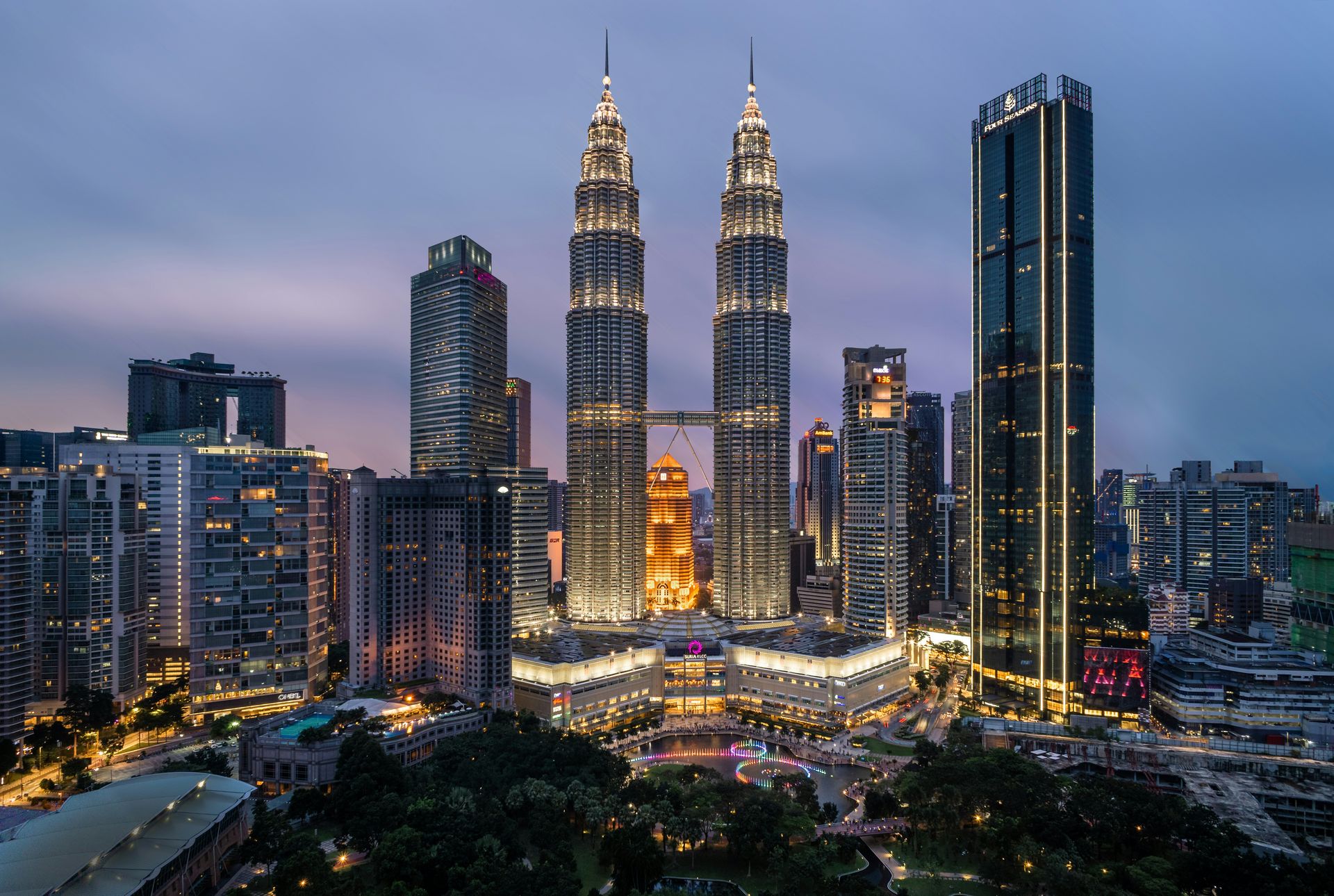
Kuala Lumpur, Malaysia’s bustling capital city, glistens with towering skyscrapers and impressive architecture, including the Petronas Twin Towers, recognized as the world’s tallest twin towers. Despite this undeniably modern skyline, the city maintains a strong connection to its heritage through cultural sites such as the Sri Mahamariamman Temple, one of the oldest Hindu temples in Malaysia, which continues to anchor the city’s spiritual life alongside its glass-and-steel towers.
The Batu Caves add another layer of historical depth to the city, since the site itself formed roughly 400 million years ago and now functions as both a natural wonder and an active temple complex drawing visitors up its steep, colorful staircase. Few cities anywhere pair a cave system this ancient with a skyline this modern within the same metropolitan area.
Widely known as a melting pot of Southeast Asia, Kuala Lumpur maintains a genuinely diverse cultural and ethnic identity that is most evident in its food scene. Visitors can expect a genuinely eclectic range of cuisines reflecting the city’s Malay, Chinese, Indian, and colonial influences, often within the same short stretch of street food stalls or a single hawker center.
Travelers $TRV hoping to take advantage of milder weather should consider a visit sometime between November and May, when the city’s typically humid climate eases slightly, and outdoor sightseeing becomes noticeably more comfortable. This window also tends to align with somewhat drier conditions overall, making it easier to explore Kuala Lumpur’s mix of temples, towers and street markets without contending with the region’s heaviest seasonal rainfall. Few capital cities in Southeast Asia blend modern engineering and ancient natural wonders this seamlessly into a single accessible day of sightseeing. Travelers who budget time for both the modern towers and the older temples tend to leave with the fullest possible sense of the city’s dual identity. The city’s efficient public transit system makes it easy to move between its towers, temples, and markets without needing a car.
