
From the Louvre's 35,000 works across 403 halls to a WWI tunnel network beneath Arras where New Zealand miners once hid an entire army
-1920x1169.jpg)
DAT VO / Unsplash
France’s museums cover far more ground than most visitors expect before they arrive, ranging from world-famous art collections to niche institutions focused on a single subject, such as perfume or prehistoric cave art. A traveler who limits a trip to the country’s most photographed landmarks risks missing some of its richest cultural experiences, since many of the most rewarding museums sit outside Paris entirely, tucked into regional cities and small towns. Planning even a few museum visits around a broader itinerary can reshape how a trip through France comes together, adding depth to a trip that might otherwise consist entirely of famous monuments and scenic drives through the countryside. Regional museums in particular tend to reward travelers willing to venture well beyond the capital, offering collections and stories that rarely make it into a standard guidebook itinerary focused solely on Paris.
The range on offer reflects the sheer depth of the country’s history, spanning prehistoric cave paintings tens of thousands of years old, Roman ruins from more than two millennia ago, and contemporary art still being created today. Some museums focus on national identity and France’s global influence, while others zero in on a single region’s culture or a subject specific enough to surprise first-time visitors. This range means two travelers can visit entirely different sets of French museums and come away with equally rich, but completely different, impressions of the country. Budget, interest, and geography all shape which museums make sense for a given trip, and no single itinerary could realistically combine everything this list has to offer.
The 10 museums below appear in Lonely Planet and cover major art collections, regional institutions, and specialized museums recommended across France, chosen to represent the country’s breadth rather than any single region or era.
Mika Baumeister / Unsplash
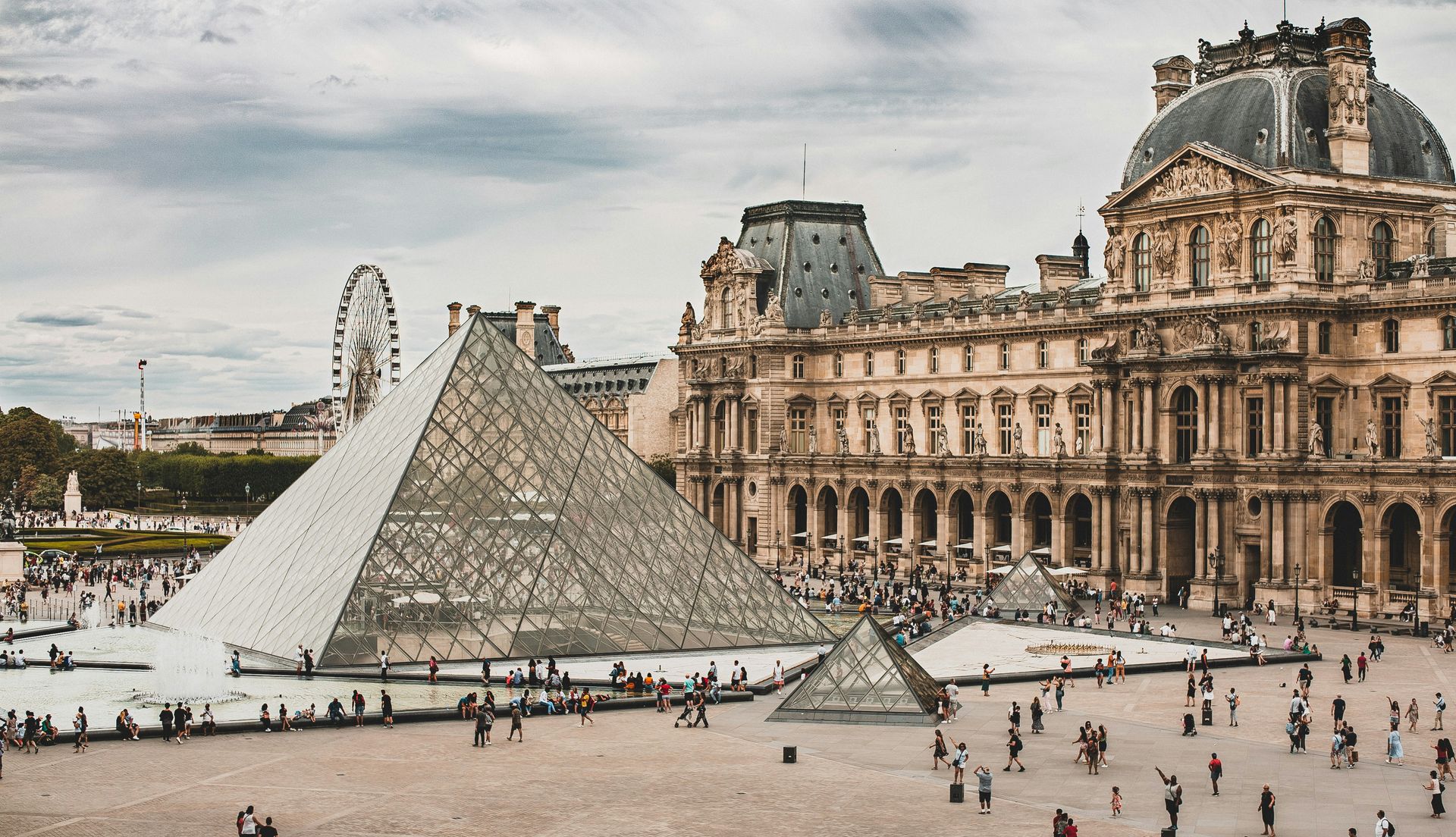
The Louvre houses 35,000 works of art spread across four floors, a collection so vast that spending just one minute on each piece would take 24 days without sleep. This scale alone explains why casual visitors often leave overwhelmed, since the museum rewards careful planning far more than a spontaneous wander through its galleries. Walking the full extent of the building means covering 403 halls and nearly 15km (9.3 miles) of corridors, a distance that makes comfortable shoes as essential to a visit as an actual plan for which galleries to prioritize.
Booking tickets online in advance solves two problems at once, letting visitors skip the line at the museum desk while occasionally unlocking special offers not available to walk-up visitors. Arriving early in the day adds a third advantage, since the galleries fill with crowds as the morning progresses, and visitors who arrive at opening time get more breathing room around famous works such as the Mona Lisa. The museum’s own website offers thematic itinerary suggestions, giving visitors a starting point for narrowing down which of the 403 halls actually deserve their limited time.
Families traveling with children have a dedicated resource within the museum. The Studio, located in the Richelieu wing on Level -1, provides creative materials that let kids engage with the museum in a hands-on way, offering a break from gallery walking that can otherwise wear out younger visitors well before the adults in the group are ready to leave.
The Louvre’s sheer scale means most visitors benefit more from seeing a curated selection of galleries thoroughly than from attempting to cover the entire museum in a single visit. Treating a Louvre trip as one stop among several, rather than the only cultural destination of a Paris visit, tends to produce a far more satisfying experience than trying to see everything the museum has to offer in one exhausting day.
Credit: Pays de Grasse Tourisme
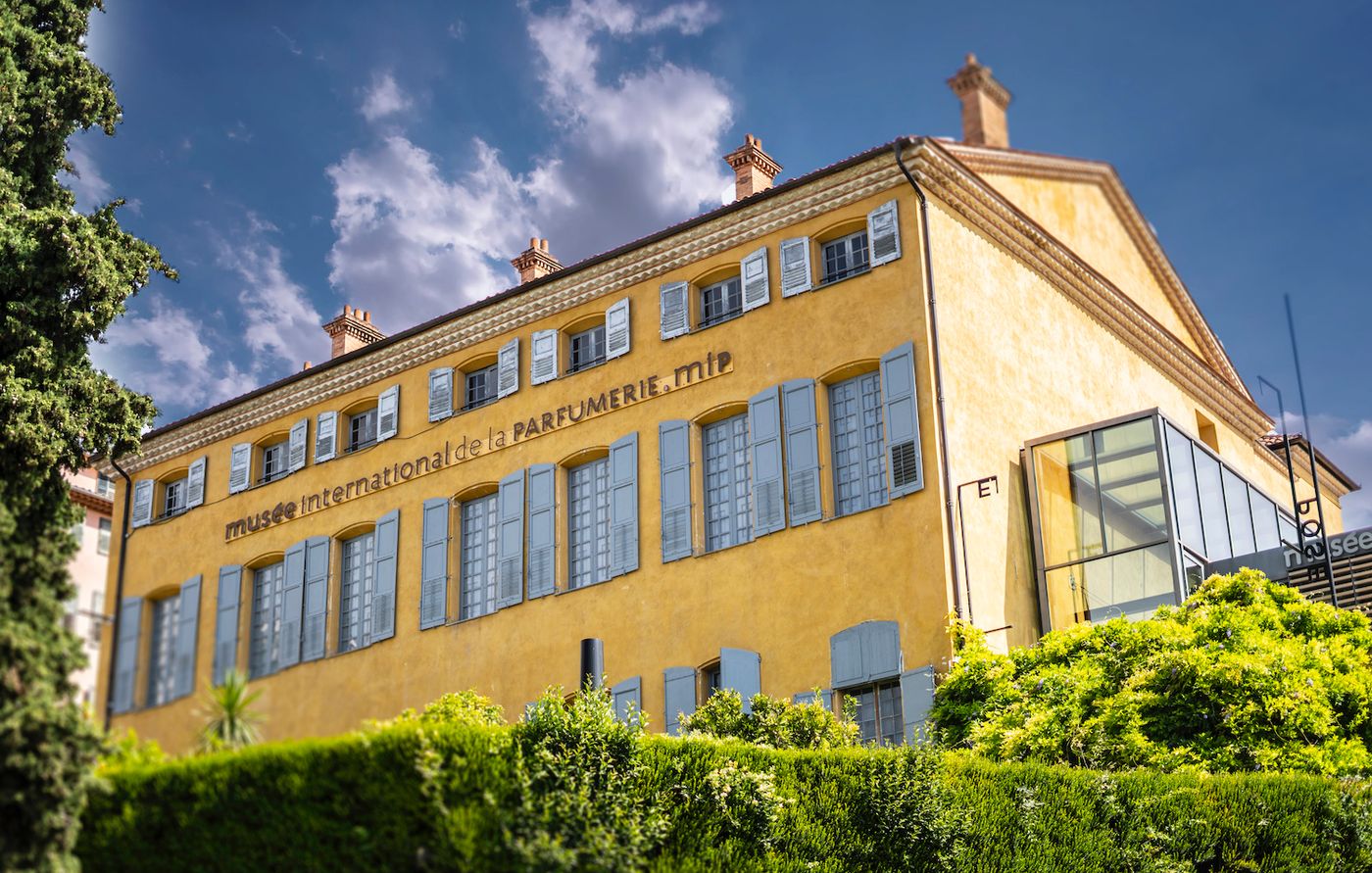
The Musée International de la Parfumerie sits inside an 18th-century mansion in Grasse, expanded with a modern glass extension that houses a collection spanning three millennia of perfume history. Grasse itself sits in the hills north of Cannes, and the museum draws heavily on the town’s role as a historic center of the fragrance industry, using artifacts including Marie Antoinette’s traveling case alongside vintage bottles and posters to trace how perfume-making developed into a defining regional industry.
Interactive elements throughout the museum go beyond static display cases. Olfactory stations let visitors actually smell examples tied to specific eras or techniques, while video displays and explanatory panels provide the historical context for what they are smelling. A reconstructed 19th-century perfume shop adds a physical sense of place to the museum’s historical narrative, giving visitors a feel for how merchants sold perfume and customers experienced it in an earlier era, rather than only how manufacturers produced it.
Families visiting with children have several reasons to linger beyond the historical exhibits. Dedicated multimedia stations aimed at younger visitors break down the science of scent in more accessible terms, while a film that tests the visitor’s own sense of smell turns a passive museum visit into something more interactive. A fragrant garden on the grounds rounds out the experience with a living collection of the plants that feed directly into the perfumes on display inside.
Timing a visit around the museum’s gardens adds another dimension worth planning around. The Jardins du Musée International de la Parfumerie hold some of the world’s most significant perfume flowers, and these gardens reach their most spectacular state in spring, when the flowering plants that supply the fragrance industry are in full bloom, giving visitors a living counterpart to the historical artifacts on display inside. Visitors who arrive during this window get a fuller sense of Grasse’s ongoing relationship with the fragrance industry, seeing firsthand the raw materials that connect the historical exhibits to the region’s present-day economy.
Credit: Carrière Wellington
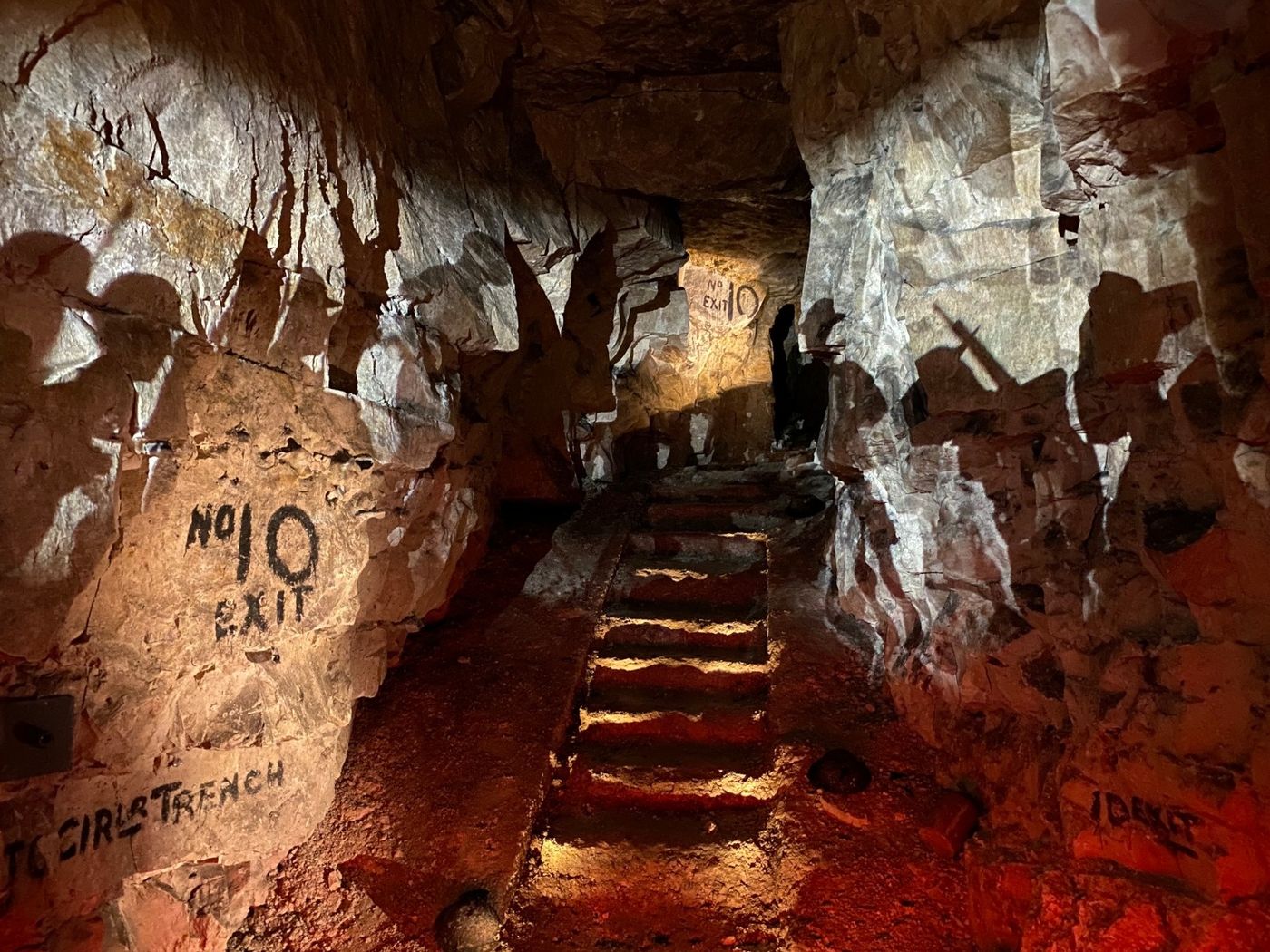
Allied and German forces reached a stalemate in 1916, prompting military planners to devise an unusual solution, breaching the German front line from underground by tunneling troops in from Arras. Miners from New Zealand spent six months constructing the network of quarry tunnels now known as Carrière Wellington, an engineering effort built specifically to give Allied soldiers a way to surface unexpectedly behind German lines.
Soldiers stationed underground spent long stretches of time waiting in the tunnels, smoking, playing cards, and preparing for the moment they would emerge under sniper fire to attempt to break the stalemate above ground. The war continued for more than a year after the tunnels’ completion, meaning the ambitious underground plan didn’t deliver the decisive breakthrough its planners had hoped for, even though the tunnels themselves represented a genuine feat of wartime engineering and coordination.
Visitors today can join a guided tunnel tour lasting roughly an hour and 15 minutes, led by staff from the Carrière Wellington center who walk small groups through the same passages the soldiers once occupied. Audio guides offer a self-paced alternative for visitors who prefer to explore without a scheduled tour time, and a short film rounds out the experience by showing how the city of Arras itself changed before and after the war. Together, these different formats let visitors choose between a guided narrative and a more independent exploration of the same physical space.
Conditions underground remain much as they were during the war itself, which means visitors should prepare accordingly before descending. The tunnels sit 20m below the surface and stay consistently damp and cold regardless of the weather above ground, making warm layers essential even for visitors touring the site during a warm summer day in Arras. This contrast between the warmth above and the chill underground reinforces just how difficult conditions must have been for the soldiers who spent extended periods waiting beneath the surface for their moment to emerge.
Credit: Musée de Préhistoire
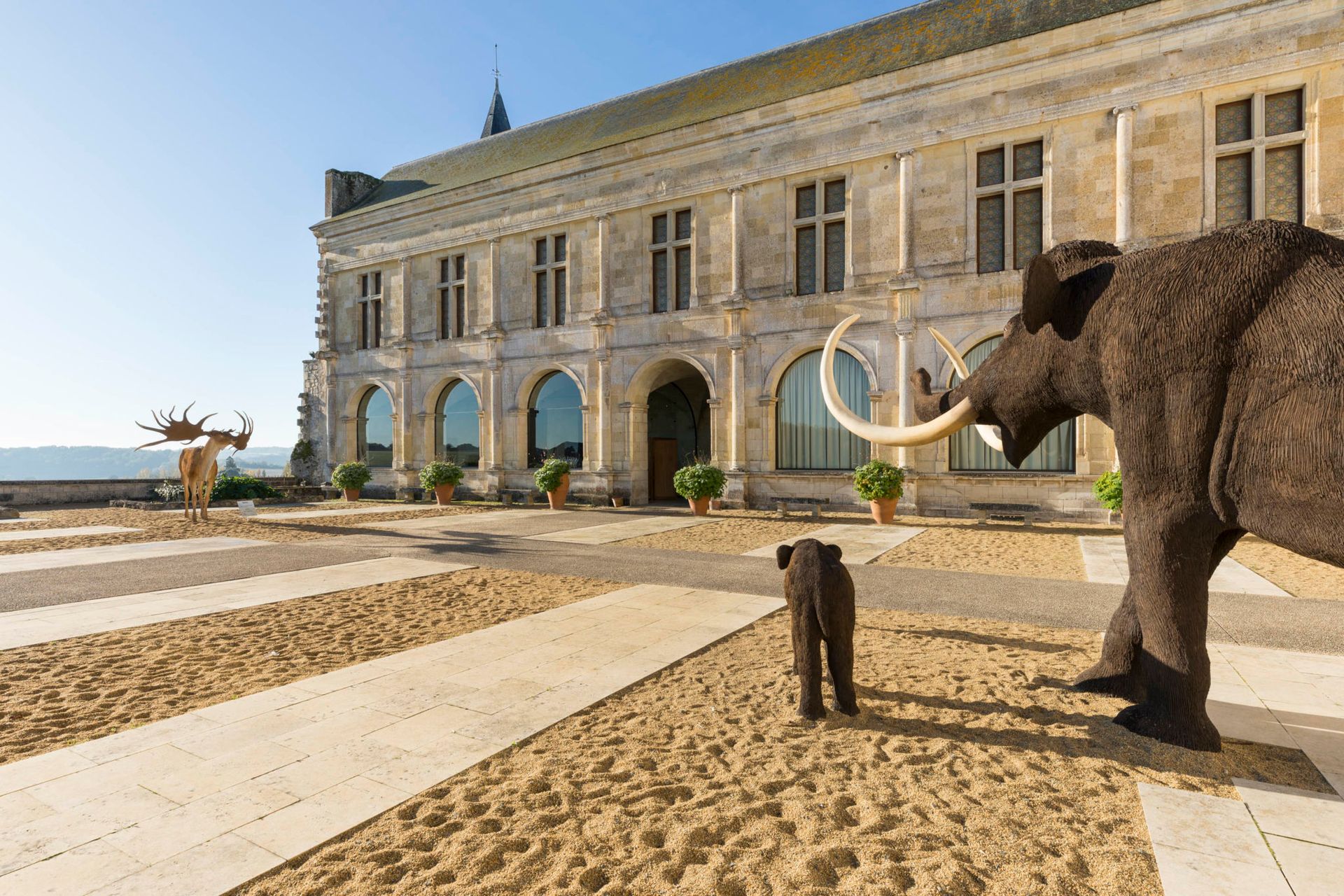
Located in Les Eyzies, roughly a 30-minute drive southwest of Montignac-Lascaux, the Musée National de Préhistoire occupies a striking building that combines a modern structure with a château built directly into the surrounding cliff face. The museum serves as a natural starting point for exploring the Vézère Valley, housing artifacts recovered from the UNESCO World Heritage-listed prehistoric sites clustered around Lascaux, including carvings and prehistoric skeletons that provide visitors with direct physical evidence of the region’s deep human history.
A visit to the museum pairs naturally with a trip to Lascaux II or Lascaux IV, two modern reproductions built specifically to protect the original Lascaux Cave, which was closed to the public to preserve its 17,000-year-old cave paintings from damage caused by visitor traffic. Both reproduction sites are roughly 22km (13 miles) from the museum, reachable by bike or car, depending on how visitors want to structure their day.
The two reproductions differ significantly in scope and accessibility. Lascaux II reproduces 90% of the original cave’s paintings over a tour lasting about one hour, but the site is open only from April to November and isn’t accessible to wheelchair users. Lascaux IV offers a complete replica of the original cave, which takes two and a half to three hours to fully explore. While it remains open in all weather and accommodates wheelchairs, the site becomes extremely crowded during the summer months.
Visitors hoping to see everything the Vézère Valley has to offer should plan ahead rather than decide on-site. Booking combined tickets online in advance covers Lascaux II, Lascaux IV, and Parc du Thot, a center dedicated to Cro-Magnon life and the animals depicted in the Lascaux paintings, streamlining what could otherwise become a logistically complicated day of separate ticket lines and scheduling conflicts. Visitors who skip this step often end up choosing between sites on the fly, missing the chance to see the full range of interpretations the valley offers of the same prehistoric material.

Credit: Musée Narbo Via
Narbonne sits roughly 65km, or 40 miles, north of Perpignan, and its Musée Narbo Via greets visitors with an immediate visual statement in the form of the Stone Wall, a towering, wide array of carved blocks gathered from temples and ruins scattered across the ancient town. The sheer scale of the wall gives visitors an immediate sense of how extensive Roman Narbonne once was, long before they reach the more detailed exhibits deeper inside the museum.
Interactive panels allow visitors to engage directly with the carved deities, floral motifs, ceremonial scenes, and funerary rituals depicted in these fragments of ancient masonry. Selecting individual blocks on the panels reveals additional context about each fragment’s specific history and provenance, turning what could be an overwhelming wall of stone into a navigable collection of individual stories about the people who once carved and used these pieces.
The museum’s best-preserved artifacts are housed in dedicated galleries beyond the Stone Wall, each accompanied by English, French, and Spanish descriptions for international visitors. Narbonne itself, founded in 118 BCE as Narbo Martius, once served as a major Roman port and a key stop along the Via Domitia within Rome’s Gallic territories. Bas-relief carvings depicting dockworkers loading ships during the first century CE highlight just how central maritime trade was to the city’s identity before the Aude River eventually silted up, diminishing its importance as a port.
A joint ticket extends a visit to Narbo Via well beyond the main museum building. This single ticket also grants access to L’Horreum, a former Roman granary preserved beneath the modern city center, and Amphoralis, a site roughly 15km, or 9.3 miles, north of Narbonne where workers once produced the clay amphorae used to transport wine across the Roman world. Visiting all three sites on the same ticket gives travelers a far more complete picture of Roman Narbonne’s economy than the main museum alone can provide, connecting the port city’s wine trade to the everyday objects and infrastructure that supported it.
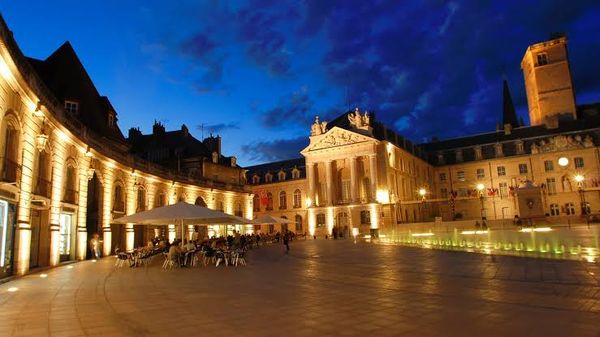
Credit: Beaux-Arts de Dijon
The Musée des Beaux-Arts de Dijon occupies the Palais des Ducs, the former seat of the Dukes and States of Burgundy, and holds the distinction of ranking as France’s second-largest fine art museum after the Louvre. Housing a major art collection in a genuine ducal palace gives the museum a layered identity that few art institutions can match, blending the building's political history with the encyclopedic art collection it now houses. Visitors move through rooms that once hosted actual dukes before ever reaching a single painting, adding a historical dimension most fine art museums simply don’t have.
This collection spans from antiquity through the 21st century, with a particularly strong showing of Ancient Egyptian art that visitors might not expect to find inside a regional Burgundian museum. Works by artists such as Rubens, Claude Monet, and Henri Matisse sit within this broader collection, giving the museum a reach that extends well beyond its regional setting into major movements across the history of European art.
Perhaps the museum’s most distinctive feature has nothing to do with its paintings at all. The Tombs of the Dukes of Burgundy rest within the museum’s walls, housing the remains of Philippe the Bold, John the Fearless, and Margaret of Bavaria, three historical figures whose political power once extended across the very region where the museum now stands. Few fine art museums anywhere double as the actual resting place of the rulers who once governed the building’s original purpose.
Visiting the museum requires only minimal planning around its schedule. The permanent collection is open every day except Tuesday and is free to explore, though temporary exhibitions charge a separate admission fee. This free access to the permanent collection makes the museum an easy addition to a Dijon itinerary, even for travelers who only have an hour or two to spare between other stops in the city. Few museums housing collections of this scope and historical weight remain this accessible to visitors with tight schedules or limited budgets.
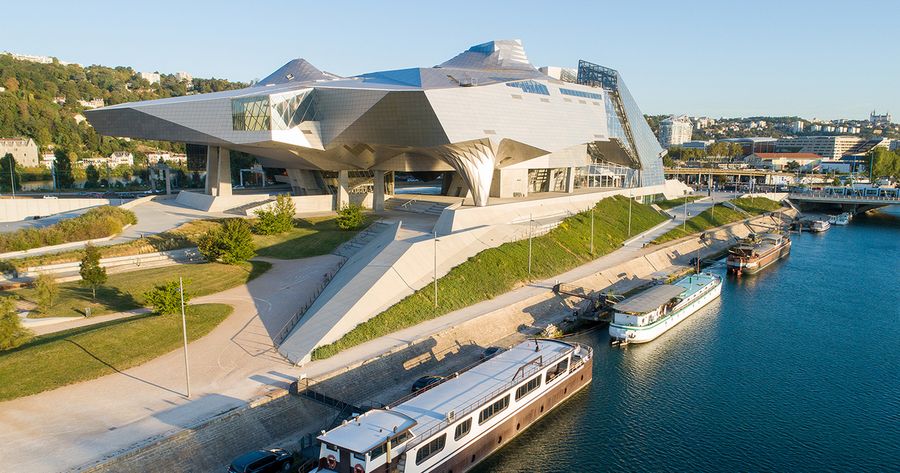
Credit: Musée des Confluences
Designed by the Viennese architecture firm Coop Himmelb(l)au, the Musée des Confluences sits at the southern tip of Lyon’s Presqu’île peninsula, precisely at the point where the Rhône and Saône rivers meet, a location that gave the museum its name. The building itself is a futuristic steel-and-glass structure often described as a crystal, and the architecture alone draws visitors who might otherwise have no particular interest in the science and humanities exhibits housed inside.
This architectural ambition has made the museum one of Lyon’s most recognizable landmarks, visible from a distance thanks to its distorted, angular silhouette rising at the peninsula's edge. Few museums anywhere use their exterior architecture as deliberately as a visitor draw in its own right, and the building’s design has become inseparable from the institution’s identity, appearing in promotional material for Lyon well beyond anything related to the exhibits inside. Visitors arriving at the museum for the first time often spend several minutes simply taking in the structure from outside before ever stepping through the entrance.
Inside, permanent exhibitions organize the museum’s science and humanities holdings thematically rather than chronologically, grouping related ideas and artifacts together regardless of their origins. This thematic approach lets visitors move between subjects that might otherwise feel disconnected, tracing a single idea across different eras and disciplines instead of following a strict timeline through the collection. This structure asks more of visitors than a conventional chronological museum layout, since it requires following an idea instead of a date, but it also rewards visitors willing to engage with the material on its own terms.
Temporary exhibitions supplement the permanent thematic galleries by developing specific subjects in greater depth than the permanent collection allows. This rotating programming gives repeat visitors a reason to return to the museum even after they’ve already explored its permanent thematic galleries, since the temporary exhibitions change often enough to justify more than a single visit for anyone based in or regularly passing through Lyon.
Almanach94 / Wikimedia Commons (CC0 1.0)
The Palais des Colonies was originally built for the 1931 Colonial Exhibition, and its Art Deco architecture now houses a very different kind of institution: the Musée de l’Histoire de l’Immigration. Locating a museum dedicated to immigration history inside a building constructed to celebrate colonial holdings adds a layer of historical tension to the site itself, one that the museum leans into instead of avoiding as it works to promote greater cultural understanding around migration. Few museums choose a building with this much built-in historical irony as their permanent home.
The permanent collection focuses squarely on migrants’ experiences in France, documenting both the challenges they faced and the substantial contributions they made to French life across multiple generations. Thematic journeys guide visitors through roughly two centuries of immigration history, highlighting key events and significant periods of human movement in a way that informs while also engaging them emotionally, rather than presenting the material as a dry historical timeline.
Presenting two centuries of migration history within a single museum requires careful curatorial choices about which stories to foreground and which periods to treat in the most detail. The museum’s thematic structure suggests a deliberate effort to connect historical waves of immigration to the present day, framing migration as an ongoing part of French identity rather than a closed chapter confined to the past.
Guided tours add an architectural dimension to a visit that goes beyond the exhibits themselves. Touring the building with a guide reveals details about its original construction for the 1931 Colonial Exhibition that casual visitors might otherwise miss entirely, adding useful context for understanding why a museum about immigration ended up inside a building originally built to showcase French colonial territories. Few museums ask visitors to hold two such different historical narratives, colonial display and immigrant experience, within the same physical space, and the building’s guided tours make that tension a deliberate part of the visit instead of an unexamined coincidence of location.
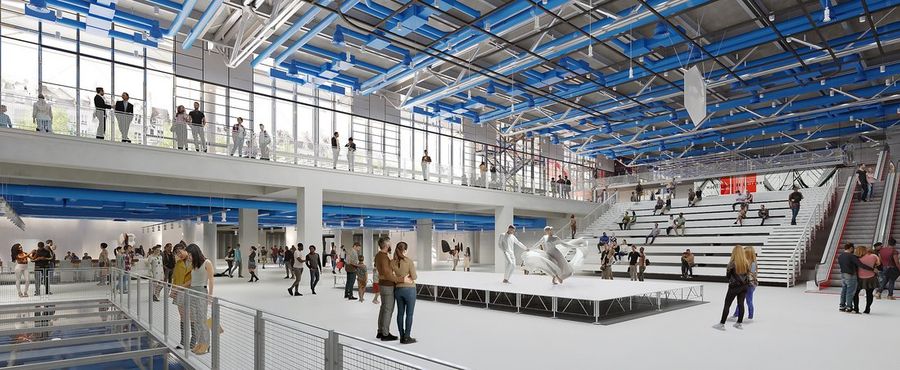
Credit: Centre Pompidou
The Centre Pompidou, formerly known as the Musée National d’Art Moderne, houses one of the world’s largest collections of contemporary art within a building whose exposed metal structure and colorful exterior pipework make it instantly recognizable in central Paris. The building’s exterior, with its vibrant green, blue, red, and yellow pipes running across the facade, turns the entire structure inside out, exposing infrastructure that most buildings hide behind interior walls.
Architects Renzo Piano, Richard Rogers, and Gianfranco Franchini designed the building with the explicit goal of making cultural architecture feel approachable rather than intimidating, aiming to create a space where art and visitors could interact freely, rather than maintaining the formal distance typical of older museum buildings. This ambition has paid off in the decades since the building opened, turning what began as a controversial design into one of the most celebrated architectural projects associated with modern museums worldwide. Visitors who found the exposed pipework jarring when the building first opened have largely given way to generations of visitors who now consider the design inseparable from the art displayed inside, a shift in taste that took decades to fully settle in.
Inside, the museum functions as a complete cultural ecosystem rather than a single collection, spanning photography, film, painting, and drawing from 1905 to the present day. Two dedicated floors house modern and contemporary masterpieces, featuring works by artists such as Andy Warhol, Niki de Saint-Phalle, Marcel Duchamp, and Jasper Johns, offering visitors a survey of 20th- and 21st-century art movements within a single building.
Visitors planning a trip specifically to see the Paris location should know that renovation crews closed the building in 2025 for a project expected to last five years. The smaller Centre Pompidou-Metz, located in Metz, remains open during this closure and offers a similar architectural and artistic experience for visitors who want to see the Pompidou’s collection and design philosophy without waiting for the Paris renovation to finish.
Credit: Musée des Arts et Métiers
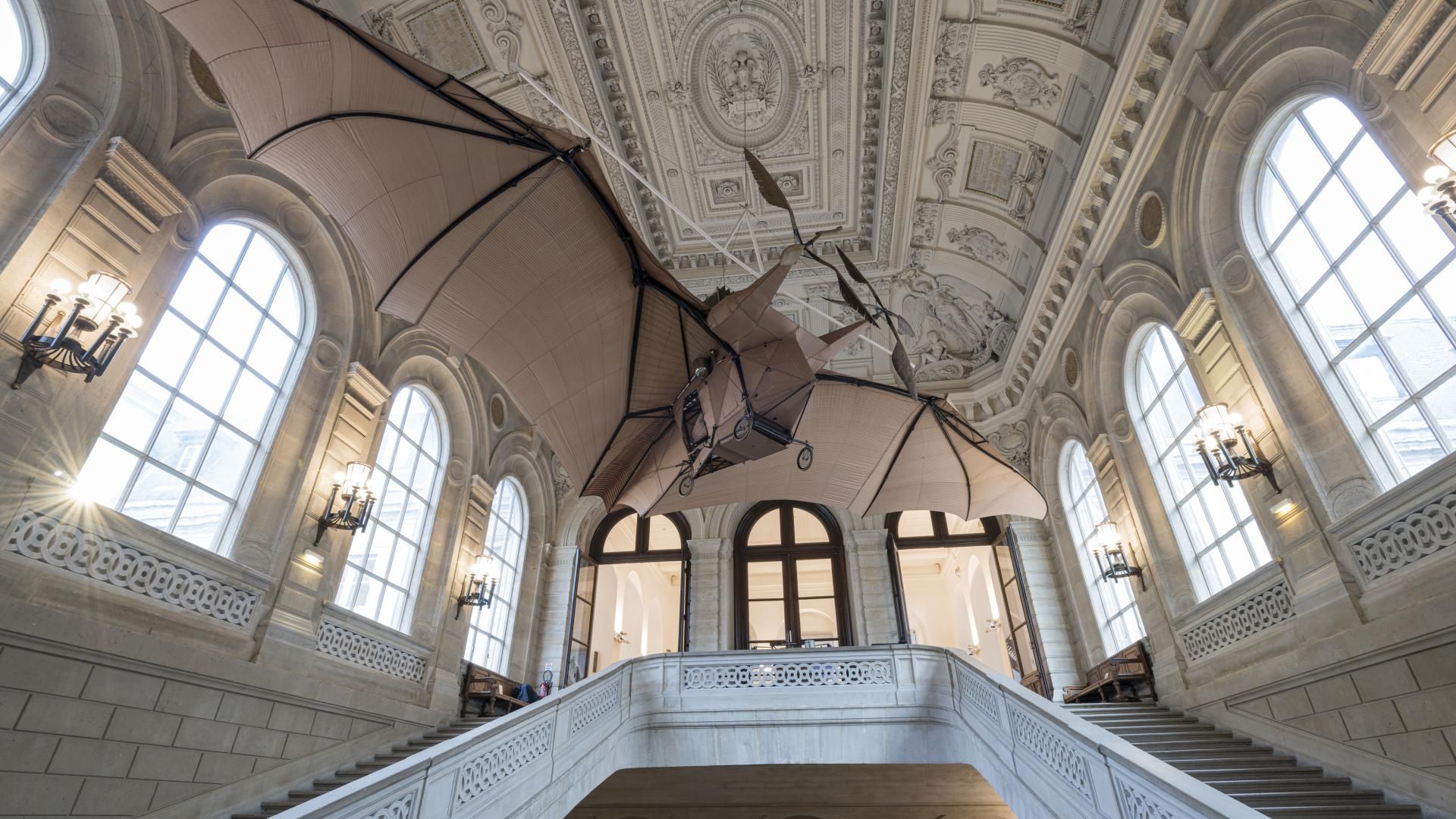
A visit to the Musée des Arts et Métiers begins before visitors even reach the building itself, at the Arts et Métiers metro station, where copper plaques installed to celebrate the conservatory’s bicentenary cover the entire station in a steampunk-inspired display. Stepping out of that underground vault into daylight leads directly to the museum, housed in a former royal priory on the edge of Le Marais. Few institutions anywhere manage to turn a daily commute into part of the visitor experience before a single ticket changes hands.
Inside, the museum traces the human pursuit of knowledge through countless displays of inventions spanning centuries of scientific and technological development. Ancient scientific instruments sit alongside groundbreaking technological advancements, giving visitors a sense of how invention has continually reshaped daily life over a timeline spanning from early mechanical devices to modern communication equipment.
The collection’s range extends across scientific instruments, mechanical devices, vehicles, and communication equipment, among many other categories of invention spanning several centuries of continuous innovation. Specific highlights draw visitors who might not otherwise consider themselves interested in the history of science, including Blaise Pascal’s Pascaline, an early mechanical calculator that predates modern computing by centuries, and the original model of the Statue of Liberty designed by Bartholdi before the full-scale statue took its familiar place overlooking New York Harbor.
Few museums manage to connect a single metro station to a coherent visitor experience as effectively as the Arts et Métiers does, using the steampunk-themed station as a kind of thematic overture before visitors even purchase a ticket. This sense of continuity between the station and the museum itself reinforces the institution’s core theme, that invention and human ingenuity surround visitors constantly, even in spaces as mundane as a daily commute through the Paris Metro. Visitors who pass through that station regularly, long before ever stepping inside the museum itself, effectively receive a preview of the collection every time they use the platform.