
The best museums in Kyoto for art, history, and culture
From a sake museum in a 1637 brewery with a free tasting to a Pritzker-designed gallery focused on living Kansai artists
Credit: Kyoto International Manga Museum
Kyoto served as Japan’s imperial capital from 794 until 1868, and the city’s thousand-year tenure as the center of Japanese cultural and artistic life left a concentration of museums that rewards serious time investment. These aren’t collections assembled from donations and acquisitions over a few decades. Many of them document traditions of craft, art, and cultural production that developed in this specific city across centuries of royal patronage and guild expertise.
The range is wider than the city’s reputation for ancient temples might suggest. Alongside the National Museum’s rotating exhibitions of historical textiles and ceramics, Kyoto has a museum entirely devoted to manga, one focused on railway innovation, and a contemporary art gallery in a Pritzker Prize-winning building that showcases living artists from the Kansai region. The common thread is specificity: each museum reflects something Kyoto has genuinely excelled at, not a generic survey of Japanese culture.
The seven museums below are featured in Lonely Planet and cover Kyoto’s most rewarding cultural institutions. Most can be visited for a few hundred yen or less, and the city’s concentration of museums within walkable neighborhoods makes combining two or three on a single day genuinely practical without the transit overhead that separates museums in larger cities. The seven here span neighborhoods from Fushimi in the south to the Heian-jingu museum district in the northeast, and a two-museum day built around one geographic cluster is a more satisfying approach than attempting to visit multiple districts in a single day. Entry fees across most of Kyoto’s museums are reasonable by international standards, and the city’s cultural passport programs occasionally bundle multiple institutions at a discount, which is worth checking before buying individual tickets at each venue. The Okazaki area’s cluster of museums, the Kyocera Museum, MoMAK, and the Museum of Crafts and Design, all sit within a 10-minute walk of each other, making it the most efficient single district in Kyoto for museum-focused visitors who want to cover multiple institutions without spending the day on transit.
1. Gekkeikan Okura Sake Museum includes a free tasting
Credit: Gekkeikan
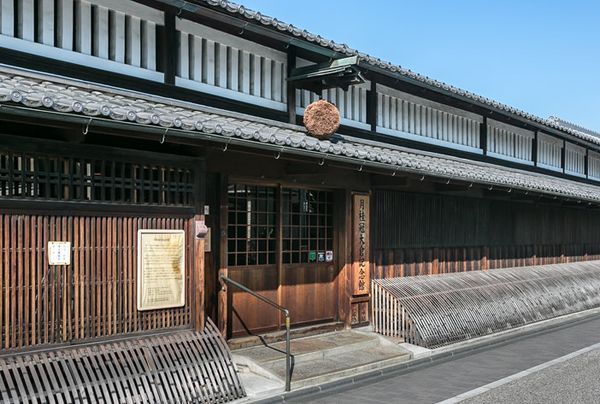
The Fushimi district, home to the Gekkeikan Okura Sake Museum, is one of Japan’s top sake brewing areas: more than 40 breweries operate here, sustained by the pure water of the Hori River and a geography that has supported rice wine production for centuries. Gekkeikan itself dates to 1637 and is one of the industry’s major players. The museum occupies a beautifully preserved historic building and covers the brewery’s history and the sake-making process through exhibits and artifacts that feel genuinely embedded in a working industry, not a retrospective recreation.
The entry fee is modest and covers the cost. Every visit ends with a tasting of Gekkeikan products, and visitors take home a small bottle as a gift, which often makes the ticket feel like a bargain before the tasting even begins. Paying a small additional fee unlocks a tour of the neighboring Uchigura Sake Brewery, where traditional methods are still actively used for production. A genuine historic building, a working brewery next door, and a tasting component together give this museum a sensory completeness that more conventional display-only institutions can’t provide.
Fushimi is also home to the Fushimi Inari Taisha shrine, whose thousands of torii gates climbing the mountain behind it are one of Japan’s most photographed landmarks. Building a visit to the sake museum into a Fushimi half-day that includes the shrine makes efficient use of the district’s concentration of outstanding attractions. The Fushimi Inari Shrine, one of Japan’s most visited sites, sits within the same district, and combining the shrine in the morning with the sake museum and brewery tour in the afternoon makes for one of Kyoto’s most satisfying self-guided days. The shrine’s network of torii gate paths climbing the forested mountain can occupy two to three hours, depending on how far up the mountain you go. The Fushimi district is a 15-20 minute train ride from central Kyoto on the Kintetsu or Kintetsu Kyoto lines, making it an easy half-day detour that doesn’t require rearranging an entire itinerary.
2. Kyoto National Museum covers a millennium of art
Credit: Kyoto National Museum
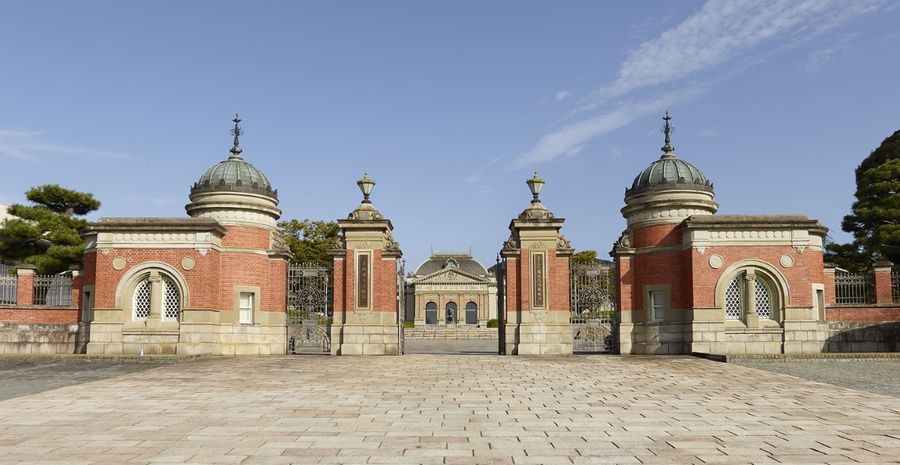
The Kyoto National Museum opened in 1897 and has grown into one of Japan’s most prestigious cultural institutions. The permanent collection covers paintings, textiles, ceramics, lacquerware, metalwork, calligraphy, and archaeological relics, displayed in rotating exhibitions in the Heisei Chishinkan wing, a spacious 2014 building designed by architect Taniguchi Yoshio. Taniguchi’s building stands in striking contrast to the original Meiji Kotokan hall, designed by Katayama Tokuma, a red-brick structure that still anchors the museum’s visual identity from the street.
The grounds themselves add a dimension that the building interiors don’t replicate. A traditional teahouse, sculpture gardens, and a pleasant fountain area with a replica of Rodin’s The Thinker all give the outdoor spaces a contemplative quality worth spending time in, particularly on days when the main galleries are running special exhibitions that draw crowds. Those temporary special exhibitions are the museum’s biggest draws and the source of its peak attendance. The Lonely Planet writer advises avoiding them on weekends, as crowds can undermine the experience.
The museum’s location near Sanjusangendo, the temple famous for its 1,001 life-sized statues of Kannon, makes it a natural companion stop for visitors spending a serious day in the southeastern part of the city. Sanjusangendo and its 1,001 life-sized statues of Kannon are a genuinely extraordinary experience that warrants more time than most visitors allow, and booking a morning at Sanjusangendo followed by an afternoon at the National Museum covers a geographic pocket of Kyoto with an unusual concentration of significant cultural sites. The National Museum’s gift shop, near the exit, stocks reproductions and publications from the permanent collection that make more thoughtful souvenirs than most of the items in the surrounding tourist shops. The museum sits a short walk from Sanjusangendo, and pairing the two in the same day covers a remarkable range of Japanese artistic achievement in a single southeast Kyoto itinerary without doubling back across the city. The National Museum’s temporary special exhibitions change every few months and are typically the reason to plan a specific visit date, since the permanent collection, though excellent, covers familiar ground for visitors who have been to major Japanese museums elsewhere.
3. Kyoto Museum of Crafts and Design documents 74 traditions
Credit: Kyoto Museums
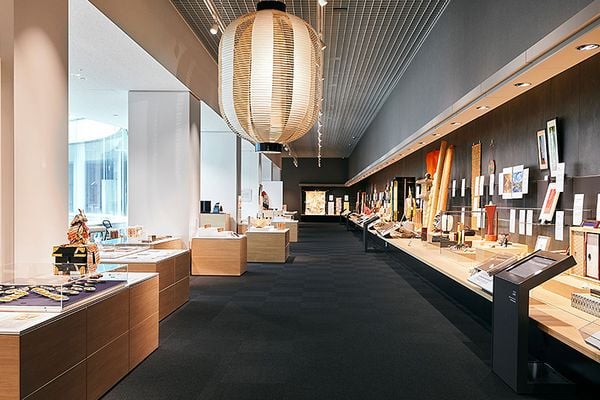
The Kyoto Museum of Crafts and Design, also known as Fureai-Kan, covers the full span of Kyoto’s traditional artistic industries in a permanent exhibition that lists 74 categories: folding fans, pottery, bamboo flutes, paper umbrellas, lanterns, and dozens of others that reflect the extraordinary specificity of craft traditions this city maintained through centuries of aristocratic patronage. The displays show the materials, tools, and processes involved in each craft alongside the finished works, making the connection between technique and product legible in ways that simply displaying finished objects doesn’t.
Occasional special exhibitions zoom in on a particular craft type, and the regular workshops and demonstrations give visitors access to skilled artisans at work, a chance to watch the physical intelligence that underlies these traditions that no display case can convey. The museum is smaller than the National Museum, and the Lonely Planet writer specifically notes that a wander around it will leave visitors captivated by Kyoto’s artistic heritage, which is a fair summary of what the breadth of those 74 categories does to any visitor who takes it seriously.
Travelers $TRV who want to go beyond viewing and actually learn a craft should check the workshop program before visiting, since availability varies. The museum is close enough to central Kyoto that it pairs well with the Manga Museum or Kyocera Museum of Art without requiring a separate day trip. The museum’s website lists current and upcoming workshops with registration details, and booking ahead is recommended since popular sessions fill up quickly. The building’s former-school character is evident in the room proportions and the overall spatial layout, which gives craft demonstration spaces a less formal quality than purpose-built museum galleries typically produce. Travelers who want to go beyond viewing and actually try a craft should check workshop availability before visiting, since popular sessions fill quickly and some require advance registration through the museum’s website. The museum’s small scale, which the Lonely Planet writer describes as a ‘little museum,’ works in its favor: the compressed space makes the 74-category permanent exhibition feel genuinely concentrated and specific, not sprawling, and most visitors can cover it thoroughly in 90 minutes to two hours.
4. Kyoto International Manga Museum holds 50,000 books
Credit: Kyoto International Manga Museum
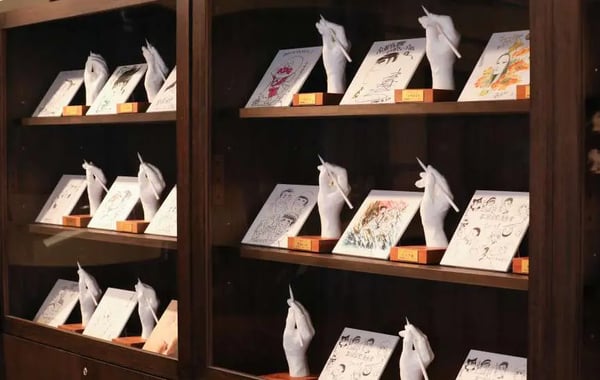
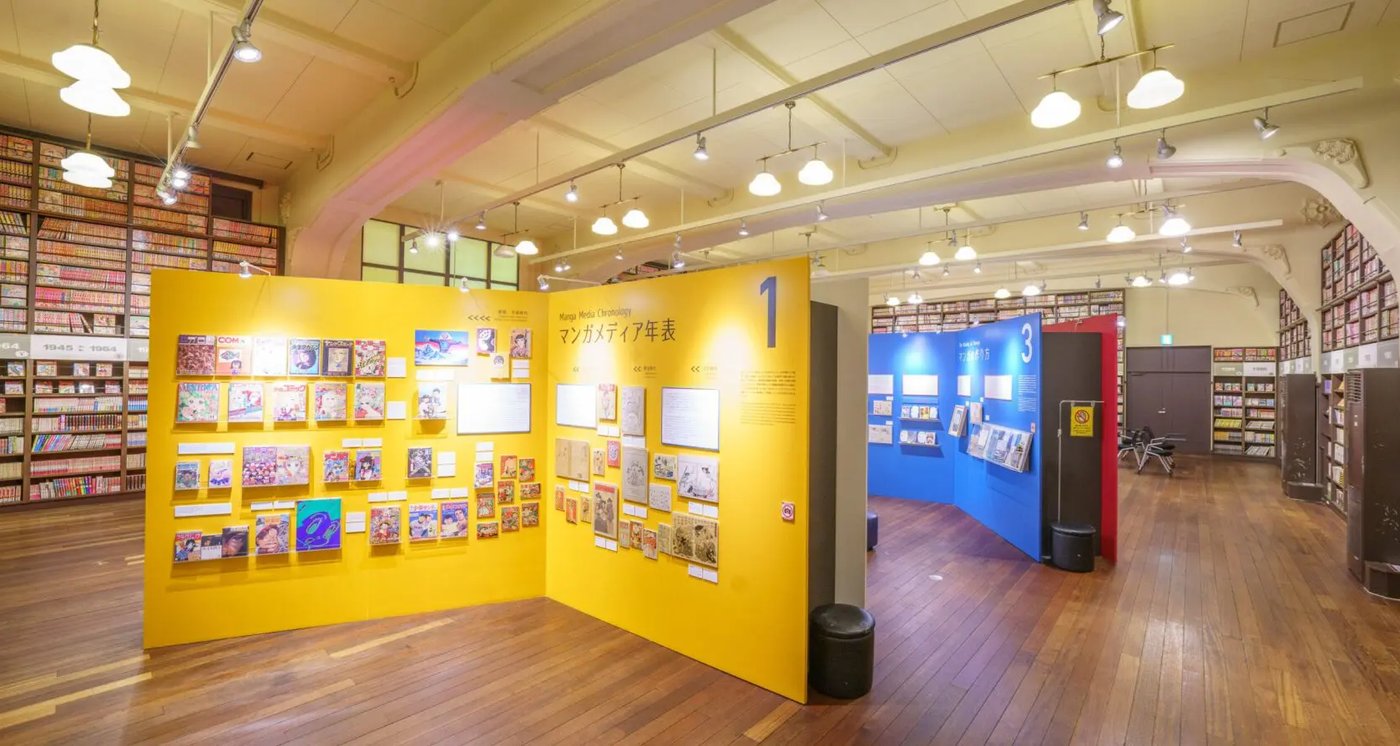
The Kyoto International Manga Museum occupies a former elementary school building and collects more than 50,000 manga volumes on a Wall of Manga that visitors can browse freely, removing volumes from the shelves, reading them in the courtyard, and returning them before leaving. The majority of the collection is in Japanese, but the Manga Expo section stocks translated and international works in an ever-growing selection. The building itself is worth attention: converted school buildings have a specific spatial quality, and the courtyard where readers spread out with their borrowed volumes has a relaxed communal atmosphere that gallery spaces rarely produce.
Weekend visits add the Manga Studio, where visitors can watch artists working on current projects. Manga drawing workshops run regularly for visitors who want more than observation, and occasional performances of kamishibai, the traditional Japanese street theater format that uses illustrated boards to tell stories, add a historical context to the contemporary manga form. Portrait Corner lets visitors commission an anime-style portrait from one of the resident manga artists, a specific and memorable souvenir that requires no language skills to arrange.
The museum documents manga as a serious cultural form with its own history, aesthetics, and techniques, giving the visit a character distinct from that of a simple library or fan space. For travelers who regard manga as a significant part of Japanese popular culture worth understanding, this is the most thorough single institution in the country. The manga medium’s depth and variety, spanning from children’s comics to serious literary works to genres that have no Western equivalent, becomes apparent once you’re surrounded by the wall of volumes and start pulling books to look through. The museum’s overall approach treats manga as a legitimate artistic and cultural form with a history worth documenting, which is the most accurate framing of what it actually is. The museum also has a small research library and reading room for those who want to go deeper into manga history and criticism, which is a genuinely unusual resource for visitors with a serious interest in the medium.
5. Kyoto City Kyocera Museum of Art focuses on local artists
Kakidai / Wikimedia Commons (CC BY-SA 4.0)
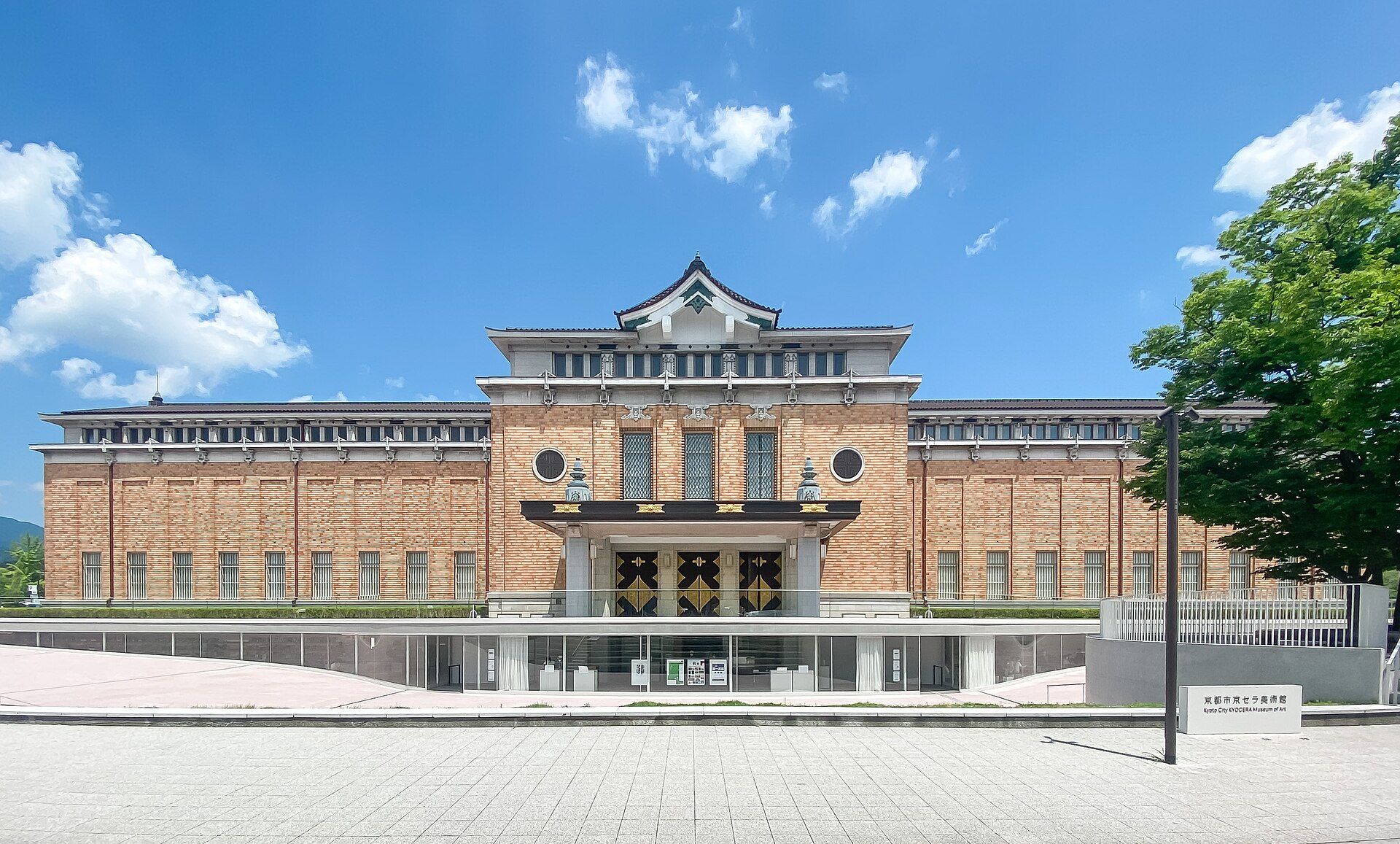
The Kyocera Museum of Art, formerly the Kyoto Municipal Museum of Art, sits in a classical building near Heian-jingu shrine and focuses its permanent collection of around 3,800 pieces specifically on Kyoto artists. Paintings in both Japanese and Western styles, ukiyo-e woodblock prints, sculptures, calligraphy, and crafts all appear, with the common thread being their origin in this city’s specific artistic community rather than a broad national survey. A renovation completed in 2022 by some of Japan’s most prominent architects refreshed the space without compromising the building's classical exterior, which makes it one of the more photogenic in the museum district.
Special exhibitions rotate throughout the year and have included pop culture subjects alongside art historical themes. Doraemon and Rurouni Kenshin have both had dedicated shows, reflecting the museum’s willingness to treat popular visual culture with the same institutional seriousness as classical work. The on-site café serves traditional Kyoto sweets, and the grounds offer picnic-friendly space, which the museum accommodates with packaged lunch sets on good-weather days.
Visiting the Kyocera Museum of Art and the National Museum of Modern Art on the same day makes practical sense both geographically and financially: the two are within easy walking distance of each other near Heian-jingu, and showing your Kyocera ticket at the contemporary art museum gets you a discounted rate for special exhibitions. The renovation’s most significant exterior addition is the new underground entrance and atrium, which connects the historic building to modern facilities beneath the courtyard level without altering the classical facade that defines the museum’s street presence. The grounds in good weather are worth 20 minutes of wandering before entering the main building. The cafe’s sweets selection changes seasonally to reflect Kyoto’s traditional confectionery calendar, and pairing whichever wagashi is currently featured with a matcha is one of the more specifically Kyoto experiences available within a museum setting. The Kyocera Museum is in the Okazaki area, which clusters several museums, including MoMAK and the Museum of Crafts and Design, within a few minutes’ walk of each other, making the neighborhood one of the highest-density museum zones in any Japanese city outside Tokyo.
6. Kyoto Railway Museum houses 54 retired trains
Credit: Kyoto Railway Museum
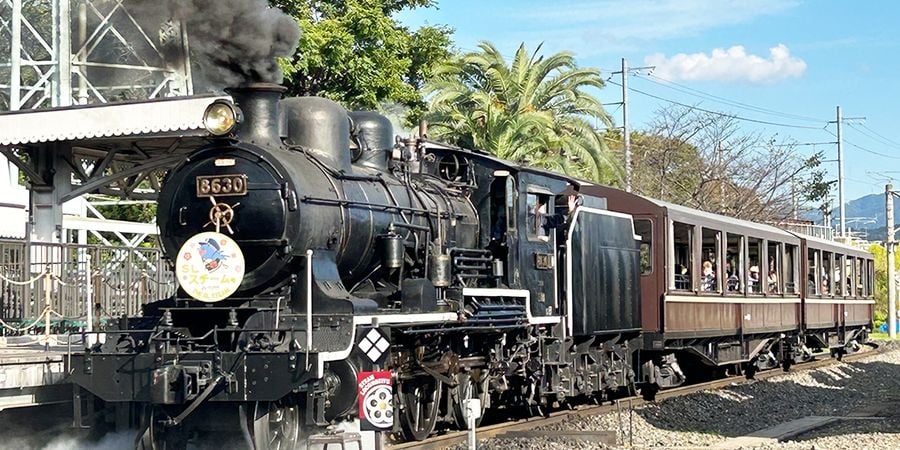
The Kyoto Railway Museum opened in 2016 and occupies a 30,000-square-meter site that houses 54 retired trains, from vintage steam locomotives to sleek modern Shinkansen bullet trains. Three floors of displays and exhibits cover railway uniforms, tools, the internal mechanics of ticket machines, and the vehicle collection itself. The steam locomotives are particularly well presented: the roundhouse, a large circular structure designed for servicing steam engines, provides several of the locomotives with the architectural context that suits them.
The interactive elements make this a strong family destination. A driving simulator and an intricate diorama of miniature trains running through a detailed landscape give younger visitors something to engage with beyond observation, and a 10-minute ride in a passenger car pulled by a working steam train is available for a small additional fee. The Lonely Planet writer flags the diorama specifically as something not to miss, and it’s the kind of obsessively detailed miniature world that tends to engage adults as much as children.
The Nijo Station Building, a wooden structure dating to 1904 that now houses the museum’s gift shop, is worth a stop on the way out for visitors interested in the history of railway architecture. Meiji-era station buildings have become increasingly scarce as Japan has modernized its rail infrastructure, and this preserved example has an understated elegance that the museum’s modern main building doesn’t replicate. The driving simulator on the main floors has historically long lines on weekends and school holidays, since it’s one of the more genuinely interactive experiences available in any Kyoto museum and draws children with particular intensity. Arriving early or visiting on a weekday morning makes the simulator more accessible and the locomotive viewing less crowded. The museum’s location in the Umekoji area near Kyoto Station makes it one of the more logistically convenient major museums in the city for travelers who are based near the station, and the short walk from the station requires no additional transit fare.
7. The National Museum of Modern Art represents Kansai artists

Credit: Art Museums Japan
The National Museum of Modern Art Kyoto, known as MoMAK, sits beside the red torii gate of Heian-jingu shrine in a cubic building designed by Pritzker Prize-winning architect Maki Fumihiko. The collection focuses on artists and artistic movements from Kyoto and the broader Kansai region, which gives it a specific geographic identity that distinguishes it from national survey institutions. Japanese-style paintings, watercolors, prints, oil paintings, and photography appear alongside crafts such as ceramics, lacquerware, metalwork, and textiles in rotating exhibitions that trace the contemporary evolution of forms with deep roots in the region’s history.
The Friday and Saturday evening discount is one of the most visitor-friendly pricing policies at any major Japanese museum: arriving after 5 p.m. on those evenings qualifies for a discounted night rate, making an evening visit genuinely economical. The terrace café overlooking the Lake Biwa Canal offers a specific outdoor reward for visitors who stay late enough to catch the evening light on the water.
The Kyocera Museum of Art nearby offers its own ticket discount when presented at MoMAK on the same day, making the two museums a sensible double visit that covers both historical Kyoto artistry and its contemporary successors within a single afternoon. MoMAK’s permanent collection is strong enough to sustain a visit independent of the special exhibitions, and the craft sections, covering ceramics, lacquerware, metalwork, and textiles from Kansai-based contemporary practitioners, are particularly worth attention for visitors whose primary interest in Kyoto is its living craft traditions, not its historical objects. The Friday and Saturday evening discount policy is worth knowing, even if you’re not planning an evening museum visit specifically, since it creates a natural reason to structure one day around an afternoon Kyocera visit, followed by an early evening at MoMAK before dinner in the nearby Okazaki area. The museum’s craft collection, in particular, covering ceramics, lacquerware, metalwork, and textiles made by contemporary Kansai artists, connects the region’s ancient craft traditions to their present practitioners in a way that the historical collections at the National Museum, by nature of their focus, cannot.