America's best museums, from the Met's 5,000 years of art to Ellis Island's 65 million immigration records
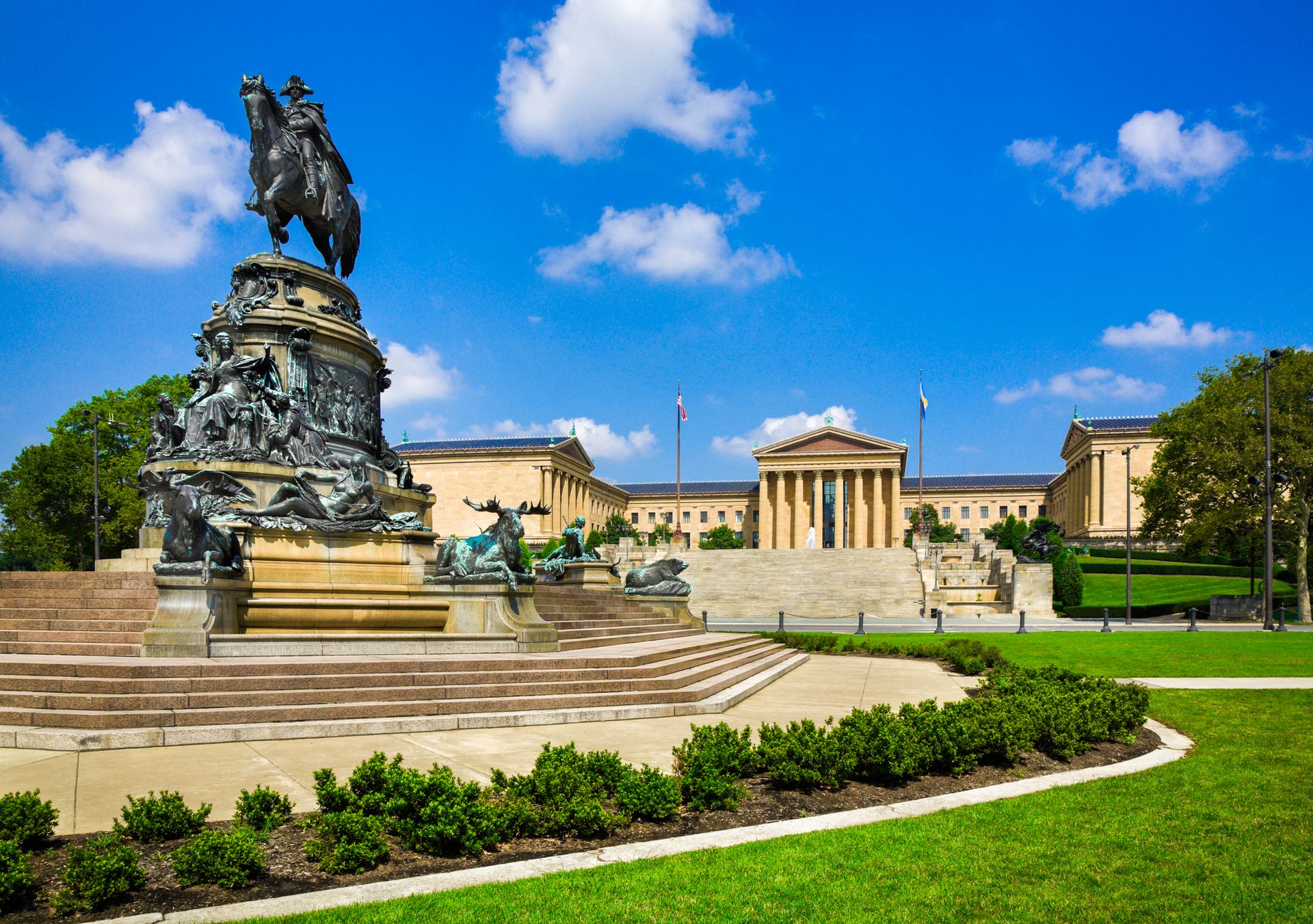
dszc / Getty Images
A great museum does something a textbook, a documentary, or a Wikipedia article cannot: it puts a physical object in front of you and asks you to reckon with its reality. Standing before a dinosaur fossil that walked the earth 68 million years ago, a painting completed by a master 400 years before you were born, or a personal artifact left behind by someone who died in a historical atrocity produces a kind of knowledge that mediated experience cannot replicate. The encounter is immediate and irreducible. Something changes in a person who sees these things with their own eyes, and museums are the institutions that make these encounters possible.
Beyond the objects themselves, the best museums operate as active civic institutions. They host community events, produce original research, offer programming for children and adults across income levels, and shape the cultural identity of the cities they occupy. A great natural history museum tells a city something about where it sits in geological and ecological time. A great art museum tells a city something about the range of human expression across cultures and centuries. A great history museum tells a city something difficult and necessary about how the present came to be. The museums that earn a permanent place in a visitor’s memory tend to do all of these things simultaneously.
The 10 museums below come from U.S. News & World Report’s list of the best museums in the U.S., which compiled a thorough catalog of the country’s greatest institutions based on the quality and scope of their collections, the strength of their programming and events, the engagement of their exhibitions, and the overall experience they deliver to visitors of all ages and backgrounds. The list spans art, history, science, immigration, and cultural heritage institutions across the Northeast, Mid-Atlantic, Southeast, and beyond.
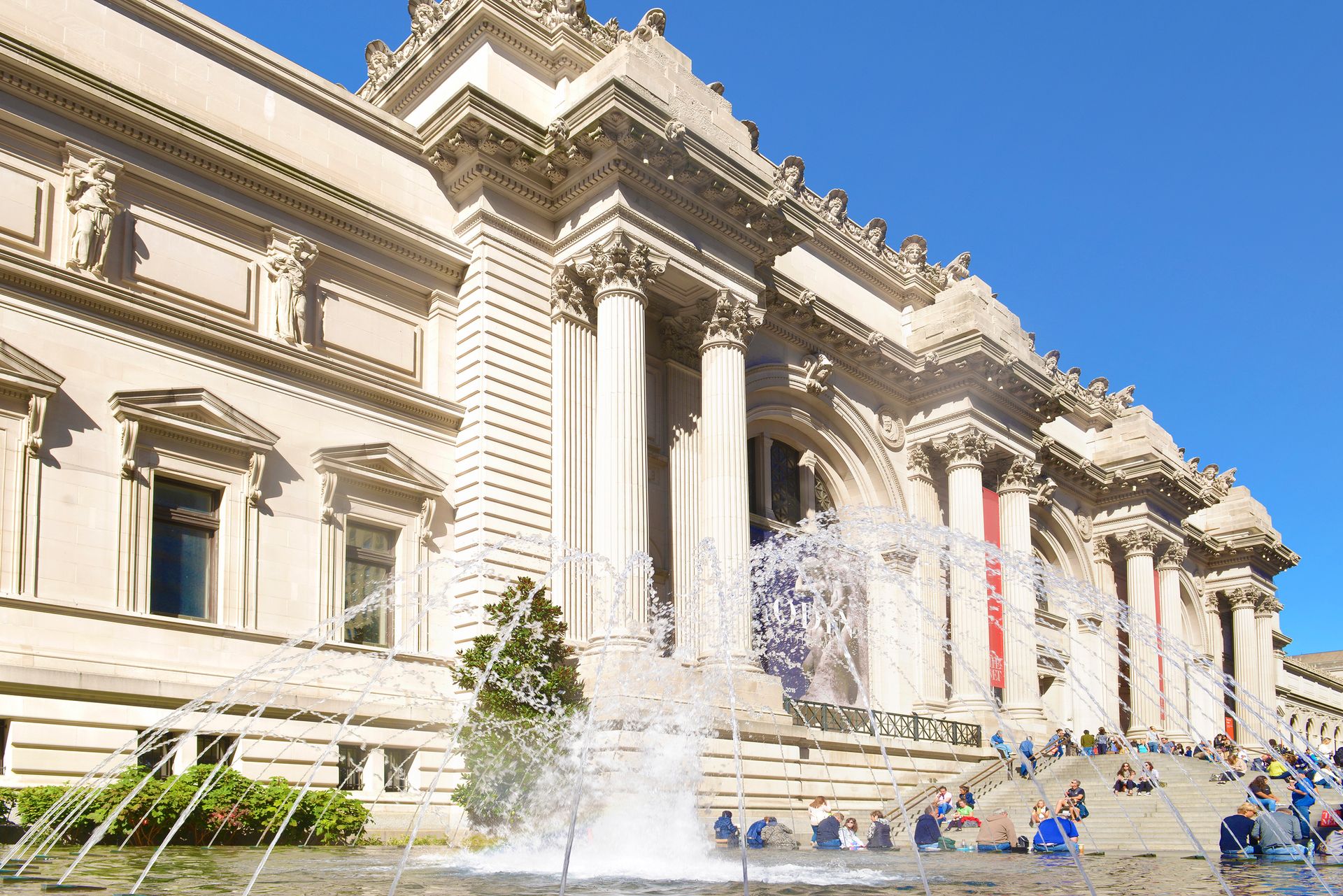
Peter Dazeley / Getty Images
The Metropolitan Museum of Art in New York City presents more than 5,000 years of international art to more than 5 million visitors per year. The scale of both collection and audience puts the Met in a category that few cultural institutions anywhere in the world approach. The museum, founded in 1870, has amassed thousands of paintings, sculptures, antiques, and costumes across a 2-million-square-foot building. The breadth of time and geography covered by the collection — from ancient Egypt through contemporary art, from European masters to Asian ceramics — means that no two visitors are likely to experience the same museum on the same day.
The exhibitions change continuously, which gives returning visitors a reason to come back and gives each visit a temporal specificity: the museum you see in March is not quite the museum you would see in October. The Met also offers expert talks, artist discussions, and evening events, including date nights, many of which are included in the standard museum admission. The Cantor Roof Garden Bar gives visitors a way to take in New York’s skyline and Central Park greenery between gallery visits, integrating the city into the museum experience.
The Met operates two distinct locations in New York. The Met Fifth Avenue is the main site and the institution most visitors associate with the name, presenting global art across dozens of galleries. The Met Cloisters is a separate branch in upper Manhattan, devoted to the European Middle Ages, both architecturally and artistically. The source recommends planning a visit in advance. With more than 30 exhibitions featuring nearly 500,000 works of art, arriving without a plan means leaving without seeing most of what matters most. The museum’s interactive online map serves as a practical planning tool for first-time and returning visitors alike. The Met Fifth Avenue also offers expert talks, artist discussions, and evening events that extend the visit beyond gallery-browsing into curated programming throughout the week.
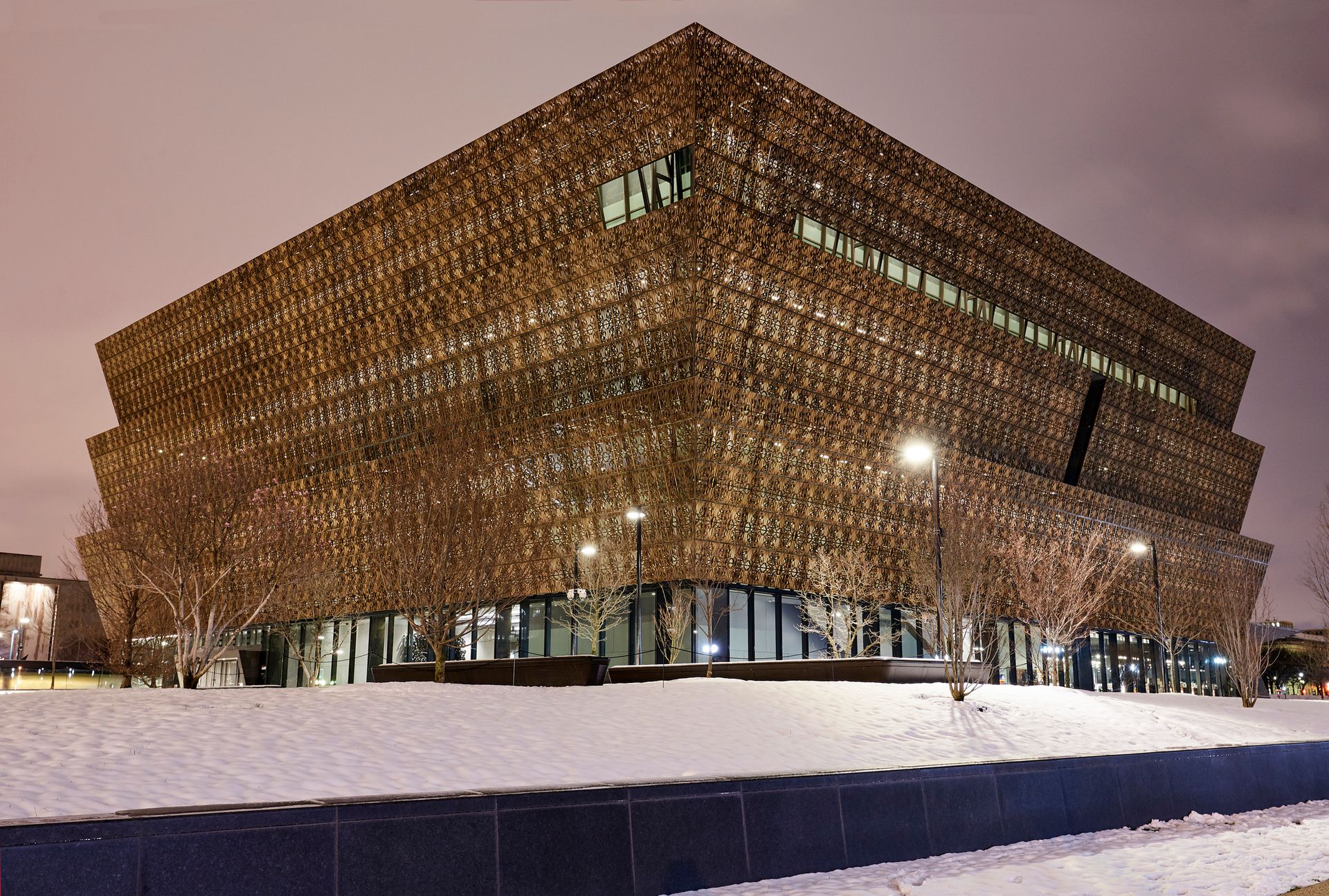
Allan Baxter / Getty Images
The National Museum of African American History and Culture in Washington, D.C., opened in 2016 following a dedication ceremony led by former President Barack Obama, and it holds the distinction of being the world’s largest museum dedicated to Black history and culture. Its location on the National Mall — in the capital of a country where Washington, D.C., served as a hub for the slave trade until 1850 — gives the institution a geographic and historical weight that no other location in the U.S. could replicate.
The museum’s interior flow is deliberately structured. Visitors begin on the bottom floor, where exhibitions unpack the history of the Middle Passage, the slave trade, and the Jim Crow era in chronological sequence. The ascent through the floors mirrors a movement from the depths of oppression toward cultural expression and community: the upper floors celebrate Black contributions to music, theater, sports, and military service. Between the lower and upper floors sits Contemplative Court, a quiet circular space where a fountain cascades water into a pool below, providing an intentional place to pause and process the weight of the lower galleries before continuing.
The building’s exterior is a statement in itself. Modeled after a Yoruban caryatid — a type of West African column — the three-tiered bronze lattice structure signals its cultural identity from the outside. The museum attracts school trips and general visitors in large numbers, a fact the source acknowledges without apology. The crowds exist because the institution fills a gap left by no other museum on the National Mall before 2016, presenting the full arc of Black American history to an audience from across the country and around the world. The museum’s deliberate structural sequence — from the depths of the Middle Passage on the lowest floor to Black cultural achievement on the upper floors — makes the building’s vertical dimension itself part of the interpretive experience.
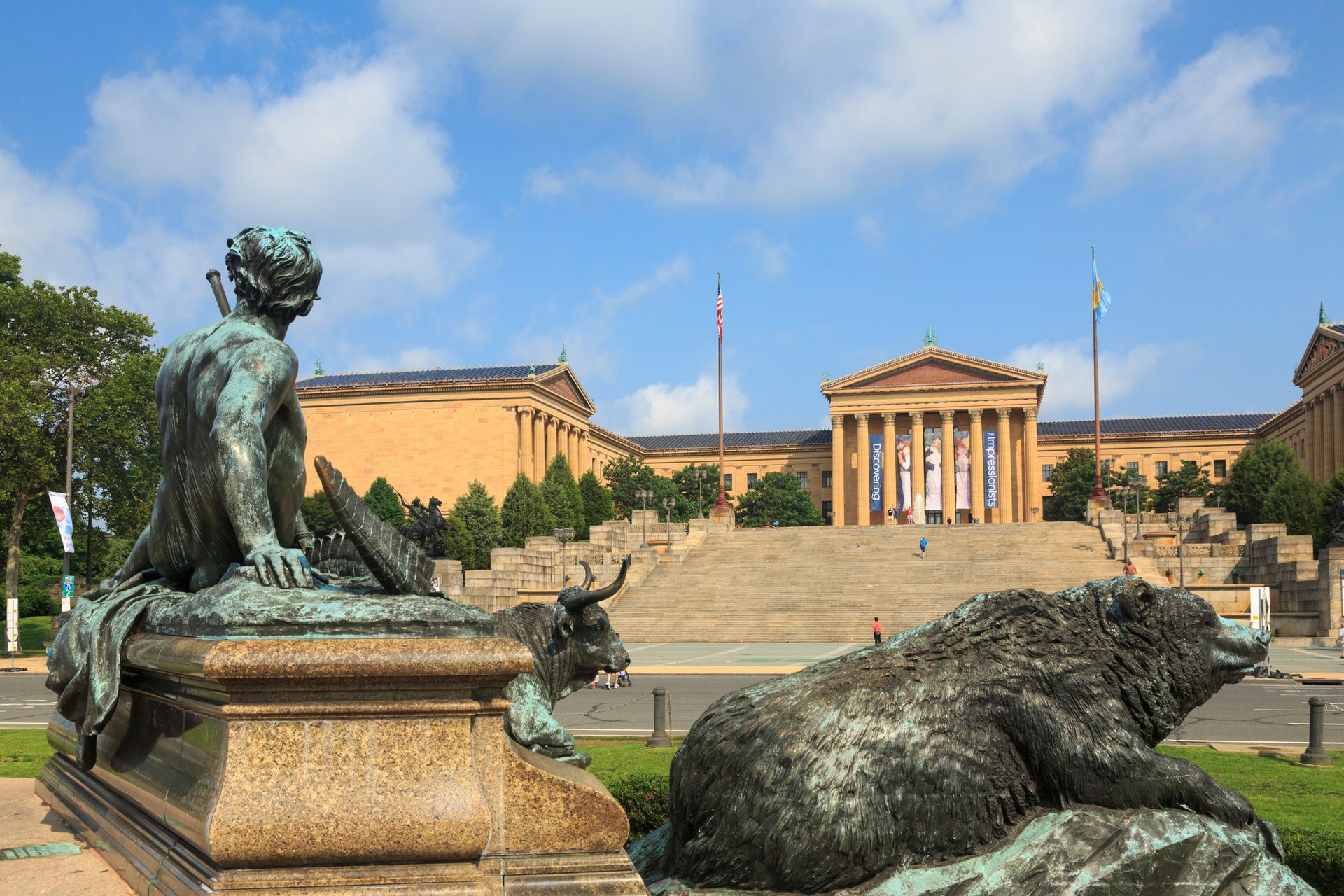
Jon Lovette / Getty Images
The Philadelphia Museum of Art, at the end of Benjamin Franklin Parkway, houses more than 240,000 works spanning roughly 2,000 years of human creative output. The building’s architecture echoes a chain of Greek temples, and the interior was redesigned by architect Frank Gehry in 2019, making the museum itself a subject of aesthetic interest independent of the collection it contains. The scope of the permanent collection spans continents and centuries, with highlights including works by local Philadelphia artists, Indian epic imagery depicting the Ramayana, and depictions of Benjamin Franklin reflecting the museum’s connection to its home city.
The museum is undergoing maintenance work, and some galleries may be temporarily closed. The source notes that the institution houses more than 200 galleries for visitors to explore, meaning that, even with sections closed, the available collection provides more than a full day of engagement for most visitors. The painting and sculpture collections draw the most consistent attention, but the museum’s decorative arts holdings and rotating special exhibitions give repeat visitors new material across multiple trips.
The museum’s most famous feature for many visitors is not inside the building but on its exterior: the 72 steps at the east entrance, known as the Rocky Steps for their appearance in the 1976 film. The source suggests running up the stairs to recreate the scene and photographing from the top, where the view of the Parkway extends toward the Philadelphia skyline. The steps give the Philadelphia Museum of Art a pop culture identity that coexists with its art historical reputation, making it accessible to a wider audience than institutions that present themselves exclusively through the lens of fine art connoisseurship. Frank Gehry’s 2019 interior redesign added another layer of architectural interest to a building already designed to evoke a Greek temple. The redesigned interior gives the structure a reason to stop and look before entering the first gallery, and it positions the Philadelphia Museum of Art among a small number of institutions in the U.S. where the building itself constitutes part of the visit’s aesthetic reward.
Grandbrothers / Getty Images
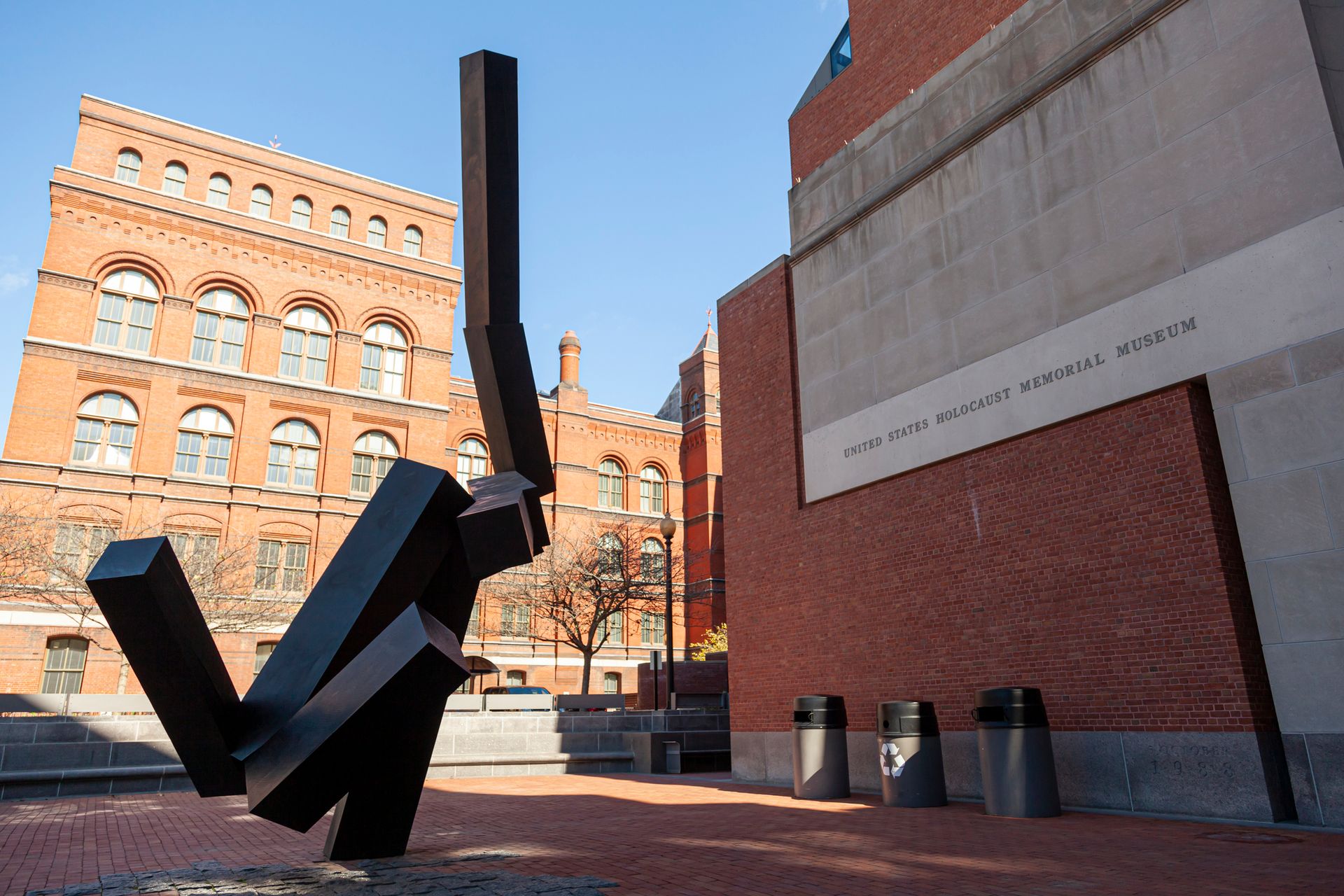
The United States Holocaust Memorial Museum in Washington, D.C., gives every visitor an identification card upon entry. The card reveals the identity and wartime experience of a real Holocaust victim, connecting each individual visitor to a specific person whose life the Nazi regime destroyed. The permanent exhibition guides visitors chronologically from the rise of the Nazi party through the liberation of the concentration camps, using survivor testimonials, historical film footage, and physical artifacts to chronicle the Holocaust’s full arc. The source recommends the permanent exhibition for visitors 11 and older.
Younger visitors have a dedicated exhibition: Daniel’s Story, which follows a Jewish boy’s experience throughout the Holocaust. Daniel was not a historical person, but the source clarifies that the exhibition draws directly from diary entries, memories, and first-person accounts of real young people who lived through the period. The narrative format gives children a point of entry into history that the primary exhibitions’ documentary approach might not provide as effectively for younger audiences.
Before leaving, the source directs visitors to the Hall of Remembrance. The solemn space is designated for quiet reflection after the weight of the galleries. The museum extends its historical mission beyond the physical exhibitions through a range of programs and research initiatives, including conversations with Holocaust survivors, and maintains a Database of Holocaust Survivor and Victim Names containing records of those persecuted under the Nazi regime. The identification card system, which personalizes the visit from the moment of entry, makes the United States Holocaust Memorial Museum one of the few institutions on this list that engages visitors as direct participants in an act of witnessing, not passive observers of a historical display. The Daniel’s Story exhibition for younger visitors, the identification cards for adults, and the Hall of Remembrance for everyone together constitute a visitor experience designed around individual engagement with history at every stage of the visit.
artran / Getty Images
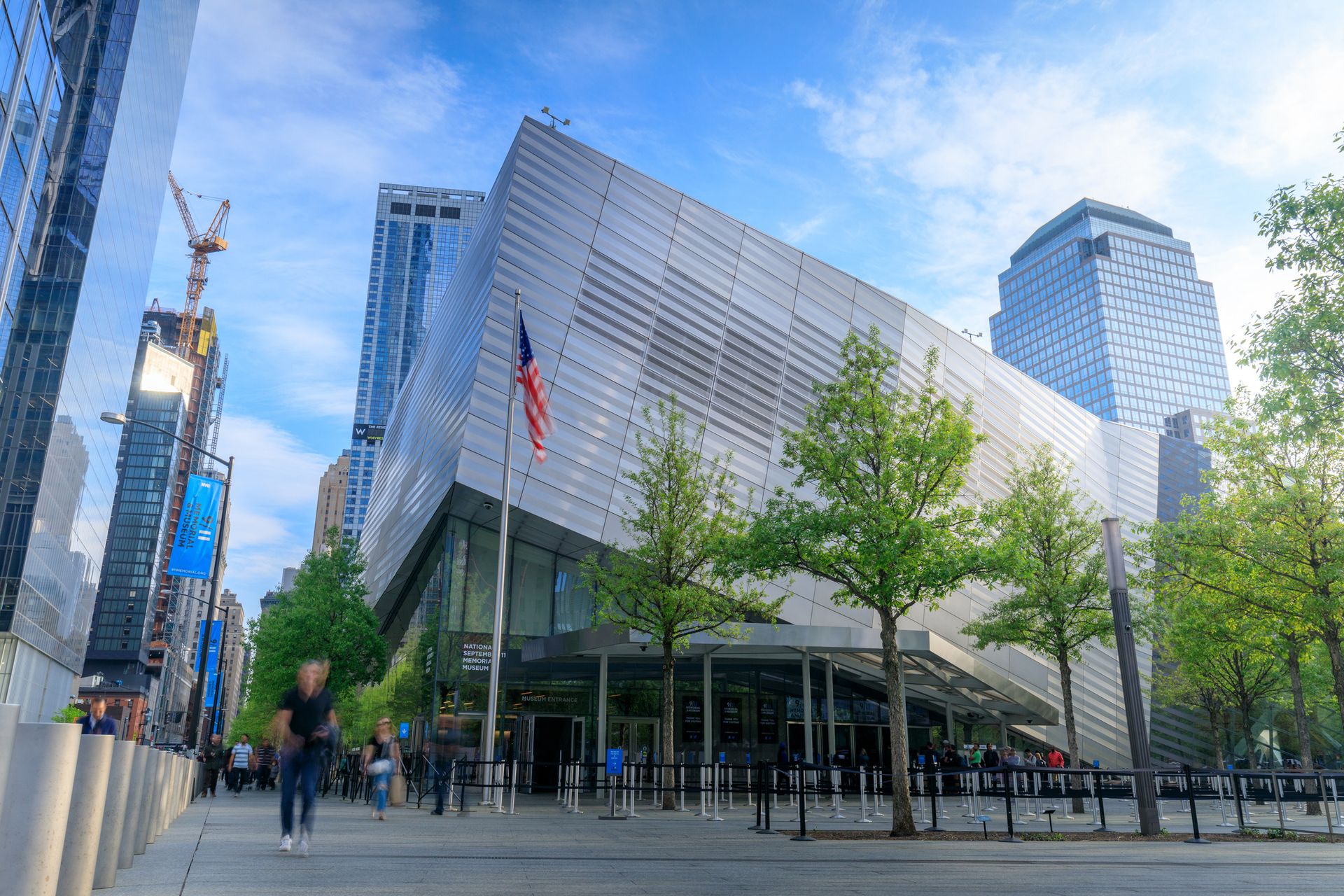
The National September 11 Memorial & Museum sits on the ground where the World Trade Center’s twin towers stood. The 110,000-square-foot museum houses two permanent exhibitions: one chronicling the events before and after 9/11 alongside firsthand accounts of the day itself, and a second memorial exhibition honoring the nearly 3,000 individuals killed in New York, Pennsylvania, and at the Pentagon. Rotating exhibitions supplement the permanent galleries throughout the year.
The memorial component of the site sits adjacent to the museum and consists of two reflecting pools, each covering nearly one acre, set within the footprints of the original towers. The names of every victim are inscribed along the edges of the rectangular pools. The museum and memorial staff place white roses beside the names of victims on their birthdays, creating an ongoing ritual observance throughout the year. Visitors leave flowers spontaneously in tribute, and the collective accumulation of these gestures gives the memorial a living quality that a static monument cannot produce.
The memorial plaza includes trees native to the regions of the crash sites, an area honoring first responders, volunteers, survivors, workers, and others affected by illness from toxin exposure, and the continuous sound of the human-made waterfalls within the memorial pools. The sound is deliberate in context: the source describes it as a solemn contrast to the energy of the surrounding city. A visit to the National September 11 Memorial & Museum requires visitors to carry the weight of recent history in proximity to one of the world’s most active and chaotic urban environments, and the memorial’s design manages that tension with sustained intentionality. The white rose ritual and the inscribed names together keep the memorial from becoming an abstraction. They insist on the individuals behind the numbers in a way that the architectural form alone could not sustain. The museum’s rotating exhibitions give returning visitors new material beyond the two permanent galleries and prevent the site from becoming a fixed monument to a single, static interpretation of the event.
Dobresum / Getty Images
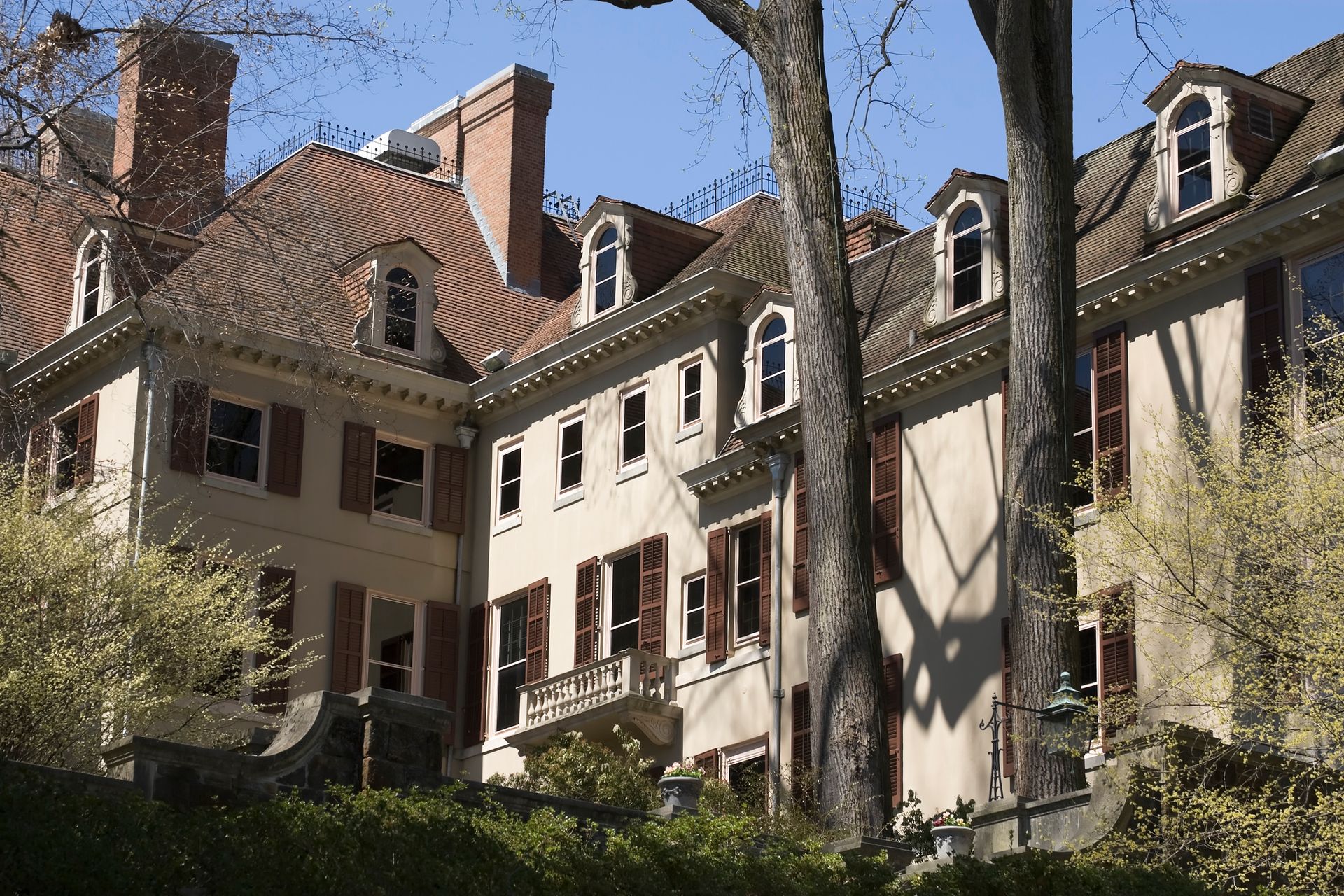
The Winterthur Museum, Garden & Library, on a northern Delaware estate, holds nearly 90,000 American decorative art objects and artifacts dating back to 1640, making it one of the most comprehensive collections of early American material culture in the country. The museum’s arrangement follows the organizational vision of Henry Francis du Pont, the former estate resident whose collection and horticultural sensibility shaped both the building’s interior and the surrounding landscape. The objects range from paintings and furniture to everyday items from early American households.
The garden that surrounds the museum is a major draw in its own right. Miles of paths and hiking trails give visitors access to a curated natural landscape across the estate’s grounds. Children have a dedicated garden area called the Enchanted Woods, designed to appear as though fairies created it. The space gives young visitors a specific destination within the broader landscape and separates children’s programming from the more contemplative adult garden experience. The research library adds a scholarly dimension that distinguishes Winterthur from purely display-oriented house museums.
The museum hosts more than 200 programs and events per year. The Winterthur Point-to-Point steeplechase race is a long-running annual tradition, and the Delaware Antiques Show and Artisan Market are well-established events that draw collectors and enthusiasts from beyond Delaware’s borders. At approximately 35 miles south of Philadelphia, Winterthur makes a practical day trip from one of the Northeast’s major cities. The source recommends checking the museum’s website before visiting, as the garden, museum, and store maintain different seasonal hours. Winterthur’s early American artifact collection, formal garden walks, children’s programming, and a robust annual event calendar together give it a breadth of visitor experience that few historic estates in the U.S. match. The garden alone — covering miles of maintained paths on a Delaware estate — justifies the trip independently of the museum and library. The steeplechase race, the antiques show, and the artisan market give the estate a community identity beyond its role as a repository of early American material culture, positioning it as an active institution and not a preserved artifact.
jimfeng / Getty Images
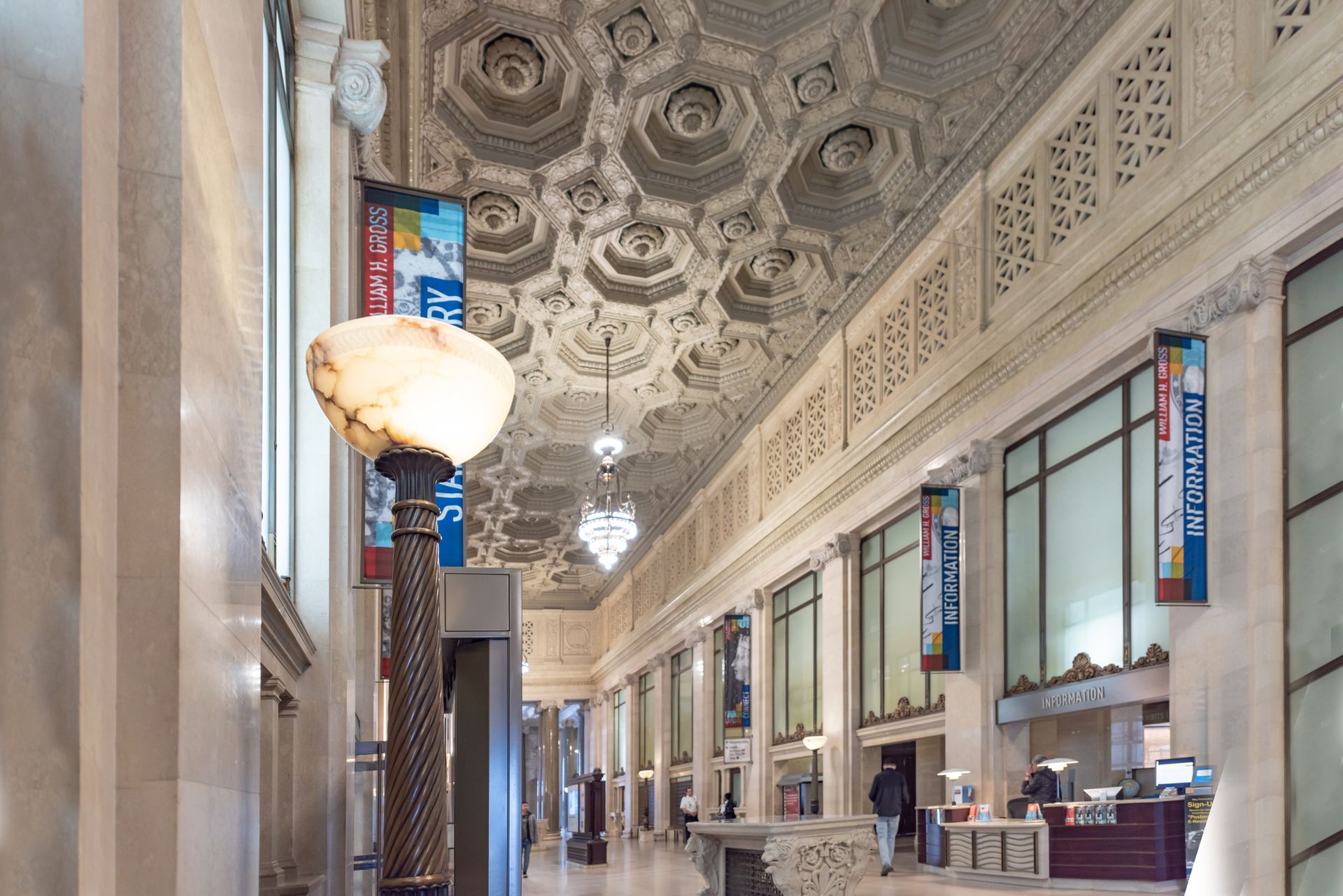
The National Postal Museum in Washington, D.C., holds the largest collection of stamps and postal objects in the world, giving philatelists and casually curious visitors alike a destination organized around an object — the postage stamp — that most people handle without ever thinking about its history or design. The museum is housed in the City Post Office Building, which once served as Washington’s primary mail distribution facility, providing the institution with a physical setting that directly corresponds to its subject matter.
The William H. Gross Stamp Gallery is the museum’s largest gallery and an ideal starting point for any visit. It contains 20,000 objects displayed across hundreds of pullout frames. Visitors can select a number of free stamps to take home and start their own collection. The offer constitutes a hands-on engagement that most museums reserve for paid workshops. Other exhibitions trace the mechanics of the American postal system, the role of mail in the colonial period, and the investigative work of the U.S. Postal Inspection Service in detecting fraud and scams. The range of interactive games and activities gives the museum a practical appeal to children that goes well beyond what the stamp-collecting premise might initially suggest.
The museum’s gift shop sells postal-themed merchandise, and an on-site stamp store sells usable postage stamps. The stamp store is a rare case of a museum shop that sells functional objects tied directly to the collection’s subject. The source also recommends crossing the street to visit the main hall of historic Union Station, whose arched ceiling features 23-karat gold leaf, giving visitors a bonus architectural experience within walking distance. The National Postal Museum’s free admission as a Smithsonian institution, its world-record collection, its take-home stamps, and the adjacent Union Station together make it the most practically accessible institution on this list for visitors of any age. The museum’s interactive games and activities give younger visitors an engagement model that the adjacent Smithsonian Natural History Museum’s more passive display format cannot always match for a child who wants to touch something.
Dukas / Getty Images
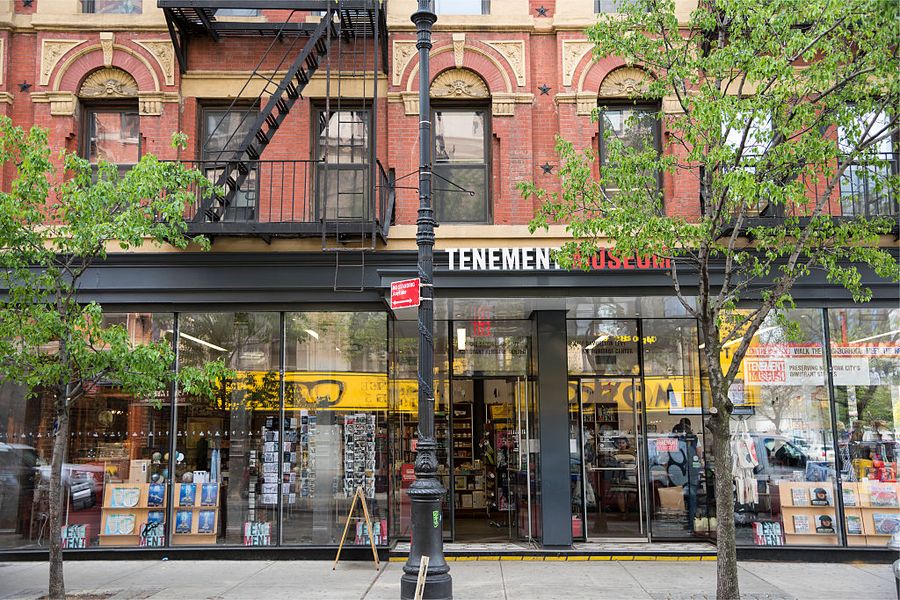
The Tenement Museum on Orchard Street in Manhattan’s Lower East Side presents the history of New York City’s immigrant, working-class, and refugee communities through two historic tenement buildings that housed approximately 15,000 immigrants between the 1860s and the early 21st century. The buildings function as a time capsule, and the museum’s guided tours take visitors through recreated tenement apartments — complete with period kitchens, parlors, and furnishings — that give physical form to the lives of the families who occupied them across more than a century of continuous use.
The museum’s tour offerings extend beyond the standard apartment walk. Specialty tours focus on food, architecture, Black history, and public community spaces, giving visitors with particular interests a path through the collection that aligns with their interests. The variety of tour formats also makes return visits productive. A visitor who took the apartment tour on a first visit can return for the food history tour and encounter an entirely different interpretive frame for the same physical spaces. The specialty tours focused on Black history and public community spaces extend the museum’s interpretive reach beyond immigrant history into the full social texture of the Lower East Side across more than 150 years.
The Tenement Museum’s location on Orchard Street places it two miles northeast of Battery Park, the departure point for Ellis Island ferries, giving visitors the option to pair a Lower East Side immigrant history experience with an Ellis Island visit in a single day. The M15 bus provides direct access from multiple points in Manhattan. The museum’s core claim — that the working-class immigrant experience that built and continues to constitute New York City’s cultural fabric deserves the same institutional attention as the achievements of its wealthy residents — reflects a commitment to the history of ordinary life that distinguishes it from museums focused on exceptional individuals or elite collections. The two buildings on Orchard Street, preserved as they were found, make that argument physically and not rhetorically.
Michael M. Santiago / Getty Images
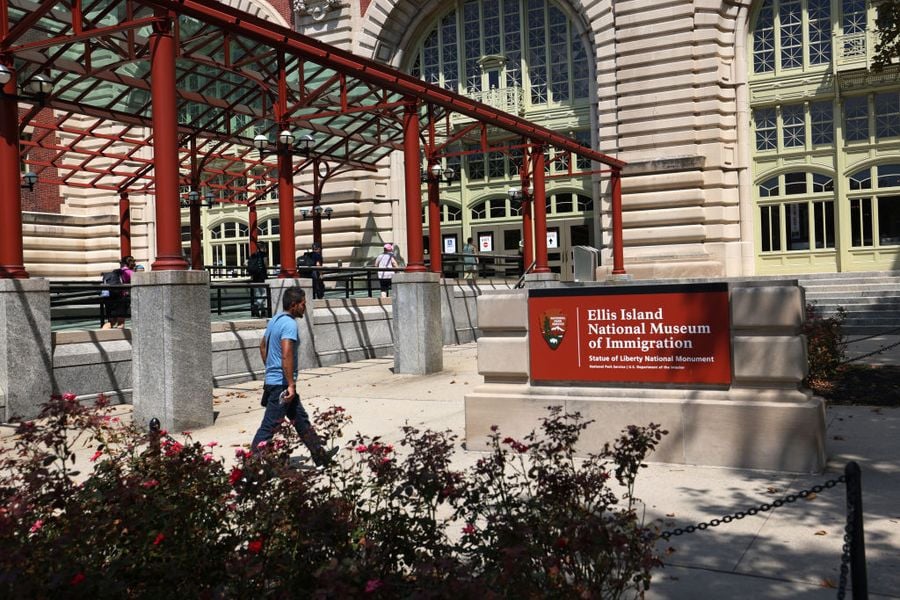
The Ellis Island National Museum of Immigration in New Jersey occupies the restored main building of the immigration processing facility through which millions of people passed on their way to American citizenship. The museum presents personal belongings, heirlooms, immigration artifacts, a legal hearing room, a dormitory, and exhibitions tracing the full arc of American immigration, giving visitors a physical encounter with a historical process that shaped the demographic character of the entire country. The National Park Service recommends purchasing ferry tickets in advance from Statue City Cruises, and the ferry route includes an additional stop at Liberty Island and the Statue of Liberty.
The museum’s on-site experience tells individual and collective stories through the objects immigrants carried with them. Baggage, clothing, and personal effects recovered from or donated by former detainees give the galleries a material intimacy that large-scale historical narrative alone cannot provide. The view of the New York City skyline from the island is itself part of the interpretive experience. The source suggests that the sight of Manhattan from Ellis Island will likely deepen a visitor’s understanding of what the city meant to the people who arrived there with nothing. Standing on the island with that skyline in view connects the abstract historical narrative of American immigration to a specific physical orientation. It is the same orientation millions of people experienced from the deck of a ship before setting foot on American soil for the first time.
The Ellis Island experience extends beyond the ferry trip through the American Family Immigration History Center database, which the Ellis Island Foundation maintains online. The database contains nearly 65 million passenger records searchable by name, nationality, birthplace, occupation, and other details. A visitor who leaves the island and goes online can potentially find their own ancestors in the records, extending the museum visit into a personal genealogical encounter. Ellis Island National Museum of Immigration’s position as the physical site of one of American history’s most consequential human movements — and the database as its digital extension — makes it the most personally resonant institution on this list for visitors with immigrant family histories.
Jacqueline Nix / Getty Images
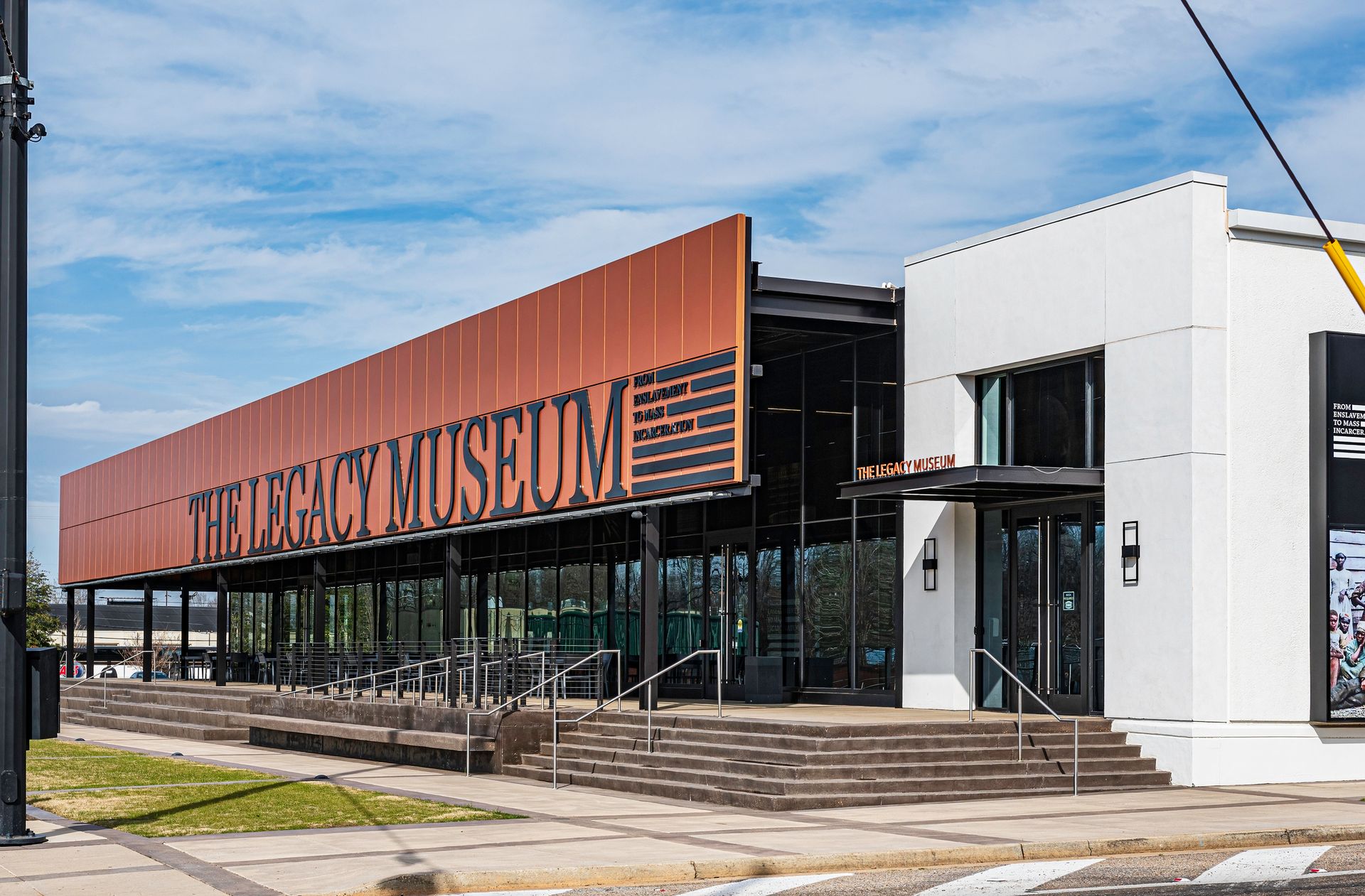
The Legacy Museum in Montgomery, Alabama, presents 400 years of American racial injustice as a continuous historical arc, tracing the connections between the slave trade, the Jim Crow era, mass incarceration, and contemporary police violence. The museum presents replicas of slave pens, first-person accounts from enslaved individuals, and exhibitions on the dehumanizing structures of segregation. Adjacent to the museum, visitors can pay their respects at a memorial dedicated to victims of racial lynching and reflect at Legacy Plaza, a park located next to the building.
The museum opened in 2018 and relocated to a new, larger facility in 2021. It is one of three legacy sites in Montgomery established by the Equal Justice Initiative, a nonprofit organization committed to challenging racial injustice and ending mass punishment in the U.S. The other two sites contribute different dimensions of the same historical narrative, giving visitors who spend a full day in Montgomery a more complete view of the historical through-line the Legacy Museum traces than any single institution could provide alone.
Montgomery’s role in American history gives the museum’s location added meaning, enriching its content. The city served as the Confederacy's first capital and later as the site of the Montgomery Bus Boycott and other pivotal events of the Civil Rights Movement. Other Montgomery landmarks, including the Rosa Parks Museum and Freedom Rides sites, exist within the same city, positioning the Legacy Museum within a broader landscape of historical memory. The museum’s explicit argument — that the racial violence of American history did not end with emancipation or the Civil Rights Act but persists in transformed institutional forms — makes it the most direct and consequential statement on this list about the relationship between the past and the present. The Equal Justice Initiative’s decision to locate these sites in Montgomery, the former Confederate capital, gives the institution’s claim a geographic urgency that no northern museum making the same argument could produce in the same register.
