DAT VO / Unsplash
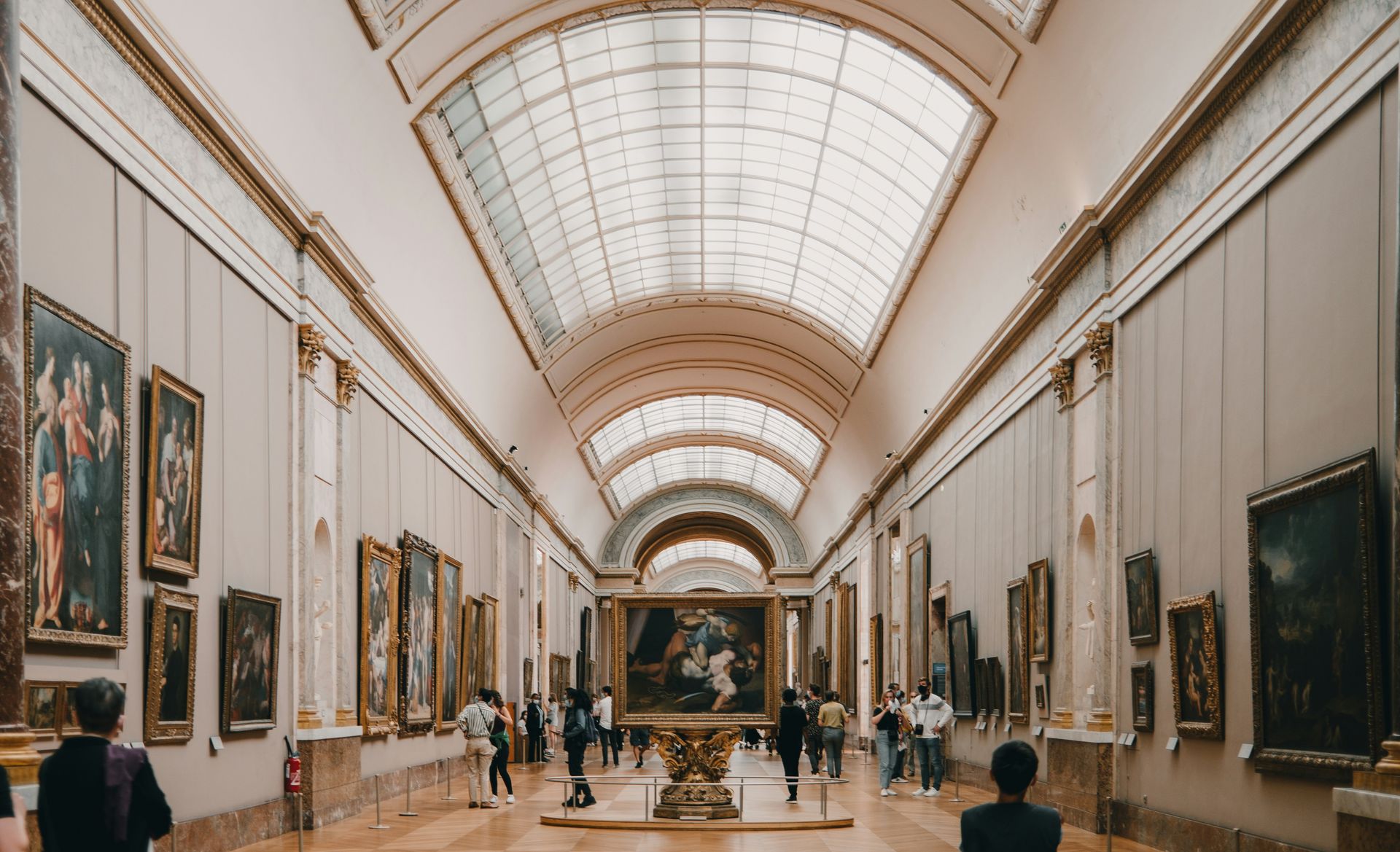
A great museum does more than store significant objects. It builds an argument about why those objects matter, constructs an environment in which that argument becomes persuasive, and leaves visitors with a changed relationship to whatever subject they came to encounter. The buildings that house the best museums often make their own argument before a visitor crosses the threshold: the Louvre’s glass pyramid, the Natural History Museum’s Romanesque Revival facade, the Tate Modern’s converted power station. Architecture and collection reinforce each other at institutions that have earned their reputations over generations, and the experience of visiting them differs from anything a photograph or a digital collection reproduces.
The geographic concentration of great museums in certain cities reflects history more than accident. Collections followed power: imperial capitals attracted art, loot, scientific specimens, and cultural artifacts from territories that larger nations absorbed, traded with, or conquered. London, Paris, Vienna, and Washington, D.C. hold collections assembled over centuries by institutions with the resources and political reach to acquire at a scale that smaller cities could not match. More recently, purpose-built institutions and specialist museums in unexpected locations have expanded the map of where serious collecting happens, giving travelers reasons to seek out museums in cities that the traditional grand tour itinerary overlooked.
The 10 institutions below appear in Travel + Leisure, selected from a global list of 27 to represent the range of what a museum visit can be: art at the scale of the Louvre, cultural history at the specificity of Belgrade’s Museum of Yugoslavia, science at the ambition of Chicago’s Griffin Museum. Each earns its place through what it offers that no other institution quite replicates.
1 / 10
Michael Fousert / Unsplash
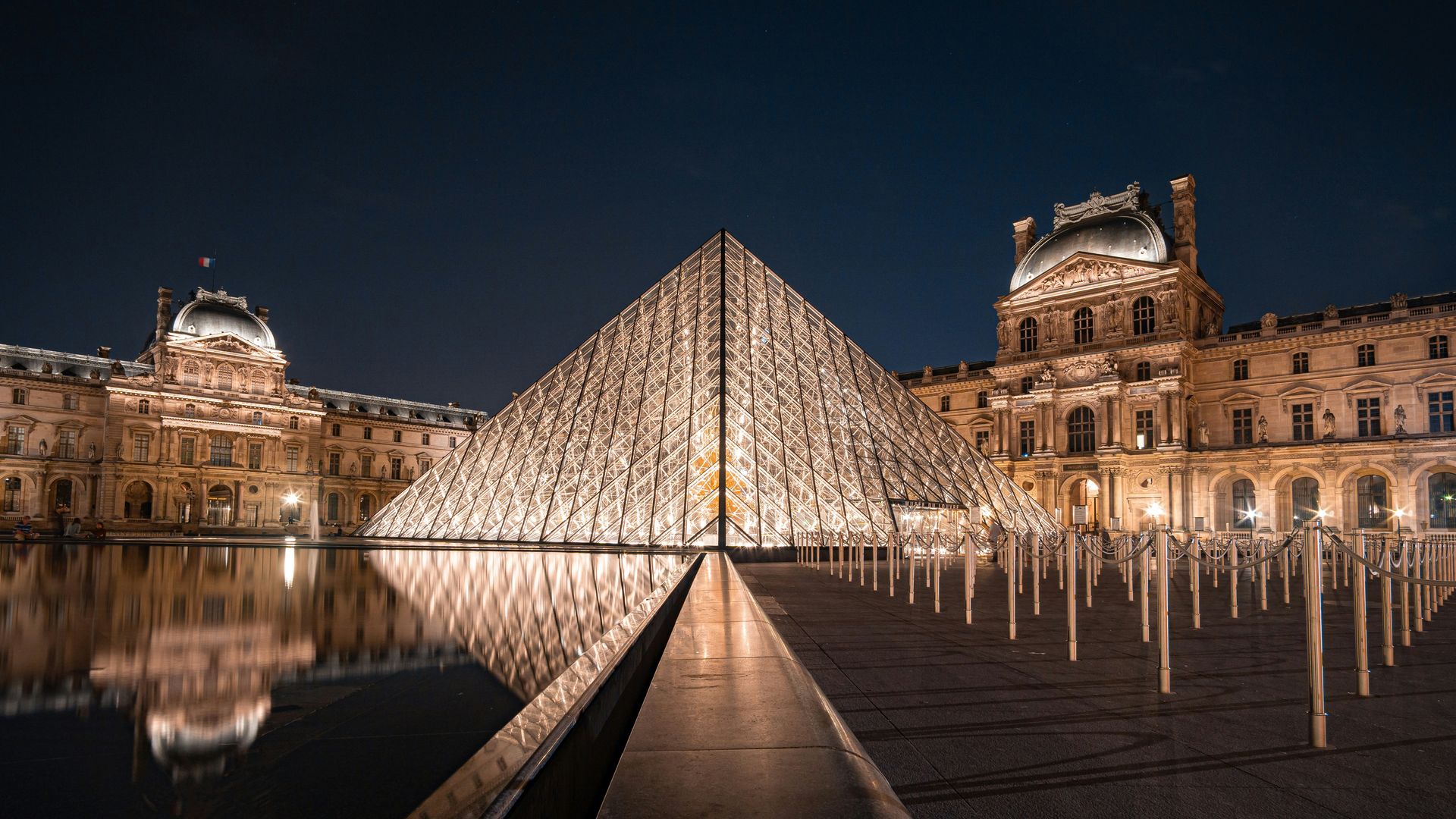
The Louvre began as a palace and carries that origin in every proportioned gallery and ornate corridor it contains. The building’s history as a seat of French royal power gives the collection a context that purpose-built art museums lack: the works arrived in a place already understood as the center of something, and the accumulation of centuries of acquisition has made the institution the largest art museum in the world by floor area. The glass pyramid that I.M. Pei added in the late 1980s generated controversy among Parisians when it debuted, but now functions as the museum’s most recognized exterior feature, visible from the Tuileries Garden and photographed as persistently as any artwork inside.
The Mona Lisa and the Venus de Milo anchor the visitor's imagination before arrival, and both justify the attention they receive in person, though each in ways that differ from reproductions suggest. The Mona Lisa’s scale surprises most visitors who expect a larger painting; the room that contains it and the crowd that presses toward it have become a social spectacle as much as an art encounter. Venus de Milo rewards circumnavigation in a way that flat reproductions cannot convey, and the gallery that holds it allows the physical presence of the marble to register at close range.
Beyond these two, the Louvre’s nine curatorial departments encompass Egyptian antiquities, Greek and Roman sculpture, decorative arts, prints and drawings, and Islamic art across a collection of more than 380,000 objects, of which roughly 35,000 are on display at any given time. A visitor who spends a full day in the museum covers a fraction of what the institution holds, which makes repeat visits across different departments more productive than a single exhaustive attempt. Raphael’s Rooms, former papal chambers now featuring the Renaissance master’s paintings, represent the kind of secondary discovery that rewards visitors who move past the famous works into the broader collection.
2 / 10
Matthieu Joannon / Unsplash
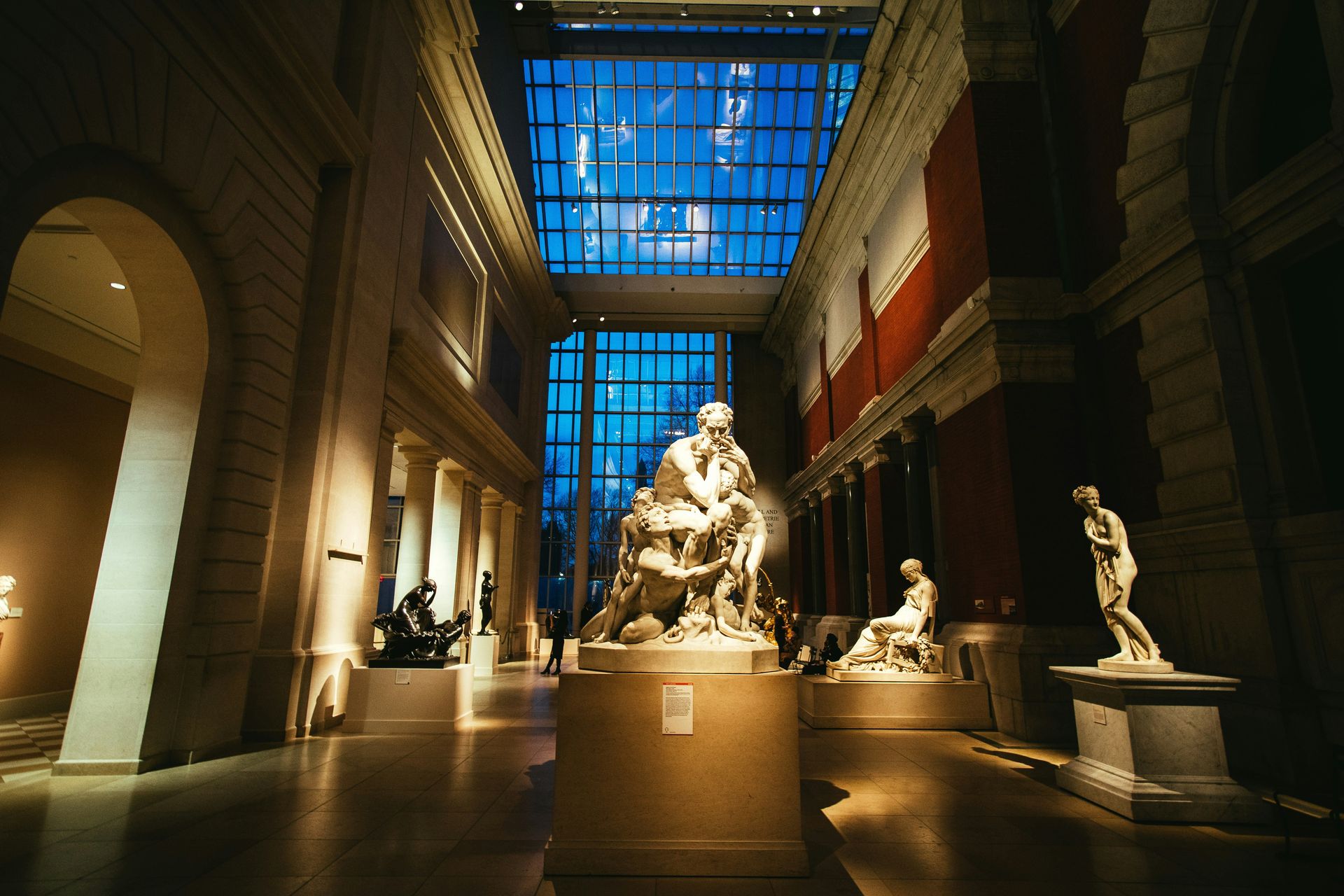
The Met’s permanent collection of more than 1.5 million works covers a scope that makes most other art museums look specialized by comparison. An ancient Egyptian temple, reassembled stone by stone inside the American Wing after the construction of the Aswan High Dam threatened its original site, is displayed in a glass-enclosed gallery that gives visitors the experience of standing inside a structure built roughly 2,000 years ago. The impressionist collection, which includes paintings by Monet and van Gogh, draws visitors who could spend an entire visit in those rooms alone and leave satisfied. The Costume Institute, which stages the annual Met Gala and mounts some of the most attended temporary exhibitions in the museum’s history, gives fashion the same curatorial seriousness as painting and sculpture.
The building that houses all of this runs along the eastern edge of Central Park, with a facade that has expanded incrementally since the museum’s founding in 1870, absorbing additional wings and galleries as the collection grew. The scale of the institution makes navigation a skill developed over multiple visits, and first-time visitors benefit from identifying two or three areas of genuine interest before arrival rather than attempting comprehensive coverage. The museum’s audio guide and floor maps provide structure to the experience, but the most rewarding encounters often occur in galleries adjacent to what a visitor intended to see.
Temporary exhibitions at the Met operate at a production level that reflects the institution’s resources and curatorial depth. These shows draw on loans from institutions and private collections globally and frequently attract visitor numbers high enough to require timed entry. Checking the current exhibition schedule before a visit and booking tickets in advance for any show that generates significant interest is advisable, particularly during peak tourist seasons when the museum’s general attendance is already high.
3 / 10
Christian Lendl / Unsplash
Free admission to a collection of eight million permanent works, housed in a building in the center of London, has made the British Museum one of the most visited institutions in the world. The collection’s breadth reflects the reach of the British Empire during the period when most of it was assembled, a history that continues to spark debate over the repatriation of objects acquired from cultures that lacked self-governance at the time. The Rosetta Stone, the Elgin Marbles, and the Lewis Chessmen are among the collection’s most recognized objects, each carrying its own layer of historical and political context alongside its archaeological significance.
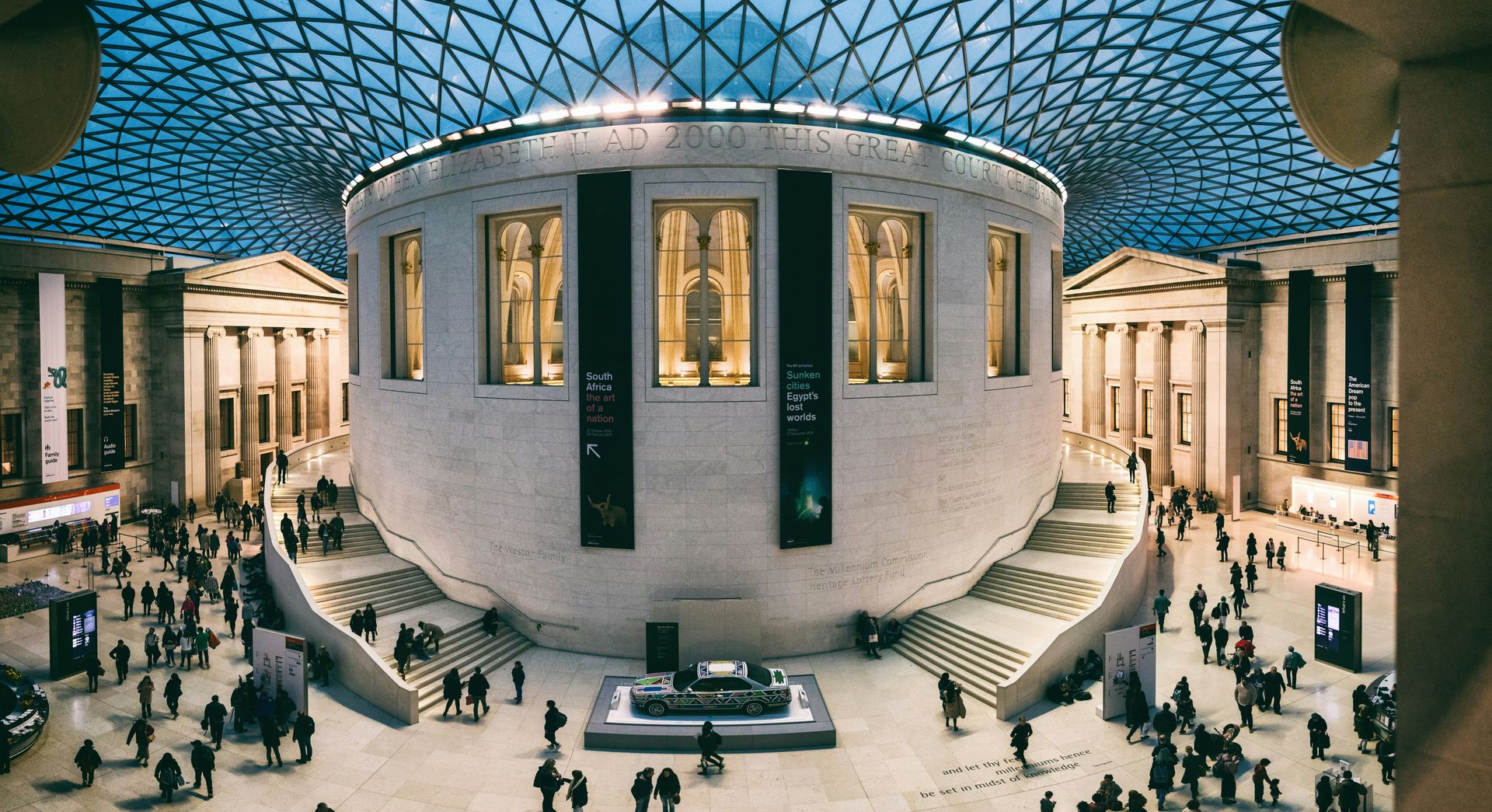
The Great Court, designed by Norman Foster and covered by a glass-and-steel roof added in 2000, transforms the museum’s central courtyard into the largest covered public square in Europe and functions as the primary orientation point for visitors entering from the main entrance. The reading room at the center of the court, where Karl Marx wrote “Das Kapital” and other major thinkers of the 19th and 20th centuries worked, now hosts temporary exhibitions within its circular form. The court gives the museum a civic gathering quality, extending its function beyond a conventional collection visit.
The Egyptian galleries, the ancient Greek and Roman rooms, and the Mesopotamian collection each reward dedicated time rather than a sweep through. The Assyrian lion hunt reliefs, carved in the seventh century BCE, cover entire wall sections in the Assyrian galleries and constitute one of the most sustained encounters with ancient narrative art available in any museum. Special exhibitions at the British Museum require separate tickets and tend to draw significant advance bookings; the permanent collection, however, justifies repeated visits across different sections without any additional cost.
4 / 10
Corey Buckley / Unsplash
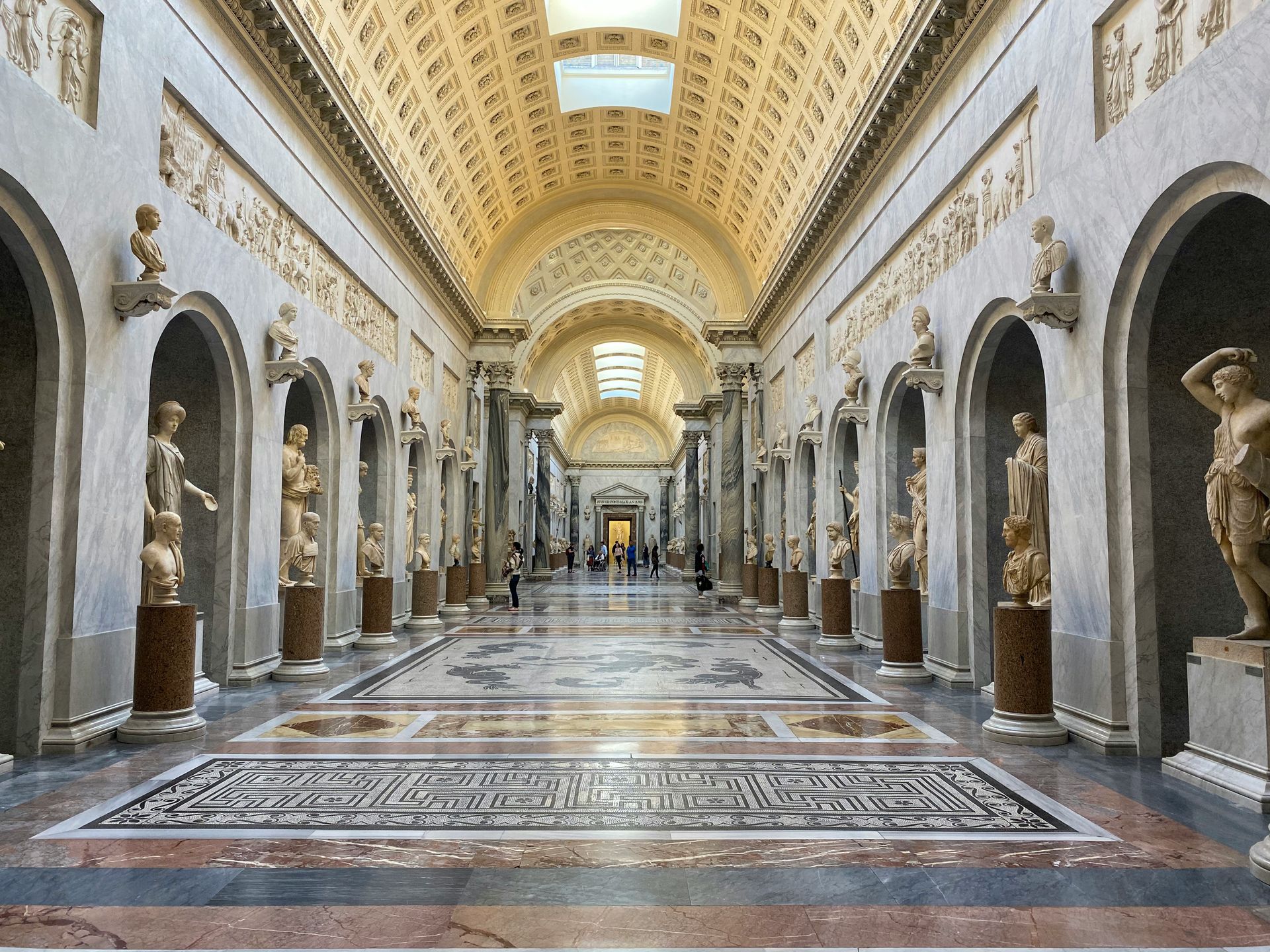
The Sistine Chapel’s ceiling draws the visitor's attention to the Vatican Museums, and the Michelangelo frescoes depicting scenes from Genesis justify the reputation they have earned over five centuries of observation. The ceiling’s scale and the detail of its painted figures, visible from the floor of the chapel below, reward time spent in stillness looking upward, though the crowd density in the chapel on most days makes sustained contemplation difficult. The Last Judgment on the altar wall, added by Michelangelo more than 20 years after the ceiling was completed, operates in a different register and rewards separate attention.
The museums leading to the Sistine Chapel house collections whose significance the chapel’s fame tends to overshadow. Raphael’s Rooms, a suite of four papal chambers painted by Raphael and his workshop in the early 16th century, represent Renaissance painting at a scale and ambition that rivals the Sistine Chapel on its own terms. The School of Athens, in the Room of the Segnatura, depicts the philosophers of antiquity in a composition that art historians consider one of the supreme achievements of Western painting. The Profane Museum adds a pre-Christian dimension, displaying ancient Greek and Roman sculpture and artifacts that the Catholic Church preserved over the centuries, when such objects carried religious and cultural significance.
Advance booking for Vatican Museums tickets is effectively mandatory during peak tourist season, and the queue for walk-up admission on popular days extends well beyond what most visitors are willing to wait. Guided tours that include reserved entry give visitors both logistical relief and curatorial context that the collection’s depth rewards. The museums require several hours to experience at a pace that allows the major works to register, and many visitors allocate a full day to cover the Sistine Chapel, Raphael’s Rooms, and the gallery collections that connect them.
5 / 10
Artem Bryzgalov / Unsplash
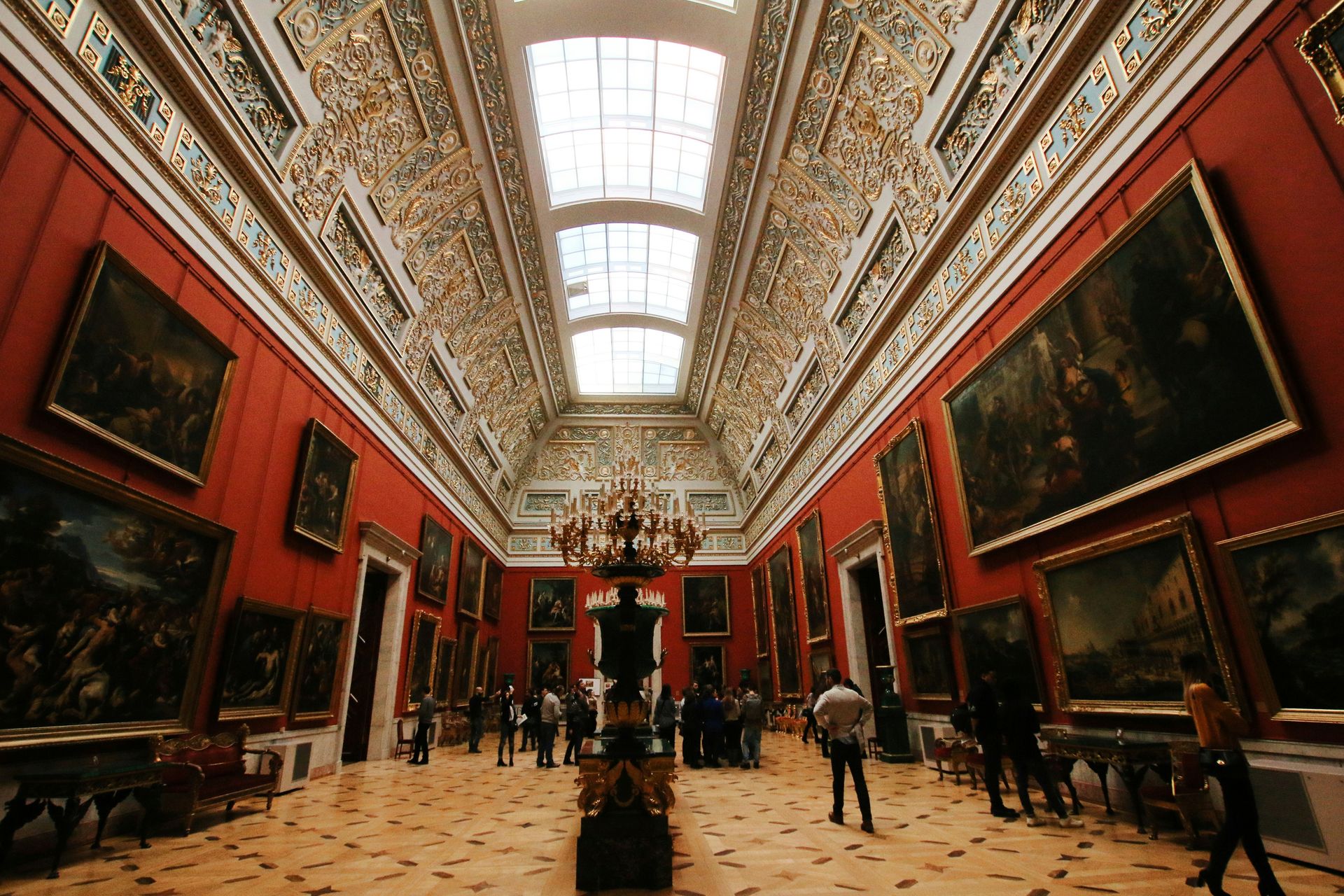
Catherine the Great founded the Hermitage in 1764 as a private imperial collection, and the institution she initiated now encompasses six historic buildings along the Neva River in St. Petersburg, anchored by the Winter Palace, a Baroque masterpiece that served as the official residence of Russian tsars from 1732 until the 1917 revolution. The scale of the complex and the number of objects it contains place the Hermitage among the largest museum collections in the world by any measure. The architecture of the Winter Palace constitutes a significant part of the experience: gilded state rooms, ceremonial staircases, and painted ceilings that the imperial court used as the backdrop for governance and entertainment give the collection a setting that purpose-built museums cannot replicate.
The European painting collection covers several centuries, with particular strength in Flemish, Dutch, and Italian works. Rembrandt, Rubens, Van Dyck, and Titian are represented in depth, and the Impressionist and Post-Impressionist galleries hold works by Matisse, Picasso, and Cézanne acquired by Russian collectors in the early 20th century before the collection was nationalized following the revolution. Imperial porcelain, ceremonial carriages, and decorative arts assembled across the reigns of successive tsars give the museum a material culture dimension that extends well beyond painting and sculpture.
The geographic remoteness of St. Petersburg relative to Western Europe’s major museum cities means that the Hermitage draws fewer casual visitors than the Louvre or the British Museum, which gives the collection a quality of access during non-peak periods that the most famous Western institutions cannot offer. Visitors who allocate multiple days to the Hermitage find the collection more manageable across that timeframe, and the surrounding city of St. Petersburg provides a historic and architectural context that amplifies the museum experience considerably.
6 / 10
Tamara Malaniy / Unsplash
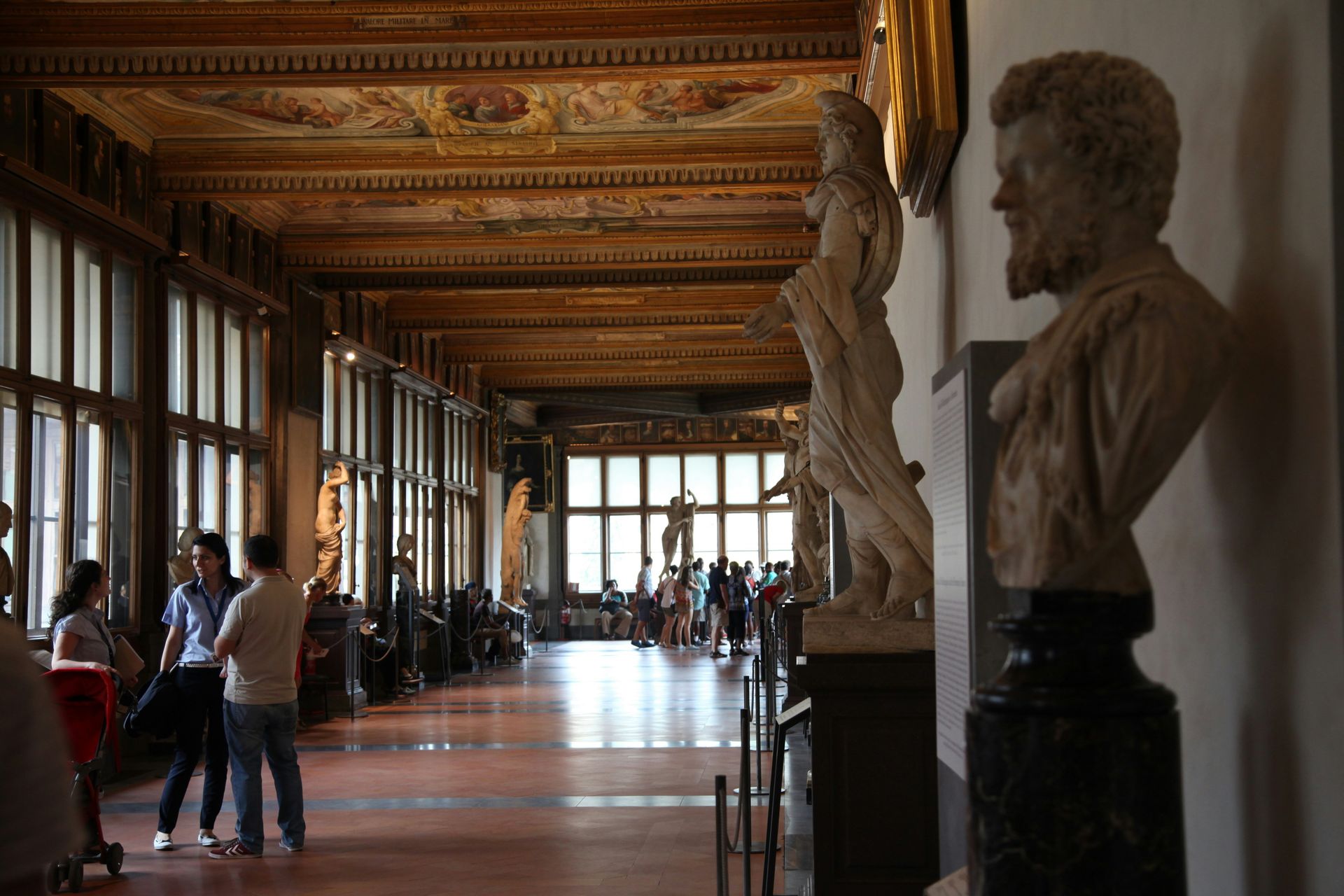
The Uffizi Gallery exists because of one of history’s most consequential acts of private patronage: Anna Maria Luisa de’ Medici, the last heir of the Medici family, bequeathed the family’s entire art collection to the city of Florence in 1743 on the condition that it never leave the city. The decision ensured that the collection accumulated across generations of Medici power, patronage, and acquisition remained accessible to the public in the city it was assembled to represent. The result is one of the most concentrated holdings of Italian Renaissance art in the world, housed in a building designed by Giorgio Vasari in the 16th century as administrative offices for the Florentine magistrates.
Botticelli’s Birth of Venus and Primavera occupy a room that draws sustained visitor attention and rewards the time spent in front of them. The scale and condition of both paintings, and the specificity of the mythological subjects they depict, give them a presence that reproduction cannot substitute for. Caravaggio, Michelangelo, Titian, and Raphael are all represented in the collection, giving visitors a compressed encounter with the major figures of Italian painting across the Renaissance and into the Baroque period.
The Uffizi requires advance ticket booking during peak season, and same-day entry involves queues that extend for a considerable time. The museum’s layout across two long corridors connected by a series of rooms gives visitors a linear path through the collection that the curatorial arrangement uses to trace chronological and stylistic development. The Vasari Corridor, a covered passageway connecting the Uffizi to the Pitti Palace across the Arno, is open to visitors on a separate ticket and contains an additional collection of self-portraits that extends the Uffizi experience into a different part of the city.
7 / 10
Claudio Testa / Unsplash
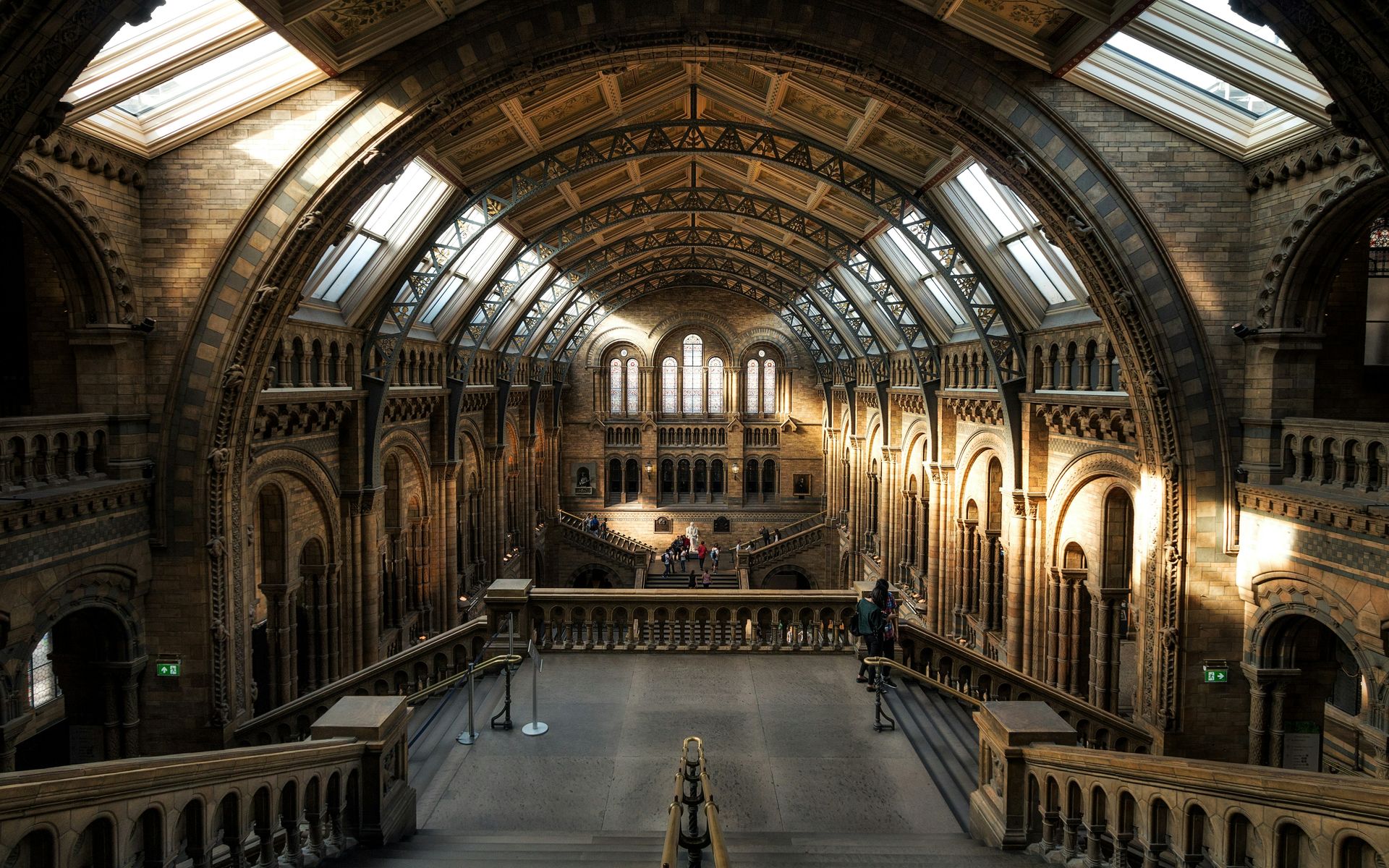
The Natural History Museum’s building in South Kensington is one of the most architecturally distinguished museum structures in London, with its Romanesque Revival facade and terracotta detailing giving the institution a visual identity as strong as any of its collections. The interior matches the exterior’s ambition: the central Hintze Hall, where a blue whale skeleton hangs from the ceiling, serves as one of the great arrival spaces in any museum. The transition from the street to this hall, with its vaulted ceiling and suspended cetacean, reorients a visitor’s sense of scale, a device the museum’s curators have deliberately used.
The dinosaur galleries house part of the first Tyrannosaurus rex skeleton ever discovered, alongside other specimens that span the range of prehistoric life, giving the collection depth in paleontology that few institutions match. The blue whale is the most photographed object in the museum, but the dinosaur galleries drive the sustained interest of younger visitors in particular, and the quality of the interpretive material surrounding the specimens gives the collection an educational dimension that operates at multiple levels of prior knowledge simultaneously.
Free admission to a collection of this scale, in a building of this architectural quality, makes the Natural History Museum one of the strongest arguments for London as a museum destination. Timed admission slots, bookable online without charge, reduce the queue time for general entry and are advisable during school holiday periods when visitor numbers peak. The adjacent Victoria and Albert Museum, which covers design, fashion, and decorative arts in an equally distinguished building, gives the South Kensington museum district a concentration of free institutional culture unavailable at this density in most other cities.
8 / 10
Tim Wildsmith / Unsplash
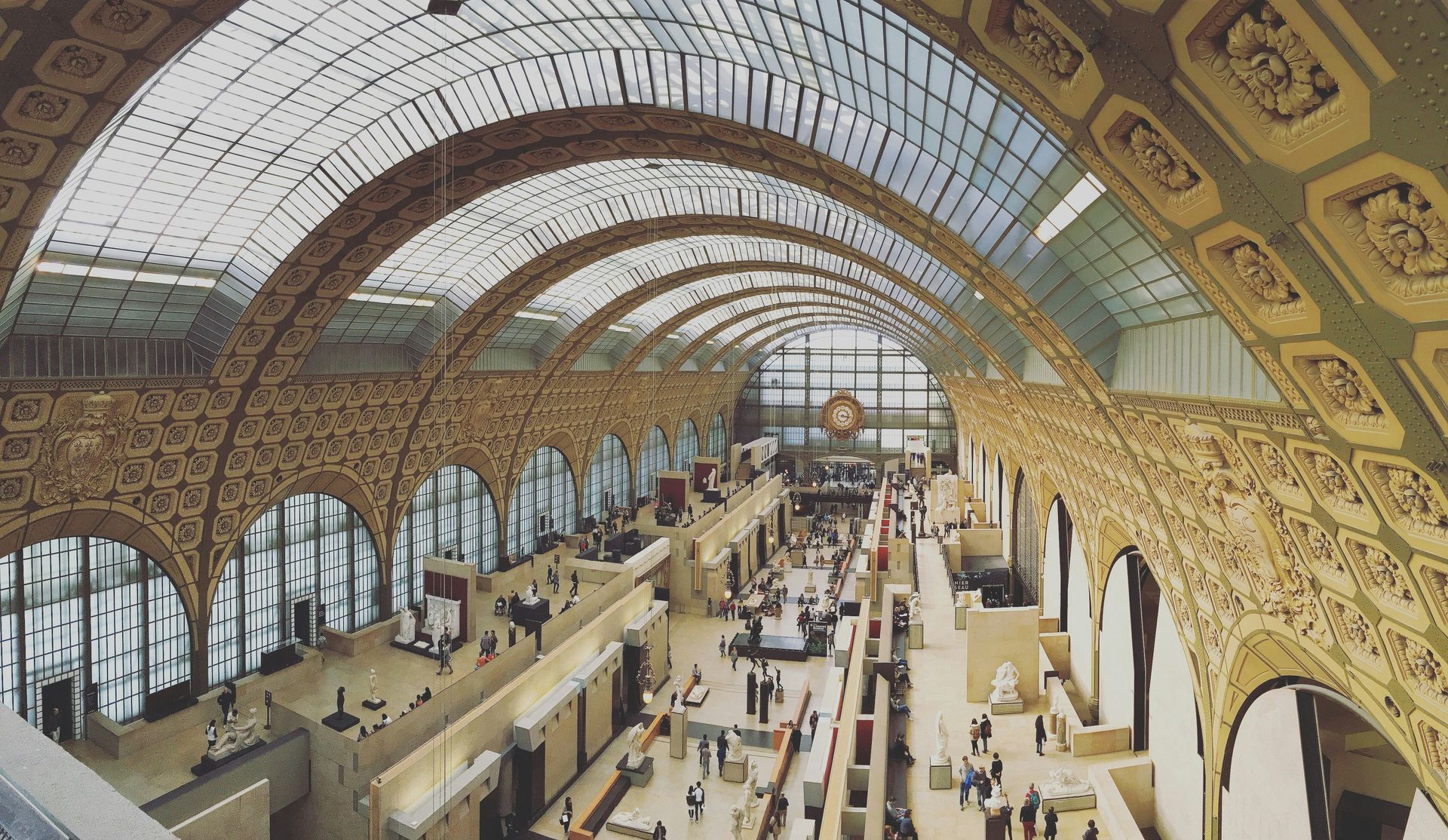
The Musée d’Orsay occupies a Beaux-Arts railway station built for the 1900 Paris Exposition, a building whose conversion into a museum in 1986 preserved the grand iron-and-glass roof that the Gare d’Orsay’s original designers intended as the primary architectural statement. The collection it holds, focused on French art from 1848 to 1914, covers the period in which Impressionism developed, matured, and gave way to post-impressionism, giving the museum a curatorial focus that the Louvre’s broader scope cannot replicate with the same depth. Monet, Renoir, Degas, Cézanne, Van Gogh, and Gauguin are all represented in holdings that constitute the world's most concentrated collection of impressionist and post-impressionist art.
The building’s transformation from transportation hub to cultural institution involved retaining the large clock faces at either end of the main hall, which now frame views through the gallery space and give visitors a visual connection to the station’s original function. The upper level, where the impressionist collection is installed, runs along the full length of the building above the main floor, with windows that provide natural light at an angle suited to viewing the painted surfaces. The spatial quality of these galleries, and the relationship between the architecture and the collection it contains, gives the Orsay a coherence that many purpose-built museums work harder to achieve.
Visiting the Orsay alongside the Louvre in a single Paris trip gives the impressionist works at the Orsay a context that the Louvre’s collection of earlier paintings establishes. The two museums occupy opposite banks of the Seine, within easy walking distance of each other, and the chronological relationship between their collections rewards visitors who approach Paris’s major art institutions as part of a connected itinerary rather than as independent stops.
9 / 10
Credit: Griffin Museum of Science
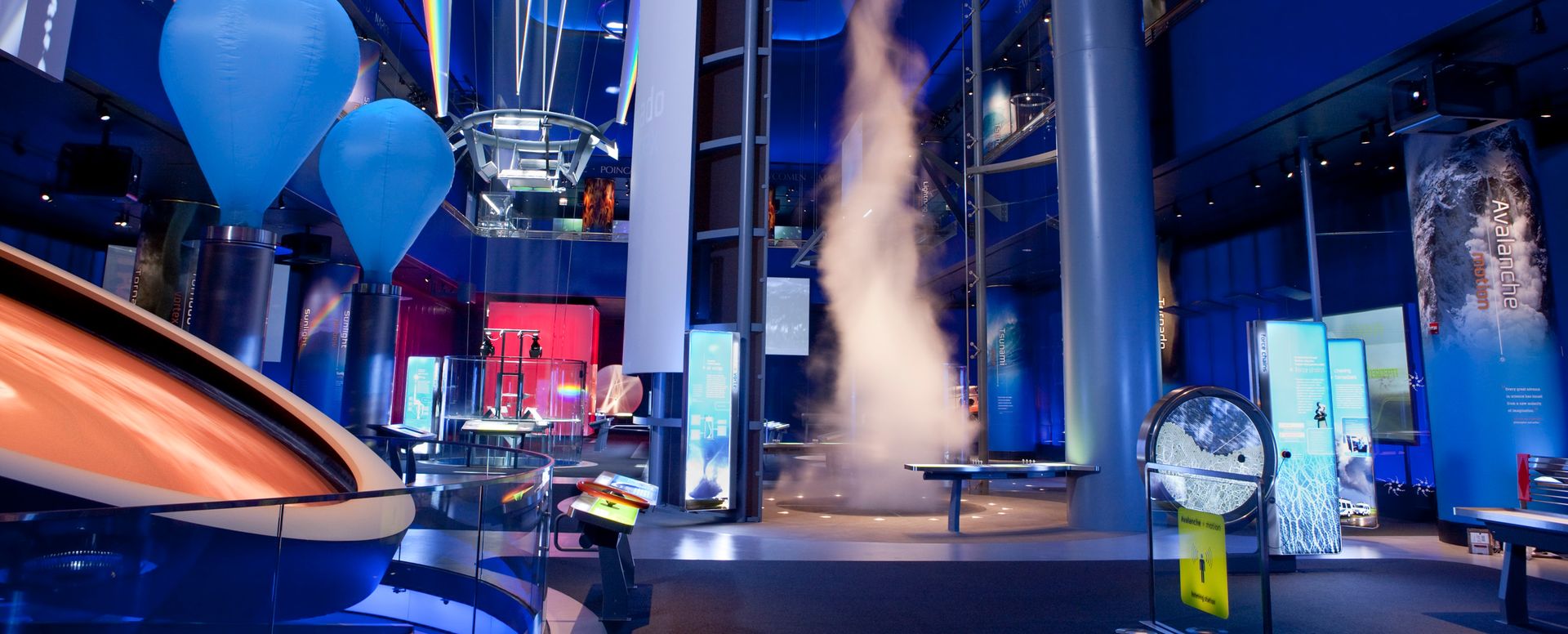
The Griffin Museum of Science and Industry in Chicago sprawls across more than 400,000 square feet, making it one of the largest science museums in the world by floor area. The collection covers design, energy, manufacturing, and technology through exhibits that prioritize interactivity over passive display, giving visitors of different ages and levels of prior knowledge multiple points of entry into each subject area. The scale of the institution means that a single visit covers a fraction of the available content, and the museum’s programming changes frequently enough that return visitors find new material on subsequent trips.
The interactive model that Griffin executes at this scale represents a deliberate curatorial philosophy: scientific literacy develops through engagement and experimentation rather than observation alone. Exhibits that allow visitors to manipulate variables, test hypotheses, and observe outcomes in real time give the museum an educational function distinct from institutions whose primary mode is display. The energy and manufacturing sections, in particular, use physical demonstration to explain processes that text and static images present less effectively.
The museum’s location in Chicago’s Museum of Science and Industry building, a Beaux-Arts structure originally built as the Palace of Fine Arts for the 1893 World’s Columbian Exposition, gives the institution an architectural history that the science content does not reference, but the building’s exterior clearly communicates. The combination of a landmark building and a collection oriented toward active engagement gives Griffin a visitor experience that operates on two registers simultaneously: the intellectual content of the exhibits and the physical presence of the space containing them.
10 / 10
redcharlie / Unsplash
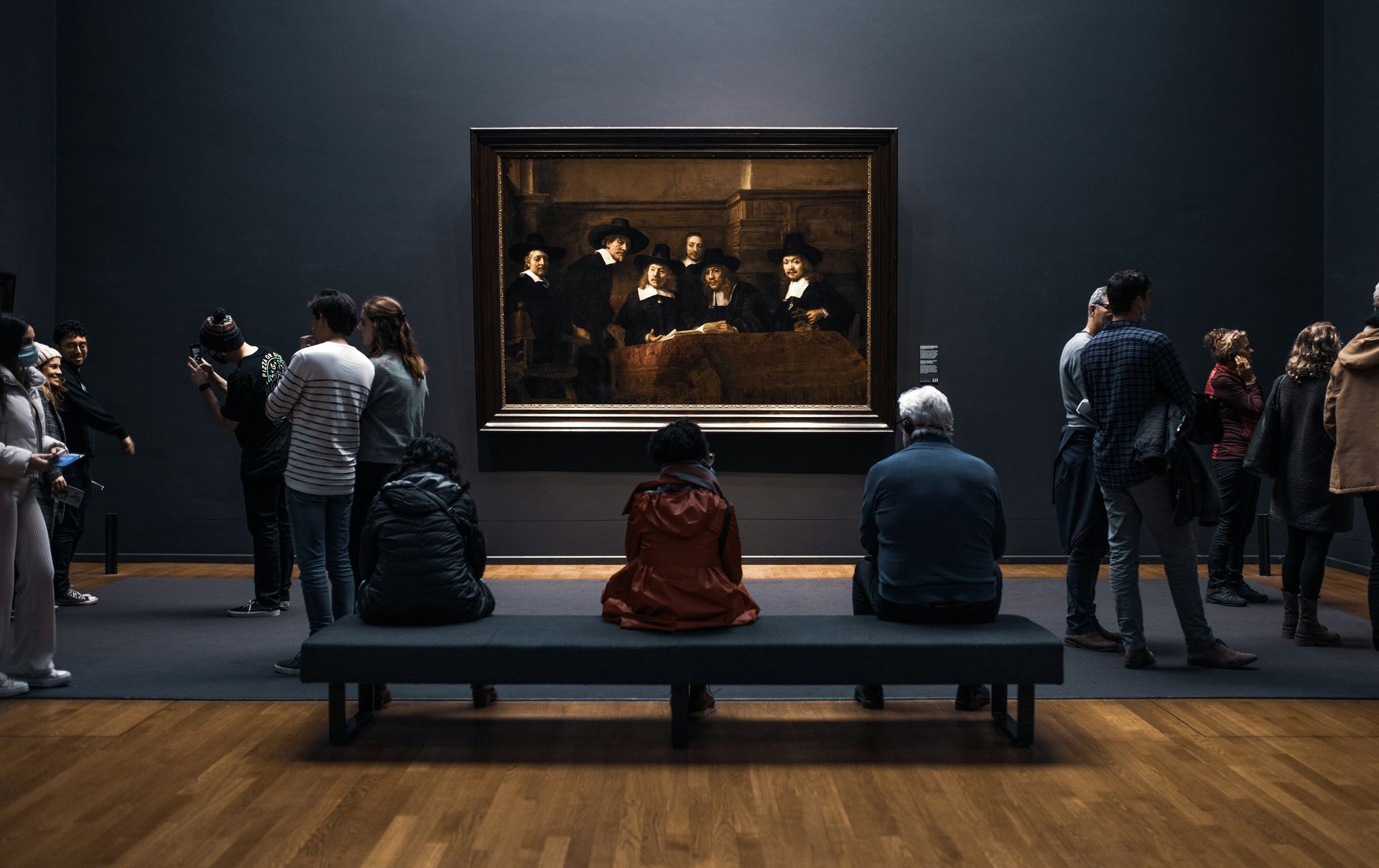
The Rijksmuseum in Amsterdam holds the national collection of the Netherlands, and its holdings of Dutch Golden Age painting give it a specific curatorial strength unmatched in depth by any other institution in the world. Rembrandt’s Night Watch occupies a gallery designed around it at the end of the museum’s central axis, large enough to contain the painting’s scale and the crowd it consistently draws. Vermeer’s paintings, distributed through the collection alongside works by other masters of the period, reward close attention to the light quality and domestic subject matter that define his approach.
The collection extends beyond painting into the material culture of the Netherlands since 1200, encompassing ship models, musical instruments, historical costumes, silver, porcelain, and Delftware, offering the museum’s scope a cultural breadth that a purely art-historical institution would not attempt. The Cuypers Library, the oldest art history library in the country, holds roughly 450,000 objects and books and opens to the public, giving researchers and interested visitors access to a collection that extends the museum experience into archival territory.
The building underwent a decade-long renovation completed in 2013, and the restored interior includes the Gallery of Honour, a processional gallery leading to the Night Watch that displays the collection’s most significant works in a sequence designed to build toward that destination. The museum’s position in Museum Square $SQ, alongside the Stedelijk Museum and the Van Gogh Museum, gives Amsterdam a concentration of major institutions within walking distance of each other that rewards visitors who allocate multiple days to the neighborhood.
