From Banff's gondola summit and glacier highway to Croatia's cascading UNESCO lake system, the world's best national parks to visit
Steve Smith / Getty Images
A national park represents a country’s decision to protect a piece of its land permanently. The decision accepts that some places are worth more as they are than as anything they could be converted into. The designation carries real meaning. Inside a national park’s boundaries, extractive industries stay out, development faces constraints, and the natural and cultural features that made the land worth protecting persist. For travelers, that means encountering landscapes and ecosystems in a condition that is becoming rarer elsewhere in the world.
The global range of national parks also means there is no single template for what a park visit looks like. Some parks reward slow, immersive experiences across multiple days of wilderness hiking. Others function like open-air museums, where a single day’s drive covers landscape features that would take weeks to reach on foot. Some parks organize their identity around geological formations of almost implausible scale. Others center on wildlife encounters that happen nowhere else on Earth. The variety means that, taken as a category, national parks serve nearly every type of traveler without requiring compromise.
These 10 parks are from a ranking by U.S. News & World Report, which drew on reader votes and expert input, along with factors such as wildlife abundance, accessibility, camping opportunities, and iconic landmarks. The full list covers 21 parks across six continents, from the Canadian Rockies to coastal Croatia to the Tanzanian savanna. Several parks — particularly those in the U.S. — now require advance reservations or timed-entry permits during peak season, so checking individual park websites before planning a visit is worth doing early.
tobiasjo / Getty Images
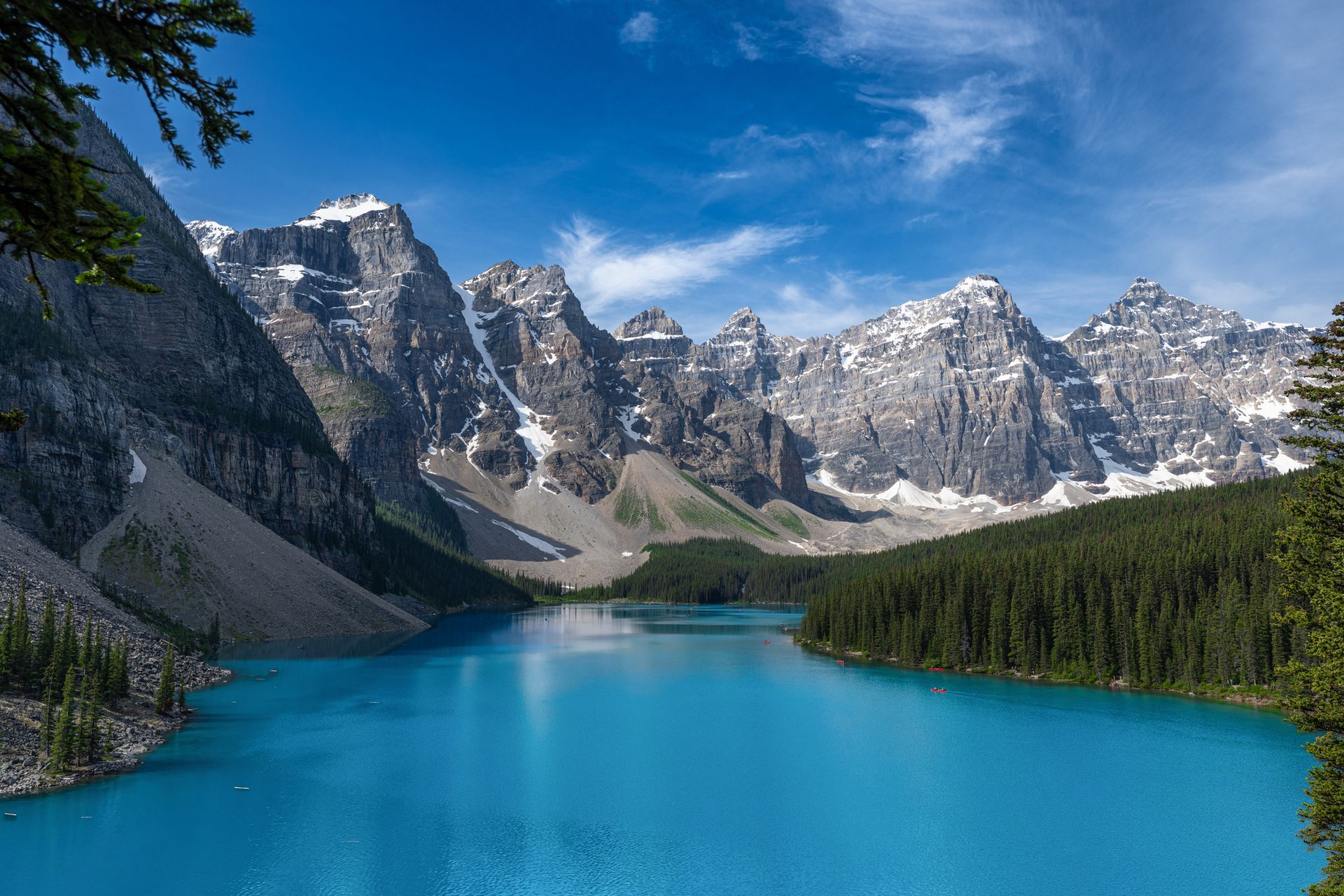
Banff National Park is Canada’s oldest national park, situated in the Canadian Rockies of southwestern Alberta, and its trail system covers more than 1,000 miles of hiking routes across the mountain landscape. The Lake Agnes Trail offers an unusual amenity at its destination: a seasonal European-style tea house perched above the treeline, giving hikers a place to rest that the Canadian backcountry rarely provides. The Icefields Parkway, a scenic highway running north through the park, delivers glacier and waterfall views across a stretch of mountain driving that rivals any road journey in North America.
The Banff Gondola provides the park’s most dramatic single-day experience. The gondola ascends to the summit of Sulphur Mountain, where a viewing boardwalk stretches along the ridgeline, offering panoramic views of the surrounding peaks and the Bow Valley below. A restaurant, an interpretive center, and a multisensory theater at the summit offer visitors options beyond the outdoor viewing area, making the gondola destination a full experience rather than a simple lookout point.
Accessible alpine scenery, the gondola summit infrastructure, the tea house trail culture, and the Icefields Parkway’s scenic highway together give Banff an unusually complete visitor offering. Travelers $TRV who want wilderness immersion can spend their days on the more remote trails. Those who want the high-mountain experience with less physical demand can reach the summit of Sulphur Mountain without hiking. Few parks anywhere in the world offer both options within the same geographic area at this quality level, which explains why Banff holds the top spot on this list. The park’s ability to serve both the novice visitor — who can access the summit of Sulphur Mountain by gondola — and the serious backcountry traveler on one of the 1,000-plus miles of trails gives it a hospitality range that few parks anywhere match. Banff also benefits from its location in the Canadian Rockies town of the same name, which provides accommodations and restaurants within walking distance of the park gateway.
Krista Taylor / Getty Images
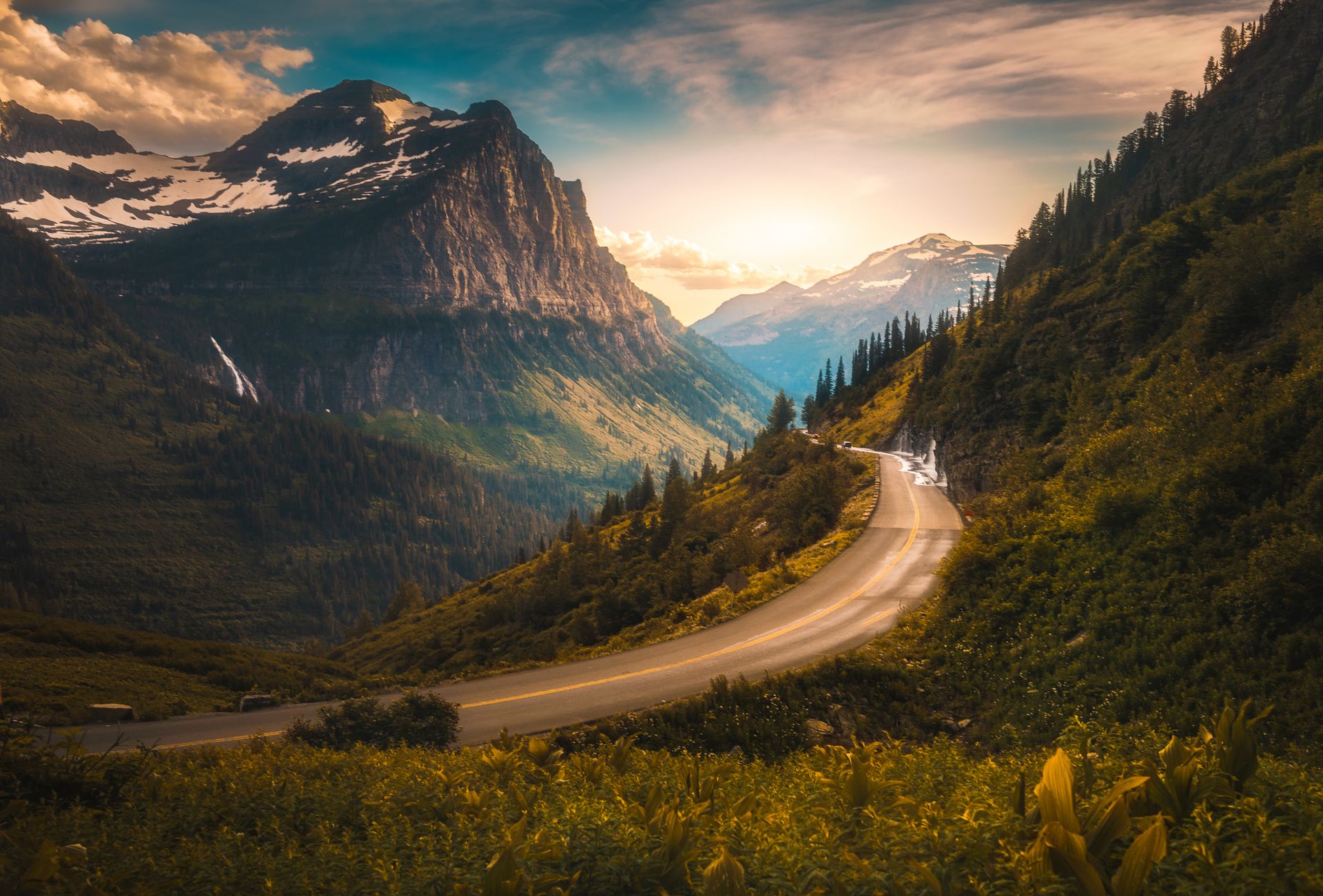
Glacier National Park in Montana contains more than 700 lakes and six National Historic Landmarks across its approximately 1 million acres of mountain terrain. The National Historic Landmarks include Lake McDonald Lodge, Granite Park Chalet, and the Two Medicine Store, structures that connect the park’s natural landscape to its human history of tourism and mountaineering that stretches back more than a century. The Highline Trail follows the Continental Divide above treeline, offering hikers a sustained high-elevation traverse that the park’s range of elevations enables.
The Going-to-the-Sun Road is the park’s signature driving route, crossing the Continental Divide at Logan Pass and passing through terrain that road construction at any lower elevation could not access. The source recommends the Red Bus Tours as an alternative to driving the road. Guided tours aboard vintage open-top vehicles allow passengers to focus on the landscape instead of managing the road’s narrow sections and steep drop-offs.
The park’s name reflects its glacial heritage: the ice features that define the landscape are estimated to be approximately 7,000 years old. The 700-plus lakes, the Continental Divide hiking, the six National Historic Landmarks, and the scenic road together give Glacier a depth of visitor content that the source describes as requiring at least several days to experience fully. Travelers $TRV who arrive expecting a single-day drive will find the park more layered than that format allows, and multiple nights either in the park’s historic lodges or at its campgrounds give the visit the time it deserves. The Red Bus Tours, in particular, appeal to travelers who want a structured way to encounter the most dramatic sections of the Going-to-the-Sun Road without navigating it independently, and the tours have operated in the park long enough to have developed their own historical character alongside the landscape they traverse. Glacier’s historic lodges, the Continental Divide Trail, and the Going-to-the-Sun Road together make it one of the few parks on this list where the park’s built heritage is as compelling as its natural features.
Jordan Siemens / Getty Images
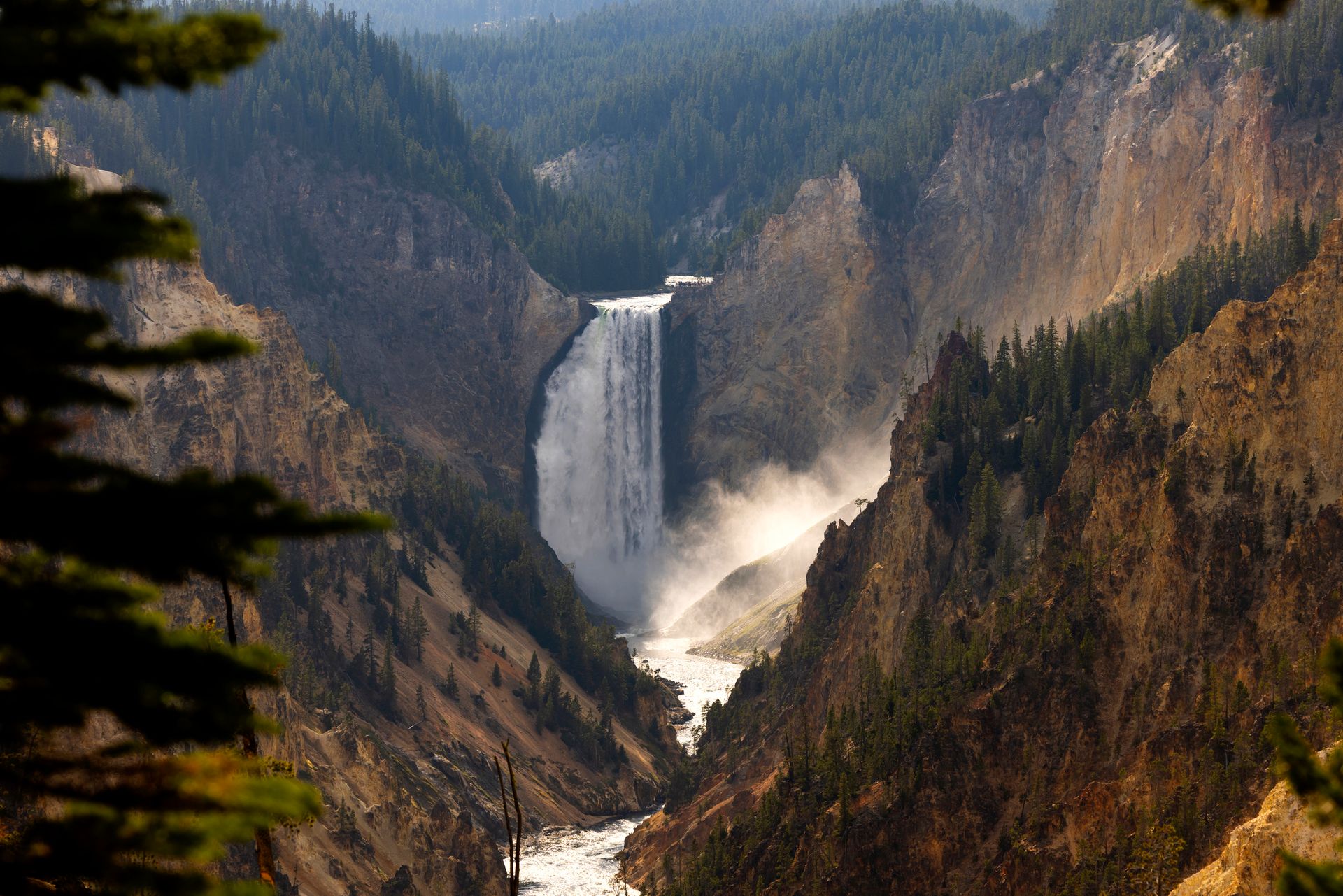
Yellowstone National Park, established in 1872, holds the distinction of being the world’s first national park. The designation predates the national park concept in most other countries by decades. The park spans more than 2 million acres across Wyoming, Montana, and Idaho, making it one of the largest protected areas in the contiguous U.S. The thermal geology that distinguishes Yellowstone from every other park on this list produces the features that have drawn visitors since before the park’s founding: Mammoth Hot Springs, with its terraced travertine formations, and Old Faithful, the geyser that erupts on a roughly predictable schedule that still draws crowds at every cycle.
The source identifies less-visited areas of the park as equally worth the time. Hayden Valley, in the central part of the park, offers wildlife-viewing opportunities for bison, wolves, and bears in a wide, glacially formed valley where the animals are visible from the road. Yellowstone Lake, the largest high-elevation lake in North America, offers kayaking and canoeing, putting the thermal landscape in a different physical relationship with visitors.
Yellowstone’s 150-plus-year tenure as a protected area has produced an ecosystem that functions at a scale and completeness that few protected areas anywhere approach. Geothermal features, megafauna, hydrothermal lake shores, and backcountry wilderness within a two-million-acre boundary together give Yellowstone a range of natural features that no other park on this list matches in a single location. The source notes that neither its age nor its fame has diminished its natural quality, which captures what makes Yellowstone a permanent fixture at the top of any world national parks list. The park’s status as the prototype for the entire global national park model also gives it a historical significance that purely natural superlatives cannot fully capture. Yellowstone’s role as the model that countries on six continents followed when establishing their own protected area systems gives it a legacy that extends well beyond the Wyoming, Montana, and Idaho landscape it occupies.
Francesco Riccardo Iacomino / Getty Images
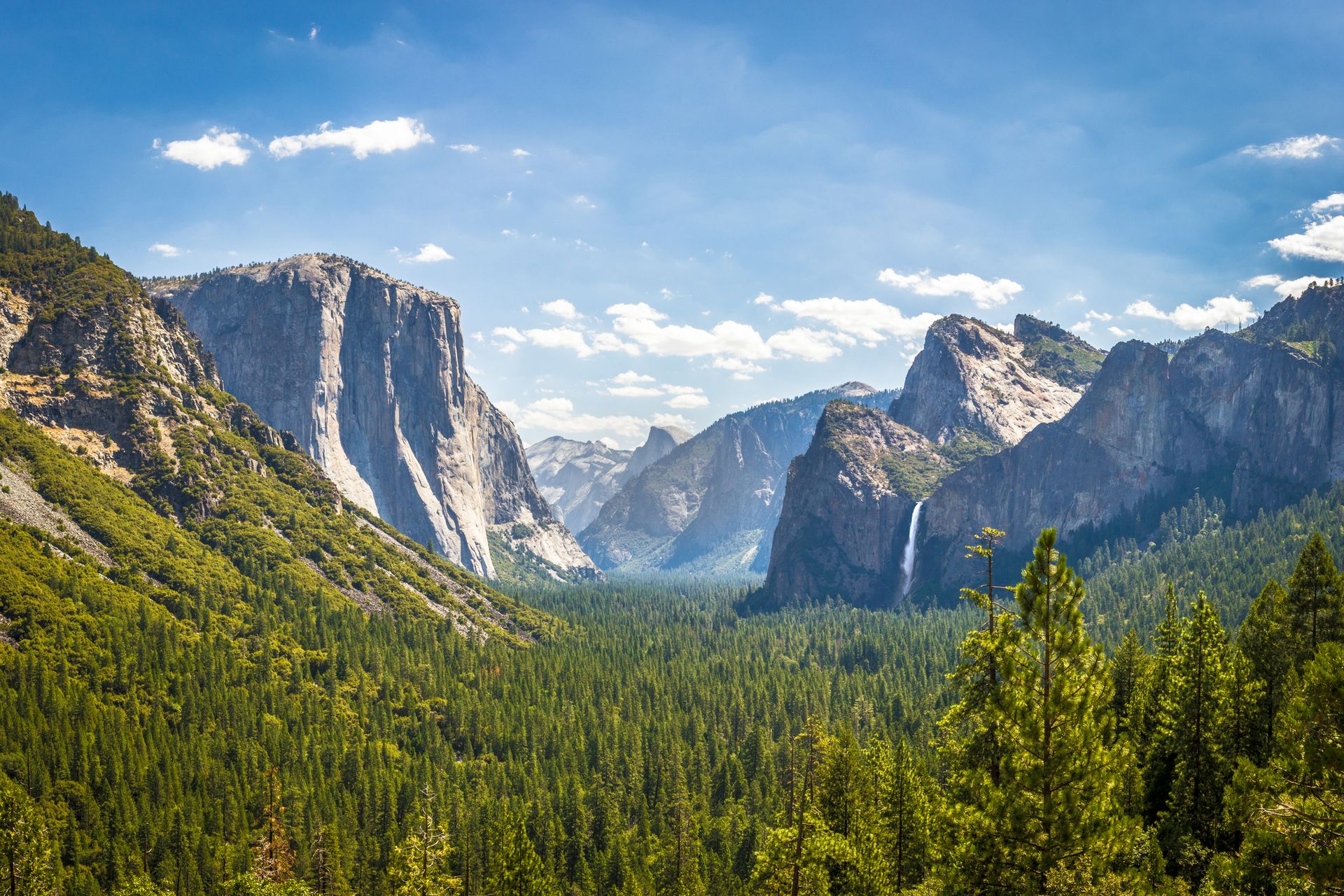
Yosemite National Park offers more than 750 miles of hiking trails across a landscape that encompasses some of the world's most recognized natural landmarks within a relatively compact area. Half Dome and El Capitan, both vertical granite formations at the eastern and western ends of Yosemite Valley, define the park’s visual identity and draw climbers and hikers from every continent. Tunnel View and Valley View are the two primary overlooks where the full sweep of the valley — the meadow floor, the waterfalls, the granite walls — opens up in a single composition that has defined landscape photography in North America for over a century.
The sequoia groves distributed across the park’s southern and western areas add a scale encounter that the granite valley does not provide. Mariposa Grove, the largest of Yosemite’s sequoia groves, holds trees of a size that photographs consistently undersell. The sequoia’s diameter at the base, visible when standing beside one, is the feature that most visitors find most surprising relative to what they expected.
The waterfalls that drain the surrounding high country into Yosemite Valley are at their most powerful in late spring, when snowmelt reaches its peak. The 750-plus miles of trails give visitors access to the high country above the valley, where the trail network reaches lakes, passes, and ridge views that the road-accessible valley floor cannot provide. Yosemite National Park’s approximately 170-mile proximity to San Francisco makes it one of the most visited parks in the U.S. system, and the advance reservation system that manages entry volume during peak season reflects how high the demand has grown. Visiting outside peak summer weekends remains the most reliable way to experience the park without the congestion that its fame generates. Yosemite Valley’s timed-entry reservation system during peak season reflects the challenge of managing access to a landscape whose scale cannot expand to meet demand.
Gary Yeowell / Getty Images
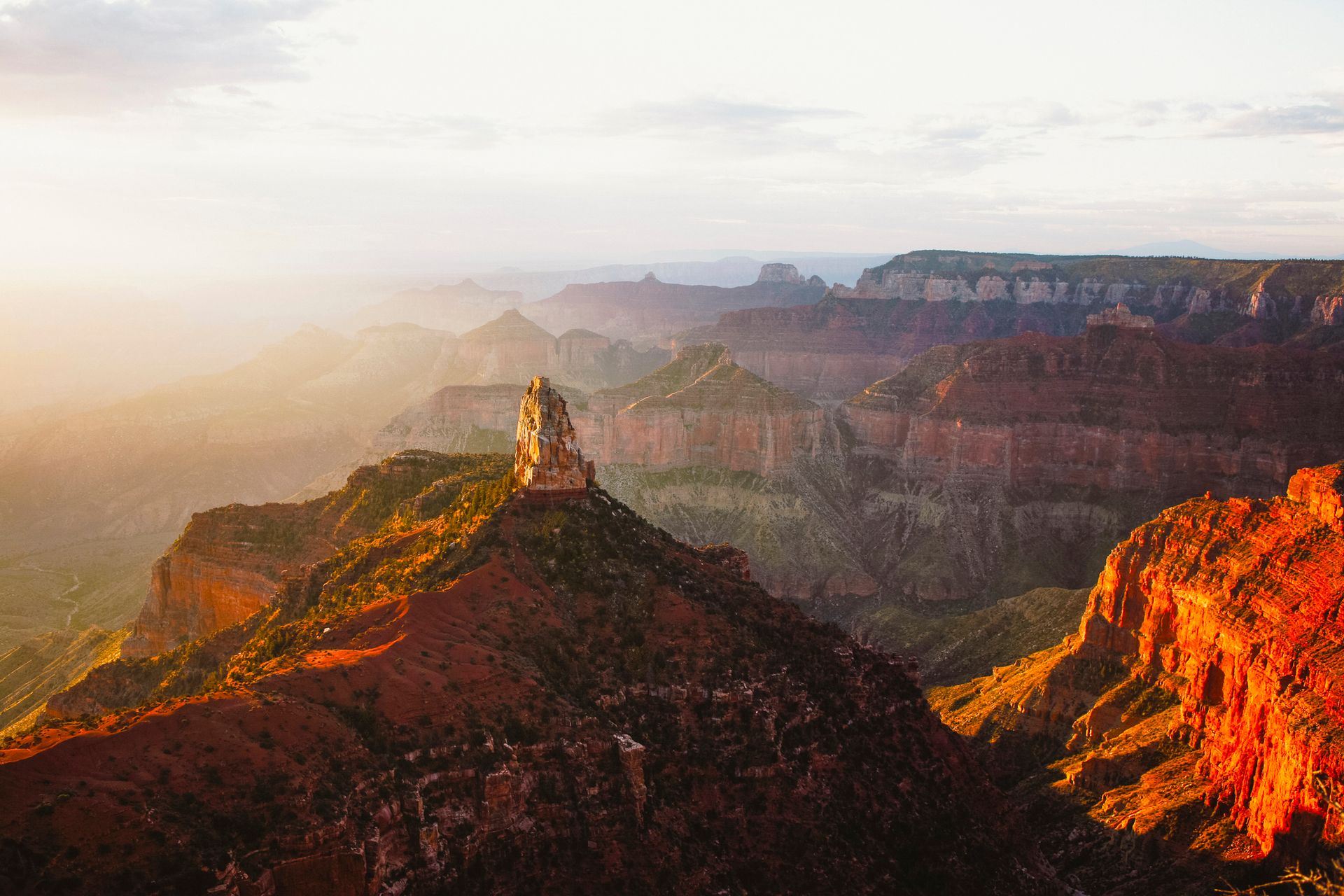
The Grand Canyon in Arizona delivers its impact through scale that photographs prepare visitors for in concept but not in experience. The canyon’s shifting colors across the day, the depth of the gorge relative to the rim where most visitors stand, and the layered rock formations that represent nearly two billion years of geological history together produce an encounter that the source describes as guaranteed to leave visitors breathless, regardless of how many images they have seen beforehand. The three modes of experiencing the canyon — helicopter flights over the rim, river rafting down the Colorado through the canyon floor, and hiking on the canyon’s trails — each provide a fundamentally different physical relationship with the same geological feature.
The South Rim is the most visited section of the park and carries the congestion that major park destinations accumulate during peak season. The source recommends the North Rim as an alternative for travelers who want to avoid the heaviest crowds. The source describes Bright Angel Point Trail on the North Rim as quick but captivating, and the Widforss Trail offers a longer alternative with canyon views and ponderosa pine forest on the North Rim plateau at a higher elevation.
The Colorado River rafting experience offers a bottom-up perspective of the canyon that rim hiking cannot replicate. From the river, the canyon walls rise approximately a mile above the water, and the geological layers that appear as colored bands from the rim become distinct rock formations at close range. The helicopter option offers a different perspective. The canyon’s width and branching side canyon structure become apparent from the air in a way that rim viewing obscures. The Grand Canyon’s three experiential modes, North Rim alternative access, and the sheer geological spectacle give it a visitor experience that justifies its high position among the world's top national parks.
Jianmei Wang / Getty Images
Tanzania’s Serengeti National Park is the annual setting for the Great Migration, one of the largest wildlife movements on Earth, in which roughly two million wildebeests travel across the park alongside hundreds of thousands of zebras and gazelles in search of food and breeding grounds. The timing of the migration varies with conditions, making it difficult to predict exactly when the crossing will occur in any given year. The source acknowledges the timing uncertainty as a planning challenge for travelers who want to witness the event directly. The source recommends a traditional safari as the fallback for those who cannot align their visit with the migration timing.
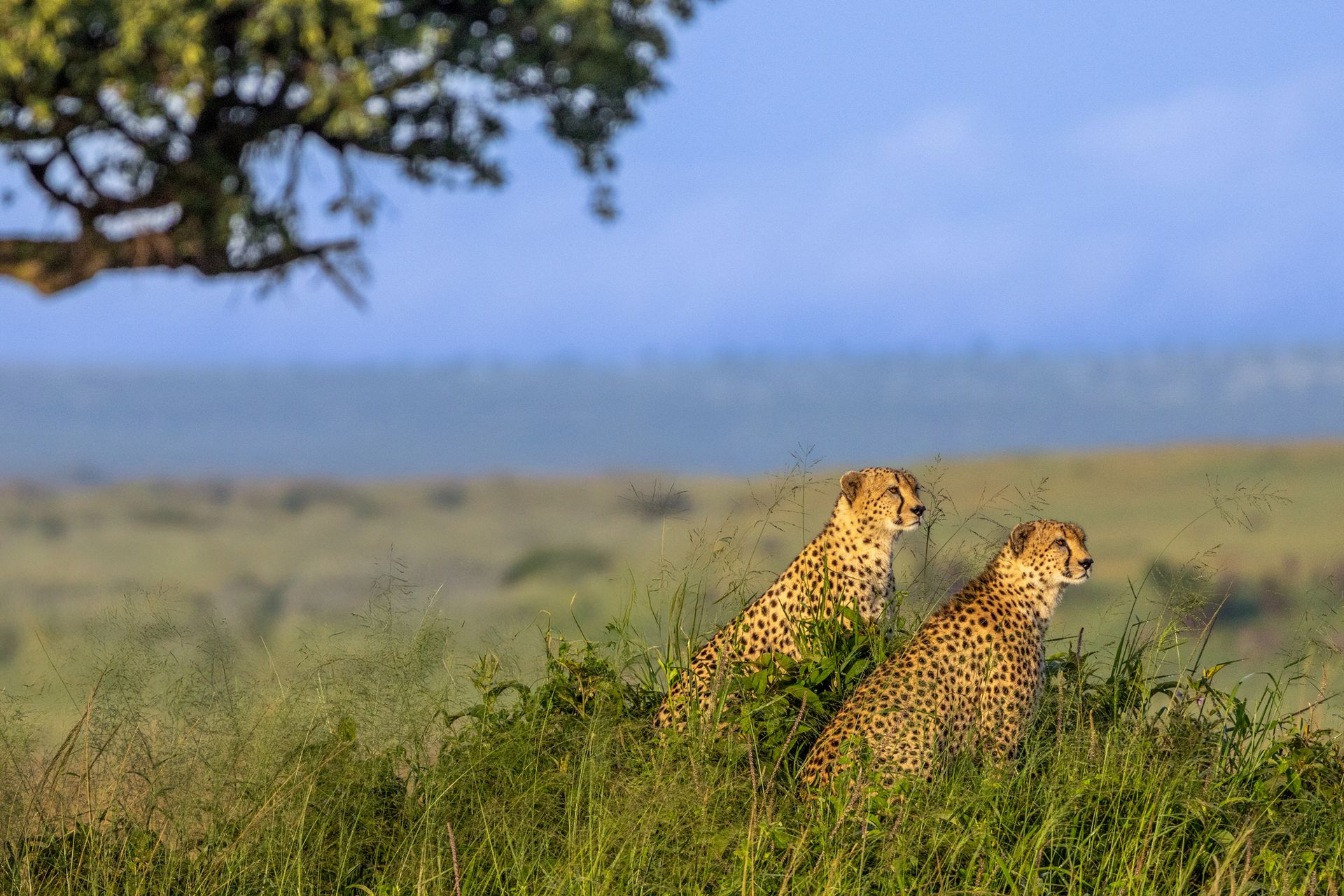
The non-migration wildlife experience in the Serengeti is substantial on its own. The park supports the Big Five — leopards, lions, elephants, buffaloes, and rhinoceroses — across its landscape, giving safari visitors the full range of Africa’s most sought-after wildlife in a single destination. The Serengeti’s vast grassland landscape, which extends across approximately 5,700 square miles, gives wildlife the space to roam, making it easier to spot and observe animals from safari vehicles than in denser vegetation.
The Serengeti’s position as the African park most closely associated with the Great Migration gives it a specific event-driven appeal that no other park on this list can claim. Travelers $TRV who time their visit to witness the wildebeest river crossing — where the herds enter the water and crocodiles wait — encounter one of the most dramatic wildlife events that nature produces anywhere on the planet. The migration spectacle, year-round access to the Big Five, and the Serengeti’s iconic open grassland landscape together make it the strongest wildlife destination on this list. For travelers who miss the migration, the Serengeti’s permanent lion prides and elephant populations ensure that a safari at any time of year produces wildlife encounters of a quality that few parks on this list approach.
Chadchai Ra-ngubpai / Getty Images
Khao Sok National Park in the Surat Thani province of southern Thailand is home to one of the oldest rainforests in the world, a distinction that gives it ecological significance beyond its visual appeal. The park’s biodiversity reaches a documented density of more than 200 plant species per 2.5 acres, a concentration that reflects the rainforest’s antiquity and the conditions that allow species accumulation over geological timescales that younger ecosystems have not yet reached. Some of the wildlife species within the park are endangered, giving visitors the chance to encounter animals under pressure elsewhere in their range.
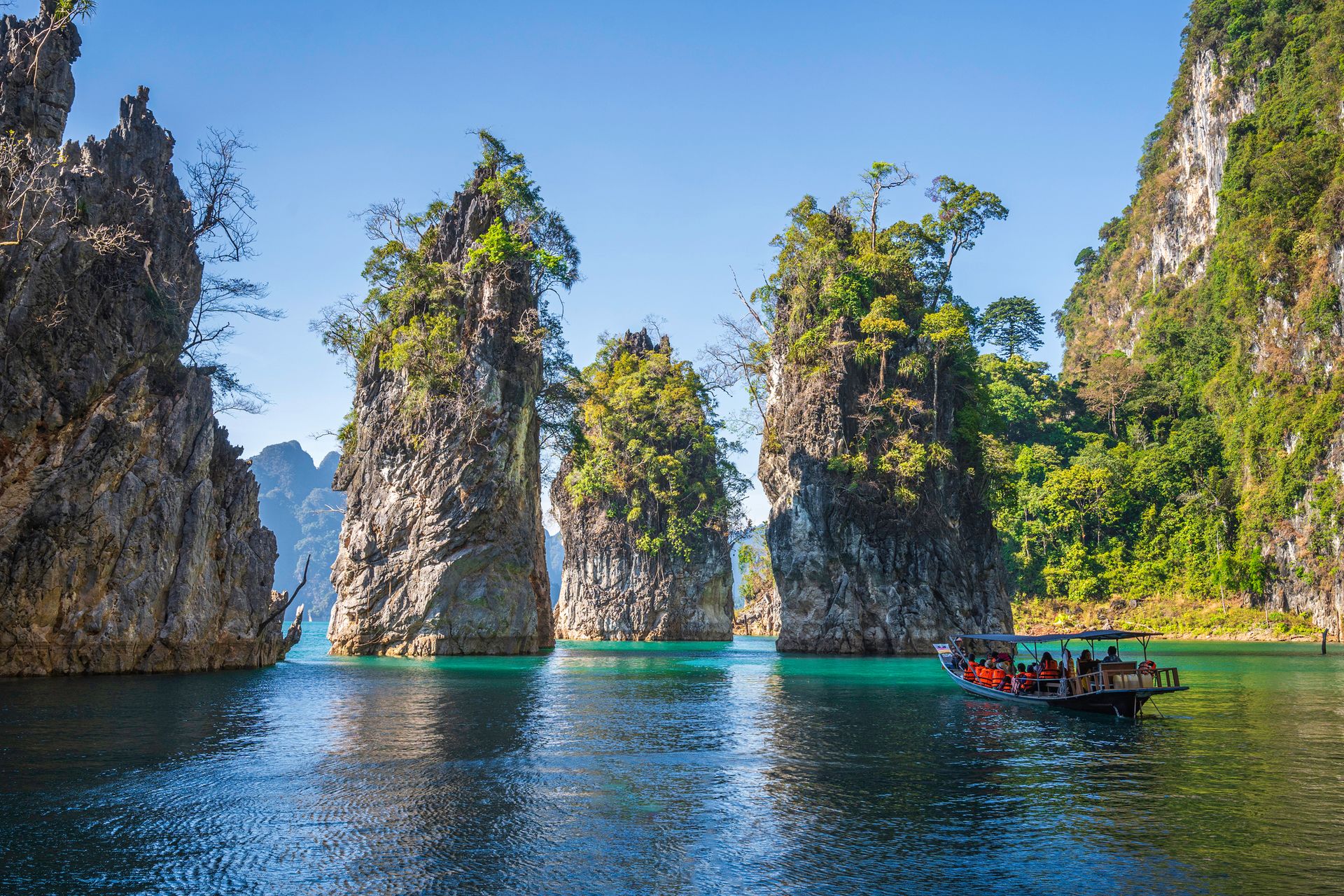
The park’s terrain combines rainforest with waterfalls, caves, and rock formations, offering a variety of natural features beyond any single landscape type. Cheow Larn Lake, a reservoir surrounded by karst limestone formations and jungle, offers boat tours through scenery that combines the vertical rock geology with the still water and dense green vegetation in a way that photographs well but feels different at water level. The Sok River provides canoeing access through the park’s river corridor.
Close-up elephant encounters are available within the park, giving visitors a wildlife interaction that complements the passive wildlife observation of a standard jungle trek. Ancient forest ecology, documented biodiversity density, karst lake scenery, cave exploration, and active river and wildlife experiences together give Khao Sok a breadth of visitor content that Thailand’s more famous beach and temple destinations do not approach. Travelers $TRV who include Khao Sok in a Thailand itinerary typically come away from the trip treating it as the trip’s most unexpected and memorable destination. The accessible base in Surat Thani province, the boat tours on Cheow Larn Lake, and the guided jungle treks through the ancient forest together offer a variety of activities that reward longer stays without requiring advanced fitness or specialized equipment. Khao Sok’s accessible location within Thailand's tourism infrastructure also makes it far easier to reach than its remote jungle setting might suggest.
Francesco Riccardo Iacomino / Getty Images
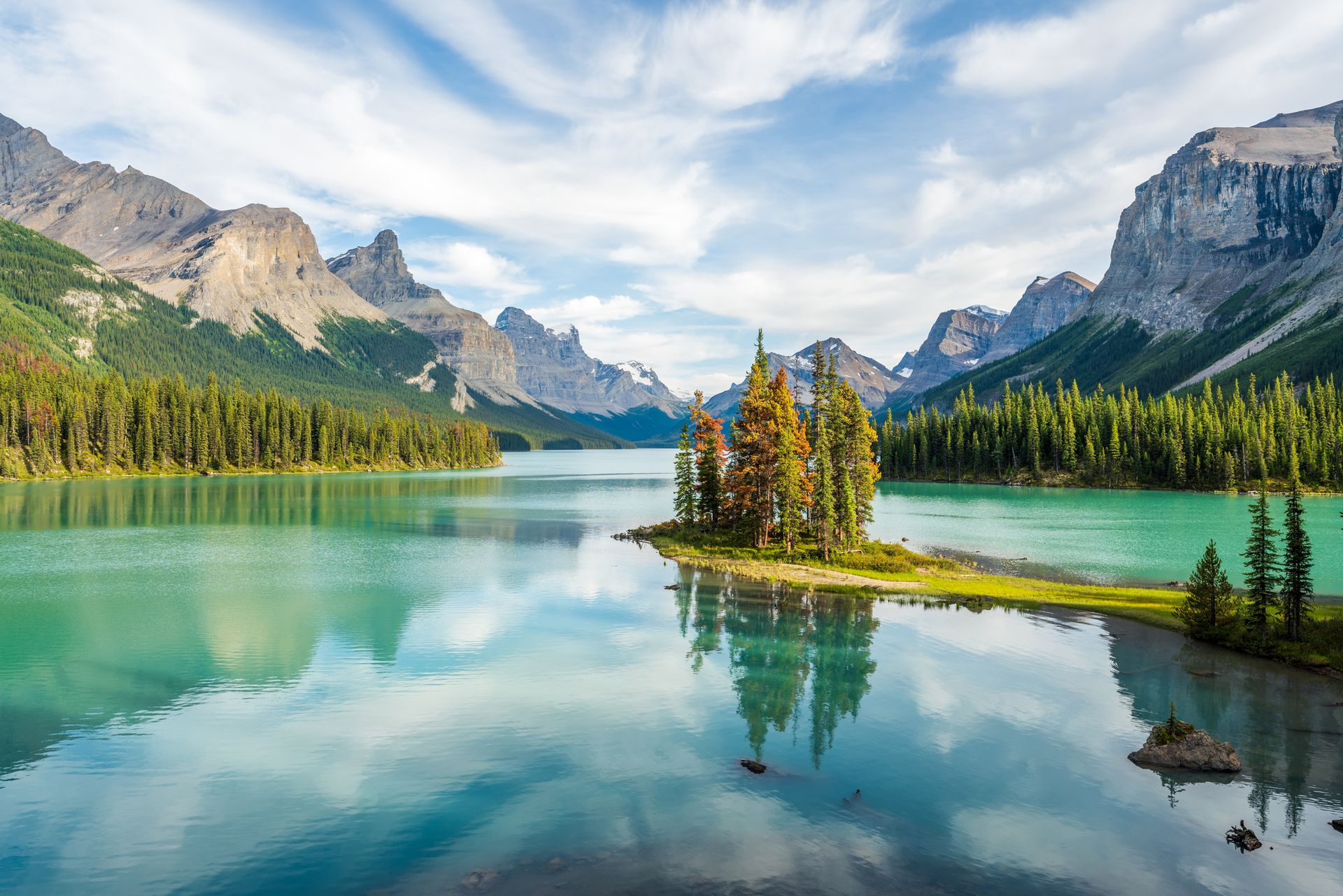
Jasper National Park in Alberta holds the designation as the second-largest dark sky preserve in the world, offering a night experience that few protected areas of comparable accessibility can match. The park’s scale — it is the largest national park in the Canadian Rockies — and its distance from major urban light sources combine to produce night sky conditions where the Milky Way is visible to the naked eye on clear nights throughout the year. The source specifically recommends stargazing as an activity that every visitor should make time for, regardless of the season or the other activities they plan.
The seasonal activity range is broad. Summer brings hiking, biking, and boating across the park’s mountain terrain, and the rushing waterfalls that appear in spring with snowmelt offer a visual reward of their own for that shoulder season. Fall conditions suit camping, and winter opens ice climbing, snowshoeing, and cross-country skiing. The year-round accessibility across different activity types gives Jasper a visitor profile that rewards repeat visits in different seasons.
The source notes that portions of the park remain closed as of the time of listing due to a 2024 wildfire, and recommends verifying current conditions before planning a visit. The wildfire impact is a reminder that even the most celebrated parks exist within dynamic natural systems where conditions change. The dark-sky preserve designation, the largest Canadian Rockies park footprint, the variety of year-round activities, and the spring wildlife-viewing opportunities together give Jasper a multi-season appeal that few parks on this list match in the same form. Visitors willing to check current conditions and plan accordingly will find the park’s accessible grandeur worth the additional preparation. The dark-sky preserve designation also gives Jasper a night experience that visitors to Banff and Glacier — both outstanding parks — cannot replicate, making it the strongest choice on this list for travelers who want to spend a night under an undimmed sky.
Larisa Blinova / Getty Images
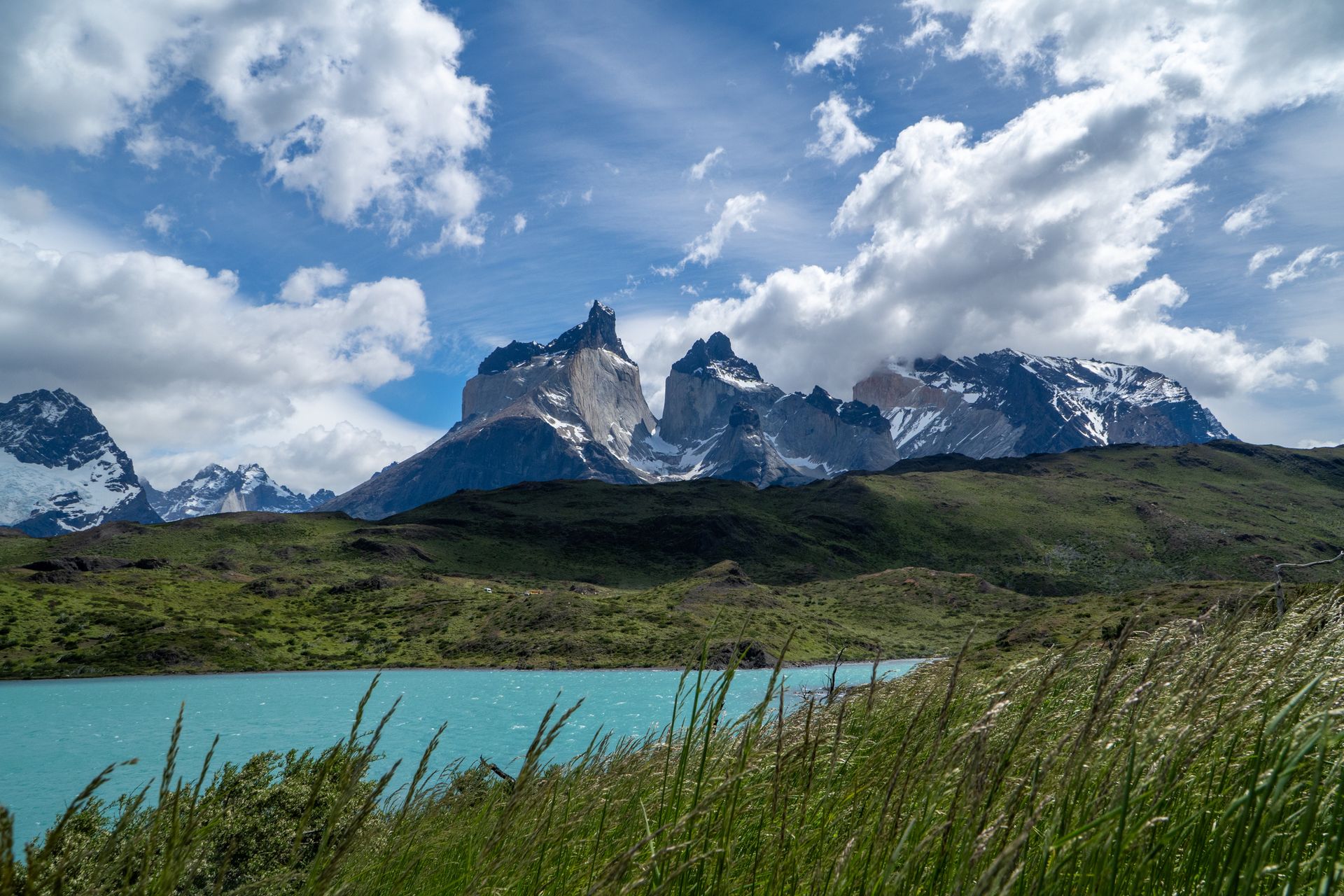
Torres del Paine National Park in Chilean Patagonia covers more than 448,000 acres of a landscape that the source describes as anchored by its most famous geological feature: the Cuernos del Paine, a set of granite peaks whose jagged profiles rise above the surrounding plateau in a silhouette that has defined the visual identity of Patagonia travel for decades. Grey Glacier, within the park’s boundaries, extends from the Southern Patagonian Ice Field down to a glacial lake where floating icebergs provide scale reference for the ice mass above. The park’s wildlife — penguins, pumas, and whales among the species the source identifies — adds a fauna dimension to a destination primarily known for its geological and glacial scenery.
Torres del Paine’s hiking infrastructure is organized around two established multi-day routes. The W Trek traverses the park's most iconic viewpoints over several days, including the glacier lake, the Valle del Francés, and the base of the Torres del Paine towers. The O Circuit extends the W Trek into a full loop around the Paine Massif, adding additional days and less-visited terrain. The source recommends professional guides for both routes, given the remote conditions and variable Patagonian weather.
The park’s distance from major population centers means reaching Torres del Paine requires significant travel investment, which filters the visitor population toward travelers who have specifically sought out the destination. The result is a park that, despite its international fame, still offers a genuine sense of remoteness that the more accessible parks on this list cannot replicate. The granite peaks, the glacier, the multi-day hiking culture, and the Patagonian pumas visible to patient observers give Torres del Paine the most distinctive landscape character of any park on this list. The pumas that patrol the park’s lower terrain add a wildlife encounter that few hiking destinations anywhere in the world provide on the same trail system as glacier and granite peak scenery.
Ratnakorn Piyasirisorost / Getty Images
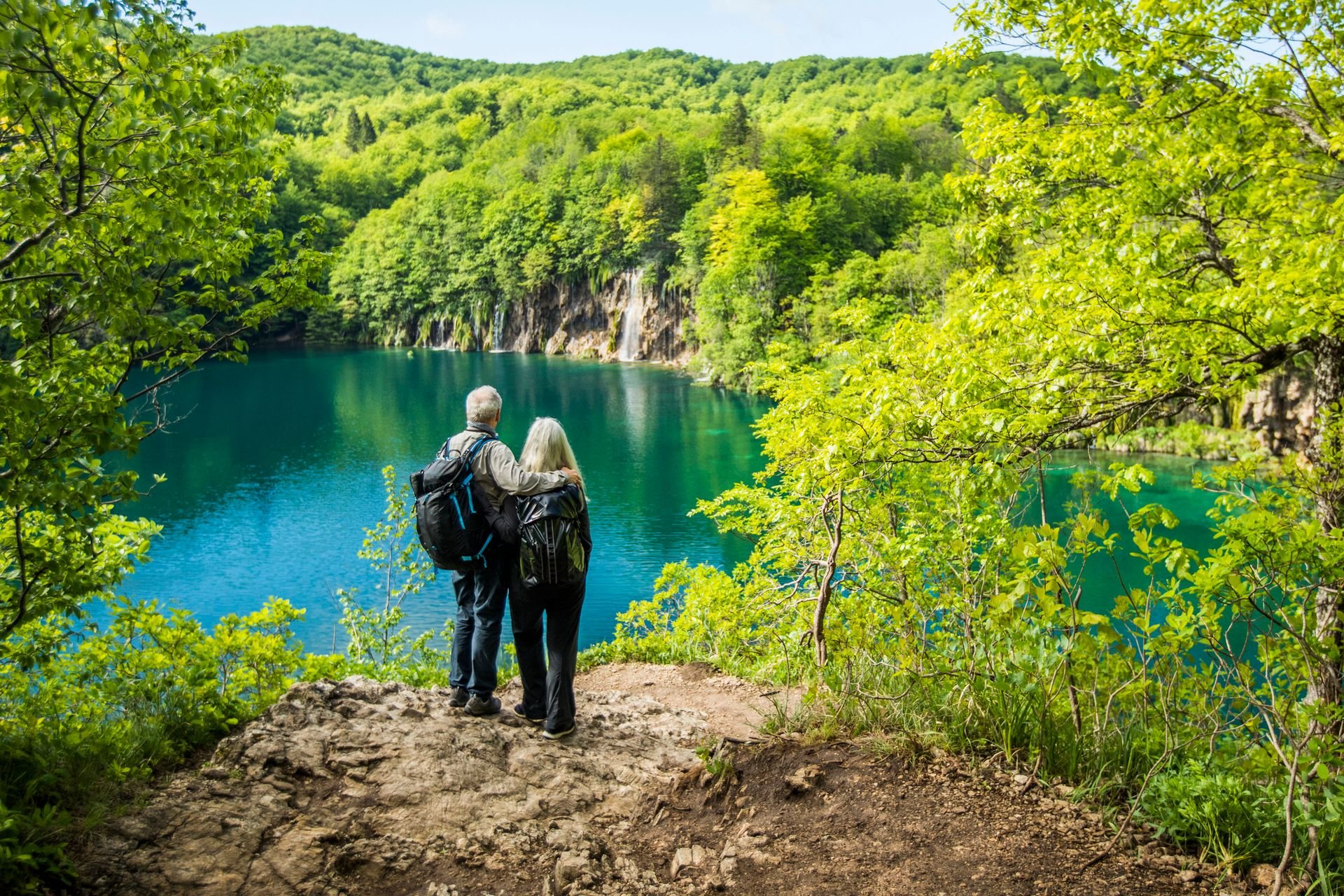
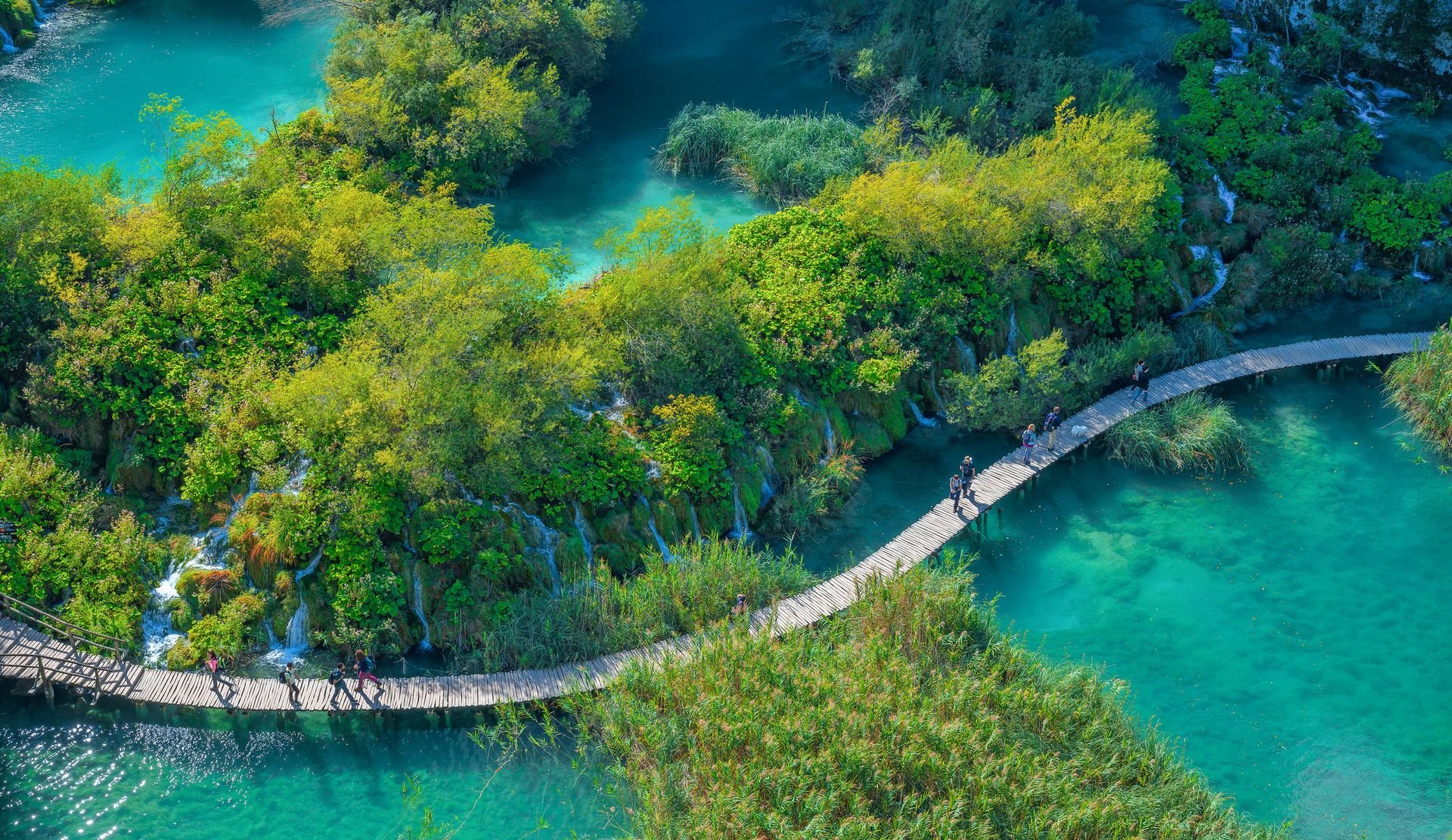
Plitvice Lakes National Park in Croatia is the country’s oldest and largest national park, a UNESCO World Heritage Site situated between the Mala Kapela and Licka Plješivica mountains. The park’s defining feature is its system of more than 16 cascading lakes connected by waterfalls, where the water moves from higher to lower lakes across a series of natural limestone dams called tufa barriers. The electric boats and panoramic train rides that transport visitors through the park are included in the admission price without separate charges, an unusual policy that gives visitors full access to the park’s transportation infrastructure as part of the standard entry.
The outdoor activities span multiple seasons. Summer brings rowing on Kozjak, the park’s largest lake, while winter turns the park into a ski and sledding destination at the nearby Mukinje Ski Resort. The seasonal variety gives Plitvice Lakes a year-round appeal that pure summer parks lack. The winter version of the park — with the waterfalls partially frozen and fewer visitors — is a different experience from the peak-season crowds that the UNESCO designation and the cascading lake scenery attract during summer months.
The Licka Kuca Restaurant on the park grounds offers traditional Croatian cuisine after a day of exploring the lake system, giving visitors a culinary endpoint that reflects the local food culture of the Lika region. The cascading UNESCO lake system, the included boat and train access, the year-round recreational variety, and the on-site traditional restaurant together offer a visitor experience that European parks of comparable scenic quality rarely deliver in a single location. Visitors who expect a standard nature walk will find the park’s scale and the quality of its infrastructure considerably beyond what they anticipated. The park’s UNESCO World Heritage status also ensures that the limestone lake system it protects will continue to evolve naturally without the developmental pressures that have altered comparable freshwater landscapes elsewhere in Central Europe.
