Klara Kulikova / Unsplash
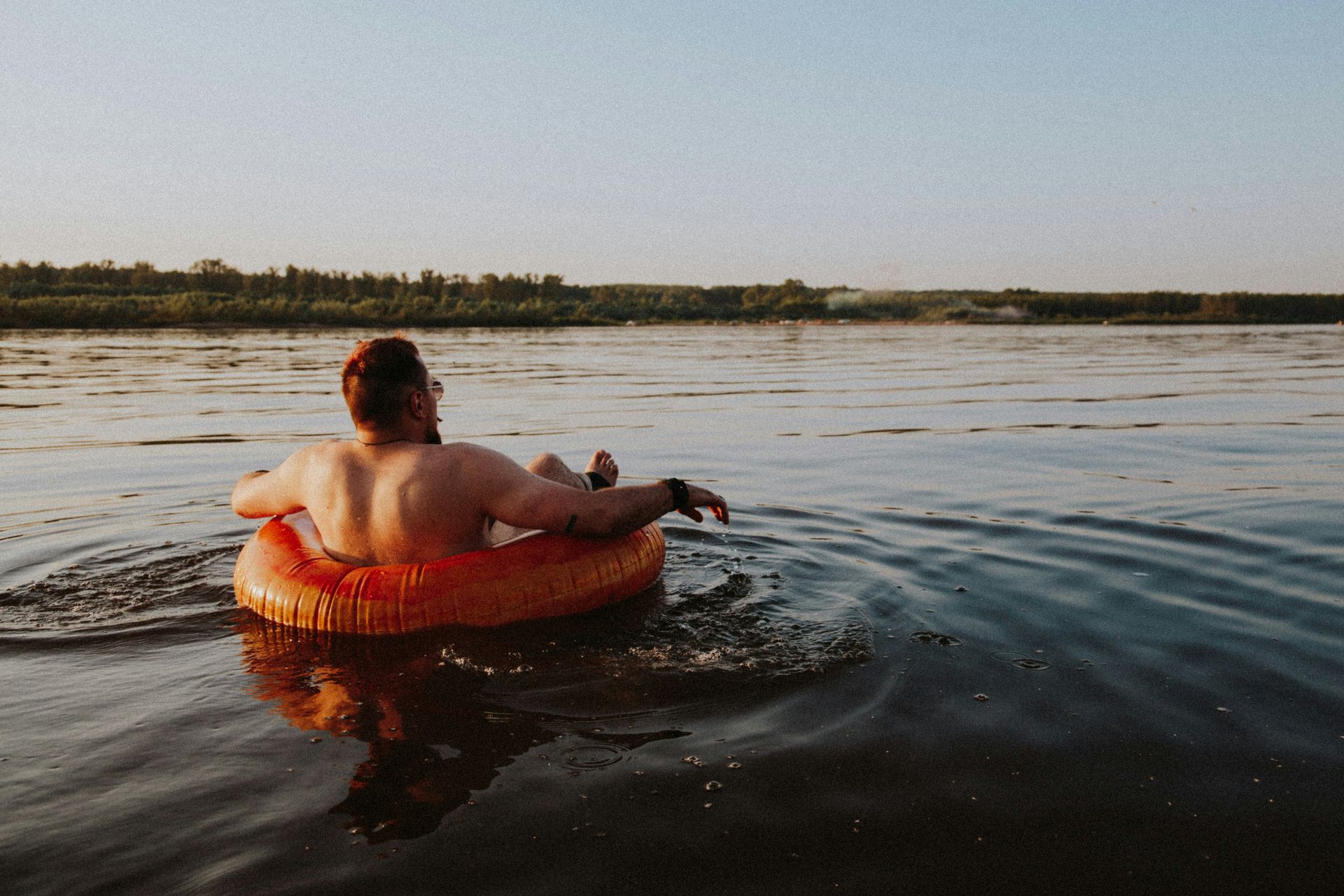
The water park lazy river is a controlled, recirculating approximation of the experience the natural version delivers, with substantially more scenery, substantially fewer children screaming, and the specific pleasure of a current that goes somewhere, not looping back to where it started. A natural lazy river is a stretch of river slow enough to float without a paddle, interesting enough to float without boredom, and accessible enough to float with a rented inner tube and a shuttle back to the parking lot. The combination exists at dozens of rivers across the country, and the summer calendar gives most of them their best conditions: warm enough air, high enough flow, and the long daylight hours that turn a three-hour float into an afternoon with time left for a restaurant and a drive back before dark.
The geography of natural lazy river tubing reflects the geography of the rivers themselves. The spring-fed rivers of Central Florida stay 72 degrees year-round and push a steady current through ancient cypress forests regardless of recent rainfall. The mountain rivers of North Carolina, Oregon, and Montana run fast and cold in early summer, when snowmelt feeds them, and slow to a lazy-river pace by July and August. The rivers that run through cities, like Richmond’s James River and Reno’s Truckee, give the urban resident a float that requires no drive to a national park or a mountain resort.
The 10 rivers below appear in Travel + Leisure, drawn from a larger list of natural lazy rivers across the country, each with outfitter rental access and shuttle service that makes the logistics as easy as the float itself. The selection covers every major region of the country, giving the summer traveler a natural lazy river within a reasonable drive of almost any starting point.
1 / 10
systemslibrarian / Wikimedia Commons (CC BY 2.0)
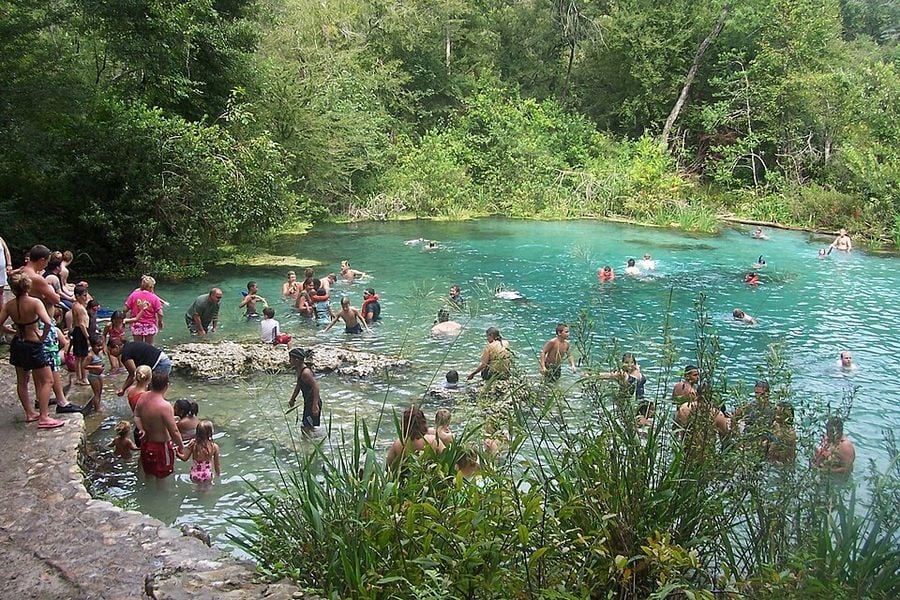
The Ichetucknee River at Ichetucknee Springs State Park near Fort White in north-central Florida is the platonic version of the natural lazy river: a spring-fed, crystal-clear waterway that maintains a consistent 72 degrees Fahrenheit year-round, runs a gentle current through a landscape of ancient cypress trees, sunning turtles, and wading birds, and has an on-site outfitter that rents tubes and runs a tram back to the parking lot when the float is done. The spring-fed consistency of the current and the temperature mean that the Ichetucknee is the same river in July as it is in October, with none of the flow variability that rainfall-dependent rivers produce across the seasons.
The float takes between 45 minutes and two hours, depending on which access point the visitor uses and how often they stop to watch the wildlife in the river corridor. The bird-watching alone, with herons, egrets, and anhingas visible throughout the float in numbers specific to the undisturbed, spring-fed river environment, gives the Ichetucknee a natural history program alongside its recreational one. The clear water, produced by the filtration of the Floridan Aquifer through layers of limestone before it emerges at the springs, provides visibility down to the sandy river bottom throughout the float and makes aquatic vegetation, turtles, and fish visible without needing to get out of the tube.
The state park setting gives Ichetucknee its logistical completeness: the entry fee covers access to the springs and the trail system, the outfitter rental is on-site, and the tram service eliminates the car shuttle logistics that many natural river floats require. The park limits daily visitor numbers to protect the river ecosystem, which makes advance planning necessary for peak summer weekends but also means the river itself is never overwhelmed by the volume of traffic that unlimited access would generate. The Ichetucknee’s headspring area, accessible by a short walk from the park entrance, gives visitors the clearest possible view of the water’s origin: a large pool of impossibly clear blue water whose depth and clarity demonstrate why this aquifer-fed system is one of Florida’s most treasured natural resources.
2 / 10
anoldent / Wikimedia Commons (CC BY 2.0)
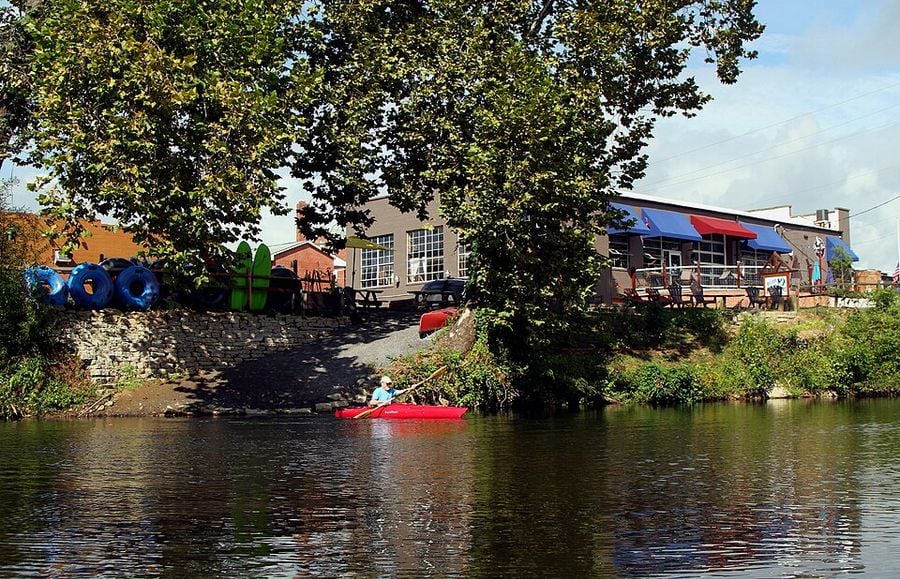
The Pigeon River in Haywood County in western North Carolina gives the Appalachian mountain tubing experience its most family-accessible version: the gentle currents and mild rapids of the roughly two-hour float make it a consistent recommendation for first-time tube riders and families with younger children, and the mountain scenery that surrounds the river gives the float a visual setting specific to the headwater county geography that produces some of the most concentrated high-country scenery in the eastern United States. Haywood County is one of only a few designated headwater counties in the country, meaning the rivers that flow through it originate there, giving the water a clarity and temperature specific to high-elevation mountain sources.
Cold Mountain Tubing, the outfitter that serves the Pigeon River run, rents tubes and manages the logistics of the float in a format that requires minimal planning from the visitor: show up, rent a tube, and let the current carry the afternoon. The few mild rapids along the route offer the float its only moments of active engagement with the water, bookending the longer, calmer stretches that define the lazy river character of the run. The swimming holes along the route give floaters places to pull over and spend additional time in the water without committing to staying in the tube for the full float.
The town of Waynesville, the county seat of Haywood County, provides the area surrounding the river float with its most complete post-float program: the historic downtown, with its independent restaurants and galleries, is within easy driving distance of the river and offers the afternoon a social and cultural conclusion beyond the river itself. The proximity of Great Smoky Mountains National Park, with its own extensive trail system and waterfall access, makes the Pigeon River area a full multi-day destination, not a single-activity stop. Little Arrow Outdoor Resort, whose tiny homes and cabins sit near the river, offers overnight visitors characterful accommodations specific to the mountain outdoor culture that defines the Townsend area’s appeal as an alternative to the more crowded Gatlinburg end of the park.
3 / 10
Credit: Official Adirondack Region Website
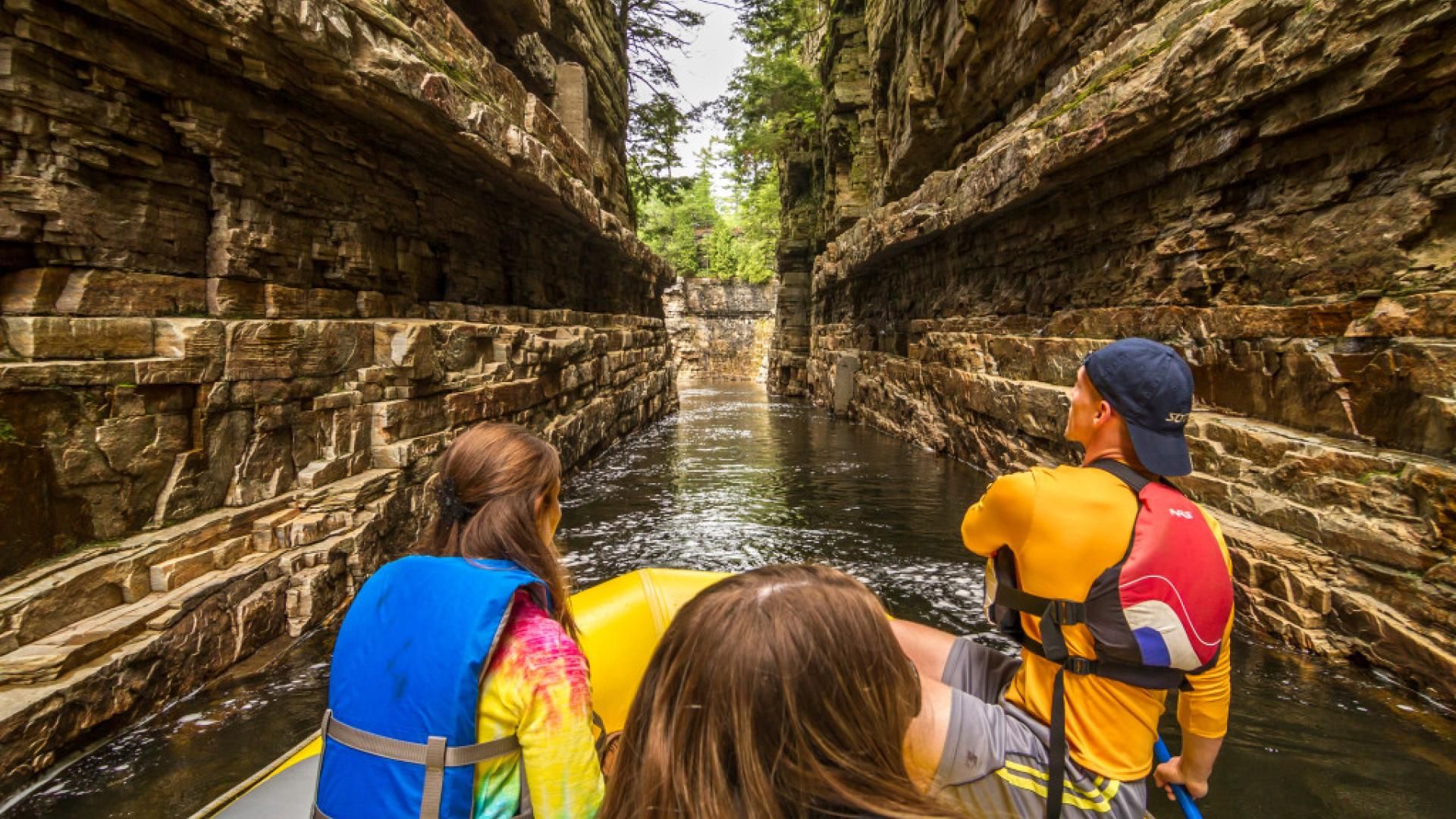
Ausable Chasm in the Adirondack region of New York State has been drawing visitors since 1870, making it one of the oldest natural attractions in North America, and the tubing run that sends riders through the narrow gorge carved by the Ausable River through the sandstone is the most specific experience the site offers: the chasm walls rise on both sides as the tube moves through, giving the float an enclosed, dramatic quality that no open-valley river can produce. The gorge has been described as the Grand Canyon of the Adirondacks, and the scale of the sandstone walls above the waterline gives the name a visual justification specific to this geology.
The run takes between 30 minutes and an hour, depending on the water flow at the time of the visit, which reflects the rainfall-dependence of the Ausable’s current in a way that the spring-fed Florida rivers do not experience. The age restriction of eight and older reflects the physical character of the run through the chasm, which involves some turbulence specific to the narrowing of the river as it passes through the gorge. The scenic overlooks, waterfalls, and hiking trails that the site also offers give the chasm visit a program beyond the tube run for visitors who want to see the gorge from above as well as through it.
The Adirondack setting gives the Ausable Chasm visit its most expansive geographic context: the park that surrounds the chasm is the largest protected area in the contiguous United States, larger than several eastern states, and the lake and mountain terrain accessible from the area gives the float a logical starting point for a broader Adirondack adventure. The chasm’s ancient geological drama and easily accessible tubing give it a specific place in the natural attractions of the Northeast, and the historic nature of the site, which has been operating as a visitor attraction continuously since 1870, gives it a heritage dimension that newer outdoor destinations cannot claim in the same terms.
4 / 10
Manny Becerra / Unsplash
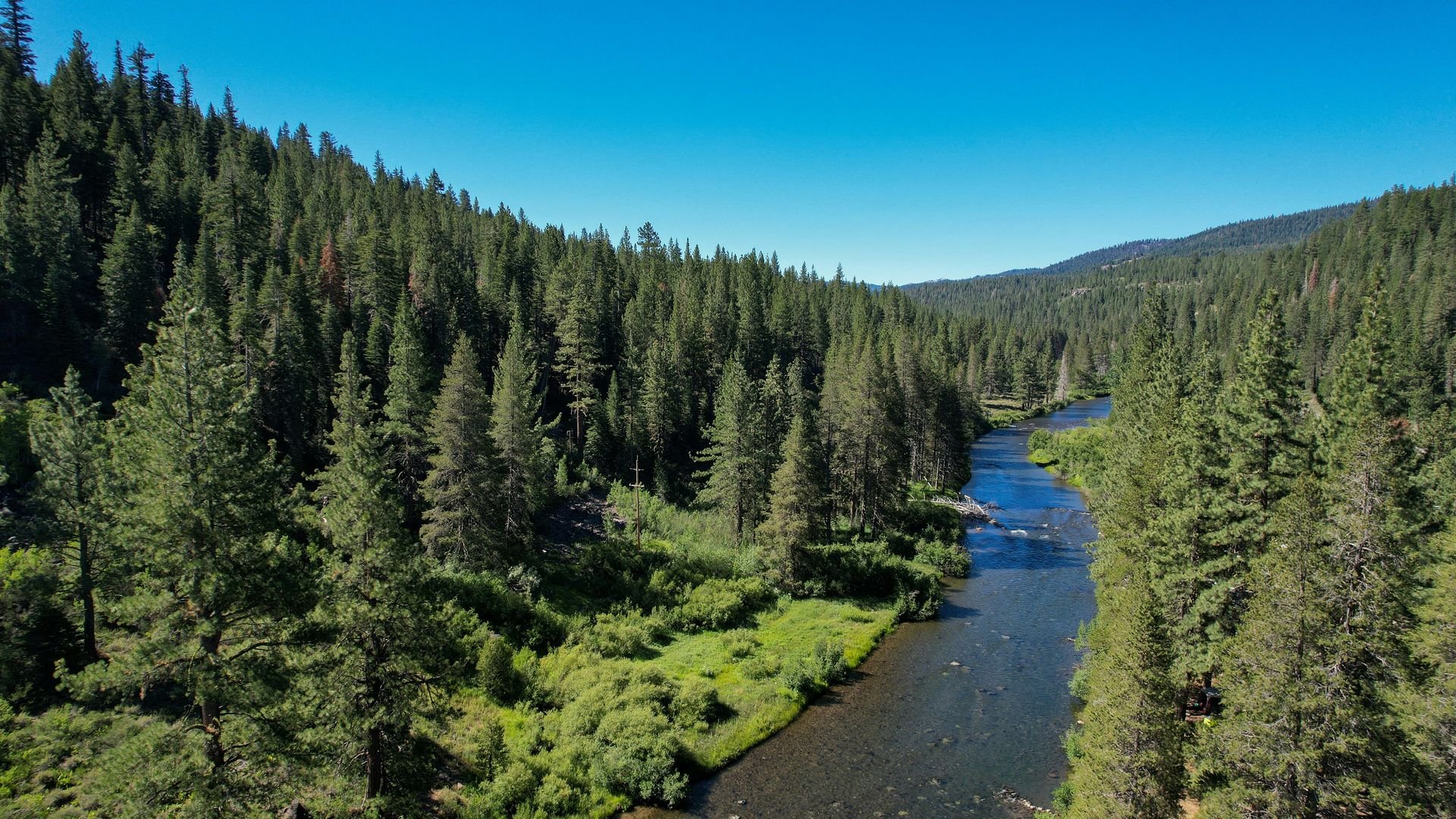
The Truckee River through downtown Reno is the most urban float on this list and also one of the most logistically convenient: the put-in at Mayberry Park is four miles west of the city, the float carries riders through Idlewild and Wingfield Parks in the heart of downtown, and the container bar at The Eddy gives the route a mid-float refreshment stop that the wilderness rivers do not provide. The surreal quality of floating through a downtown on an inner tube, with the city’s buildings visible above the riverbank trees, is itself the specific appeal of the Truckee run: it is the urban river float done with the commercial and social infrastructure that downtown Reno’s riverfront has developed around the experience.
The Whitewater Park at Wingfield Park offers the more active visitor a second option alongside the lazy river stretch: 11 drop pools that provide kayakers and advanced paddlers with a technical water challenge within the same downtown riverfront footprint. Sierra Adventures rents tubes and kayaks for both the lazy river and the whitewater options, which gives the Truckee a range of difficulty available in the same afternoon from the same outfitter and the same stretch of river.
The practical appeal of the Truckee float for visitors staying in Reno or the broader Tahoe-Reno corridor is significant: the river is accessible without a multi-hour drive to a mountain recreation area, the float takes a few hours, and the downtown restaurant and hotel infrastructure gives the afternoon a full arc from the water to the dinner table. The Sierra Nevada’s proximity provides the Truckee with its source water: the river flows from Lake Tahoe through the mountains and into Reno, where downtown floats, whose origin in one of the world’s most photographed alpine lakes gives it a specific geographic credential. The Reno waterfront’s ongoing development, with new restaurants and outdoor entertainment venues opening along the river corridor, gives the post-float social program an expanding range of options that were not available in earlier iterations of the Truckee River experience.
5 / 10
Credit: Arkansas.com
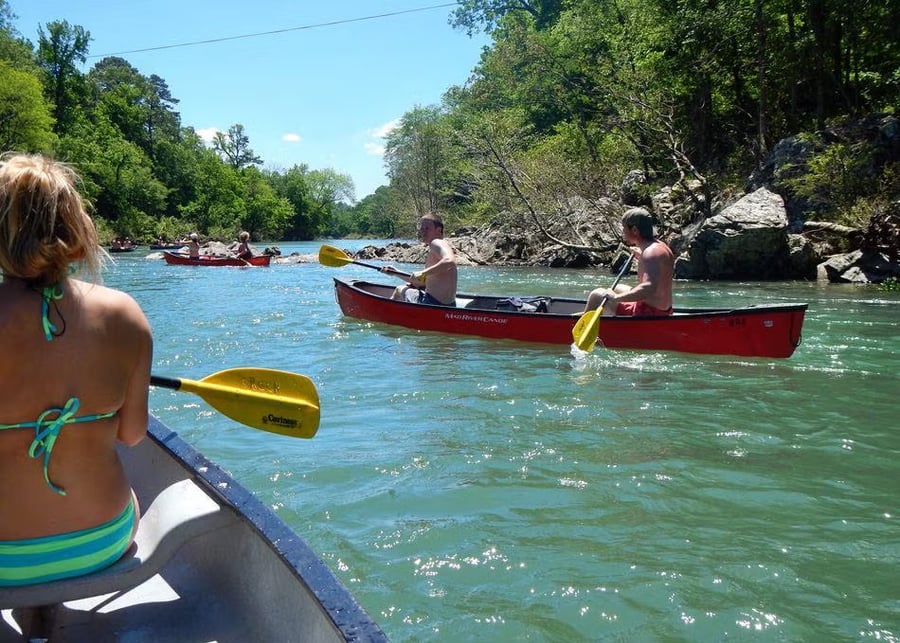
Arkansas is an underrated tubing destination whose most compelling run along the Caddo River near Glenwood offers floaters water clarity and mountain-forested scenery that rival those of the more widely publicized rivers of the Ozarks region. The Caddo originates at cold-water springs high in the Ouachita Mountains, which give the river a temperature and clarity specific to its spring-fed origin, distinguishing it from the warmer, siltier lowland rivers of the Arkansas delta. The river cuts through forested shorelines and past rocky outcroppings in a landscape that the Ouachita National Forest, one of the largest national forests in the South, protects on both sides of the waterway.
Caddo River Camping and Canoe Rental rents tubes and provides shuttle service, covering the logistics that make a natural river float possible without a second vehicle at the takeout. The shuttle system and rental equipment give the Caddo the same logistical simplicity as the most organized river tubing operations in more famous destinations, making the planning process as easy as the float itself. The Caddo River Cabins along the waterway give overnight visitors an accommodation option whose setting, with eagles visible overhead and deer roaming the property and wild blueberries available for picking in June and July, gives the river stay a natural richness specific to the Ouachita Mountain landscape.
The relative obscurity of the Caddo as a tubing destination compared to the Florida springs, the Smokies rivers, and the Ozarks’ more famous Buffalo National River means the crowd density on the Caddo is lower than the most popular Midwest and Southeast river runs, which gives the float a quieter, more specifically natural quality that the high-season crowding of the most popular destinations removes from the experience. The floating season runs through summer and into early fall, when the Ouachita’s hardwood forests begin their color change above the river corridor. The Ouachita National Forest’s hiking trail network, accessible from the same region, gives the Caddo River area a second outdoor program that extends the visit beyond the water for hikers who want to experience the mountain terrain that the river is cutting through.
6 / 10
Michael Rivera / Wikimedia Commons (CC BY-SA 4.0)
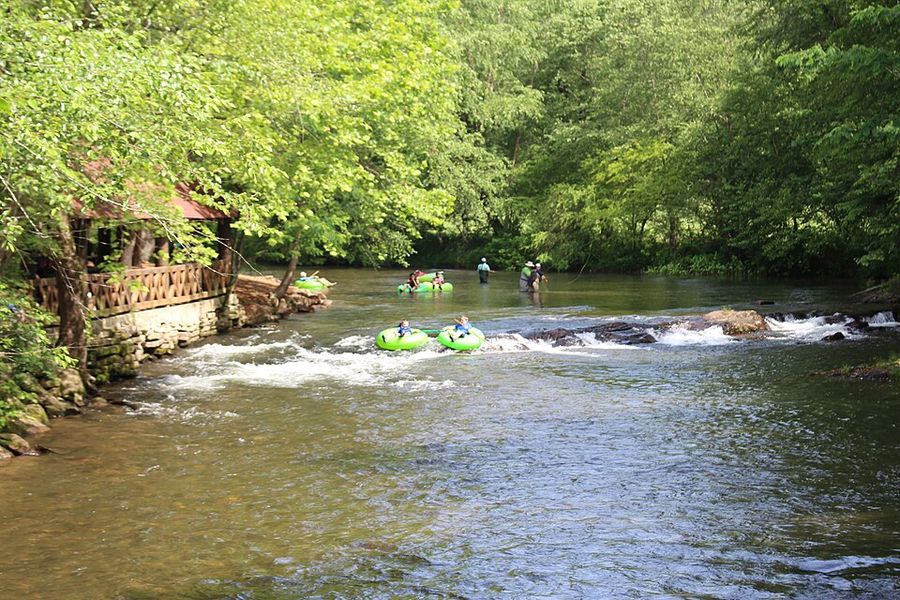
The Chattahoochee River at Roswell, Georgia, gives Atlanta-area residents and visitors the natural lazy river experience within 30 minutes of the city: the Class I rapids of the float through the Chattahoochee River National Recreation Area give the run enough movement to feel like a river and a gentle enough current to keep the experience firmly in the lazy category. The NOC Roswell Outpost within the recreation area rents tubes and shuttles riders to the put-in at Don White Memorial Park, and the three-to-four-hour float through protected parklands to Azalea Park gives the urban river run its most complete natural buffer from the city infrastructure that surrounds the waterway.
The protected status of the river corridor within the national recreation area gives the Chattahoochee float a natural quality that the surrounding suburban development makes specific: the forest and riparian vegetation that the park maintains on the riverbanks create a visual separation from the development that surrounds it, and the wildlife that the protected corridor supports, including river otters, beavers, and the great blue herons that wade the shallows throughout the float, gives the run a natural history dimension that the urban proximity makes unexpected.
The historic Canton Street in Roswell, lined with cafes, restaurants, and independent shops in a walkable downtown setting adjacent to the river area, gives the post-float program its most appealing option: a long afternoon on the water followed by a patio dinner on one of Canton Street’s restaurant terraces gives the day a complete arc that the purely rural river floats, which typically conclude with a drive back to the nearest town, do not provide in the same terms. The Chattahoochee National Recreation Area covers 48 miles of riverfront, giving the more ambitious visitor a range of access points and experiences beyond the Roswell run. The recreation area’s trail network, accessible without a float, gives hikers and trail runners access to the same protected river corridor that the tube run explores from the water, and the bird watching along the Chattahoochee’s riparian forest is productive enough to justify the trip independently of the tubing program.
7 / 10
Credit: Sonoma County Regional Parks
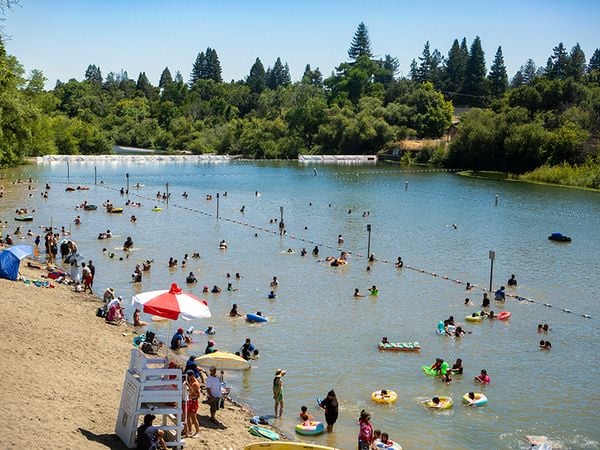
The Russian River in Sonoma County’s wine country gives the Northern California summer the specific outdoor activity that the wine-tasting circuit does not provide: a two-to-four-hour tube ride along a tree-lined stretch between Steelhead Beach and Sunset Beach in Forestville, running through a riparian corridor whose ancient redwood and oak canopy gives the float a visual setting specific to this coastal California river environment. Russian River Tubes and Kayaks rents tubes for the run, and Sonoma County Regional Parks offers shuttle service to the put-in, giving the logistics the same ease as the most organized East Coast and Southeast river runs.
The wine country surrounding the Russian River gives the float a geographic context that few other tubing destinations can claim: the vineyards of the Russian River Valley appellation, whose Pinot Noir is among the most celebrated in the country, are visible from the roads that lead to the river, and the wineries that line the surrounding hills give the visit a program before or after the float that no other natural lazy river in the country can match in the same combined form. Johnson’s Beach in the town of Guerneville and the Main Street restaurant strip give the post-float hour its most concentrated options.
The Russian River’s flow rate varies significantly between the spring snowmelt period, when the river can run too fast for comfortable tubing, and the late summer months, when the flow settles to the lazy pace that the tube rental season is calibrated for. The window from late June through September gives the most reliable lazy river conditions, and the Sonoma County fog that cools the mornings before burning off by midday makes the afternoon float the optimal timing for visitors arriving from the warmer inland areas. The Armstrong Redwoods State Natural Reserve, a few miles from the river in Guerneville, offers the post-float visit to an old-growth coastal redwood forest whose towering trees and cathedral-like atmosphere complement the day's natural pleasures with the river’s more horizontal and social pleasures.
8 / 10
-900x675.jpg)
Robert Ashworth / Wikimedia Commons (CC BY 2.0)
The Deschutes River through Bend, Oregon, gives the Central Oregon city its defining summer social ritual: locals have floated the stretch between Riverbend Park and McKay Park for decades, and the River Shuttle that runs between the put-in and take-out points gives the experience a logistical efficiency that allows riders to make the float multiple times in a single afternoon. Cold, clear water from the volcanic High Cascades, a downtown setting that makes the river accessible without a drive to a wilderness area, and Bend's general outdoor culture give the Deschutes float a character that the more remote natural rivers do not produce in the same social terms.
The brisk temperature of the Deschutes, fed by the cold springs and snowmelt of the High Cascades, gives the float a refreshing quality appropriate to the warm, dry Central Oregon summer afternoons when the ambient temperature can reach the 90s while the river water stays in the 50s and 60s. The wetsuit or dry suit that more dedicated floaters use extends the cold-water float's season, but the peak summer visitor in a swimsuit and inner tube has a genuinely refreshing experience, with a temperature differential from air temperature that is one of the specific pleasures of the run.
The Riverhouse Lodge in Bend, sitting directly on the Deschutes River in the heart of town, offers an overnight accommodation option whose barrel sauna on the riverbank gives the post-float warming experience its most specifically Bend-appropriate form. The broader outdoor program of Central Oregon, including the mountain biking, climbing, and fly fishing that the Deschutes is as famous for as the tube run, gives the river float a first-day activity within a multi-day outdoor destination whose other programs keep the visitor engaged well beyond the afternoon on the water. The Smith Rock State Park, 25 minutes north of Bend, gives the climber and the hiker a second world-class natural destination within a single day’s range of the Deschutes float.
9 / 10
Greyfiveys / Wikimedia Commons (CC BY-SA 4.0)
Richmond, Virginia’s James River is the source of a dual credential: the only place in the United States where Class III and IV whitewater rapids run through an urban setting, and one of the country’s most accessible calm-water tube runs within a city. The Huguenot-to-Reedy route, running six miles from the Huguenot Bridge to Pony Pasture on the calm, flat-water stretches near the city center, offers a half-day or full-day tube float, depending on how often the stops along the route are used. Riverside Outfitters rents tubes and provides shuttle service to the put-in, handling the logistics that turn a section of urban river into a structured recreational experience.
The James River Park System, which covers much of the riverfront through Richmond, gives the river corridor its protected character within the urban fabric: the forest, the rock outcroppings, and the islands accessible from the riverbank give the James a wild quality that the surrounding city’s density does not predict, and the flatwater sections that the tube run uses alternate with the whitewater corridors that kayakers work on separate lines through the same stretch of river. The park system’s trails give non-tubing visitors access to the same riverfront landscape on foot, and the tube rental visitors who stop at the granite islands mid-float to swim and sunbathe give the river its most distinctly Richmond summer social scene.
The restaurant and bar culture of Richmond, consistently recognized as one of the most evolved food cities in the American South, gives the post-float program its most rewarding transition from river to table. The Scott’s Addition neighborhood and the Carytown commercial strip are within easy driving distance of the river’s takeout points, and an afternoon on the James paired with an evening at one of Richmond’s celebrated independent restaurants gives the visit a full-day program that the purely rural and water-only river destinations cannot match in the same comprehensive, city-resourced terms.
10 / 10
-900x675.jpg)
blm_mtdks / Wikimedia Commons (CC0 1.0)
The Blackfoot River near Bonner, Montana, is the river that Norman Maclean’s memoir and Robert Redford’s subsequent film adaptation made into an American literary and cinematic landmark, and floating its banks gives the visitor an encounter with a Montana river landscape that the cultural weight of that association amplifies beyond the already significant natural beauty. The Blackfoot flows past pine-covered riverbanks and sandstone cliffs in a landscape whose deer and eagle sightings give the float a wildlife dimension specific to the undeveloped river corridor that the river’s protected status within the Lolo National Forest maintains.
Guests at Paws Up Montana, the luxury ranch property along the Blackfoot, have access to guided raft experiences on the river as part of the ranch’s outdoor programming, with the flow running most swiftly and the float most exciting from mid-July through August. The guided experience provides the literary and natural history of the river with the contextual depth that the independent tube run from Blackfoot River Outpost in nearby Bonner offers in the more self-directed format, appropriate for visitors who want to experience the river on their own terms, not as part of a structured ranch program.
The broader Montana river landscape that the Blackfoot connects to gives the float a geographic context appropriate to Big Sky Country: the Clark Fork, into which the Blackfoot flows, and the broader network of Montana’s blue-ribbon trout streams give the serious fly fisher a multi-river program that the Blackfoot float introduces in the most visually accessible form. The cold, clear water of the Blackfoot, whose clarity the film gave a generation of viewers their first clear image of, gives the float a specific visual quality that the river’s literary reputation has primed the visitor to notice, and the landscape consistently delivers. The Blackfoot watershed’s fly fishing, for which the river was celebrated in Maclean’s memoir before it was celebrated in Redford’s film, gives the serious angler a second reason to visit the river that the tubing visitor who does not fish can appreciate as the living backdrop to the float.
