New credit cards are raising the bar on rewards and perks. WalletHub picked the five strongest offers from 1,500 products
Shaun Egan / Getty Images
Every year, millions of Americans open a new credit card account and leave money on the table. They grab whatever offer arrives in the mail without checking whether something better launched last month. A cardholder who chooses a 1% flat-rate card over a 2% product forfeits hundreds of dollars annually. Taking extra time to comb through the latest offers is always worth the hassle.
Credit cards have grown even more competitive over the past 18 months. To stand out in a crowded market, issuers have stacked up sign-up bonuses, lengthened introductory 0% annual percentage rate (APR) windows, and built flexible points structures that accommodate a wider range of spending habits. The difference between the fifth-best card and the best one in any given category has never been larger. A consumer who shops with discipline can now pocket an extra $1,500 in first-year value on a single business card. That number would have seemed unreachable a decade ago.
WalletHub evaluated more than 1,500 active credit cards and scored each against competitors in the same category to single out the most compelling pieces of plastic from the past year and a half of offerings. Editors used the so-called two-year cost — which calculates annual and monthly fees, one-time and recurring charges, estimated interest costs, and projected rewards — as the primary metric. A negative two-year cost figure indicates net savings. A positive number means you lose out.
The five cards below excel in the business, rent rewards, 0% APR, limited-credit, and luxury-travel categories.
Todd Gipstein / Getty Images
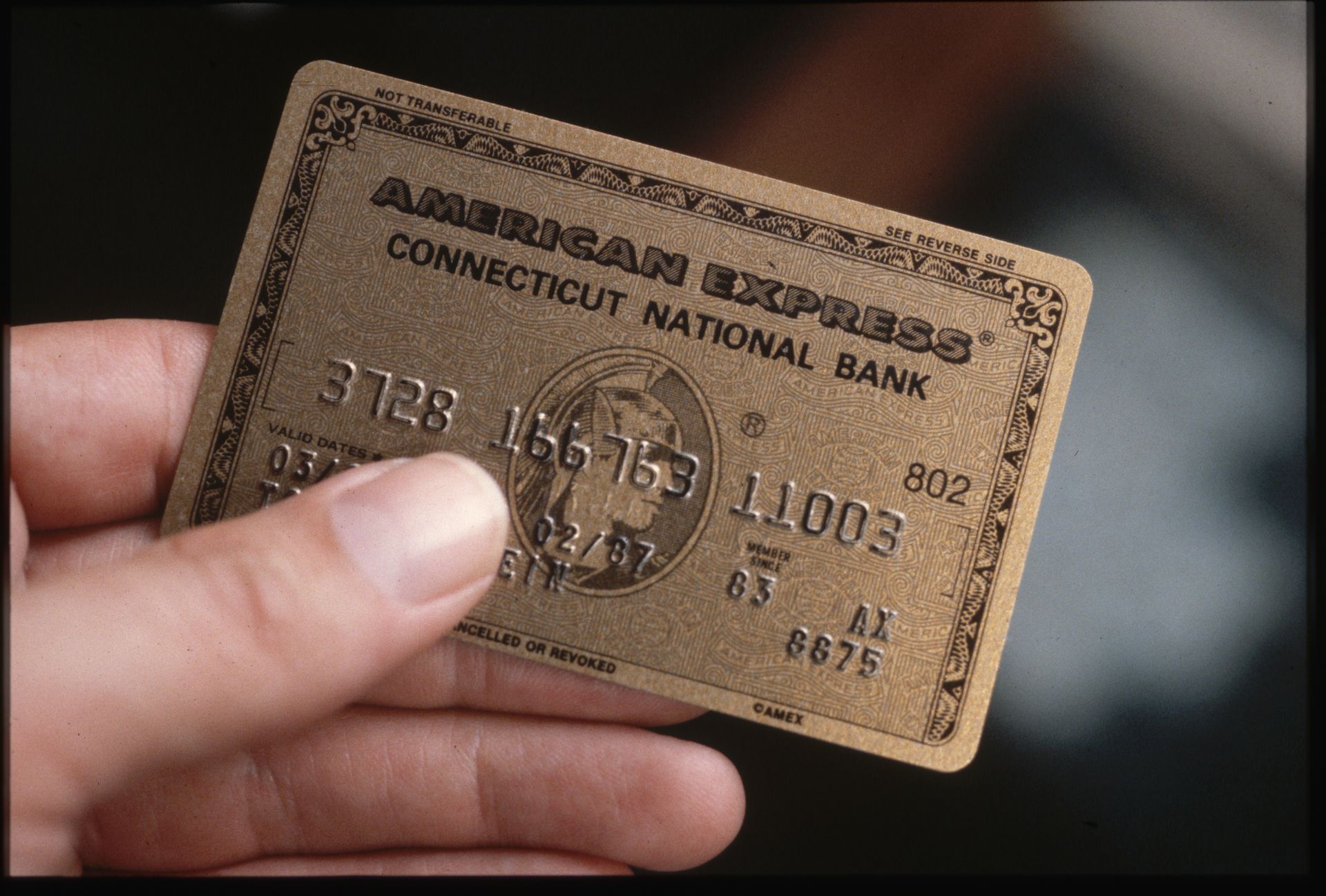
Business owners with significant outlays across multiple categories have long faced a frustrating trade-off: accept a low flat rate across the board, or chase tiered rewards that require you to track which purchases qualify for bonus points. The Graphite Business Cash Unlimited Card, which launched in March, breaks that compromise with 2% cash back on every eligible purchase and a higher rate on travel booked through American Express $AXP Travel Online.
The flat 2% structure is the card's sharpest competitive edge. Unlike tiered cash-back products that reserve their best rate for one or two purchase categories, the Graphite card applies the same 2% to payroll software subscriptions, office supply runs, and contractor invoices. Cardholders who consolidate all business charges and pay the balance monthly will generate consistent returns without having to track category caps or rotate bonus windows. For a business charging $200,000 annually, 2% translates to $4,000 in cash back before the annual fee.
The travel component adds a meaningful premium for companies with frequent flight or hotel bookings. Purchases made through American Express Travel Online — including flights and prepaid hotel reservations — earn 5% cash back. The card carries a $295 annual fee, which a business charging even $15,000 per year at 2% would recover in cash back alone before accounting for any travel-category earnings.
The sign-up bonus adds more value in the first year. New cardholders who spend $50,000 on eligible purchases within the first six months of opening an account get $1,500 cash back, paid as Reward Dollars redeemable as statement credits or at Amazon $AMZN.com checkout. WalletHub notes that cash-back business cards seldom offer sign-up bonuses anywhere near that size. A business with strong, consistent monthly spending — say $10,000 or more per month — can hit that threshold while managing ordinary operational costs.
The card also provides up to $2,400 in annual statement credits for American Express One AP purchases. The regular APR runs 17.74% to 28.49% variable, so the card benefits those who clear the balance in full each cycle. The minimum credit requirement is good, meaning issuers target a FICO score around 670 or above, and WalletHub rates it 4.1 out of 5. Businesses that meet the spending threshold for the sign-up bonus and carry $100,000 or more in annual charges will find the $295 annual fee a minor cost against the returns this card generates.
Sean Zanni / Patrick McMullan via Getty Images
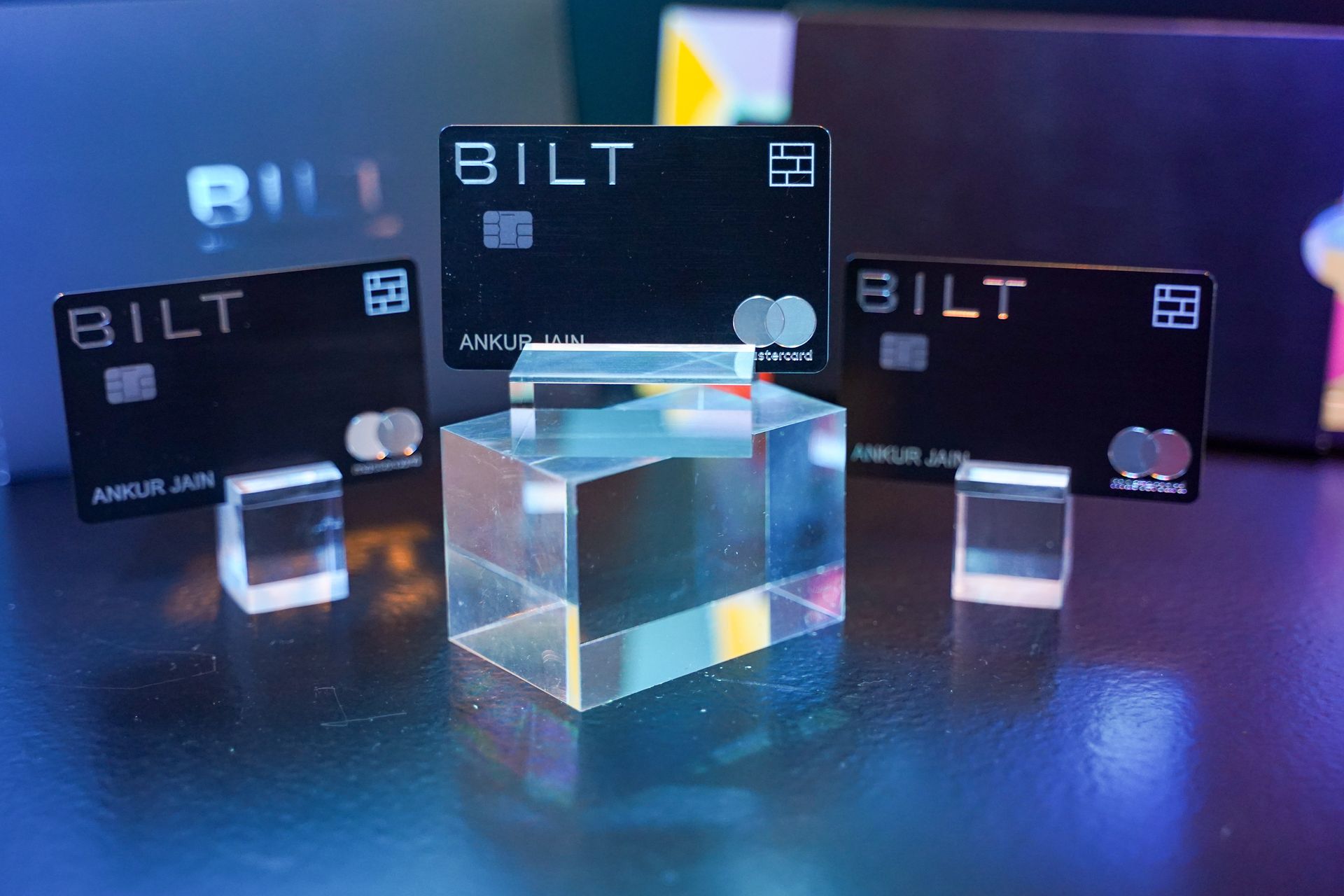
Rent is the largest line item in most household budgets and, for most cardholders, one of the few major expenses that doesn't yield credit card rewards. Most landlords either do not accept card payments or pass processing fees to the tenant, eliminating any reward advantage. The Bilt Credit Card With Annual Fee, launched in February, addresses the gap through a partnership with Bilt, a platform that processes rent and mortgage payments and routes them as card purchases — with no transaction fees charged to the cardholder.
The ability to earn points on rent sets the card apart from nearly every competitor in the rewards category. Cardholders earn either 4% back in Bilt Cash on everyday purchases or up to 1.25 additional points per $1 spent on rent or mortgage payments, depending on the redemption path they choose. A tenant paying $2,000 per month can collect 2,500 points on rent alone. That's 30,000 points across a full year on a payment type most cardholders treat as a dead zone for rewards.
Outside of rent, the card runs a straightforward tiered structure. Cardholders accumulate 3 points per $1 on dining or groceries, 2 points per $1 on travel, and 1 point per $1 on all other purchases. New applicants receive a $200 Bilt Cash bonus upon approval. Just note that the grocery category caps at $25,000 annually.
The annual fee sits at $95, which falls in the mid-tier range for rewards cards. Whether the fee makes sense depends on how much rent a cardholder pays. A renter at $1,500 per month who earns 1.25 additional points per $1 accumulates enough incremental value to offset the fee within a few months. The card's introductory APR is 10% for the first 12 months, after which the rate climbs to a variable 26.74% to 34.74%. Paying the balance in full each month is not optional at that range. WalletHub's editors note this card as the best new option for rent rewards and flag the no-annual-fee Bilt Credit Card as the stronger choice for cardholders who prefer to avoid the $95 charge. For renters who pay enough each month to justify the premium and want the highest possible reward on housing costs, the annual-fee version delivers more value. The minimum credit requirement is good, and the card requires at least that threshold to qualify.
David Paul Morris / Bloomberg via Getty Images
Business owners who need to finance a significant purchase or consolidate existing debt often find that business credit cards offer no real help. Regular APRs charge from day one, and interest accumulates faster than revenue can absorb it. The U.S. Bank Business Shield Visa $V Card, launched in February, changes that dynamic with an introductory APR of 0% for 12 billing cycles on both purchases and balance transfers — and with no annual fee.
Twelve billing cycles of interest-free financing give a business a meaningful runway to make a large purchase and pay it down without incurring debt service costs. A company that charges $12,000 in equipment, for example, can pay $1,000 per month across the promotional window and emerge with no interest expense. The same transaction on a standard variable-rate account would cost hundreds of dollars in interest. The $0 annual fee eliminates the base cost, so a business carrying a moderate balance for a few months still generates net savings compared to any interest-bearing alternative.
The card pairs the 0% window with a travel rewards structure. Cardholders accumulate 5% cash back on prepaid air, hotel, and car rental bookings made through the U.S. Bank Travel Center, and 3% cash back on a choice of one additional everyday business category: gas and EV charging stations, office supply stores, cell phone service providers, or electronic stores. All other purchases earn a base rate. WalletHub's editors flag two notable limitations. Travel bookings must go through the U.S. Bank Travel Center to qualify for the 5% rate, restricting flexibility for businesses that prefer direct booking or third-party travel platforms. The card also carries a 3% foreign transaction fee, making it a weaker fit for companies with international operations.
The balance transfer fee runs 5%, which reduces the net savings for cardholders focused on consolidating existing balances, not financing new purchases. The regular APR after the promotional window runs 16.24% to 25.24% variable, which is lower than many competing business products. WalletHub rates the card 3.5 out of 5. Business owners with good credit who want to finance equipment, inventory, or infrastructure without interest expense during a defined window will find the 12-cycle period useful, and the $0 annual fee keeps holding costs at zero throughout. The card is most advantageous for domestic-focused businesses booking travel through U.S. Bank's portal.
Angus Mordant / Bloomberg via Getty Images
Most competitive rewards cards require good to excellent credit, shutting out consumers who are still building their credit history. The Capital One $COF SavorOne Cash Rewards Credit Card, relaunched last August, makes cash back on dining, entertainment, and groceries accessible to applicants with limited to average credit, a demographic that most comparable rewards products decline outright.
The rewards structure delivers well above what limited-credit cards have offered in the past. Cardholders accumulate 8% cash back on Capital One Entertainment purchases, 5% on hotels and rental cars booked through Capital One Travel, 3% on dining, entertainment, popular streaming services, and grocery stores (excluding superstores such as Walmart $WMT and Target $TGT), and 1% on all other purchases. WalletHub notes that the card also provides access to Capital One Dining, which includes reservations at award-winning restaurants and tickets to culinary experiences. Those perks extend the card's value beyond pure cash-back calculations for cardholders who use them.
The $39 annual fee is modest for a rewards card that serves consumers with limited credit history. Most products targeting this segment offer either no rewards or minimal flat-rate returns, not the multi-tiered structure the SavorOne provides. The absence of a promotional 0% APR period is a real limitation. The regular APR is a variable 28.99%, which is high, and carrying a balance month to month can erase reward gains fast. Cardholders who clear the balance each statement period will capture the card's full value without any interest drag.
The SavorOne earns its place on this list not despite its credit-score requirement but because of it. Most consumers building credit from a thin or average base accept that they must forgo meaningful rewards until they cross into good credit. This card disrupts those expectations. A college student or recent graduate who charges $300 per month in dining and entertainment on the SavorOne will accumulate far more cash back than they would on a secured card or a basic no-rewards starter product. WalletHub rates the card 4.0 out of 5. Limited-credit consumers who use the card for dining and entertainment and commit to paying in full each month will find the SavorOne a stronger first-step rewards card than most alternatives designed for their credit tier.
hapabapa / Getty Images
Premium travel cards battle over sign-up bonuses, but most fail to sustain high reward rates once a cardholder's spending normalizes. The Citi Strata Elite Card, launched last July, addresses the drop-off with a multi-tiered structure that generates elevated points long after the initial bonus posts.
New cardholders start with a 75,000-point bonus after meeting the spending threshold, which WalletHub identifies as a strong opening offer for a premium travel product. Beyond the welcome bonus, the card earns 12 points per $1 at Citi hotel and car rental partners, 10 points per $1 on hotels, car rentals, and attractions booked through CitiTravel.com, 10 points per $1 on air travel, 3 points per $1 on restaurants and supermarkets, and 1.5 points per $1 on all other purchases. WalletHub characterizes the earning rate on travel and dining as exceptional.
The $595 annual fee places this card in the top tier of premium products. Citi's editors note that the fee requires substantial annual spending to justify, and the card targets cardholders who travel enough to deploy the luxury-travel perks in a noticeable way. The regular APR runs 20.49% to 28.49% variable, and there is no introductory 0% purchase or balance transfer promotion. The card doesn't charge a foreign transaction fee, helping international travelers avoid the 3% surcharge common on lower-tier products.
The points structure rewards cardholders who concentrate travel and dining spending on a single account. A cardholder booking $15,000 in air travel annually through CitiTravel.com accumulates 150,000 points in that category alone — before adding hotel stays, restaurant charges, or everyday spending. For frequent travelers who can direct most of their bookings through Citi's portal, the per-dollar return at the top earning tiers exceeds what most competing premium products offer. The minimum credit requirement is good, though premium travel cards tend to attract applicants at the higher end of that range. WalletHub rates the card 2.5 out of 5, a score that reflects the high annual fee relative to the broader cardholder population. The card is most valuable to heavy travelers who can access elevated earning tiers, not the average applicant.
