From Escalante's density of direct-trade cafés in San José's most energetic neighborhood to Finca Rosa Blanca's plantation hotel
Vlad D / Unsplash
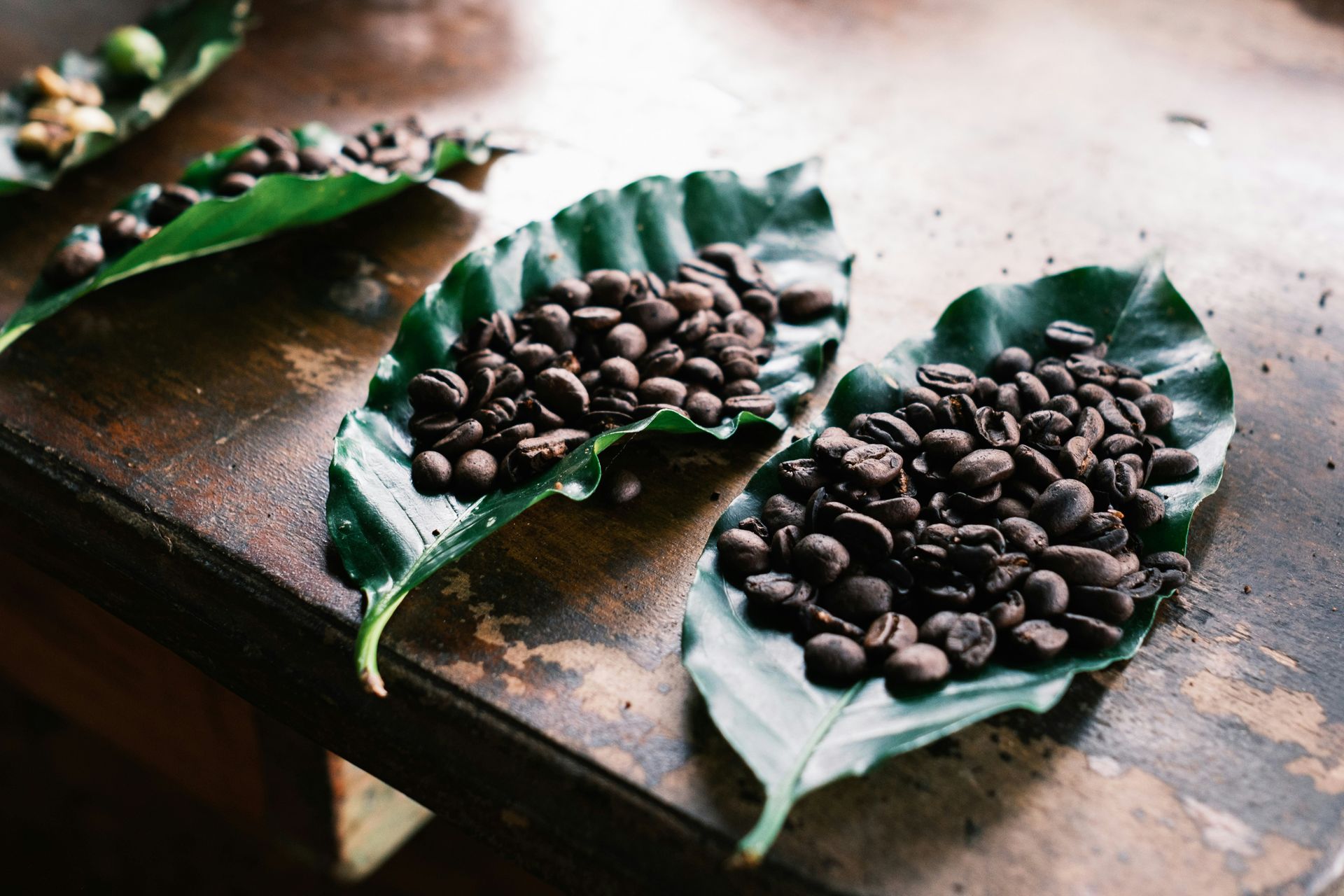
Costa Rica’s coffee reputation is built on geography as much as effort. The country’s rich volcanic soil and varied highland topography produce beans with genuine depth and a range of flavor profiles that vary meaningfully by region. What makes the experience worth seeking out is that much of the production is still small-scale: 90 percent of the country’s tens of thousands of coffee farms are smaller than five hectares, and many are run by families who have been working the same land for generations.
The coffee’s historical significance deepens the appeal for visitors seeking context alongside their cup. When Costa Rica gained independence in 1821, the new government distributed coffee seeds to farmers as a deliberate economic strategy, and it worked: the crop earned the nickname el grano de oro, the golden bean, and transformed the country from one of Central America’s poorest into its wealthiest. The Teatro Nacional in San José, one of the most beautiful buildings in Central America, was funded by a tax on coffee exports. The ceiling mural inside, depicting coffee and banana cultivation, is a direct tribute to the crop’s cultural centrality.
The 8 coffee destinations below appear in Lonely Planet, written by Mara Vorhees, covering the country’s best urban coffee neighborhoods, plantation tours, and specialty cafés. Harvest season runs from November to March, when visitors can witness and participate in bean picking. Tours and tastings operate year-round, and most farms provide demonstrations of the processing and roasting steps regardless of season. The January coffee fair in Frailes, 35 kilometers south of San José, is worth planning around for travelers visiting during the third weekend of the month: it’s a three-day festival of picking races, farm tours, cupping competitions, live music, and food that represents the best of Costa Rica’s coffee culture in a single concentrated event.
Credit: Cafeoteca
Escalante sits about 2 kilometers east of downtown San José and is the capital’s most energetic neighborhood for coffee culture. Calle 33 and the surrounding streets are lined with cafés that take the sourcing and preparation of Costa Rican coffee seriously, and the density of options means there’s no single required stop. The neighborhood rewards wandering and dropping in on whatever looks interesting.
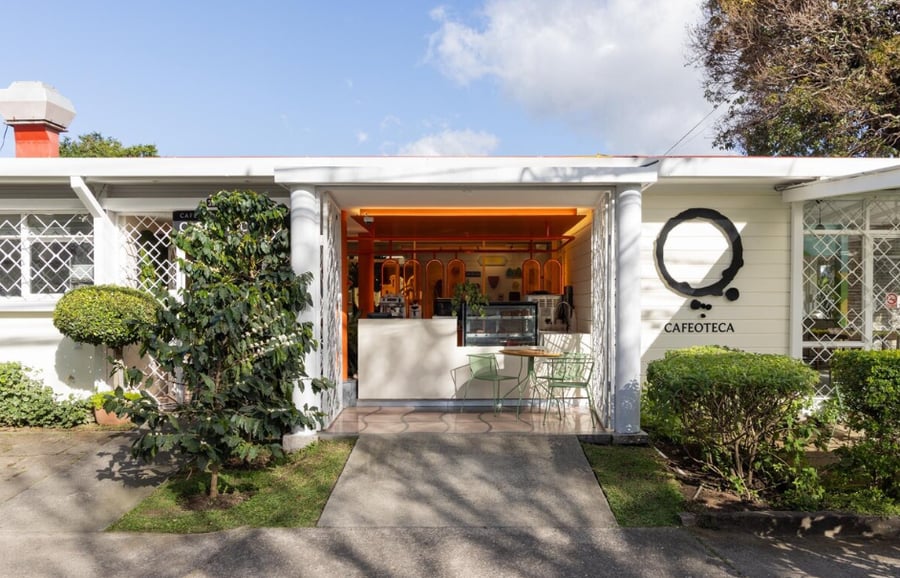
The most structurally useful stop is Cafeoteca Coffee Shop, which offers tastings, tours, and workshops alongside a menu of 25 different coffees sourced from across the country. The workshops cover roasting techniques, brewing methods, and serving styles in enough depth to give visitors a genuine framework for evaluating what they taste. For travelers whose primary interest is understanding Costa Rican coffee, not just drinking it, Cafeoteca provides the educational foundation that makes subsequent tastings more meaningful.
The neighborhood’s appeal goes beyond any single café. The youthful, local energy of Escalante makes it feel like a genuine urban neighborhood being discovered, not a tourist attraction packaging local culture for export, and the evening food and drink scene gives the area a reason to linger past the afternoon coffee stop. Getting here from downtown takes 20 minutes on foot or five minutes by taxi. Evenings in Escalante extend the visit naturally: the neighborhood’s restaurant scene is among San José’s best, and a dinner after afternoon coffee makes a full and satisfying urban day. The area’s appeal to a younger, more locally rooted crowd than the tourist-facing parts of downtown gives the neighborhood a specific energy that distinguishes it from a curated cultural stop. The area’s cafés tend to source beans directly from specific farms and often rotate their offerings seasonally, so a café that served a particularly good Tarrazú coffee on one visit may be featuring something from the Central Valley or Chirripó on the next, reflecting the ongoing conversation between urban baristas and the farming communities supplying them.

Credit: ChepeCletas
The ChepeCletas Coffee Tour is a walking tour that combines city history, architecture, and culture with stops at three of San José’s best coffee shops, creating a format that suits travelers who want both orientation and caffeine simultaneously. The guide brings context that transforms what could be a pleasant but surface-level café-hopping circuit into a genuinely informative experience about how the city’s coffee culture developed and what distinguishes its best practitioners.
Tour stops vary but typically include Modo Café, an Escalante coffee shop owned by a two-time national barista champion, and La Mancha, housed in a historic downtown building and known for its Henry Blend of cascara and cold brew. The common thread across the stops is direct sourcing: most of the cafés featured on the tour roast their own beans and buy directly from farmers, a model that produces the most interesting coffee in Costa Rica and the clearest expression of the country’s regional variety.
ChepeCletas also offers a Mercado Central walking tour and a city cycling tour, both of which include coffee stops, giving travelers a range of format options depending on how much physical activity they want to build around the coffee program. The walking tour format is the most accessible for travelers unfamiliar with the city, since the guide handles navigation and provides the historical framing that makes each stop make sense. The coffee focus of the tour complements the historical and architectural content, not stands apart from it, so travelers who aren’t primarily interested in coffee still find the format useful as an introduction to San José’s neighborhoods and recent urban development. The tour’s emphasis on cafés that source directly from farmers and often roast their own beans reflects a deliberate curatorial choice: these are the places where the chain between highland farm and espresso machine is shortest and most transparent, and the quality difference is usually noticeable. Travelers $TRV booking the ChepeCletas tour are advised to confirm the current stops in advance, since the tour format evolves and the specific cafés visited can change over time as the barista ownership landscape in the city shifts.
Credit: Café Monteverde
Café Monteverde operates two cafés, one in Santa Elena and one in Monteverde, where travelers can sample the coffee produced at the associated farm and roastery. But the farm visit itself is the more rewarding experience, covering the full arc from growing and harvesting through processing and roasting in a way that makes the final cup feel connected to a specific place and set of decisions, not an anonymous product.
The cooperative is made up of 20 local families, and its approach to processing the beans spans multiple methods, from traditional washing to natural drying of whole cherries, producing a range of flavor profiles that range from lighter and fruitier to full-bodied and complex. The signature medium-roast, fully washed coffee offers a balance between sweetness and acidity, with notes of brown sugar and caramel, which the Lonely Planet writer specifically recommends as the ideal starting point.
During the October-to-March harvest season, visitors can participate in picking the beans, which adds a physical and experiential dimension to the tour that purely observation-based visits can’t match. Café Monteverde can arrange hotel pickup for an additional fee, and the farm is about 4.5 kilometers from Santa Elena, reachable by driving north on Route 606 then turning south at the distinctive Iglesia de Cañitas. The Monteverde region’s cloud forest environment produces beans with specific characteristics, shaped by altitude, mist, and slower ripening typical of cloud forest growing conditions. The flavor differences between highland cloud forest coffee and lower-altitude Costa Rican beans are noticeable in a side-by-side comparison, and the Café Monteverde tasting sessions are specifically designed to make those differences legible. The farm’s October-to-March harvest season is the most immersive time to visit, when bean picking is available as a participatory activity, not just a topic of explanation, but the processing and roasting demonstration runs at any time of year and covers the full production arc thoroughly enough to stand on its own.

Credit: Santuario Ecológico
Set in lush forest on the outskirts of Santa Elena, the Santuario Ecológico frames coffee drinking not just as a sensory experience but as a lesson in mindfulness, sustainability, and connection to the natural environment. The rituals available vary and can include a history lesson, a garden tour, a coffee tasting, or a dessert pairing, but what ties them together is the philosophy of the owner and guide, Chris Salazar, whose enthusiasm for the subject consistently impresses visitors.
Salazar’s specific contribution is his attention to the full sensory environment around the coffee: the sights, sounds, and smells of the forest setting are treated as integral to the experience, not mere background. The approach suits travelers whose interest in Costa Rican coffee extends beyond flavor evaluation into a broader engagement with the relationship between the natural environment and the food and drink it produces.
The Salazar family operation also offers cooking classes, hiking trails, and rooms to rent, which makes Santuario Ecológico a viable base for a few days in the Monteverde area, not just a single-stop experience. The sanctuary is about 2 kilometers from Santa Elena’s central triangle, heading south on Route 620 and turning left at the Escuela Rafael Arguedas Herrera. The forest setting at Santuario Ecológico, particularly in the morning when mist still clings to the canopy and bird activity peaks, creates an ambient soundscape that makes the outdoor coffee ritual feel genuinely restorative in a way that an urban café cannot replicate. Travelers $TRV with a full morning to spend here, without the pressure of a next stop, tend to get the most from what Chris Salazar has built. The cooking classes offered alongside the coffee rituals give visitors an additional way to engage with Costa Rican food culture, making the Santuario a worthwhile stop even for travelers whose primary interest is food more broadly, not specifically coffee. The hiking trails on the Santuario property give visitors a way to work up an appetite and connect with the forest environment before settling into the coffee ritual, making the full property visit feel more complete than a single-activity stop.
Credit: Café Colibrí
Café Colibrí sits just outside the entrance to the Monteverde Cloud Forest Reserve, and its primary appeal is good coffee alongside genuinely spectacular hummingbird activity on the patio. The flowers and feeders attract multiple species of hummingbirds in numbers that produce constant activity, and the photo opportunities from the outdoor seating are among the best of any café in the country, regardless of the coffee quality.
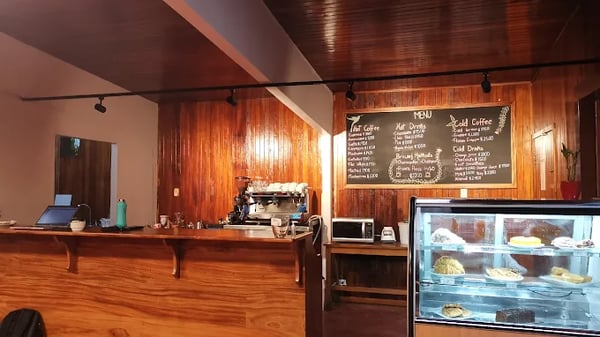
The food and drink program is simpler than some of the other options on this list: hot and cold coffee drinks, mini quiches, cinnamon rolls, and other fresh-baked pastries make up the menu without trying to be a full restaurant. That simplicity is appropriate for a café that serves as a recovery and refueling stop between forest hikes, which is exactly what most visitors use it for.
The location at the Reserve entrance makes Café Colibrí easy to fit into any Monteverde itinerary without requiring a dedicated detour. For travelers doing a morning cloud forest hike, finishing at the café with a coffee frappe and a cinnamon roll while the hummingbirds work the nearby feeders makes for a satisfying conclusion that doesn’t require any additional planning. The café also sells bags of Monteverde-grown coffee to take home, giving visitors a direct connection between their cloud forest visit and a daily morning ritual back home. The coffee’s elevation and growing conditions make it a distinctive souvenir that represents the specific environment travelers came to see. The café’s position at the Reserve entrance also makes it a natural first stop on a Monteverde day, allowing visitors to get oriented and caffeinated before heading into the forest, and an equally natural last stop on the way out for visitors who’ve worked up an appetite for something sweet after a morning of hiking. The Reserve entrance proximity also means the café captures visitors at both ends of the standard cloud forest visit, and the staff is knowledgeable enough about the forest’s wildlife and trails to provide useful orientation for first-time visitors who haven’t secured a guide.
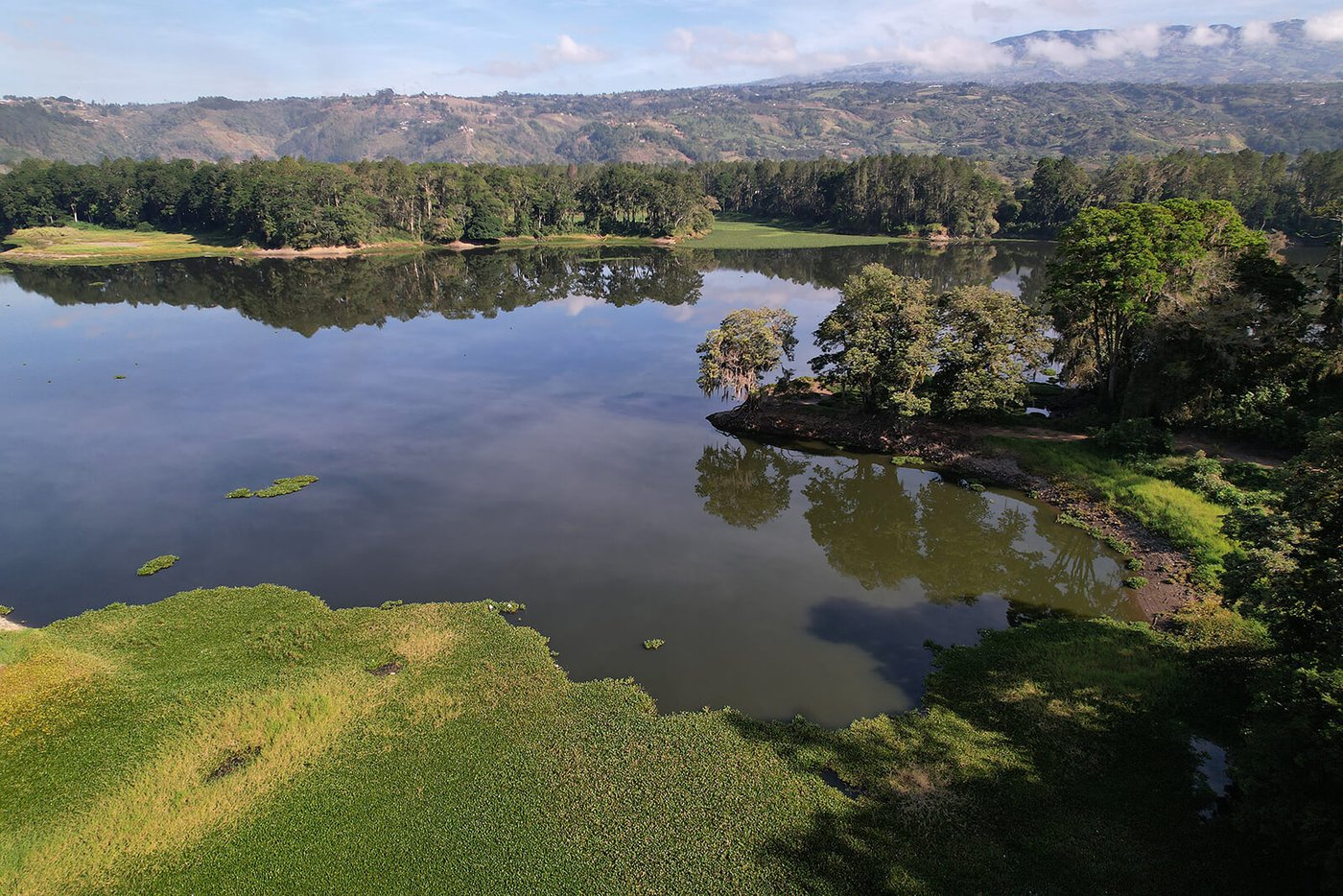
Credit: La Casona del Cafetal
La Casona del Cafetal sits on the banks of Lago de Cachí with outdoor seating that looks directly out over the shimmering lake and the gray-green hills beyond. The grounds cover the space between the restaurant building and the water’s edge, planted with multicolored blooms and threaded with trails through the surrounding coffee plantation. As a coffee setting, it’s difficult to beat anywhere in the country.
The coffee preparation here uses a traditional chorreador, a simple wooden stand with a cloth filter that’s brought to the table so visitors can watch the process. Coffee from the Orosí region is known for its floral notes, sometimes with hints of chocolate or nuts, and the lakeside presentation gives it the kind of unhurried context in which those flavors are most worth paying attention to. Crepes and chorreadas, the traditional corn pancakes topped with honey, are the recommended accompaniments.
An artisan market near the parking lot sells hand-crafted single-serving chorreadors, which function as both a functional souvenir and a genuinely practical way to replicate the brewing method at home. La Casona del Cafetal sits about 1 kilometer west of the village of Cachí and 2.5 kilometers south of the dam, making it a natural stop on a drive around Lago de Cachí from the Orosí valley. The Orosí Valley itself is one of the more under-visited parts of Costa Rica’s Central Valley, and combining La Casona del Cafetal with a drive through the valley’s small towns, the Tapantí National Park, and the ruins of the colonial Ujarrás church makes for a full day of distinctly non-tourist-circuit Costa Rica. The chorreador at La Casona del Cafetal is worth watching carefully: the barista-style precision that urban coffee shops in San José and Escalante apply to equipment and technique is here replaced by the centuries-old simplicity of cloth, wood, and gravity, and the result is a cup that demonstrates why the method persisted across household kitchens throughout the country.
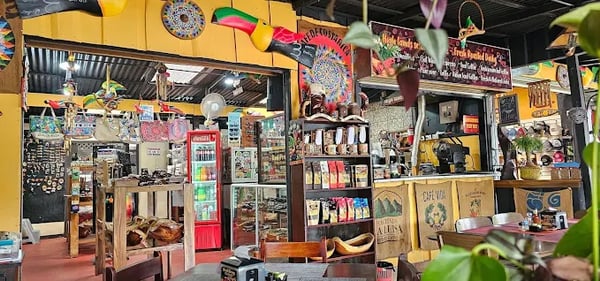
Credit: Red Frog Coffee Roaster
Red Frog Coffee Roaster is La Fortuna’s only café that sources beans from highland plantations and roasts them on site, which explains the aroma that hits visitors as soon as they enter the shop. The exterior signage is chaotic enough to be off-putting, but the smell inside settles any doubts about whether the coffee merits a stop.
The specialty is coffee prepared in a chorreador, but Red Frog also serves espresso drinks, iced coffee, and coffee cocktails, with the Monkey Business, iced coffee with banana liqueur and chocolate sauce, as the most popular non-standard option. The traditional breakfast, eggs with gallo pinto, earns strong reviews alongside the coffee program, making Red Frog a viable morning destination, not just a mid-afternoon caffeine stop.
La Fortuna is the most common base for visitors to Volcán Arenal and the surrounding national park, and Red Frog sits 2 kilometers west of the central park on the main road toward the volcano, which puts it on the route most visitors travel anyway. On-site roasting, chorreador preparation, and a full breakfast menu together make it the most practically complete coffee stop in a town where most cafés serve mass-produced beans. La Fortuna’s position as the primary tourist base for Arenal Volcano and the Arenal Hanging Bridges means the town has a high volume of visitor spending and a corresponding number of cafés, but the quality is uneven, and Red Frog stands out specifically because the on-site roasting process is visible and the beans are sourced to a standard that most competitors don’t meet. The café’s location on the main road west out of La Fortuna toward the volcano means it’s well-positioned for early morning visits before the volcano viewpoints fill up, which also happens to be when freshly roasted coffee and eggs with gallo pinto make the most sense as a meal. The volcanic Arenal backdrop visible on clear mornings from La Fortuna provides a specific geographic context for the highland beans Red Frog sources: the same volcanic soil that makes Arenal’s slopes visually dramatic is part of what gives the highland coffee its particular character.

Credit: Finca Rosa Blanca
Finca Rosa Blanca is a 40-year project: a former motocross field in the highlands of Heredía transformed into an organic coffee farm by the Jampol family, now operating as both a working plantation and a 14-suite boutique hotel. The plantation tour covers the full production arc from red coffee cherry to roasted bean, and a daily coffee hour on the deck gives guests a consistent ritual to structure the day around.
The restaurant’s tasting menu is the most ambitious coffee-integrated dining program in the country, featuring coffee as an ingredient across every course. The Lonely Planet writer specifically flags the chicken with coffee-chocolate-mole sauce as worth ordering, which suggests the kitchen treats the coffee element as a genuine culinary contribution, not a marketing hook.
As an accommodation option, Finca Rosa Blanca is only 30 minutes from Juan Santamaría International Airport, which makes it an unusually practical luxury stay for travelers arriving or departing Costa Rica who want to spend a night or more in a setting that justifies the detour on its own terms. Each suite is individually decorated with commissioned artwork and overlooks the Central Valley toward San José. For travelers whose primary interest is coffee, staying here means the plantation is the immediate surroundings, not a day trip. The hotel’s position close to the international airport makes it a particularly practical choice for first or last nights in the country, avoiding the common San José city center hotel experience and instead offering coffee plantation views and the possibility of a morning farm walk before heading to or from the terminal. The Central Valley highlands around Heredía are some of the most historically significant coffee-growing terrain in Costa Rica, and the views from Finca Rosa Blanca across the valley toward San José below give guests a spatial sense of why this particular band of highland elevation became the center of the country’s coffee economy in the 19th century.
