From Moalboal's year-round sardine tornado off Cebu's shore to Egypt's Abu Dabbab Bay where dugongs graze on seagrass beds beneath the surface
Victoria Ballesteros / Unsplash
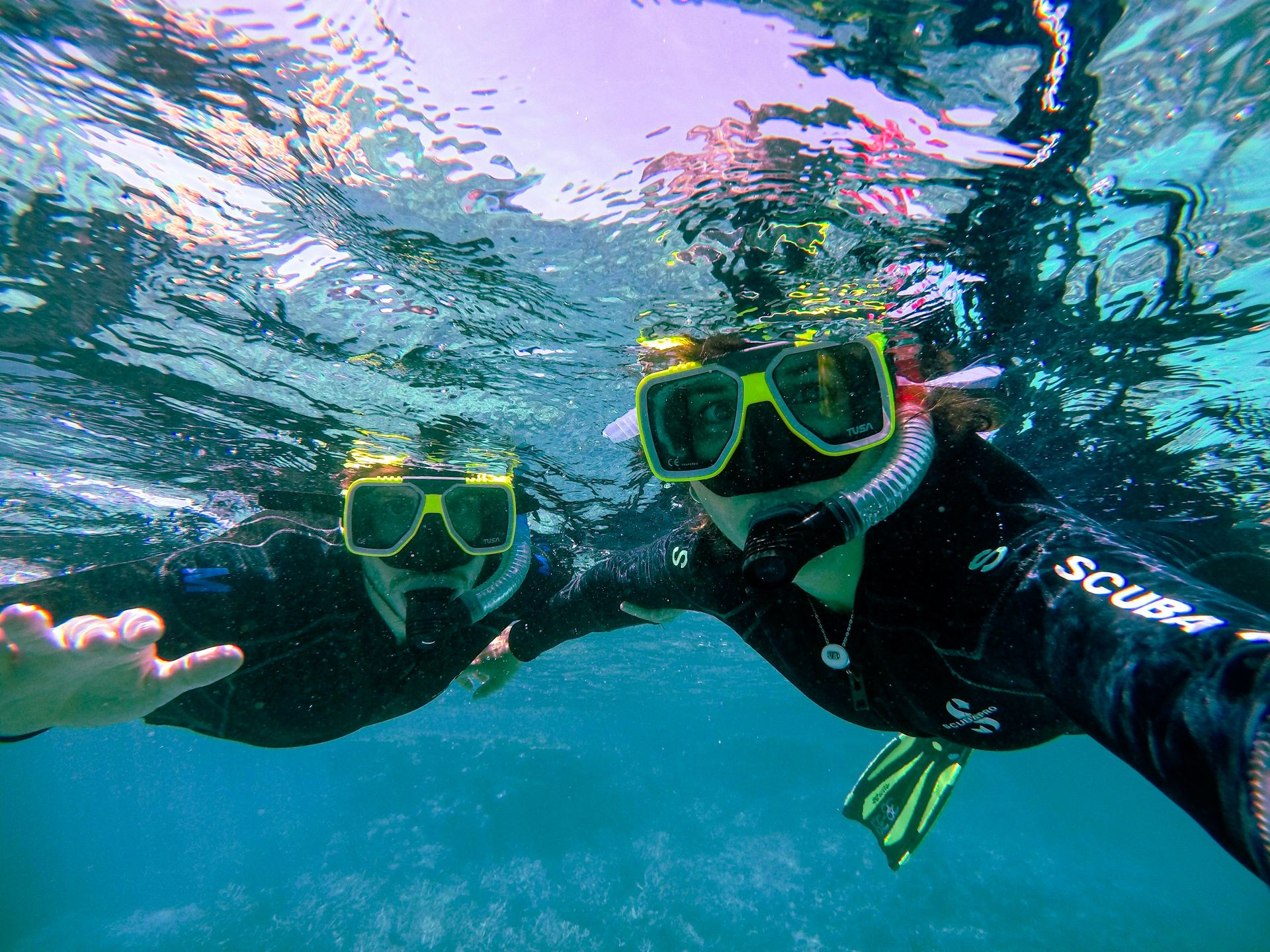
Getting certified as a diver isn’t actually necessary to come face-to-face with some of the ocean’s most fascinating creatures, since several of the world’s best marine encounters happen just by wading from the sand straight into the shallows with a mask and snorkel. Colorful cichlids in Malawi and rare aquatic mammals sheltering near protected reefs in Egypt both count among the countless underwater sights within reach of anyone willing to simply dip their head below the surface, no scuba tank or formal training required at all.
Snorkeling responsibly matters just as much as choosing the right destination, and travelers should avoid touching coral or other marine life, keep a respectful distance from animals, and, wherever possible, use reef-safe sunscreen or a rash vest instead of standard sunscreen. Picking an ethical local boat operator and steering clear of crowds around sensitive wildlife both go a long way toward keeping these destinations healthy for the next visitor who comes along after them.
The 10 destinations covered below appear in Lonely Planet, covering standout snorkeling spots recommended across the world’s oceans and freshwater lakes. Each one rewards patient, respectful visitors with a genuinely different kind of marine encounter, from manta rays to freshwater cichlids to elusive dugongs. Checking seasonal timing before booking a trip helps most of these destinations live up to their full potential. A few extra days of flexibility around whale, turtle, or dugong seasons can turn an already good trip into a genuinely unforgettable one. Travelers $TRV with a fixed set of travel dates should instead prioritize destinations whose signature marine life stays reliably present year-round, such as Moalboal’s sardine run or Tofo Beach’s resident whale sharks, instead of chasing a narrower seasonal window that may not line up with a trip already booked months in advance.
Faith Mari Ardona / Unsplash
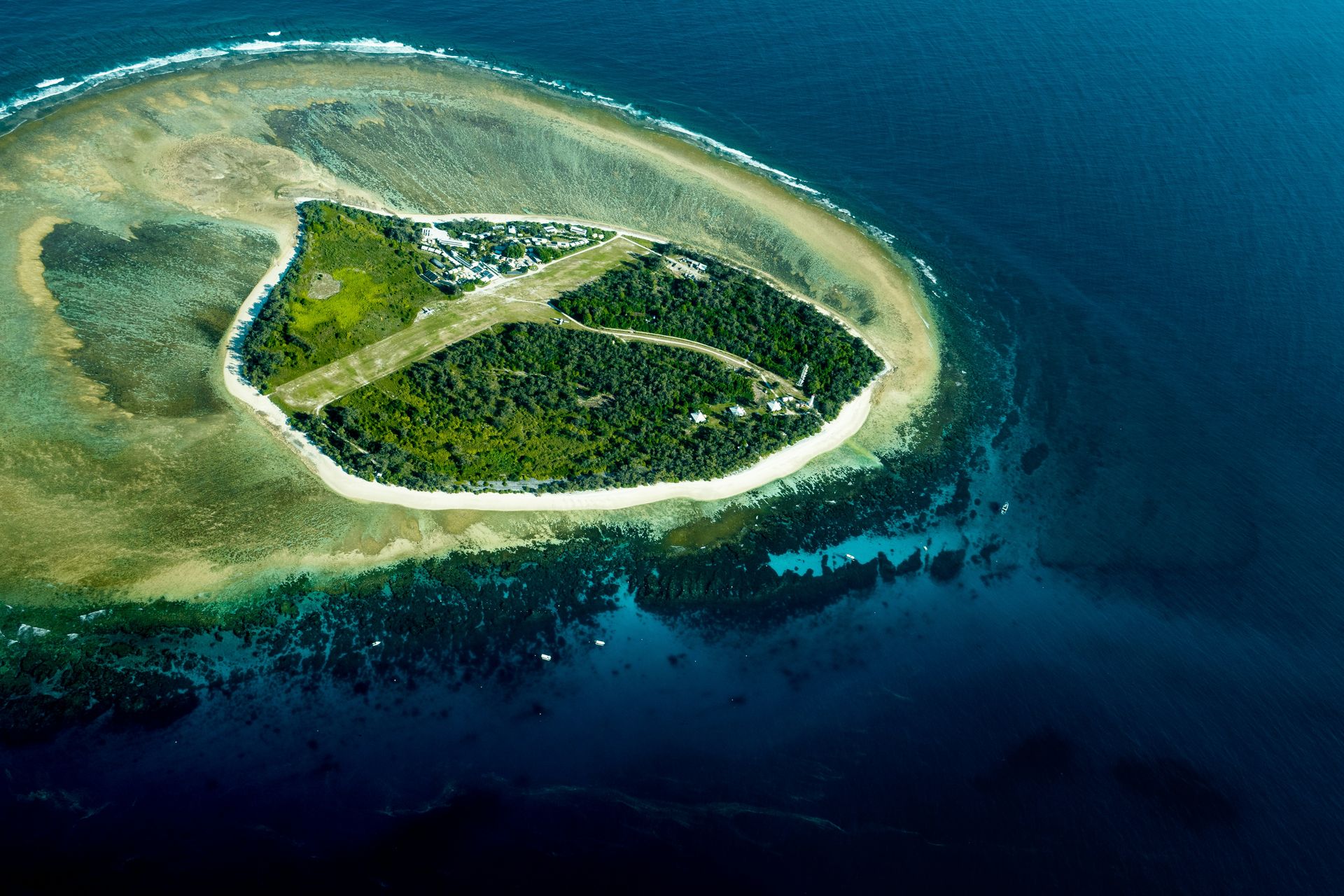
Lady Elliot Island, the Great Barrier Reef’s southernmost coral cay, offers some of the finest snorkeling anywhere in Australia and holds a genuine reputation for manta rays, nesting sea turtles and strong environmental credentials. A seabed of coral gardens throughout the surrounding waters supports abundant marine life, including giant manta rays, barracudas, and leopard sharks, giving snorkelers a genuinely wide range of encounters within a single trip.
The shallow lagoon fringing the island’s eastern side suits families and beginner snorkelers particularly well, while the coral gardens along the western side hold deeper water better suited to more experienced snorkelers seeking a slightly more challenging swim. This split between beginner and advanced conditions gives Lady Elliot Island genuine appeal across a wide range of skill levels within the same small destination.
Sitting inside one of the Great Barrier Reef’s designated Green Zones, a no-take area where destructive behavior is strictly prohibited, Lady Elliot Island enjoys the highest level of environmental protection available anywhere along the reef. This protection likely explains part of why humpback whales migrating through these waters between June and October keep returning to the area year after year.
Visitors planning a trip around whale season should budget extra time on the water specifically for whale watching alongside the standard snorkeling itinerary, since the migration window overlaps with generally excellent conditions for spotting the island’s resident marine life as well. Few destinations on this list combine strong coral health with this level of formal legal protection quite so directly. The island runs entirely on solar power and treats its own wastewater, reflecting a broader eco-commitment that extends well beyond the marine protections in the surrounding water. Reaching the island typically involves a short flight from Bundaberg or the Gold Coast, since no regular ferry service connects the cay to the mainland. Day-trip visitors flying in from the mainland typically get four to five hours on the island before the return flight departs.
Ze Paulo Galveias / Unsplash
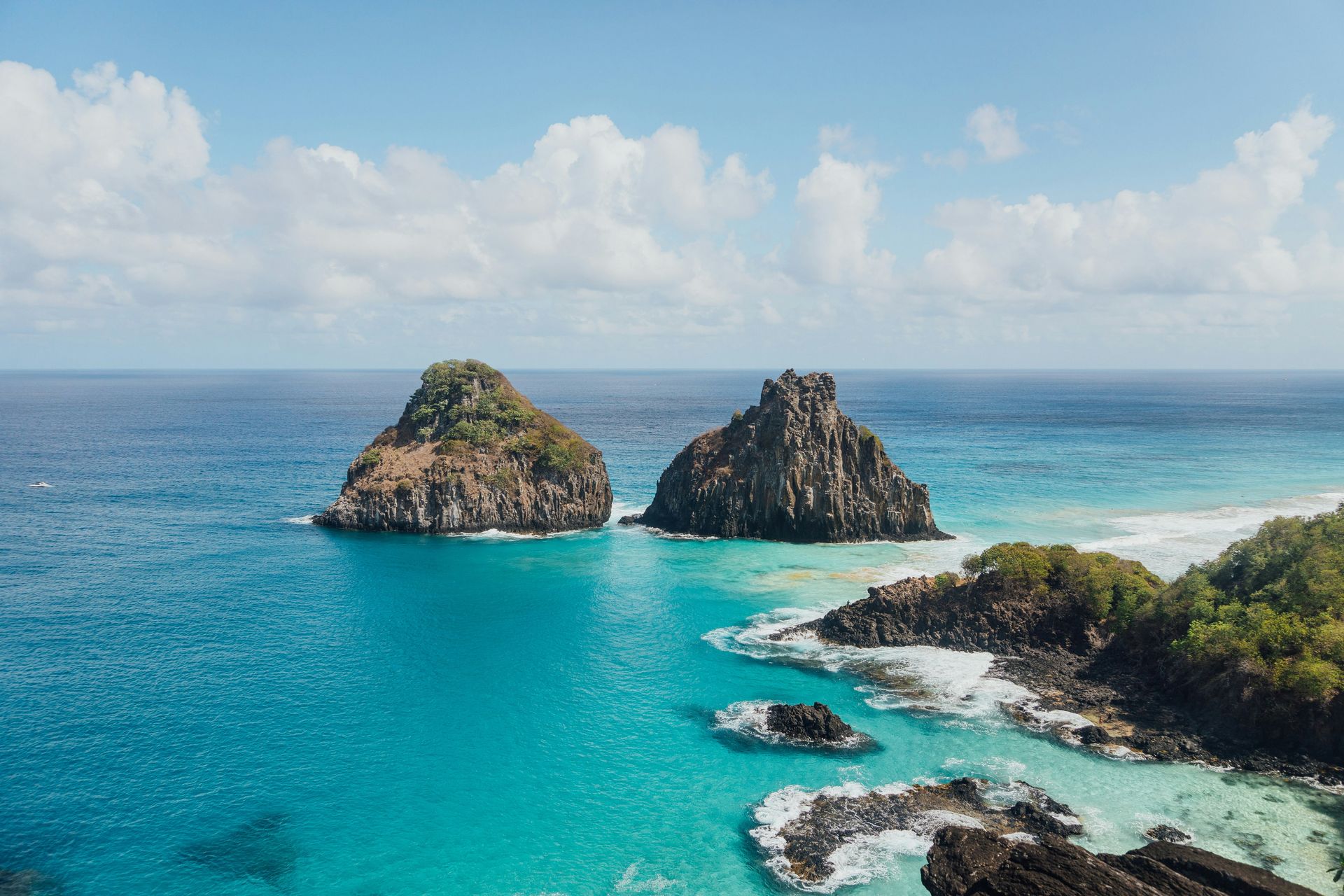
Fernando de Noronha, a volcanic archipelago off Brazil’s northeast coast, serves as a fiercely protected eco-wonderland favored by naturalists and marine biologists, with a rugged coastline and genuinely diverse ecosystems throughout its waters. The archipelago has earned a reputation for its undeveloped beaches and unparalleled snorkeling, with visibility up to 40 meters in warm, emerald water that reveals sea turtles, rays, lemon sharks, and reef sharks to patient snorkelers.
The beach also holds the highest concentration of resident spinner dolphins found anywhere in the world, giving visitors a genuine chance to spot these playful animals alongside the archipelago’s other marine residents. At Baía do Sancho, widely considered the most beautiful beach in Brazil, a sandy seafloor allows boats to stop without damaging the surrounding coral, protecting the reef even as visitor numbers grow during peak season.
Other genuinely worthwhile snorkeling points throughout the archipelago include Baía dos Porcos, Sueste, Morro de Fora, and Porto, the last of which holds accessible shipwrecks teeming with marine life for visitors specifically interested in wreck snorkeling. This range of distinct sites within a single small archipelago gives Fernando de Noronha genuine variety beyond simply repeating the same reef experience at every stop.
Strict visitor limits throughout the archipelago help preserve its ecological health, and travelers should book any required permits or entry fees well ahead of a planned trip, since Brazil caps daily visitor numbers to protect the fragile surrounding ecosystem from overuse. Turtle nesting season runs roughly from December through June, giving visitors a rare chance to spot hatchlings making their way toward the sea on the same beaches used for snorkeling. Brazil caps the total number of visitors allowed on the archipelago at any given time, so travelers should book flights and any required entry permits well ahead of a planned trip. Visitors staying more than a few days should also pay a separate daily environmental preservation fee, which increases the longer a trip runs.
Credit: Visit Malawi
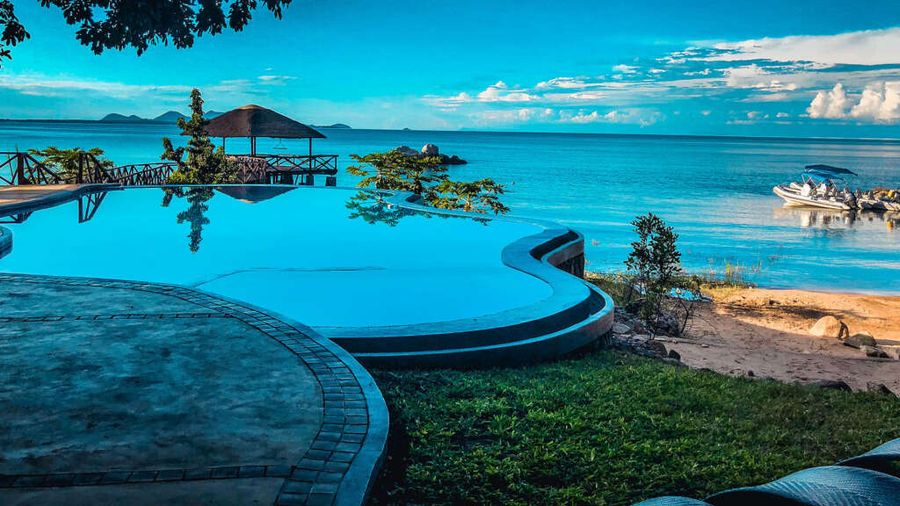
Cape Maclear, a lazy, lovely village sitting among Malawi’s most laid-back and scenic spots, makes leaving the golden sands along the edge of Lake Malawi genuinely difficult, though a boat trip across to the pyramidal, wooded island of Thumbi rewards visitors well worth the effort. Local boat captains ferry visitors over to ease into the lake’s balmy freshwater with a mask and snorkel, and a swim around Thumbi’s rocks quickly reveals the cichlid fish for which this particular lake has become genuinely famous.
More than 850 cichlid species live within this vast freshwater lake, and while these fish don’t offer quite the same visual diversity found on a typical coral reef, their colors genuinely dazzle in their own right. Amber-yellow, fuchsia-pink, orange, indigo, and turquoise cichlids dart around snorkelers throughout the swim, creating a genuinely rare kind of underwater spectacle rarely associated with freshwater lakes anywhere else in the world.
Lake Malawi’s sheer scale gives Thumbi a genuinely different character than most ocean-based snorkeling destinations on this list, since the entire ecosystem developed in isolation from any connected ocean, producing this unusually concentrated diversity of cichlid species found nowhere else on Earth. This isolation helps explain why scientists continue to study the lake’s fish populations decades after cichlids first drew international attention.
Visitors should confirm current water conditions with a local boat captain before setting out, since visibility and calmness can shift depending on recent weather, and a knowledgeable local guide considerably improves the odds of spotting the lake’s most colorful resident species during a single outing. Cape Maclear also serves as a gateway to Lake Malawi National Park, a UNESCO World Heritage Site that protects much of the lake’s southern shoreline and surrounding hills. Visitors staying in Cape Maclear for several days can typically arrange multiple boat trips to Thumbi, since local captains adjust routes depending on which section of the island the fish are most active in that day.
Claus Giering / Unsplash
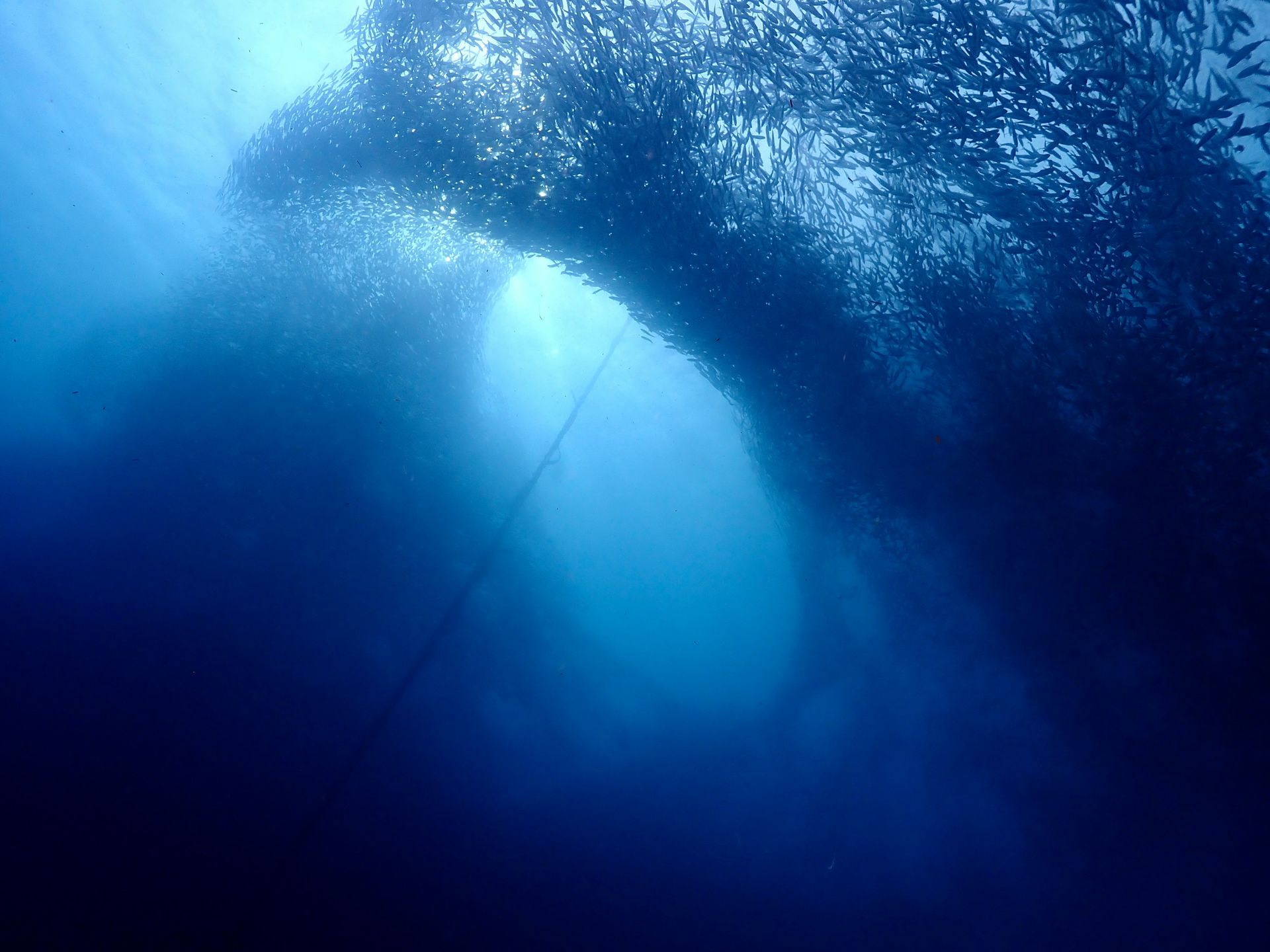
The Philippines, home to more than 7,000 islands, holds genuinely bountiful snorkeling sites throughout its territory, and the Cebu region specifically has become synonymous with marine life and aquatic activity, from swimming alongside polka-dotted whale sharks to exploring enigmatic shipwrecks scattered along the coast. Moalboal, nestled along Cebu Island’s western shores, holds an almost year-round sardine run that draws snorkelers from around the world.
Snorkeling here suits travelers seeking underwater adventure at a genuinely leisurely pace, since reaching Moalboal’s underwater sanctuary requires no boat trip or scuba tank whatsoever. Panagsama Beach’s reef stays easily accessible thanks to the sea’s calm water and its close proximity to shore, letting visitors simply wade in from a blindingly white stretch of sand before dipping their heads under the surface.
Visitors shouldn’t picture scaly fish packed tightly together like sardines in a tin. Instead, they should expect glimmering silver figures swirling in synchronized, undulating formations against a deep blue backdrop, sunlight glinting across their scales in a genuinely mesmerizing display. This particular sight ranks among the most visually striking snorkeling experiences available anywhere without needing specialized diving equipment.
The sardine run’s near-constant presence throughout the year gives Moalboal greater reliability than destinations where a specific migration or seasonal event determines whether a trip pays off, making it a safe bet for travelers with little flexibility in their travel dates. A short swim beyond the sardine run also reveals a dramatic drop-off known locally as the wall, where the reef gives way suddenly to considerably deeper, darker water. Visitors should check with local dive shops before arriving, since the sardines occasionally shift location slightly along the coast depending on recent weather and water temperature. Renting basic gear from one of the small shops along Panagsama Beach costs very little, making the entire outing genuinely affordable for budget travelers. Early morning sessions tend to offer the calmest water before boat traffic picks up later in the day.
Abhijit Chirde / Unsplash
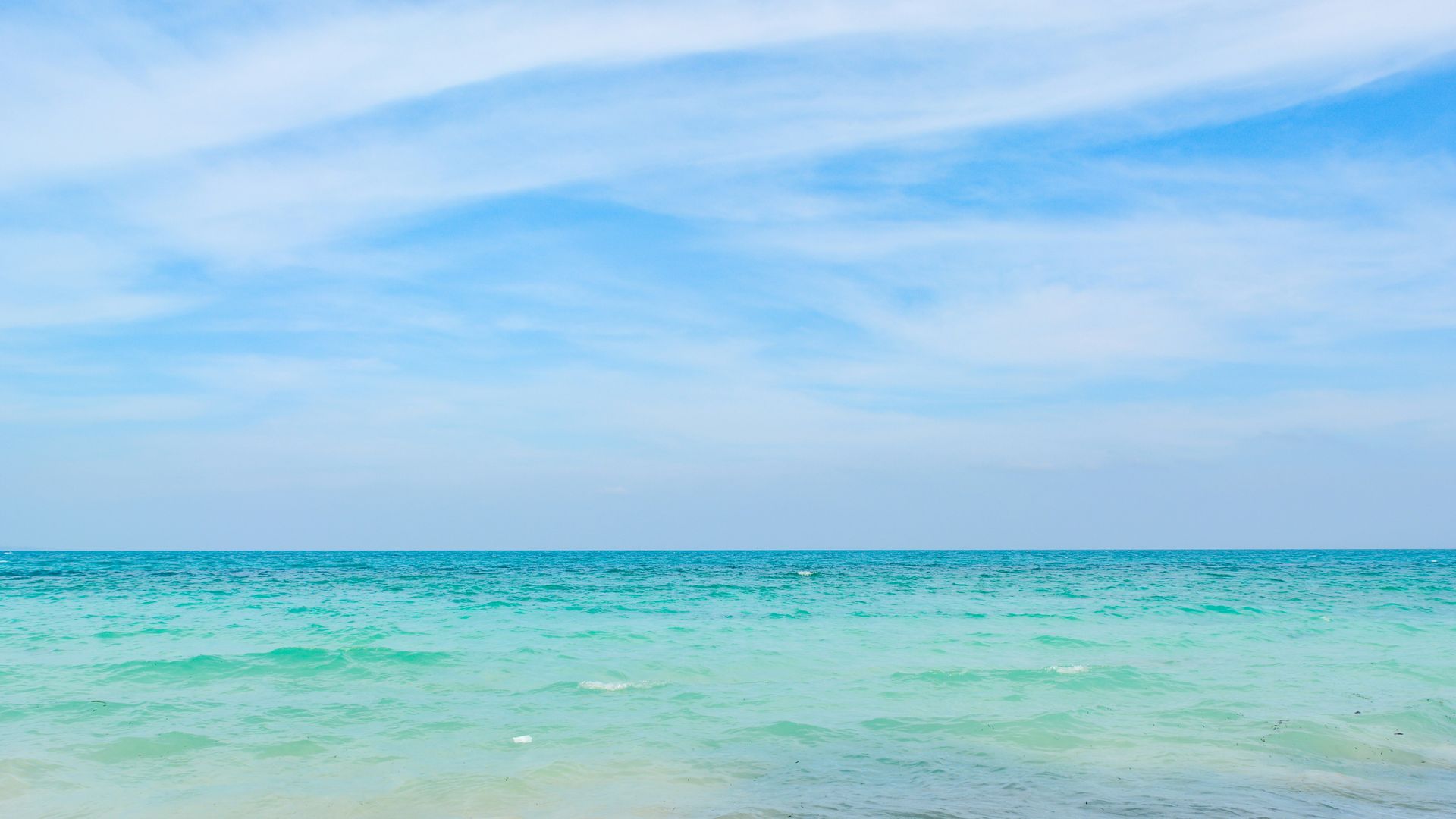
Radhanagar Beach clings to the northwest coast of jungle-wreathed Havelock Island, the most developed of India’s far-flung Andaman Islands, and ranks among Asia’s most exquisite stretches of sand by nearly any measure. White-gold, silken sand meets turquoise waves here, all bordered by tangles of near-impenetrable primeval tropical forest that gives the entire beach a genuinely wild backdrop.
Havelock draws travelers with terrific diving and outstanding local dive schools, though a leisurely spot of snorkeling directly off Radhanagar still offers a genuine taste of the island’s underwater riches without requiring formal certification. Glass-clear water here holds dazzling rainbows of fish, and lucky snorkelers might even spot a shark, turtle, or manta ray drifting past during a single swim.
Beyond the water itself, Radhanagar offers little beyond strolling the beach’s vast expanses and watching the sun sink into the Andaman Sea each evening, though that simplicity ranks among the beach’s biggest draws for travelers seeking genuine relaxation alongside the snorkeling itself.
Crocodiles pose a genuine danger throughout the Andaman Islands, and several fatal attacks have occurred in recent years, making it essential for visitors to stay current on the latest safety information, follow any official local warnings, and avoid the water entirely at dusk and dawn, when crocodiles tend to be most active. Ferries connecting Havelock to Port Blair run several times daily, and booking a seat in advance during peak season helps avoid getting stranded waiting for the next available crossing. Morning visits typically offer calmer water and better underwater visibility than afternoon sessions, since wind picks up considerably along this stretch of coast later in the day. Basic beach facilities are available near the entrance, though visitors should bring their own water and snacks, as food options on site are limited. A short walk from the main entrance leads to considerably quieter stretches of sand well away from the busier central section of beach, especially earlier in the day.
Cosmin Serban / Unsplash
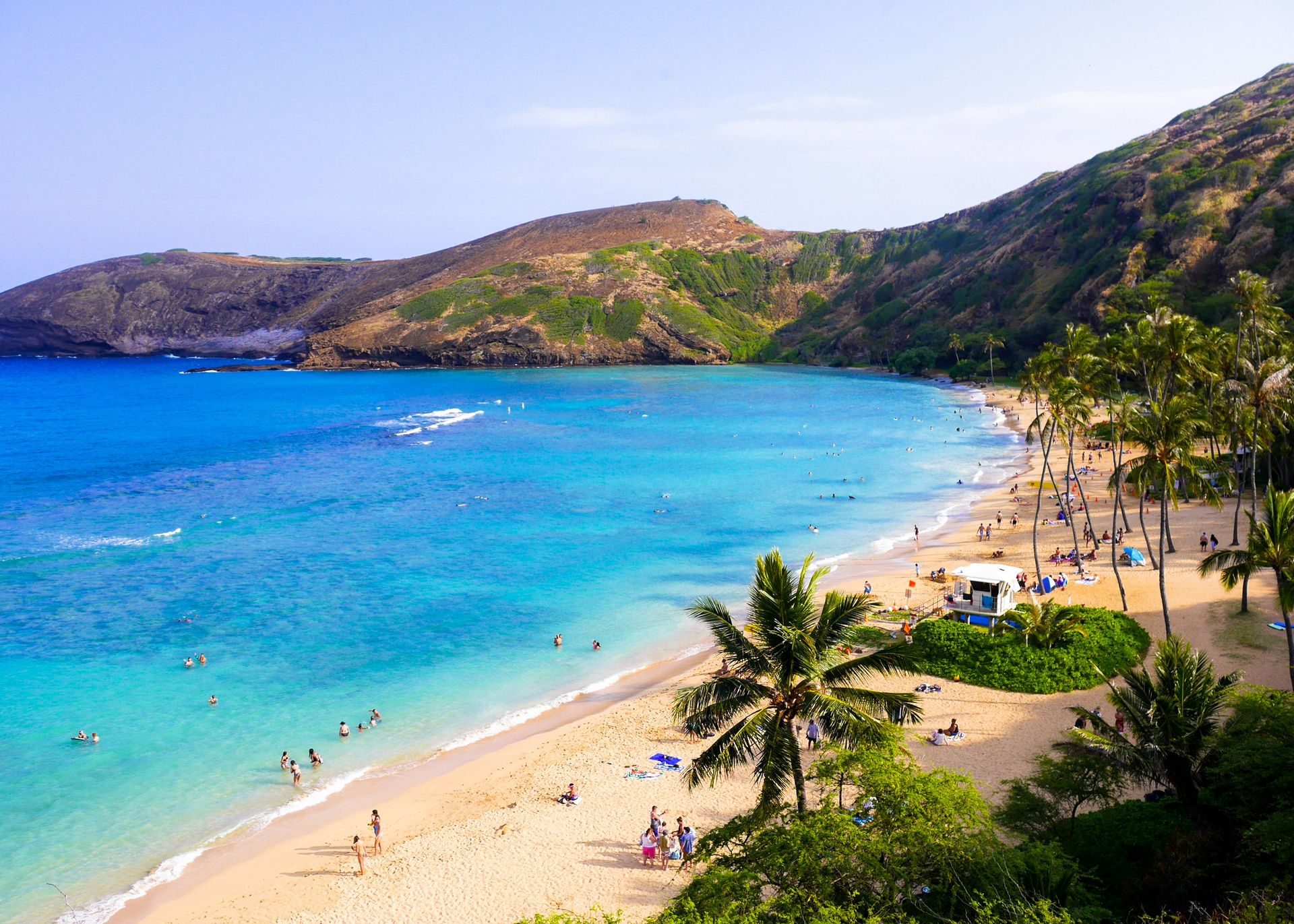
Hanauma Bay, nestled inside an ancient volcanic crater and backed by palm trees, holds a coral reef roughly 7,000 years old, making it one of the most scenic and popular snorkeling spots found anywhere throughout Hawaiʻi. Wading directly into the calm, shallow water reveals hundreds of neon-colored fish species alongside coral, eels, and sea turtles, all within easy reach of the bay’s dreamy white-sand beach.
Beyond the main reef, snorkelers can explore crevices and caves teeming with additional sea life, giving more adventurous visitors a genuine reason to venture slightly further from shore than the calmest, most beginner-friendly sections of the bay. This variety of terrain within a single protected bay gives Hanauma Bay real appeal for both first-time snorkelers and more experienced visitors alike.
The bay is part of a formal nature preserve and marine-life conservation area, closing entirely on Mondays and Tuesdays to minimize impact on the surrounding ecosystem, with a maximum of 1,400 visitors permitted on any single day the bay remains open. Visitors must reserve a specific time slot in advance, pay a fee of 25 US dollars plus 3 US dollars for parking, and watch a nine-minute orientation video before actually heading out into the water.
This level of formal management gives Hanauma Bay some of the strictest visitor controls found at any snorkeling destination on this entire list, reflecting just how seriously Hawaiʻi treats the long-term health of this particular reef system. Parking at the bay fills most mornings, and visitors without a reserved shuttle spot should plan to arrive well before the gates open to secure a spot. Booking the earliest available reservation slot online gives visitors the best chance at calm morning water before afternoon crowds and wind both pick up considerably. Renting gear on-site remains an option for visitors without their own mask and snorkel, though bringing personal equipment along generally saves both time and money at the entrance gate.
sutirta budiman / Unsplash
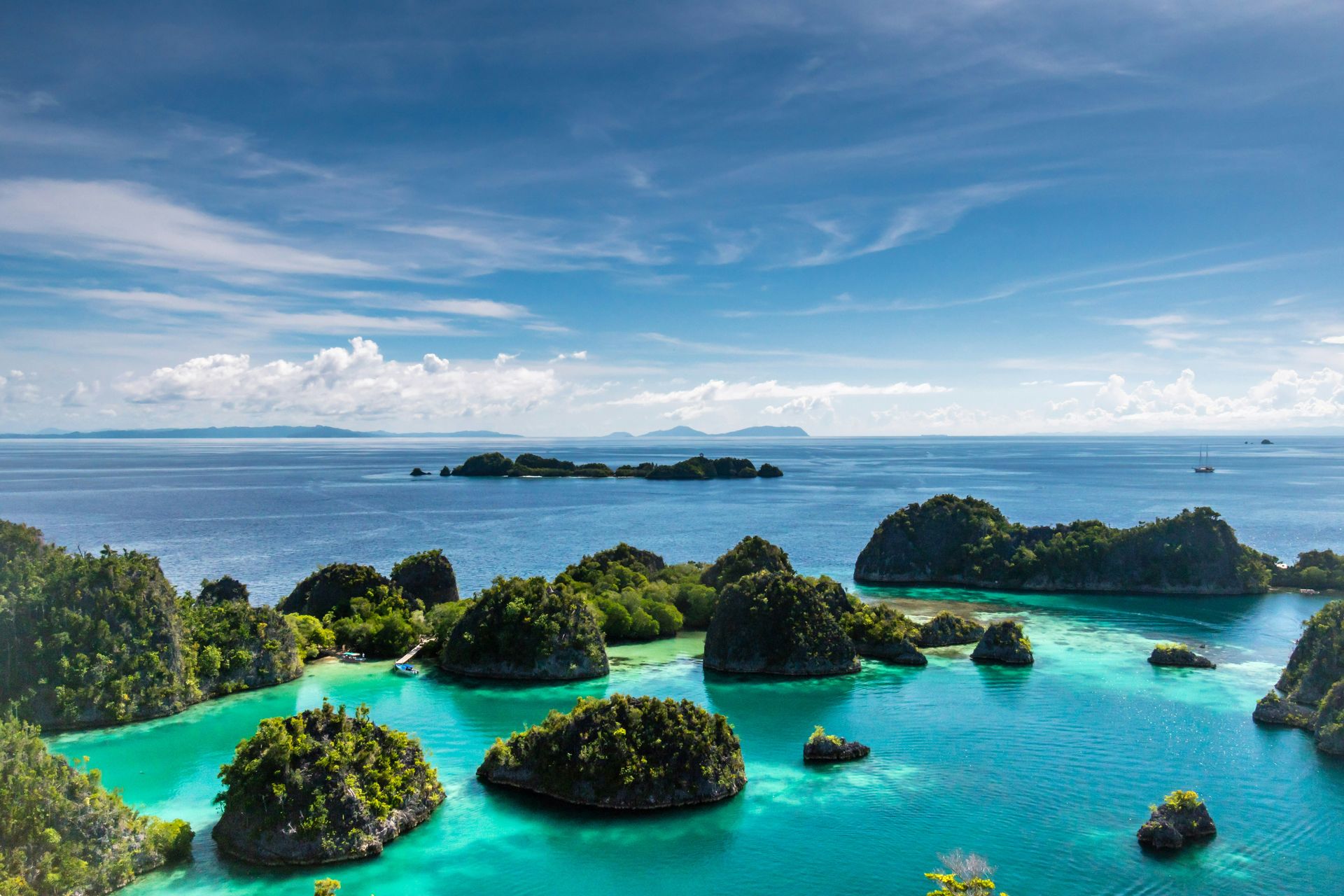
Southeast Asia holds spectacular diving and snorkeling throughout the region, and Indonesia’s Raja Ampat arguably tops the entire list, boasting fine white-sand beaches, hidden lagoons and an impressive diversity of marine life and coral reef systems spread across its many islands. The sheer quantity and variety of marine life here have led scientists to describe Raja Ampat as a genuine biological hotspot, believed to replenish reef systems across the South Pacific and Indian Oceans.
Snorkelers exploring Raja Ampat’s blue-water mangroves gain access to a marine area holding more than a thousand species of reef fish, hundreds of coral species, several types of sea turtles, and majestic manta rays, all within reach using just a mask, snorkel, and a pair of fins. Few destinations anywhere in the world pack this much documented biodiversity into a single snorkeling region.
Raja Ampat’s remote location throughout eastern Indonesia keeps visitor numbers considerably lower than more accessible reef systems elsewhere in Southeast Asia, giving the region a genuinely pristine feel compared with busier, more heavily trafficked snorkeling destinations closer to major population centers. This relative remoteness also means travelers should plan for longer, more involved travel logistics to actually reach the islands.
Working with a local guide familiar with the specific currents and seasonal patterns around individual islands considerably improves the odds of encountering the region’s rarer species during a single trip, since Raja Ampat’s islands vary meaningfully in what they typically offer visitors at any given time of year. Most visitors base themselves on a liveaboard boat or a homestay on one of the smaller islands, since the region’s reefs sit scattered across a genuinely wide stretch of ocean. Visitors should budget considerable time and expense for reaching Raja Ampat specifically, since flights typically connect through Jakarta or Bali before a final boat transfer to the islands themselves. Homestay accommodations throughout the islands tend to run considerably more basic than resort-style lodging elsewhere in Indonesia, a tradeoff most visitors accept for access to such remote reefs.
Omoniyi David / Unsplash
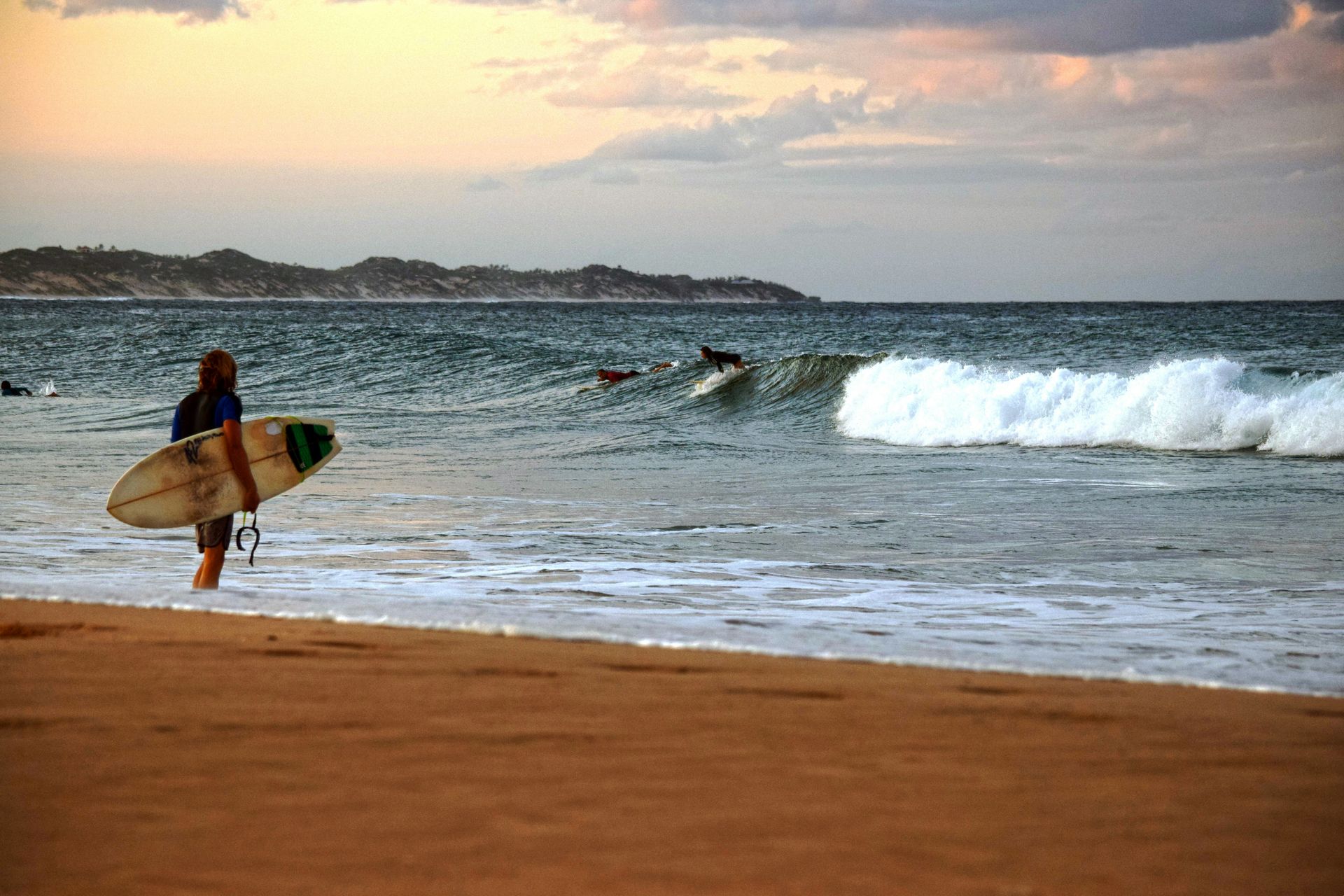
Mozambique offers superb snorkeling throughout its pristine Indian Ocean coastline, where warm turquoise water lapping dune-fringed beaches abounds with shoals of colorful fish and well-preserved coral. The water off Tofo Beach, in the southern province of Inhambane, holds particularly rich marine biodiversity and has become most famous specifically for its large resident whale shark population.
Tofo ranks among the few places on the planet where gentle whale sharks can be found year-round, rather than only during a narrow migration window, as in most other whale shark destinations worldwide. This year-round presence gives Tofo Beach a genuine planning advantage for travelers without much flexibility in choosing their exact travel dates.
Manta rays also grace these waters alongside sea turtles and dolphins, giving visitors a genuinely broad range of large marine life to encounter beyond the whale sharks alone. Humpback whales stop by the coast between June and October, specifically, adding yet another seasonal draw for travelers who can time their visit around that particular window.
Combining a whale shark encounter with sightings of manta rays, turtles, and dolphins within a single trip gives Tofo Beach a genuinely well-rounded case for topping many travelers’ snorkeling bucket lists. Few other single destinations on this list offer quite this much variety of large marine life within such easily accessible, beginner-friendly waters. Local research organizations based in Tofo track individual whale sharks by their unique spot patterns, and visitors can sometimes join a tagging or research outing alongside a standard snorkeling trip. Tofo sits roughly a six-hour drive from Maputo, Mozambique’s capital, making a rental car or organized transfer the most practical way for most visitors to actually reach the beach. Several dive shops along the beach also offer combined whale shark and manta ray snorkeling trips, letting visitors target both species within a single outing. Booking directly with an established operator rather than an informal beach vendor helps ensure a safer, more responsible encounter with whale sharks.
Stephen T King / Unsplash
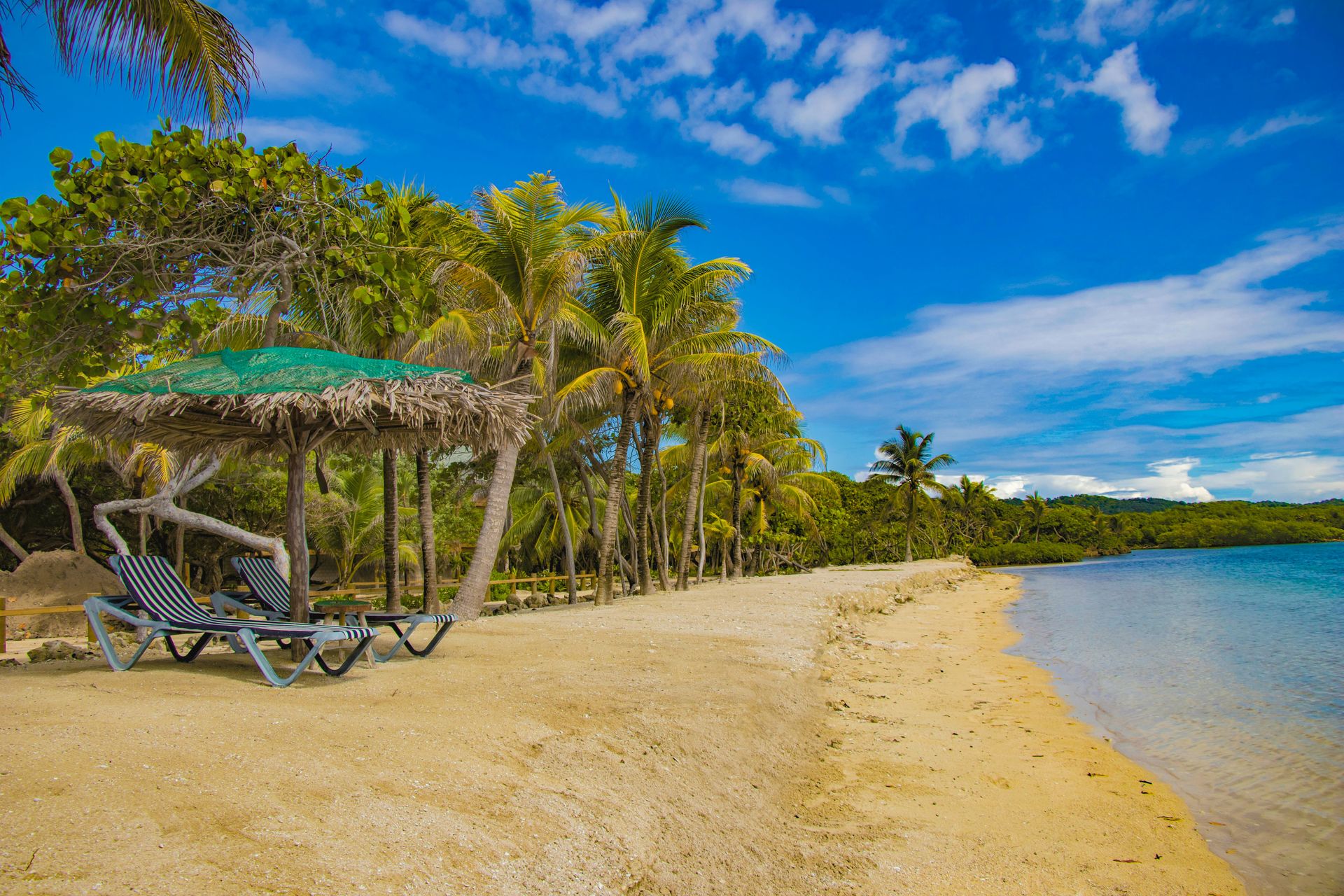
Roatán, the largest and most developed of the Honduran Bay Islands, ranks among the best places to snorkel found anywhere throughout the Caribbean, fringed by an incredibly diverse coral reef rich with tropical fish. The island functions as a genuine diving and snorkeling paradise, drawing visitors specifically for its pairing of accessible shore snorkeling and more advanced dive sites further offshore.
West Bay’s pristine white-sand beach offers visitors a chance to spot parrotfish, butterflyfish, and angelfish just off the shore, requiring nothing more than wading in directly from the sand to begin encountering the reef’s resident fish population. This ease of access makes West Bay a genuinely reliable choice for visitors without a boat or a formal snorkeling tour booked in advance.
Travelers $TRV seeking a slightly more adventurous outing should venture south to Mary’s Place, a dive site built around a huge underwater crevice where sea turtles, eagle rays, and groupers frequently rise up toward the surface, giving snorkelers a genuine chance to spot larger marine life without needing full scuba certification.
Roatán’s pairing of easy beach access and more dramatic offshore formations gives the island genuine appeal across a wide range of snorkeling experience levels, from complete beginners wading in at West Bay to more confident swimmers seeking out Mary’s Place specifically for its dramatic underwater topography. The island also hosts a well-regarded marine park that charges a small conservation fee, which goes directly toward reef maintenance and patrol boats that discourage illegal fishing nearby. Direct flights connect Roatán to several major hubs throughout the United States, making the island genuinely easier to reach than many other Caribbean snorkeling destinations on this list. Cruise ships also stop regularly at Roatán, so visitors arriving this way should confirm shore excursion timing carefully to make the most of a limited port day. Renting gear from a shop near West Bay costs relatively little, making a spontaneous snorkeling stop easy even without advance planning.
Jean-Baptiste D. / Unsplash
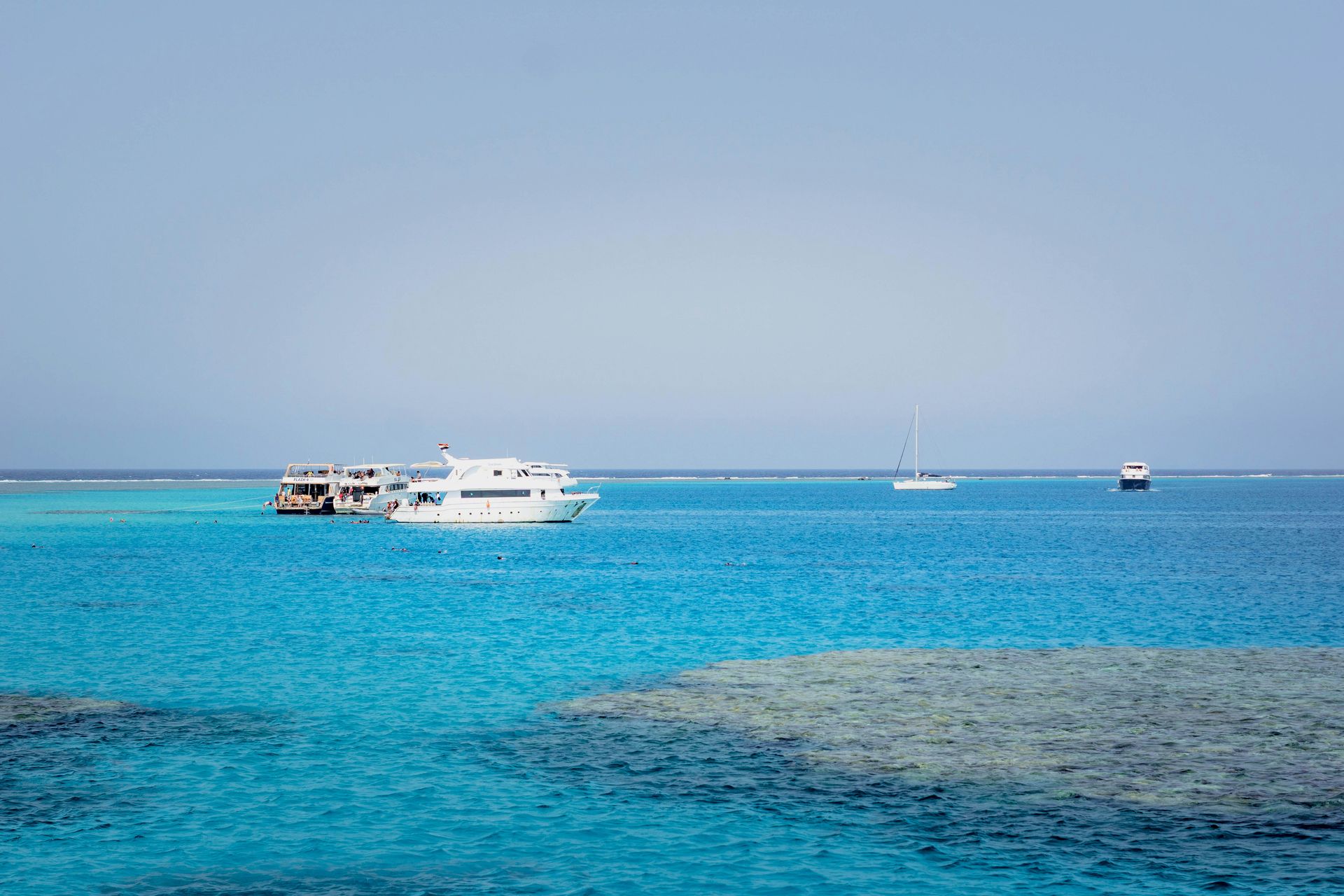
Marsa Alam, in southern Egypt, ranks among the few places anywhere in the world where visitors can reliably spot the elusive dugong, a rare, lesser-known cousin of the manatee that has long inspired mermaid myths and legends across numerous cultures throughout history. Abu Dabbab Bay features shallow waters, protective reefs, and abundant seagrass that together attract and sustain a small resident population of dugongs, affectionately nicknamed "sea cows" for their grass-eating habits.
Other residents of the bay found around its well-preserved coral reefs include giant sea turtles, parrotfish, angelfish, barracudas, and seahorses, while the sandy seafloor throughout the bay also shelters stingrays resting just beneath the surface. This range of resident species gives Abu Dabbab Bay genuine appeal well beyond the dugong sightings alone, rewarding patient snorkelers with a genuinely full sense of the bay’s ecosystem.
Dugongs remain genuinely elusive even within Abu Dabbab Bay itself, and sightings depend heavily on patience and a bit of luck, since these animals spend considerable time grazing on seagrass beds that shift somewhat unpredictably throughout the bay depending on the season. Visitors hoping specifically for a dugong encounter should budget multiple snorkeling sessions instead of expecting a guaranteed sighting on a single outing.
Working with a local guide familiar with the bay’s current dugong activity considerably improves the odds of an actual sighting, since guides often track recent activity and can direct visitors toward the specific areas where dugongs have been grazing most recently. Marsa Alam’s airport receives direct flights from several European cities during peak season, making the bay considerably easier to reach than many other dugong habitats scattered around the world. Visitors should avoid chasing or crowding any dugong they spot, since these animals startle easily and Egyptian authorities actively enforce distance rules to protect the bay’s small resident population. Several resorts along the Marsa Alam coastline offer guided snorkeling excursions directly to Abu Dabbab, simplifying logistics for visitors without their own transportation.
