
From Coney Island's century-old boardwalk and 56-mph roller coasters to a Governors Island spa where soaking pools overlook the Financial District
Credit: Central Park Conservatory
New York City summers get steamy fast, and the city offers far more relief from the heat than most visitors realize before they arrive. Fourteen miles of city-maintained shoreline wrap around the five boroughs, giving swimmers direct access to Atlantic waves without ever leaving city limits. Beyond the beaches, 53 outdoor public pools operate across the boroughs, supplementing the ocean access with chlorinated alternatives scattered through neighborhoods far from the coast. Visitors who only associate New York with concrete and traffic often have no idea how much genuine beach and pool culture exists within a short subway or ferry ride of Manhattan, tucked into neighborhoods most tourist itineraries never touch at all.
Choosing where to swim in New York comes down to matching a destination to the day a swimmer actually wants, since the options span buzzy boardwalks, quiet nature preserves, packed urban parks, and high-end spas charging for a few hours of poolside luxury. None of these destinations requires a car to reach, and every one sits within two hours of Manhattan by public transit, which means the only real obstacle to a great swimming day in New York is deciding which vibe fits the moment. A rooftop pool with skyline views calls for a very different kind of day than a crowded, festive beach boardwalk, even though both destinations sit within the same transit network reachable from almost anywhere in the city, often for the price of a single subway or ferry fare.
The 10 spots below appear in Lonely Planet, covering public pools, day-pass spas, and beaches recommended across New York City and its surrounding region, from historic municipal pools to full-day escapes along the Jersey Shore, each one suited to a distinctly different kind of summer mood entirely.
Credit: Central Park Conservatory
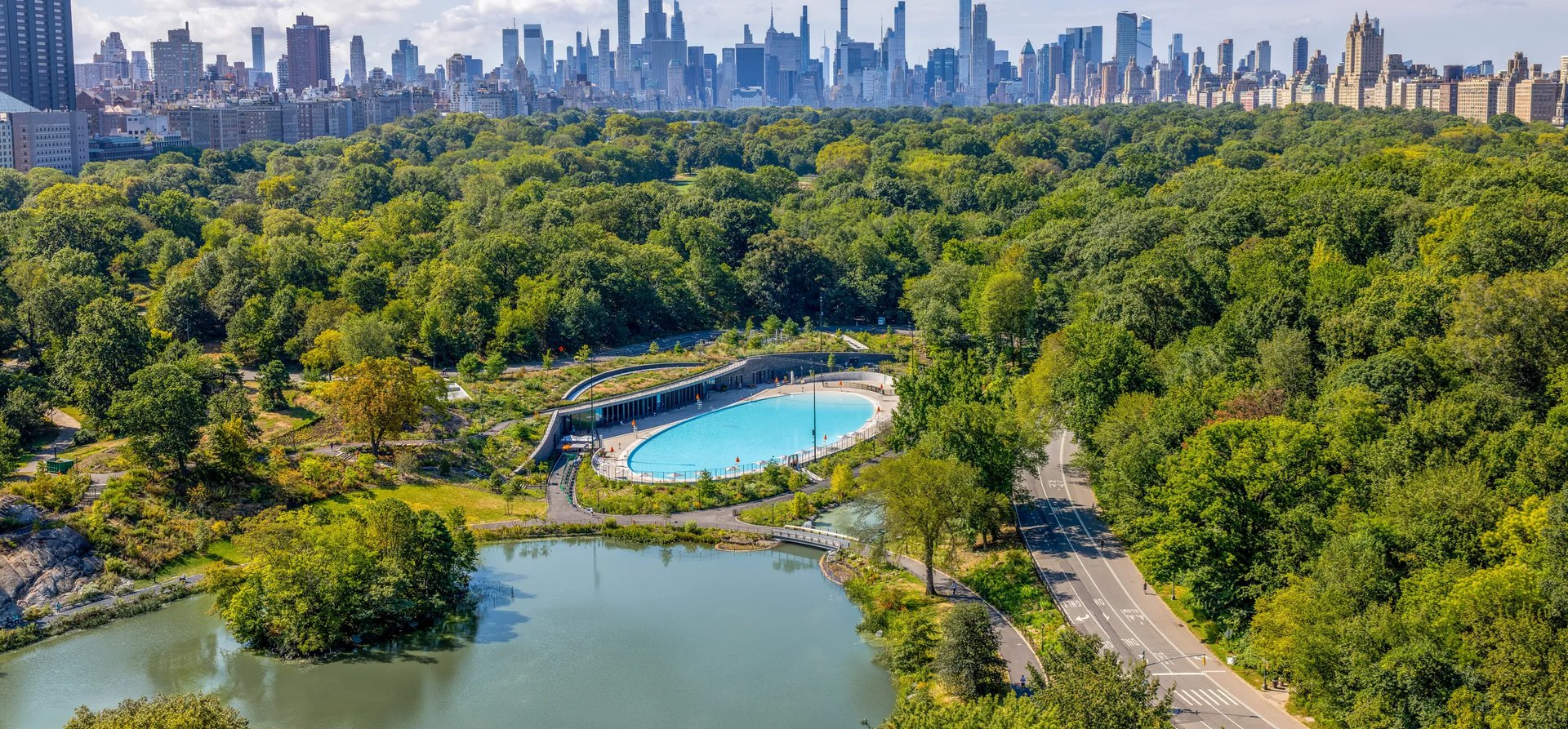
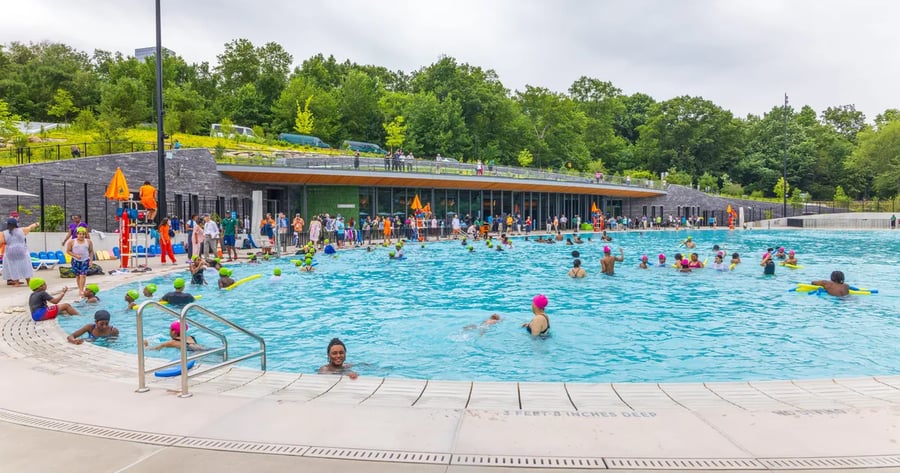
Gottesman Pool opened as part of a $160 million upgrade to Central Park’s northern stretches, and the oval-shaped pool has quickly become the most popular summer cooling spot for families in the park. Part of the Davis Center complex, the pool spans 285 feet and can accommodate 1,000 swimmers at once, giving it a scale that few other public pools in the city can match. Lounge chairs and a dedicated kids’ splash zone round out the amenities, making the pool as much a destination for parents looking to relax as for children looking to cool off in the summer heat.
The pool’s location adds a scenic dimension that sets it apart from a typical municipal facility. Gottesman overlooks the Harlem Meer, a pond where licensed anglers and children can legally fish, giving families a reason to extend their visit beyond swimming alone. Watching fishing lines cast into the Meer while lounging poolside creates an unusual mix of urban recreation that few cities can offer within a single park.
Popularity has become the pool’s biggest drawback for visitors hoping to avoid a wait. Crowds build quickly once the weather turns warm, and arriving early in the day offers the best chance of avoiding a long line at the entrance. Visitors who show up during peak afternoon hours should expect to wait, especially on weekends when families flock to the pool in the largest numbers, filling the deck space well before midday.
A visit to Gottesman pairs naturally with a walk through the surrounding neighborhood once swimmers have had enough sun. Strolling east around the Harlem Meer leads into Spanish Harlem, where La Marqueta offers alcapurrias, or meat fritters, from the Cocotazo counter, giving visitors a taste of Puerto Rican beachside food culture without leaving Manhattan. Few public pools anywhere pair so naturally with a genuine neighborhood food crawl just steps from the water, extending a pool day well past the closing hour.
Credit: NYC Parks
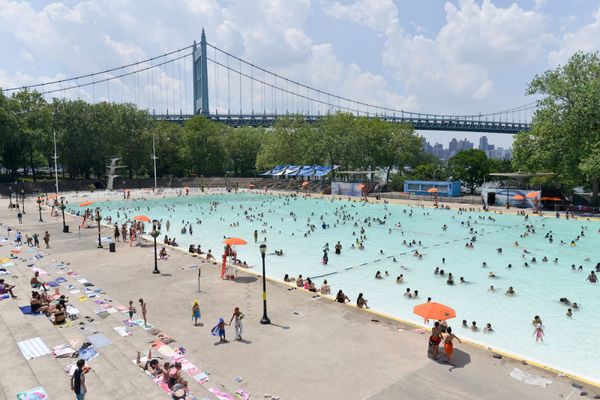
Astoria Pool holds the distinction of being New York’s largest public pool, and its setting between the Robert F. Kennedy and Hell Gate Bridges gives swimmers a view unmatched by any other municipal facility in the city. Workers built the pool in 1936 as part of the city’s WPA-era pool construction boom, and its art deco architecture has retained its original character even as the surrounding neighborhood has changed considerably in the decades since. Few public works projects from that era have aged as gracefully as Astoria’s pool complex has.
A $19 million restoration completed in 2024 brought the historic pool back to a condition that feels genuinely new to visitors, despite the structure’s nearly nine decades of history. This renovation preserved the pool’s Art Deco details while addressing the wear that comes with operating a heavily used public facility for so many years, giving Astoria a rare pairing of historic character and modern reliability that few municipal pools anywhere else in the country can claim.
Families and serious swimmers alike find something suited to their visit at Astoria. Children can dog-paddle in the main pool or head to the neighboring sprinkler playground for a gentler introduction to summer water play, while more athletic visitors can take advantage of lap swimming sessions offered on select mornings before the crowds arrive in full force, giving early risers a rare quiet window at the city’s largest public pool.
The surrounding Astoria neighborhood extends a pool visit well into the evening. Walking south along the East River waterfront leads to Socrates Sculpture Park, an outdoor art space free to explore, while heading west brings visitors to the Bohemian Hall & Beer Garden, where giant pretzels and Czech pilsners offer a fitting way to unwind after an afternoon in the water. Few pool visits in the city come with this natural a transition into an evening built around art and beer garden culture just blocks away.
Credit: NYC Parks
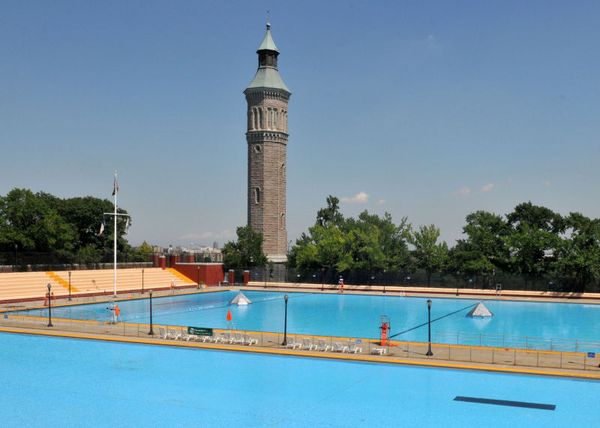
Highbridge Pool holds a claim few other public pools can make, appearing in the splashy “96,000” production number from Lin-Manuel Miranda’s In the Heights movie musical. The pool’s brief moment on screen has turned it into something of a pilgrimage site for fans of the film, drawn to see the actual Washington Heights location where the scene came together. Visitors who arrive unaware of the film’s connection to the pool often leave surprised by how familiar the site feels once they’ve seen the movie.
Like Astoria, Highbridge dates back to 1936 as part of the same WPA-era construction wave that produced several of the city’s grandest public pools. The complex splits into an Olympic-size pool and a separate wading pool, with the 200-foot-tall High Bridge Tower rising directly behind the water, giving the whole site a dramatic backdrop that likely helped attract filmmakers in the first place. Visitors who remember the movie scene will recognize the tower immediately upon arrival, as it dominates the skyline above the pool deck.
Swimmers at Highbridge get a workout option alongside the recreational pool, since the Olympic-size dimensions accommodate serious lap swimming in addition to families splashing in the shallower wading section. This split layout lets the pool serve two very different kinds of visitors without either group getting in the other’s way, a design choice that has held up well since the 1930s and continues to shape how the pool operates today.
Fans looking to extend their Lin-Manuel Miranda pilgrimage have an easy next stop half a mile south. The Morris-Jumel Mansion, built in 1765, briefly served as home to Aaron Burr, one of the central figures in Miranda’s hip-hop musical Hamilton, giving history-minded visitors a way to connect two of Miranda’s most celebrated works within a single afternoon in Washington Heights. Few neighborhoods anywhere let visitors trace connections between two major pieces of musical theater within such a short walk.
Credit: Bathhouse Williamsburg
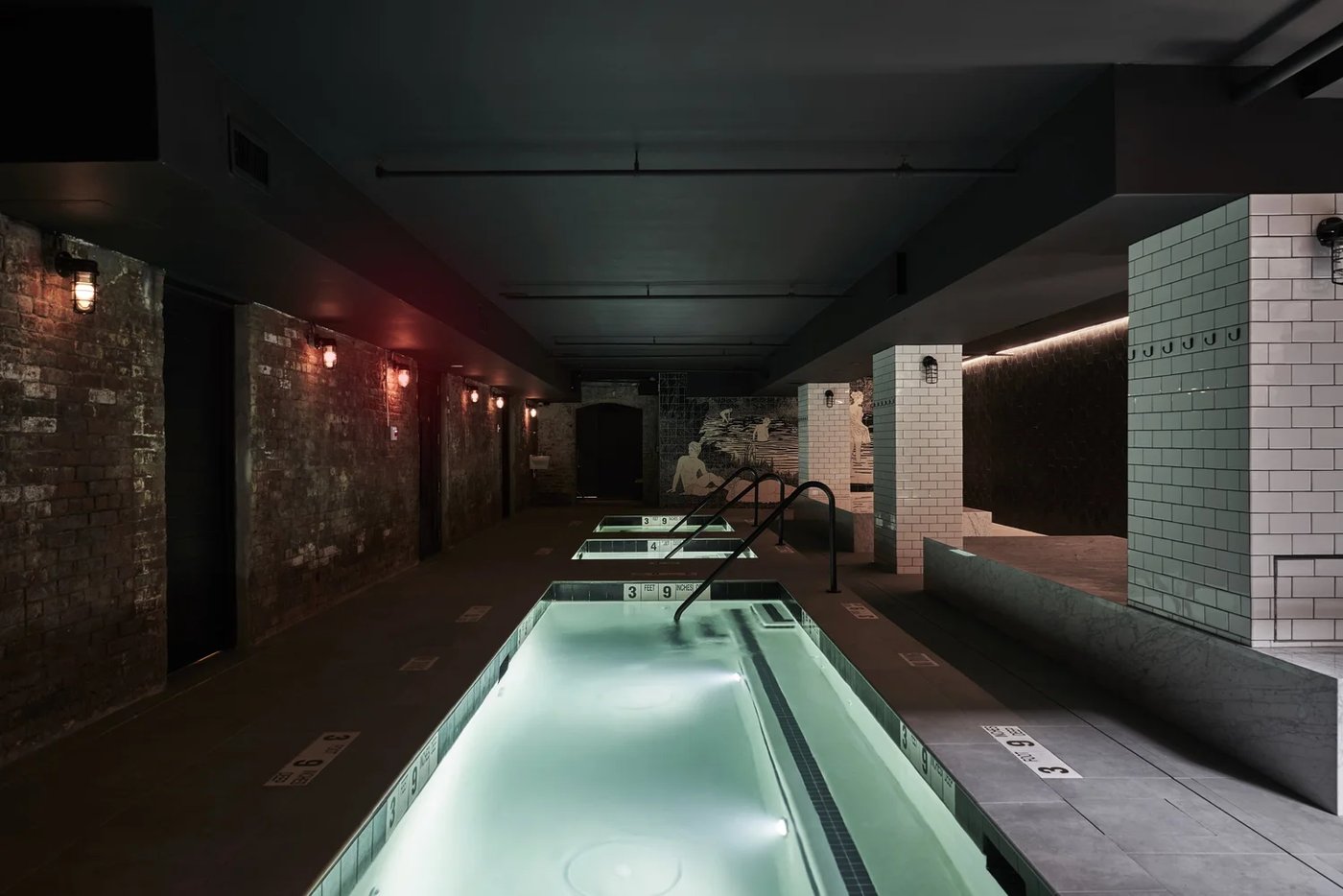
Bathhouse Williamsburg gives visitors without a SoHo House membership access to a similarly exclusive, adults-only atmosphere through a simple day pass. The Brooklyn spa’s rooftop pool stretches 120 feet, making it the largest rooftop pool in New York City, and reserving a lounge chair here means spending the day looking out over the Manhattan skyline while sipping natural wine instead of fighting for space at a crowded public pool. A few days pass before you find anywhere in the city that delivers this level of exclusivity without requiring an actual membership commitment.
What separates Bathhouse from most day-pass rooftop experiences comes down to what’s included beyond the pool itself. A full-service restaurant operates on-site, and day-pass holders also get access to the property’s broader spa facilities, including two cold plunge pools that offer a genuinely effective antidote to New York’s summer humidity once the heat becomes too much to handle poolside, giving visitors a way to cool down without ever leaving the building.
Seating at Bathhouse works on a first-come, first-served basis, which means timing a visit matters as much as booking the day pass itself. Arriving early gives visitors the best selection of lounge chairs and the clearest views of the skyline, while later arrivals may find themselves settling for whatever space remains once the rooftop fills up for the day. Treating the arrival time as seriously as the booking itself does make the difference between a great spot and a mediocre one, especially on the busiest summer weekends.
The overall experience at Bathhouse positions it closer to a luxury spa day than a typical swimming outing, and visitors should approach it accordingly. Between the cold plunge pools, the full restaurant service, and the sheer size of the rooftop pool, a day pass here functions less like poolside recreation and more like a complete, self-contained escape from the city below, even though the rooftop itself sits squarely within Brooklyn, just a short subway ride from Manhattan.
Credit: QC NY
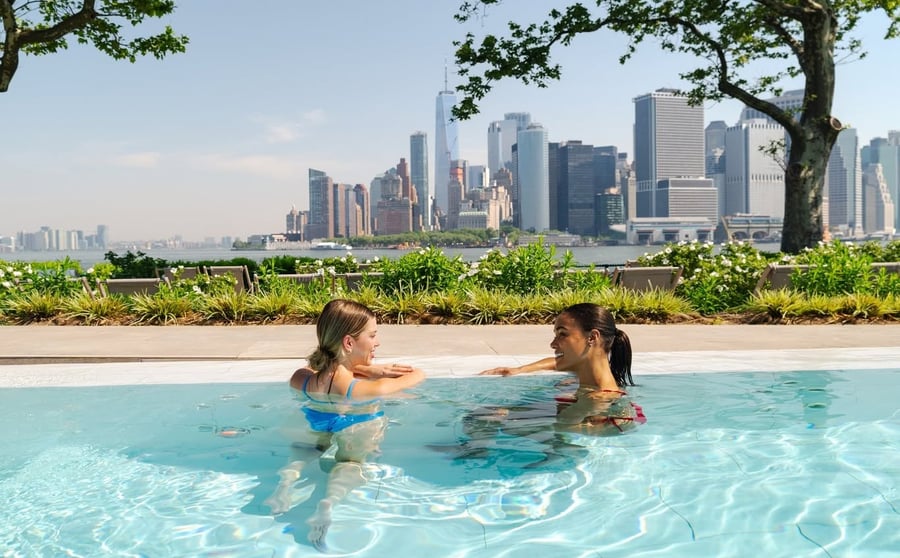
QC NY sits on Governors Island, reachable by a five-minute ferry ride that immediately puts Manhattan’s noise and crowds at a distance despite the short travel time involved. The Zen-inspired spa built its outdoor soaking pools to overlook the Financial District’s skyscrapers, giving visitors a view of the city’s density from a setting specifically designed to feel like an escape from it. Few spas anywhere manage to frame a dense skyline as a calming backdrop rather than a reminder of the crowds left behind on the mainland, and that framing is a big part of what makes QC NY feel like a genuine getaway rather than just another spa day.
Each soaking pool comes equipped with submerged lounge chairs fitted with bubble jets, turning a simple soak into something closer to a spa treatment than a standard swim. Three-hour passes give visitors enough time to move between pools, fully relax, and still have time left over to visit the on-site bistro for an Aperol spritz before heading back to the ferry dock, closing out the visit exactly as leisurely as it began.
Governors Island itself offers plenty to explore beyond the spa grounds for visitors who want to extend their day. Renting bikes lets visitors cycle the island’s perimeter at their own pace, while Hammock Grove provides latticed swings for anyone who wants to relax outdoors between spa sessions instead of staying poolside the entire visit.
Food and drink options round out a full day on the island beyond what QC NY’s own bistro provides. Taco Vista, a waterside restaurant elsewhere on Governors Island, serves margaritas that pair naturally with the day’s overall theme of low-key indulgence, giving visitors a reason to wander the island even after they’ve had their fill of soaking pools and skyline views. Combining the spa’s structured relaxation with the island’s more casual dining options gives visitors a full day that doesn’t feel confined to a single property or a single mood.
Credit: Swimply
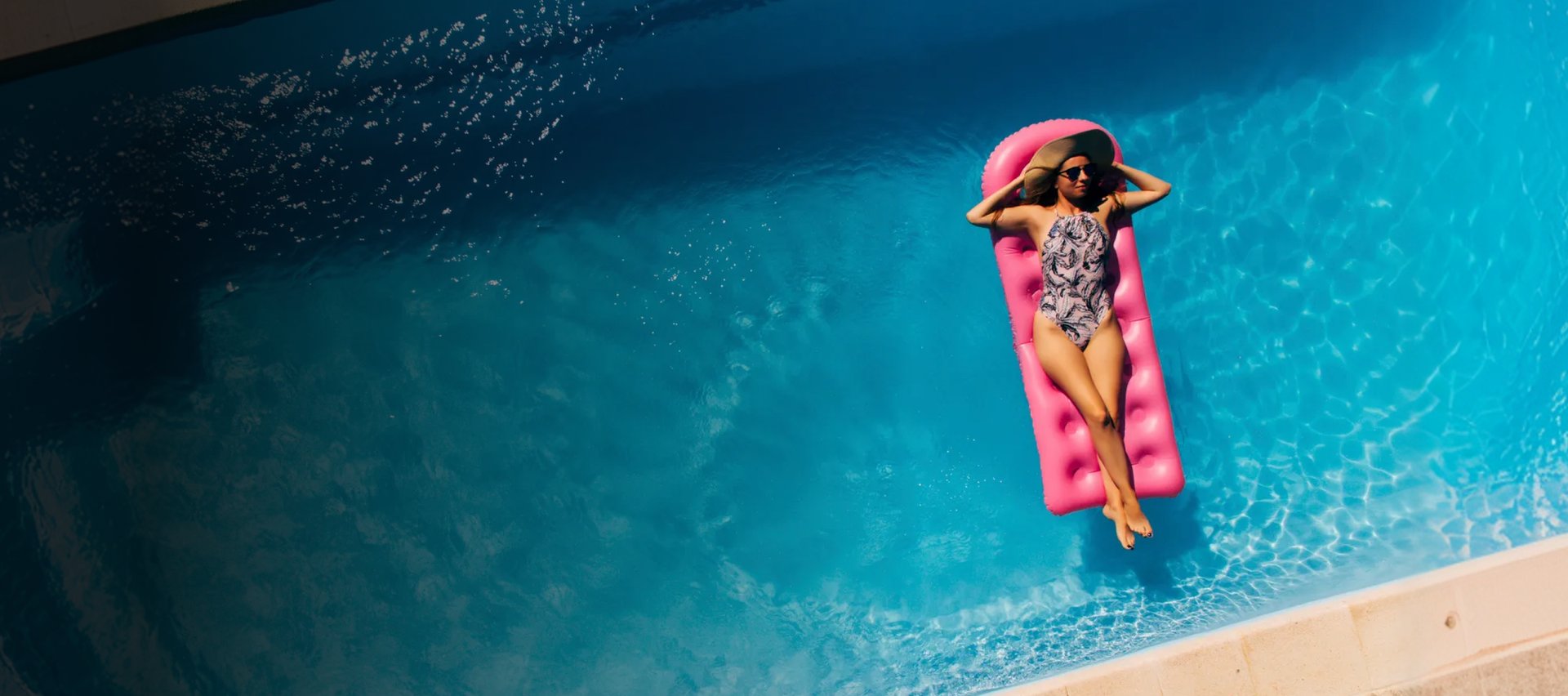
Swimply operates on a model familiar to anyone who has used a short-term rental app for lodging, except that instead of booking someone’s house or apartment, users book access to someone’s private swimming pool by the hour. The service functions as a practical alternative for visitors who don’t want to wait in line at a crowded public pool and can’t justify an ongoing gym membership just to access private pool facilities during a short visit or a single hot weekend.
Filtering options let users narrow down pools by specific amenities and price range, which matters given how much individual listings can vary from one property to the next. A pool booking arranged through the platform can include almost anything a private homeowner has added to their backyard setup, and the specific mix of features available depends entirely on which listing a group chooses to book for their reservation.
Group bookings make the platform considerably more cost-effective on a per-person basis, since splitting the hourly rental fee across a larger group reduces what any individual pays for a full day of access. One editor’s Long Island pool booking came with a water slide, a speaker system, a diving board, a changing area, a sauna, pool floats, and a grill, illustrating just how far a single booking can stretch when a property owner has invested heavily in their backyard setup, turning a rental into a small private resort for the day.
This kind of flexibility appeals specifically to groups who want more control over their environment than a public pool or a crowded beach can offer. Instead of sharing space with strangers or working around a facility’s posted hours, a private pool rental gives a group exclusive access to a specific space for a set block of time, trading the social atmosphere of a public pool for privacy and a customized setup tailored to what the group wants that day.
Credit: NYC Parks
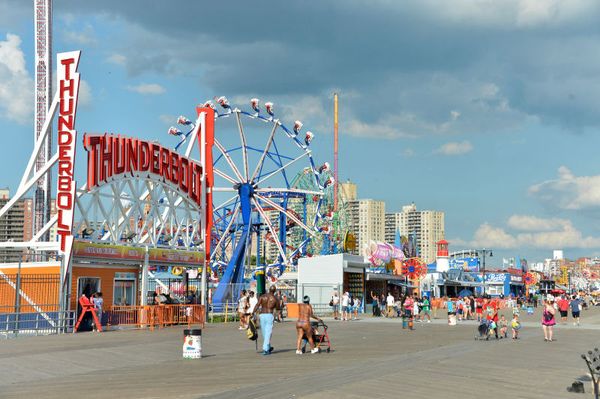
Coney Island Beach has drawn New Yorkers to Brooklyn’s shoreline since the late 19th century, when the neighborhood first transformed into an affordable day-tripper destination for city residents seeking an escape from summer heat. This reputation as an accessible, no-frills beach getaway has persisted for well over a century, and the beach still draws rowdy, sizable crowds every summer weekend who show up expecting exactly the same lively atmosphere their predecessors sought generations ago.
Walking the 2.5-mile Riegelmann Boardwalk with a Nathan’s Famous hot dog in hand counts as close to a rite of passage for visitors experiencing Coney Island for the first time. Thrill-seekers can catch the sea breeze aboard roller coasters such as the Thunderbolt, which reaches speeds of 56mph, while calmer visitors can head to the aquarium to see harbor seals or catch a minor-league baseball game at Maimonides Park before returning to the sand for the rest of the afternoon.
Finding towel space on a summer weekend takes some effort,, given how popular Coney Island remains, and visitors hoping for a quieter beach experience should plan accordingly or arrive earlier in the day before the crowds fully form. The energy that makes Coney Island exciting for some visitors can feel overwhelming to others, and knowing which category describes a given trip helps set expectations before arriving.
Visitors seeking a quieter alternative without leaving the area can walk east to Brighton Beach, the sandy backdrop to a neighborhood known for its sizable Russian-speaking community. Little Georgia, a bakery in the neighborhood, serves traditional khachapuri, a creamy Georgian cousin of pizza, giving beachgoers a distinctive food option before settling in with locals for a calmer stretch of sand than Coney Island itself typically offers. The contrast between the two beaches, separated by only a short walk, gives visitors an easy way to sample both the chaos and the calm sides of Brooklyn’s shoreline in a single day.
Urielevy / Wikimedia Commons (CC BY-SA 4.0)
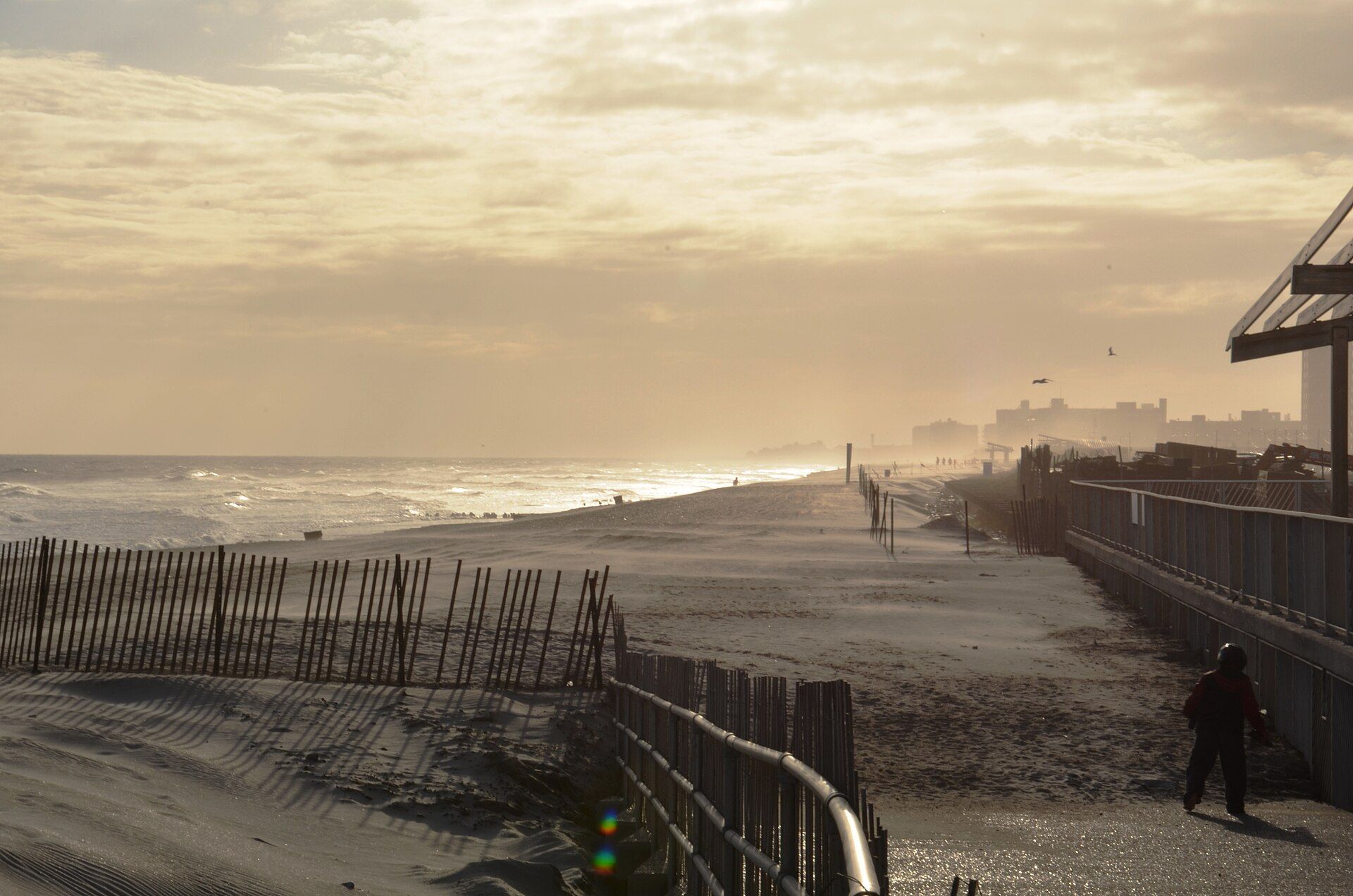
Rockaway Beach sits on a barrier peninsula in Queens, reachable in under an hour from Manhattan by taking the A train or a ferry, with the ferry’s upper deck offering the best views along the way. The peninsula stretches along a 5.5-mile boardwalk with enough room for visitors to spread out comfortably, whether they’re looking for a quiet stretch of sand or the livelier scene found around Beach 97th Street. Few beaches accessible by subway offer this much room to choose between a peaceful afternoon and a more social one, all within the same stretch of coastline.
Food at Rockaway ranks among the best available at any New York City beach, and La Cevicheria’s lime-drenched ceviche bowls have built a reputation strong enough to draw visitors who might not otherwise make the trip out to the peninsula. Weekend evenings bring live music to the boardwalk, turning what starts as a beach day into an impromptu dance party as the sun goes down and the temperature finally drops, extending the day well past the hours when most beaches empty out.
Surfers have a specific reason to make the trip to Rockaway that no other New York City beach can match, since the peninsula holds the city’s only legal surf spot. Beach 69th Street hosts Locals Surf School, easily identified by its black tent, where instructors offer lessons for total beginners and equipment rentals for more experienced surfers working on advanced nose-riding technique, making the beach a genuine destination for all skill levels, from first-timers to seasoned regulars.
Getting to Rockaway involves less hassle than many visitors expect from a beach destination technically located within city limits. Direct train access paired with a scenic ferry alternative means visitors can choose their preferred mode of transportation based on whether they want a quick trip or a more leisurely approach that treats the journey itself as part of the day’s entertainment.
Credit: U.S. National Park Service
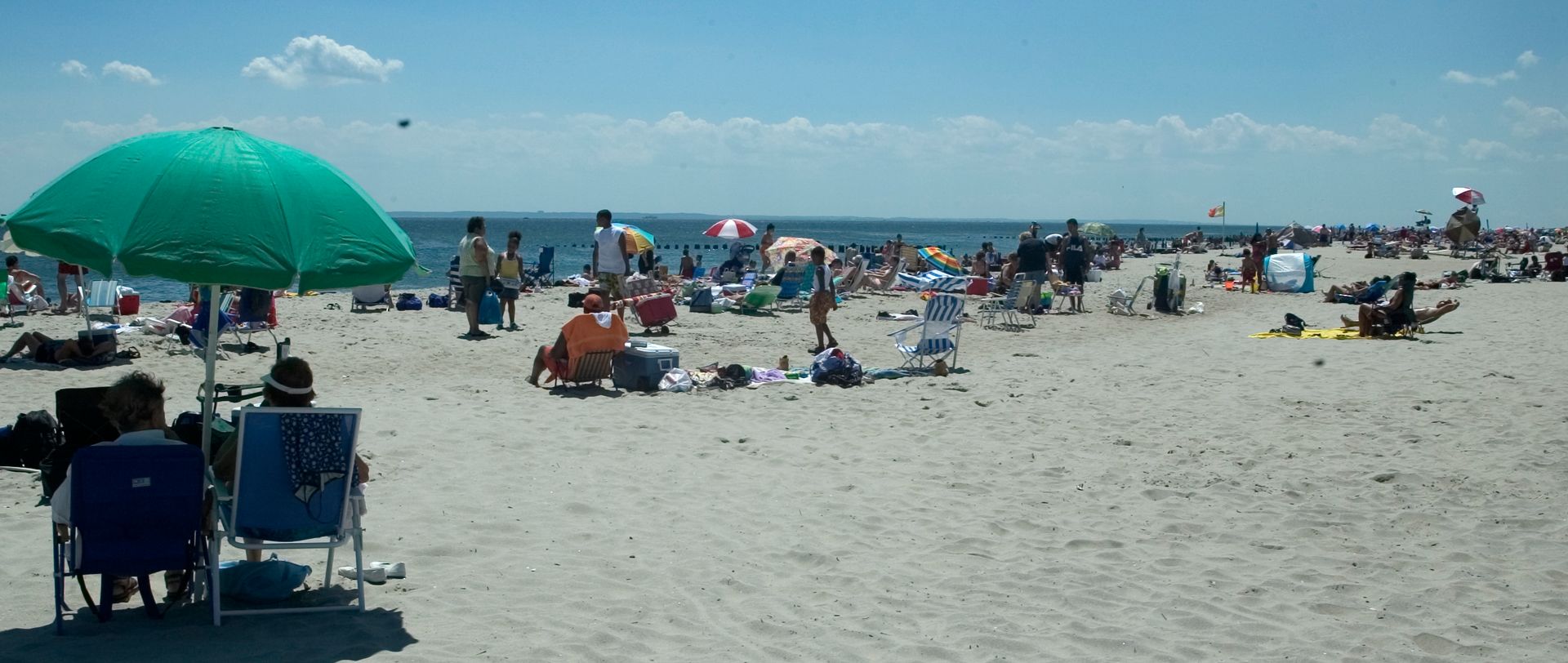
Jacob Riis Park has earned a reputation as New York City’s answer to Fire Island, drawing a proudly queer crowd without the steep prices typically associated with a Fire Island weekend getaway. The beach also offers a considerably shorter trip from Manhattan than Fire Island does, making it a practical choice for visitors who want a similar atmosphere without dedicating an entire day to travel in each direction, freeing up more of the day to actually enjoy the beach itself.
Multiple transit options make Jacob Riis genuinely easy to reach despite its location in Far Rockaway, Queens. The Q35 bus runs from Brooklyn, the Q22 connects from Rockaway Beach Boulevard, and a ferry to Far Rockaway, followed by a free beach shuttle, offers a third route for visitors coming from elsewhere in the city. Rainbow flags mark the beach’s eastern stretch, signaling exactly where to find the crowd that has made Jacob Riis a landmark destination for LGBTQ+ beachgoers from across the region.
Food options at Jacob Riis remain notably sparse compared with beaches such as Coney Island or Rockaway, and visitors should plan accordingly before arriving. Concessions near Bay 9 offer a limited selection, but many regular visitors choose to bring their own picnic instead of relying on what’s available for purchase directly on the beach itself.
Visitors looking to trade the beach’s party atmosphere for something quieter can walk two miles west to Fort Tilden, a former military site where piping plovers now outnumber human visitors by a wide margin. Grassy dunes and maritime forests make for a peaceful walk, though visitors should skip swimming entirely at Fort Tilden, since dangerous tides and the complete absence of lifeguards make the water there far riskier than the supervised beach at Jacob Riis. Pairing the two destinations in a single day gives visitors both the social energy of Jacob Riis and the solitude of an unsupervised natural landscape just a short walk away.
Credit: Asbury Park Boardwalk
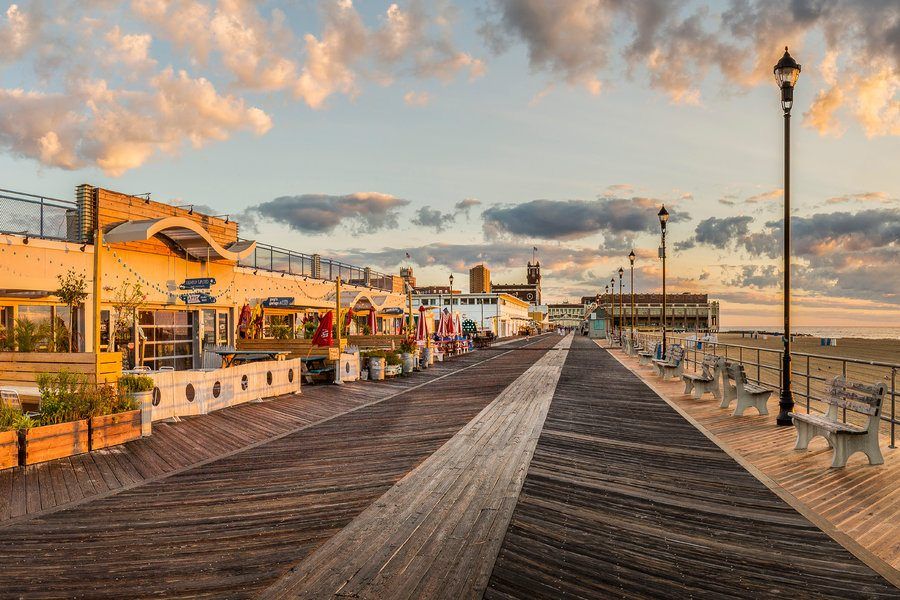
Asbury Park has built a reputation as the Jersey Shore’s cool-kid epicenter, sitting just two hours from New York City via New Jersey Transit and offering a beach experience built as much around its boardwalk culture as its actual sand. Ice cream shops, bars, and fast-food joints line the boardwalk, including Mogo, which serves Korean-fusion tacos that have become a defining food stop for visitors exploring the strip. Few Jersey Shore towns within easy reach of New York City pair a genuine beach with this much boardwalk personality.
Music history runs deep in Asbury Park, and the Stone Pony stands as the clearest physical link to that legacy, having hosted Bruce Springsteen during his rise to fame in the 1970s. The venue’s Summer Stage series continues that tradition today, bringing well-known acts to perform outdoors and giving visitors a legitimate reason to extend a beach day into a full evening centered on live music rather than heading back to New York once the sun goes down.
The boardwalk’s Silverball Retro Arcade doubles as both a working arcade and a pinball museum, giving visitors a rainy-day backup option or simply a fun detour between stretches of beach time. Surfers stick to the northern reaches of the beach, and beginners can book lessons through Summertime Surf, while families traveling with young kids tend to gravitate toward the sprinkler-equipped Asbury Splash Park overlooking the Atlantic, giving every member of the family a way to cool off regardless of age or comfort in open water.
Visitors who want a break from the sand entirely can head to Cookman Avenue, a walkable strip lined with new-wave restaurants and independent boutiques just a short distance from the beach itself. This pairing of boardwalk energy, music history, and a walkable downtown strip gives Asbury Park a fuller identity than a typical beach town, making it worth the two-hour trip even for visitors who don’t plan to spend the entire day in the water.