Atlantide Phototravel / Getty Images
Wedding costs have climbed to an average of $33,000. Most of that money flows through decisions couples make before they hire anyone. Couples lock themselves into a vendor market, an entertainment range, and a set of guest logistics the moment they name a city. Vendor markets vary enough between cities that the same ceremony costs a fraction more or less depending on where it happens. Hotel prices for guests range just as widely. A destination that looks affordable on paper can price out the people the couple most wants in the room.
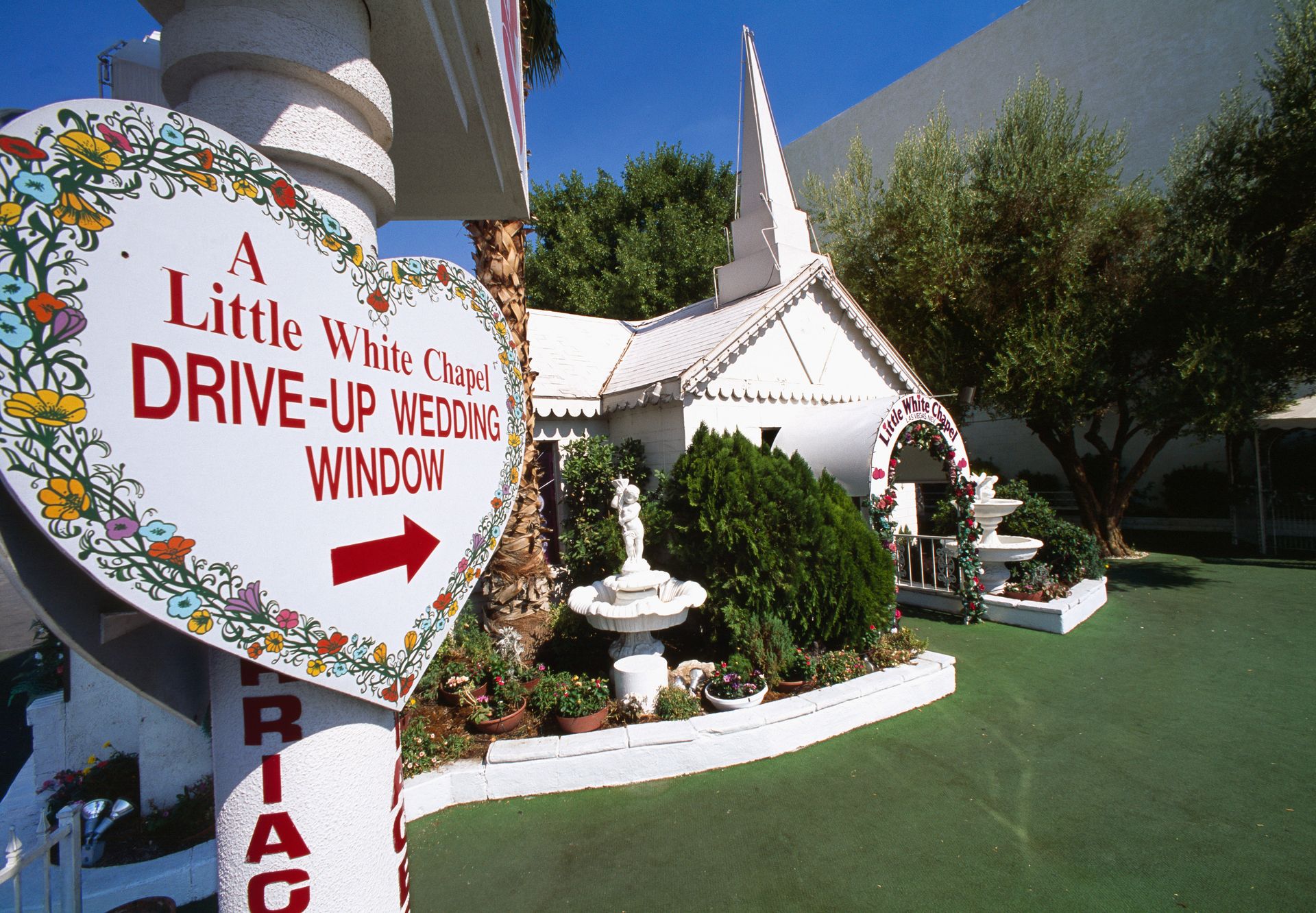
But most couples treat the destination as a backdrop when the data suggest it should be the first decision they make. Las Vegas, with its drive-through chapels and neon-lit excess, scores highest in the country not because of low prices, but because no other city offers the same density of ceremony professionals or as much world-class entertainment. A city can be affordable and still thin on florists, photographers, or reception halls. A city can be glamorous and still price out the guests. Couples searching for both find their options concentrated in a handful of cities.
WalletHub ranked 182 U.S. cities across three dimensions — Costs, Facilities and Services, and Activities and Attractions — weighting average wedding cost above any other single factor. Costs covered the price of the ceremony itself, hotel accommodation, and dining. Facilities and Services measured how many florists, photographers, venues, and planners a city offered relative to its population. Activities and Attractions captured how much a city gave guests to do before and after the ceremony. Analysts scored each city on 26 metrics and produced an overall score on a 100-point scale. All five top-ranked cities sit in the South or Southwest. No Northeastern or Midwestern city in the ranking cracks the top five.
1 / 5
USA-TARO / Getty Images
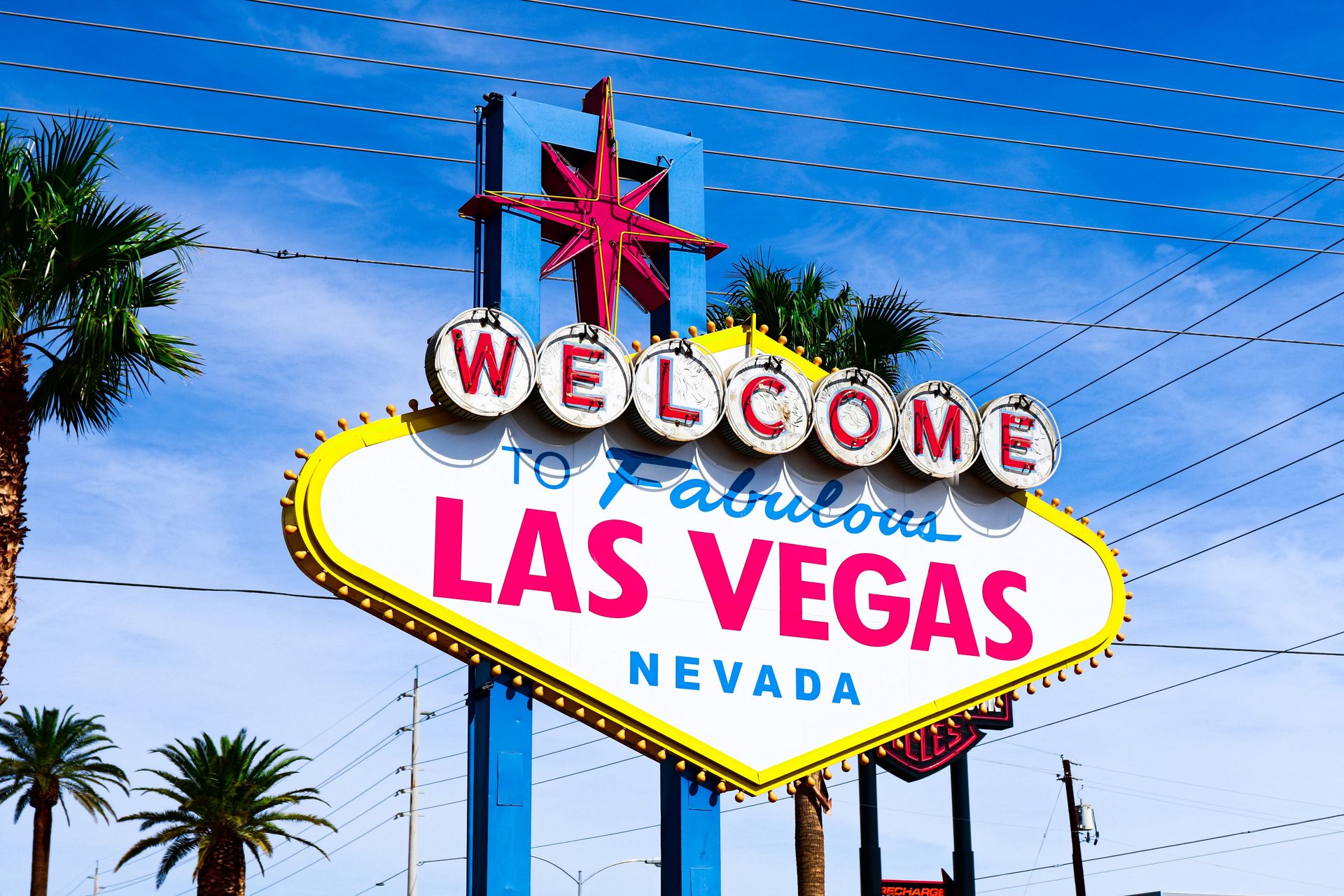
Las Vegas scored 80.71 out of 100, with the second-highest Activities & Attractions rank and the third-highest Facilities & Services rank in the country. No other city in the top five scores so high in those two dimensions.
Couples booking any of those services find a catalog that leads the nation in wedding chapels and churches per capita, musicians and DJs per capita, cake shops per capita, and photo booth rentals per capita. Vendor depth matters most when a couple's first-choice vendor is unavailable. A deep market means a comparable alternative is almost always a quick call away, and vendors competing for the same pool of bookings tend to compete on price.
Wedding guests who arrive early or stay late find a city that ranks first on WalletHub's most-fun-cities measure. Attractions count is a top-weighted metric in the Activities & Attractions dimension, and Las Vegas ties for the highest number of attractions among all cities studied. Guests have access to headline performances, restaurants, and entertainment that no other city in the top five can match in sheer volume. Couples give their guests a destination worth traveling to on its own terms, not just a location for a ceremony.
Couples sometimes assume Las Vegas means an inexpensive wedding. The average cost of holding a ceremony there is 59th-cheapest in the study, affordable relative to the top metros but nowhere near the bottom of the list. What Las Vegas trades in rock-bottom prices it returns in the breadth of affordable, highly-rated options. The city records among the highest concentrations of restaurants rated 4.5 stars or above.
Las Vegas scores highest not because it undercuts the competition on price, but because no other city matches both its vendor depth or entertainment range.
2 / 5
Luís Henrique Boucault / Getty Images
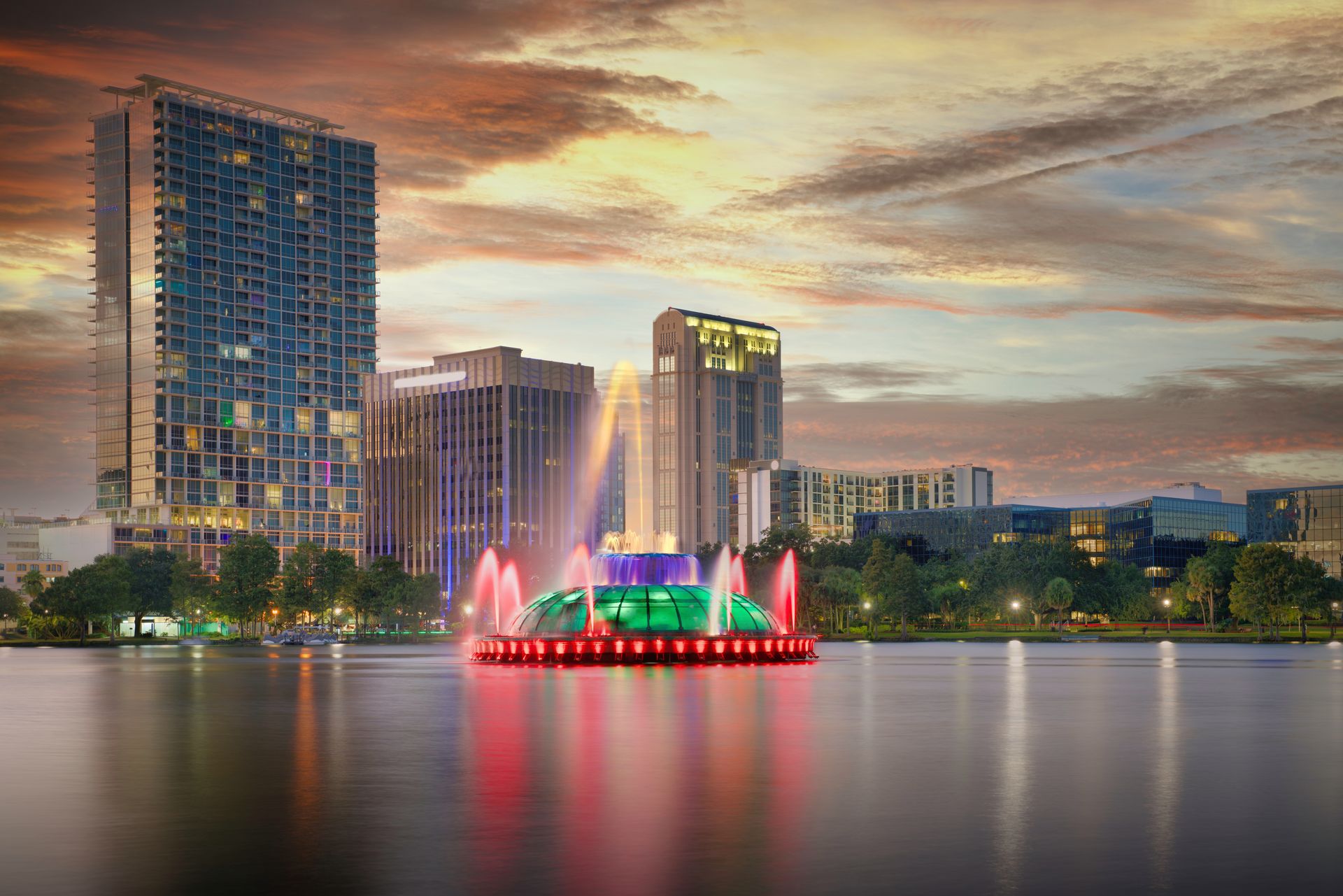
Orlando scored 79.97 to finish second, separated from first place by less than a single point. Its Facilities & Services rank of second in the country reflects a vendor supply that rivals Las Vegas across almost every category.
Couples planning a full-service wedding find more per-capita options in Orlando than in almost any other U.S. city. The city leads the nation in venues and event spaces per capita, party equipment rentals per capita, videographers and photographers per capita, DJs per capita, and flower and gift shops per capita. A couple that wants a full-service wedding — from the ceremony site to the reception hall and floral arrangements — will find those vendors concentrated in one metro. They are easy to reach and easy to compare.
Orlando's hotels give the city a structural edge over other vendor-dense markets. The city carries one of the highest hotels-per-capita counts in the country, and the lowest price for a three-star room there is $52 per night, one of the cheapest rates in the entire study. Out-of-town guests represent a real financial burden for many families, and Orlando reduces that pressure more than any other top-five city. A lower floor price on hotel rooms means guests do not have to book months in advance to secure affordable accommodations.
Guests who want to extend their stay find Orlando ranked second among the most fun cities in the country and fifth in the foodie-cities measure. Couples choosing Orlando can give their guests a full weekend itinerary. With theme parks, waterfront dining, and a tourism infrastructure that handles tens of millions of visitors each year, the city is built to accommodate large groups of out-of-town travelers.
Orlando's overall position — just 0.74 points behind Las Vegas — reflects the fact that its cost profile is nearly as strong as its vendor supply. It scores 38th on the overall Costs dimension, a meaningful advantage over several cities with comparable vendor depth.
3 / 5
Danny Lehman / Getty Images
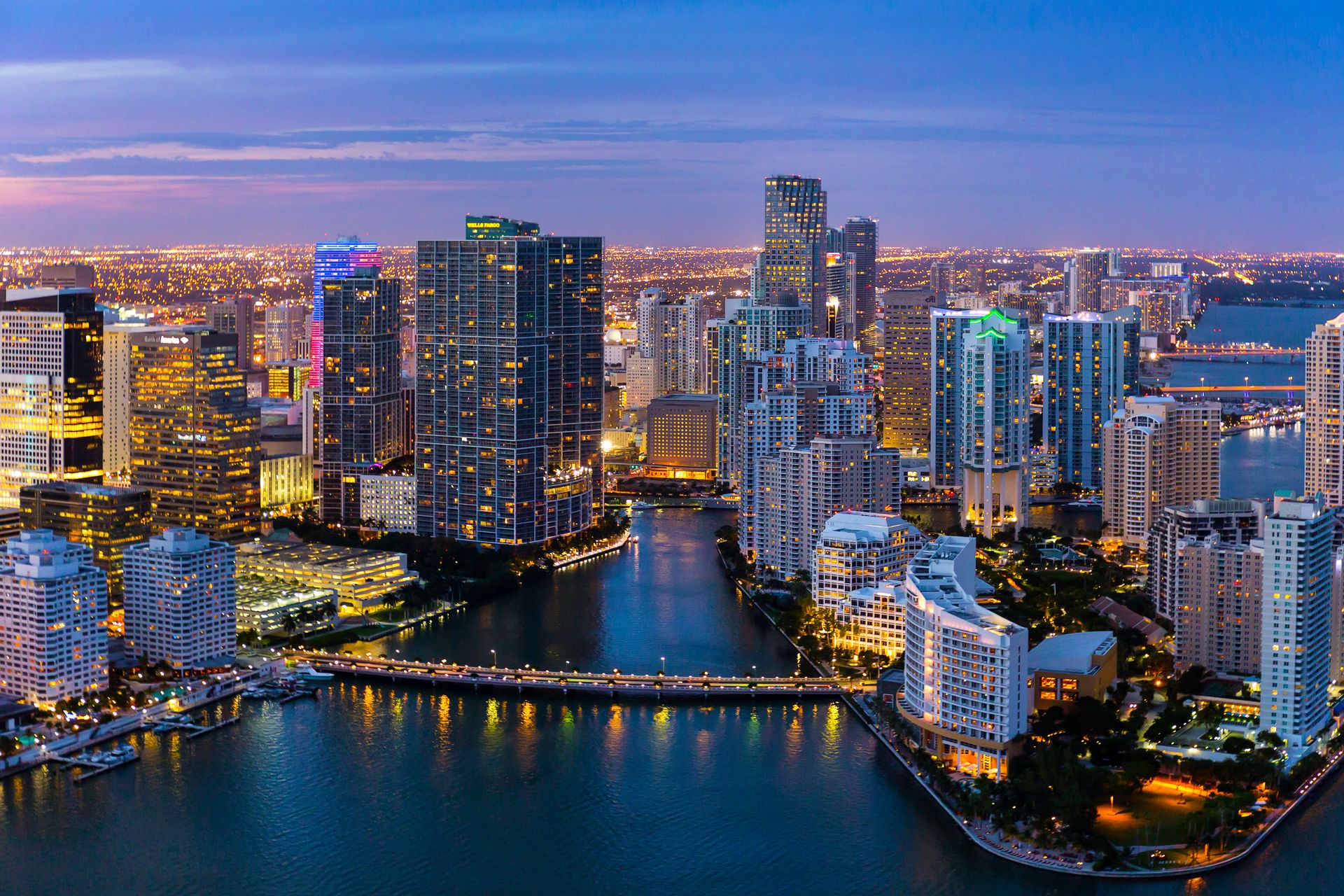
Miami scored 79.05 to take third place, finishing just 0.92 points behind Orlando. Its Facilities & Services rank of first in the country means no city in the study offers a broader per-capita vendor supply.
Couples focused on the visual details of their ceremony find Miami's specialist-vendor supply the deepest in the country. Miami leads the nation in bridal shops per capita, tying for first with Los Angeles, Houston, Atlanta, and Las Vegas. It also ranks in the top tier for venues and event spaces per capita, party equipment rentals per capita, makeup artists and hair salons per capita, bartenders per capita, and limousine rentals per capita.
Miami ranks first in the country for dining quality, with its concentration of highly rated, affordable restaurants among the highest in the study. Guests at a reception dinner there eat better, on average, than guests in any other city on the list. Miami also holds the third spot in the most-fun-cities segment.
Guests booking accommodations in Miami pay a minimum of $60 per night for a three-star room, the 15th-lowest amount in the country. Miami's overall Costs rank of 52nd places it in the middle tier of the study's price distribution. Couples who need a full suite of ceremony vendors, upscale dining options, and a coastal venue will find Miami's cost profile reasonable, not prohibitive.
Miami's Costs rank of 52nd trails Orlando's 38th by 14 positions, and the difference accounts for Miami's third-place finish behind Orlando. On facilities and services alone, Miami's numbers rival or exceed those of every city above it.
4 / 5

Daniela Duncan / Getty Images
Atlanta scored 74.32 to claim fourth place, finishing more than four points behind Miami but just under five ahead of fifth-place Tampa. Couples find a vendor market in Atlanta that covers every major service category, from venues and photographers to caterers and florists.
Atlanta ties for first in bridal shops per capita alongside Miami, Houston, Los Angeles, and Las Vegas. A deeper bridal market pushes designers and boutiques to compete on price and availability. Boutiques and designers competing on both dimensions give budget-conscious couples a better shot at finding workable terms.
Atlanta's Costs rank of 69th puts it in the middle of the study's overall price distribution. The city is neither among the cheapest destinations in the ranking nor among the most expensive. Couples find Atlanta's value proposition straightforward: strong vendor access at near-median prices. The vendor market is nearly as dense as the top three cities at a price point that sits below any of them.
Atlanta's entertainment base earns it 12th place in Activities & Attractions. Atlanta draws visitors as a regional hub for music, sports, and dining, and that same infrastructure supports wedding guests who want more than a ceremony and a reception hall. Hotels, restaurants, and attractions that serve a large metropolitan area give the city the capacity to handle groups of out-of-town wedding travelers without strain.
Atlanta's score trails Miami's 79.05 by more than four points, a gap driven by a weaker cost rank and lower marks on per-capita vendor metrics. On the metrics that most affect the planning process — vendor availability and activities — Atlanta belongs in the conversation alongside the three cities above it.
5 / 5
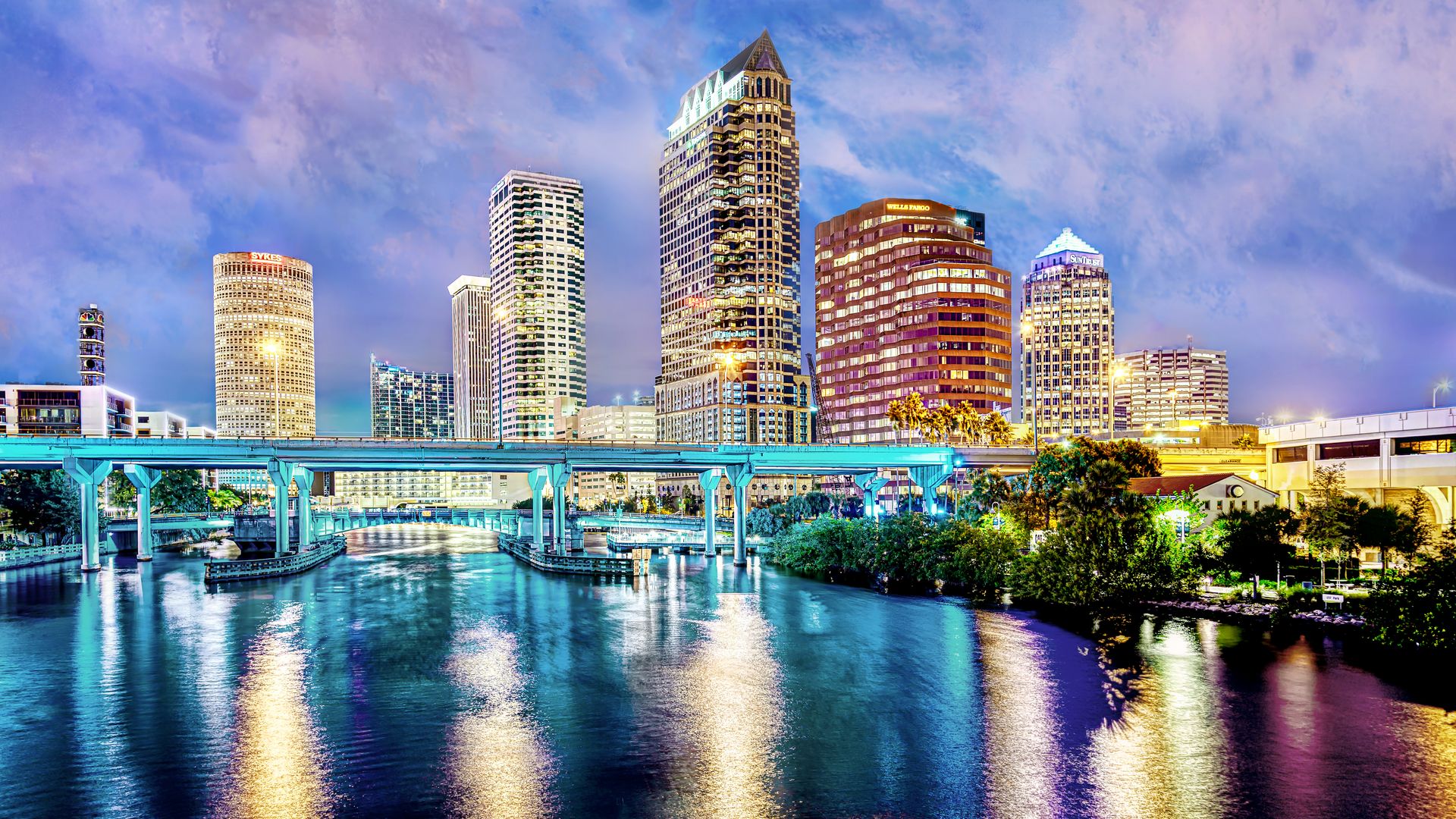
Bill Dickinson / Getty Images
Tampa scored 69.43 to finish fifth, the only city in the top five with a total score below 70. Sixth-place Austin trails by 0.14 points.
Tampa's Costs rank of 57th gives it a price advantage over Atlanta. Couples pay less in Tampa across every vendor category a ceremony requires. Atlanta's Facilities rank of fourth is three positions stronger than Tampa's seventh, and the overall score reflects it: Atlanta finished at 74.32 against Tampa's 69.43. Couples accept a thinner vendor market in Tampa in exchange for a lower price.
The city's Activities & Attractions rank of 13th is nearly identical to Atlanta's 12th. Tampa's entertainment infrastructure — anchored by Busch Gardens, Channelside, Ybor City, and a waterfront district that attracts substantial tourism — gives wedding guests a city worth exploring beyond the ceremony. Couples bring large groups to Tampa without overwhelming the city's hospitality infrastructure. Guests find a destination with enough to fill a full weekend at a cost most can manage.
Couples may find the markets in the cities above Tampa more accommodating for videographers, musicians, or event planners. Cities ranked second through fourth in that dimension — Orlando, Miami, and Atlanta — each maintain per-capita vendor counts that exceed Tampa's in several key categories. A thinner market means fewer alternatives when a first-choice vendor is unavailable. Tampa's vendor supply is broad by any national standard, ranking seventh out of 182 cities. It is narrower only in comparison to its immediate neighbors in the ranking.
Tampa offers the cost-conscious couple access to the top tier of U.S. wedding destinations at a more moderate price. A city that holds the seventh position in vendor availability and 13th in activities represents a strong alternative to the costlier options above it, especially for couples whose guest lists skew toward price-sensitive travelers.
