
The 10 best places to visit in Africa in 2026
From the Serengeti's migration to Cape Town's coastline, Africa's top destinations ranked for every kind of traveler
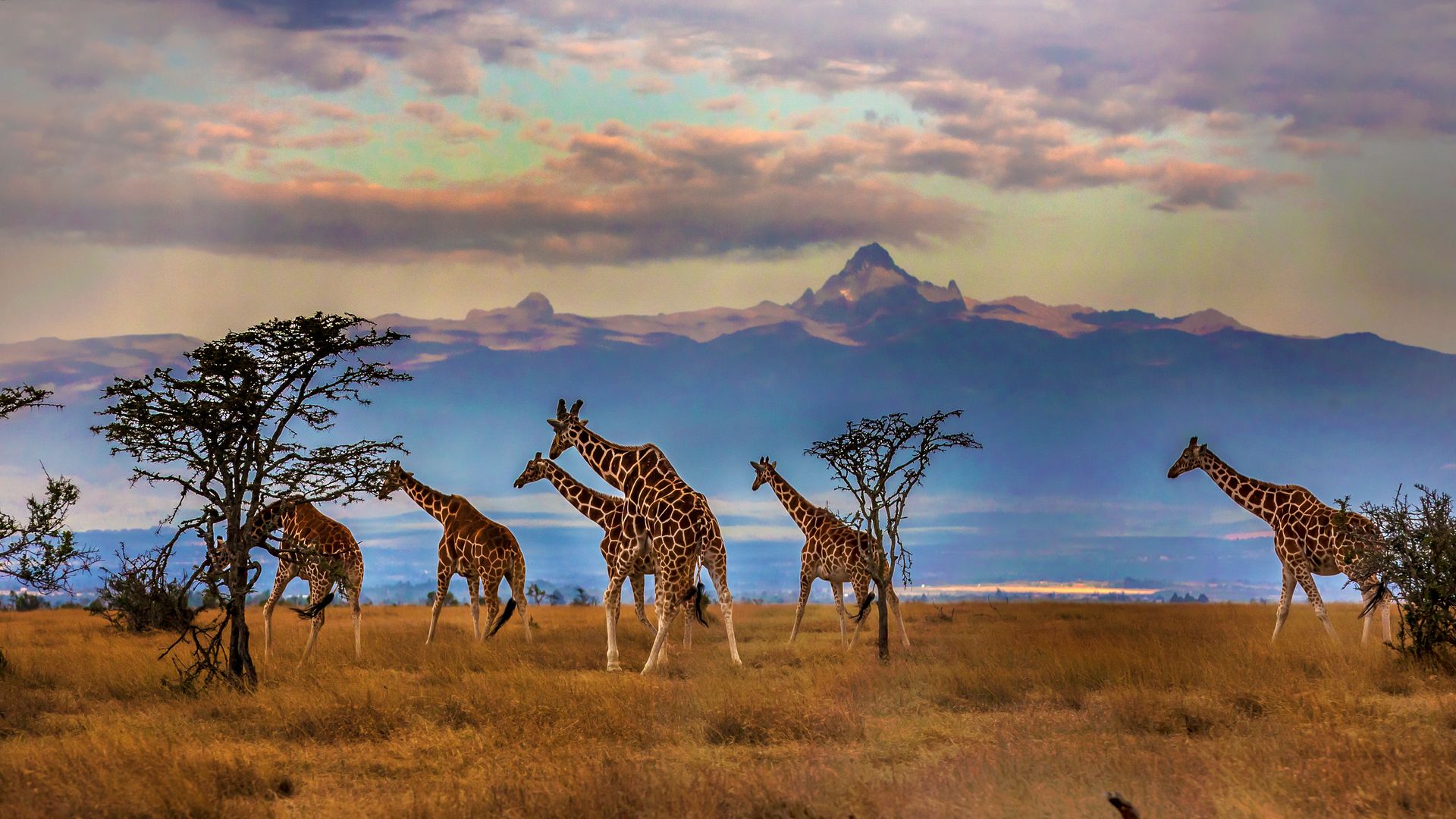
Manoj Shah / Getty Images
Africa resists the kind of generalization that makes other continents easy to summarize for a travel audience. The second-largest landmass on Earth spans climates from the Saharan desert to equatorial rainforest to temperate wine country, contains more than 50 countries with distinct histories and cultures, and holds some of the most concentrated wildlife populations anywhere on the planet alongside ancient urban civilizations that predate most of Europe’s by millennia. A traveler who spends two weeks on a Tanzanian safari and a traveler who spends two weeks exploring Cairo and Luxor have both visited Africa, but the two experiences share almost nothing in common beyond their continental address. The breadth is an asset for serious travelers and a source of genuine decision-making complexity for anyone planning a first trip.
The logistical challenges of reaching Africa from North America or Europe are real and should factor into any itinerary decision. Flights to East Africa typically route through Middle Eastern hubs such as Dubai, Doha, or Nairobi, adding transit time that extends most journeys to 16 hours or more. Southern and West African destinations often require additional connections. The time investment means that most travelers commit to a minimum of two weeks on the ground, and the itinerary decisions made within that window matter more than they would in a closer destination, where a poor choice is recoverable with a two-hour train ride. Getting the destination right before booking matters as much as getting the accommodations right.
The 10 destinations below come from U.S. News & World Report’s ranking of the best places to visit in Africa for 2026, which evaluated locations based on culture, affordability, and the variety of experiences available, alongside user votes and expert opinion. The list spans East, Southern, and island Africa, covering national parks and wildlife reserves, coastal beach destinations, ancient heritage sites, and island escapes, offering travelers a representative cross-section of what the continent has to offer at its best.
1. Victoria Falls straddles Zambia and Zimbabwe year-round
Edwin Remsberg / Getty Images
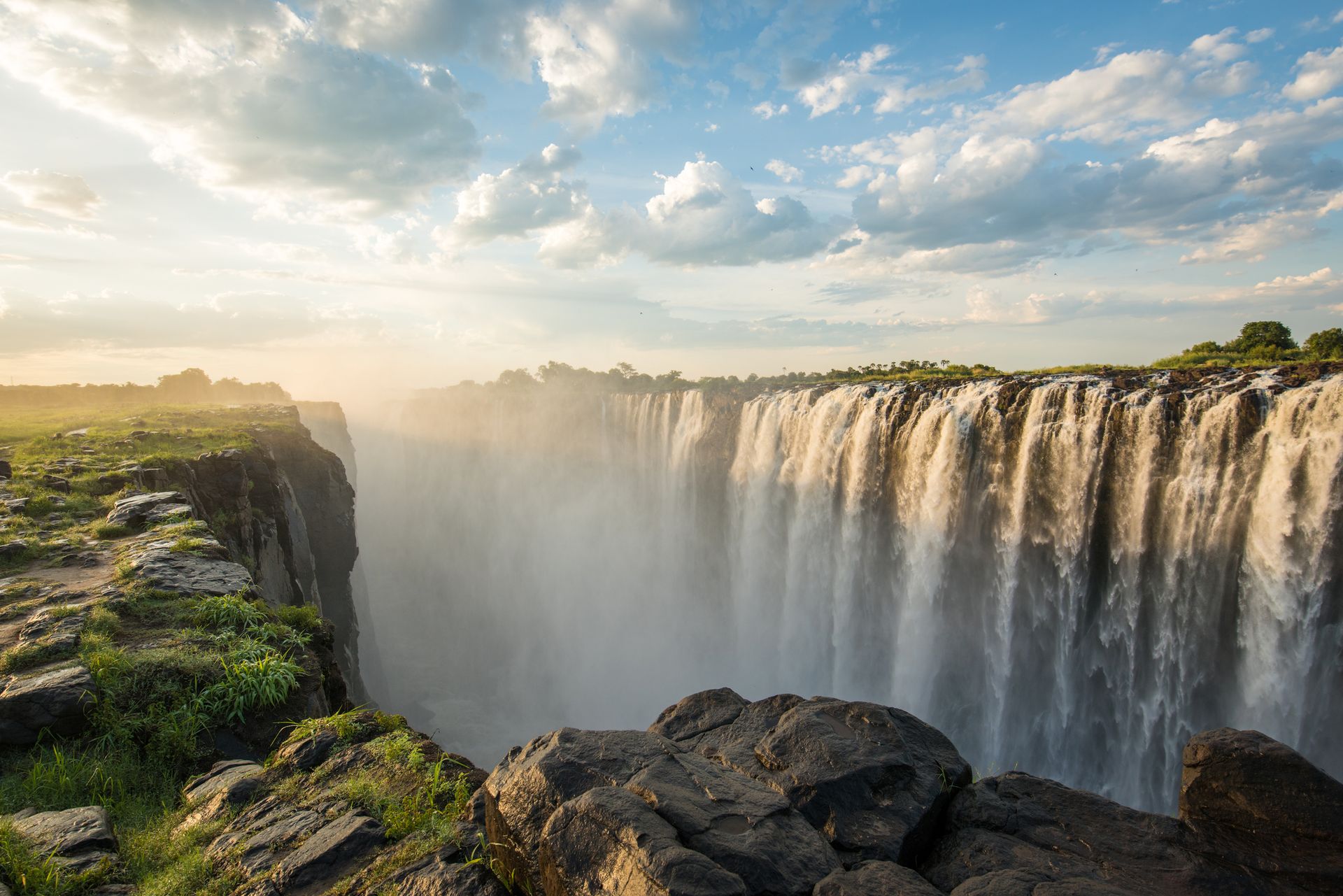
Victoria Falls, known locally as Mosi-oa-Tunya, sits on the shared border between Zambia and Zimbabwe and is roughly twice as deep and wide as Niagara Falls, a scale that makes it one of the most physically imposing waterfalls in the world and a UNESCO World Heritage Site. The falls are accessible from both countries, which gives travelers the option of basing themselves in Livingstone on the Zambian side or Victoria Falls town on the Zimbabwean side, and each vantage point offers a different perspective on the water’s descent into the Batoka Gorge below.
The timing of a visit significantly shapes the experience. The peak water flow comes in April and May, immediately following the region’s rainy season, when the falls thunder at their loudest and the spray is visible from kilometers away. Knife Edge Bridge provides the most dramatic viewpoint during this period, with the mist rising continuously above the gorge and the sound of the water audible well before the falls come into view. Travelers $TRV who visit between August and December encounter lower water volume but gain access to experiences unavailable during the flood season: Livingstone Island, a small outcrop at the very lip of the falls, opens for guided visits, and Devil’s Pool — a natural rock pool at the falls’ edge where swimmers can look directly over the drop — operates for the brave during these drier months.
The surrounding area extends the destination well beyond the waterfall itself. Safari operations in Chobe National Park in nearby Botswana and Hwange National Park in Zimbabwe give travelers who base themselves at the falls access to some of Southern Africa’s best wildlife viewing within a short drive. The adrenaline activity market around Victoria Falls — white-water rafting through the Batoka Gorge, bungee jumping from the Victoria Falls Bridge, zip-lining, and microlight flights over the falls — ranks among the most developed in Africa, and travelers who want a physically active complement to the natural spectacle will find ample options without booking separate tours in other countries.
2. Tanzania combines safari plains with Kilimanjaro’s summit
David Madison / Getty Images
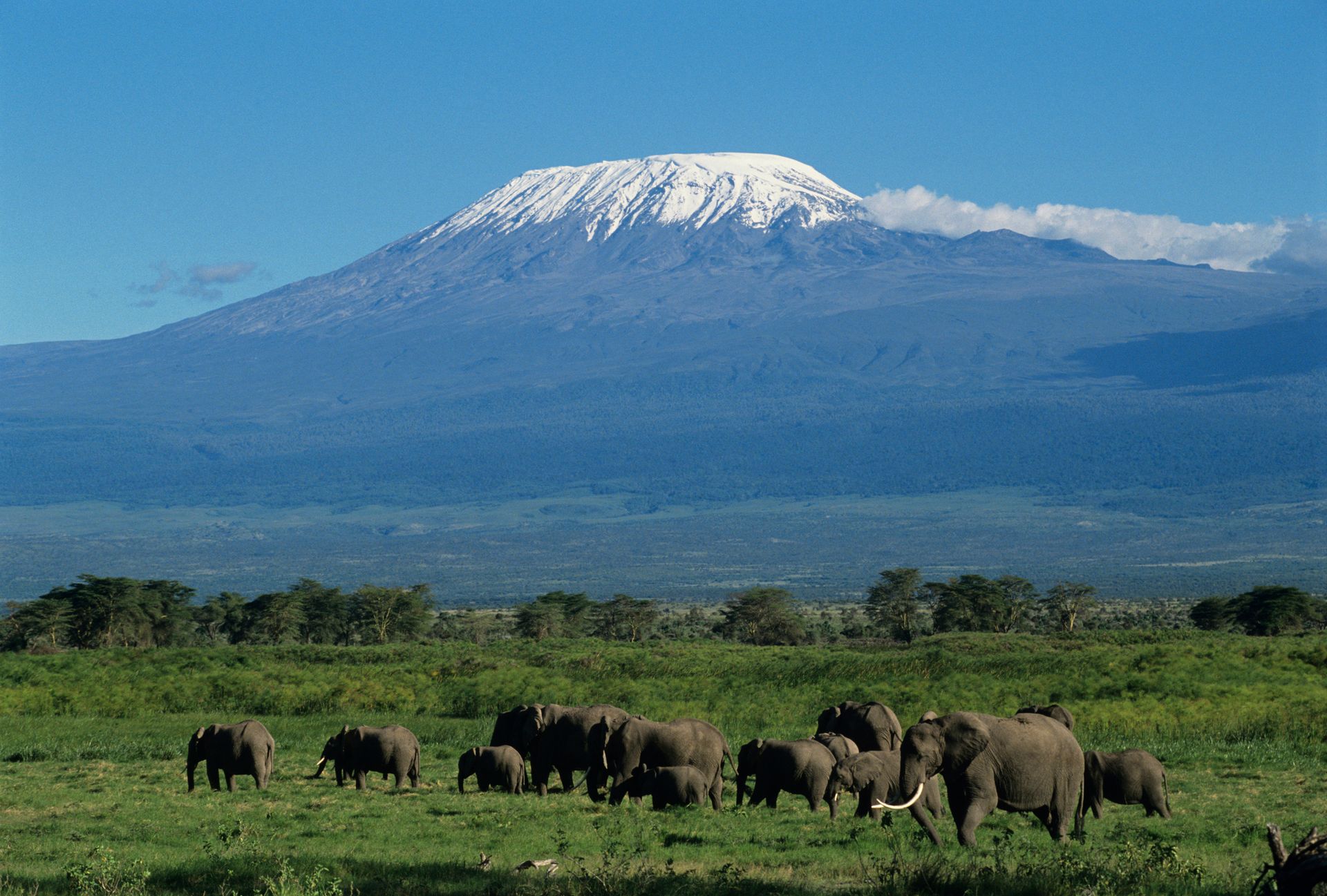
Tanzania holds two of Africa’s most celebrated natural assets within a single country: the open savanna plains of its northern game circuit, home to some of the continent’s densest wildlife populations, and Mount Kilimanjaro, the tallest peak in Africa and the largest freestanding mountain on Earth. Travelers $TRV who limit their Tanzania itinerary to a single safari miss the opportunity to engage with a country that offers genuinely distinct experiences across its regions, from the volcanic scenery of Ngorongoro to the chimpanzee-populated rainforests of Mahale Mountains National Park on the shores of Lake Tanganyika.
Lake Natron, in the Rift Valley north of Arusha, adds an otherworldly visual dimension to the northern Tanzania circuit. The lake’s red hue comes from the cyanobacteria that thrive in its highly alkaline water, and the surrounding landscape of volcanic peaks and flamingo populations makes it one of the most photographed geological features in East Africa. Ngorongoro Conservation Area’s crater, a collapsed volcanic caldera roughly 12 miles across, functions as a natural enclosure that concentrates wildlife in numbers and at proximity that even the Serengeti cannot guarantee, and the floor of the crater often delivers big-five encounters within the first hours of a morning drive.
Climbing Kilimanjaro requires a licensed local guide and typically takes between five and nine days, depending on the route chosen, with success rates tied directly to the number of acclimatization days built into the itinerary. The standard Marangu route is the shortest and most heavily trafficked, while the Machame and Lemosho routes offer more gradual elevation gain and better acclimatization. A Kilimanjaro summit attempt and a northern Tanzania safari itinerary can be combined within a two-week trip, making Tanzania the single destination on this list that delivers both the continent’s premier wildlife circuit and its highest physical challenge. The diversity of terrain and experience types — from open savanna to volcanic crater to alpine summit — within a single country makes Tanzania the most range-complete destination on this list for travelers who want Africa’s full register in one journey.
3. Mauritius pairs beach luxury with multicultural festivals
Andrea Comi / Getty Images
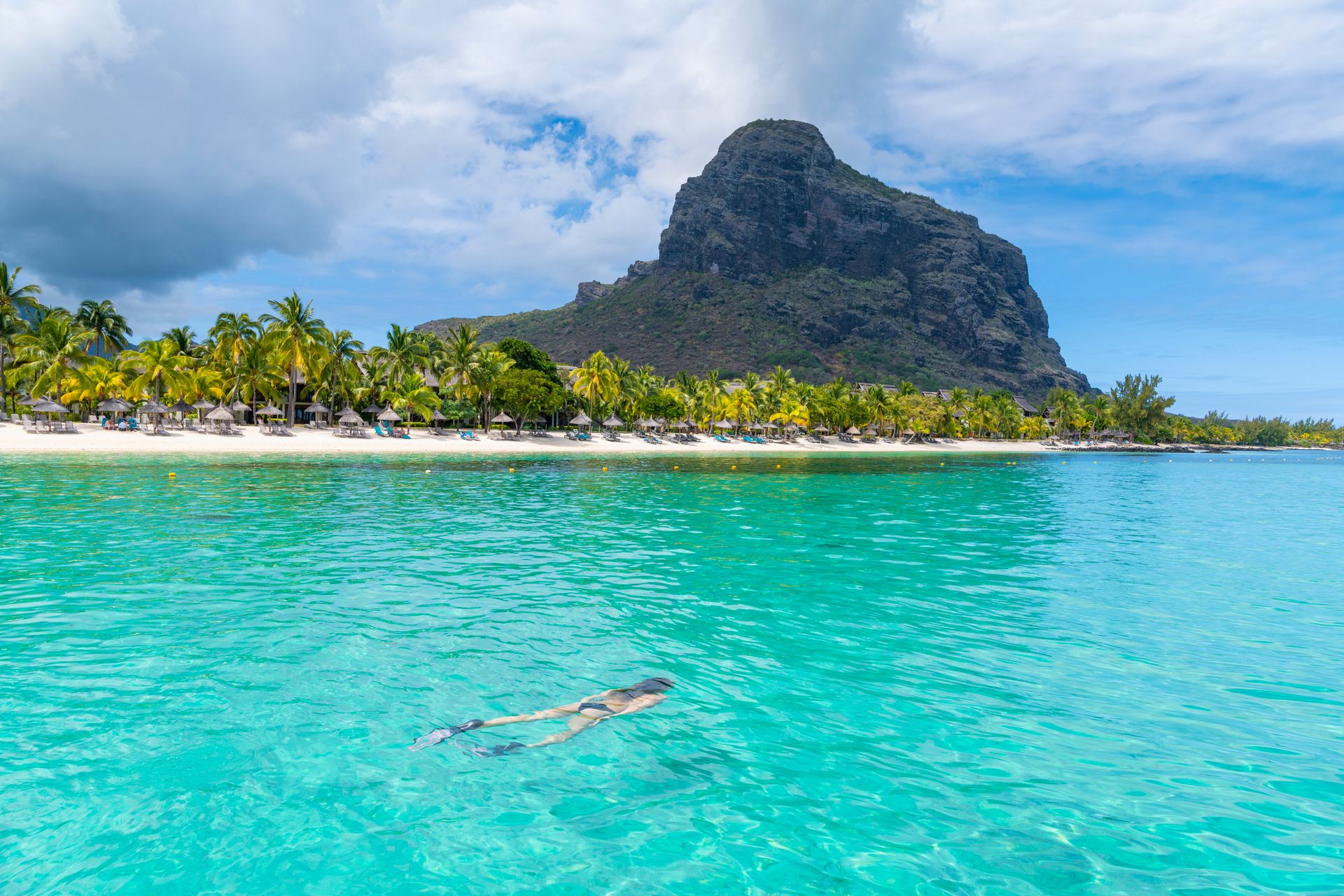
Mauritius, a small island nation roughly 1,200 miles east of Madagascar in the Indian Ocean, has built its global tourism reputation on powdery beaches and luxury resort properties, but the island’s cultural depth and natural interior give it more substance than a purely beach-focused destination. The population reflects centuries of successive colonial influence — Dutch, French, and British — alongside waves of African, Indian, Chinese, and European settlement, producing a cultural mix that expresses itself in the island’s food, festivals, languages, and daily social life in ways that beach resort guests who never leave the property perimeter do not encounter.
The island’s nature reserves add a terrestrial dimension to what most travelers associate with a trip to Mauritius. Bel Ombre and Black River Gorges both feature waterfalls accessible via walking trails through endemic forest, and Black River Gorges National Park protects the largest remaining native forest on the island alongside species found nowhere else on Earth. The reserves offer half- or full-day excursions that break the rhythm of beach days and spa sessions for travelers who want to engage with the island’s landscape beyond its coastline.
Mauritius’s culinary and social traditions give evenings a character distinct from the generic resort entertainment that dominates many Indian Ocean island destinations. Fresh seafood, rums produced from local sugar cane, and teas grown in the island’s cooler highlands all reflect the agricultural and maritime identity of a place shaped by its geography and immigrant communities in equal measure. The Sega dance, a traditional performance with roots in the island’s African and Malagasy communities, appears at resort entertainment evenings but also in cultural settings where the social function of the tradition is more apparent than its tourist-facing presentation. Mauritius rewards travelers who engage with the island beyond its beaches with a richness of experience that the resort perimeter cannot fully contain, and the island’s compact size means that beach, forest, and cultural town are all accessible within a single day’s movement.
4. Namibia shelters the world’s oldest desert and rare fauna
Marco Bottigelli / Getty Images
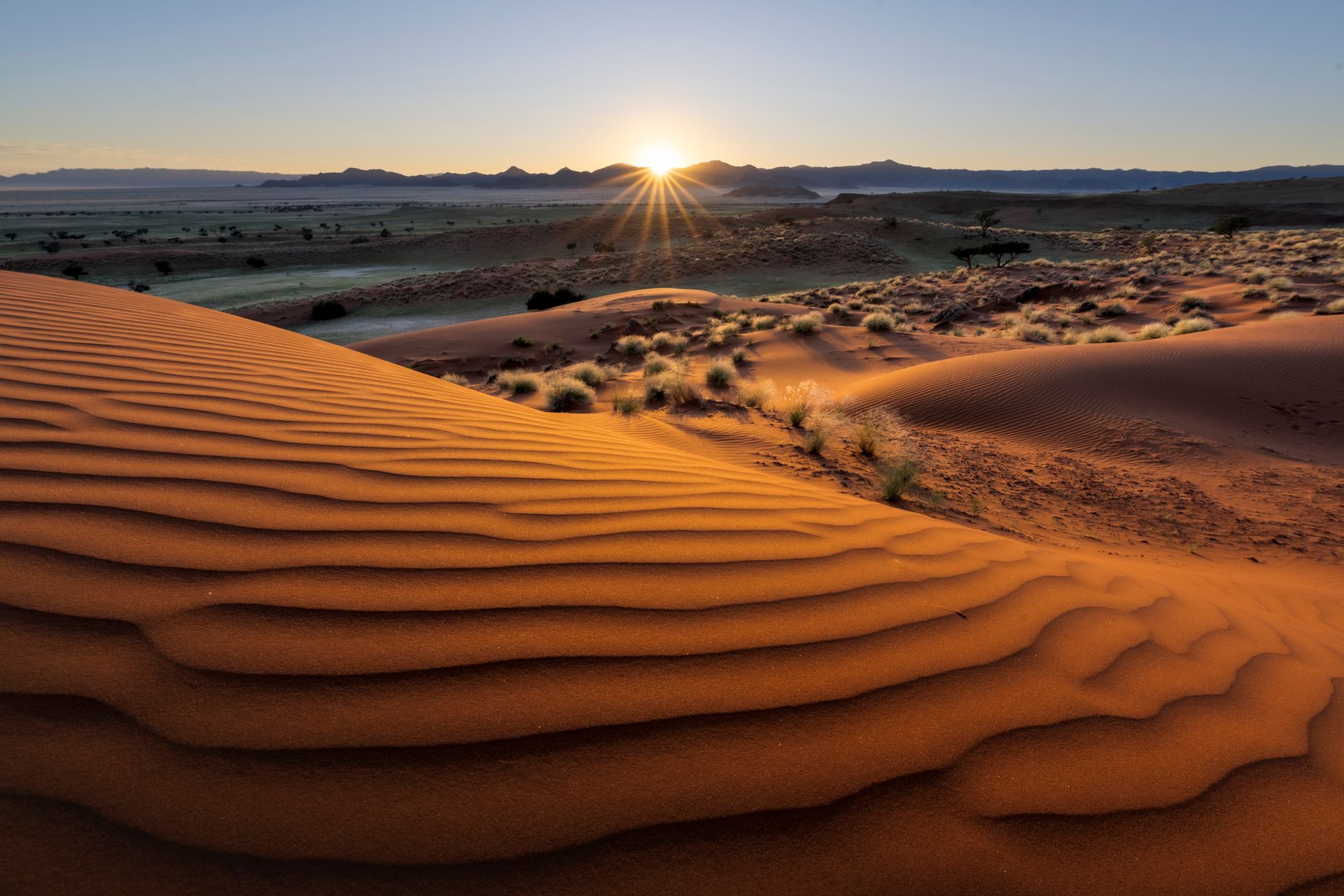
Namibia occupies the southwestern edge of Africa with a landscape so distinctive that it reads as implausible to travelers arriving from more conventionally green environments. The Namib Desert, estimated at around 55 million years old and widely regarded as the world’s oldest desert, dominates the country’s coastal zone with red sand dunes at Sossusvlei that reach heights of over 300 meters — among the tallest dunes on Earth — and the bleached dead camel thorn trees of Deadvlei, which stand in the white clay pan where a river once flowed before the dunes cut off its course centuries ago.
The coastal zone north of the Namib is home to the Skeleton Coast, a stretch of Atlantic shoreline named for the whale and seal bones that once littered the beach alongside the wreckage of ships that ran aground on the treacherous offshore sandbanks. Off-road vehicle tours into the Skeleton Coast provide access to one of Africa’s most remote and desolate environments, where desert-adapted lions, elephants, and the largest Cape fur seal colony in the world coexist in a landscape that receives almost no rainfall. Extreme environmental conditions and high wildlife density together make the Skeleton Coast one of the most unusual safari environments on the continent.
Etosha National Park, in the country’s north, operates on a different principle: a massive salt pan that functions as a natural lens concentrating wildlife around its edges, particularly at the waterholes that draw animals during the dry season. Black rhinos, an endangered species with one of the world’s most significant surviving populations in Namibia, are among the park’s most sought-after sightings, and Etosha’s open terrain gives rhino encounters a visibility quality that the dense bush of East African reserves cannot match. Namibia’s former colonial towns — Lüderitz, with its German Art Nouveau architecture, and Swakopmund, with its European streetscape on the Atlantic — add an architectural and historical dimension that most sub-Saharan safari destinations do not offer.
5. Cape Town stretches from wild penguins to wine country
fivepointsix / Getty Images
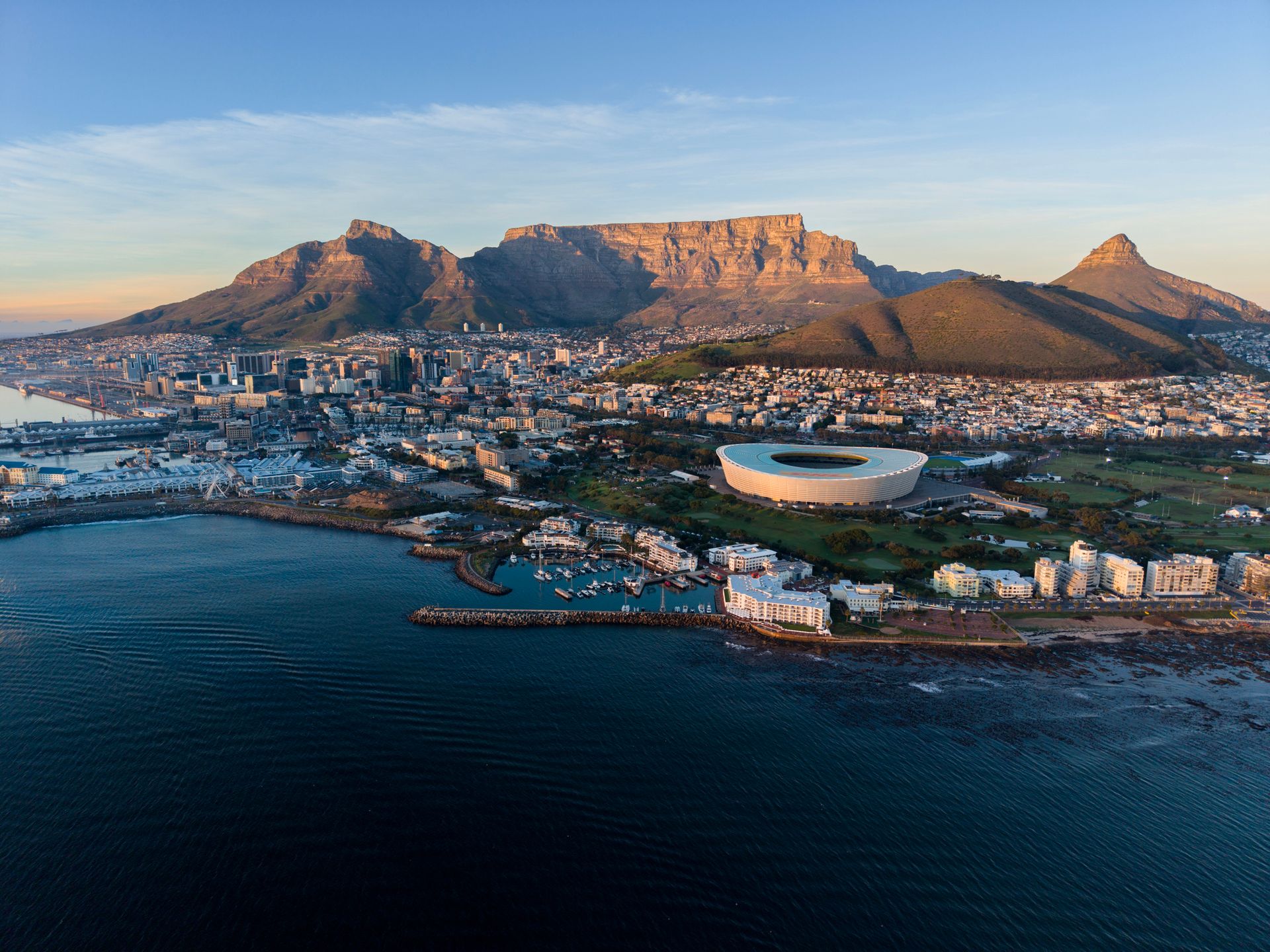
Cape Town occupies a geographic setting without close parallel among the world’s major cities: a bowl-shaped coastal plain backed by the vertical face of Table Mountain and fronted by the meeting point of two oceans, with beaches, vineyards, and one of the most significant sites in modern history all within a 50-mile radius. The aerial cableway to the summit of Table Mountain gives visitors a view across the Cape Peninsula, the Atlantic coastline, and the city below that functions as an orientation exercise for every subsequent day of a Cape Town visit, and the summit plateau’s endemic fynbos vegetation adds a botanical interest to what is already a spectacularly positioned viewpoint.
Robben Island, visible from the Cape Town waterfront, held Nelson Mandela as a political prisoner for 18 of the 27 years he spent incarcerated before his release in 1990 and his subsequent election as South Africa’s first democratically chosen president. The island now operates as a museum and UNESCO World Heritage Site, and tours include visits to the cell where Mandela was held, led in many cases by former political prisoners who were incarcerated alongside him. The experience delivers a depth of historical engagement that very few tourist attractions anywhere in the world can provide, and it gives Cape Town a moral and political weight that distinguishes it from destinations defined purely by scenery or wildlife.
The Constantia Valley wine region, one of the oldest wine-producing areas in the Southern Hemisphere, with farms dating to the 17th century, sits within 20 minutes of the city center and offers a full day of cellar-door tastings, estate restaurants, and mountain scenery. Boulders Beach at Simon’s Town, roughly 40 miles south of the city center along the peninsula road, shelters a colony of African penguins that walk among beach visitors with complete indifference, an encounter that has no equivalent in any other major urban area in the world. The Cape of Good Hope, at the peninsula’s southern tip, sits 40 miles from the city and marks a geographic landmark that travelers have been working toward for centuries.
6. Zanzibar offers post-safari rest beside a UNESCO old town
den-belitsky / Getty Images
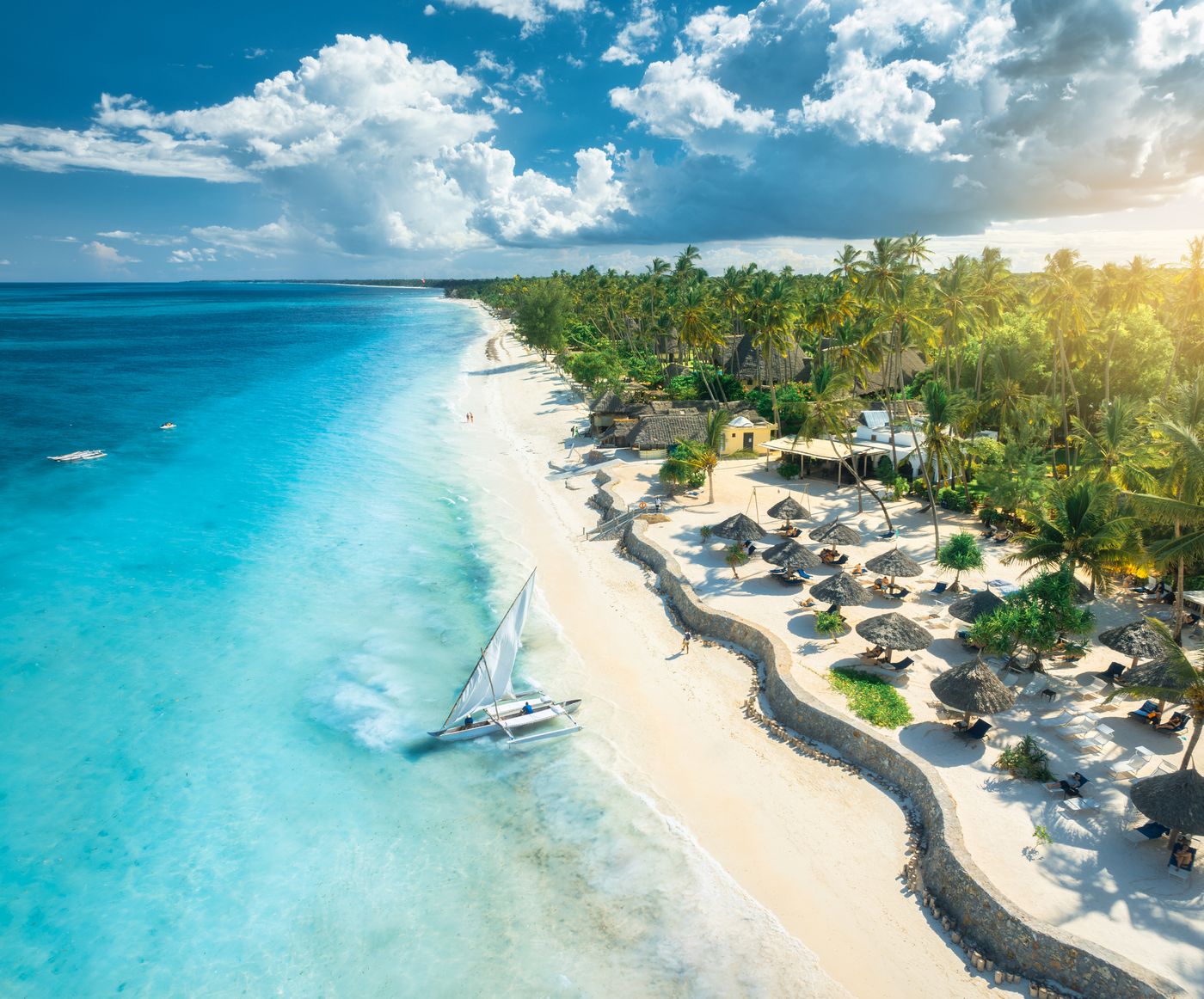
Zanzibar, a semi-autonomous archipelago off the Tanzanian coast, provides the most natural geographic complement to an East African safari itinerary of any destination on this list. The short flight from Nairobi, Dar es Salaam, or Kilimanjaro Airport places Zanzibar within easy reach of Tanzania’s northern game circuit, and the white sand beaches of Matemwe and Kiwengwa on the island’s northeastern coast deliver the physical contrast — still water, powder sand, and very little required movement — that a traveler completing a week of early-morning game drives genuinely needs.
Stone Town, the historic center of Zanzibar City on the western coast, is designated a UNESCO World Heritage Site for its layered architectural and cultural heritage, reflecting the island’s position as a major trading hub over seven centuries of Arab, Persian, Indian, Portuguese, and Omani commercial and political influence. The 19th-century Sultan’s Palace, the House of Wonders, and the carved wooden doorways that mark the town’s private residences give Stone Town a physical density of historical material that rewards several hours of walking and exploration. A single viewing stop does not do it justice. The town’s Arab royal cemetery, with graves linked to the Omani sultanate that governed Zanzibar until the 1964 revolution, provides one of the most historically specific sites on the East African coast.
The spice tour, a structured visit to the agricultural interior of the island where cloves, cardamom, vanilla, and black pepper have been cultivated since the Arab trade era, gives visitors a grounded understanding of the economic foundation that made Zanzibar significant in global commerce for centuries. Jozani-Chwaka Bay National Park, the only national park on the island, protects the habitat of the Zanzibar red colobus monkey, a species found nowhere else in the world, and guided walks through the forest produce close encounters with troops of these primates in a setting that requires no vehicle and no early morning alarm.
7. Malawi draws divers to one of the world’s deepest lakes
christophe_cerisier / Getty Images
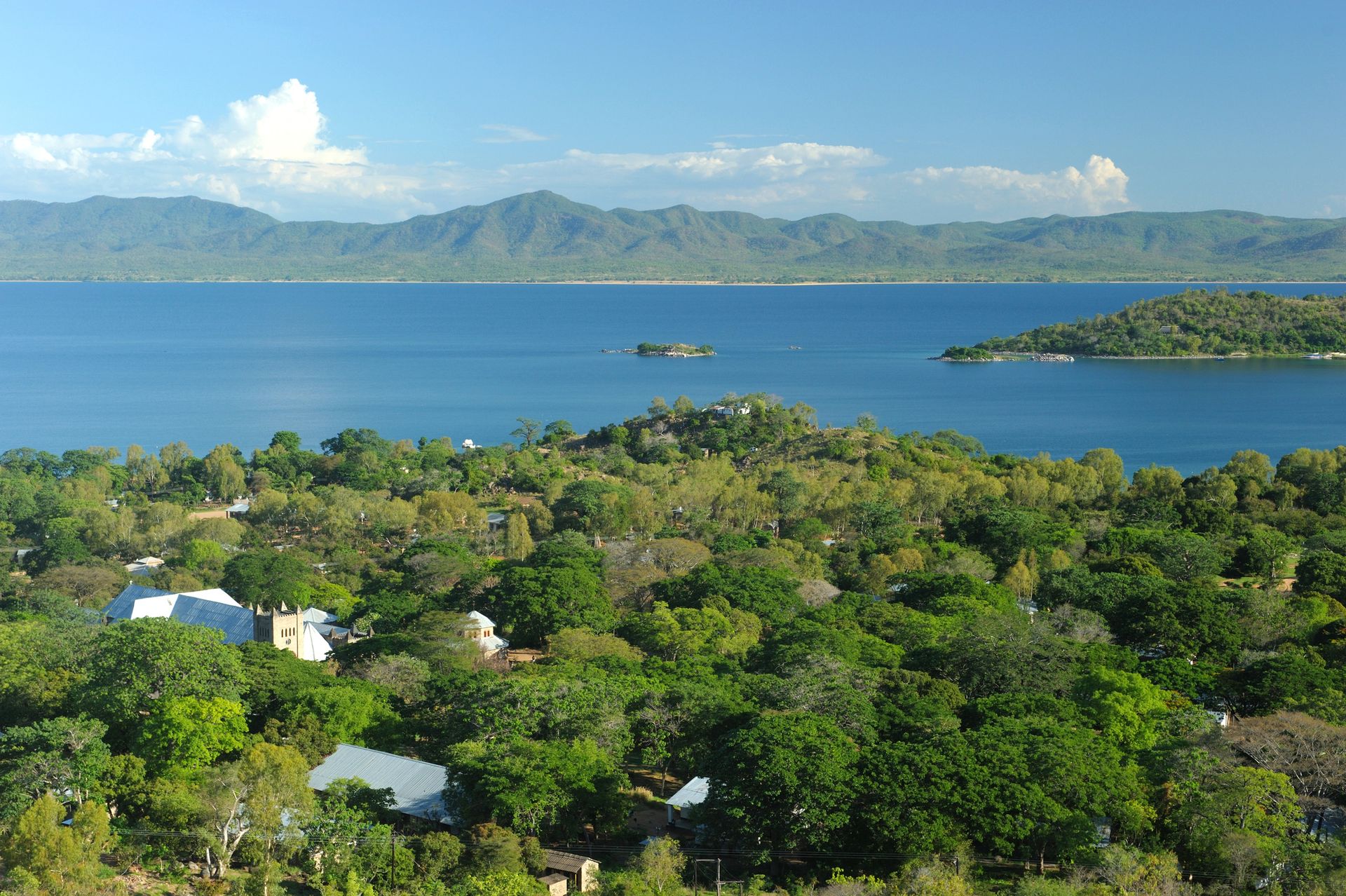
Lake Malawi is one of the deepest freshwater lakes in the world and the primary reason most international travelers visit this small, landlocked country in southeastern Africa. The lake holds more species of cichlid fish than any other body of water on Earth, a biological fact that gives it scientific significance alongside its recreational appeal. The clarity of the water makes snorkeling and scuba diving productive, even for travelers who have never explored an African underwater environment. The golden sand beaches along the lake’s western shore provide the kind of lakeside leisure normally associated with ocean destinations, and the calm, crocodile-free southern sections of the lake are safe for swimming and kayaking.
The country’s nine national parks and wildlife reserves give Malawi a safari credential that its more prominent neighbors, Kenya and Tanzania, overshadow without justification. Liwonde National Park, in the south of the country along the Shire River, supports elephant, hippo, crocodile, and rare sable antelope populations accessible on boat safaris and walking tours that deliver a more intimate experience than the vehicle-centric game drives of the larger East African parks. The Majete Wildlife Reserve has been the subject of a successful wildlife reintroduction program that has restored populations of lion, elephant, buffalo, and black rhino to an area where they had been locally eliminated by poaching, making it one of the few places in Africa where all five of the big five are present in a park that was empty of them within living memory.
Malawi’s standing as a less-visited destination than its neighbors works in its favor for travelers who prioritize space and authenticity over infrastructure density. The self-drive safari options in some reserves give independent travelers a degree of flexibility unavailable in Tanzania’s more heavily regulated parks, and the lower visitor numbers across the country mean that wildlife encounters happen without competing convoys of vehicles. Lake Malawi’s freshwater diving, beach recreation, and accessible wildlife make it the most underrated destination on this list, given the quality of what it offers.
8. Madagascar holds more than 100 lemur species in the wild
Mekdet / Getty Images
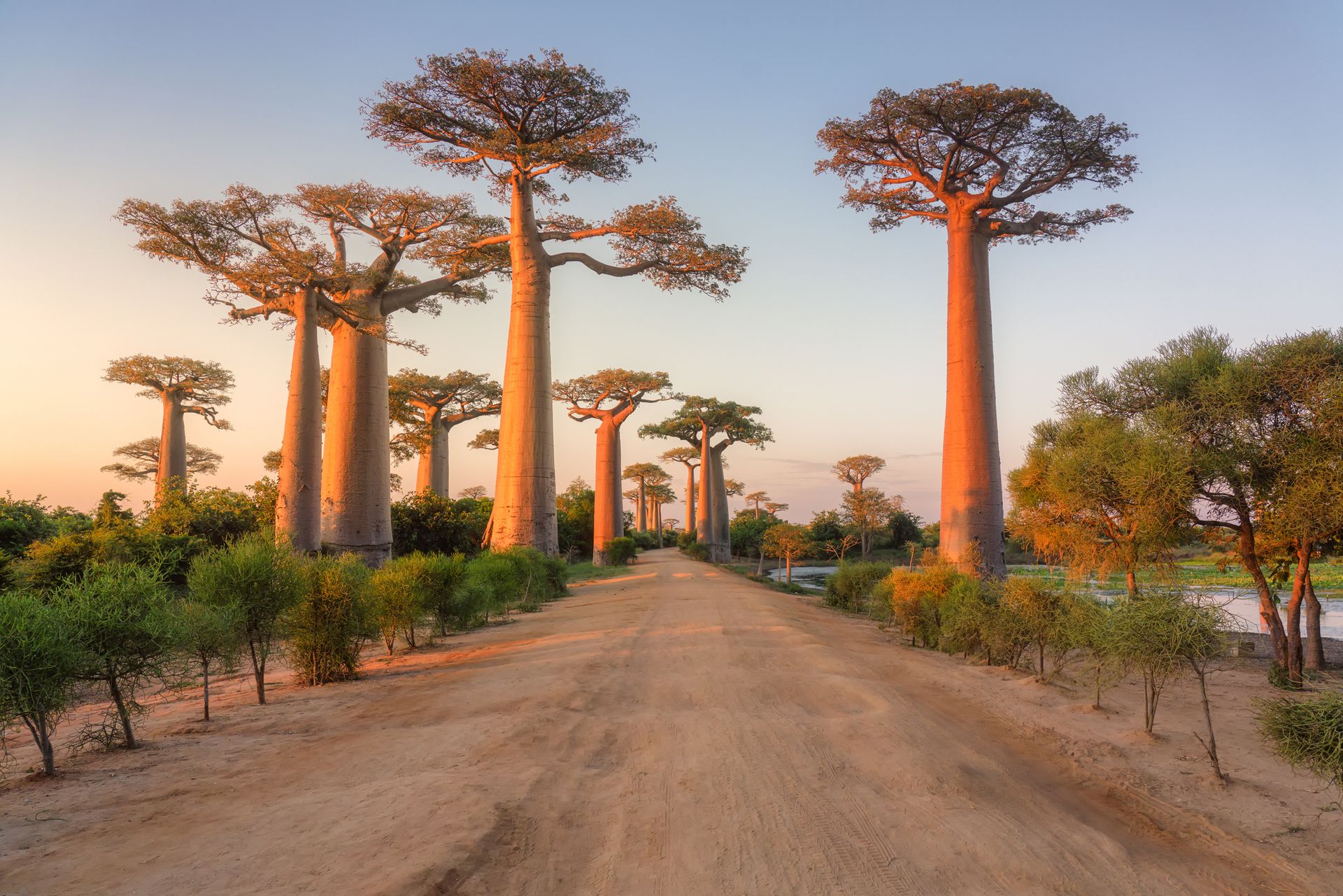
Madagascar, an island nation roughly 250 miles off the southeastern coast of Africa, contains a biological heritage so distinct from the African mainland that its wildlife evolved in near-total isolation for approximately 88 million years, producing species found nowhere else on Earth in concentrations that give the island a unique standing in global conservation. The lemur, Madagascar’s most celebrated animal group, counts more than 100 species on the island, ranging from the mouse lemur — among the world’s smallest primates — to the indri, which communicates through haunting territorial calls audible across kilometers of forest. Roughly 14,000 plant species also occur on the island, including the baobab trees that line a famous avenue near Morondava and have become one of the most photographed natural features in Africa.
Isalo National Park, in the island’s arid south, combines sandstone canyon formations, natural swimming pools fed by clear streams, and a landscape that shifts from forest to desert terrain across a relatively short distance. The rock formations at Isalo give the park a geological visual interest that most African national parks — which focus on wildlife rather than landforms — do not offer, and the physical scenery alongside accessible lemur populations makes it one of the most versatile parks on the island for a first-time visitor. Tsingy de Bemaraha Strict Nature Reserve, in the west, contains a forest of razor-sharp limestone pinnacles — the tsingy — that rise from the karst plateau in formations that have no close equivalent anywhere else on Earth and that shelter endemic wildlife within a landscape of genuine geological surrealism.
Nosy Be, an island off Madagascar’s northwestern coast, provides the coastal counterpoint to the interior wildlife and geological experiences. The island’s beaches, dive sites, and whale shark encounters in the surrounding waters give travelers who want both a marine and a terrestrial Madagascar experience a practical base for combining both in a single visit. Madagascar’s biodiversity and geological distinctiveness make it the most scientifically significant destination on this list for travelers whose primary interest is encountering wildlife and landscapes found nowhere else.
9. Masai Mara National Reserve spans 370,000 acres of plains
Diy13 / Getty Images
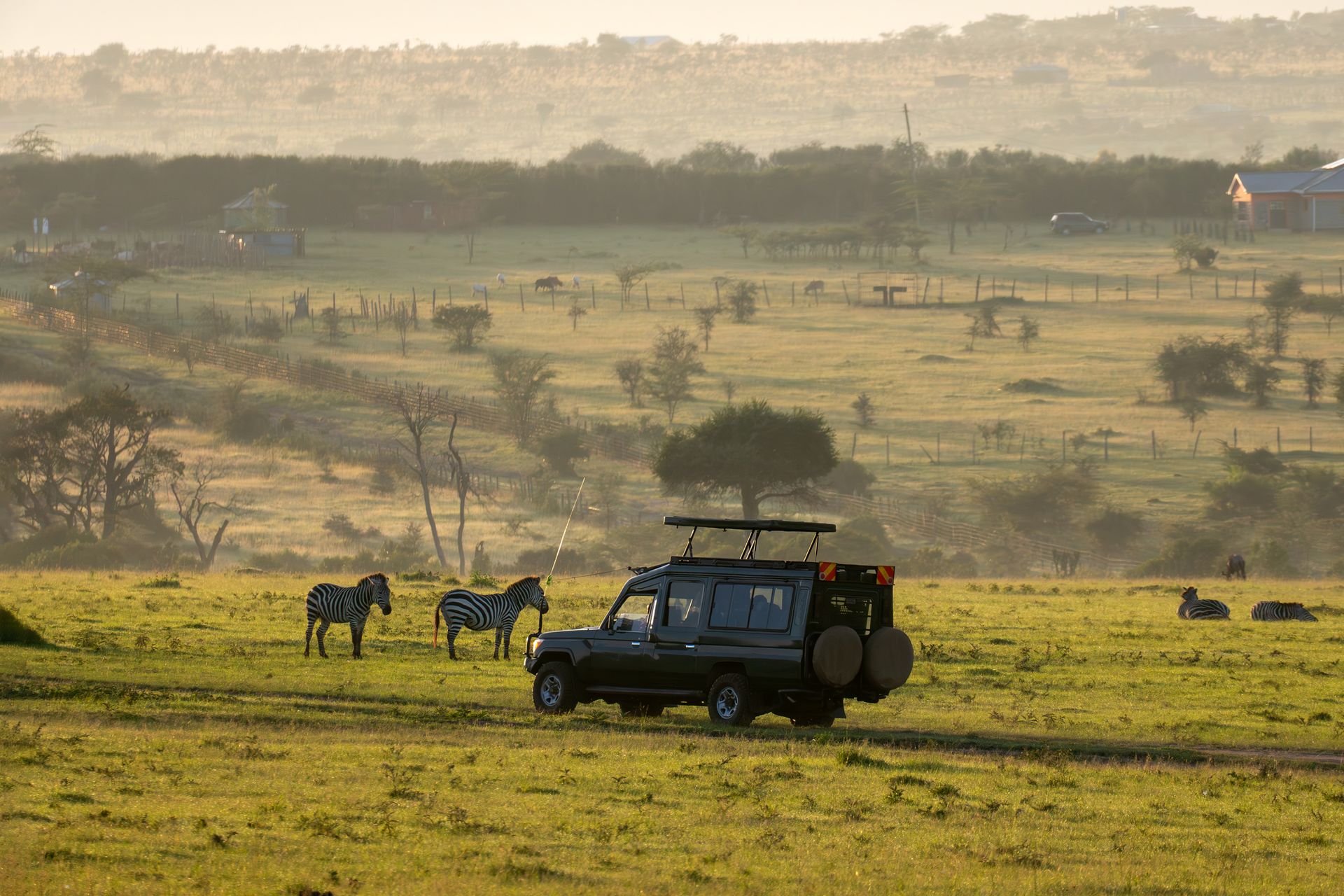
Kenya’s Masai Mara National Reserve covers more than 370,000 acres of rolling grassland in the country’s southwest and holds one of the highest concentrations of predator species in Africa, including cheetahs, leopards, and lions that move through an open landscape that gives visitors sightlines unavailable in the denser vegetation of Central and West African wildlife destinations. The reserve’s elevation and relatively short grass for much of the year mean that animals are visible at distances that allow unhurried observation, and the density of prey species — wildebeests, zebras, gazelles, and topis — supports predator populations substantial enough to make a big-cat sighting a near certainty over a multi-day visit.
The Great Migration, in which more than a million wildebeests cross the Mara River from the Serengeti in Tanzania between July and October, provides the reserve’s most dramatic annual event. The river crossings, in which columns of animals plunge into crocodile-filled water and clamber up the opposite bank in a scene of controlled chaos and concentrated predation, have been described as the greatest wildlife spectacle on Earth, and the Masai Mara’s position at the northern end of the migration route means that The crossings occur here repeatedly over several weeks, giving visitors multiple opportunities to witness the event and not a single fleeting chance. For travelers who want to maximize the probability of seeing a crossing, spending four or more nights in the reserve during this window and positioning near the established crossing points gives the best results.
Beyond the standard vehicle safari, the Masai Mara offers horseback riding excursions and hot-air balloon safaris that change the perspective and pace of wildlife viewing in ways that suit travelers who want an experience beyond the game-drive format. The balloon safaris launch at dawn and drift over the plains at an altitude that provides a panoramic view of the reserve’s geography while remaining low enough to observe individual animals below, ending with a bush breakfast in the field. Guides certified by the Kenya Professional Safari Guides Association offer the most reliable expertise across all of these formats, and selecting a certified guide is the most practical single decision a traveler can make before visiting the reserve.
10. Serengeti National Park delivers Africa’s migration
David Lazar / Getty Images
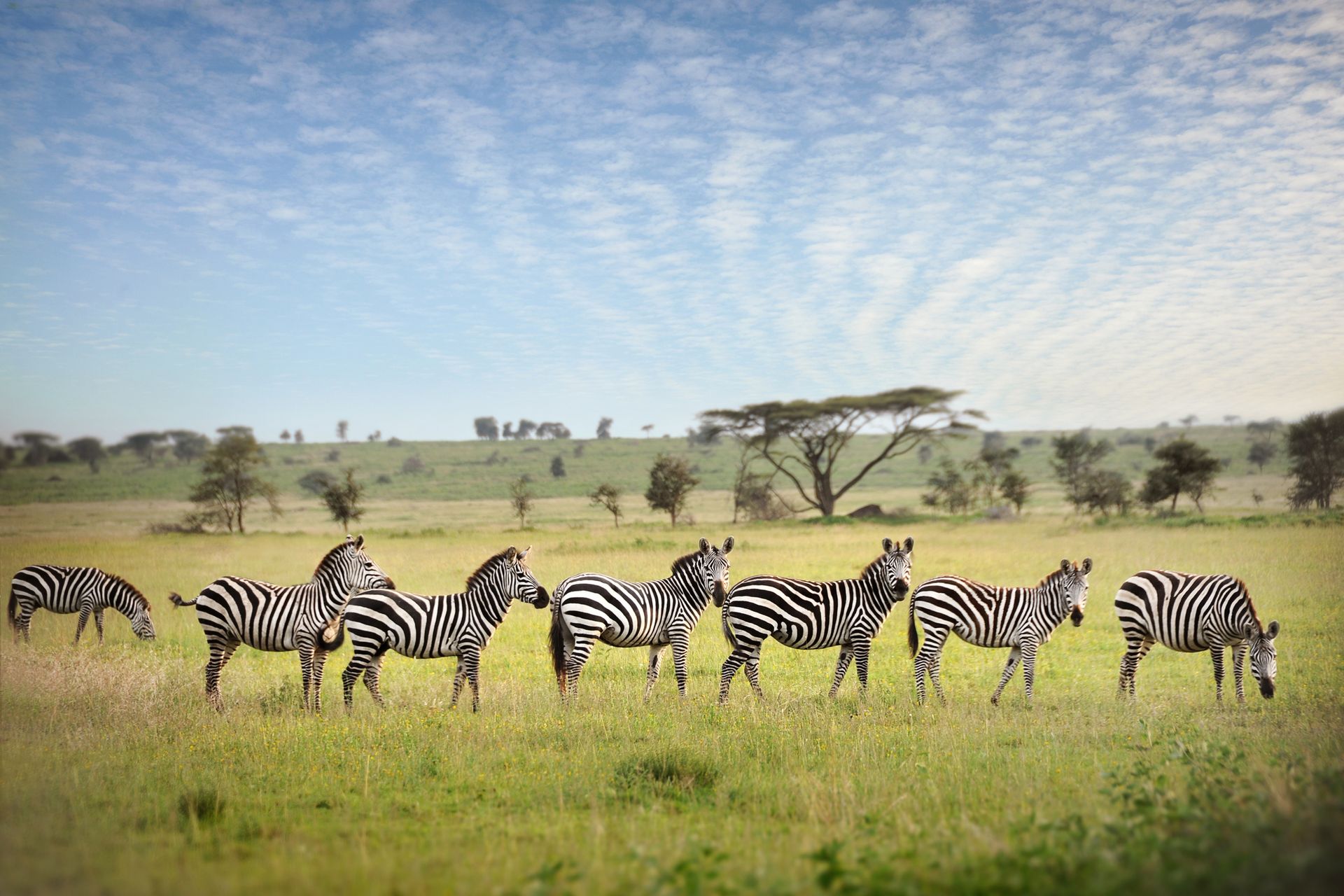
Tanzania’s Serengeti National Park covers roughly 5,700 square miles of savanna in the country’s northwest and hosts the same Great Migration that the Masai Mara receives from the north, with wildebeests, zebras, and gazelles completing a circular annual movement across the ecosystem that follows the rains and the fresh grass they produce. The Serengeti is the southern and primary phase of this migration, and the calving season between January and February — when hundreds of thousands of wildebeest calves are born in the southern short-grass plains — delivers a spectacle of abundance and predation that the later dry-season phases of the migration, dramatic as they are, do not match for sheer biological intensity.
The park’s scale and the diversity of its habitats — from the open southern plains to the acacia woodland of the western corridor to the kopjes (granite outcroppings) of the central Seronera area — mean that different seasons and different sections of the park offer different experiences, and a single visit cannot exhaust what the Serengeti offers across its full geographic range. The Seronera area, with its river systems and permanent water, supports resident lion prides and leopards year-round, while the western corridor becomes active during the migration’s river crossing phase in June and July. Accommodation ranges from the park’s own public campgrounds, which give budget travelers access to the same wildlife as more expensive alternatives, to ultra-luxury tented camps where private guiding and bespoke itineraries command prices that reflect the exclusivity of the experience.
The Serengeti’s cost sits at the high end of the East African safari spectrum, and the investment required makes choosing the timing and the accommodation carefully more consequential here than in lower-cost alternatives. Visitors who arrive during the wrong season for their specific wildlife interest — expecting river crossings in February, for example — will still encounter abundant game but may leave disappointed by the absence of the particular spectacle they traveled for. A clearly defined wildlife priority and a carefully matched travel window make the difference between a trip that meets expectations and one that exceeds them.