
The 9 best places to visit in Italy in 2026
The best places to visit in Italy in 2026, from Rome after the Jubilee to Cortina after its Olympic moment in the Dolomites
Credit: Benni Fish / Pexels
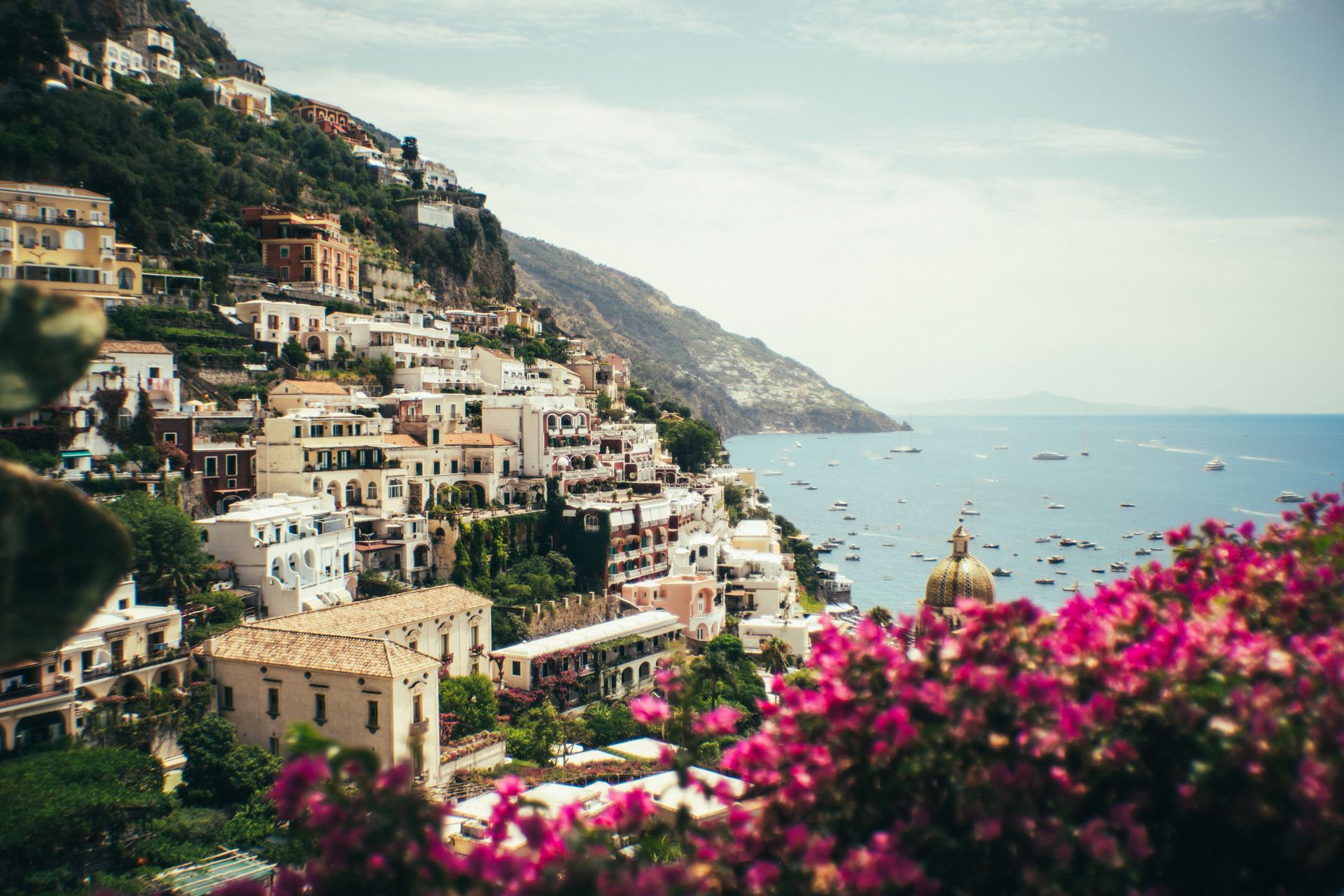
Italy does not need an introduction, but 2026 gives it an unusually good one. The country closed out the Catholic Church's 2025 Jubilee on January 6, 2026. The year-long Holy Year drew an estimated 30 million pilgrims to Rome and paid for a wave of monument restorations across the capital. Weeks later, Milan and Cortina d'Ampezzo hosted the Winter Olympics, the first Games ever split between two host cities. The competition ran from February 6 to 22 across Lombardy, Veneto and Trentino-Alto Adige. Both events have left a mark that a 2026 visitor can still feel. Facades in Rome look freshly cleaned, and rail links into the Dolomites have been upgraded, all without the crowds or ticketing chaos that came with the events themselves. Meanwhile, cities that have struggled with overtourism are changing how they let visitors in. Venice has expanded its day-tripper access fee to 60 dates between April 3 and July 26, 2026. That means the best places to visit in Italy in 2026 increasingly reward travelers who plan ahead rather than show up and hope for the best. This list moves beyond the obvious postcard shots to explain what each place offers a visitor right now. It covers which museum requires a timed ticket, which coastal town gets impossible in August, and which region still feels undervisited relative to its scenery. The selection spans major cities that anchor most first trips to Italy alongside coastal and mountain regions that reward a second or third visit. Each entry stands on its own. Whether the plan is a two-week loop through the country or a single-city weekend, there is a specific, current reason to go.
The nine places here range from marquee cities that anchor a first trip to Italy to coastal and mountain regions built for a second or third visit. That second group matters once the Colosseum and the Trevi Fountain are checked off. Some entries, like Rome and Florence, are included because there is no substitute for them, not because they are undiscovered. Others, like Puglia and the Dolomites, offer open roads and quiet piazzas that have become harder to find in Venice or on the Amalfi Coast in peak summer. Together they cover four regions and three kinds of landscape: coastline, mountain, and historic city center. That range is a useful way to build an itinerary instead of stacking famous names on top of each other.
Rome comes out of its Jubilee year looking better than ever
Credit: Canva Images
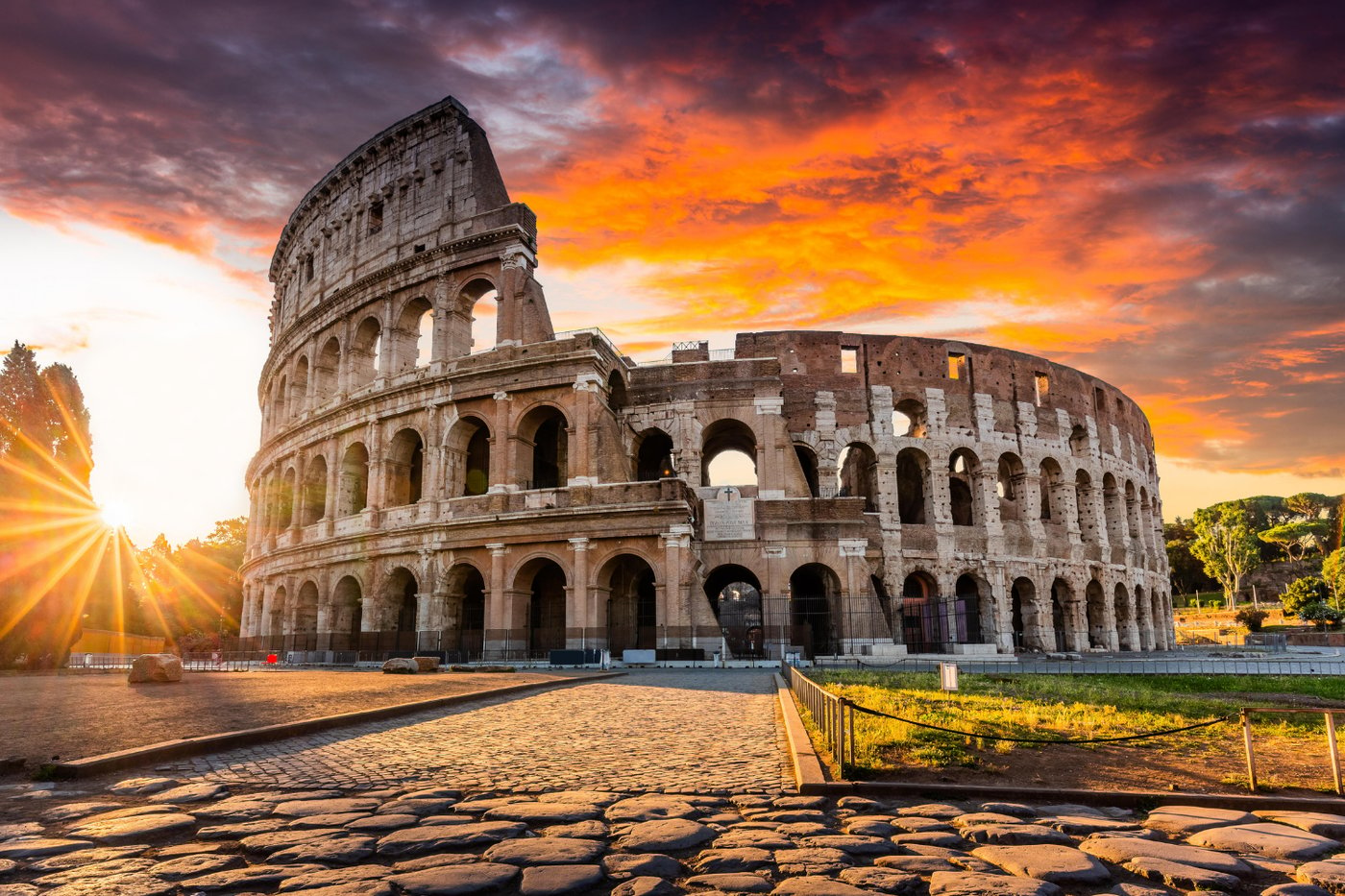
Rome remains the starting point for most first trips to Italy. And 2026 is an especially good year to make it one, because the crowds and construction tied to the 2025 Jubilee have cleared. The Holy Year closed on January 6, 2026, after drawing an estimated 30 million pilgrims to the city. The Vatican and city government funded a wave of restoration work around it. The result is a Trevi Fountain, several papal basilicas and stretches of the historic center that look better than they have in years.
A first visit still centers on the same handful of sites, and they earn the reputation. The Colosseum and the adjacent Roman Forum and Palatine Hill form the core of ancient Rome. All three require a timed-entry ticket booked in advance, especially from spring through early fall. The Pantheon, a nearly 2,000-year-old temple with the largest unreinforced concrete dome ever built, is free to enter but fills up fast in the late morning. The Vatican Museums and Sistine Chapel are a separate undertaking entirely, best tackled with an early or late entry slot to avoid the midday crush. St. Peter's Basilica next door is free but often has its own line for security.
Beyond the headline sites, Rome rewards slower movement. The Trastevere neighborhood, across the Tiber from the historic center, keeps a village feel with narrow cobbled streets and trattorias that do not take reservations. It also has fewer souvenir shops than the areas around the Trevi Fountain or Piazza Navona. The Borghese Gallery, set inside the Villa Borghese park, requires its own advance booking and a strict entry window. It holds major Bernini sculptures and Caravaggio paintings without the density of visitors found at the Vatican.
Food in Rome follows its own rules worth knowing before arrival. Roman cuisine centers on a small set of pasta dishes: cacio e pepe, carbonara, amatriciana and gricia. All four are built on a handful of ingredients rather than heavy sauces. A restaurant that serves them well is usually a safer bet than one with a sprawling menu. Aperitivo, the early-evening drink-and-snack ritual, is less of a fixture in Rome than in Milan. Dinner reservations for popular trattorias are worth making a few days ahead, particularly on weekends.
Florence packs Renaissance art into a walkable city center
Credit: Simeon Maryska / Pexels
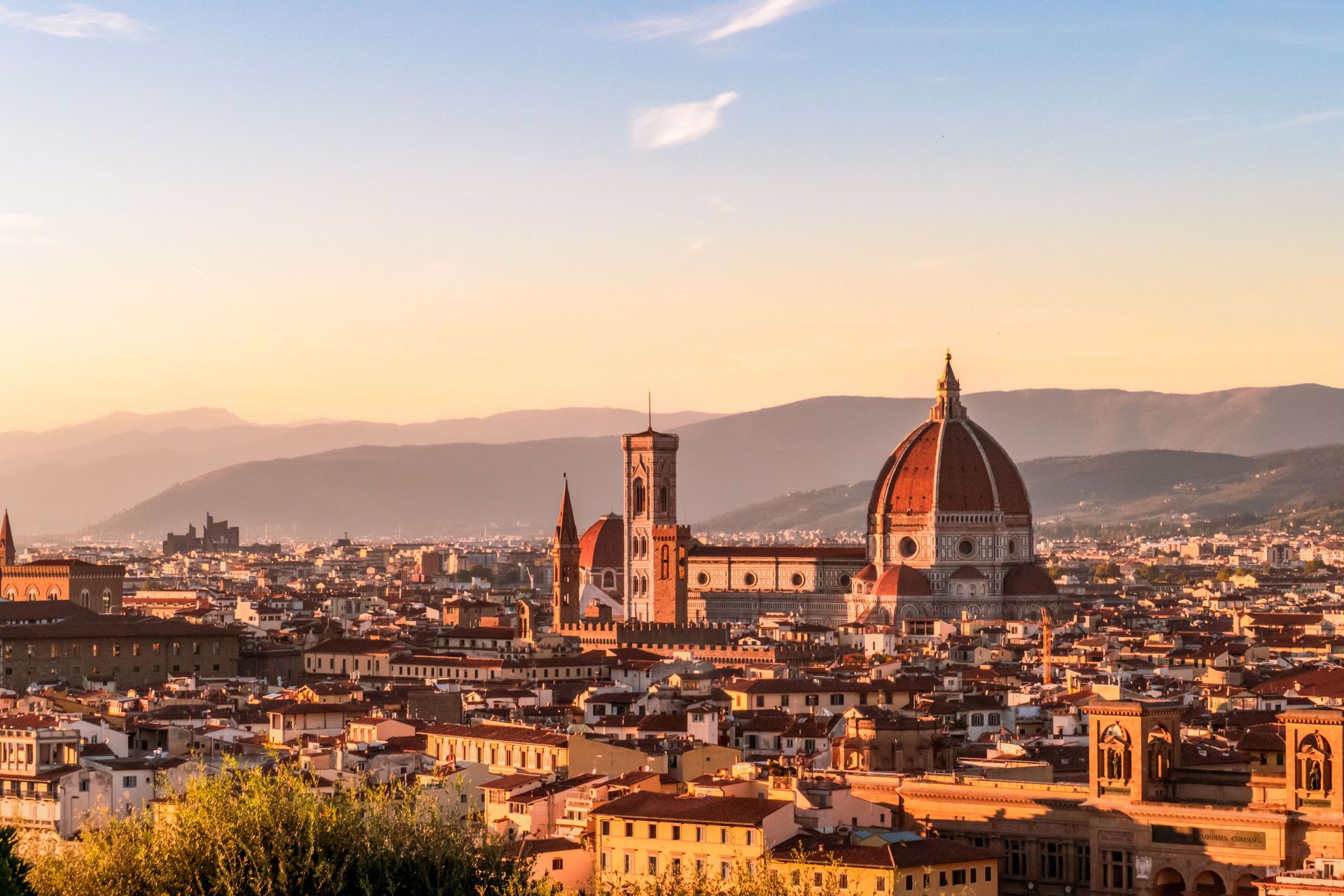
Florence packs the density of the Italian Renaissance into a city center small enough to cross on foot in under 30 minutes. That is what makes it one of the best places to visit in Italy in 2026 for travelers who want serious art without a full day of transit between sites. The Cattedrale di Santa Maria del Fiore, better known as the Duomo, anchors the skyline with Filippo Brunelleschi's dome, completed in 1436 and still the largest brick dome ever constructed. Climbing it means 463 steps and no elevator, so mornings are the better window before the heat and the crowds both build.
The Uffizi Gallery holds one of the most important collections of Italian Renaissance painting anywhere, including Botticelli's Birth of Venus and Primavera. It operates on a timed-entry system that regularly sells out days ahead in high season. The Accademia Gallery, smaller and often underestimated, houses Michelangelo's David. Its ticket should also be booked in advance rather than treated as a walk-up option.
Away from the two big galleries, the Ponte Vecchio is Florence's most photographed spot. The medieval bridge, lined with gold and jewelry shops, is best seen either at sunrise or from the Ponte Santa Trinita just downstream, where the view includes the bridge itself. The Boboli Gardens, behind the Pitti Palace, offer a formal Italian garden with sweeping views back over the city and a much slower pace than the museum district.
Florence also works as a base for day trips into Tuscany, since regional trains reach Siena, Pisa and the Chianti wine region in under two hours. The city's own food culture is built around Florentine specifics. Bistecca alla fiorentina is a thick-cut, bone-in steak typically served rare and priced by weight, while schiacciata is a flatbread sold from small bakeries rather than sit-down restaurants. Visitors who plan a single Tuscany stop often choose Florence over a countryside villa. The city delivers the art, the food and the access to the surrounding hills all from one hotel.
Venice adds a day-tripper access fee for 60 dates in 2026
Credit: Rebe Adelaida / Unsplash
Venice is unlike anywhere else in Italy, and in 2026 it comes with a specific logistical detail worth knowing before booking a trip. Day-trippers now need to reserve entry on 60 designated dates between April 3 and July 26, mostly weekends and holidays. The fee is five euros if booked at least four days ahead, or 10 euros for a late booking. Anyone staying overnight in the city is exempt, along with residents, students, workers and children under 14, which in practice makes an overnight stay the simpler option during peak season.
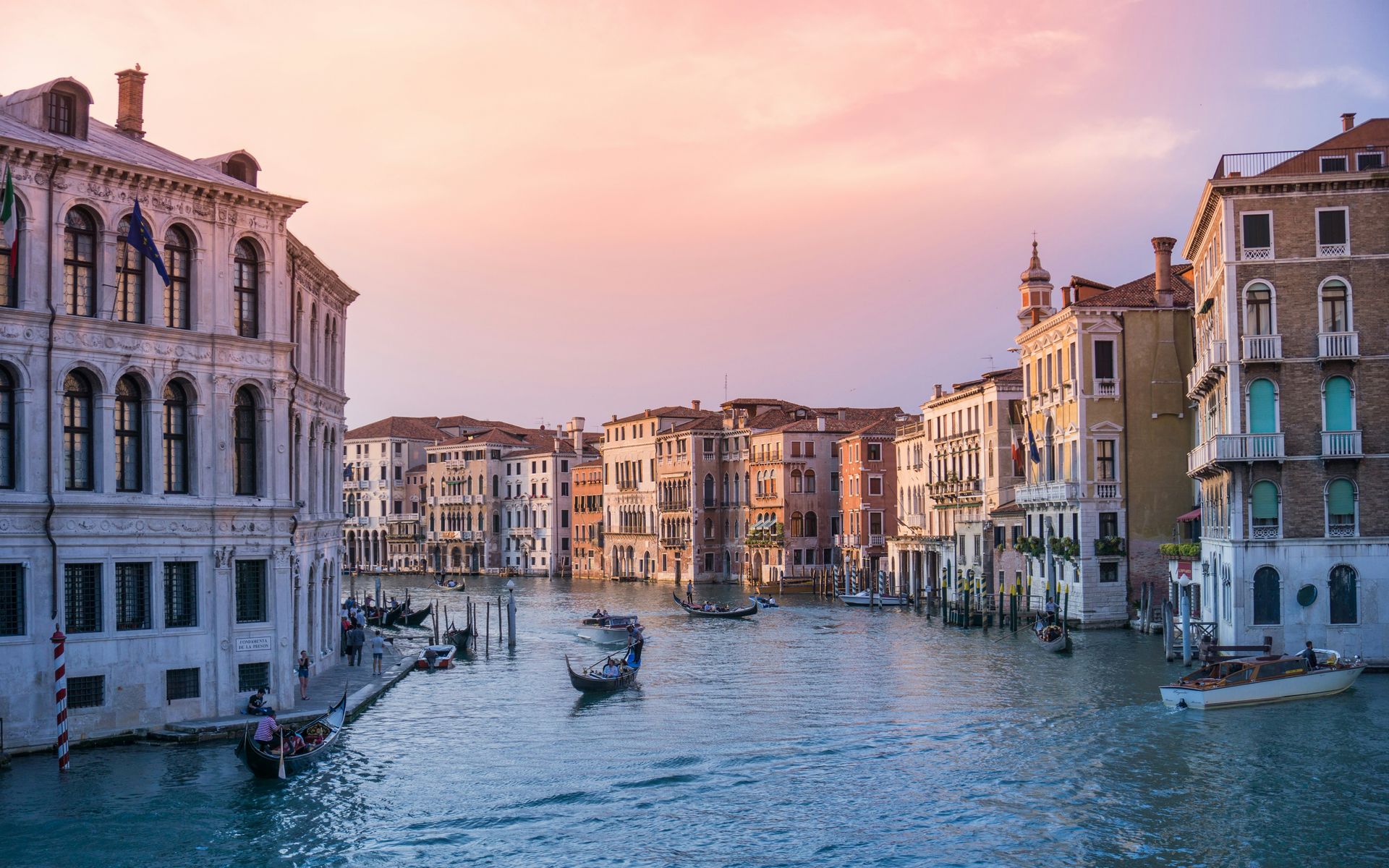
The city itself has no cars, and movement runs on foot or by vaporetto, the public water bus network that connects St. Mark's Square $SQ, the Rialto Bridge and the outer islands. St. Mark's Basilica, with its Byzantine mosaics and gold-ground interior, sits on St. Mark's Square. Alongside it stands the Doge's Palace, the seat of Venetian government for centuries and now a museum that includes the Bridge of Sighs connecting it to the old prisons.
The Grand Canal, the city's main waterway, is best seen by taking the vaporetto line 1 end to end. That costs far less than a private gondola ride, which covers a shorter, more scripted route for a much higher price. Gondolas still have their place for a short evening ride through the quieter side canals away from the Grand Canal's boat traffic.
Beyond the main square, the outer islands offer a different pace entirely. Murano has been the center of Venetian glassmaking since the 13th century and still has working furnaces open to visitors. Burano, a short vaporetto ride further out, is known for brightly painted fishing houses and handmade lace. Neither island falls inside the day-tripper access fee zone, since the charge applies only to the historic center itself. That makes them a useful way to spend part of a peak-season day outside the fee window.
The Amalfi Coast's cliffside towns beyond Positano
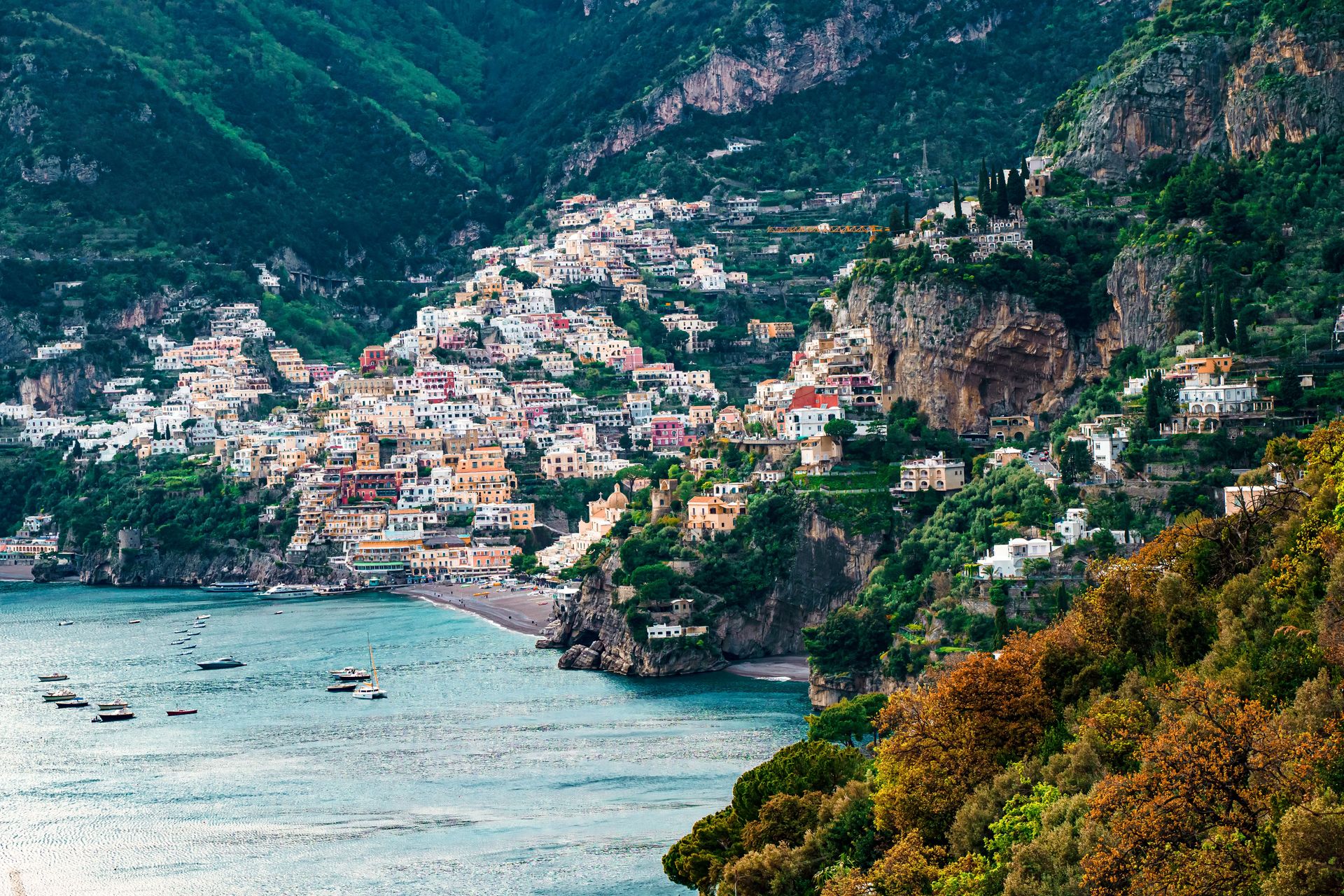
Credit: Boris Ivas / Pexels
The Amalfi Coast is a 50-kilometer stretch of cliffside coastline south of Naples. Positano, its best-known town, is built almost vertically into the rock face above the sea, with pastel buildings stacked in tiers connected by steps rather than flat streets. The coast road, the SS163, winds along the cliffs with views of the Tyrrhenian Sea on one side and lemon groves on the other. It narrows enough in places that large tour buses cannot pass each other, which is part of why summer traffic here can move slower than walking pace.
Positano draws the most attention, but Amalfi itself, the town the coast is named for, has its own draw in the Cathedral of St. Andrew. It has a striped Arab-Norman facade and a crypt said to hold the relics of the apostle Andrew. Ravello, set higher up the cliffside than either town, trades beach access for views. The gardens of Villa Rufolo and Villa Cimbrone look straight out over the coastline from several hundred feet up.
Getting around without a car is possible and often preferable, since parking is scarce and expensive in every town along the coast. SITA buses run the coast road between towns, and ferries connect Amalfi, Positano and Salerno by sea. The ferry is usually faster and less nauseating than the bus on a road with hundreds of switchbacks. Capri, the island visible from much of the coast, is a short ferry ride from Positano or Amalfi and makes a reasonable day trip. Its own crowds in July and August rival the mainland towns.
The coast's food leans on lemons grown in terraced groves along the cliffs. They turn up in limoncello and in dishes like delizia al limone, a lemon sponge cake specific to the region. Late spring and early fall bring milder heat and thinner crowds than midsummer, when the coast road traffic and the town squares both reach their yearly peak.
Cinque Terre's five villages linked by trail and train
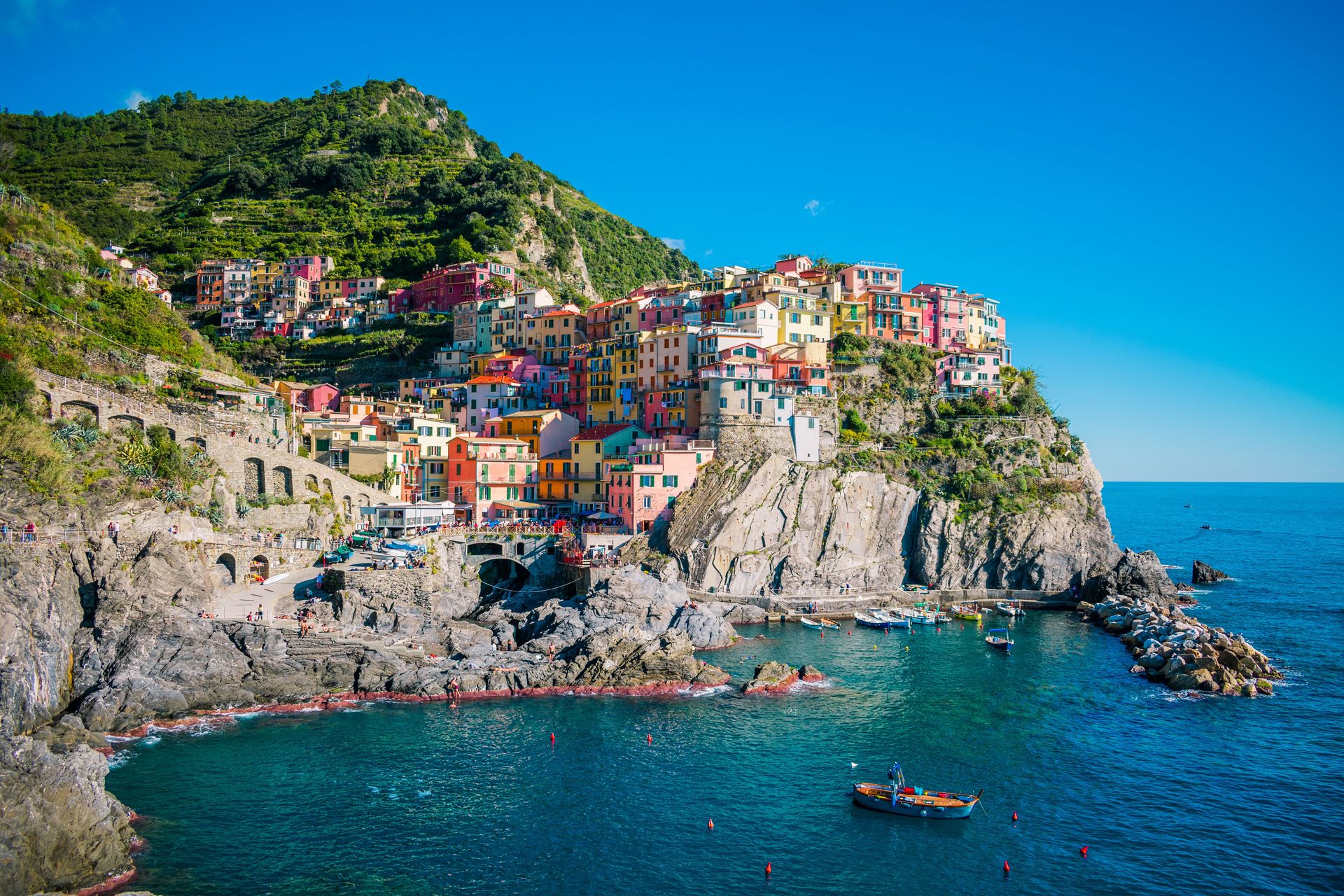
Credit: Jarod Barton / Pexels
Cinque Terre is a string of five fishing villages on the Ligurian coast. The reason it works well as a single destination is a hiking trail network connecting all five without requiring a car. The villages, Monterosso al Mare, Vernazza, Corniglia, Manarola and Riomaggiore, sit inside a national park. The Cinque Terre Card, sold at park visitor centers, covers trail access and unlimited regional trains between the towns. That is how most visitors actually move between them, since roads barely reach some of the villages at all.
Monterosso al Mare is the only village with a proper sand beach and the most hotel capacity, making it a common base for a multi-night stay. Vernazza has the most photographed harbor of the five, with colorful buildings wrapping around a small natural port and a castle tower overlooking the water. Corniglia sits apart from the other four, built on a hilltop rather than at sea level. It requires either a climb up roughly 400 steps from the train station or a shuttle bus. Manarola is best known for its sunset views back over the water toward the cliffside houses. Riomaggiore, the southernmost village, connects to Manarola via the Via dell'Amore, a cliffside path that reopened in stages after landslide repairs.
The full trail network between all five villages is not always open, since sections close periodically for maintenance or after storm damage. Checking current trail status before planning a full end-to-end hike is worth doing closer to the actual travel dates rather than assuming every segment is walkable. Regional trains from La Spezia reach the villages in a few minutes each, and La Spezia itself connects by rail to Florence, Pisa and Milan. That makes Cinque Terre workable as a day trip or a short standalone stay of two or three nights based near Monterosso or Vernazza.
Sicily pairs Greek ruins with an active volcano
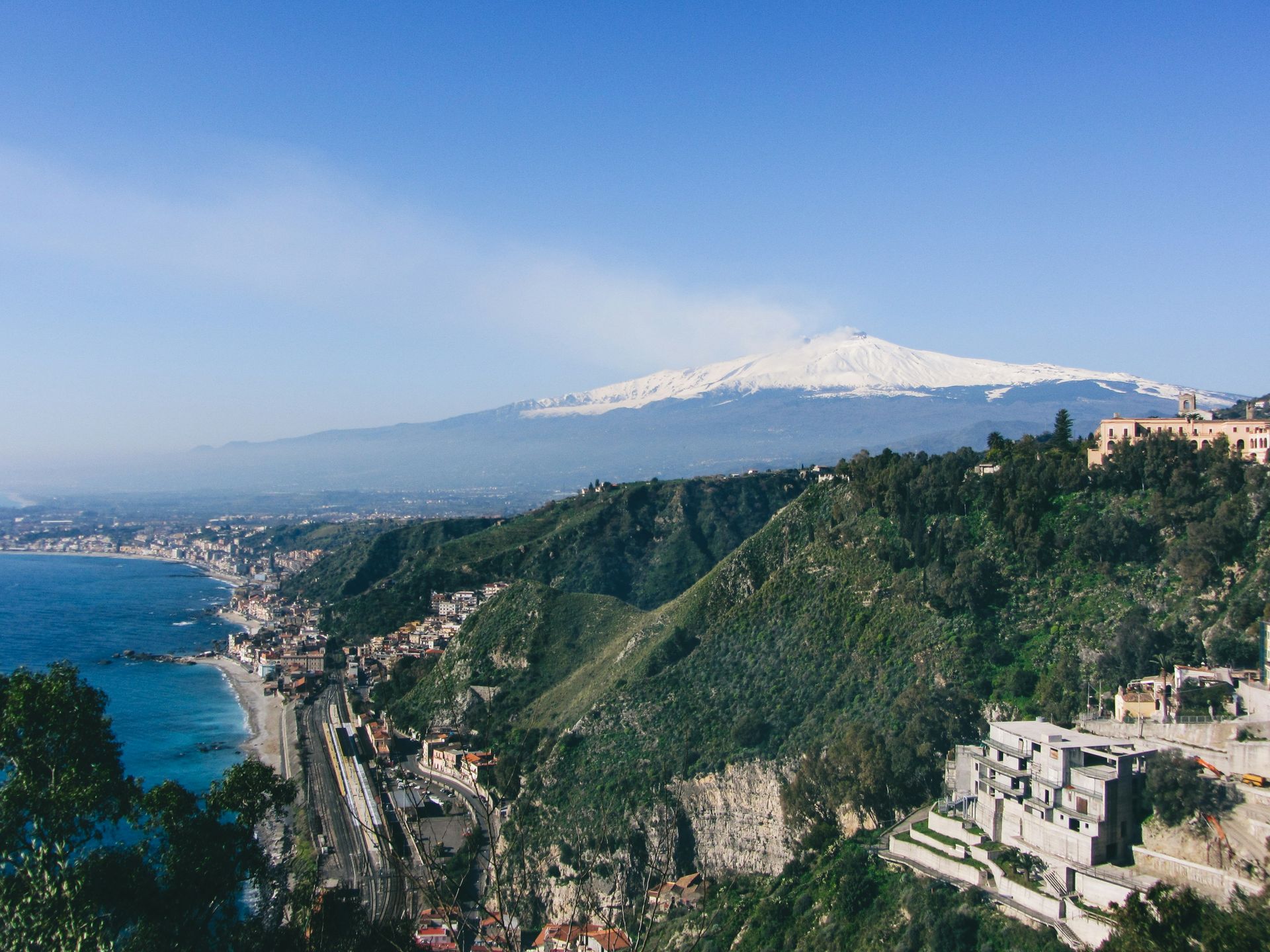
Credit: Casey Lovegrove / Unsplash
Sicily is the largest island in the Mediterranean and covers enough ground that most visitors pick a region rather than attempt the whole island in one trip. Palermo, the capital, mixes Norman, Arab and Baroque architecture in a single city center. That mix is most visible in the Palermo Cathedral and the Norman Palace, which houses the Cappella Palatina and its Byzantine mosaics. The city's street food culture runs through the Ballaro and Vucciria markets. Both are built around stalls selling panelle, arancini and other dishes shaped by centuries of Arab and Spanish rule on the island.
Taormina, on the island's east coast, sits on a hillside above the sea with views toward Mount Etna, Europe's largest active volcano. Etna rises to roughly 3,350 meters and remains active enough that eruptions are a regular occurrence rather than a historical footnote. The town's Greek theater was built in the third century BC and later expanded by the Romans. It frames Etna directly behind the stage and still hosts performances during the summer festival season.
The Valley of the Temples outside Agrigento holds a set of Greek temple ruins dating to the fifth and sixth centuries BC. It is among the best preserved sites of its kind outside Greece itself, including the Temple of Concordia, which remains largely intact. Syracuse, on the southeastern coast, centers on the island of Ortigia, its old town connected to the mainland by a short bridge. Ortigia is packed with Baroque buildings, a working fish market and the Fountain of Arethusa, a freshwater spring a few steps from the sea.
Renting a car is close to essential outside Palermo and Taormina, since train service between smaller towns is limited and slow. Ferries connect Sicily to mainland Italy from Messina, Naples and Salerno. The island's food is more directly Arab and North African in influence than most of the mainland. It includes couscous dishes in the west around Trapani that are rare elsewhere in the country.
Puglia's whitewashed towns and trulli houses
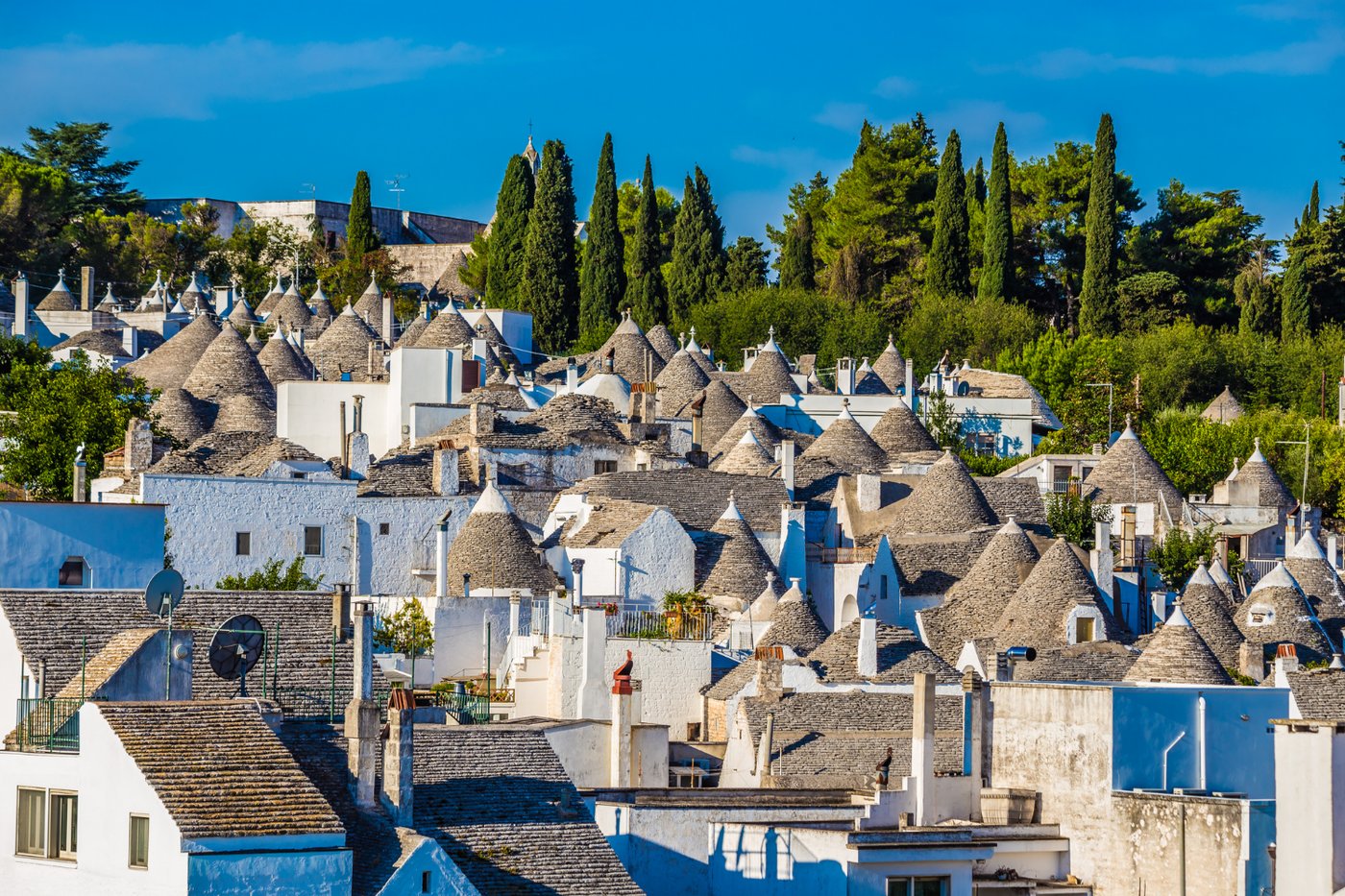
Credit: Canva Images
Puglia occupies the heel of Italy's boot and has become one of the country's most popular regions for travelers looking past the more established stops further north. It still offers what Tuscany and the Amalfi Coast largely no longer do: quiet towns and flat farmland dotted with olive trees. Its beach towns lack the density of the more established coasts. Alberobello is the region's best-known stop, built almost entirely of trulli, whitewashed conical stone houses unique to the area and dating back several centuries. The Rione Monti district holds the largest concentration of them still in use as homes and shops.
Ostuni, known locally as the Citta Bianca, or White City, sits on a hilltop a few kilometers inland from the Adriatic. Its old town is a maze of whitewashed buildings that were traditionally lime-washed for both heat reflection and hygiene. Polignano a Mare, further up the coast, is built directly onto limestone cliffs above the sea. A small beach, Lama Monachile, sits wedged into a cove beneath the old town and is reachable by a set of stairs from the main square.
Lecce, further south, earns its nickname as the Florence of the South for its Baroque architecture. It is carved from a local soft limestone called pietra leccese that allowed for the elaborate facades found on the Basilica di Santa Croce and throughout the historic center. Otranto, on the coast near Lecce, sits at Italy's easternmost point. It mixes a Norman-Romanesque cathedral with a well-preserved castle and beaches that stay markedly less crowded than those closer to Bari.
Puglia's food centers on orecchiette pasta, typically served with turnip greens, and on the region's olive oil production, among the highest in volume of any Italian region. Getting around without a car is difficult outside the main rail line connecting Bari, Lecce and a handful of larger towns. Most multi-town itineraries here run on a rental car rather than public transit.
The Dolomites carry a 2026 Olympic legacy into hiking season
Credit: eberhard grossgasteiger / Pexels
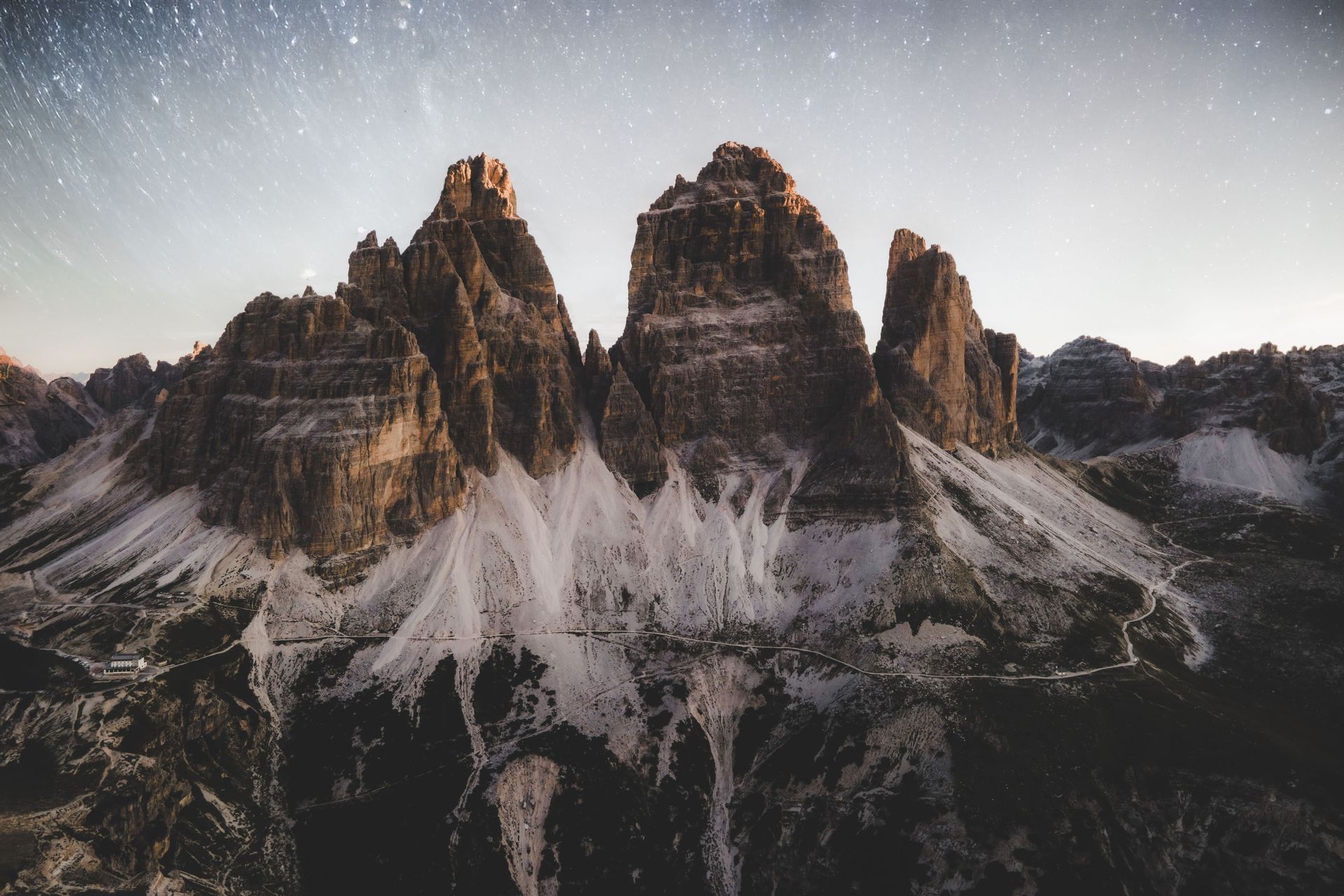
The Dolomites, the mountain range spanning Trentino-Alto Adige and Veneto in northeastern Italy, hosted a large share of the 2026 Winter Olympics. The Games brought upgraded roads and rail connections into towns like Cortina d'Ampezzo. That infrastructure now benefits ordinary visitors well beyond the athletes and spectators who came through in February. Cortina, which also hosted the 1956 Winter Olympics, sits at the center of the range. It combines Alpine skiing terrain in winter with hiking access into the Tofane and Cristallo mountain groups in summer.
The Tre Cime di Lavaredo, three distinctive rock towers rising from a shared base, form the most photographed formation in the range. They sit along a loop trail that takes most hikers three to four hours to complete without technical climbing gear. The trailhead, reached by a toll road from Lake Misurina, gets crowded by mid-morning in July and August. An early start is worthwhile even outside ski season.
The Val Gardena, further west, is a Ladin-speaking valley with three main towns: Ortisei, Santa Cristina and Selva. Together they form part of the Sella Ronda, a circular ski route linking four valleys. It draws skiers each winter and cyclists in summer, once the lifts reopen for foot and bike traffic. The Alpe di Siusi, Europe's largest high-altitude Alpine meadow, sits above the Val Gardena. It closes to private cars during the day in summer, requiring a cable car or shuttle bus instead. That rule keeps the meadow notably quieter than its size and popularity would suggest.
Getting to the Dolomites usually means flying into Venice or Innsbruck and driving from there, since rail access into the smaller mountain towns remains limited despite the Olympic-related upgrades. Late June through September is the main hiking window. The ski season runs roughly December through March, and the shoulder months of May and October see many mountain huts and cable cars closed entirely.
Milan mixes fashion, opera and the Last Supper
Credit: Alisa Skripina / Pexels
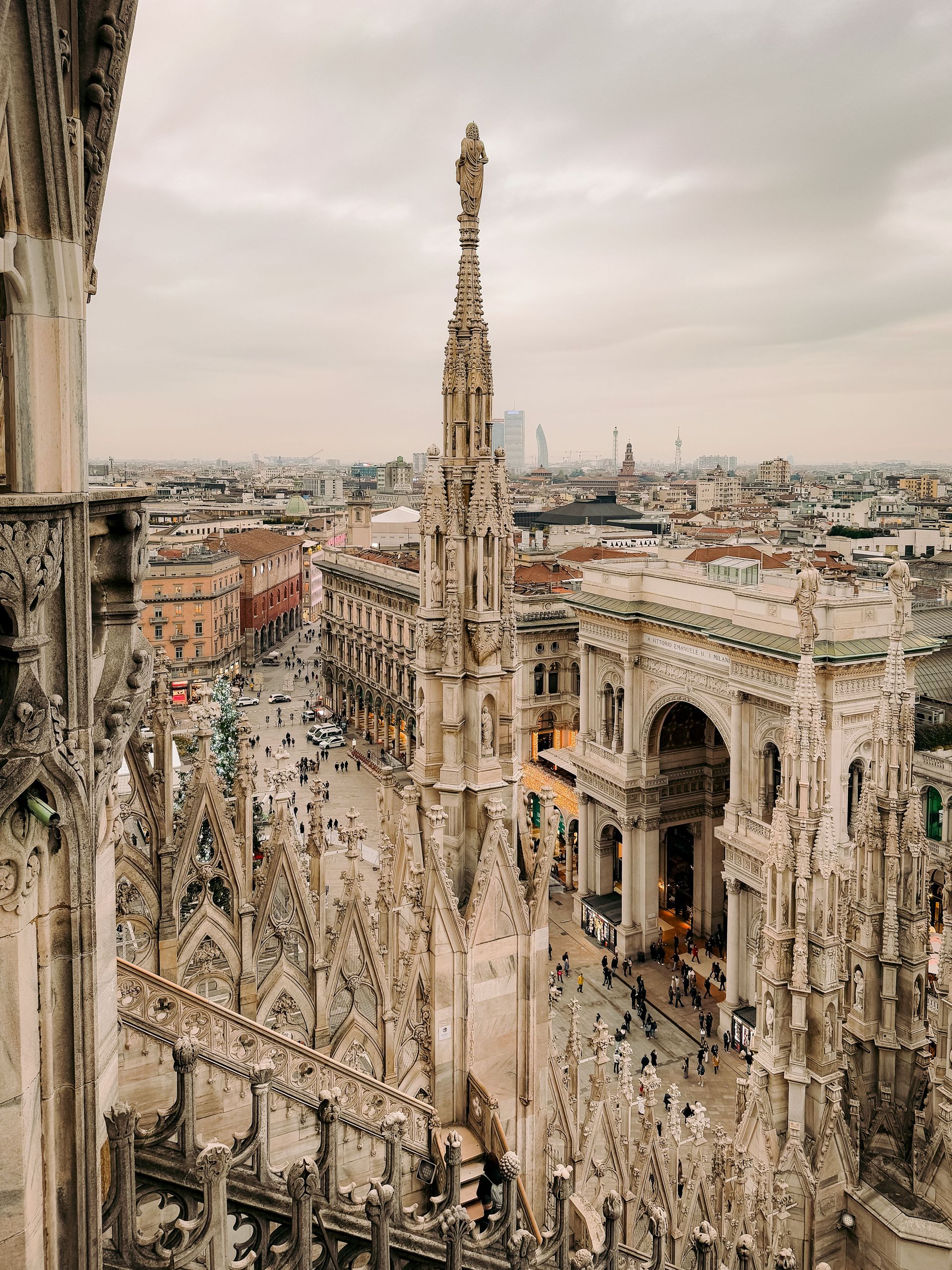
Milan is Italy's financial and fashion capital. The city co-hosted the 2026 Winter Olympics opening ceremony at San Siro Stadium in February. That has given Milan a slightly higher profile than its usual reputation as a business stopover between Rome and the Alps. The Duomo di Milano, among the largest churches in the world and the largest in Italy, took nearly six centuries to complete. Its rooftop terraces, reached by elevator or a staircase, offer close-up views of the more than 3,400 statues covering the exterior.
Leonardo da Vinci's Last Supper, painted directly onto the refectory wall of the Santa Maria delle Grazie convent, requires a reservation made weeks or sometimes months in advance. Only a small number of visitors are admitted every 15 minutes, a limit meant to protect the fragile mural from humidity damage. The Galleria Vittorio Emanuele II, a 19th-century glass-domed shopping arcade next to the Duomo, connects the cathedral square to La Scala, one of the world's most storied opera houses. La Scala offers museum tours during the day even for visitors without tickets to a performance.
Milan's fashion district, the Quadrilatero della Moda, centers on Via Montenapoleone and holds flagship stores for most major Italian design houses. The Brera district nearby trades the retail focus for art galleries, the Pinacoteca di Brera museum and a quieter, more residential feel just steps from the shopping streets. Aperitivo, the early-evening tradition of a drink served with a spread of snacks, is more deeply rooted in Milan than almost anywhere else in Italy. The Navigli canal district is built around exactly this ritual most evenings.
Lake Como sits less than an hour from central Milan by train. That makes it a straightforward day trip for visitors who want the lake's villas and mountain backdrop. There is no need to add a separate overnight stay to an itinerary already built around the city.