From long-overlooked cities finally getting their due to classic destinations with new reasons to visit — where to go in Spain this year
Ken Cheung / Unsplash
Spain does not need a reason to be worth visiting in any given year. But 2026 happens to have an unusually dense calendar of anniversaries, cultural designations, and rare events that make specific Spanish cities more compelling right now than they will be in an ordinary year — the kind of convergence that a good travel year is built on. Barcelona is marking the 100th anniversary of Antoni Gaudí's death and has been designated World Capital of Architecture. Cádiz was named among Lonely Planet's top 25 destinations globally for 2026. A total solar eclipse will sweep across northern Spain in August, drawing crowds to towns that rarely see this kind of international attention. Toledo is marking both 40 years as a UNESCO World Heritage Site and 800 years since construction began on its cathedral.
None of this means the rest of Spain is any less worth seeing — Spain's appeal has never depended on a calendar of anniversaries. But 2026 does provide a specific, practical case for prioritizing certain places this year over others, either because a milestone event will not recur, because a city is about to become significantly more crowded once the anniversary attention fully lands, or because a natural event will not be visible from the same vantage point again for decades.
This list covers nine Spanish destinations with a specific 2026 case for visiting now: an anniversary, a designation, an event, or a moment of momentum that makes this year distinct from the years before or after it. Each entry explains the specific reason 2026 matters for that destination and what to prioritize while there.
Logan Armstrong / Unsplash
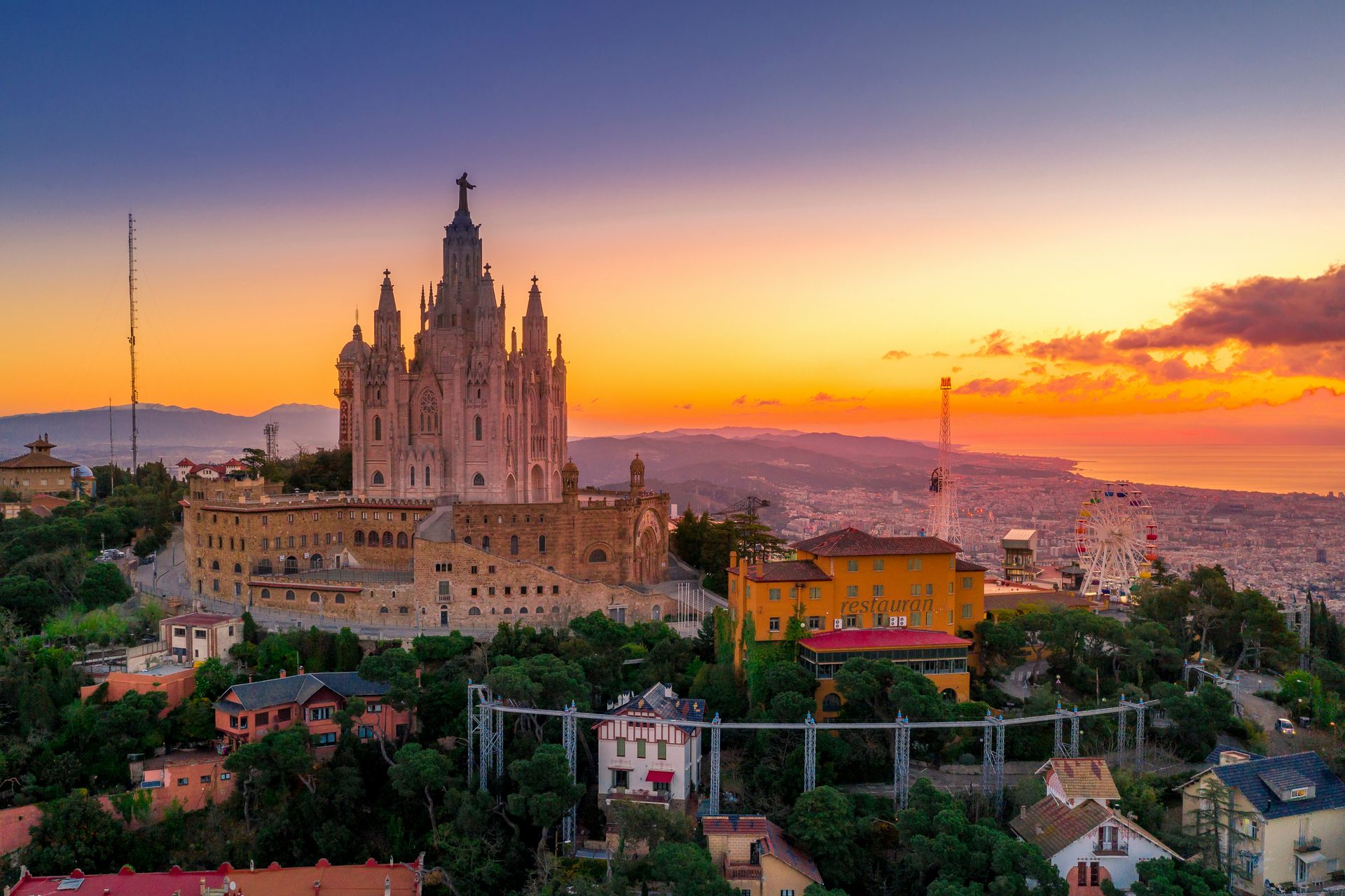
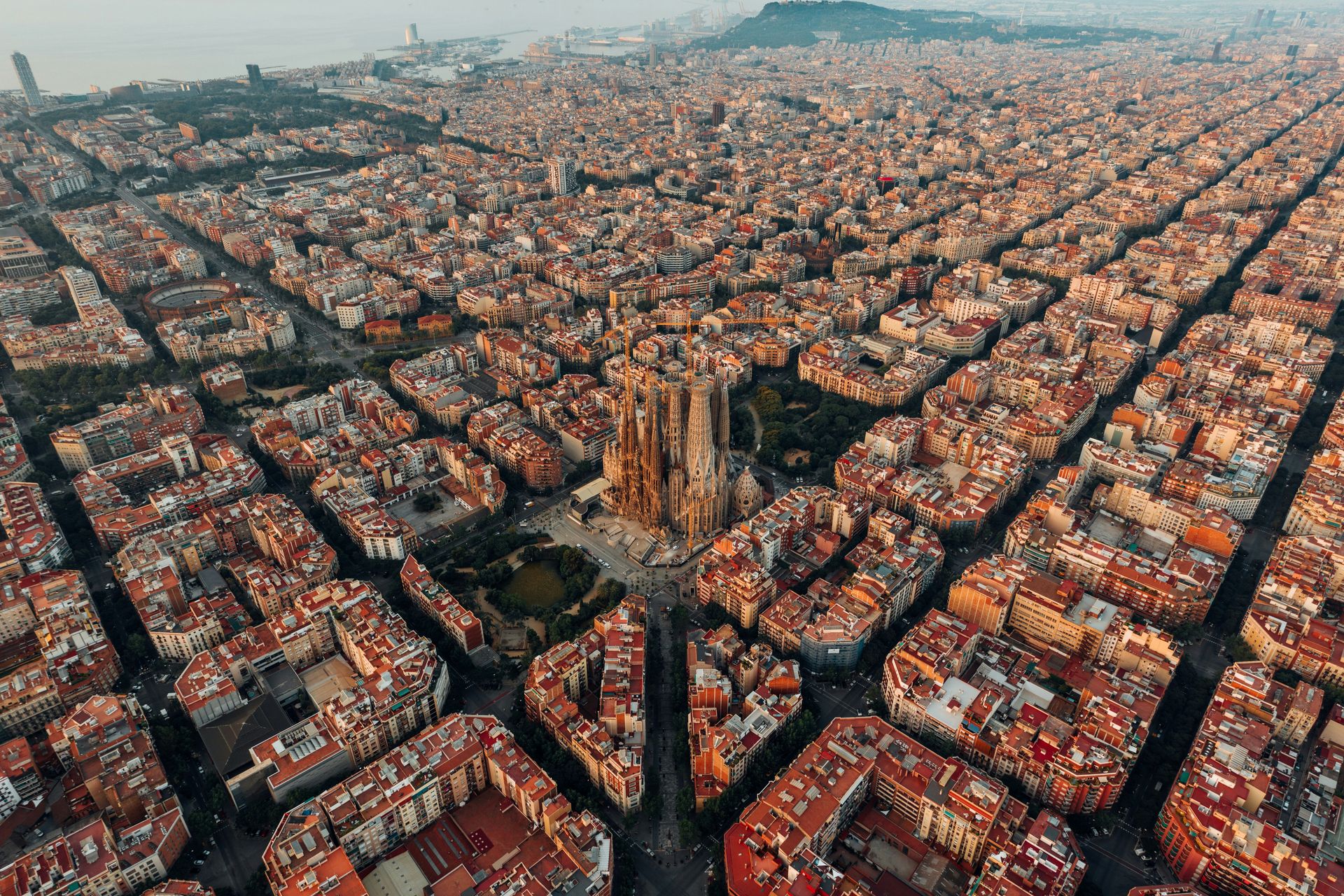
Barcelona is marking the 100th anniversary of Antoni Gaudí's death in 2026 and has been designated the World Capital of Architecture for the year — a combination that has produced an expanded calendar of exhibitions, tours, and public programming centered on Gaudí's work beyond the standard Sagrada Família and Park Güell circuit. The anniversary year is producing access and interpretation that will not be repeated at the same scale for decades; the next comparable Gaudí anniversary moment would be his 200th birthday or a future death anniversary, both well beyond most people's travel planning horizon.
The specific opportunities this year include expanded public access to some of Gaudí's lesser-visited residential buildings, special exhibitions on his architectural process and influences, and citywide programming that treats Barcelona's built environment as a coherent subject rather than a backdrop. The Sagrada Família itself remains under construction toward its long-anticipated completion, and visiting during the centenary year offers the specific experience of seeing the building in its current state before the milestone completion changes what the site is.
Beyond the Gaudí programming, Barcelona's fundamentals remain what they have always been: the Gothic Quarter's density of historical layers, the Boqueria market, the beaches within walking distance of the old city, and a restaurant scene that ranges from Michelin-starred destinations to unpretentious tapas bars serving some of the best food in the country.
Vidar Nordli-Mathisen / Unsplash
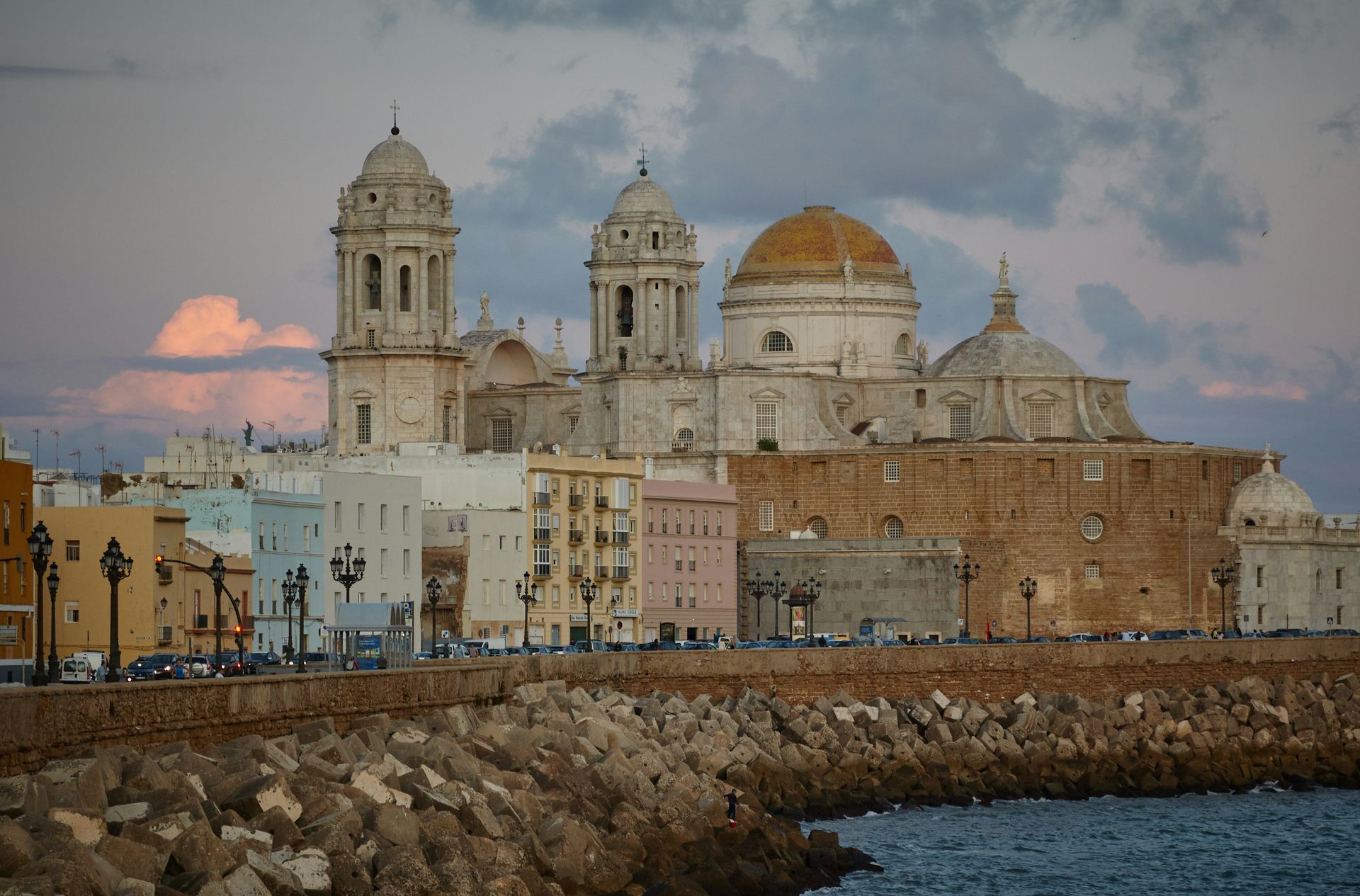
Cádiz was named among Lonely Planet's Best in Travel 2026 list — ranked fifth among 25 global destinations — a designation that has brought international attention to a city that has spent decades as one of Spain's most overlooked coastal destinations despite being, by most measures, one of the oldest continuously inhabited cities in Western Europe, founded by Phoenician traders around 1100 BCE.
The Lonely Planet recognition is producing the specific effect that such designations reliably produce: increased visitor numbers, expanded hotel and restaurant investment, and the beginning of the transition from undiscovered to discovered that changes a destination's character within a few years. Visiting Cádiz in 2026, close to the moment of its international recognition rather than several years after, offers the specific value of experiencing the city before the designation fully reshapes its tourist infrastructure.
Cádiz's Carnival — held in February and March and among the largest and most theatrically elaborate in Spain, rivaling Rio's in local intensity if not international scale — falls within the 2026 calendar and is one of the most distinctive annual events in the country. The old city's dense, whitewashed streets, its position on a narrow peninsula surrounded by Atlantic coastline, and its specific Andalusian character distinct from inland Andalusia's better-known cities make it a destination whose fundamentals justify the recognition it is now receiving.
Jorge Fernández Salas / Unsplash
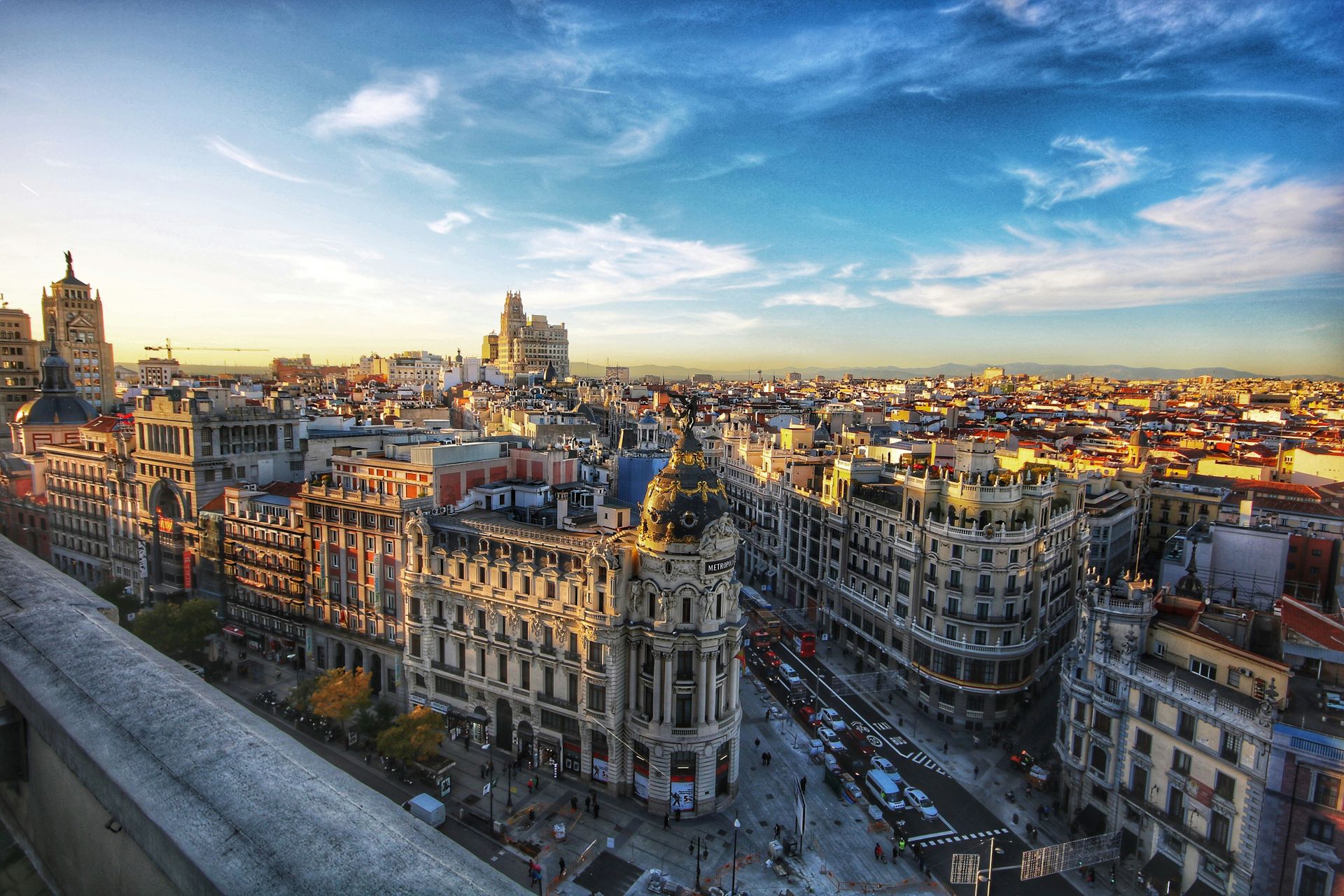
Madrid will host the Spanish Grand Prix of Formula 1 for the first time in September 2026, on a new street circuit running between the IFEMA convention center and the Valdebebas district — a major addition to the city's international sporting calendar and a first-time event that will draw a specific international audience that does not typically prioritize Madrid on a Spain itinerary.
Beyond the Grand Prix, Madrid's 2026 cultural calendar is substantial: the Banco de España's historic headquarters building, with its extensive art collection, remains open to public visits through June 2026, offering access to a building and collection not typically part of the standard Madrid museum circuit. The city is also hosting a significant concert calendar, including multiple stadium shows that reflect Madrid's status as one of Europe's major live music markets.
For visitors whose primary interest is not sport or concerts, Madrid's fundamentals remain what draw most travelers regardless of the calendar: the Prado, the Reina Sofía, and the Thyssen-Bornemisza collectively constitute one of the finest concentrations of art museums in the world within walking distance of each other, and the city's tapas culture, particularly in the La Latina and Malasaña neighborhoods, rewards unhurried exploration.
Thomas Haas / Unsplash
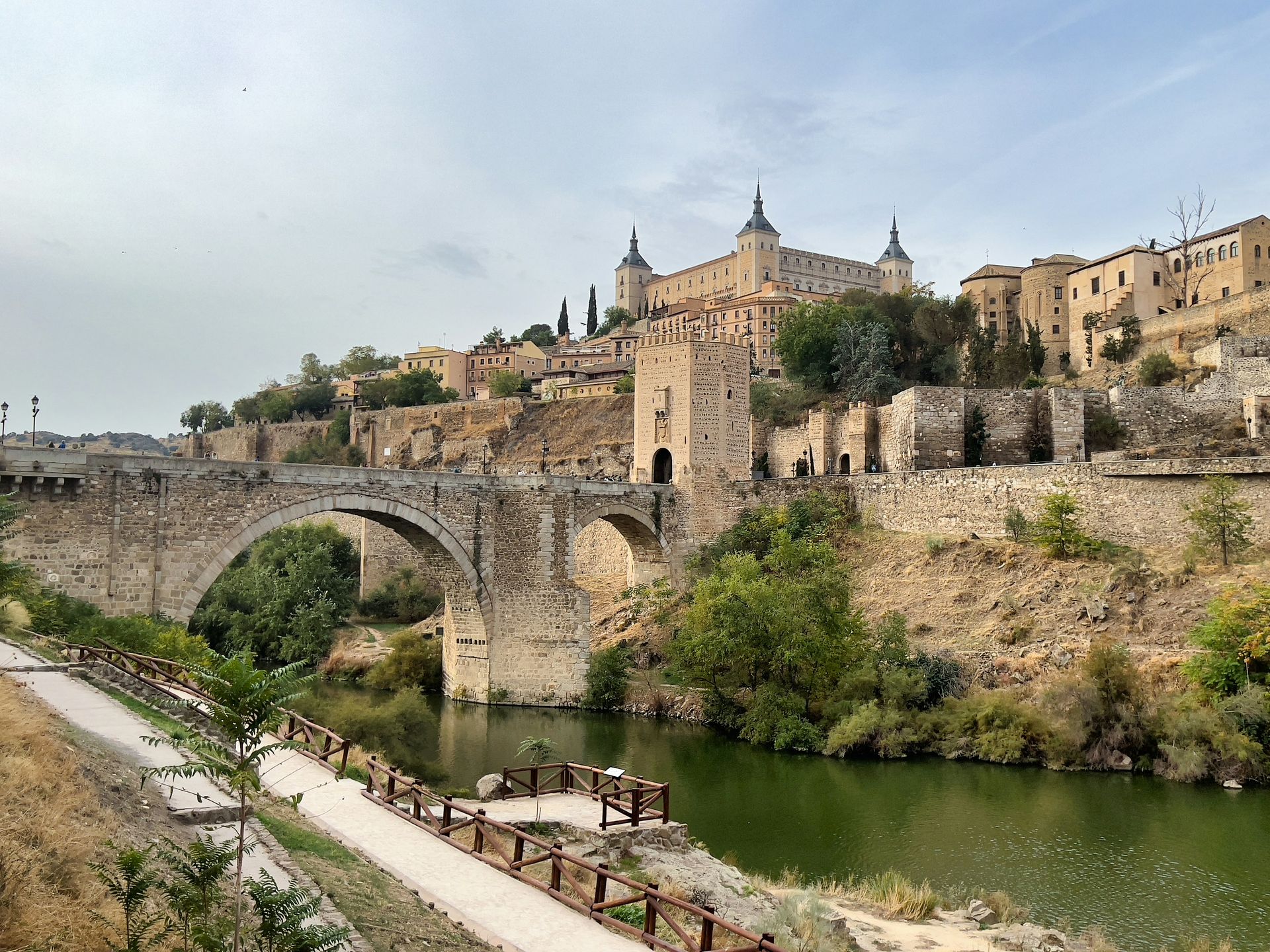
Toledo is marking two significant anniversaries in 2026: 40 years since its designation as a UNESCO World Heritage Site and 800 years since construction began on its cathedral, one of the great works of Spanish Gothic architecture and among the most important cathedrals in the country. The combination of anniversaries is producing expanded interpretive programming and cultural events centered on the city's specific historical identity as a former capital where Christian, Muslim, and Jewish communities coexisted for centuries, producing an architectural and cultural layering that is visible throughout the old city.
Toledo's compact size — the entire historic center is walkable in a day, though it rewards a longer stay — and its position less than 30 minutes from Madrid by high-speed train make it one of the most accessible day-trip or short-stay destinations in the country, and the anniversary programming in 2026 gives specific reason to prioritize the visit this year rather than treating it as a rushed day trip from Madrid.
The cathedral itself, whose construction anniversary is being marked this year, contains an extraordinary collection of religious art including works by El Greco, whose relationship with Toledo (where he lived for most of his career) is one of the most significant painter-city associations in art history.
JOSE GALLARDO / Pexels
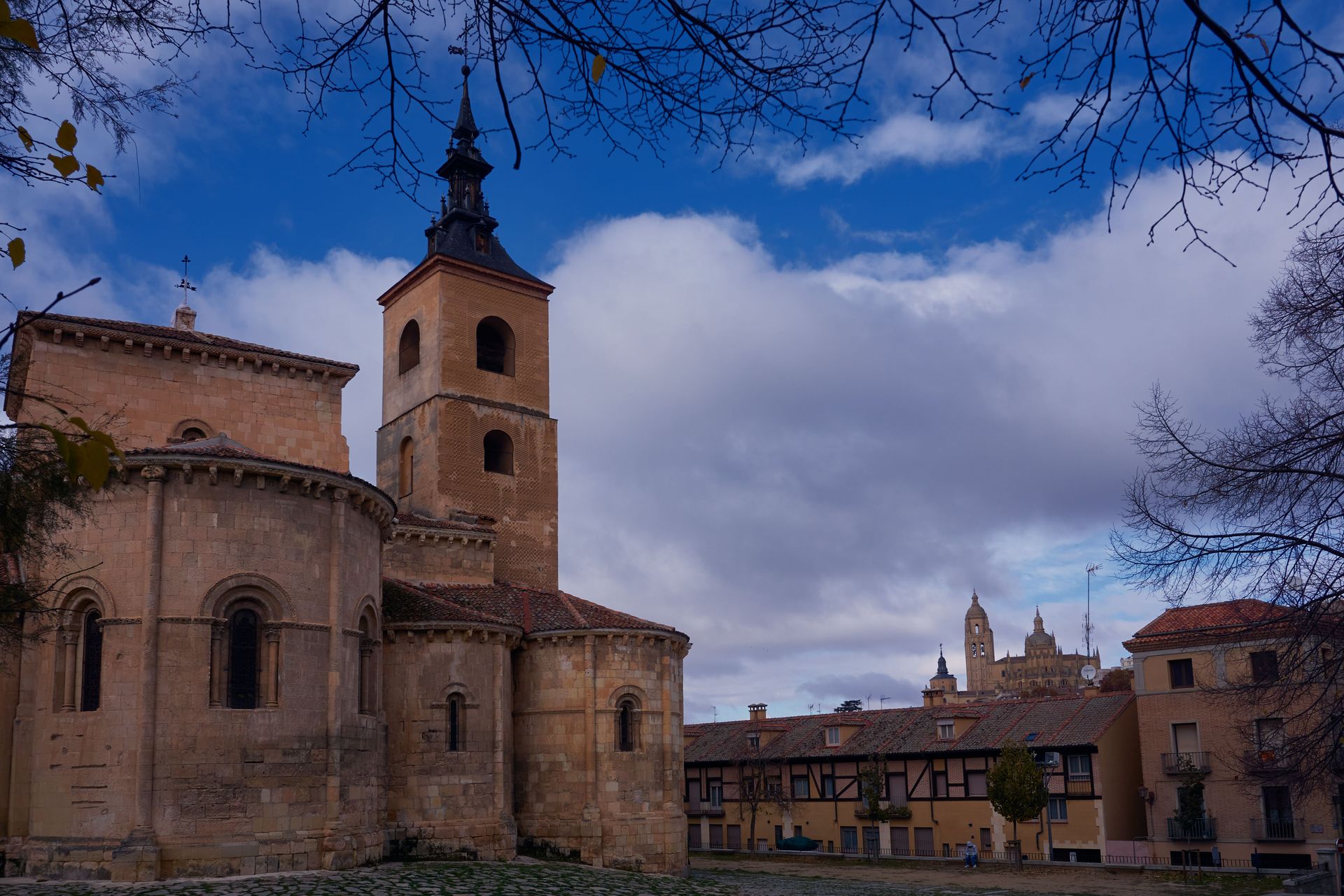
A total solar eclipse will cross northern Spain on August 12, 2026, with the path of totality passing through León and the surrounding region — a rare astronomical event that will not recur along a comparable path for decades and that is expected to draw significant crowds to towns and cities that do not typically see this scale of international visitor interest.
The practical case for visiting León in 2026 is specific and time-limited in a way that few other entries on this list are: the eclipse will be visible from a specific geographic band on a specific date, and outside that window and that region, the event simply will not be experienced in the same way. Travelers $TRV interested in astronomical tourism — a growing niche that combines the eclipse-chasing community with more casual travelers drawn by a specific, unrepeatable event — are already planning around this date, and accommodation in the path of totality is expected to become scarce as the date approaches.
Beyond the eclipse itself, León is a historically significant and still relatively undervisited Spanish city, with a Gothic cathedral considered among the finest in the country for its stained glass, a well-preserved historic quarter, and the specific character of a northern Spanish city whose culinary and cultural traditions differ meaningfully from the better-known south.
Taisia Karaseva / Unsplash
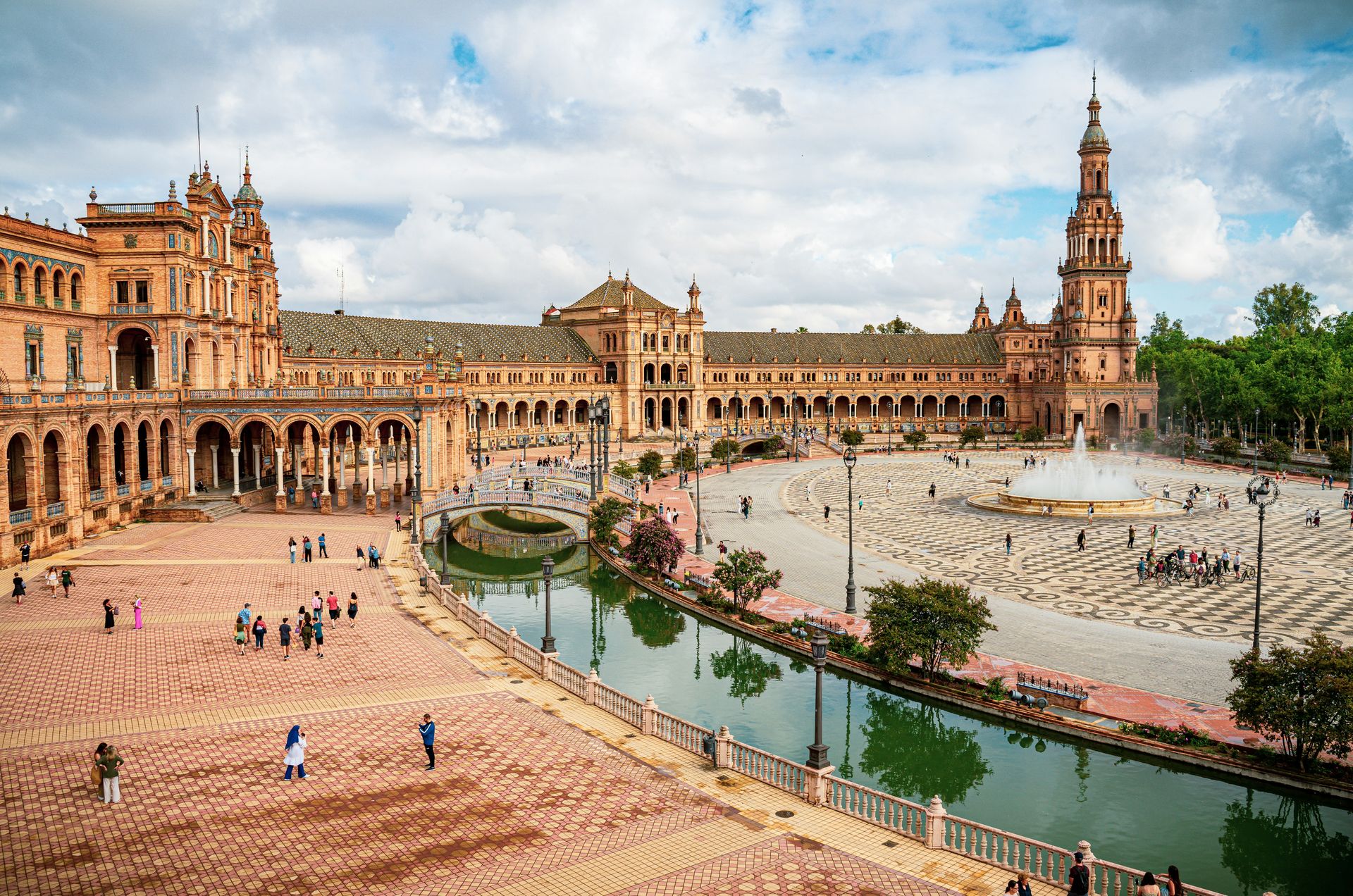
Seville will host the 500th anniversary commemoration of the wedding of Emperor Charles V and Isabella of Portugal, held at the Real Alcázar in 1526 — a milestone that is producing a significant immersive experience and outdoor programming at the Alcázar, one of the finest surviving examples of Mudéjar architecture in Spain and a UNESCO World Heritage Site in its own right.
Seville is also hosting the Tourism Innovation Summit in 2026, with Argentina as the official guest country — a significant industry event that reflects the city's growing position as a hub for travel and hospitality technology alongside its traditional identity as one of Andalusia's great historic capitals.
The specific programming around the Charles V anniversary offers a way to experience the Alcázar with additional interpretive depth beyond the standard visit, and Seville's broader appeal — the cathedral (the largest Gothic cathedral in the world), the Plaza de España, the flamenco tradition of the Triana neighborhood, and a tapas culture considered by many to be the most consistently excellent in the country — remains undiminished by the specific anniversary programming, which adds to rather than defines the visit.
Mihai Vlasceanu / Pexels
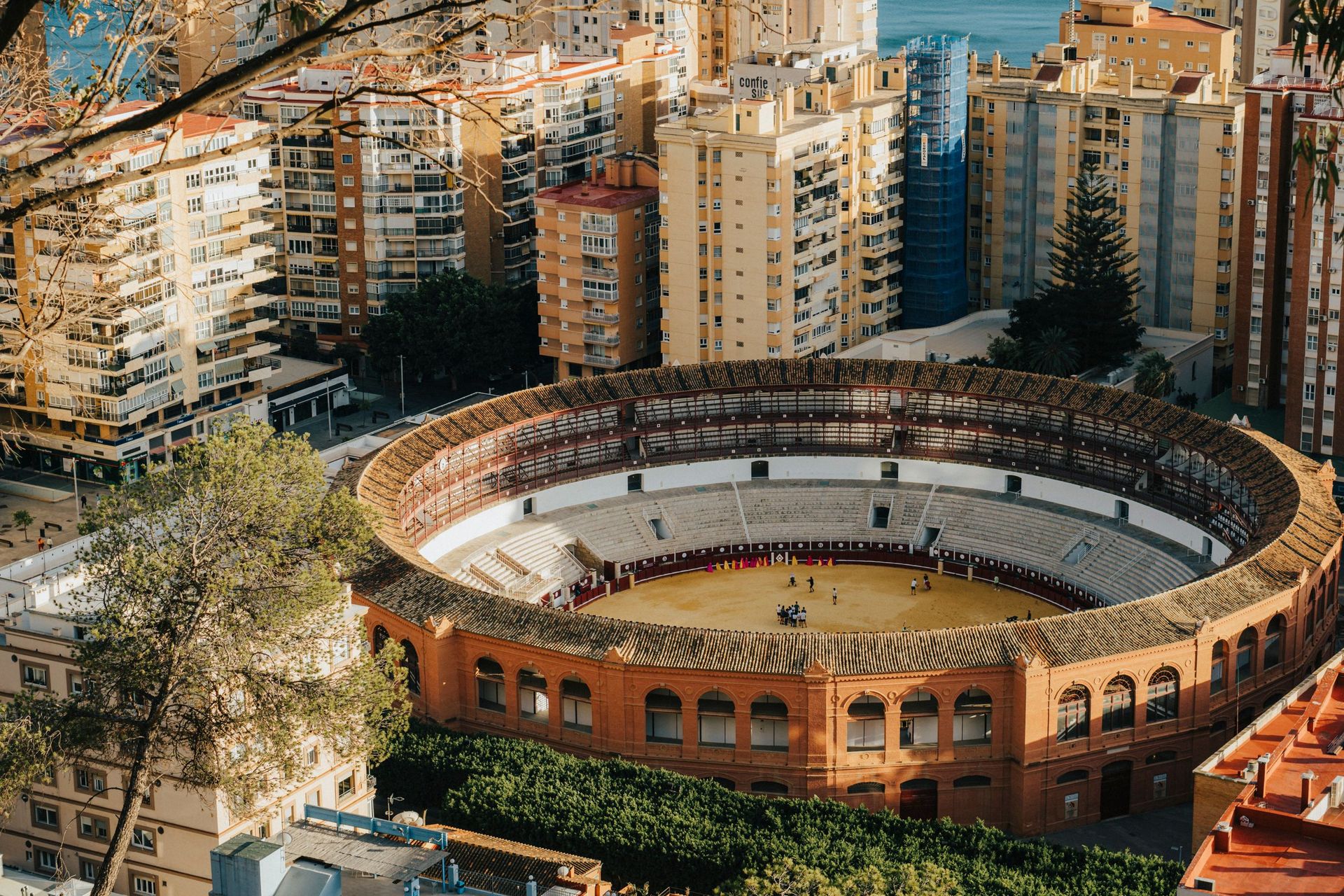
Málaga will host San Diego Comic-Con for a second consecutive year in 2026, an unusual pairing of a distinctly American pop culture institution with a Spanish Mediterranean city, reflecting Málaga's deliberate cultivation of a broader cultural identity beyond its traditional role as the gateway to the Costa del Sol's beach resorts.
The city's transformation over the past decade — driven substantially by museum investment, including a Pompidou Centre satellite (the first outside France), a Picasso museum (Málaga being Picasso's birthplace), and a Russian State Museum satellite — has repositioned it as a serious cultural destination rather than merely a resort gateway, and the Comic-Con addition in 2026 extends that repositioning into a new cultural register.
For travelers who have previously treated Málaga as a transit point to the Costa del Sol's beach towns, 2026 offers a specific reason to allocate more time to the city itself: the museum density, the historic center around the Alcazaba fortress, and the specific Andalusian coastal character of a city that has invested seriously in becoming a cultural destination in its own right.
Yoan Martínez Diaz / Pexels
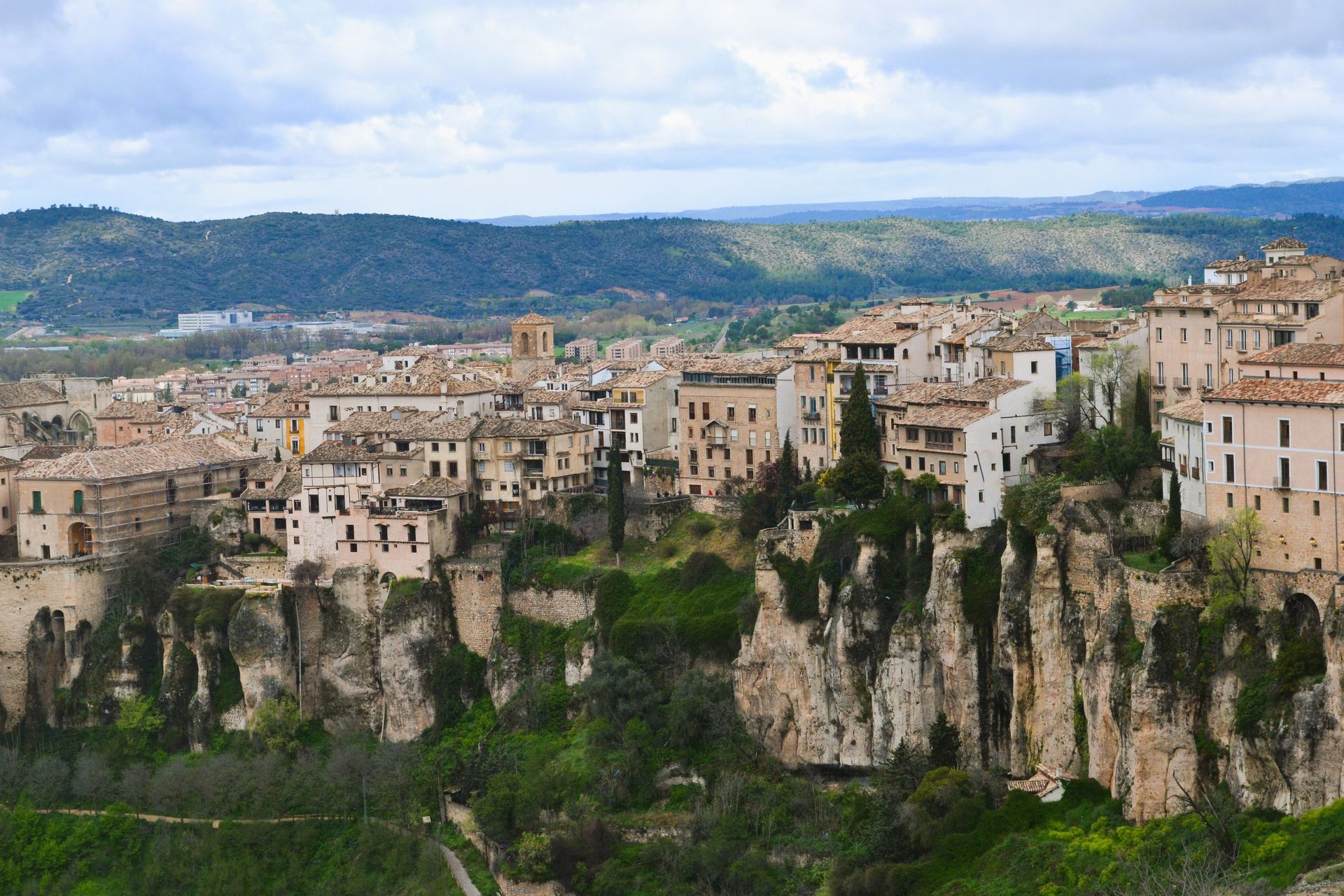
Cuenca is marking 30 years as a UNESCO World Heritage Site in 2026, a milestone anniversary for a city whose most distinctive feature — the Casas Colgadas, the "hanging houses" built directly into the cliff face above the Huécar River gorge — makes it one of the most visually extraordinary and least visited historic cities in Spain relative to its architectural significance.
The 30-year anniversary is producing expanded cultural programming and increased attention to a city that has historically been overshadowed by Madrid (two hours away by high-speed train) and Toledo in the standard central Spain itinerary, despite Cuenca's old town being, in the assessment of many architectural historians, among the most dramatically sited historic centers in the country.
Cuenca's Museum of Spanish Abstract Art, housed in one of the hanging houses, contains a significant collection of 20th-century Spanish abstract painting in a setting whose physical drama — the museum's windows look directly down into the gorge — is inseparable from the work displayed within it. The anniversary year offers a specific occasion to prioritize a city that is easily and often skipped on a central Spain itinerary weighted toward Madrid and Toledo.
Andrea Huls Pareja / Unsplash
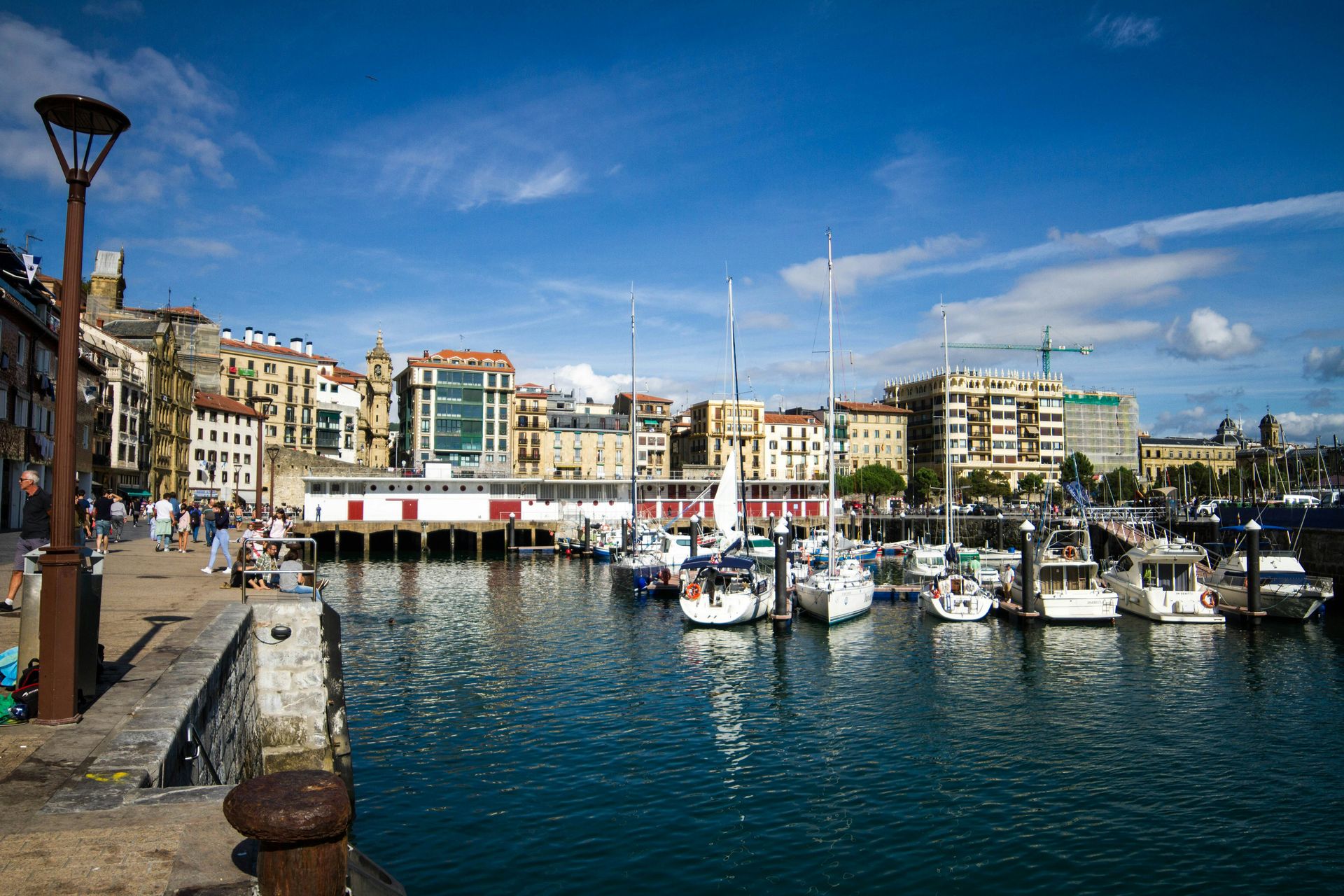
San Sebastián's Tamborrada — the 24-hour drum parade held annually on January 20th, in which more than 147 drum companies perform continuously through the city — remains one of the most distinctive annual cultural events in the Basque Country, and the city's broader culinary reputation (it has one of the highest concentrations of Michelin-starred restaurants per capita in the world, alongside an extraordinary pintxos bar culture in the old town) makes it a destination whose appeal does not depend on any single 2026-specific event, but whose 2026 cultural calendar reinforces an already strong case for visiting.
The city's specific geography — a crescent bay framed by two mountains, with an urban beach (La Concha) considered among the finest in Europe — combines with its culinary depth to make it one of the most consistently recommended Spanish destinations among people who have visited extensively and are asked to name a favorite rather than the most famous.
San Sebastián's position near the French border and its distinct Basque cultural identity — a different language, a different culinary tradition, a different historical relationship with the Spanish state than the rest of the country — make it a destination that rewards visitors specifically interested in the diversity within Spain rather than a single national culture, a diversity that the country's regional anniversary calendar in 2026 makes newly visible.
