From Iceland's midnight sun hikes to New Zealand ski slopes open while the Northern Hemisphere bakes, the best summer escapes from the heat
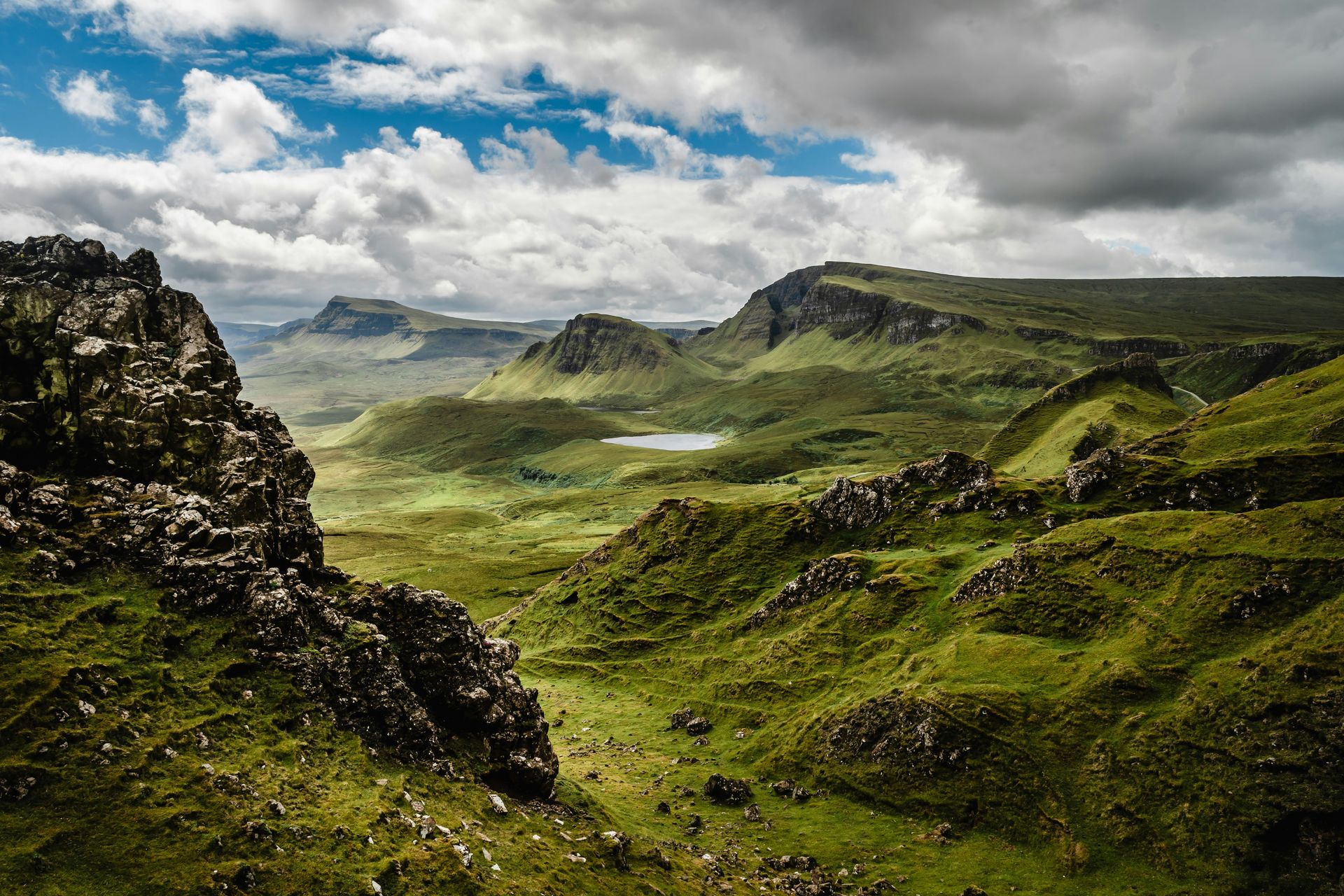
Bjorn Snelders / Unsplash
Heat has become harder to avoid in summer. Cities that once offered moderate July temperatures now push into ranges that make outdoor activity genuinely uncomfortable, and the traditional logic of going somewhere warm for a summer holiday has started to reverse for travelers whose home climates already qualify. The demand for what the travel industry has started calling coolcation destinations reflects a straightforward calculation: why go somewhere hotter when cooler alternatives offer landscapes, cultures, and activities that summer crowds at conventional beach destinations have already overrun?
The options available for cool-weather summer travel span a much wider range than the obvious Scandinavian and northern European destinations that first come to mind. Ski resorts in the Southern Hemisphere reach peak season while the Northern Hemisphere bakes. Remote island territories in the Pacific sit at temperatures comfortable enough for exploring archaeological sites. Mountain parks accessible only after snowmelt open their highest trails in July, providing cool air at elevation while valleys below simmer. City destinations with oceanic climates maintain consistent mild temperatures, making summer the best time to walk, cycle, and eat outdoors.
The destinations below appear in Travel + Leisure, drawn from a list of 20 covering the full range of cool-weather summer travel. Each offers a summer experience defined by comfortable temperatures rather than an escape from them, and each rewards the traveler who arrives knowing that coolness is the point rather than an accident of timing.
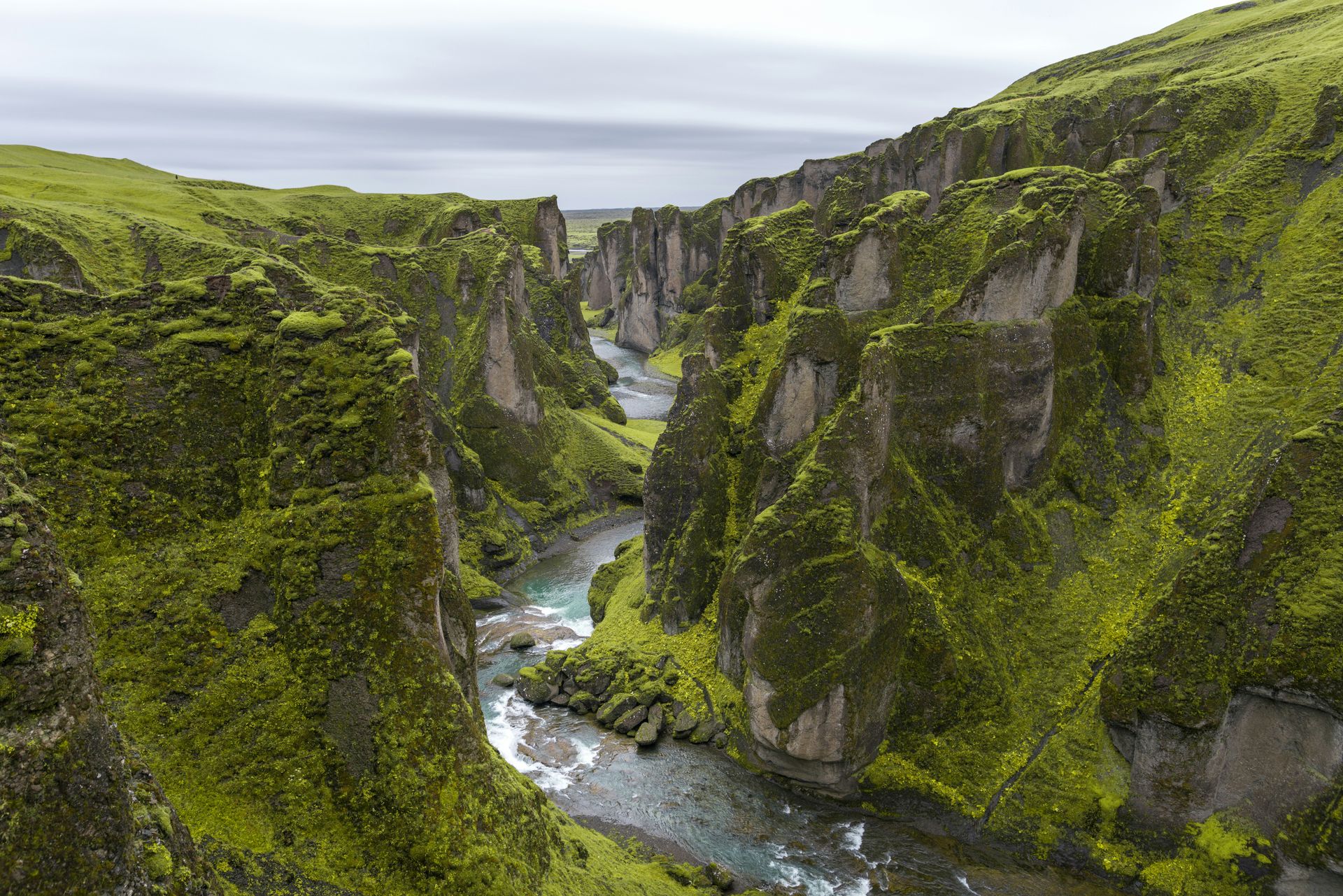
Serey Morm / Unsplash
Iceland’s average July temperatures in the southern part of the country, including Reykjavík, hold between 50 and 60 degrees Fahrenheit, creating conditions that suit the activities the country does best: hiking to glaciers and misty waterfalls, soaking in hot springs, and exploring a volcanic landscape that heat would make physically taxing rather than physically rewarding. The cool air enhances the hot spring experience specifically — the contrast between ambient temperature and thermal water gives Iceland’s famous geothermal bathing a sensory quality that warm-weather destinations cannot replicate, regardless of their water temperature.
Summer is the only time the Icelandic highlands become passable. Winter road conditions render the central plateau inaccessible for months, and the highland landscape — black lava fields, geothermal vents, and vast glacial plains — opens to travelers only after the roads clear. The highland interior gives Iceland a summer offering that the ring road destinations, however dramatic, cannot match in terms of remoteness and geological character.
The midnight sun extends the active day to a theoretical 24 hours, which gives Iceland’s summer a quality of continuous possibility that even Nordic destinations further south do not reach. Hiking that would need to conclude by early evening elsewhere can extend into what the clock calls midnight under full daylight, which changes the relationship between ambition and available time in a way that experienced travelers to Iceland consistently find transformative. The light quality at what would be conventional evening hours, when the sun sits low on the horizon without setting, produces a warmth of tone that the harsh midday sun of other destinations does not generate.
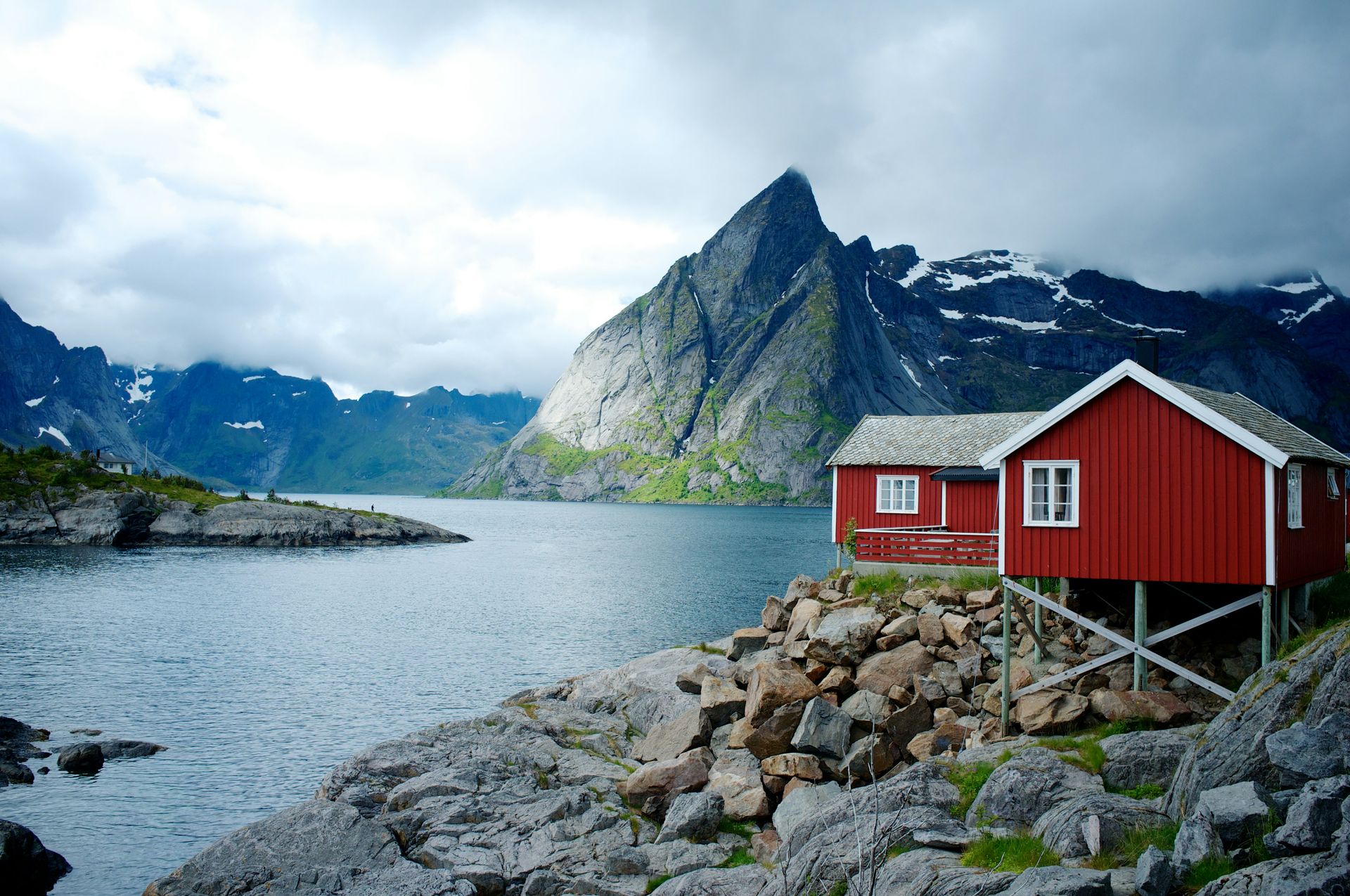
Seth kane / Unsplash
Norway’s reputation as a midnight sun destination leads some travelers to assume that the extended daylight comes with warmth, but summer temperatures in the north and along the Norwegian coast hover around the high 50s Fahrenheit, keeping conditions cool regardless of how many hours the sun remains above the horizon. Hiking the trails above the fjords, taking boat trips through the carved inlets, and covering the dramatic coastal scenery that makes Norway one of Europe’s most visually compelling summer destinations all happen in temperatures that sustain physical effort without generating the heat stress that comparable outdoor activity would produce in warmer conditions.
The iconic blue fjords that define Norway’s international travel identity are most accessible and most actively visited during the summer months, when ferry services, hiking trail conditions, and accommodation availability align to make the fjord country navigable by travelers without specialist equipment or advanced planning. The combination of the fjords’ vertical drama, the cool maritime air, and the extended daylight gives summer hiking in Norway a distinct quality that no other European destination can replicate.
Oslo provides a metropolitan counterpoint to the natural landscape, and its position on the North Sea gives the capital a mild, breezy character that keeps the city comfortable for summer visits. The combination of world-class museums, a revitalized waterfront, and easy access to the fjord country by train or ferry gives a Norway itinerary a structural range that sustains trips of a week or more without the pacing problems that purely natural destinations sometimes generate.
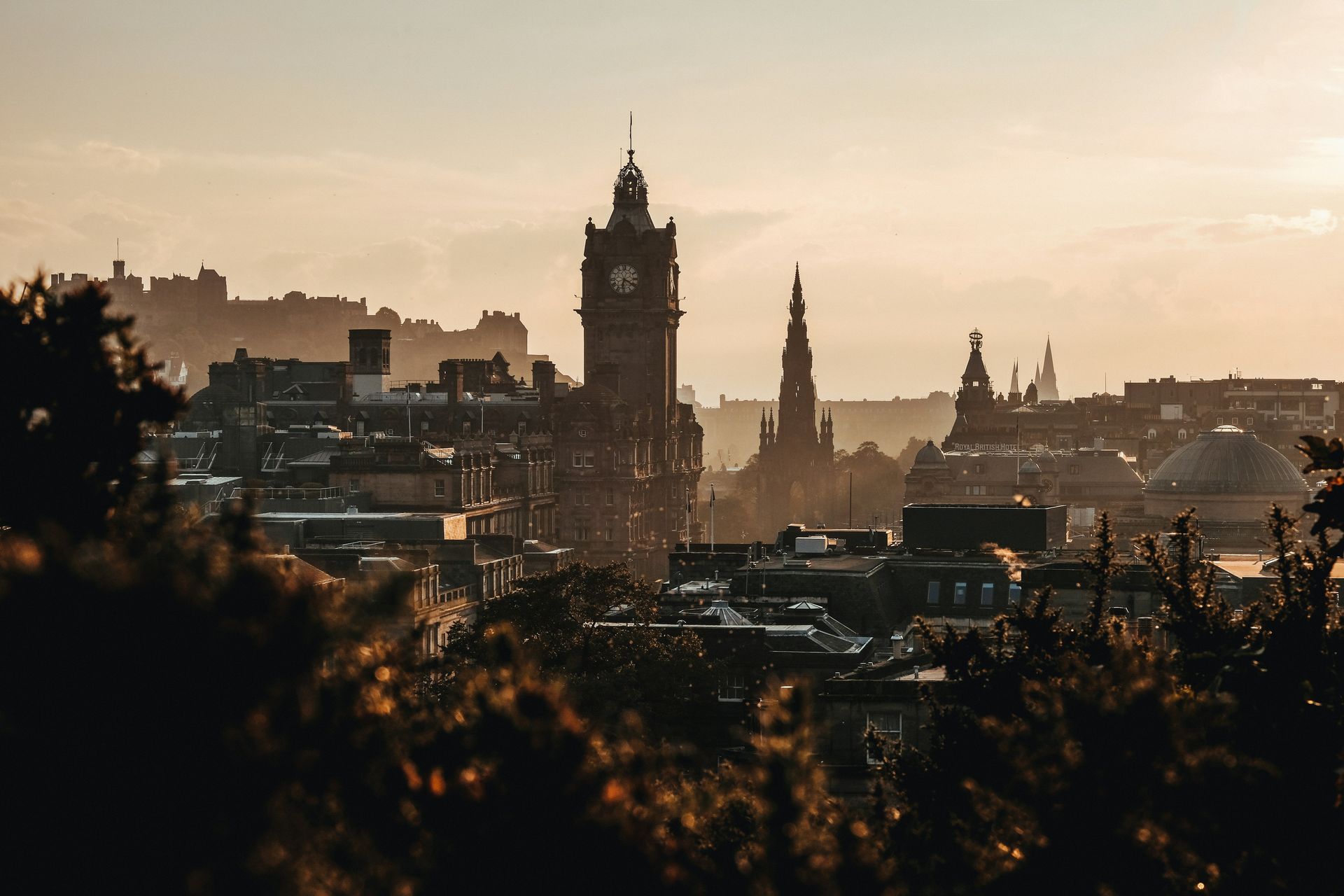
Adam Wilson / Unsplash
Scotland’s summer temperatures between June and August reach approximately 63 degrees at their highest, which positions the country as a genuinely cool destination rather than simply a cooler one. Castle hopping, hiking in the Highlands, traversing the dramatic coastlines, and exploring the historical layers of Edinburgh all take place in conditions that the heat of a southern European summer would make significantly less appealing. The same temperatures that keep Scotland perpetually associated with sweaters and rain deliver a summer experience calibrated for the outdoor activity that the landscape demands.
The extended daylight that Scotland shares with its Scandinavian neighbors adds usable hours to each day, on a scale that the southern parts of the U.K. do not. Visit Scotland notes that the far north of the country gets four more hours of sun per day than London during peak summer, which extends the window for hiking, coastal walks, and castle visits well beyond what conventional summer daylight hours in England allow. Edinburgh’s historical sights, including the castle, the Royal Mile, and the Holyrood Palace grounds, benefit from the extended afternoon light in a way that midday crowds do not permit.
Day trips to Loch Lomond and the Isle of Skye from Edinburgh give a Scotland itinerary natural anchors that the city’s convenience as a base makes practical. Skye’s volcanic landscape, the Fairy Pools, and the Old Man of Storr all reward the journey from the mainland, and the ferry crossings and single-track roads that reach them give the travel itself a character specific to the Scottish Highlands.
Barth Bailey / Unsplash
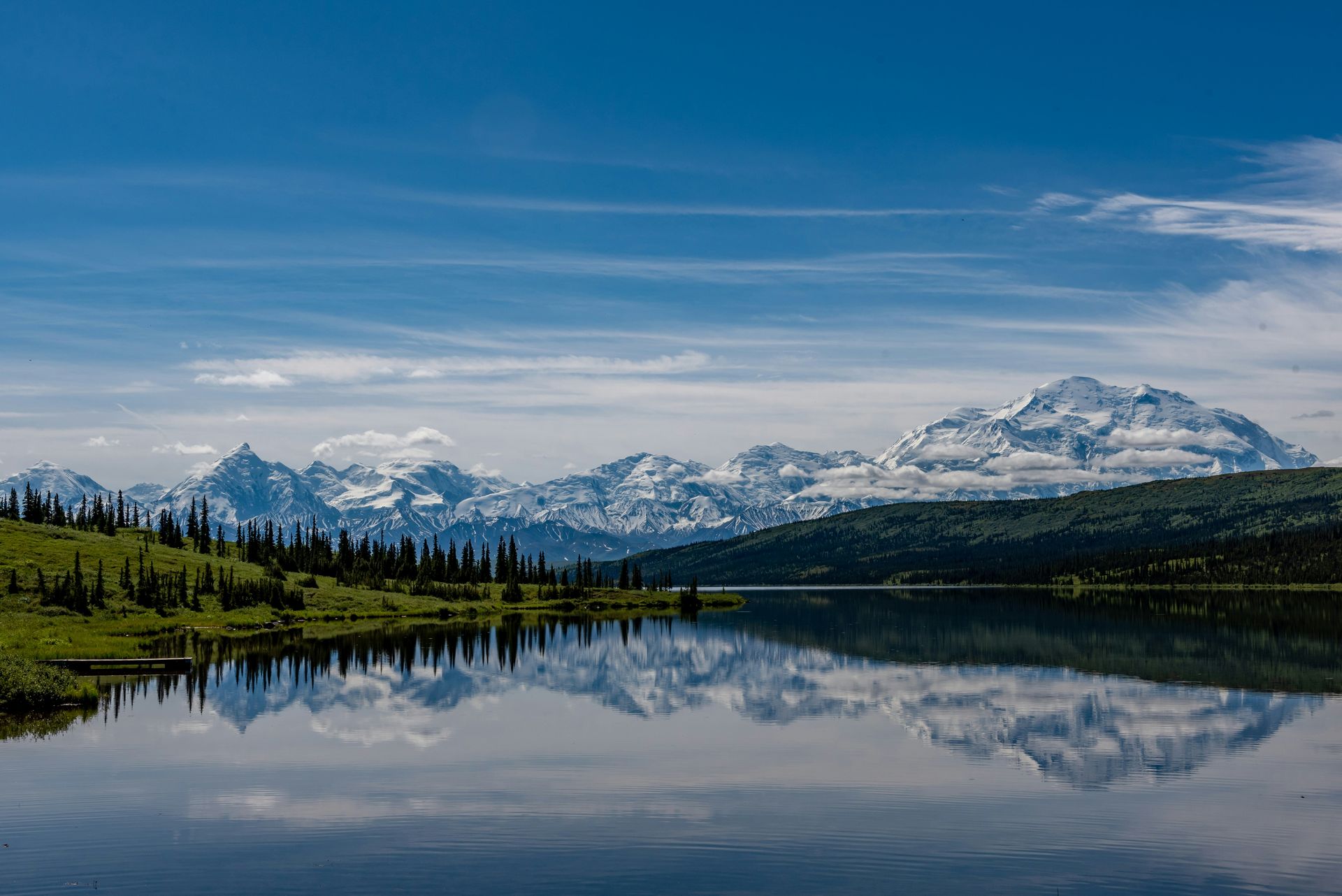
Denali National Park in Alaska spans 6 million acres of wilderness, with temperatures peaking around 66 degrees Fahrenheit in July, the warmest month, providing conditions suited to the scale of the outdoor activities the park offers. The Denali Park Road, the primary overland route through the park, gives access to the interior that most national parks in the contiguous United States cannot match in terms of genuine remoteness: the road extends far enough into the park that the wildlife and landscape at its furthest points have not been habituated to heavy visitor traffic. Moose, caribou, Dall sheep, wolves, and grizzly bears inhabit the terrain along the road and its branching trails.
The park’s six campgrounds are distributed across the landscape at intervals that give backpackers and car campers access to different parts of the park under comfortable temperature conditions. Camping in the high 50s and 60s — the range that Denali’s summer nights typically deliver — is significantly more physically manageable than the heat camping that summer destinations in the lower 48 states require. The combination of comfortable sleeping temperatures and long Alaskan summer daylight gives the camping experience at Denali a quality that warmer national parks cannot offer during the same calendar months.
The snow-capped peaks that remain snow-capped through the summer give the park a visual character specific to high-latitude mountain terrain. Denali itself, the highest peak in North America at 20,310 feet, is visible from multiple points along the road and from the hiking trails below the treeline, and the combination of glaciated summit and summer wildflower meadows in the same view represents a landscape juxtaposition that the continental United States cannot produce at comparable temperatures.
-1920x1080.jpg)
Maarten van den Heuvel / Unsplash
San Francisco’s summer fog, which locals have named Karl, serves a specific meteorological function: it blocks the solar radiation that drives temperatures in surrounding Bay Area cities into ranges that make outdoor activity unpleasant. July daily highs hover around 70 degrees, cool enough that residents from other parts of California travel to the Bay Area during summer specifically for the temperature relief. The fog that achieves this result rolls in from the Pacific in the late afternoon and often persists through the morning, burning off by midday before returning in the evening cycle.
The city’s summer offerings cover enough ground to sustain visits of several days without the temperature concern that July in most American cities introduces. The Golden Gate Bridge, Fisherman’s Wharf, the Mission District’s food culture, and the neighborhoods that make San Francisco one of the country’s most walkable cities all remain accessible in conditions that the mild July climate supports. The fog itself becomes part of the experience rather than a weather inconvenience: the way it moves through the hills and across the bridge, and the way it softens the light on the bay, gives the city a visual character that clear-sky summer weather would eliminate.
The Bay Area’s position as a cultural and culinary center gives its cool summer climate a context that pure nature destinations do not. Museums, restaurants, and neighborhoods that reward slow exploration all benefit from temperatures that make walking between them comfortable. The combination of coastal scenery, urban density, and a fog system that reliably moderates summer heat gives San Francisco a distinct summer identity shaped by its geography.
Luca Calderone / Unsplash
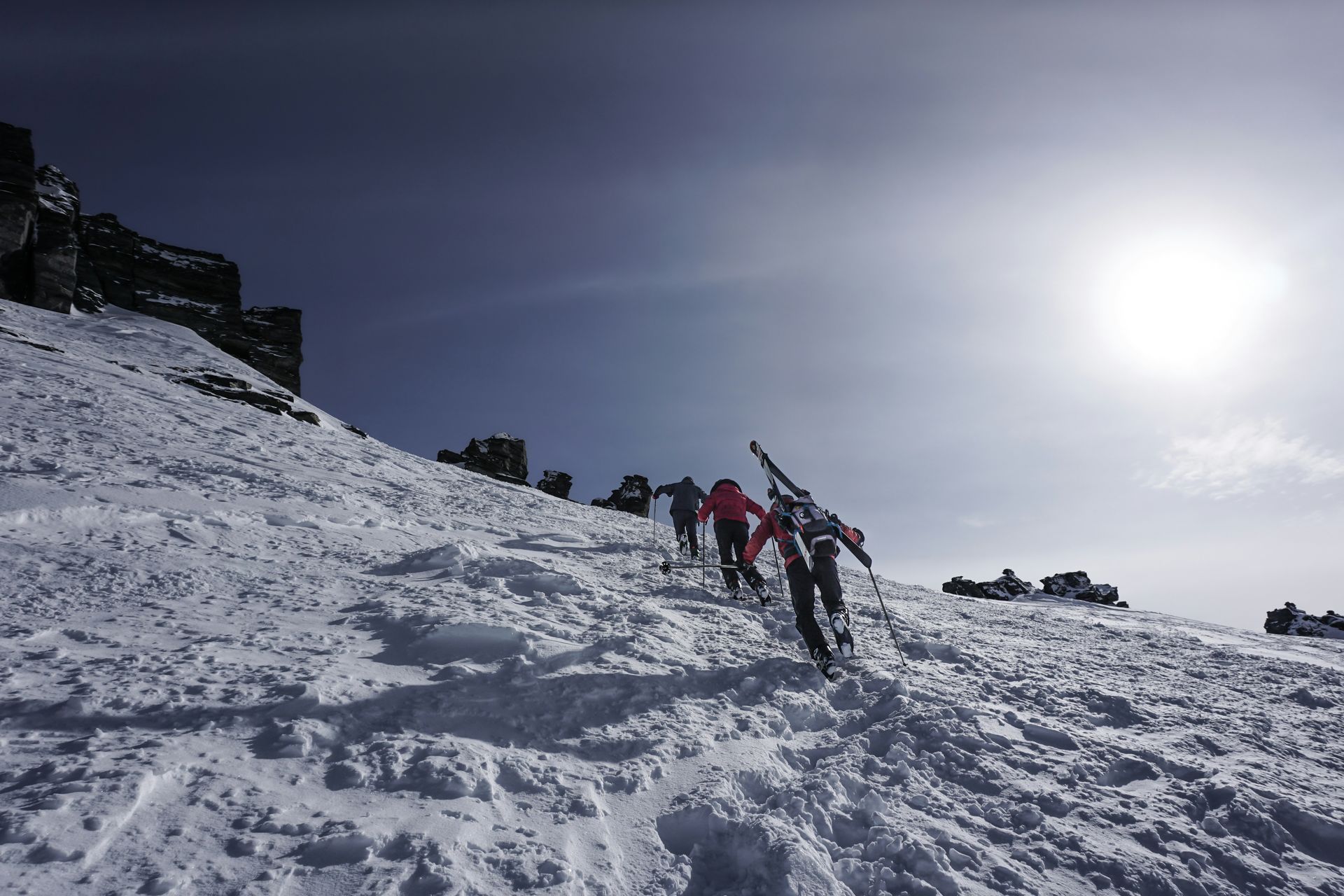
New Zealand’s South Island enters winter while the Northern Hemisphere’s summer peaks, giving travelers who can flip their seasonal expectations access to ski terrain and glacier touring in June, July, and August. The Southern Lakes region, anchored by Queenstown and Wanaka, constitutes a skiing destination that operates at the quality level of major Northern Hemisphere resorts during months when those resorts are closed. The West Coast extends the winter landscape into glacier terrain, with glaciers descending to low elevations in the Westland region. Temperatures across the South Island during the Southern Hemisphere winter generally range from 53 to 61 degrees Fahrenheit.
Kaikoura, on the eastern coast of the South Island, adds whale watching to the winter itinerary during the same June-to-August window. The marine canyon off the Kaikoura coastline attracts sperm whales year-round and draws additional species during winter migration, offering the eastern coast a wildlife experience that complements the skiing and glacier activities of the inland and western areas. A South Island road trip that combines skiing in Queenstown, glacier access on the West Coast, and whale watching at Kaikoura covers a range of natural experiences across a single itinerary.
The Southern Hemisphere winter timing means the South Island’s most popular summer tourist season has concluded, reducing crowd density at major natural attractions and giving winter visitors access to the same landscapes at lower occupancy. Queenstown’s infrastructure, sized for its summer peak, operates well below capacity during the ski season, giving winter visitors a town that functions as a genuine base rather than an overloaded gateway.
Tobias Reich / Unsplash
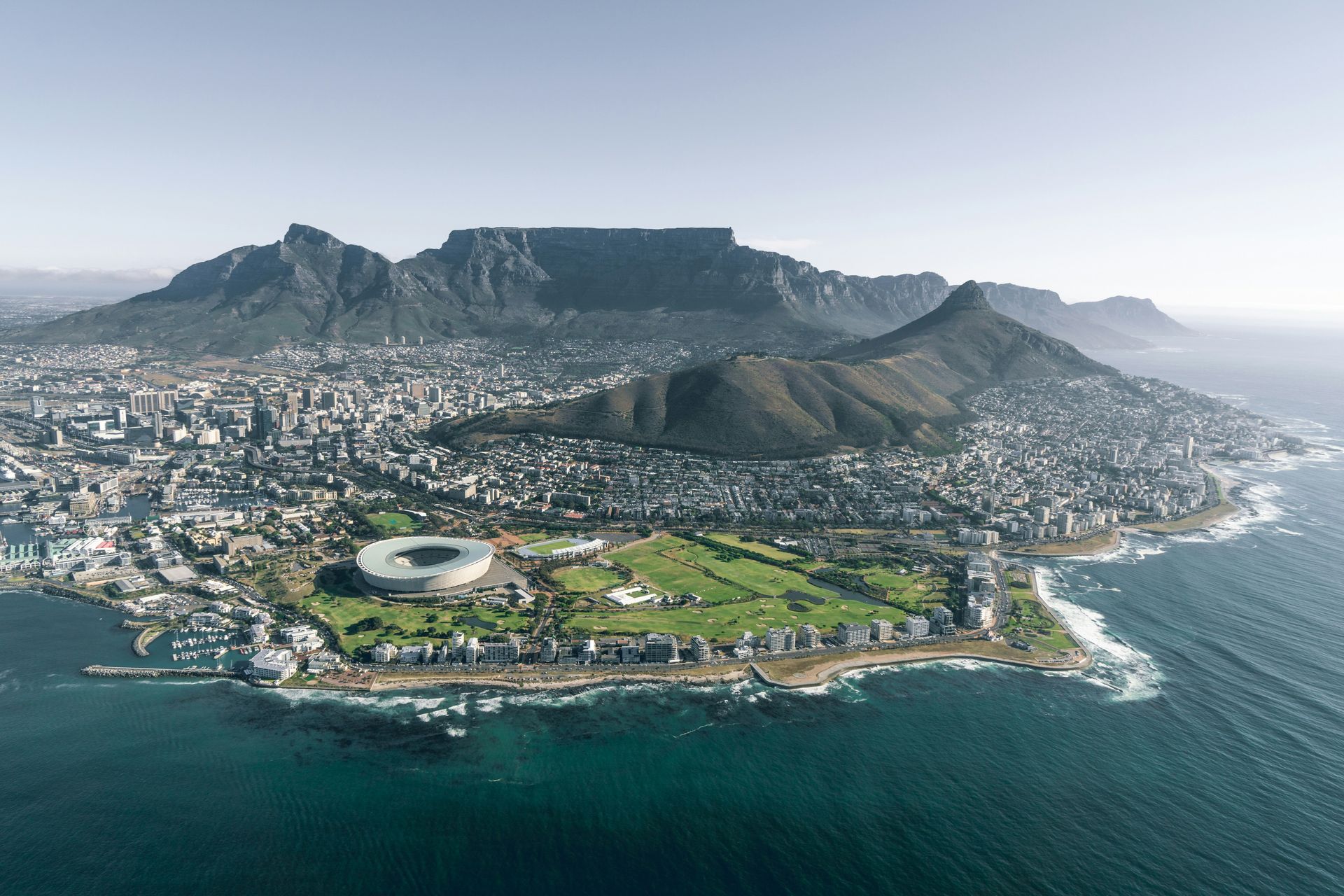
Cape Town’s winter runs from June to September, bringing temperatures that rarely exceed the mid-60s Fahrenheit during a period when the city’s natural attractions are as accessible as they are at any other time of year. Hiking Table Mountain to Maclear’s Beacon, watching southern right whales during their calving season along the False Bay coastline, and visiting the African penguin colony at Boulders Beach all fit within the June-to-September window when Cape Town’s temperatures suit outdoor activity of this kind. The whale-watching season, in particular, aligns directly with winter months and adds a wildlife dimension that summer does not.
The swimming temperature caveat applies year-round on the Atlantic side of the Cape Peninsula, where the Benguela Current keeps the water cold regardless of the season. On the False Bay side, where the water runs comparatively warmer, winter temperatures make swimming a matter of individual tolerance rather than impossibility. Cape Town’s culinary reputation, which places it among Africa’s most significant food cities, provides a reliable indoor dimension for days when the winter weather discourages outdoor activity, and the city’s museum landscape covers the history of South Africa’s complex past with institutional depth that rainy-day visits reward.
The surrounding Cape Winelands, accessible by car from the city, extend the winter itinerary into wine country terrain where the vineyards and mountain scenery of Stellenbosch and Franschhoek remain accessible and visually compelling without the summer heat that other wine regions generate during the same calendar period. The combination of city culture, coastal wildlife, and wine country within a single metropolitan area gives Cape Town a winter offering that few cities of comparable size can construct.
Adrien Olichon / Unsplash
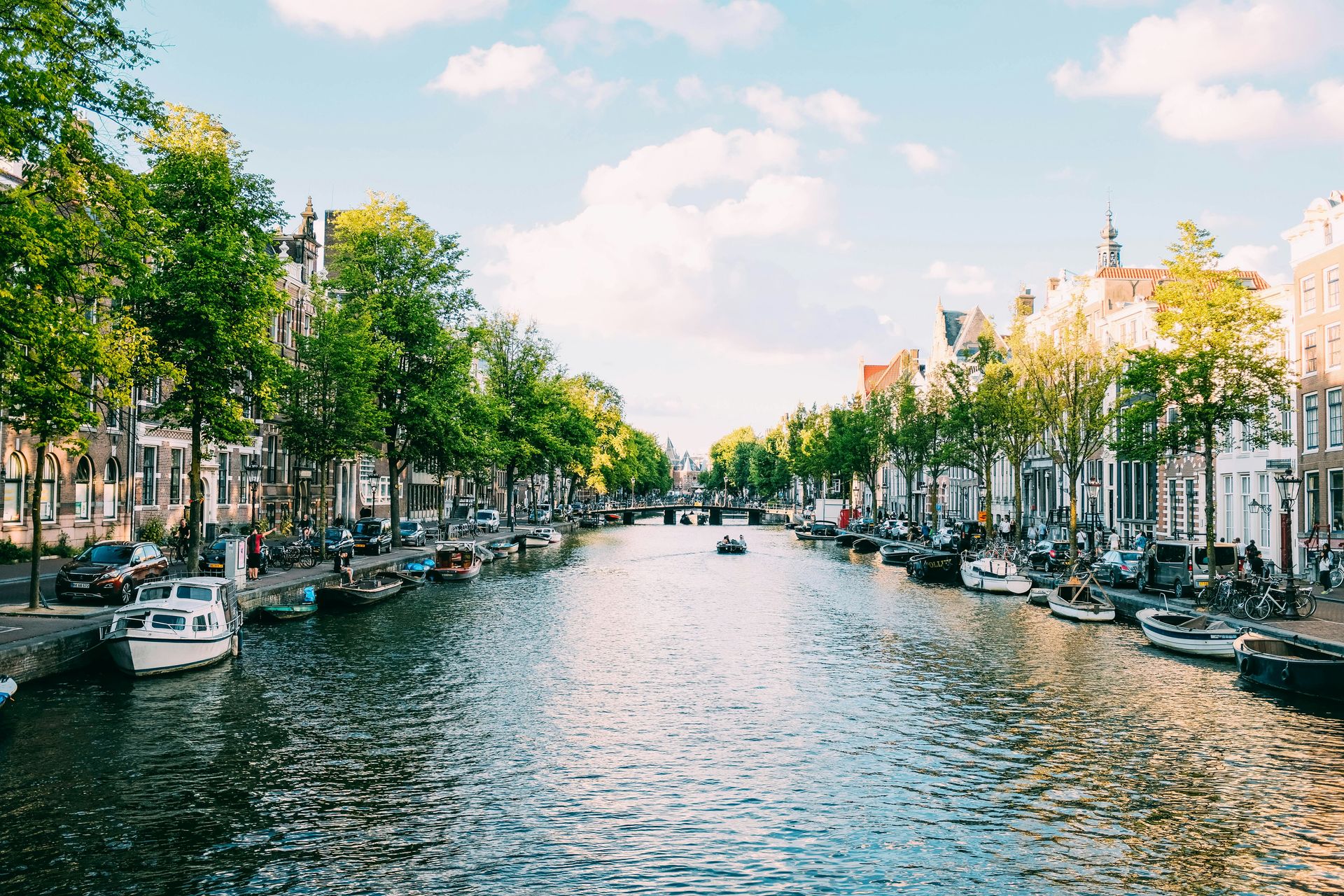
Amsterdam’s July highs reach around 70 degrees Fahrenheit, creating conditions that suit the city’s primary outdoor pleasures: cycling between neighborhoods on a city bike, taking boat tours through the canal network, and moving between the museum cluster around Museum Square $SQ and the historic center on foot. The flat terrain of the city and the extensive cycling infrastructure give Amsterdam a physical accessibility that makes the mild summer temperatures feel actively useful rather than simply comfortable. The canals that define the city’s layout are most active in summer, when boat traffic, terrace dining along the waterways, and the city's overall outdoor pace of life reach their peak.
July is one of Amsterdam’s wetter months, which gives the museum options for their practical relevance rather than their role as backup plans. The Rijksmuseum’s collection of Dutch Golden Age painting, the Van Gogh Museum’s comprehensive survey of the artist’s work, and the Anne Frank House’s historical significance all warrant full attention regardless of the weather. The density of significant cultural institutions within walking distance of one another gives a rainy Amsterdam afternoon a cultural vibrancy that cities with more dispersed attractions cannot match.
The canal ring, recognized by UNESCO as a World Heritage Site in 2010, gives Amsterdam a historic urban structure that the summer boat tour reveals at a pace suited to the architecture it passes. The gabled 17th-century buildings that line the major canals and the bridges that connect them at regular intervals give the canal tour a visual coherence that the city’s street-level experience, however rewarding, does not assemble into a similar spatial narrative.
Sylvia Szekely / Unsplash
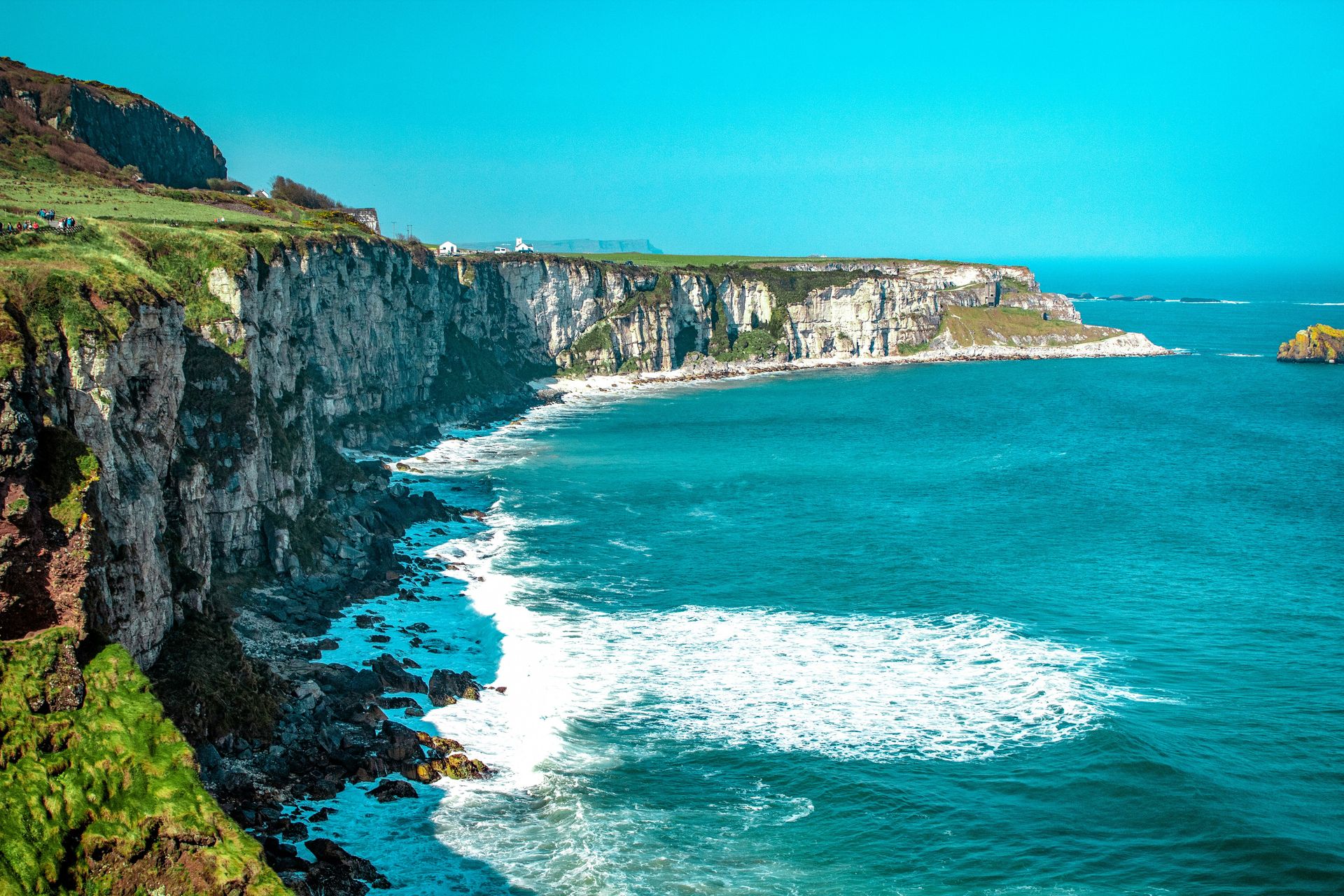
Dublin’s daily high in July is approximately 65 degrees Fahrenheit, and the overcast skies that make Ireland reliably cooler than the rest of Europe give the country an atmospheric consistency that heat-seeking travelers deliberately avoid and that coolcation travelers specifically seek. The same cloud cover that gives Ireland its Emerald Isle reputation — the perpetual moisture that sustains the green landscape — keeps temperatures moderate through the summer months in a way that the country’s latitude alone would not guarantee.
The Blarney Castle gardens, St. Stephen’s Green in Dublin, and the pub culture that structures social life across the country all function well in the mild, occasionally damp conditions that the Irish summer delivers. The landscape rewards walking: the gentle hills of the interior, the dramatic Atlantic coastline of the west, and the passage-tomb country of the Boyne Valley north of Dublin all suit a pace and a temperature range that hot-weather hiking would not support. The Cliffs of Moher on the Atlantic coast and the Aran Islands, accessible by ferry from Galway, give the western itinerary a natural drama that the country’s softer interior landscapes do not approach.
The ferry from Galway to the Aran Islands crosses the mouth of Galway Bay in conditions that vary from calm to genuinely rough, depending on the Atlantic weather, which gives the crossing a maritime character specific to Ireland’s western exposure. The islands themselves, treeless and wind-swept, sit in a landscape defined entirely by the surrounding sea, and the stone forts and ancient field systems that survive on the islands connect the natural environment to a human history that the Atlantic weather has shaped as directly as the archaeology.
Neven Krcmarek / Unsplash
Slovenia’s Bled region maintains July average highs in the mid-to-high 70s, which positions the country at the warmer end of this list but still substantially cooler than the southern European destinations that summer travelers typically consider in the same region. The mountain terrain that covers much of the country keeps temperatures lower at elevation than the Bled figures suggest for the country as a whole, and the caves that extend through the limestone karst landscape maintain a consistent cool regardless of the outdoor temperature above them.
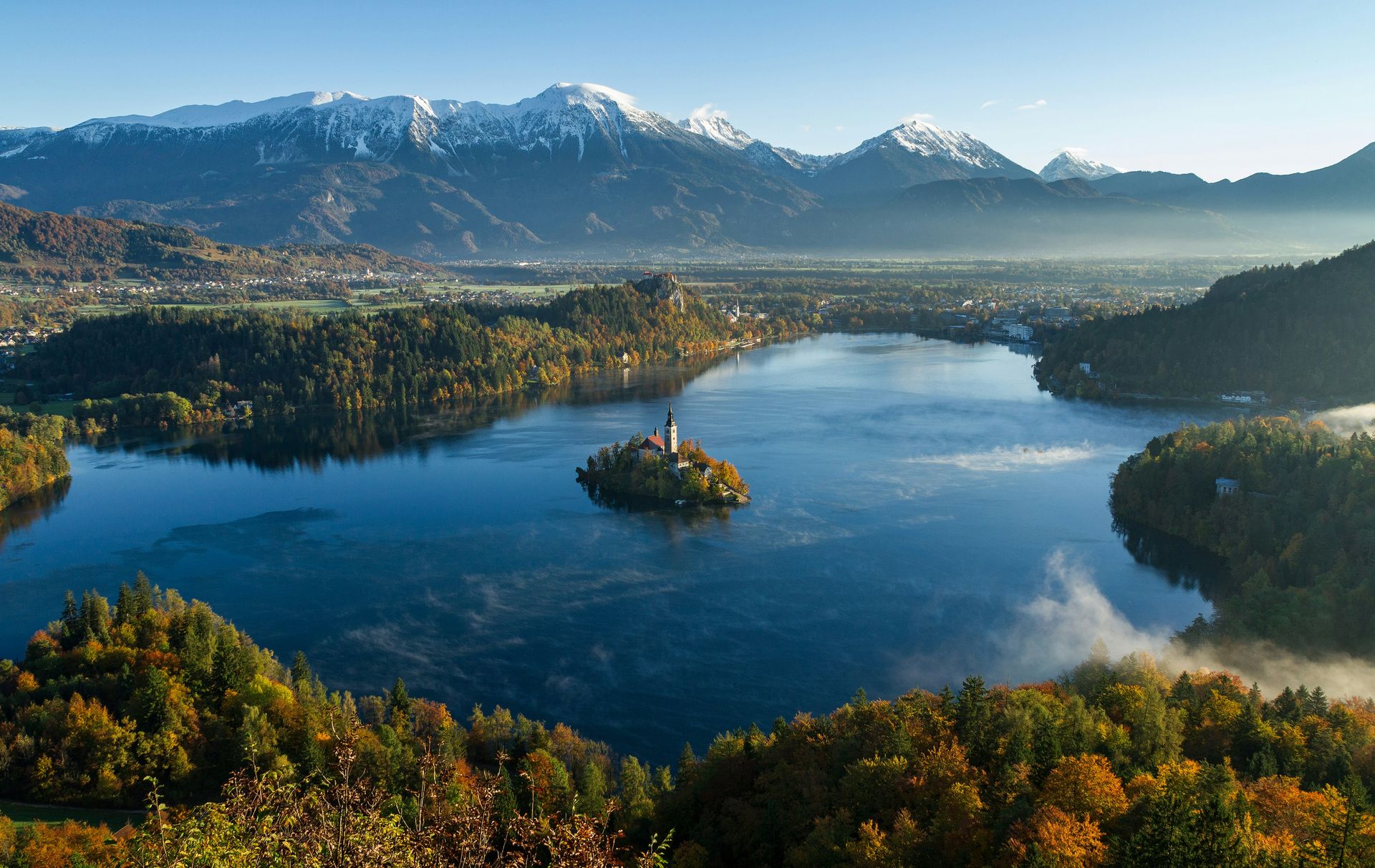
Lake Bled, the country’s most photographed natural feature, contains the only natural lake island in Slovenia, occupied by a 17th-century church whose bell tower provides the composition with a vertical anchor. The lake sits within a glacial valley backed by the Julian Alps, and the combination of an alpine backdrop, an island church, and a medieval castle perched on the cliffs above the northern shore gives Bled a visual completeness that few lake destinations in Europe assemble in a single frame. The rowing boats available for hire on the lake give visitors a physical relationship to the water and the surrounding landscape that the shoreside walking paths, however scenic, do not replicate.
Slovenia’s position as a destination tacked onto Croatia itineraries understates what the country offers on its own. The karst caves of the Postojna and Škocjan systems, both accessible as day trips from Ljubljana, rank among the most significant cave systems in Europe and maintain temperatures well below the outdoor summer heat. Ljubljana itself, the compact capital, gives a Slovenia itinerary a city anchor with a riverside old town, a hilltop castle, and a pedestrianized center that the mild summer climate makes genuinely pleasurable to explore on foot.
