From Menorca's private coves and UNESCO coastline to Argentina's June ski slopes above Malbec wine country, the world's best summer destinations
João Marcelo Martins / Unsplash
Summer travel operates under a specific set of pressures that no other season creates in quite the same way. Schools are out, which concentrates the maximum number of families into the same destinations at the same time, elevating prices and reducing availability at the most popular beaches, cities, and national parks. The long days give every itinerary more usable light than spring or fall, but the heat in southern Europe, Southeast Asia, and much of the American West and South turns outdoor activities that summer is supposed to enable into something that requires careful scheduling around cooler hours. The destinations that work best in summer are the ones that have solved at least one of these problems: the underrated island the crowds have not yet found, the mountain terrain that stays cool when the lowlands broil, the off-season tropical destination that reverses the normal logic, or the Arctic latitude where summer means whales and midnight sun, not crowded beaches.
The range of summer travel reflects the range of what summer means globally. June through August is ski season in the Southern Hemisphere, which gives Argentina’s Las Leñas resort a summer opening that makes no intuitive sense from the Northern Hemisphere until you remember that the seasons are reversed. The same months are the dry season on Sumba Island in Indonesia, making the typically humid archipelago navigable in the exact window when northern travelers have time to go. Prince Edward Island’s summer is brief and precious in a way that mainland summer is not, and the Norwegian Arctic’s whale watching window is short enough that the timing of the visit matters as much as the destination itself.
The 10 destinations below appear in Travel + Leisure, drawn from a longer list of summer vacation ideas spanning six continents and most categories of traveler.
Davide Robetti / Pexels
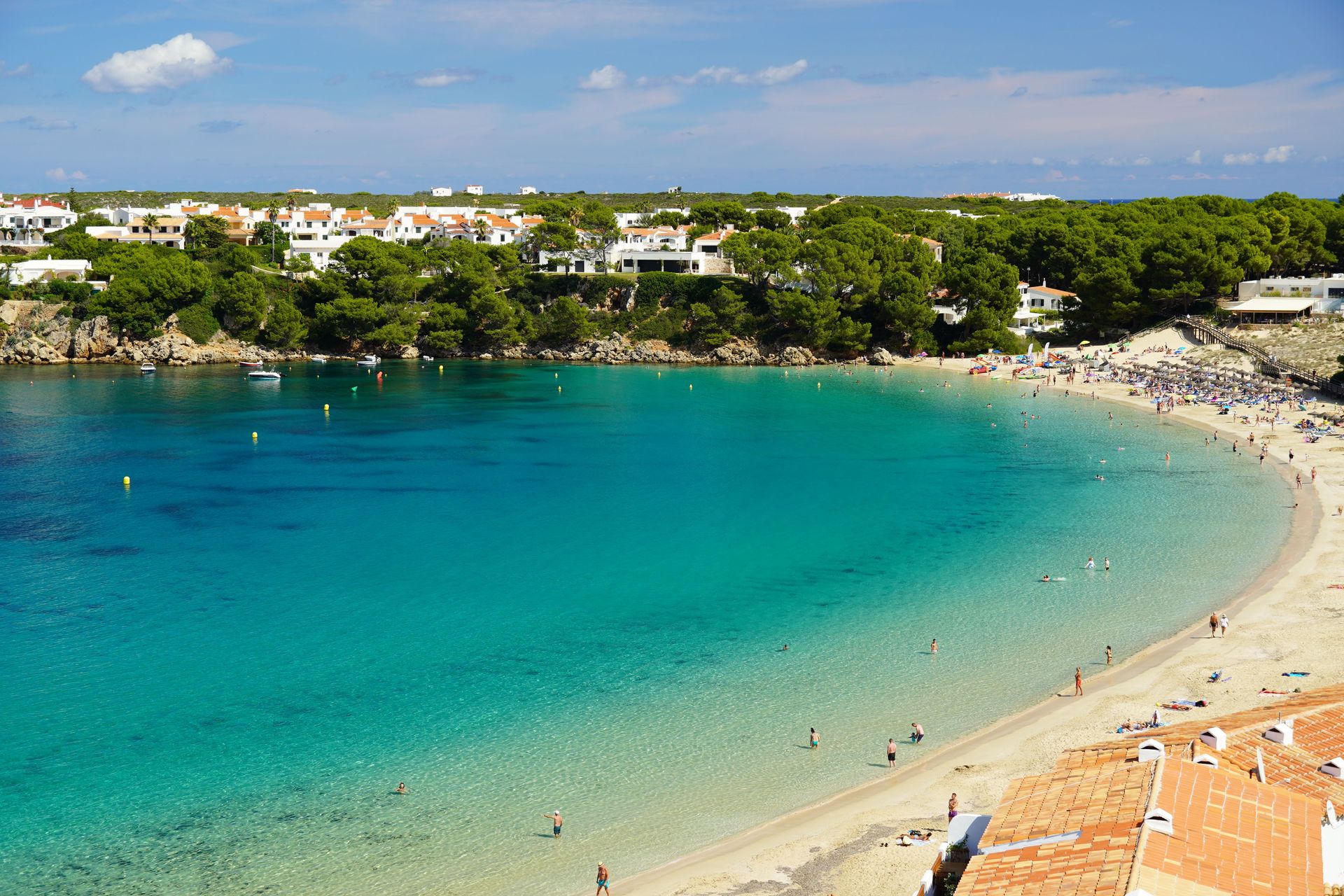
Menorca’s identity has been built around everything Ibiza rejects: quiet, sustainability, rugged coastline, and a food culture that prioritizes local production and traditional practice over the international party infrastructure that its western neighbor has developed. The island suits a wide range of travel styles. Large groups renting renovated farmhouses work as well as honeymooning couples retreating from the crowds, because the tourism model supports both equally well. The farmhouse rental culture offers group travel a communal domestic environment that hotel rooms cannot match, while the adults-only boutique properties provide couples the privacy that a more commercially developed island would compromise.
Son Vell, a 450-acre estate, gives the luxury accommodation its most complete version: two outdoor swimming pools and the property’s own private cala, a cove directly accessible from the estate, give guests water options that the island’s public beaches cannot provide without the logistics that any popular coastal destination generates at peak season. The cala’s blue water and its seclusion give the Son Vell experience its defining quality: the feeling of a beach that belongs functionally to whoever walks through the property’s land to reach it.
The island’s UNESCO Biosphere Reserve status, which covers the entire island and reflects the preservation of its landscapes, coastal systems, and traditional agricultural practices, gives Menorca a conservation credential that the more tourist-developed Balearic Islands cannot claim at the same island-wide scale. The sustainable food culture grounded in this same philosophy, local cheese production, traditional sobrasada craft, and the fish pulled from the surrounding Mediterranean, gives the island’s restaurants a localism that the supply chain of a more heavily touristed destination inevitably dilutes. Menorca’s caldereta de llagosta, a spiny lobster stew specific to the island, is the dish that most completely expresses this localism: it requires the specific lobster of the surrounding waters and the tomato and onion base of the island’s kitchen, and the version served in the fishing villages of Fornells carries a regional specificity that the same dish made elsewhere cannot replicate.
-1920x1279.jpg)
Ivan Ragozin / Unsplash
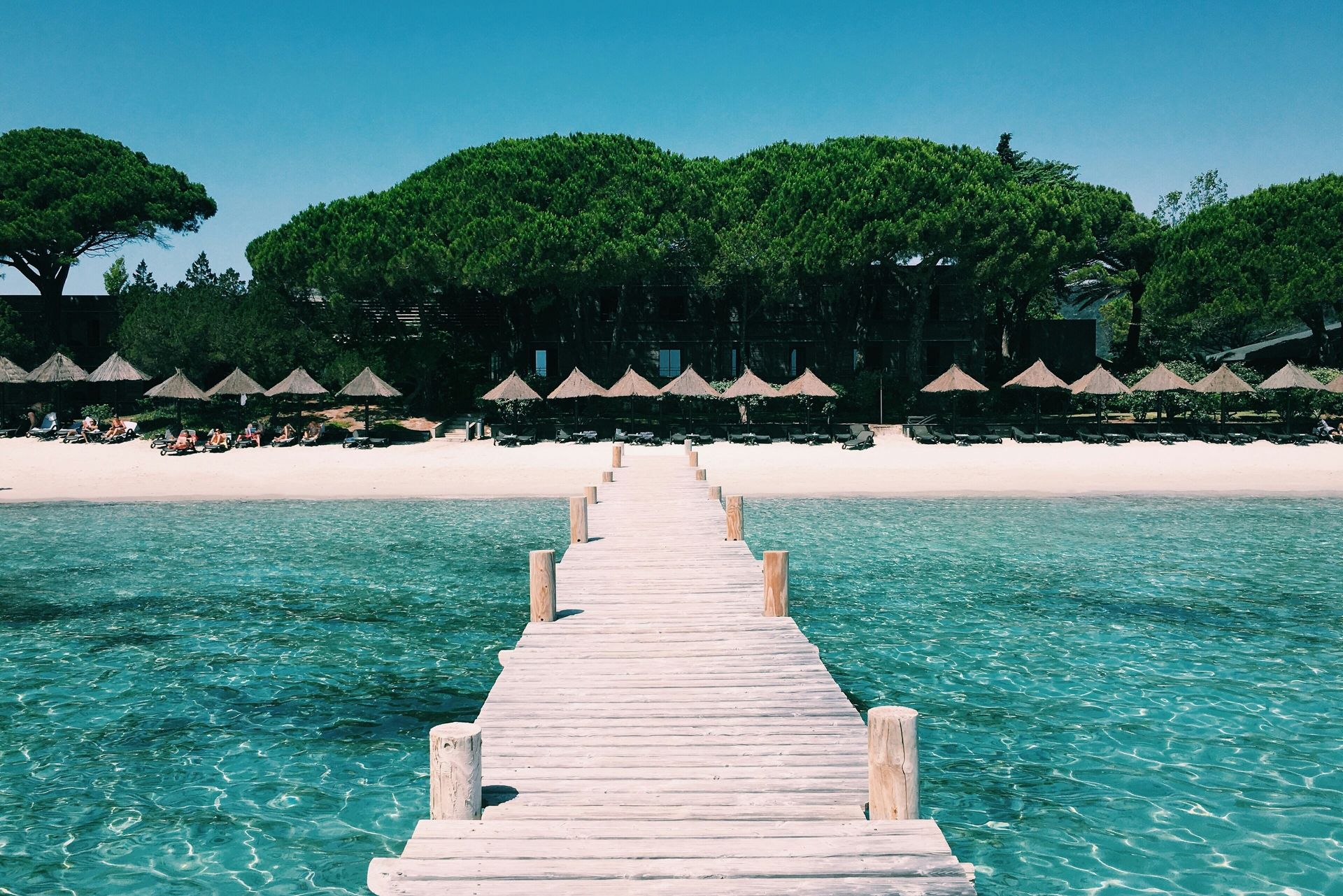
Corsica is approaching a moment of wider international discovery, with increased flights and ferry access set to bring a tourism wave to an island known primarily to French and Italian travelers. The dramatic mountain terrain, a rugged coastline whose beaches rank among the most pristine in the Mediterranean, and a French cultural identity inflected with Genoese and Corsican traditions give it a European summer character distinct from the more predictable Italian and Spanish coastal alternatives.
The proximity of Corsica’s northern coast to Sardinia’s northern tip, separated by the Strait of Bonifacio, gives the two-island itinerary its geographic logic: a short boat ride connects destinations where the cultural identity shifts from French to Italian in the space of a ferry crossing. Sardinia’s beaches are beautiful and largely untouched, with crystal-clear waters, and the island’s small villages specializing in ancient traditions and crafts, from basket weavers to cheesemakers, give the Sardinian component a cultural depth beyond the beach program.
The particular pleasure the two-island visit provides is the experience of two distinct European food and cultural identities within a single day: lunch in a French bistro in Corsica, back in Sardinia for a pizza-making class by dinner, with no airport involved in the transition. The summer window gives both islands their peak weather and fullest outdoor program, and visiting before the crowd density that wider discovery will inevitably produce is the specific argument for going now. The coastal hiking trails of Corsica’s GR20, one of Europe’s most demanding long-distance routes, and the gentler cliff walks and beach approaches of the northern coast give the visit an outdoor program that extends well beyond beach access. Bonifacio, the fortified town perched on white limestone cliffs at Corsica’s southern tip, gives the two-island itinerary a natural stopping point directly at the strait, where views across to Sardinia’s La Maddalena archipelago provide visual confirmation of the trip's geographical logic from the town’s ramparts.
Jeremy Bishop / Unsplash
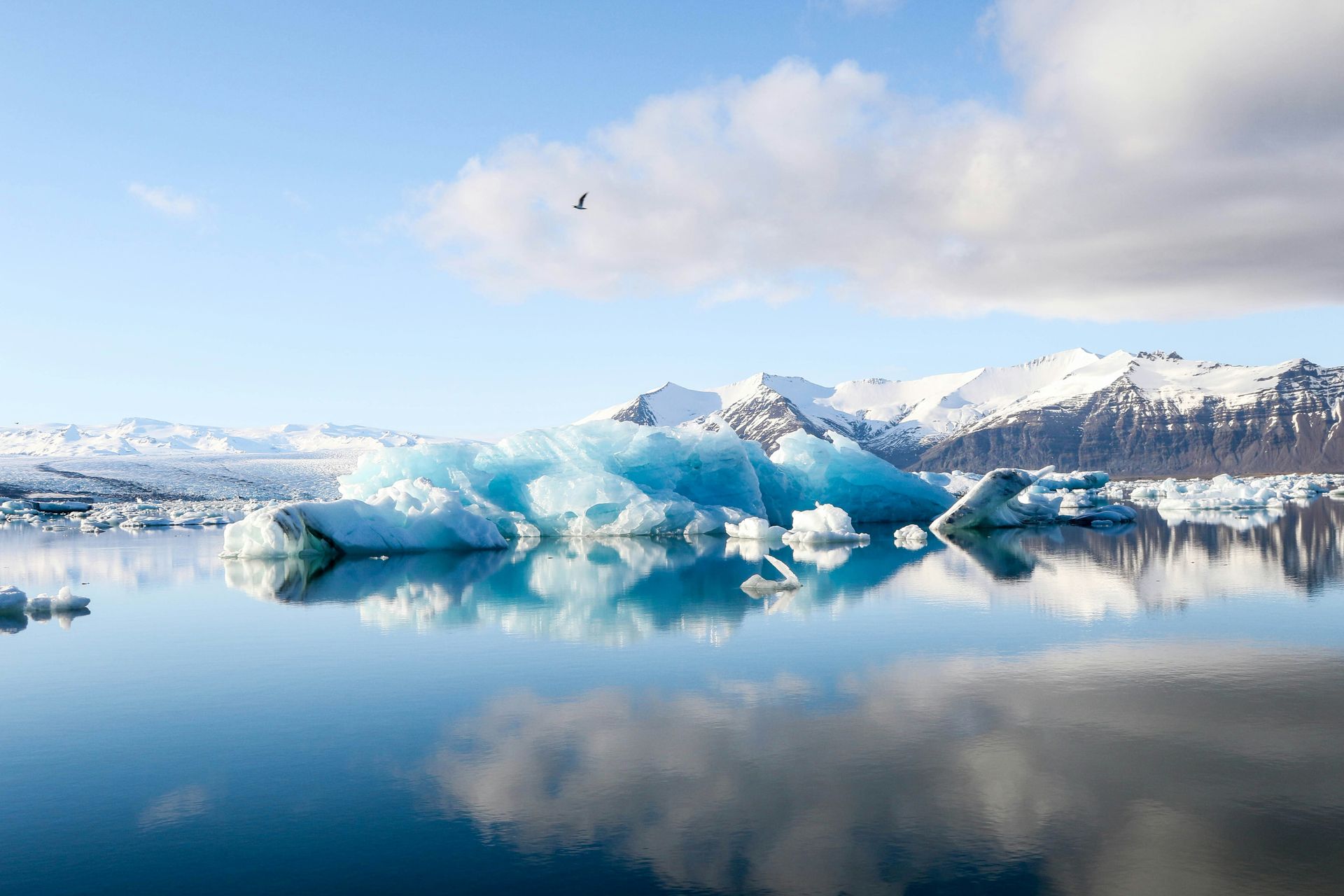
The Arctic as a summer destination has been gaining momentum among travelers who are deliberately moving away from sun-drenched getaways and toward experiences that feel genuinely unrepeatable. Greenland and Iceland, the two Arctic destinations generating the most current interest, offer summer whale watching windows that the warmer months bring to peak productivity: humpback, minke, and orca whales feed in Arctic waters through June, July, and August, giving the wildlife viewing program its biological rationale for the specific timing.
The landscape gives the Arctic summer a visual character that no beach destination can match. Glaciers calving into the sea, volcanic terrain still geologically active enough to observe directly, fjords whose scale compresses distance in ways that photographs consistently fail to convey: these are not scenic backdrops but primary experiences in themselves. The midnight sun that persists through June and July at these latitudes adds a disorienting luminosity that the traveler who has only experienced normal day-night ratios finds genuinely surprising: hiking or kayaking at 11 p.m. in full daylight is something the description cannot prepare a visitor for.
Iceland’s most visited sites draw substantial summer crowds despite the northerly latitude, and Greenland’s infrastructure remains genuinely limited outside its main settlements. The traveler seeking the once-in-a-lifetime remoteness these destinations promise will find it most reliably away from the obvious stops, in Greenland’s more distant fjords and Iceland’s eastern highlands, where the infrastructure limitation is itself part of the experience, not an obstacle to it. Iceland’s eastern fjords, accessible from Egilsstaðir and consistently bypassed by the ring road tourist circuit, give this version of the Arctic summer its most complete expression: deep glacially carved inlets, remote fishing villages, and the specific quality of a landscape that visitor infrastructure has not yet organized into a product. Puffin colonies nest along the eastern coastal cliffs through July and August, giving the wildlife dimension a second chapter beyond the whale watching that the more western itineraries prioritize.
Delphine Fant / Unsplash
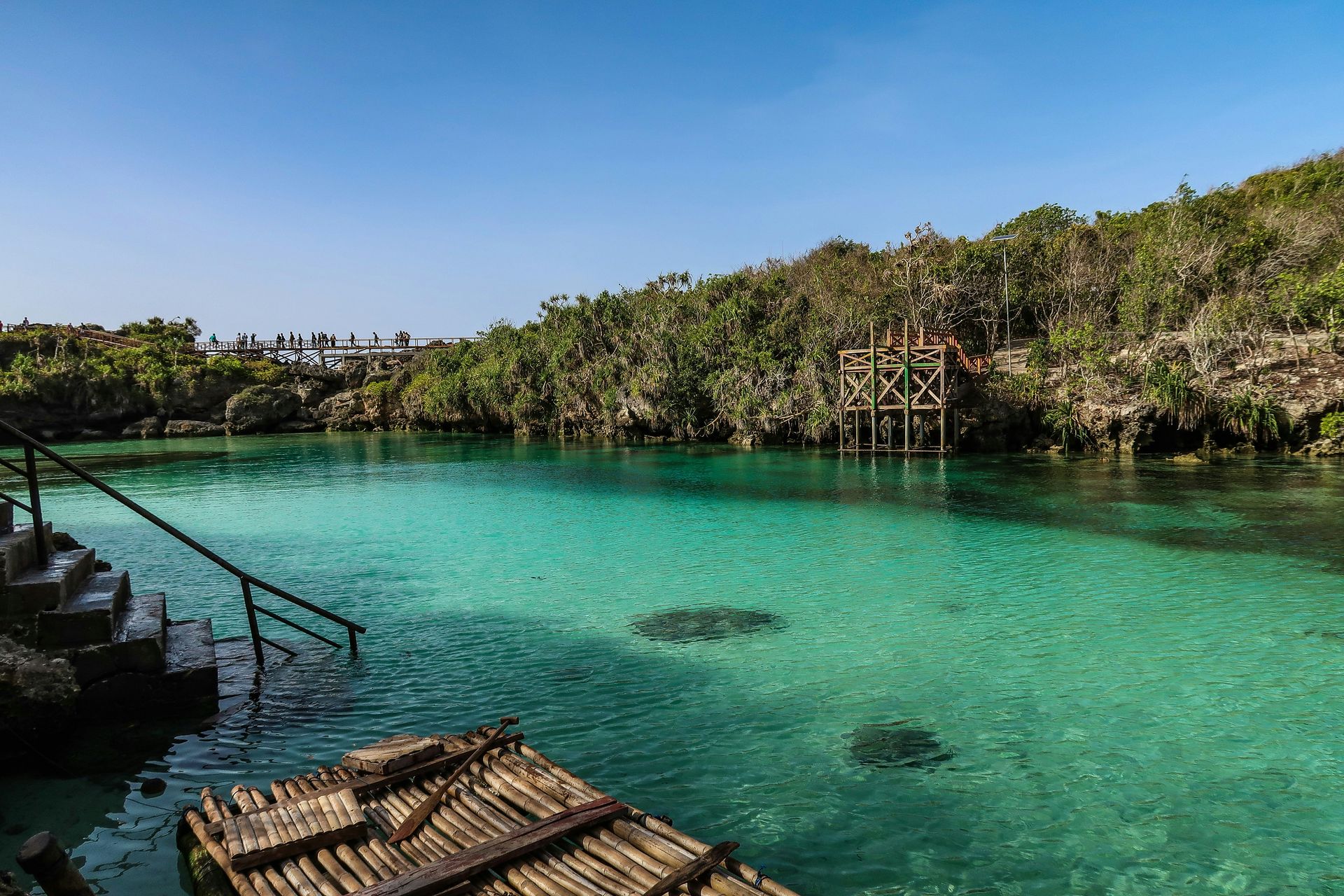
Indonesia’s Sumba Island operates on a climatic calendar that inverts the standard Southeast Asia summer travel logic: while Bali, Thailand, and Vietnam enter their wet season during the June-through-August window that gives Northern Hemisphere travelers their primary vacation period, Sumba enters its dry season, bringing the stable weather and calm seas that surfing, hiking, and beach lounging require. The source explicitly recommends Sumba over Bali for summer, specifically because of this inversion, and the reasoning holds up.
The island’s character gives the summer visitor a specific version of Indonesia that Bali’s tourist infrastructure does not provide: a rural, wild destination whose beaches, waterfalls, and surf breaks exist within a cultural landscape of traditional megalithic villages, ikat textile weaving, and the pasola festival’s ceremonial horse-riding traditions. Nihi Sumba, the ultra-luxury resort whose world-class surf breaks, ocean horse riding, and artisan workshop programs have earned it consistent recognition among the world’s best hotels, offers the destination's highest-end accommodation, but the island’s quality is not confined to the resort’s property.
The surf during Sumba’s dry season, driven by the Indian Ocean swells that the island’s southwest exposure captures, gives the beaches a wave quality that brings dedicated surfers specifically to this island within the Indonesian archipelago. The traditional villages, with their distinctive high-thatched roof houses organized around ancestral ritual structures, give the cultural program a visual and anthropological depth that the beach and surf alone would not provide. Both together give Sumba the completeness that the traveler wanting more than a beach holiday specifically requires, within reach of a single connecting flight from Bali. The island’s relatively undeveloped road network and the absence of the mass-tourism infrastructure Bali has built over four decades give Sumba its most significant quality: genuine remoteness, delivered at a scale that remains navigable for the first-time visitor who has done the research and booked accommodation well in advance of arrival. The island’s weekly traditional markets in towns like Waingapu and Waikabubak provide the cultural program with a practical entry point, complemented by the village visits.
Tapio Haaja / Unsplash
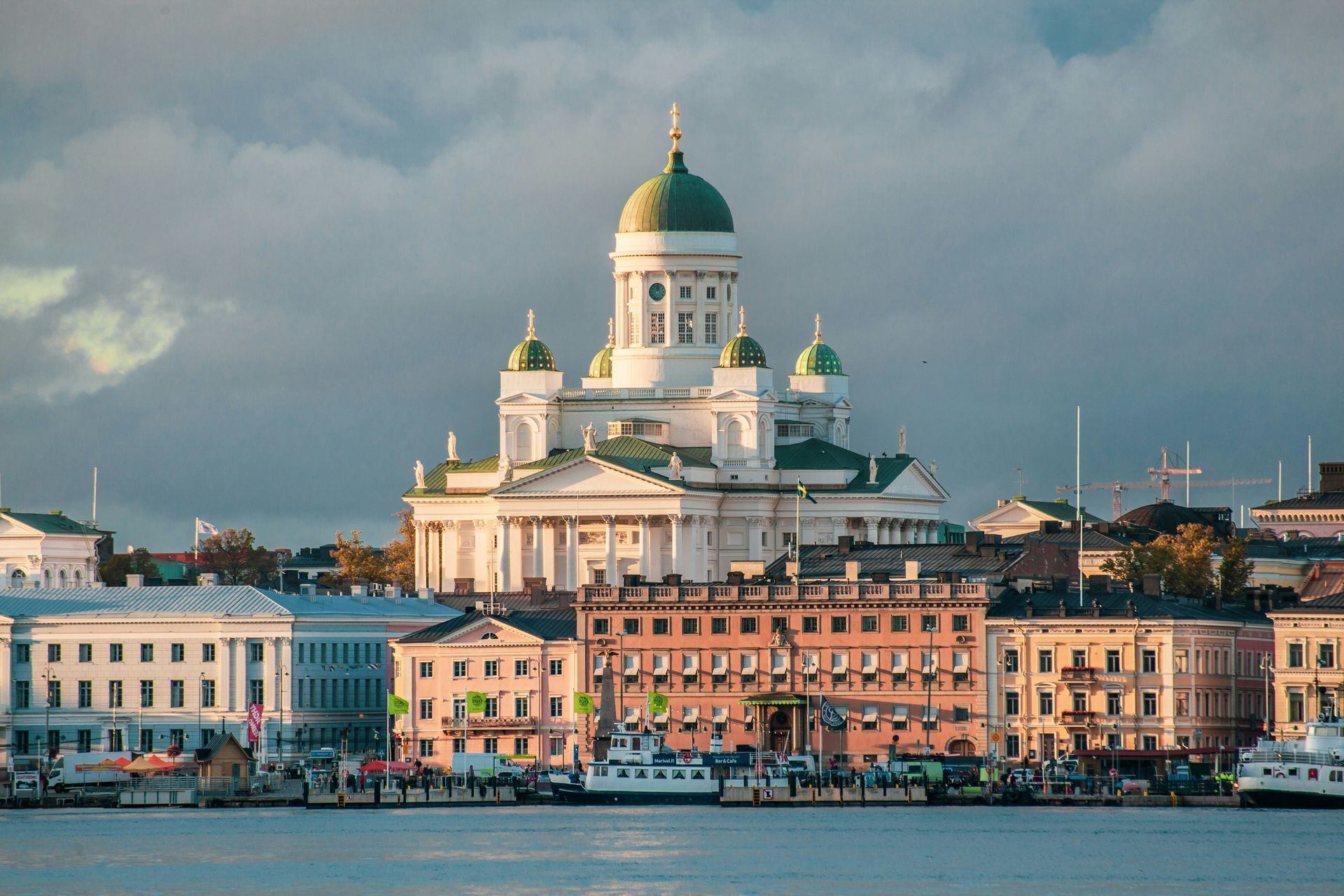
Finnish sauna culture is year-round by definition, but the summer version, experienced in Helsinki’s public saunas with cold-water plunges into the Baltic Sea between sessions, gives the practice a specific outdoor, social, and coastal quality that the winter version does not produce in the same terms. Löyly, the architecturally striking waterfront complex on the Helsinki shoreline, combines wood-fired saunas with an outdoor swimming area and terrace where the post-sauna social experience extends into the warm summer evening. Allas Sea Pool, at the market square, adds cold seawater pools for the contrast plunge that the sauna tradition specifically requires. Lonna, a small island accessible by a short ferry, adds a maritime dimension, with its seaside saunas overlooking the archipelago that Helsinki’s waterfront opens onto.
The social dimension of public sauna culture gives it a cultural specificity that the standard spa treatment format does not replicate. Strangers sit together in the heat, phones absent, sharing a tolerance for sustained discomfort. The social norms and conversational conventions of the sauna are themselves part of what the visitor is experiencing, a communal practice, not a private wellness service.
Helsinki’s summer light, extending well into the evening hours during June and July, gives the terrace and outdoor swimming dimensions of sauna culture their most appealing context. Spending a summer evening alternating between sauna heat and cold seawater while the Baltic reflects the long Nordic twilight is a specifically Finnish version of summer pleasure that no other European city’s wellness culture delivers at the same depth of tradition. The city’s broader summer program extends to outdoor concerts, the Helsinki Festival in late August, and the outdoor restaurant terraces that the short warm season makes Finns treat with a specific intensity that longer-summered countries rarely match. The Market Square $SQ and the Old Market Hall give the food program its most concentrated daytime expression, with fresh Baltic herring, new potatoes, and strawberries from the surrounding countryside all available at peak quality during the summer months.
Michiel Ronde / Unsplash
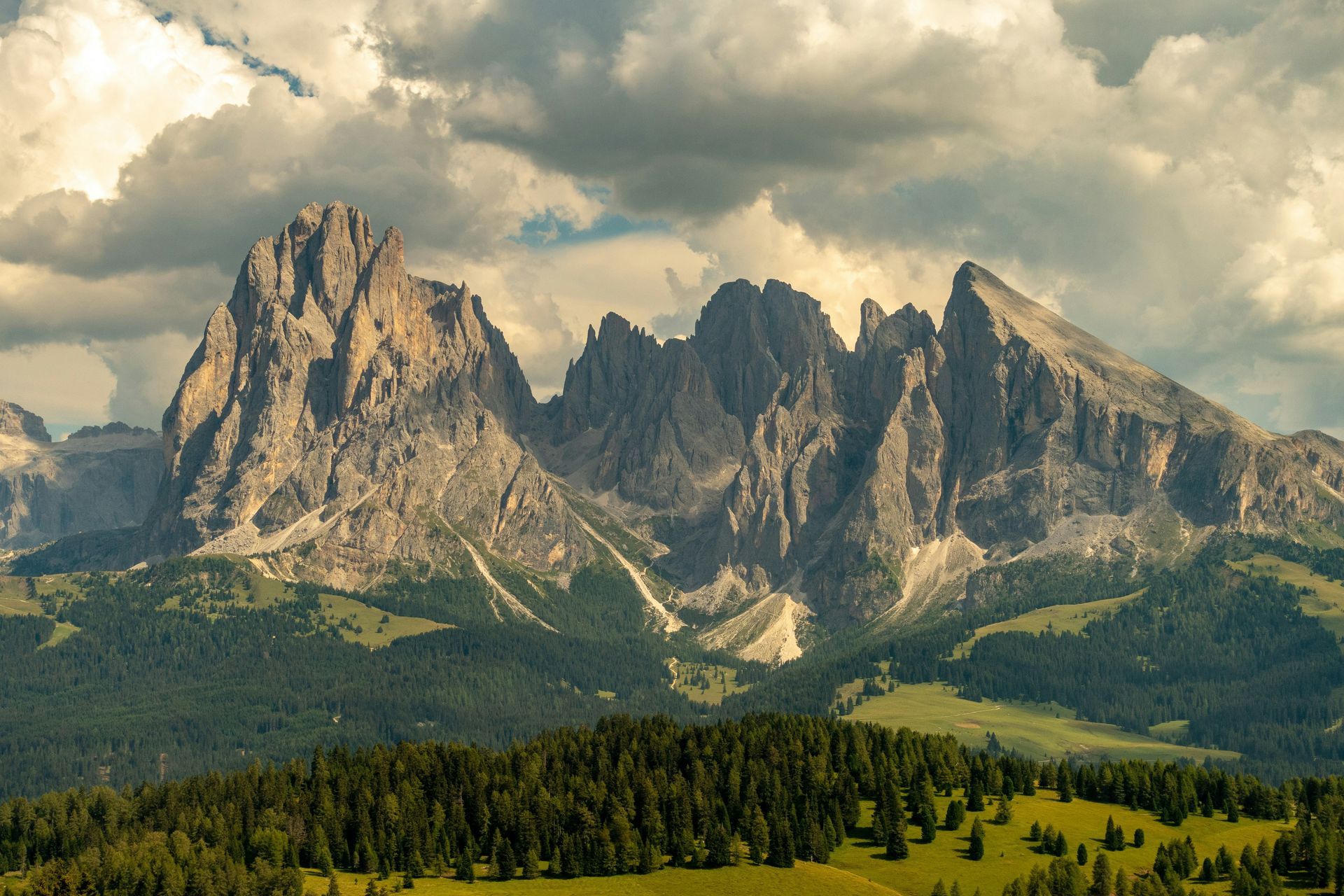
The Dolomites, the UNESCO World Heritage mountain range in northeastern Italy, offer summer hikers the most spectacular Alpine terrain in Europe. The pale limestone peaks, carved by glacial action into vertical faces and jagged ridgelines that glow orange and pink at dusk in the phenomenon the Italians call enrosadüra, rise above green mountain meadows in a visual combination specific to this geology. The hut-to-hut hiking format connects the mountain rifugios, the staffed mountain huts where hikers sleep and eat after each day’s stage, giving the Dolomites their most immersive multi-day access across the via ferratas, high alpine trails, and passes that connect one valley to the next.
The rifugios give the hut-to-hut experience its specific character: rugged yet comfortable, serving pasta and polenta to exhausted hikers at communal tables where the day’s route becomes the dominant topic of conversation. The overnight accommodation gives the mountain experience its full sensory range, from the exertion of the ascent to the silence of the alpine night. Rifugio booking fills well in advance during peak summer weeks, and reserving the huts before booking flights is the appropriate planning sequence for this format.
Summer is the only season in which the hut-to-hut format is fully accessible, as the huts close at the end of September and snow can arrive on the high routes in October. The cable cars and gondolas that serve the ski resorts during winter operate in summer as uphill shortcuts, giving hikers access to the high routes without the full elevation gain from valley floors, and making the Dolomites accessible to the ambitious but not elite hiker in a way that purely self-propelled ascent would not. The June-through-August window gives hikers maximum daylight, the warmest temperatures, and the full hut network in operation. The Tre Cime di Lavaredo loop, a six-to-eight-hour circuit around the Dolomites’ most iconic rock formations, gives the single-day visitor the most concentrated version of what the multi-day hut-to-hut format delivers across a week, and its popularity as a benchmark makes it the appropriate first Dolomites hike for the visitor, gauging the terrain before committing to a longer route.
Ramona Fowler / Unsplash
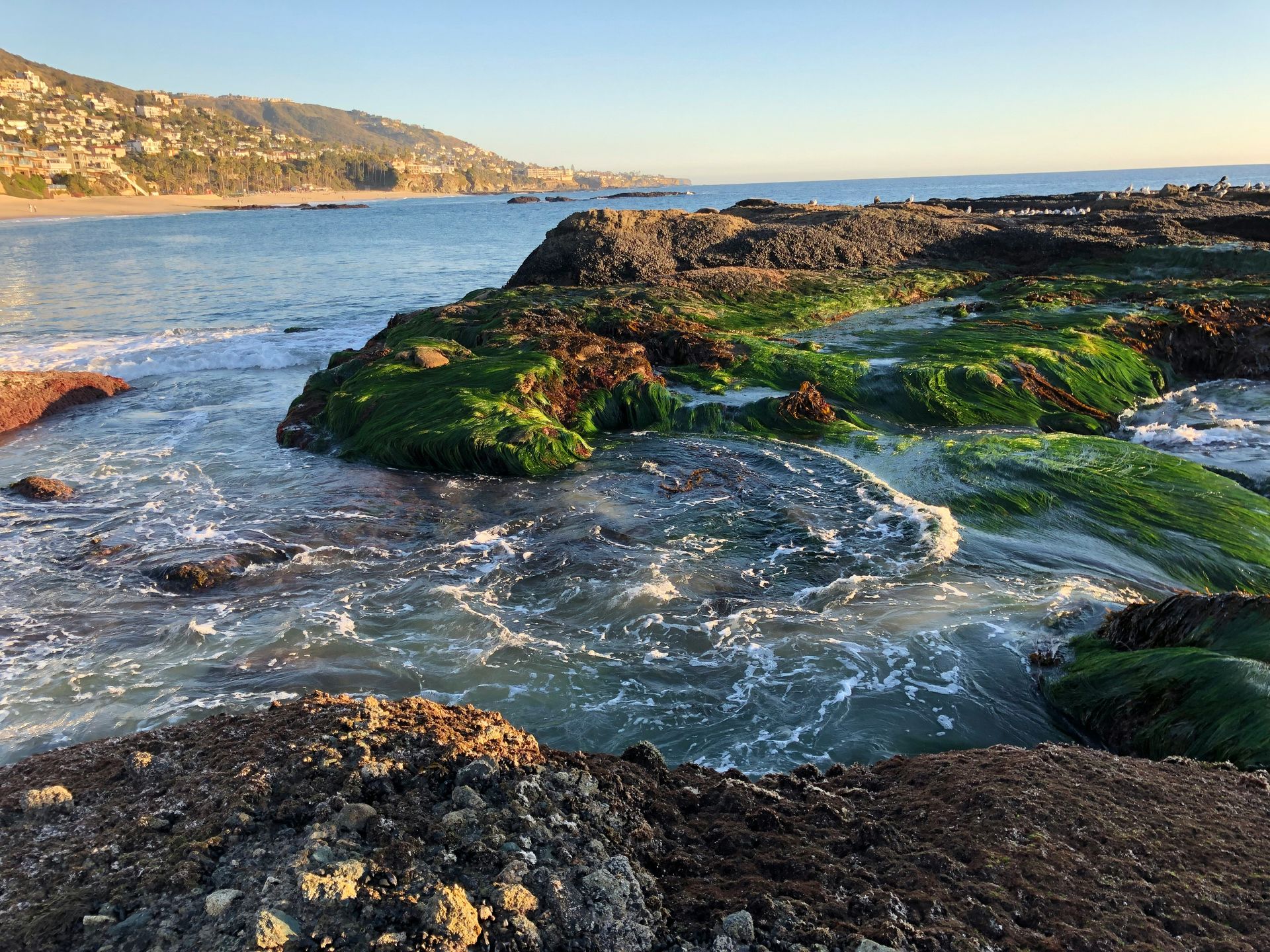
North Carolina’s Crystal Coast, an 85-mile stretch of barrier island coastline with 56 miles of protected beaches, offers the domestic summer beach trip in its most group-friendly form. The beachfront house rental culture that defines Emerald Isle and Atlantic Beach provides large groups with communal domestic space that hotel rooms distribute and fragment, while the federally protected beaches give the coastal experience a quietness that more commercially developed Carolina beach towns have sacrificed to their own popularity.
The slow travel logic works here specifically because the Crystal Coast resists the one-day-one-activity pacing that more destination-rich places impose. Paddleboarding, biking, and relaxing by the sea fill the days without logistical complexity, and the protected stretch of coastline gives the slow travel philosophy its physical expression in a beach left uninterrupted by development. The goal, sinking in and developing a real sense of place, is the specific outcome the Crystal Coast reliably delivers.
The Cape Lookout National Seashore, accessible by ferry from the towns of the Crystal Coast, extends the protected beach access to a 56-mile stretch of undeveloped barrier island where wild horses on Shackleford Banks give the day trip its most memorable wildlife encounter. The local seafood restaurants of Beaufort, the historic town at the sound’s edge, offer an evening dining program whose fresh catch quality reflects the working fishing harbor visible from the restaurant windows. The Crystal Coast Aquarium in Pine Knoll Shores offers the group a family-friendly indoor option for the rainy afternoon that any week-long summer beach trip will eventually bring. The town of Beaufort’s historic district, walkable from the waterfront and filled with 18th- and 19th-century homes whose architectural specificity reflects the port town’s maritime history, adds a cultural dimension that the beach-only itinerary leaves unaddressed. The ferry to Shackleford Banks gives the Beaufort visit its most memorable extension: the wild horses that have lived on the island for centuries, descendants of horses left by early European settlers, are visible from the beach in numbers that make the encounter feel routine to the island’s permanent equine residents.
Dat Tran / Unsplash
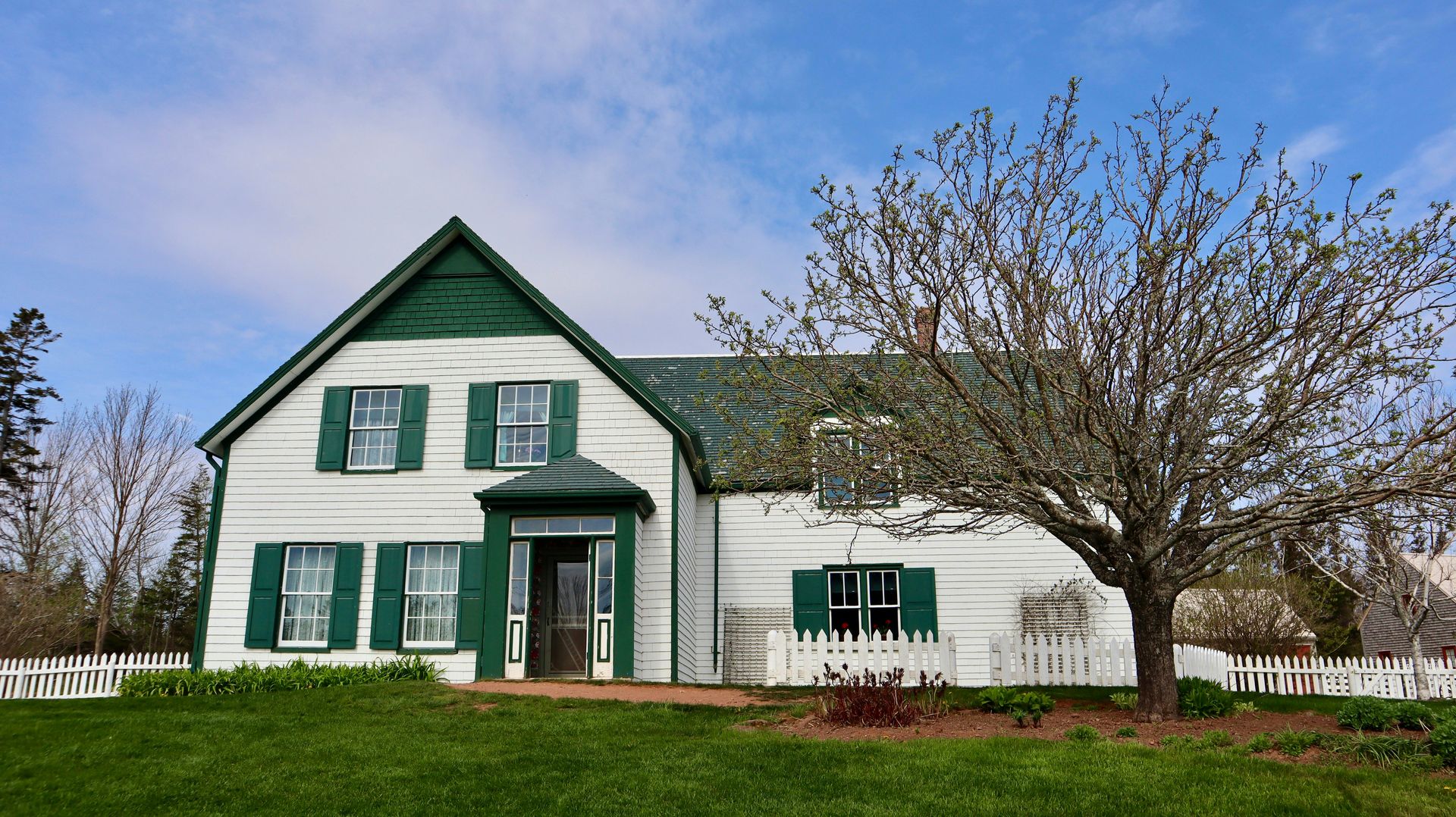
Prince Edward Island’s summer is among the most brief and specific of any destination on this list. The peak season runs from July through August, and beach weather, lobster season, and the long Maritime days coincide in a concentrated form that year-round destinations do not produce. The island’s association with L.M. Montgomery’s Anne of Green Gables has given it an international literary tourism reputation, particularly strong among Japanese visitors, but the summer appeal extends well beyond the heritage circuit.
The fresh lobster lunches are the food dimension at its most direct. Lobster boats operate from the island’s harbors, and the restaurants and roadside stands that serve the catch within hours of landing give a freshness of product that the supply chain removes from lobster eating in most of North America. The coastal hiking trails running along the island’s red sandstone cliffs and sandy beaches give the outdoor program a scale appropriate to a full week of exploration, and the island’s interior, with its patchwork of fields, forests, and small farms, gives driving days a pastoral character specific to this corner of the Maritime provinces.
The island’s physical scale, small enough to drive across in less than two hours, gives the summer visit a completeness that larger destinations distribute across too wide a geography to cover in a single week. The Confederation Trail, a 470-kilometer network built on a former rail line that once crossed the island, gives cyclists a dedicated off-road route through farmland, fishing villages, and red-sand cliff coastline, offering a format that rewards a full week of consecutive day rides. Staying in one place and exploring by car and on foot gives Prince Edward Island its most rewarding version, and summer is the only time the beaches, the lobster, and the long days all coincide. The island’s red sand beaches, colored by the high iron oxide content of the sandstone that lines the dunes and cliffs, give PEI a visual identity immediately distinguishable from every other beach destination in eastern Canada.
Yoshi Tatsumi / Pexels
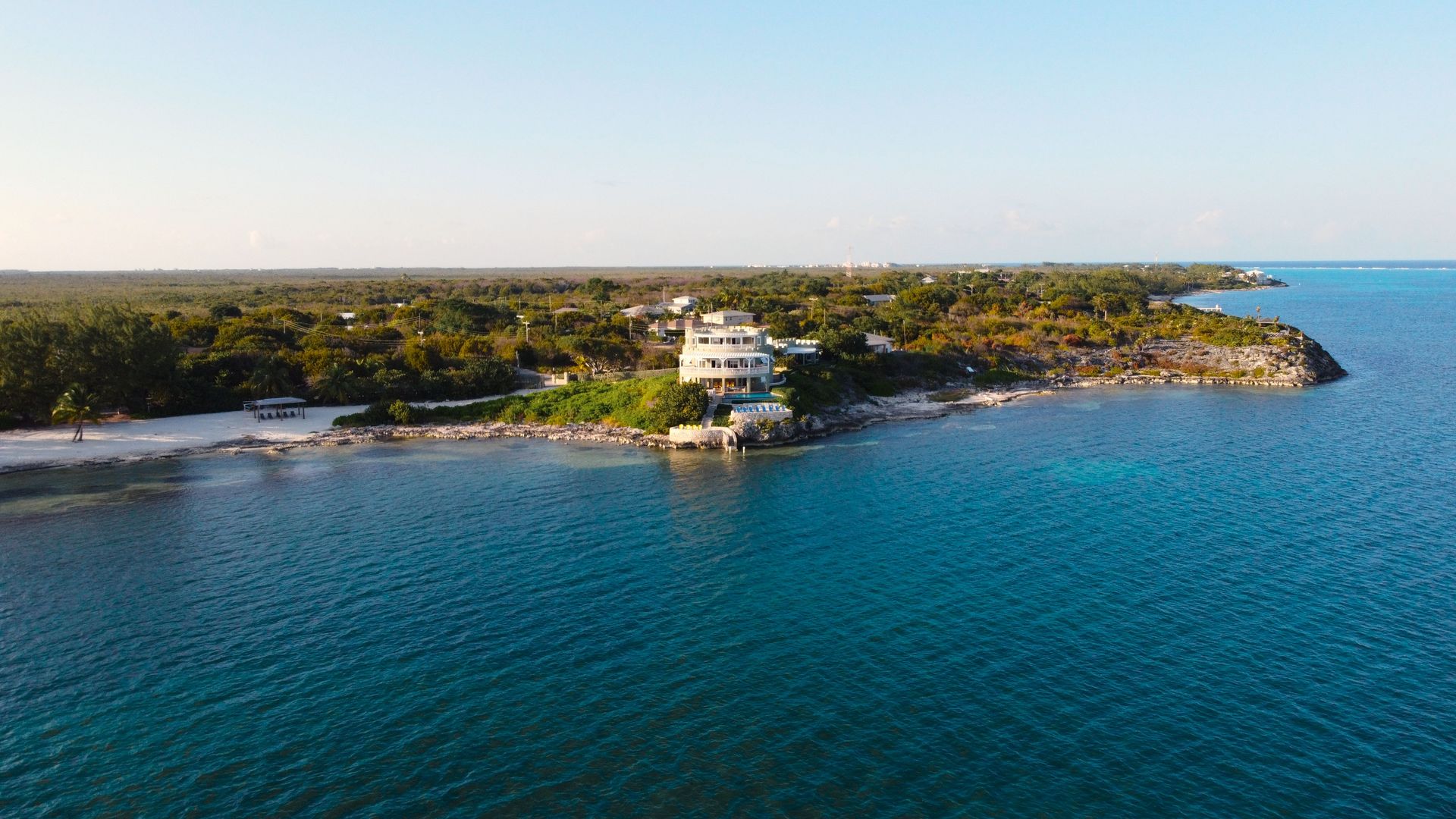
Grand Cayman offers the Caribbean beach vacation's strongest pairing of underwater adventure and refined island life, without the mass-tourism pressure that the most visited Caribbean destinations have accumulated. The snorkeling and diving at Eden Rock, one of the Caribbean’s most celebrated wall dive sites, and at the Kittiwake shipwreck, an intentionally sunk former U.S. Navy vessel now colonized by coral and fish, give the underwater program a quality and variety that the reef systems of more heavily dived Caribbean islands no longer consistently provide. The island retains an exclusive, tucked-away feel without being overrun, a quality the Caribbean island experience promises everywhere and delivers in fewer and fewer places.
The Cayman Islands’ history of upscale tourism has given Grand Cayman a hospitality infrastructure calibrated to a premium visitor demographic, meaning the restaurants, hotels, and service quality across the island reflect a baseline that budget Caribbean destinations do not maintain. Seven Mile Beach, the long stretch of white sand on Grand Cayman’s western shore, gives the beach program its visual appeal alongside the diving, and together they make the destination's full-week case for the traveler who wants to alternate between active water sports and beach relaxation.
Stingray City, the sandbar in the North Sound where Atlantic stingrays gather in shallow water and have become habituated to human presence, offers Grand Cayman a wildlife encounter unique to this destination, one that no other Caribbean island can replicate at the same accessibility and scale. The summer timing offers a specific practical advantage: the Caribbean’s peak season runs December through April, which means summer visitors find lower room rates and fewer crowds at the beach and dive sites, giving the warm-weather season an access quality that the peak months price out of reach for many travelers. The calm, clear water conditions that Grand Cayman maintains through summer, protected from the Atlantic’s winter swells by Cuba and the Yucatán Peninsula to the north and west, give the diving and snorkeling their most consistent visibility in the warm-weather months.
Emilio Lujan / Unsplash
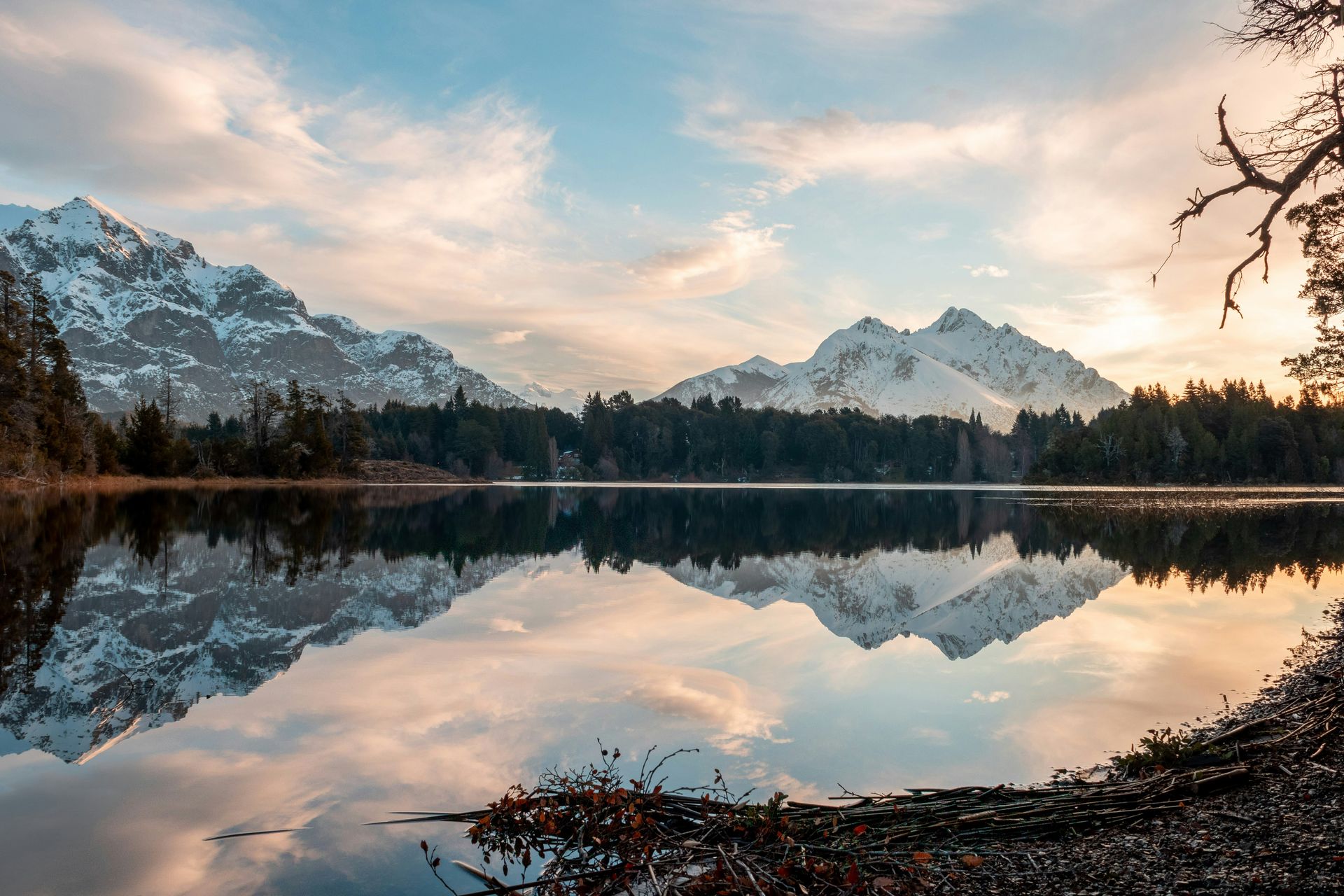
Argentina’s ski season at Las Leñas in Mendoza province runs from mid-June through late September or early October, which gives the Northern Hemisphere traveler whose summer months coincide with the Southern Hemisphere winter a ski holiday in a window with no domestic alternative. Las Leñas is known for steep, expert-oriented terrain and reliable deep powder conditions, which the high-altitude Andes location and the low annual precipitation of the surrounding desert combine to produce, giving the resort a snow quality that the more humid alpine environments of Europe and North America do not consistently match.
The Mendoza wine country, accessible north of the ski resort, adds a second dimension to the Argentine winter escape. The Malbec wines produced in the Mendoza DOC, at elevations that give the grapes a concentration of flavor the warmer lowland wine regions cannot match, provide the wine component with a quality argument specific to this place. Susana Balbo’s Winemaker’s House and Spa Suites offers the wine country stay its most immersive option: a wellness- and wine-focused property whose spa suites come with private dry saunas, providing physical recovery from ski days with a culinary and viticultural context that ski resort hotels at Las Leñas do not.
Buenos Aires, where most international flights from North America connect, offers a high-quality cultural stopover on the ski trip. The Argentine capital’s food scene, nightlife, and architecture give a two-day layover a program whose depth rewards the stop, not merely treating Buenos Aires as a logistical inconvenience on the way to the mountains. The journey is long, and the time zone shift is significant, but the traveler who makes the commitment arrives at a destination whose ski terrain, wine culture, and steak-and-Malbec dining make the Southern Hemisphere winter escape the most complete available within the Americas. The Aconcagua Provincial Park, accessible from Mendoza and home to the highest peak in the Western Hemisphere, offers the non-skier in the group a hiking and trekking program on a scale that makes the wine country alternative feel modest by comparison.
