
The 9 best places to visit in Asia this summer
From Busan's K-pop culture and rainbow hilltop village to Mongolia's Altai Mountains where nomads herd livestock across routes unchanged for centuries
Harry Kessell / Unsplash
Summer varies dramatically across the world’s largest continent, and exploring sun-kissed islands in flip-flops feels like a gentle breeze on one end of Asia, while high humidity and torrential rain keep everyone confined to air-conditioned malls on the other end entirely. Heading north might seem like the obvious escape from tropical heat, though the region isn’t immune to uncomfortable conditions either, since Tokyo’s August humidity gets genuinely intensified by the city’s dense concrete sprawl and towering apartment blocks.
Microclimates throughout Southeast Asia complicate this picture further, since select islands become genuine tropical havens during summer, particularly across Indonesia’s archipelago, where the season brings a reliable stretch of blue, sunny skies instead of the monsoon rains hitting much of the wider region. Optimum weather during peak season inevitably brings soaring demand too, making advance planning genuinely essential for travelers hoping to visit these destinations comfortably without scrambling for last-minute accommodation.
The nine destinations below appear in Lonely Planet and cover the best places to visit in Asia during June, July, and August. Each month brings its own distinct set of destinations, so travelers with flexible dates should align their trip timing with whichever place genuinely suits them best. Booking accommodation and any major tours well ahead of a trip remains especially important given how quickly peak-season availability disappears. Checking each destination’s specific weather patterns beforehand also helps travelers pack appropriately for conditions that can shift considerably even within the same broad summer season. Some destinations reward travelers chasing dry, sunny stretches, while others specifically reward the shoulder edges of the season, so matching the right place to the right week ultimately matters more than simply picking a popular name off this list. A little upfront planning and research genuinely goes a very long way here.
1. Busan channels K-culture without Seoul’s crowds
-1920x1280.jpg)
Minku Kang / Unsplash
Seoul may function as ground zero for Korean entertainment, but visitors can still get a genuine slice of the action in Busan, South Korea’s second-largest city. Busan brims with K-drama filming locations, K-pop dance troupes, and K-beauty stores, just like its northern counterpart, though it remains considerably less crowded and kinder on the wallet throughout the summer travel season.
June falls just after full-bloom cherry blossom season ends, and summer heat hasn’t quite reached its full momentum yet, giving visitors a genuinely comfortable window before the busiest part of the season arrives. Even when temperatures spike, a slew of beaches, such as Haeundae, offer real respite from the heat, giving visitors an easy escape without leaving the city entirely.
Beyond the beaches, the rainbow-colored Gamcheon Culture Village and the fresh catch at Jagalchi Fish Market both reward visitors in comfortable 72-degree Fahrenheit conditions typical of June in Busan. This pairing of cultural sightseeing and coastal relaxation gives Busan genuine appeal for travelers who want a full Korean experience without Seoul’s overwhelming crowds and correspondingly higher prices.
Travelers $TRV specifically drawn to K-culture should plan a full day around Gamcheon Culture Village’s colorful alleyways and small art installations, since the neighborhood rewards slow, unhurried exploration considerably more than a quick photo stop would allow. The KTX high-speed rail connects Busan to Seoul in roughly two and a half hours, making a two-city trip genuinely easy to combine within a single visit to Korea. Taejongdae Park, on a rocky peninsula at the city’s edge, offers dramatic cliffside views and a small train loop that makes exploring the park’s forested trails considerably easier. Visitors should also check ferry schedules to nearby Oryukdo Islets, since a short boat ride reveals a genuinely different coastal perspective on the city. Comfortable walking shoes also help considerably, given the city’s many steep, hilly streets, and sunscreen matters, given how strong the coastal sun feels by midday most days.
2. Danang strings together Vietnam’s finest beaches
Sandip Roy / Unsplash
Vietnam experiences heavy downpours throughout summer, though the northern coastline around Danang largely escapes this pattern, making it a genuine outdoor lover’s paradise during the hottest months. Visitors can frolic on idyllic beaches such as My Khe and Non Nuoc or explore the unique architecture at sites such as Dragon Bridge, giving Danang a genuinely varied set of attractions within a single coastal city.
Danang’s rich Cham history is examined in depth at the Museum of Cham Sculpture, adding a genuine cultural dimension that goes well beyond the city’s beach-town reputation. Modern amenities at genuinely appealing prices make Danang one of the most livable spots anywhere in Southeast Asia, letting a traveler’s budget stretch considerably further here than in pricier regional destinations even during peak summer season.
Danang also sits within an hour’s drive of Hoi An, a UNESCO World Heritage site, giving visitors an easy day-trip option to pair with their coastal time in Danang itself. This proximity allows travelers to experience both a modern beach city and a genuinely historic riverside town on the same trip.
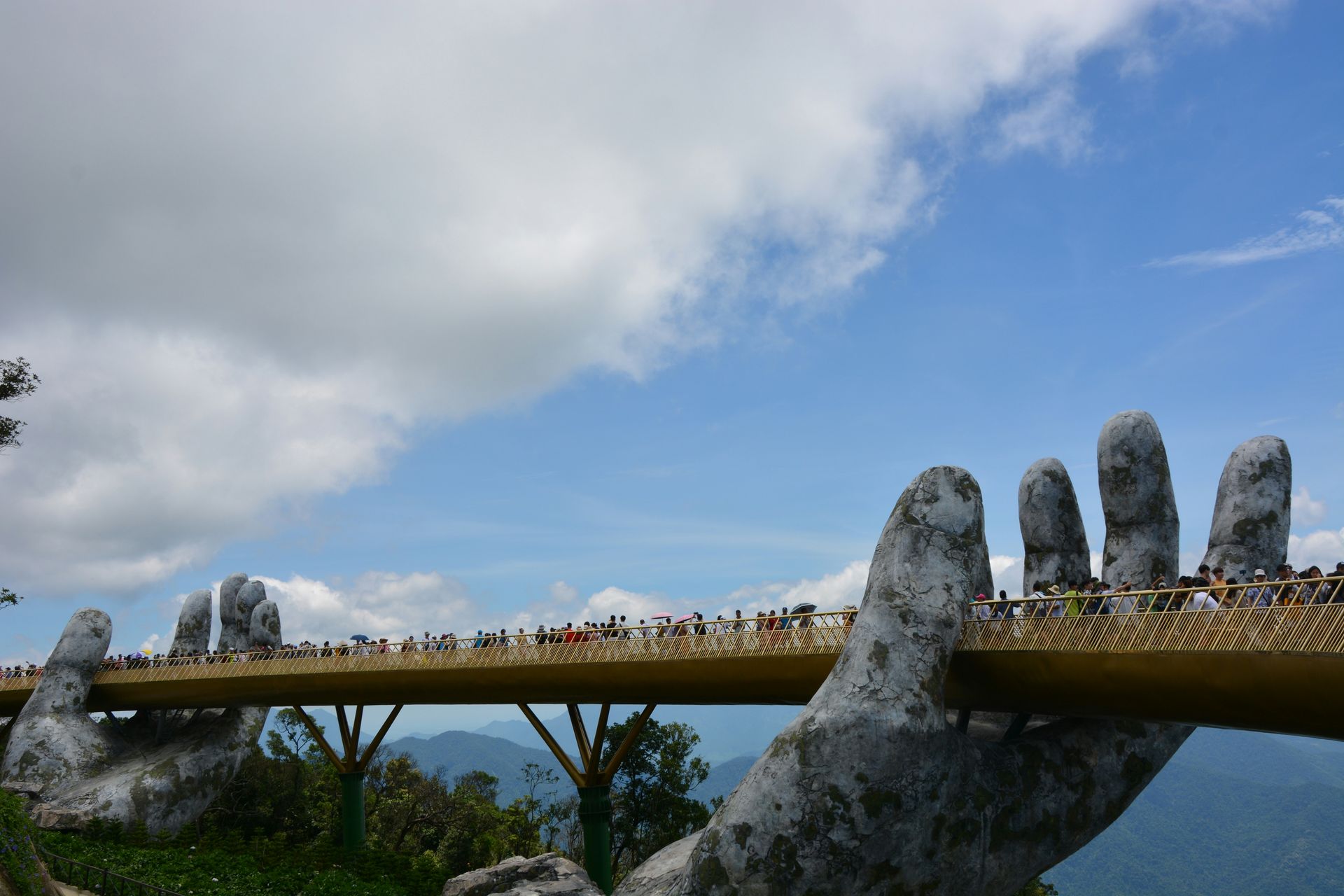
Summer visits call for copious helpings of che, a traditional sweet beverage, dessert soup, or pudding served cold and usually with ice for a refreshing finish on hot days. Vietnamese iced coffee is another firm local favorite, well-suited to Danang’s warm summer climate. The Ba Na Hills cable car, one of the longest in the world, carries visitors up to a French colonial-style village and the famous Golden Bridge held up by giant stone hands. Renting a scooter remains the most flexible way to explore the coastline independently, though visitors unfamiliar with Vietnamese traffic patterns should stay especially alert near busy intersections. Visitors should also check tide times before visiting My Khe, since the beach’s character shifts noticeably between low and high tide. A light rain jacket also helps, since brief afternoon showers can pass through even during the drier months, and breathable clothing makes the coastal humidity considerably more bearable.
3. Singapore serves diverse food in low summer humidity
-1920x1080.jpg)
Zhu Hongzhi / Unsplash
Singapore’s tropical climate stays fairly constant year-round, though June specifically offers lower humidity by Singaporean standards, and summer rain falls considerably less frequently than during the rest of the year. The island nation holds four key ethnic groups, Malay, Chinese, Indian, and Indonesian, giving its food scene a genuinely rich diversity rarely matched within such a compact geographic area.
Hawker centers, open-air community dining halls, let visitors sample local specialties quite affordably, and Newton Hawker Center ranks as one of the most recognizable options for first-time visitors. Beyond hawker food specifically, though, expenses throughout Singapore are considerably higher than in its regional neighbors, so travelers should budget roughly double their typical daily spending to properly explore the city’s highlights.
The futuristic Gardens by the Bay and the upscale Orchard Road shopping district both reward visitors willing to spend beyond hawker-center prices, giving Singapore a genuine range across both budget and splurge-worthy experiences within a single trip. This spread between affordable street food and pricier attractions gives travelers real flexibility in how they allocate their overall budget.
Outdoor temperatures can reach up to 88 degrees Fahrenheit, though shopping malls and even taxis blast air conditioning throughout the city, so packing a light sweater helps visitors handle the frequent temperature swings between outdoor heat and indoor cold blasts. Singapore’s extensive MRT subway system makes getting between hawker centers and major attractions genuinely simple, even for first-time visitors unfamiliar with the city’s layout. The Merlion statue, though smaller in person than photos suggest, remains a genuinely popular waterfront photo stop worth a brief visit alongside the nearby Marina Bay Sands skyline. Visitors should also book Gardens by the Bay’s Cloud Forest and Flower Dome in advance, since same-day tickets can sell out during peak tourist season. Cash still helps at some smaller hawker stalls, even though most of the city has shifted toward digital payment, and a reusable water bottle makes staying hydrated between attractions considerably easier.
4. Shimla cools India’s summer in the Himalayan foothills
Naman Pandey / Unsplash
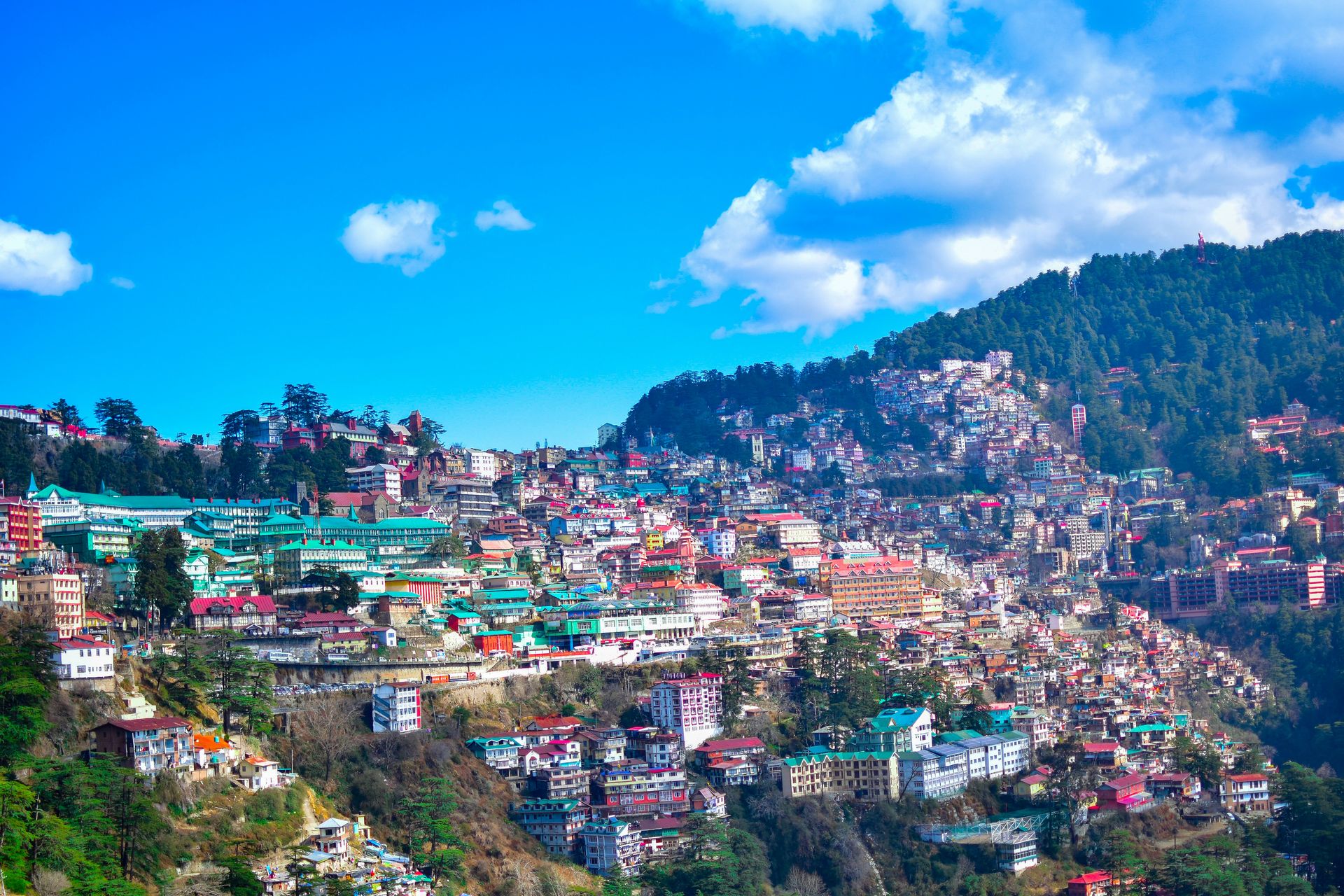
India might not immediately come to mind as a place to cool off during summer, though Shimla, in the northernmost state of Himachal Pradesh, offers a genuine local secret for escaping the heat. The city once served as a retreat for the 19th-century British colonial government, which sought refuge from harsh summers in the foothills of the Himalayas, eventually turning Shimla into a fully equipped British hill station.
Visitors today can comfortably enjoy Tudorbethan and neo-Gothic architecture throughout Shimla in temperatures ranging from 81 to 88 degrees Fahrenheit, considerably cooler than most of lowland India during the same season. Walking around the city remains genuinely easy thanks to pedestrian-only zones throughout much of the historic core, letting visitors explore without dodging heavy traffic.
The Harry Potter-esque Viceregal Lodge and the Rothney Castle both rank among Shimla’s most distinctive architectural sights, though visitors should watch carefully for snack-stealing rhesus monkeys that roam freely throughout many of the city’s outdoor spaces. This pairing of colonial-era architecture and genuinely cool mountain air gives Shimla a character unlike almost anywhere else in India.
Lengthy photo shoots remain a significant part of Indian vacation culture, so visitors should expect to navigate around selfie sticks and tripods throughout their trip. Some local residents haven’t fully grown accustomed to international visitors either, and tourists sometimes receive meet-and-greet requests at a volume comparable to that of minor celebrity treatment, so travelers comfortable with this attention should still keep an eye on the time, since a line can form quickly. The narrow-gauge Kalka-Shimla toy train, a UNESCO World Heritage Site itself, offers a scenic, unhurried way to reach the city rather than driving up the mountain roads directly. The Ridge, a wide open pedestrian space at the heart of town, hosts local vendors and offers sweeping views over the surrounding hills, especially at sunset, and a light jacket helps considerably once the mountain air genuinely cools down noticeably after dark falls.
5. Bali frames Instagram scenery in July’s dry spell
-1920x1280.jpg)
Sebastian Pena Lambarri / Unsplash
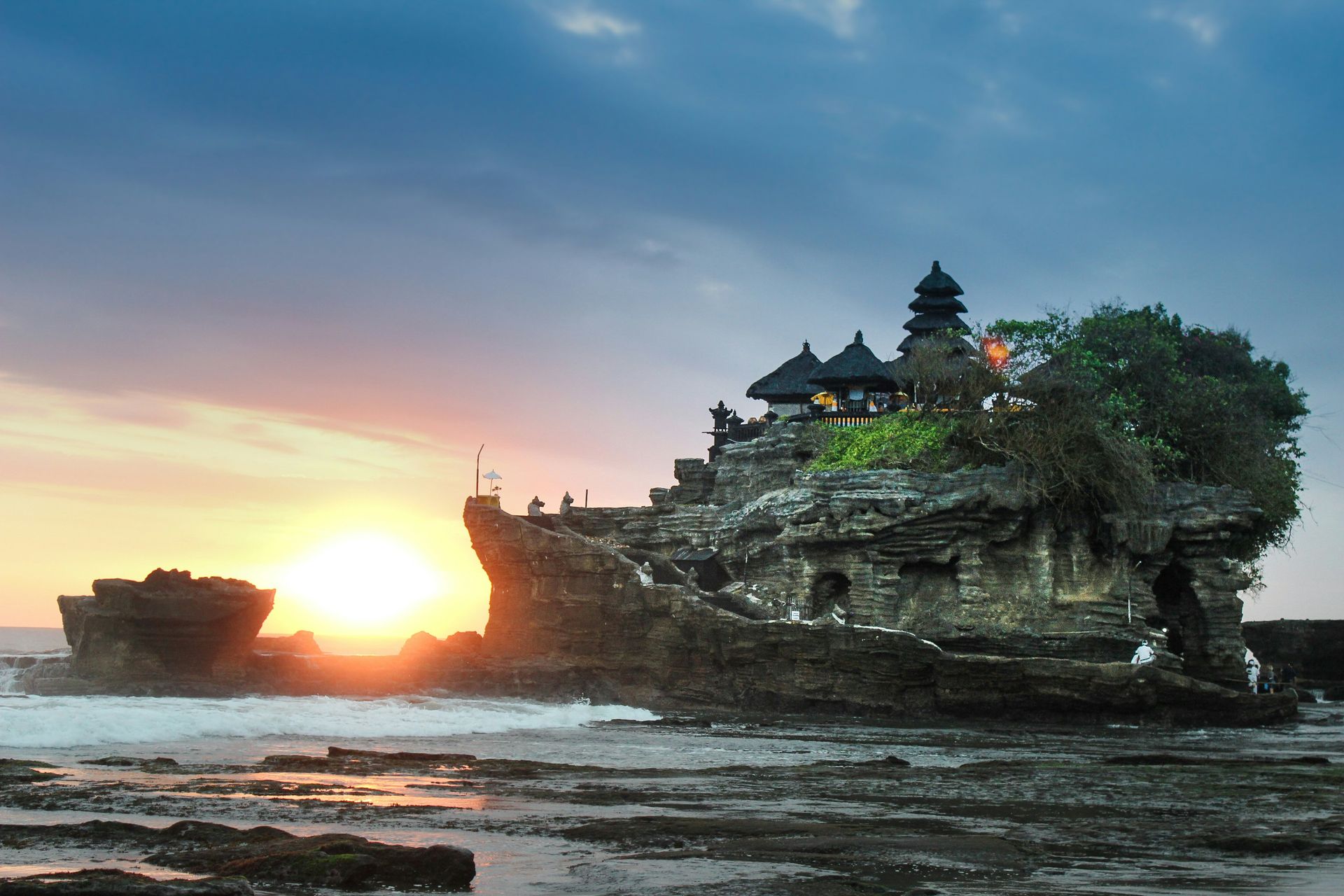
No better time exists to visit Bali than July, specifically, when the island turns relatively dry and pleasantly warm, ranging between 75 and 88 degrees Fahrenheit, making everything look genuinely as beautiful as it does across social media. Tours through lush jungle in Ubud and along white sand beaches on the coast can fill an entire day’s worth of memorable photos without much effort.
After a day of sightseeing, retreating to a villa or luxury resort for a traditional Balinese massage offers genuine relaxation, or visitors can instead hit up a beach club and try a cocktail made with arak, a local palm wine. Bali stays genuinely packed with visitors throughout the year, though arriving at the very start of July tends to filter out families still waiting for the school holidays to begin.
This timing quirk gives early-July visitors a noticeably calmer version of Bali than the peak crowds that arrive once summer break begins in earnest across multiple countries. Travelers $TRV hoping to combine popular sights with slightly thinner crowds should specifically target this narrow early-July window before family travel ramps up.
Visitors unfamiliar with local food and water safety should stay cautious with washed salads and even ice cubes to avoid digestive issues during a Bali trip. Packing basic medication and booking any essential tours early in the trip helps travelers reschedule more easily should illness strike partway through their stay. Ubud’s Campuhan Ridge Walk offers a genuinely rewarding sunrise hike through rice paddies and jungle, giving early risers a quieter alternative to the island’s busier temple sites. Tegalalang Rice Terrace, just north of Ubud, rewards an early morning visit before tour buses arrive, giving photographers considerably clearer shots of the layered green terraces. Modest clothing also matters for temple visits, since many sites require covering shoulders and knees before entering, and insect repellent helps considerably during quiet evening walks near the island’s many rice paddies.
6. Almaty opens affordable outdoor adventures in Kazakhstan
Ilyas Dautov / Unsplash
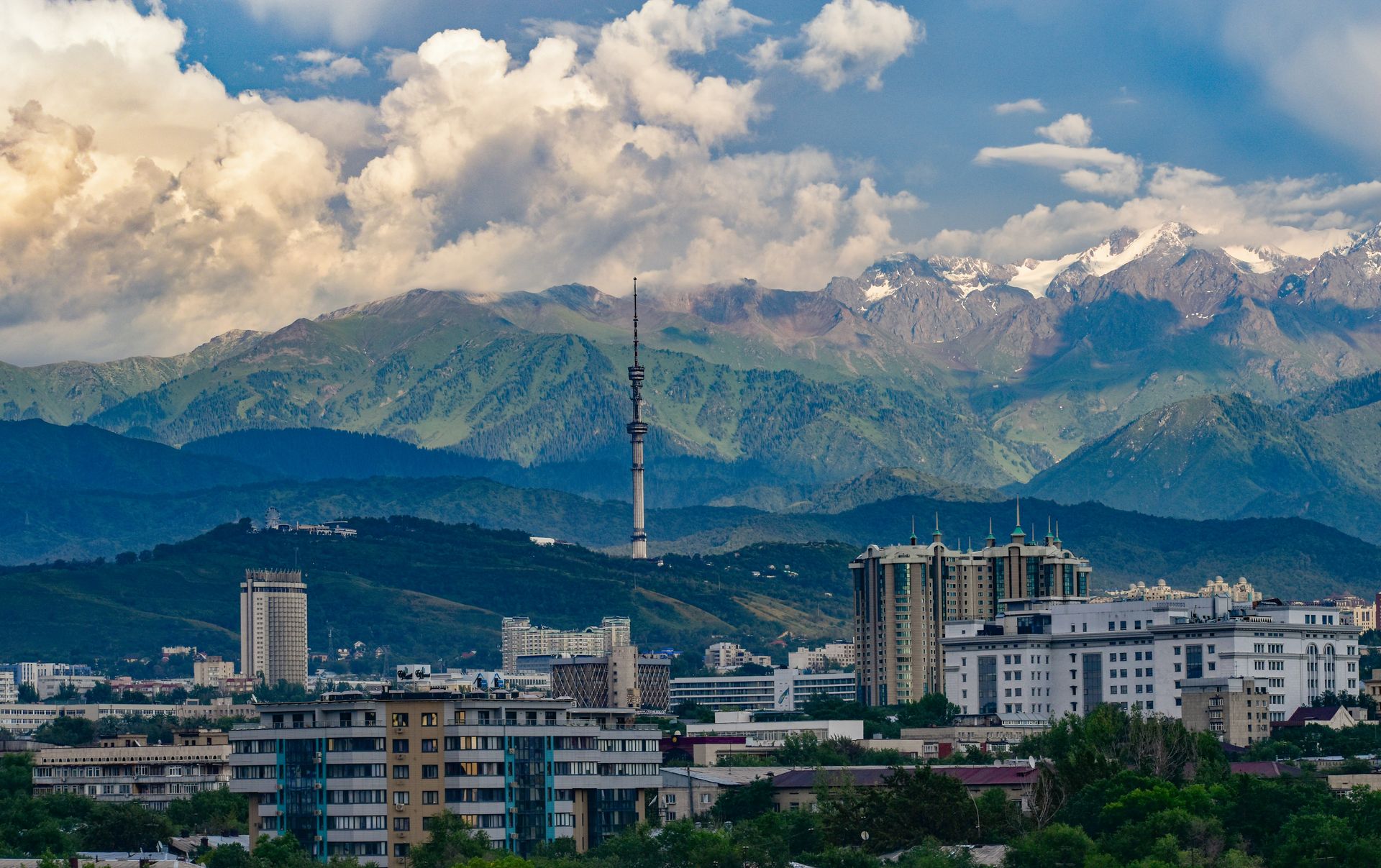
July marks peak season for visiting Almaty, though, as a relatively under-the-radar Asian destination, that peak season brings genuine energy rather than overwhelming crowds. Temperatures hover between 57 and 81 degrees Fahrenheit throughout the month, ideal conditions for exploring the city’s museums and cathedrals or enjoying its nightlife scene after dark.
Almaty’s easy access to dramatic natural landscapes gives visitors a genuine reason to spend time outdoors, specifically to enjoy these delightful summer temperatures. Popular day trips include visits to Big Almaty Lake and the Trans-Ili Alatau mountains, both located just over an hour’s drive from the city center, offering travelers a convenient way to combine urban and outdoor experiences in a single trip.
Local delicacies throughout Almaty include kazy, a horse-meat sausage; beshbarmak, a dish of boiled meat and flat noodles; and shubat, fermented camel’s milk, giving adventurous eaters plenty to try during their visit. Travelers $TRV less interested in trying unfamiliar dishes shouldn’t worry either, since Almaty also offers plenty of familiar Chinese, Korean, and Turkish food throughout the city.
This blend of accessible natural beauty, genuine affordability, and varied food options gives Almaty broad appeal for travelers seeking an outdoor-focused summer trip without the crowds or costs typically associated with more famous mountain destinations elsewhere in Asia. The Almaty cable car connects the city center directly to Kok Tobe hill, offering sweeping views over the city and the surrounding Tian Shan mountain range. Medeu, the world’s highest-altitude Olympic-size skating rink, sits just outside the city and doubles as a scenic hiking destination during the warmer summer months. Visitors should also pack layers for mountain day trips, since temperatures drop noticeably as elevation increases beyond the city. A basic Russian phrasebook also helps, since English isn’t as widely spoken here as in some other Asian capitals, and sturdy, well-broken-in hiking footwear makes the surrounding mountain day trips considerably more comfortable overall for nearly every visitor here.
7. Sendai swaps Japan’s crowded cities for cooler air
Nichika Sakurai / Unsplash
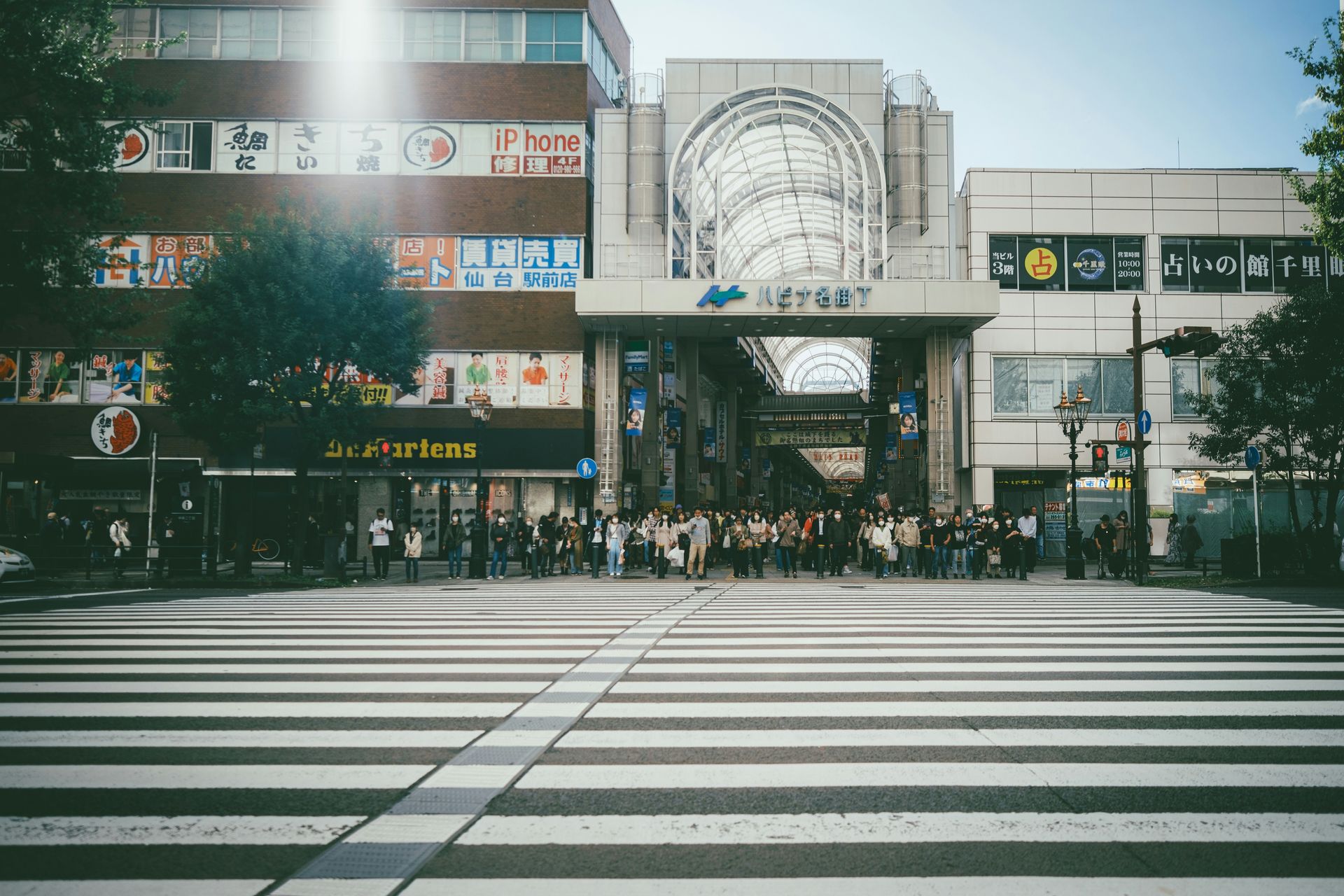
Japan holds considerably more to offer than just Kyoto, Tokyo, and Osaka, and while most tourists stampede toward that famous trio, Sendai, nicknamed the City of Trees, offers a genuine breather from the crowds. The city delivers everything visitors typically come to Japan for, including fresh sushi, wacky karaoke, and ancient temples, though travelers get to experience these attractions considerably more like a local within this young, student-heavy city.
Sendai sits just a 90-minute bullet train ride from Tokyo, yet feels genuinely mountain-cooler in summer, with August highs reaching just 80 degrees Fahrenheit. This meaningful temperature difference, combined with Sendai’s considerably smaller crowds, makes it a genuinely appealing alternative for travelers hoping to avoid Tokyo’s peak summer heat and congestion.
August also brings the Sendai Tanabata Festival to the city, marked by parades, traditional performances, and plenty of street food vendors lining the streets throughout the celebration. This timing gives summer visitors a genuine cultural event to build a trip around, well beyond simply escaping the heat found in Japan’s more famous cities.
Every city or region in Japan has its own signature dish, and in Sendai specifically, that dish is gyutan, thinly sliced beef tongue cooked over a charcoal grill until tender. Trying this local specialty gives visitors a genuinely authentic taste of Sendai, beyond the standard sushi and ramen found elsewhere in the country. Matsushima Bay, roughly 40 minutes from Sendai by train, ranks among Japan’s three most celebrated scenic views, making it a genuinely worthwhile day trip from the city. Zuihoden Mausoleum, the elaborately decorated final resting place of a former feudal lord, offers a genuinely striking architectural contrast to Sendai’s otherwise modern cityscape. Visitors should also check the Tanabata Festival’s exact dates before booking, since the celebration shifts slightly from year to year within early August. A portable fan also helps considerably during the festival’s crowded evening parade routes.
8. Chengdu cradles August’s cutest panda cubs
Shu Qian / Unsplash
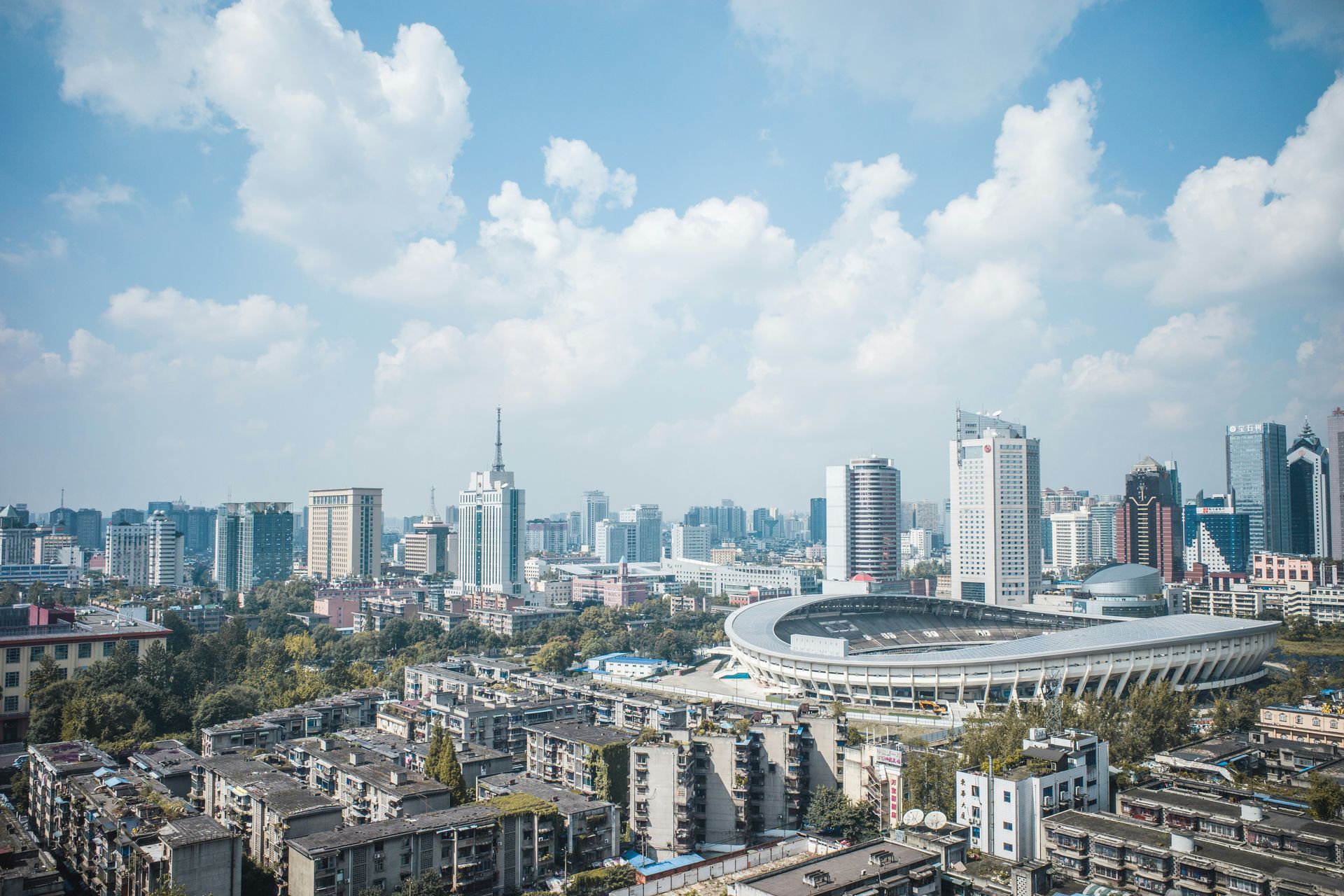
Chengdu, famous as the home of giant pandas, offers visitors the cutest possible cub-viewing experience, specifically in late August each year. Panda cubs are actually born blind and hairless, weighing just 100 grams, and it takes roughly a month afterward before their distinctive black-and-white markings actually fluff in and become visible.
Visitors can see these young pandas directly at the Giant Panda Breeding Research Base, one of the most significant conservation facilities of its kind found anywhere in the world. August’s average temperature sits around 77 degrees Fahrenheit, though the month is typically rather humid, making the heat feel considerably more intense than the raw temperature alone would suggest.
The magnificent Jiuzhaigou National Park offers an excellent way to beat Chengdu’s summer heat, thanks to its considerably higher elevation, though travelers planning to stay within the capital of Sichuan itself will still find plenty of air-conditioned spaces scattered throughout this sprawling megacity of 21 million residents. This pairing of urban comfort and nearby mountain escape gives visitors genuine flexibility in how they structure a Chengdu-based trip.
Many schools throughout China begin reopening during the final week of August, so timing a visit toward the very end of the month means noticeably thinner crowds at the panda base, alongside the added bonus of slightly fluffier baby pandas by that point in their development. Chengdu’s own spicy hot pot tradition gives food-focused visitors a genuinely fiery contrast to the gentler pandas, and the dish remains a defining part of Sichuan’s culinary identity. Jinli Ancient Street, a restored Qing dynasty-style pedestrian lane near the city center, gives visitors a genuinely atmospheric evening stroll lined with lanterns, snacks, and small shops. Visitors should also arrive at the panda base early in the morning, since the animals tend to be most active before the midday heat sets in. A face mask also helps some visitors manage the city’s occasionally heavy summer air quality, and light, breathable fabrics make the humid afternoons feel considerably less draining.
9. Altai Mountains disconnects travelers from the grid
Nick Night / Unsplash
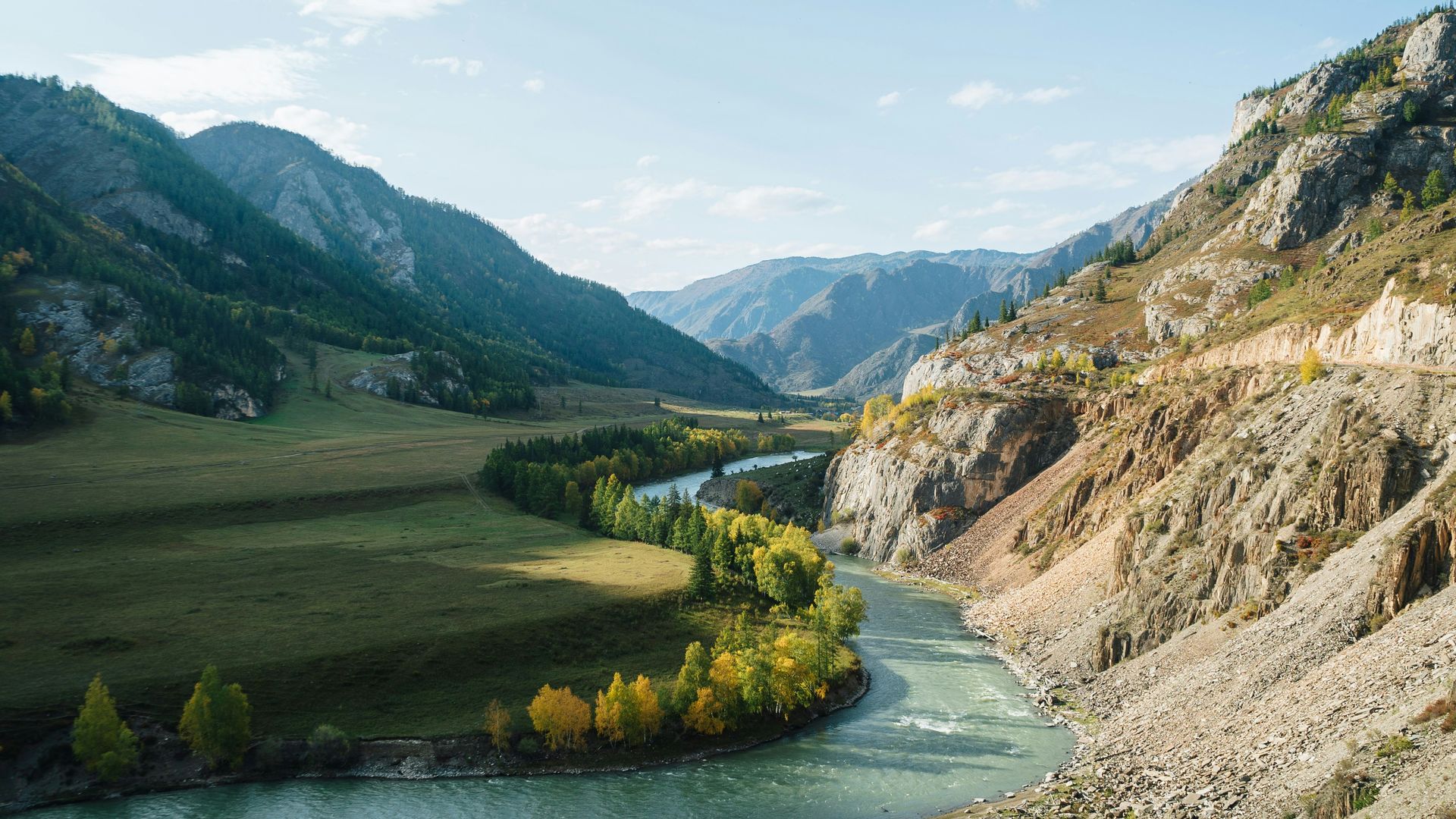
With more than 14 hours of daylight throughout August, visitors to Altai Tavan Bogd National Park in Mongolia can take genuinely unhurried time exploring the surrounding mountains without racing against an early sunset. The area boasts a wealth of archaeological sites, including the ruins of the ancient city of Kharakhot, offering history-minded visitors plenty to explore alongside the region’s natural scenery.
Snowcapped mountains throughout the park reward hikers and climbers willing to tackle their slopes, while verdant valleys teem with native maral deer and argali sheep for visitors hoping to spot genuine Central Asian wildlife. Travelers $TRV can camp directly on the shores of Khoton Nuur or join a homestay in a traditional village for a genuine window into local nomadic culture that is rarely accessible to outside visitors.
Wi-fi throughout the region stays either extremely limited or entirely nonexistent, forcing visitors to surrender fully to a genuinely back-to-basics way of living and disconnect completely from modern digital habits during their stay. This forced disconnection ranks among the park’s biggest draws for travelers specifically seeking a genuine escape from constant connectivity.
Altai Tavan Bogd sits in a genuinely remote part of Mongolia, and navigating the region independently proves difficult without real advance planning, making a local guide a genuinely worthwhile investment for most visitors. Since travelers typically arrive during peak season, plenty of operators and transportation options remain available despite the area’s overall remoteness. Reaching the park typically requires flying into Ulgii before continuing by four-wheel drive, a genuinely long journey that rewards travelers willing to commit real time to getting there. Local nomadic families throughout the region still herd livestock across the same seasonal migration routes their ancestors used, giving visitors a genuine window into a way of life that has changed remarkably little. Warm layers also matter even in August, since mountain evenings turn genuinely cold once the sun sets, and sturdy hiking boots make the uneven terrain considerably easier to navigate.