The 10 best places to visit in Canada in 2026
From Montréal's 500-performance jazz festival to Vancouver Island's surf beaches and Cowichan Valley boutique wineries, the best of Canada
Chris Czermak / Unsplash
Continent-sized Canada captivates visitors with its wildlife, wilderness, and genuinely world-class cultural offerings, whether the goal is spotting polar bears, cruising misty coastlines, savoring incredible cuisine, or simply enjoying extraordinary live music. Few countries pack this much geographic and cultural variety into a single national identity, giving travelers a real reason to return for multiple trips rather than trying to see everything at once on a single visit.
The sheer scale of this North American nation can make planning an itinerary genuinely daunting, especially for first-time visitors unsure where to even begin narrowing down options across such a vast country. Passionate returning fans looking for something new face a similar challenge, given just how much of the country remains worth exploring beyond the most obvious tourist stops most visitors default to.
The 10 destinations below appear in Lonely Planet and cover standout places recommended across the country. Each one rewards a genuinely different kind of trip, whether that means mountain scenery, coastal wilderness, big-city culture, or wide-open prairie solitude. Combining two or three of them within a single longer trip rewards travelers with a genuinely fuller sense of just how much this country actually contains. A trip built around eastern Canada, for instance, could realistically link Montréal’s summer festivals with the roar of Niagara Falls and a scenic drive across the Prairies, while a western-focused itinerary might pair Vancouver’s mild coastal climate with Whistler’s alpine terrain and a ferry ride out to Vancouver Island’s surf beaches and boutique wineries. Neither route requires rushing, since each stop genuinely rewards several unhurried days rather than a single quick photo before moving on to the next destination. Travelers $TRV with only a single week to spare should instead pick just one region and explore it thoroughly, saving the rest of the country for a future trip.
1 / 10
1. Manitoulin Island preserves First Nations culture

Benjamin Ruttan / Unsplash
Manitoulin Island, the world’s largest freshwater island, moves at a genuinely lovely, leisurely pace well suited to travelers hoping to slow down. Jagged expanses of white quartzite and granite outcroppings edge the island’s shoreline, leading toward summery cottages, lakeside beaches, and shimmering vistas that reward unhurried exploration throughout a longer stay.
First Nations culture thrives throughout Manitoulin, and local foods and eco-adventures offered by the island’s eight distinct communities give visitors genuine ways to connect with the land and its people. Powwows held throughout the island add drumming, dancing, and storytelling to the experience, creating immersive moments that connect visitors directly with the people and land of the country now known as Canada.
Each of Manitoulin’s eight communities maintains its own distinct traditions and offerings, giving visitors genuine variety across a single island instead of a single homogeneous cultural experience. Travelers $TRV specifically interested in First Nations culture should research which communities host powwows or cultural events during their planned visit window, since timing significantly affects which specific experiences become available.
Reaching Manitoulin typically involves driving across a swing bridge from the Ontario mainland or taking a ferry from the Bruce Peninsula, giving travelers a choice depending on their overall route through the region. Visitors should book accommodation well ahead during peak summer months, since the island’s relatively limited lodging fills quickly once warmer weather arrives. Cycling remains a genuinely popular way to explore the island’s quieter back roads, connecting several small communities without requiring a car for every short trip. Visitors interested in local crafts should seek out the island’s small galleries and studios, many run directly by artists from the surrounding communities. The island’s Great Spirit Circle Trail organization coordinates guided experiences across several communities for visitors unsure where to start on their own. Comfortable walking shoes also help considerably given the island’s rocky, uneven shoreline paths. Insect repellent also helps during summer evenings near the island’s many lakes.
2 / 10
2. The Canadian Rockies span five national parks
James Wheeler / Unsplash
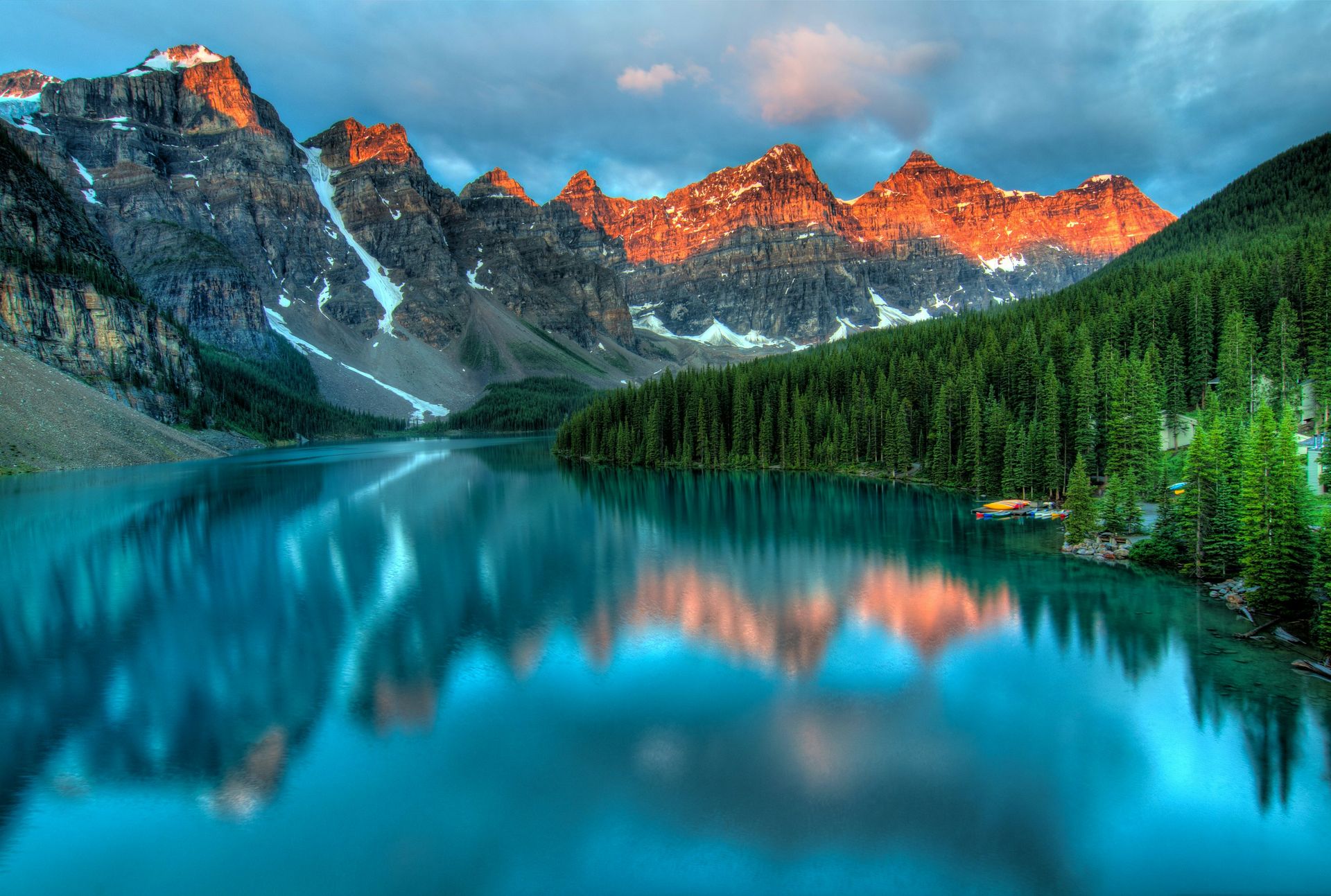
The Canadian Rockies straddle British Columbia and Alberta, offering awe-inspiring adventures spread across five distinct national parks within the same mountain range. Visitors can explore these landscapes up close on a hiking trail, cut through river rapids and swirling water on a white water rafting trip, or swoosh through snow-capped mountains on skis and snowboards, depending on the season and personal preference.
Taking the train through the Rockies offers a genuinely different perspective on the same grandeur, letting travelers watch luminous lakes, jumbles of wildflowers, and glistening glaciers glide past from the comfort of a seat while steel cars chug up mountain passes and down river valleys en route to points east or west. This rail journey rewards visitors who prefer to take in the scenery passively rather than actively hiking or rafting through it.
The range’s five national parks each offer a genuinely distinct character, and travelers with limited time should research which specific park best matches their interests, whether that means dramatic lake views, challenging alpine hikes, or simply easy roadside pullouts with sweeping mountain vistas. Banff and Jasper rank among the most visited, though quieter parks within the same range reward travelers willing to venture slightly further off the main tourist circuit.
Visitors planning a Rockies trip should book accommodation and any major train journeys well in advance during peak summer and winter seasons, since demand for both lodging and scenic rail seats climbs considerably during the most popular travel windows. Wildlife sightings throughout the range, including elk, bighorn sheep, and the occasional grizzly bear, add a genuine sense of unpredictability to even a well-planned scenic drive. Travelers $TRV should also research current trail and road closures before a trip, since snow and rockfall can restrict access to certain areas well into early summer. Booking campsites or backcountry permits well ahead of a summer trip also matters, since the most popular sites throughout the parks fill within minutes of reservations opening.
3 / 10
3. Montréal fills summer with jazz and music
Samuel Charron / Unsplash
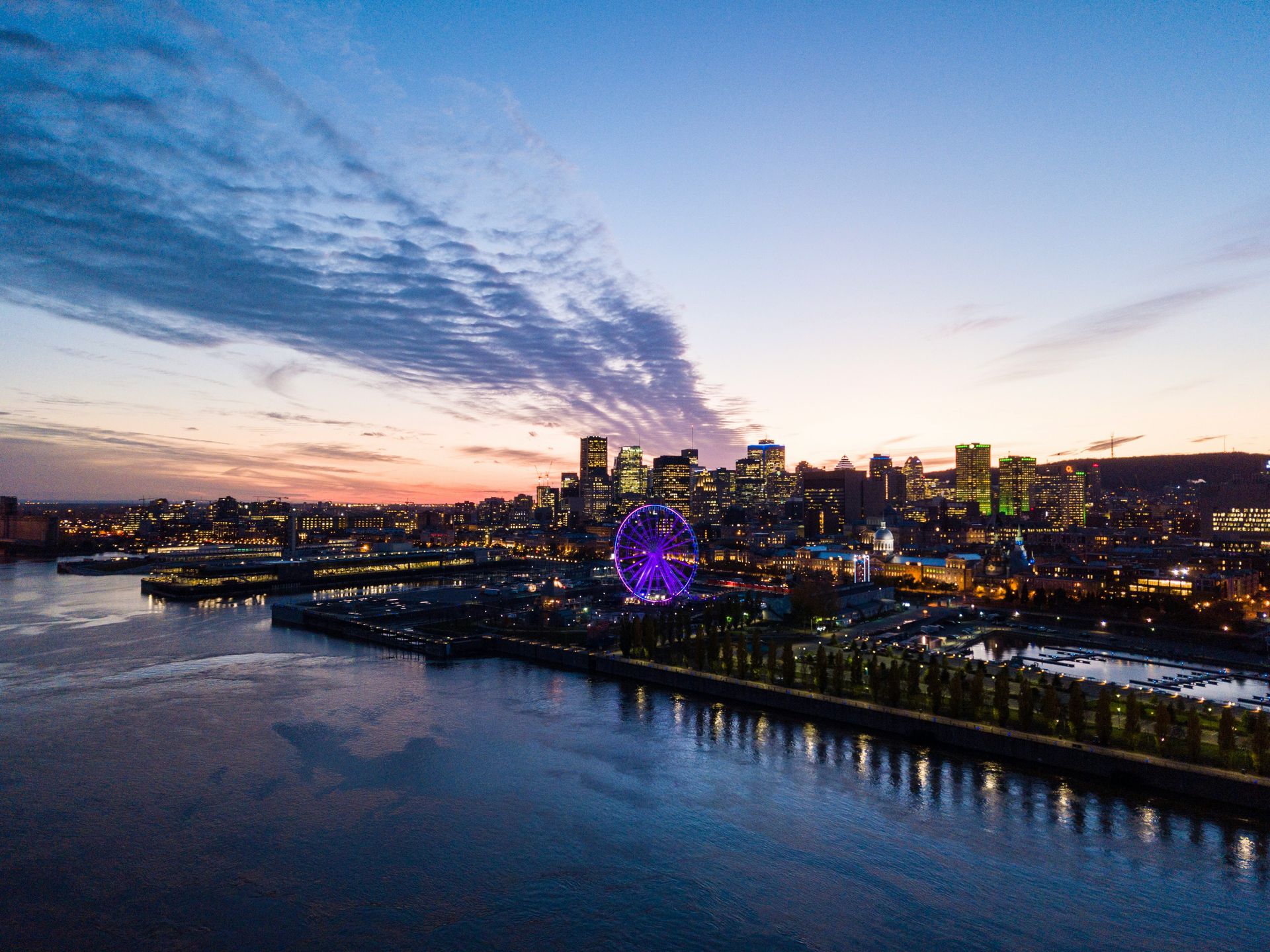
Montréal functions as Canada’s genuine cultural heart, and the city becomes a marvel specifically for music lovers between June and August, when parks, beaches, and festivals throughout the city come alive with buzzing rooftop bars and arts-filled streets. Some of the best jazz-influenced musicians in the world play to equally enthusiastic audiences during the annual Montréal International Jazz Festival, which includes roughly 500 separate performances and shows throughout its run, many of them free to attend.
This concentration of world-class music within a single summer festival gives Montréal genuine bragging rights among Canadian cultural destinations, and the free performances specifically make the festival accessible to visitors regardless of budget. Beyond the main jazz festival itself, the city hosts numerous smaller live-music events throughout the summer season at bars, clubs, and outdoor venues across different neighborhoods.
Montréal’s broader cultural scene extends well beyond music specifically, with a genuinely strong culinary tradition, historic architecture throughout Old Montréal, and a bilingual character that gives the city a distinctly different feel from most other major Canadian cities. This cultural depth gives visitors plenty to explore on days when live music isn’t the primary focus of a given afternoon or evening.
Checking Tourisme Montréal’s official listings before a trip helps visitors track down the latest live-music events throughout the city, from big festival performances to smaller, more intimate shows that don’t always make it onto major event calendars. Old Montréal’s cobblestone streets and centuries-old architecture give visitors a genuinely different atmosphere to explore during daytime hours between evening festival performances. Visitors should book accommodation well ahead of time during the jazz festival, specifically, since hotel rates and availability shift considerably during this particular stretch of summer. Renting a bike through the city’s public share program offers a genuinely efficient way to move between festival stages spread across the downtown core. Comfortable shoes also help considerably, given how much walking a festival day typically involves. Public transit passes valid across the festival grounds also simplify getting around during the busiest, most crowded evenings.
4 / 10
4. Niagara Falls thunders across the Ontario border
Stephen Crane / Unsplash
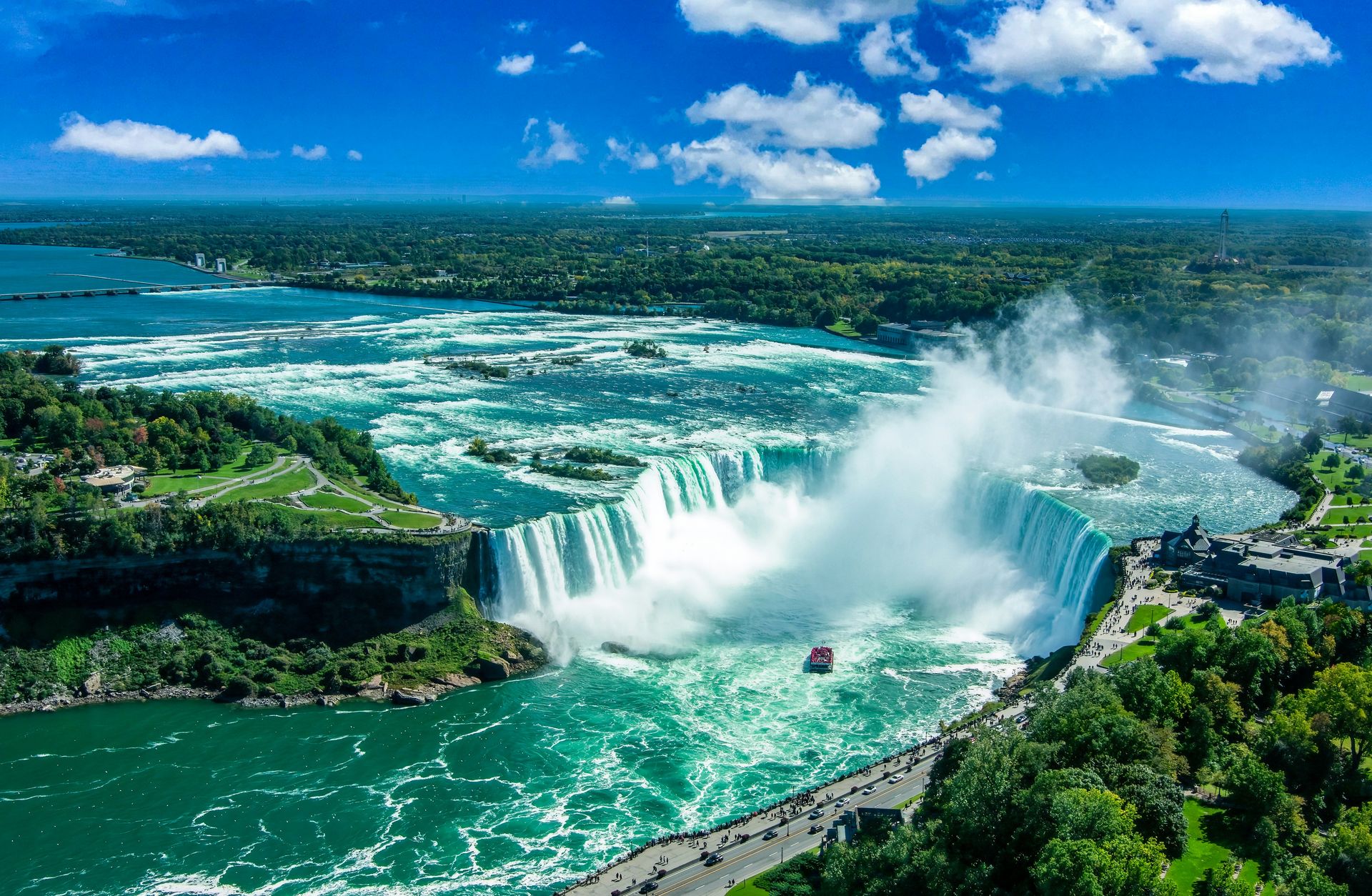
Niagara Falls ranks as the top tourist attraction in Canada, famed for its stunning, powerful cascades that send a full 757,500 gallons of water over the falls every second. Boarding the iconic Maid of the Mist boat tour lets visitors feel the thunderous spray up close, and most riders quickly learn to appreciate the protective poncho handed out before boarding.
Beyond the boat tour itself, the Niagara Glen hiking trail winds through ancient forest and rugged terrain, offering a genuinely peaceful contrast to the roar of the water at the main falls viewpoint. This pairing of thunderous spectacle and quiet nature trail gives Niagara Falls considerably more depth than a quick photo stop at the main viewpoint alone would suggest.
Travelers $TRV willing to add a few extra days to their trip can take a scenic biking adventure along the Greater Niagara Circle Route or soar above the falls entirely on the Wildplay Zipline, which offers genuinely unmatched aerial views of the cascades below. These additional activities give repeat visitors or longer-staying travelers a real reason to extend beyond the standard day-trip itinerary most people default to.
Travelers on a shorter trip to Canada should look into the numerous tour operators offering day trips to Niagara directly from nearby Toronto, giving visitors an easy way to pair urban sightseeing with a genuine natural wonder in the same trip. The nearby town of Niagara-on-the-Lake offers a genuinely charming, quieter alternative for an overnight stay, surrounded by wineries well suited to a relaxed afternoon away from the falls themselves. Visitors should book the Maid of the Mist tour in advance during peak summer weekends, since wait times at the ticket counter can be considerably longer than expected. The illuminated night views of the falls, lit in changing colors after dark, offer a genuinely different visual experience worth staying for beyond a daytime visit alone. Travelers should also budget extra time for parking near the falls, since peak summer weekends draw considerably larger crowds than most first-time visitors expect.
5 / 10
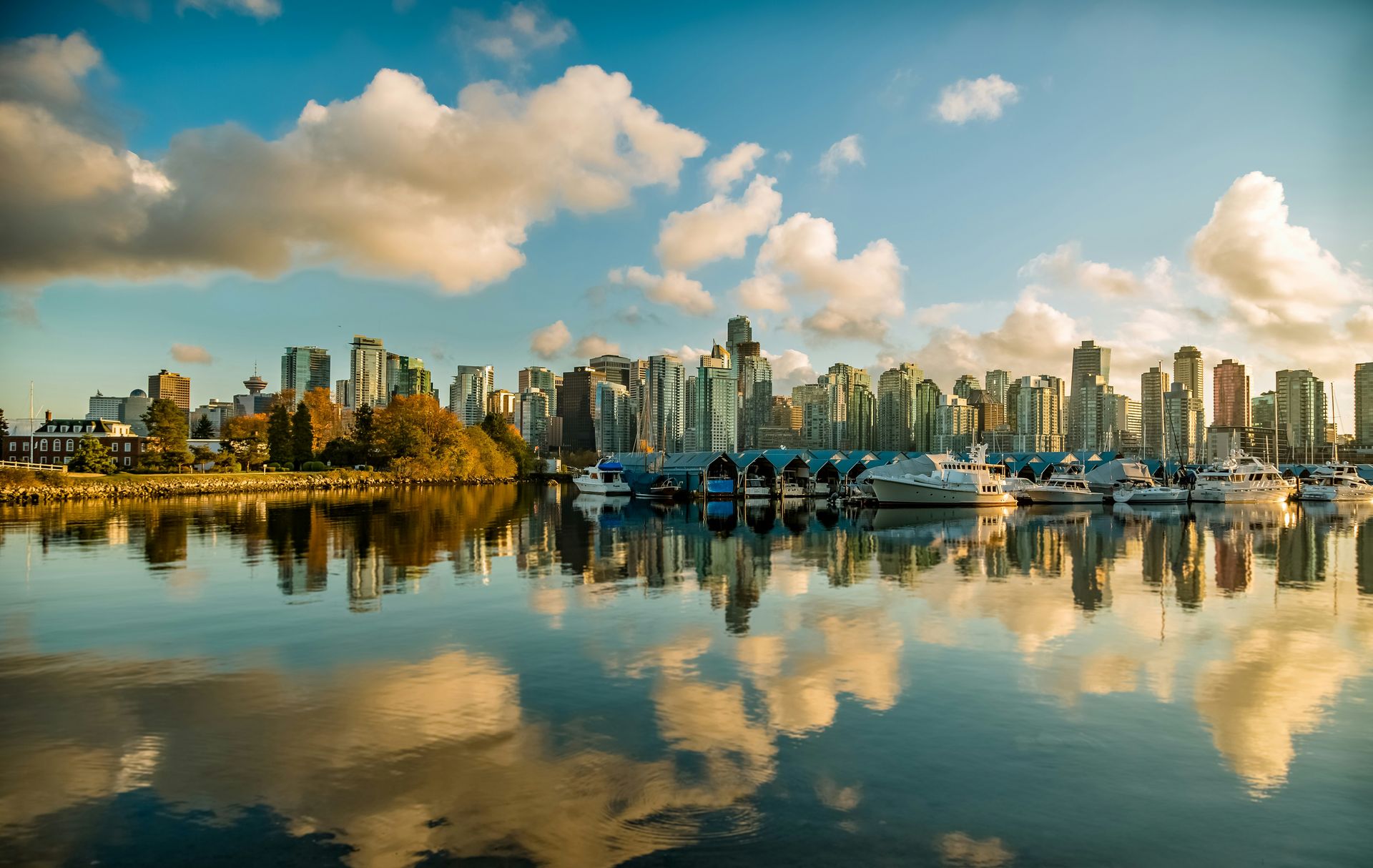
5. Vancouver blends city life with sea-to-sky nature
Mike Benna / Unsplash
Sea-to-sky beauty surrounds the laid-back, fun-loving city of Vancouver, where skiable mountains ring the outskirts, beaches fringe the coast, and Stanley Park’s thick rainforest sits just a short distance from downtown’s gleaming skyscrapers. This proximity between wilderness and urban amenities gives Vancouver a genuinely rare pairing of city convenience and outdoor access within the same metropolitan area.
Packing a picnic and enjoying legally permitted summer park drinking before strolling through the city’s diverse, charming neighborhoods ranks among the most genuinely pleasant ways to spend a Vancouver afternoon. Visitors might even spot a celebrity during their stay, since Vancouver, nicknamed Hollywood North, is a filming location for numerous television and film productions year-round.
Vancouver’s neighborhoods each have their own distinct character, from the artsy Commercial Drive to the historic streets of Gastown, giving visitors genuine variety in a city that’s still compact enough to explore largely on foot or by bike. This neighborhood-level diversity gives repeat visitors plenty of reason to explore different pockets of the city on subsequent trips.
Vancouver’s mild climate and beautiful beaches make it a genuinely strong choice specifically for summer travel, when outdoor activities throughout the city and surrounding mountains reach their peak accessibility and appeal. Granville Island’s public market gives visitors a genuinely lively spot for browsing local food and crafts, rewarding a slower afternoon spent wandering between stalls. Travelers $TRV should also check ferry schedules when planning a side trip to Vancouver Island or the Gulf Islands, as sailing times vary by season. The seawall path circling Stanley Park offers one of the city’s most popular walking and cycling routes, with views stretching across the harbor toward the North Shore mountains. A light rain jacket also helps, since Vancouver’s weather can shift unexpectedly even during summer. Sunscreen also matters even on cloudier days near the water. Renting a bike for a full loop of the seawall also rewards visitors with views spanning the entire harbor in a single afternoon.
6 / 10
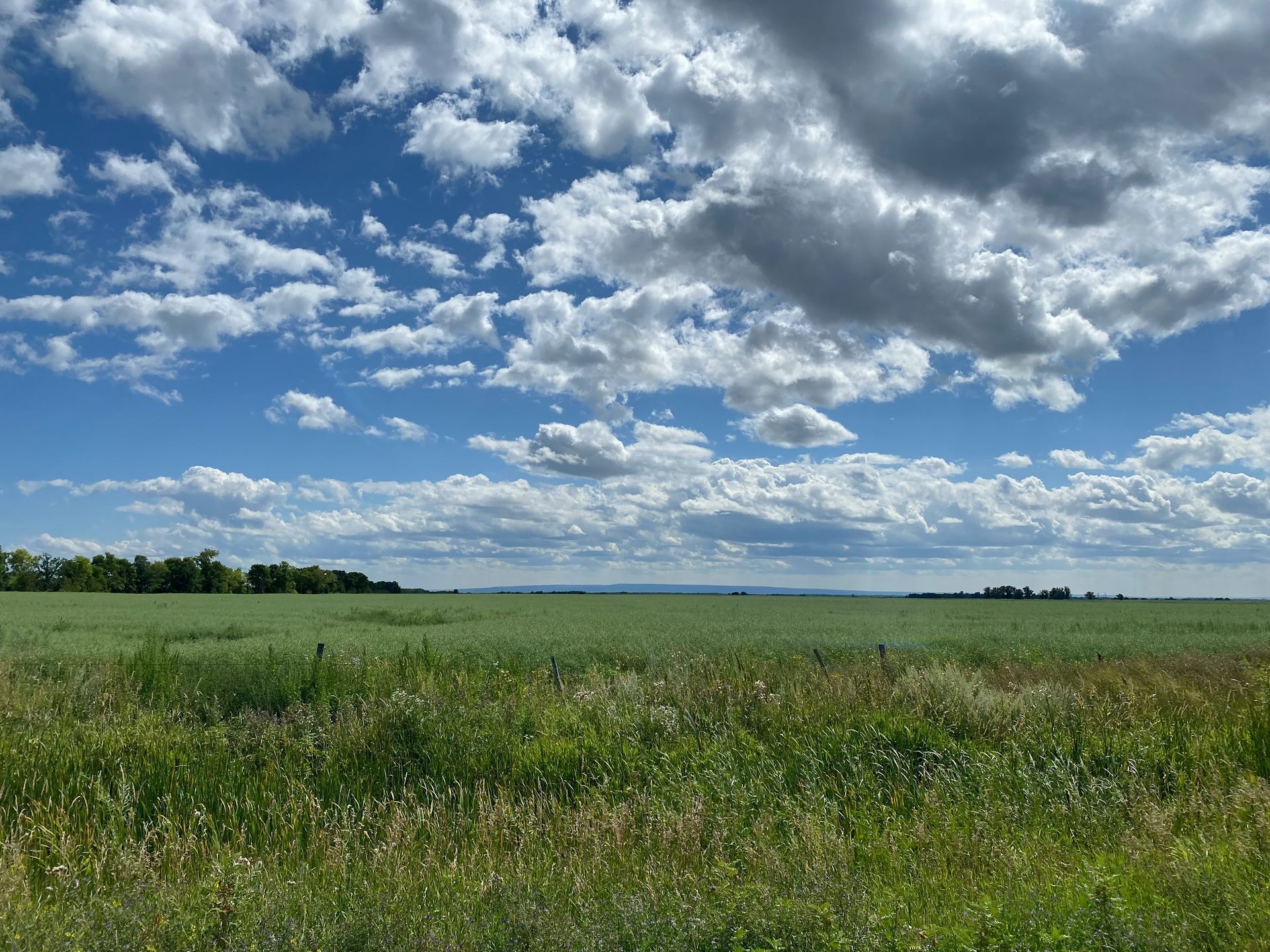
6. The Prairies stretch big skies across the middle
Jame / Unsplash
Solitude reigns supreme throughout Canada’s vast middle region, and a drive across Manitoba’s plains and Saskatchewan’s endless fields of golden wheat reveals just how completely the flat landscape melts into the horizon in every direction. When wind moves across the wheat, it sways visibly like waves rolling across an ocean, punctuated occasionally by a grain elevator rising up like a distant tall ship against the flat horizon.
Big skies throughout the Prairies mean genuinely big storms too, ones that drop dramatically like an anvil and stay visible along the skyline for miles before actually arriving, giving travelers a genuinely dramatic sense of weather moving across an open landscape rarely experienced in more developed, hillier regions. This sense of scale defines much of what makes a Prairie road trip feel so distinct from driving through any other part of Canada.
Far-flung towns scattered throughout the region include artsy Winnipeg, outlaw-loving Moose Jaw, and Mountie-filled Regina, with Ukrainian and Scandinavian settler villages scattered in between, reflecting the genuinely diverse immigration history that shaped this part of the country. These small towns give travelers a real reason to stop along an otherwise long, open drive rather than simply pass through without pause.
Travelers $TRV planning a Prairie road trip should budget genuinely long driving days between towns, since distances throughout the region run considerably farther than they might first appear on a map, and services can be sparse between the larger stopping points. Grasslands National Park in Saskatchewan protects one of the last remaining stretches of native prairie in the country, giving visitors a genuine sense of what the region looked like before widespread agriculture. Travelers should fill up on fuel whenever possible throughout this drive, since gas stations run considerably sparser here than in more densely populated parts of the country. Small-town diners and grain elevator museums scattered along the route offer genuine glimpses into the region’s agricultural history for travelers willing to make a few extra stops.
7 / 10
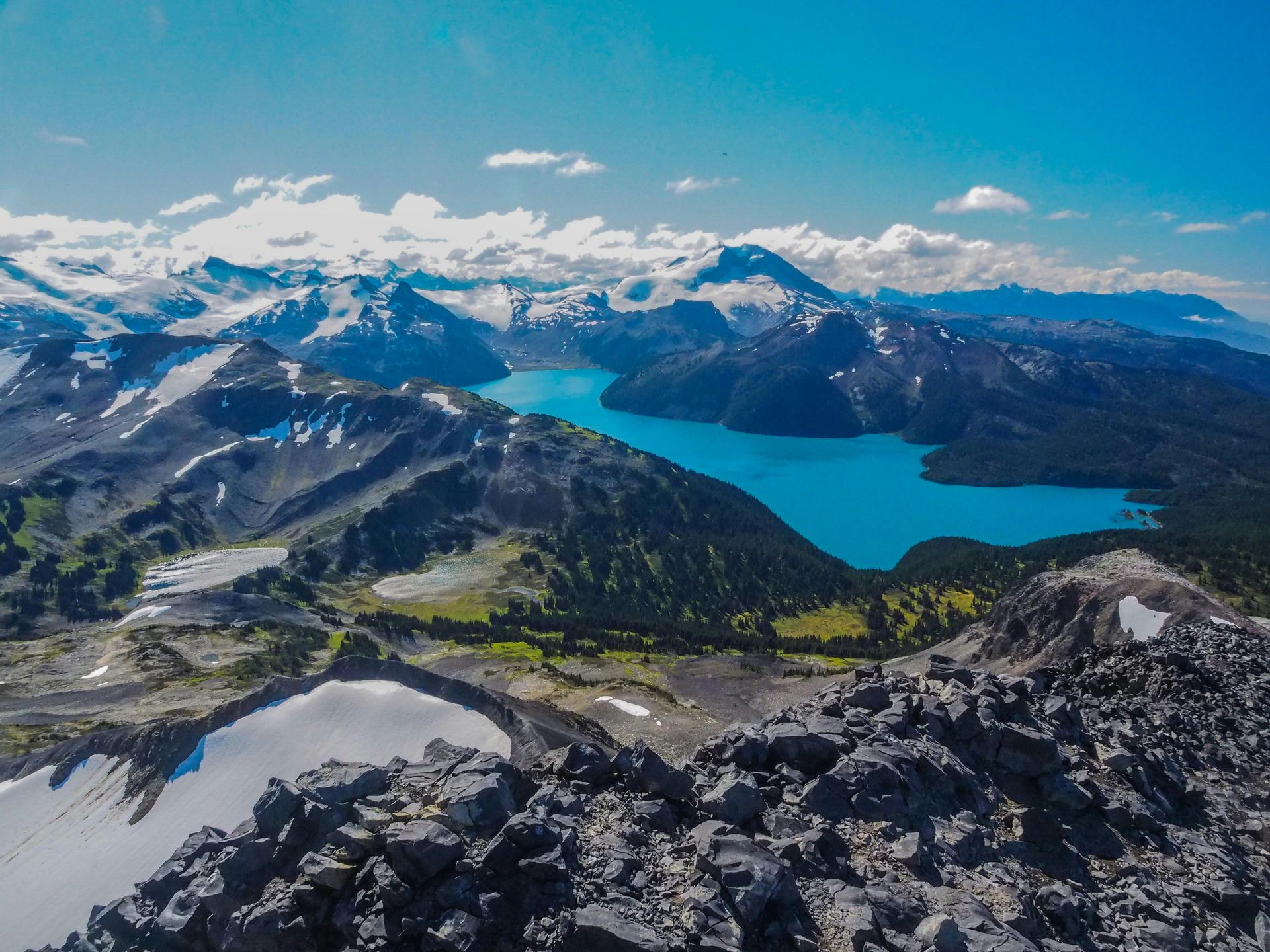
7. Whistler carves ski runs down two towering peaks
Lesly Derksen / Unsplash
Whistler, a 2010 Winter Olympics venue located just 90 minutes from Vancouver, ranks among the world’s top ski resorts, featuring more than 200 marked runs winding down two towering mountains, Whistler and Blackcomb, that together make this alpine village a genuine skier’s paradise. The sheer scale of terrain across both mountains gives visitors of every skill level plenty of room to find runs matched to their specific experience.
Snow remains Whistler’s main draw throughout winter, though summer visitors arriving with bikes and paddleboards keep the resort hopping year-round instead of letting it go quiet once the snow melts. This year-round appeal gives Whistler genuine versatility compared with ski resorts that effectively shut down entirely once winter ends.
Taking a break from outdoor action to explore Whistler’s thriving arts and culture scene rewards visitors with highlights such as the Audain Art Museum and the Squamish Lil’wat Cultural Centre, both of which appeal just as much as the resort’s famed slopes. This cultural depth gives Whistler considerably more range than a purely ski-focused destination, appealing to travelers in the group who might not ski or bike at all.
Visitors planning a Whistler trip should book lift tickets and accommodation well in advance during the peak winter season, since the resort’s popularity as an Olympic-caliber destination keeps demand consistently high throughout the coldest months. The Peak 2 Peak Gondola connects Whistler and Blackcomb Mountains directly, offering visitors sweeping valley views throughout the ride, regardless of the season. Travelers $TRV should book lift tickets online in advance whenever possible, since prices typically run lower than purchasing directly at the mountain on the day of skiing. The village’s pedestrian-only core makes getting between restaurants, shops, and lift access points genuinely simple without needing a car once actually there. Layered clothing also helps considerably, given how much temperatures shift between the valley and the upper mountain. Sunscreen also matters, since mountain sun reflecting off snow burns quickly. Renting gear locally instead of traveling with it also saves visitors flying in from farther away from the considerable luggage hassle.
8 / 10
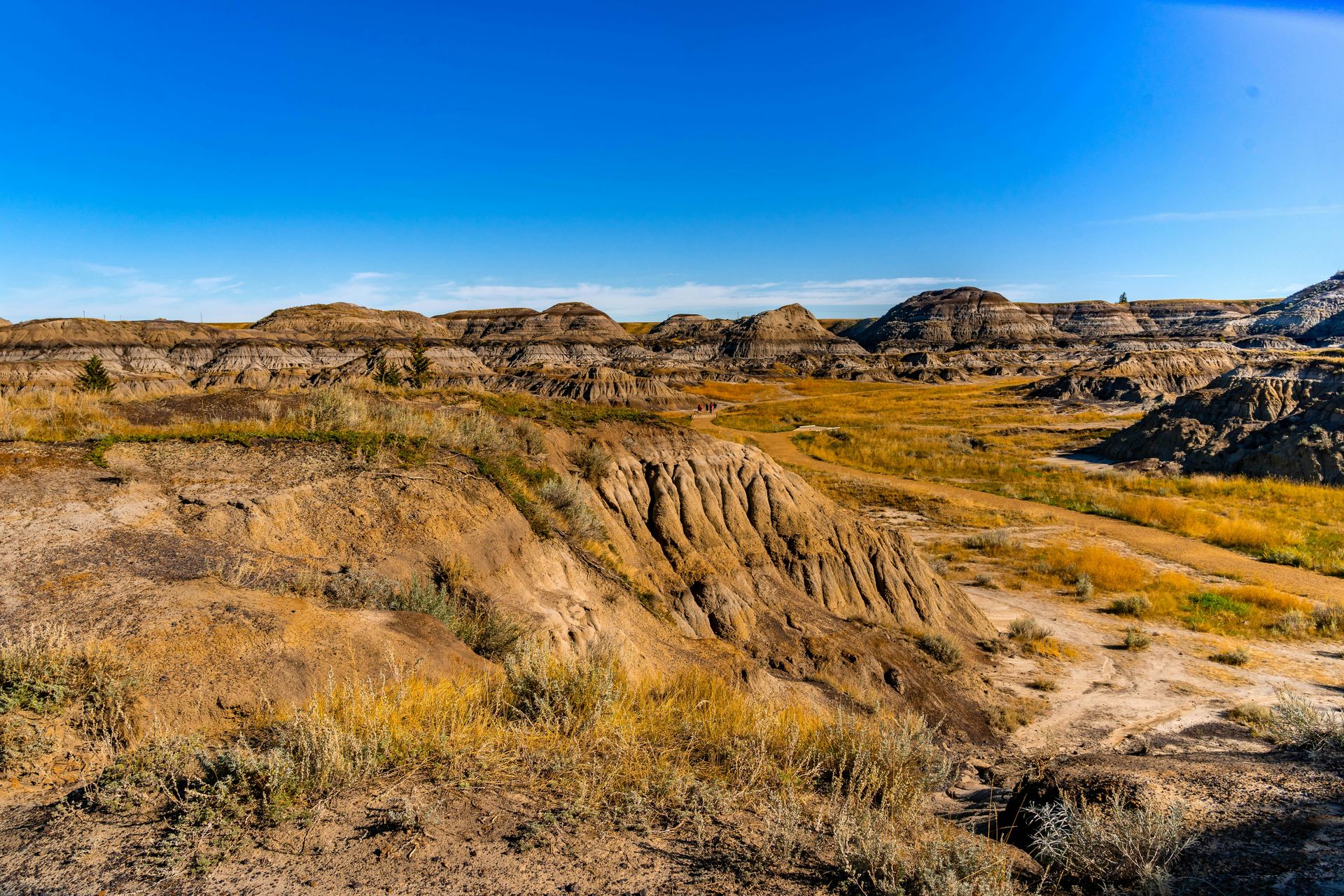
8. Drumheller unearths Alberta’s dinosaur history
Debbie Molle / Unsplash
Dinosaur lovers flock to dust-blown Drumheller, where genuine paleontological pride runs high thanks to the Royal Tyrrell Museum, home to one of the planet’s preeminent fossil collections anywhere in the world. The world’s largest dinosaur also calls Drumheller home, a giant fiberglass T. rex that visitors can actually climb inside and peer out from through its open mouth.
Beyond the dinosaur-specific attractions, Drumheller sits surrounded by classic Badlands scenery, including the eerie hoodoos, craggy spires of rock carved by centuries of wind and water erosion throughout the surrounding landscape. This dramatic natural backdrop gives Drumheller genuine visual appeal well beyond its paleontological claim to fame, rewarding visitors who explore beyond the museum walls.
The Royal Tyrrell Museum’s collection spans a genuinely impressive range of specimens, and dedicated visitors can easily spend a full day exploring the exhibits before heading out to see the surrounding Badlands scenery in person. This pairing of world-class museum content and dramatic outdoor scenery gives Drumheller enough substance for a multiday visit instead of a quick afternoon stop.
Travelers $TRV planning a Drumheller trip should budget time for both the museum and outdoor hoodoo viewing, since rushing through either component risks missing much of what makes this particular corner of Alberta genuinely worth the detour from more typical Rockies-focused itineraries. The Hoodoo Trail, just outside town, offers an easy, self-guided way to walk directly among the region’s famous rock formations without needing a guided tour. Travelers should bring water and sun protection for the Hoodoo Trail specifically, since the Badlands offer very little natural shade throughout the exposed walking route. The town also hosts an annual dinosaur-themed festival each summer, adding a lighter, more playful layer to its otherwise serious paleontological reputation. A wide-brimmed hat also helps considerably, given the Badlands’ exposed, shade-free terrain. A reusable water bottle also helps, since the region’s dry heat dehydrates visitors quickly. Visiting in the shoulder seasons of spring or fall also helps avoid the heaviest summer crowds at the main museum.
9 / 10
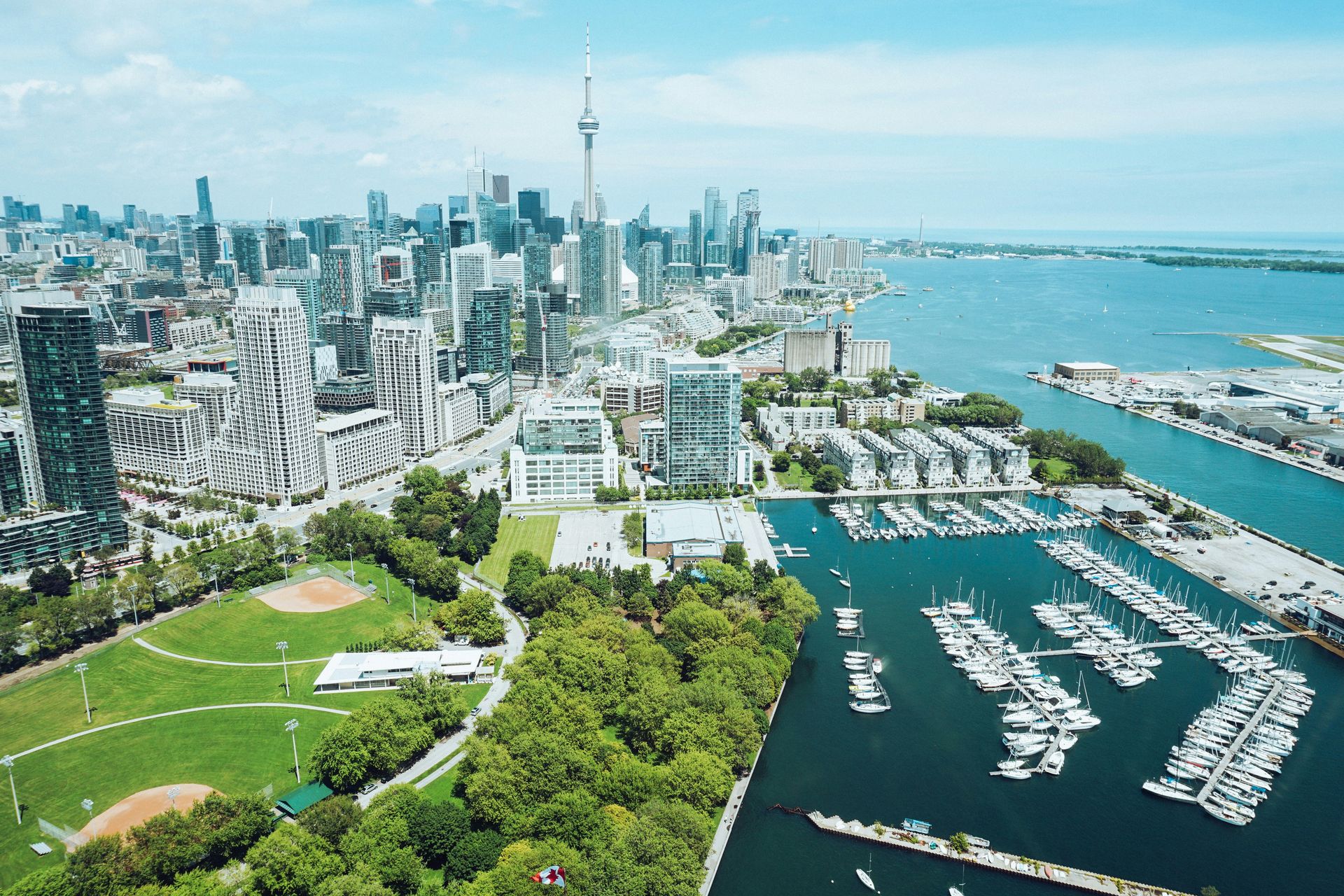
9. Toronto gathers cultures from around the world
Maarten van den Heuvel / Unsplash
Toronto dazzles and delights visitors with an array of cultures and neighborhoods genuinely unique anywhere in the world, and the city’s eclectic mix of art galleries, theaters, and hockey mania makes it Ontario’s coolest city by nearly any measure. Toronto also ranks as Canada’s most diverse city overall, with nearly half its residents born abroad, giving the city a genuinely global character woven directly into its everyday life.
Visitors can get a literal taste of the city’s many communities through food alone, dining in Chinatown, visiting Greektown, or enjoying five-star fusion cuisine that blends culinary traditions from across the globe into something genuinely distinct to Toronto itself. This culinary diversity reflects the wider neighborhood-level variety that defines much of the city’s character beyond food.
Toronto’s numerous distinct neighborhoods each carry their own atmosphere and cultural identity, giving visitors genuine reasons to explore beyond the downtown core and the CN Tower, which most first-time visitors default to seeing first. Spending time in these neighborhood pockets rewards travelers with a considerably deeper sense of the city than a purely downtown-focused visit would provide.
Travelers $TRV specifically interested in Toronto’s cultural diversity should plan a food-focused day trip through several distinct neighborhoods, since sampling multiple communities in a single day offers a richer sense of the city’s range than settling into just one area for an entire visit. The Distillery District’s converted Victorian-era buildings now house galleries, boutiques, and restaurants, giving visitors a genuinely atmospheric spot for an afternoon away from the busier downtown core. Travelers should use the city’s subway system to move efficiently between neighborhoods, since Toronto’s sheer size makes walking between distant districts genuinely impractical. The St. Lawrence Market, one of the city’s oldest, gives food-focused visitors a concentrated sample of Toronto’s culinary diversity within a single historic building. Comfortable shoes also help considerably, given how much ground a proper neighborhood-hopping day covers. Visiting during one of the city’s many neighborhood festivals also adds a genuinely lively layer to an already rich cultural itinerary.
10 / 10
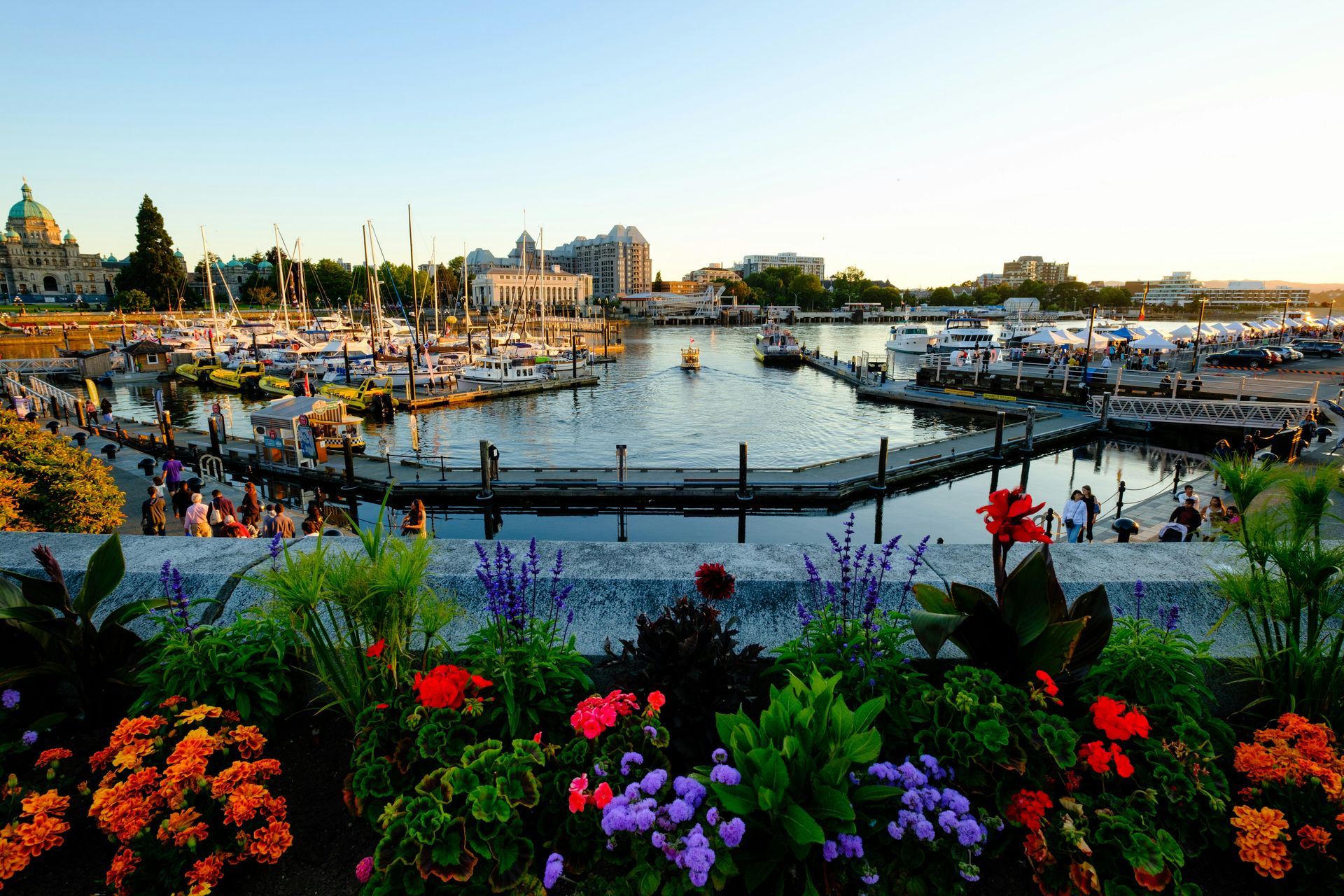
10. Vancouver Island pairs surf beaches with boutique food
Vlad D / Unsplash
Picture-postcard Victoria, full of bohemian shops, wood-floored coffee bars, and a past steeped in English tea culture, functions as the genuine gem of Vancouver Island and British Columbia’s charming capital city. Victoria also serves as the jumping-off point for an island rich in natural wonders well beyond the capital itself.
Pacific Rim National Park’s West Coast Trail offers misty wilderness hiking, while Tofino’s waves draw surfers from across the region, giving Vancouver Island a genuine range across both rugged hiking terrain and world-class Canadian surf conditions rarely found together in the same destination. Countless additional outdoor adventures scattered throughout the island give travelers plenty to explore beyond these two headline draws.
Wandering gourmets specifically should head to the Cowichan Valley, studded with welcoming small farms and boutique wineries that give food and wine lovers a genuinely rewarding reason to explore the island’s interior beyond its famous coastline. This pairing of coastal adventure and inland culinary exploration gives Vancouver Island a genuinely well-rounded appeal for travelers with varied interests.
Travelers $TRV planning a Vancouver Island trip should budget real time for both the coastal and inland portions of the island, since rushing between Victoria, Tofino, and the Cowichan Valley within too short a timeframe risks shortchanging what each individual region genuinely has to offer. Butchart Gardens, just outside Victoria, rewards visitors with meticulously maintained floral displays that shift dramatically depending on the season. Travelers should rent a car for the Cowichan Valley portion of a trip specifically, since public transport between the region’s small farms and wineries is considerably limited. Tofino’s surf schools cater well to complete beginners, making the town’s famous waves genuinely accessible even for visitors who’ve never picked up a board before. A reusable water bottle also helps considerably during longer hikes along the West Coast Trail. Booking wine tastings ahead in the Cowichan Valley also helps, since some smaller producers only open by appointment.
