
The 10 best places to visit in China in 2026
From the Forbidden City's 500 years of imperial seclusion to Yangshuo's 900 rock-climbing routes above karst peaks along the Li River
Radik Wahba / Unsplash
In China, antiquity and heritage meet 21st-century innovation and lightning-fast development within a single sprawling country spanning a vast territory. Starting with one of China’s gigantic, sprawling cities rewards travelers with frenetic urban energy alongside hidden pockets of genuine serenity, while stepping away from the crush of city life reveals natural scenery, jagged peaks, and pine forests draped in mist that looks almost lifted directly from a masterpiece scroll painting.
As one of the world’s most genuinely ancient civilizations, China also offers genuinely wonderful opportunities to explore astounding relics spanning millennia of continuous history and cultural development. This is genuinely a country packed with highlights and astonishing experiences, whether the goal involves gilded temples, boisterous urban environments, fabulous food, or the sheer wonder of the Great Wall itself stretching across the northern landscape.
The 10 best destinations below are featured in Lonely Planet and cover standout places recommended throughout China. Each one offers a genuinely different facet of the country, from ancient religious art to futuristic skylines to some of the most dramatic natural scenery found anywhere in Asia. Combining several of them within a single longer trip rewards travelers with a genuinely comprehensive sense of just how much this country actually contains. Planning a rough route in advance, rather than deciding everything upon arrival, helps make the most of limited travel time. Some travelers focus purely on the country’s biggest cities, while others build an entire itinerary around natural scenery and rural villages, and both approaches reward genuine curiosity about a country that rarely fits neatly into a single narrative or single kind of trip. Travelers $TRV with the flexibility to attempt a bit of both tend to come away with the most genuinely well-rounded impression of China as a whole.
1. Beijing anchors China’s imperial and modern power
zhang kaiyv / Unsplash
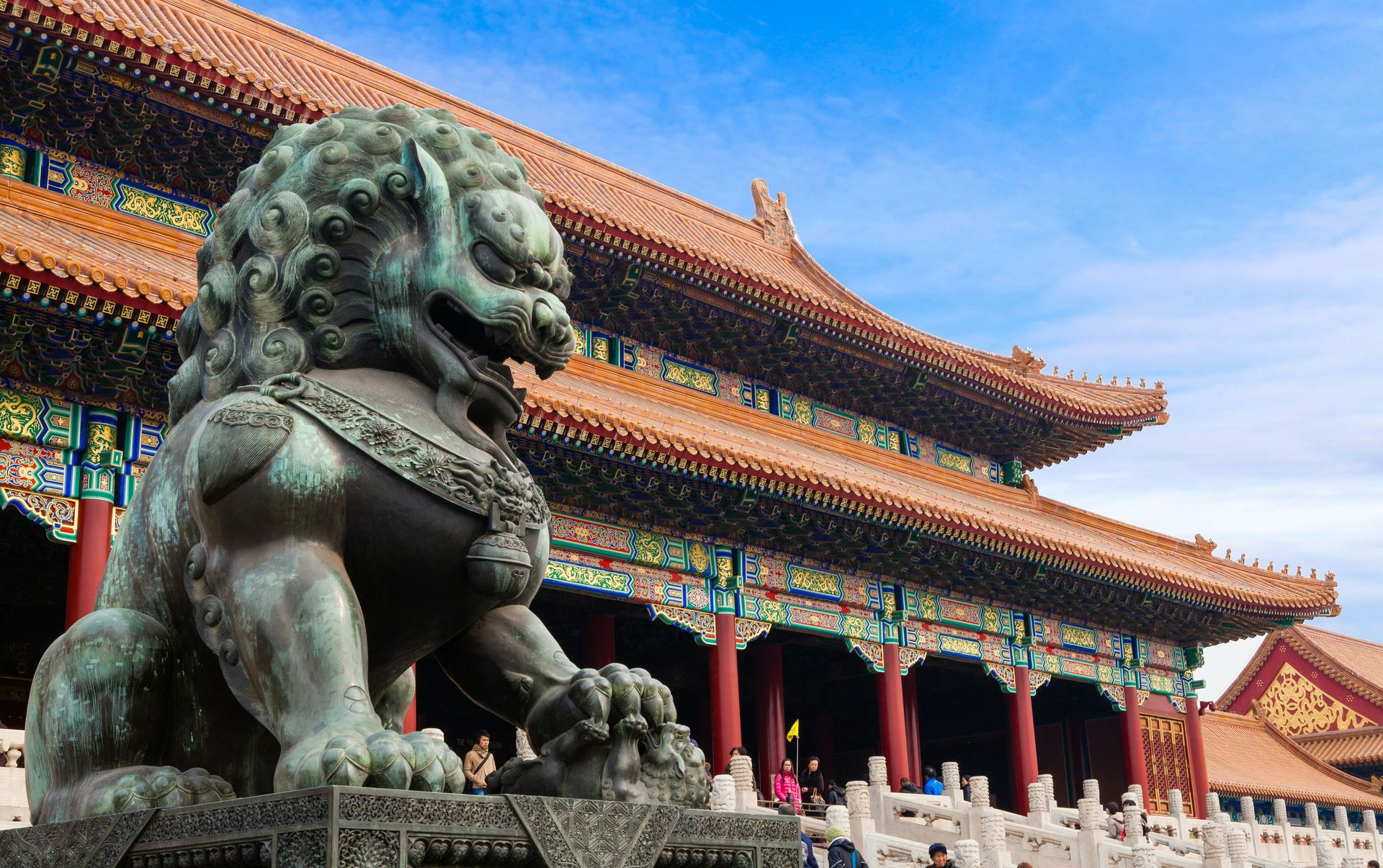
One of the world’s greatest cities and China’s absolute can’t-miss destination, Beijing holds many big-ticket attractions, including the Forbidden City, the Great Wall, Tiananmen Square $SQ, and the Summer Palace, among numerous others. The city’s appeal extends well beyond these blockbuster sights, though, and getting genuinely lost among its labyrinth of traditional hutongs, or alleyways, rewards travelers with a considerably different side of the capital than the major monuments alone reveal.
Among China’s imperial sights, none compares in size, grandeur, or mystique to Beijing’s Forbidden City. Built between 1406 and 1420, this sprawling palace stayed off-limits to the public for 500 years until the overthrow of the last Qing emperor in 1911. Despite the considerable crowds that visit today, the palace’s massive scale still leaves most visitors genuinely humbled.
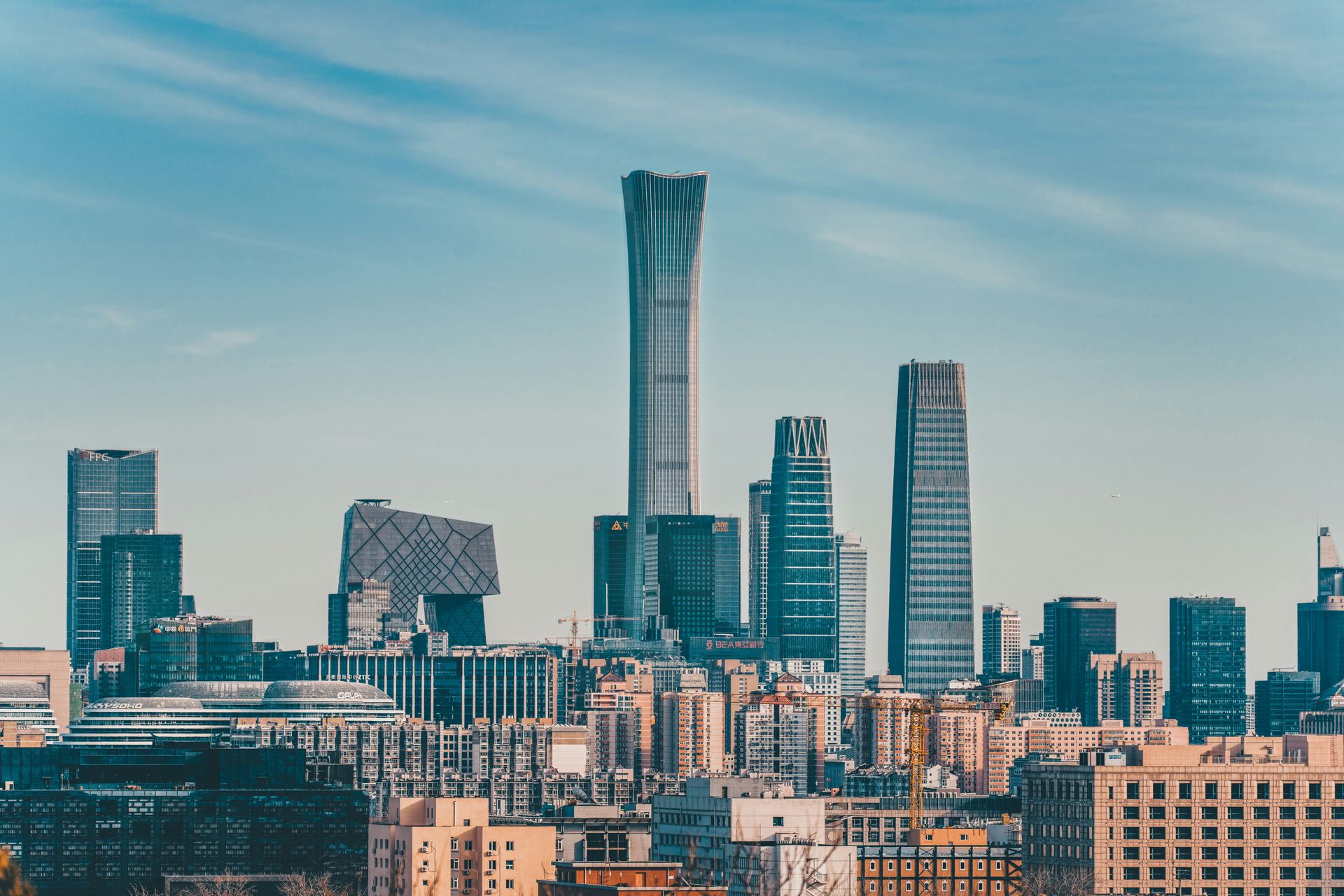
Beyond the Forbidden City itself, marveling at Beijing’s cutting-edge modern architecture and feasting on Peking duck alongside countless other regional dishes rounds out a genuinely complete sense of the city’s dual character, blending ancient imperial history with rapid contemporary development. This contrast between old and new gives Beijing a genuinely different texture from that of cities built around a single dominant era.
Security around Tiananmen Square stays tightly controlled, and visitors should expect to show a passport at multiple checkpoints throughout the square. Advance reservations must be made through WeChat, so travelers who cannot read Chinese or lack a local phone number should ask a local travel agent or hotel concierge to arrange them in advance. Tickets for the Forbidden City release seven days ahead of any given date and can sell out quickly, making early planning genuinely essential. Travelers $TRV should also budget a full day specifically for the Forbidden City alone, since the palace’s sheer scale means rushing through in just a couple of hours risks missing most of its many courtyards and halls. Renting a bike to explore the surrounding hutongs also offers a genuinely different pace from walking or taking taxis between major sights.
2. Mogao Grottoes guard China’s finest Buddhist art
zhao chen / Unsplash
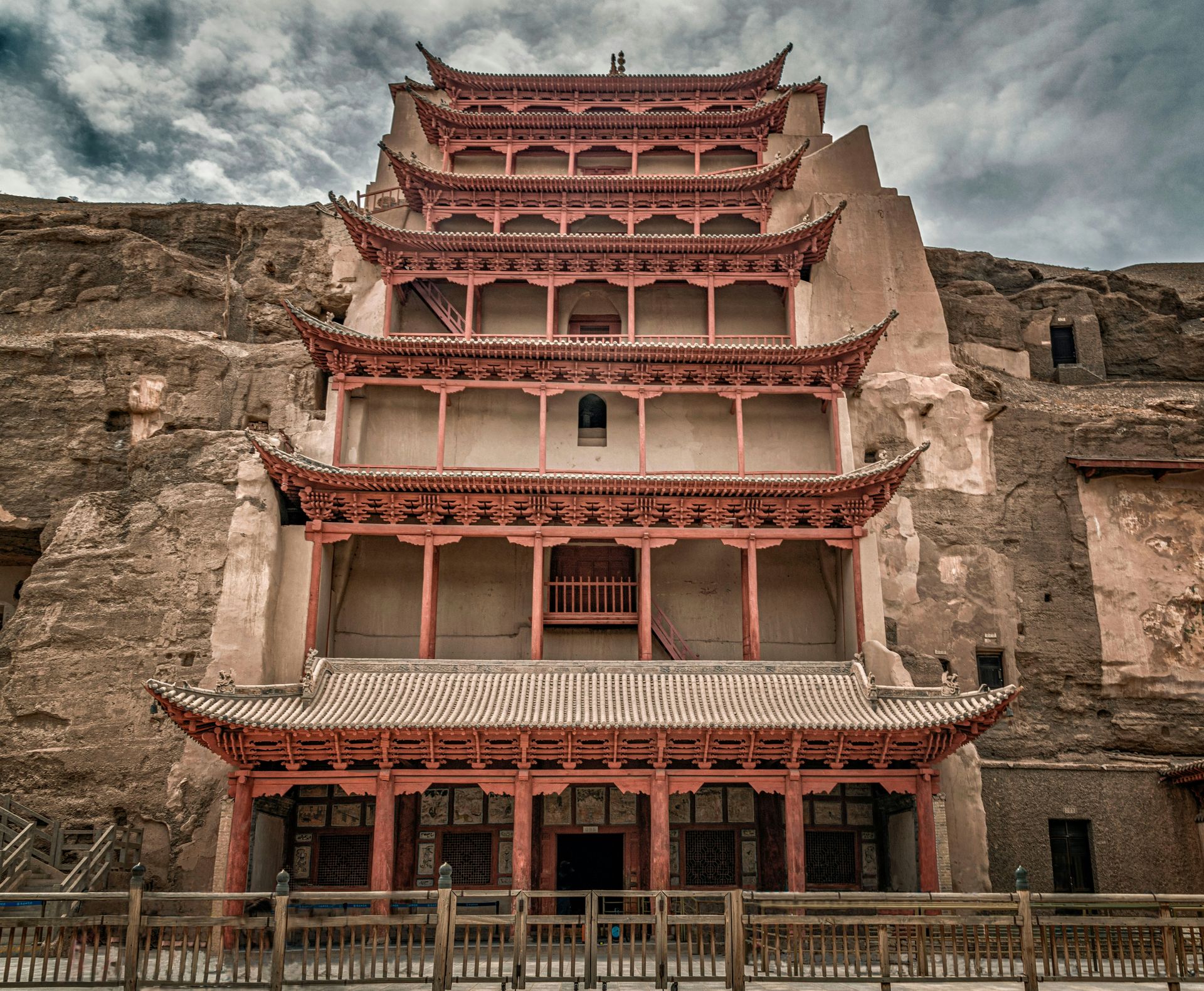
Along the ancient Silk Road, the atmospheric frontier town of Dunhuang is home to one of the world’s most important collections of Buddhist art. Among 492 caves scattered throughout the surrounding area, the mural- and statue-filled Mogao Grottoes represent perhaps the genuine zenith of Buddhist artistry found anywhere in China.
This astounding site housed 18 monasteries, roughly 1,400 monks and nuns, and countless artists, translators, and calligraphers, who worked continuously on its artistic and religious output once it reached its apex during the Tang dynasty. This concentration of talent and devotion over centuries produced a genuinely unmatched collection of Buddhist art within a single location.
Tours through the grottoes can move quite quickly, though visits should include the famous Hidden Library Cave (Cave 17), the vast 35.5-meter-tall Buddha in Cave 96, and the reclining 15-meter-long Buddha in Cave 148. These three specific caves give visitors a genuinely representative sense of the site’s overall scale and artistic range within a single, necessarily rushed visit.
Foreigners can buy tickets by showing their passports directly at the Mogao Grottoes Reservation and Ticket Center in downtown Dunhuang, and English-language tours run at 9am, noon, and 2:30pm daily. Booking a specific tour time in advance helps travelers plan the rest of their day around this particular visit, since the site’s remote desert location makes spontaneous same-day changes genuinely difficult to accommodate. Travelers $TRV should also pack a flashlight or headlamp, since lighting in several of the caves remains genuinely dim, and artificial illumination helps visitors appreciate the finer details of the murals. Dunhuang’s remote desert location also makes it a genuinely worthwhile base for exploring the surrounding Gobi landscape, including nearby sand dunes and the historic Yumen Pass along the ancient trade route. Travelers should also confirm current cave access before their visit, since specific caves rotate on a schedule to help preserve the fragile ancient murals. A wide-brimmed hat also helps considerably, given the desert sun outside the caves.
3. Tiger Leaping Gorge plunges through Yunnan’s peaks
Tdxiang / Wikimedia Commons
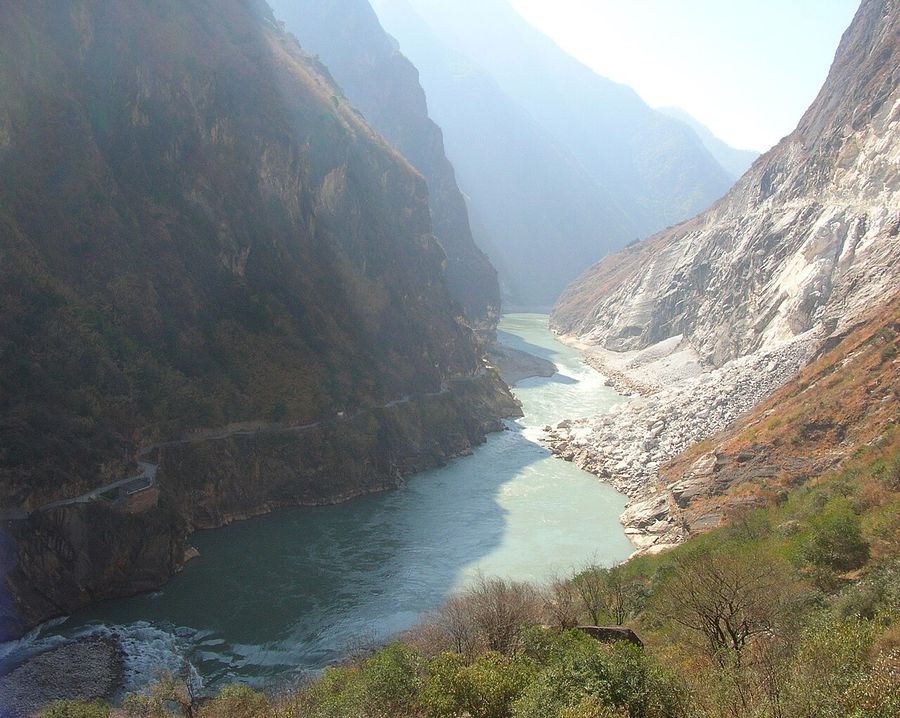
One of China’s most famous treks, this 25-kilometer hiking trail winds through Tiger Leaping Gorge, a World Heritage-listed gorge in Yunnan and one of Asia’s most genuinely striking landscapes. Framed by spectacular snow-capped mountains and the scenic Jinsha River, this natural monument plunges to depths of 3,900 meters, making it one of the deepest gorges in the world.
The full trek typically takes two days, and numerous guesthouses scattered along the route give hikers a place to stop overnight partway through the journey. This overnight structure lets travelers experience the gorge’s changing light and atmosphere over both a full day and the following morning, rather than rushing through the entire trail in a single exhausting push.
Travelers $TRV without the time or inclination for a multiday hike can instead join one of the many day tours departing from Lijiang or Shangri-La, which stop at three specific viewpoints scattered along the gorge. These shorter tours give visitors genuine access to the gorge’s most dramatic scenery without requiring an overnight commitment or serious hiking gear.
The gorge’s snowcapped mountain backdrop shifts considerably depending on the season, and travelers hoping for the clearest views should check current weather conditions before committing to either the full trek or a shorter day tour, since cloud cover can obscure the surrounding peaks during certain times of year. Travelers attempting the full trek should pack layers regardless of season, since temperatures shift considerably between the gorge floor and the higher sections of the trail along the ridge. Lijiang itself makes a genuinely worthwhile base before or after the trek, with its UNESCO-listed old town filled with canals, traditional Naxi architecture, and a lively evening atmosphere. Booking guesthouse rooms ahead during peak trekking season also helps, since the most popular stops along the route can fill up during busier months. Trekking poles also help considerably on the steeper, rockier sections of the trail. Sun protection also matters given the trail’s exposed, high-altitude sections.
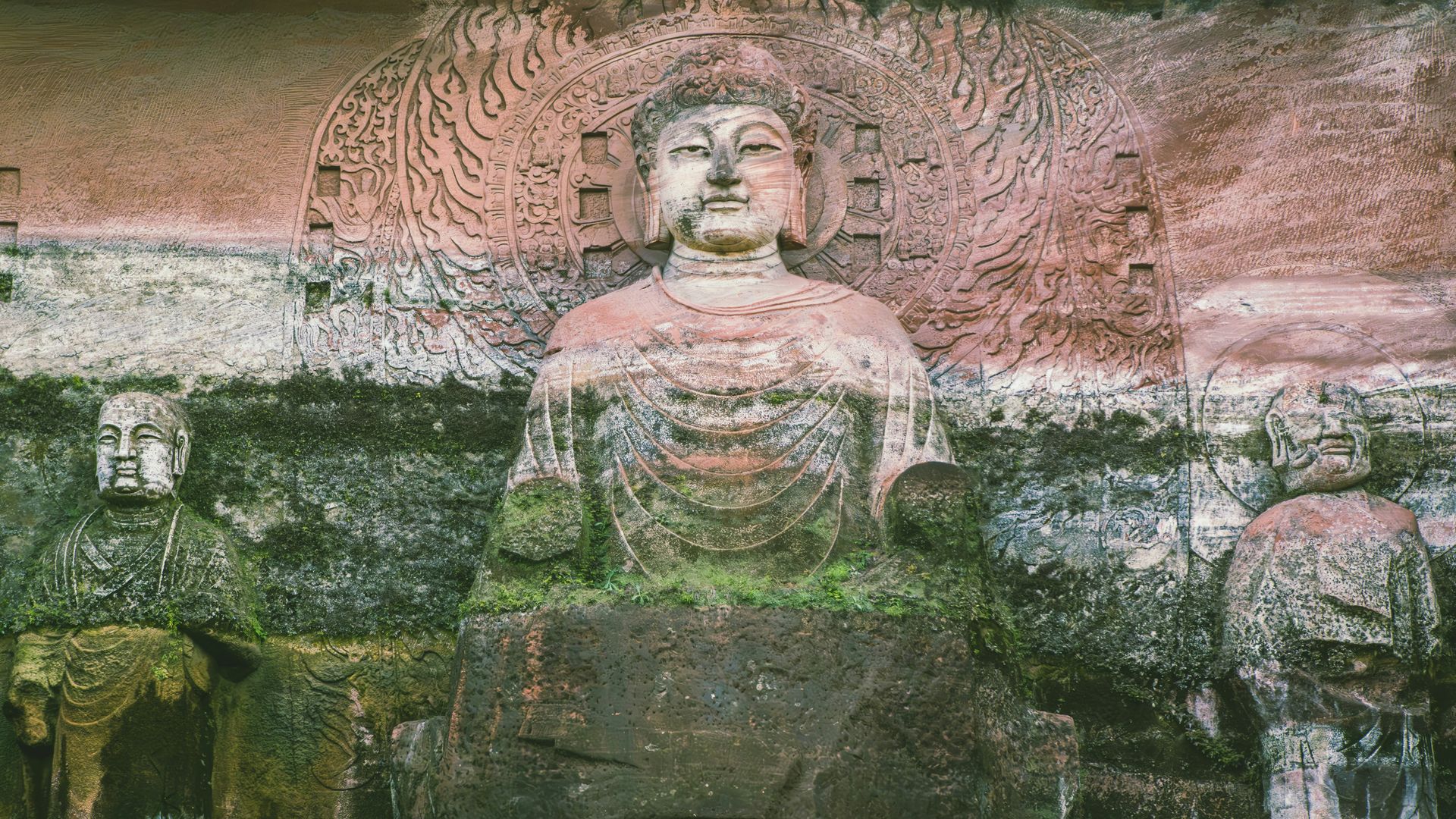
4. Leshan carves the world’s largest ancient Buddha
Lingbo Huang / Unsplash
Standing at the confluence of two rivers, the monumental, 1,200-year-old Buddha image at Leshan is carved directly into the surrounding rock face. This World Heritage-listed monument stands 71 meters tall and 28 meters wide, making it the largest ancient Buddha found anywhere in the world, and coming face to face with this sculpture delivers a genuinely moving experience regardless of a visitor’s personal spiritual inclination.
Fully appreciating the Buddha’s magnitude requires getting an up-close look at its head before descending the steep, winding stairway that leads toward a considerably smaller, more distant view from below. This shift in perspective, from towering closeness to a genuinely tiny, Lilliputian view from the base, gives visitors a real sense of the sculpture’s overall scale that a single vantage point alone couldn’t convey.
Admission to the site also includes access to several temples scattered throughout the grounds, giving visitors a genuine reason to extend their visit well beyond simply viewing the Buddha. These additional temples reflect the site’s ongoing religious significance beyond its status as a purely historical or artistic monument.
Travelers $TRV planning a Leshan visit should budget at least a full half-day to properly explore both the Buddha and the surrounding temple grounds, since rushing through risks missing much of what makes this site genuinely worth the trip from nearby Chengdu. Travelers visiting during peak holiday periods should expect genuine crowds along the stairway leading down from the Buddha’s head, so arriving early in the day helps avoid the longest waits. Travelers combining Leshan with a Chengdu-based trip should note the relatively short travel time between the two cities, making a day trip genuinely feasible for visitors based in the regional capital. Visitors should also wear sturdy shoes for the steep descent of the stairway, since the steps become genuinely worn and slippery in spots after decades of foot traffic. A reusable water bottle also helps considerably, given the site’s considerable size.
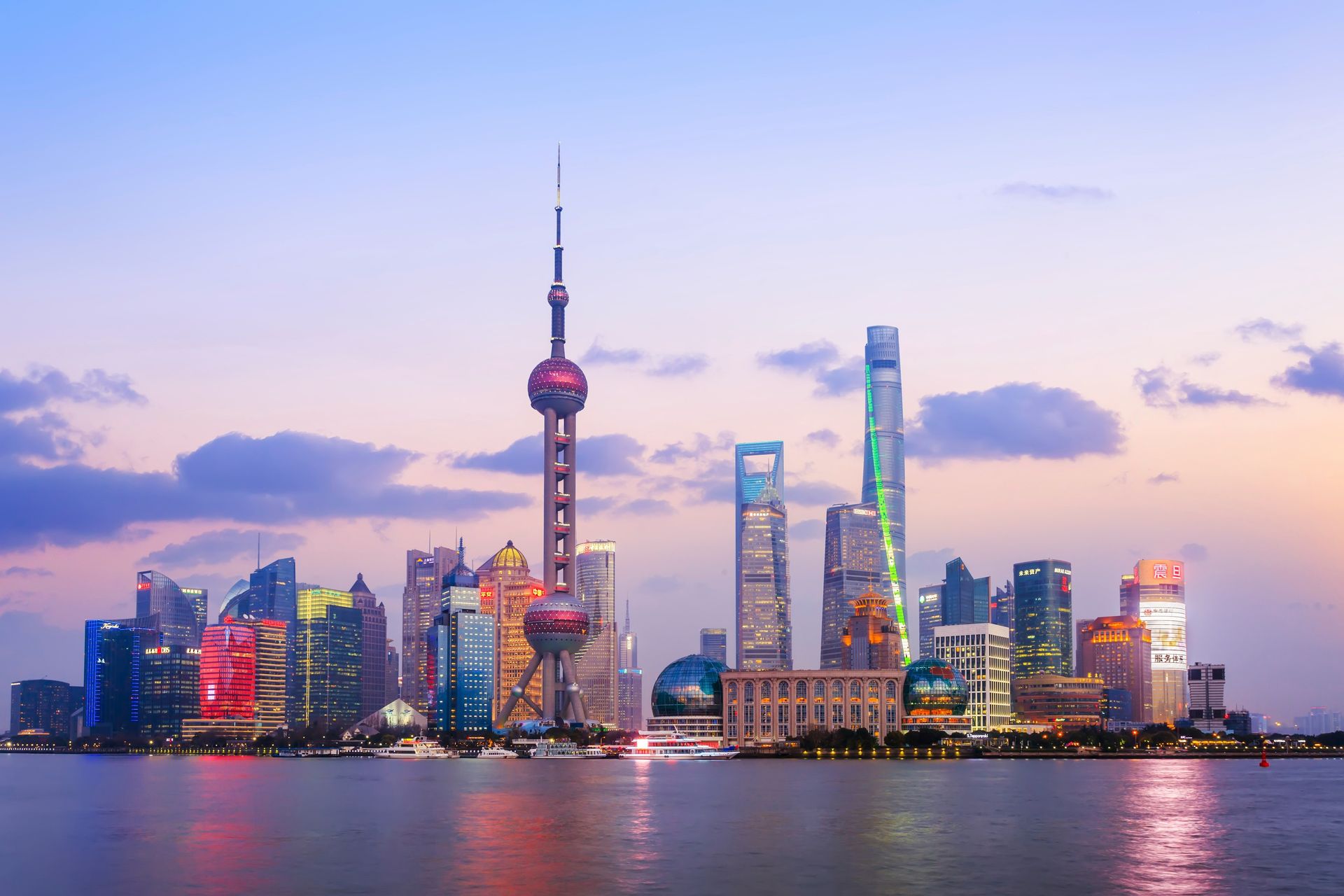
5. Shanghai blends 1920s glamour with neon-lit skylines
Edward He / Unsplash
Glitzy, elegant, historic, and cosmopolitan, everything travelers have heard about Shanghai turns out to be genuinely true. Simply taking a stroll through the French Concession or along the Bund reveals this firsthand, and the grand display of 1920s architecture, the city’s sophisticated restaurants and rooftop bars, and the sci-fi, neon-lit skyscrapers across the bay together bring both past and future China vividly to life within a single skyline.
This contrast between historic and futuristic architecture gives Shanghai a genuinely different visual character than most other major Chinese cities, blending eras that feel almost a century apart within walking distance of each other. Travelers $TRV can move from colonial-era buildings to some of the world’s most futuristic skyscrapers within a single afternoon’s exploration.
Shanghai’s inexpensive public transport system makes exploring the city’s many distinct neighborhoods genuinely easy, letting visitors cover considerable ground across this vast megacity without relying on taxis or rideshares for every trip. This affordability and efficiency give budget-conscious travelers real flexibility in structuring a longer Shanghai stay.
Travelers specifically interested in the contrast between old and new Shanghai should plan a walking route that deliberately alternates between the French Concession’s colonial streets and the Bund’s riverside skyline, giving them a direct sense of the city’s dual identity in a single day’s wandering. Travelers hoping to see the skyline at its most dramatic should plan a visit to the Bund specifically for the evening, since the neon lighting across the river reaches its full effect only after dark. The city’s metro system also connects most major attractions directly, giving visitors without much time a genuinely efficient way to cover considerable ground across several distinct neighborhoods in a single day. Travelers should also try dining at one of the city’s soup dumpling specialists, since Shanghai’s version of the dish ranks among the most famous regional specialties in the country. Comfortable shoes also help considerably, given how much walking the city rewards.
6. The Great Wall snakes across two millennia of history
-1920x1280.jpg)
William Olivieri / Unsplash
Snaking through China’s majestic mountainous terrain, the spectacular Great Wall stands as the nation’s most iconic landmark by nearly any measure. Built over two millennia, this awe-inspiring 21,196-kilometer-long fortification is a true marvel of human accomplishment. It consists of many separate sections rather than a single continuous structure, stretching from the East Coast to the far western desert.
A teeming industry has grown up specifically around Great Wall visits, and travelers who haven’t already booked a tour can typically have their hotel connect them with a charter bus and an experienced guide. Travelers $TRV preferring to visit independently should head to Badaling, accessible directly by train from Beijing, where the surrounding park remains genuinely walkable, and the wall itself is straightforward enough that getting lost is genuinely difficult.
Crowds at the more accessible sections of the wall, particularly Badaling, can grow genuinely intense, especially during peak travel seasons and Chinese national holidays. Travelers specifically hoping for a quieter experience should research less-visited sections of the wall farther from Beijing, though these typically require considerably more effort and travel time to actually reach.
This trade-off between accessibility and crowd levels shapes much of the Great Wall visitor experience, and travelers should weigh their priorities between convenience and solitude before choosing a specific section to visit during a trip to China. Travelers hoping to avoid the worst crowds at Badaling should visit on a weekday specifically, since weekend crowds throughout this particular section can grow genuinely overwhelming during peak season. Sections such as Mutianyu and Jinshanling offer genuinely quieter alternatives to Badaling, though both require considerably more travel time from central Beijing to actually reach. Travelers should also pack sun protection and water regardless of the season, since much of the walking surface offers very little natural shade. Sturdy footwear also helps considerably, given the wall’s genuinely uneven, worn stone steps. A light rain jacket also helps considerably, given the unpredictable weather in the mountain terrain.
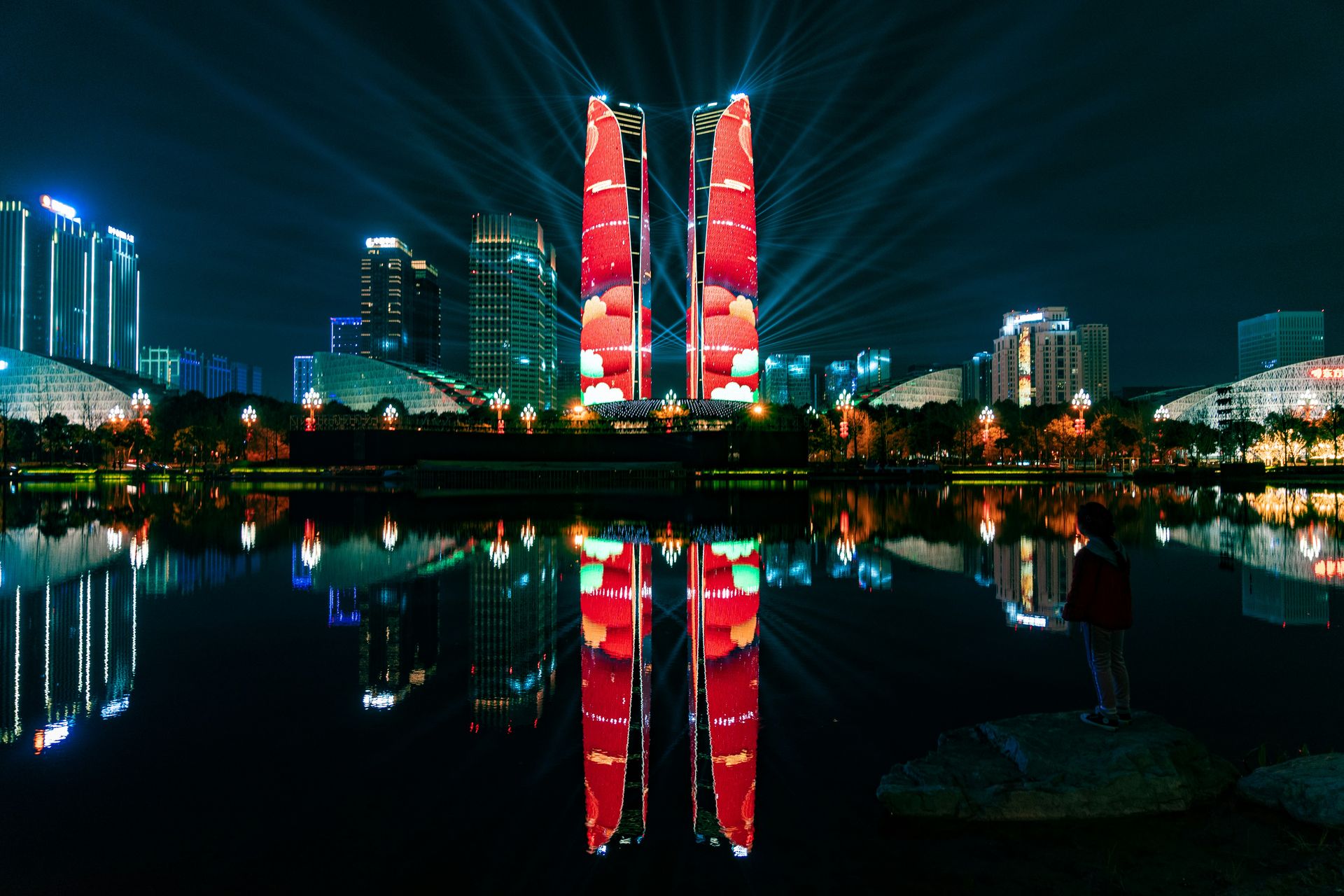
7. Chengdu guarantees panda sightings and fiery food
kev1n Z / Unsplash
With its charming teahouses, lively nightlife, and fiery Sichuan food, Chengdu ranks among China’s most popular cities for travelers exploring beyond the country’s biggest coastal metropolises. Most visitors come specifically for the pandas, though, and while spotting one in the wild would require genuine luck, sightings stay effectively guaranteed at the Giant Panda Breeding Research Base just outside the city.
Other draws throughout this inland regional capital include temples, pavilions, and museums devoted specifically to the culture of the ancient Shu kingdom, giving history-minded visitors plenty to explore beyond the pandas alone. Chengdu also functions as China’s unofficial LGBTQ+ capital, holding a relatively visible gay culture rare among major Chinese cities.
Allowing three to five hours to see everything at the Giant Panda Breeding Research Base gives visitors genuine time to properly explore the facility’s various enclosures and viewing areas without feeling rushed. This extended visit window reflects just how much the base actually offers beyond a quick glimpse of a few pandas from a distance.
Travelers $TRV should plan to arrive at the panda base relatively early in the morning, since pandas tend to stay considerably more active during cooler morning hours before retreating to rest once temperatures climb later in the day. Travelers interested in Sichuan cuisine specifically should sample hotpot during their stay, since the dish’s numbing, fiery spice defines much of the region’s broader culinary reputation. The city’s teahouse culture also rewards a slower afternoon, and sitting for hours over tea while watching traditional performances gives visitors a genuinely different pace than the rest of a typical sightseeing day. Visitors should also confirm the current opening hours before their trip, as the panda base occasionally adjusts its visiting hours around specific conservation activities. A light jacket also helps for the base’s shaded, tree-covered walking paths. A reusable water bottle also helps considerably, given the base’s considerable overall size and the amount of walking a genuinely full visit actually requires.
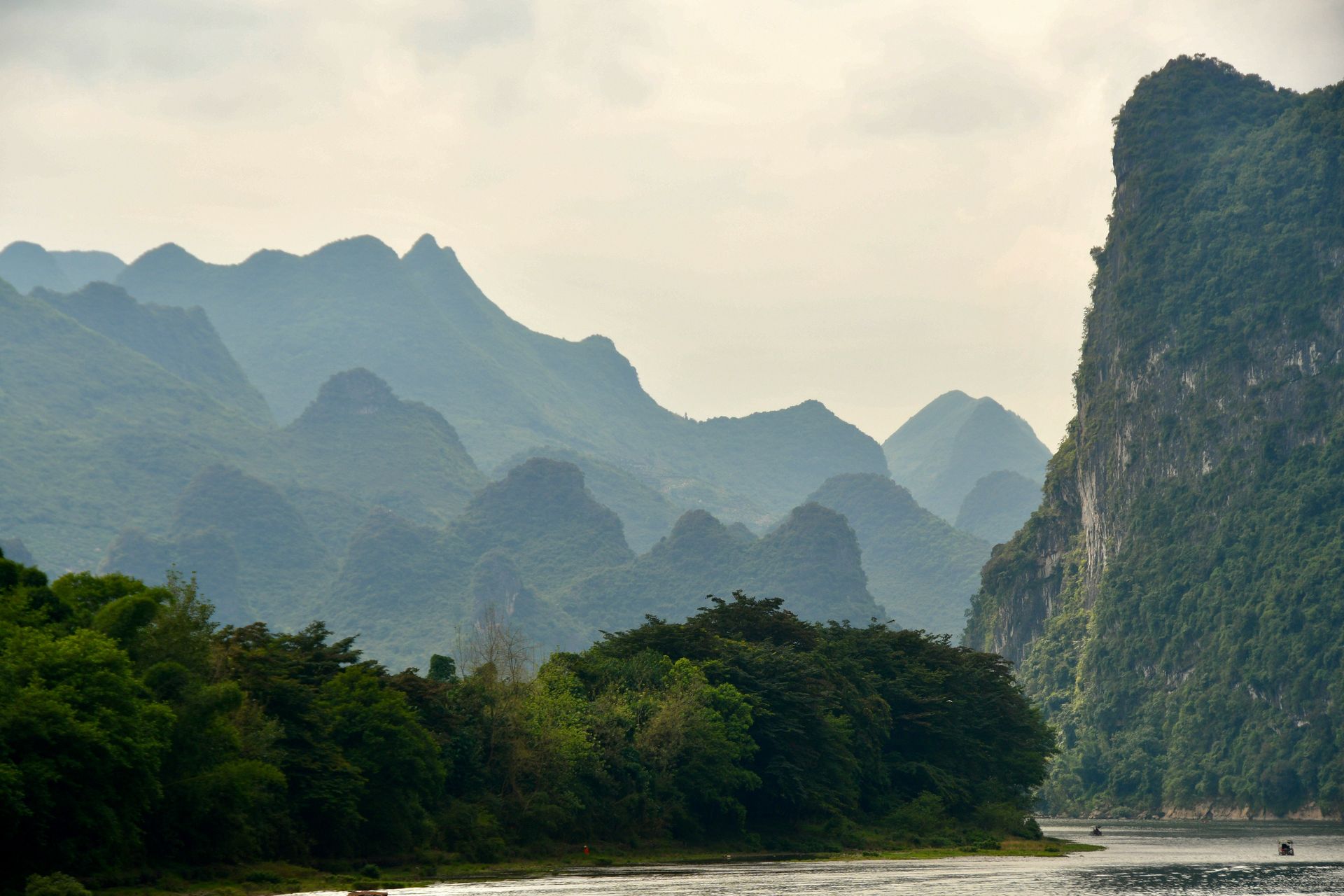
8. Karst peaks frame Yangshuo’s Li River scenery
Camillo Corsetti Antonini / Unsplash
Spanning the distance from Guilin to Yangshuo, the picture-perfect karst limestone peaks offer an extraordinary backdrop to the scenic Li River and surrounding rice paddies. Outdoor enthusiasts genuinely love Yangshuo, a city with a distinctly youthful spirit, where cycling, hiking, rock climbing, and bamboo rafting all offer sweeping views of this beguiling landscape.
Escaping the crowds throughout this popular region simply requires a walk along the Li River or a trip toward nearby villages such as Xingping, giving travelers genuine solitude within easy reach of Yangshuo’s busier central streets. This accessibility of quieter alternatives gives Yangshuo real appeal even during peak tourist season, when the main town itself can grow genuinely crowded.
More than 900 bolted rock-climbing routes exist throughout the surrounding karst formations, and plenty of outfitters and guides throughout Yangshuo stand ready to lead climbers of varying experience levels up the surrounding peaks. Travelers $TRV who make it to the top of any given route should pause to genuinely take in the scenery before descending, since Yangshuo’s landscape reveals itself most fully from an elevated vantage point.
Travelers planning outdoor activities throughout the region should book guides or equipment rental well in advance during peak season, since Yangshuo’s popularity among both domestic and international travelers means demand for guided climbing and rafting trips climbs considerably during the busiest months. Travelers specifically interested in bamboo rafting should book through a reputable local operator, since informal, unlicensed rafts occasionally lack proper safety equipment on the river. Cycling along the rural roads between Yangshuo and the surrounding villages also rewards visitors with genuinely quiet countryside views rarely seen by travelers who stick purely to organized boat tours. Travelers should also negotiate prices clearly with bamboo raft operators before boarding, since informal pricing sometimes leads to confusion or disputes at the end of a trip. A dry bag also helps protect belongings during any bamboo rafting excursion. A hat also helps considerably, given the river’s genuinely exposed, sunny setting.
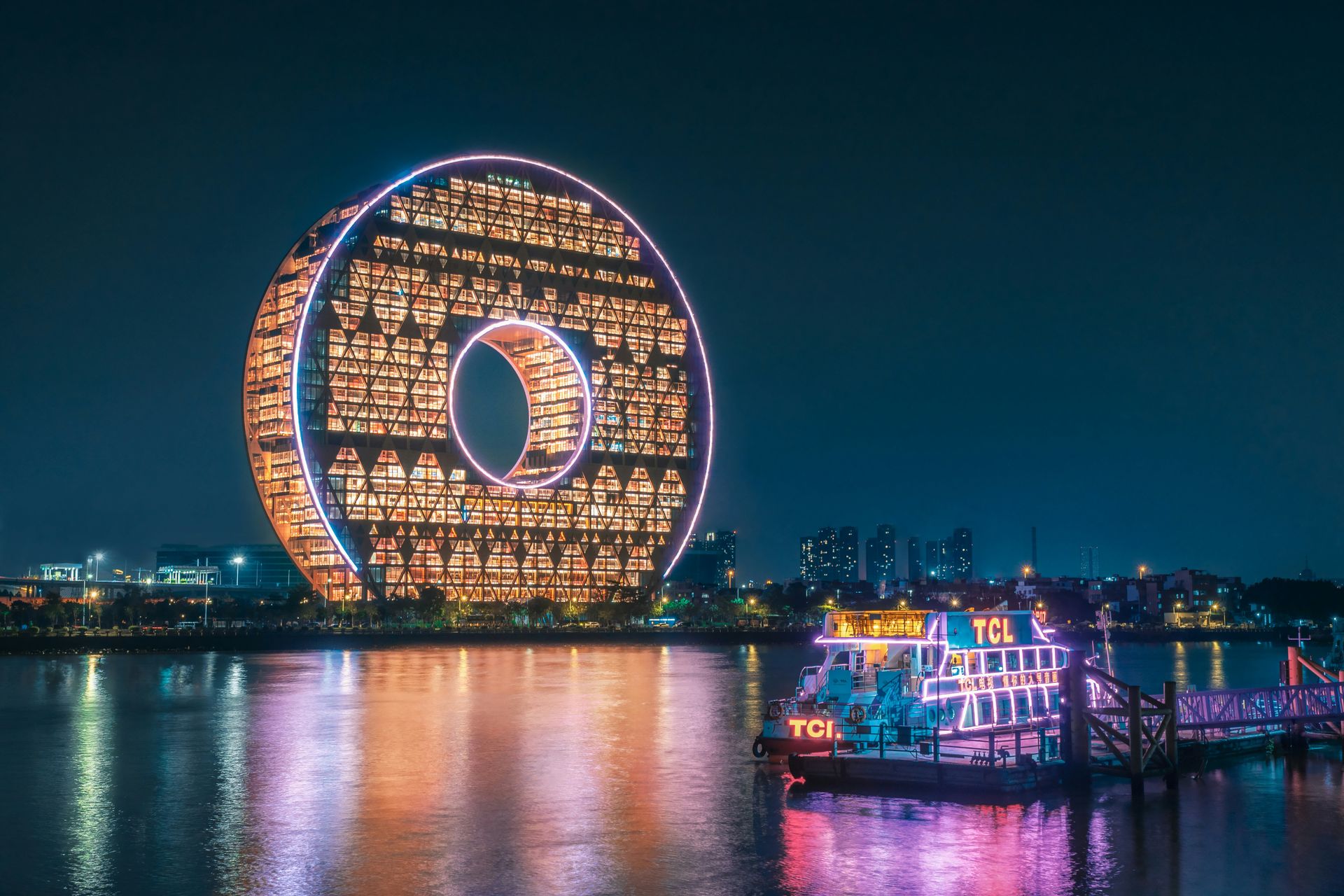
9. Guangzhou serves Cantonese cuisine along the Pearl River
Jason Yuen / Unsplash
The vibrant, dynamic megacity of Guangzhou, built around the Pearl River, ranks among China’s most fascinating urban hubs for travelers willing to venture beyond the more famous coastal cities. An intriguing mix of old and new defines the city throughout, where skyscrapers nudge the clouds while monks shuffle around 1,500-year-old Buddhist temples scattered throughout the urban core.
Cantonese cuisine draws in many visitors, and Guangzhou is home to some of the finest dim sum in China, alongside genuinely adventurous specialties such as roast goose, Cantonese-style sashimi, and even scorpion-snake soup for travelers willing to try something considerably outside their comfort zone. This range, from delicate handcrafted dim sum to genuinely bold, unusual dishes, gives Guangzhou’s food scene a remarkable range within a single regional cuisine.
The Pearl River Night Cruise ranks among the city’s most famous activities, and everything along the route gets awash in neon, including the boat itself, surrounding buildings, bridges, and even the pier, throughout the roughly 70-minute cruise down the delta’s waters. Purchasing a ticket for the open-air top level rewards visitors with the best views and photo opportunities throughout the entire cruise.
Travelers $TRV specifically interested in Cantonese food culture should build in time for both a proper dim sum meal and the night cruise within the same visit, since the two experiences together capture much of what makes Guangzhou genuinely distinct among China’s major cities. Travelers hoping to try the city’s more adventurous dishes should ask local guides or restaurant staff for recommendations, since menus don’t always clearly translate the more unusual specialties into English. The city’s Shamian Island, a former foreign concession lined with colonial-era architecture, also offers a genuinely quiet historical detour well suited to a slower afternoon away from the busier main streets. Travelers should also book night cruise tickets slightly ahead during peak season, since the most popular departure times can sell out on busier weekend evenings. A light jacket also helps for the breeze that picks up during the evening cruise.
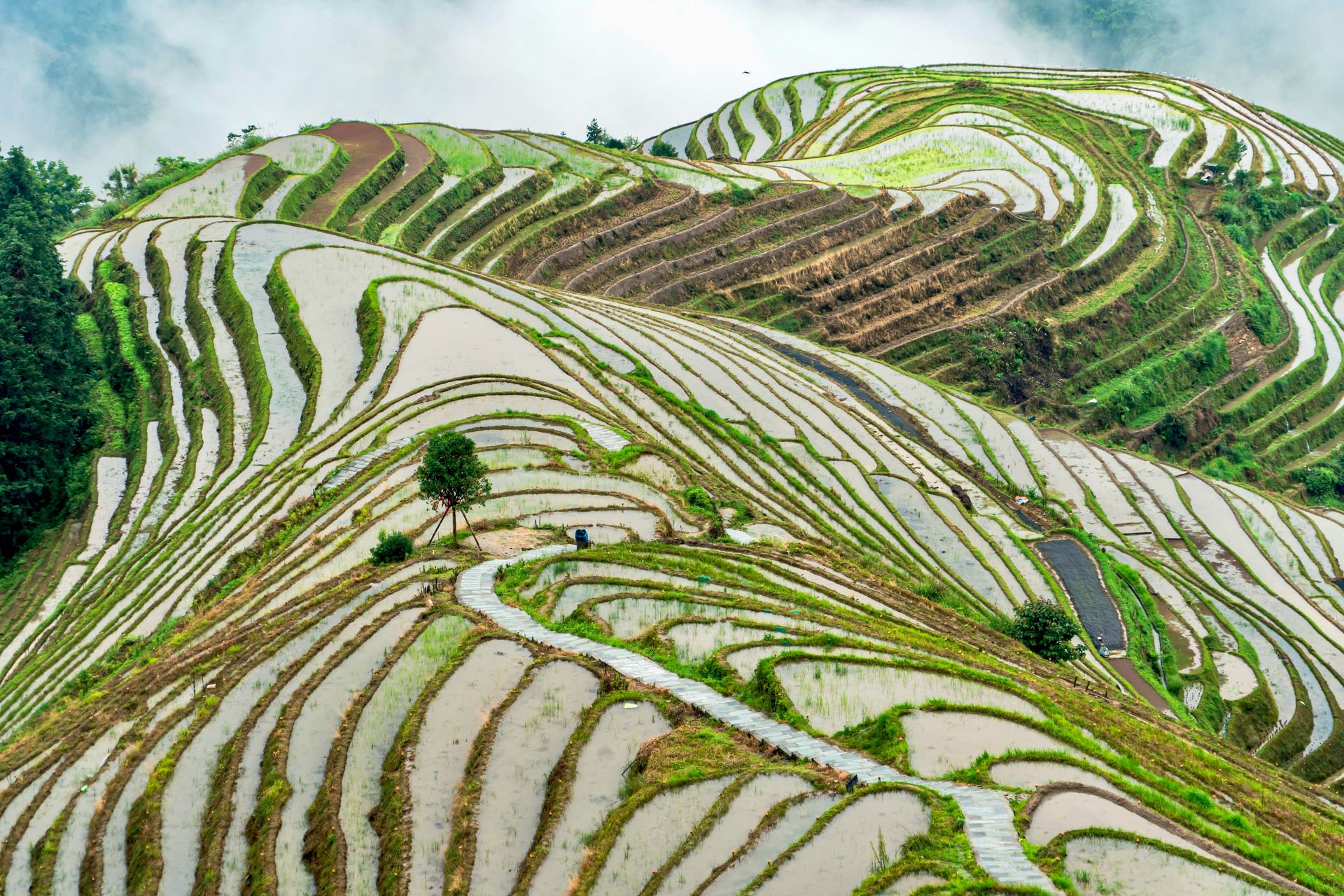
10. Longji Rice Terraces layer Guangxi’s mountain villages
Simonetta Pugnaghi / Unsplash
Rice paddies exist throughout China, though few prove as spectacular as the ones found in Longji, built against a dramatic backdrop of lush surrounding mountains. These layered landscapes date back to the Yuan dynasty, spanning roughly 1279 through 1368, and the terraces offer some of the best hiking in Guangxi, with routes connecting the area’s 13 distinct ethnic minority villages scattered throughout the surrounding hills.
Walks throughout the region lead to viewpoints overlooking sculpted, iridescent green terraces with swirling patterns that resemble the contours of a genuinely giant thumbprint pressed into the landscape. This visual effect gives Longji a distinctly different character than more conventional rice terrace destinations found elsewhere in Asia.
Travelers $TRV shouldn’t miss the Nine Dragons and Five Tigers viewing point, specifically reachable via a 30-minute walk along a well-marked trail above the village of Ping’an. Undulating fields punctuated by smoke rising from surrounding houses create a scene that genuinely evokes walking along the spine of a curvaceous, fire-breathing dragon at rest.
Travelers planning a Longji visit should budget at least a full day to properly explore multiple viewpoints and villages throughout the terraced hillsides, since the area’s considerable size and elevation changes mean rushing through in just a few hours risks missing much of what makes this particular destination genuinely worth the detour from Guilin or Yangshuo. Travelers visiting during the planting or harvest season should specifically check current conditions, since the terraces look genuinely different depending on whether the fields hold water or are freshly harvested. Staying overnight in one of the terraced villages themselves, rather than visiting as a day trip from Guilin, rewards travelers with genuinely dramatic sunrise and sunset views over the layered fields. Travelers should also pack layers for the visit, since temperatures at this elevation stay noticeably cooler than the surrounding lowland cities throughout most of the year. Sturdy hiking shoes also help considerably, given the terraces’ steep, uneven paths.