From the Brontë sisters' windswept Yorkshire moors to Lavenham's crooked medieval lanes, where J.K. Rowling's Godric's Hollow came to life
Christopher Eden / Unsplash
England’s countryside has shaped some of the world’s most enduring literature, and the villages, market towns, and windswept moors that inspired these stories remain genuinely worth visiting on their own merits, well beyond their connection to famous authors. From the Brontë sisters’ rugged Yorkshire hills to the storybook streets that later stood in for Harry Potter’s Godric’s Hollow, these destinations let travelers walk through the actual landscapes that shaped centuries of beloved fiction across multiple distinct literary eras.
Many of these towns preserve the actual homes, writing desks, and personal belongings of the authors who lived there, giving visitors a genuinely tangible connection to writers whose work continues shaping how readers imagine the English countryside today. Others simply share a landscape or atmosphere with a famous novel’s fictional setting, rewarding literary pilgrims willing to draw their own connections between page and place.
The 10 destinations below appear in Lonely Planet, covering standout literary destinations recommended throughout England. Each one connects to a genuinely different literary era, from the Romantic poets through Victorian novelists to more recent additions such as Harry Potter’s fictional wizarding world. Combining several stops within a single road trip rewards travelers with a genuinely rich sense of England’s literary geography as a whole. A route through the north of the country could realistically link Haworth’s moors with Grasmere and Hill Top in the Lake District, while a southern itinerary might connect Chawton, Bakewell, and Stratford-upon-Avon within a single week of driving. Public transport also reaches most of these destinations directly, giving travelers without a car genuine flexibility in building a literary itinerary around trains and the occasional local bus. Whichever route a traveler chooses, allowing enough time at each stop to explore beyond the main house museum tends to make the trip considerably more rewarding than rushing between destinations.
Hannah Smith / Unsplash
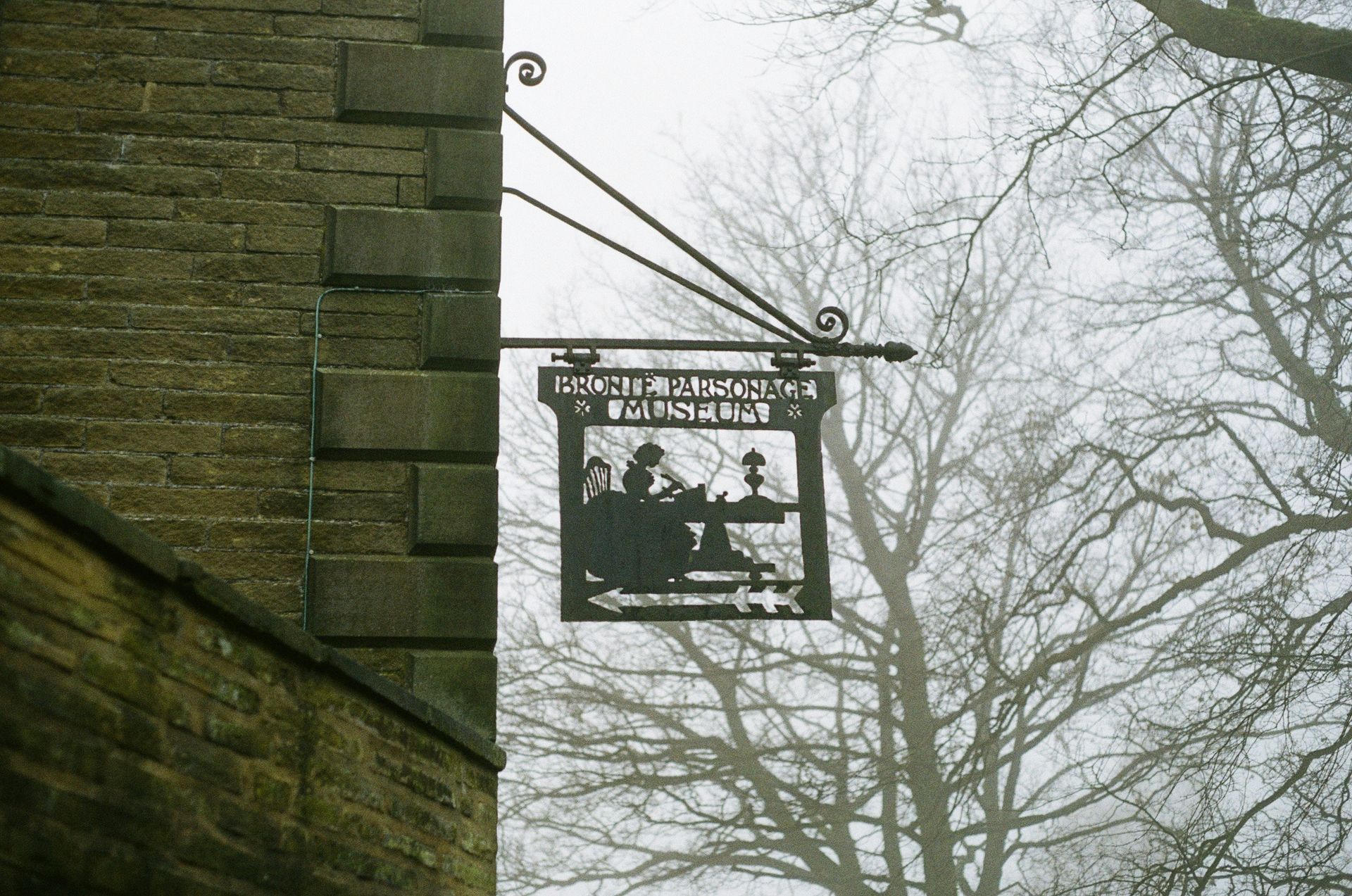
The Brontë sisters, Charlotte, Emily, and Anne, grew up in Haworth, a village of steep cobbled streets and stone cottages overlooking wild, windswept moors in West Yorkshire. The Brontë Parsonage Museum, once their actual family home, preserves their manuscripts and personal belongings, while the annual Brontë Festival of Women’s Writing draws visitors from across the world specifically to celebrate their literary legacy.
Riding the heritage Keighley Worth Valley Railway gives visitors a genuinely atmospheric way to arrive in Brontë country, adding a sense of historical transport to the overall pilgrimage. Following the seven-mile section of the Brontë Way toward Top Withens rewards hikers with the ruins said to have inspired the Earnshaw home in Wuthering Heights, giving fans of the novel a genuinely direct connection to Emily Brontë’s fictional setting.
The surrounding moorland itself plays as much a role in the Brontë sisters’ work as any specific building, and walking across this same windswept landscape gives visitors a genuinely visceral sense of the isolation and drama that defined much of their fiction. Few literary landscapes anywhere in England feel as directly connected to the actual books they inspired.
Browsing the Wave of Nostalgia bookshop for Brontë-inspired crafts, or enjoying a pint at the Old White Lion Hotel, rounds out a proper visit to the village itself. Visiting in September specifically rewards travelers with Brontë Parsonage events alongside genuinely beautiful autumn moor walks across the surrounding hills. Travelers $TRV should pack sturdy waterproof boots regardless of the season, since the moorland paths around Haworth can turn genuinely muddy even during relatively dry stretches. Reaching Haworth typically involves a train to Keighley followed by either the heritage railway or a local bus, giving travelers without a car a genuinely manageable way to reach the village. Travelers should also check current weather conditions before heading toward Top Withens, specifically, since fog can roll across the moors with very little warning. Sturdy waterproof boots also help considerably, given how quickly the moorland weather can shift.
Denise Seddon / Unsplash
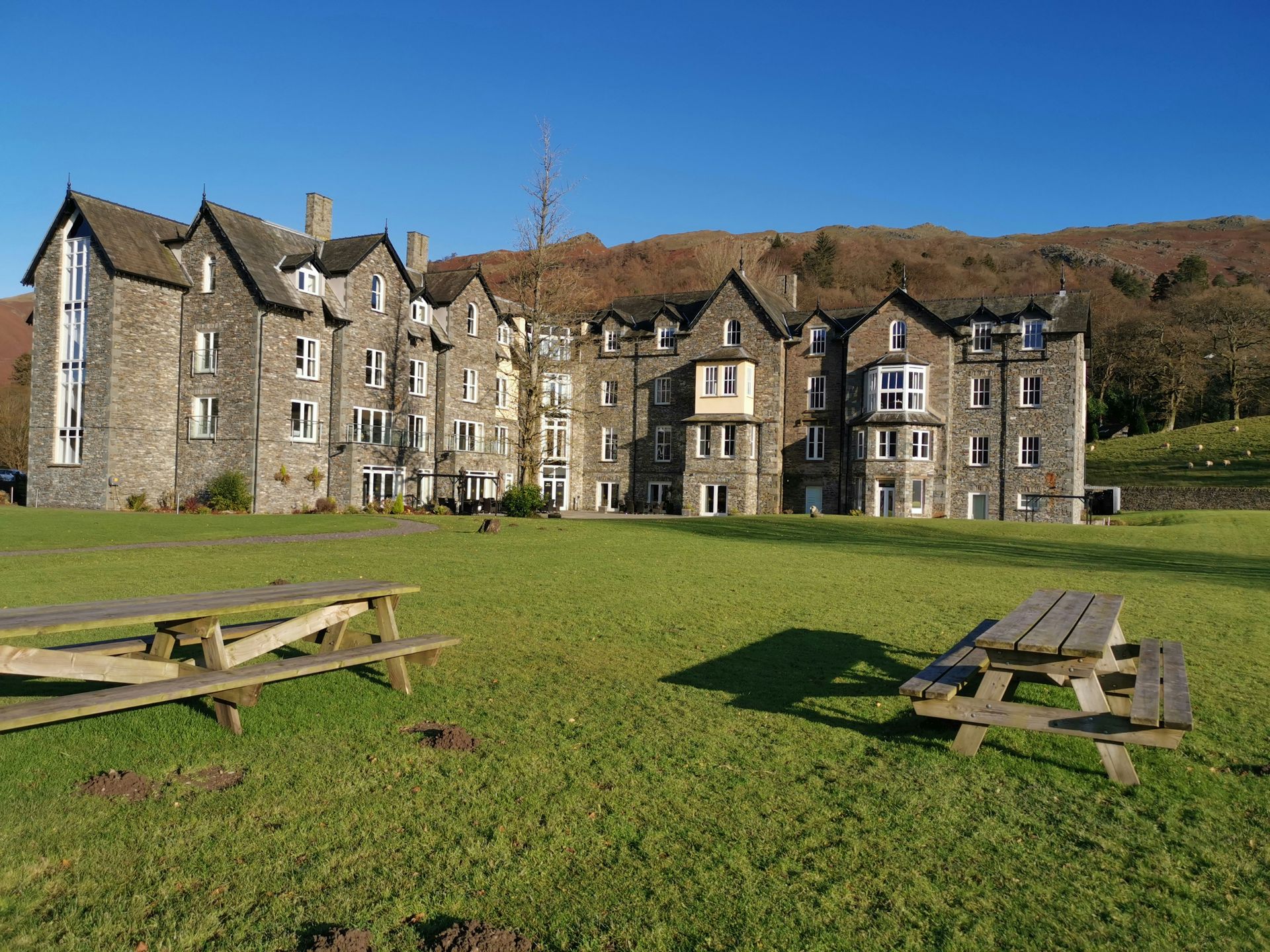
William Wordsworth loved Grasmere, once calling it “the loveliest spot that man hath ever found,” and his Dove Cottage has been faithfully restored to reflect life as it stood more than 200 years ago. Next door, the Wordsworth Museum explores his creative life through original manuscripts, letters, journals, and personal belongings, giving visitors genuine insight into the poet’s actual working process.
Exploring the conservation area of Town End reveals old lamp posts, cobbled streets, and a 17th-century farmhouse, giving the whole neighborhood a genuinely preserved historical character. Popping into the medieval St Oswald’s Church, Wordsworth’s final resting place, makes for a genuinely meaningful stop for visitors tracing the poet’s full life story from childhood inspiration to his eventual burial in the same landscape he loved.
Sarah Nelson’s Grasmere Gingerbread shop has delighted locals and visitors alike since 1854, giving the village a genuinely long-running culinary tradition alongside its literary heritage. Timing a visit with the Grasmere Rushbearing Festival each July rewards travelers with a traditional Cumbrian celebration rarely experienced by casual tourists passing through.
The 5.3-mile circular walk from Grasmere to Rydal Water leads to one of the Lake District’s smallest, most serene lakes, and the low-level path along the shoreline suits both paddling and picnicking for visitors extending their literary pilgrimage into a proper outdoor afternoon. Travelers $TRV should book accommodation well ahead during the Rushbearing Festival, specifically, since the village’s limited lodging fills quickly once word spreads about the celebration. Parking throughout central Grasmere stays genuinely limited during peak summer months, so travelers arriving by car should plan to arrive early or consider public transport from nearby Ambleside instead. Travelers should also confirm Dove Cottage’s current opening hours before visiting, since the property occasionally adjusts its schedule around seasonal maintenance work. A reusable water bottle also helps considerably during the walk to Rydal Water and back. Sunscreen also helps on clear days, given the reflection off the lake.
Greg Wilson / Unsplash
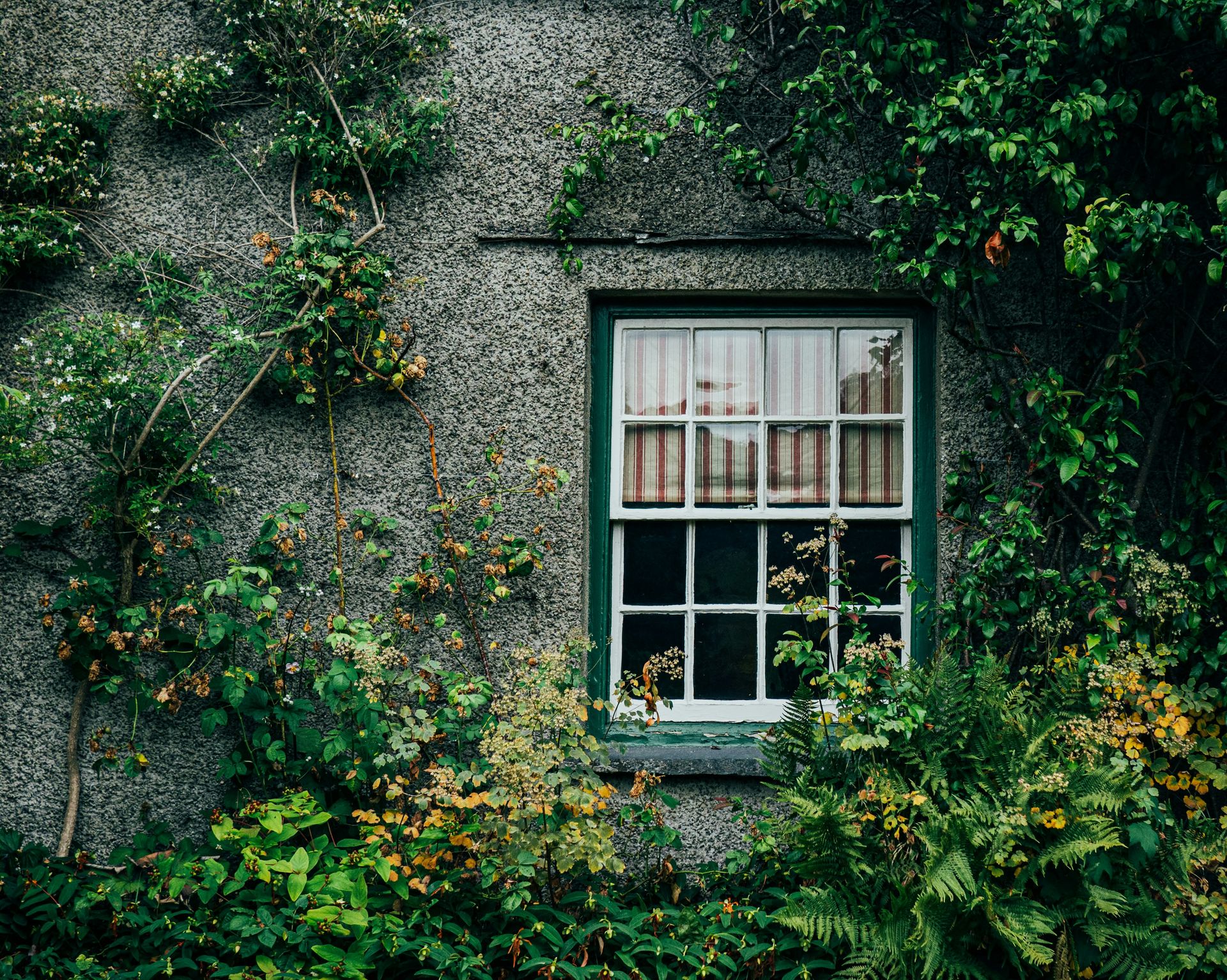
The village of Near Sawrey is where Beatrix Potter wrote many of her beloved tales, from The Tale of Peter Rabbit to Jemima Puddle-Duck, and Potter herself once described her adopted village as “as near perfect a little place as I ever lived in.” Her former home, Hill Top, remains a beautifully preserved property today, kept much as she left it, complete with sketches and personal treasures throughout the rooms.
Nearby, the Armitt in Ambleside serves as a museum and gallery worth visiting alongside the Beatrix Potter Gallery in Hawkshead and the World of Beatrix Potter in Bowness-on-Windermere, offering fans of her work several distinct ways to explore her legacy across the wider Lake District. This spread of related sites gives visitors a genuine reason to plan a longer stay in the area rather than visiting Hill Top alone.
A 13-mile Beatrix Potter walk traces the shores of Lake Windermere and the wooded fells of Claife Heights, eventually leading to both Near Sawrey and Hawkshead, giving hikers a genuinely immersive way to experience the landscape that shaped Potter’s illustrations. This walking route connects several of the region’s Potter-related sites within a single continuous trail.
Taking the ferry across Lake Windermere to reach Near Sawrey, then enjoying tea at Tower Bank Arms, which appeared directly in Potter’s own illustrations, rounds out a genuinely charming day. Visiting in spring specifically rewards travelers with gardens throughout the region awash in color. Travelers $TRV should book Hill Top tickets in advance, as the cottage limits the number of visitors at any given time to help preserve its delicate original furnishings. Travelers without a car can reach Near Sawrey via a combination of train, bus, and the Windermere ferry crossing, though allowing extra time for these connections genuinely helps avoid a rushed visit. Travelers should also check the ferry schedule carefully, since crossing times vary by season and can affect the overall timing of a day trip.
gordie jackson / Unsplash
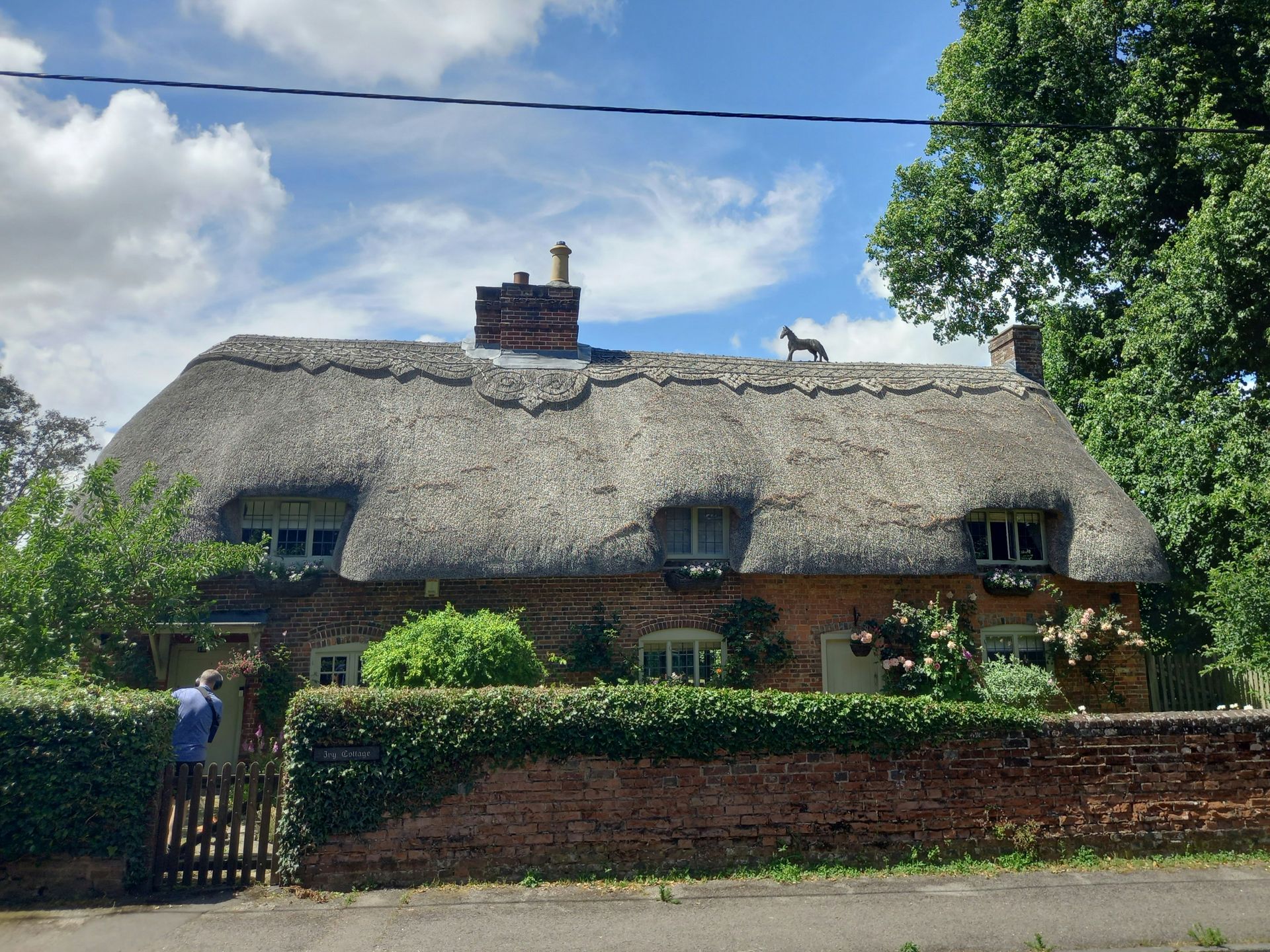
Jane Austen spent her later years in the village of Chawton, where she revised both Sense and Sensibility and Pride and Prejudice into their final published forms. Today, the Jane Austen House functions as a cherished destination for Austen fans, a genuine literary time capsule displaying her personal letters, garments, and her actual writing table, where much of her later work took shape.
The village’s Georgian charm and quiet lanes create a genuine sense of Austen’s England, giving visitors an immersive atmosphere well beyond simply viewing artifacts inside a single house museum. Nearby, the historic Chawton House, once owned by Austen’s own brother, hosts exhibitions on early women’s writing, adding genuine scholarly depth to a visit focused primarily on Austen herself.
Walking the 4.5-mile Jane Austen Circular Walk evokes the author’s own countryside rambles, following in her footsteps across fields and through the village of Farringdon. This walking route gives visitors a genuinely physical connection to Austen’s daily life beyond simply reading about her routines secondhand.
Visiting the delightful Cassandra’s Cup tearoom for afternoon tea, or walking 1.8 miles to the thriving market town of Alton, where Austen and her sister regularly went shopping, rounds out a properly immersive Austen-focused day in the Hampshire countryside. Travelers $TRV should check the Jane Austen House’s opening days before visiting, as the museum occasionally closes for conservation work or private events. Travelers arriving by train should note that Alton station sits roughly a mile from Chawton itself, making a short taxi ride or a pleasant walk genuinely necessary to complete the journey. Travelers should also budget time for Chawton House specifically, since its exhibitions on early women’s writing add genuine depth beyond the more famous Jane Austen House alone. Comfortable walking shoes also help considerably, given how much of the village genuinely rewards slow wandering. A light cardigan also helps for cooler afternoons spent walking the walled garden grounds.
Raphael Rychetsky / Unsplash
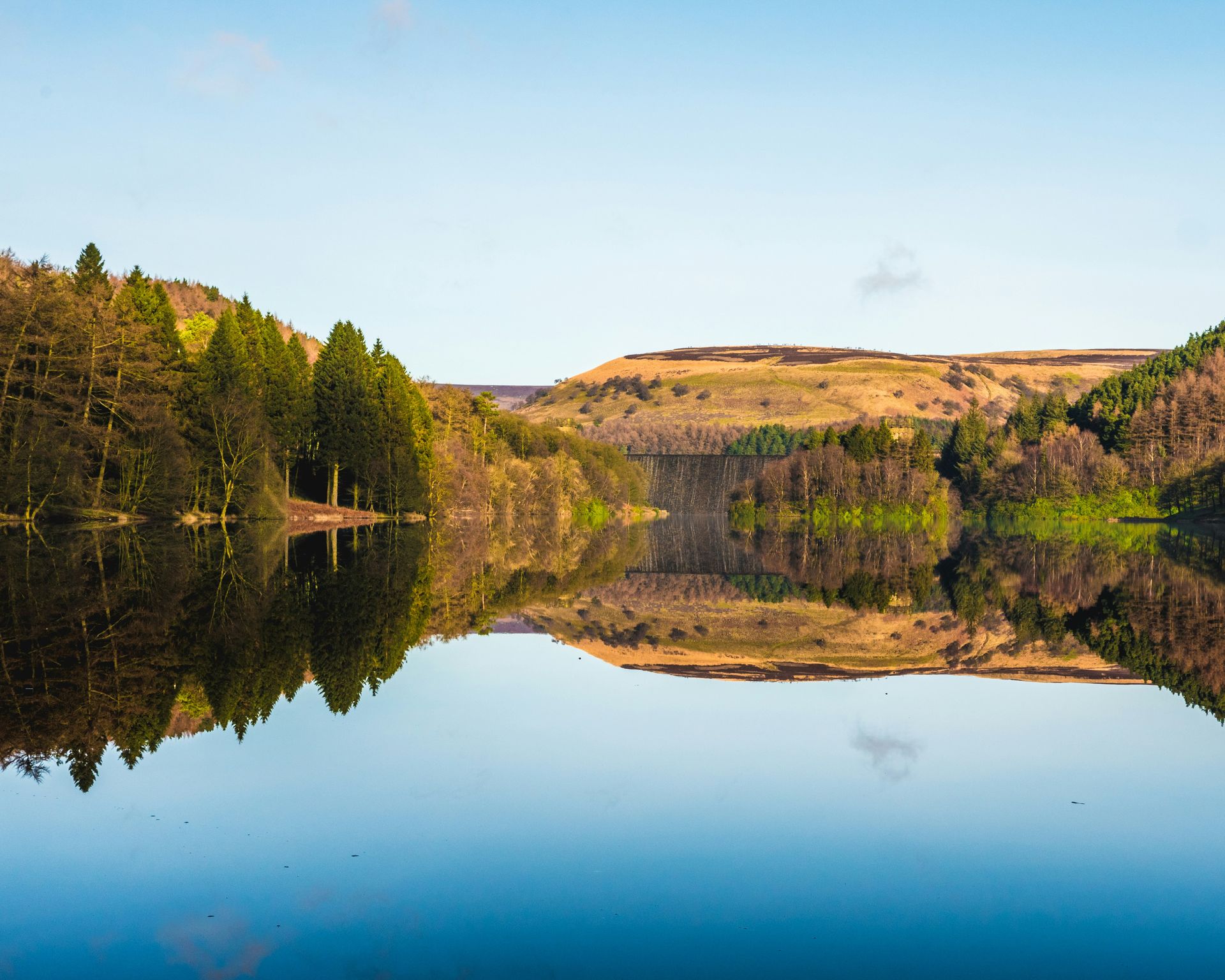
Bakewell, said to be the inspiration for Lambton in Jane Austen’s Pride and Prejudice, charms visitors with honey-hued stone buildings, winding lanes, and riverside walks throughout the historic market town. This same town functions as an ideal base for visiting Chatsworth House, widely believed to have inspired Mr Darcy’s Pemberley within the novel itself.
Chatsworth’s sweeping grounds and stately grandeur offer a genuine glimpse into Austen’s fictional world, giving fans of the novel a direct physical setting to compare against the book’s own descriptions. Visiting All Saints Church, housed in a Grade I-listed building, and exploring the Old House Museum, which offers a window into Bakewell’s rural past, round out a properly historical day beyond the Austen connection alone.
The six-mile Bakewell-to-Chatsworth loop follows the Monsal Trail, meandering through woodland and the village of Edensor before finishing directly at Chatsworth itself. Stopping for tea and cake at Edensor Tea Cottage partway through gives hikers a genuinely well-earned break along this particular route.
Sampling the famous Bakewell tart at The Old Original Bakewell Pudding Shop rounds out a proper visit to the town, and travelers visiting in August specifically should make time for the Chatsworth Country Fair, one of England’s most popular annual outdoor events. Travelers $TRV should check Chatsworth’s opening calendar before visiting, since the house occasionally closes to the public for private events despite its popularity with tourists. Travelers without a car can reach Bakewell by train to nearby Matlock or Chesterfield, followed by a local bus, though driving remains considerably more convenient for reaching Chatsworth itself. Travelers should also book Chatsworth tickets online in advance during peak season, since walk-up availability can grow genuinely limited during the busiest summer weekends. Sturdy shoes also help considerably for the walk along the Monsal Trail’s uneven surface. A reusable water bottle also helps considerably during the longer Chatsworth loop walk itself, especially on warmer summer days. Sunscreen genuinely helps too, always.
fred tromp / Unsplash
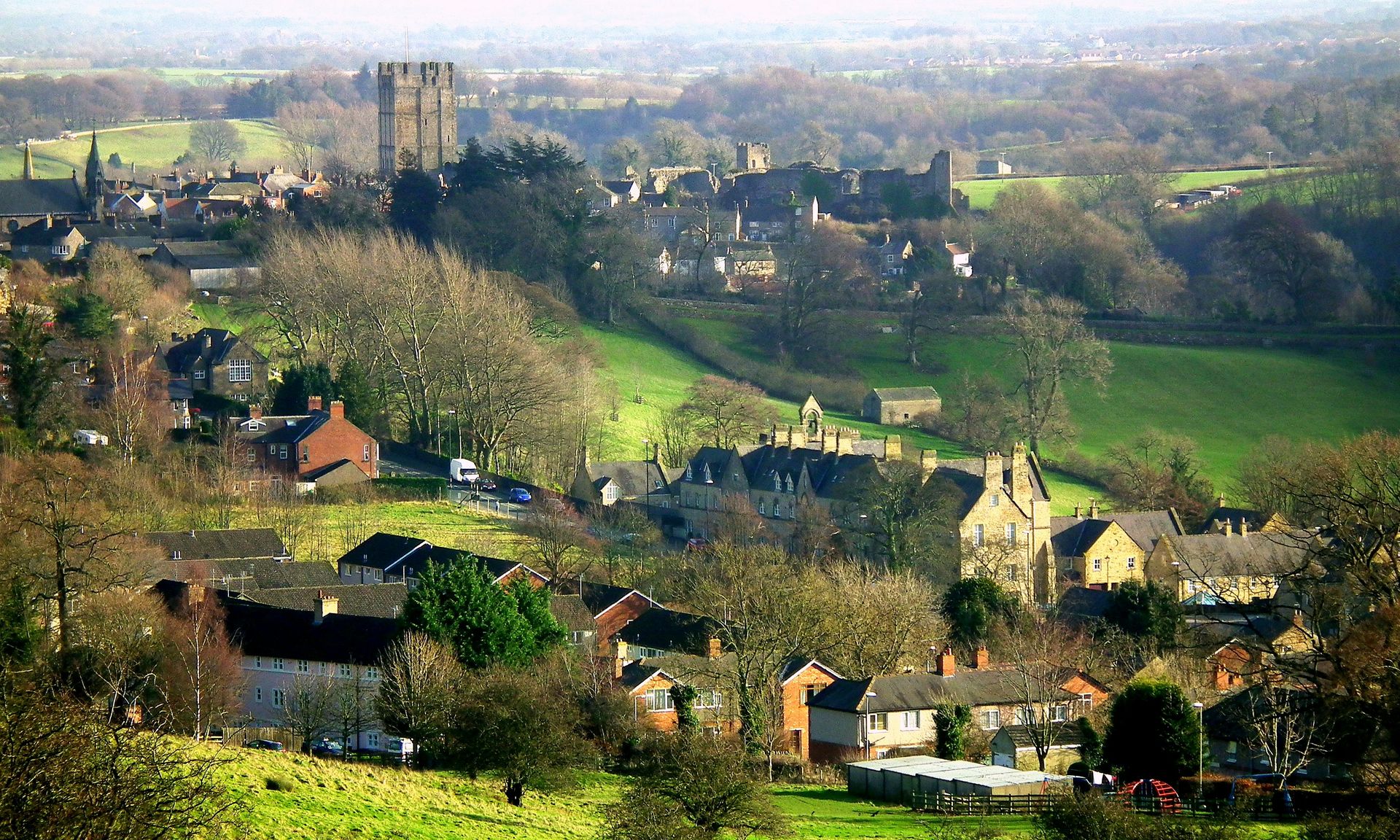
Roald Dahl’s imaginative world stays genuinely rooted in Great Missenden, the village he called home for 30 years, within the Misbourne Valley of the Chiltern Hills. Winding lanes, half-timbered cottages, and Georgian façades throughout the village give it a genuinely storybook character well suited to the author who called it home for decades.
The Roald Dahl Museum and Story Centre delights visitors of all ages, featuring the Boy gallery, which explores Dahl’s own school days, the Solo gallery, home to the author’s actual Writing Hut, and an interactive Story Centre that brings his broader body of work to life for younger visitors especially. Nearby, the 12th-century Missenden Abbey now functions as a venue for conferences and weddings, giving the historic building genuinely modern, practical use.
Roald Dahl’s Village Trail weaves through the author’s favorite countryside haunts, taking in key locations from Danny, the Champion of the World, alongside other local landmarks connected to his broader life and work. This trail offers fans a direct way to walk through the same landscape that shaped Dahl’s imagination.
Dropping by The Nag’s Head pub, which Dahl frequented himself, or strolling past 62 High Street, formerly The Red Lion inn, where Robert Louis Stevenson spent a night in October 1874 during a walking tour of the Chilterns, adds genuine literary layers beyond Dahl alone. Families visiting with children should book museum tickets well ahead of time during school holidays, since the Story Centre’s interactive exhibits draw considerable crowds during these periods. Great Missenden sits directly on a rail line from London Marylebone, making it a genuinely easy day trip for travelers based in the capital without needing a car at all. Travelers $TRV should also check the museum's current exhibition details before visiting, as specific galleries occasionally rotate their displays throughout the year. A reusable water bottle also helps considerably, given how much genuine walking the Village Trail actually involves across its full length.
Christopher Eden / Unsplash
Stratford offers genuinely quiet corners for visitors willing to step off the more touristy path, and Shakespeare’s Birthplace, the bard’s actual childhood home, along with Hall’s Croft, home to his daughter, both reward travelers who take time to explore beyond the town’s most crowded central streets. Strolling the Avon riverbanks connects several of these sites within a genuinely pleasant walking route.
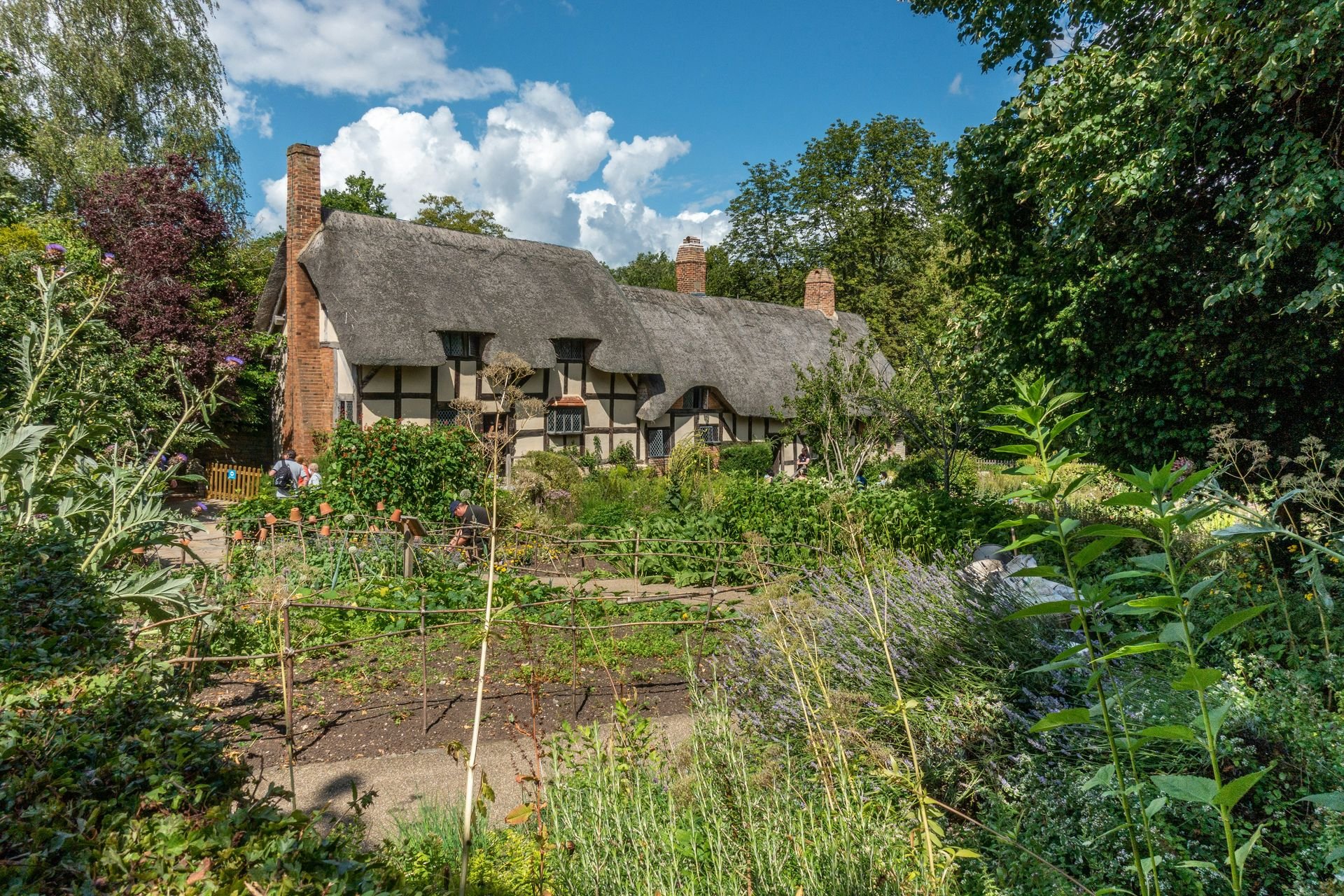
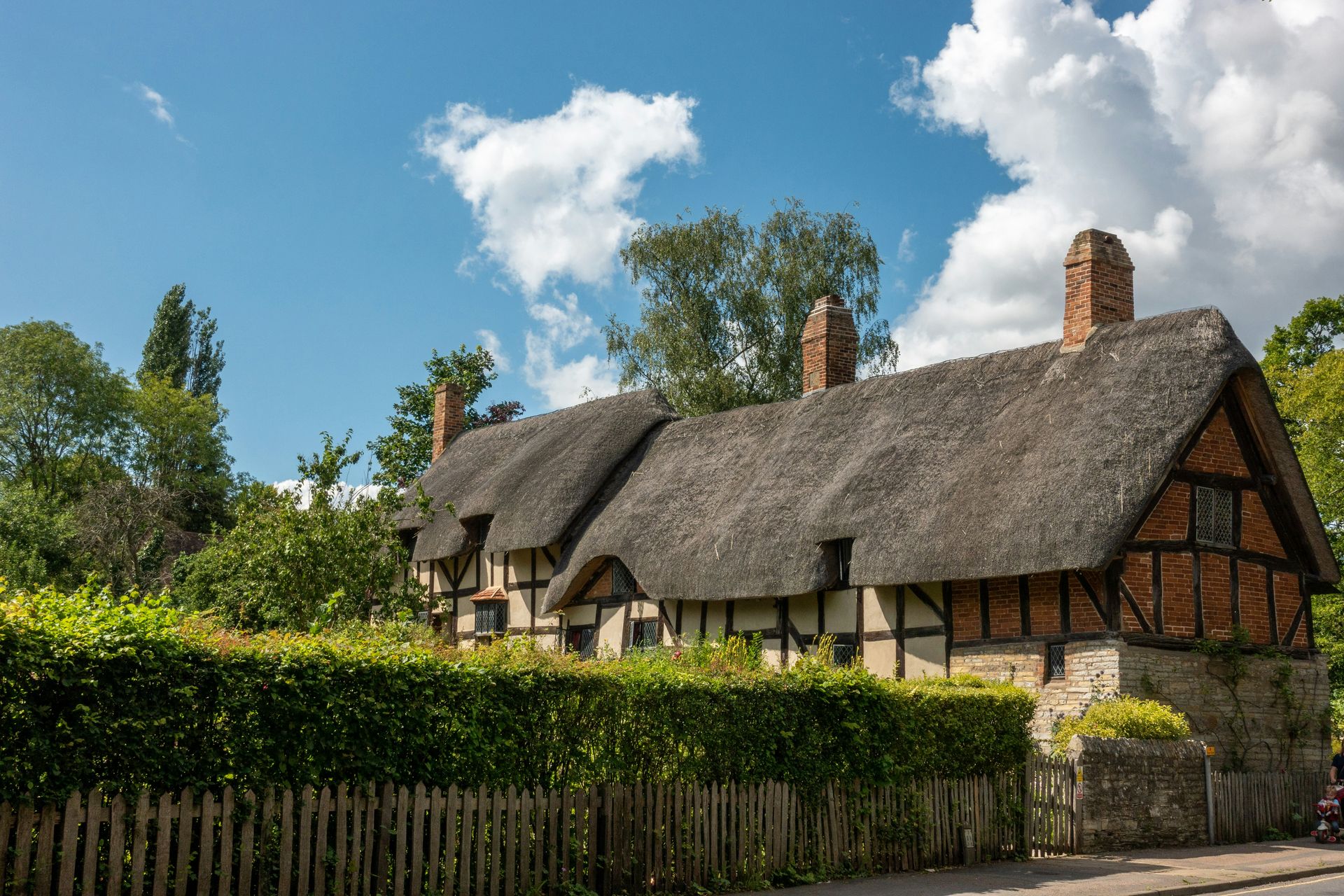
Anne Hathaway’s Cottage, the family home of William Shakespeare’s wife-to-be in nearby Shottery, gives visitors genuine insight into the playwright’s early romantic life before his eventual move to London and the theater. Mary Arden’s Farm, the childhood home of Shakespeare’s mother in Wilmcote, rounds out a family history spanning multiple generations across several distinct properties throughout the wider area.
Following a two-mile circular walk along the River Avon, beginning and ending at the Bancroft Gardens, winds directly through the heart of the market town, giving visitors a genuinely scenic way to connect the various Shakespeare-related sites without needing to drive between each individual stop.
Catching a Royal Shakespeare Company performance rounds out a properly immersive visit, and browsing books at the Shakespeare Bookshop, run directly by the Shakespeare Trust, gives literary-minded travelers a genuinely worthwhile way to extend their visit beyond simply touring historic houses. Travelers $TRV should book Royal Shakespeare Company tickets well in advance, since popular productions can sell out weeks before their actual performance dates. Direct trains connect Stratford-upon-Avon to both Birmingham and London, giving travelers a genuinely convenient way to reach the town without needing to rent a car for the full trip. Travelers should also purchase a combined ticket covering multiple Shakespeare properties, since visiting several sites individually typically costs considerably more than a bundled option. Comfortable shoes also help considerably, given how much ground the various Shakespeare-related sites actually cover. A reusable water bottle also helps considerably on the riverside circular walk itself, especially in the warmest summer heat. Sunscreen genuinely helps too, always.

Ruben Hanssen / Unsplash
Dorchester and its surrounding countryside form the actual backdrop to Thomas Hardy’s fictional Wessex, the landscape that shaped much of his broader literary world across numerous novels. The cob-and-thatch Hardy’s Cottage, where he wrote both Under the Greenwood Tree and Far from the Madding Crowd, holds a beautiful garden well worth exploring alongside the historic building itself.
At Max Gate, the Victorian home Hardy designed and lived in for 40 years until his death in 1928, visitors can explore the actual study where he penned much of his later poetry. The rural landscape surrounding Dorchester, from chalk hills to rustic barns, still genuinely echoes scenes from Tess of the d’Urbervilles and Jude the Obscure for readers familiar with either novel.
Stopping at the Dorset Museum and Art Gallery lets visitors explore key themes throughout Hardy’s life and work in considerably more depth than the individual house museums alone provide. Visiting in June specifically rewards travelers with the Thomas Hardy Victorian Fair, a genuinely festive way to engage with the author’s legacy beyond simply touring preserved buildings.
Travelers $TRV can explore a stretch of the 216.5-mile Hardy Way, a long-distance trail meandering through the heart of Hardy’s Wessex, or opt instead for the shorter 3.6-mile Puddletown Forest Circular, a loop genuinely popular with hikers and casual walkers alike throughout the surrounding countryside. Travelers attempting any stretch of the Hardy Way should carry a proper map or GPS device, since some rural sections of the trail stay poorly signposted. Trains connect Dorchester directly to London Waterloo, making the town a genuinely feasible day trip or overnight stop for travelers exploring England’s southern coastline more broadly. Travelers should also wear sturdy walking shoes for any stretch of the Hardy Way, since much of the trail crosses genuinely uneven farmland and country paths. A light rain jacket also helps considerably, given the Dorset countryside’s genuinely unpredictable, constantly shifting weather patterns throughout the entire year.
Zoltan Tasi / Unsplash
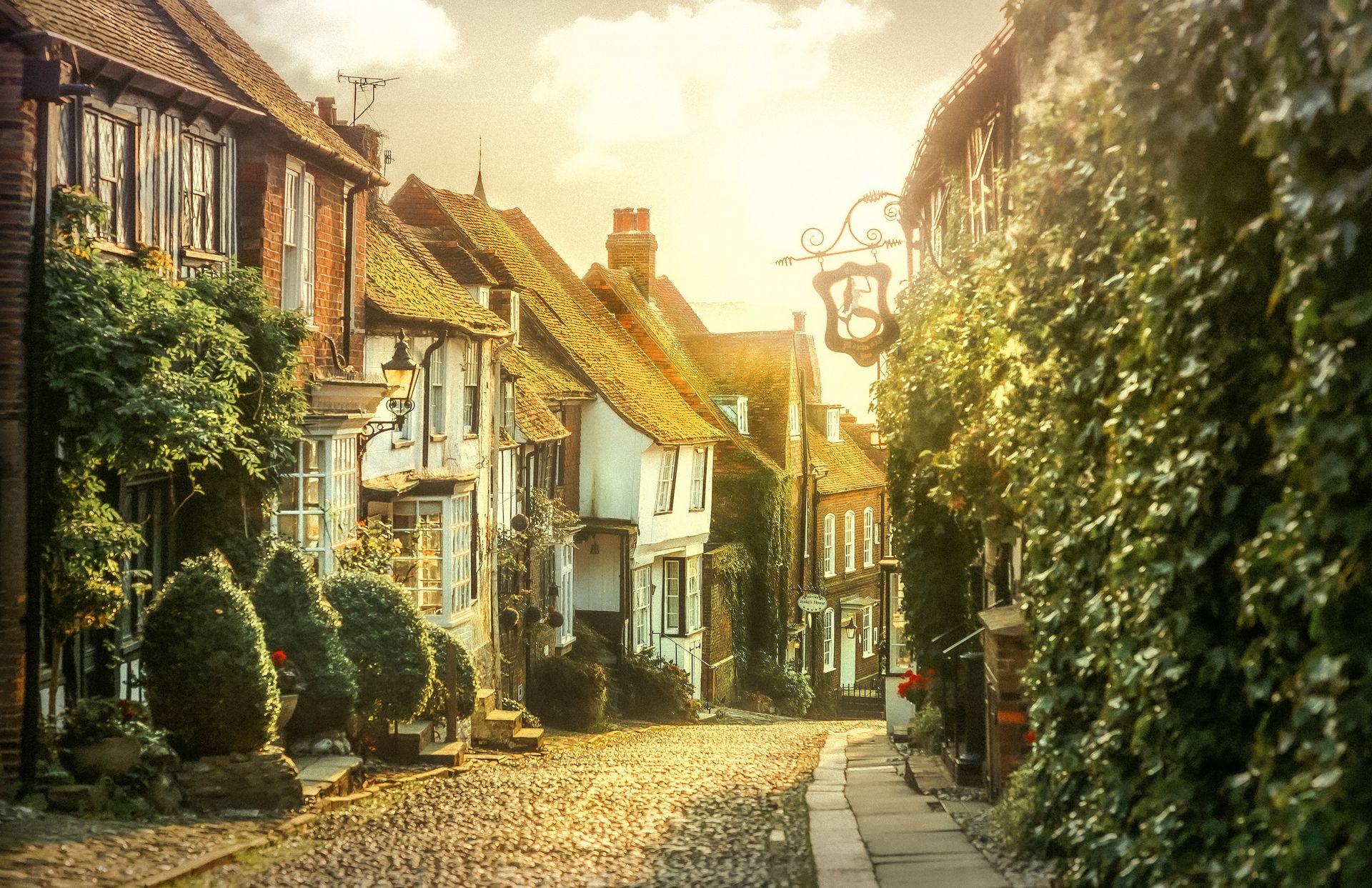
With half-timbered houses, cobbled lanes, and medieval passageways, Rye ranks among England’s prettiest historic towns, though its literary heritage remains considerably less widely known than its obvious visual charm might suggest. Author Henry James once lived at Lamb House within the town, while E.F. Benson immortalized Rye in his Mapp and Lucia novels, giving the town a genuinely layered literary history spanning multiple distinct eras and authors.
Rye holds a genuinely creative, bohemian charm today, thanks partly to its indie bookshops, vintage markets and the lively annual Rye Arts Festival, which draws visitors specifically interested in contemporary creative culture alongside the town’s historical literary connections. Not far away, the golden sands of Camber provide a genuinely different coastal contrast to Rye’s own historic streets.
A self-guided three-mile walk takes visitors from Lamb House to Mermaid Street and the Ypres Tower, connecting several of the town’s most significant historic and literary sites within a single manageable route well suited to an unhurried afternoon.
Visiting Rye Bookshop, picking up gifts at Pocket Full of Rye, or stopping for cake at The Cobbles Tea Room rounds out a properly leisurely visit. Timing a trip to coincide with the Rye International Jazz and Blues Festival adds a genuinely lively musical layer to what might otherwise be a purely historical, literature-focused visit. Travelers $TRV should wear comfortable shoes for exploring Rye’s cobbled streets, since the uneven medieval paving proves considerably harder on footwear than modern pavement. Direct trains from London reach Rye in roughly 90 minutes, offering travelers a genuinely convenient day-trip option without needing to arrange a car for the journey. Travelers should also check Lamb House’s specific opening days before visiting, since the property doesn’t stay open to the public every single day of the week. A light jacket also helps considerably, given the coastal breeze that rolls in near Camber. Comfortable shoes also help considerably, given the town’s genuinely steep, uneven cobbled streets.
-1920x1281.jpg)
Phil Hearing / Unsplash
One of England’s best-preserved medieval villages, Lavenham sits nestled in the heart of the Suffolk countryside, and the town’s half-timbered houses and crooked lanes shot into renewed spotlight recently as Godric’s Hollow, a fictional wizarding village within the Harry Potter series. The town first found literary fame decades earlier, though, through Suffolk Summer, a 1948 memoir written by a young American serviceman stationed nearby during World War II.
The Crooked House often gets linked to the old English nursery rhyme There Was a Crooked Man, while Twinkle, Twinkle, Little Star, one of the world’s most beloved lullabies, was actually penned by longtime Lavenham resident Jane Taylor. This concentration of literary connections within such a small village gives Lavenham a genuinely outsized cultural footprint relative to its modest physical size.
Nearby Sudbury holds Thomas Gainsborough’s House and also served as the setting for Dodie Smith’s 101 Dalmatians. On the Talbot Trail, visitors shouldn’t miss the fountain where Pongo and Missis stopped for a drink while searching for their puppies, giving fans of the story a genuinely direct connection to a specific, identifiable scene from the book.
Exploring the village via the one-mile Lavenham Historic Walk passes centuries-old guildhalls and lanes, and signing up for a guided walking tour specifically covering the Harry Potter connection rewards fans with considerably more context than a self-guided visit alone would provide. Travelers $TRV should book the guided Harry Potter walking tour ahead of time during peak season, since demand for these themed tours has grown considerably since the village’s on-screen appearance. Reaching Lavenham typically requires a car or taxi from the nearest train station, since the village itself lacks direct rail service, making advance transport planning genuinely worthwhile. Travelers should also book accommodation at De Vere House well in advance, since the property’s historical significance and limited number of rooms mean it fills up quickly during peak season. Comfortable walking shoes also help considerably, given the village’s uneven, centuries-old cobbled streets.
