
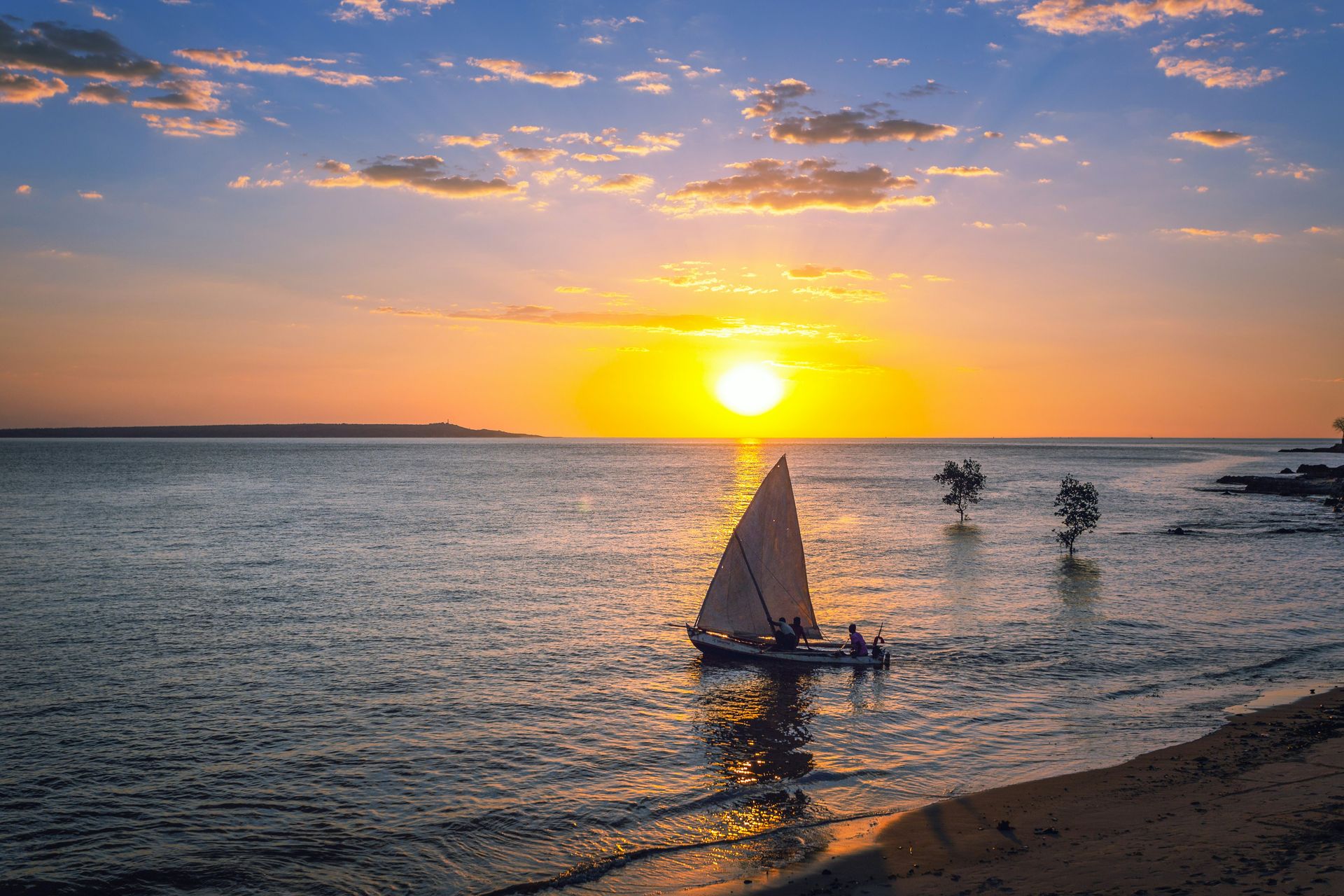
From baobab-lined highways in Madagascar's west to a rainforest where the indri's echoing call announces the world's largest lemur
karimjy LOULOUA / Unsplash
Madagascar genuinely earns its nickname as the Eighth Continent, honestly, since the island’s isolation from mainland Africa for tens of millions of years has produced a concentration of endemic species and genuinely otherworldly landscapes found nowhere else on the planet, a natural laboratory unlike anything else on Earth. Everything about the island feels distinctly and unmistakably Malagasy, from the culture that has developed across its scattered regions to the wildlife that evolved in near-total isolation from the rest of the world. Visitors arrive expecting a real adventure and rarely leave disappointed, since even a short list of the island’s essential stops covers baobab-lined highways, limestone forests sharp enough to cut skin, and rainforests where lemurs found nowhere else on Earth call out from the canopy above winding jungle trails.
Getting around Madagascar demands real patience, since distances stretch far longer than they appear on a map, road conditions vary from merely rough to genuinely difficult, and unpredictable weather can upend even a carefully planned itinerary that looked reasonable on paper weeks in advance. Cyclone season genuinely affects the eastern half of the island for several months each year, and some of the most rewarding destinations sit at the end of long, slow roads that test a traveler’s tolerance for discomfort. Visitors who accept these logistical realities up front, rather than treating them as unwelcome surprises, tend to enjoy Madagascar considerably more than those who arrive expecting the ease of travel found in more developed tourist destinations elsewhere in the world, from well-paved highways to reliably scheduled transportation.
The 10 destinations below appear in Lonely Planet, covering iconic landscapes, national parks, and historic sites recommended across the island, each offering a genuinely different reason to justify the real demands of getting there.
Herve Meftah / Pexels
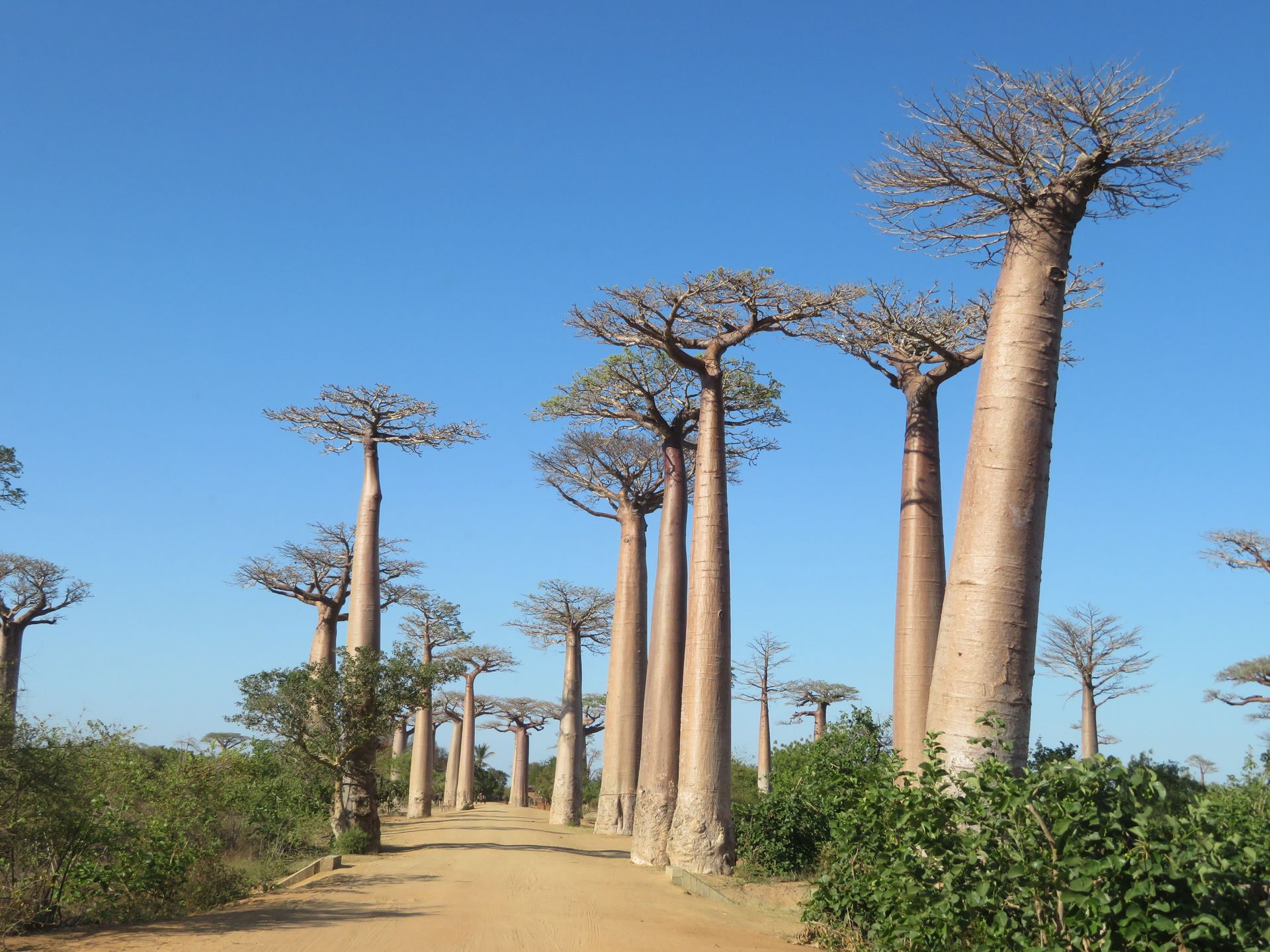
Madagascar holds baobab trees throughout much of its territory, but the Allée des Baobabs near the western beach town of Morondava captures something no other single location on the island quite manages. A dense cluster of these remarkable trees lines a stretch of highway in a formation striking enough to rank among Madagascar’s most celebrated sunset viewing spots, drawing photographers and casual visitors alike to watch the sky shift color behind the trees’ distinctive silhouettes each evening.
These specific baobabs belong to the Adansonia grandidieri variety, and their long, smooth trunks rise several stories into the air, with some individual trees estimated at up to 1,000 years old. Their genuinely surreal appearance, topped by short, spindly branches that look more like roots than typical tree limbs, has fueled ancient local legends claiming a vengeful god planted these trees upside down, forcing their roots skyward as a form of divine punishment.
Watching the sunset here works best from a specific vantage point that most first-time visitors miss entirely. Walking to the eastern side of the small lake near the alley gives visitors the clearest view as the sun drops behind the baobabs, its light reflecting off the water’s surface and doubling the scene's visual impact. Arriving with enough time before sunset to find a good spot matters considerably, since the site draws steady crowds during the golden hour despite its remote location.
Visitors combining a trip to the Allée des Baobabs with other destinations in western Madagascar should factor in the area’s genuinely long travel times, since Morondava sits at a considerable distance from the island’s other major attractions. Pairing this stop with nearby destinations such as Kirindy Forest makes practical sense, given the shared regional access routes, allowing visitors to maximize the value of what is often a demanding journey to reach this part of the island in the first place. Many travelers build an entire western Madagascar leg of their itinerary around this single cluster of nearby sights, treating the long drive out from the capital as an investment that pays off across multiple destinations instead of just one.
Credit: Voyage Tourisme Madagascar
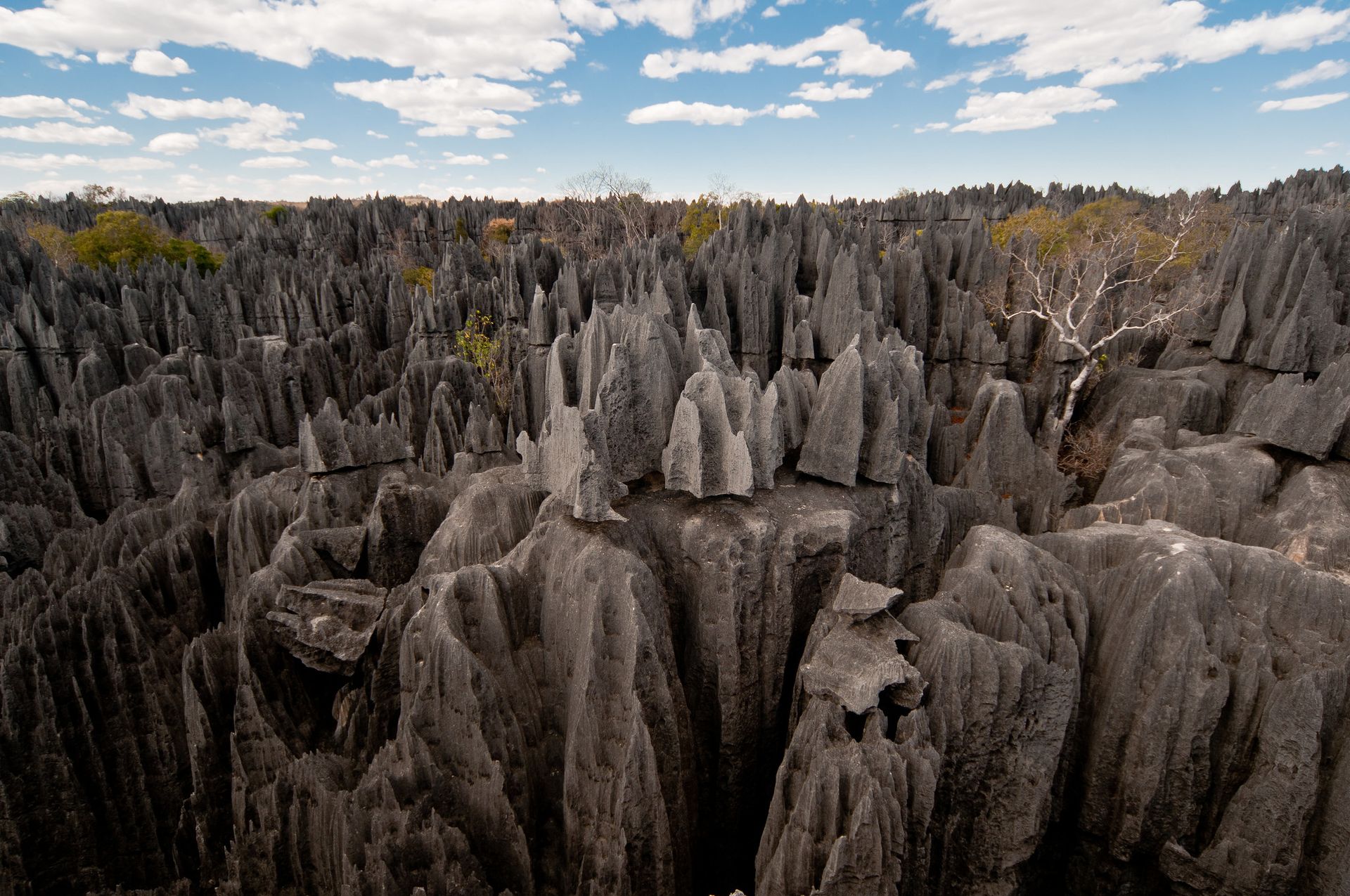
Nothing in Madagascar inspires quite the same sense of wonder as the tsingy, dense clusters of jagged limestone spires that resemble a mythical city frozen in stone. Parc National Bemaraha, a UNESCO World Heritage site, protects the country’s most spectacular examples of this genuinely bizarre landscape, and the formations impress visitors equally from a distance and up close, where the sheer density and sharpness of the stone pillars become fully apparent.
Park authorities have engineered an impressive system of via ferrata routes, equipped with fixed cables, metal rungs, ladders, rope bridges, and elevated walkways, specifically to let visitors explore terrain that would otherwise be nearly impossible to traverse safely on foot. Without this infrastructure, the tsingy’s razor-sharp limestone would make close exploration dangerous for all but the most experienced climbers.
Reaching Bemaraha requires committing to a genuinely long road journey, and the park itself splits into two distinct sections worth visiting separately. The Grands Tsingy offers the more extensive and dramatic formations, while reaching the Petits Tsingy involves a scenic trip by traditional wooden canoe through the Manambolo River Gorge, adding a genuinely different kind of adventure to the visit beyond the rock formations themselves. Visitors with enough time should plan to experience both sections rather than settle for just one.
More than 10 different routes wind through the tsingy formations, varying considerably in difficulty and physical demands, and sitting down with a local guide before setting out helps visitors choose routes that actually match their schedule and fitness level. Attempting a route beyond a visitor’s physical capability among these sharp limestone spires carries real risk, making this initial conversation with a guide more important here than at many other hiking destinations around the island. Visitors who skip this planning step sometimes find themselves committed partway along a route that demands more technical climbing ability than they anticipated, a situation best avoided given the unforgiving nature of the terrain.
Credit: Voyage Tourisme Madagascar
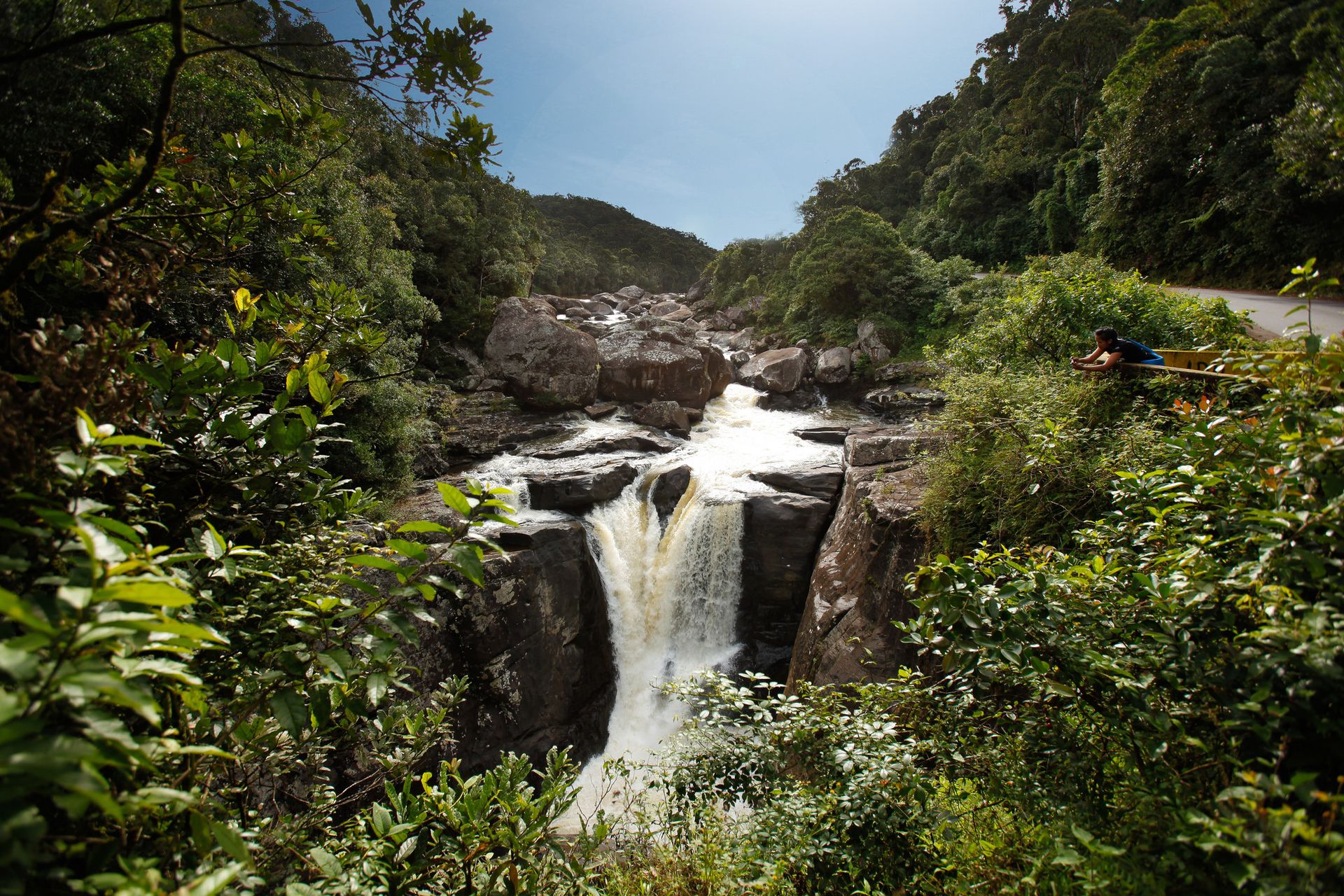
Ranomafana belongs on the itinerary of any visitor hoping to see as many lemur species as possible during a single Madagascar trip. Set high on the mountain spine running through the heart of the island, this steamy rainforest park holds a staggering 13 species of lemur, including the famous and critically endangered golden bamboo lemur, whose discovery here in the 1980s helped establish the park’s conservation importance and eventually led directly to its official protection as a national park.
Bird life at Ranomafana rewards patient visitors just as richly as the lemurs do. The park holds 118 recorded bird species, and more than half of those, 68 species, exist only in Madagascar, giving birdwatchers here a genuine chance at spotting creatures found nowhere else on the planet. This endemic concentration makes Ranomafana one of the most significant birding destinations on the island.
The park’s full roster of wildlife reads like an entry from an especially abundant nature encyclopedia. Thirteen species of chameleon turn up easily during guided night walks, 14 species of snake inhabit the park without posing any danger to visitors, and an astonishing 106 species of frogs and toads call the forest home. Botanists exploring the park’s plant life find 80 different orchid species and nearly 200 fern varieties scattered throughout the reserve, giving Ranomafana a botanical richness that rivals its animal diversity.
Timing a visit to Ranomafana around specific wildlife interests genuinely matters. Birdwatching peaks between September and December, while reptiles and amphibians show the most activity from December through March, meaning visitors with a specific wildlife priority should plan their travel dates accordingly, rather than assuming any season offers equally good viewing across all species groups the park holds. Visitors hoping to see the golden bamboo lemur specifically should ask their guide about recent sighting patterns before setting out, since even a park this rich in wildlife can’t guarantee an encounter with any single rare species on a given day.
JialuangGao / Wikimedia Commons (CC BY-SA 4.0)
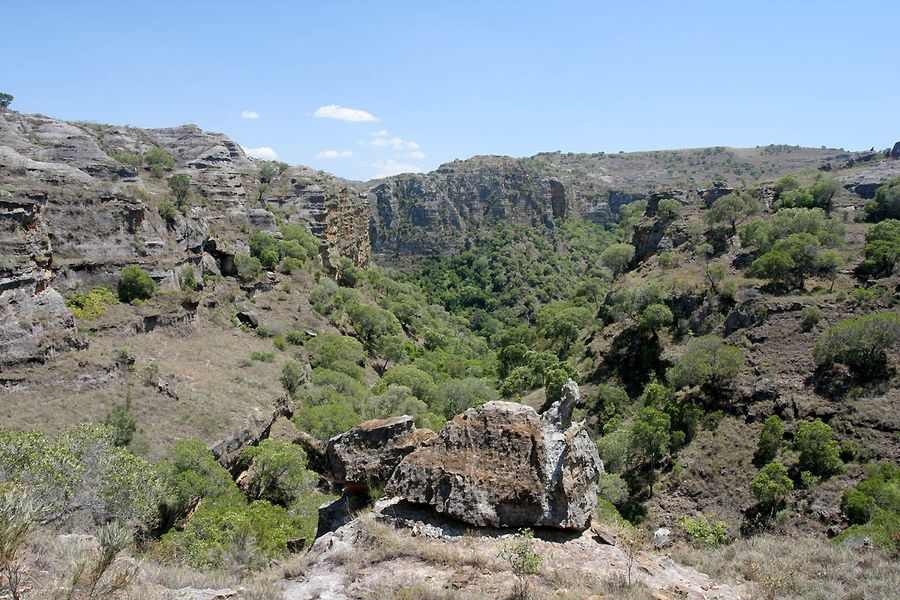
Isalo rises abruptly from the barren plains of southern Madagascar across a massive escarpment, and the park’s varied terrain makes it one of the island’s premier hiking destinations for visitors of nearly any fitness level. Trails here range from routes that follow streams through deep, narrow, forest-filled gorges to climbs that reach a rocky plateau scattered with rare plants and reptiles found in few other places on the island.
Seven lemur species inhabit Isalo, and their antics charm visitors during close encounters that happen with reasonable regularity along the park’s most popular trails throughout the year. Beyond hiking, the park accommodates a genuinely wide range of activity levels and interests, offering 4WD touring, mountain biking, and horseback riding for visitors who want to cover more ground than hiking alone would allow within a limited timeframe.
The RN7 highway running south through Isalo’s southern reaches passes through some of the park’s most iconic scenery, including La Fenêtre de l’Isalo, a natural rock window framed by spectacular surrounding formations that faces directly toward the setting sun each evening. Visitors driving this stretch of road at the right time of day get a genuinely memorable view without leaving their vehicle or committing to a dedicated hike, making it an easy addition to a longer road journey through the south of the island.
The area around Isalo’s main campsite offers some of the park’s most reliable wildlife viewing, and visitors should specifically watch for ring-tailed lemurs and Verreaux’s sifaka in this zone. Both species show up regularly enough near the campsite that visitors staying overnight often get quality sightings without needing to venture deep into the park’s more remote trail systems, making Isalo a practical choice for travelers balancing wildlife viewing against genuinely demanding hiking terrain elsewhere on the itinerary. Visitors with only a day or two to spend here should prioritize the campsite area early in the morning, when both species are most active and visible before the midday heat sets in.
Lemurbaby / Wikimedia Commons (CC BY-SA 3.0)
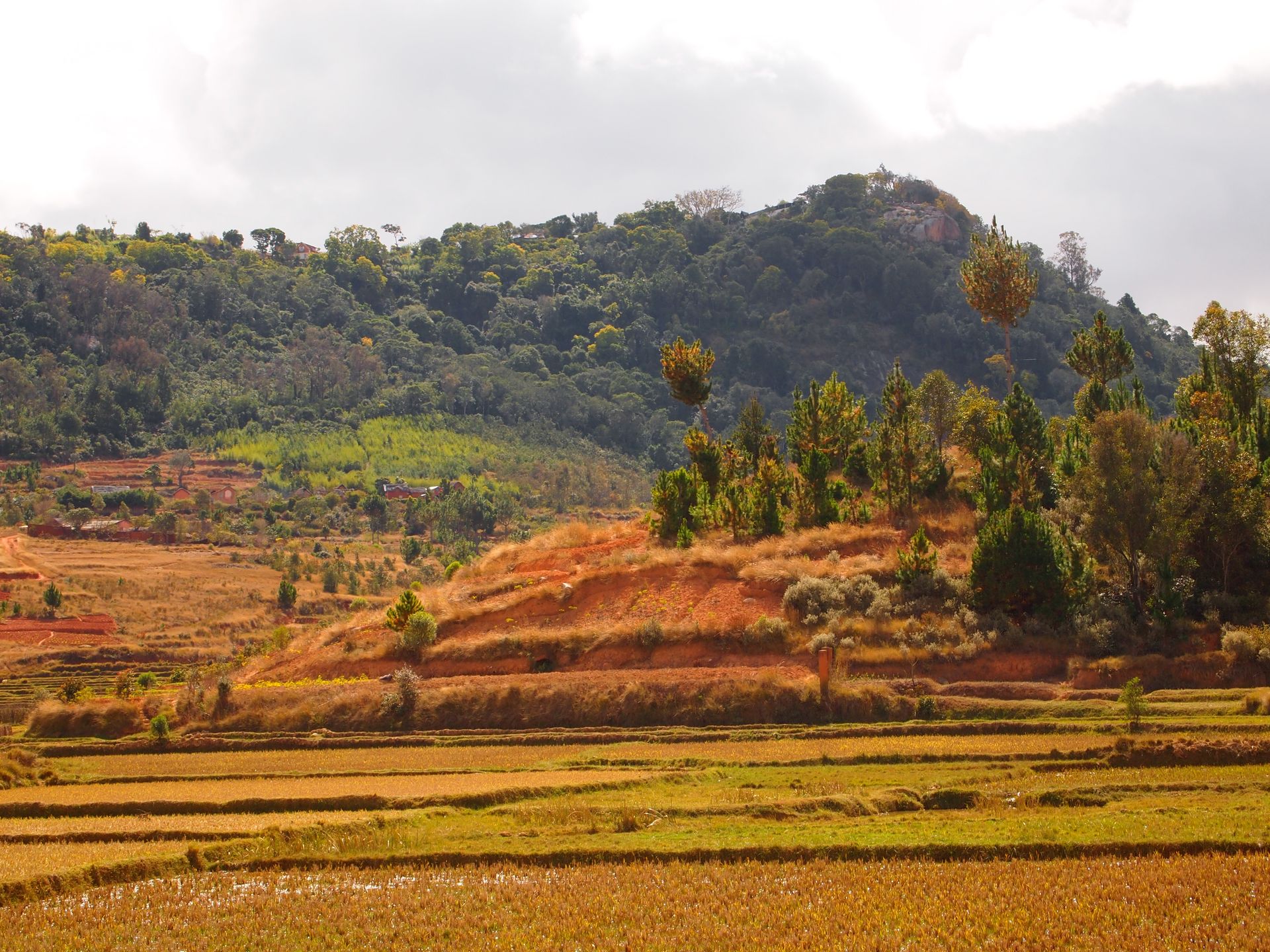
Few human-built sites in Madagascar carry the historical weight of Ambohimanga, a UNESCO World Heritage site sitting just 21 kilometers from the modern capital, Antananarivo. As the former capital of a medieval Malagasy kingdom, this deeply spiritual site retains a genuine sense of continuity between past and present that few historical attractions manage to preserve so completely, blending an active spiritual role with its status as a protected historical monument.
The Rova, a fortress-palace complex at the heart of the restored and still-active site, anchors any visit to Ambohimanga and rewards even a casual walk through its grounds. Inside its walls, visitors find a warren of baths, royal quarters, and altars once used for sacrifice, and locals continue to leave offerings at these altars today, giving the site a living spiritual dimension rather than treating it purely as a preserved historical relic disconnected from present-day Malagasy culture and belief.
Understanding the full weight of Ambohimanga’s history requires more context than most visitors arrive with, and hiring a knowledgeable guide transforms a walk through the fortress into something considerably richer than simply admiring old stone walls without any sense of what happened within them. Stories of royal intrigue, opulent court life, and medieval legend surround nearly every corner of the site, and a good guide brings these narratives to life in ways that plaques and signage alone simply cannot capture for a first-time visitor.
Visitors based in Antananarivo can easily fit a half-day trip to Ambohimanga into a broader itinerary focused on the capital region, since the short distance makes the site accessible without requiring an overnight stay elsewhere. Pairing a morning at Ambohimanga with an afternoon exploring Antananarivo itself gives visitors a well-rounded introduction to both the historical roots and modern reality of Malagasy political and cultural life within a single day, an efficient way to cover two very different sides of the country’s capital region before continuing on to more remote parts of the island.
Credit: National Parks in Africa
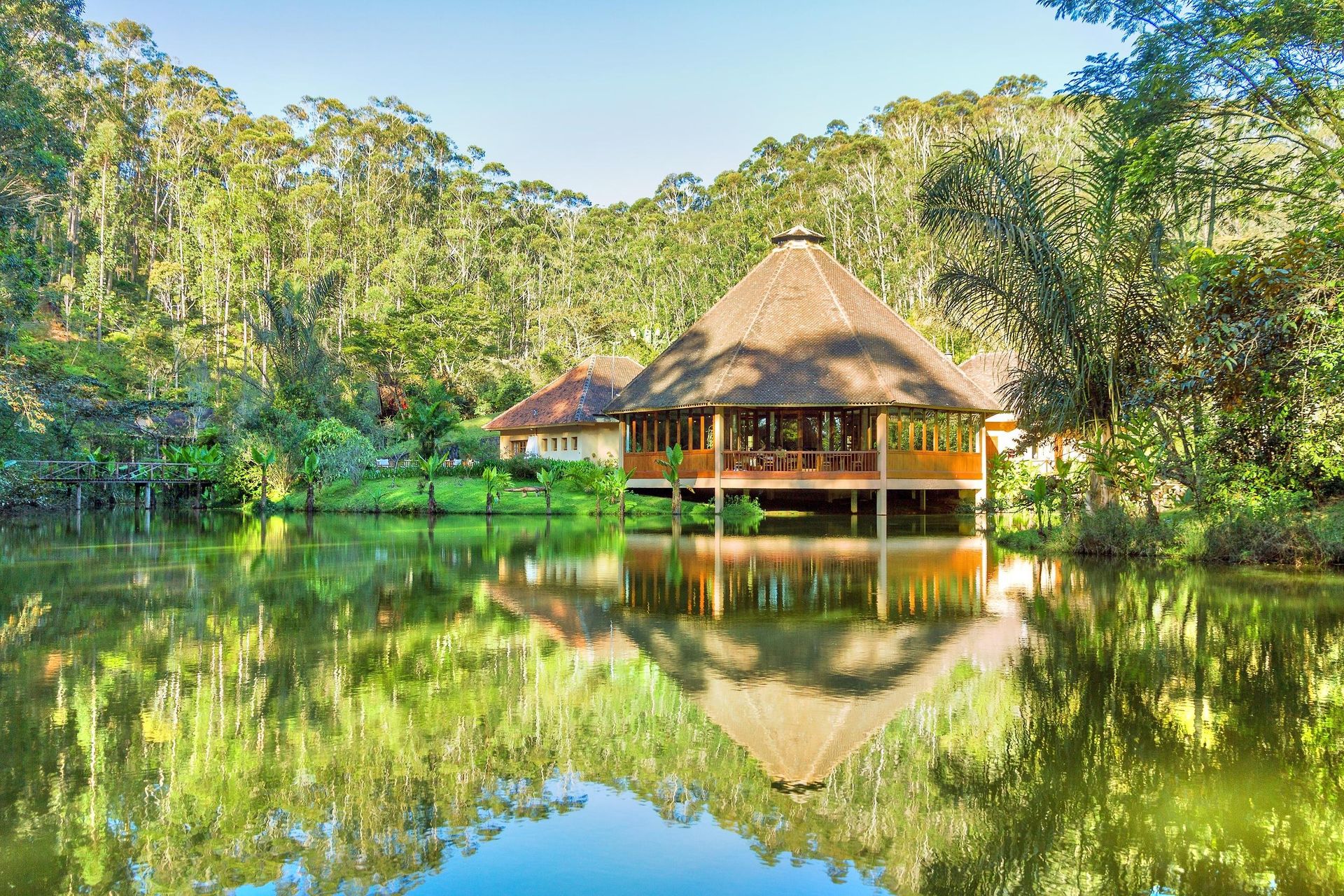
East of Antananarivo, the cluster of parks and private reserves surrounding the small village of Mantadia rewards visitors willing to spend several days exploring the area properly rather than rushing through in a single afternoon. Parc National Analamazaotra sits at the center of the action, holding around a dozen lemur species, a similar number of chameleon species, including the spectacularly ugly Parson’s chameleon, countless amphibians and reptiles, and more than 100 recorded bird species within a relatively compact protected area.
One resident consistently outshines every other creature in the park, drawing visitors back year after year specifically to encounter it. The indri, the largest of all lemur species, resembles an oversized teddy bear and lives in small family groups high in the forest canopy, far above the heads of hikers passing below. Visitors typically hear indri before they ever see one, since their mournful, echoing wails carry remarkable distances through the dense forest, announcing their presence well before any visual confirmation follows.
Finding the best indri sightings sometimes means looking beyond the main national park boundaries and venturing into nearby community-managed land. The Parc Villageois, known locally as VOIMMA, functions as a community-run reserve near the village and regularly offers some of the area’s most reliable indri encounters, giving visitors a genuine incentive to explore beyond the more heavily visited main park sections that most tour itineraries default to.
Spending multiple days in the Andasibe-Mantadia area gives visitors a considerably better chance at seeing the full range of wildlife the region holds, since single-day visits often miss species that require patience or specific timing to encounter properly. Basing a Madagascar itinerary around a few nights near Mantadia, rather than a rushed day trip from the capital, tends to yield far more memorable wildlife encounters across the area’s parks and community reserves, particularly for visitors hoping to hear and see indri on more than one occasion during their stay in the region.
Marie Salichon / Wikimedia Commons (CC BY-SA 4.0)
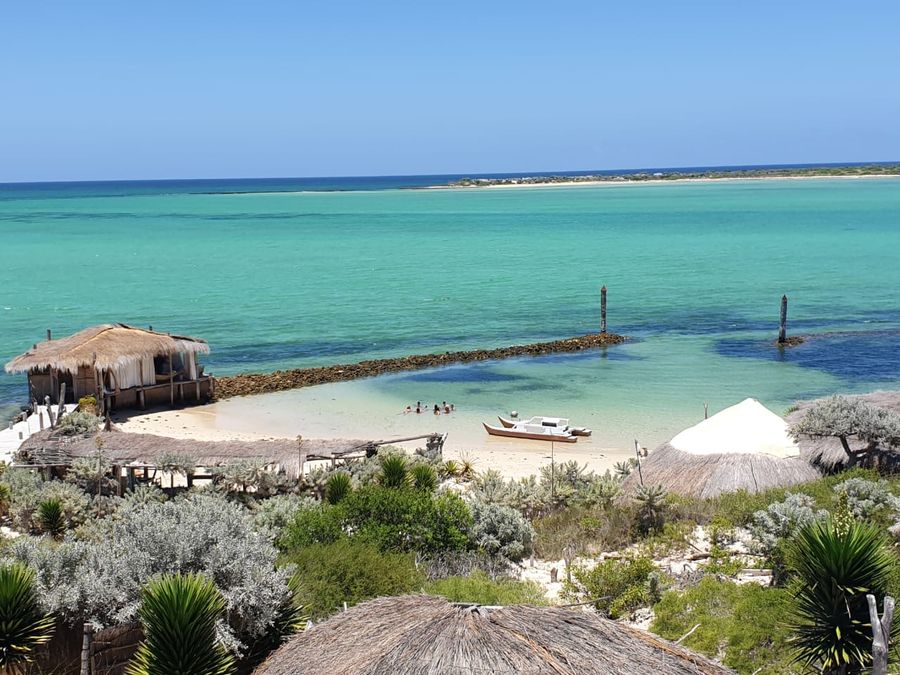
On Madagascar’s southwestern coast, close to where the sparsely inhabited far south of the island meets the sea, Anakao offers a genuinely Robinson Crusoe-like escape from the rigors of Malagasy road travel that few other coastal towns on the island can match. White sand beaches stretch out seemingly without end, and the turquoise water carries an almost elemental power that makes Anakao feel meaningfully different from more developed coastal destinations elsewhere on the island.
Whale watching ranks among Anakao’s biggest draws, and visitors can watch humpback whales breach the ocean’s surface directly from a local fishing boat, giving the experience a genuinely local, unpolished character instead of the more commercialized whale-watching operations found in other parts of the world. The Great Reef running just offshore adds another dimension to a visit, delivering some of Madagascar’s best snorkeling and diving conditions within easy reach of the beach itself and its scattered fishing communities.
Timing a visit around whale season matters considerably for travelers specifically hoping to see humpbacks. The whales migrate along this stretch of coast between mid-June and September, and visitors arriving outside this window should adjust their expectations accordingly, since the sightings that make Anakao famous depend entirely on this seasonal migration pattern instead of occurring reliably year-round. Visitors traveling outside whale season can still count on excellent snorkeling and diving along the Great Reef, which remains a rewarding draw regardless of when they arrive.
Anakao’s remoteness forms a core part of its appeal, and visitors should approach a trip here with realistic expectations about limited infrastructure and services compared with more developed beach destinations elsewhere on the island and the wider region. This trade-off rewards travelers willing to accept fewer amenities in exchange for a beach experience that feels genuinely untouched, offering a kind of solitude that has become increasingly rare along more accessible stretches of Madagascar’s coastline and the broader Indian Ocean region.
Frank Vassen / Wikimedia Commons (CC BY 2.0)
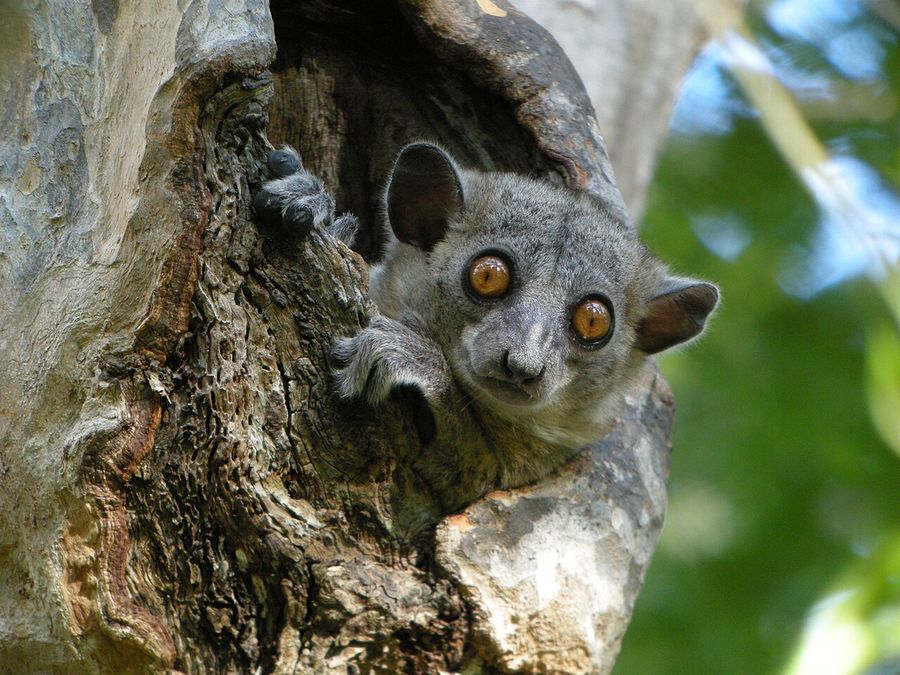
Driving between Morondava and Belo-sur-Tsiribinha carries visitors through an unfortunately extensive stretch of deforested land before Kirindy Forest rises unexpectedly from the surrounding fields like a mirage, a genuine surprise after so many miles of cleared farmland. In an ecologically stressed region, this reserve functions as a genuine island of biodiversity, and visitors should take care not to confuse it with the separate, more remote Parc National Kirindy-Mitea located south of Morondava.
Kirindy’s reputation rests primarily on the fossa, Madagascar’s largest carnivore and one of its most elusive creatures, which is found elsewhere on the island despite its otherwise unremarkable size compared with big cats found on other continents. This cat-like predator, with its long body and oversized ears, proves almost comically easy to spot around the reserve’s main ecolodge, where fossas routinely sleep beneath the cabins and wander casually through camp, offering visitors close encounters that would seem impossible given the species’ reputation for elusiveness in other parts of Madagascar.
Eight lemur species call Kirindy home, including four nocturnal species visible only on guided night walks through the forest after dark, when the reserve reveals a genuinely different character from what it shows during daylight hours. These nighttime excursions reveal an entirely different side of the reserve than daytime visits show, since many of Kirindy’s most interesting nocturnal residents remain hidden and inactive during daylight hours, regardless of how thoroughly a visitor searches the forest for them.
Birdlife throughout Kirindy matches the quality of its mammal sightings, and visitors with even a casual interest in birds find plenty to appreciate here alongside the reserve’s more famous fossa population. Fossas themselves remain visible throughout the year, though they show the most activity during their September-to-November mating season, making this window particularly rewarding for visitors hoping to observe fossa behavior beyond simple sightings around the ecolodge. During this period, the animals become noticeably bolder and more active during daylight hours than at other times of the year.
Credit: National Parks in Africa
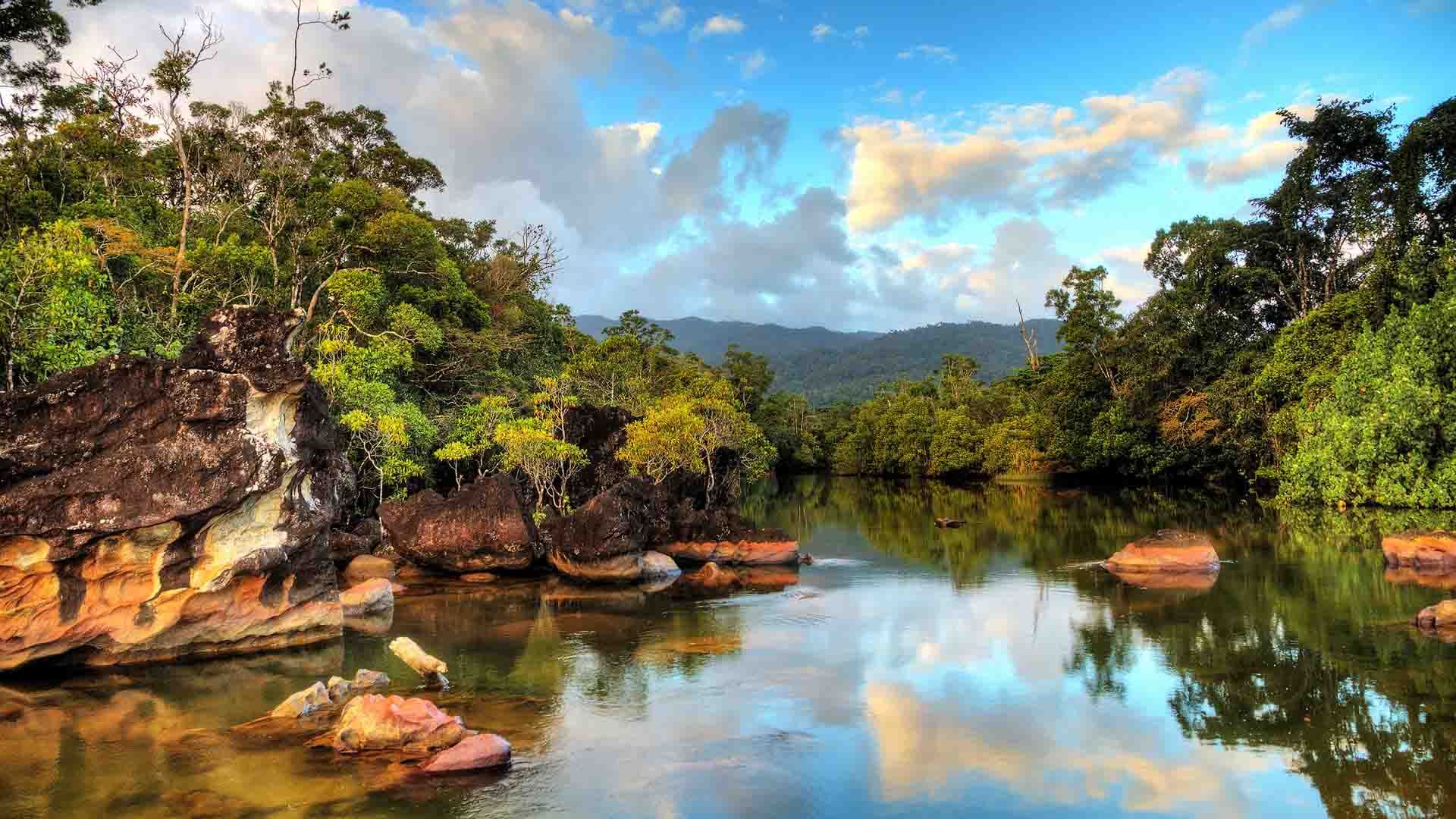
Genuinely wild places have become increasingly difficult to find anywhere in the world, which makes the remote bay and coastline of Baie d’Antongil and the Masoala Peninsula in eastern Madagascar an especially precious destination for travelers seeking real isolation from modern life. Whales come to this bay specifically to calve, lingering in its pristine waters with their young for extended periods that give visitors an unusually intimate window into whale family life along this stretch of coast.
Vast stretches of primal rainforest cover much of the peninsula, rich in both mystery and wildlife that few visitors ever encounter, given how remote this region remains compared with Madagascar’s more accessible parks and reserves elsewhere on the island. Hiking trails here stretch for days without crossing paths with another human being, offering a level of genuine solitude that has become vanishingly rare across most of the rest of the world, let alone within a single national park boundary.
Reaching Masoala demands real commitment from visitors, since getting here is a genuine adventure that requires a knowledgeable guide and a willingness to travel self-sufficiently without relying on the infrastructure found in more developed parts of Madagascar or elsewhere in the region. This difficulty of access, though, produces exactly the reward that draws visitors here in the first place, since the experience of being this far removed from the world’s noise feeds something that more accessible destinations simply cannot replicate, no matter how impressive their own scenery or wildlife might otherwise be.
Visitors planning a trip to Masoala should pack sufficient provisions well in advance, given how little is available locally once travelers commit to the journey into this remote region, far from any real supply chain. Cyclones remain a genuine possibility in eastern Madagascar between January and April, and checking with local authorities before setting out into the wilderness here matters considerably more than it would for a trip to a more developed and closely monitored part of the island.
M worm / Wikimedia Commons
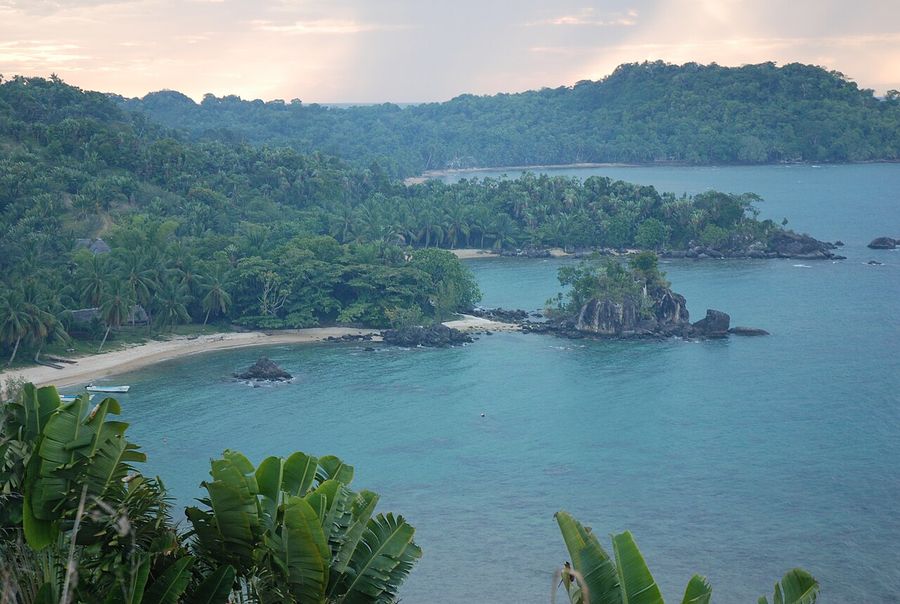
Among Madagascar’s numerous world-class beach destinations, two islands consistently rise above the rest for travelers seeking genuine beach bliss without unnecessary compromise. Nosy Be offers a glorious tropical setting suited to hiking, sailing, snorkeling, or simply lazing on the sand, and the island’s azure waters, fine restaurants, and bars have earned it a reputation as one of the loveliest resort islands anywhere in the Indian Ocean, capable of feeling as exclusive or as accessible as any individual visitor wants it to feel.
Île Sainte Marie, positioned off Madagascar’s wild east coast, offers pleasures broadly similar to those found on Nosy Be, with the added bonus of seasonal whale watching that draws visitors during the migration months each year. The island carries its own distinct character despite the overlap in activities, shaped partly by its more remote east coast location and partly by a history and atmosphere genuinely different from Nosy Be’s more polished resort feel.
A tiny offshore echo of Île Sainte Marie exists in Île aux Nattes, a genuinely postcard-perfect tropical paradise reachable as an easy day trip from the main island by a short boat crossing. Visitors who make the short crossing to Île aux Nattes often describe it as an even more concentrated version of everything that makes Île Sainte Marie appealing in the first place, condensed onto a noticeably smaller and quieter stretch of sand.
Choosing between Nosy Be and Île Sainte Marie ultimately comes down to what a traveler wants most from a Madagascar beach stop and how much time remains for the rest of the trip. Visitors prioritizing polish, accessibility, and a wider range of dining and nightlife options tend to gravitate toward Nosy Be, while those drawn to a slightly wilder east coast setting, complete with seasonal whale watching, often find Île Sainte Marie and its tiny neighbor Île aux Nattes the more rewarding choice for a longer, quieter stay away from the crowds.