
The 9 best places to visit in the Netherlands in 2026
From Rotterdam's market hall ceiling painted with giant fruit to Delft's Royal Delft pottery works operating without interruption since 1653
Niels Baars / Unsplash
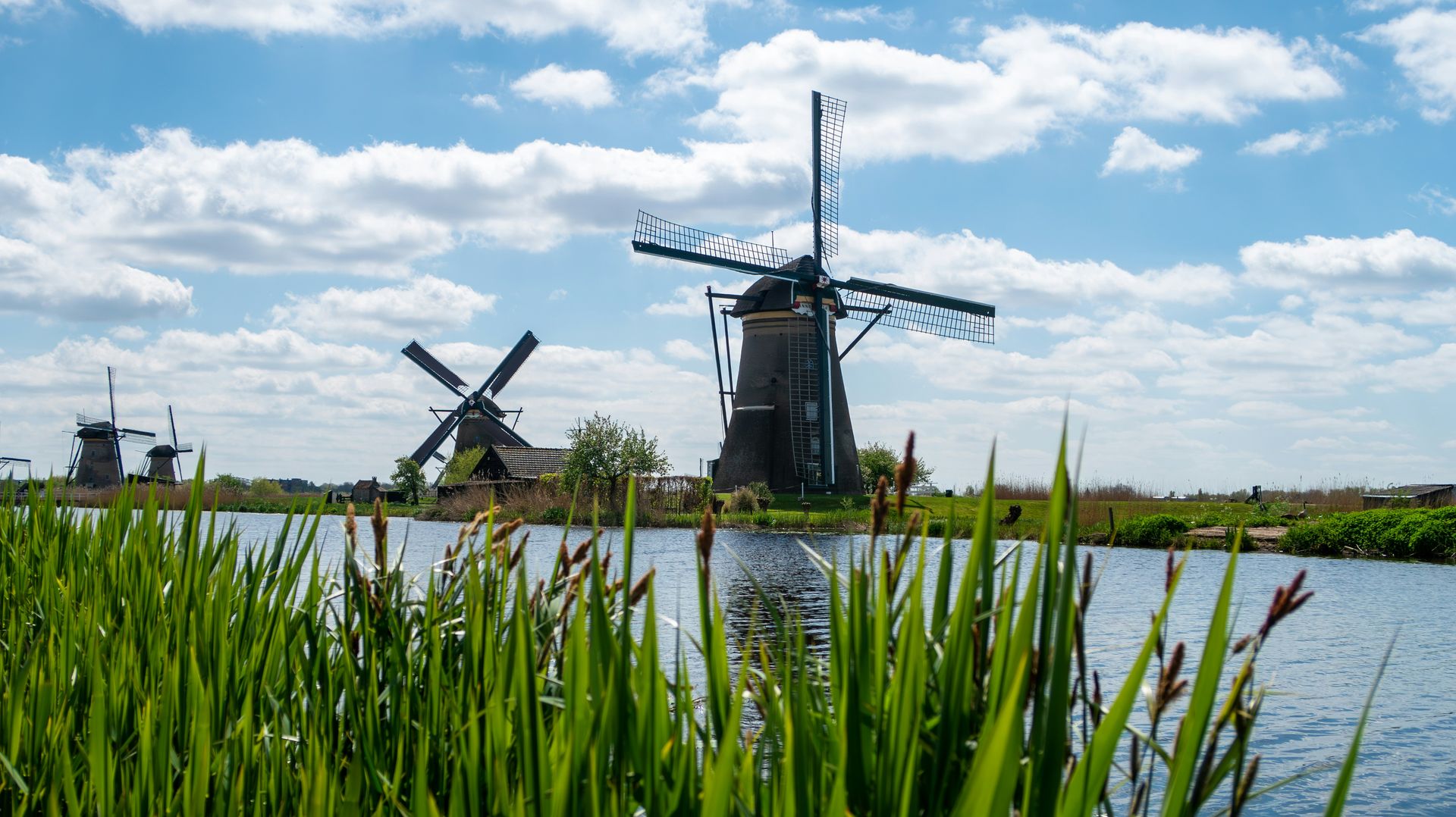
The Netherlands is a genuine treasure trove of exquisite art-filled cities, canals, windmills, tulip fields, beaches, and islands packed into a remarkably compact area. As one of Europe’s smaller nations, travelers can cross the entire country in a handful of hours, and an efficient, easy-to-use public transit network means many of the top destinations sit just a short train journey apart from each other throughout the country.
Summer is the peak tourist season throughout the country, though the Netherlands is a genuinely year-round destination, with events scattered across the calendar that make nearly any season worth visiting for the right kind of traveler. This blend of compact geography and reliable transport gives travelers real flexibility in stringing together multiple destinations within a single trip.
The nine destinations below are featured in Lonely Planet and cover unmissable cities, towns, and islands throughout the Netherlands. Each one offers a genuinely different facet of the country, from world-class art and royal history to windswept island beaches and centuries-old university towns. Combining several stops in a single trip rewards travelers with a genuinely rich sense of how much variety this compact country holds. A route built around the western cities could realistically link Amsterdam, Rotterdam, and Delft within just a few days of train travel, while a more southern itinerary might pair Maastricht’s hilly streets with Leiden’s canals and tulip fields further north. Coastal travelers could just as easily base themselves in Haarlem or Den Haag, using either city as a launchpad for beach days alongside museum visits. Whichever combination a traveler ultimately chooses, the country’s dense rail network keeps nearly every pairing genuinely feasible within a single, relatively short trip. Even travelers with just a week available can realistically sample several genuinely distinct sides of the country without much wasted travel time.
1. Amsterdam anchors Dutch culture along historic canals
Tobias Kordt / Unsplash
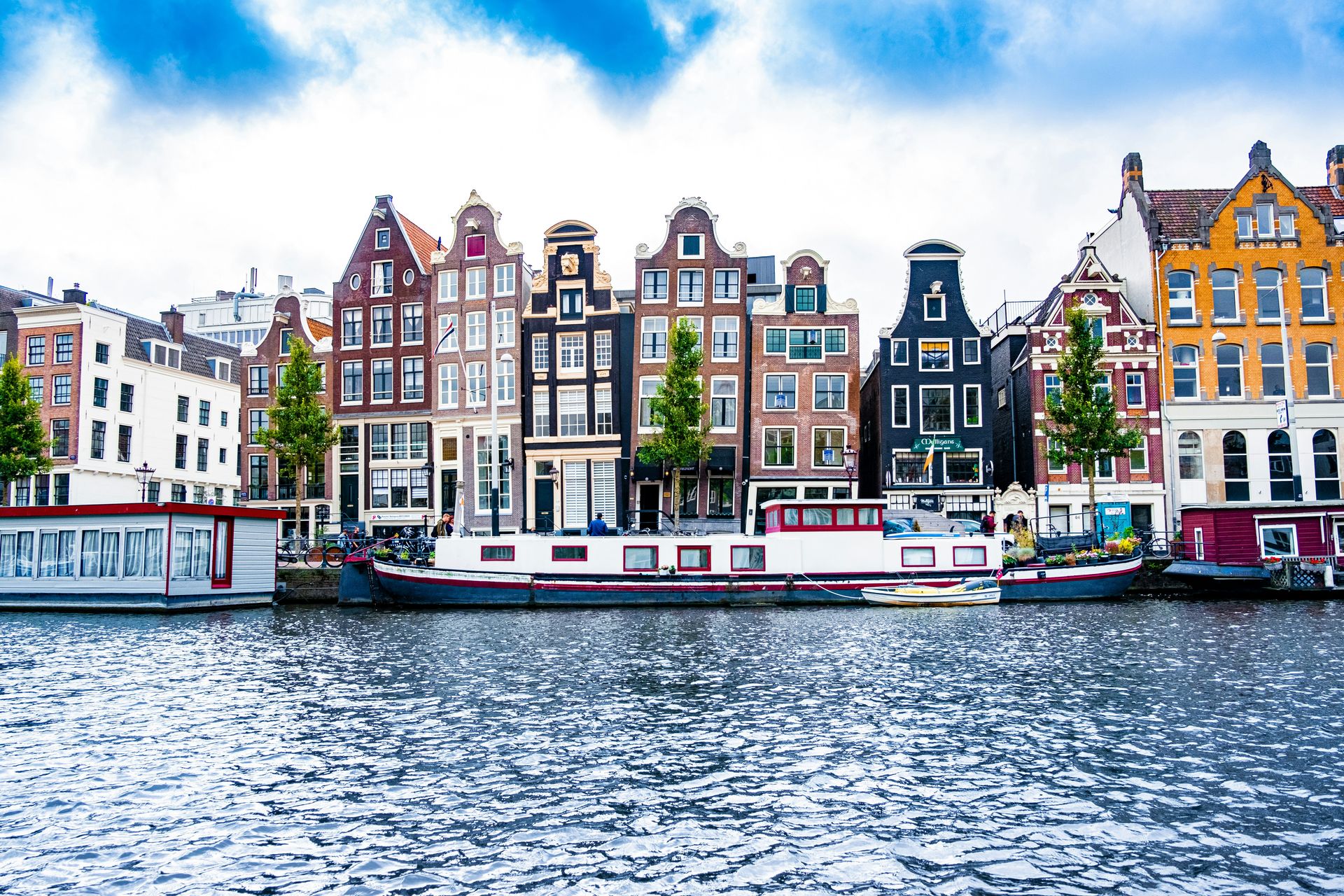
Ribboned by UNESCO-listed 17th-century canals lined by tilting gabled buildings that form its central core, Amsterdam functions as a genuine cultural jewel among European capitals. The Dutch capital brims with museums headlined by the national showpiece, the Rijksmuseum, alongside the neighboring Van Gogh Museum and the modern-art-focused Stedelijk Museum, with eye-openers such as the Wereldmuseum, a museum of world cultures, and scores of smaller, specialist gems as niche as piano-player pianolas or sustainable fashion.
Music spanning classical to EDM spills from historic churches, hallowed concert halls, including the near-perfect acoustics of the Concertgebouw, and legendary venues such as Melkweg, alongside open-air spaces such as the stage in the sprawling green Vondelpark. This range of musical settings gives Amsterdam genuine depth well beyond its famous canals and museums alone.
Avoiding overtourism and escaping the heaviest crowds genuinely just requires heading to less-visited neighborhoods beyond the historic center. Amsterdam Noord functions as a fantastic starting point, home to a state-of-the-art film museum, the world’s biggest street-art museum, a vast art breeding ground housed in the former shipping warehouse NDSM Loods, and eco-focused cafes and bars, many built directly from recycled materials.
Travelers $TRV should budget at least a full day specifically for Amsterdam Noord, beyond the standard city-center sightseeing, since this neighborhood offers a genuinely different, considerably less touristy side of the Dutch capital. Renting a bike remains one of the most practical ways to get around, since the city’s flat terrain and extensive cycling infrastructure make pedaling considerably faster than walking between major sights. Booking timed-entry tickets for major museums such as the Rijksmuseum and Van Gogh Museum well in advance genuinely helps avoid long lines during peak tourist months. Travelers should also confirm bike rental deposits and insurance details before setting off, since damaged or stolen bikes can carry significant replacement costs. A rain jacket also helps considerably, given the city’s genuinely unpredictable, ever-changing weather patterns. A bike lock also helps considerably, given the city’s genuinely high rate of bike theft.
2. Rotterdam rebuilds itself into a contemporary art gallery
michelie henderson / Unsplash
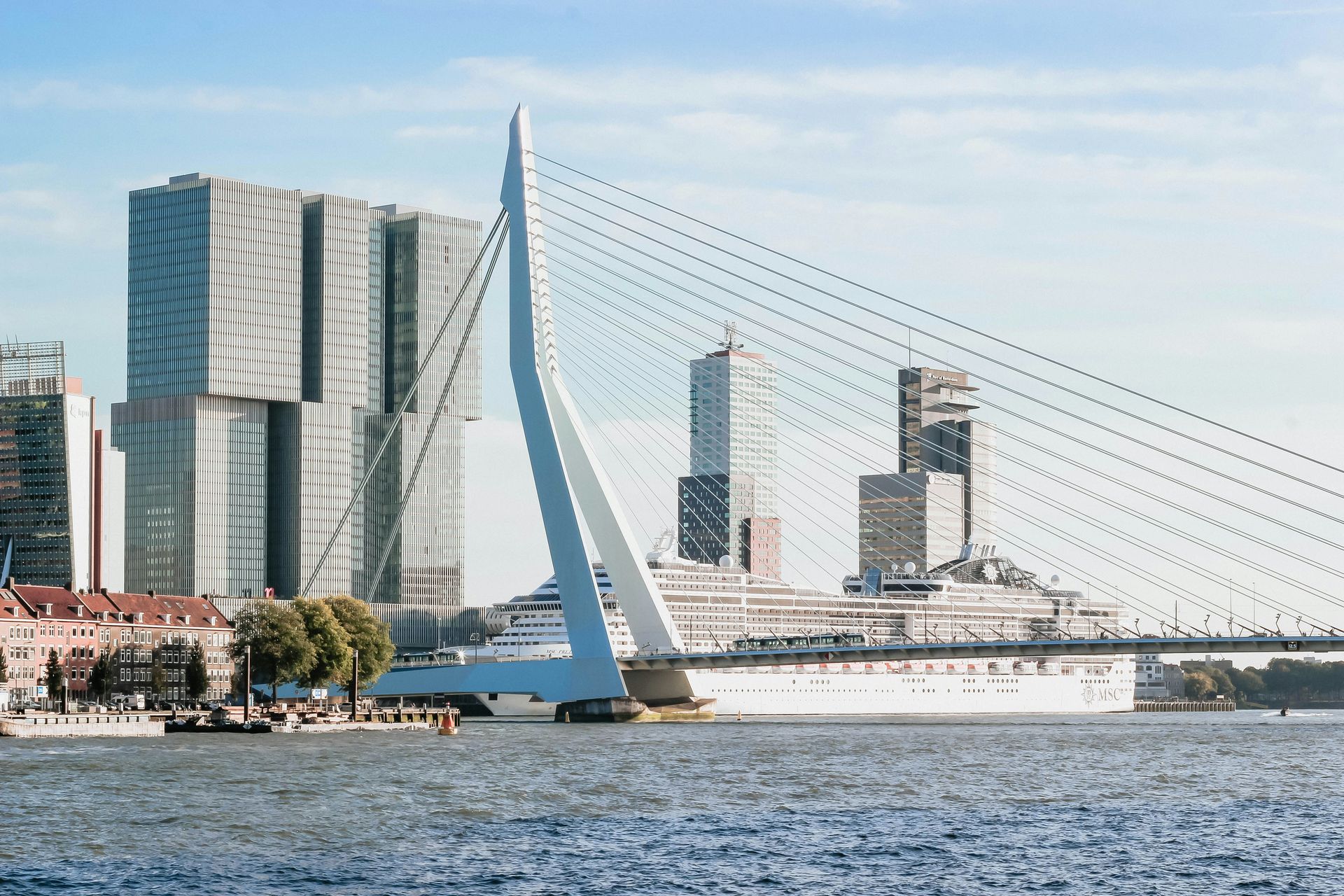
The Netherlands’ second-largest city and Europe’s largest port, Rotterdam has triumphed over the devastation of World War II, transforming itself into a veritable gallery of contemporary architecture and public art. Standout structures include the Overblaak forest of tilted cube-shaped houses, one of which houses the Kijk-Kubus museum, the soaring, horseshoe-shaped Markthal with its original food stalls and restaurants, and the gleaming, mirror-ball-like Depot Boijmans Van Beuningen, a world-first open-access art storage facility.
Repurposed spaces abound throughout the city, including the Schieblock, a midcentury office building converted into creative studios and topped by a harvestable roof terrace. This willingness to repurpose older structures rather than simply demolish them gives Rotterdam a genuinely distinct architectural identity compared with cities that rebuilt from scratch after wartime destruction.
An exhilarating way to see the city’s shape-shifting cityscape is to board a water taxi that zips across the harbor, offering a genuinely different vantage point from exploring purely on foot. Daredevils can even abseil from Rotterdam’s iconic Euromast observation tower, which opened in 1960 and still ranks among the city’s most recognizable landmarks, a drop of 100 meters.
Rotterdam Central Station is just a 33-minute journey by intercity train from Amsterdam Zuid, making Rotterdam a genuinely easy day trip from the Dutch capital for travelers with limited time to spare. Travelers $TRV should book Euromast tickets in advance during peak season, as the observation tower’s popularity can make walk-up availability genuinely limited on busier weekends. Travelers interested in architecture should also seek out the Kubuswoningen exhibition in one of the actual cube houses, which shows visitors how residents genuinely live in these unusual structures. Travelers should also check the Markthal’s opening hours before visiting, since some food stalls close earlier than the building’s main public hours. Comfortable shoes also help considerably, given how much genuine walking the architecture tour actually involves. A reusable water bottle also helps considerably during a longer architecture-focused walking tour.
3. Texel guards seals and dunes off the Dutch coast
marieke koenders / Unsplash
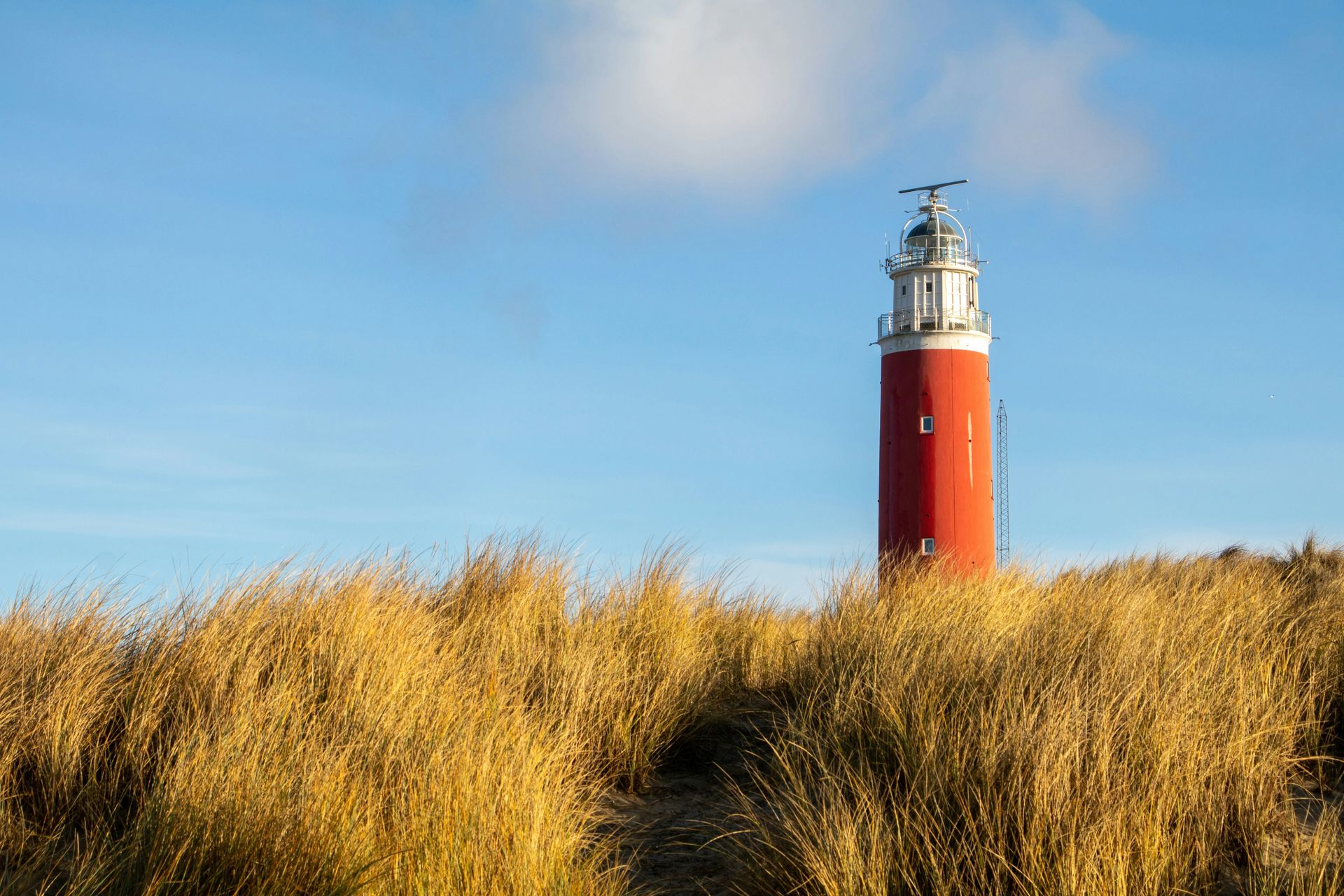
Basking less than three kilometers off the Dutch coast, the bucolic Waddenzee island of Texel, pronounced Tes-sel, gets capped by a crimson lighthouse and fringed by sweeping white-sand beaches throughout its coastline. Lush pastures grazed by fluffy sheep, prized for their wool, and dairy cows, whose milk gets used in local cheeses, chocolate, and ice cream mixed with freshly picked berries, give the island a genuinely pastoral character alongside its rambling forests and nature reserves.
Cycling trails crisscross the island in every direction, and activities ranging from horseback riding and skydiving to sailing and kitesurfing give Texel a genuine range across both relaxed and adrenaline-focused travel styles. This variety makes the island appealing to families and thrill-seekers alike within a single compact destination.
Roughly 10,000 seals swim in the waters surrounding Texel, and visitors can spot them either on dedicated boat trips or at Ecomare’s seal sanctuary, which gives close-up access without requiring a boat at all. This concentration of marine wildlife within such easy reach of the mainland gives Texel genuine appeal for travelers specifically interested in wildlife alongside its beaches.
Ferries carry foot passengers, cars, and bikes from mainland Den Helder to Texel in just 20 minutes, and a summer-only service also links Texel directly with the Frisian island of Vlieland for travelers hoping to extend their island-hopping. Travelers $TRV should bring a bike or rent one on arrival, since the island’s cycling trails offer genuinely the most efficient way to cover its varied terrain in a single day. Travelers interested specifically in the local cheese and dairy production should visit one of the island’s working farms, many of which offer tastings alongside a look at the actual production process. Travelers should also pack layers regardless of the season, since the island's coastal winds can make temperatures feel considerably cooler than the forecast alone suggests. A reusable water bottle also helps considerably during longer cycling routes across the island.
4. Delft preserves Vermeer’s light and Delftware’s craft
Folco Masi / Unsplash
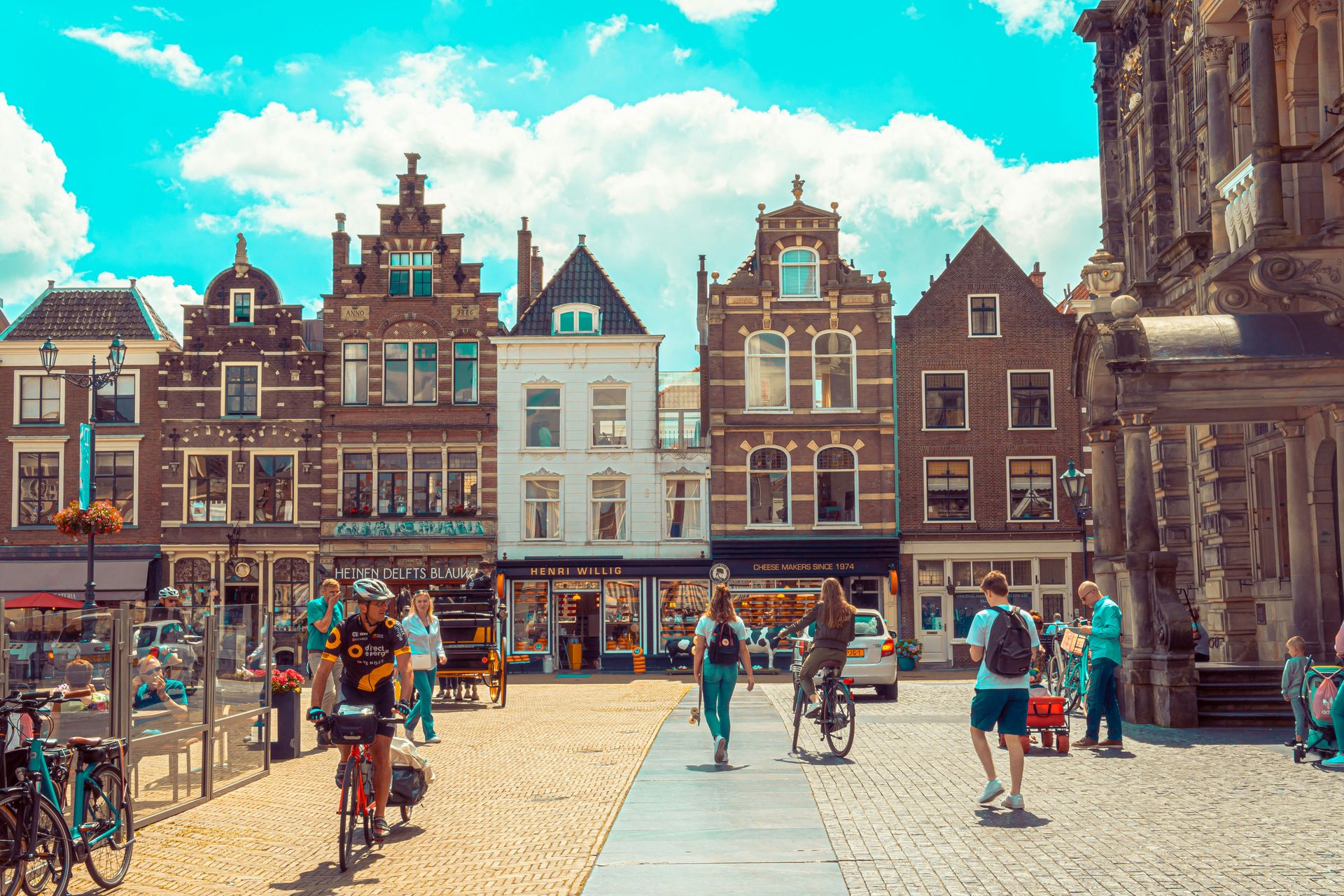
Lovely little Delft, with its web of narrow canals lined by quaint, colorful buildings, seems genuinely preserved in another era altogether. Centered on its medieval Markt, one of Europe’s largest market squares, where markets still set up every Thursday, the town is crowned by the lopsided 14th-century spire of its Oude Kerk, or Old Church, alongside the 17th-century-completed Nieuwe Kerk, or New Church, whose tower’s 376 spiraling steps reward climbers with beautiful views across the town.
A considerably less demanding but equally picturesque impression waits across the canal at Hooikade, where 17th-century Delft-born artist Vermeer painted his famous View of Delft, a scene that remains genuinely recognizable today. Vermeer’s life and techniques get covered in depth at the Vermeer Centrum Delft, giving art lovers real insight into the painter’s working methods and historical context.
The 17th century also saw local artisans leave an enduring legacy through the production of blue-and-white-painted pottery known worldwide as Delftware. Royal Delft, which has operated continuously since 1653, offers behind-the-scenes tours that let visitors watch the traditional production process firsthand rather than simply viewing finished pieces in a shop window.
It only takes 10 minutes by train to travel between Rotterdam and Delft, giving travelers the flexibility to pair both cities in a single day’s itinerary without extensive additional travel time. Travelers $TRV hoping to buy authentic Delftware should confirm that the piece bears genuine Royal Delft markings, since imitation pieces circulate widely in tourist shops in the surrounding area. Travelers should also visit the Prinsenhof Museum, housed in the building where William of Orange was assassinated in 1584, for a genuinely different layer of Dutch history beyond art and ceramics. Travelers should also budget time to simply wander the town’s smaller side streets, since much of Delft’s charm lies in details easily missed on a rushed visit. Comfortable shoes also help considerably, given the town’s charming but genuinely uneven, worn cobbled streets. A small day pack also helps considerably for carrying any Delftware purchased along the way.
5. Den Haag houses Dutch royalty and world-class art
Marjoline Delahayne / Unsplash
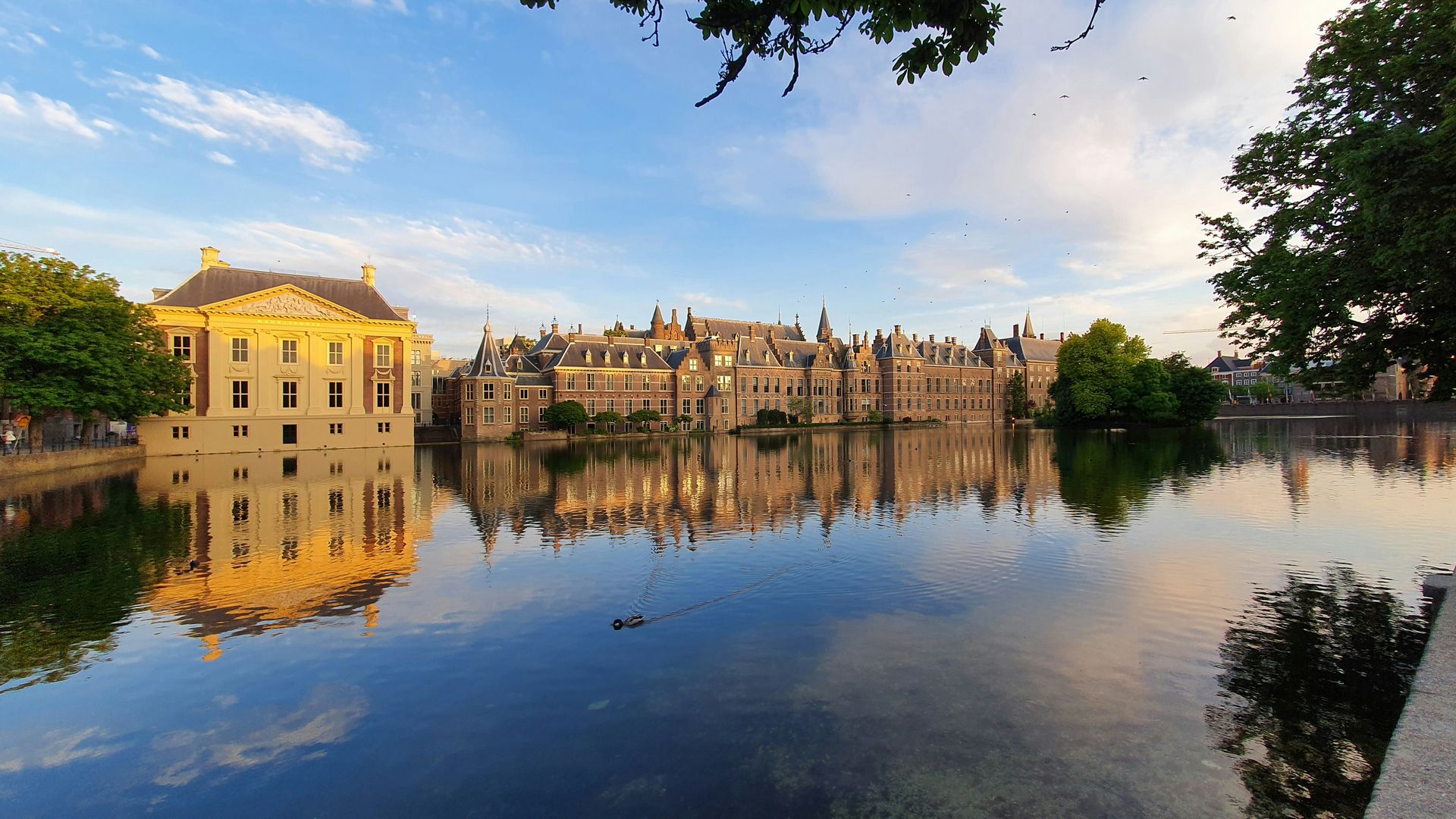
Stately Den Haag, known in English as The Hague, is the Netherlands’ third-largest city, and while it isn’t technically the capital, it serves as the seat of government and the royal family. The glimmering Hofvijver pond reflects the Gothic-style Binnenhof, or Inner Court, the permanent home of the Dutch parliament, though the parliament is temporarily relocated while renovations are completed in 2030. The country’s monarch, King Willem-Alexander, works from the adjacent Paleis Noordeinde and lives at the nearby palace Huis ten Bosch.
Visitors won’t need a royal invitation to visit the dazzling royal picture gallery at the Mauritshuis, which hangs masterpieces including Vermeer’s Girl with a Pearl Earring and Fabritius’s The Goldfinch. The former royal residence, Lange Voorhout Palace, showcases the mind-bending works of Dutch graphic artist M.C. Escher, offering visitors a distinctly different artistic experience from the more classical paintings found elsewhere in the city.
Bringing together organizations including the Royal Conservatoire and the modern-dance Nederlands Dans Theater across four separate halls, the performing arts complex Amare, which opened in 2021, functions as the city’s genuine cultural meeting point for music and dance alike.
Joining locals unwinding at laid-back beach bars along the long, sandy strand at Scheveningen once the weather warms up rewards visitors with a genuinely relaxed side of Den Haag beyond its formal government buildings and museums. Travelers $TRV should book Mauritshuis tickets in advance during peak season, since the gallery’s compact size and famous paintings draw considerable crowds throughout the year. Travelers interested in modern architecture should also seek out the city’s distinctive skyline near the central station, where several striking contemporary towers stand in direct contrast to the older royal buildings nearby. Travelers should also check Amare’s current performance schedule before visiting, as concerts and dance shows don’t follow a fixed daily schedule. A light jacket also helps for the steady breeze that rolls in along the beach at Scheveningen. Sunscreen also matters considerably during longer afternoons spent at Scheveningen’s beach bars.
6. Maastricht revives Roman roots with festival revelry
Guillaume Henrotte / Unsplash
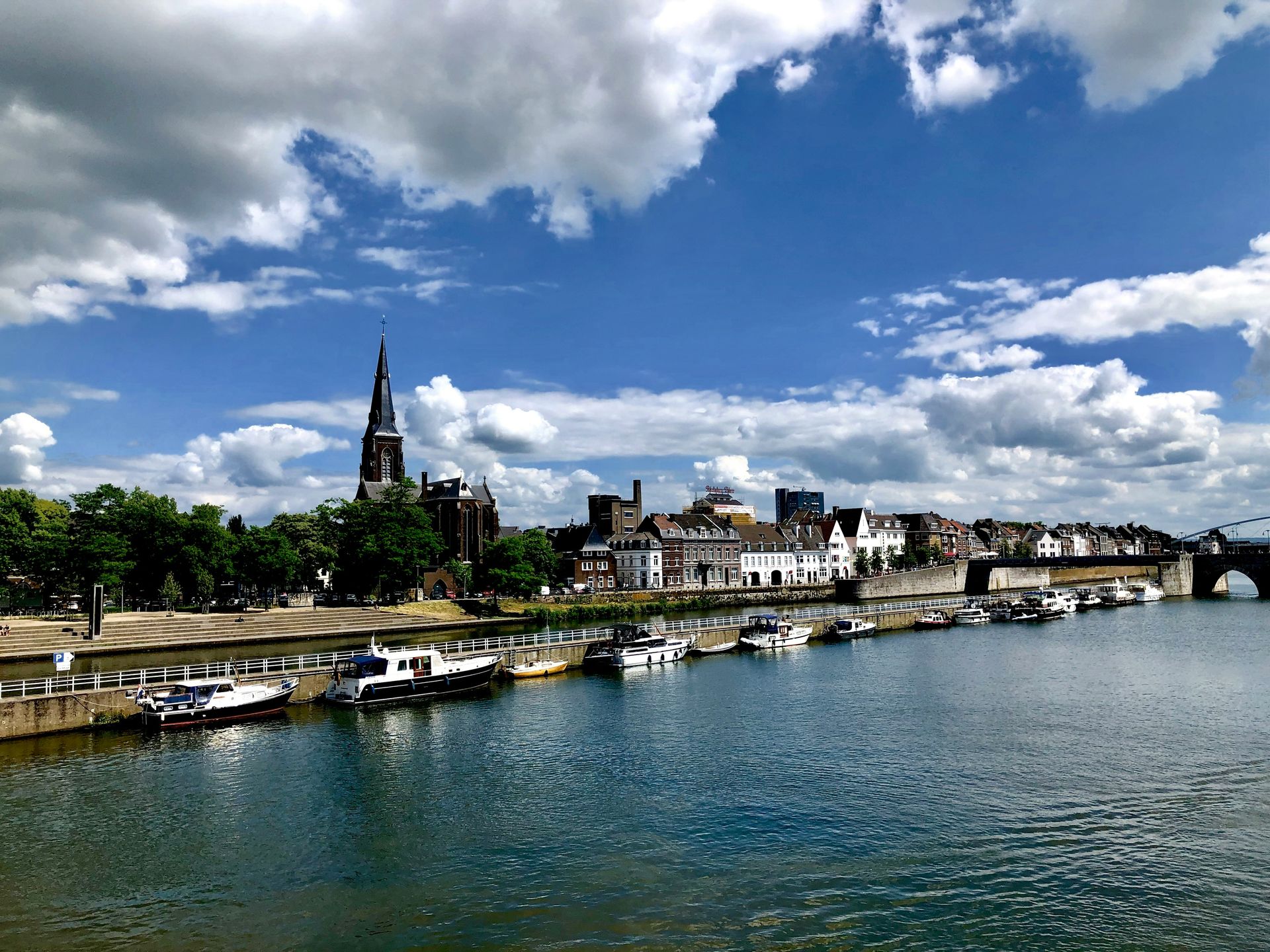
In this otherwise flat country’s hilly southeast, Maastricht genuinely upends most visitors’ expectations of the Netherlands. Bordered by Germany and Belgium, its location along the ancient trade route between Cologne and Boulogne-sur-Mer led the Romans to establish a fort to guard the crossing of the Maas (Meuse) River. Visitors can see the site of the original bridge from its replacement, the arched, stone footbridge Sint Servaasbrug, begun in 1280 and standing as the Netherlands’ oldest bridge.
Maastricht’s unbuttoned joie de vivre traces back to the 15th century, when the city sat within the vast Burgundy power base, resulting in rich food and flowing wine, beer, and merriment that still define much of the local culture today. Great places to whet an appetite include the city squares Markt, Vrijthof, overlooked by the Romanesque basilica Sint Servaasbasiliek, and Onze Lieve Vrouweplein, sitting alongside the Romanesque church Onze Lieve Vrouwebasiliek.
This blend of Roman military history and later Burgundian-era indulgence gives Maastricht a genuinely layered identity spanning nearly two millennia of continuous settlement. Few other Dutch cities combine this much historical depth with such an openly festive contemporary atmosphere.
Carousing peaks during Carnaval, held in the lead-up to Shrove Tuesday each February or March, when many businesses otherwise close entirely and costumed parades and parties take over the city’s streets and squares. Travelers $TRV should book accommodation well in advance if visiting during Carnaval, specifically, since hotel rooms throughout the city fill up quickly as the festival approaches. Travelers should also visit the Bonnefanten Museum for a genuinely different artistic experience, as its collection spans from medieval religious art to contemporary work, all within the same building. Travelers should also sample the local specialty vlaai, a fruit-filled pastry, since it reflects the region’s distinct culinary identity compared with the rest of the Netherlands. Comfortable shoes also help considerably, given the city’s genuinely hilly, historic, cobbled streets throughout. A reusable water bottle also helps considerably, given how much hillier this city feels.
7. Leiden roots academia in tulip fields and canals
Claar Schuurs / Unsplash
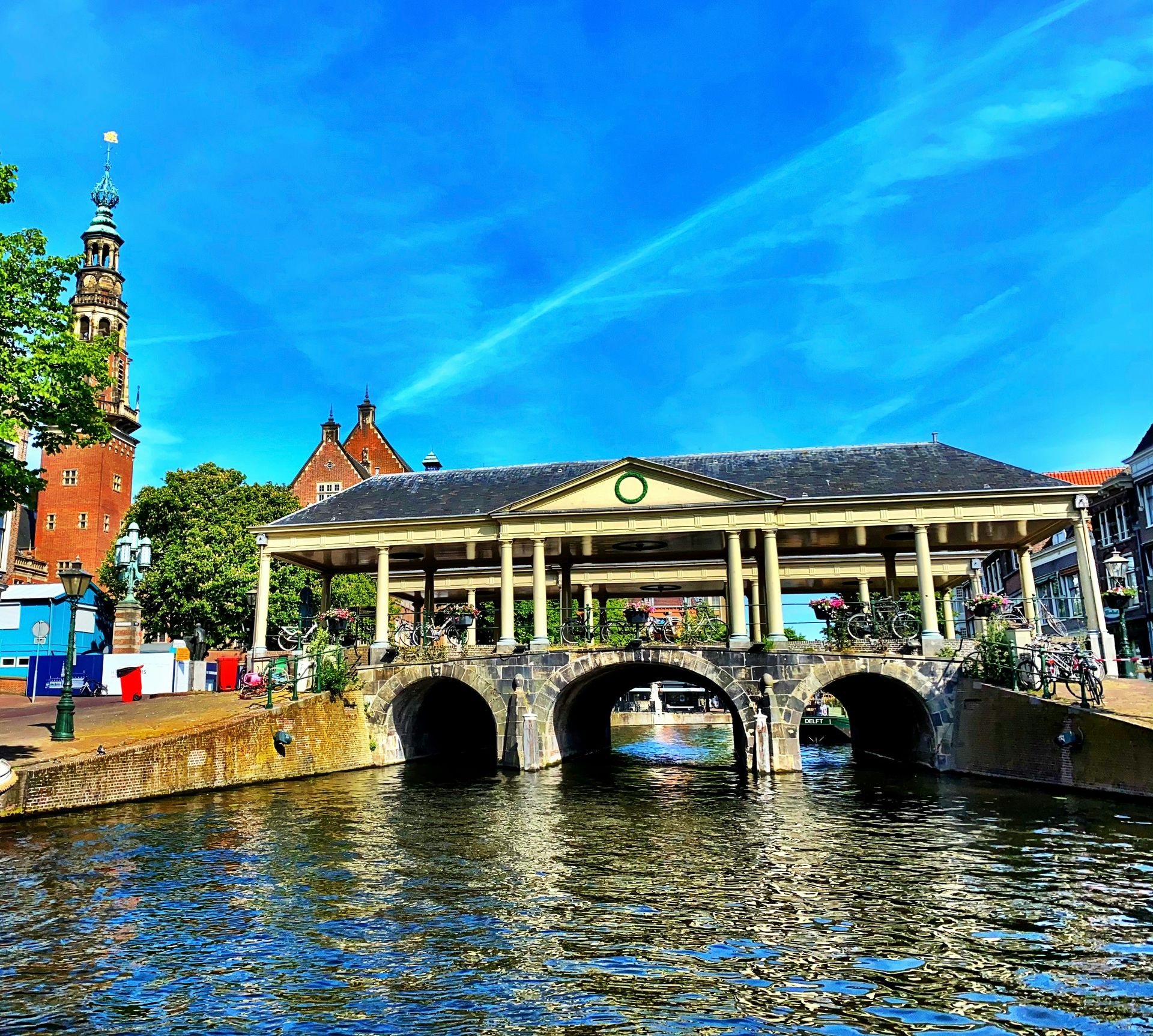
Whether the specific historical interest is academia, art, or transatlantic history, Leiden is a genuine must-visit destination. Threaded by canals throughout, the city holds the Netherlands’ oldest and most illustrious university, gifted to Leiden by Willem the Silent in 1575, alongside its botanical garden, the Hortus Botanicus Leiden, which opened in 1590 and shelters rare plant species gathered from all over the world.
Befitting an academic city, Leiden stays genuinely stuffed with fascinating museums, and the flagship Museum De Lakenhal, housed in a former cloth warehouse, displays works by artists including Rembrandt, who was born in Leiden in 1606. This concentration of historical and artistic institutions within a relatively compact city gives Leiden genuine depth for travelers willing to spend more than a single afternoon exploring.
The Pilgrims, religious refugees who had fled England for Amsterdam in 1608, moved to Leiden the following year and eventually raised money to lease the Speedwell and commence their journey to the New World in 1620. The tiny Leiden American Pilgrim Museum charts this specific story in genuine detail for history-minded visitors.
Leiden also functions as a jumping-off point for springtime trips through rainbow-striped tulip fields and the Keukenhof Gardens, located 20 kilometers north at Lisse, where roughly seven million bulbs bloom each spring, drawing visitors from across the world specifically for this seasonal spectacle. Travelers $TRV should book Keukenhof tickets online in advance during peak bloom season, since the gardens limit daily visitor numbers and popular dates can sell out. Travelers interested in the history of science should also visit the Rijksmuseum Boerhaave, which traces the development of Dutch scientific instruments and medical history over several centuries. Travelers should also check Keukenhof’s specific bloom calendar before booking, since which flowers are actually in bloom shifts considerably across the roughly two-month season. A hat also helps considerably during sunny spring visits to Keukenhof Gardens, specifically. A reusable water bottle also helps considerably during longer walks through the tulip fields.
8. Utrecht climbs a medieval tower above student life
Kaja Sariwating / Unsplash
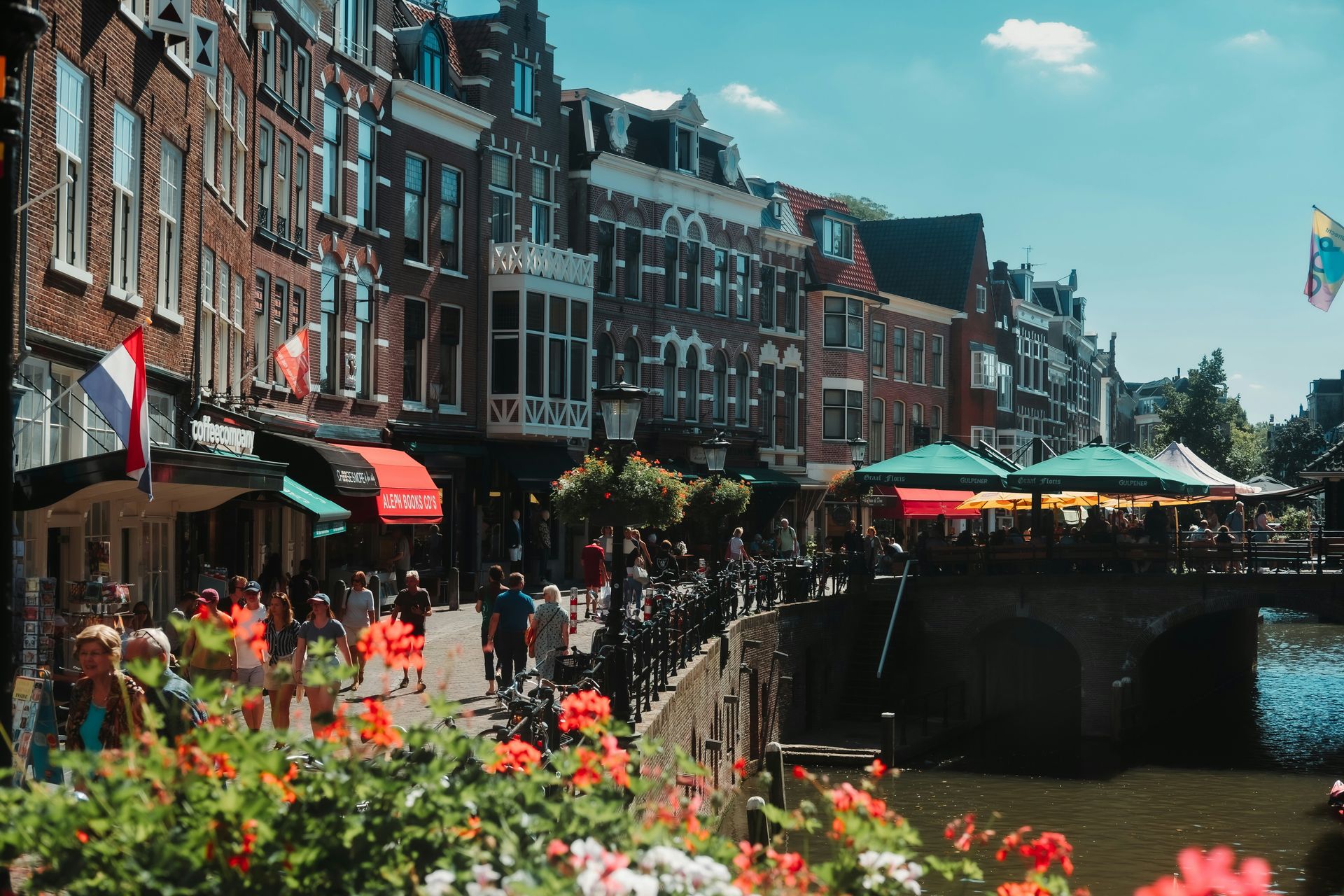
Utrecht’s university, founded in 1636, gives this vibrant student city a genuinely youthful energy, and independent shops, bars, and bakery-cafes throughout the historic center buzz with activity well into the evening. The city holds some genuinely singular vantage points, and climbing the 112-meter belfry Domtoren, Utrecht’s medieval landmark, reached via 465 steps, rewards visitors with views stretching as far as Amsterdam on a clear day.
The Domkerk cathedral’s nave was destroyed by a hurricane in 1674 and never rebuilt, leaving a genuinely striking gap in the otherwise complete structure that visitors can still see today. Below ground, DOMunder guided tours take visitors to an archaeological site spanning two millennia of continuous history, while Paleis Lofen tours explore the subterranean remains of a residence built by the Holy Roman Emperors around 1020 CE, incorporating even earlier Roman remains in its foundations.
Utrecht’s canals also rank among its most distinctive features, and the Oudegracht and Nieuwegracht feature double-decker towpaths at both river level and street level above, where merchants once offloaded goods directly into kelders, or cellars, many of which now house cafes and accommodation. Seeing these canals from the water by boat, kayak, or canoe reveals a genuinely different perspective than viewing them purely from street level.
A frequent intercity train service links Utrecht and Amsterdam in under 20 minutes, making the two cities genuinely easy to combine into a single day trip for travelers based in either city. Travelers $TRV should wear comfortable shoes for the Domtoren climb specifically, since the tower’s thin, worn stone steps demand genuinely sturdy footwear. Travelers should also explore the Museum Speelklok, dedicated to mechanical musical instruments, for a genuinely quirky detour well suited to visitors with children in tow. Travelers should also book DOMunder tours in advance, since the underground archaeological site limits group sizes to help preserve the fragile historical remains below street level. A light jacket also helps considerably at the top of the Domtoren.
9. Haarlem opens onto Zandvoort’s dunes and wildlife
Hamid Bagheri / Unsplash
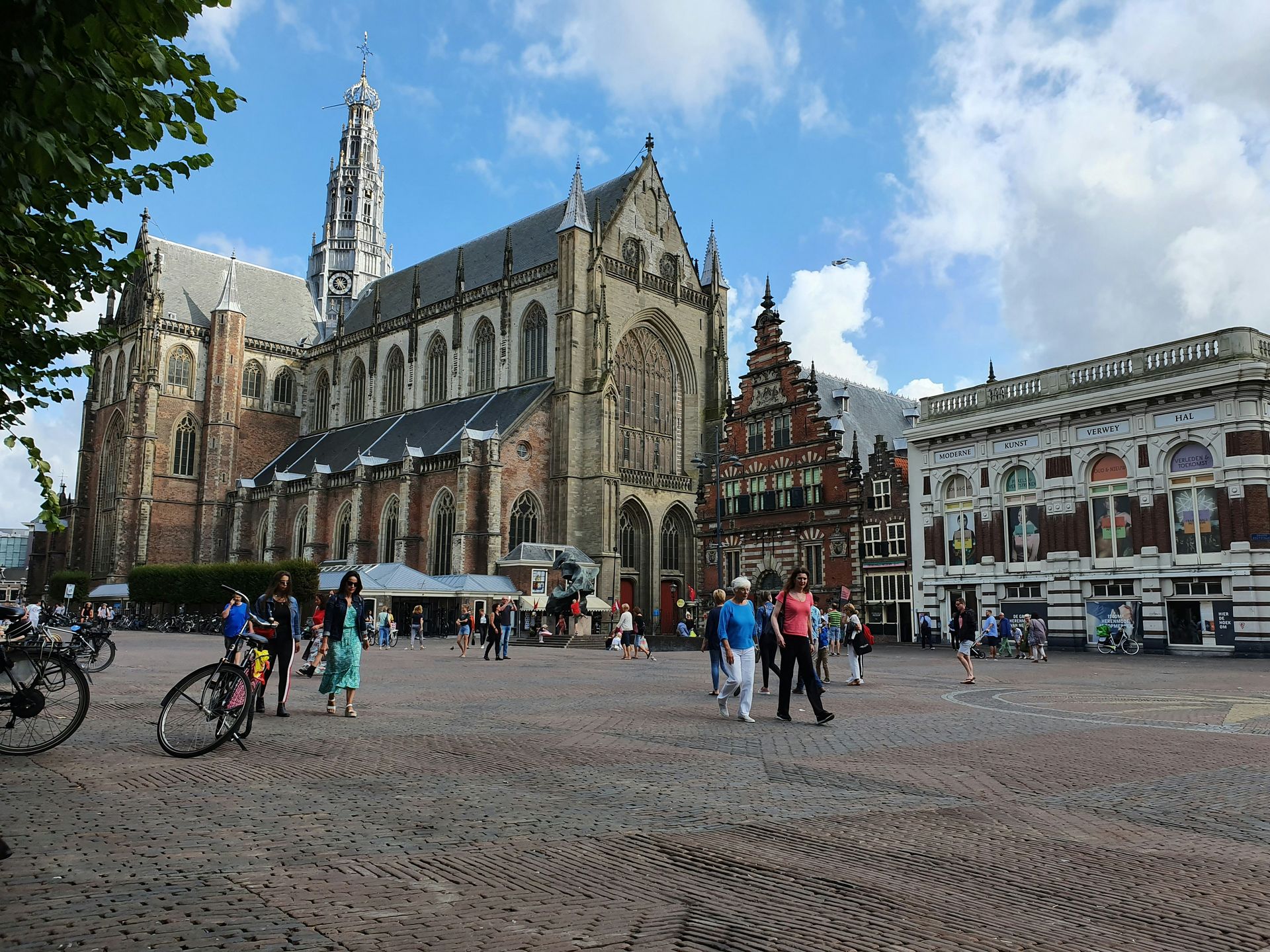
The grand city of Haarlem, with its Grote Markt, or Great Market, square, centuries-old churches, including opportunities to catch a Müller organ recital at the Grote Kerk, and an impressive ensemble of museums, notably the Frans Hals and Teylers museums, ranks as a genuinely splendid place to visit in its own right beyond its role as a gateway to nearby beaches.
Once visitors have had their fill of the city itself, Haarlem serves as an ideal base for reaching powdery-soft, white-sand beaches at Zandvoort and Bloemendaal aan Zee, accessible via the Zuid-Kennemerland National Park, which teems with wildlife throughout its dunes and woodland. Alongside birds and bats, visitors might spot bison, red foxes, and fallow deer, as well as horned Highland cattle introduced to the park back in 2016.
Kopje van Bloemendaal ranks as the Netherlands’ highest dune, offering sweeping views of both the sea and, on clear days, distant Amsterdam from its modest but genuinely rewarding summit. This pairing of beach access, wildlife viewing, and elevated coastal views gives the Haarlem area a genuine range beyond a typical beach town visit.
The train ride from Haarlem to Amsterdam takes less than 15 minutes, making Haarlem a genuinely convenient base for travelers hoping to combine city sightseeing with beach time in a single trip. Travelers $TRV should check current tide times before heading to the beach, since sections of shoreline at both Zandvoort and Bloemendaal narrow considerably during high tide. Travelers specifically interested in art history should budget real time for the Frans Hals Museum, since its collection of the artist’s portraits ranks among the most significant found anywhere in the country. Travelers should also check current wildlife-sighting reports before visiting the national park, since spotting specific animals, such as bison, depends heavily on recent reports shared by park rangers. Sunscreen also matters considerably, given how genuinely exposed the dunes and beaches stay throughout. A wide-brimmed hat also helps considerably, given the beach’s genuinely exposed, sunny setting.