
The 9 best places to visit in New Zealand
From Queenstown's bungee jumps and ski fields to the Bay of Islands' Waitangi Treaty Grounds and waka tours with Māori guides
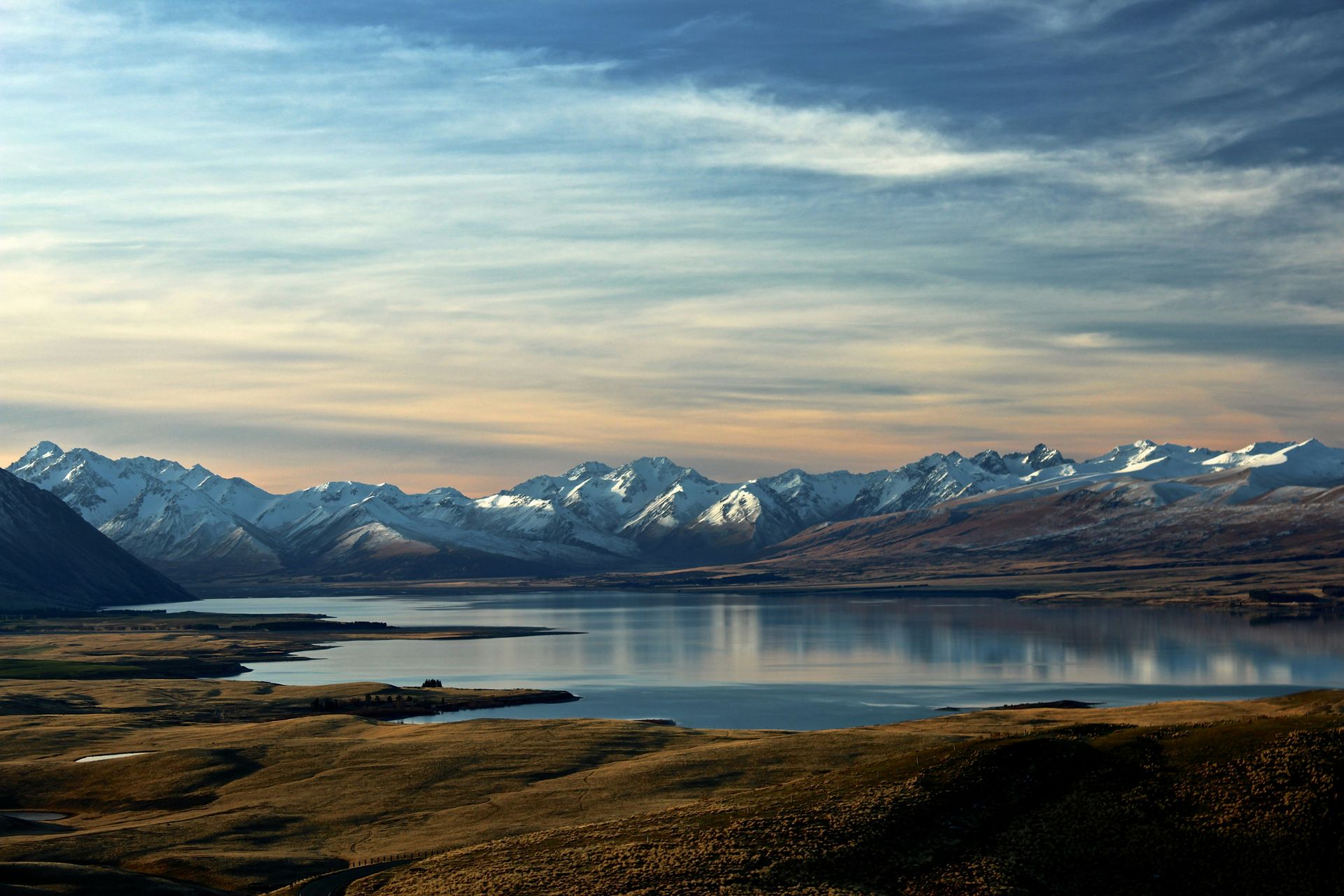
Tobias Keller / Unsplash
New Zealand has built its global reputation almost entirely on natural beauty, and that reputation holds up the moment a visitor arrives, since dramatic black-sand beaches, bubbling thermal springs, sandy coves, towering mountains, and aquamarine lakes all sit within a genuinely compact landmass that rewards even a relatively short trip. City breaks in Auckland, Wellington, and Christchurch offer plenty of their own appeal, from cosmopolitan dining to a genuinely cool capital-city atmosphere, but many of the country’s most rewarding experiences actually happen well outside any city limits entirely, scattered across both islands.
Building a proper itinerary for Aotearoa, the Māori name for New Zealand, means budgeting real time for the great outdoors instead of treating nature as a quick day trip squeezed between city stops on an otherwise urban-focused visit. Glaciers, fiords, geothermal fields,, and some of the darkest night skies anywhere in the world are all within reach of a well-planned road trip, and pairing these natural wonders with genuine Māori cultural experiences gives visitors a far fuller sense of the country than city sightseeing alone could ever provide. Spreading a trip across several of these regions, instead of rushing through just one or two, rewards travelers with a genuinely rounded picture of everything Aotearoa has to offer.
The nine essential destinations below appear in Lonely Planet and cover landscapes and cultural sites recommended widely across both the North and South Islands of the country. Each destination pairs genuine natural beauty with a distinct reason to justify detouring from New Zealand’s better-known cities. Some reward travelers chasing adrenaline and dramatic landscapes, while others lean more heavily on Māori history and culture, and a handful combine both in ways that make a single stop worth several full days of exploration.
1. Queenstown delivers New Zealand’s biggest adrenaline rush
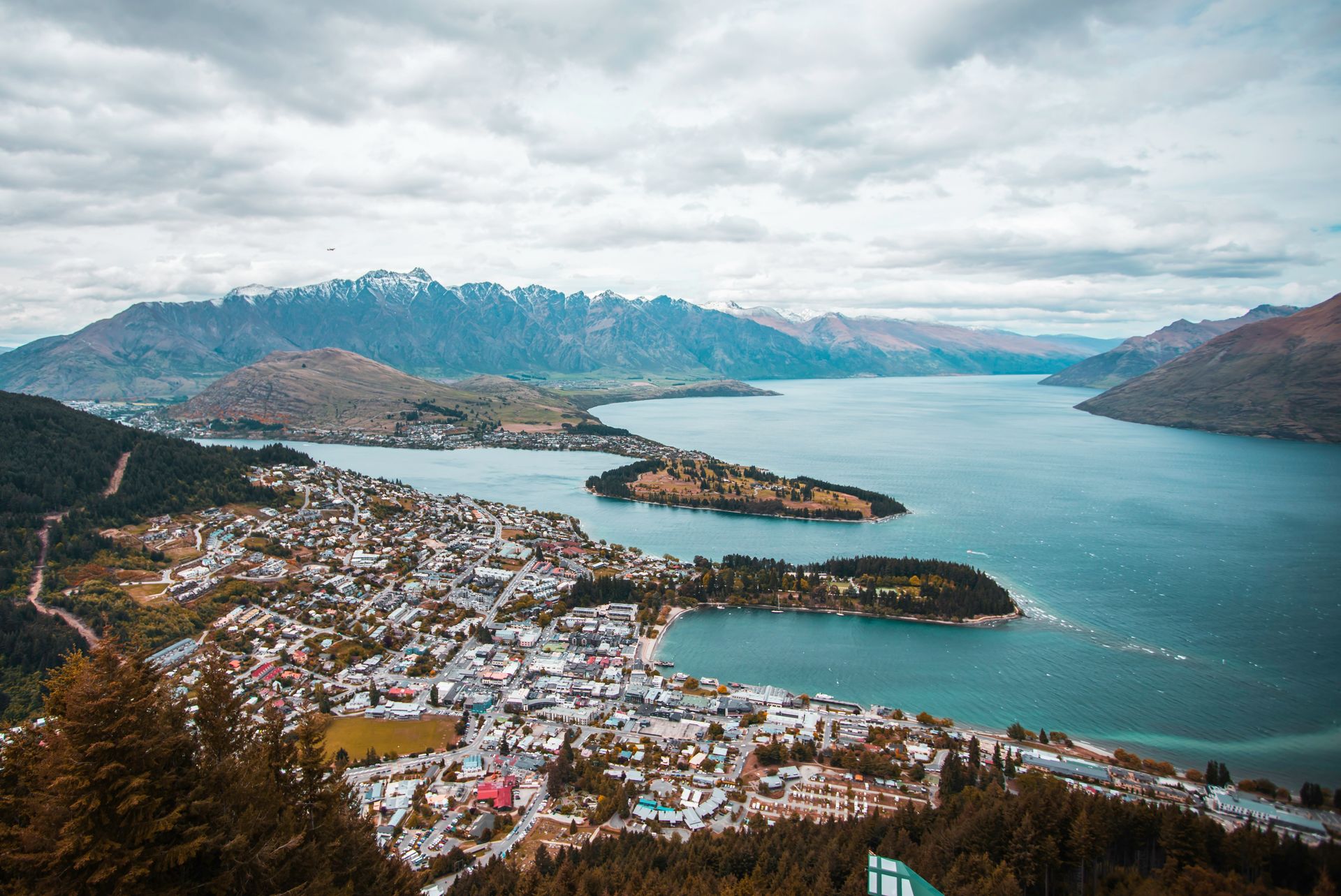
Michael Amadeus / Unsplash
New Zealand’s self-proclaimed adventure capital has earned that title honestly, and the town’s international airport makes it a genuinely convenient gateway for visitors flying directly into the region. Sitting on the shores of Lake Wakatipu and surrounded by snow-capped mountains, Queenstown’s South Island location has made it one of the country’s most sought-after places to both live and vacation, drawing seasonal workers and tourists alike throughout the year.
Winter transforms Queenstown into a genuine ski destination, with three well-regarded ski fields nearby and an equally enviable après-ski scene that keeps visitors entertained long after the lifts close for the day. This winter appeal alone would justify a visit, but Queenstown’s reputation for adventure extends across every season and covers activities ranging from bungee jumping and zip lining to paragliding and jet boating for visitors chasing a genuine adrenaline rush.
Summer months shift the focus toward excellent hiking, cycling, and water sports across Lake Wakatipu itself, giving Queenstown a genuinely different character depending entirely on when a visitor arrives. Few destinations in New Zealand offer this much seasonal variety within a single town, allowing repeat visitors to experience something genuinely new each time they return.
Visitors with extra time should explore the valleys and settlements surrounding Queenstown rather than sticking exclusively to the town center. Nearby Lake Hayes, the lakeside village of Glenorchy, and historic Arrowtown all reward a detour, and Wānaka, known for its relaxed pace and famously photographed lone tree, makes an excellent base for a day or more beyond Queenstown. The nearby Gibbston Valley holds some of the country’s best wineries as well, giving travelers a reason to slow down even further. Few towns anywhere in the country manage to pack this much year-round activity into such a genuinely compact, walkable center. Visitors booking accommodation during peak ski season should reserve well in advance, since rooms throughout the town fill quickly once winter arrives. A rental car makes exploring the surrounding valleys considerably easier than relying on local shuttles alone.
2. Coromandel guards some of the country’s finest beaches
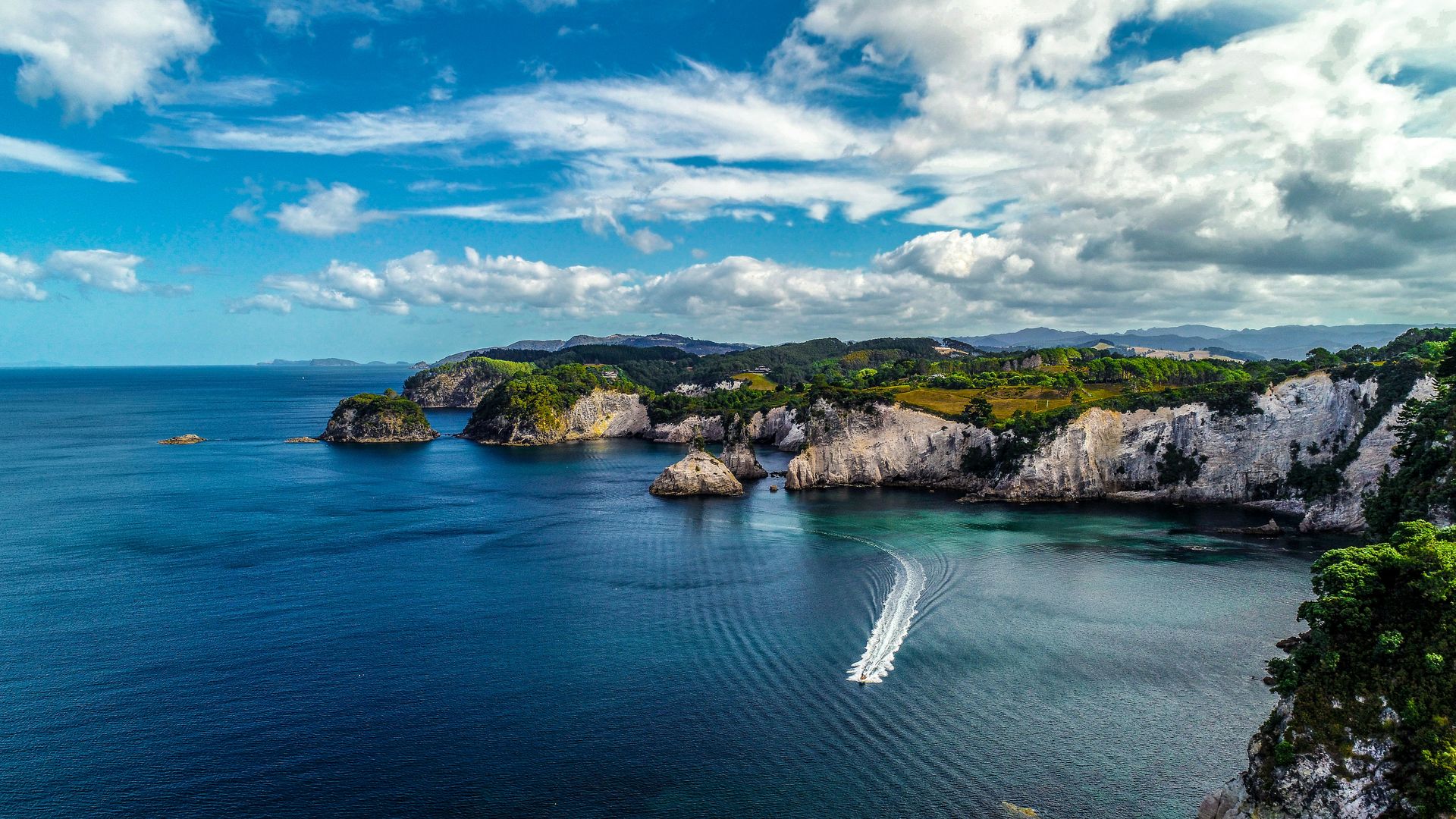
Ferntech DJI / Unsplash
Travelers $TRV specifically chasing a classic summer beach holiday should head straight to the Coromandel Peninsula on the North Island’s east coast, since the region packs an unusually high concentration of genuinely stunning beaches into a relatively compact area. The iconic Cathedral Cove, with its soaring natural rock arch, is a must-visit, though countless other beaches throughout the region reward exploration well beyond this single famous landmark.
Cooks Beach offers calm, family-friendly waters well suited to casual swimming, while a 30-minute walk through native bush leads visitors to the more remote, though still genuinely popular, New Chums Beach. Both beaches offer distinctly different experiences within the same broader peninsula, giving travelers genuine variety without having to drive especially far between stops.
Beyond simply lounging on sand, the Coromandel region offers a genuinely wide range of active pursuits for visitors who want to explore beyond the shoreline itself. Cycling through Karangahake Gorge, hiking the Pinnacles Trail, and kayaking out to the Whenuakura Wildlife Sanctuary, also known as Donut Island, all count among the region’s most rewarding activities, and that last destination remains accessible only by water, adding a genuine sense of discovery to the trip.
Renting a bach, the Kiwi term for a holiday house, in one of the seaside towns of Hahei, Pauanui, or Whangamatā gives visitors a genuinely convenient base for exploring the wider region. Basing a trip in one of these towns, rather than commuting in from farther away, lets travelers maximize actual beach time without losing hours to driving between stops each day. Few regions in New Zealand pack this many genuinely distinct beach experiences into such an easily accessible corner of the North Island. Visitors planning a summer trip should also book accommodation early, since the region fills up quickly once school holidays begin each year. Renting a car remains the most practical way to explore the wider peninsula at a comfortable pace.
3. Abel Tasman rewards hikers and kayakers alike
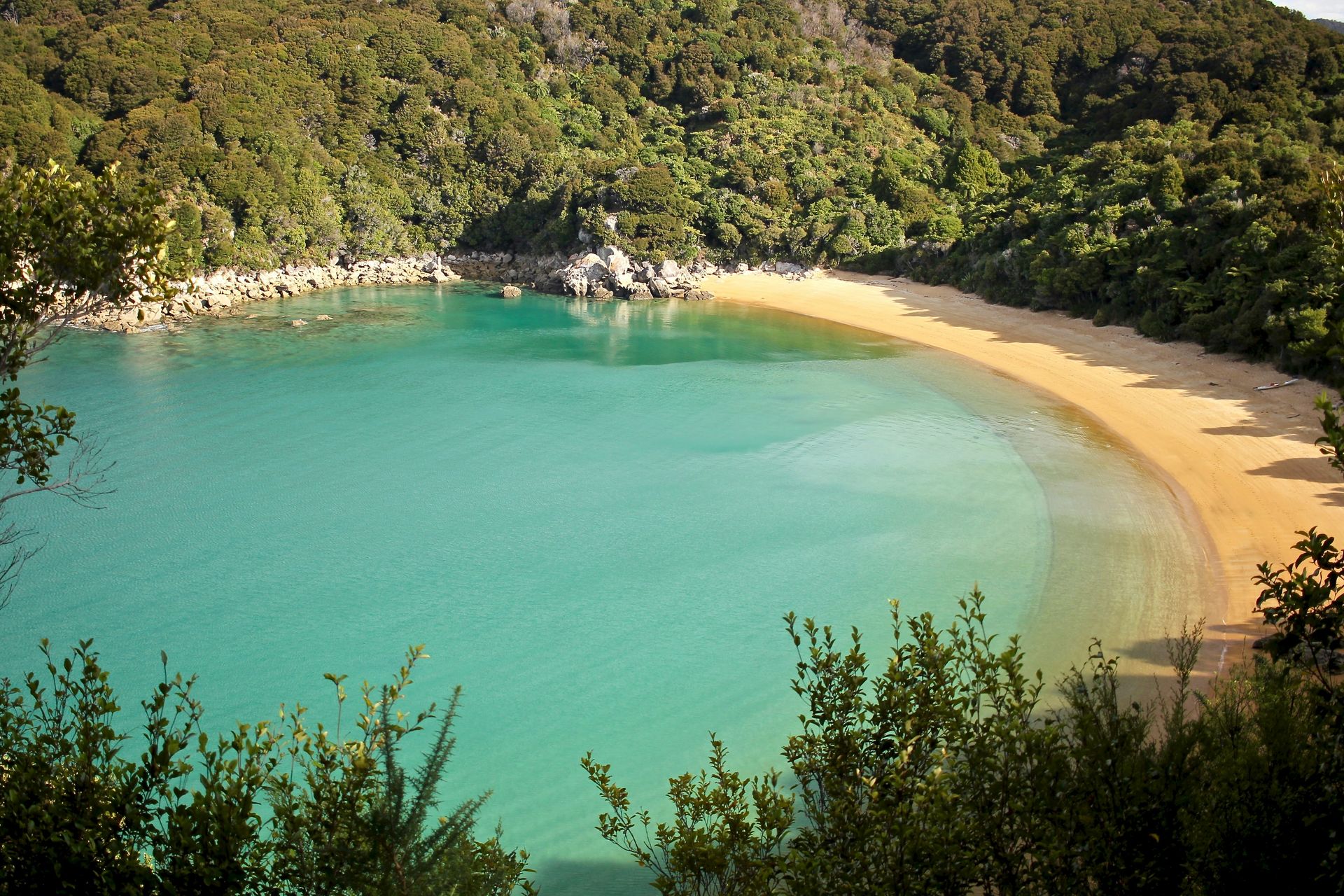
David Tip / Unsplash
The South Island’s Abel Tasman National Park delivers a genuinely unspoiled natural environment, built around native bush, crystal-clear bays, and white-sand beaches that feel remarkably untouched, given how popular the park has become with visitors. Day-trippers can access the park easily from nearby Nelson, though travelers who can spare additional time will find the destination rewards a considerably longer stay.
The Abel Tasman Coast Track, one of New Zealand’s official Great Walks, traces a 60-kilometer route along the coastline and delivers consistently lovely views of the beach throughout its full length. Completing the entire track typically takes between three and five days, though visitors short on time can instead tackle just a single section as a day or afternoon hike, using water taxis to return conveniently to their original starting point afterward.
Kayaking offers a genuinely different way to experience the park beyond simply hiking its trails, and paddlers can make their way out to the park’s resident seal colony for an especially memorable wildlife encounter. Visitors can also dive directly into the clear waters along the coast or simply relax in one of the many tiny, hidden coves and bays scattered throughout the park’s extensive shoreline.
Cars can only reach as far as Tōtaranui at the park’s northern edge and Mārahau at its southern entrance, meaning visitors need to either walk the remaining distance to their preferred destination or arrange a water taxi for the final stretch. Planning around this access limitation in advance helps visitors avoid unnecessary confusion once they’ve actually arrived at the park’s outer boundaries. Few national parks anywhere in the country make it this easy to combine a multiday hike with genuine on-water exploration. Visitors planning the full multiday track should book huts and campsites well in advance, as spaces along the route fill quickly during peak season. Packing light and waterproof gear helps considerably, given the coastal humidity and occasional sudden showers. Booking a water taxi in advance also helps avoid delays during the busiest summer weeks.
4. Fiordland carves dramatic fiords and waterfalls
Athithan Vignakaran / Unsplash
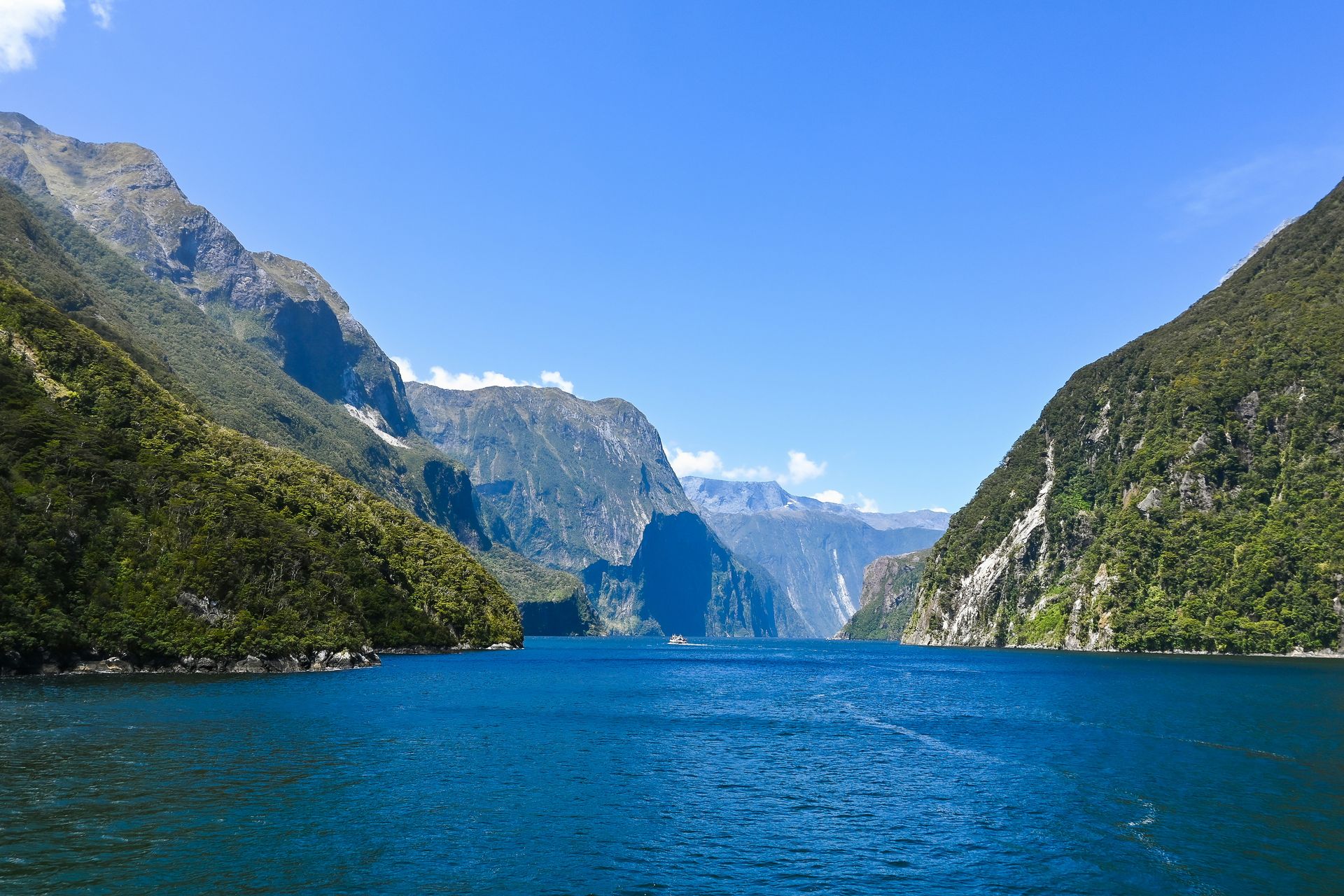
Fiordland National Park, sitting on the edge of the South Island, holds one of New Zealand’s most famous attractions in Milford Sound, known in Māori as Piopiotahi, where visitors can watch waterfalls plunge directly into the fiord alongside genuinely rare marine wildlife, including Fiordland crested penguins and Hector’s dolphins. Few single destinations anywhere in the country pack this much dramatic scenery into such a compact, accessible area.
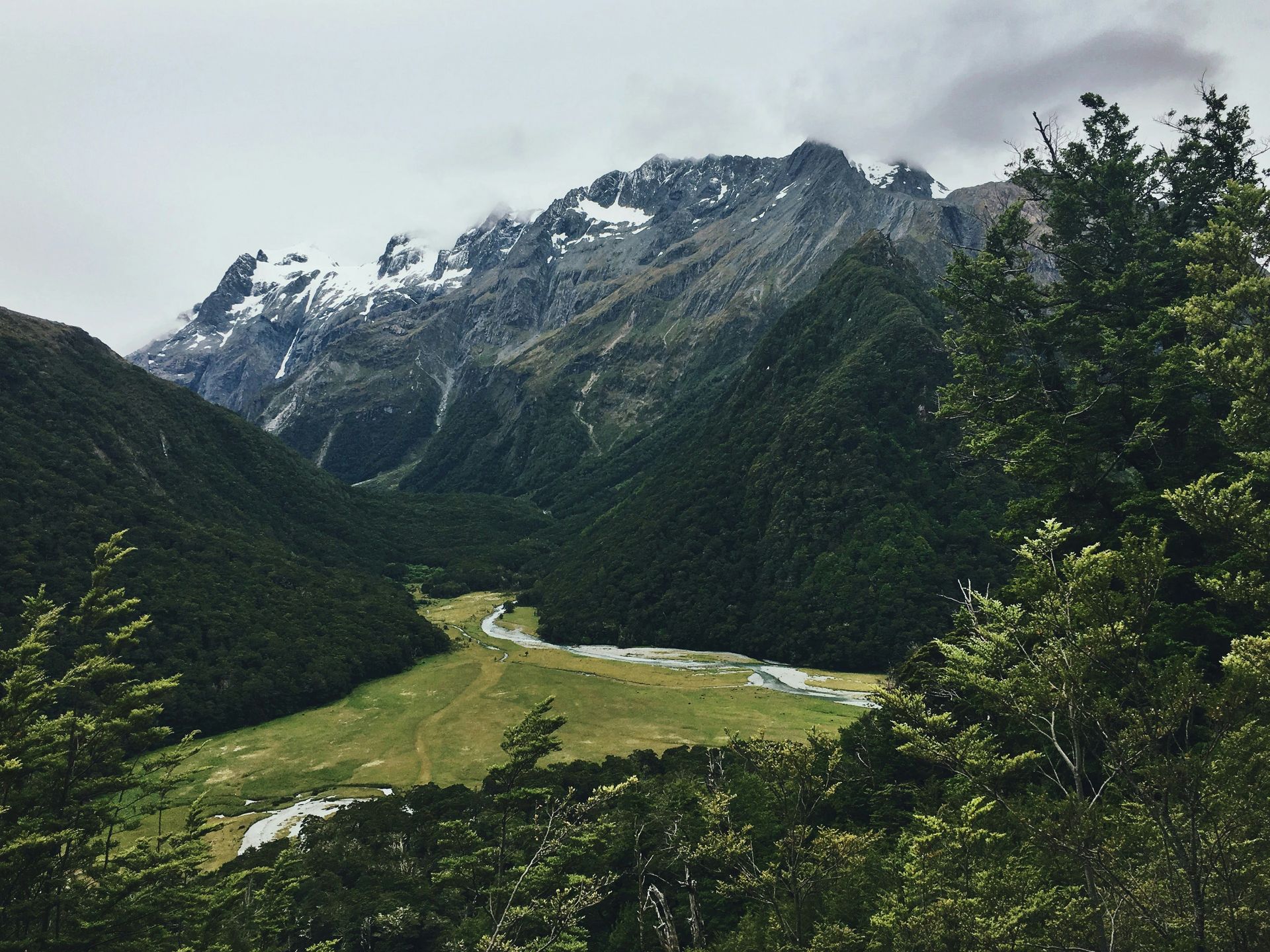
Beyond Milford Sound itself, the national park holds several genuinely rewarding hiking trails, including the Milford Track, widely considered the country’s most famous multiday walk. This particular trail carries hikers past snow-capped mountains and ice-carved fjords, with sweeping views of lakes, valleys, and waterfalls throughout the full multiday route.
Nearby Doubtful Sound, known in Māori as Patea, offers scenery every bit as spectacular as Milford Sound, though reaching it requires considerably more effort, as visitors must book a guided tour and travel there by boat. This added difficulty keeps Doubtful Sound noticeably less crowded than its more famous neighbor, rewarding travelers willing to put in the extra planning.
Visitors weighing Milford Sound against Doubtful Sound should factor in both accessibility and crowd levels when deciding which fiord best matches their own priorities for the trip. Travelers $TRV with limited time will likely find Milford Sound the more practical choice, while those seeking genuine solitude and willing to book well ahead should strongly consider making the extra effort to reach Doubtful Sound instead. Few landscapes anywhere in New Zealand deliver this much dramatic scenery within a single, relatively compact protected area. Visitors hoping to hike the Milford Track itself should book well in advance, since spaces on this particular Great Walk sell out months in advance. Bringing a rain jacket year-round remains wise, given how quickly the weather can shift throughout the fiords. Booking a cruise well ahead remains wise during the busiest summer travel months. Packing warm layers, even in summer, remains wise given how quickly conditions can shift near the water.
5. West Coast preserves ancient glaciers near sea level
Cassie Matias / Unsplash
The rugged western coastline of the South Island presents a genuinely raw juxtaposition of dense rainforests, craggy rocks, and ancient glaciers, unlike anywhere else in the country. The region’s biggest draws remain the majestic Fox and Franz Josef glaciers, which offer visitors a truly unique chance to witness rivers of ice flowing almost all the way to sea level.
Guided hikes, heli-hikes, and scenic flights all offer different ways to admire these glaciers up close, and each option delivers a genuinely distinct perspective depending on how much time and budget a visitor has available. Heli-hikes in particular give travelers direct access to sections of the glacier that would otherwise remain completely out of reach on foot alone.
Beyond the glaciers themselves, the West Coast region holds several other attractions well worth the detour, including Punakaiki’s distinctive Pancake Rocks, the strikingly turquoise Hokitika Gorge, and the serene, mirror-like waters of Lake Matheson, which reflect the surrounding mountains with remarkable clarity on calm days. Each of these stops rewards a relatively short detour off the main coastal route.
The West Coast receives genuinely high rainfall throughout the year, and helicopter tours specifically remain entirely weather-dependent, meaning flights can and do get canceled on short notice. Visitors specifically hoping to land directly on a glacier should build real flexibility into their itinerary, since counting on a single, non-adjustable day for this experience risks disappointment if the weather doesn’t cooperate. Few destinations anywhere in the world let visitors get this close to genuinely accessible glacial ice at such a low elevation. Visitors should also pack proper wet-weather gear regardless of the forecast, since conditions along this stretch of coastline can shift quickly. Booking accommodation with flexible cancellation terms also helps, given how unpredictable the weather here can prove. Allowing at least an extra day in the itinerary helps absorb any weather-related delays. Checking local visitor centers for updated conditions before setting out also helps avoid surprises.
6. Mackenzie Region unveils New Zealand’s darkest skies
Peter Hammer / Unsplash
Roughly a two-hour drive from Christchurch sits the Mackenzie Region, a genuinely peaceful area holding some of the country’s loveliest scenery alongside a distinction few other destinations anywhere in the world can claim. Recognized as an International Dark Sky Reserve with minimal light pollution, the region rewards visitors who check the forecast carefully and plan a visit specifically around clear night skies.
On a genuinely clear night, visitors can head to a local observatory for a closer look at the stars through a telescope, though simply looking up unaided still delivers a spectacular show, given how little artificial light interferes with the view. Few places anywhere accessible by a short domestic road trip offer stargazing conditions this consistently impressive year-round.
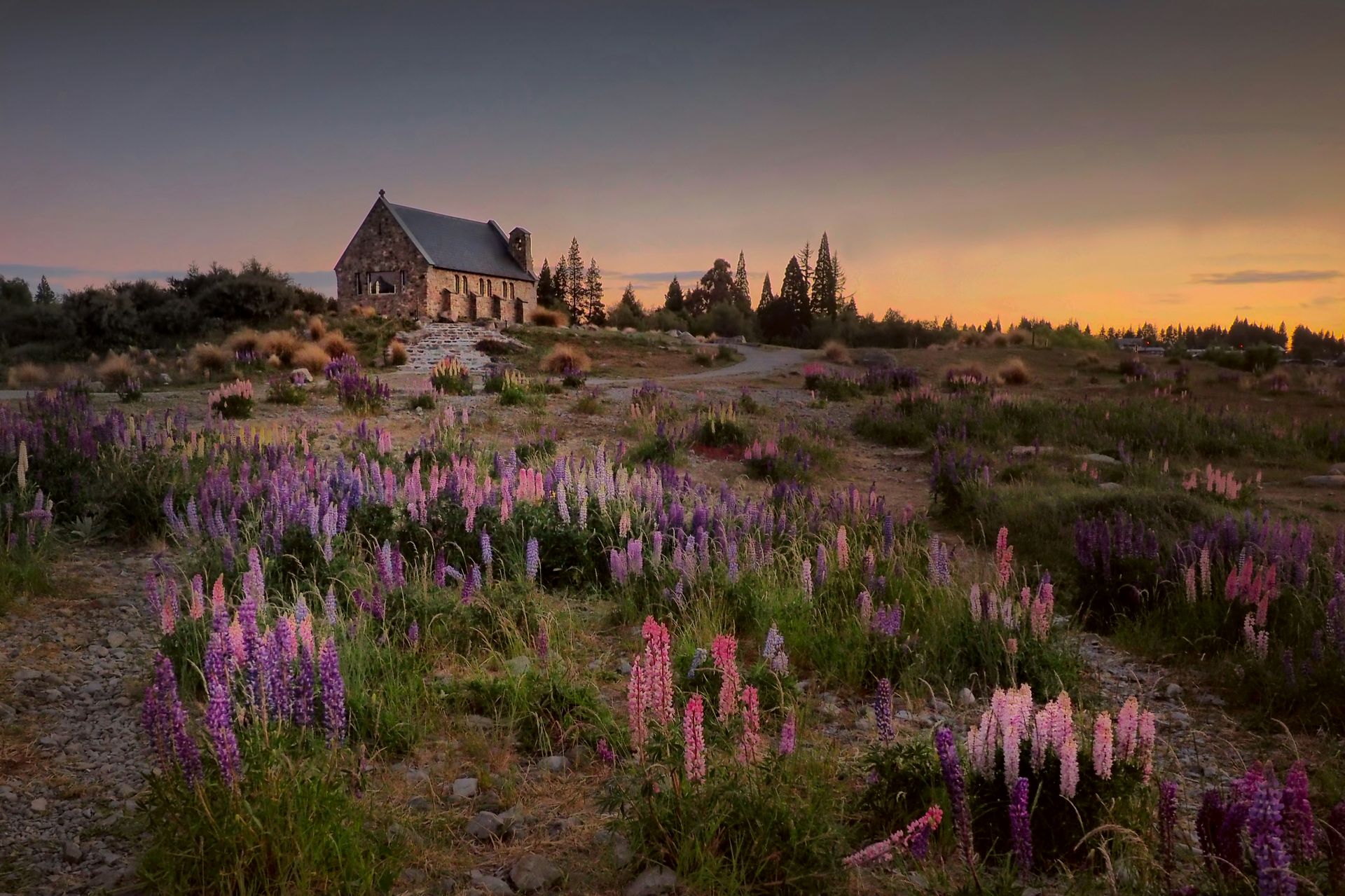
The Mackenzie Region also holds Lake Tekapo and the Church of the Good Shepherd, a small stone building that ranks among the most photographed spots anywhere in the country. Nearby, the small town of Twizel serves as a convenient base for exploring the wider region, offering easy access to the surrounding lakes and Aoraki, Mt Cook National Park, which offers everything from short trails to full-day hikes.
Booking a Tātai Aroraki (Māori astronomy) tour through the Dark Sky Project gives visitors genuine insight into the significance of the night sky within Māori tradition and the broader Māori worldview that shapes much of the country’s culture. This particular tour doesn’t depend on weather conditions at all, making it a genuinely reliable option for travelers who arrive during a stretch of cloudy or rainy weather. Few regions anywhere accessible by a short domestic drive combine this much natural scenery with such genuinely world-class stargazing conditions. Visitors should also pack warm layers even during the summer months, since temperatures at this elevation drop noticeably once the sun sets. Booking any stargazing tour well ahead remains wise, since clear-night slots fill quickly during peak travel season. Bringing a proper jacket year-round remains wise given how quickly temperatures drop after dark.
7. Rotorua bubbles with geothermal wonder and Māori culture
Holger Offermann / Unsplash
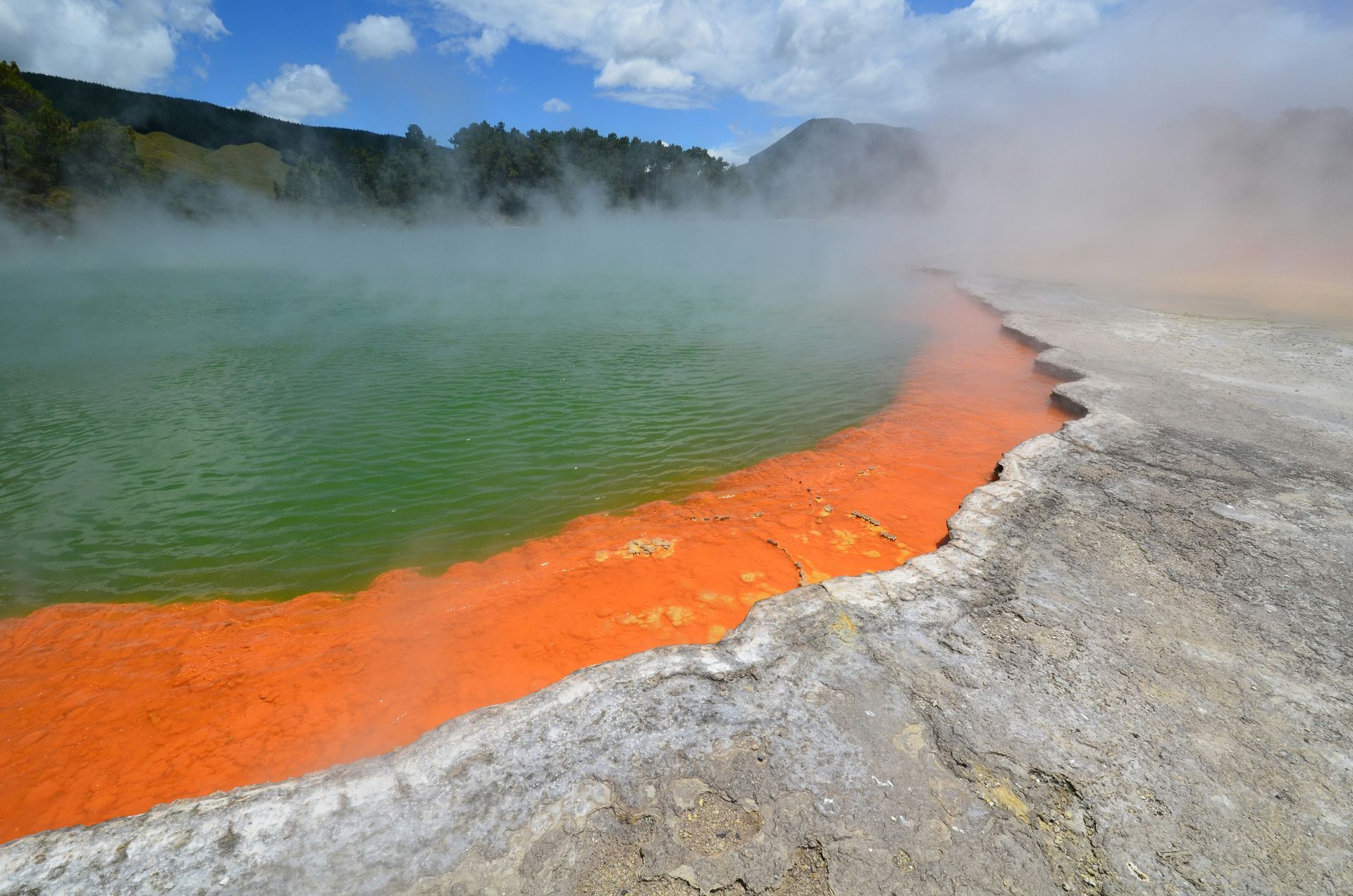
Rotorua sits at the heart of New Zealand’s geothermal activity, and visitors come specifically to see bubbling mud pools, active geysers, and steaming rivers scattered throughout the wider area. Many visitors round out a day of geothermal sightseeing with a relaxing soak in a genuine thermal mud bath, giving the day a genuinely restorative finish after hours spent exploring the region’s more dramatic natural features.
Rotorua’s cultural significance runs just as deep as its geological wonders, and visitors can learn considerably more about Māori culture and language by visiting a traditional marae (meeting grounds), an experience widely considered an essential part of any trip to this part of the country. These visits give travelers genuine insight into Māori tradition that a museum display alone could never convey.
Te Puia geothermal park offers an especially rich cultural experience, as visitors can watch local Māori carvers working directly at the New Zealand Māori Arts and Crafts Institute on-site. Te Puia also holds the distinction of hosting the largest geyser anywhere in the Southern Hemisphere, giving the site genuine appeal for visitors interested in geology and culture alike within a single stop.
The nearby Whakarewarewa Forest, also known simply as the Redwoods, adds yet another dimension to a Rotorua visit, offering excellent cycling and hiking trails alongside a genuinely memorable treetop walk that lights up beautifully at night. Combining a daytime visit to the geothermal fields with an evening walk through the illuminated Redwoods gives visitors a genuinely full sense of everything Rotorua has to offer within a single extended stay. Few destinations anywhere in New Zealand pair this much geological drama with such genuinely immersive Māori cultural experiences within a single visit. Visitors sensitive to strong sulfur odors should be aware that the geothermal activity throughout the area produces a distinctive smell noticeable across much of the town. Booking cultural experiences slightly in advance helps secure a spot during the busiest travel months.
8. Napier showcases the art deco reconstruction era
Colin Watts / Unsplash
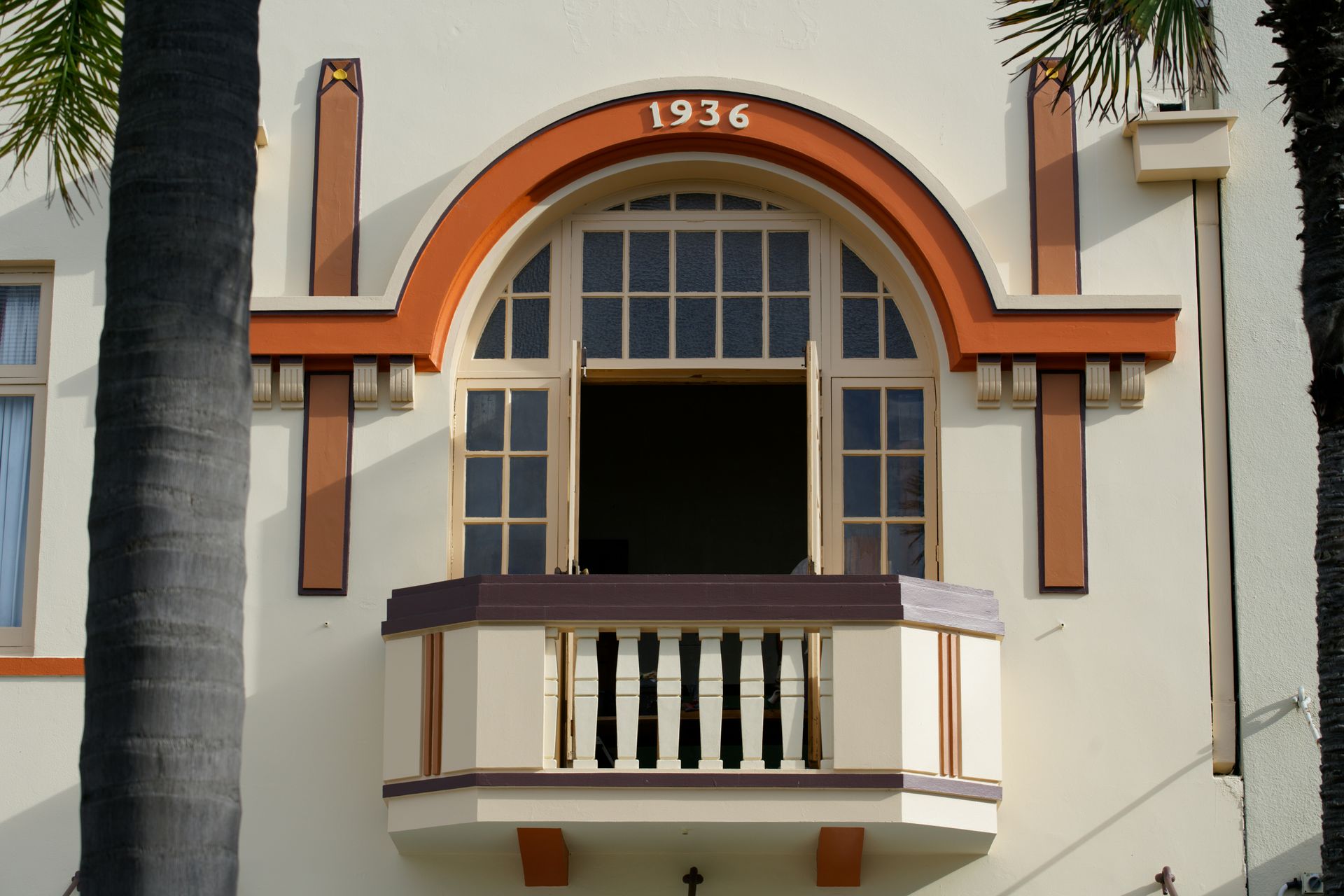
A devastating earthquake struck Napier in 1931, and the city’s subsequent rebuilding effort embraced the art deco style that dominated architectural fashion at the time, giving Napier a genuinely distinctive identity that persists to this day. The city now holds one of the most extensive collections of Art Deco buildings anywhere in the Southern Hemisphere, drawing architecture enthusiasts from around the world specifically to see them.
Visitors hoping to fully immerse themselves in this aesthetic can join guided walking tours, ride vintage car tours through the historic district, or plan a visit specifically around the annual Art Deco Festival held each February. This festival transforms much of the city into a genuinely immersive period celebration, complete with vintage fashion and classic cars filling the streets.
Beyond the architecture itself, Napier’s surrounding region offers genuine culinary appeal for visitors willing to venture slightly beyond the city center. The charming village of Havelock North sits within easy reach, and the wider Hawke’s Bay wine region produces genuinely award-winning syrahs, chardonnays, and red blends that reward a dedicated day or two of tasting.
Travelers $TRV building a longer North Island itinerary should strongly consider pairing a Napier stop with time spent specifically in Hawke’s Bay, since the region’s food and wine scene complements the city’s architectural appeal particularly well. Few other stops on a typical New Zealand itinerary combine this much visual charm with such a genuinely rewarding food and wine scene within such easy reach of each other. Few cities anywhere in the Southern Hemisphere combine this much architectural cohesion with such a genuinely rewarding nearby food-and-wine scene. Visitors planning a trip specifically around the Art Deco Festival should book accommodation well ahead, since the event draws visitors from across the country. Renting a car remains the easiest way to reach Hawke’s Bay wineries at a comfortable, unhurried pace. Booking a wine tour ahead of time helps secure spots at the region’s most popular vineyards.
9. Bay of Islands anchors New Zealand’s founding history
Linde Lanjouw / Unsplash
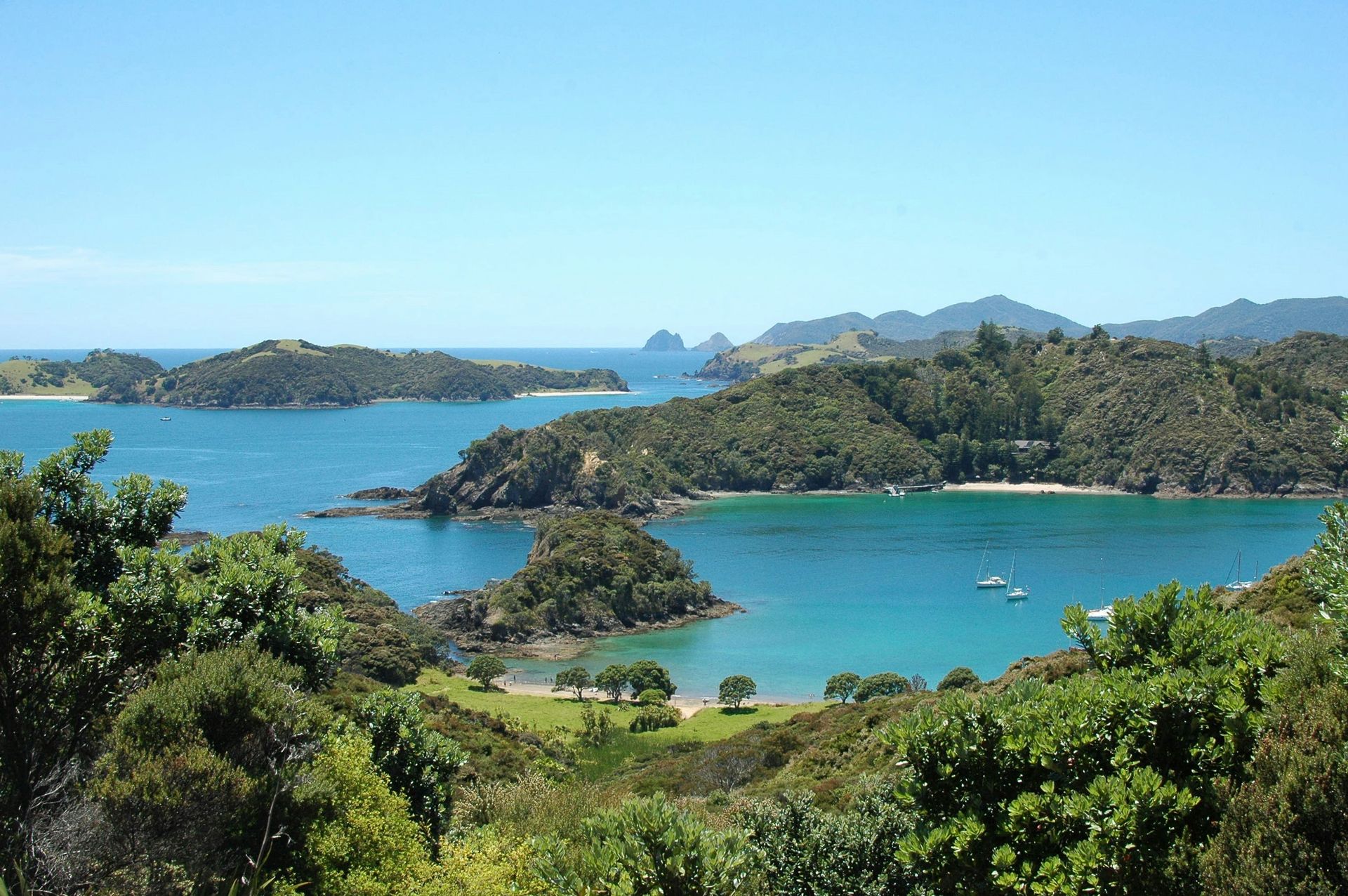
The Bay of Islands combines shimmering waters and countless small islets into a destination that proves every bit as important to the country’s culture and history as it is simply beautiful to look at. The Waitangi Treaty Grounds mark the site where a foundational document was signed by Māori chiefs and British representatives, an agreement that directly shaped the formation of modern-day New Zealand as a nation.
Visitors arriving between November and March can experience traditional performances held directly at the treaty grounds, along with a hāngī feast, a traditional method of cooking food in the earth that gives visitors a genuinely authentic taste of Māori culinary tradition. Timing a visit around this specific window adds considerable cultural depth to what might otherwise be a purely scenic stop.
Beyond the treaty grounds themselves, visitors can get out on the water on a waka (traditional canoe) tour, during which local Māori guides share stories about their seafaring ancestors and point out the sacred spots scattered throughout the bay. In nearby Paihia, downloading the Ātea Nuku app unlocks an augmented-reality walking tour that brings the town’s layered history to life directly on a visitor’s phone screen.
Waitangi Day, observed each February 6, closes all the Treaty Grounds buildings for the public holiday, though a massive festival takes over the surrounding area instead. Visitors present for the occasion can take part in a dawn ceremony, sample food from numerous stalls, and watch cultural performances throughout the day, making this one of the most meaningful times of year to actually be in the Bay of Islands. Few destinations anywhere in the country combine this much natural beauty with such genuinely foundational national history within a single region. Visitors planning a Waitangi Day visit should book accommodation well in advance, as the surrounding towns fill up quickly around this holiday. Booking a waka tour in advance also helps secure a spot during the busiest summer months.