From Old San Juan's Spanish fortifications to Vieques' world-record bioluminescent bay, Puerto Rico's top destinations for every traveler
photography by p. lubas / Getty Images
Puerto Rico offers a travel proposition that few Caribbean destinations can match. The island, technically an archipelago that encompasses smaller islands such as Vieques and Culebra, concentrates a remarkable density of distinct experiences within a geography compact enough to explore meaningfully in a single trip. Old colonial cities with Spanish fortifications, the only tropical rainforest within the U.S. national forest system, beaches that compete with the finest in the Caribbean, a world-record bioluminescent bay, and a mountain food culture built around slow-roasted pork are not merely coexisting attractions on this island but genuinely separate worlds, each requiring its own dedicated time. Puerto Rico rewards visitors who treat it as more than a single destination.
The logistics favor American travelers in a specific way that no other Caribbean island can replicate. U.S. citizens can visit Puerto Rico without a passport, without customs processing, and without currency conversion, which complicates travel elsewhere in the region. Domestic airline miles and points apply. Federal consumer protections extend to purchases made on the island. English is widely spoken alongside Spanish. Caribbean scenery paired with the logistical ease of domestic travel has made Puerto Rico one of the most visited island destinations among American travelers, and that visitor volume has supported a hospitality and dining infrastructure that punches well above the island’s geographic size. The challenge for any traveler is not whether Puerto Rico is worth visiting, but where within it to focus time.
The nine destinations below come from U.S. News & World Report’s list of the best places to visit in Puerto Rico, which evaluated Puerto Rican destinations based on sightseeing, cultural offerings, natural beauty, and additional factors to identify the top locations for a broad range of travelers. The list spans the main island and its offshore island companions, covering urban centers, natural landscapes, coastal towns, and mountain communities.
Frazao Studio Latino / Getty Images
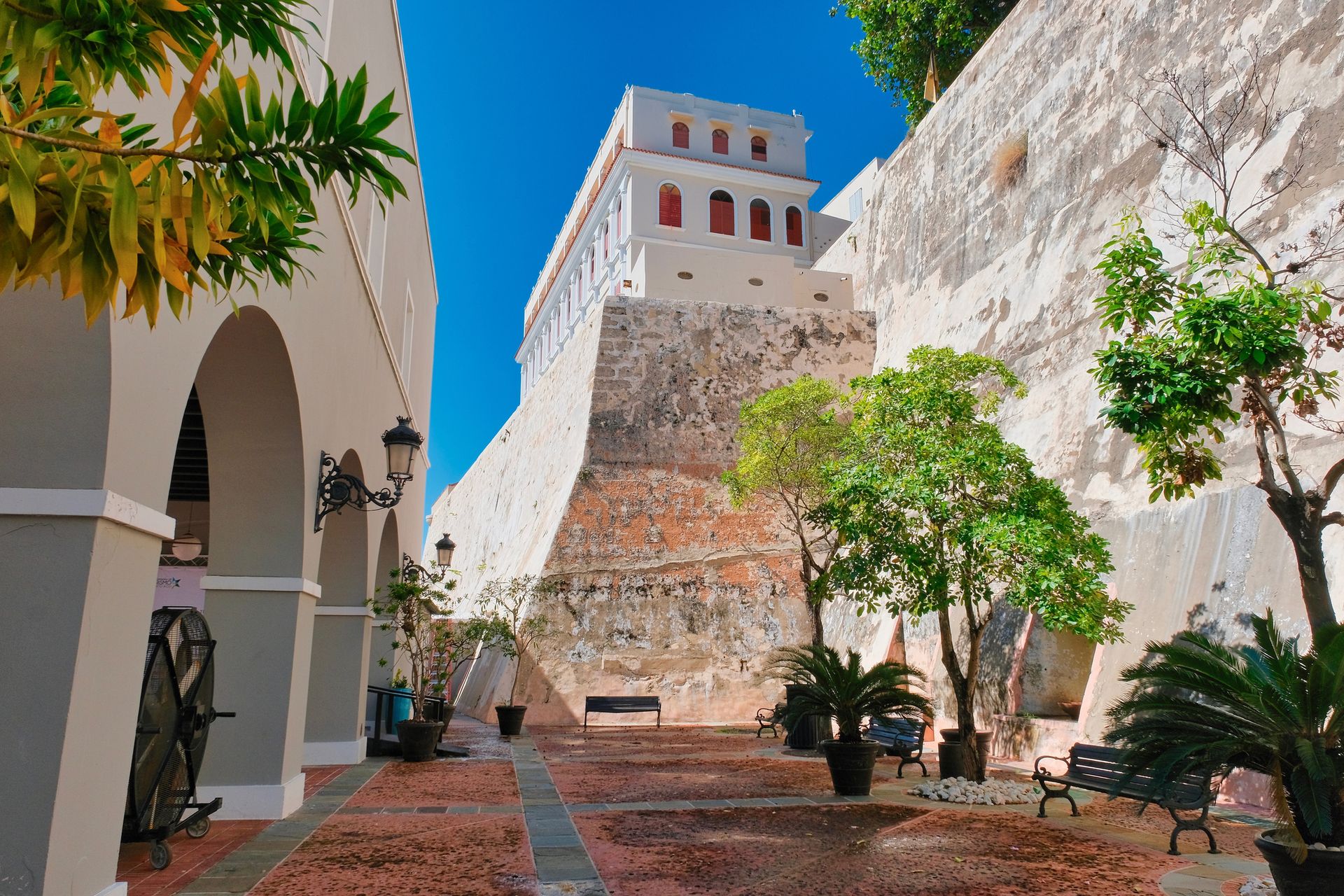
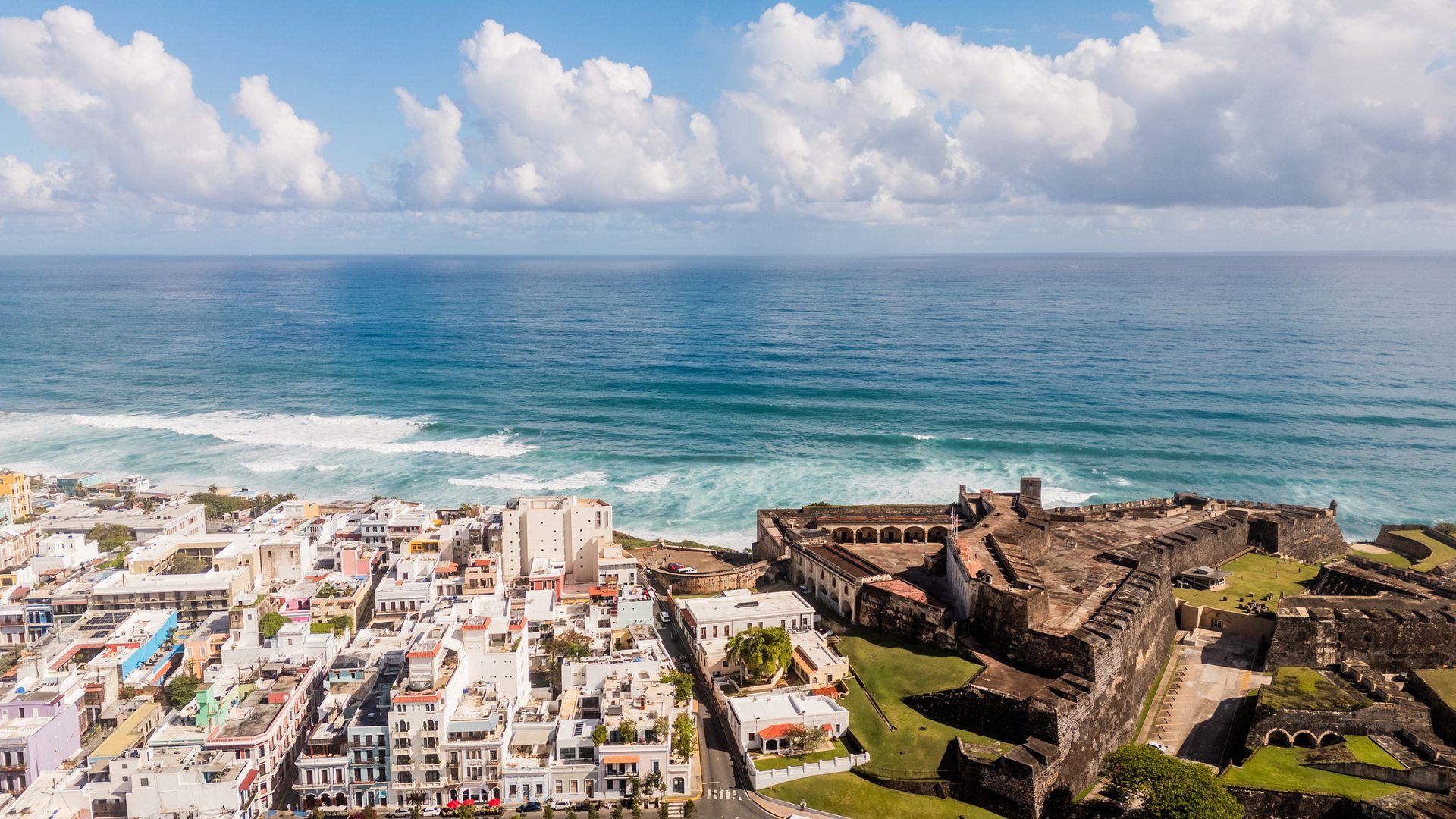
San Juan functions as the gateway to Puerto Rico for most American travelers, with dozens of direct flights connecting it to cities across the eastern U.S. The city’s defining attraction is Old San Juan, a 16th-century walled district whose pastel-colored buildings and cobblestone streets offer a lived-in yet historically preserved urban environment. The walled city’s most prominent monuments are two Spanish military fortifications, Castillo San Felipe del Morro and Castillo San Cristóbal, which anchored Spain’s colonial defense of the island and remain among the most visited historical sites in the Caribbean. A free garita cart service connects the major tourist sites within the old city, making navigation easy even for first-time visitors.
San Juan’s cultural depth extends beyond the fortifications. The city’s museums span an unusually broad range of subjects, from contemporary Puerto Rican art to the island’s full political and social history, giving travelers who want intellectual engagement alongside historical architecture a city that delivers on both registers. The 'smuseum's concentration allows visitors to build a picture of Puerto Rican identity and history, adding context to the physical environment of the old city.
The city’s social character changes dramatically after dark. San Juan’s nightlife is vibrant and well-developed, with bars, restaurants, and music venues that reflect the island’s mix of Caribbean and Latin influences. The restaurant scene is similarly expansive, covering everything from traditional Puerto Rican cuisine to contemporary interpretations. San Juan serves well both as a destination in its own right and as a base for day trips to the surrounding islands, and the concentration of accommodation and flight access makes it the natural starting point for any first visit to Puerto Rico. The free garita cart service in Old San Juan also makes it one of the most accessible historic districts in the Caribbean for visitors who prefer not to walk.
Tetra Images / Getty Images
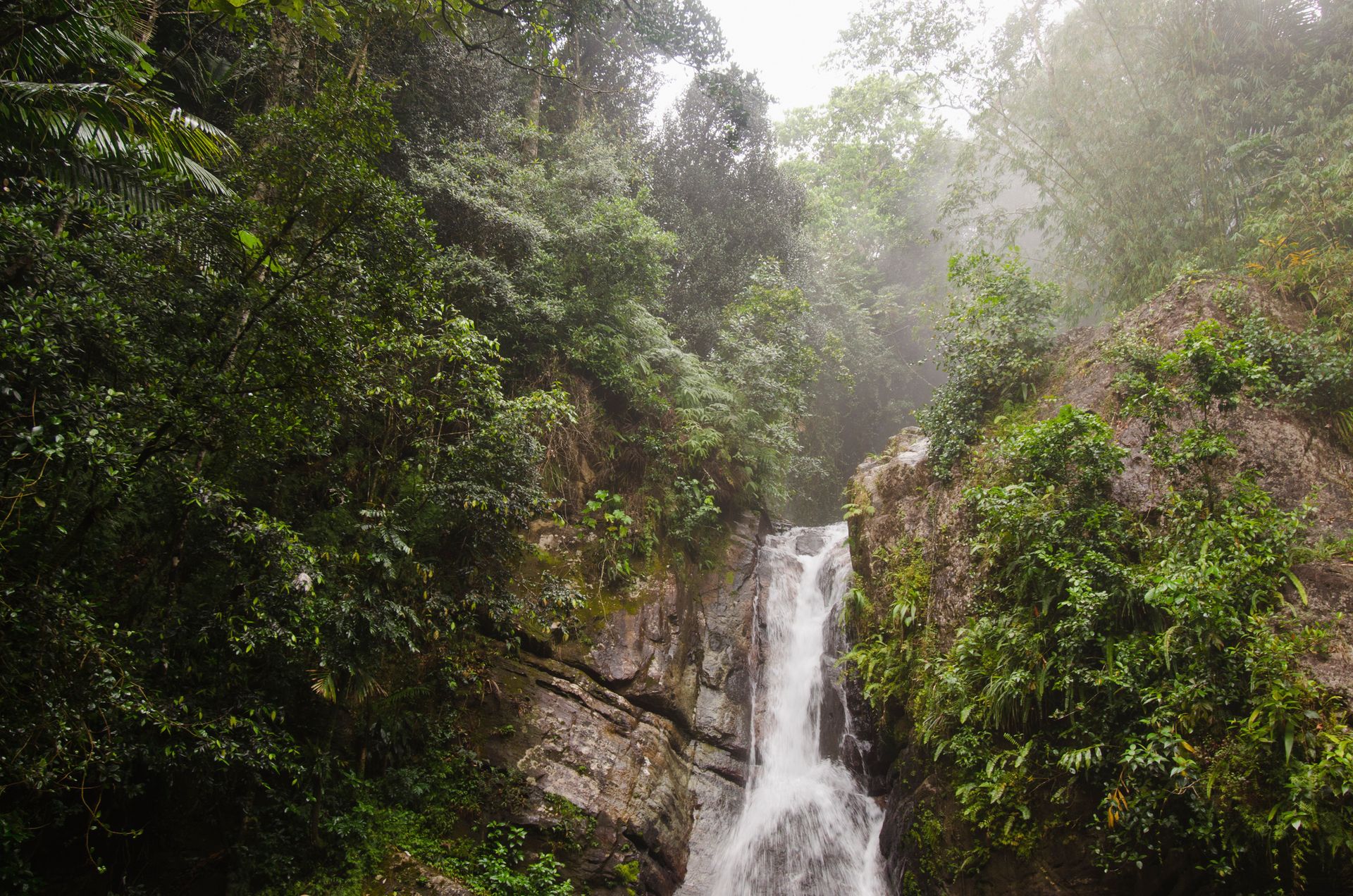
El Yunque National Forest sits less than 30 miles southeast of San Juan and delivers an environment that contrasts so sharply with the capital that the two feel like separate worlds despite their proximity. El Yunque is the only tropical rainforest within the U.S. National Forest System, a designation that makes it ecologically unique among U.S. public lands. Dense canopy coverage reduces sunlight to filtered patterns at ground level, rushing waterfalls punctuate the landscape at multiple elevations, and the forest supports nearly 100 bird species. The Puerto Rican parrot, critically endangered and found nowhere else on earth, inhabits the forest and represents one of conservation biology’s most significant active recovery efforts.
The trail system accommodates visitors across a wide range of physical capabilities. The El Yunque Trail, the forest’s most challenging route, ascends through the cloud forest zone to reach one of the highest points within the reserve, rewarding the effort with views over the forest canopy and, on clear days, toward the coastline below. The cloud forest zone at higher elevations produces a visually distinctive environment, with mist, moss-covered trees, and reduced visibility that give the landscape a character distinct from that of lower rainforest levels.
The Angelito Trail offers a gentler alternative for visitors who want access to the forest’s natural features without the demanding climb. The trail leads to the natural pools of Río Mameyes, where the river's freshwater pools allow swimming in a forest setting. El Yunque’s ecological uniqueness, accessible trail infrastructure, and proximity to San Juan make it the most practical and rewarding natural attraction in Puerto Rico for a day trip from the capital. The forest’s status as the only tropical rainforest in the U.S. national forest system also means it is managed and maintained to a standard that provides visitors with reliable trail conditions, interpretive facilities, and access infrastructure that wild tropical forests cannot.
TexPhoto / Getty Images
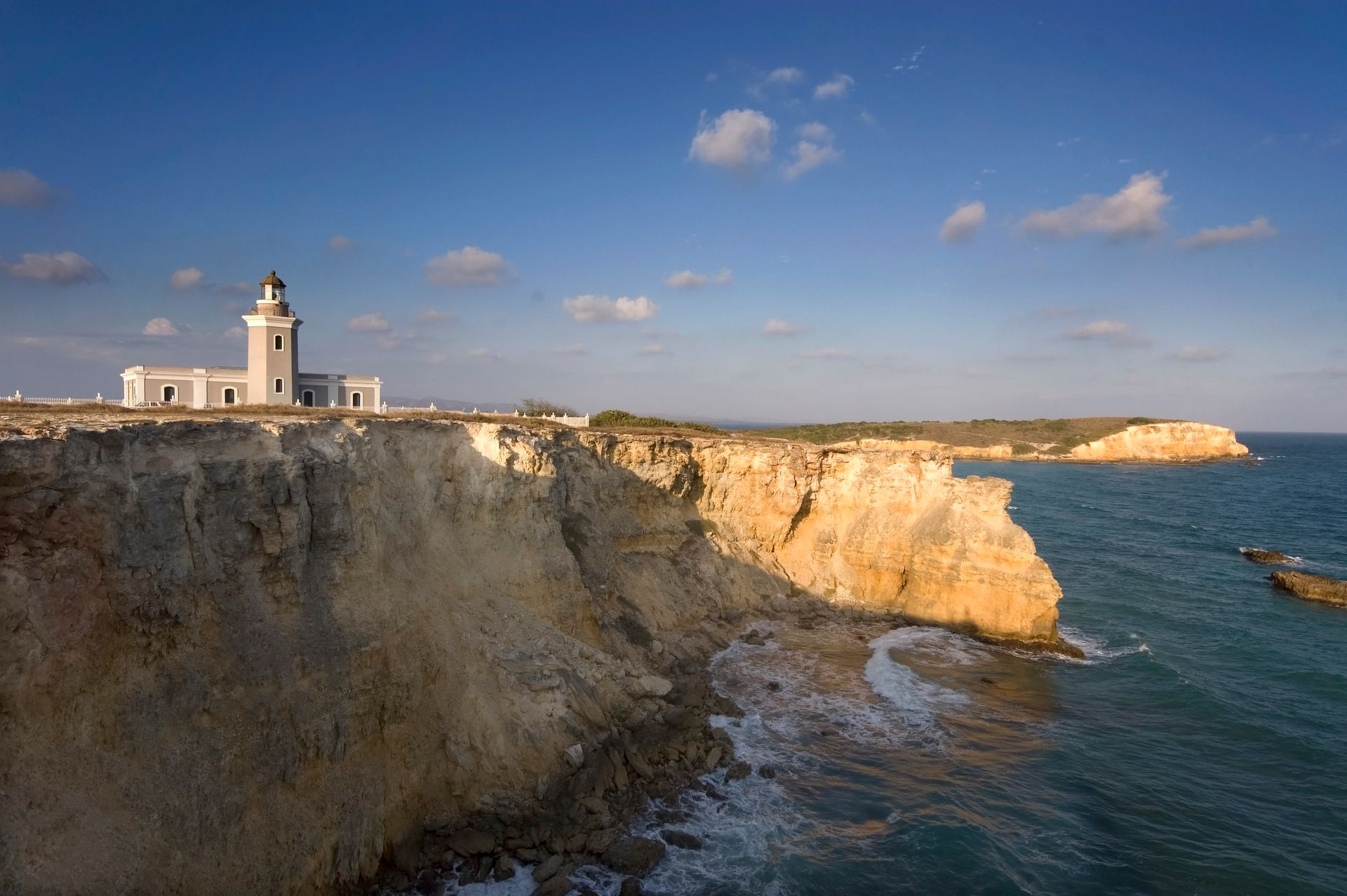
Cabo Rojo occupies the southwestern tip of Puerto Rico’s main island and maintains a character that distinguishes it from the more tourist-oriented beach destinations elsewhere on the island. The town’s appeal among Puerto Rican locals — who favor it precisely because it has retained a traditional identity over the resort corridor model — gives Cabo Rojo an authenticity that manifests in specific ways: family-owned accommodations, active fishing operations that supply local restaurants, and a Creole cuisine tradition that reflects the area’s history and agricultural character.
The beaches merit the journey independently of the cultural character. Playa Sucia, a crescent-shaped beach on the southwestern coast, delivers the panoramic ocean views and clear water that Puerto Rico’s reputation promises. Playa El Combate, lined with reef, is well-positioned for sunset viewing and offers a beach experience rooted in the natural coastal environment rather than resort infrastructure. The Cabo Rojo National Wildlife Refuge provides a land-based complement to the beach experience, with hiking through native vegetation that supports a variety of bird and wildlife species.
El Poblado de Boquerón, a fishing village and pedestrian promenade within the Cabo Rojo area, gives the destination its most social dimension. The village’s seafood restaurants and live music scene make evening visits particularly worthwhile, and the fresh local catch served with outdoor dining and music in a genuinely small-scale community setting gives Boquerón a character that San Juan’s restaurant scene, however excellent, cannot replicate. Cabo Rojo makes the strongest case among this list for travelers who want Puerto Rico’s natural and culinary gifts without the crowds or commercial infrastructure of more developed destinations. The town’s active fishing fleet and the seafood it supplies to local restaurants also give Cabo Rojo’s cuisine a provenance and freshness that is difficult to replicate in a destination where the fishing industry has given way to tourism as the primary economic driver. Visitors who want to understand how Puerto Rico’s coastal communities have historically sustained themselves will find Cabo Rojo the most instructive destination on this list.
John and Tina Reid / Getty Images
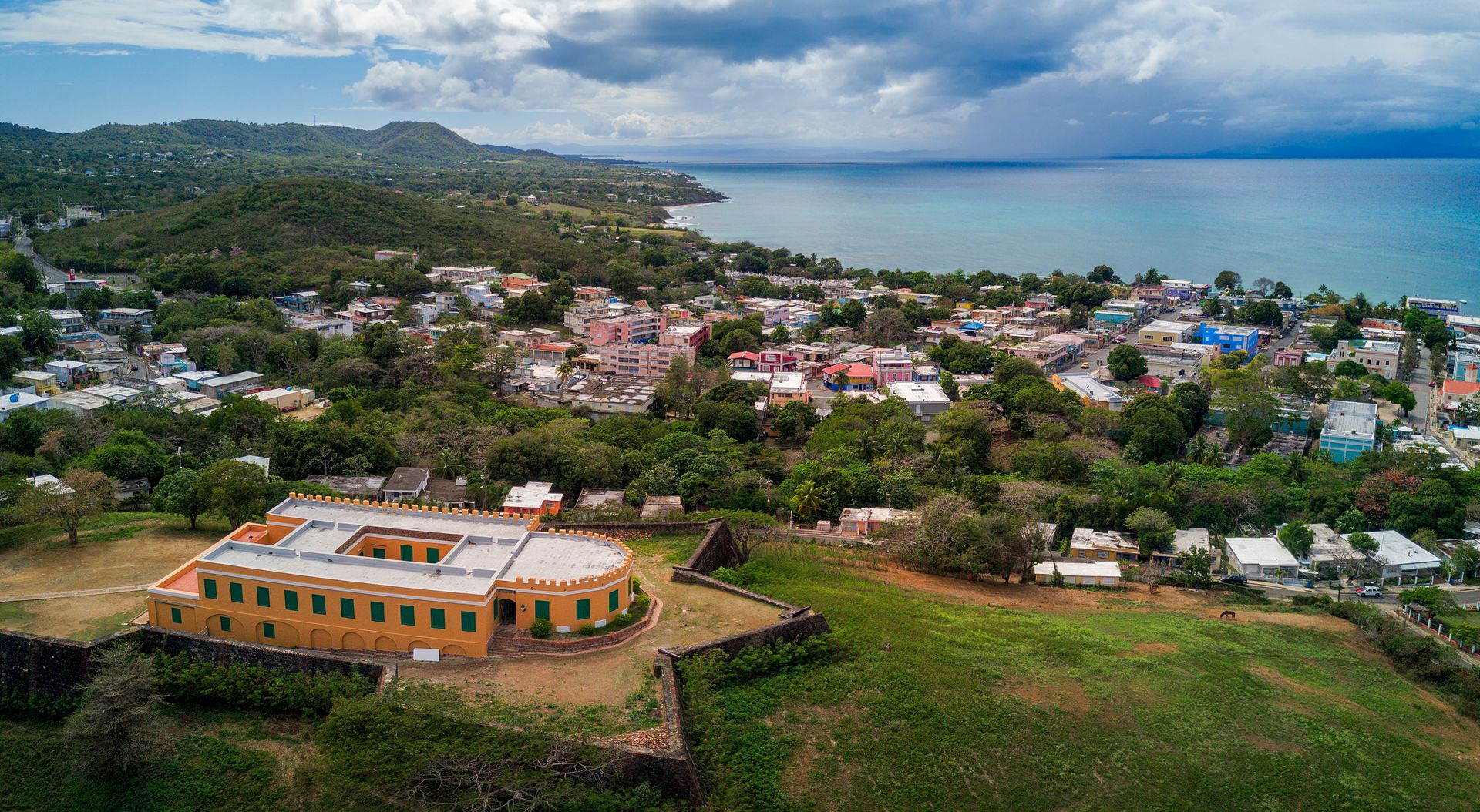
Vieques sits six miles east of Puerto Rico’s main island, reachable by a roughly 30-minute flight from San Juan or by ferry from the town of Ceiba. The island’s defining attraction is Mosquito Bay, the brightest bioluminescent bay in the world. The superlative is verified through scientific measurement and recognized by the Guinness World Records. The bioluminescence, produced by microscopic dinoflagellates that emit light when disturbed, creates a visual effect in which the water glows blue-green around kayak paddles, swimming bodies, and the wake of passing vessels. Nighttime bay tours are among the most sought-after experiences in all of Puerto Rico.
The bioluminescent bay is the island’s signature attraction, but Vieques offers substantial additional appeal that justifies a longer stay. The island’s beaches range across multiple types: conventional white-sand stretches with clear water at Playa Caracas, Sun Bay Beach, and La Chiva, alongside more unusual terrain such as Playa Negra, a black sand beach set against dramatic cliffs. The beach variety is exceptional for an island of Vieques’s size.
More than 60% of Vieques is protected as a national wildlife refuge, which limits development and supports a population of wild horses that move freely across the landscape alongside Antillean manatees in the coastal waters. The refuge status is the practical reason the island has remained less developed than comparable Caribbean destinations, and it gives Vieques a natural character that travelers seeking escape from tourist infrastructure will find particularly valuable. The island’s world-record natural phenomenon, beach diversity, and wildlife refuge status together give it a profile unlike any other destination on this list. The ferry access from Ceiba also means Vieques is reachable without flying, which makes it a practical addition to an island-hopping itinerary for travelers who want to experience Puerto Rico’s offshore island character alongside the main island’s urban and natural attractions. The wild horse population, which roams freely across the refuge’s protected lands, adds a wildlife encounter that visitors consistently identify as among the most memorable aspects of a Vieques visit.
Westend61 / Getty Images
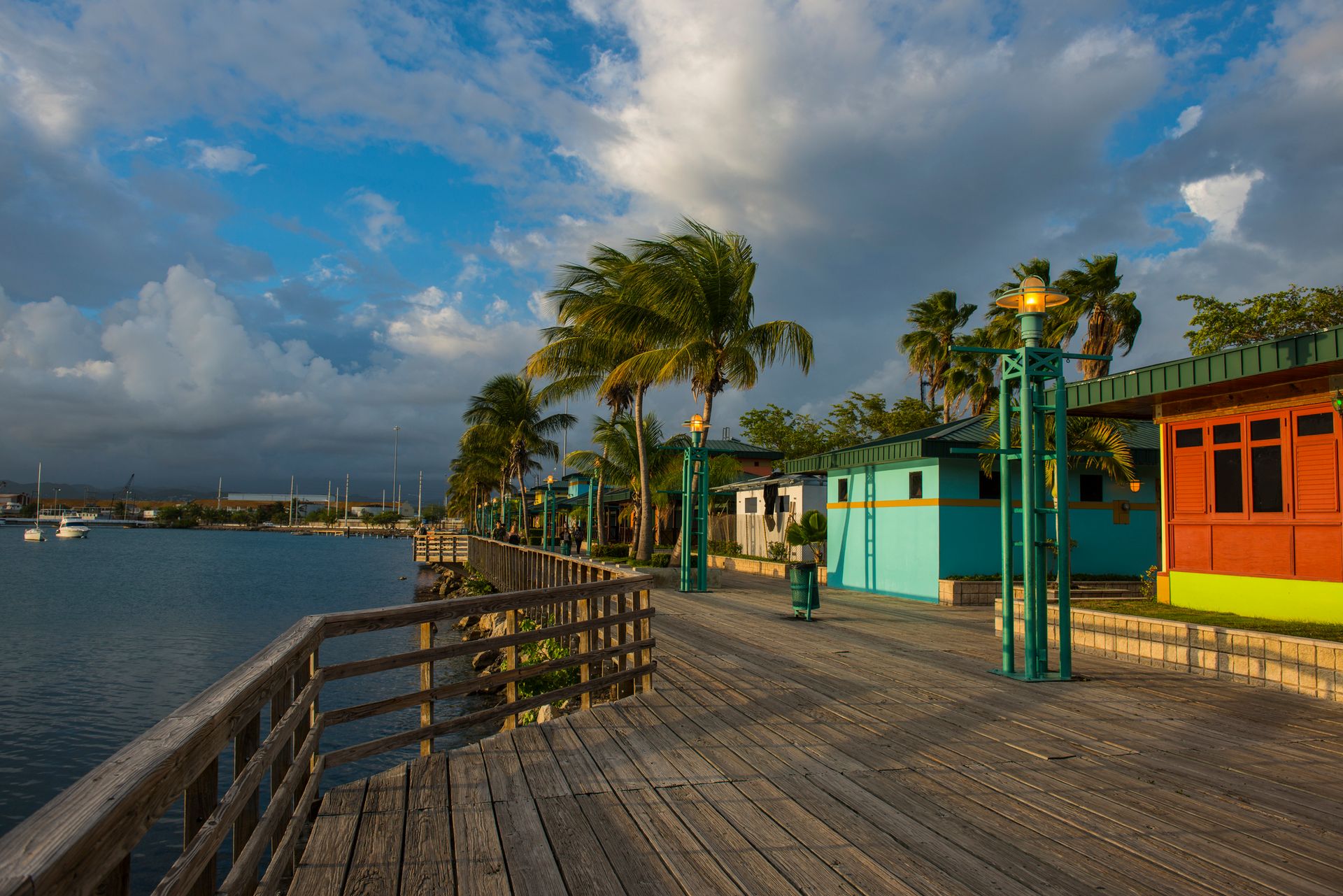
Ponce, founded in the late 1600s, is Puerto Rico’s most architecturally distinguished city outside San Juan and the population center of the island’s central southern coast. The city’s main square anchors its historic character, hosting the Parque de Bombas — a Victorian-era firehouse with a strikingly ornate red-and-black design that has become Ponce’s most photographed building — alongside the Fuente de Los Leones fountain and the Cathedral of Our Lady of Guadalupe. The square’s ensemble of 19th- and early 20th-century civic architecture gives the city a preserved historical character that rewards unhurried exploration on foot.
The Castillo Serrallés, a 1930s mansion that served as the headquarters of the Don Q rum operation, enhances Ponce’s visitor appeal by blending architectural history with active hospitality. The estate now operates as a museum and experience center, hosting mixology workshops alongside tours of the building itself, which combines 1930s design with a Japanese garden and a butterfly house. The mansion demonstrates the prosperity that sugar and rum production brought to Ponce’s elite families during the early 20th century, and its preservation gives visitors a window into that specific period of Puerto Rican economic history.
Ponce’s coastal position adds an offshore dimension to its urban attractions. The nearby island of Caja de Muertos, accessible by boat from the city’s waterfront, offers snorkeling, hiking, and beach access within a protected nature reserve. The island’s proximity to Ponce makes it a practical day trip, extending the city’s appeal for visitors who want both the urban architectural experience and a natural coastal complement without relocating their base. Ponce’s position as Puerto Rico’s second-largest city also means it supports a hospitality and restaurant infrastructure substantial enough to serve as an independent base for exploring the island’s central southern coast and interior. Visitors who approach Ponce as a multi-day destination, combining the city’s architectural heritage, the rum estate, and a day trip to Caja de Muertos, will find it an anchor for a distinct Puerto Rican itinerary that requires no return to San Juan.
GemStocks / Getty Images
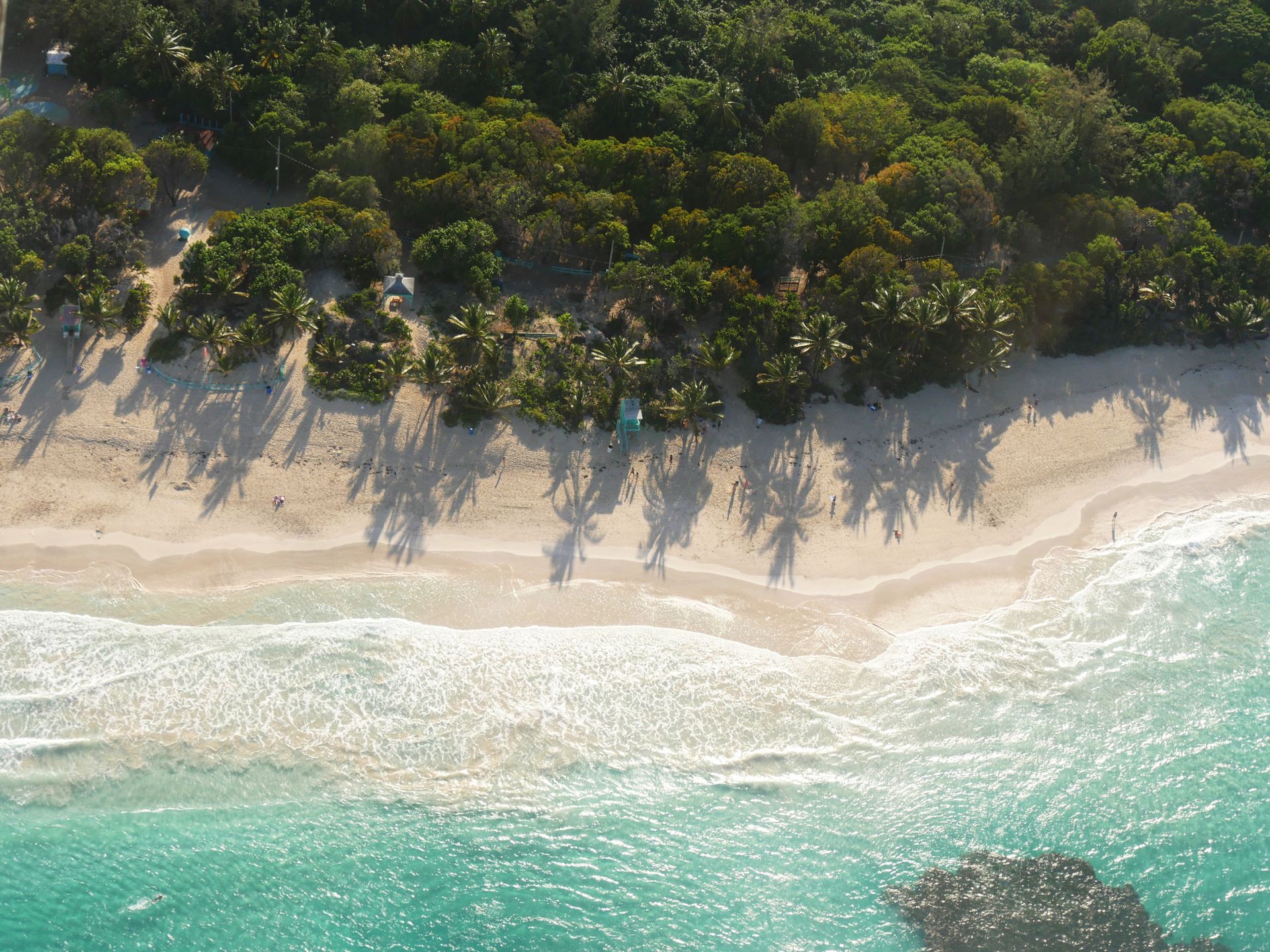
Culebra sits roughly equidistant between Puerto Rico’s main island and the U.S. Virgin Islands, reachable by a 30-minute flight or a 45-minute ferry ride. The island’s beaches deliver white sand and water clarity that the source describes as competitive with the finest in the entire Caribbean. Flamenco Beach is the standout, with fine sand and blue water that consistently earn it a spot among the top beaches in the Caribbean in independent rankings.
Snorkeling at Melones Beach offers a distinct underwater experience, with sea turtle encounters among the most reliably reported wildlife encounters for visitors. The sea turtle population around Culebra reflects the island’s status as a protected habitat, and the snorkeling access to turtle territory is an experience unavailable at most of Puerto Rico’s more developed beach destinations.
Culebra’s approximately 1,000 residents give the island a genuine small-town character, described by the source as easygoing. The scale distinguishes it from the more populated visitor destinations on this list. The social atmosphere is relaxed and community-scaled, which gives visitors who find larger tourist operations alienating a setting where the local texture is accessible and authentic. Travelers $TRV who want the maximum degree of escape from tourist infrastructure can extend that experience further by taking a water taxi to Isla Culebrita, an uninhabited island within the Culebra National Wildlife Refuge, where beaches remain genuinely untouched. Culebra’s distance from the main island is the primary logistical challenge, but the journey by flight or ferry gives the destination a separation from the main island’s pace that is itself part of the appeal for many visitors. The Culebra National Wildlife Refuge’s protected status also ensures the island’s beaches and coastal waters remain in a condition that more developed Caribbean destinations have largely lost, and that long-term environmental protection gives Culebra an enduring quality that resort development cannot engineer. Travelers who make the trip consistently report that Culebra’s beaches justify the additional planning and transportation the island requires.
Brian Logan / Getty Images
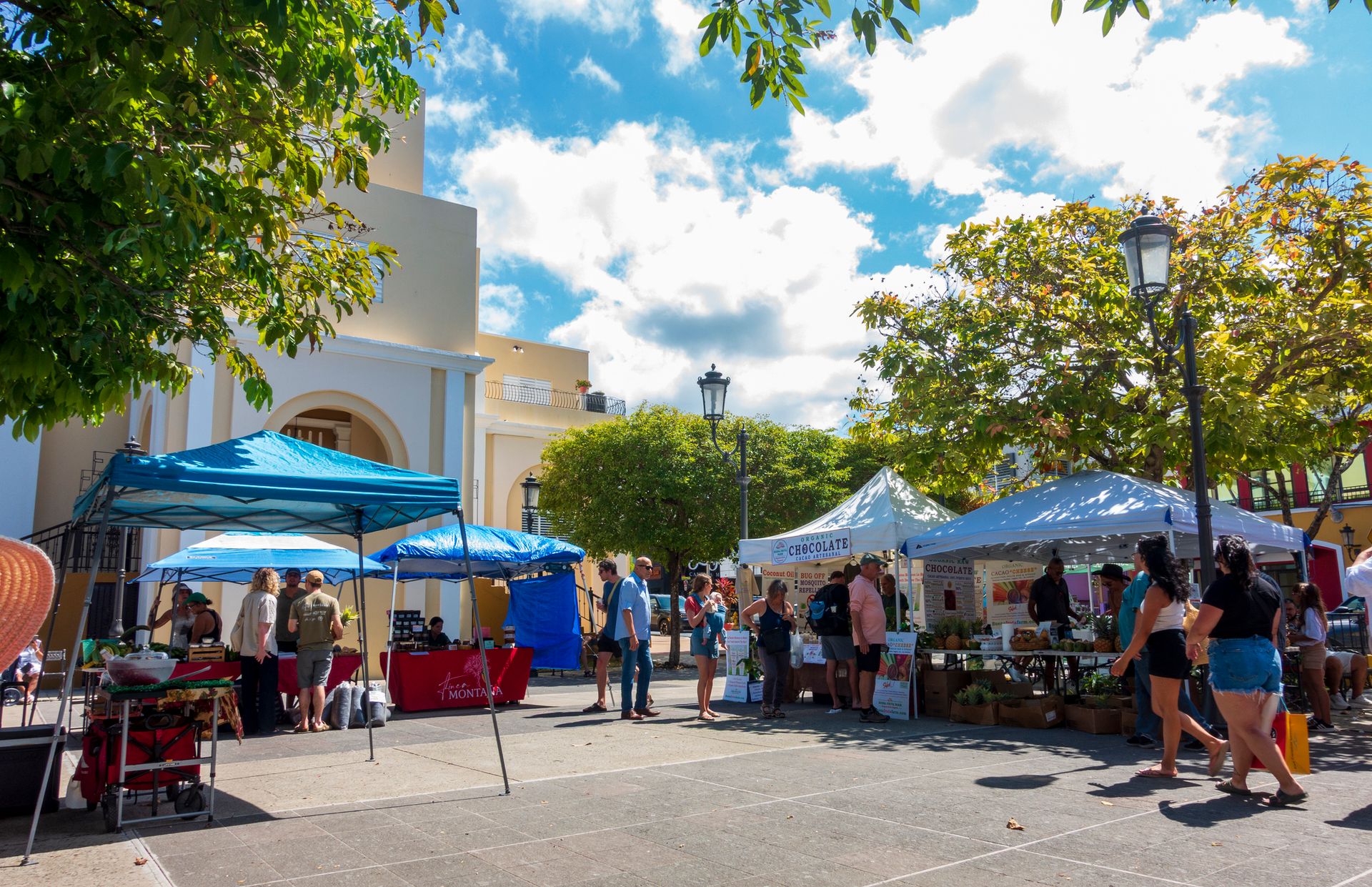
Rincón occupies Puerto Rico’s westernmost point and carries a reputation built on two pillars: sunsets and surf. The town’s nickname, “the town of beautiful sunsets,” reflects its positioning on the western coast, where the Atlantic Ocean provides an unobstructed western horizon and conditions that produce particularly dramatic evening light. The sunset reputation is legitimate and widely confirmed by visitors, but Rincón’s surfing identity is what distinguishes it within the Caribbean region as a whole.
The designation as the surfing capital of the Caribbean reflects wave conditions at specific breaks. Domes Beach and Maria’s Beach are the primary surfing venues, hosting multiple competitions and festivals throughout the year that draw professional competitors and spectators. The festival calendar gives Rincón a surfing culture with organized events, not just casual wave riding, which creates a social infrastructure around the sport that visitors can engage with regardless of their surfing ability. Beginners can access lessons at the same beaches where professionals compete, giving the destination appeal across skill levels.
The Tres Palmas Marine Reserve expands Rincón’s water-based appeal to snorkelers who want to encounter the marine life that inhabits the reef systems offshore. The reserve’s protected status maintains coral and fish populations in a condition accessible to recreational snorkelers. The town’s terrestrial character complements the water activities with a laid-back atmosphere, as the source describes it as slow-paced. A weekly art walk held every Thursday evening gives visitors a community cultural event that reflects the creative identity that surf towns in the Caribbean often develop. Rincón delivers a specific Puerto Rican experience — the western coastal character, the surf culture, the sunset tradition — that no other destination on this list provides. The weekly art walk, held every Thursday evening, reflects the creative community that surf culture and the town's slow pace have attracted over time, and it offers visitors a recurring community event that connects them to Rincón’s cultural identity beyond the water.
Thao Pham / Getty Images
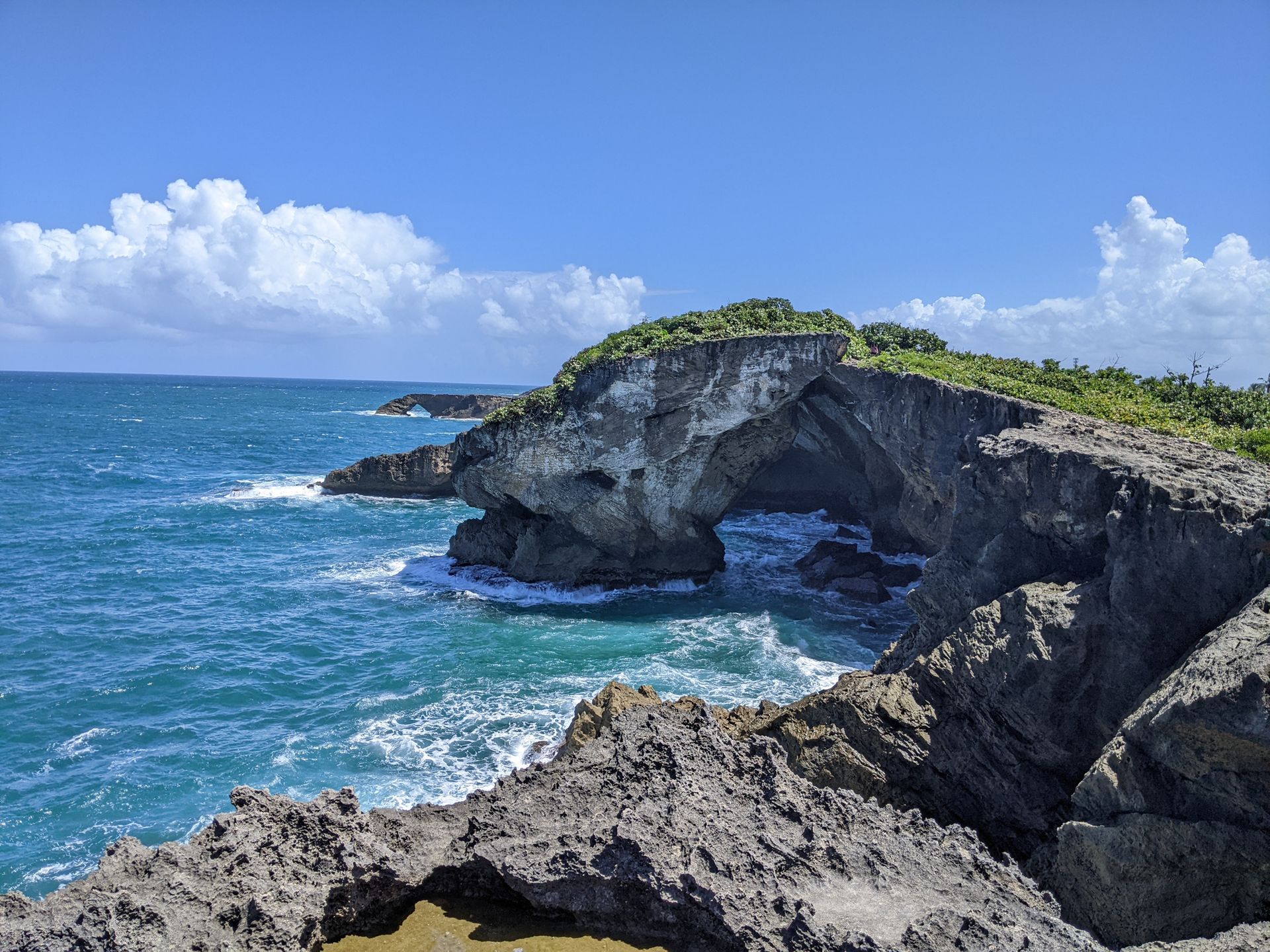
Arecibo’s identity as a travel destination rests on a geological feature that sets it apart from every other location on this list: the karst landscape that characterizes Puerto Rico’s northern interior reaches its most dramatic expression in the Arecibo region, producing cave systems, rock formations, and topographic drama that the coastline and rainforest cannot replicate. Cueva Ventana, named for the window-like openings at both ends of the cave, frames views of the valley below through natural stone apertures, creating a visual experience that depends entirely on the geological accident of the cave’s formation.
Cueva del Indio adds an archaeological dimension, giving Arecibo cultural depth alongside its natural attractions. The seaside cave contains Taíno petroglyphs — carvings by the indigenous people who inhabited Puerto Rico before Spanish colonization — alongside seven distinct rock arches along the coast. The Taíno presence at this location, preserved in stone carvings that have endured centuries of coastal exposure, makes Cueva del Indio one of the most significant indigenous heritage sites accessible to the general public in all of Puerto Rico.
The northern coastline in Arecibo is rougher and wilder than the more developed beach destinations on this list, but La Poza del Obispo offers swimming in a natural coastal setting. The rock formations that create this sheltered pool produce calm water within an otherwise energetic coastal setting, giving the area a swimming spot with a geological character distinct from conventional beach swimming. The town itself adds colonial architecture in the Puerto Rican tradition, rounding out Arecibo’s appeal as a destination where karst geography, indigenous heritage, and coastal topography converge in a configuration available nowhere else on the island. Visitors who want to engage with Puerto Rico’s pre-colonial history alongside its geological drama will find Arecibo the most substantively different destination from the beaches and urban centers that dominate the island’s conventional tourism profile.
PeterAmadorRivera / Getty Images
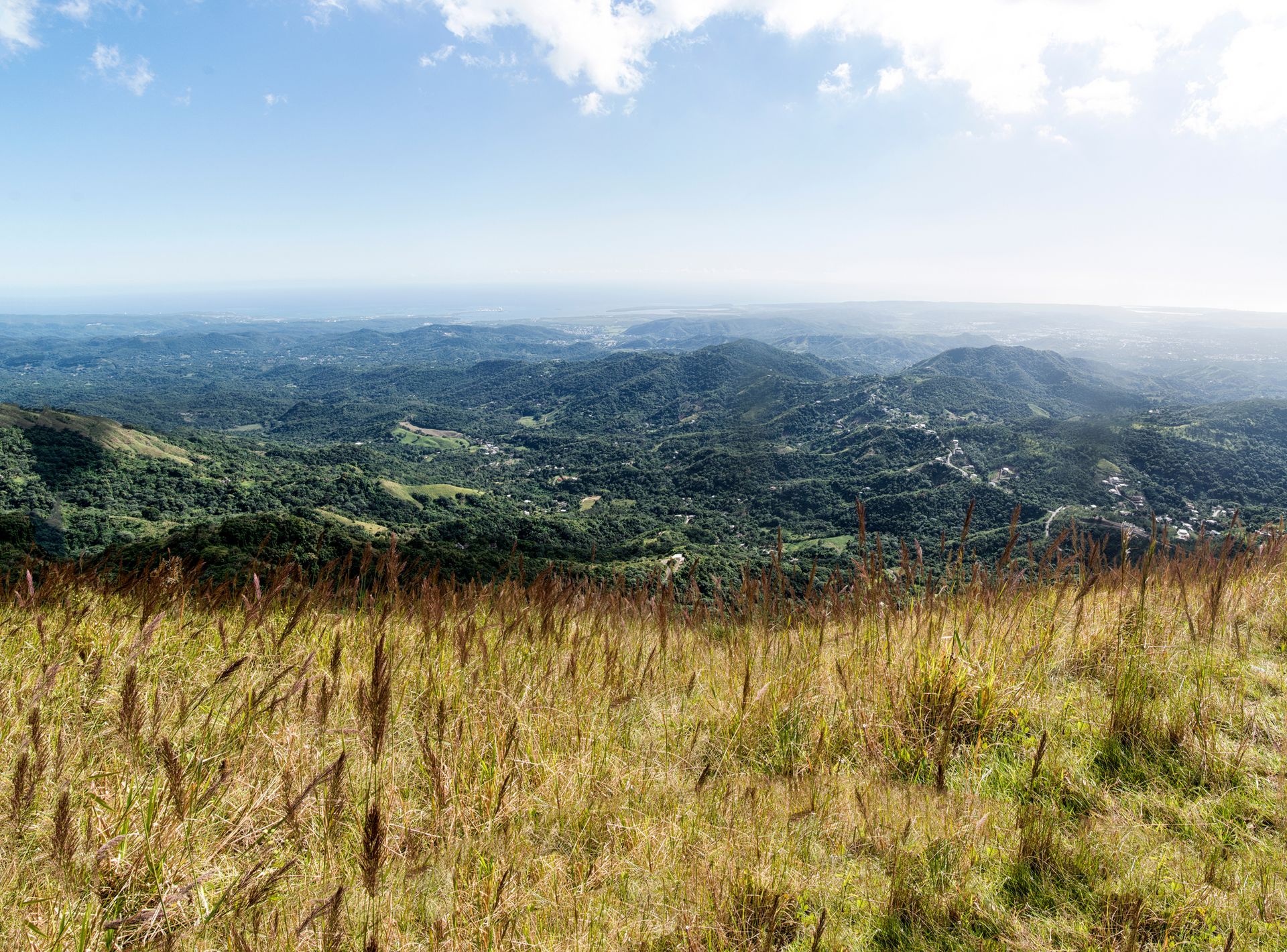
Cayey’s primary draw is culinary, and the source’s description of the destination as home to the “pork highway” captures the specific experience accurately. Guavate is the most celebrated of Puerto Rico’s three “rutas del lechón” — routes dedicated to slow-roasted pork — and its mile-long stretch of roadside food stands constitutes one of the island’s most distinctive food traditions. The slow-roasting method, applied to whole pigs over extended cooking periods, produces a product that draws Puerto Rican families and visitors, especially on weekends, when the strip is at full activity, with cooking, music, and outdoor dining running simultaneously. Guavate is a cultural event as much as a meal.
Cayey’s setting amplifies the destination’s appeal beyond food. The town occupies an elevated position in Puerto Rico’s Central Mountains along the Ruta Panorámica, a scenic mountain road that traverses the island’s interior. The elevation offers views of the Carite State Forest, a protected reserve that covers roughly nine square miles of mountainous terrain and supports more than 200 tree species. The forest represents a different ecological character from El Yunque’s tropical rainforest — drier, higher-elevation, and more accessible by road — and contains Charco Azul, a natural swimming hole that gives visitors a freshwater outdoor experience within the reserve.
Cayey offers travelers a Puerto Rico that operates on local rhythms and serves a primarily domestic visitor base. The Guavate food experience, the mountain road scenery, and the Carite forest together offer a picture of the island’s interior that the coastal and urban destinations on this list cannot. Visitors who want to understand Puerto Rico beyond its beaches and colonial cities will find Cayey — and the Ruta Panorámica that connects it to the broader mountain interior — the most rewarding detour from the island’s conventional tourist circuit. The Carite forest’s Charco Azul swimming hole also gives the mountain interior a natural freshwater attraction distinct from the coastal swimming experiences available at the island’s beach destinations.
