From 96 daily gorilla permits in Volcanoes National Park to Akagera's lions and rhinos reintroduced after poaching wiped them out
Emmy Shingiro / Unsplash
Rwanda’s national parks feel genuinely wild and untamed, while the capital city of Kigali brims with culture, history, and a distinctly modern energy that surprises many first-time visitors arriving with lower expectations. A single trip through the country can realistically include a safari built around spotting the Big Five, a full day spent kayaking on Lake Kivu, cocktails at a rooftop bar overlooking the city, and a genuinely once-in-a-lifetime trek alongside mountain gorillas, all within a country small enough to cross in a matter of hours by car between any two major stops.
Rwandans don’t hide from their country’s darkest chapter, the genocide of the 1990s, but the country’s identity has never been defined solely by that history either, even three decades later. Over the past two decades, Rwanda has demonstrated a genuine commitment to honoring the memories of those lost while simultaneously building a dedication to conservation and an impressive overall resilience that shows up throughout daily life across the country. The country’s pairing of safety, compact geography, and genuine warmth toward visitors makes it a rewarding choice whether Rwanda is a traveler’s first stop in Africa or their tenth stop on a much longer continental journey. This mix of qualities has helped Rwanda build one of the continent’s fastest-growing tourism sectors in a remarkably short span of time, drawing travelers who once considered the country an unlikely destination and now enthusiastically recommend it to friends planning their first trip to Africa.
The five destinations below appear in Lonely Planet and cover the mix of history, adventure, relaxation, and culture that defines a well-rounded Rwandan itinerary. Together, they cover a manageable geographic footprint, allowing most travelers to realistically visit all five in a single week-long trip. Renting a car or hiring a driver makes the whole loop considerably easier.
Magdalena Kula Manchee / Unsplash
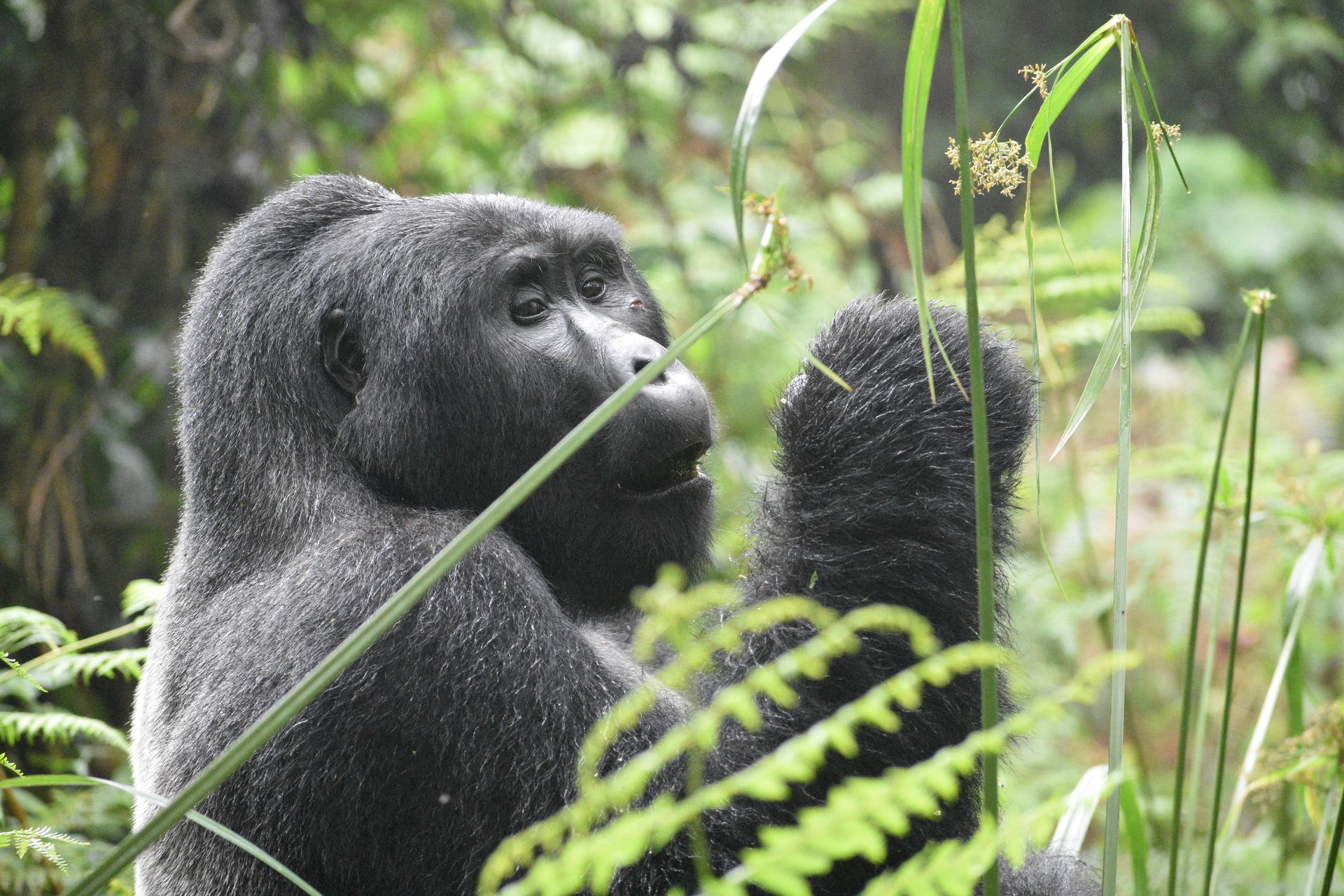
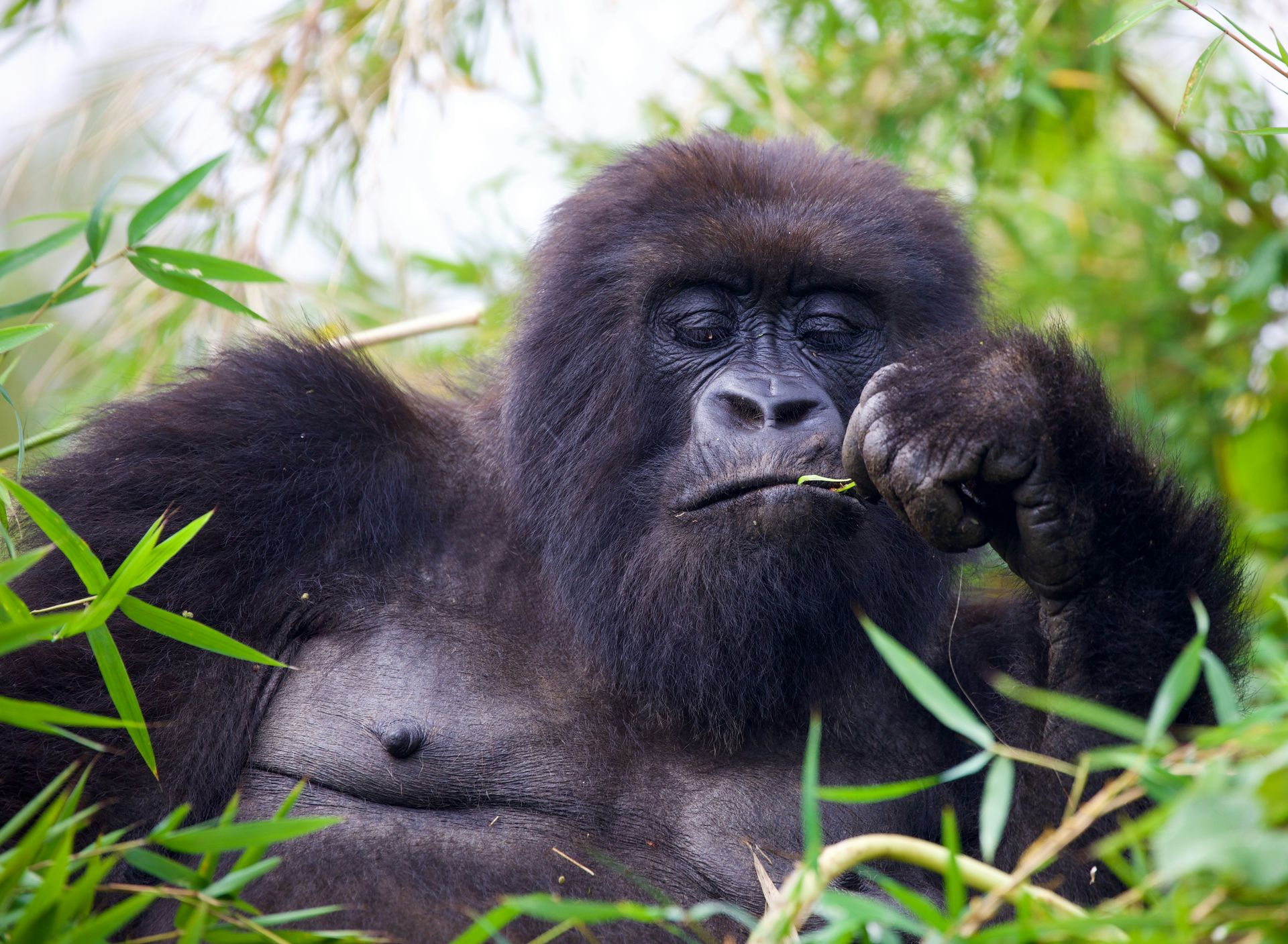
Rwanda is one of the few places in the world where travelers can trek alongside wild gorillas, and Volcanoes National Park, located near the town of Musanze, offers direct access to this genuinely rare experience. Trekking through the surrounding mountains eventually leads to a family of majestic mountain gorillas, and spending time observing them up close reveals something eerily familiar in their curious, playful behavior, likely because gorillas share roughly 98% of human DNA.
Mountain gorillas hold the distinction of being the only great ape species with a genuinely increasing population, making this endangered animal one of conservation’s rare and genuinely encouraging success stories. Gorilla treks directly support that ongoing conservation work, since permit fees fund both scientific research into the gorilla population and broader support for the local communities living alongside the national park.
Booking a trek requires real advance planning, since only 96 gorilla trekking permits become available each day across the entire park, and demand for those limited slots consistently outpaces supply. Travelers $TRV hoping to secure a permit should plan to book at least a full year before their intended travel dates, since waiting until closer to the trip risks missing out entirely on this experience.
Musanze itself serves as a genuinely convenient base for organizing a trek, offering lodges and tour operators well-versed in coordinating permits, guides, and transportation into the park. Visitors who build in an extra day or two around their scheduled trek date also gain some flexibility, since weather and trail conditions can occasionally shift the exact timing of a specific outing. Few wildlife experiences anywhere in the world deliver quite this same sense of genuine connection with an endangered species this closely related to humans. Travelers should also budget for a physically demanding hike, since reaching the gorillas often requires climbing steep, muddy volcanic terrain for an hour or more. Porters are available for hire at the trailhead for travelers who want extra support.
Emmy Shingiro / Unsplash
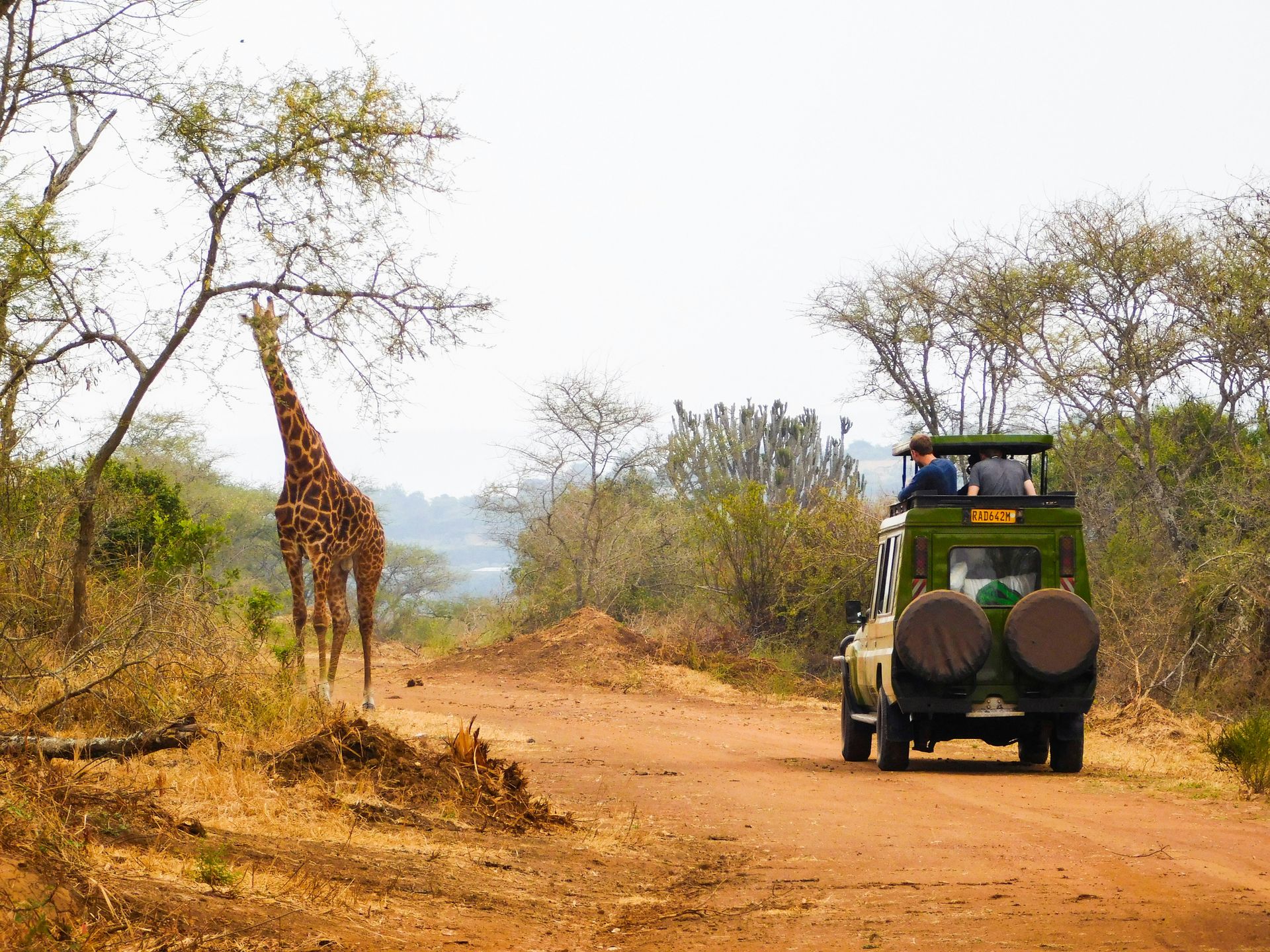
Akagera National Park delivers exactly what most travelers picture when they imagine a traditional African safari, with zebras galloping freely across open savannah while elephants wade and bathe in the park’s lakes. Visitors can choose between a dedicated Big Five game drive and a boat excursion across Lake Ihema, and both options offer a genuine chance to spot buffalo, zebras, lions, giraffes, elephants, crocodiles, leopards, and numerous other species in a single outing.
Akagera’s current abundance of wildlife represents a genuinely remarkable recovery instead of a permanent, unbroken state of nature. Following the genocide, unchecked poaching and illegal hunting throughout the region drove local lion and rhino populations to complete extinction within the park, erasing two of Akagera’s most iconic species entirely from the landscape for years afterward.
Thanks to a sustained partnership between the Rwandan government and the nonprofit organization African Parks, both lions and rhinos have been successfully reintroduced to Akagera over the past two decades. These reintroduction efforts required careful planning, ongoing monitoring, and genuine investment in anti-poaching infrastructure throughout the park, transforming Akagera from a cautionary tale into a genuine conservation success story worth celebrating.
Today, these once-vanished species live under active, dedicated protection and continue to thrive within the park’s boundaries, giving modern visitors a genuine chance to witness animals that simply didn’t exist here in recent living memory. Few safari destinations anywhere in Africa offer quite this same sense of witnessing an active, ongoing ecological recovery unfold in real time. Few conservation stories anywhere in Africa illustrate this kind of full-circle recovery as vividly as Akagera’s return from near-total ecological collapse. Visitors planning a multiday safari should consider staying at one of the lodges directly bordering the park, since early morning game drives tend to deliver the best sightings. Bringing binoculars also helps considerably when spotting animals across the park’s wider open plains. Guides can often point out distant wildlife that would otherwise go completely unnoticed from a moving vehicle.
Jean Claude Akarikumutima / Unsplash
Most visitors to Rwanda begin their trip by touching down directly in Kigali, and the city genuinely rewards spending at least a night or two exploring its main sites before heading out toward the national parks. Any visitor to Rwanda should make time to visit the Kigali Genocide Memorial specifically, since the memorial provides essential historical context about the genocide and its lasting impact on the country as a whole.
Visiting the memorial is a genuinely heavy emotional experience, and travelers should prepare accordingly before arriving. Even so, most visitors describe the visit as an essential and clarifying part of understanding modern Rwanda, since the memorial connects the country’s remarkable recovery and resilience directly to the specific history from which it emerged just three decades ago.
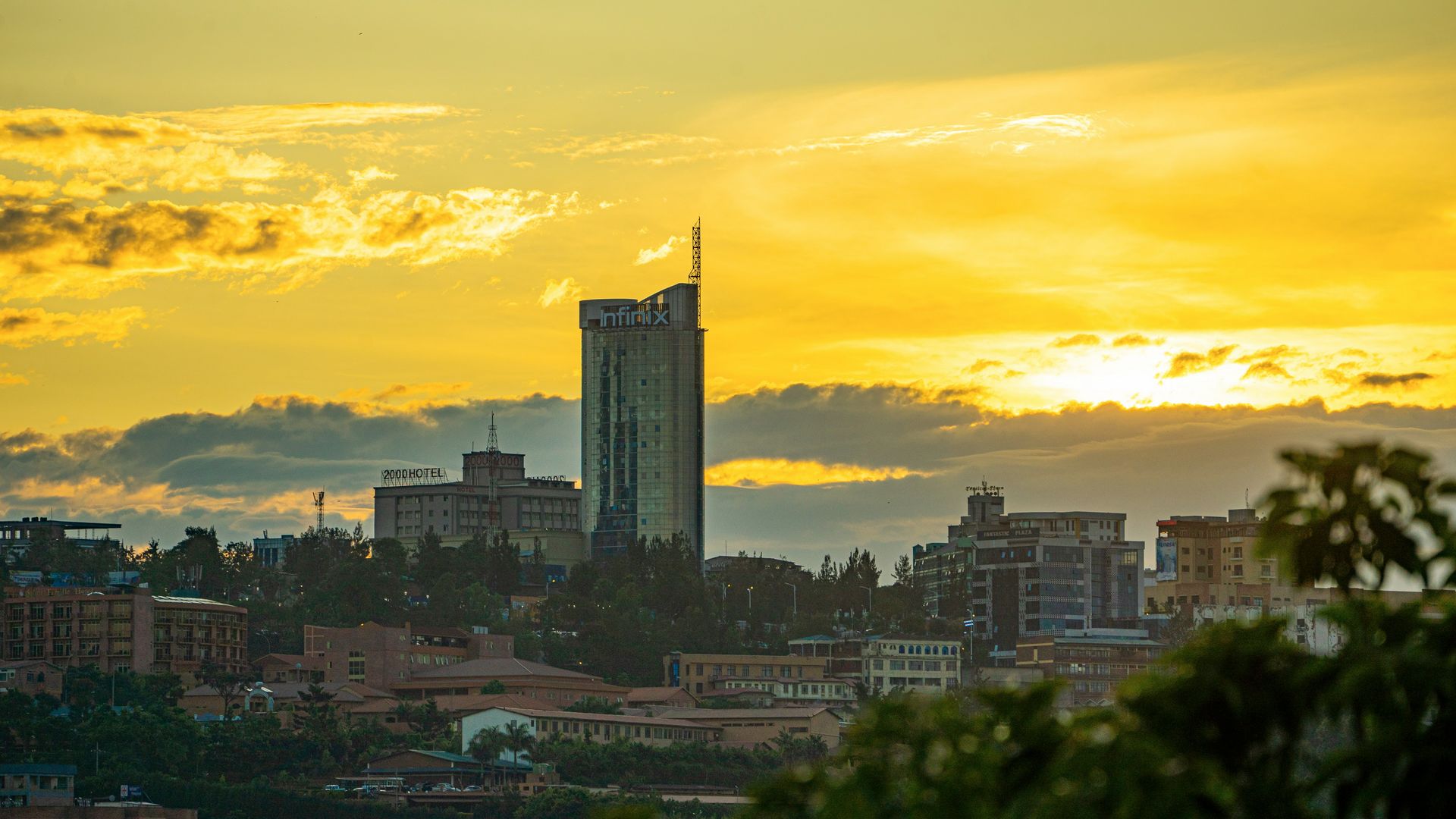
Beyond its historical weight, Kigali functions as a genuinely clean, beautiful, and exciting capital city in its own right, offering visitors considerably more than a single somber stop. Rooftop bars such as rüa and La Creola give visitors sweeping views across the city’s rolling green hills during the day and its shimmering lights after dark, making either spot an excellent choice for an evening drink and a moment to simply take in the skyline.
Travelers $TRV hoping to experience Kigali at its most energetic should consider timing their visit around the Basketball Africa League season, specifically, since the tournament tends to draw considerably livelier crowds throughout the city’s nightlife scene. Pairing a visit to the memorial earlier in a stay with an evening out later in the same trip gives travelers a genuinely complete picture of Kigali’s layered identity. Few capital cities anywhere in Africa balance historical weight and modern energy quite as gracefully as Kigali manages within a single, walkable downtown core. Visitors with extra time should also explore Kigali’s local markets and craft cooperatives, which offer a genuinely different window into everyday city life beyond its bars and monuments. Setting aside a full afternoon for this kind of wandering rewards curious travelers well.
Faustin T / Unsplash
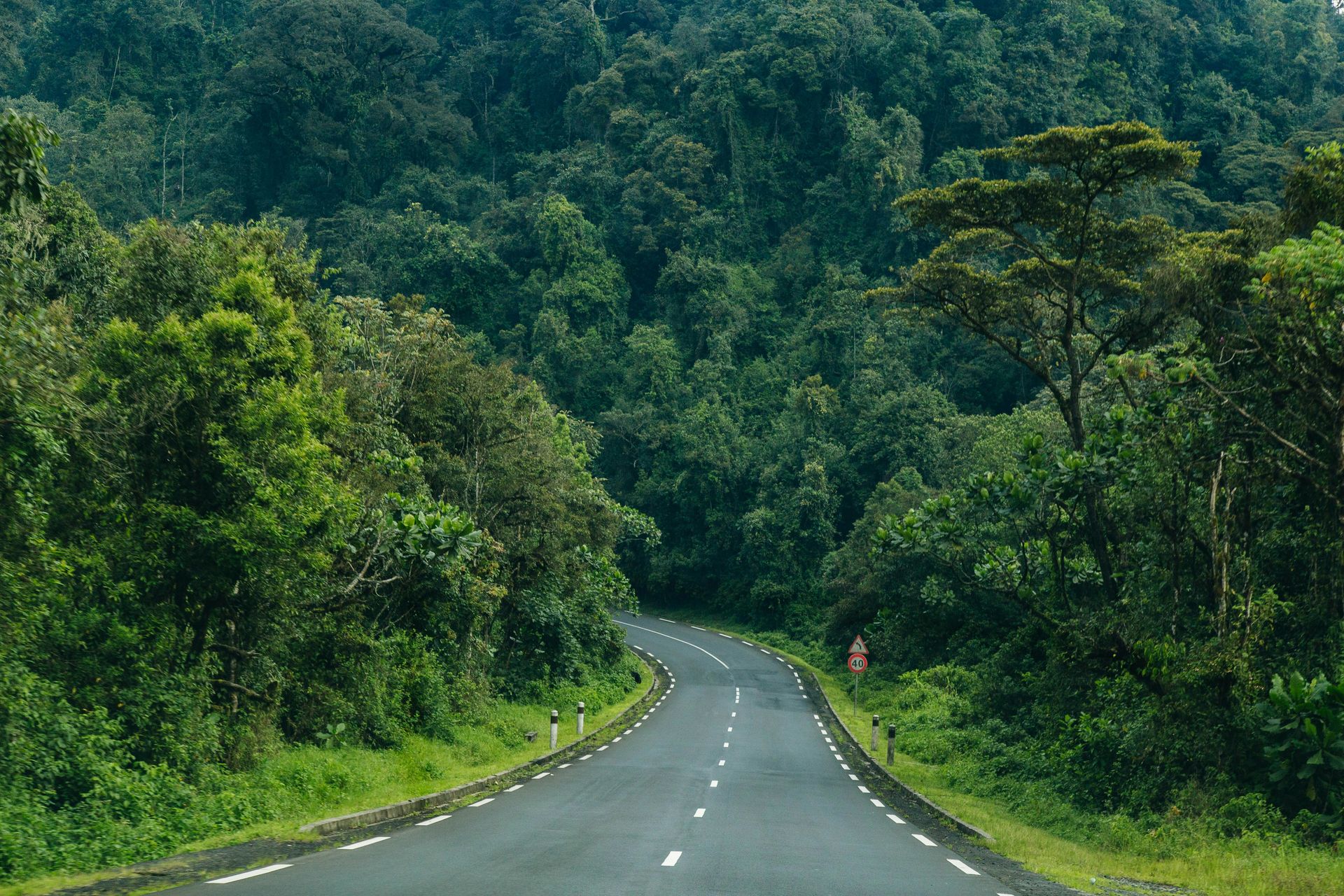
Nyungwe National Park protects one of the oldest rainforests in Africa, and its dense, ancient canopy makes it a genuinely excellent destination for travelers drawn specifically to outdoor adventure. Visitors can make the most of a single day by combining a zip-line course with the park’s dedicated Canopy Walk, stringing together three separate zip lines that carry riders on an exhilarating trip directly over the surrounding mountains before ending at a suspended rope bridge with sweeping views across the forest canopy.
Beyond adrenaline-focused activities, Nyungwe also offers a genuine way to connect with the local community through a dedicated tea tour in the surrounding region. Visitors joining the tour get hands-on experience picking tea leaves alongside passionate local guides, learning about the full production process before finishing with a proper tasting and the chance to purchase genuinely delicious souvenirs to bring home.
Nyungwe also ranks as the best place anywhere in Rwanda specifically for chimpanzee trekking, and these treks typically begin in the very early hours of the morning to maximize the chances of a genuine sighting. Successful treks let visitors spot entire chimpanzee families and observe them behaving naturally within their own habitat, offering a genuinely different kind of wildlife encounter compared with the mountain gorilla treks found elsewhere in the country.
Travelers $TRV planning to fit in both the chimpanzee trek and the zip-line course should budget at least two full days within Nyungwe itself, since each activity demands a meaningfully different part of the day and a different level of physical exertion. Spreading these activities across separate days also leaves room to properly enjoy the tea tour without feeling rushed between stops. Few rainforest destinations anywhere in Africa combine this much genuine adrenaline with such an equally rewarding, slower-paced cultural experience nearby. Visitors should pack sturdy hiking shoes and rain gear regardless of the season, since Nyungwe’s dense canopy keeps trails consistently damp throughout most of the year.
Serrah Galos / Unsplash
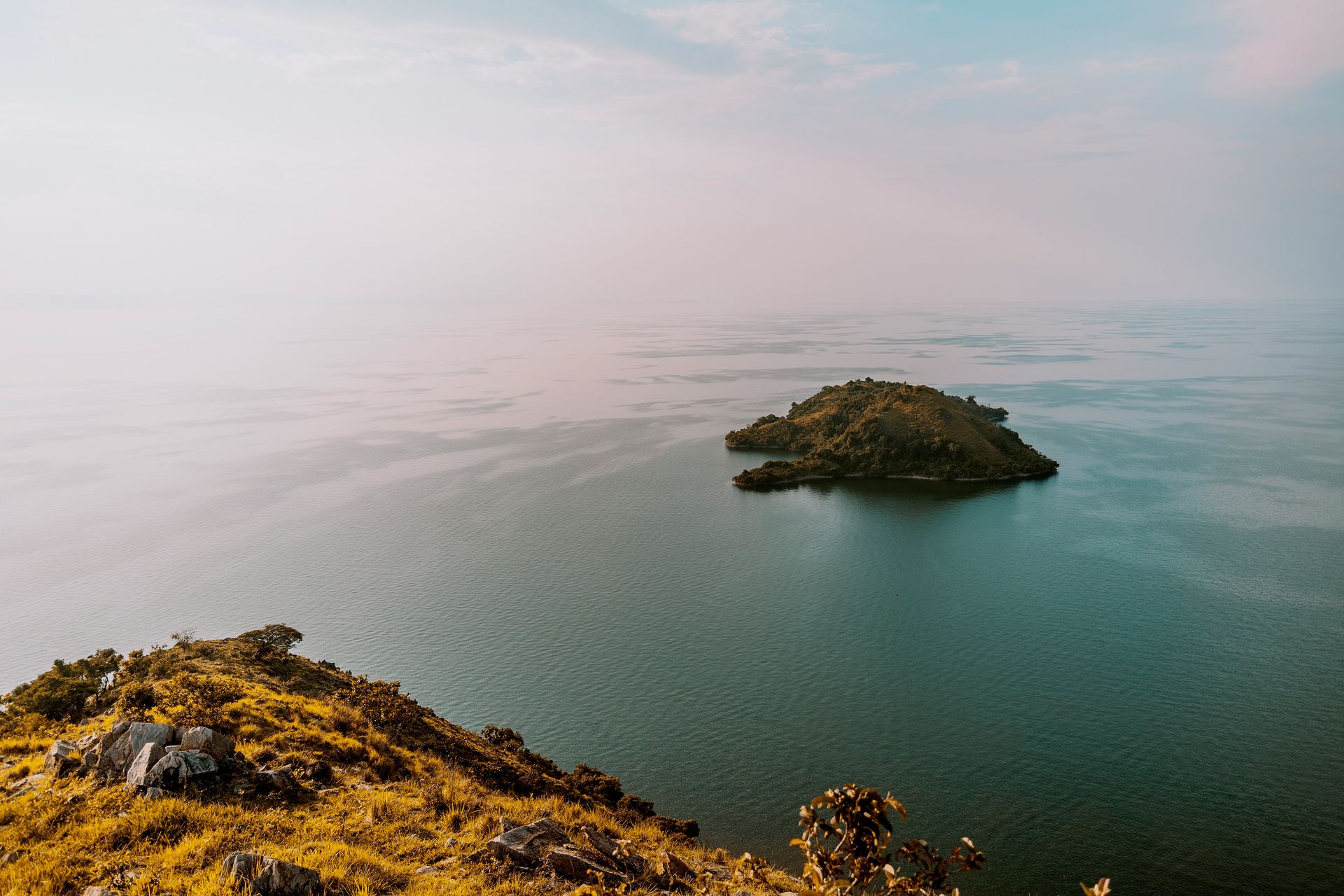
Positioned conveniently along the road connecting Nyungwe and Musanze, Lake Kivu offers travelers a genuinely welcome opportunity to slow down partway through a busier Rwandan itinerary. The lake’s deep blue water sits at a genuinely comfortable temperature for swimming, and visitors can simply relax lakeside and unwind after what has likely already been several days of demanding treks and early-morning safari drives elsewhere in the country.
Kayaking or boating out to the lake’s tiny scattered islands adds a genuinely worthwhile activity for travelers who don’t want to spend an entire day purely lounging on the shore. Some of these islands host cheeky resident monkeys who tend to appear specifically in exchange for bananas, offering visitors a lighthearted wildlife encounter considerably more casual than the structured treks found elsewhere in Rwanda’s national parks.
Lake Kivu’s location makes it a genuinely natural stopping point for travelers moving between the country’s more demanding attractions, rather than a destination most visitors would plan an entire standalone trip around. Building in even a single full day at the lake partway through a longer Rwandan itinerary helps prevent the kind of exhaustion that can otherwise creep in after back-to-back treks and game drives.
Accommodation options around the lake range from simple guesthouses to more upscale lakeside lodges, giving travelers genuine flexibility in how much they want to spend on this particular leg of their trip. Choosing a lodge with direct lake access makes the most of a stay here, letting visitors step directly from their room into the water without needing to arrange separate transportation to a public beach. Few stops anywhere on a Rwandan itinerary offer this much genuine rest without requiring travelers to sacrifice any of the trip’s overall momentum. Visitors driving between Nyungwe and Musanze should build extra time into their schedules for a lakeside stop, rather than treating the drive as a simple point-to-point transfer.
