
The best places to visit in Spain in 2026
The best places to visit in Spain, from Gaudi's Barcelona to the whitewashed streets of Cordoba's UNESCO old town
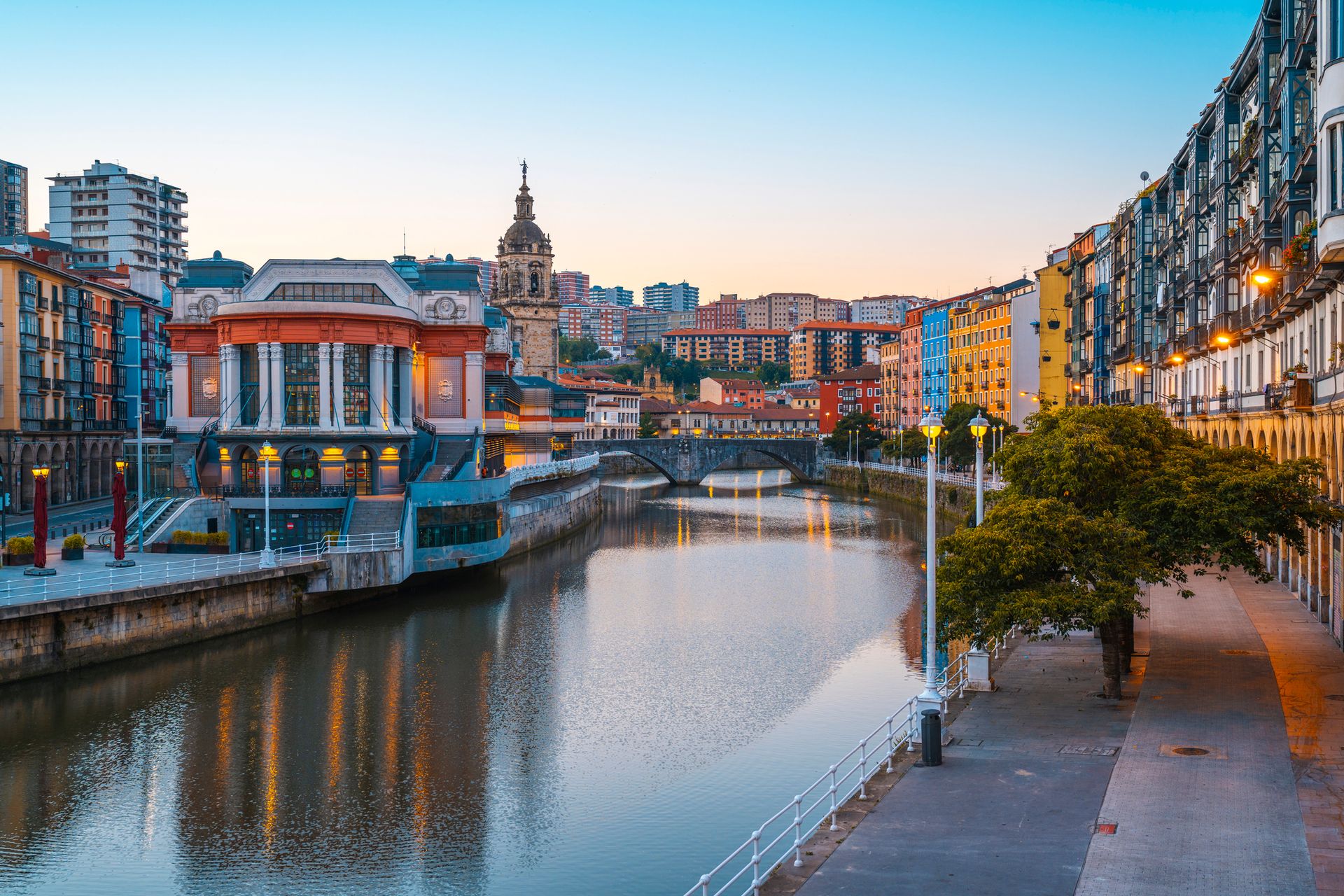
Marco Bottigelli / Getty Images
Spain rewards travelers who arrive knowing what they want from a trip. The country’s cultural and geographic range is wide enough that a week in Barcelona and a week in Andalusia can feel like two entirely different countries. The Mediterranean coastline, the volcanic Canary Islands, the mountainous interior, the Basque Country, and the Moorish south each carry distinct architectural identities, culinary traditions, and local characters that set them apart from every other region. Few European countries of comparable size contain this degree of internal variety, which makes the question of where to spend a limited number of travel days genuinely consequential. Spain is not a destination that rewards passive planning, and the reward for deliberate choices is access to some of the most compelling travel experiences in the world.
The planning challenge is real. A traveler who spends their trip to Spain entirely in Madrid will return home without ever seeing the Alhambra or tasting a pintxo in San Sebastian. A beach-focused itinerary that concentrates on Mallorca will miss the Gothic grandeur of Barcelona and the flamenco culture of Seville. The country’s size and the excellence of its rail network make multi-city itineraries practical, but they require decisions about what to prioritize. Spain’s best cities and regions each argue persuasively for more time than most itineraries allow.
The 10 destinations below come from U.S. News & World Report’s list of the best places to visit in Spain, which factored in sights, culture, seasonality, and expert opinion to identify the country’s top travel destinations for a broad range of travelers — from city visitors to beach seekers to outdoor enthusiasts. The ranking covers Spain’s major urban centers alongside its islands, coastal regions, and culturally distinct communities, spanning a range of travel styles and budgets.
1. Barcelona pairs Gaudí's architecture with Roman-era streets
Josep Gutierrez / Getty Images
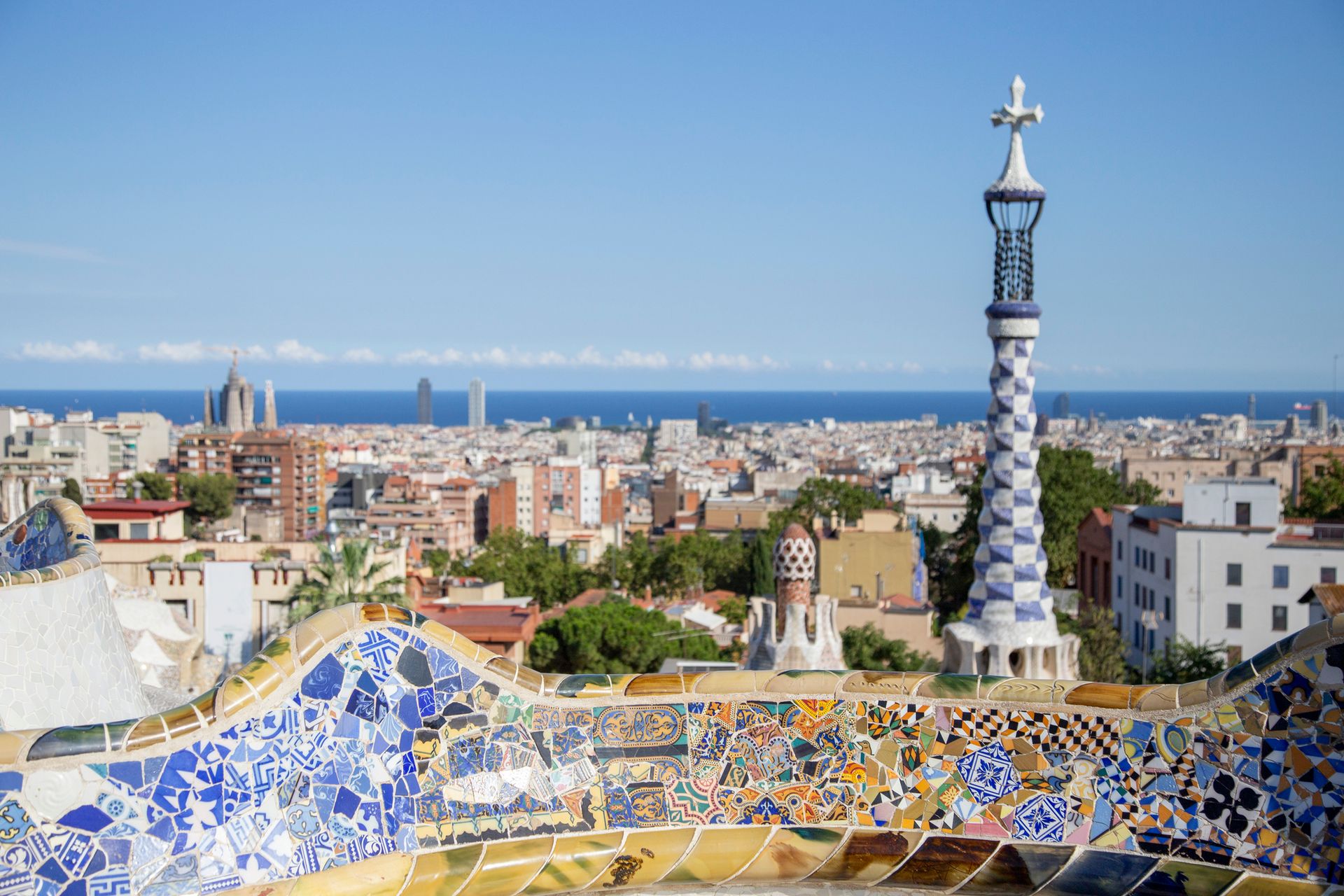
Barcelona holds the dual distinction of being one of Europe’s most celebrated travel destinations and one of Spain’s cultural capitals, a pairing that reflects the city’s genuine depth across multiple registers. Antoni Gaudí’s architecture defines much of the city’s visual identity: the Basílica de la Sagrada Família, still under construction after more than a century, represents one of the most ambitious architectural projects in human history, and Park Güell gives visitors an open-air mosaic landscape above the city that Gaudí designed as a public garden on a hillside. No other city in the world has a collection of buildings by a single architect that rivals Barcelona’s Gaudí portfolio.
The Barri Gòtic neighborhood extends the city’s depth in a different direction. Its narrow medieval streets date to the Roman Empire, giving pedestrians a layered urban environment where the foundations of ancient Roman walls emerge beneath medieval stonework and Gothic cathedrals. The Picasso Museum, housed in a sequence of medieval palaces, gives the neighborhood’s artistic significance a permanent institutional anchor. The city’s neighborhoods each carry their own distinct character — El Born, Gràcia, Poble Sec — and exploring them on foot produces an evolving picture of Catalan urban life across centuries.
Barceloneta Beach gives Barcelona an outdoor dimension that most European cultural capitals cannot match. The urban beach is a short walk from the old city, offering visitors access to the Mediterranean alongside the architectural and museum offerings of the urban center. The city’s position as Spain’s second city and a Catalan cultural capital gives it a dual identity that makes it unlike anywhere else in Spain. Barcelona justifies extended stays in a way that few cities anywhere in Europe can. The city’s position as a global travel hub, with direct flight connections from across Europe and the Americas, also makes it the most logistically accessible starting point on this list for international travelers arriving in Spain for the first time.
2. Madrid holds the Prado and Europe’s top art institutions
Marco Bottigelli / Getty Images
Madrid’s reputation as Spain’s most accomplished host city rests on multiple foundations, and the nightlife reputation — which the city has earned — represents only one of them. The capital city also contains the Prado Museum, one of the world’s foremost collections of European art, and the Thyssen-Bornemisza National Museum, which adds a complementary breadth of Western painting, giving Madrid an art museum concentration rivaled by only a handful of cities globally. The Royal Palace and Plaza Mayor give the city its architectural set pieces, representing the grand scale of Spanish imperial ambition in stone and plaster.
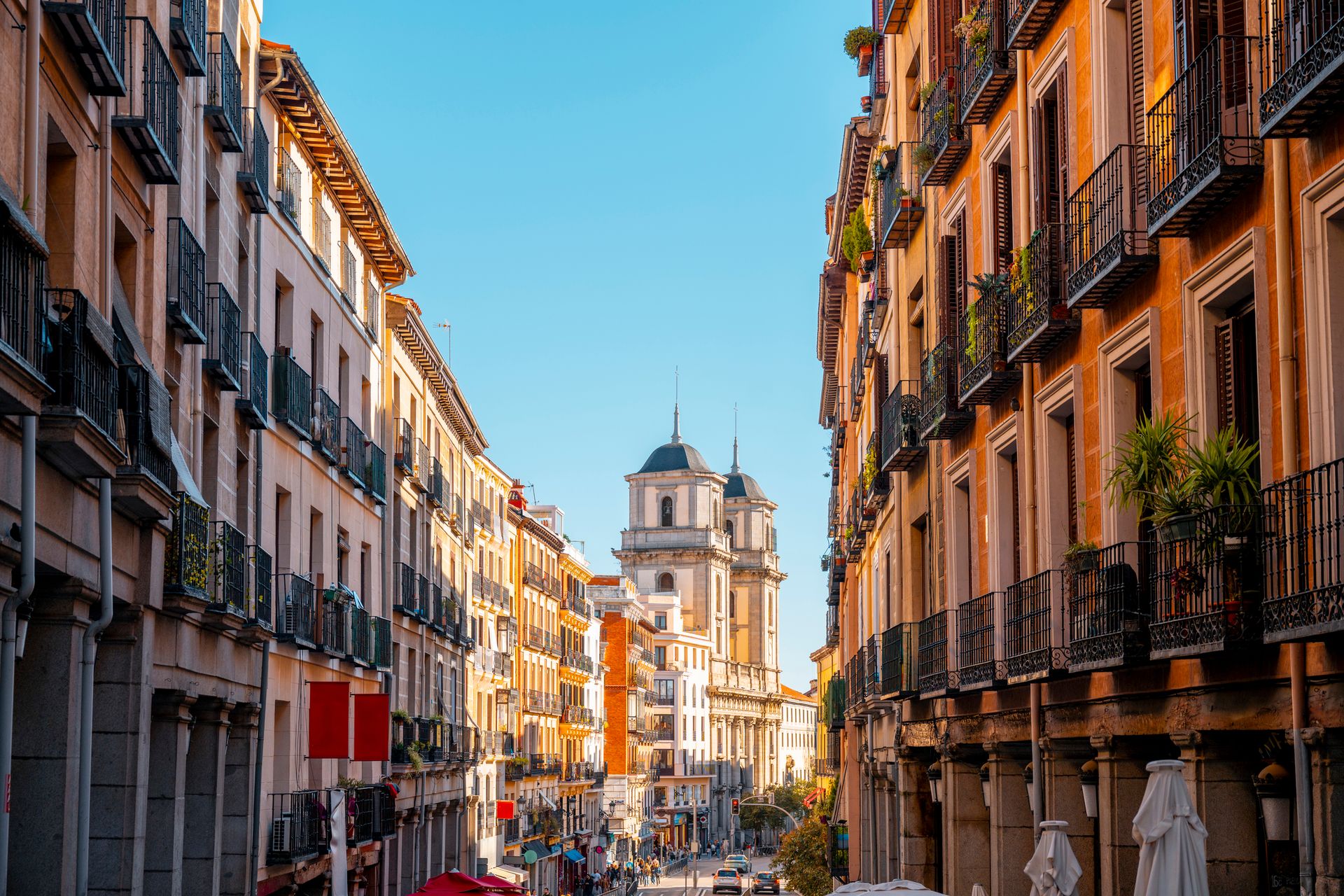
The city’s neighborhoods carry distinct identities that reward exploration without a fixed agenda. Madrid’s vibrant residential areas — Malasaña, Chueca, La Latina — pulse with bars, markets, and local restaurants that give visitors access to contemporary Spanish urban culture at street level. The shopping options are among the best in Europe. The park system, anchored by the Retiro, offers green space within walking distance of the city center, giving Madrid breathing room that many European capitals lack.
The cultural heavyweight institutions, the legendary nightlife scene, the walkable neighborhoods, and some of Spain’s finest restaurants together make Madrid a destination that suits travelers with very different priorities. Visitors who spend their days in the Prado and their evenings in the tapas bars of La Latina will find the city serves both purposes at the highest level. Madrid is also Spain’s most practical base for day trips, with Toledo, Segovia, and El Escorial all reachable within an hour. The geographic advantage extends the capital’s value across an entire itinerary. A traveler who spends three or four days in Madrid and uses it as a hub for day excursions will leave having experienced more of central Spain than any other single city base would allow. The high-speed rail connections to Seville and Barcelona also make Madrid the natural pivot point for a multi-city Spanish itinerary.
3. Seville enchants with flamenco and Andalusian grandeur
Marco Bottigelli / Getty Images
Seville has a unique romantic atmosphere that few European cities can replicate. The Andalusian capital’s cobblestone plazas fill during the day with outdoor café tables and the occasional horse-drawn carriage, creating a streetscape that feels simultaneously lived-in and theatrical. When evening arrives, flamenco dancing emerges across the city. It appears in dedicated tablaos, in neighborhood bars, and in impromptu performances that give the art form its authentic, unmediated character. Seville is the heartland of flamenco, and experiencing it here carries a weight that no other city can provide.
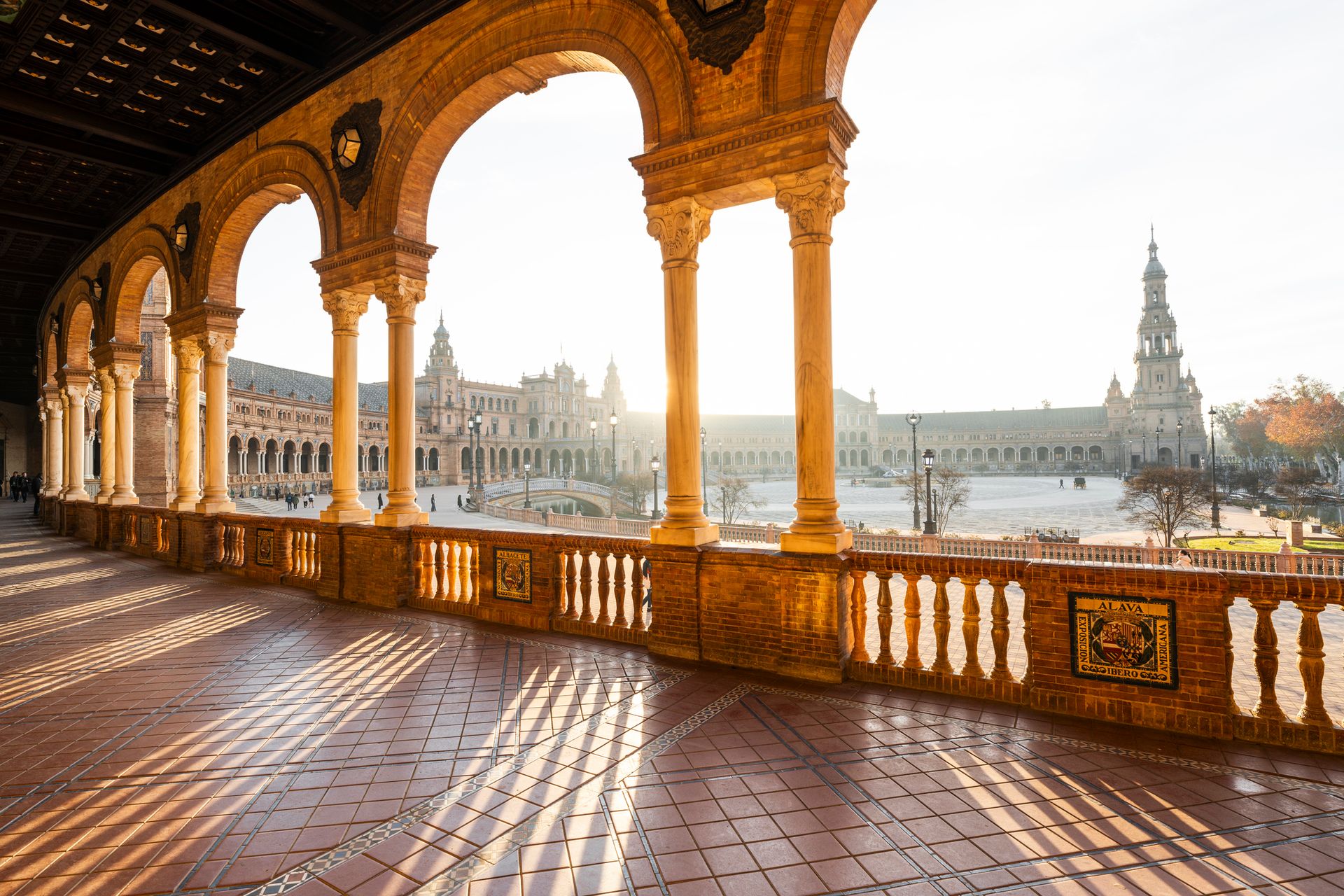
The monuments justify a visit in their own right. The Catedral de Sevilla is the largest Gothic cathedral in the world, and its scale, approached from the narrow streets of the Santa Cruz quarter, produces a spatial shock that photographs do not prepare visitors for. The Real Alcázar, a Moorish palace complex developed over centuries by successive rulers, offers visitors a concentrated experience of Andalusian architectural genius — the intricate tilework, ornamental arches, and walled gardens — in a single extraordinary compound recognized by UNESCO as a World Heritage Site. The Plaza de España, built for the 1929 Ibero-American Exposition, rounds out the city’s monumental set with a sweeping semicircular complex of tiled alcoves representing Spain’s provinces.
Seville’s pace suits visitors who resist the urge to cover maximum ground and instead allow the city to reveal itself at the slower rhythm its culture embodies. The heat of summer afternoons naturally enforces a siesta-shaped schedule that aligns with local custom, and the result is a city experience that teaches visitors something about how to inhabit time differently. Spring, especially during Semana Santa, brings the city’s processional traditions into the streets in a spectacle unlike anything else in Europe. The Easter processions, organized by the city’s cofradías for centuries, give Seville a cultural event that international visitors increasingly plan their Spain trips specifically to witness.
4. Granada blends Moorish and Spanish culture seamlessly
hubulangxing yangfan / Getty Images
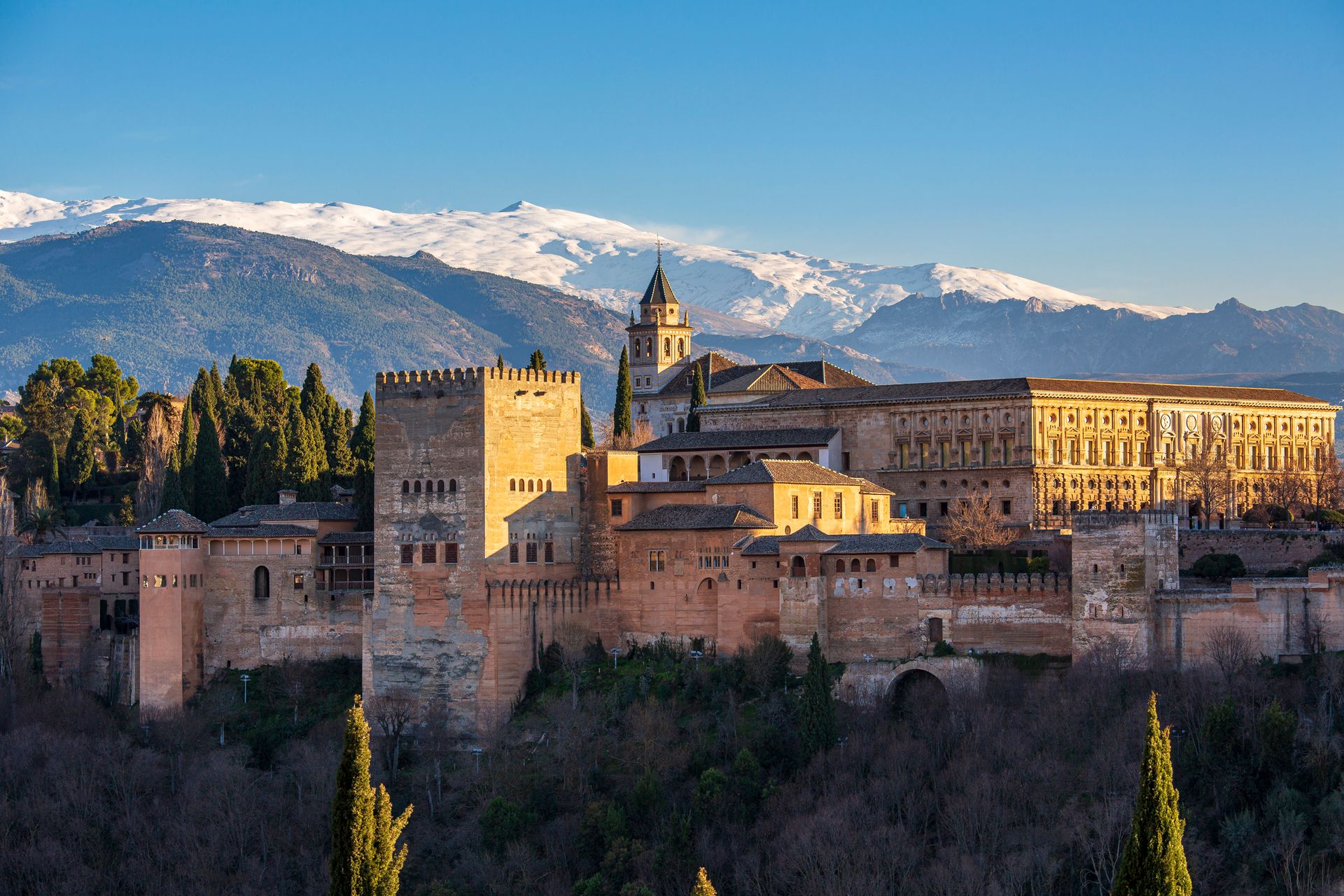
Granada’s defining characteristic is a dual cultural identity that no other Spanish city possesses to the same degree. Its history as a center of the Moorish Empire left the city with architectural, culinary, and social traces that coexist alongside Spanish Catholic traditions, creating a genuinely bicultural urban environment. Moroccan tea cafes and Arab bathhouses operate alongside tapas bars and flamenco venues in the Albaicín neighborhood, giving visitors simultaneous access to two distinct Mediterranean cultures within a few blocks. Granada’s position at the meeting point of those traditions makes it unlike any other destination in Spain.
The Alhambra palace complex stands as Granada’s most celebrated attraction and one of the most extraordinary architectural achievements of any civilization. The Nasrid palaces within the complex represent Moorish decorative art at its peak: geometric tile patterns, carved stucco arabesques, and wooden ceiling inlays of extraordinary intricacy cover every surface, and the palace’s gardens and reflecting pools give the ensemble a spatial serenity that counterbalances the visual intensity of its interior decoration. Advance booking is essential, as the palace limits daily visitor numbers and tickets sell out weeks in advance during peak season.
The Sacromonte district adds another layer to Granada’s cultural texture. Its whitewashed cave dwellings, carved into the hillside facing the Alhambra, have housed Granada’s Romani community for centuries and remain the most authentic setting for flamenco in the city. The Sierra Nevada mountain range rises above the city within a practical day-trip distance, offering skiing in winter and hiking in summer. Granada’s layered cultural identity, its unmatched architectural heritage, and the Sierra Nevada backdrop together give it a range of experiences compressed into a compact, walkable city center. The city also rewards visitors who linger in its tea houses and Arab bath establishments, which offer an immersive slowing of pace that the Arabic heritage of the Albaicín neighborhood promotes at every turn.
5. Valencia balances Gothic heritage with modern landmarks
Sergio Formoso / Getty Images
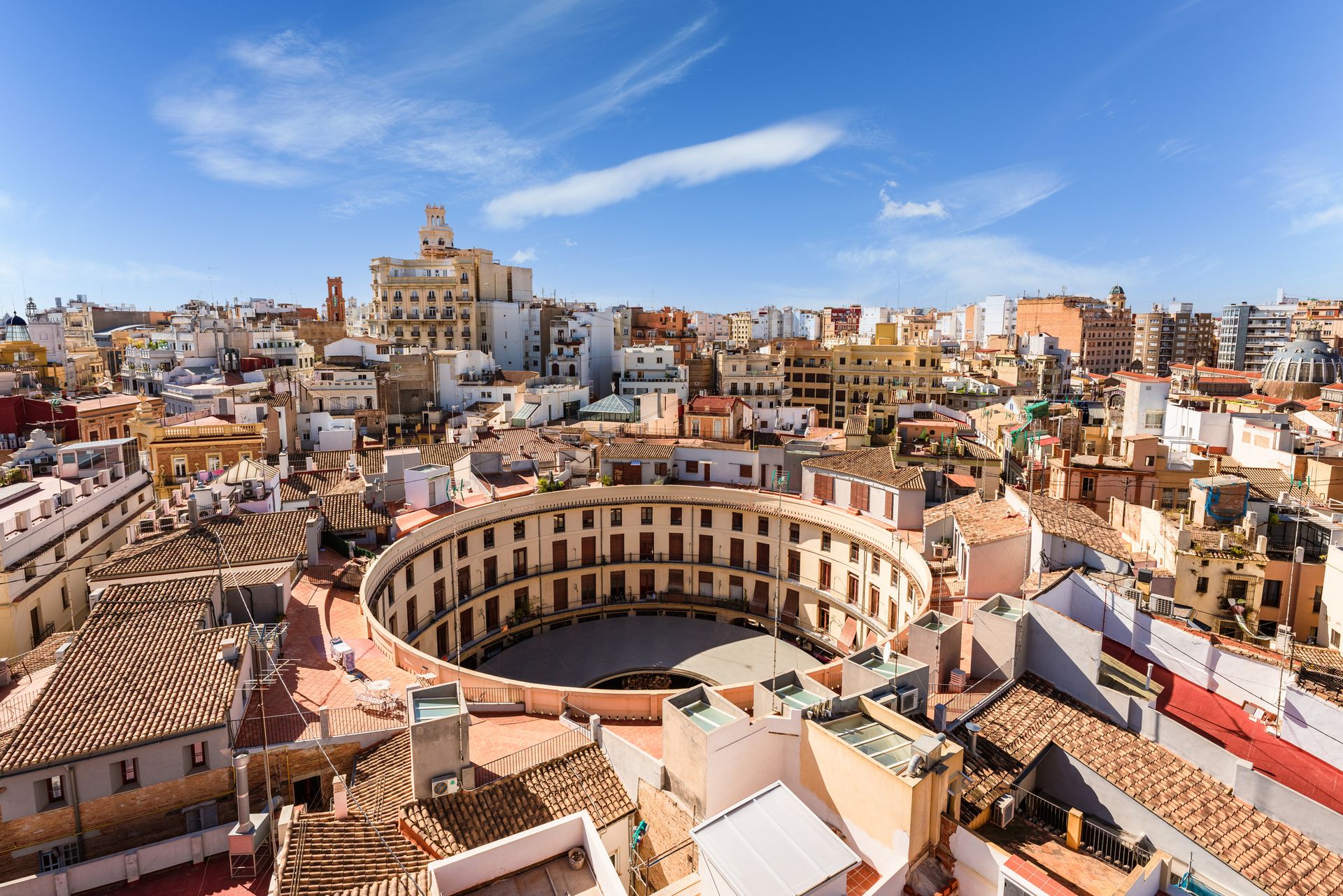
Valencia earns its place among Spain’s essential destinations through a specific kind of balance: the city delivers genuinely impressive historical architecture alongside some of the country’s most ambitious contemporary built environment, while maintaining a reputation as one of Europe’s most affordable major travel destinations. The Gothic-style Valencia Cathedral anchors the historic center, and the surrounding old city contains layered medieval and baroque architecture that gives Valencia the substance of a city with deep historical roots. The Plaza del Ayuntamiento functions as the civic heart of that older city.
The City of Arts and Sciences, designed by Santiago Calatrava and Félix Candela, represents one of the most dramatic contemporary architectural complexes in Europe. Its futuristic white structures — housing a science museum, an opera house, an IMAX cinema, and an oceanographic park — occupy a former riverbed and give Valencia a cultural and scientific infrastructure that cities three times its size would find difficult to match. The Valencia Institute of Modern Art adds a contemporary visual arts dimension alongside the science center’s offerings. Together, the old and new districts give Valencia a breadth that rewards visitors who explore beyond the historic center.
The Albufera Natural Park, a coastal lagoon ecosystem a short drive south of the city, gives outdoors-oriented visitors a genuine natural landscape that is also the birthplace of paella — Valencia’s most famous culinary export. The nearby beaches provide the Mediterranean access that the city’s coastal position suggests, but that the urban center itself does not. Valencia’s affordability relative to Barcelona and Madrid, its diverse attractions, and its accessible scale make it the most practical and budget-conscious comprehensive destination in Spain for travelers watching their spending. The city’s position on the Mediterranean coast also allows visitors to combine a city break with beach time at nearby Playa de la Malvarrosa without additional transport.
6. Mallorca features UNESCO mountain scenery and beach coves
Oscar Wong / Getty Images
Mallorca functions as Spain’s premier island destination, drawing both international beach travelers and domestic visitors seeking the Balearic Islands’ specific mix of scenery and infrastructure. The island’s beaches range from broad popular stretches to secluded coves accessible only by boat or coastal path. Playa de Muro on the northern coast and Cala Llombards in the southeast give a sense of the diversity available within a single island. The transparent blue water characteristic of the western Mediterranean reaches exceptional clarity in the Mallorcan coves, giving swimming and snorkeling a visual quality that few other European beach destinations can produce.
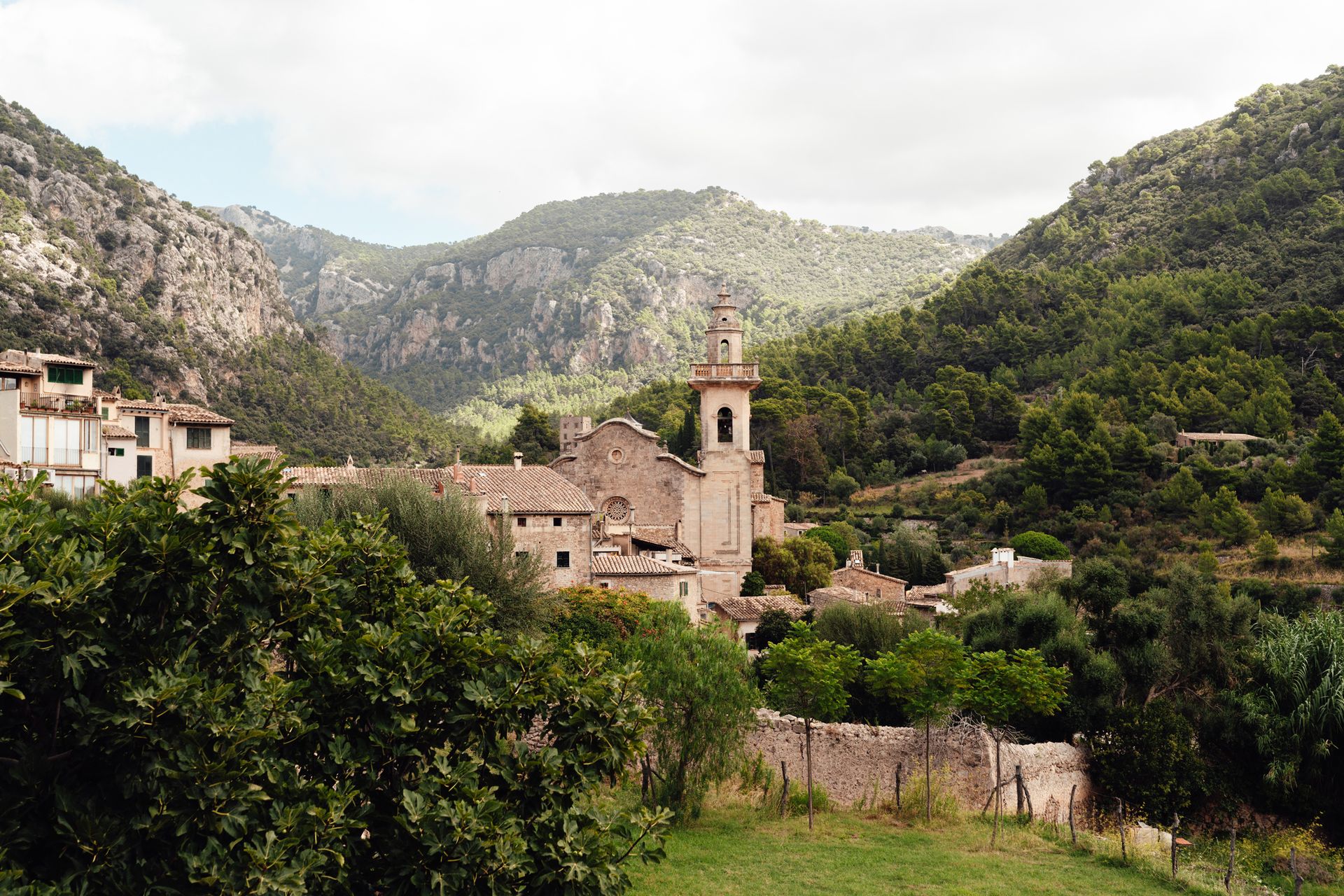
The Serra de Tramuntana mountain range, which runs along the island’s northwestern coast and holds UNESCO World Heritage status as a cultural landscape, gives Mallorca a dramatic interior that contrasts sharply with the beach character of its southern shores. Driving through the mountains — through villages such as Valldemossa, where Chopin and George Sand spent a winter in the 1830s — produces a succession of panoramic views and historic settlements that constitute a distinct Mallorcan experience from the beach resorts of the east and south.
Alcúdia’s old town, with its medieval walls still intact around a compact historic center, gives visitors an architectural destination that the island’s beach focus sometimes overshadows. The Palma Cathedral — La Seu — rising above the harbor in the island’s capital, is among the great Gothic structures of the Mediterranean. Mallorca’s remarkable internal diversity, from beach to mountain to historic town, offers a range of experiences that justify extended stays well beyond a standard beach holiday. The island’s robust infrastructure — direct flights from dozens of European cities, a well-maintained road network, and accommodation spanning budget to ultra-luxury — makes it the easiest and most convenient of the Spanish islands to visit, which partly explains why it draws the visitor volume it does year after year.
7. Costa Brava stretches from Blanes to the French border
fhm / Getty Images
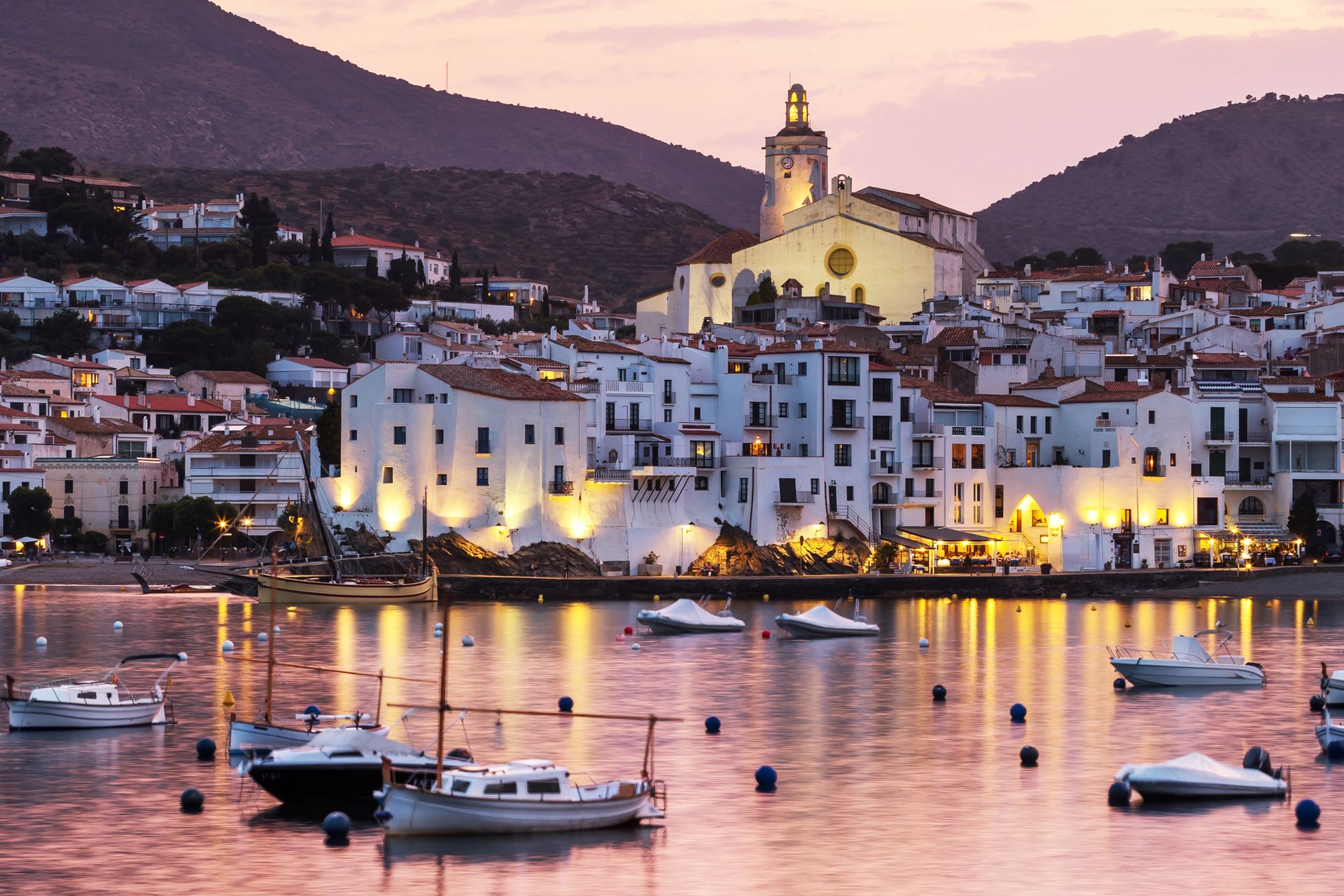
Costa Brava’s defining geographic feature is its length: the coastal region runs from the resort town of Blanes northward to the French border, encompassing miles of Mediterranean shoreline along the northeastern edge of Catalonia. The coastline’s character changes significantly across that span. The more developed resort areas in the south give way to the wilder, rockier coves of the northern Cap de Creus peninsula. The cove beaches that define Costa Brava’s appeal are among the most beautiful in Spain, with clear water, minimal development in the best examples, and the distinctive ochre and pine landscape of the Catalan coast framing each inlet.
Cultural attractions give Costa Brava a dimension beyond beach tourism. The Dalí Theatre-Museum in Figueres, designed by Salvador Dalí himself and housing the largest single collection of his work, is one of the most visited museums in Spain and serves as an artistic landmark that draws visitors year-round. The Santa Clotilde Gardens in Lloret de Mar provide a more contemplative cultural experience, with formal gardens overlooking the sea in a setting that combines landscape design with Mediterranean coastal scenery.
The proximity of Costa Brava to Barcelona — roughly an hour by road or rail to the southern end of the region — makes it a practical addition to any Barcelona-based itinerary, whether as a day trip or a multi-day coastal extension. Travelers $TRV based in the Costa Brava resort towns can also access the French Catalan coast and the Pyrenees within a short drive northward. The region’s coastal character, its artistic heritage, and its Catalan cultural identity give it a distinctiveness within the Spanish travel landscape that extends well beyond its beach appeal. Travelers who approach Costa Brava as a cultural destination alongside a beach destination will find that the Dalí museum alone justifies the journey from Barcelona and makes a day trip into the region a genuinely worthwhile addition to any Catalan itinerary.
8. Menorca offers crowd-free beaches and island architecture
thethomsn / Getty Images
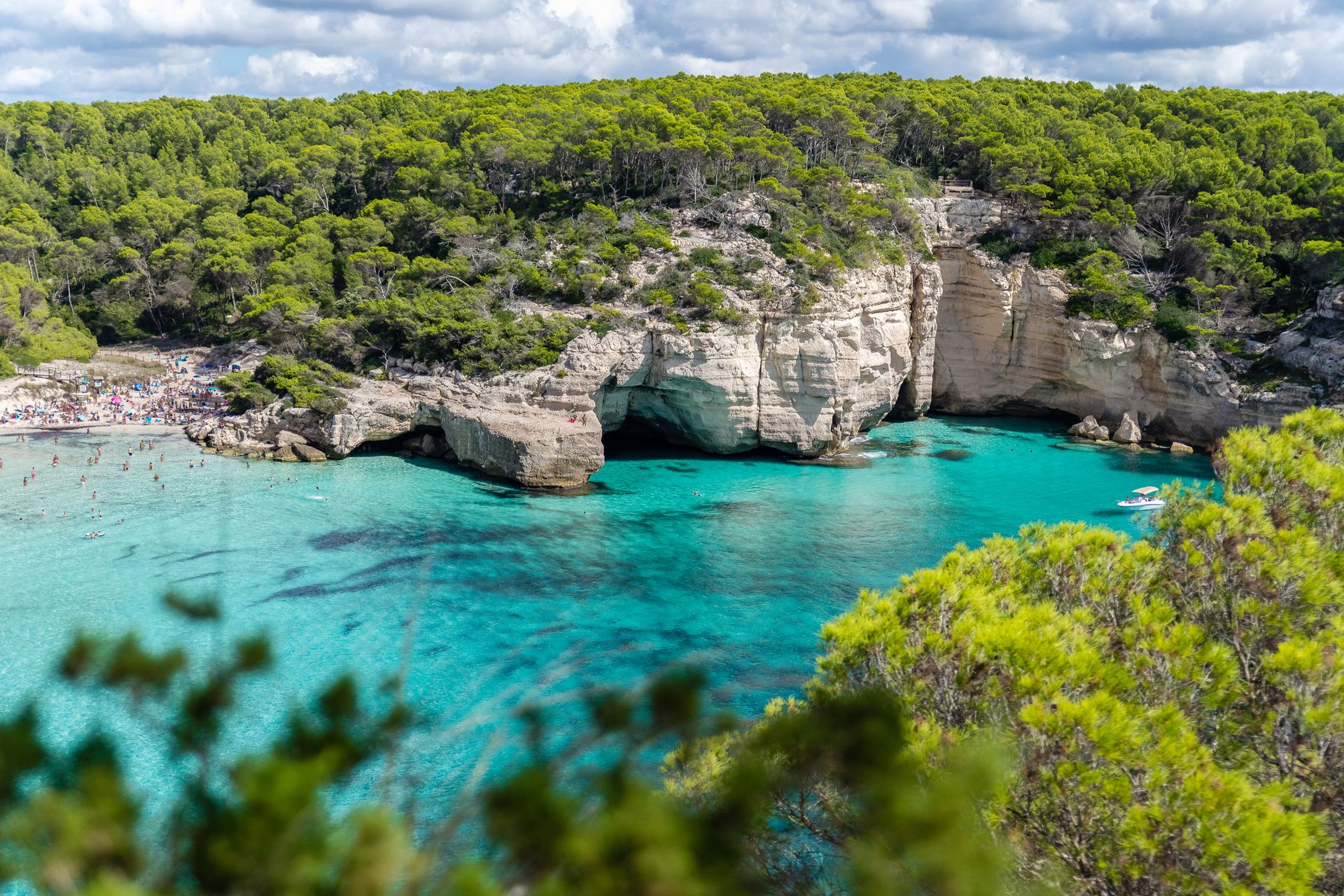
Menorca offers a quieter alternative to its more famous Balearic neighbors, maintaining the archipelago's exceptional beach quality while operating at a scale and visitor volume that give the island a genuinely relaxed character during months when Ibiza and Mallorca absorb mass tourism. The beaches meet the highest expectations: Cala Mitjana, Cala Macarelleta, Cala Turqueta, and Cala Pregonda are among the island’s most celebrated, featuring white sand above water whose turquoise clarity matches anything the Balearics produce. The island’s smaller size means distances between beaches and towns are manageable, and the coast remains largely free of the development that has transformed parts of Mallorca.
Ciutadella, Menorca’s original capital on the western end of the island, is home to the architectural heritage that gives the island a cultural dimension beyond its beaches. The Catedral de Menorca anchors the old town’s historic center, and the Convent of Sant Agusti, which houses the Diocesan Museum, gives visitors access to the island’s ecclesiastical art and history within a preserved medieval structure. The town’s narrow streets and harbor-facing restaurants give Ciutadella a character distinct from the more touristic resort areas of the eastern coast.
The island’s smaller scale compared to Mallorca allows visitors to experience the full range of Menorca’s character — beaches, historic towns, rural interior — in a shorter stay. Menorca’s status as a UNESCO Biosphere Reserve reflects the island’s commitment to environmental conservation, as evidenced by the relative lack of development along the coastline and the preservation of the interior’s agricultural landscape. Travelers $TRV who want Balearic beach quality alongside a calmer, more relaxed social environment will find Menorca the most compelling option in the archipelago. The island’s UNESCO Biosphere Reserve status also signals a commitment to environmental management that gives the coastline a long-term integrity that more heavily developed islands cannot guarantee, and which makes Menorca’s beaches likely to remain exceptional well into the future.
9. San Sebastian draws foodies to the Basque Country’s coast
Francesco Riccardo Iacomino / Getty Images
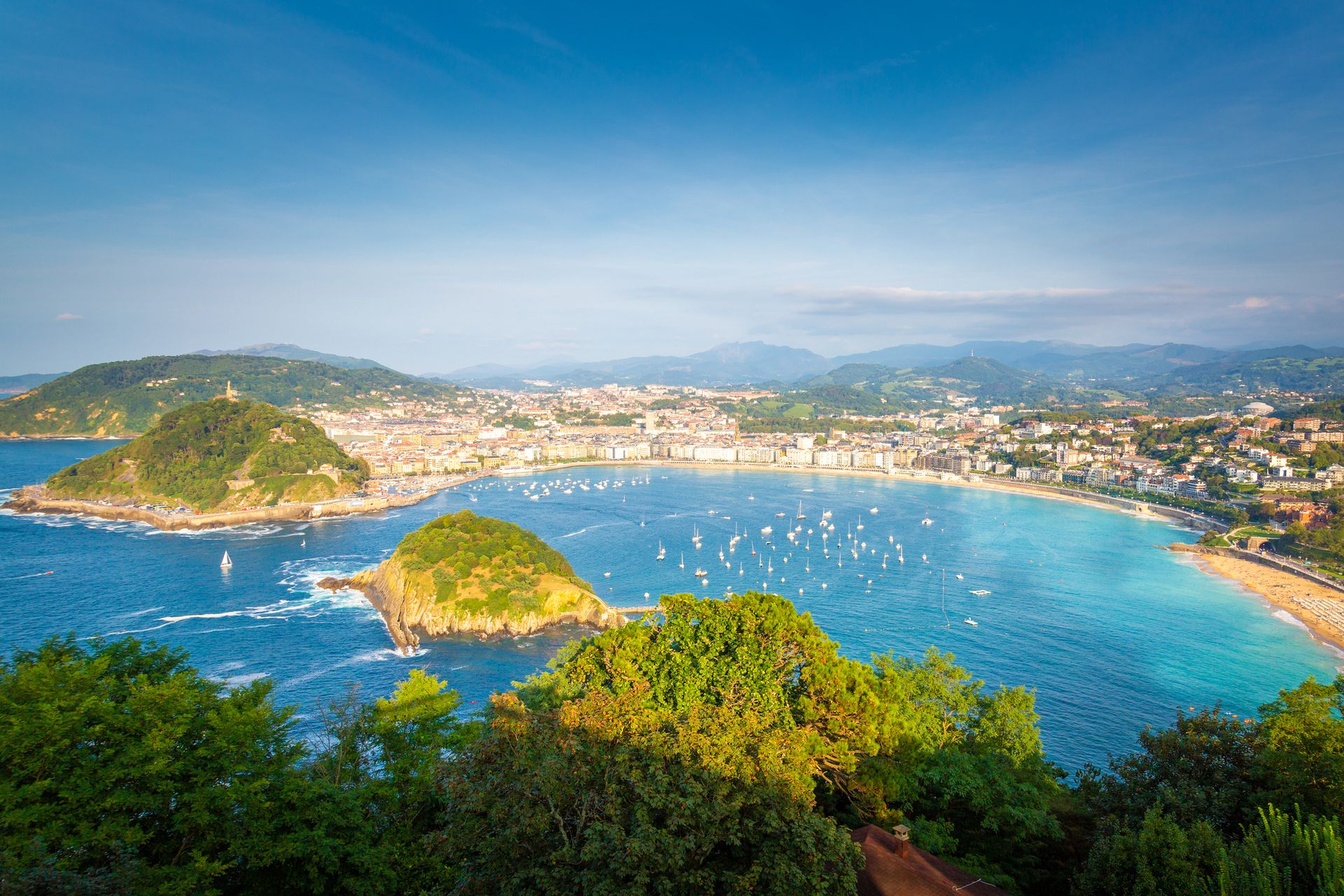
San Sebastian stands as Spain’s most internationally celebrated food destination, with a pintxo culture in the Parte Vieja neighborhood that gives bar-to-bar eating the structure of a serious culinary education. The Basque tapas tradition differs from the broader Spanish tapas culture in its elaborateness: pintxos are intricate, ingredient-specific preparations displayed on bread or skewers across bar counters, and the concentrated bar-hopping circuit of San Sebastian’s old town gives visitors access to dozens of distinct preparations in a single evening. The city also has a concentration of Michelin-starred restaurants, giving it a per-capita fine-dining density surpassed by very few cities in Europe.
The coastal setting amplifies the appeal. Playa de la Concha, the crescent-shaped urban beach at the heart of the city, is consistently ranked among the most beautiful city beaches in Europe, and its protected bay provides calm water and a scenic backdrop of surrounding hills that set it apart from the exposed Atlantic beaches of the northern coast. The hiker-friendly mountains that rise above the city — Monte Igueldo and Monte Urgull among them — give active visitors elevated views over the bay and the old town that reward the climb.
San Sebastian’s reputation as one of Spain’s most underrated destinations reflects a tension between its local fame and its international profile. Every summer, Spanish visitors flock to the city for exactly the qualities that international travelers have been slower to discover. The city’s setting in the Basque Country also gives visitors access to a distinct cultural identity — Basque language, cuisine, and tradition — that sets it apart from Castilian, Catalan, or Andalusian Spain, in ways that reward travelers interested in the country’s internal diversity. The anchovies and aged txuleta steak that San Sebastian claims as its own culinary signatures give even a single meal in the city a specificity of place that generic Spanish cuisine cannot replicate.
10. Cordoba preserves a UNESCO center of whitewashed streets
George Pachantouris / Getty Images
Cordoba’s UNESCO-designated historic center is the architectural and cultural heart of a city whose medieval prosperity made it the center of the known world. The winding cobblestone streets of the old town are lined with whitewashed buildings accented by wrought-iron balconies, bright blue planters, and painted archways that reflect an Andalusian aesthetic developed over centuries of Moorish and Christian cohabitation. The physical texture of the city — the narrow lanes, the flower-filled patios, the sudden openings onto plazas — gives walking Cordoba an exploratory pleasure that more formally organized historic centers cannot produce.
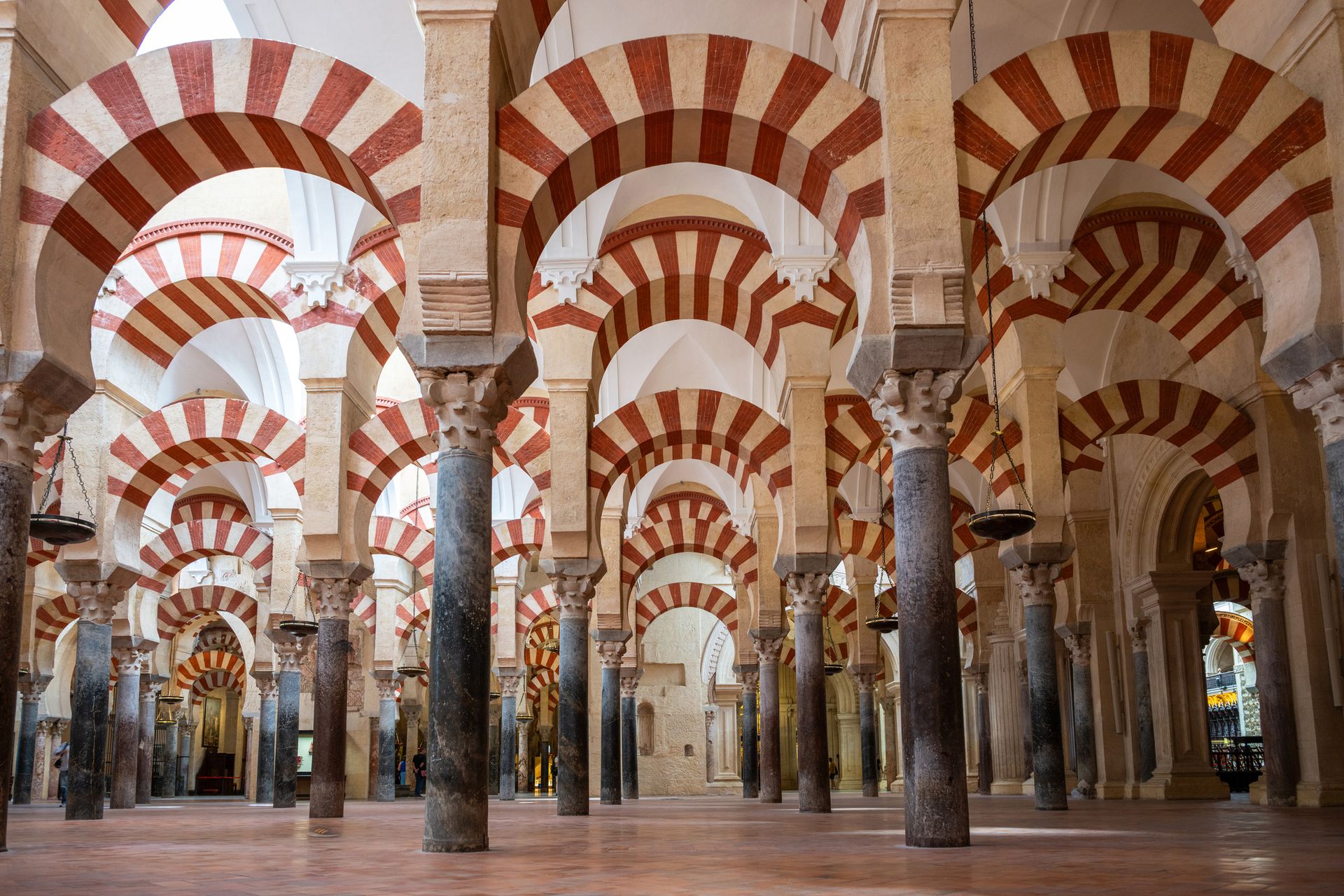
The Mosque-Cathedral of Cordoba, commonly called the Great Mosque, is the city’s defining monument and one of the best-preserved structures in Spain. The building’s history encapsulates Cordoba’s layered past: constructed as a mosque during the Moorish period, it was progressively adapted after the Christian Reconquista, with a cathedral nave inserted into the center of the existing prayer hall. The result is an architectural hybrid of extraordinary complexity, where forest-like rows of striped arches coexist with Renaissance chapels and baroque altarpieces. The Castle of the Christian Monarchs adds a second major historical site to the city’s UNESCO portfolio.
Cordoba is most memorable during May, when the Festival of the Patios celebrates the city’s tradition of decorating interior courtyards with elaborate floral displays. The festival gives visitors access to private domestic spaces normally closed to the public and produces a concentrated visual spectacle unique to this city. Cordoba’s compactness allows you to see its historic center thoroughly in a day or two, which positions it well as part of an Andalusian itinerary that also includes Seville and Granada. The three cities together form the most concentrated circuit of Moorish and Christian architectural heritage in Europe, and none of them is more than three hours apart by road or high-speed rail — a proximity that makes a structured Andalusian triangle itinerary practical even for travelers with limited time.