From London's free world-class museums to the Giant's Causeway's 40,000 basalt columns on the north Antrim coast
-1920x1280.jpg)
Aron Van de Pol / Unsplash
The United Kingdom compresses an extraordinary range of landscapes, histories, and cultural identities into a relatively small geographic footprint. England's white cliffs give way to the Scottish Highlands. Wales's slate-mining valleys open into mountain national parks whose summits offer views of four countries on a clear day. Northern Ireland's north coast is flanked by basalt columns whose geological formation has generated both a UNESCO designation and a legend involving two rival giants. The country's cultural density is equally compressed: Roman walls, Viking place names, Tudor timber frames, Georgian terraces, Victorian industrial canals, and postwar music venues share the same street in cities whose layered history gives the visitor an archaeological sense of time that the newer destinations of the world cannot provide.
The practical range of what the U.K. offers is as wide as its geography. London's world-class and free-entry museums give a first-time visitor more cultural programming than most cities offer across a paid week. The Peak District's Edale village gives the train-connected hiker access to limestone edges and mountain summits without a car. Edinburgh's secondhand bookshops and hilltop castle give the literary traveler their most specifically Scottish single city. Manchester's live music venues, from the intimate upstairs room at the Deaf Institute to the Co-Op Live arena, give the music-focused visitor the broadest possible spectrum of the U.K.'s musical legacy in a single city whose contribution to that legacy is disproportionate to its size.
The 10 destinations below appear in Lonely Planet, selected by writer James March across the full geographic range of the United Kingdom. The selections span England, Scotland, Wales, and Northern Ireland, covering cities, national parks, coastlines, and natural wonders whose collective breadth gives the U.K. itinerary a four-nation range that any single-destination focus misses. The 10 destinations below cover England, Scotland, Wales, and Northern Ireland, giving the itinerary-planner a genuinely four-nation spread whose geographic diversity reflects the U.K.'s own internal variety.
Charles Postaux / Unsplash
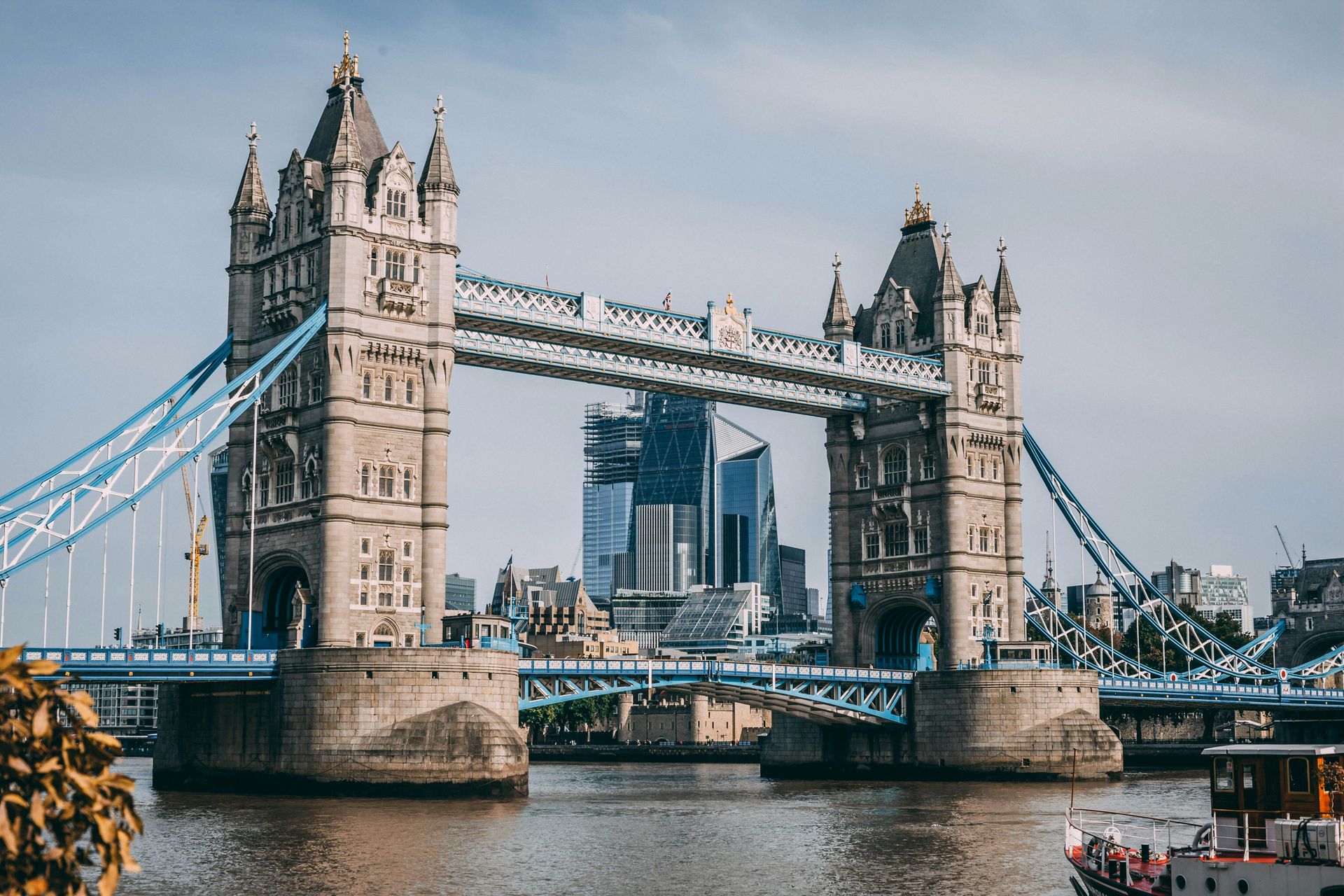
London gives the first-time visitor the U.K.'s most concentrated single dose of world-class culture, history, and entertainment in a city whose scale and density make it function almost as a country within a country. The free-entry policy at the Natural History Museum and the National Gallery gives the visitor access to two of the world's finest single-subject collections without a budget consideration, and the West End theater program gives the evening a performing arts option whose production quality and range of shows make the London stage the most competitive single theater market in the English-speaking world.
The icons that the first-time visitor is expected to see, Big Ben, St Paul's Cathedral, and Tower Bridge, give London its most immediately recognizable visual program, and the Tube's coverage of the city's central neighborhoods gives the multi-day visitor a transit system whose frequency and geographic reach make the walking distance between sights significantly more manageable than the map's apparent scale suggests. The article's practical tip is worth taking seriously: knowing your destination before entering the Underground system gives the busy commuter crowd the consideration it expects, and the visitor who hesitates at the ticket gate or the escalator bottom creates a friction point specific to a system whose users have calibrated their transit behavior to a pace the hesitant tourist disrupts.
The traditional London pub gives the between-attractions pause its most specifically local format, and the repeat visitor who takes the city at a slower pace, breaking up the sights with pints at neighborhood pubs instead of rushing between landmarks, finds a London whose residential and community character gives the city a human scale that the tourist-circuit pace consistently obscures. The London neighborhoods whose character is most visible at the slower pace, Bermondsey's food market streets, Hackney's canal-side independent shops, and Notting Hill's weekend market, give the repeat visitor a London whose residential identity differs substantially from the monuments-and-museums version that the first-timer's itinerary necessarily emphasizes.
Tom Wheatley / Unsplash
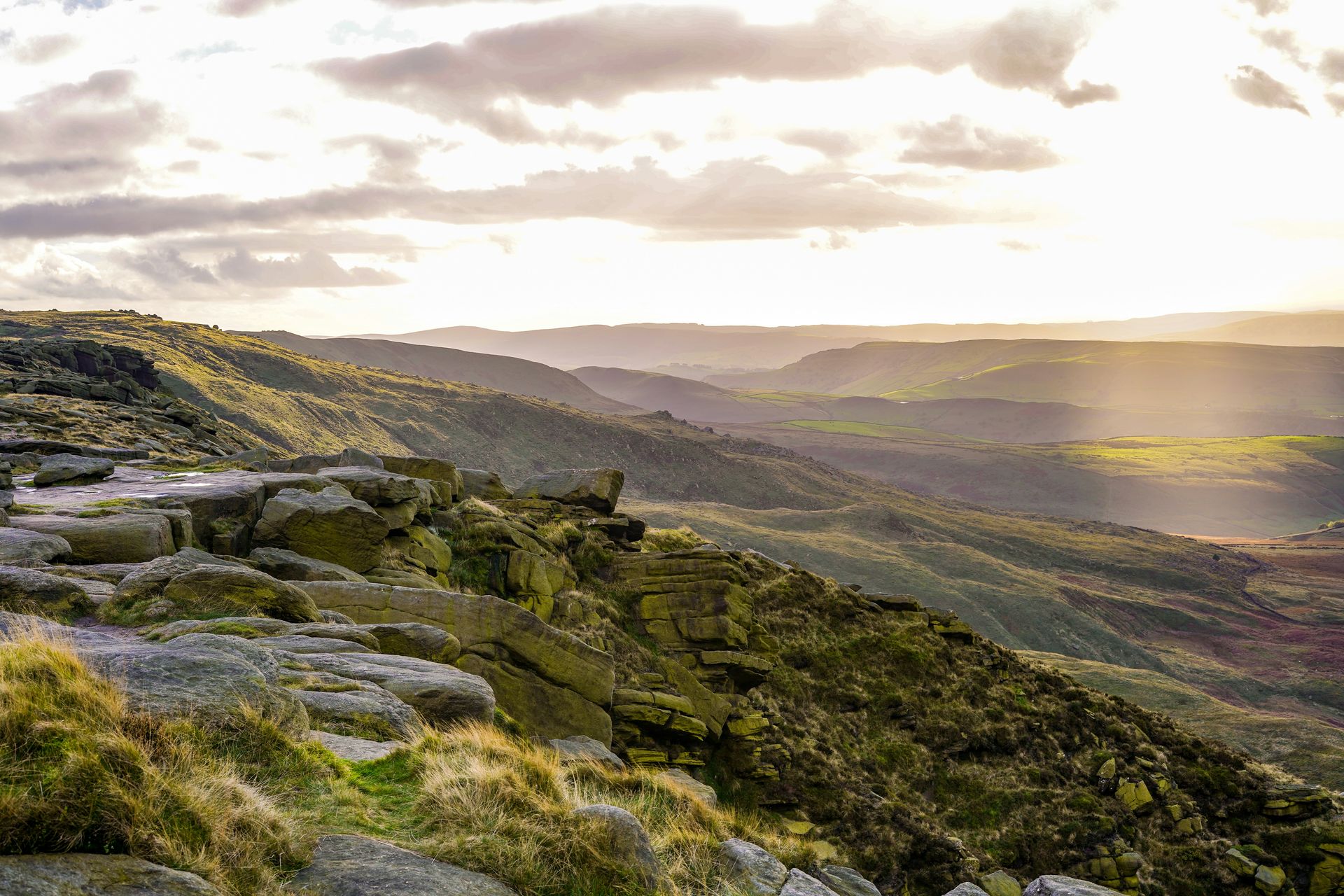
The Peak District gives the hiker who wants a U.K. mountain experience without the Lake District's summer crowds a centrally located alternative whose limestone edges, snaking trails, and tranquil reservoirs give the outdoor program a variety specific to a national park whose northern moorlands and southern limestone dales differ as dramatically from each other as two separate landscapes. The village of Edale in the Hope Valley gives the hiking program its most specifically recommended single base: the tiny village's position at the start of several of the region's best walks, including the 4.3-mile route to the 1,673-foot summit of Mam Tor, gives it a practical hiking infrastructure whose concentrated trail access makes it the most efficient single base for a Peak District walking day.
The Dambusters connection gives Ladybower Reservoir and Derwent Reservoir their most specifically historical single dimension: the site where the RAF's 617 Squadron practiced the bouncing bomb runs of Operation Chastise before the 1943 attack on the German Ruhr dams gives the reservoir cycling trail a WWII heritage context specific to one of the war's most technically audacious single operations. Stanage Edge, the gritstone escarpment whose rugged profile gives the rock climbing program its most visually dramatic Peak District setting, gives the climbing visitor Pure Outdoor in nearby Bamford as the most practically recommended beginner instruction option.
The Hope Valley's train connection, accessible via Northern Rail from both Sheffield and Manchester with stops at Edale and Hathersage, gives the Peak District its most sustainably reached single destination among the U.K.'s major national parks, and the visitor who leaves the car in the city and takes the train arrives at a hiking destination whose trail access from the station platform gives the day its most efficiently structured start. The Hope Valley's specific position between Sheffield and Manchester, making it equally accessible from two of England's major northern cities by the same rail line, gives the Peak District its most practically democratic outdoor access of any English national park for the urban visitor without a car.
Anna cicicic / Unsplash
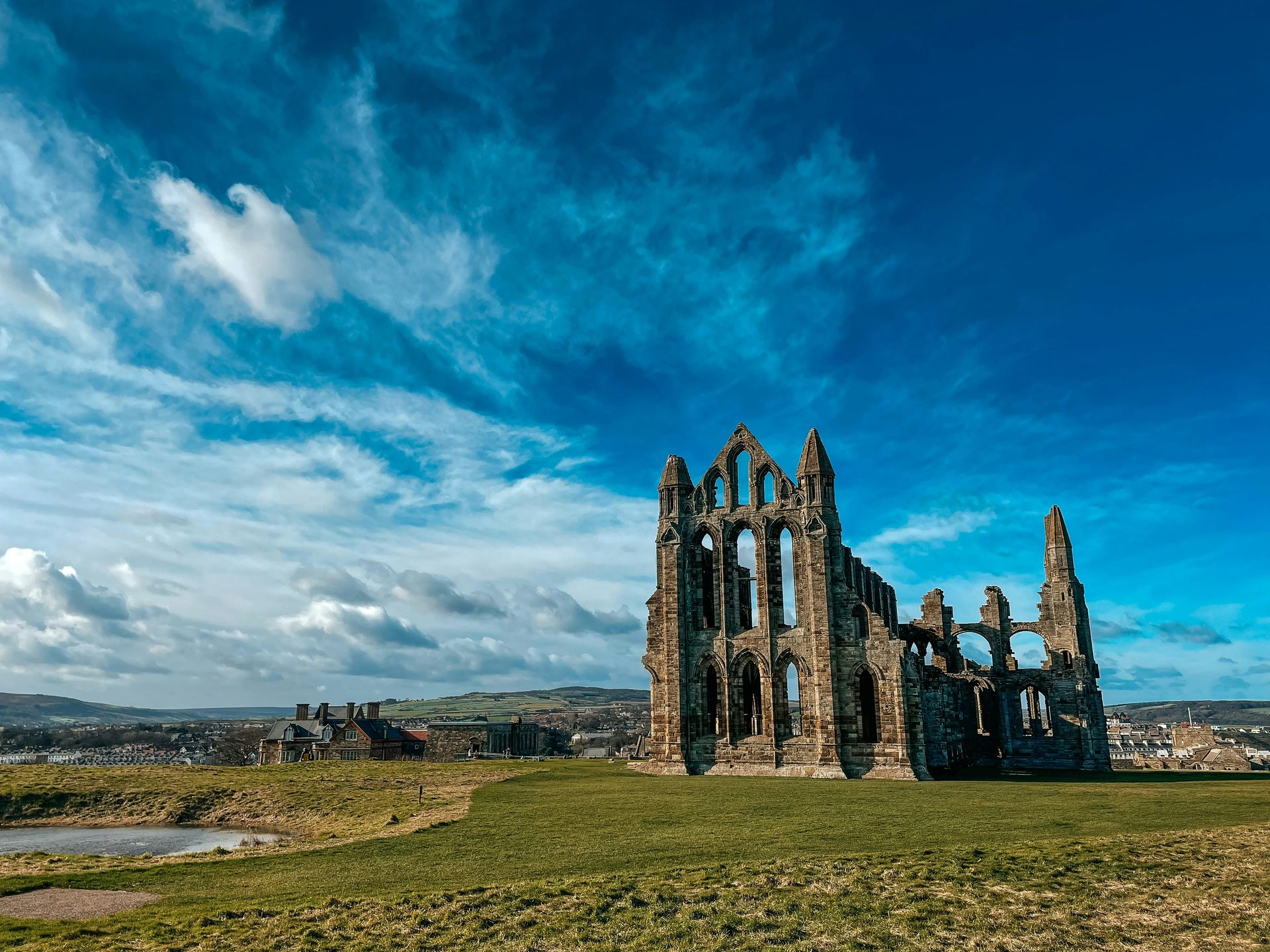
North Yorkshire's coastline gives the U.K.'s already impressive coastal walking program its most specifically atmospheric single stretch: a wind-whipped North Sea shore whose fishing villages, ruined abbeys, and disused railway paths give the walking itinerary a cultural and historical density specific to a coast whose character reflects centuries of maritime and ecclesiastical history. The 199 steps to the ruins of Whitby Abbey on East Cliff give the approach to one of England's most evocative ruined religious buildings its most specifically dramatic physical prelude, and the Abbey's exposed headland position above the harbor gives the ruins a visual relationship with the sea specific to a monastery whose original siting reflects the early Christian tradition of choosing the most dramatically isolated available landscape for the contemplative life.
The 7-mile Cinder Track south from Whitby to Robin Hood's Bay, following a disused railway line whose gentle gradient gives the coastal walk its most accessible format for the non-technical hiker, gives the walk its most specifically recommended route in the Lonely Planet article. The final stretch of the walk's arcing shoreline views and gentle hills behind Robin Hood's Bay give the arrival a visual reward specific to a coastal path whose last kilometer delivers the village's picturesque harbor in stages as the trail descends.
Staithes, the preserved fishing village further north whose dramatic cliffside setting has attracted artists whose colony status gives the village a creative identity alongside its fishing heritage, gives the North Yorkshire coastal day its most specifically charming single stop beyond Whitby. The Cod and Lobster pub, whose position periously close to the waterline gives it the most sea-exposed pub setting on the Yorkshire coast, gives the visit its most practically atmospheric single refreshment stop. The North Yorkshire Moors Railway, whose steam trains run between Pickering and Whitby through the moors whose heather-covered landscape gives the journey its most specifically dramatic seasonal character in late summer, gives the coastal and moorland program a heritage transport connection whose Victorian engineering adds a third historical layer to the walk and the abbey.
Credit: National Parks U.K.
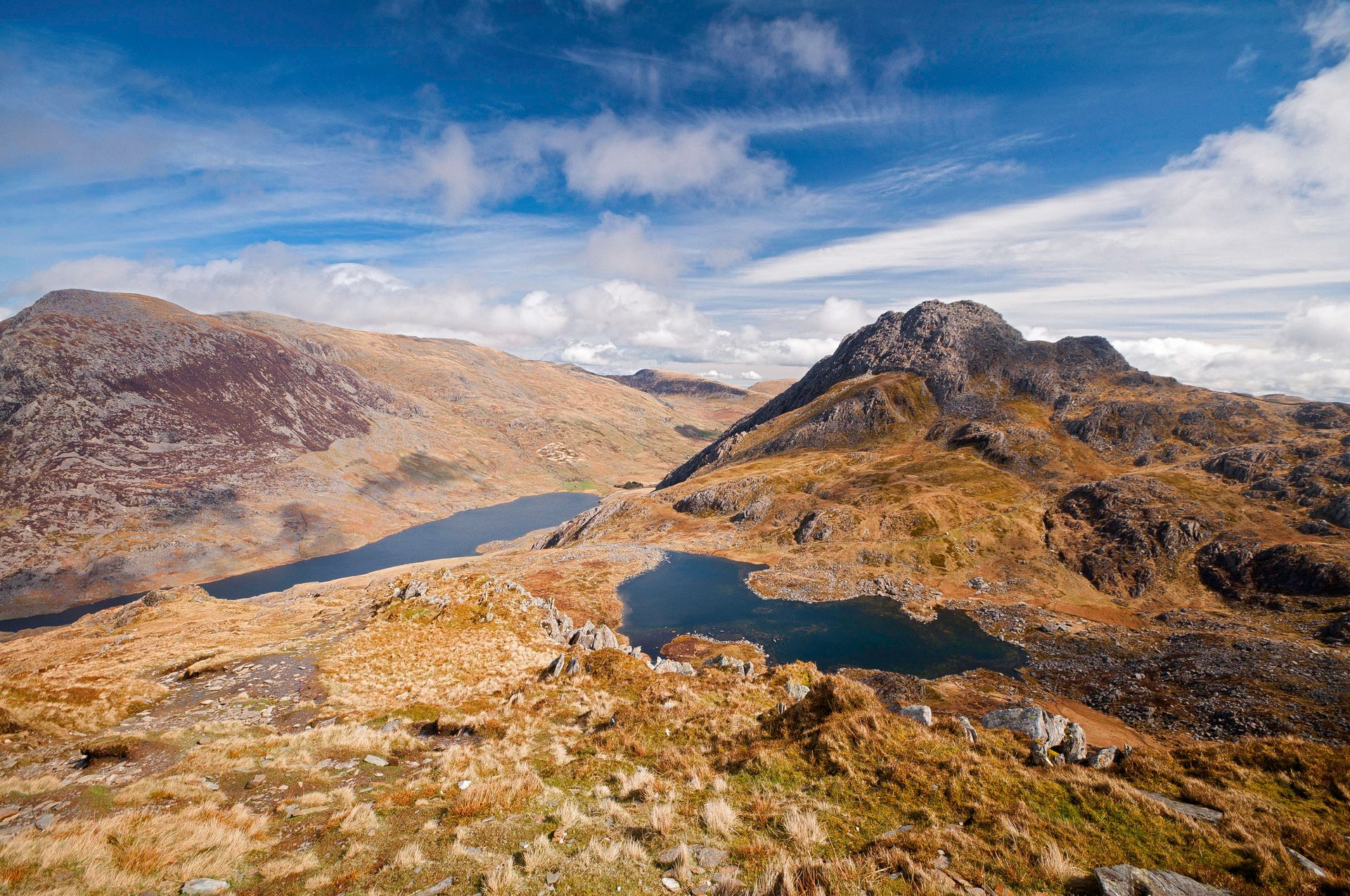
Eryri National Park, whose Welsh name replaces the anglicized Snowdonia in official usage, gives Wales its most dramatically mountainous landscape: 823 square miles of national park territory containing 15 mountains above 3,000 feet whose collective height gives the northwest Welsh skyline its most impressive single profile in the U.K. outside the Scottish Highlands. The summit of Snowdon at 3,560 feet gives the hiker who completes one of the six ascent routes a view that on a clear day encompasses England, Ireland, and the Isle of Man simultaneously, making it one of the few summits in the British Isles from which four distinct political territories are visible at once.
The Snowdon Mountain Railway, operating since 1896, gives the visitor who cannot or does not want to hike the summit an alternative access whose Victorian engineering and historical continuity give the train ride its own specific credential independent of the destination. The Ffestiniog Railway just outside the park gives the Victorian railway program its most specifically celebrated single route: the oldest independent railway company in the world, whose narrow-gauge line from Porthmadog to Blaenau Ffestiniog snakes through craggy mountainsides and serene woodland before arriving at the old slate mining town, gives the journey its most dramatically varied landscape sequence of any heritage railway in Wales.
The park's non-summit program, the 90 acres of Abergwynant Woods and the serene shores of Llyn Tegid, Wales's largest natural lake, gives the visitor who wants the Eryri experience without the physical demand of a mountain ascent a natural program whose scale and beauty give the park a full day of accessible outdoor activity independent of the Snowdon hiking objective. The Welsh language's visible presence throughout Eryri, in the park's official name, the bilingual signage, and the Welsh-speaking communities whose daily life gives the national park a cultural identity distinct from the English national parks, gives the visitor an encounter with a living minority language whose geographic concentration in northwest Wales makes Eryri one of its most specifically Welsh-speaking corners.
Tom W / Unsplash
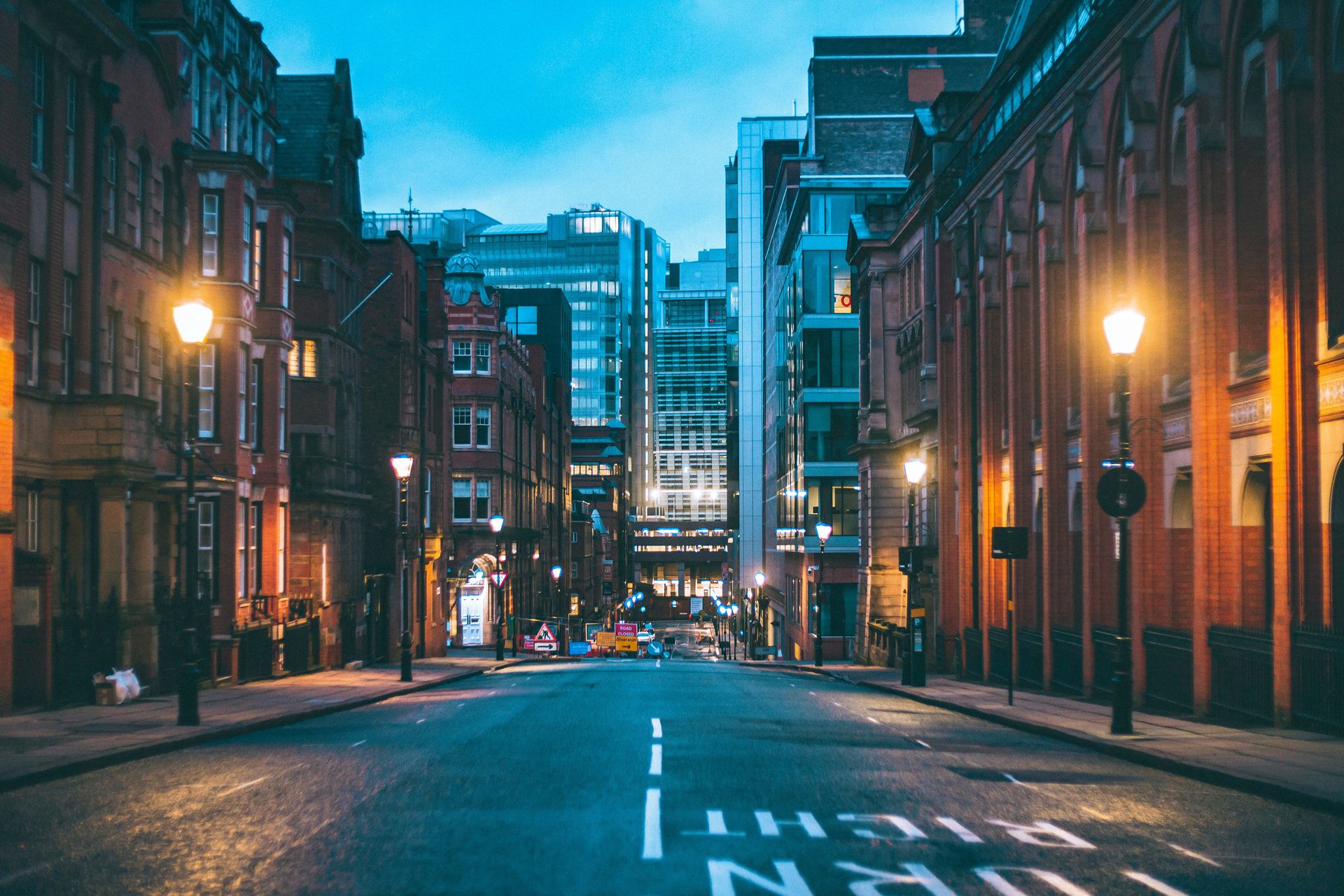
Birmingham gives England's food culture its most convincing evidence that the country's culinary reputation has fundamentally changed: the second-largest city in the U.K. holds more Michelin-starred restaurants than any other English city outside London, and the neighborhoods surrounding the city center give the restaurant landscape a global diversity whose range and quality make Birmingham one of the most interesting food cities in Europe. The Moseley, Stirchley, Harborne, and King's Heath neighborhoods give the city its most specifically restaurant-dense residential districts, whose independent dining scenes reflect communities whose cultural origins give the food its most authentic regional character.
Chakana in Moseley, the city's first Peruvian restaurant, gives Birmingham its most specifically South American single food destination. SOI 1268 in Stirchley gives the Thai-influenced program its most aromatic single Birmingham expression. Tropea in Harborne gives the Italian cooking its most carefully executed local version. Blow Water Café in King's Heath gives Hong Kong cuisine its most specifically dedicated Birmingham champion. The diversity of these neighborhood restaurants gives Birmingham its most compelling single food argument: a city whose immigrant communities have built restaurant scenes whose authenticity reflects the home cooking traditions of specific regions and cities around the world.
The balti curry, whose Birmingham origin gives the city its most specifically local food invention, deserves the specific mention the Lonely Planet article gives it: Shababs, the iconic balti purveyor in the Balti Triangle, gives the dish its most trusted single preparation, and the BYOB policy that the restaurant maintains gives the visit its most practically specific single planning consideration. Birmingham's food geography rewards the visitor who spends multiple evenings in the city: the first in the city center tasting menus and the subsequent evenings exploring the neighborhoods give the Birmingham food week a progressive itinerary whose variety reflects a city whose culinary ambition has grown faster in the past decade than almost any other U.K. city's. The Jewellery Quarter and Digbeth, two of the city's most characterful neighborhoods, give the food itinerary its most specifically local non-dining context.
-1920x1280.jpg)
Adam Wilson / Unsplash
Edinburgh gives the visitor their most immediately dramatic European city arrival: the medieval Old Town's volcanic rock ridge, the hilltop castle, the Gothic spires, and the multilayered topography whose streets descend and ascend across multiple levels give the city a visual complexity specific to a place whose geography shaped its architecture across centuries of compressed urban development. The literary heritage that the city's physical environment seems to have encouraged, producing Robert Louis Stevenson, Muriel Spark, and Sir Walter Scott among its homegrown writers, gives Edinburgh a specific claim to literary significance whose depth gives the bookshop culture its most historically grounded single setting.
Armchair Books in the Old Town gives the secondhand bookshop program its most specifically atmospheric single destination: the well-stuffed shelves and musty smell whose combination gives the ideal secondhand bookshop its most precisely described sensory environment in the article, and the Old Town location gives the browsing a neighborhood context whose surrounding medieval architecture gives the literary activity its most appropriately antiquarian single setting. The Portobello Bookshop's sleek and airy contemporary fiction focus gives the modern bookshop format its most specifically Edinburgh coastal neighborhood expression.
The Lighthouse Bookshop's LGBTQ+ focus and Rare Birds Books' commitment to female authors in Stockbridge give Edinburgh its most specifically values-driven bookshop program, whose two specialist shops give the city a literary culture that extends beyond the antiquarian and the contemporary fiction categories into the politically and culturally committed independent bookselling that the largest cities rarely sustain in the same concentrated form. The Edinburgh Festival Fringe, held annually in August, gives the city its most internationally famous single cultural event: the world's largest arts festival transforms every available performance space in the city for three weeks, giving the August visitor an overwhelming program of theater, comedy, music, and dance whose volume and variety give the festival city a character completely unlike the Edinburgh of the other eleven months. The Old Town's Royal Mile gives the August festival its most specifically concentrated single performance strip.
Marc Markstein / Unsplash
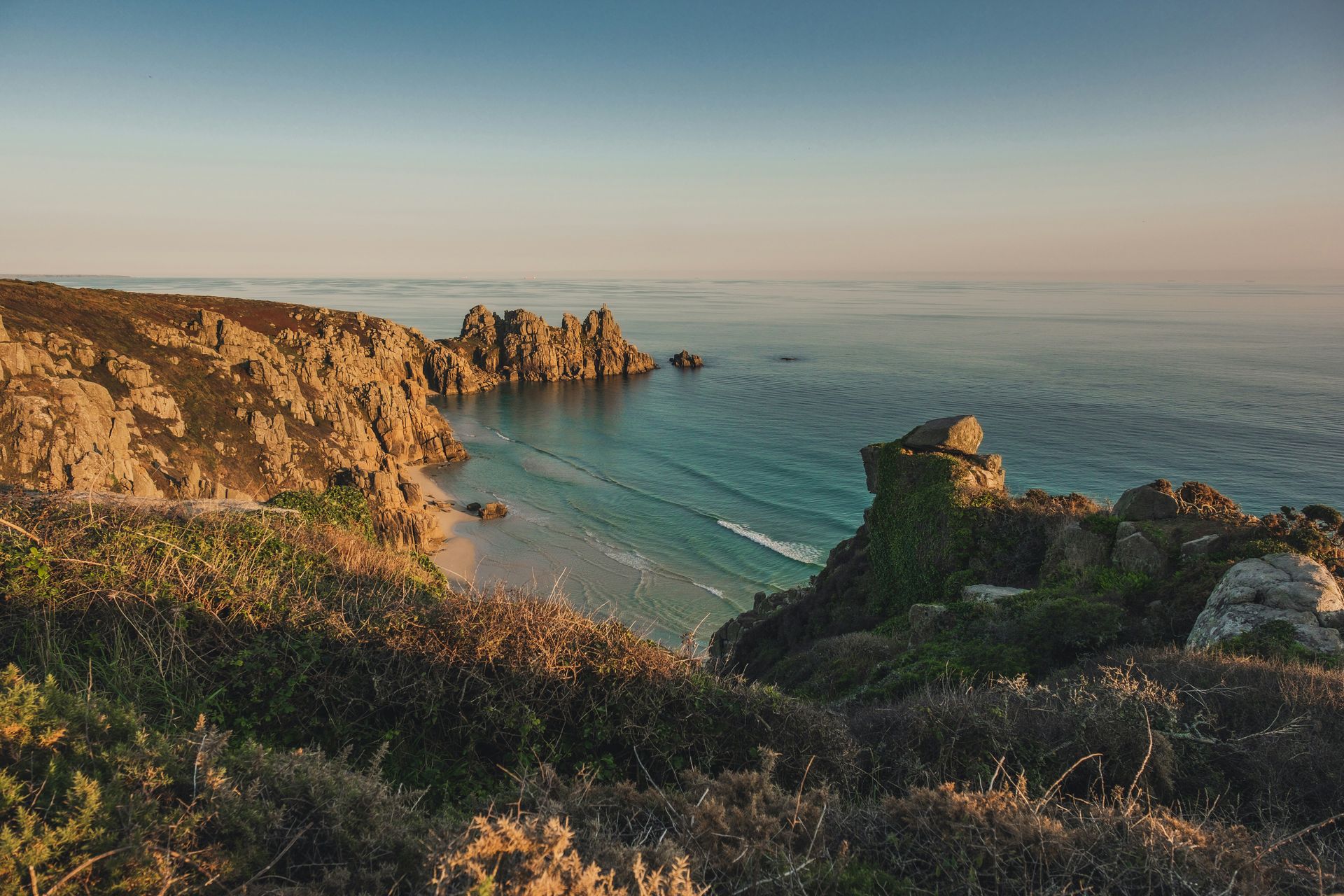
Cornwall's Atlantic-facing coastline gives England its most powerful surf and its most dramatically varied beach landscape: the long arc of Fistral Beach in Newquay gives the surfing program its most specifically celebrated single break, drawing both seasoned surfers and beginners whose first wave experience the beach's consistent Atlantic swell makes the most practically reliable in England. The surf school infrastructure that Newquay has built around Fistral's consistent conditions gives the absolute beginner the most accessible single entry point to U.K. surfing whose instruction quality and beach safety reflect decades of surf tourism development.
Kynance Cove, just north of Lizard Point at England's southernmost tip, gives the coastal scenery program its most immediately spectacular single inlet: the craggy offshore islands studding the turquoise sea give the cove a visual drama specific to a stretch of Cornwall whose serpentine rock formations and clear water give the Lizard Peninsula its most distinctive geological character. The side-by-side beaches of Gwithian and Godrevy Towans give the visitor a contrasting pair whose different characters, Godrevy's charming cove and lighthouse island and Gwithian's golden sand backed by seabird-nesting cliffs, give the single beach visit a complementary alternative within walking distance.
The grassy cliff formations known in Cornish as towans that back Gwithian's beach give the nesting razorbills and guillemots whose coastal colonies make the summer cliff walk its most wildlife-rich single experience on the North Cornwall coast, and the Godrevy lighthouse's island position gives the photograph of the cove its most iconic single compositional element. The South West Coast Path, which passes through Cornwall as part of its 630-mile route from Minehead to Poole, gives the serious coastal walker a waymarked long-distance trail whose Cornish section gives the clifftop walking its most dramatically varied single portion. The section between St Ives and Land's End in particular gives the walker the Cornish coastal landscape in its most concentrated and most visually rewarding form, with granite headlands, hidden coves, and the Atlantic's full force visible on the exposed western shore.
Jonny Gios / Unsplash
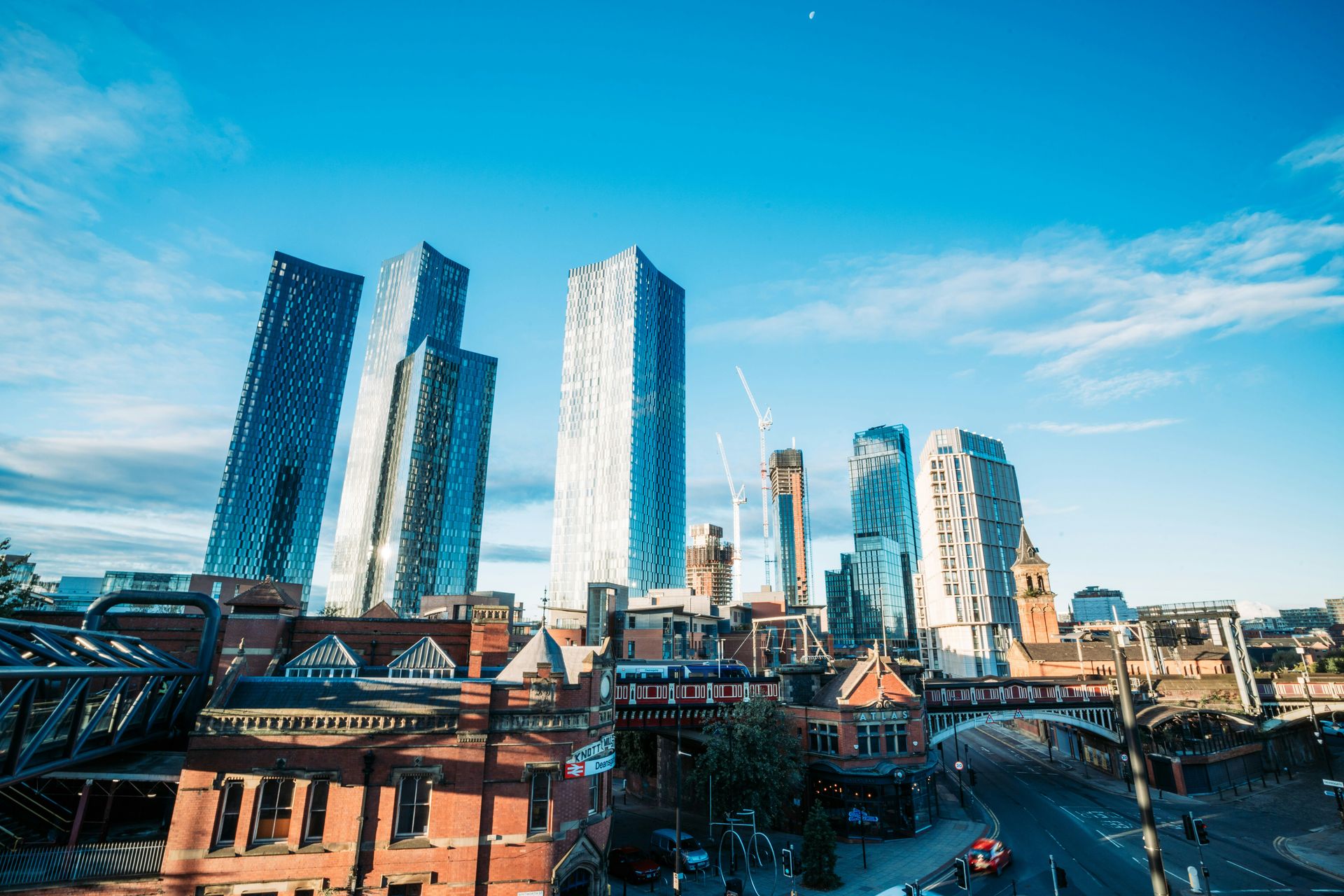
Manchester gives the U.K.'s music legacy its most specifically concentrated single urban expression: the city that produced the Smiths, Oasis, and the late-1980s dance music scene whose Factory Records and the Haçienda gave electronic music its most celebrated British single moment continues to host the brightest contemporary acts in venues whose range spans the most intimate to the arena-scale. Night and Day Café on Oldham Street, whose regular sessions have included Arctic Monkeys and Kasabian among past performers, gives the intimate live music format its most historically credentialed single Manchester room.
Band on the Wall, the local institution whose programming range from rock to reggae gives the genre-diverse music fan their most reliably varied single Manchester venue, and the Deaf Institute's upstairs room, whose unique seating beneath a domed Victorian roof gives the gig experience its most architecturally distinctive single setting in the city, give the Manchester music evening two specifically contrasting venue options whose character and capacity differences give the live music visitor the choice between the community-scale and the boutique-historic.
The Manchester Apollo's sloping floor, whose sight-line design gives the standing and seated audience their most unobstructed view of the stage without the flat-floor crowd obstruction that the standard arena format imposes, gives mid-capacity gigs their most practically comfortable single viewing experience. Co-Op Live, the AO Arena, and the Etihad Stadium give the largest touring acts their Manchester options, and the free acoustic sessions at pubs including Mulligans and the Whiskey Jar give the spontaneous evening visitor a music program whose cost and informality give the Manchester live music experience its most accessible possible entry point. The Northern Quarter, whose independent record shops, music venues, and vintage clothing stores give the neighborhood a creative identity specific to a city that has consistently produced music culture out of working-class urban landscapes, gives the Manchester music day its most walkable single daytime program, whose record shop browsing and café culture give the evening gig its most specifically Manchester pre-show ritual.
Jeffrey Zhang / Unsplash
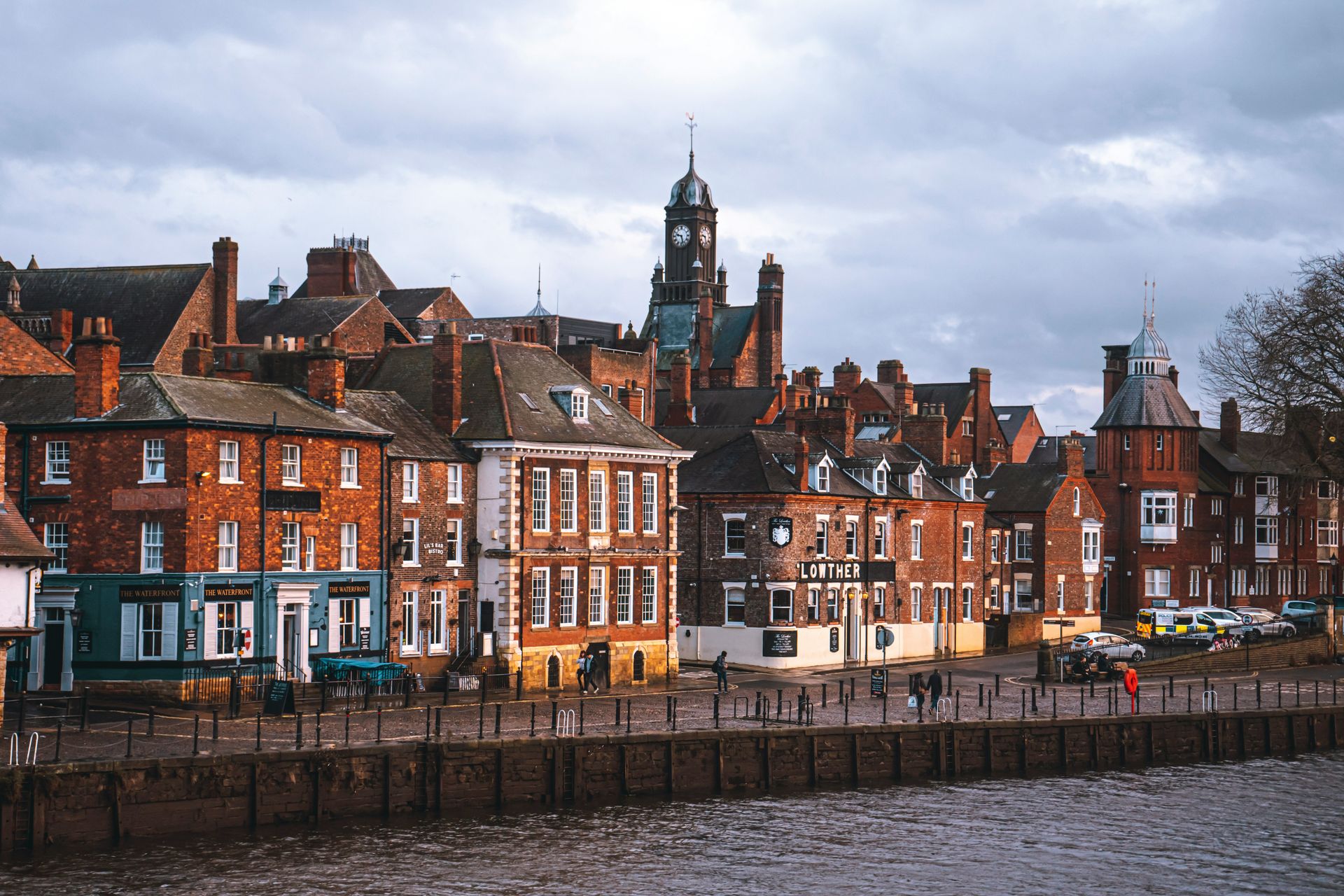
York gives England its most specifically preserved medieval urban character: the Shambles, whose crooked half-timbered houses and 18th-century taverns give the cobblestoned street its most frequently cited single comparison to a period film set, and the medieval city walls whose circuit between Bootham Bar and Monk Bar gives the visitor the most complete surviving example of an English city's original defensive perimeter. The Gothic mass of York Minster, built between 1220 and 1480 CE, gives the city its most architecturally dominant single landmark whose views from the city walls give the medieval fortification walk its most rewarding single visual reward.
The Jorvik Viking Centre gives York's specific Viking history its most specifically family-oriented and most immersive single museum program: the 100 years of Viking rule that followed the 865 invasion give the city a Norse heritage whose depth the Jorvik Centre explores through the reconstructed Viking-age York whose archaeological basis gives the museum its most credible single historical foundation. The Norse name Jorvik, from which the anglicized York derives, gives the city's name its most specifically linguistic connection to the Viking occupation whose material legacy the center preserves and interprets.
York Castle Museum gives the Victorian era its most specifically interactive local treatment: the recreated 19th-century street whose period detail gives the immersive museum format its most specifically York-centered historical program, and the era's relative underrepresentation in the city's broader Viking-and-medieval heritage narrative gives the Castle Museum a specific curatorial value for the visitor who has already processed the earlier historical layers. The article's overnight tip, Gray's Court as the oldest continuously inhabited house in York dating to the 11th century, gives the staying visitor their most historically resonant single accommodation option. The Betty's Tea Room on St Helen's Square $SQ, whose Harrogate original is the more celebrated but whose York branch gives the city a specifically Yorkshire tea room tradition, gives the York afternoon its most classically English single food and drink stop whose scones, fat rascals, and loose-leaf tea give the historical city visit its most period-appropriate refreshment.
Jocelyn Allen / Unsplash
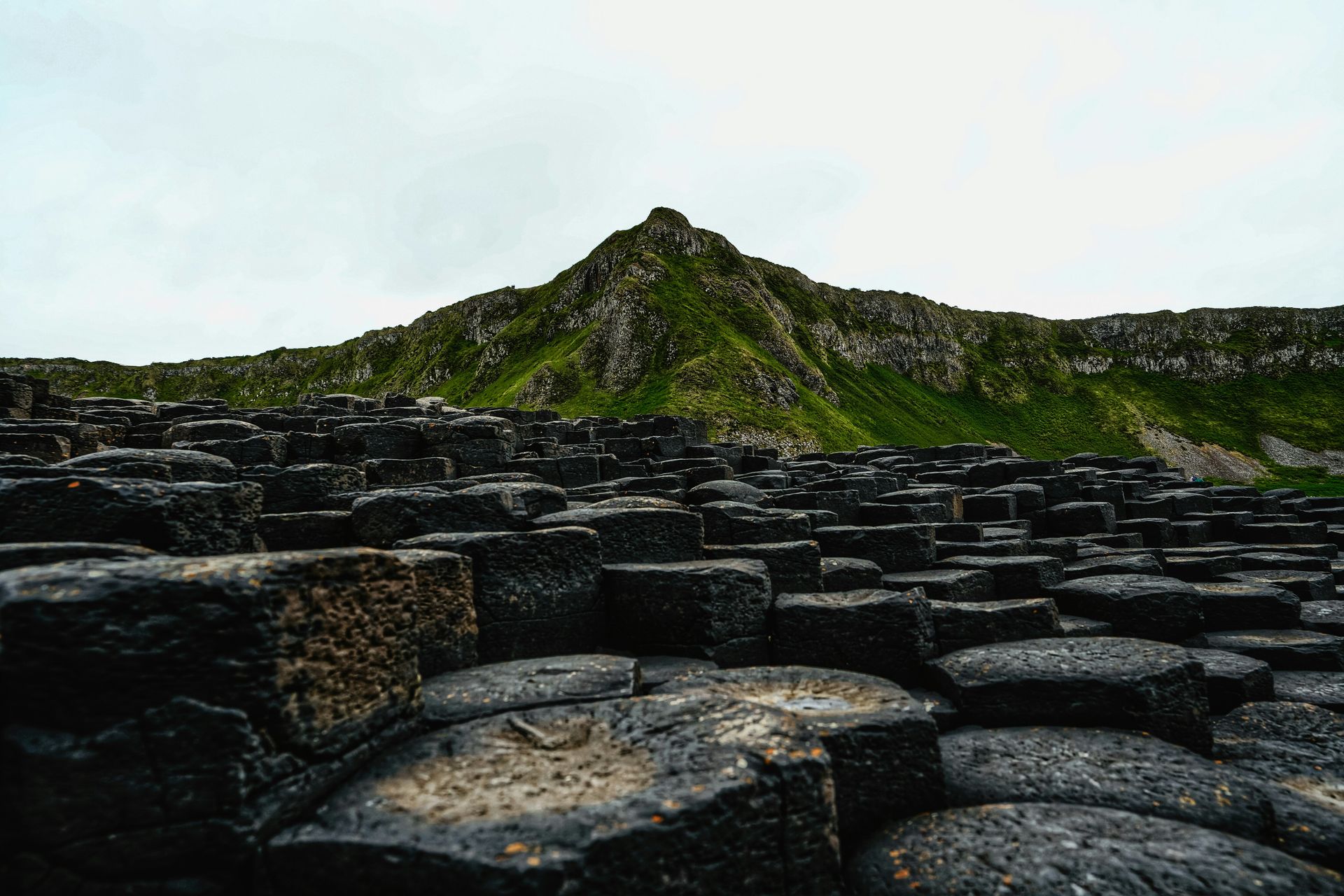
The Giant's Causeway gives Northern Ireland its most geologically extraordinary and most visually improbable single natural feature: 40,000 interlocking black basalt columns emerging from the north Antrim coast whose hexagonal cross-sections and varying heights give the landscape a regularity so extreme that the volcanic fissure eruption responsible for their formation seems a less intuitive explanation than the legend of Finn McCool building a causeway to face his Scottish rival Benandonner across the Irish Sea. The UNESCO World Heritage designation that the site holds reflects the columns' geological significance as one of the most dramatic and most extensively preserved examples of basaltic lava flow cooling in the world.
The surrounding north Antrim coastline gives the Giant's Causeway visit its most complete single day program: Dunluce Castle's wind-whipped medieval ruins further west give the dramatic coastal landscape its most specifically architectural historical element, and the twin coastal resorts of Portrush and Portstewart give the summer visitor the most practically amenity-rich bases whose beach and hospitality infrastructure give the Causeway day trip its most comfortable surrounding context. Bushmills, a short drive south of the Causeway, gives the whiskey program its most historically significant single destination: the world's oldest licensed whiskey distillery, operating since 1608, gives the visit a cultural complement whose product and heritage give the north Antrim day its most specifically Irish sensory conclusion.
Belfast, an hour's drive south, gives the Causeway visitor the most practically accessible city base whose Cathedral Quarter, Titanic Quarter, and independent bookshop culture give the urban complement to the coastal natural heritage a city whose own specific character rewards the additional day. The Causeway Coastal Route, a 195-kilometer designated driving route along the north Antrim coast that connects Belfast to Derry-Londonderry, gives the visitor who has more than a single day the most scenically varied coastal driving program in Northern Ireland, whose additional highlights include Carrick-a-Rede rope bridge, the Dark Hedges beech tree avenue, and Cushendun's caves.
