
The best places in the world for solo travelers in 2026
From Iceland's predator-free trails and midnight sun hikes to Queenstown's flashpacker hostels at the gateway to Milford Sound
Holly Mandarich / Unsplash
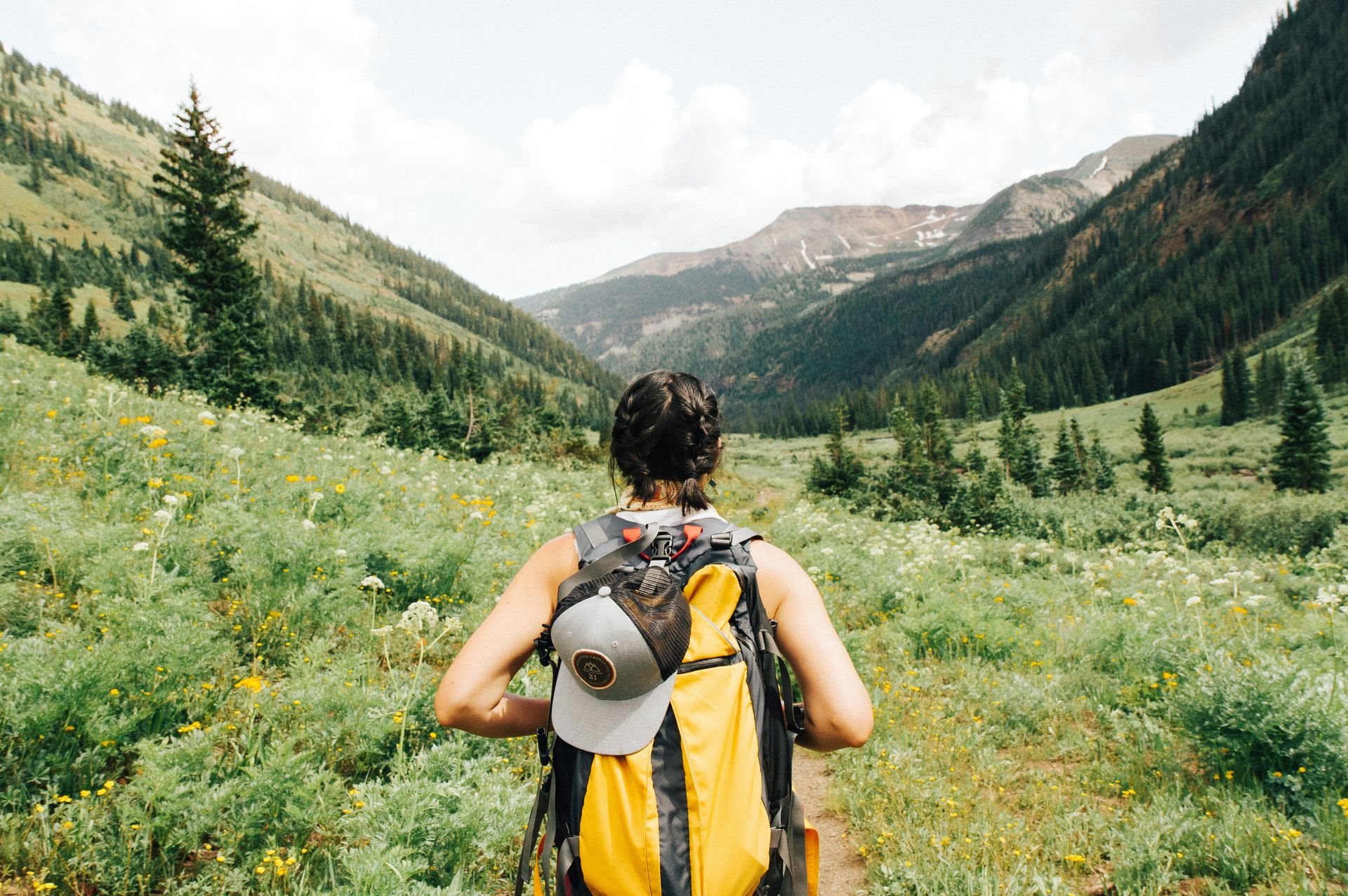
Traveling alone looks daunting on paper and feels completely different in practice. The moment you check into your first accommodation and step outside in search of food, the nerves tend to dissolve into something more like curiosity and freedom. But destination choice matters more for solo travel than for group trips. Some places are naturally sociable, with hostel cultures, communal dining, and a steady stream of other travelers passing through. Others offer genuine safety and ease of navigation, making solo logistics feel effortless. A few do both.
This list spans four continents and covers the full range of solo travel scenarios: cities where you can disappear into the crowd or instantly join a neighborhood, destinations where traveler infrastructure is specifically designed for solo travelers, and a few places where the very low tourist density makes encountering locals a given. Every destination here has been recommended by a Lonely Planet writer who knows it firsthand, not through remote research.
The 10 destinations below appear in Lonely Planet, compiled by Lonely Planet editors from writer recommendations across regions. The 10 include some of the world’s most established solo travel destinations alongside a few that genuinely deserve more attention than they currently receive on the international solo circuit. The selection deliberately avoids the most obvious solo travel clichés, focusing on places with genuine safety, social accessibility, or both, and on specific practical details worth knowing before booking. Accessibility concerns, budget ranges, and the specific type of social experience each destination offers all vary enough that matching the destination to what a given solo traveler actually wants matters considerably. The ten destinations here aren’t interchangeable: an introvert looking for a slow pace and access to nature will have a different experience in Iceland than an extrovert who wants to land in a city that immediately provides company.
1. Iceland ranks as the world’s safest and happiest country
Robert Lukeman / Unsplash
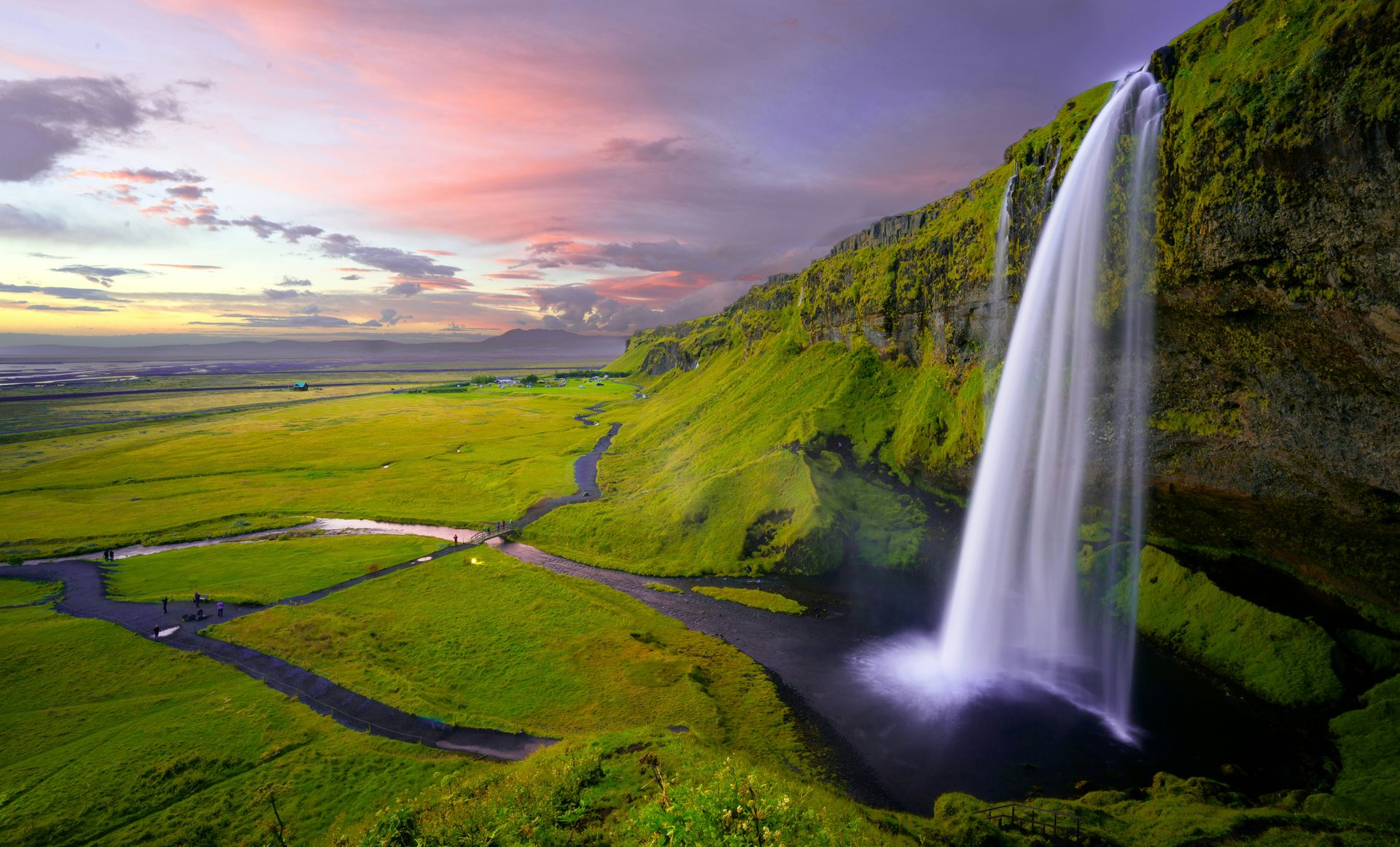
Iceland ranked as the world’s safest country in 2024 and the third-happiest place on earth, addressing two of the most significant concerns for solo travelers. The capital, Reykjavík, is the natural base: a walkable old town mixing history museums, excellent restaurants, and corrugated-iron homes painted in pastels that make the city feel distinct, even in winter darkness. The food scene is serious, the café culture is welcoming, and the city’s compact scale means getting oriented takes hours, not days.
The natural surroundings are uniquely low-anxiety for a wilderness destination. There are no predatory animals and no venomous insects on Iceland’s hiking trails. The only carnivorous wild mammal is the Arctic fox, which avoids humans. Summer hiking comes with 24-hour sunlight, removing the concern about being caught out after dark. The country’s sparse forests of tiny trees inspired a local saying: “If you’re lost in the woods, stand up.” Even the Ring Road, which circles the entire island, is easily navigable without a guide or a group.
Day trips from Reykjavík to the Golden Circle, the south coast’s black sand beaches, and the island’s thermal pools work as self-contained itineraries. For travelers who want to extend their trip, a full Ring Road circuit takes roughly a week and rewards those who can stop on their own schedule without needing to negotiate with companions. Iceland’s strong visitor infrastructure for international tourists, including well-signed English-language signage across most of the country, makes independent navigation straightforward even for first-time solo travelers. The country’s small population and cultural openness to foreigners make unexpected social encounters with locals a regular feature of any visit. The geothermal pool culture, with options ranging from the tourist-focused Sky Lagoon to local favorites like Laugardalslaug, creates a relaxed, clothing-optional social environment where conversations with strangers are completely normal and often surprisingly deep. The summer midnight sun period, from roughly mid-June through mid-July, is the most spectacular time to visit for daylight-dependent activities, though the trade-off is higher prices and more tourists at Iceland’s most popular sites.
2. Lisbon, Portugal welcomes solo visitors with open arms
Aayush Gupta / Unsplash
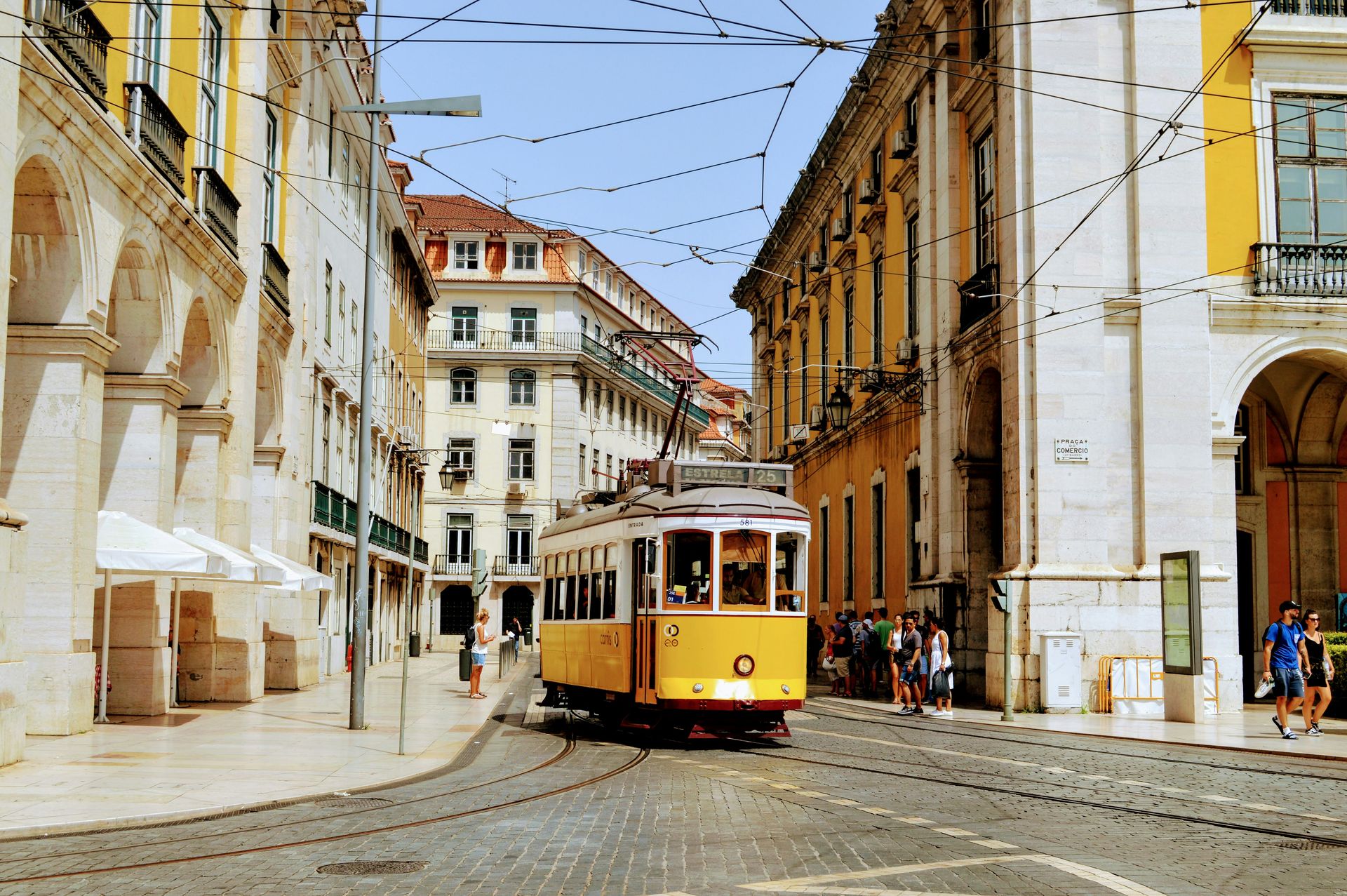
Lisbon is among the most immediately welcoming major European capitals for solo travelers. The city’s scale is human-sized despite its capital status, and its hilly topography breaks it into distinct village-like neighborhoods that each have their own character without requiring the tourist-circuit approach of larger cities. The light is famously beautiful, the vintage trams are immediately charming, and the azulejo-tiled streets invite slow exploration.
Getting under the surface is easy. Wander the cobbled Alfama early in the morning before the crowds arrive, and the neighborhood belongs to locals going about their days. Eat a pastel de nata fresh from the oven at Manteigaria, which the writer describes as “oven-warm, cinnamon-dusted.” Toast strangers with a ginjinha at A Ginjinha, a cubbyhole bar so small that striking up conversation is essentially mandatory. Hang out at the Miradouro de Santa Catarina at sunset. Join a backstreet food or street art tour to meet other travelers in a structured but casual format.
The practical safety and ease of navigation that Lisbon offers mean the energy usually goes into experiencing the city rather than managing logistics. It’s a place where solo travel feels active and social, not isolated, and it’s one of the rarer destinations that makes it genuinely easier to meet people alone than it would be in a group. Lisbon’s relatively low cost compared to other Western European capitals means the budget that a solo traveler might normally spend on accommodation goes further here. Short-stay apartment rentals in neighborhoods like Mouraria are plentiful and often substantially cheaper than hotel rooms. Lisbon’s position as a direct flight destination from many North American East Coast cities has improved significantly in recent years, making it one of the more accessible European capitals for first solo trips that involve a transatlantic flight. TAP Air Portugal serves Lisbon from several North American cities, and the travel time from the eastern seaboard is shorter than that of most other European capital flights.
3. Chiang Mai, Thailand tops every solo backpacker list
-1920x1280.jpg)
Peter Borter / Unsplash
Thailand is already well established on the backpacker circuit, and Chiang Mai consistently tops the list of solo-friendly destinations within the country. The Old City’s density of guesthouses, hostels, and hotels means finding accommodation with built-in social programming is straightforward, with each property offering its own style and events calendar. The digital nomad community has added a parallel layer of organized social infrastructure, with spaces like Alt_Chiang Mai specifically designed to help newcomers find their feet and meet other people.
Temples, cafes, bars, and restaurants line every street, which means there’s never a shortage of things to do and never a point where the city feels genuinely empty or isolated. The writer recommends chatting with a monk at Wat Phra Singh, taking a Thai cooking class to meet fellow travelers over a shared wok, and hitting the backpacker hub Zoe in Yellow for company on an evening out. The Nimmanhaemin neighborhood offers a different register: a buzzing, trendy area with local restaurants and nightlife where practicing basic Thai with residents is both feasible and warmly received.
The cost structure of Chiang Mai suits solo travelers precisely. Private rooms are inexpensive, street food is excellent and extremely cheap, and the city’s size keeps transport costs minimal. For a first solo trip to Southeast Asia, Chiang Mai offers enough structure and familiarity to feel approachable without being so tourist-saturated that it loses its own character. The Sunday Walking Street Market on Wualai Road in the Old City fills an entire stretch of streets with local food vendors, craft sellers, and street performers, in a format that naturally invites browsing, stopping, and casual conversation, making solo evenings in Chiang Mai feel full, not empty. The night markets, particularly the massive Saturday Night Market on Wualai Road, draw enough of a mix of tourists and locals that even travelers without companions can spend several hours moving through stalls, eating, and people-watching without feeling conspicuous.
4. Vietnam is genuinely friendly to solo travelers
Rowan Heuvel / Unsplash
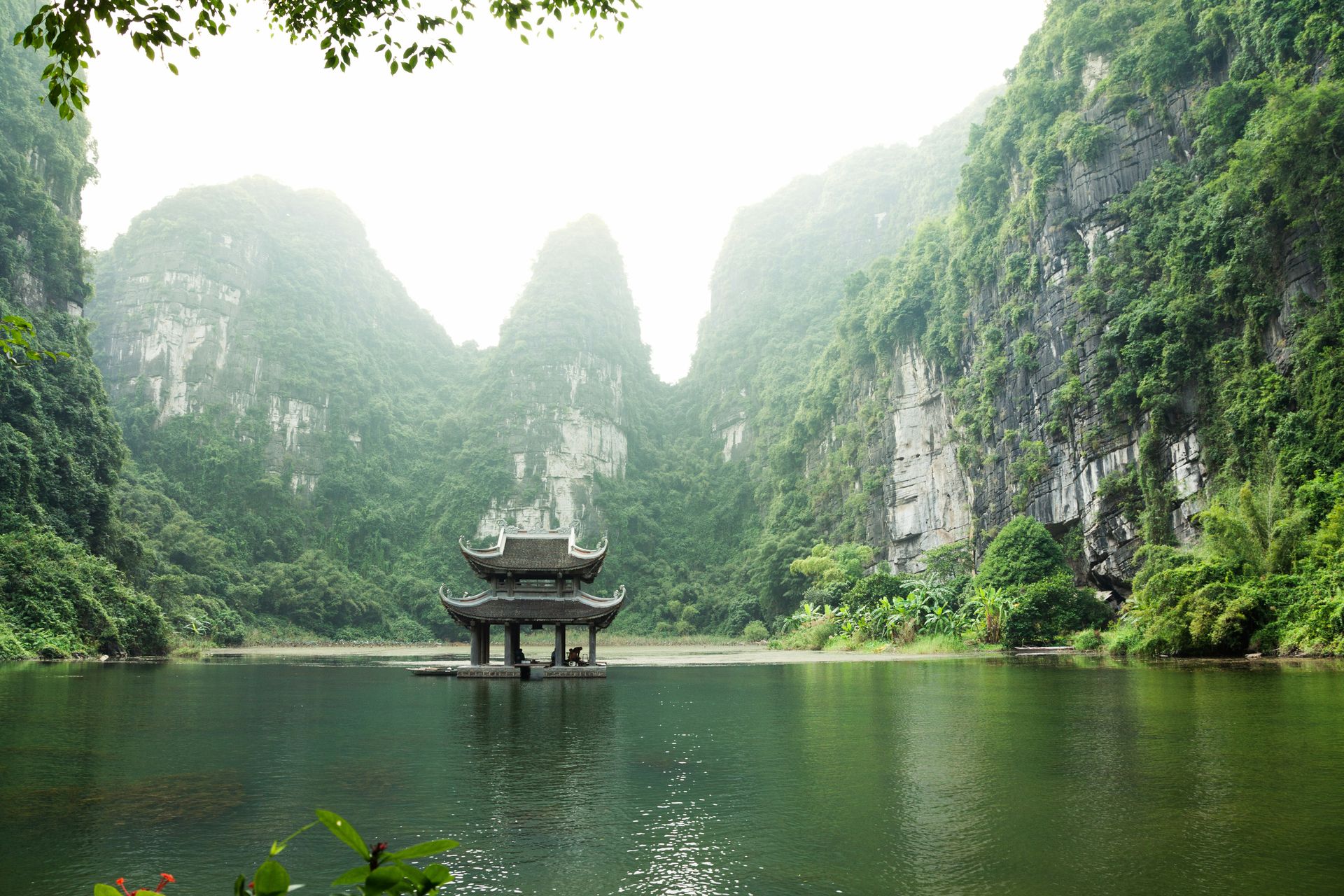
Vietnam’s hospitality culture makes spontaneous social encounters a routine part of solo travel there, not an occasional lucky break. Vietnamese people are genuinely friendly, and young people eager to practice English frequently initiate conversations with foreign travelers. The social drinking culture means that groups of friends will often invite solo travelers to join their table for a round, particularly at street-level bars where plastic stools spill onto the pavement.
In Ho Chi Minh City, Bui Vien Street is the most reliably social destination: beer is cheap, the atmosphere is loud and friendly, and a steady stream of travelers from around the world means conversations start naturally. In Hanoi, Ta Hien Street in the Old Quarter operates on the same principle, though at a slightly lower volume. Street food throughout both cities and in smaller towns is excellent and can be navigated successfully without Vietnamese. Pointing and paying get the job done at most stalls.
The budget arithmetic strongly favors solo travelers. Cheap dorm rooms are widely available in major cities, and private rooms in guesthouses remain inexpensive even at a reasonable level of quality. The country’s length, stretching from Hanoi in the north to Ho Chi Minh City in the south, rewards travelers who move through it slowly, and the north-to-south journey by train or budget airline gives the trip a natural structure that works well without a fixed group itinerary. The Mekong Delta, Hoi An’s old town, and Hue’s imperial citadel each offer distinctive cultural experiences spanning the country, ensuring that travelers who move slowly through Vietnam encounter genuinely different environments, not regional variations on a single theme. Only women travelers in Vietnam will find the country generally safe and navigable, with the major tourist cities having enough infrastructure for independent travel, so the concerns that might apply to more off-the-beaten-path destinations don’t carry the same weight here. Vietnam’s north-to-south train journey, which can be broken into multiple segments stopping at Hue, Da Nang, and Hoi An, among others, provides a structure for the trip that naturally connects solo travelers moving in the same direction.
5. Singapore is safe, easy to navigate, and sociable
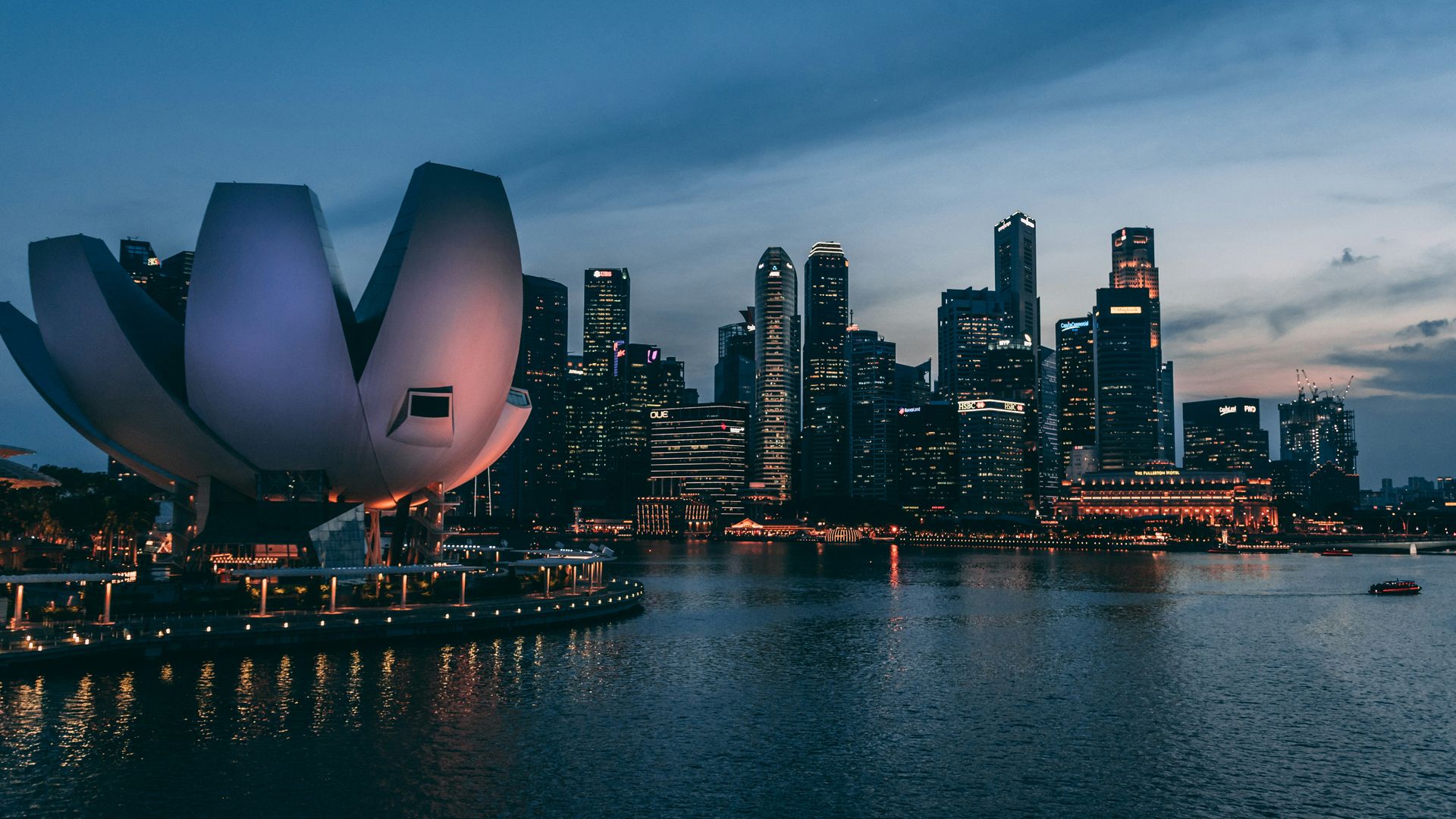
Zhu Hongzhi / Unsplash
Singapore ranks among the safest cities in Asia, and its public transport system is cheap, clean, and covers virtually every point of interest in the city. Both facts remove the logistical friction that can make solo travel in unfamiliar cities feel stressful, leaving energy for the actual experience of being in Singapore. The multicultural character of the city means English and Mandarin are widely spoken alongside other Southeast Asian languages, so communication is rarely a problem regardless of which neighborhood you’re in.
Chinatown and Little India are genuinely distinct neighborhoods worth exploring slowly on foot, with the smells, sounds, and storefronts shifting significantly within a few blocks. Gardens by the Bay is one of the more genuinely spectacular urban attractions in Asia. The hawker center food culture is particularly well-suited to solo diners: grabbing a seat at a shared table among locals eating independently is completely normal and produces none of the awkwardness that solo dining can carry in more formal restaurant settings.
Singapore’s reputation for safety makes it specifically well-suited as the first destination on a longer Southeast Asia trip: it provides a comfortable, navigable environment to adjust to the region before moving on to cities with more complex logistics. The city’s compactness means that two or three days comfortably cover the major neighborhoods and attractions. The hawker centers, which are essentially large outdoor food courts where dozens of independent stalls operate under one roof, deserve more time than most visitors give them. Maxwell Food Centre and Lau Pa Sat are two of the most established, and spending an evening working through multiple stalls across a single meal is one of Singapore’s most specifically enjoyable solo activities. The country’s Changi Airport, consistently rated among the best in the world, makes Singapore an easy entry and exit point for a broader Southeast Asia itinerary, which gives the city a practical logistical role beyond its intrinsic appeal as a destination.
6. Uzbekistan makes the Silk Road an easy solo journey
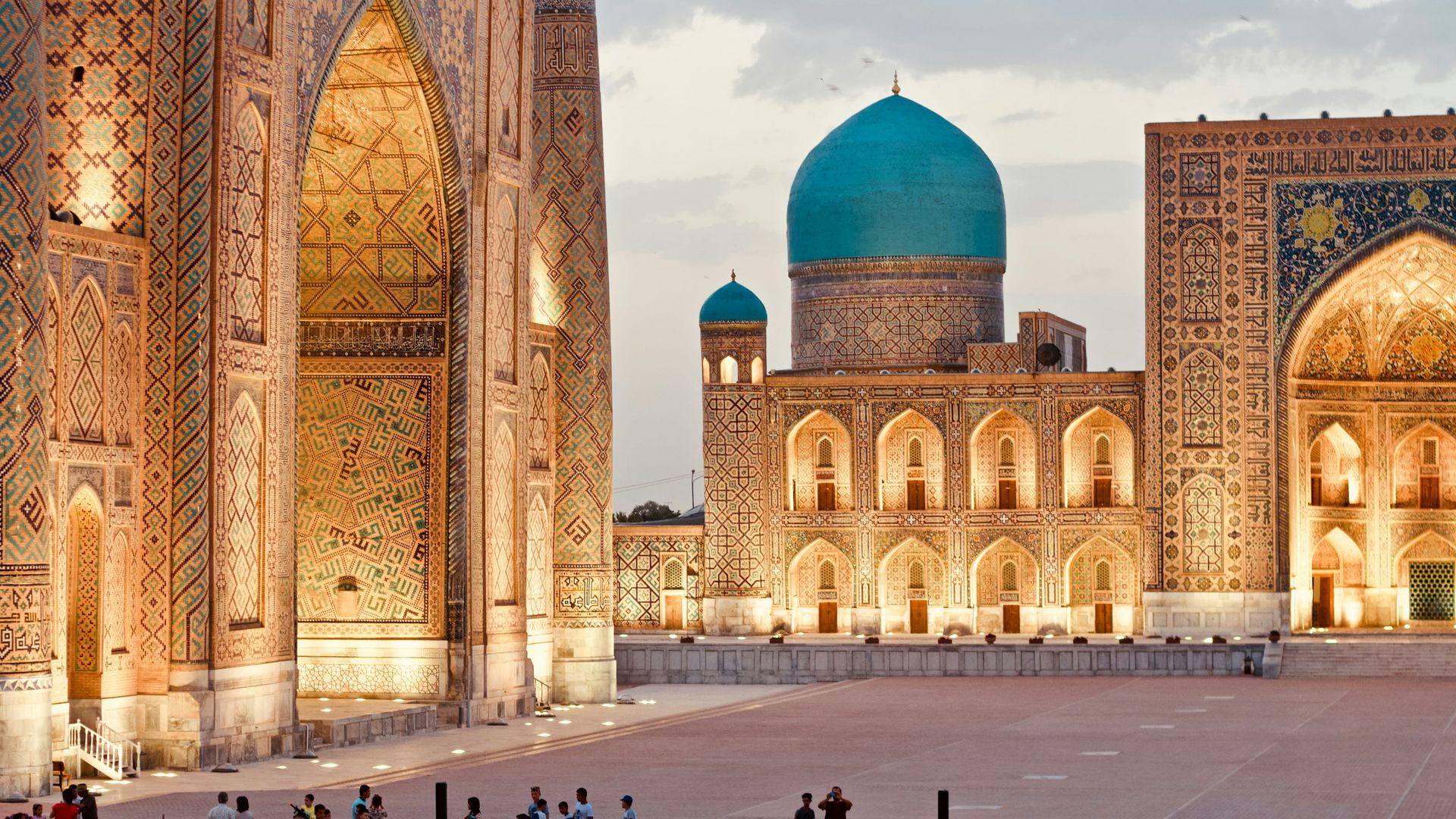
Ozodbek Erkinov / Unsplash
The historical weight of the Silk Road and the practical ease of traveling it today sit in striking contrast in Uzbekistan. The high-speed Afrosiyob rail service connects Samarkand, Bukhara, and Tashkent quickly and comfortably, making the movement between the country’s major historic sites straightforward without requiring group tours or a guide. Samarkand’s turquoise-tiled madrassas flanking the Registan and Bukhara’s 5th-century Ark are among the most visually extraordinary historic sites in Central Asia, and seeing them without the crowds of more heavily touristed regions gives solo travelers an unusual intimacy with the architecture.
The accommodation culture actively creates social encounters. Traditional guesthouses and homestays offer family-style meals and local connections that hostels in more conventional tourist destinations rarely match. The overnight Soviet-era sleeper trains, including the 54-bed open-carriage platzkart cars, consistently produce the kind of spontaneous shared meals and extended conversations with families across language barriers that solo travelers remember as trip highlights, not inconveniences.
The more remote experiences available from Uzbekistan’s network, including off-road group tours to Karakalpakstan and yurt stays at the edge of the Aral Sea, are accessible and affordable and give solo travelers who make the effort a genuinely distinctive Central Asian experience unavailable anywhere else at comparable cost. Uzbekistan’s visa process has simplified considerably in recent years, and many nationalities can now obtain an e-visa online in advance. The country’s religious and historical sites, including the Shah-i-Zinda mausoleum complex in Samarkand, are genuinely among the finest in Central Asia and see a fraction of the visitor numbers that equivalent sites in more established tourist destinations attract. The country’s affordability relative to its cultural richness is striking: accommodation, food, and transport all run substantially cheaper than comparable quality in Western Europe, and the exchange rate makes a well-planned Uzbekistan trip accessible on a budget that would cover a more modest experience elsewhere. The country’s currency, the Uzbekistani soum, trades favorably against most Western currencies, and daily costs for accommodation, food, and transport are among the lowest in any country of this level of historical and cultural significance.
7. New York City rewards solo travelers with endless options
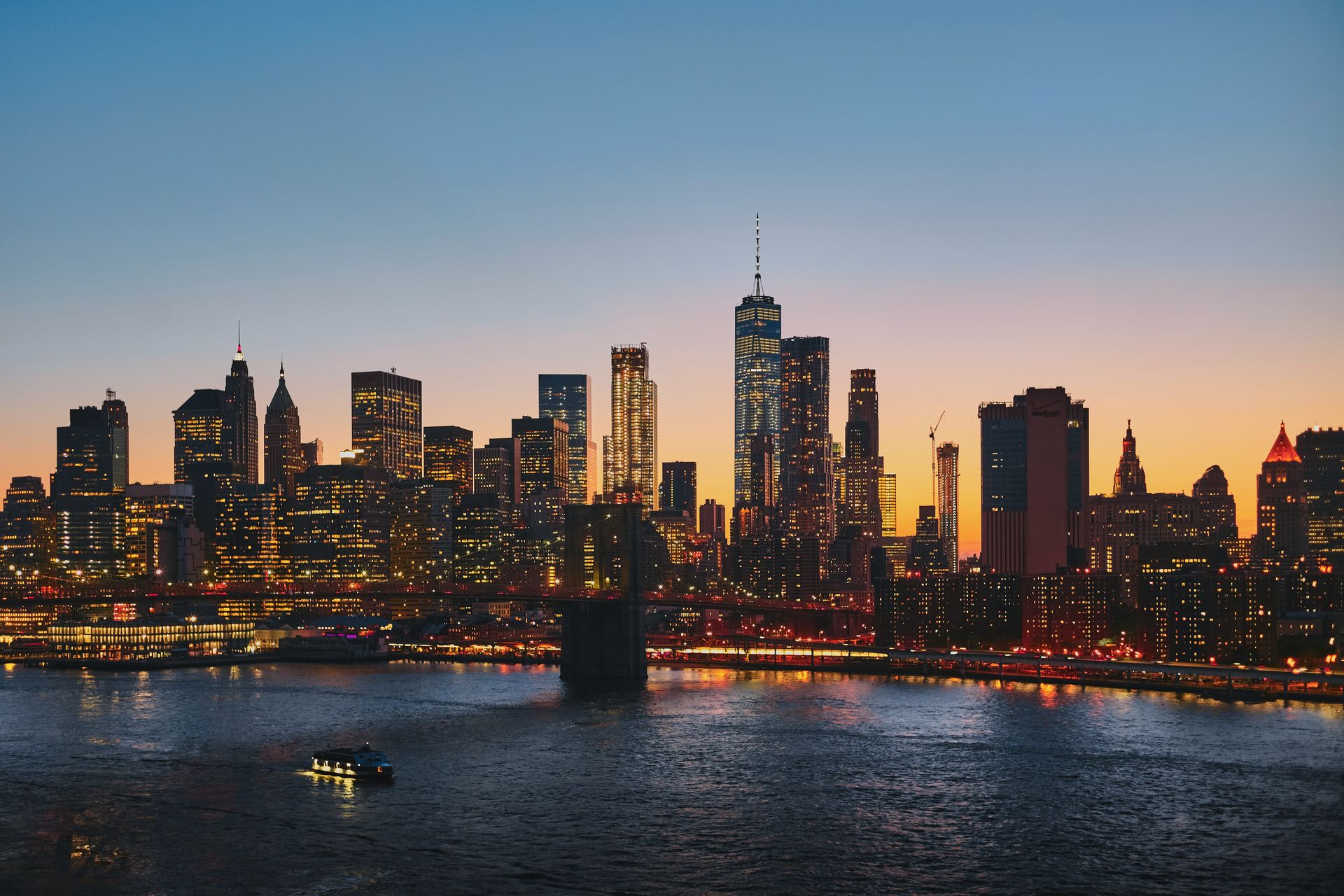
Luca Bravo / Unsplash
New York City functions as a solo travel destination by virtue of sheer scale and diversity. With over 150 museums, a theater scene spanning Broadway to experimental Off-Off-Broadway, a nightlife spectrum from speakeasies to warehouse clubs, and a global food landscape representing more than 150 countries, the challenge isn’t finding something to do but narrowing the options. Solo travelers here are invisible in the best sense: the city is so full of people moving independently that being alone never registers as unusual.
The meet-up culture is particularly developed. Groups organized around feminist birding, LGBTQ+ running, communal reading, and dining in strangers’ apartments all operate regularly and welcome newcomers. For LGBTQ+ solo travelers specifically, the Castro’s equivalent neighborhoods, the city’s Pride infrastructure in June, and the Folsom Street Fair equivalent in September give New York a specific social calendar worth consulting when planning the trip’s timing.
Budget management requires intentionality. The city can be expensive or relatively affordable depending on choices. Pod Brooklyn offers budget hotel accommodation. Pizza and bagels remain famously cheap. The Brooklyn Bridge, Central Park, and the Staten Island Ferry are all free. The 24-hour subway system eliminates the need for ride-sharing and keeps the city accessible regardless of how late it gets. The range of free cultural programming available in NYC is genuinely unusual for a major world city: free events at the New York Public Library, free museum days at most major institutions on certain days or evenings, and free outdoor concerts throughout the summer give solo travelers meaningful cultural options that don’t require spending money beyond transit. The High Line, the elevated park built on a former rail line through Manhattan’s west side, is a free linear park that makes for an excellent solo afternoon, combining architecture, public art, and city views in a format that’s pleasant alone and requires no advance booking or admission. The viewing spot known as Gapstow Bridge in Central Park, one of the most photographed spots in New York, is at its most accessible in early morning before the day’s crowds arrive, which suits the flexible schedule that solo travel allows.
8. Puerto Rico pairs Caribbean appeal with easy U.S. logistics
-1920x1081.jpg)
Wei Zeng / Unsplash
Puerto Rico’s strongest advantage for solo travelers from the United States is the complete elimination of international logistics. No passport, no currency exchange, no roaming phone charges, no customs on return. San Juan itself offers a wide range of experiences within a compact area: Viejo San Juan’s colonial architecture and fortresses, Santurce’s street art and bar scene, and the beaches near Condado’s hotel district are all accessible by Uber $UBER without the complexity of navigating an unfamiliar transit system.
The Lonely Planet writer calls La Factoría in San Juan a standout evening destination: a six-room cocktail bar where friendly salsa dancers create exactly the kind of animated, spontaneous social atmosphere that solo travelers in an unfamiliar city often find difficult to access on their own. The bar’s multi-room layout makes it easy to move between different energies within the same venue.
Beyond San Juan, most of Puerto Rico’s major attractions sit within an hour’s drive. El Yunque’s well-marked rainforest trails are manageable without a guide. Group cave tours are available in Río Tanamá. El Pretexto, a food-forward lodge where all guests share the same communal dinner table, creates the kind of instant social scenario that suits solo travelers particularly well. Free public beaches accessible from San Juan eliminate the need to spend money on beach club access just to get good water. The bioluminescent bay at Mosquito Bay on Vieques Island, accessible by ferry from Fajardo, is one of the world’s brightest bioluminescent bays and makes for a genuinely extraordinary evening kayak tour that operates in small group formats perfectly suited to solo travelers joining a guided excursion. Old San Juan’s walkable scale, small enough to cover entirely on foot in a day, makes it the kind of historic district where getting genuinely lost is impossible and stumbling onto something interesting is constant. The city walls of Old San Juan, which visitors can walk in sections, provide elevated views over the harbor and the cruise ship terminal, giving the city’s geography clarity that ground-level exploration alone doesn’t always convey.
9. Belize packages Central America into a compact solo trip
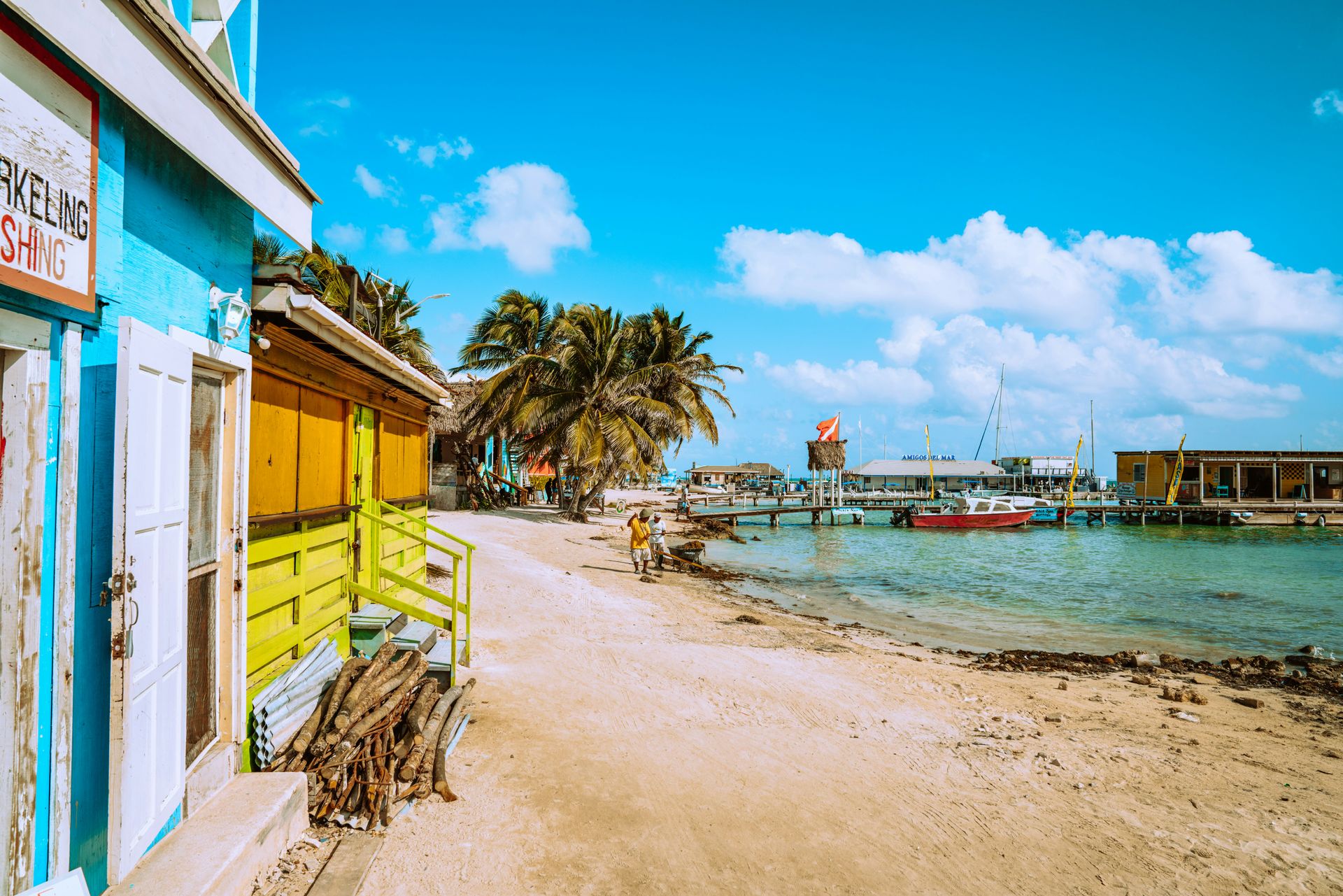
Maritt Thomas / Unsplash
Belize’s most significant advantage for solo travelers is its size. The entire country, from the Mexican border to the southernmost town, can be driven in less than six hours. From the coast to the Guatemalan border takes two. That compactness means the variety of experiences available, Mayan archaeological sites, biodiverse jungle, Caribbean coastal towns, and world-class cayes, is accessible without the long-haul overland journeys that make other Central American countries more demanding for solo travelers moving at their own pace.
The country has comparatively little resort culture relative to neighboring destinations. Things are small and local in a way that suits solo travel specifically: smaller accommodation, more direct local interactions, and fewer contexts where being alone in a large group-focused resort creates social awkwardness. English is widely spoken, removing the language barrier that can make solo travel in Spanish-speaking Central American countries more difficult for travelers who don’t speak Spanish.
Water taxis and small puddle-jumper flights connect the mainland to the most popular cayes, including Caye Caulker and Ambergris Caye, making island-hopping straightforward and spontaneous. The Belize Barrier Reef is one of the finest dive and snorkel destinations in the Caribbean, and the ease of independent access makes Belize one of the better options for solo travelers whose primary interest is underwater. The Belize Barrier Reef UNESCO World Heritage Site runs parallel to most of the country’s coastline, and the variety of dive and snorkel sites, ranging from beginner-friendly shallow reefs to the famous Blue Hole, makes it possible to spend an entire week exploring the same geographic area without repeating an experience. The country’s small size also means that meeting other travelers in Belize City, Caye Caulker, or San Ignacio often leads to running into the same people again in a different part of the country, creating the kind of ongoing social continuity that solo travelers in larger countries have to work harder to maintain. Caye Caulker, the most relaxed of the main tourist islands, has a deliberate policy limiting motor vehicles, which keeps the island’s pace slow and the environment specifically suited to the kind of unhurried solo travel where the days organize themselves.
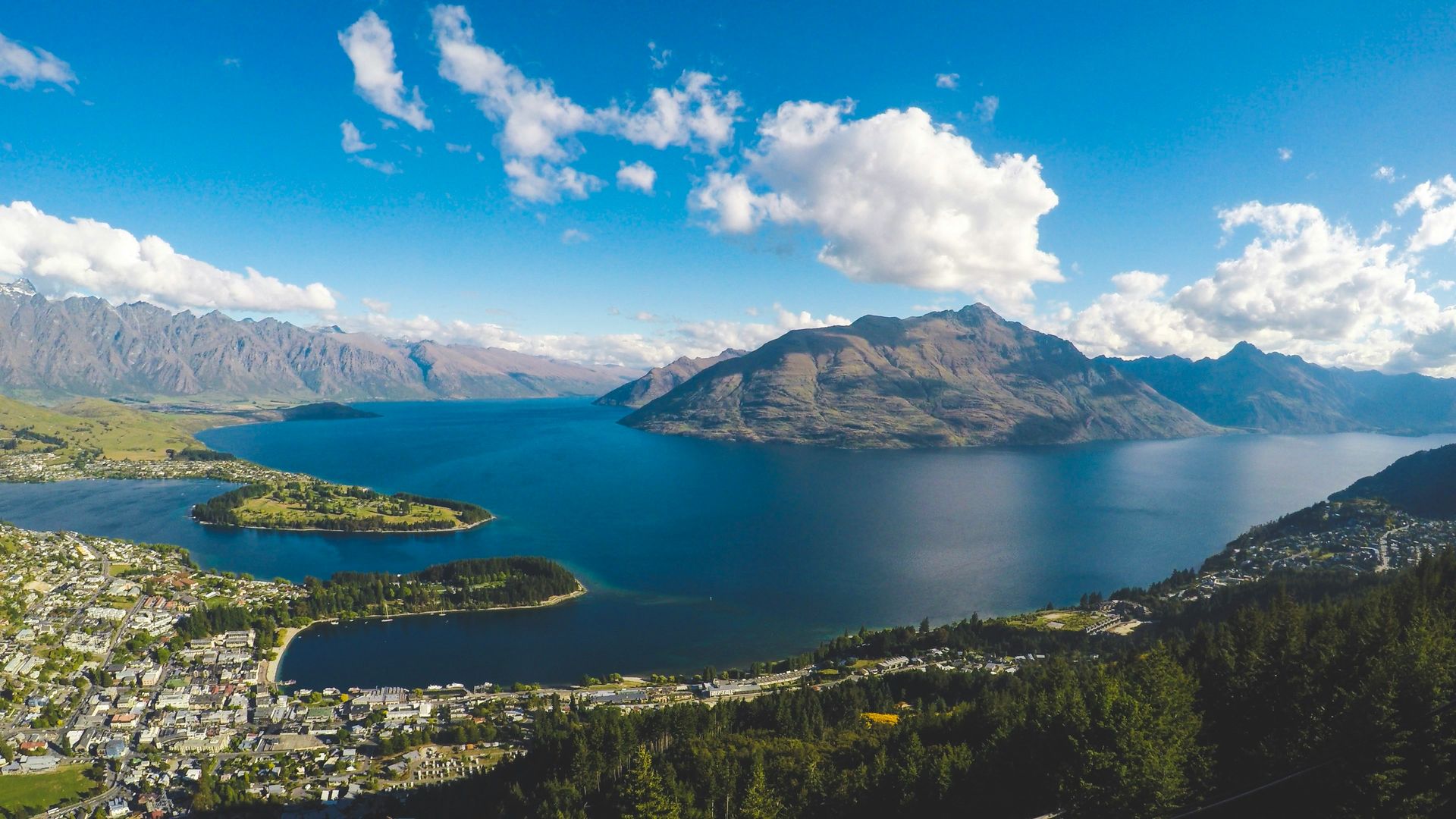
10. Queenstown, New Zealand suits adventure-seeking solos
Ömer Faruk Bekdemir / Unsplash
Queenstown is New Zealand’s designated adventure capital, and its concentrated population of backpackers and working holiday visa holders means solo travelers are genuinely the norm, not the exception. The hostel scene, described by the Lonely Planet writer as “flashpacker” quality, offers private rooms at hostel prices with the social atmosphere of shared accommodation. Fergburger, the legendary local burger institution, is worth knowing about as one of the city’s best cheap meals; the writer’s tip: call ahead to order and skip the queue that forms outside.
The day tour infrastructure is extensive and specifically suited to connecting solo travelers with companies for the day: Gibbston Valley wine tours, Lord of the Rings filming location tours, and the dramatic journey to Milford Sound/Piopiotahi all operate in formats that naturally mix groups of strangers together for several hours. The combination of organized outdoor activities and the social dynamics they create makes Queenstown one of the more reliably sociable adventure destinations in the world.
New Zealand ranks among the top global destinations for solo travel, with excellent safety ratings, a friendly local culture, and a landscape that changes dramatically enough between regions to sustain interest over weeks. Queenstown is the most concentrated version of everything that makes the country work for solo travelers. The Remarkables mountain range, visible from virtually everywhere in Queenstown, provides a constant, spectacular backdrop that the city’s compact layout keeps in view throughout the day. Evening walks along the lakefront at Queenstown Bay, with the mountains reflected in the still water of Lake Wakatipu, give the day a particularly memorable conclusion that solo travelers routinely cite as one of the trip's strongest sensory experiences. Queenstown’s position as a gateway to Fiordland National Park, home to Milford Sound and Doubtful Sound, means that some of the most dramatic landscapes in New Zealand are accessible via organized day tours that bring solo travelers together for shared experiences in genuinely extraordinary settings.