
From a Mercedes-Benz GLC with 54 miles of electric range to a Prius PHEV rated at 127 MPGe, the plug-in hybrids that stretch the farthest on a charge
Credit: Mercedes-Benz
A plug-in hybrid electric vehicle does something a pure EV cannot: it eliminates range anxiety entirely. When the battery depletes, a gasoline engine takes over, and the vehicle continues exactly as a conventional hybrid would. The practical benefit is that daily commutes and routine errands can run entirely on stored electric charge, while longer road trips that exceed the electric range simply shift to gasoline without requiring a charging stop. For buyers who want the economics of electric driving without committing to a charging network for every trip, PHEVs offer a specific and useful middle ground between a conventional hybrid and a full EV.
The all-electric range varies considerably across the PHEV market, and that variation determines how much of a typical driver’s weekly mileage runs on electricity. A vehicle with 38 miles of electric range and a driver who commutes 30 miles each way will still use gasoline daily. The same driver with a 54-mile PHEV might cover the entire round-trip on electric power, never using the gasoline engine on a workday. That difference compounds across hundreds of drives per year and shows up in concrete terms in fuel costs.
These 10 models come from U.S. News and World Report’s list of the PHEVs with the most electric range in 2026, each with a maximum all-electric range of at least 38 miles. The list spans luxury sedans, luxury SUVs, a performance sedan, and a mainstream hybrid hatchback, all at notably lower prices than most PHEV competitors, evaluated for range, efficiency, interior quality, and overall driving capability. Every model on the list qualifies as a genuine plug-in hybrid, not a mild hybrid with a token electric-only mode, which ensures the list reflects vehicles that can genuinely eliminate fuel use during daily driving.
Credit: Mercedes-Benz
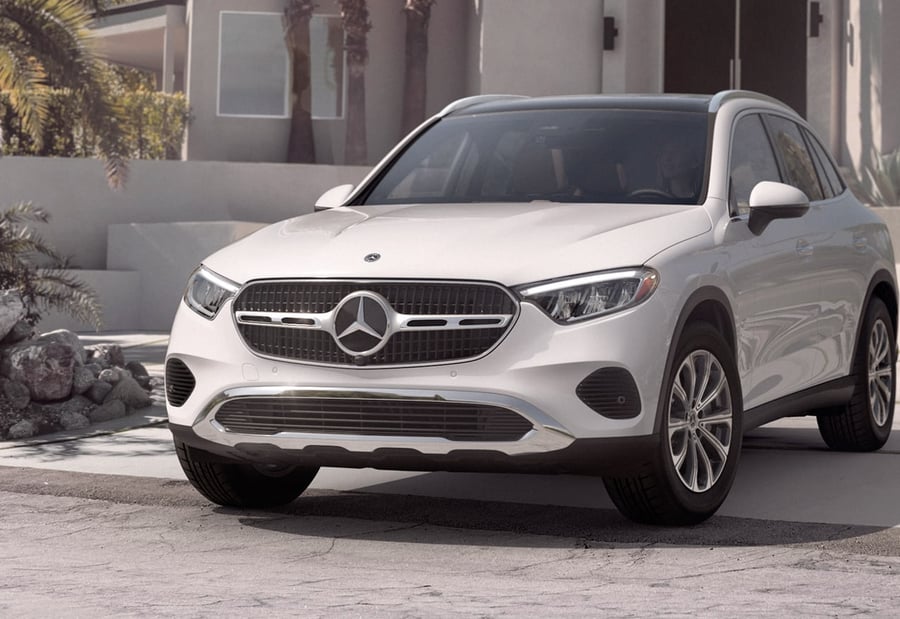
The Mercedes-Benz GLC Plug-In Hybrid achieves 54 miles of all-electric range, more than any other plug-in hybrid on sale, alongside a combined MPGe rating of 64 and a U.S. News rating of 8.2 out of 10. U.S. News Autos Managing Editor Alex Kwanten describes the GLC PHEV’s posh nature and capable performance as characteristics that genuinely stand out compared to other luxury plug-in hybrid SUVs. The base version handles well and delivers a smooth ride, and the high-performance variant reaches 671 horsepower with a zero-to-60 time of 3.5 seconds.
The interior matches expectations for the luxury segment: quality materials throughout, roomy and comfortable seats, and cargo capacity typical for the class. The 11.9-inch touchscreen anchors an infotainment system that Kwanten describes as responsive and user-friendly, which matters specifically in a vehicle whose driver may be managing two different powertrain modes and monitoring charge levels alongside the standard navigation and audio functions.
The 54-mile figure means most urban commuters can cover their round-trip on electric power alone, provided they charge the vehicle at home each night. That daily use case represents the clearest economic argument for a PHEV: the gasoline engine sits unused during the average workweek while the vehicle runs at the per-mile cost of electricity. The GLC PHEV’s position at the top of the electric range list makes that use case more accessible than any competing PHEV currently offers. The 54-mile figure also means the GLC PHEV qualifies for the most electric-only driving of any PHEV available, which is the primary metric for buyers choosing between plug-in hybrid options on this list. The GLC PHEV also carries the luxury SUV format’s standard set of practical advantages: an elevated driving position, cargo flexibility, and the all-wheel-drive option most buyers in the luxury segment expect. A vehicle that leads its class on electric range while also delivering luxury SUV refinement addresses two separate buyer priorities simultaneously.
Credit: Mercedes-Benz
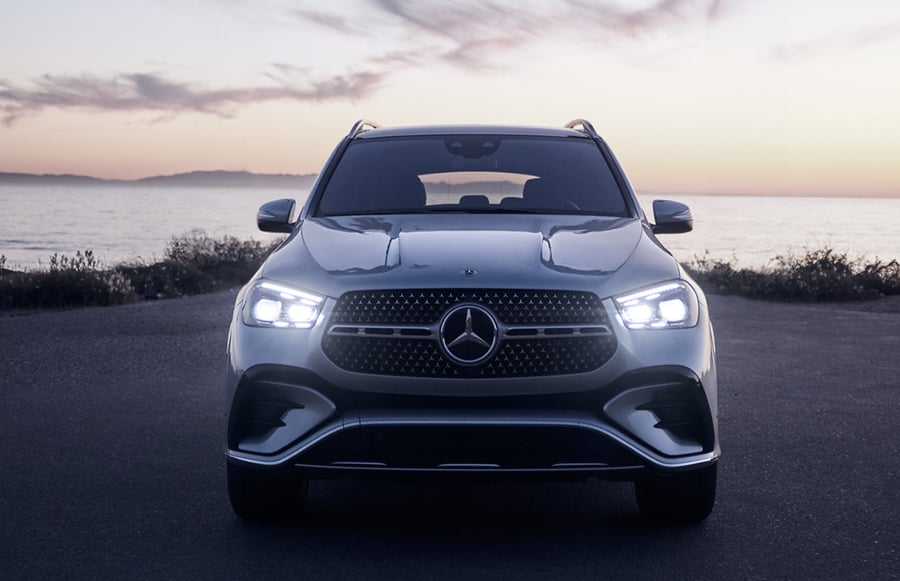
The 2025 Mercedes-Benz GLE Plug-In Hybrid delivers 50 miles of all-electric range with a combined MPGe of 60 and a U.S. News rating of 8.7 out of 10. U.S. News identifies the GLE as one of the best luxury SUVs on the market, and the plug-in hybrid variant extends that platform without meaningfully compromising it: the suspension absorbs road imperfections effectively, the vehicle is quick, and it remains reasonably easy to maneuver despite its size.
The five-seat interior features supportive seats with ample head and legroom in both rows, and cargo capacity reaches just under 75 cubic feet, which is competitive for the luxury midsize SUV class. The 12.3-inch touchscreen and standard wireless Apple $AAPL CarPlay and Android Auto cover the infotainment expectations of the class without requiring a trim upgrade.
The 50-mile electric range places the GLE within two charging miles of the GLC’s segment-leading figure, and the 8.7 out of 10 overall rating is the second-highest on this list. For buyers who want the GLE’s larger interior and greater cargo volume alongside near-equivalent electric range, the trade-off versus the GLC is purely one of size and price, not PHEV performance. The GLE’s standard feature set is also notably extensive for the segment, meaning the base model delivers a significant portion of the technology and comfort that buyers typically seek in a luxury SUV. The 8.7 out of 10 U.S. News overall rating also makes the GLE Plug-In Hybrid the highest-rated vehicle in the luxury midsize SUV PHEV class, a credential that reflects consistent performance across the evaluation criteria beyond just electric range. Buyers who want the GLE’s interior volume and cargo flexibility can do so without sacrificing meaningful PHEV capability compared to the smaller GLC. The two-mile gap in electric range between the GLE and GLC is also small enough that most drivers will not encounter it in practice during a typical week of driving.
Credit: Toyota
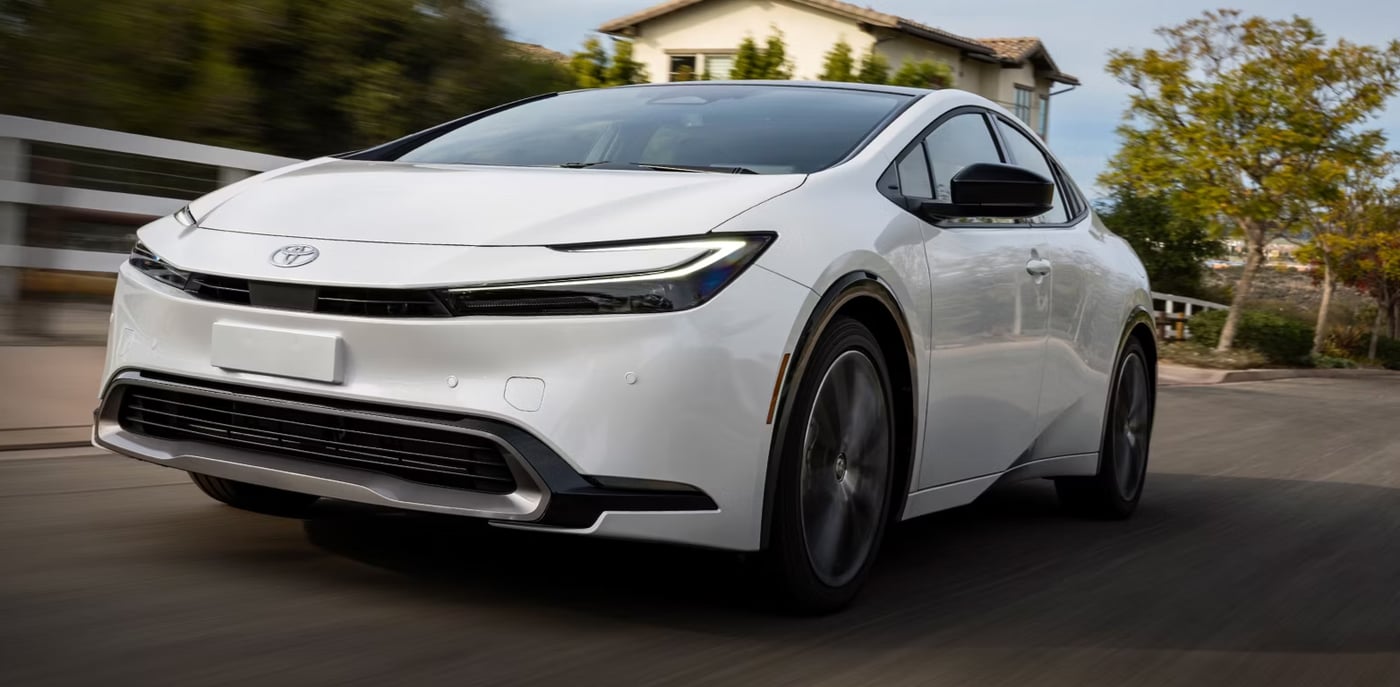
The 2026 Toyota $TM Prius Plug-In Hybrid achieves 44 miles of all-electric range and a combined 127 MPGe, the highest efficiency figure on this entire list by a substantial margin. The U.S. News rating of 9.5 out of 10 is also among the two highest on the list. Vehicle Testing Editor Zach Doell describes the Prius Plug-In Hybrid as surprisingly agile and comfortable to drive, with enough performance to leave most economy cars in the dust.
The interior is well-built and roomy with comfortable seats and an intuitive infotainment system that includes an 8-inch touchscreen, wireless Apple $AAPL CarPlay and Android Auto, six USB-C ports, and a six-speaker stereo. The 127 MPGe figure reflects how efficiently the Prius PHEV uses its electric charge relative to equivalent gasoline energy, and that efficiency advantage persists across the full ownership period in the form of lower per-mile running costs.
The Prius PHEV is also the most accessible vehicle on this list. The 127 MPGe figure, the 9.5 out of 10 rating, and the 44-mile electric range arrive in a package that costs considerably less than the luxury PHEVs above it on this list. For buyers who can accept a more modest interior and a smaller vehicle footprint, the Prius Plug-In Hybrid delivers the core PHEV proposition — meaningful all-electric daily range and outstanding overall efficiency — with better numbers in both categories than most competitors at any price. The six USB-C ports are also worth highlighting as a practical road-trip feature: with one port per potential passenger seat, the Prius PHEV eliminates the device-rotation argument before it starts. The 9.5 rating, 127 MPGe, and the accessible entry price make the Prius PHEV the most well-decorated budget PHEV option in terms of objective quality metrics. Buyers who approach PHEV shopping with a strict budget ceiling will find no other vehicle on this list delivers comparable ratings, efficiency, and electric range at a lower price.
Credit: Mercedes-Benz
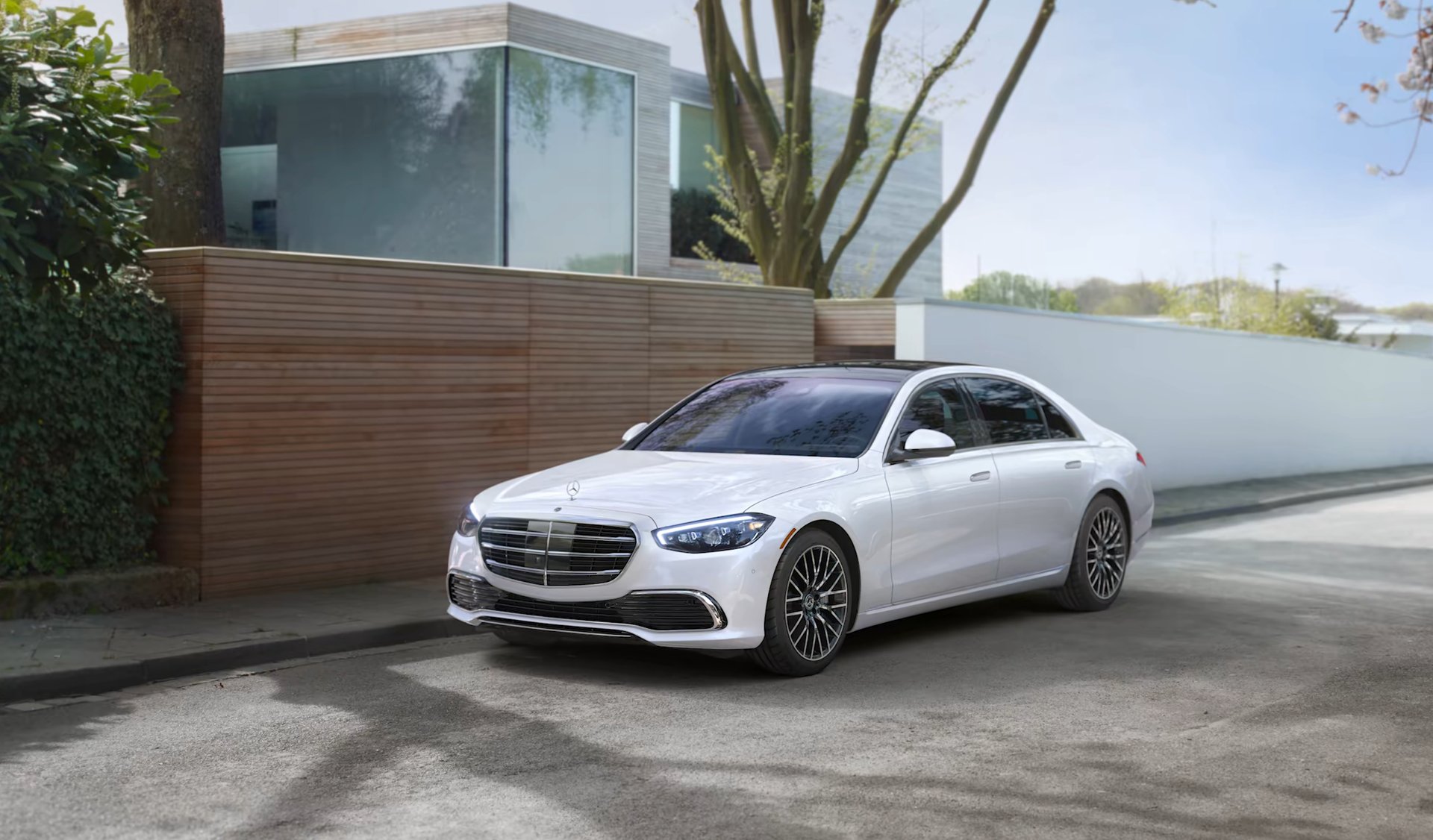
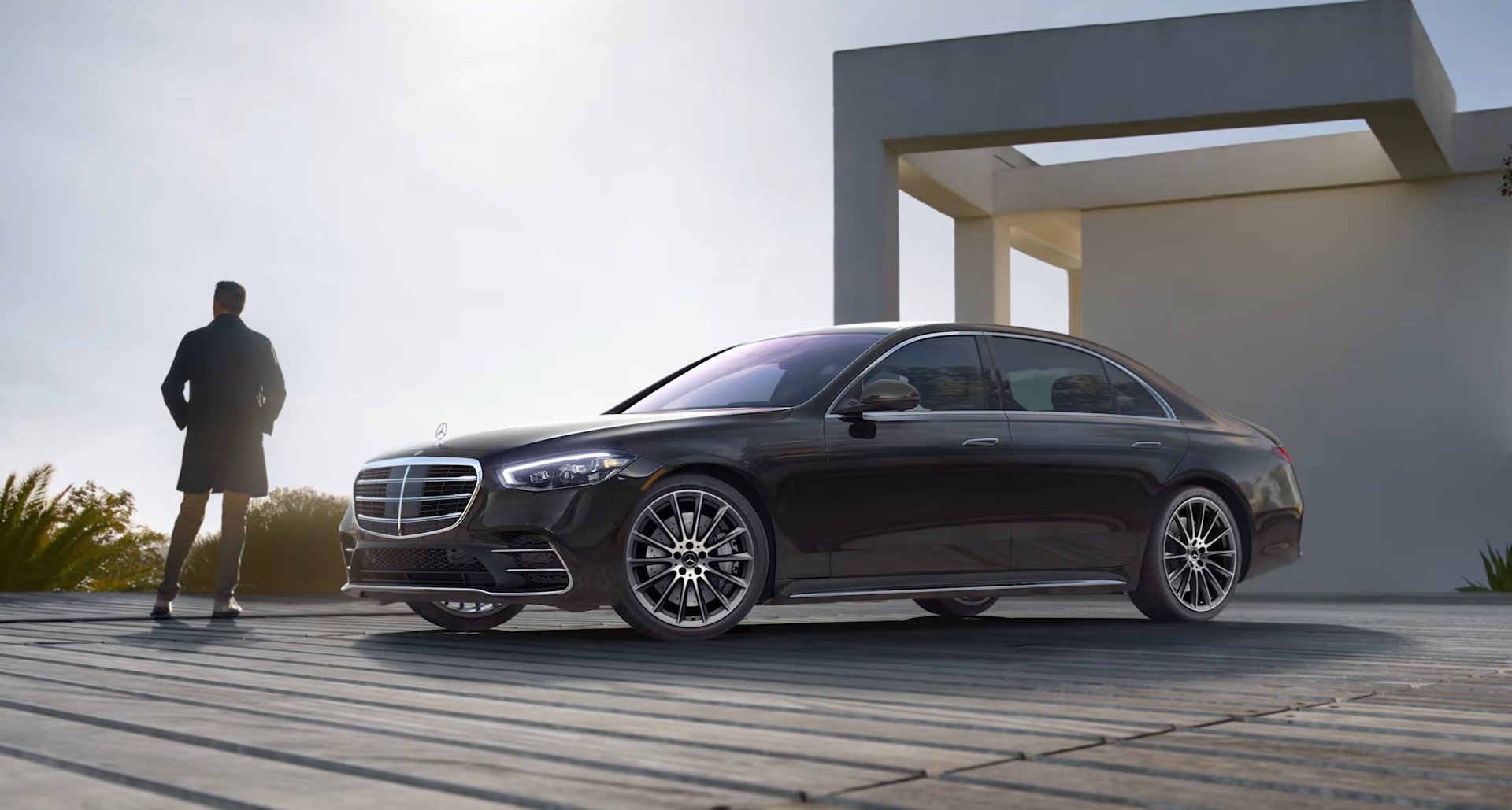
The 2025 Mercedes-Benz S-Class Plug-In Hybrid achieves 47 miles of all-electric range, a combined 63 MPGe, and the highest U.S. News rating on this list at 9.6 out of 10. The plug-in hybrid powertrain is optional on the S-Class, not the base configuration, but with it equipped, the vehicle delivers quick acceleration alongside the ride quality that U.S. News describes as buttery smooth. Standard heated, ventilated, and massaging rear seats are the cabin detail most associated with the S-Class’s reputation as the most comfortable car available.
The cabin is extensively equipped with top-tier materials and, optionally, a rear-seat entertainment system with two 11.6-inch touchscreens, wireless headsets, a removable rear-seat infotainment tablet, a rear refrigerator, and heated and cooled rear cup holders. The standard 12.8-inch touchscreen, wireless Apple $AAPL CarPlay and Android Auto, and wireless device charging cover the core technology features without the optional additions.
The S-Class Plug-In Hybrid occupies a specific position: it is the most comfortable vehicle on this list and the highest-rated by U.S. News, but it is also the most expensive. For buyers for whom price is not the primary consideration and maximum refinement is the objective, no other vehicle on this list rivals the S-Class for interior or ride quality. The 47-mile electric range, while not the segment leader, still covers most urban daily driving without touching the gasoline powertrain. The optional rear-seat refrigerator and removable infotainment tablet reflect the S-Class’s position as a chauffeur-driven vehicle as much as a driver’s car, and those specific additions make the PHEV variant just as relevant for rear passengers as for the driver. The heated, ventilated, and massaging seats standard in the S-Class are a feature most luxury vehicles reserve for top-trim upgrades. The S-Class also received the highest U.S. News rating on the entire list at 9.6 out of 10, confirming its quality across all evaluation dimensions.
Credit: Toyota
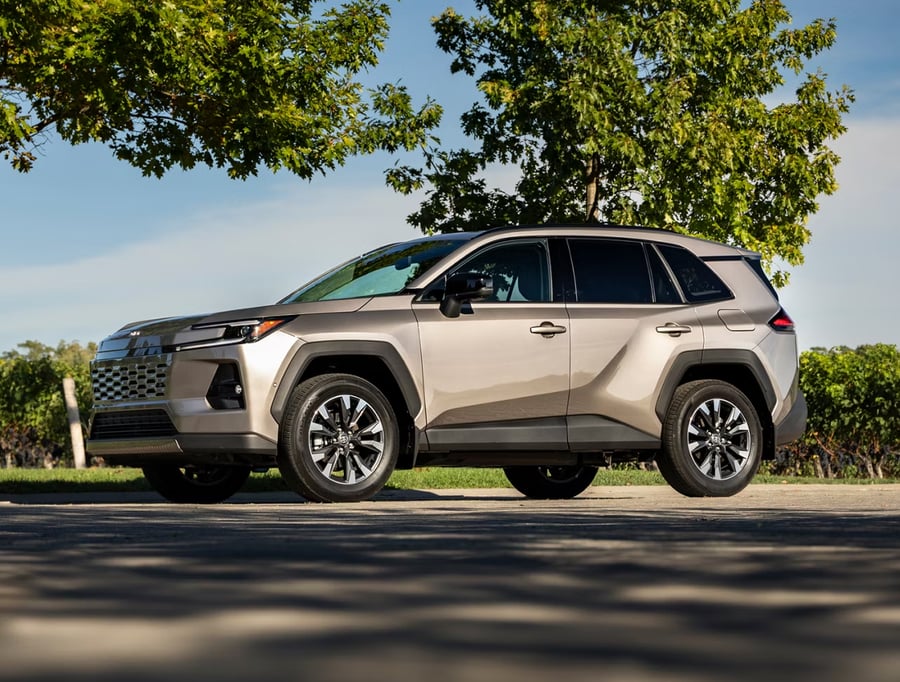
The 2026 Toyota $TM RAV4 Plug-In Hybrid reaches 52 miles of all-electric range with a combined 107 MPGe and a U.S. News rating of 8.9 out of 10. A 2026 redesign refreshed both the exterior and the interior technology while preserving the core RAV4 PHEV formula. Senior Vehicle Testing Editor John Vincent describes the instant torque from the electric motors as providing not just quick acceleration off the line but enough power to pass confidently at highway speeds — a significant performance note for a vehicle in this segment — and puts the zero-to-60 time at well under six seconds in informal testing.
The redesign adds a 10.5-inch infotainment touchscreen with wireless Android Auto and Apple $AAPL CarPlay, along with a 12.3-inch customizable digital instrument cluster, to the standard features list. The interior uses practical materials rather than luxury trim, and the seats are roomy and supportive. Cargo capacity tops out at just over 63 cubic feet, competitive for the compact SUV class.
The RAV4 PHEV’s 52 miles of electric range, 107 MPGe, and practical everyday SUV utility place it among the strongest all-around options on this list. The 52-mile electric range ranks second on the list, behind only the GLC PHEV, meaning most drivers will cover their daily commute entirely on electric power. The redesign’s technology additions also bring the interior tech package to a level previously available only on higher trims, giving base-model buyers access to a more complete feature set. The RAV4 PHEV’s practical SUV dimensions also make it one of the most versatile vehicles on this list for everyday use, covering everything from grocery runs to transporting camping gear without requiring a lifestyle compromise. The 52-mile electric range also places the RAV4 PHEV second on this list for all-electric capability, a position that reflects genuine engineering investment rather than a minimum qualifying threshold. Buyers who want a practical family SUV with genuine performance credentials alongside PHEV efficiency will find the RAV4 PHEV covers all three requirements.
Credit: Mercedes-Benz
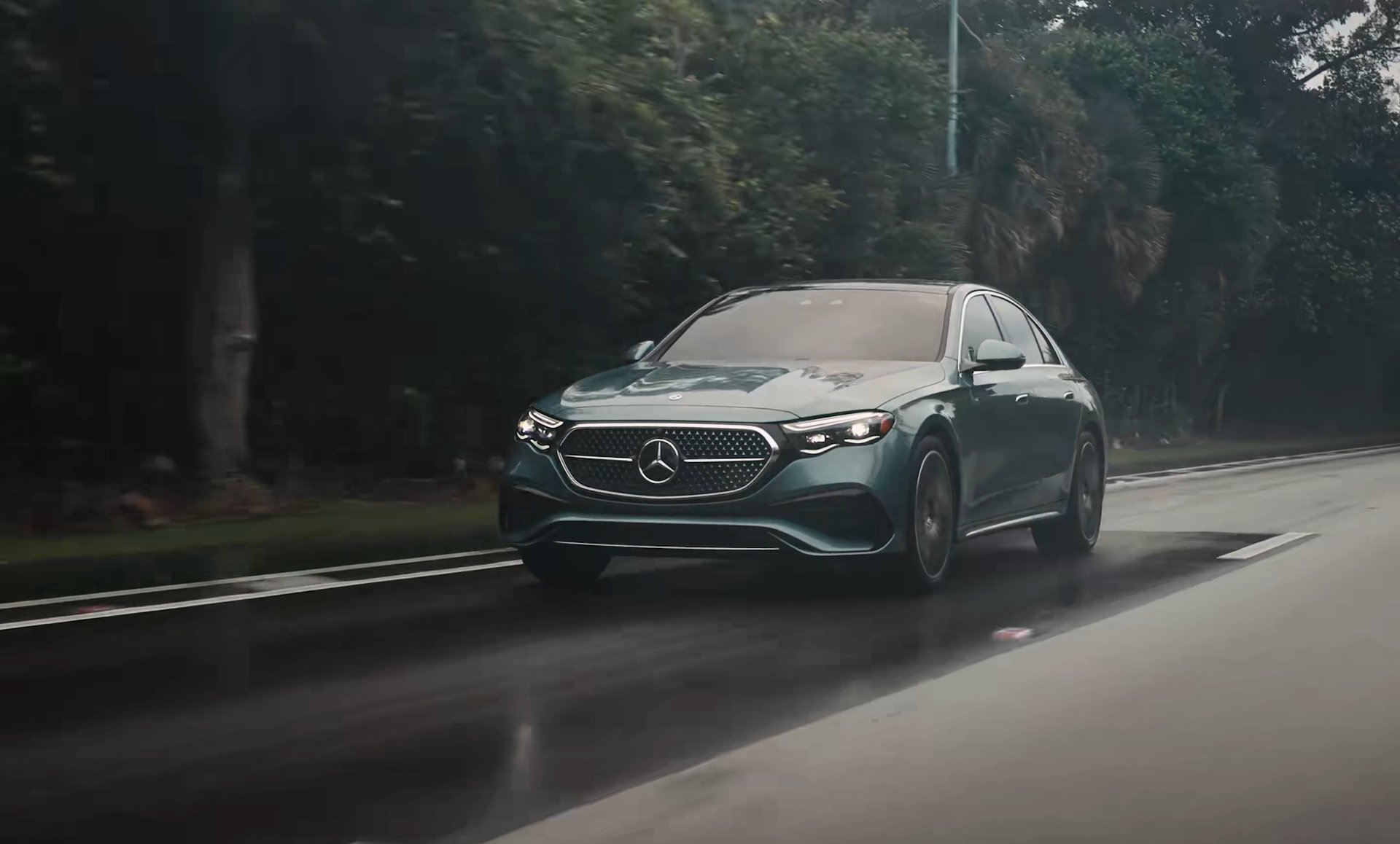
The 2025 Mercedes-Benz E-Class offers 42 miles of all-electric range exclusively in the AMG E 53 Hybrid trim, which pairs the plug-in hybrid powertrain with 577 horsepower and a zero-to-60 time under 4 seconds. The combined MPGe rating is 59, and the U.S. News overall rating is 9.1 out of 10. Editor Zach Doell describes the E-Class as sure-footed and poised on back roads, with well-restrained body motions and a buttoned-down character through turns. The adaptive air suspension reduces harshness on rough surfaces and makes the ride especially smooth at highway speeds.
The interior is meticulously crafted, and the seats provide strong support, though they may feel firm initially. Standard features include a 14.4-inch touchscreen, wireless Apple $AAPL CarPlay and Android Auto, wireless device charging, a Wi-Fi hotspot, a Burmester 13-speaker stereo, and a panoramic moonroof.
The AMG E 53 Hybrid’s position on this list reflects the vehicle's unusual nature: it is the only entry that requires buyers to select a performance trim to access the plug-in hybrid powertrain. The 577-horsepower figure is the highest on this list, and the four-second zero-to-60 time makes it the quickest. For buyers who want a plug-in hybrid luxury sedan with genuine performance credentials alongside the long-range efficiency of the PHEV format, the E-Class AMG variant is the only vehicle on this list that meets both requirements. The AMG E 53’s performance character also means it does not drive like a PHEV that happens to have a powerful engine: it drives like a performance sedan that also happens to cover 42 miles on electric power each day. The Burmester stereo standard on the AMG E 53 also elevates the acoustic environment to a level that matches the overall interior execution. The E-Class AMG’s zero-to-60 time under four seconds also means it out-accelerates the GLC PHEV’s high-performance variant, which reaches 3.5 seconds.
Credit: BMW
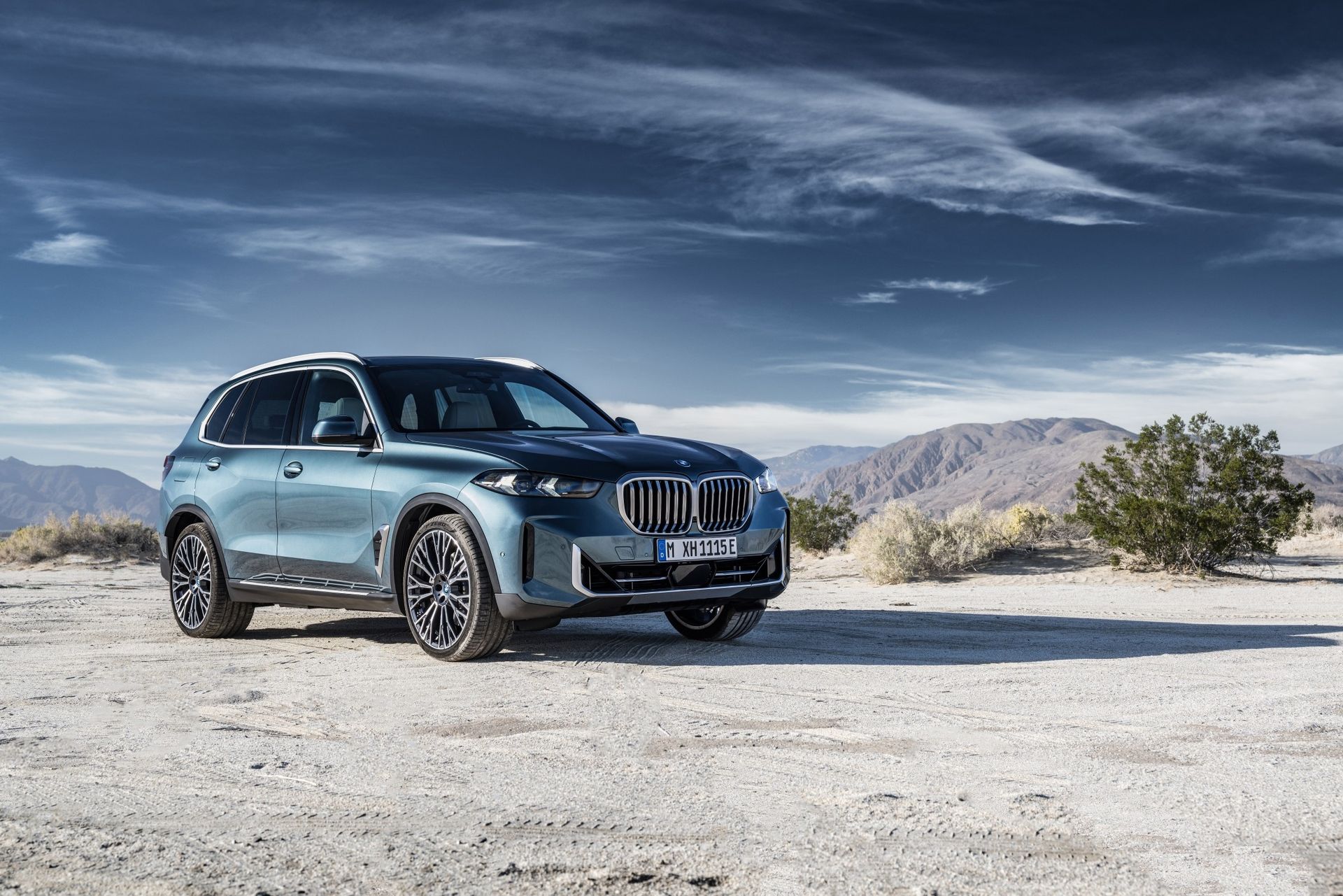
The 2025 BMW X5 in plug-in hybrid form delivers 38 miles of all-electric range, a combined 58 MPGe, and a U.S. News rating of 9.0 out of 10. Senior Editor John Vincent notes that the X5 doesn’t offer the same agility as a BMW sedan, but handles well enough to maintain the brand’s driving reputation. The ride is firm but stops short of uncomfortable, which is the expected characteristic for a BMW product calibrated toward driver engagement in a segment where most competitors optimize for ride comfort above all else.
The interior delivers an upscale experience consistent with the luxury billing, using high-quality materials throughout the cabin with generous room for both passengers and cargo. The seats are cushy and supportive. The 14.9-inch touchscreen features sharp graphics and responds to voice commands, and standard equipment includes wireless Apple $AAPL CarPlay and Android Auto, wireless device charging, a Wi-Fi hotspot, and a panoramic moonroof.
The X5 PHEV’s 38-mile electric range is at the lower end of this list, tied with three other vehicles, and the 58 MPGe is the lowest combined efficiency figure on the list. For buyers who prioritize the driving experience and the X5’s specific handling character over maximum electric range, those trade-offs are reasonable. The X5 in any powertrain configuration delivers on the BMW brand’s core promise, and the plug-in hybrid variant adds daily electric driving capability to a vehicle that already competes strongly in the luxury midsize SUV segment on non-PHEV criteria. The 14.9-inch touchscreen’s voice command capability also makes it more useful during actual driving than smaller touchscreen competitors, since voice activation reduces the need to reach for the screen while moving. The X5 PHEV’s panoramic moonroof is also worth noting as a standard feature at this price point: it extends the cabin’s visual openness, compensating for the firm ride on longer journeys.
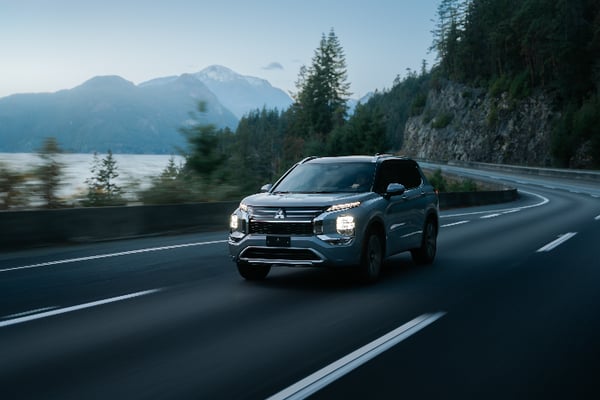
Credit: Mitsubishi
The 2025 Mitsubishi Outlander Plug-In Hybrid reaches 38 miles of all-electric range with a combined 64 MPGe and a U.S. News rating of 7.9 out of 10. U.S. News Autos Managing Editor Alex Kwanten identifies the Outlander Plug-In Hybrid as the best product in Mitsubishi’s current lineup and notes that standard all-wheel drive combined with instant torque in EV mode makes the vehicle surprisingly capable off-road for a family crossover. The comfortable ride and well-built interior with easy-to-use features are consistent strengths.
The first two rows of seats offer ample space for most adults, while the third row qualifies as cramped, a limitation worth noting: that the Outlander PHEV is one of the smallest SUVs available with three rows at all, and most similarly sized competitors seat only five.
The 7.9 out of 10 rating reflects specific limitations, but the standard AWD and off-road EV torque give the Outlander Plug-In Hybrid a practical capability that most of the other vehicles on this list, all of which are larger and more expensive, do not offer in the same configuration. For buyers who need three rows, all-wheel drive, and a plug-in hybrid range in a vehicle smaller and less expensive than the midsize SUVs on this list, the Outlander PHEV offers that combination without a comparable direct alternative at this price. Alex Kwanten’s designation of the Outlander PHEV as the best product in Mitsubishi’s current lineup is also notable given the brand’s broader range: it reflects a specific strength in the PHEV format that gives buyers a credible option at a lower price point than the luxury PHEVs on this list. The three-row format, standard AWD, and off-road EV capability together cover a specific buyer profile that neither two-row PHEV SUVs nor larger three-row luxury options address as directly. The instant EV torque available in off-road mode is also a practical feature that gives the Outlander PHEV a genuine capability advantage over equivalent gas-powered crossovers on unpaved surfaces.
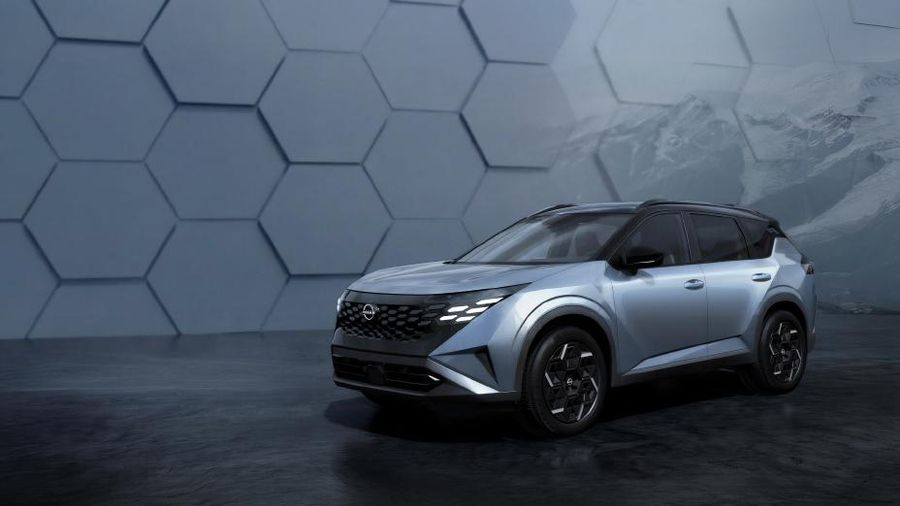
Credit: Nissan
The 2026 Nissan Rogue Plug-In Hybrid is new to the Nissan lineup and offers 38 miles of all-electric range. It shares its platform and powertrain architecture with the Mitsubishi Outlander Plug-In Hybrid through a partnership between the two automakers, which means the Rogue PHEV is essentially a restyled version of the Mitsubishi. The U.S. News rating of 6.9 out of 10 is the lowest on this list and reflects specific weaknesses that editor Zach Doell identifies directly.
Doell’s primary criticisms are that the Rogue PHEV is not fuel-efficient for a compact plug-in hybrid SUV in hybrid mode, the battery takes a long time to recharge, and the infotainment system feels dated despite being easy to use. The starting price and the cramped third row with minimal legroom are the concerns he weighs most heavily. The vehicle drives quickly off the line and rides comfortably, which are genuine strengths, but the efficiency and technology weaknesses limit the overall case.
The Rogue PHEV’s presence on this list reflects that its 38-mile electric range meets the threshold, even if the rest of the package does not compare favorably to most competitors. New entrants in any segment often carry early-generation limitations that improve in subsequent model years, and the Rogue PHEV’s first year establishes a baseline. Buyers who prefer the Rogue’s styling over the Outlander’s and who primarily use the vehicle on electric power for daily driving may find the specific weaknesses less relevant to their use case than the overall rating suggests. The Rogue PHEV’s future model-year updates will likely address the efficiency and technology concerns that hold the 2026 version to its current rating, as both areas reflect early-generation limitations rather than fundamental design problems. The shared Mitsubishi platform gives the Rogue PHEV a tested mechanical foundation that buyers can trust from the first model year, reducing the reliability uncertainty that sometimes accompanies new powertrain introductions.
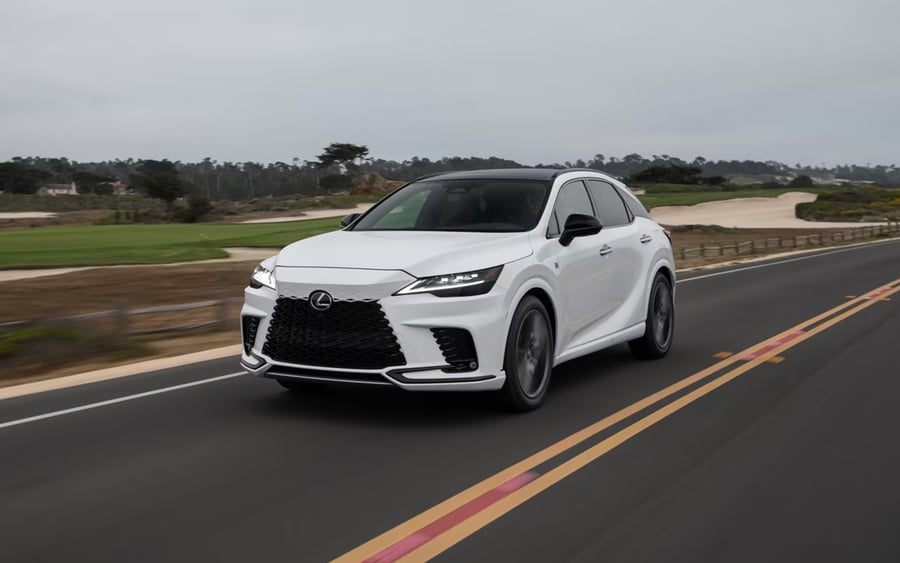
Credit: Lexus
The 2026 Lexus RX Plug-In Hybrid achieves 38 miles of all-electric range with a combined 85 MPGe — the second-highest efficiency figure on this list — and a U.S. News rating of 8.9 out of 10. Reviewer Perry Stern describes the RX PHEV as a great option for a dinner date, a drive in the country, or a grocery run, which captures its well-rounded everyday character. The elegant and roomy interior, strong safety feature package, and better fuel economy than most other luxury PHEVs define the vehicle’s strengths.
The acknowledged weaknesses are specific: the steering wheel controls are confusing, and the cargo hold is relatively small. Both are worth noting, but neither undermines the core appeal. The RX PHEV’s well-rounded nature and 85 MPGe combine to offset those specific limitations for most buyers.
The 85 MPGe figure is particularly worth noting for buyers comparing luxury PHEV SUV options on this list. The GLC PHEV leads in all-electric range at 54 miles, but the RX PHEV nearly triples the BMW X5’s 58 MPGe rating while matching the X5’s 38-mile electric range, which means the Lexus delivers its range much more efficiently in MPGe terms. For luxury SUV buyers who plan to use the PHEV primarily for electric daily driving but who also care about efficiency on gasoline when the battery depletes, the RX Plug-In Hybrid’s 85 MPGe is a meaningful differentiator. The safety feature package is also notably strong, addressing one of the core criteria for luxury SUV buyers who evaluate vehicles based on independent safety assessments alongside fuel economy and range performance. The Lexus RX PHEV’s overall balance of efficiency, safety, and refinement also gives it the strongest all-around case among the 38-mile vehicles on this list, where four separate models share the same electric range figure and need to differentiate on other criteria, which the RX PHEV accomplishes through both its efficiency lead and its strong safety portfolio.