Rewarding off-the-grid coastal destinations, including a hidden gem near Tulum and a beach filled with flamingos
Virginie Fialon / Unsplash
Mexico has 5,800 miles of coastline, so finding a beach is never a problem. The problem is finding one that hasn’t already been found by everyone else. The most famous beaches on the Yucatan Peninsula, in Los Cabos, and along the Riviera Nayarit have crowd levels and infrastructure that can make them feel more like outdoor hotels than wild coastlines. The beaches on this list are different: no all-inclusives, no packed resort developments, no souvenir vendors working the shoreline.
What they do have varies considerably. Some require serious logistical effort to reach, involving unpaved roads, water taxis through mangroves, and the kind of determination that filters out casual visitors. Others sit within striking distance of major tourist hubs but remain overlooked because they lack the marketing or development of their neighbors. What all ten share is a quality that’s increasingly difficult to find on Mexico’s most celebrated coastlines: genuine solitude alongside beautiful water.
The 10 beaches below appear in Lonely Planet, covering Mexico’s most rewarding off-the-grid coastal destinations. The beaches are organized roughly by region, not by difficulty of access, though most require at least some commitment beyond driving to the nearest resort parking lot. All ten remain genuinely accessible to independent travelers, and none requires a guide or organized tour, though several are significantly easier to reach with a rental car than without one. Mexico’s Pacific coast, Sea of Cortez shore, and Caribbean side each have their own distinct marine character, and the ten beaches here reflect all three, giving travelers a representative sense of the country’s full coastal range. The beaches are generally accessible year-round, but the best timing varies by location: the Pacific and the Sea of Cortez are driest from October to April, while the Caribbean side is most pleasant from November through June, before the hurricane season brings rain and swell.
Credit: Turismo en Jalisco, Mexico
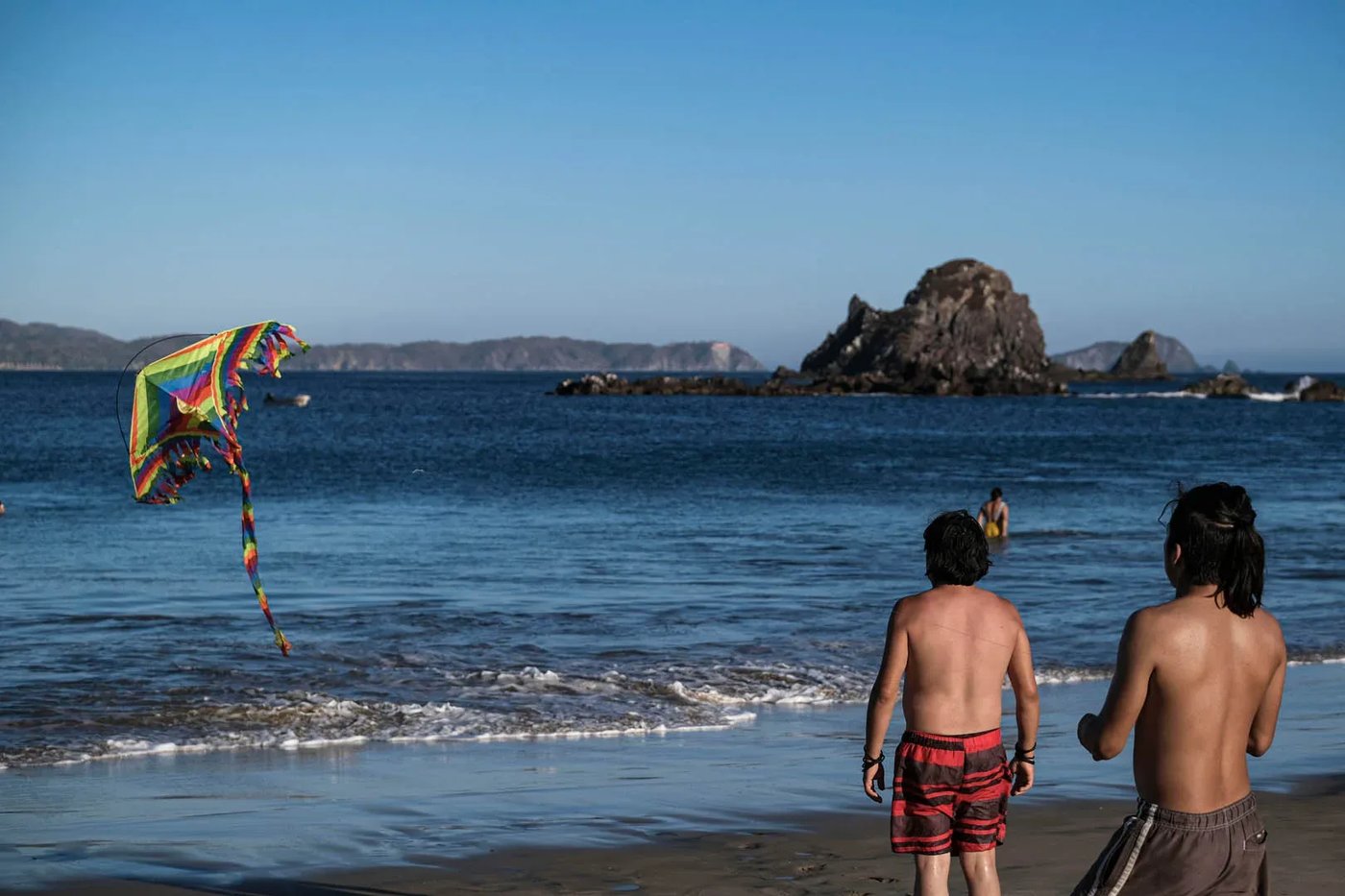
Playa Tenacatita sits on Jalisco’s Costalegre, a stretch of coast between Manzanillo and Puerto Vallarta that most visitors skip entirely. The beach itself is a crescent of golden sand with water calm enough to function as an oversized saltwater pool, backed by palapa-style seafood shacks serving fresh ceviche and cold beer. There are no massive resort developments here, and the visitor mix is primarily locals and a small number of travelers who deliberately sought out the place.
The drive to the beach is worth describing on its own. Dirt roads wind through towering groves of sun-dappled palm trees, with jungle-covered peaks in the distance, and the approach evokes a remoteness that some travelers compare to that of the more isolated islands of Southeast Asia. The snorkeling is among the best on this side of the Pacific, with calm, clear water and healthy reef life that the absence of heavy tourist traffic has helped preserve.
The nearby village of La Manzanilla, at the other end of Tenacatita Bay, makes a natural complement to the beach. The small artsy village has beachfront bars and restaurants, guesthouses, and a crocodile sanctuary that sits at the local river mouth, where American crocodiles bask within easy viewing distance of the village streets. Beach time at Tenacatita combined with an afternoon in La Manzanilla covers the best of this corner of Jalisco without requiring an overnight. The Costalegre coast is sparsely developed by design: a privately managed conservation initiative has kept much of the shoreline between Puerto Vallarta and Manzanillo relatively undeveloped, which is why Tenacatita and its neighbors feel so different from the northern Nayarit or Los Cabos beach scenes. The October-to-April dry season is the most reliable time to visit this part of Jalisco’s coast, with calmer water and more consistent weather than the summer rainy season, which can bring brief but intense storms. The Costalegre area is underserved by direct international flights, with Puerto Vallarta or Manzanillo as the most practical arrival airports, followed by a two-to-three-hour drive south or north, respectively, to reach the Tenacatita area.
WendyAvilesR / Wikimedia Commons (CC BY 4.0)
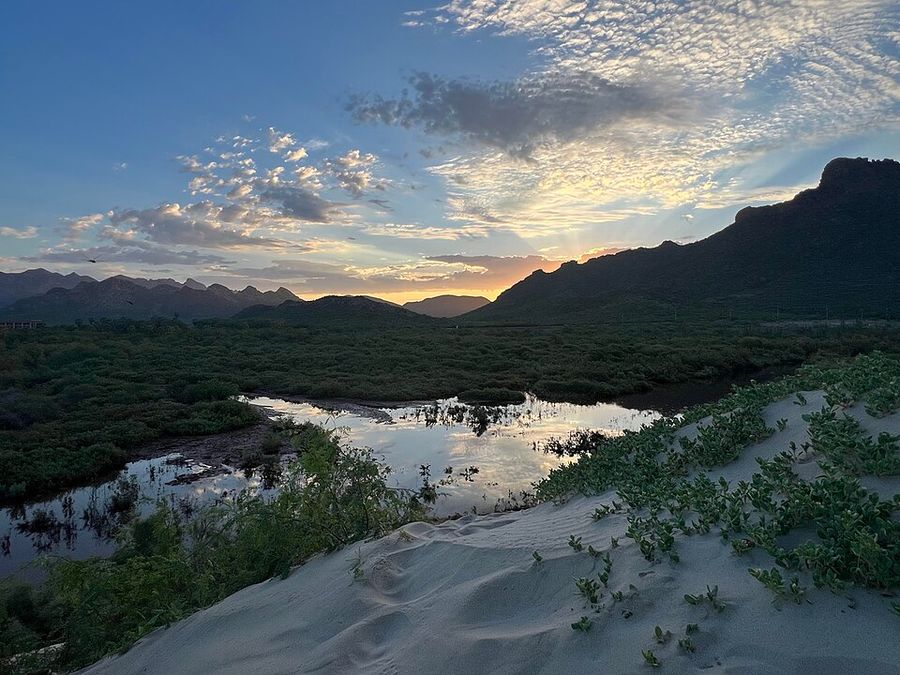
Sonora’s coastline is the overlooked section of Mexico’s Pacific side, and Los Algodones, just outside San Carlos, makes the case for reconsidering it. The beach has the white sand and deep blue water of a classic Mexican postcard, but the framing is entirely different: rolling desert dunes instead of jungle, and the specific beauty of the Sea of Cortez rather than the Pacific. The surrounding landscape feels more like the American Southwest than the tropics, which makes it genuinely distinctive among Mexico’s beach destinations.
The infrastructure here is calibrated for comfort without being overwhelming. Beachfront restaurants, kayak rentals, and boutique hotels offer practical options without turning the place into a resort town. Visiting midweek reduces the visitor count substantially, and on a quiet Wednesday, the beach can feel like a personal possession. The ospreys that hunt the bay year-round are a consistent wildlife presence, and the Sea of Cortez’s generally calm conditions make the water accessible for swimming and paddling.
Cerro Tetakawi, the double-peaked mountain that dominates the San Carlos skyline, offers two routes to its summit, both steep and demanding. The views from the top over San Carlos and the bay provide the geographic context for understanding why this particular bay attracted settlement in the first place, and the contrast between the desert mountains and the blue water below is one of the more visually striking sights in this part of Mexico. San Carlos has a modest expat and vacation-home community that supports a small infrastructure of shops and services without transforming the place into a resort town, and that calibration of development is precisely what makes Los Algodones work as a beach destination. The Sea of Cortez’s calm water and exceptional clarity, a result of the enclosed sea’s specific oceanographic conditions, make even casual snorkeling productive here, and the bay’s invertebrate diversity is particularly strong for an area without formal marine protection. The area’s small-scale fishing community uses the bay regularly, and the morning hours when local boats head out give the beach a working waterfront quality that contrasts with and complements the recreational atmosphere of the afternoon.
Fairness And Accuracy For All / Wikimedia Commons (CC BY-SA 3.0)
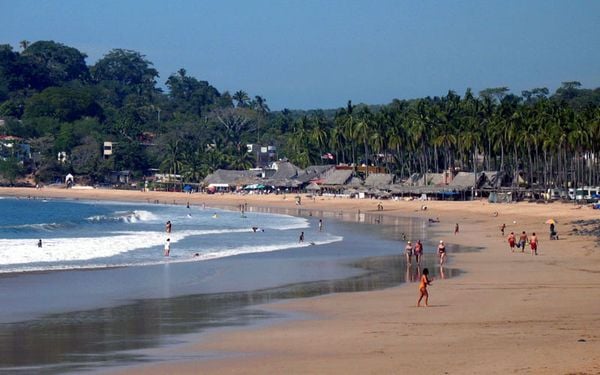
Nayarit’s most famous beaches, Sayulita and San Pancho, have been thoroughly discovered and developed in ways that have made them increasingly difficult to distinguish from upscale beach towns anywhere in the world. Chacala, a small Pacific fishing village just far enough off the tourist trail, maintains the authentic atmosphere those places once had before the boutique hotels and digital nomad cafés arrived. The town is sand and cobblestone, the beach is wide and golden, and the jungle framing the shoreline is intact.
The waves at Chacala are beginner-friendly, which makes it specifically useful for travelers who want to try surfing or boogie boarding without the intimidation of Nayarit’s more powerful breaks. The calm, warm water suits leisurely swimming equally well. A hammock under a palapa with a fresh coconut is the local prescription for an afternoon, and the sunset colors from this stretch of coast are reliably spectacular in the dry season.
Lalaxtil Bread and Restaurant, set in the jungle just back from the beach, is specifically worth seeking out for breakfast. The kitchen builds its menu around artisanal sourdough bread, and the Lonely Planet writer recommends ordering anything that features it. The quality of the bread is an unusual distinction for a small beach village, and the shaded jungle setting makes it a more pleasant morning stop than any of the beach-facing spots. The broader Nayarit coast between Chacala and San Blas has several other small fishing villages with similar characteristics, and travelers who respond well to Chacala’s specific character will find the whole region worth slow exploration by bus or rental car. The coastal road between Chacala and San Blas passes through the Marismas Nacionales, one of Mexico’s most significant wetland systems, with mangrove forests and coastal lagoons that support enormous migratory bird populations in the winter months. The San Blas area, the southern anchor of this coastal stretch, has developed a dedicated birding tourism infrastructure around the winter migration season, giving the Nayarit coast a draw entirely separate from its beach appeal.
Leo Escala / Unsplash
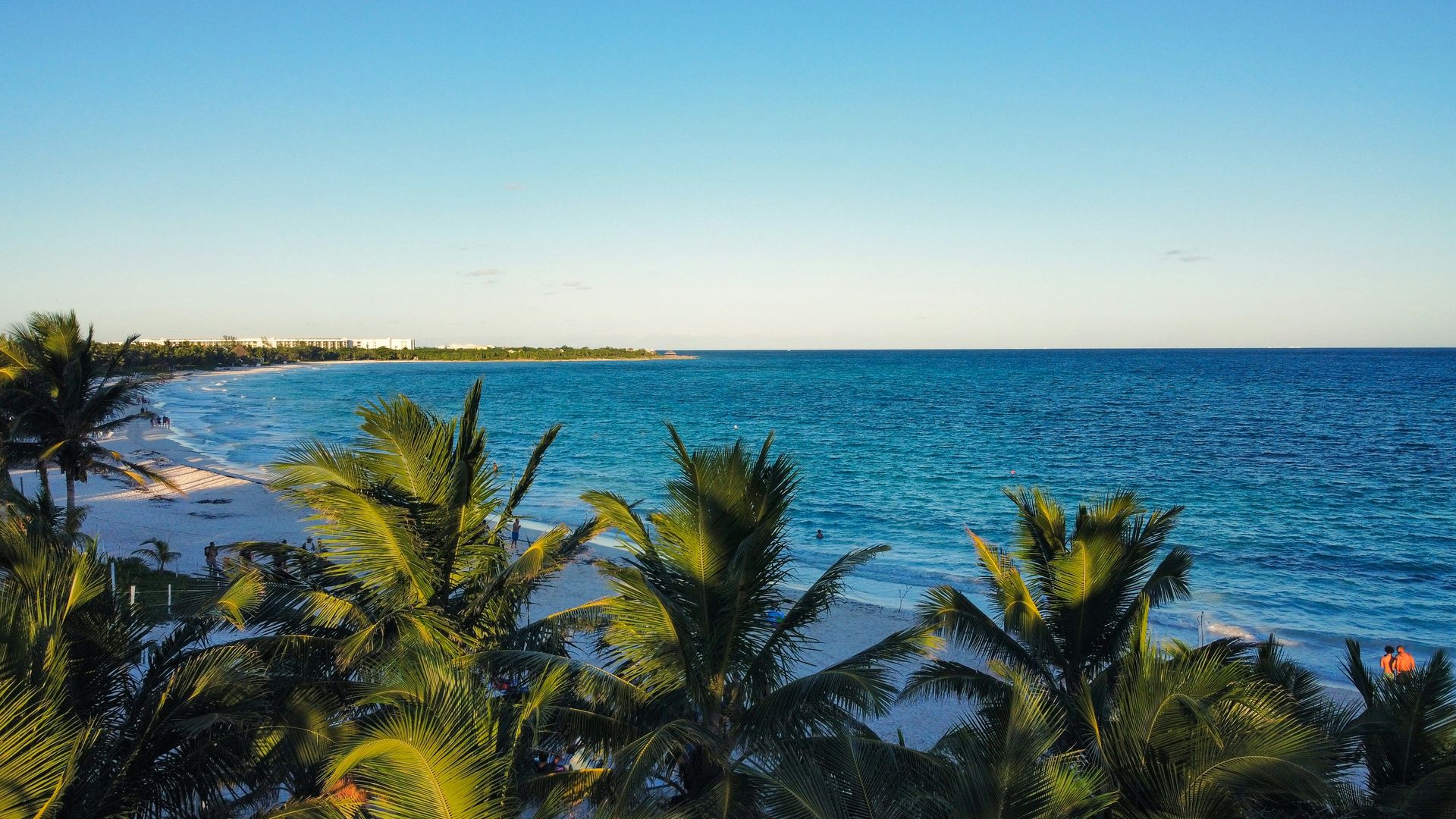
The stretch of Quintana Roo highway between Playa del Carmen and Tulum passes within meters of one of the Riviera Maya’s genuinely underdeveloped beaches, and most travelers driving it never stop. Xpu-Ha, at the end of a dirt road off Highway 307 between Puerto Aventuras and Tulum, rewards the turn with a sweeping bay of white sand and Caribbean water in its characteristic blue-green palette. The contrast with the developed beaches immediately north and south is sharp.
The beach has local restaurants, palm tree shade, and calm water suited to snorkeling, swimming, and paddleboarding, without the beach club infrastructure and entrance fees that have become standard at many Quintana Roo beaches. The water clarity is excellent, making snorkeling genuinely productive, not aspirational. Bringing a picnic is a practical option and takes full advantage of the beach's self-contained character.
The absence of resort development is partly circumstantial and partly a function of Xpu-Ha’s location: far enough from the main tourist centers to avoid casual walk-up traffic, close enough to be accessible without a full day of travel. For visitors staying in Playa del Carmen or Tulum who want a beach day without the crowd and cost overhead those towns bring, Xpu-Ha is the most practical nearby alternative. The dirt road off Highway 307 that leads to the beach is easily missed at speed, and the turn is worth actively seeking out, not hoping to spot it while driving. Once past the initial approach, the road to the beach is short, and the arrival at the bay is immediate. The cenotes at Aktun Chen, a short drive from Xpu-Ha, provide an additional activity option for visitors who want more than a beach day and are willing to add a short detour to their itinerary. The Yucatan peninsula’s cenote system extends throughout the area between Playa del Carmen and Tulum, and Xpu-Ha’s position on this stretch makes it a practical base for accessing several of the region’s best cenote swimming spots alongside the beach.
-900x600.jpg)
Comisión Mexicana de Filmaciones / Wikimedia Commons (CC BY-SA 2.0)
Bahia Concepcion, the bay where Playa Santispac sits, is consistently cited as one of the most beautiful bays in the Sea of Cortez, which is a high bar given the quality of coastline that the entire Sea of Cortez offers. The beach is simple: turquoise water, soft sand, a few beachfront palapas, and a pace of life calibrated entirely around what the sea provides. Kayaking the bay’s inlets, watching dolphins cruise past at sunrise, and falling asleep to waves are the primary activities, and none of them require anything beyond showing up.
Camping directly on the beach is available and popular among RV travelers who make Baja road trips a way of life. The self-contained nature of the beach suits this kind of visit well: there’s no resort infrastructure imposing a schedule or generating ambient noise. Ana’s, a tiny beachfront restaurant that has been operating for more than four decades, is the local institution worth tracking down. The seafood is fresh from the surrounding waters, and the cooking is simple and good, which is precisely what this kind of place needs to offer.
The Baja road-trip culture that converges on Santispac attracts a community of experienced slow travelers who treat the peninsula’s coastline as a long-term destination, not a quick stop. Their collective knowledge of the bay’s best anchorages, fishing spots, and tide conditions is freely shared, and the resulting social atmosphere is one of the more unusual aspects of a visit to what is technically a very remote beach. The Baja road trip route along Highway 1 passes through Bahia Concepcion on the way between La Paz and Loreto, making Santispac a natural overnight stop for travelers doing the full peninsula route, not flying into a specific destination. The October-to-April period is the driest and most pleasant time to visit Santispac, and the whale watching from the surrounding waters of the Sea of Cortez peaks between January and March when gray whales move through Baja’s Pacific side toward the lagoons further north.
Credit: Visit Puerto Vallarta
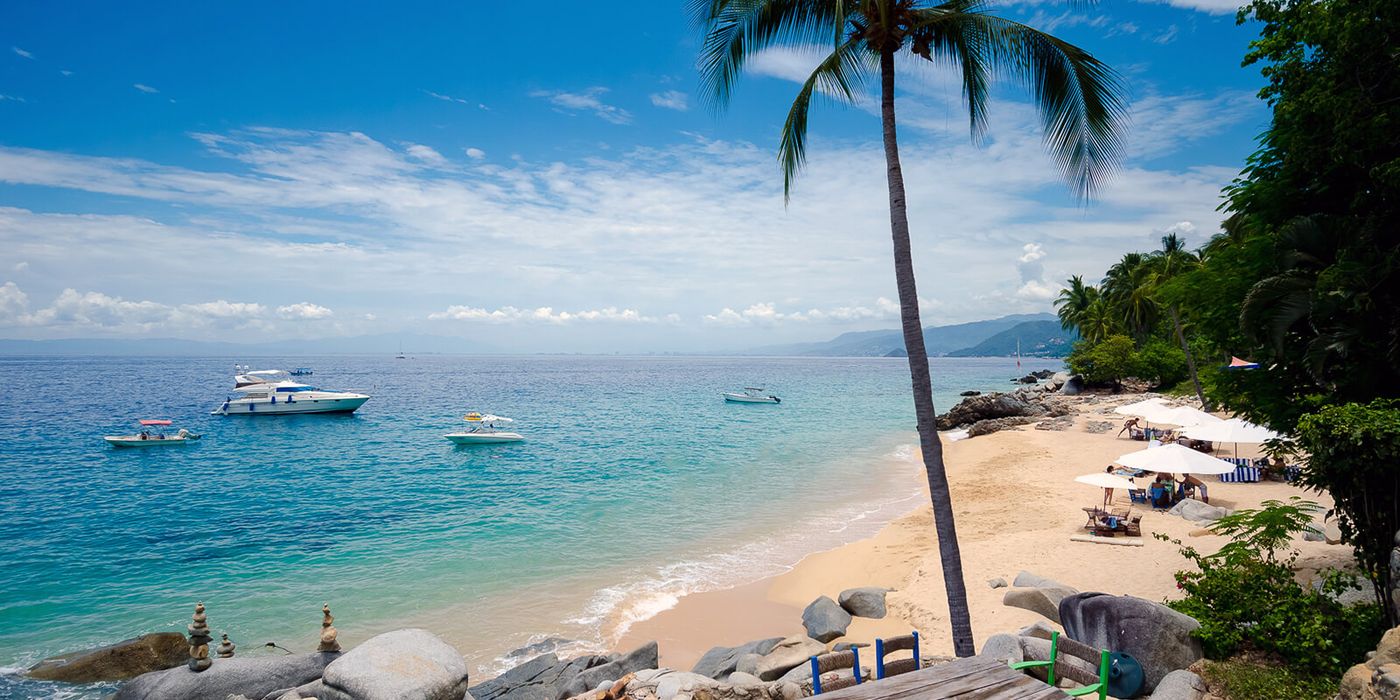
The water taxi from Boca de Tomatlan, south of Puerto Vallarta, drops passengers at Playa las Animas, a popular day beach with rows of beach chairs and crowded bars. A short walk north from Las Animas, on a path that winds behind a few small bungalows, opens onto Playa del Caballo. The contrast is immediate and startling: electric-blue water, towering palms around a small strand, and the absence of the commercial beach apparatus that makes Las Animas feel like an outdoor restaurant district.
The only company at Playa del Caballo is typically a few misdirected tourists and the crabs that work the shoreline at low tide. There are no vendors, no beach bars, and no rental chairs. Bringing everything needed for the day is the practical approach, and the beach’s proximity to Las Animas means that food and drinks are available a short walk away if supplies run low. The required self-sufficiency is minimal, making Playa del Caballo accessible to visitors who want solitude without the logistical challenges of genuine wilderness.
Water taxi access, the contrast with Las Animas, and the beach’s genuinely pristine quality together make this one of the easier entries on this list to visit as a day trip from Puerto Vallarta. The water taxi schedule from Boca de Tomatlan runs regularly enough that planning around it doesn’t require precision, and the return trip gives passengers time at Las Animas’s restaurants before heading back up the coast. The water taxi schedule from Boca de Tomatlan to the various southern beaches runs throughout the day, and the return trips are reliable enough that planning a full beach day without a fixed return time is comfortable, not anxious. The humpback whales that move through the waters south of Puerto Vallarta between December and March are occasionally visible from Playa del Caballo and the surrounding small beaches, which adds an unexpected wildlife dimension to what is otherwise primarily a beach and snorkeling destination.
Hector Baron / Unsplash
Sixty unpaved miles from Cabo San Lucas, Cabo Pulmo is both a beach and a national marine park, and the distance from Los Cabos’s resort infrastructure is exactly what has preserved it. The town has a population of around 100 people. The surrounding waters are a UNESCO-recognized marine protected area with coral reefs and fish biodiversity that has rebounded dramatically since fishing restrictions were implemented in 1995. Divers come from across the world specifically for the underwater marine life, which includes bull sharks during the winter months and massive schools of jacks year-round.
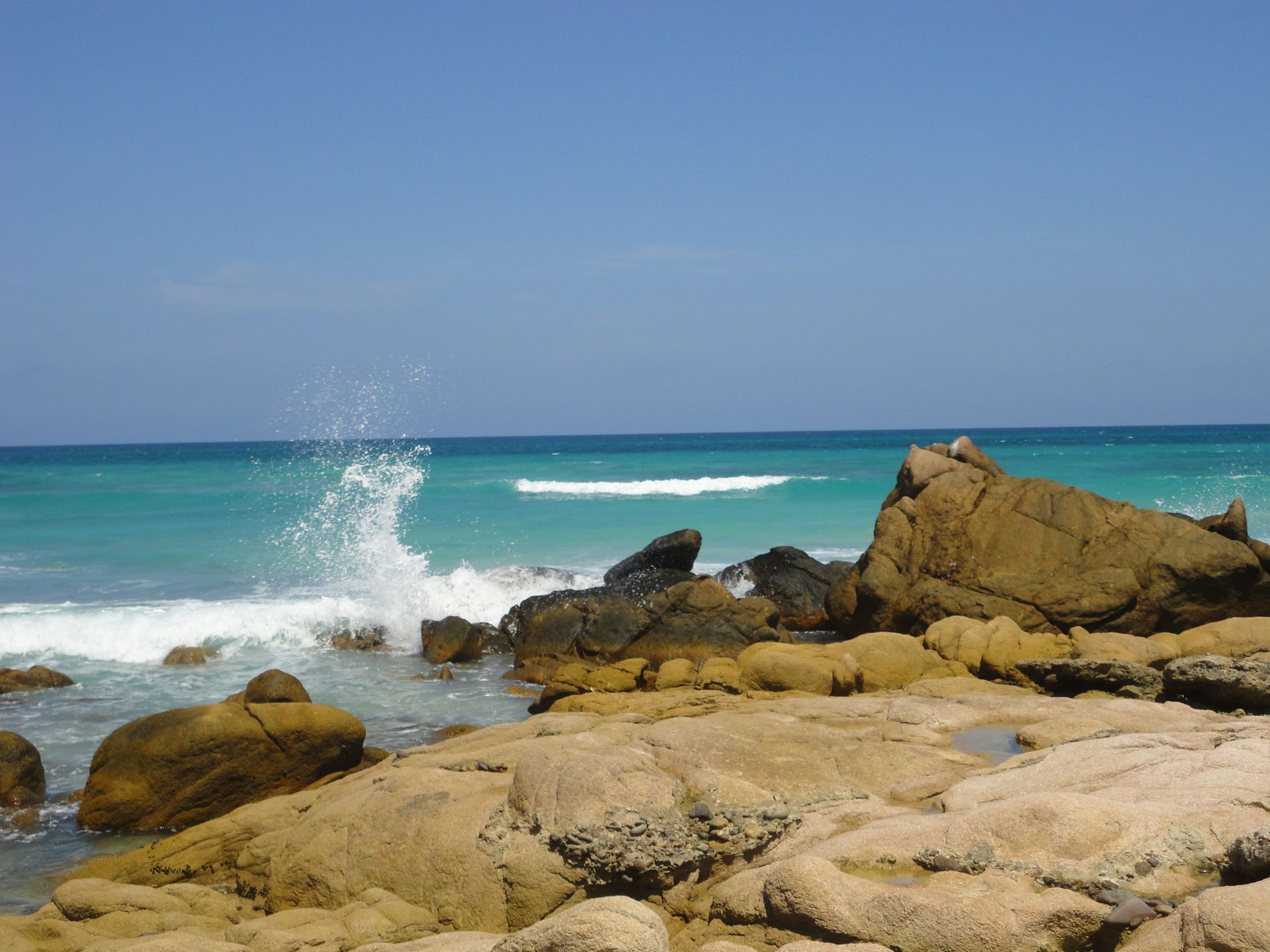
The beach itself, framed by brilliant red rocks and desert, not the jungle or palm-lined settings of Mexico’s Pacific and Caribbean coasts, has a distinct arid beauty that sets it apart from any other beach on this list. Surfing, snorkeling, and hiking through the surrounding national park are all available for visitors whose primary interest isn’t diving. The accommodation options range from small guesthouses to camping, consistent with a village of this size, and the absence of the restaurant and nightlife scene of Cabo San Lucas is the point, not a deficiency.
Getting here requires committed logistics: the road from Los Cabos is unpaved for a significant stretch and demands either a vehicle with appropriate clearance or acceptance that the drive will be slow. Most visitors who make the trip find world-class diving, remarkable desert scenery, and genuine seclusion fully worth the effort. The marine sanctuary surrounding Cabo Pulmo has been cited by scientists as one of the most successful marine conservation recoveries in the world: biomass in the protected area increased by more than 460 percent between 1999 and 2009, and the recovery has continued, which explains why the diving quality is so exceptionally high. The nearest substantial town to Cabo Pulmo is Los Barriles, about 30 minutes north, which offers restaurants, a gas station, and basic services, serving as the practical supply stop for visitors planning multi-day stays at the national park.
DorisMSc / Wikimedia Commons (CC BY 4.0)
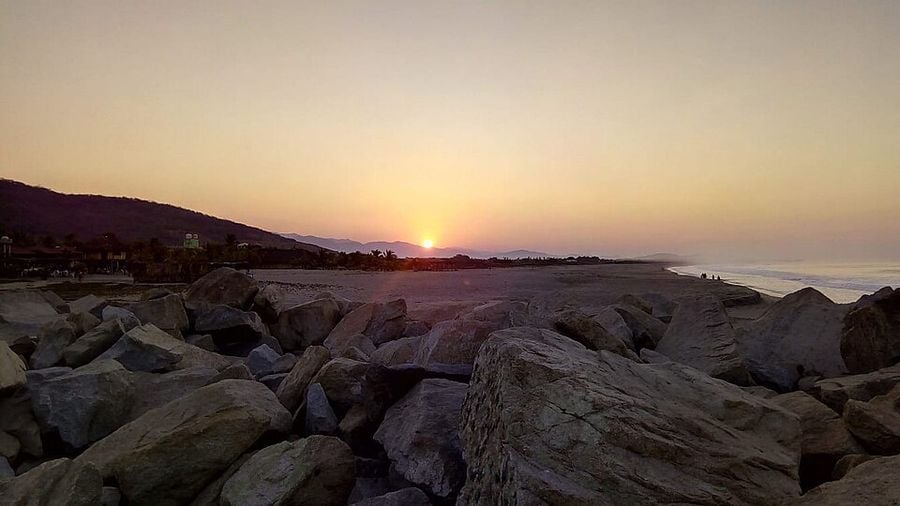
Getting to Lagunas de Chacahua requires a specific sequence of transit decisions. From Puerto Escondido, an hour-long taxi takes you to Zapotalito, a small lakeside village where water taxis can be negotiated to cross through Lagunas de Chacahua National Park. The route weaves through mangroves that open eventually onto a sandy point where the lagoon meets the Pacific, and the journey itself introduces the landscape that makes the destination feel earned.
Cell service at Chacahua is unreliable, and wi-fi doesn’t exist, which is either the primary appeal or the primary obstacle depending on the traveler. The community at the beach is small and genuinely self-selecting: adventurous travelers, surfers, and people who specifically sought an off-grid experience. The evening social life centers on a row of beach restaurants and shacks where locals and visitors eat together, sharing Oaxacan tlayudas, fish tacos, and locally produced mezcal in an atmosphere that stands as the opposite of everything the Mexican resort experience offers.
The national park surrounding the beach offers birdwatching opportunities along its mangrove waterways, worth exploring before or after the beach. The Oaxacan Pacific coast’s surf conditions attract experienced surfers who use Chacahua as a lower-profile alternative to Puerto Escondido’s famous breaks, and the surf quality here, while less consistent, is uncrowded by comparison. The mangrove ecosystem in Lagunas de Chacahua National Park is one of Oaxaca’s most significant coastal habitats, and the water taxi ride through it is as much a nature experience as a means of transportation, with egrets, herons, and crocodiles regularly visible from the boat. The Oaxacan mezcal available in Chacahua’s beach restaurants typically comes from small-batch village producers whose product doesn’t reach the export market or Mexico City’s mezcal bars, which gives the drinking here a specific provenance that makes it worth paying attention to. Chacahua’s surf community has developed a specific local knowledge of the break conditions, and the timing of swells from the southern hemisphere winter, which peaks from May through September, determines when the surf is at its most consistent and powerful.
Paolo Sala / Unsplash
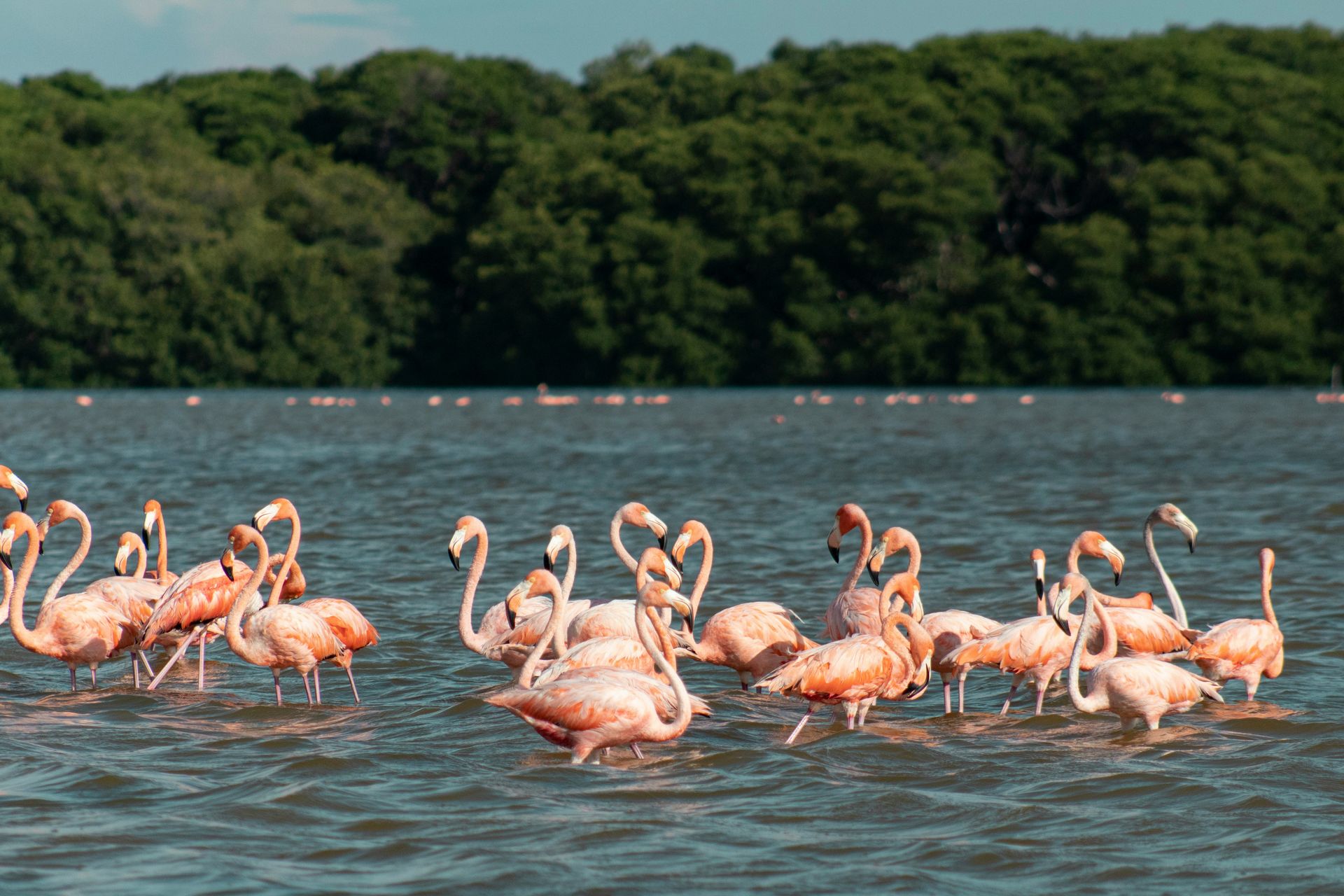
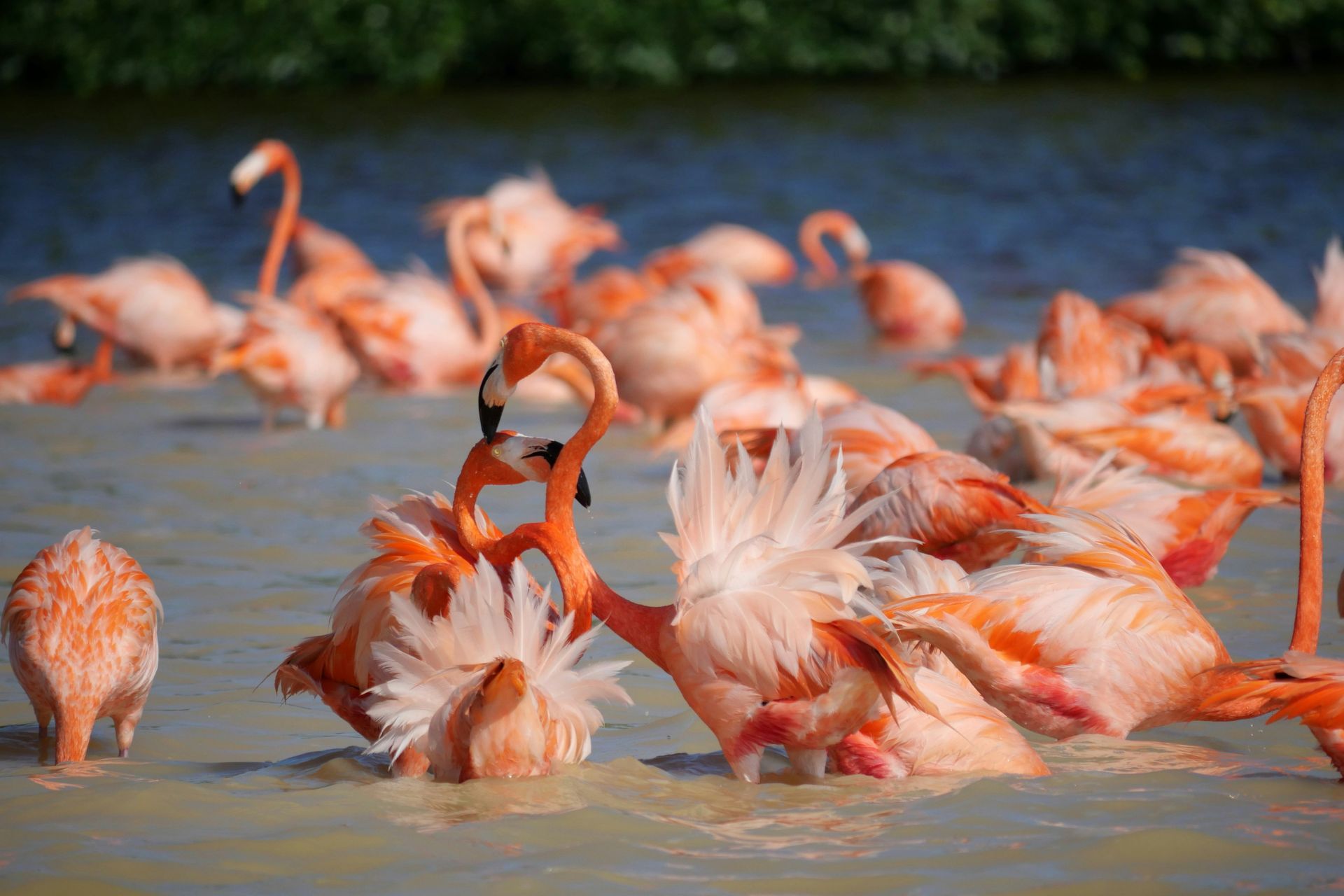
The Celestun Biosphere Reserve’s flamingo colonies are what most visitors come for, and they deliver. The Reserva de la Biosfera Ria’s shallow pink-tinted waters hold large resident flamingo populations visible from tour boats that depart from the village, and the spectacle of hundreds of flamingos wading in water that glows candy-colored in the morning light is one of Mexico’s more unexpected natural experiences.
But Celestun is also a beach and a fishing village, and both reward time beyond the flamingo tour. The main beach is uncrowded, the water calm, and the thatched beach shacks serve fresh seafood at prices that reflect the village’s distance from tourist infrastructure pricing. The resident community is primarily fishermen and local families from Merida who treat Celestun as their weekend escape, which produces an atmosphere that feels genuinely local without the self-consciousness that comes when fishing villages start marketing themselves as authentic.
An Uber $UBER from Merida covers the roughly 90-kilometer distance in about an hour, which makes Celestun viable as a day trip in a way it wasn’t before ride-sharing reached the Yucatan capital. Wildlife, the beach, and the village together make for a genuinely satisfying full day without requiring overnight planning. The return timing is worth managing, since the road back to Merida passes through an agricultural landscape that’s unremarkable in the dark but pleasant in the late-afternoon light. The flamingo population at Celestun is resident year-round but tends to be most concentrated during the winter dry season, when lower water levels concentrate the birds in the more accessible sections of the reserve. Arriving early in the morning, before tour boat traffic builds, provides the quietest viewing. Celestun’s beach itself runs for several kilometers along the Gulf of Mexico, and walking north from the main village access point quickly moves beyond the section where vendors and restaurants operate into genuinely empty shoreline. The drive between Merida and Celestun also passes through small Maya villages and henequen plantation country, which gives context for the Yucatan’s pre-tourism economy, and stopping briefly in Hunucma or Kinchil on the way adds a cultural dimension to what is otherwise a straightforward beach day trip.
1palm4420 / Wikimedia Commons (CC BY-SA 4.0)
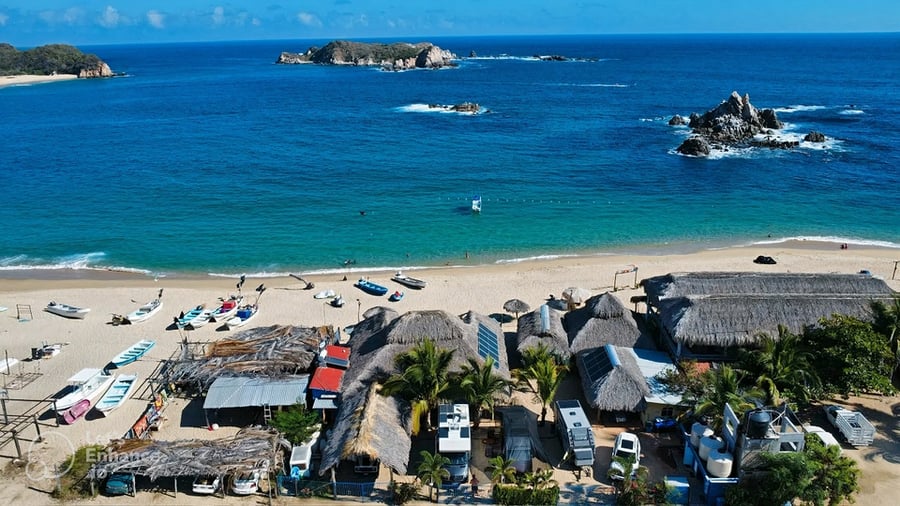
Huatulco is technically a series of nine bays, not a single beach destination, and most visitors see only the ones closest to the main resort infrastructure. Bahia San Agustín, about 9 miles from Santa Cruz Huatulco, is the bay that rewards the extra distance with what the writer describes as one of Huatulco’s most beautiful settings: a mile-long crescent of bronzed sand and cobalt water that is genuinely stunning and almost entirely free of resort development.
The beach trades the all-inclusive model for small, family-run beach shacks whose menus run to ceviche, fish tacos, and guacamole. The visitors are mostly locals who come to snorkel the calm water, and the occasional traveler who heard about the place through word of mouth. Both groups produce a beach atmosphere that feels specifically Mexican in a way that the resort bays don’t: unhurried, family-oriented, and entirely focused on the water and food, not on the beach-as-spectacle.
Getting there requires a taxi from Santa Cruz, or for travelers on the bus between Huatulco and Pochutla, flagging a taxi from the roadside. Neither option is difficult, but both require a degree of independence that the packaged resort experience eliminates. The snorkeling in the bay is excellent: the calm water and healthy reef close to shore make it accessible with just a mask and fins, which local vendors typically rent. The road connecting Bahia San Agustin to Santa Cruz Huatulco passes through secondary growth forest and small rural communities, and the drive itself is part of what makes arriving at this bay feel more like a discovery than a managed experience. The morning hours at Bahia San Agustin before the midday heat sets in are the most pleasant for snorkeling, when light penetration through the calm shallow water is at its best, and the fish activity around the nearshore reef is most concentrated. The town of Huatulco proper, centered on Santa Cruz and La Crucecita, has significantly more dining, accommodation, and services than Bahia San Agustin and makes the most practical overnight base for visitors who want to explore the bay during the day without camping or relying on the family beach shacks for all their meals.
