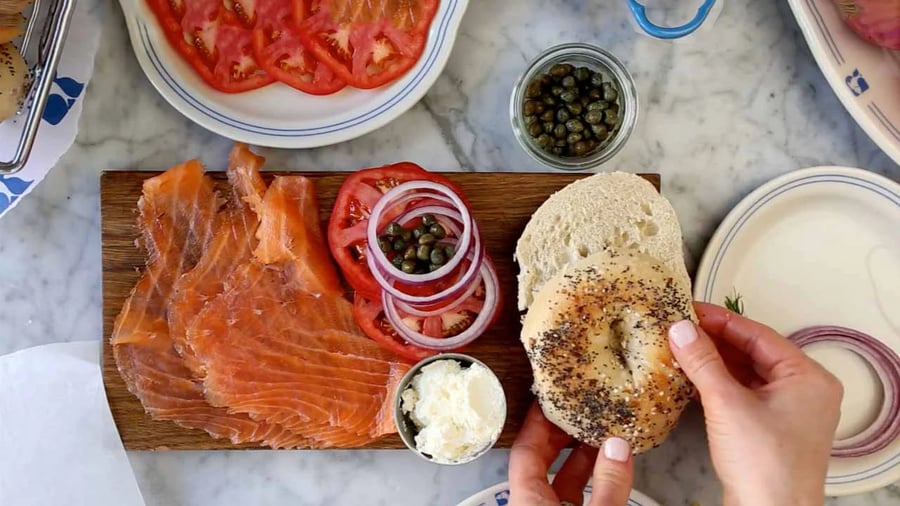
Credit: Russ & Daughters Cafe
New York City reveals itself through food. A first visit demands more than a checklist. It calls for meals that capture the city’s contradictions: polish and grit, tradition and reinvention, restraint and excess. The restaurants that matter most are not just popular. They reflect how New York cooks, eats, and evolves.
The Michelin Guide inspectors approach the city with that lens. Their selections for first-time visitors read as a map of New York’s appetite. Each stop offers a distinct entry point into the city’s culinary identity. A Spanish-influenced kitchen that butchers whole animals sits alongside a century-old deli that thrives on chaos. A neon-lit noodle shop holds its own against a serene sushi counter that channels Tokyo precision.
This range is the point. New York resists a single definition. Pizza is essential, but so are dumplings. A pastrami sandwich carries as much cultural weight as an omakase tasting. The through line is intent. Each kitchen commits fully to its craft, whether that means perfecting hand-cut noodles or refining rice seasoning grain by grain.
First-time visitors often chase landmarks. These restaurants offer something better: perspective. They show how neighborhoods shape menus, how immigrant traditions become local institutions, and how chefs reinterpret global cuisines for a city that demands originality.
The result is not a greatest-hits list. It is a framework for understanding New York through taste. Each meal adds context. Each bite builds a clearer picture of what makes the city one of the world’s defining food destinations.
1 / 7
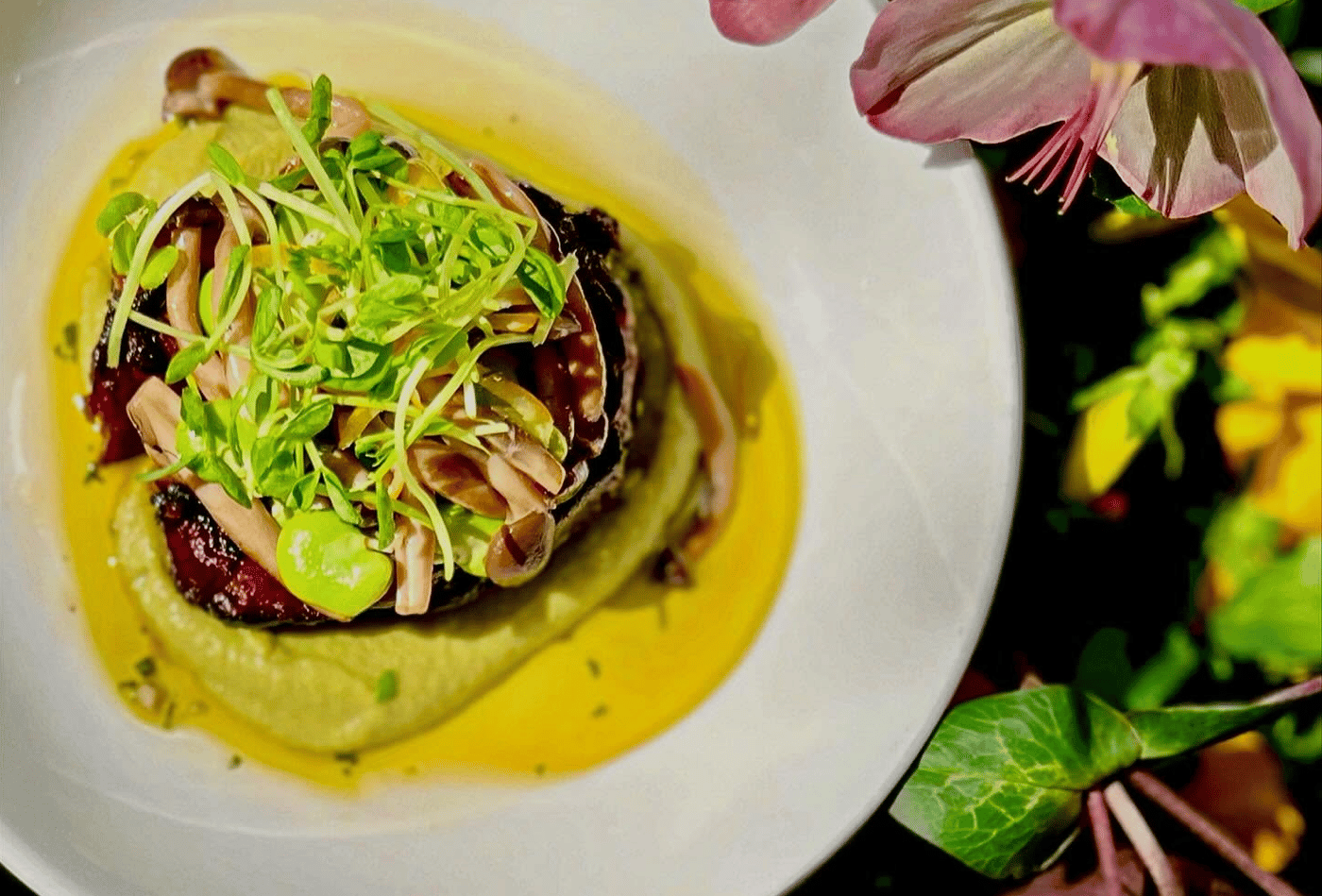
Credit: Casa Mono
Casa Mono distills Spanish cooking into dishes that prioritize depth over spectacle, with a kitchen that handles whole-animal butchery and translates it into intensely flavored, satisfying plates. The inspectors frame this as a signal of culinary fluency, where technique supports ingredient integrity rather than masking it.
The menu resists minimalism. Portions feel intentional and complete, pushing back against the trend of overly delicate plating. Dishes such as scrambled eggs with uni highlight richness handled with precision, while confit goat underscores a willingness to explore less common proteins without compromise.
The restaurant’s scale sharpens the experience. Its compact dining room keeps attention fixed on the plate, reinforcing a sense of focus that mirrors the cooking itself. Every dish arrives with purpose and clarity.
For first-time visitors, Casa Mono offers an immediate understanding of how New York interprets European traditions. It does not replicate Spain. It adapts its techniques into a style that feels grounded in the city’s pace and expectations.
That translation defines its appeal. The food feels both rooted and immediate, delivering flavors that resonate without excess ornamentation.
2 / 7
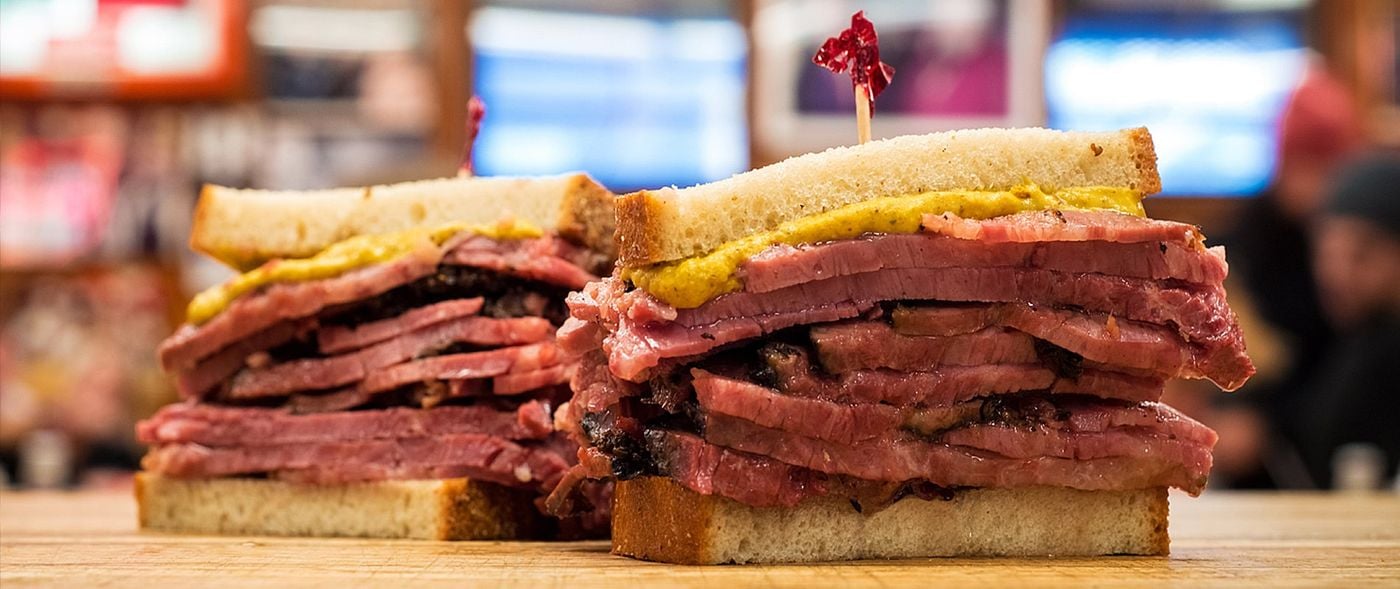
Credit: Katz's Delicatessen
Katz's Delicatessen operates as both a restaurant and a cultural landmark, where the atmosphere carries as much weight as the menu. The inspectors describe a space filled with a broad cross-section of the city, creating an environment that feels unfiltered and distinctly New York.
The food anchors that energy. Pastrami sandwiches, matzo ball soup, and potato latkes deliver exactly what diners expect, but with a level of execution that elevates them beyond nostalgia. Each dish reflects Eastern European roots while maintaining relevance through consistency.
Crowds define the experience. Lines move steadily, and the room rarely quiets, reinforcing the sense that Katz’s exists outside typical dining rhythms. Visiting during off-hours can ease the intensity, though the character remains intact.
For first-time visitors, Katz’s offers more than a meal. It provides direct exposure to a dining style that shaped the city’s identity. The noise, the pace, and the mix of people all contribute to a setting that feels inseparable from its food.
That continuity explains its longevity. Katz’s does not chase trends. It preserves a standard that continues to resonate across generations.
3 / 7
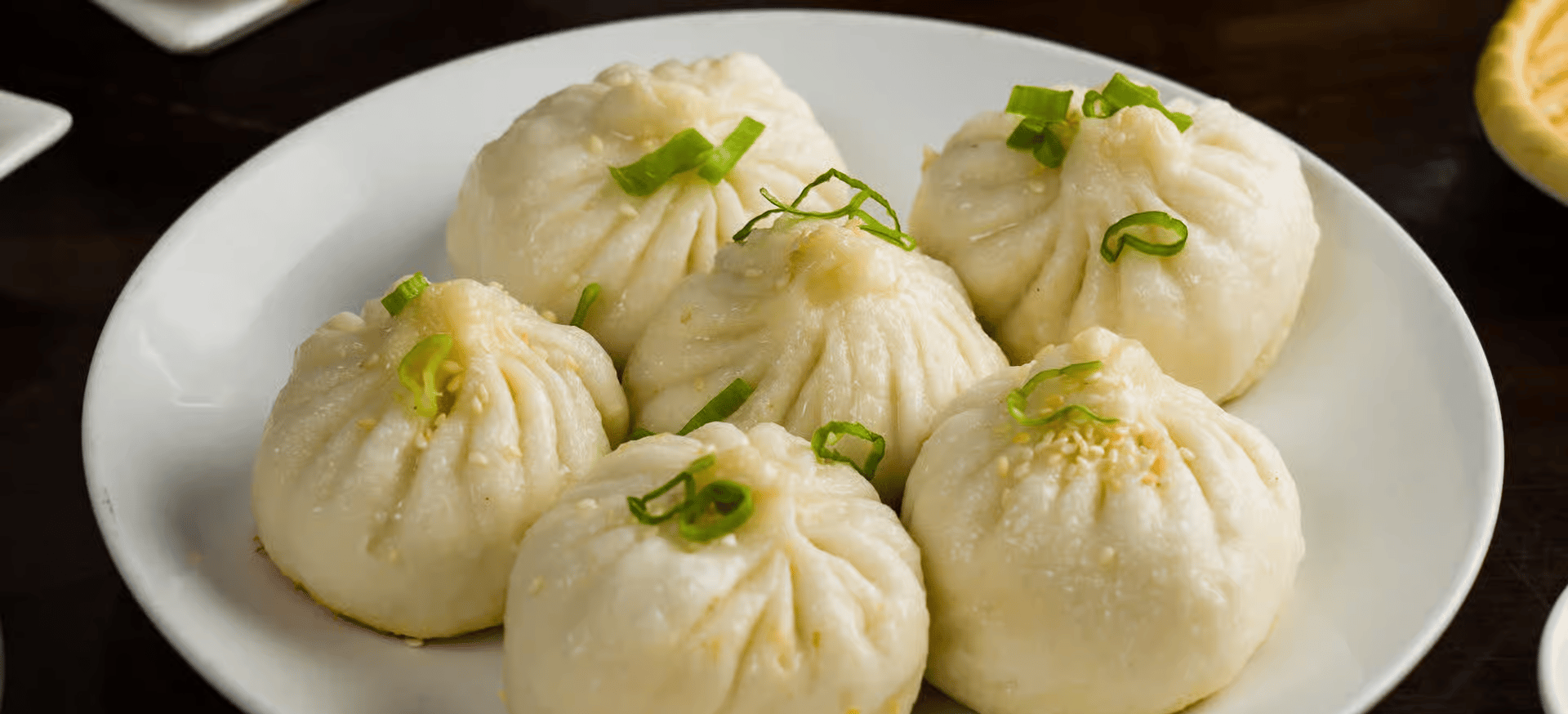
Credit: Kung Fu Little Steamed Buns Ramen
Kung Fu Little Steamed Buns Ramen builds its reputation on technique, delivering Chinese comfort food that emphasizes craftsmanship and consistency. The inspectors point to the restaurant’s noodles as a defining element, shaped by hand-pulling and cutting methods that create distinct texture and structure.
These noodles anchor a menu designed around balance. Stir-fried dishes pair them with bold accompaniments, ensuring that each component contributes to a cohesive whole. Dumplings expand the offering, with soup dumplings standing out for their depth and execution.
The setting reinforces the food’s immediacy. Positioned in Hell’s Kitchen amid the Theater District’s neon glow, the restaurant maintains a steady pace that mirrors its surroundings. Service remains efficient without sacrificing attentiveness.
For first-time visitors, the restaurant demonstrates how New York incorporates regional Chinese cooking into its broader dining landscape. It preserves core techniques while adapting to the city’s expectations for speed and consistency.
That combination defines its appeal. The food feels direct and satisfying, grounded in tradition yet responsive to its environment.
4 / 7
Credit: Momofuku Noodle Bar
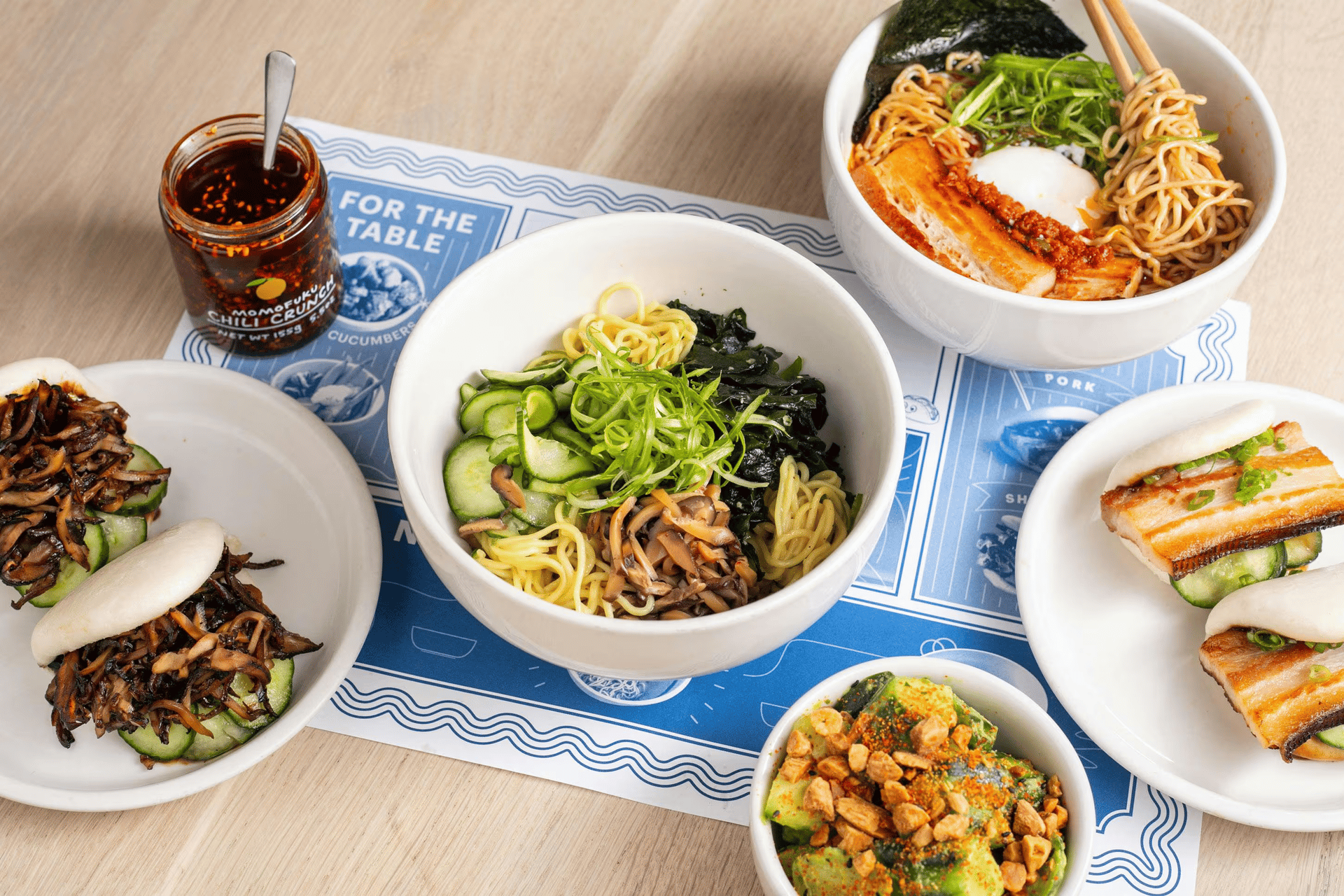
Momofuku Noodle Bar reflects a shift in how New York approaches global cuisine, transforming familiar formats into something distinctly contemporary. The restaurant operates within the broader influence of David Chang, whose work has shaped modern dining in the city.
The menu draws from Asian street food traditions while reworking them into dishes that feel both accessible and deliberate. Pork steamed buns stand as a defining example, combining rich fillings with precise construction that has earned a wide following.
The space supports this approach. Wood counters and an open kitchen place emphasis on process, allowing diners to engage with the act of cooking as part of the experience. Service moves quickly, reflecting the city’s pace.
For first-time visitors, Momofuku Noodle Bar offers insight into how chefs reinterpret established cuisines. It does not replicate tradition. It adapts it, creating food that feels both familiar and newly defined.
That balance explains its continued relevance. The restaurant captures a moment in New York’s culinary evolution while maintaining consistency in execution.
5 / 7
Credit: Roberta's
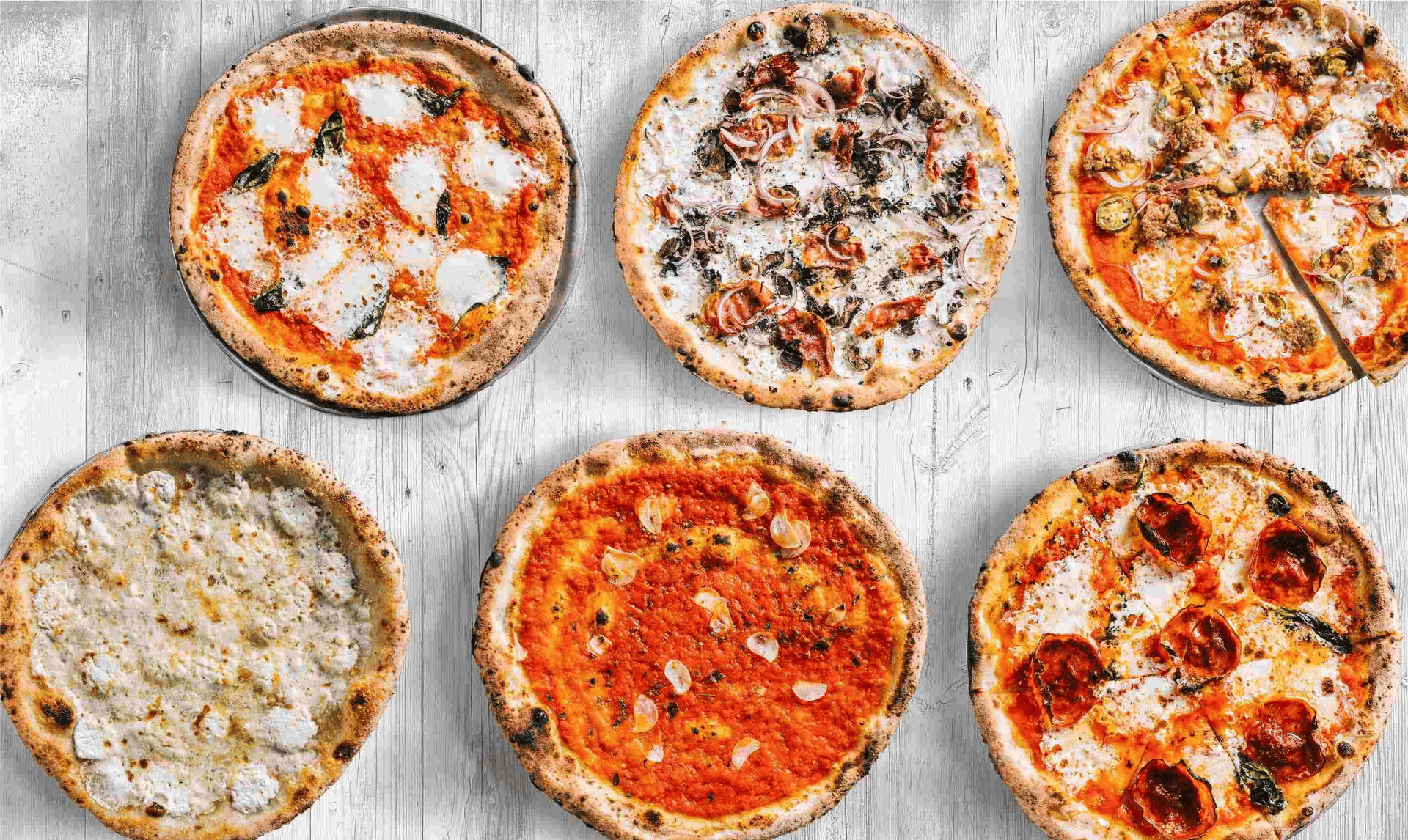
Roberta's represents the creative momentum of Brooklyn’s food culture, where experimentation and craftsmanship coexist. The inspectors highlight its sustained popularity, driven by a menu that continues to evolve without losing focus.
Chef Carlo Mirarchi’s pizzas illustrate this balance. Combinations such as pineapple with prosciutto or jalapeño with soppressata challenge expectations while remaining grounded in strong technique. Each variation reflects deliberate construction rather than novelty for its own sake.
The restaurant’s setting reinforces its identity. Entering through its recognizable exterior leads to a space that feels removed from conventional dining, aligning with Bushwick’s broader creative energy. The atmosphere remains informal but intentional.
For first-time visitors, Roberta’s offers a view into how New York redefines staples such as pizza. It respects tradition while expanding its boundaries, creating dishes that feel both recognizable and distinct.
That duality defines its appeal. The restaurant continues to attract attention by maintaining clarity in its approach while embracing change.
6 / 7
Credit: Russ & Daughters Cafe
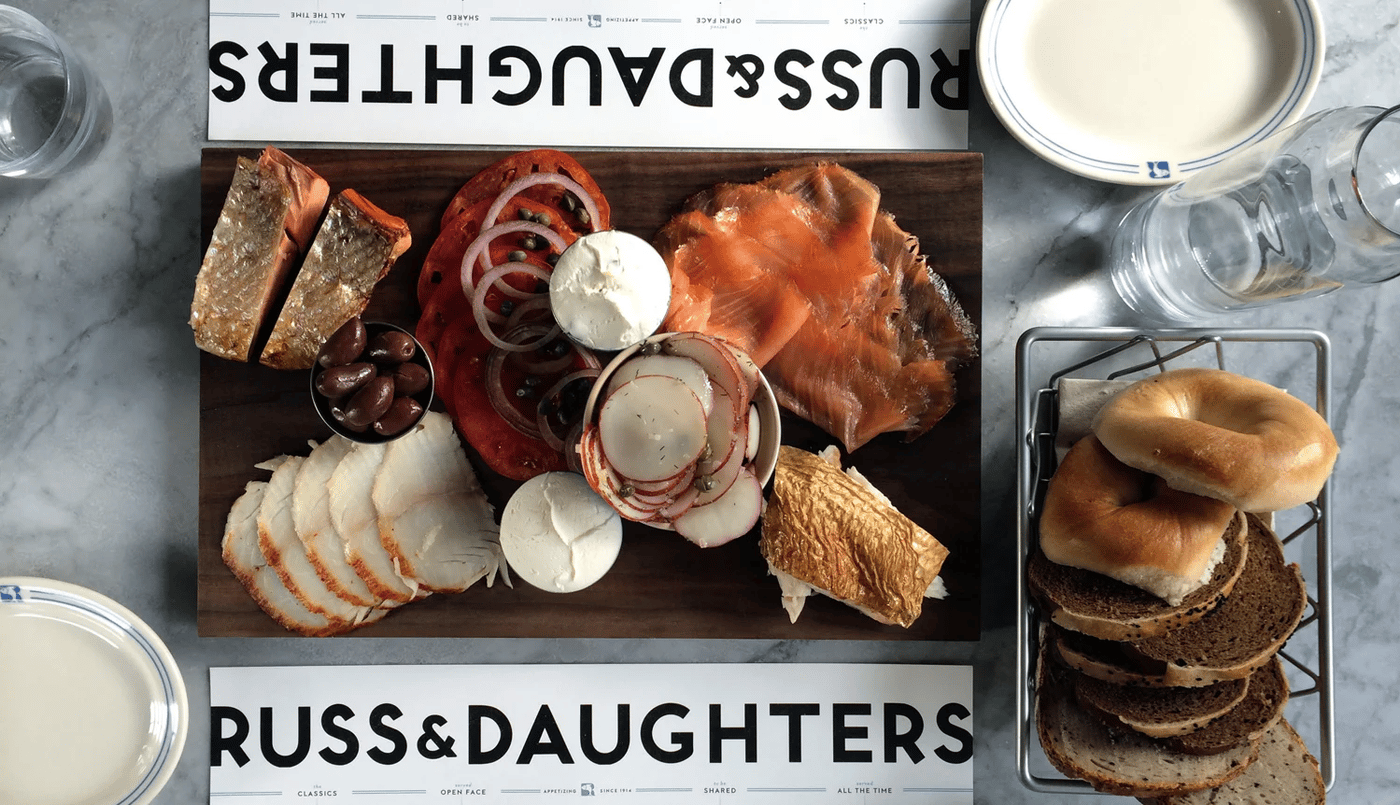
Russ & Daughters Cafe channels the legacy of its original appetizing shop into a restaurant format that emphasizes both continuity and refinement. The inspectors describe a space where visual details, from white-jacketed servers to a pristine counter, reinforce a sense of tradition.
The menu follows that lead. Classic dishes are reworked with precision, maintaining their core identity while enhancing flavor and presentation. Eggs Benedict, challah, and smoked salmon preparations reflect this approach, combining familiarity with careful execution.
The dining experience balances casual and formal elements. Guests can sit at the bar for a more immediate interaction or settle into a table for a structured meal. Both options maintain consistency in quality.
For first-time visitors, the cafe offers a focused introduction to Jewish culinary traditions that have shaped New York’s food culture. It presents these dishes in a way that feels both rooted and contemporary.
That clarity defines its strength. The restaurant honors its origins while adapting to modern expectations without losing authenticity.
7 / 7
Credit: Sushi Nakazawa
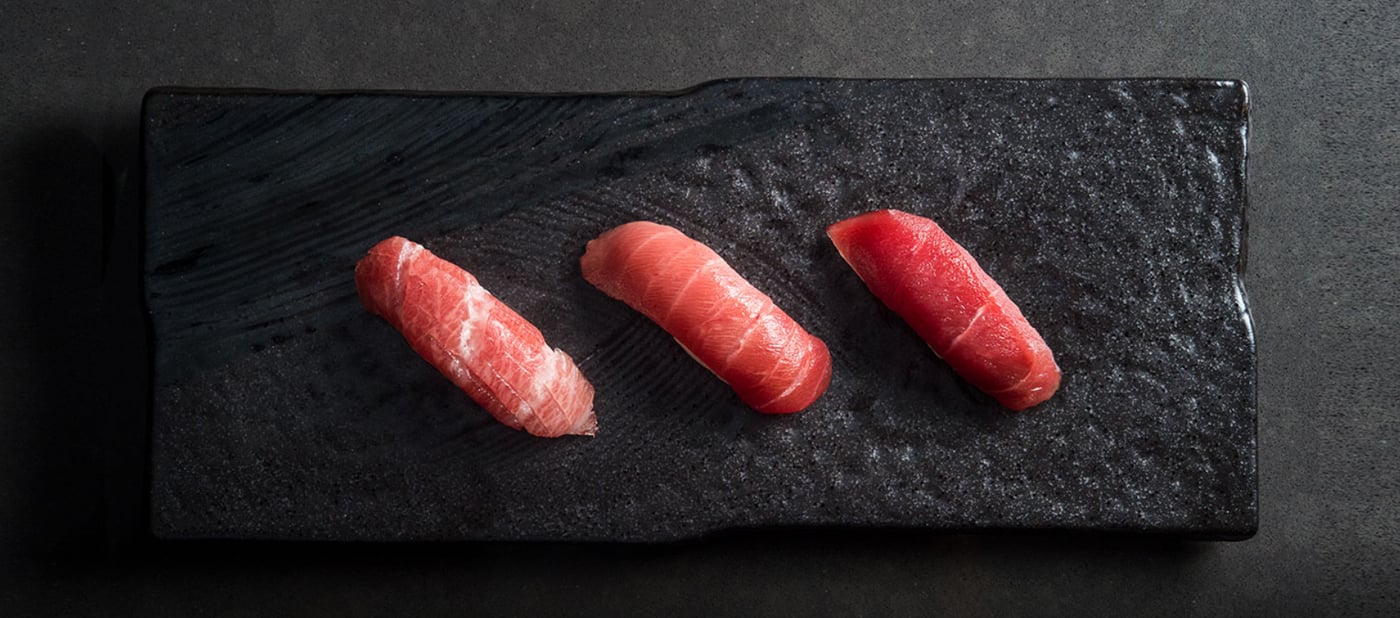
Sushi Nakazawa offers a controlled, intimate sushi experience that contrasts sharply with the city’s more chaotic dining environments. The inspectors emphasize its focused format, with a small counter that places attention squarely on the chef’s technique.
Chef Daisuke Nakazawa builds each piece with careful attention to balance, combining tender fish with precisely seasoned rice, measured wasabi, and a finishing brush of nikiri. This method ensures consistency across the meal.
The menu follows an omakase structure, guiding diners through a sequence that highlights variety and progression. Ingredients such as Hokkaido cherry salmon and sea scallop demonstrate the range and quality of the offerings.
For first-time visitors, Sushi Nakazawa provides insight into how New York interprets Japanese dining traditions. It maintains core principles while adapting to the city’s expectations for accessibility and value.
That restraint defines the experience. Each piece reflects deliberate craftsmanship, creating a meal that feels cohesive and carefully paced.
