
The Wolseley and The Ritz named best restaurants for traditional British food in London by Michelin Guide
From full English breakfasts to beef Wellington, these are the traditional British dishes worth seeking out in London
Oscar Wong / Getty Images
London is one of the world's most international cities, and its restaurant scene reflects that in full. On any given street, you can eat your way through a dozen countries without doubling back. But for all its global range, London remains the best place on earth to explore the canon of traditional British cooking — the dishes that have defined the country's food culture across centuries, absorbed influences from across the world and emerged as something distinctly, unapologetically British.
These are not always glamorous dishes. British food has spent decades enduring a reputation for stodginess that its best cooking does not deserve, and the dishes on this list make the case for reassessment. Some are hearty to the point of excess, built for cold weather and long afternoons. Others are delicate, historically significant, or technically demanding in ways that their humble appearances conceal. A few originated far from Britain — in colonial India, in the kitchens of a Victorian hotel, in the culinary traditions of communities that made London their home — and were absorbed into the national food culture so completely that they are now considered foundational.
What connects them is the city itself. London's dining scene encompasses everything from neighborhood pubs that have been serving the same dishes for generations to Michelin-starred restaurants that treat British culinary heritage as seriously as any French kitchen treats its own. The best versions of these dishes are found across both registers — at the Ritz and at the local chippy, at a celebrated Soho institution and at a smartly refurbished Notting Hill pub.
The Michelin Guide's selection of London restaurants provides the framework for this list. Each dish is paired with a specific address where it is done properly, because in London, unlike in many cities, properly is always an option. What follows is a guide to 10 dishes that define what Britain tastes like, and where to find them at their best.
1. The full English at The Wolseley is the most reliable start to any day in London
Credit: The Wolseley
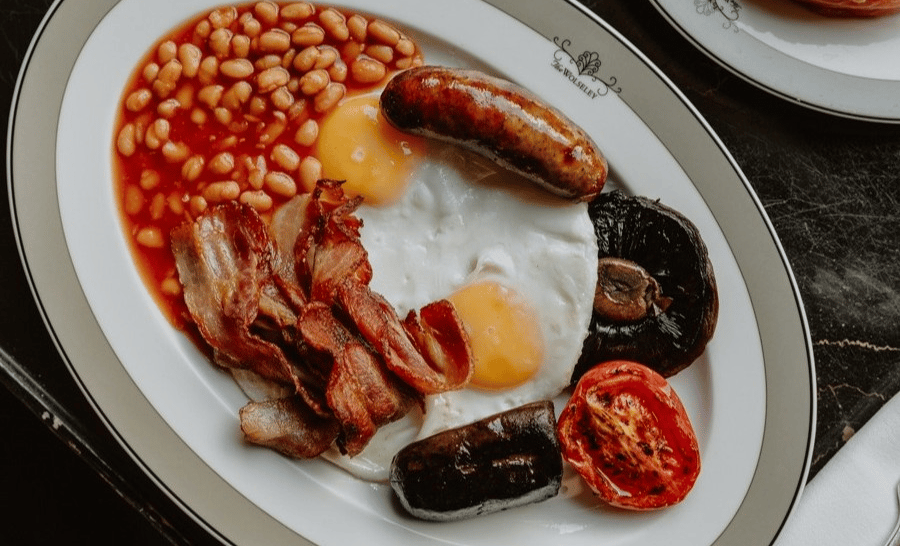
The full English breakfast has been fueling Britons for centuries, and its logic is straightforward: when pastry or fruit will not suffice, this will. The canonical version includes sausage, bacon, eggs, mushrooms, and tomatoes, with baked beans and black pudding completing the plate for those who take the tradition seriously. It is a meal that does not apologize for its ambitions, and the best versions reward the appetite they require.
The Wolseley, a perennially popular morning destination in St. James's, does things properly. The obligatory components are all present, cooked with the attention that a dish this familiar demands — which is to say, more attention than it typically receives elsewhere. The dining room, modeled on a grand Viennese café, adds a degree of ceremony to what is essentially a working-class British institution, and the combination works better than it has any right to. For visitors who want to begin a London day correctly, The Wolseley makes a strong case for starting with the full English rather than working up to it.
For a fishier alternative, the kedgeree, an anglicized version of a dish from colonial India built around smoked fish, rice, and boiled eggs, is also on the menu and worth consideration. It is one of several dishes that arrived in Britain via the Empire and stayed long enough to become part of the national breakfast repertoire. Both options reflect a kitchen that understands what British morning food is supposed to do: sustain, satisfy, and set the tone for whatever comes next.
2. Omelette Arnold Bennett at Mount St. pairs a Savoy classic with one of London's finest art collections
Credit: Clarence Court Eggs / Mount St.
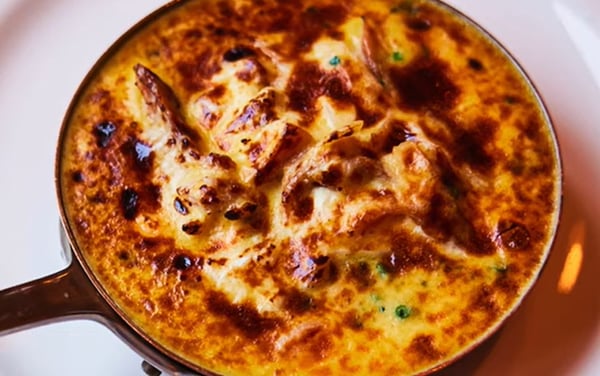
Omelette Arnold Bennett is, at its core, a smoked haddock and cheese omelet. The name comes from the British author for whom it was originally created at The Savoy — a dish born from a specific request at a specific hotel, which then escaped into the broader British culinary canon and never left. The Savoy still serves versions of it today, both on the breakfast menu at The River Restaurant and in soufflé form at The Savoy Grill, making it one of the few dishes in London with an unbroken line back to its origin.
Mount St. offers a version worth seeking out on its own terms. The dish is well executed, but the broader context elevates the experience: the dining room is decorated with works by Lucian Freud and Andy Warhol, making it, according to the Michelin Guide, the finest and most expensive art collection of any London restaurant. Eating a classic British dish in a room hung with that quality of art produces an effect that is genuinely distinctive. Neither the food nor the surroundings is diminished by the combination, and both are enhanced by it.
The omelet also illustrates something important about British food culture: its willingness to absorb a dish created for a specific person at a specific moment and treat it as a tradition worth preserving. The Savoy created it; British cooking kept it alive. That pattern of absorption, adaptation, and eventual canonization runs through much of what appears on this list.
3. Eggs Drumkilbo at The Goring is the Royal Family's favorite seafood dish, served as it should be
Credit: The Goring Hotel
Eggs Drumkilbo is not a dish you will find on many London menus, which makes The Dining Room at The Goring the obvious and correct destination for anyone who wants to try it. The hotel has hosted members of the Royal Family throughout its history, and its specific version of the dish was a favorite of the late Queen Mother — a provenance that gives the recipe a particular weight without requiring the diner to care about its history to enjoy what arrives at the table.
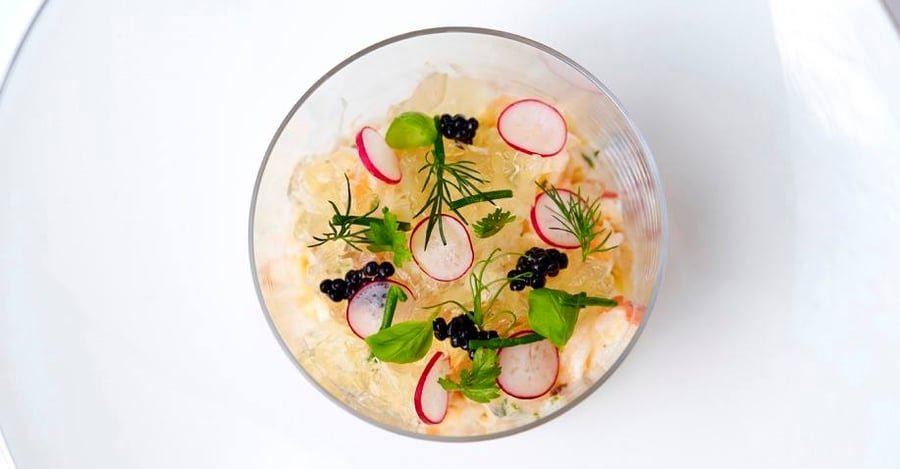
The Goring's version centers on white crab meat bound in a rich mayonnaise, joined by cucumber, roasted tomato, caviar, and native lobster. A quail's egg with a runny golden yolk finishes the dish. The combination is decadent in a specifically British way — not showy, but quietly serious about the quality of its ingredients, assembled with the confidence of a kitchen that has been making this dish for long enough to know exactly what it should be.
The Goring itself is one of London's most distinctive hotels, family-owned, Belgravia-based, and possessed of a particular kind of old-fashioned English seriousness that is rarer than it used to be. Eating eggs Drumkilbo there is less a restaurant experience than an encounter with a specific strand of British hospitality culture: attentive, unhurried, and deeply committed to doing things correctly. For visitors who want to understand what high-end British food culture looks like when it is operating on its own terms, rather than borrowing from elsewhere, The Goring is essential.
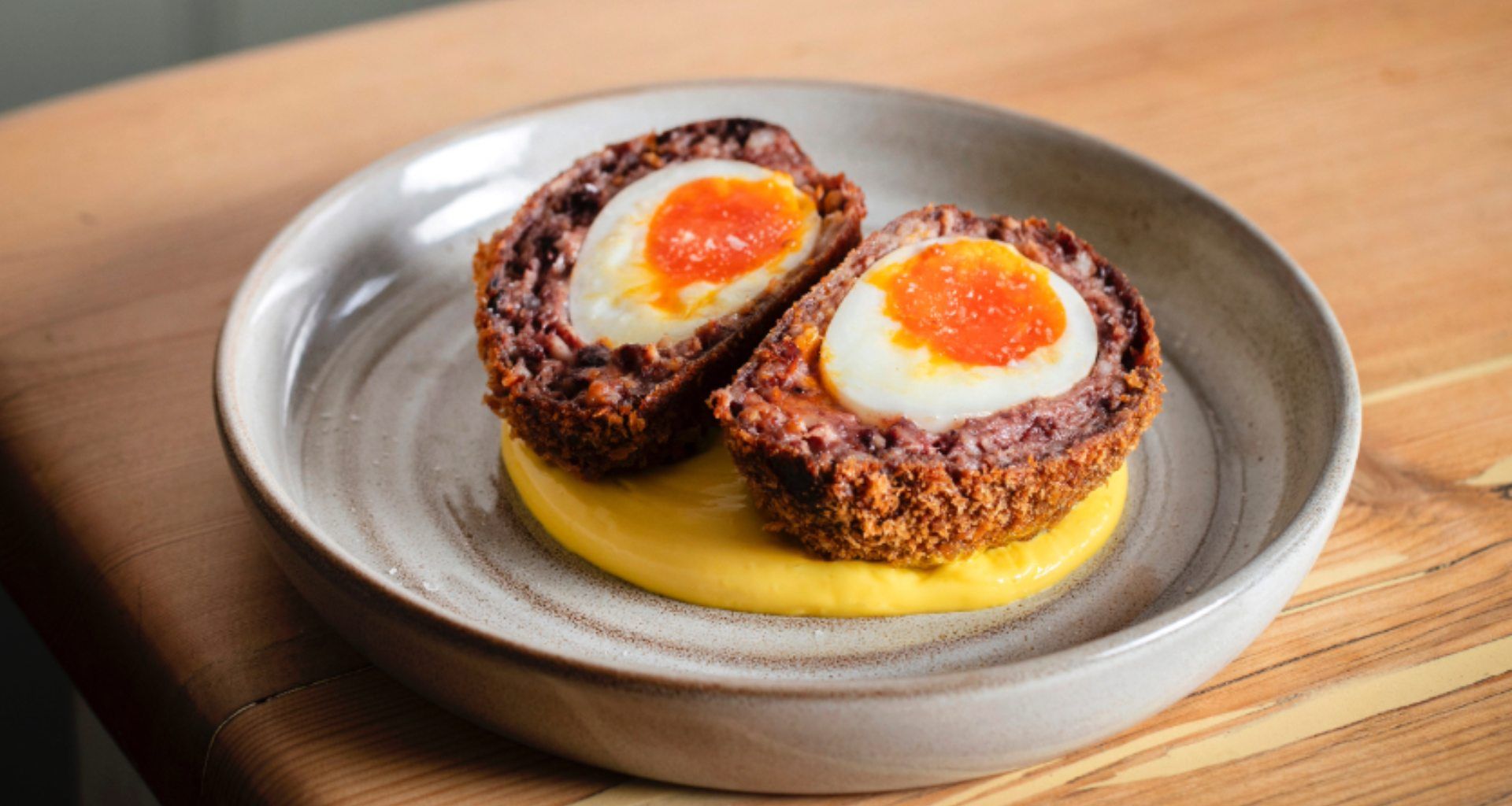
4. The Scotch egg at The Pig and Butcher proves that Britain's greatest snack deserves better than a service station
Credit: The Pig and Butcher
The Scotch egg has suffered more than most British dishes from the gap between its potential and its typical execution. The recipe is ancient, and the concept is sound: a boiled egg wrapped in sausage meat, coated in breadcrumbs, and deep-fried until golden. Done well, it is one of the most satisfying things British cooking produces. Done badly, which is to say, done as it most commonly appears at motorway service stations and supermarket shelves, it is a dispiriting object that does the tradition no favors.
The Pig and Butcher, a London pub that takes its sourcing seriously enough to butcher its meats in-house, offers a version that restores the Scotch egg to the status it deserves. The quality of the sausage meat matters enormously in a dish with so few components, and a kitchen that controls its own butchery has a significant advantage. The result is a Scotch egg that tastes like the dish it was always supposed to be rather than a compromise made for shelf life and convenience.
The pub itself is worth noting as a destination beyond the Scotch egg. The commitment to in-house butchery and quality sourcing reflects a broader approach to British pub food that takes the tradition seriously without turning it into something precious. The Pig and Butcher belongs to a generation of London pubs that understood the gap between what pub food was and what it could be, and closed it without losing sight of what a pub is actually for.
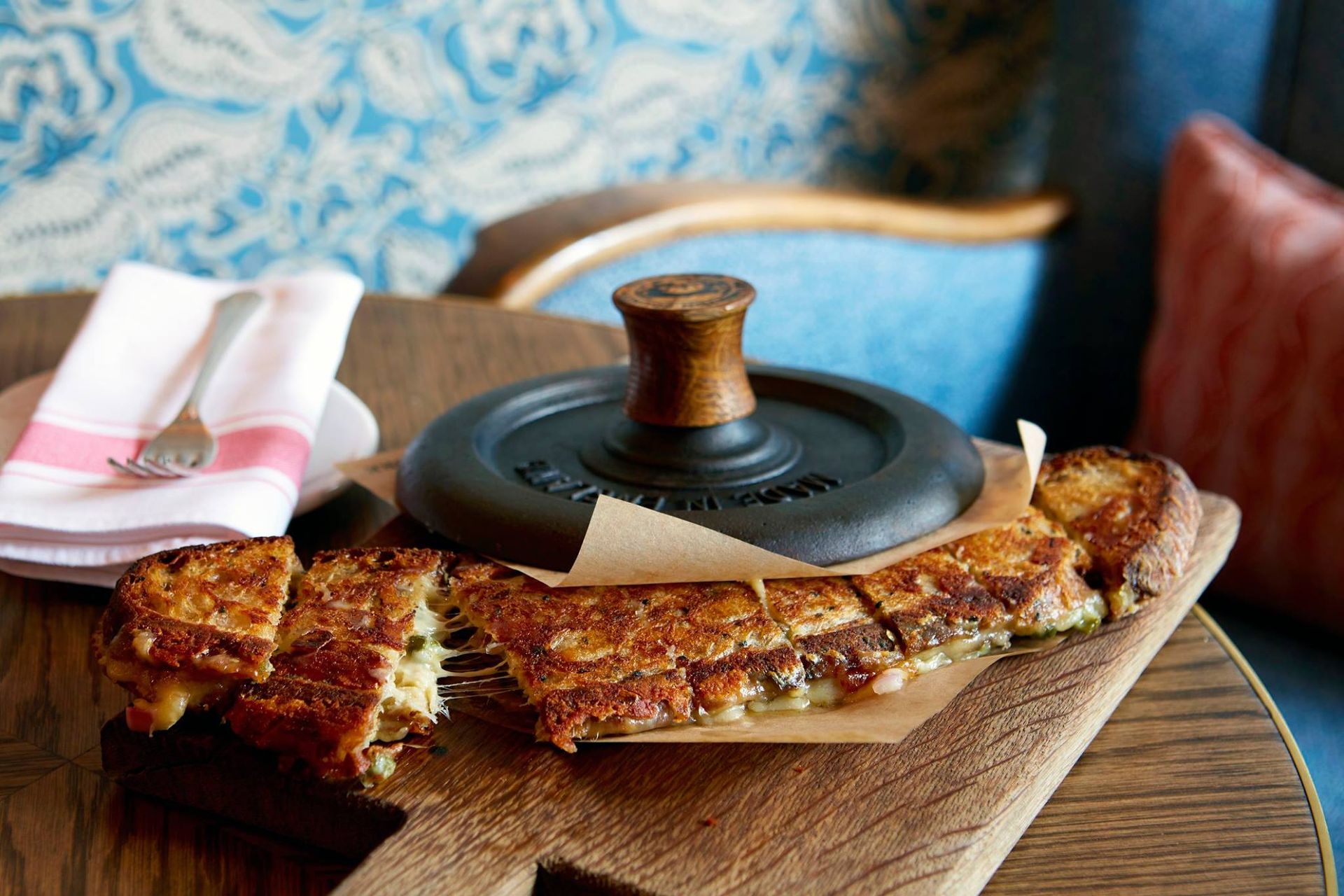
5. The XXL cheese toastie at The Wigmore takes Britain's most comforting snack to an unreasonable extreme
Credit: The Wigmore
The cheese toastie is a staple of British home cooking — simple, reliable, and capable of lifting almost any mood. The version at The Wigmore, the pub attached to The Langham hotel on Regent Street, operates at a different scale entirely. The menu describes it as an XXL stovetop three-cheese-and-mustard toastie, which undersells the reality. The crust is crisp, the center soft and yielding, and the addition of cornichons and red onion provides the acidity and sweetness that prevent the whole thing from collapsing under its own richness.
It is, according to the Michelin Guide, easily big enough to share — though the warning that its moreishness may lead dining partners into conflict is not entirely facetious. The dish exemplifies a particular strand of contemporary London pub cooking: elevating a humble British classic to a destination dish without losing the essential character that made the original worth eating.
The Wigmore is well-suited to this kind of cooking. As the pub of one of London's grandest hotels, it occupies a position between neighborhood local and hotel bar that gives it room to do things on a slightly larger scale than either would manage alone. The cheese toastie is the clearest expression of that positioning: a dish that belongs in a pub, executed with the resources of a hotel kitchen. For visitors who want something indulgent without committing to a full meal, it makes a strong case for the detour.
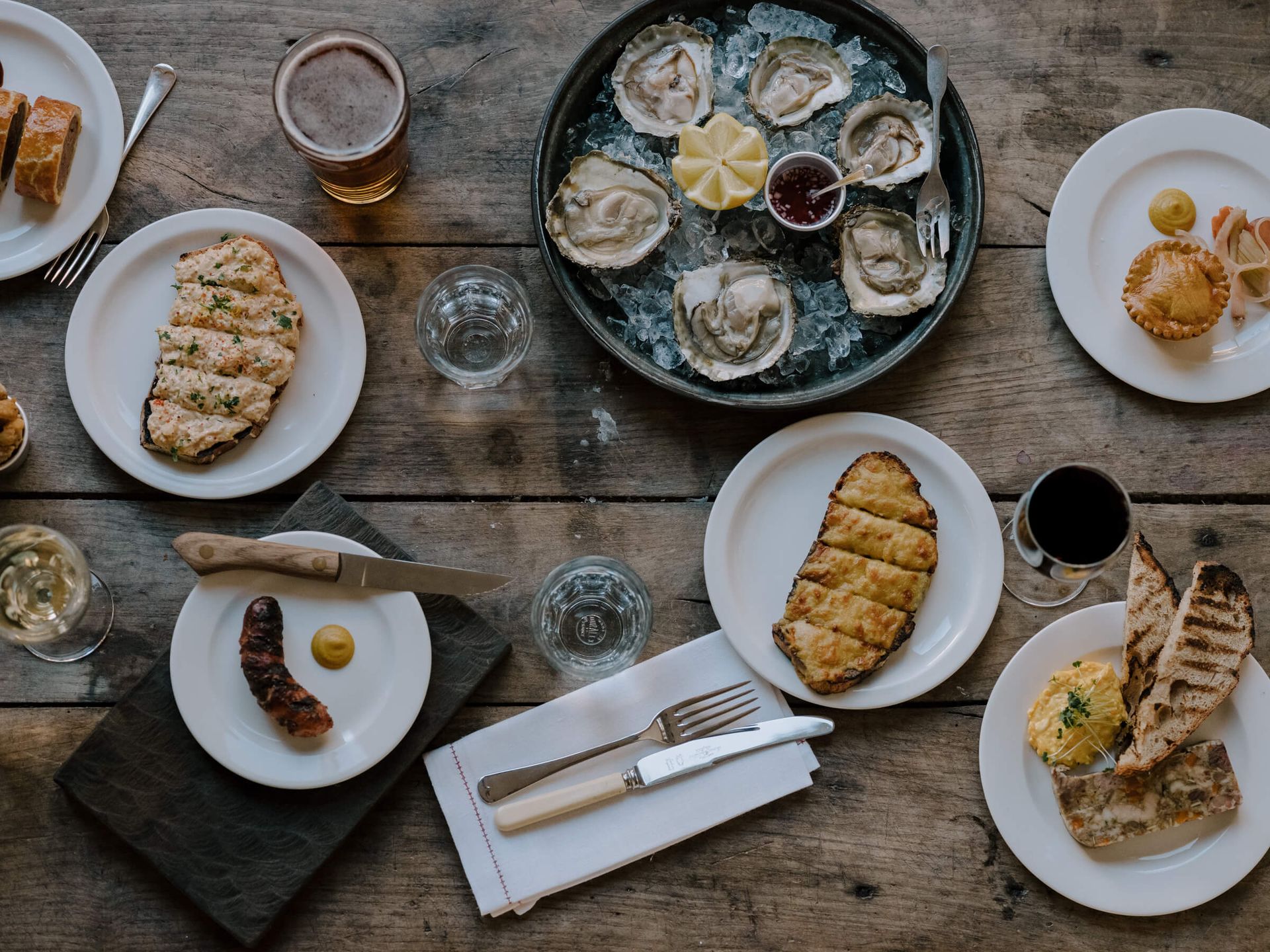
6. Mince on toast at The Pelican shows that British cooking is at its best when it resists complication
Credit: The Pelican
Mince on toast does exactly what the name suggests, and that is entirely the point. British food at its best has always had an unerring simplicity — a confidence in good ingredients and straightforward preparation that does not require elaboration. The challenge with a dish this simple is that it exposes every weakness in the cooking: the quality of the meat, the seasoning, and the timing. There is nowhere to hide.
The Pelican, a smartly refurbished Notting Hill pub, gets it right. The mince on toast appears on the bar snacks menu and delivers what the Michelin Guide describes as an unfussy, well-judged and genuinely tasty result. The kitchen adopts what the guide identifies as a St. JOHN approach to British cuisine — a lack of unnecessary embellishment combined with a focus on less glamorous cuts of meat, handled with care and served without apology. That philosophy suits mince on toast precisely: it is a dish that rewards restraint and punishes the impulse to improve it.
The Pelican's broader menu reflects the same values. It is a pub that understands what it is and what it is trying to do, and executes within those parameters with consistency. For visitors who want to understand the quieter, less theatrical end of London's British food revival, the cooking that does not announce itself but simply delivers, The Pelican is one of the better addresses on this list.
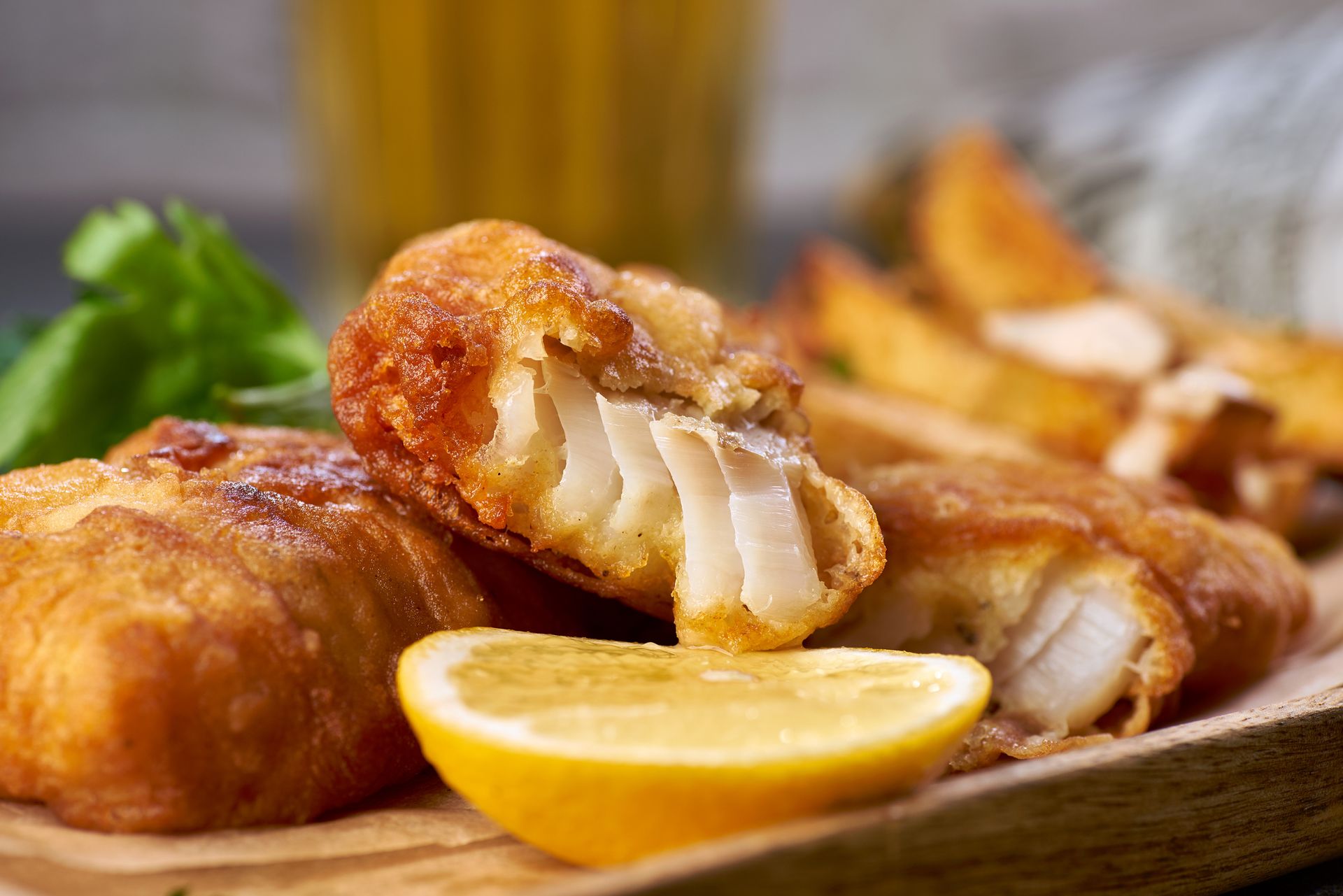
7. Fish and chips at The Bull & Last is the closest London gets to a proper chippy tea
robertsre / Getty Images
Fish and chips is the dish most associated with British food internationally, and the gap between its reputation and its typical London execution is a source of ongoing debate. Some argue that eating fish and chips anywhere inland is already a compromise — that the dish belongs on the coast, wrapped in paper, eaten with salt wind and vinegar in roughly equal measure. That argument has merit. But for visitors who want a sit-down version in the city, The Bull & Last makes a convincing case.
The fish, usually haddock or cod, battered and fried, arrives with the traditional accompaniments: thick, fluffy chips, mushy peas, and tartare sauce. A pickled gherkin, known in British chip shop tradition as a wally, is available for those who want the full experience. The Bull & Last is a North London pub with a long-standing reputation for taking its food seriously, and the fish and chips reflect that standing — they are made with the attention a dish this iconic deserves and rarely receives.
The broader context is worth noting. Fish and chips became a British institution in the 19th century, when fried fish, brought to Britain by Jewish immigrants, met the chip shops of the industrial north, producing a combination that spread across the country with remarkable speed. The dish that arrived at The Bull & Last's menu carries that history with it, even if most diners are focused on the tartare sauce. For visitors, it is the most accessible entry point on this list into the tradition of British working-class food.
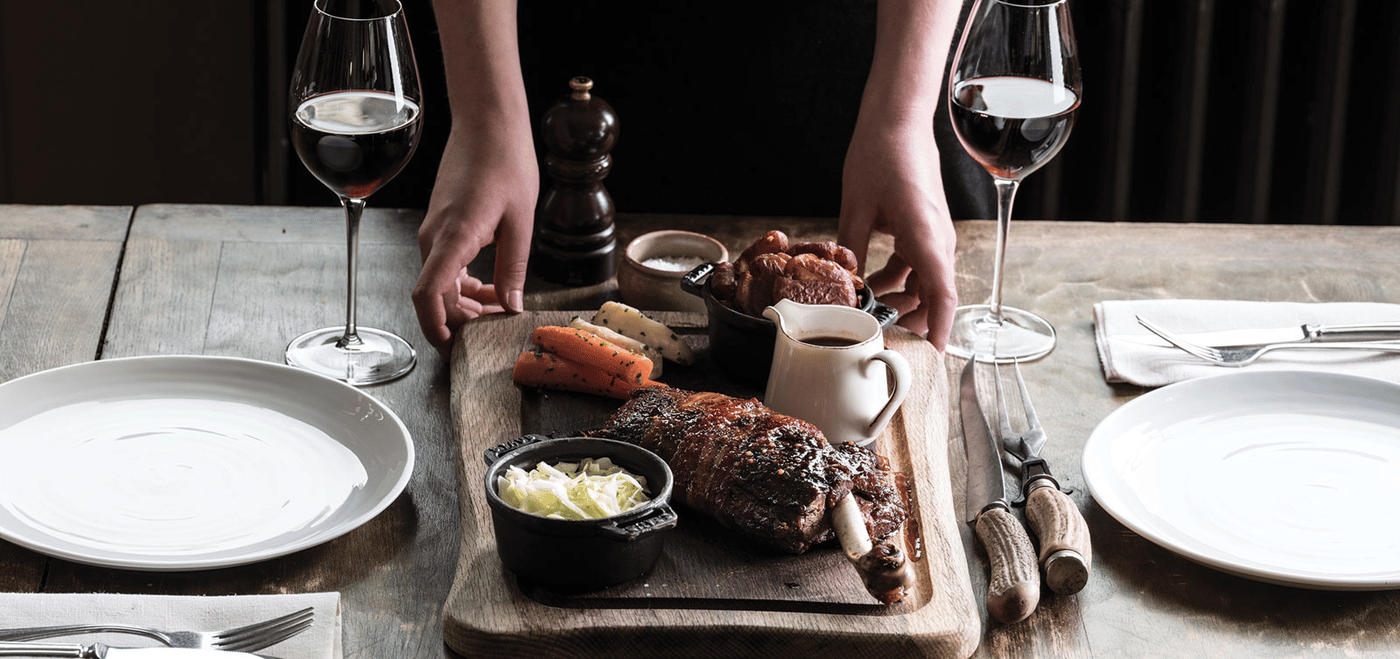
8. The Sunday roast at Harwood Arms sets the standard for London's most cherished dining tradition
Credit: Harwood Arms
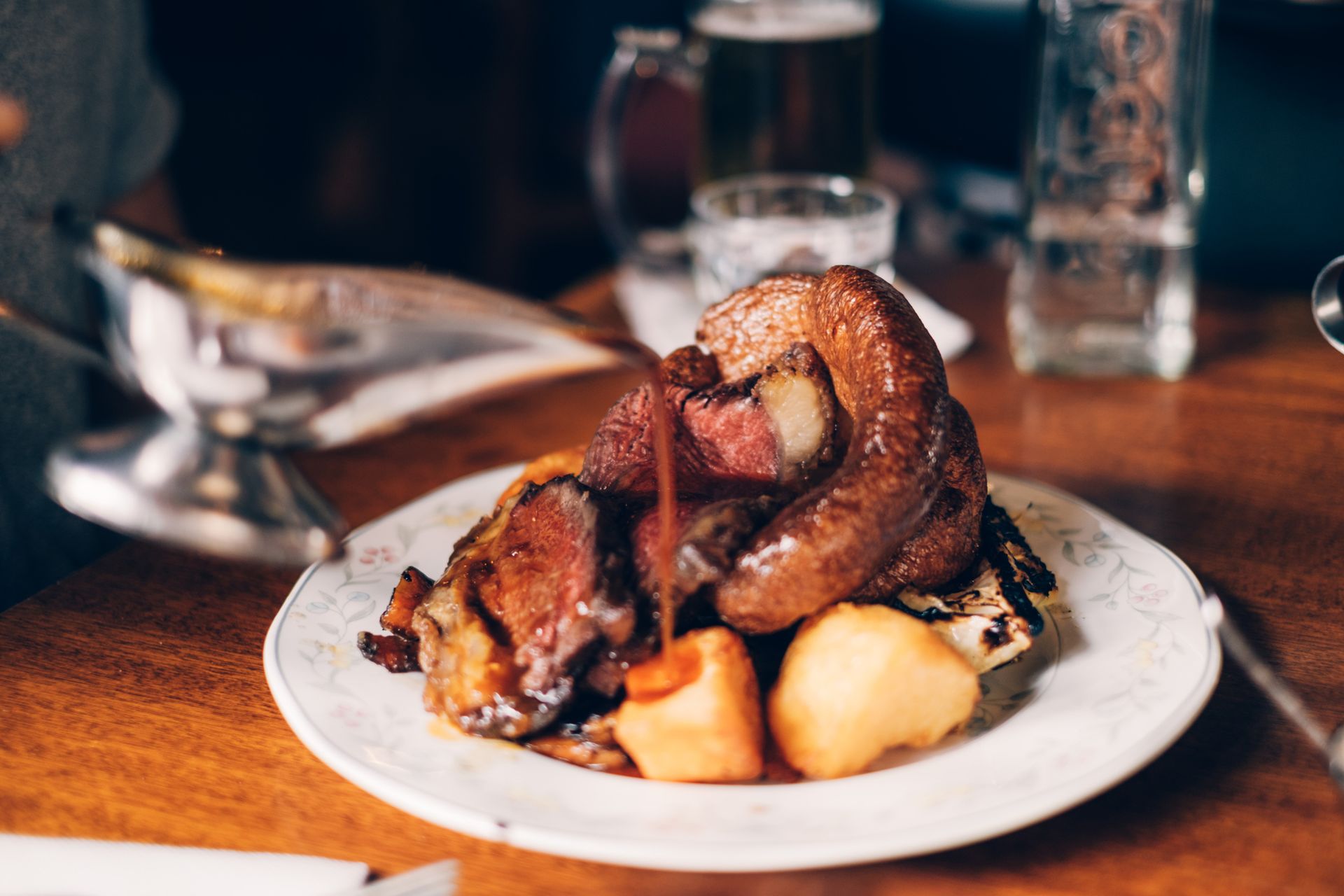
The Sunday roast is less a dish than a social institution. It is the meal around which Sunday is organized — a weekly punctuation mark that gathers friends and families, absorbs the aftermath of Saturday night, and provides the occasion for the extra roast potato that makes the week feel worthwhile. Finding a good version in London is not difficult; finding a great one requires slightly more effort.
The Harwood Arms, a Michelin-starred pub in Fulham, takes some beating. The kitchen specializes in robustly flavored dishes built around quality meats — an approach that suits the Sunday roast format perfectly. The dish is designed to be shared, as it should be, and the sourcing reflects the same seriousness about British produce that characterizes the rest of the menu. A Sunday roast at a pub that has thought carefully about where its meat comes from is a different experience from one that has not, and the Harwood Arms has thought carefully.
The Sunday roast also illustrates something about the relationship between British food and British social life that other national cuisines rarely replicate. The French have their long lunches; the Italians have their Sunday pasta. Britain has the roast, and it functions in much the same way — as a meal that exists as much for the conversation it enables as for the food it delivers. At its best, the Sunday roast at a good London pub is one of the most genuinely pleasurable eating experiences the city offers. The Harwood Arms version is at its best.
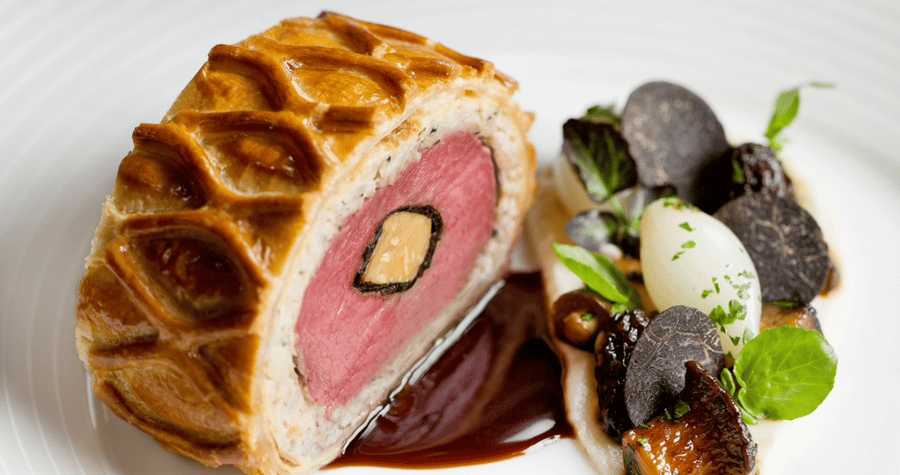
9. Beef Wellington at The Ritz is the most theatrical version of Britain's most indulgent dish
Credit: John Carey / The Ritz London
Beef Wellington, beef fillet wrapped in puff pastry with a layer of mushroom duxelles, has always been a luxurious dish, and The Ritz is an appropriately luxurious setting for it. The irony noted by the Michelin Guide is genuine: a restaurant with deep French influences in both its cooking and its Louis XVI décor serving one of Britain's most patriotically named dishes. The Wellington was created, after all, to honor the Duke $DUK of Wellington's victory over Napoleon at the Battle of Waterloo. That it found its most celebrated London home in a French-inflected dining room says something characteristically British about the country's relationship with its own food culture.
The Ritz version is served in a sharing-sized portion, carved tableside for a theatrical effect that the room supports. The pastry needs to be properly baked — crisp without being overdone, yielding without losing structure — and the duxelles layer needs to be concentrated enough to flavor the beef without making the pastry soggy. These are technical challenges that the Ritz kitchen handles with the competence of a restaurant that has been doing this for a long time.
For visitors who want to experience British food at its most formal and most indulgent, The Ritz makes the obvious case. The beef Wellington is not a subtle dish in any register, and The Ritz is not a subtle restaurant. The match between dish and room is exact, and the experience of eating one of Britain's great culinary icons in one of its great dining rooms is worth the occasion it requires.
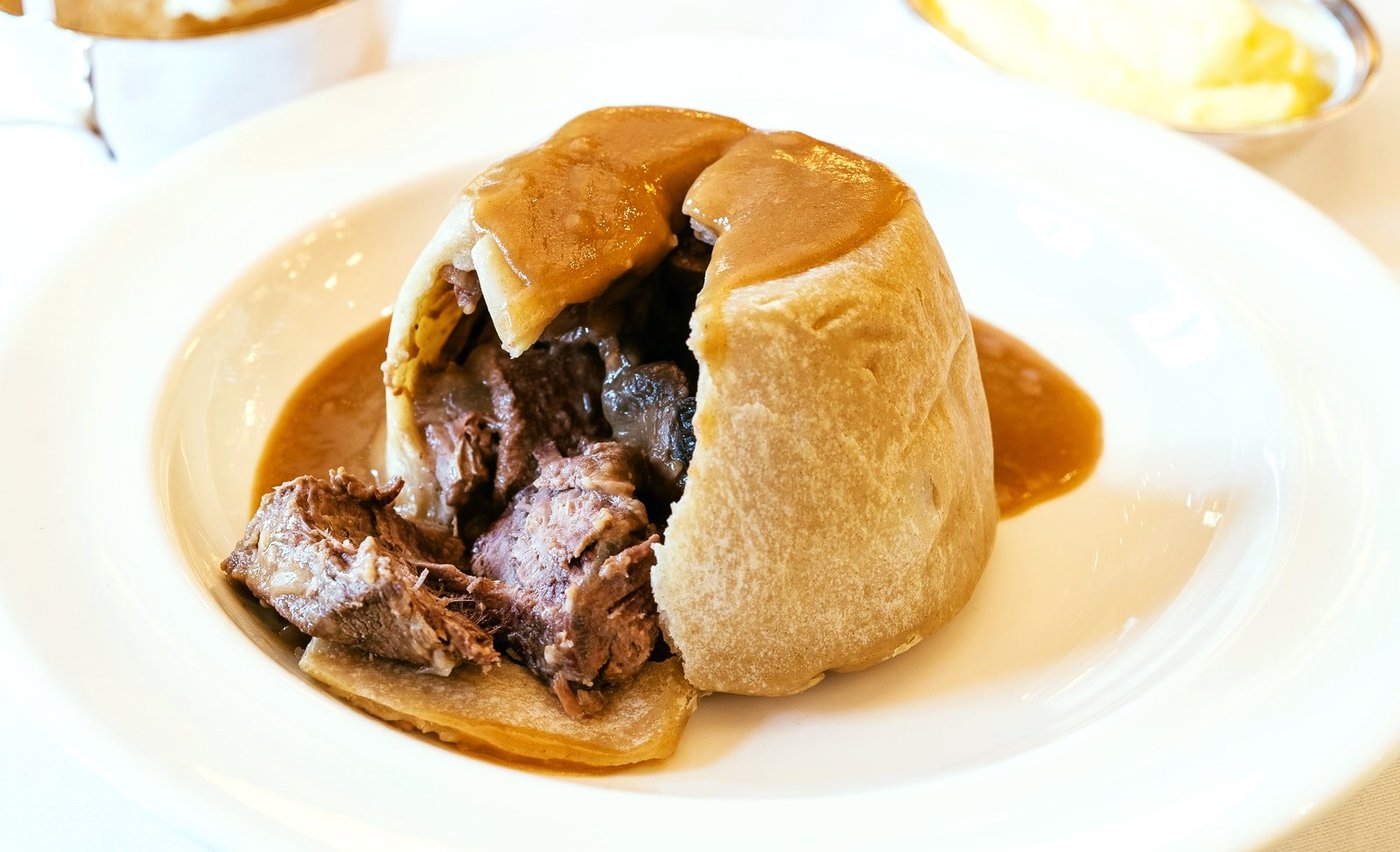
10. Steak and kidney pudding at Rules connects London's oldest restaurant to Britain's oldest culinary traditions
Credit: Rules Restaurant
Rules is officially London's oldest restaurant, open since 1798, and the steak and kidney pudding on its menu is a dish with roots that reach even further back. The distinction between pudding and pie matters here: the correct version is a dome-shaped suet pastry casing filled with steak and kidneys in rich gravy, slowly steamed until the pastry is dense and yielding and the filling has cooked down into something deeply savory. It is not a quick dish to make, and it is not a light one to eat — both of which are, in the context of traditional British cooking, recommendations rather than reservations.
Rules serve the dish as it should be served: without apology and without modernization. The restaurant's long history gives it both the authority and the obligation to treat British culinary traditions with seriousness, and the steak and kidney pudding reflects that. It is a dish that exists nowhere near the edges of contemporary food culture, and is better for it.
The broader menu at Rules rewards exploration for anyone interested in the full range of traditional British cooking. Sticky toffee pudding, apple crumble, and other British dessert classics appear alongside the savory dishes, allowing you to eat an entirely traditional British meal from start to finish in a room that has been doing exactly that for over two centuries. For visitors who want a single address that captures the depth and continuity of British food culture, Rules makes the strongest case on this list.