The best romantic getaways in the U.S., from Kauai's secluded beaches to Charleston's candlelit harbor cruises
M Swiet Productions / Getty Images
A great romantic trip does not require a passport or a transatlantic flight. The U.S. contains enough geographic variety — Pacific coast cliffs, Hawaiian island seclusion, Appalachian mountain ranges, Sonoran desert vistas, Southern coastal charm — to sustain decades of couple travel without repetition. What makes a destination romantically compelling is rarely the checklist of attractions and more often the texture of the place: the quality of light at sunset over a particular bay, the sound of wine glasses touching in a candlelit cave tasting room, the weight of a shared blanket on a mountain chairlift. The best romantic getaways in the country are places where the environment does the emotional work, and the couple simply arrives.
The variety in what couples want from a romantic trip makes the destination decision consequential. Some want adventure. The shared accelerated heartbeat of a helicopter skimming above a coastal cliff or a whitewater kayak negotiating a river canyon is the point of the trip. Others want restoration. A spa treatment in a converted wine barrel, a private villa with an infinity pool, a room service breakfast in bed before the sun has fully cleared the mountains: that is what the ideal vacation looks like for them. Many want both. A destination that accommodates thrill-seeking in the morning and indulgence in the evening, that has trails available but also Michelin-starred tables, and that offers solitude alongside enough social infrastructure for a good dinner, earns the most sustained praise from couples who return to it.
The 10 destinations below come from U.S. News & World Report’s ranking of the best romantic getaways in the USA, which evaluated each location based on its ambiance, the privacy it affords couples, and the range of couple-friendly activities it makes available. The ranking draws on user votes and editorial input, covering destinations from Hawaii and California to the Southeast and the Northeast, and spanning price points from accessible bed-and-breakfasts to five-star resort experiences.
Santiago Urquijo / Getty Images
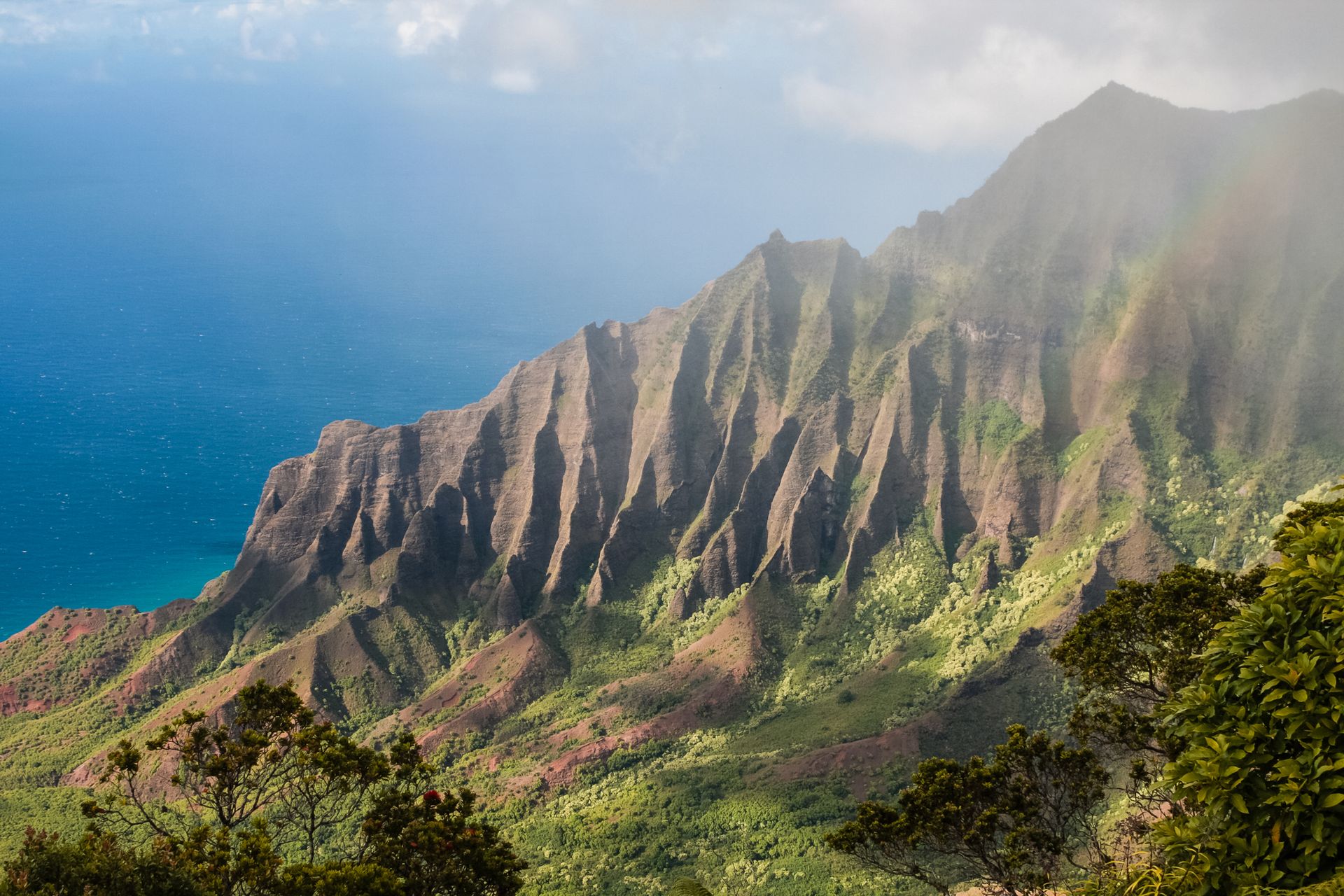
Kaua’i accommodates both adventure-focused and beach-oriented couples across a landscape that compresses some of Hawaii’s most dramatic scenery into a single island. Couples can spend a morning on secluded beaches and an afternoon kayaking along the Nāpali Coast, where green cliffs plunge directly into the Pacific, and the scale of the terrain makes the experience feel private regardless of how many other visitors are present. For couples who want seclusion with service, a private villa in Princeville offers resort amenities alongside views that most hotel rooms cannot match.
The island’s scenic state parks give couples a reason to get into the landscape on foot. Kōke’e State Park and Waimea Canyon, sometimes called the Grand Canyon of the Pacific, offer trail access to a landscape of layered red and green canyon walls that stands in stark contrast to the coastal terrain for which Kaua’i is better known. The canyon trails range in difficulty, which means couples at different fitness levels can each find an appropriate path into the same landscape.
The private helicopter tour represents the island’s most distinctive shared experience. A bird’s-eye view of the Nāpali Coast — its sea caves, hanging valleys, and waterfall-laced cliffs accessible only from the air or by boat — produces a perspective on Hawaiian geography that ground-level visitors cannot replicate. The source identifies this as an experience couples will never forget, and the language reflects the consistent intensity of traveler responses to the aerial coastal view. Kaua’i’s scope, from secluded beaches to canyon trails to aerial coast tours, makes it the most geographically varied romantic destination on this list within the smallest navigable area. The private villa option in Princeville gives couples who want resort-level service and seclusion simultaneously a specific accommodation answer that the island’s geography supports. Kaua’i’s position as the northernmost and geologically oldest of the main Hawaiian islands also gives it the most dramatic coastal relief. The Nāpali cliffs formed by millions of years of erosion that the younger islands have not yet undergone on the same scale.

IslandLeigh / Getty Images
Lāna’i is 98% privately owned, a proportion that gives the island a controlled intimacy no public destination can replicate. With most of the land in private hands, the island avoids the development pressure that has altered the character of Hawaii’s more accessible islands, and the low resident and visitor population gives couples the sensation of having the place largely to themselves. The source describes the feeling as being alone with the Hawaiian island breeze. The ownership structure makes that sensory impression materially possible.
The Four Seasons operates two properties on Lāna’i, and the source recommends a stay at one of them as the appropriate anchor for the experience. Beyond the pool and resort grounds, the island’s compact landscape offers a hike from the Four Seasons Resort Lāna’i to the Pu’upehe overlook — also known as Sweetheart Rock — described by the source as requiring little effort while delivering phenomenal views of Hulopo’e Bay, especially at sunset. Minimal physical demand paired with maximum visual reward makes this trail the ideal romantic outing for couples who want scenic payoff without technical difficulty.
The name “Sweetheart Rock” — used locally to describe the sea stack at the overlook — gives the destination a built-in romantic framing that resonates with couples who respond to landscape with narrative context. The geological formation and the Hawaiian legend associated with it are the kind of specific local detail that distinguishes a place visited from a place experienced. Lāna’i’s exclusivity, the Four Seasons standard of accommodation, and the Pu’upehe sunset together give this island the most concentrated romantic identity on this list. It is a destination where the place itself communicates what it is for without requiring much explanation. The 98% private ownership figure is not just a statistic about land tenure but the defining condition of the experience: a Hawaiian island where the normal constraints of public infrastructure and open-access development have been deliberately held back.
Billy Hustace / Getty Images
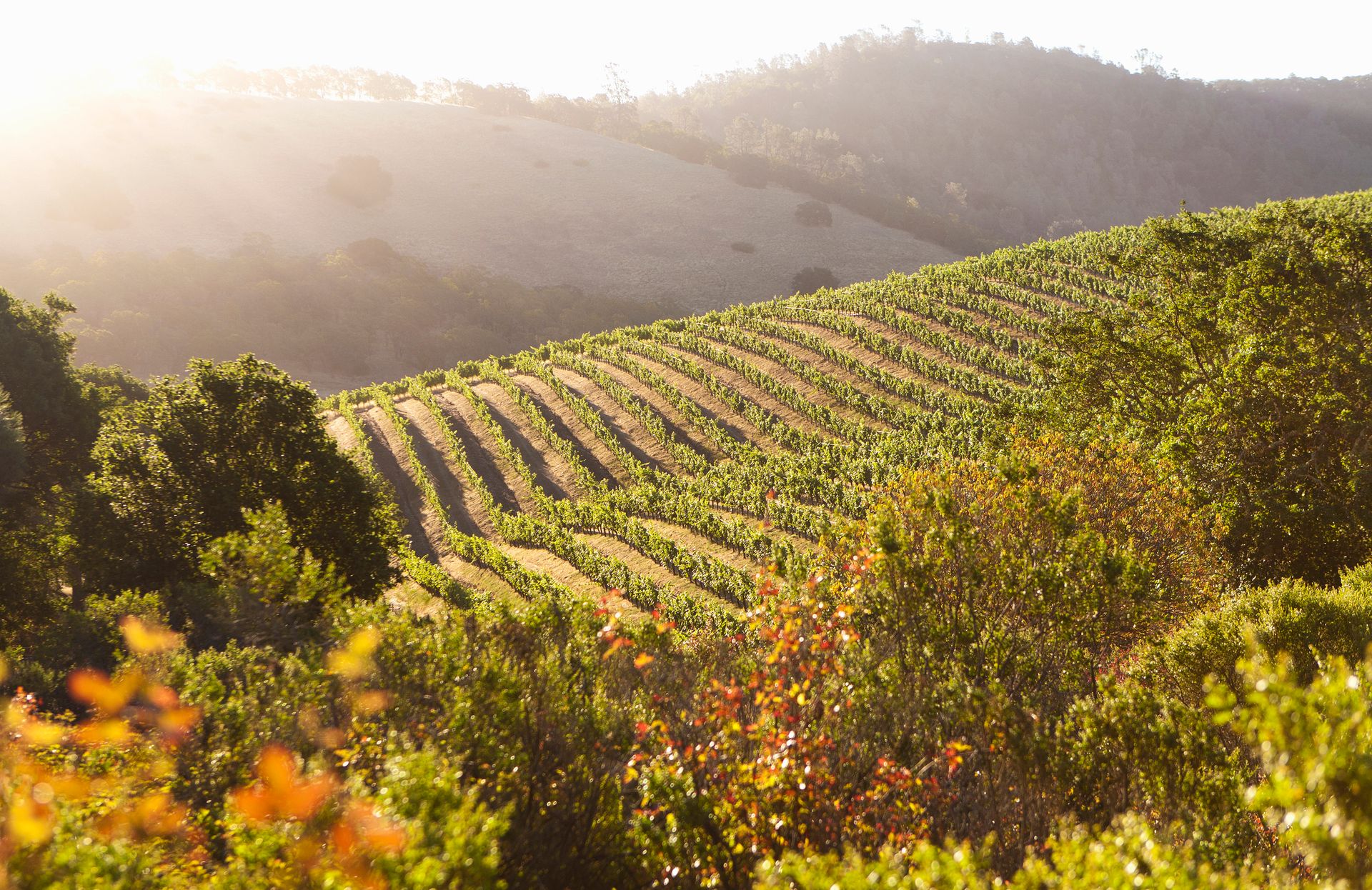
Napa Valley, 60 miles north of San Francisco, earns its reputation as the archetypal American romantic destination through the density of its wine, dining, and accommodation infrastructure within a compact and visually coherent valley landscape. The rolling vineyards that define the region's visual character are accessible through intimate tasting venues like O’Brien Estate and Jarvis Estate, where couples can taste award-winning reds in environments scaled for a private experience. The Napa Valley Wine Train adds a different format to the wine experience, offering couples a moving meal through the valley’s landscape that restaurant dining cannot replicate.
The landscape extends the experience beyond the cellar door and the dining table. The Napa River, navigable by kayak, gives couples a water-level perspective on the valley between wine appointments. Hot air balloon rides over the vineyards provide the aerial equivalent, and the source identifies both as ways to break the rhythm of wine-and-dine itineraries with physical activity that keeps the body engaged between sensory indulgences.
The northern end of the valley at Calistoga adds a wellness dimension alongside the culinary one: natural hot springs and world-class spas make Calistoga a natural overnight stop for couples who want therapeutic recovery as part of the same trip that began with Michelin-starred tasting menus in the main valley. Napa’s infrastructure — the concentration of high-end hotels, restaurants, and tasting venues within a drivable radius — makes it the easiest romantic destination on this list to plan without expertise or advance preparation, because the quality floor across all its main hospitality categories is consistently high. A couple who arrives in Napa with no reservations beyond a hotel will still eat well, drink well, and find the valley beautiful. The Wine Train in particular gives the Napa experience a format that road-based tasting tours cannot replicate: a moving dining room through the valley’s most scenic landscape, where the view changes with every glass.
thierrydehove.com / Getty Images
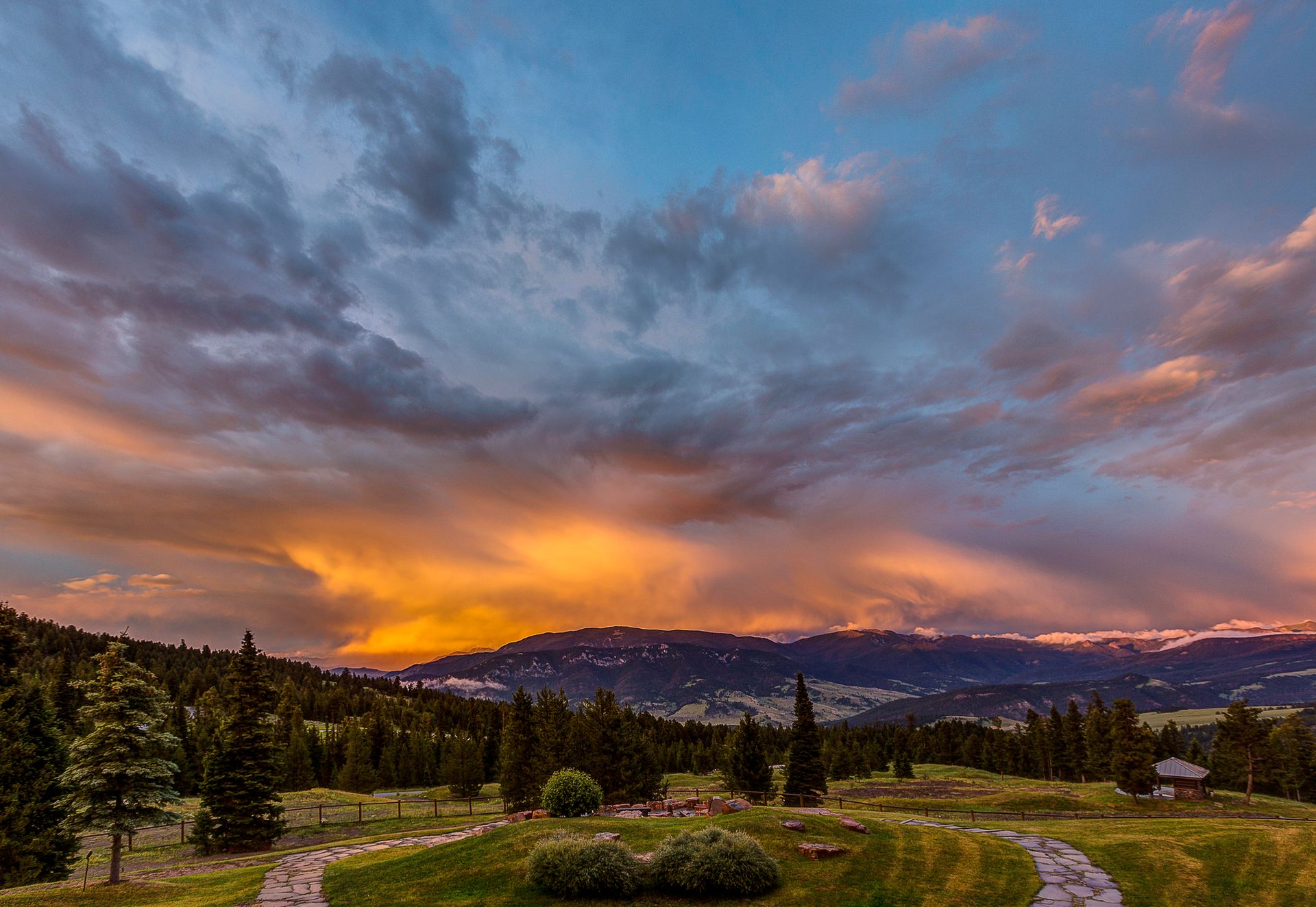
Big Sky, Montana, draws couples primarily through its ski resort in winter, which the source describes as top-notch, featuring a heated chairlift and a sky-high tram. The heated chairlift is a specific amenity that matters on cold Montana mornings: it removes the most uncomfortable element of shared lift riding and turns the chairlift into the kind of enforced proximity that generates the easy conversation that couples often find difficult to recreate in their daily lives. The aerial tram extends the vertical access and the views.
The warmer seasons give Big Sky a second romantic identity distinct from its ski resort character. Fly-fishing on the Gallatin River gives couples a shared outdoor pursuit that is as much about patience and silence as about the river itself. It is the kind of activity that bonds people through shared presence, not shared adrenaline. Hiking under what the source describes as an endless blue sky and road trips to Yellowstone National Park extend the summer itinerary across a landscape that few American destinations can match in scale or ecological drama.
Lone Mountain Ranch, the all-inclusive property the source identifies as the curated Montana choice, offers private cabins, homegrown cuisine, and personalized service. The format removes logistics from the couple’s responsibility and replaces planning decisions with simply being present in the landscape. The source frames this as the right choice for couples who want their Montana experience shaped, not improvised. Big Sky’s winter-summer dual character gives it a year-round relevance that single-season mountain destinations cannot match for couples who want to return to the same place across different seasons and find a genuinely different experience each time. The ski season and the fly-fishing season serve opposite temperaments of outdoor enthusiasm within the same Montana geography. A couple who first visit Big Sky in January for the slopes and return in July for the river will find two destinations separated by weather, activity type, and the entire emotional register of the visit, but anchored by the same mountain landscape.
Gary Saxe / Getty Images
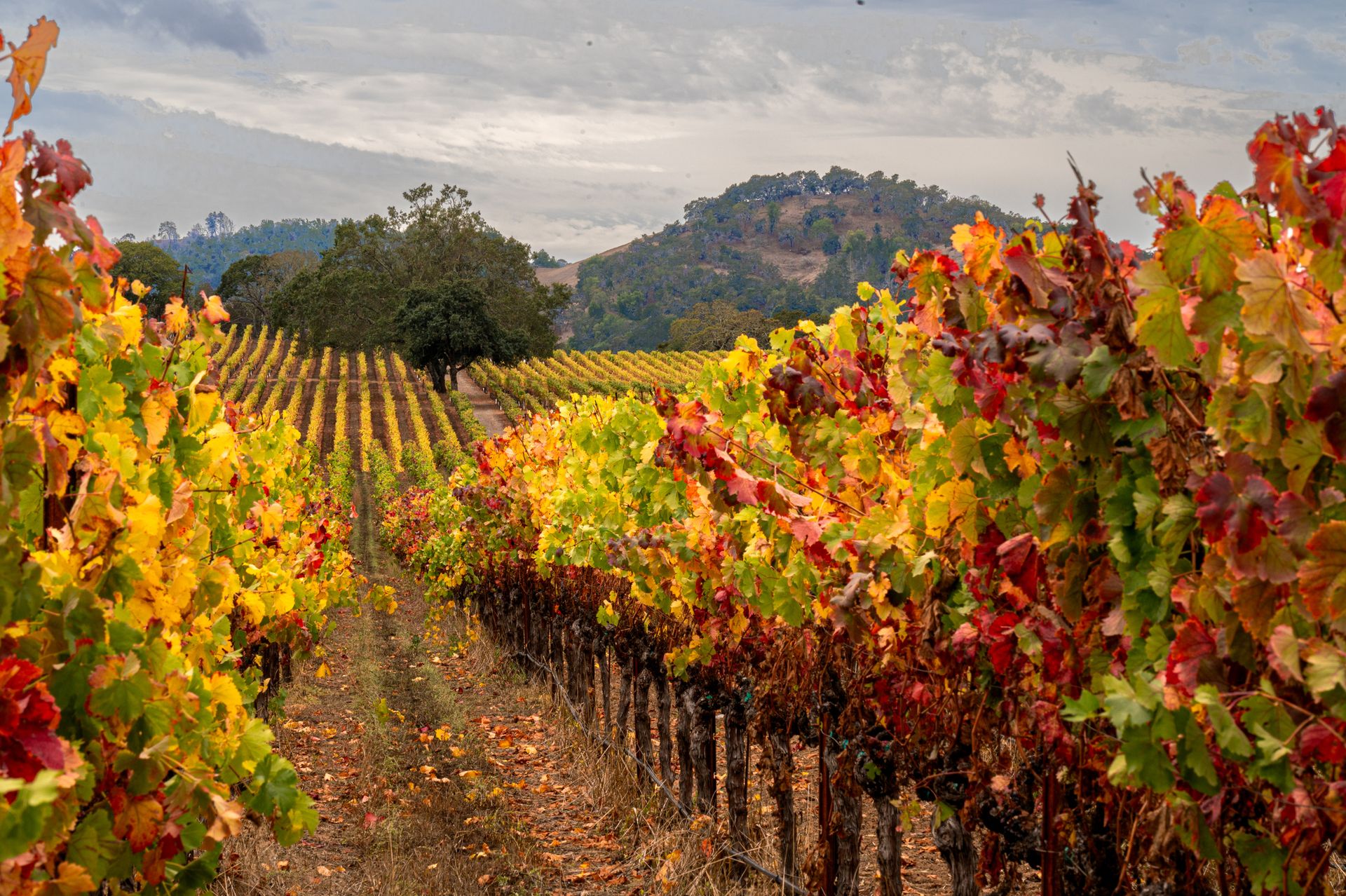
Sonoma County is home to more than 400 wineries. The number gives couples a depth of wine-touring options that extends well beyond the vineyard-hopping the area is known for. The source positions Sonoma as more relaxed than Napa, its more famous neighbor to the east, which, in practice, translates to fewer large-scale commercial tasting operations and more opportunities for the quiet, unhurried tasting room visit that produces genuine winery conversations. Couples whose wine interest is serious will find the Sonoma style suits that preference.
The outdoor landscape extends the itinerary beyond the vineyard. Taylor Mountain Regional Park and North Sonoma Mountain Regional Park offer couples trail access to terrain overlooking the Sonoma Valley and the Santa Rosa peaks, with the latter offering picnic areas with panoramic views. The source positions the regional parks as essential stops for outdoor-oriented couples who want activity between tasting appointments — a balance that the Sonoma area achieves more naturally than denser urban wine destinations.
The most distinctive couples’ experience on the Sonoma itinerary is the wine barrel massage at Magical Massage, where the source describes a 22-foot wine barrel as the treatment space. Side-by-side massage treatments inside a converted wine barrel give the experience a local specificity — grounded in the wine culture that defines the region — that standard resort spa treatments cannot replicate at any price. Sonoma’s 400-plus wineries, its accessible regional parks, and the wine barrel massage together offer couples a layered wine country visit with both familiar and singular elements. The wine barrel treatment in particular gives Sonoma a sensory memory that couples tend to associate specifically with the destination. It is an experience that cannot be replicated at a spa in another wine region. Sonoma’s 400-plus wineries also mean that wine-touring couples can visit multiple times and build an entirely different itinerary each trip without covering the same ground — a depth of option that Napa, with its smaller and more commercially concentrated winery count, cannot match at the same scale.
Tetra Images / Getty Images
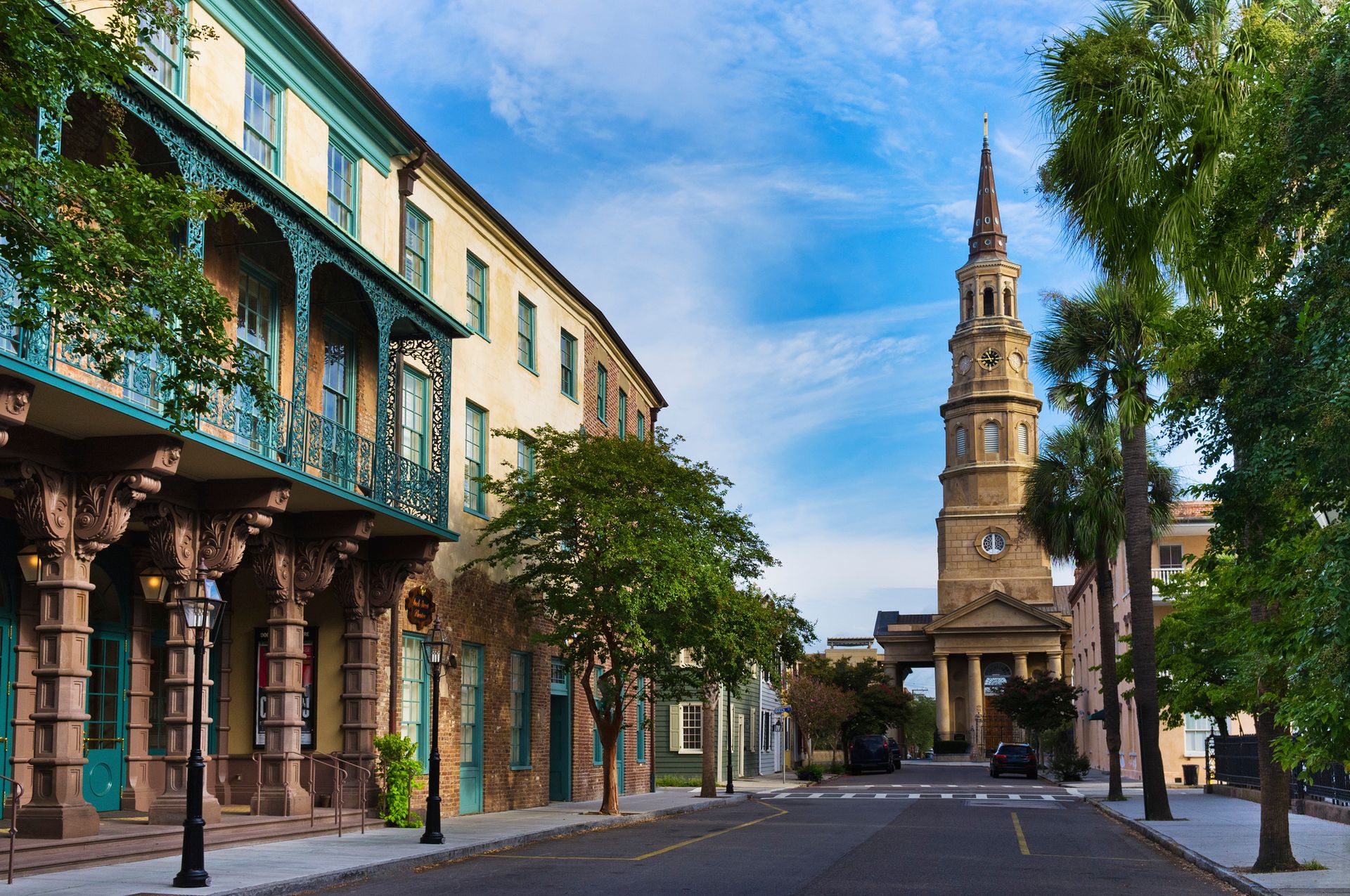
Charleston, South Carolina, rewards couples who slow down. The source describes it as a city best explored at a saunter, and the pastel-hued historic homes, art galleries, and restaurants that line the historic district streets are designed for that pace — architecture meant to be seen on foot, at the scale of a walking neighborhood, not from a car window or a tour bus. The Lowcountry culinary tradition offers food-oriented couples a regional cuisine with a genuine, specific identity: rice-based dishes, shrimp, oysters, and pork preparations that reflect the agricultural and maritime history of the South Carolina coast.
The social infrastructure around the harbor extends the romantic itinerary beyond the historic district. Trolley tours give couples a narrated overview of the city’s architectural layers, and sunset harbor cruises provide the waterfront perspective that Charleston’s position at the confluence of the Ashley and Cooper rivers makes possible. The source identifies Sullivan’s Island as the nearby beach escape for couples who want shoreside quiet away from the crowds the historic district generates.
Accommodations in Charleston range from beachfront resorts on the islands to historic bed-and-breakfasts in the district itself. The source notes that stays in the historic district come with a price premium, a practical caveat worth factoring into planning. The charm of waking up within walking distance of the city’s most photographed streets is the trade-off the premium buys. Charleston’s walkable historic character, a distinctive regional cuisine, and waterfront evening options together give it a romantic identity rooted in the specific culture of a place, not the generic amenity package of a resort destination. A city that produces Lowcountry cuisine, preserves 18th-century architecture at street scale, and offers evening harbor cruises has a completeness of romantic identity that many better-known coastal cities do not match. The nearby beaches give the itinerary a shoreside escape valve that the historic district alone cannot provide, keeping the total experience from becoming too densely urban for couples who need water in their view.
The Key Largo Dude / Getty Images
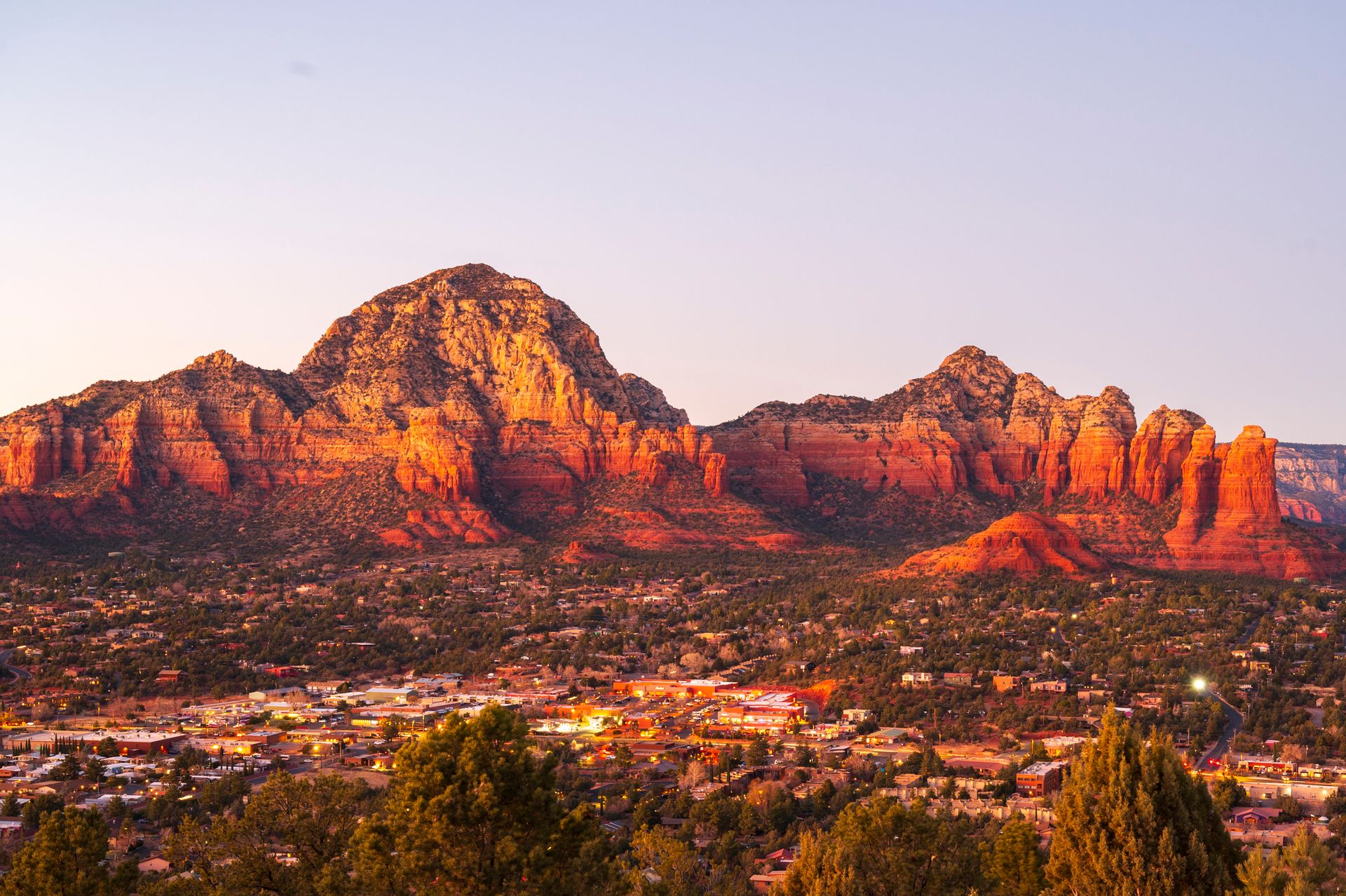
Sedona, Arizona, builds its romantic identity around a landscape that is visually arresting in a way that few American destinations match: sandstone buttes and mesas in red, orange, and rust tones that change color with the light across the day and glow most intensely at sunrise and sunset. The source places couples atop the red rocks, gazing at miles of colorful Arizona landscape, as the scene-setting image for the destination, and the visual drama of that position is the foundation of everything else Sedona offers romantically.
The energy vortexes — sites around Sedona where the Earth’s electromagnetic field is believed by many visitors to be intensified — give the destination a metaphysical dimension that the landscape alone cannot provide. Whether or not couples arrive as believers, the vortex sites function as specific destinations within the broader landscape that give a hike a purpose beyond cardio: a place to sit together, be quiet, and let the landscape have its effect. The wellness retreat scene in Sedona is built around the vortex culture, and the couples massage at one of the town’s world-renowned wellness properties provides a physical complement to the morning’s rocky exertion.
The Verde Valley Wine Trail offers wine-interested couples a self-guided tour of dozens of venues, ranging from small tasting rooms to large wineries along the banks of Oak Creek, adding a culinary dimension to a destination more often associated with landscape than gastronomy. The night sky above Sedona, far enough from Phoenix’s light pollution to produce genuine darkness, gives couples a natural celestial display that the source notes as a specific romantic closing act for a Sedona day. Sedona’s red rock trails, wellness retreats, wine trail, and night sky together make it the most thematically coherent romantic landscape on this list. The destination produces a specific kind of couple: one who is drawn to landscape as a spiritual as well as an aesthetic experience, and who finds that the red rocks, the vortexes, and the desert stars produce a quality of shared attention that city travel rarely generates.
Dan Reynolds Photography / Getty Images
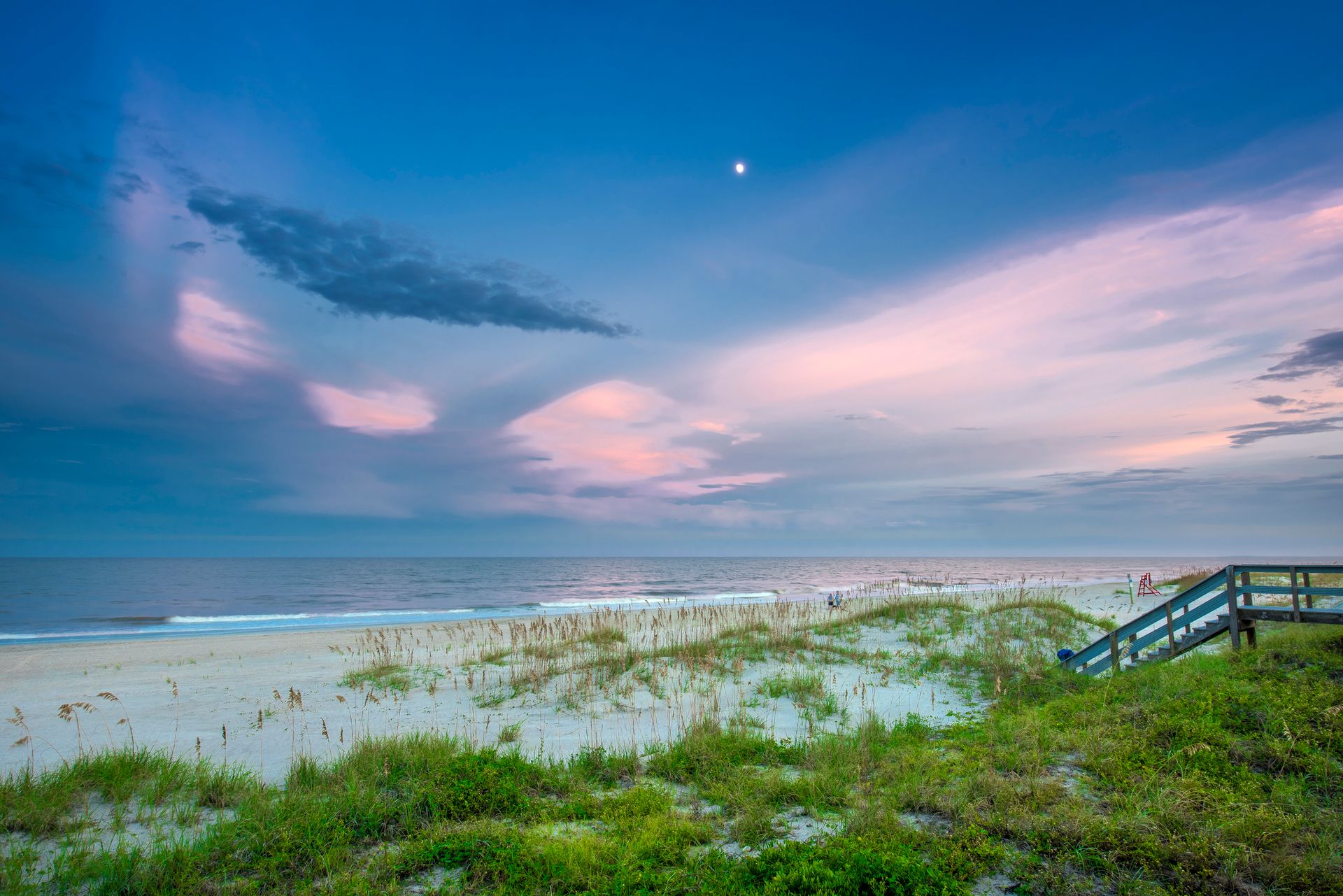
Amelia Island, one of Florida’s Atlantic coast barrier islands, opens its romantic itinerary with two experiences that the source frames as its most distinctive offerings: a sunrise horseback ride along the beach and a private sunset cruise aboard a 40-foot catamaran. The sunrise beach ride gives couples an early-morning private engagement with the island’s shoreline before public beach hours fill the sand, and the catamaran cruise frames the end of the day with the same water and sky from a different angle and a different pace. The island’s orientation around these two bookend experiences gives a day on Amelia a natural romantic structure.
The Amelia Island Trail runs the length of the island by bike, and the source recommends pedaling into downtown Fernandina Beach for its Victorian-style architecture, antique shops, and galleries. The active route leads couples into the island’s most urban neighborhood. The Fernandina Beach historic district, one of the oldest cities in Florida, offers bike-riding couples an architectural destination at the end of the trail earned by the ride itself.
The island’s concentration of luxury resorts gives couples access to high-end spa treatments after active days, and the source identifies a couples massage at one of the island's properties as the natural ending to a day of sightseeing. Amelia Island’s morning horseback ride, bike trail, historic district exploration, catamaran sunset, and spa evening make up a full-day romantic itinerary that uses the island’s compact geography efficiently. The Florida Atlantic coast position extends the weather-suitable season further into fall and winter than Hawaii or coastal California, giving couples more calendar flexibility for booking a beach-based romantic trip. The 40-foot catamaran sunset cruise, the sunrise horseback ride, and the Victorian historic district together offer Amelia Island a set of experiences specific to the destination and not interchangeable with those of any other Florida beach location. For couples who want the Florida coast without the resort-strip character of Clearwater or Daytona, Amelia Island represents the state’s most distinctively layered alternative.
Ian.CuiYi / Getty Images
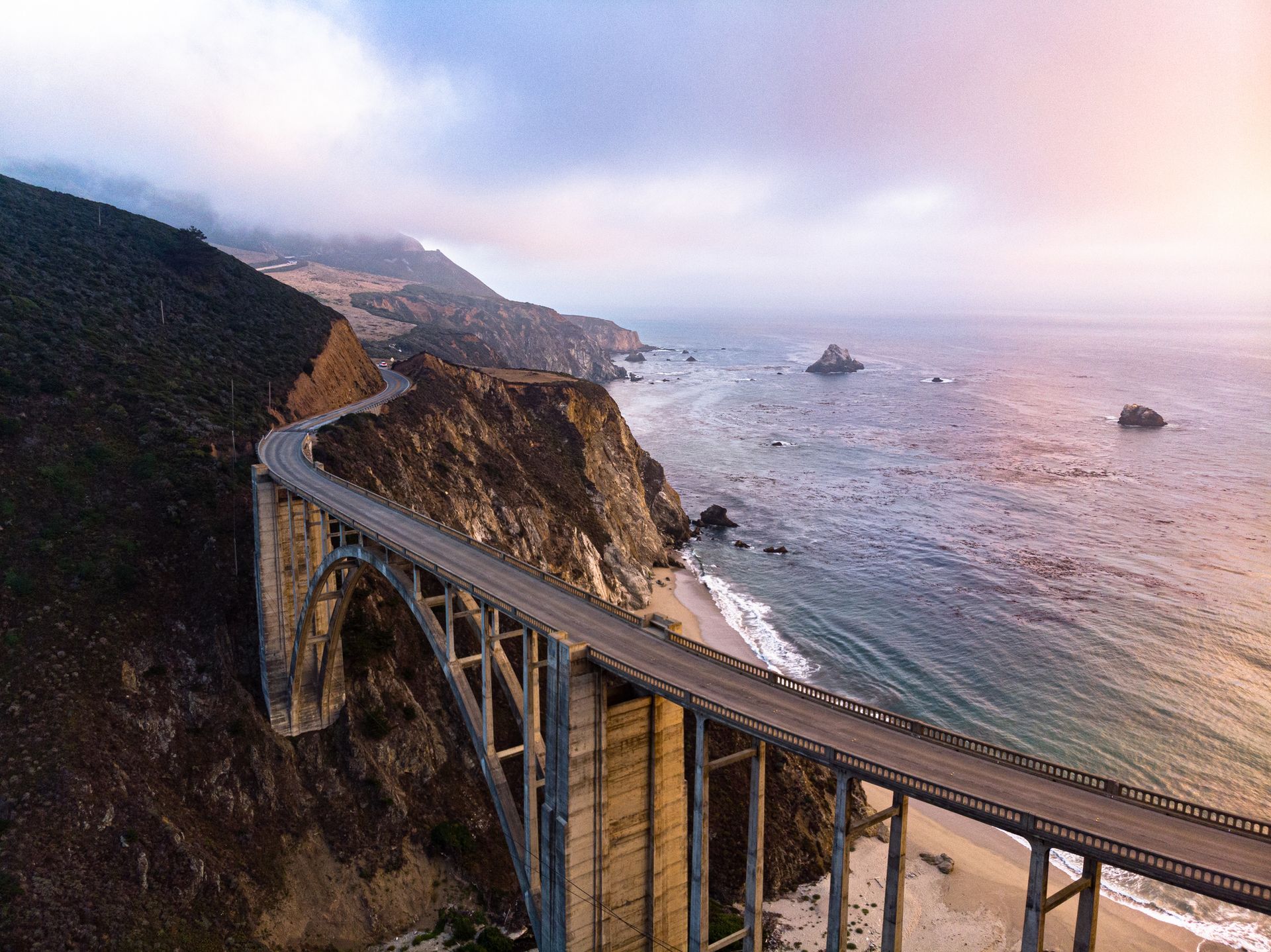
Big Sur, carved into the California coast south of Carmel-by-the-Sea, is the kind of destination that couples often describe in terms of what it does to a person. The windswept coastline and rugged mystique that the source identifies as its defining character do not resolve into a checklist of attractions but into a sustained sensory state that extends through the visit. The cliffside properties, the source names — Post Ranch Inn and Alila Ventana — give couples accommodation that is itself part of the landscape experience: buildings perched above the Pacific, where the view from the room is as significant as anything the surrounding trails offer.
Nature serves as the primary activity provider in Big Sur, and the source explicitly acknowledges this hierarchy. Redwood-lined hiking trails give couples access to one of California’s most ancient ecosystems within a coastal context, and Pfeiffer Beach gives the shoreline a picturesquely dramatic character with its purple-tinged sand and sea stacks. Sand Dollar Beach, the source identifies as a destination for an atmospheric picnic without crowds, offers couples the rare experience of a major California beach that is genuinely spacious.
The proximity of Carmel-by-the-Sea gives Big Sur couples a day trip option that shifts the register entirely: from rustic coastline to art galleries and fairy-tale cottages in a walking-scale village that has cultivated its charming character for over a century. The two destinations complement each other through contrast. Big Sur delivers wild coastal immersion, and Carmel delivers the refined town pleasures that a multi-day stay benefits from, including. Big Sur’s accommodation at the Post Ranch Inn level represents some of the most expensive real estate on this list, but the visual and experiential return on that investment is proportionate. Few romantic California itineraries can match the range this coastal stretch delivers within a single day’s drive. Big Sur and Carmel together cover the full arc from wilderness to sophistication that most couples need over a multi-day trip, without requiring the kind of distance that makes adjacent destinations logistical burdens.
Westend61 / Getty Images
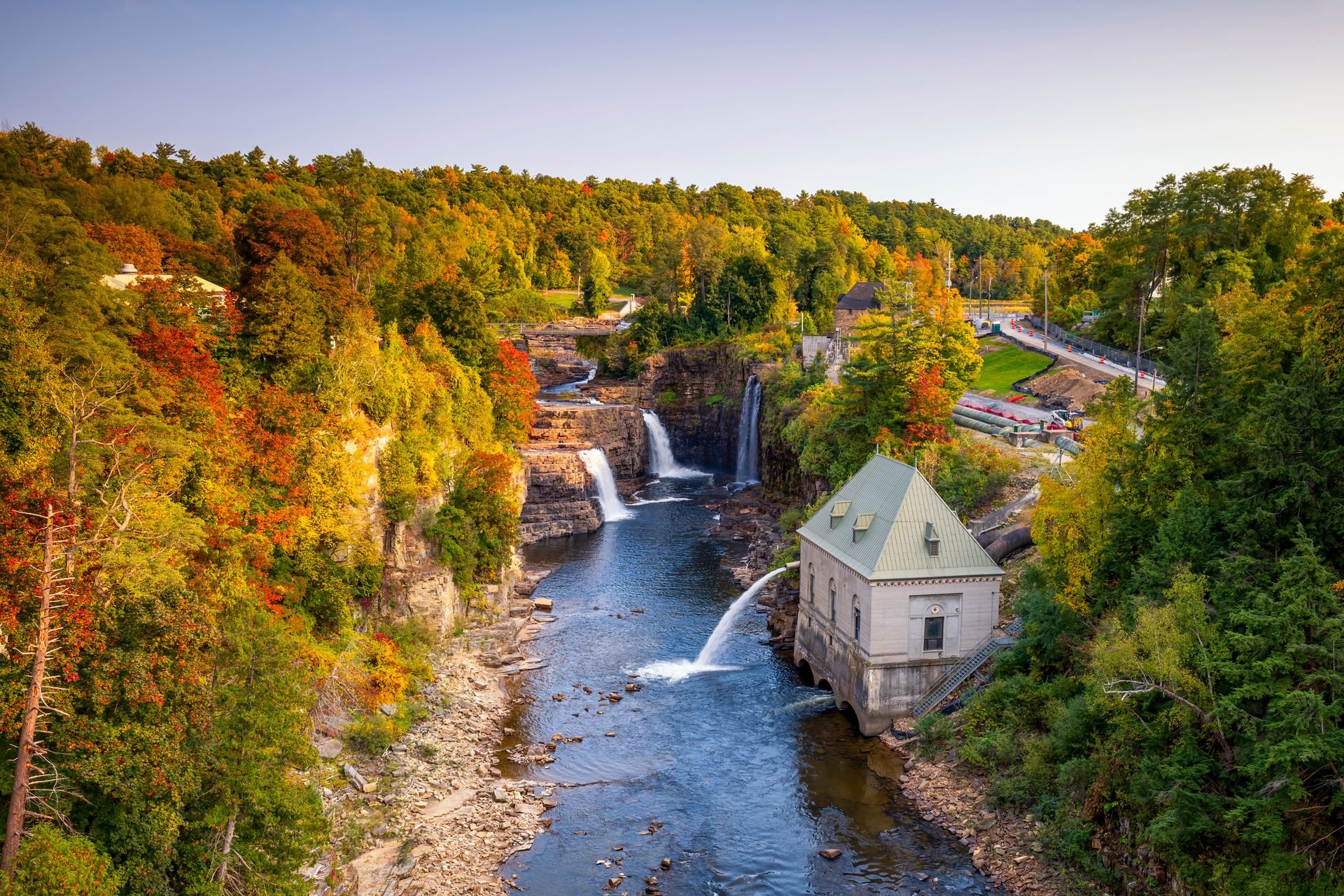
The Adirondacks in upstate New York offer couples a romantic destination whose appeal rotates across all four seasons without repeating itself. A winter visit includes lantern-lit sleigh rides, a specific and distinctive romantic activity that the source identifies as one of the primary draws of the cold-month trip. Summer brings paddling trips on the region’s lakes and rivers, and fall produces the leaf color that makes the Adirondacks’ forests one of the most photographed seasonal landscapes in the Northeast. Each season gives a couple who return a genuinely different experience of the same geography.
The small towns of Saranac Lake and Lake Placid give the adventure programming a local cultural context. Lake Placid, the site of two Winter Olympics, gives couples visiting in ski season a specific historical layer to the mountain activities they undertake. The same slopes and ice that produced Olympic competition are accessible to recreational visitors. The source recommends the area’s restaurants and shops as destinations in their own right, giving couples who have exhausted themselves outdoors a reason to spend time in the towns rather than retreat to their accommodation.
The accommodation range in the Adirondacks covers the full spectrum from luxurious lodges with full amenity menus to secluded log cabins where the primary comfort is isolation. Couples who want service and amenities can find them, and couples who want to be alone in the woods can find that as well. The source frames this breadth of accommodation as a genuine virtue rather than a lack of focus, and the Adirondacks’ size — the largest protected area in the contiguous U.S. east of the Mississippi — provides enough geographic space to support both experiences within the same region. The lantern-lit sleigh ride in winter and the paddling trip in summer are separated by six months and represent opposite ends of the Adirondacks’ romantic identity, but both are available in the same place.
