From Big Sur's hidden beaches and cliff-side hot springs to the Inn at Little Washington's tasting menus 90 minutes from D.C.
Ryan Hoffman / Unsplash
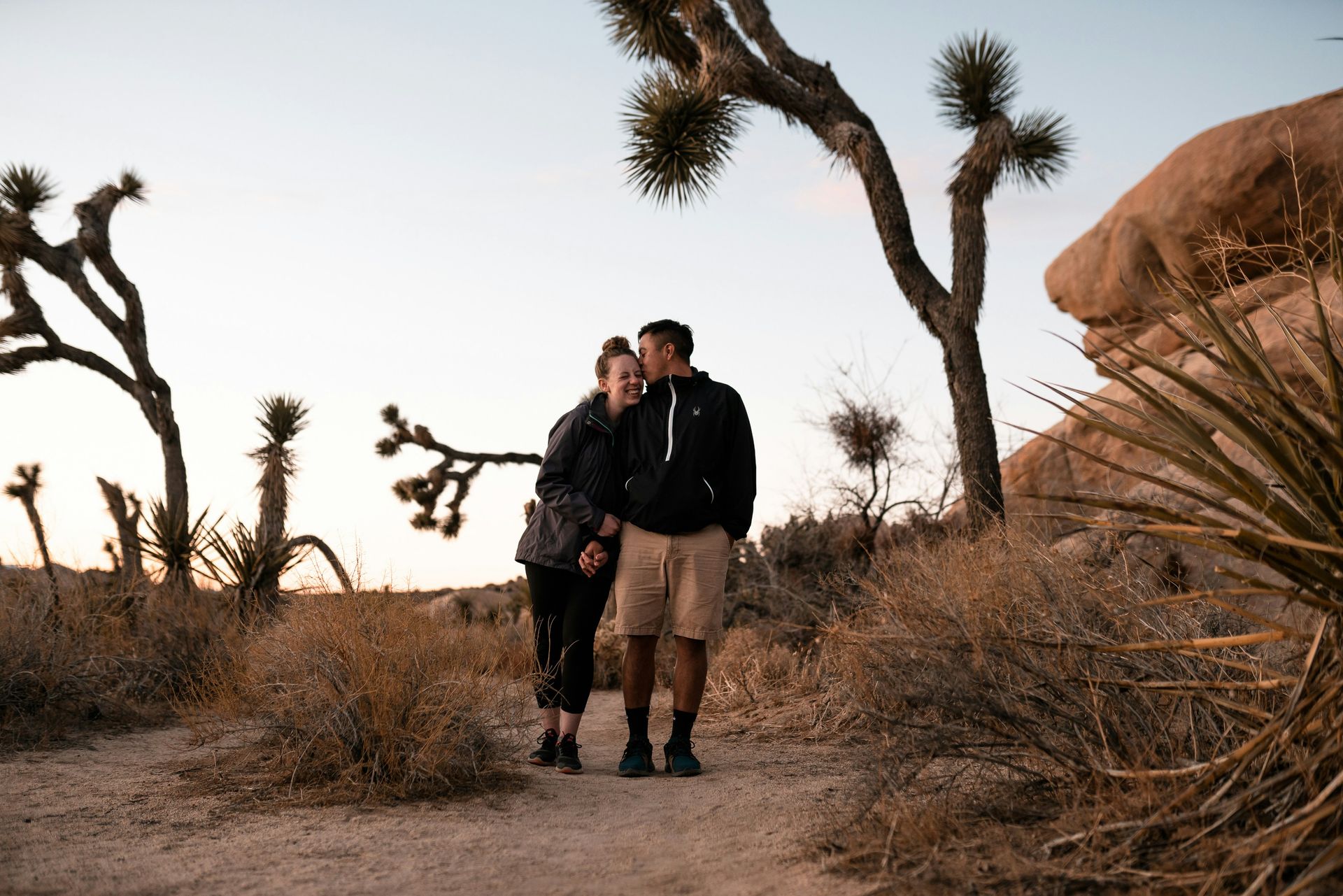
The American romantic weekend getaway has a geography as varied as the country itself. Big Sur’s Highway 1 pairs hidden beaches and hot springs with one of the most dramatic coastal drives in the world. Joshua Tree’s two desert ecosystems offer stargazing and spring wildflowers within a few hours of Los Angeles. Park City’s ski slopes and Main Street boutiques make the cold a feature, not an obstacle. Asheville’s River Arts District and Pisgah National Forest trails combine mountain scenery with a bohemian arts scene without requiring a luxury hotel budget.
What makes a destination romantic in practice is less about amenities than about environment: a place whose character makes the couple more aware of each other and less aware of everything else. Some of the destinations below, Washington, Virginia, and Deer Valley, deliver that through the concentrated luxury of a world-class inn or a premium ski resort. Others, like Rogers Park and Asheville, do it through sensory richness and neighborhood discovery, where money has relatively little to do with it. The common thread is specificity: these are places with a strong enough identity that the trip itself becomes a shared reference point.
The 10 destinations below appear in Lonely Planet, covering romantic weekend escapes for couples across nine states from California to Puerto Rico. The list covers destinations at different budget levels and with different activity profiles: some built around natural settings, others around food and culture, one around a single celebrated restaurant. What they share is a specific enough character to make a short trip feel like a genuine experience, not a generic break. The list covers destinations at different budget levels and with different activity profiles: some are built around natural settings, others around food and culture, and one around a single world-class restaurant. What they share is a specific enough character to make a short trip feel like a genuine experience, not a generic break.
Spencer Davis / Unsplash
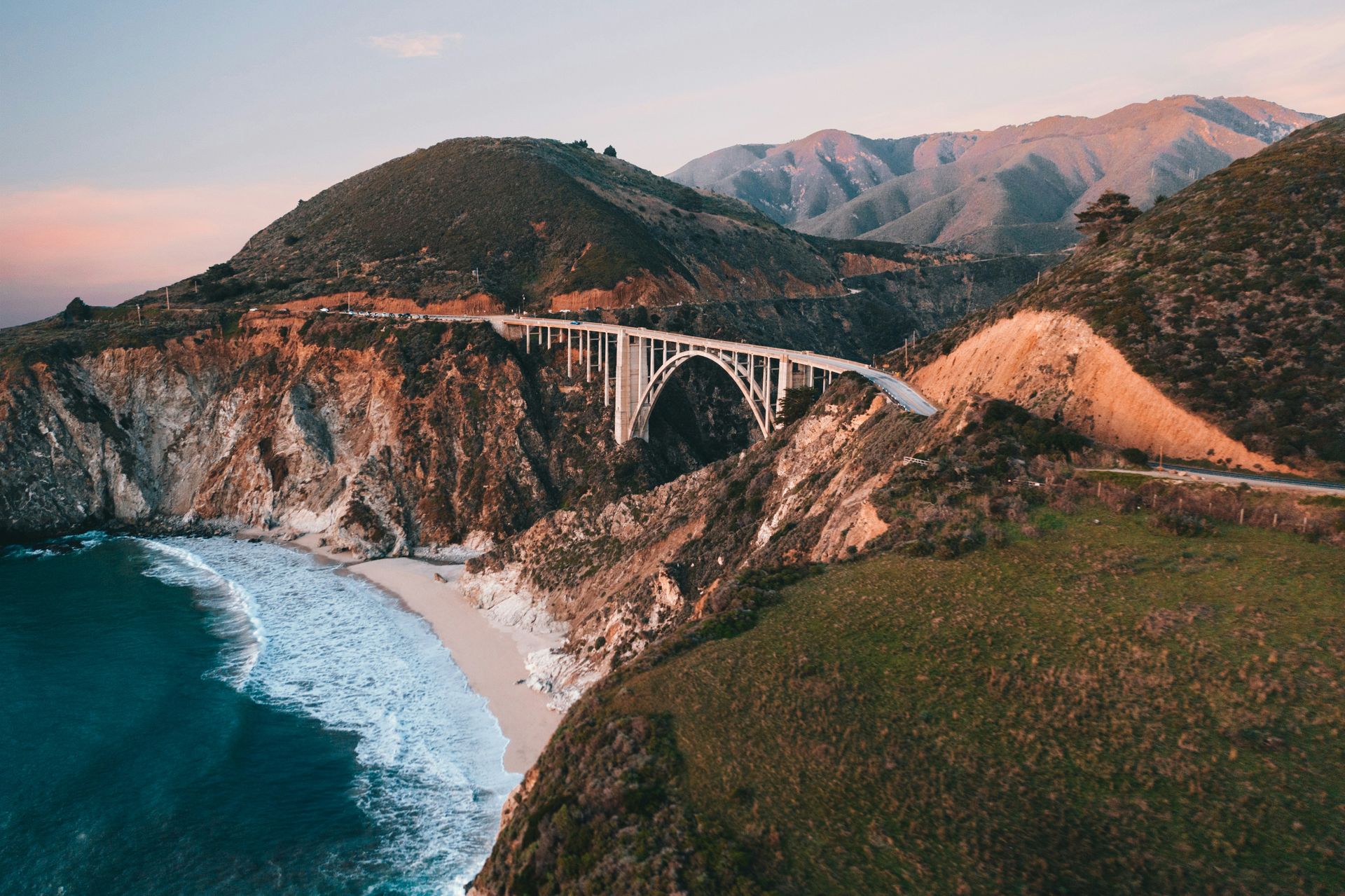
Highway 1 through Big Sur is the American road trip in its most cinematic form: a two-lane road threading between the Santa Lucia Mountains and the Pacific, with the ocean visible at almost every turn. The drive is structured for two in a way that few road trips are. One person drives while the other watches the coast. Then you switch, and both of you get the full unobstructed window-seat experience. The vistas between Carmel-by-the-Sea and San Simeon are relentless: McWay Falls dropping directly onto the beach, Pfeiffer Beach’s purple-tinged sand, the long curve of the Bixby Bridge above a coastal ravine.
Carmel-by-the-Sea is the logical northern starting point: a compact village with galleries, boutiques, an 18th-century Spanish mission, and good restaurants where stopping for a morning feels unhurried, not touristic. Point Lobos State Natural Reserve, a few miles south, offers the coastline’s best wildlife viewing, including sea lion colonies on the offshore rocks, harbor seals in the coves, and several miles of hiking trails with ocean overlooks.
Planning ahead matters more on this drive than on most. The road between Carmel and San Simeon has no gas stations for long stretches, and seasonal closures from landslides and wildfires are common enough that checking Caltrans road conditions before departure is a genuine necessity. The Esalen Institute’s cliff-side hot springs, accessible for late-night reservations, are worth booking well in advance. The remoteness is the point. Big Sur works precisely because commercial development along this stretch is minimal, which means both fuel and food require more planning than a typical coastal drive. The reward for that planning is a highway whose commercial development is as minimal as any major American coastal route, and whose natural drama is consistent enough that both drivers and passengers stay engaged across the full length of the drive. Most couples do Big Sur as an overnight minimum, staying somewhere between Carmel and Cambria, which gives the itinerary a natural midpoint stop and eliminates the pressure to cover the whole route in a single day.
SVP4U PBC / Unsplash
Less than 10 miles from downtown Miami, Key Biscayne operates on a different frequency. The barrier island’s white-sand beaches, bike-friendly streets, and calm water make it feel like a separate destination, not a suburb, which is exactly what a couple flying into Miami who needs an antidote to the city’s pace is looking for. Getting there requires crossing the Rickenbacker Causeway, and the physical act of crossing the water does most of the psychological work.
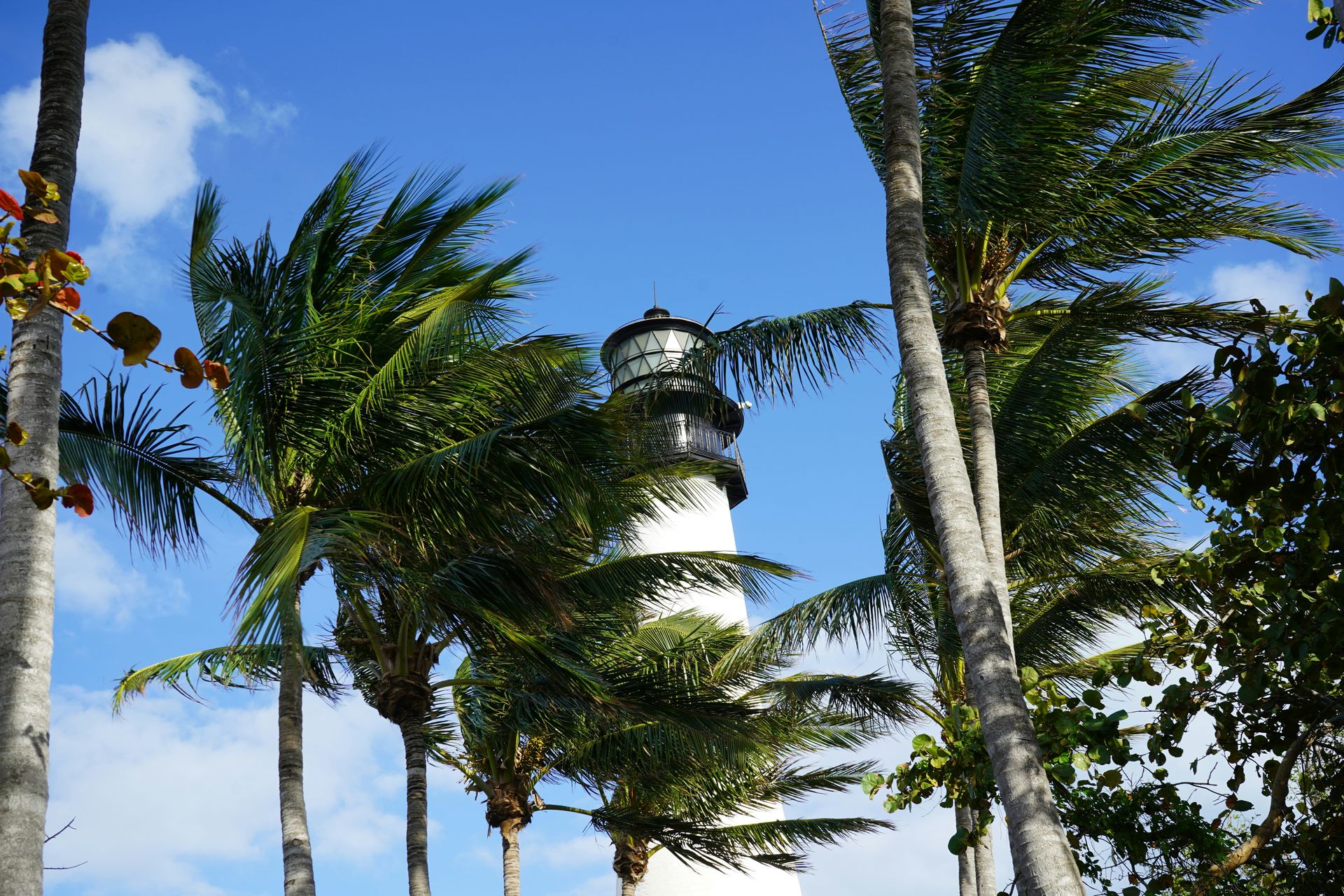
Bill Baggs Cape Florida State Park anchors the southern tip of the island with 1.25 miles of natural beach and the 1845 Cape Florida Lighthouse, Florida’s oldest standing structure and the tallest building in Miami-Dade before the skyscraper era. The lighthouse tours involve a climb to the observation gallery at 95 feet, with views across Biscayne Bay and the Atlantic that justify the effort. Two-person kayak rentals in the park let couples paddle the calm ocean water at their own pace, which is a more satisfying shared activity than most beach resorts offer.
Boater’s Grill at No Name Harbor, reachable by water with dock space available, serves bacalao fritters and fresh snapper in a marina setting that feels genuinely local, not tourist-facing. The Rusty Pelican on Rickenbacker Marina has been a waterfront institution for over 50 years, and the sunset dinner at the water’s edge is a straightforward and consistently rewarding choice. Neither restaurant is a destination in itself, but the setting, the food, and the light on the water at golden hour are the kinds of things that make the trip memorable. Key Biscayne works best as an overnight, not a day trip from Miami. Staying on the island instead of returning to the city gives the visit a slower rhythm that makes the island’s appeal legible. The Ritz-Carlton Key Biscayne is the most established accommodation option, though smaller boutique hotels near the beach serve the same purpose at a lower cost. The island’s bike rental shops are convenient, and the flat terrain means cycling between the park, the beach, and the restaurants is genuinely practical.
Nicole Herrero / Unsplash
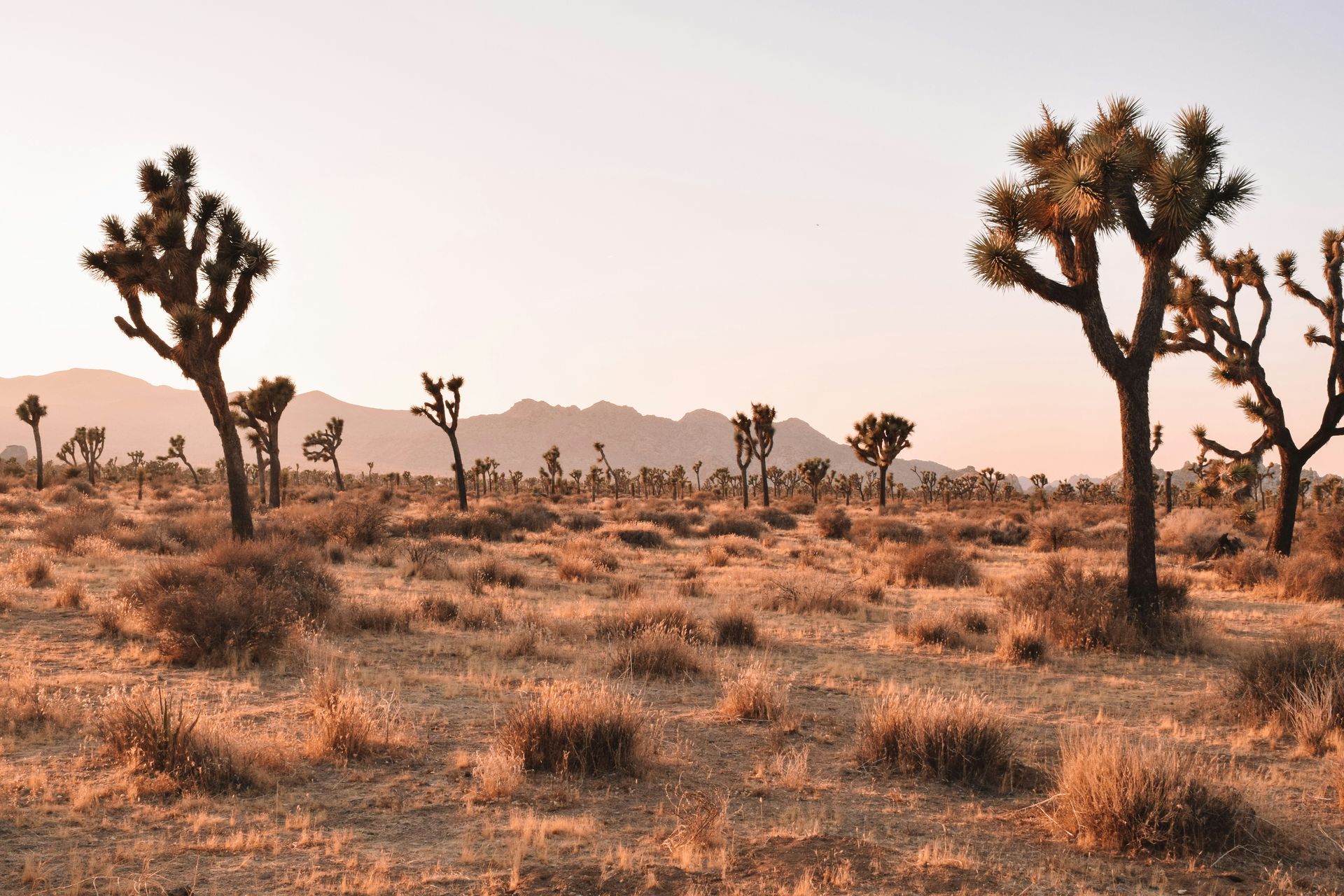
Joshua Tree National Park sits at the meeting point of two distinct desert ecosystems: the higher, wetter Mojave in the north, dominated by Joshua trees, and the lower, hotter Colorado Desert in the south, where cholla cactus gardens and ocotillo replace them. The ecological boundary between the two is visible in the vegetation as you drive through, and it gives the park a geological and botanical variety that a single-ecosystem desert can’t match. In spring, the lower elevations can be covered in wildflowers, a transformation that surprises most visitors who arrive expecting permanent austerity.
After dark, Joshua Tree becomes something else. The park’s dark-sky designation keeps light pollution low enough that the Milky Way is visible on clear nights, and the granite boulder formations that define the landscape retain warmth from the day. Lying on sun-warmed rock while the desert cools and the stars appear is not a difficult thing to arrange, and it tends to be the part of the trip that couples remember most clearly.
Camping inside the park is one option. The glamping properties nearby are better suited for couples who want the desert landscape without the tent logistics: AutoCamp Joshua Tree’s Airstream trailers come with a heated pool and have the design sensibility of a boutique hotel in the form of a classic American road trip icon. Cascade Trails Mustang Sanctuary offers glamping tents alongside equine experiences, including sunset trail rides and private stargazing excursions. The Cholla Cactus Garden trail in the lower Colorado Desert and the Skull Rock Nature Trail in the upper Mojave give the hiking program enough variety to fill two full days without repeating the same terrain. The visitor center at the park’s west entrance has the most useful orientation materials, and the rangers can advise on which trails are currently accessible and what the stargazing conditions are likely to be. Spring visits, typically from March through May depending on rainfall, offer the best chances for wildflowers. Summer is hot enough that hiking before 9 a.m. and after 4 p.m. is the practical default.
Gabriel Tovar / Unsplash
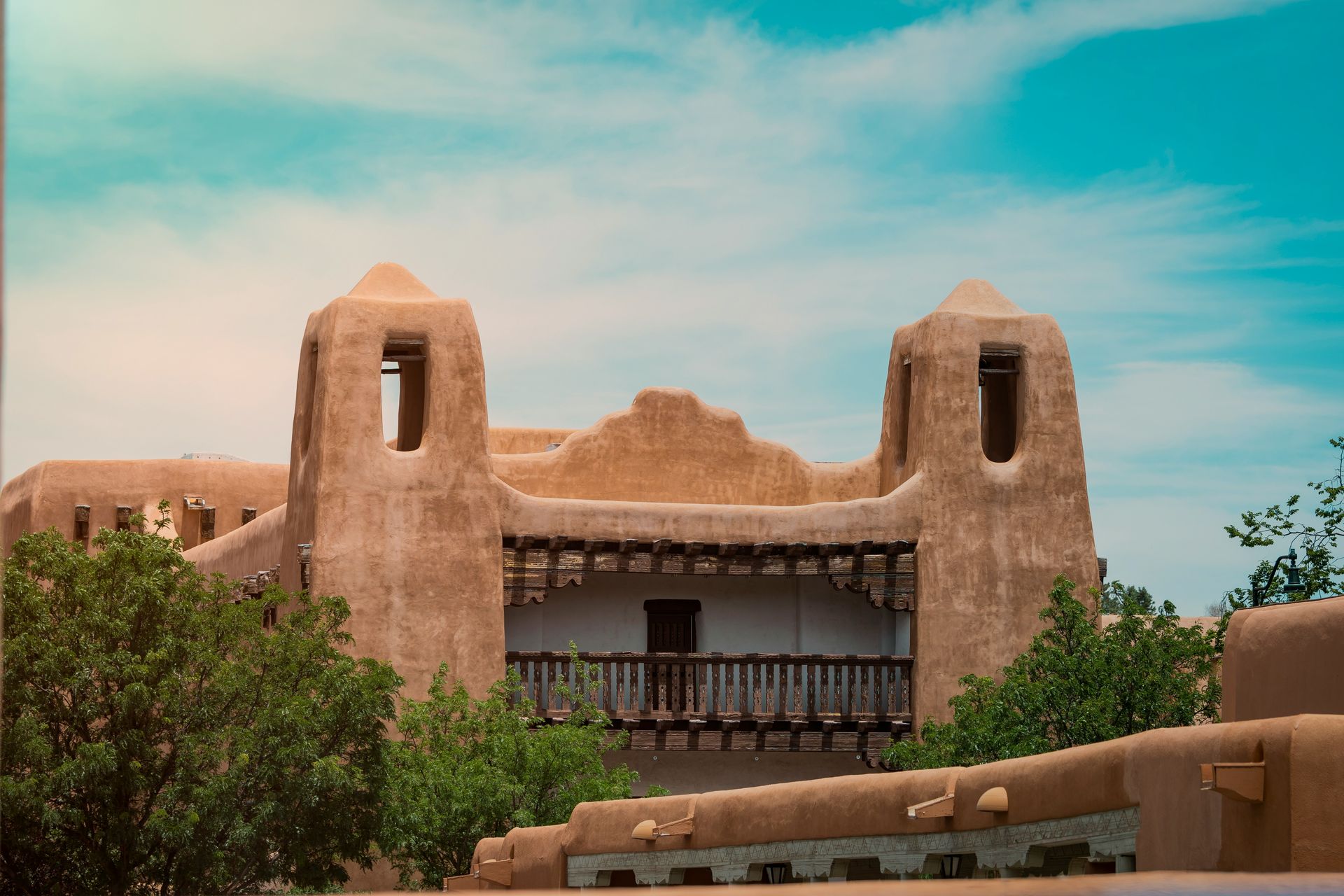
Santa Fe’s planning laws require adobe construction on every building in the city, including gas stations, producing a visual coherence that makes the historic Plaza and its surrounding streets feel like a continuous architectural statement, not a collection of individual decisions. The earth-toned exterior is the container. What happens inside is considerably more varied. World-class museums, a thriving Indigenous art market, and a contemporary art scene that includes genuinely surprising work occupy buildings that, on the outside, look like they’ve been there for centuries.
The Georgia O’Keeffe Museum documents the life and work of the city’s most famous resident with the depth and care that her importance deserves. The Museum of International Folk Art holds the world’s largest collection of folk art, covering painted masks, carved figures, beaded jewelry, and textiles from dozens of countries in a single building. The Indigenous artists selling their work in and around the Plaza connect the contemporary art scene to the landscape and the cultural history that inspired it, and buying directly from the artist is both more meaningful and more reliable than purchasing through an intermediary.
Meow Wolf is the city’s most unusual contribution to American contemporary art: an immersive environment built inside a bowling alley donated by George R.R. Martin, where an artist collective has created a narrative mystery for visitors to explore through trippy lighting, hidden passageways, and unexpected spatial transitions. It is best described as a shared experience rather than an exhibition, making it particularly suited to couples. The high desert evening, with adobe warmth and outdoor fire pits, and the Plaza’s surrounding restaurants and bars, make Santa Fe’s after-dark program as specific and unhurried as the daytime one. The altitude, just over 7,000 feet, affects some visitors more than others, and thinner air and strong sun mean SPF and hydration matter more than they do at sea level. The food scene is strong enough to anchor multiple dinners, with Cid’s Food Market providing provisions for a picnic in the sculpture garden at the Museum of International Folk Art.
Parker Ward / Unsplash
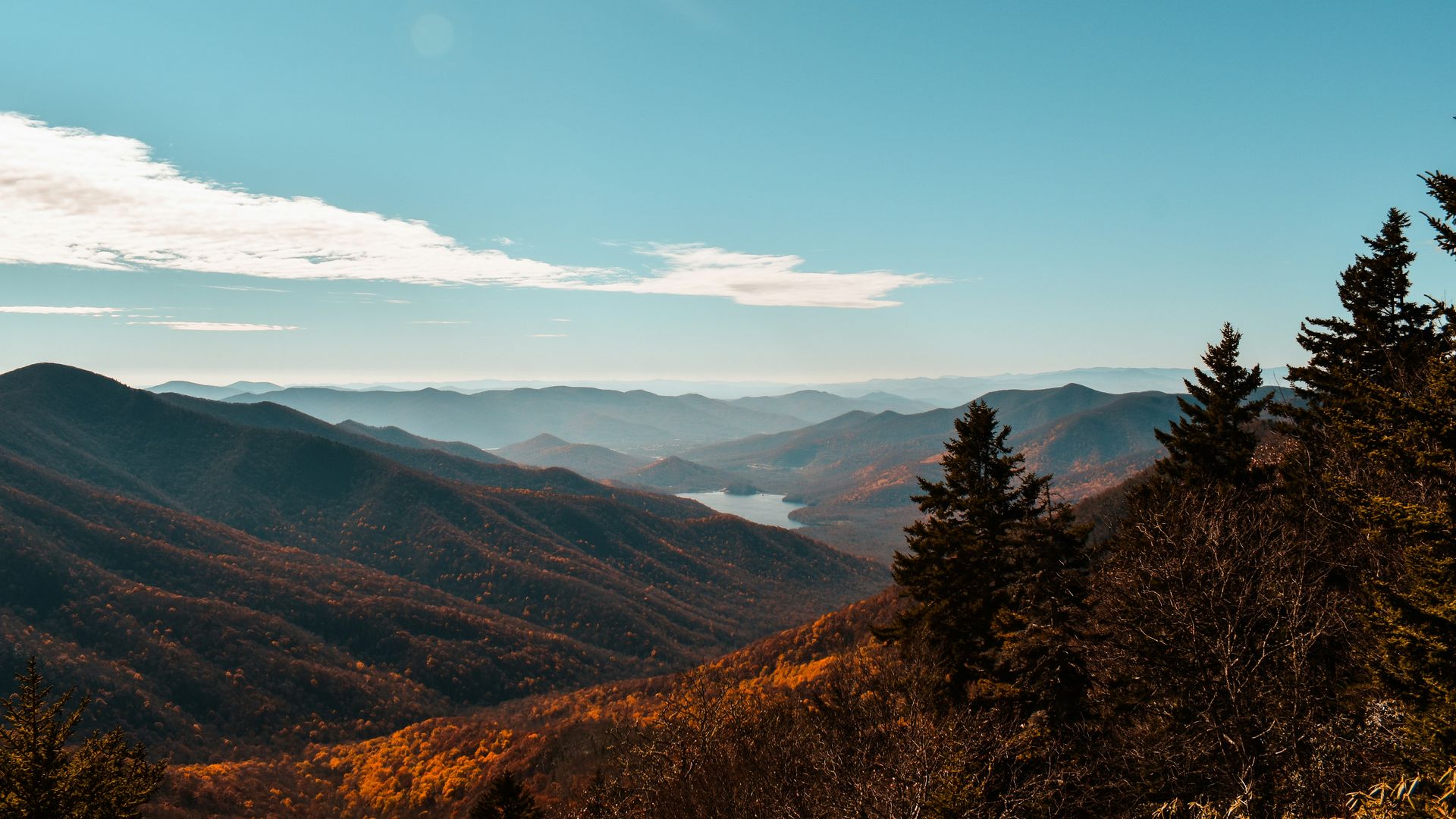
Asheville sits in a bowl of the Blue Ridge Mountains and packs an improbable amount of activity into a city of roughly 100,000 people. Serious outdoor access, a thriving independent arts scene, and a food and brewery culture that punches well above its price point make it the most genuinely versatile romantic weekend destination on the East Coast for couples who aren’t trying to spend a fortune.
Pisgah National Forest is minutes from downtown. The trails through hardwood forest, alongside white-water rivers, and past cascading waterfalls offer a full day of mountain hiking without requiring significant planning. Sliding Rock, the 60-foot natural granite waterslide in Pisgah, is a shared physical experience whose bracing cold-water landing tends to produce involuntary laughter, a useful thing in a romantic context. The Asheville Botanical Gardens, two miles from the city center, offer free admission from sunrise to sunset and a native plant collection that rewards slower walking than most visitors give it.
The River Arts District, a former industrial corridor along the French Broad River, has converted warehouses and studios into working creative spaces where visitors can watch artists at work on the pieces that appear in the adjacent galleries. Hole Doughnuts and New Belgium Brewing are both in the neighborhood and handle the food and drink portion of the afternoon competently. The Biltmore Estate, the Vanderbilt château at the edge of the city, is large enough to occupy a full day and has an on-site winery that uses the estate’s vineyards. The Blue Ridge Parkway, accessible directly from Asheville, runs 469 miles along the Appalachian ridge and offers overlooks, hiking trailheads, and high-elevation views that give the driving couple an itinerary that could easily fill several more days. The French Broad River, which flows through the city, has several outfitters offering kayak and tube rentals. Downtown Asheville’s independent record shops, bookstores, and ceramics galleries occupy a walkable few blocks around Lexington Avenue, and the farmers market on Saturday mornings is a good way to start the weekend before heading into the mountains.
Harriswoodville / Wikimedia Commons (CC BY-SA 4.0)
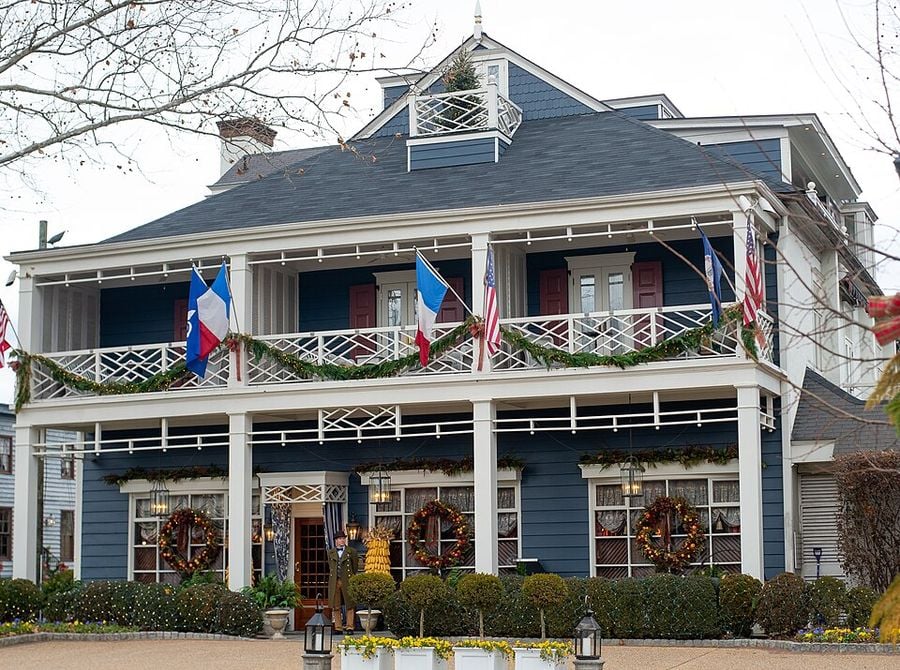
The town of Washington, Virginia, the original Washington and predating the capital by decades, sits 90 minutes west of D.C. in the Shenandoah Valley, beneath the Blue Ridge. It is, by most measures, a village: a few hundred residents, a handful of shops, and the Inn at Little Washington, which is one of the most celebrated restaurants in the United States. Patrick O’Connell’s tasting menus have sustained a reputation for world-class dining over several decades, and the Inn’s rooms and suites give the overnight stay a level of care and detail that justifies the designation of destination in itself. This is where couples come when the dinner is the point.
The Shenandoah Valley wine trail offers an afternoon well spent: Gadino Cellars and Little Washington Winery both work with Vinifera and hybrid varieties shaped by the Blue Ridge’s elevation and the valley’s continental climate, and the tasting rooms are comfortably spaced along rural roads, not clustered in a way that feels commercial. Luray Caverns, about 40 minutes from Washington, contains the most spectacular cave formations in the eastern United States, including the Stalacpipe Organ, a musical instrument whose mallets strike stalactites of different sizes to produce resonant tones.
The Shenandoah River, accessible from several launch points in the area, is one of the East’s most beautiful paddling rivers. Front Royal Canoe Company is the most established outfitter, and the guided float trips cover a stretch of river whose current does most of the work. Shenandoah National Park’s Skyline Drive, directly adjacent, offers hiking trails and overlooks along the Blue Ridge crest. The Inn’s dinner, followed by a morning on the mountain trails, is the complete Washington, Virginia, couple’s weekend, and it’s hard to improve on. The town itself is small enough to walk entirely in 20 minutes, and the shops and galleries are worth a look in the afternoon before dinner. Booking the Inn well in advance is essential: reservations fill months out for weekend tables, and the Inn’s rooms book even faster than the restaurant.
Christopher Ryan / Unsplash
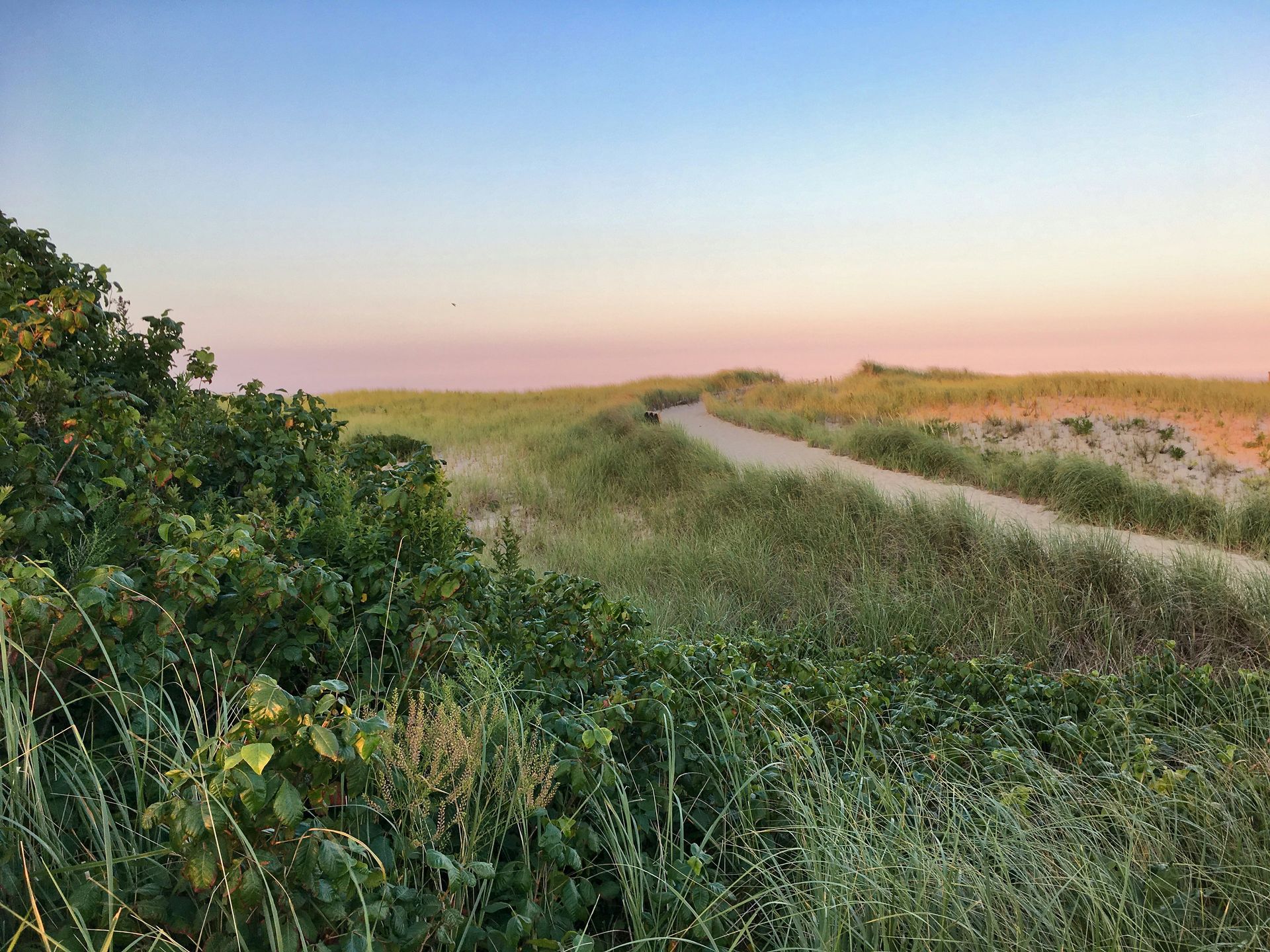
Cape Cod’s geography is that of a hook-shaped peninsula curving 70 miles into the Atlantic, producing a coastline with multiple distinct characters. The National Seashore protects 40 miles of beach on the outer Cape, including some of the most pristine Atlantic shoreline accessible without traveling to Maine or Nova Scotia. Provincetown, at the tip of the hook, has been a gathering place for artists, writers, and the LGBTQ+ community for over a century, and its galleries, drag shows, beaches, and whale watch boats give the northern end of the Cape a cultural density that most coastal resort towns don’t approach.
The Stellwagen Bank National Marine Sanctuary, just off Provincetown, is one of the most productive whale-feeding grounds in the western North Atlantic. Humpback, finback, and minke whales are reliable sightings between May and October, and the whale watch boats depart directly from Provincetown Harbor. A whale surfacing next to the boat is the kind of shared natural experience that works equally well for couples who don’t particularly care about whales in the abstract. The scale and the proximity take care of the emotional response.
The Cape Cod Rail Trail covers 25 miles of paved cycling path through kettle ponds, salt marshes, and forest between Dennis and Wellfleet, with bike rentals available at multiple points along the route. The historic lighthouses, Nauset Light and Highland Light, among the most photogenic, mark the outer Cape’s landscape at intervals. The Wellfleet Drive-In, one of the last remaining drive-in theaters in New England, shows double features on summer weekends and is a specifically retro romantic option that the Cape offers, and most destinations don’t. The outer Cape towns, Wellfleet, Truro, and Provincetown, are smaller and quieter than the mid-Cape resort towns, and their art galleries, independent restaurants, and National Seashore beach access make them the strongest base for a couple who wants the Cape without the summer crowd density. The shoulder seasons, May and September, offer better weather than their reputations suggest and significantly fewer people.
-1-1920x1081.jpg)
Wei Zeng / Unsplash
San Juan is one of the most welcoming destinations in the Caribbean for LGBTQ+ couples, with gay-friendly neighborhoods, accommodations, bars, and restaurants concentrated particularly in Ocean Park and Condado. A warm-weather Caribbean city, colonial architecture, Puerto Rican food culture, and a genuine queer community make the weekend feel like more than a resort trip. The spring Queer Filmfest and the June Pride celebration are the two most specifically timed annual events, both popular enough that advance accommodation booking is necessary.
Ocean Park has the most specifically LGBTQ+ curated accommodation options. Coqui del Mar is a gay-owned adults-only guesthouse with a clothing-optional pool and two-person walk-in showers. The Dreamcatcher, also in Ocean Park, is an all-vegetarian gay-owned boutique property. Both organize group excursions to the island’s beaches and to El Yunque National Forest, the only tropical rainforest in the U.S. national forest system, whose 28,000 acres of canopy, waterfalls, and swimming holes are less than an hour from the city.
The nightlife circuit in San Juan has a genuine range. Kweens Klub hosts drag shows; La Placita in Santurce is a plaza surrounded by bars that fills with dancing on weekend nights; and La Sombrilla Rosa is a bar with the social energy of places where regulars actually like each other. For dinner, Ostra Cosa is gay-owned and serves broiled lobster. Jose Santaella’s namesake restaurant offers contemporary Puerto Rican cooking in a beautifully designed space. The two unofficial gay beaches offer a community-oriented alternative to the resort beach, which is worth knowing about. Old San Juan, the colonial district a short drive or taxi from Ocean Park, is worth at least one full afternoon: the 16th-century fortresses El Morro and San Cristóbal, the cobblestone streets and pastel buildings, and the concentration of bars and restaurants along Calle Fortaleza give the historic district a character that San Juan’s beach neighborhoods don’t have. The food in Old San Juan, from traditional mofongo to contemporary Puerto Rican cuisine, is generally stronger than what is served in the resort areas.
-900x600.jpg)
formulanone / Wikimedia Commons (CC BY-SA 2.0)
Rogers Park, the Far North Side neighborhood at the end of the Red Line, is where Chicago becomes something genuinely different from its reputation. More than 60 languages are spoken in the neighborhood, and the culinary range, Caribbean to Japanese to Ethiopian to Mexican, reflects communities whose restaurants are cooking for their own residents, not for visitors. This is Chicago’s most internationally diverse neighborhood for food, and navigating it without a plan produces better results than planning it too carefully.
The Mile of Murals on Glenwood Avenue is a curated public art installation stretching the length of the street, with work that draws directly from the neighborhood’s communities. The Glenwood Arts District, clustered around the Morse Red Line stop, features working studios alongside galleries, so the art on the walls is often being made a few feet away. The Leather Archives and Museum, a neighborhood institution, documents the history and culture of leather, kink, and BDSM communities with the seriousness of a proper archive and the accessibility of a small museum whose staff genuinely wants visitors to understand what they’re looking at.
Le Piano, an intimate bar anchored by a grand piano and live music, is the most specifically romantic evening option in the neighborhood. The Factory Theater, Rhapsody Theater, and Babes With Blades give the performing arts program enough range to cover most preferences. Rogers Park rewards the couple whose idea of a romantic Chicago weekend involves neighborhood discovery and creative friction, not the usual architectural tours and deep-dish pizza itinerary. It feels like finding something, not being shown it, which is a meaningfully different emotional experience. The Red Line runs directly to the neighborhood from downtown and the Loop, making the transit straightforward. Rogers Park is also one of the more affordable neighborhoods in Chicago for accommodation, with smaller boutique options and vacation rentals that cost considerably less than comparable options in River North or the Gold Coast. A weekend here requires no pre-planned itinerary. The walk from the Morse stop toward the lake, stopping at whatever appears interesting, is both the instruction and the whole point.
Gabriel Tovar / Unsplash
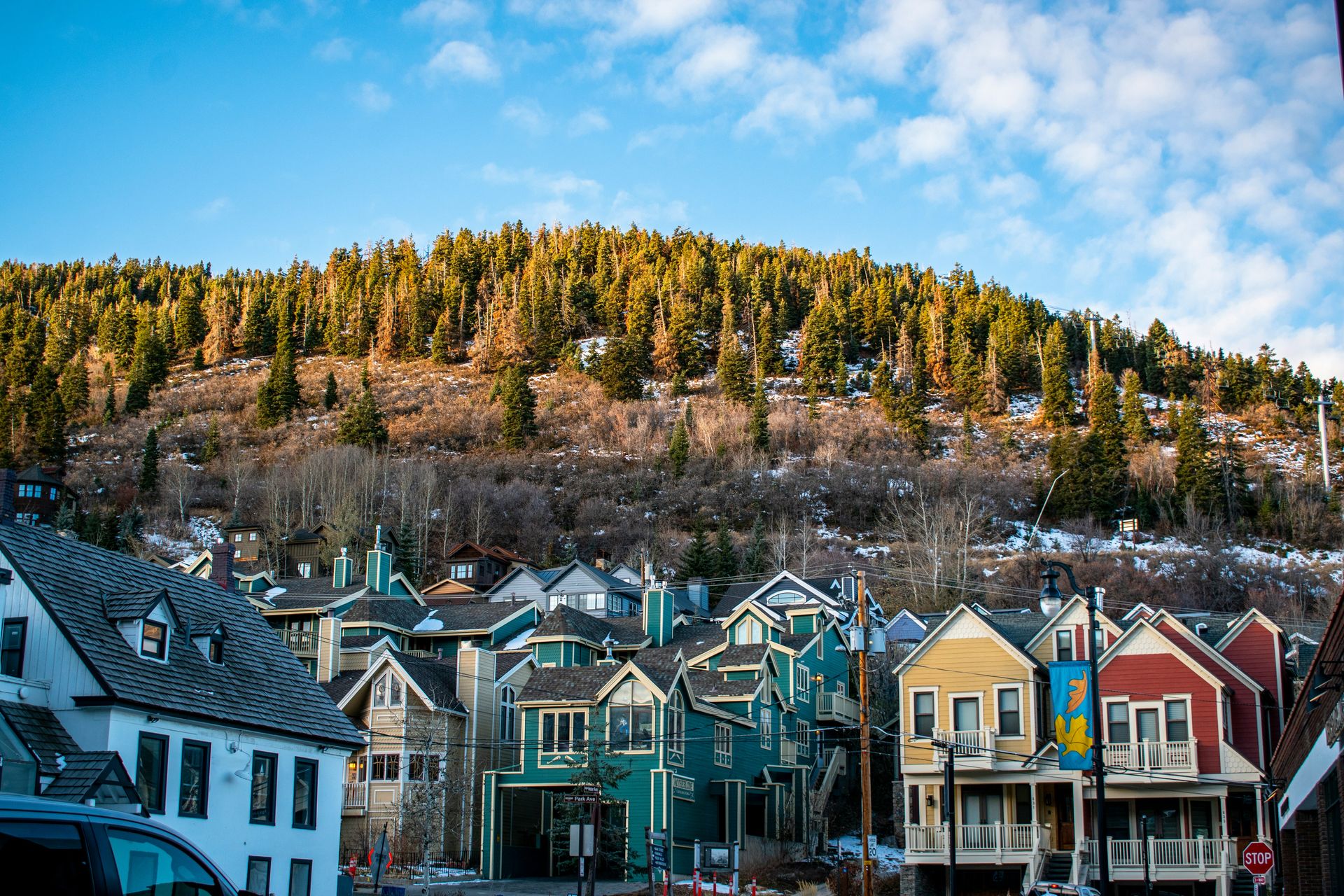
Park City’s pitch to the winter couple is straightforward: three world-class ski resorts, a genuinely appealing Main Street with boutiques and restaurants, a culture built around après-ski, and mountain views that make the cold worthwhile. The town was a silver mining camp in the 19th century, and the historic Main Street has retained enough of that era’s architecture and scale to give the pedestrian experience a character beyond the standard ski town aesthetic. The skiing is the primary draw, but the town functions well on non-skiing days too.
Deer Valley is the most luxurious of the three resorts and the most specifically designed for the couple who wants ski-in, ski-out access, exceptional grooming, and fine dining without navigating lift lines. The St. Regis, a short funicular ride above the base, does champagne sabering at dusk on the mountain terrace, which is an experience calibrated precisely for the couple who wants their après-ski to feel ceremonial. Reservations are necessary and worth making.
Utah Olympic Park, which hosted the 2002 Winter Games bobsled and ski jump events, now operates as a training and visitor facility. The Alf Engen Ski Museum on the property documents American ski history from its Norwegian immigrant origins through the Olympic era with more care than most sports museums manage. The Bonneville Salt Flats and the Great Salt Lake, both accessible within a day trip, give the Park City winter weekend a geographic context that is specifically and strangely Utah: flat white expanses and an inland sea that add an unexpected dimension to a mountain town trip. Park City’s accommodation options span the full range, from the ski-in, ski-out luxury of Deer Valley’s St. Regis to more modest lodges on Main Street within walking distance of the restaurants and shops. The town is small enough that driving between the resorts and the center is quick and well-signed. Most couples find that two full ski days, plus an afternoon exploring Main Street and an evening out, cover the core of what Park City offers in winter, with additional days available for Olympic Park, the art galleries, and spa options at several resort hotels.
