Saba Foods / Pexels
Saudi Arabia’s cuisine is one of the least understood in the world by international travelers, partly because the country’s international profile has historically centered on its religious significance, its oil wealth, and its geopolitical weight, not on its food culture, and partly because the regional diversity of a country spanning 13 distinct administrative regions, each with its own landscape, climate, and agricultural tradition, produces a culinary range that the homogenizing idea of “Middle Eastern food” does not accurately represent. The mountainous southwest, where the Aseer province borders Yemen and the Al-Baha plateau sits at 7,000 feet, produces dishes whose spice profiles reflect the Yemeni culinary influence across the border. The Eastern Region, bordering Kuwait and Bahrain on the Gulf, produces a rice variety found nowhere else in the country. The Northern Border Region, adjacent to Iraq and Jordan, produces a lamb-and-yogurt dish that is closer to the Jordanian Bedouin tradition than to anything served in Riyadh.
In 2023, the Culinary Arts Commission of Saudi Arabia officially identified the national dishes and the heritage dishes specific to each of the country’s 13 regional emirates, formalizing a culinary mapping exercise to document and preserve the food traditions that the country’s rapid modernization has put under pressure. The two national dishes are jareesh, a crushed wheat stew simmered in meat broth and served with lamb or chicken, and magshoosh, a whole grain cookie topped with honey, dates, or molasses. The regional heritage dishes, one per emirate, give the culinary map its full geographic expression.
The 10 dishes below appear in Travel + Leisure, drawn from the 13 officially designated heritage dishes of Saudi Arabia’s regional emirates. Each dish is specific to a single emirate and was selected by the Culinary Arts Commission as the most representative single food of that region’s culinary heritage.
1 / 10

Saba Foods / Pexels
Al-haneeth is the heritage dish of the Aseer province, the large mountainous region in southwestern Saudi Arabia that borders Yemen to the south and the Red Sea to the west. The dish’s Yemeni origins reflect the porous culinary exchange across a border whose historical trade routes have connected the highland communities of southwestern Arabia for centuries, and the slow-roasting technique that gives al-haneeth its characteristic texture, tender and falling-from-the-bone, reflects a cooking method developed for the specific conditions of a highland community whose fuel and time resources shaped the preparation.
The spice profile gives al-haneeth its most distinctive characteristic among Saudi meat dishes: cumin, turmeric, cloves, cardamom, and cinnamon applied to the lamb before the long, slow roast give the meat a warm, complex aromatic quality whose specific pattern reflects the spice trade routes that have historically connected the Red Sea coast to the Indian Ocean spice sources. The lamb is served over rice, which absorbs the cooking juices and the spice infusion, giving the completed dish a rice component whose flavor is as significant as the meat itself.
The Aseer province’s mountainous landscape, with its terraced agricultural villages and cool highland climate, distinguishes it from the desert lowlands most international visitors associate with Saudi Arabia, giving al-haneeth its geographic context. The region’s coffee culture, which involves a specific light-roasted coffee served with dates and cardamom in a tradition specific to this part of the Arabian Peninsula, provides the al-haneeth meal with its most appropriate accompaniment and the visitor’s cultural engagement with the dish with its fullest local dimension. The highland vegetable gardens of Aseer, which produce fresh tomatoes, eggplants, and the assorted squashes that the cooler mountain altitude supports, give the provincial cuisine a fresh produce dimension that complements the long-cooked meat dishes and connects the food culture of this mountainous and fertile corner of Saudi Arabia to the Yemeni agricultural and culinary tradition that exists directly across the shared border.
2 / 10
Saya Omar / Pexels
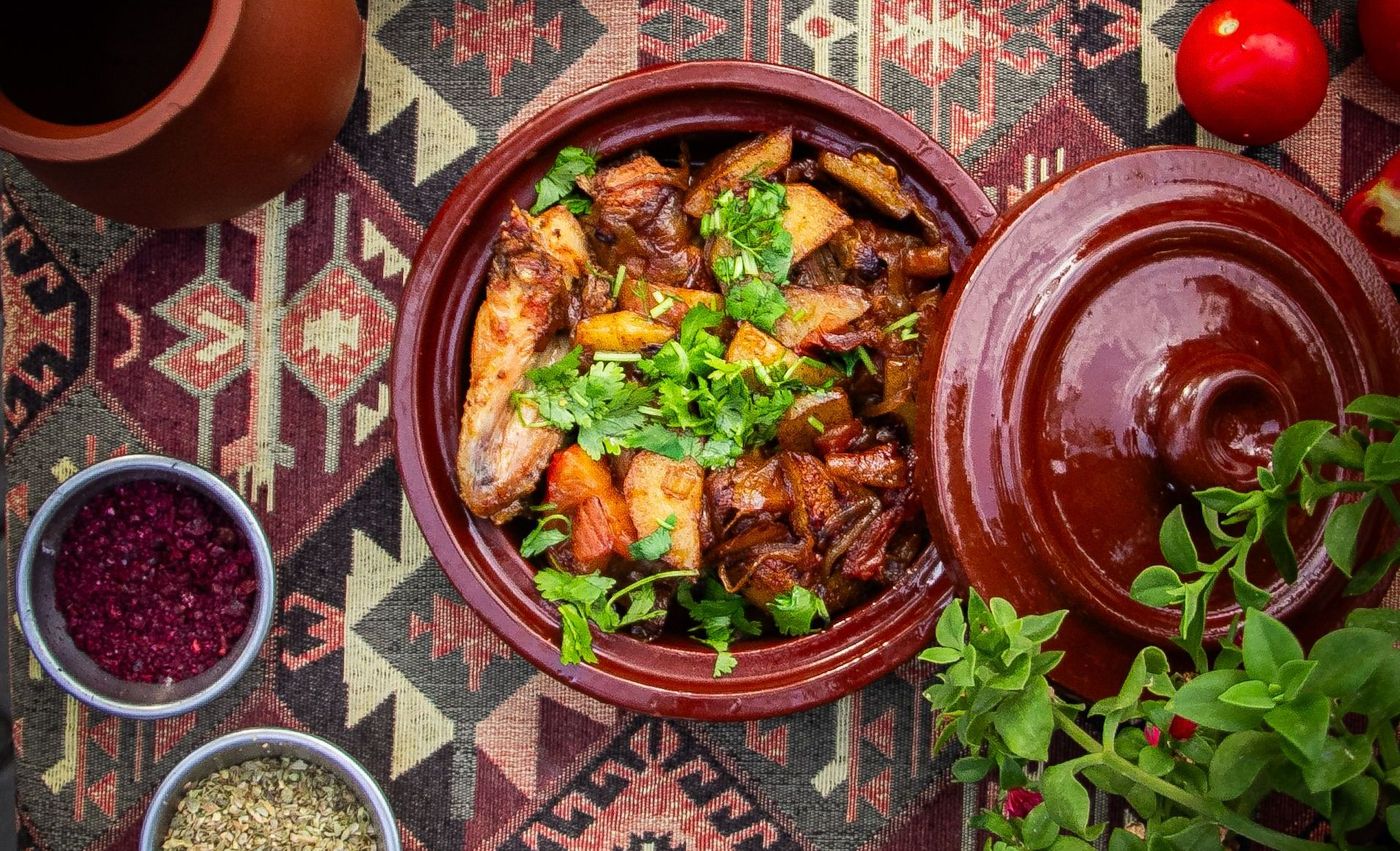
Al-maghsh is the heritage dish of Jazan, the southwesternmost region of Saudi Arabia, whose tropical climate, Red Sea coast, and fertile agricultural land give it a culinary character specific to this corner of the country. The region’s reputation for tropical fruits, including mangoes and papayas, and for coffee grown at altitude in the surrounding mountains gives Jazan's food culture a freshness and a tropical agricultural abundance that the more arid northern and central regions do not share. Al-maghsh reflects this agricultural richness in its composition: a slow-cooked lamb stew built around tomatoes, potatoes, zucchini, and sometimes okra, giving the dish a vegetable density unusual in Saudi meat cooking.
The slow-cooking technique, which breaks the lamb down to a tenderness that allows it to meld with the vegetable base, gives al-maghsh a consistency closer to a braise than a conventional stew, and the dish’s serving with rice or bread gives the meal its most flexible format: the bread soaks up the liquid as a vehicle, and the rice absorbs the lamb fat and vegetable juices in a way that makes the grain component as satisfying as the meat. The okra’s optional inclusion reflects the dish’s seasonal adaptability to the agricultural calendar, with the okra available during its productive period giving the summer preparation a specific texture and flavor that the winter version without it lacks.
The Jazan region’s position at the junction of the Arabian Peninsula’s tropical south and the Red Sea trade routes gives the local cuisine its historical depth: the spice merchants, the coffee traders, and the coastal fishing communities whose overlapping presence in this corner of Saudi Arabia have contributed to a food culture whose richness and variety make al-maghsh a single representative dish from a considerably more diverse regional culinary tradition. The Farasan Islands, an archipelago off the Jazan coast in the Red Sea, give the region a seafood dimension that the lamb-centered heritage dish does not represent but that the local fishermen have developed into a parallel culinary tradition.
3 / 10
Ali Dashti / Pexels
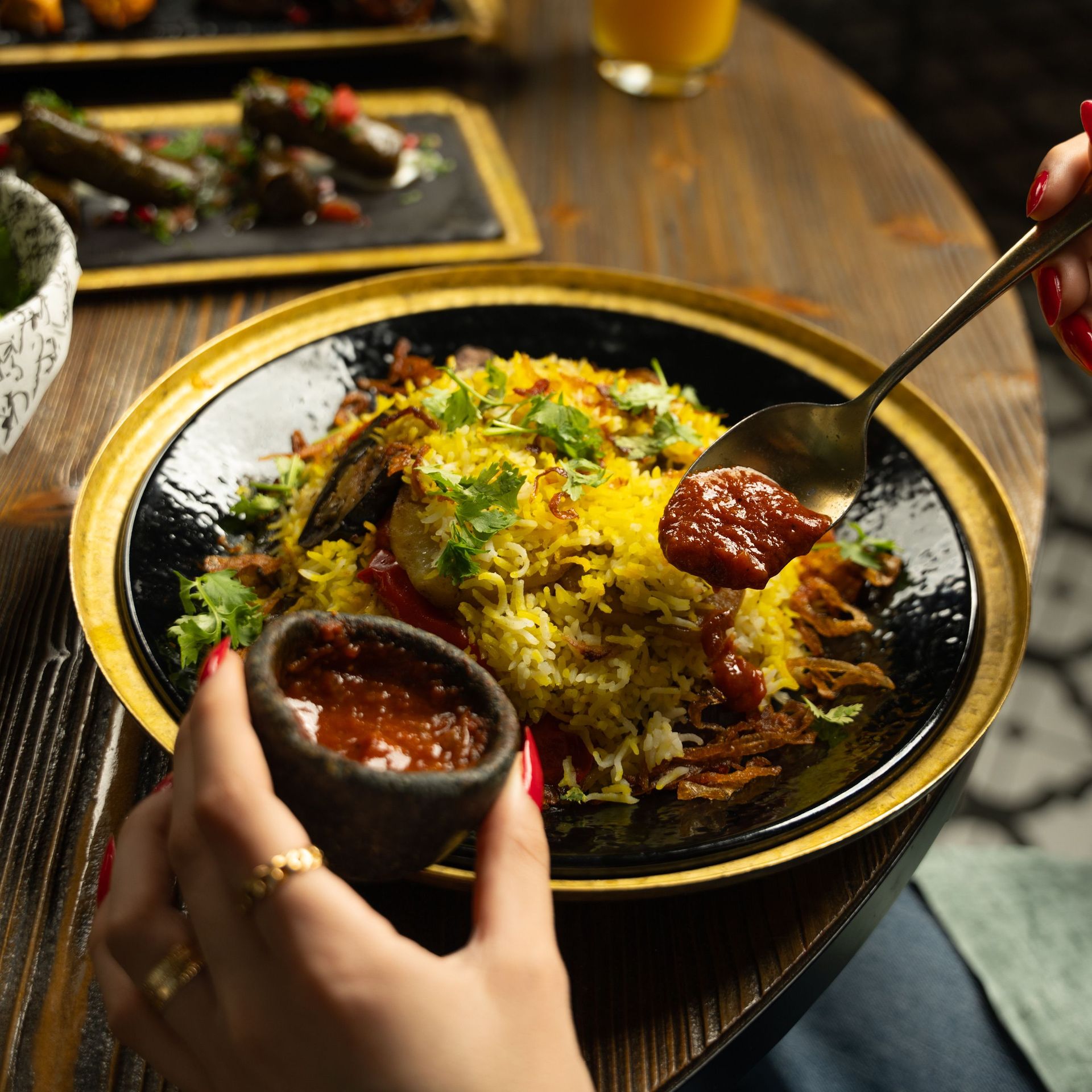
Hassawi rice is the heritage dish of the Eastern Region, the country’s easternmost province bordering Kuwait and Bahrain on the Arabian Gulf, and it is the most visually distinctive grain product in the Saudi culinary heritage inventory. The rice is named after the Al-Ahsa Oasis, the historic agricultural heartland of the Eastern Region and the world's largest oasis by area, whose unique soil conditions and water table have supported date palm cultivation and agricultural production for millennia. The distinctive red hue that gives hassawi rice its most immediately recognizable quality comes from the specific iron content of the Al-Ahsa soil, which the rice absorbs during cultivation and which no other rice-growing region in Saudi Arabia replicates.
The preparation involves a variety of spices applied during the cooking process that complement the grain’s distinctive earthiness, and the spice blend, specific to the Eastern Region’s culinary tradition and reflecting Gulf-facing trade connections with Iran, Iraq, and Bahrain, adds aromatic dimension to the finished dish alongside its visual one. The rice is typically served as an accompaniment to meat dishes, and the red grain’s color against the brown of the slow-cooked meat gives the Hassawi rice presentation its most distinctive aesthetic.
The Al-Ahsa Oasis, designated a UNESCO World Heritage Site in 2018 for its agricultural landscape and date palm cultivation, gives hassawi rice its most important geographic credential: a grain produced in a UNESCO-recognized landscape whose 2,500-year agricultural history gives the rice a provenance claim that no other Saudi food product can match in the same terms. The Al-Ahsa date, another product of the same oasis, adds a second internationally recognized product to the Eastern Region’s food heritage, alongside the distinctive rice. The Al-Ahsa Oasis’s role as the agricultural heartland of the Eastern Province also gives the region its historical importance as the breadbasket of the Arabian Gulf, whose proximity to Bahrain and Kuwait has made the Eastern Province a gateway for culinary influences from across the Gulf.
4 / 10
Ali Dashti / Pexels
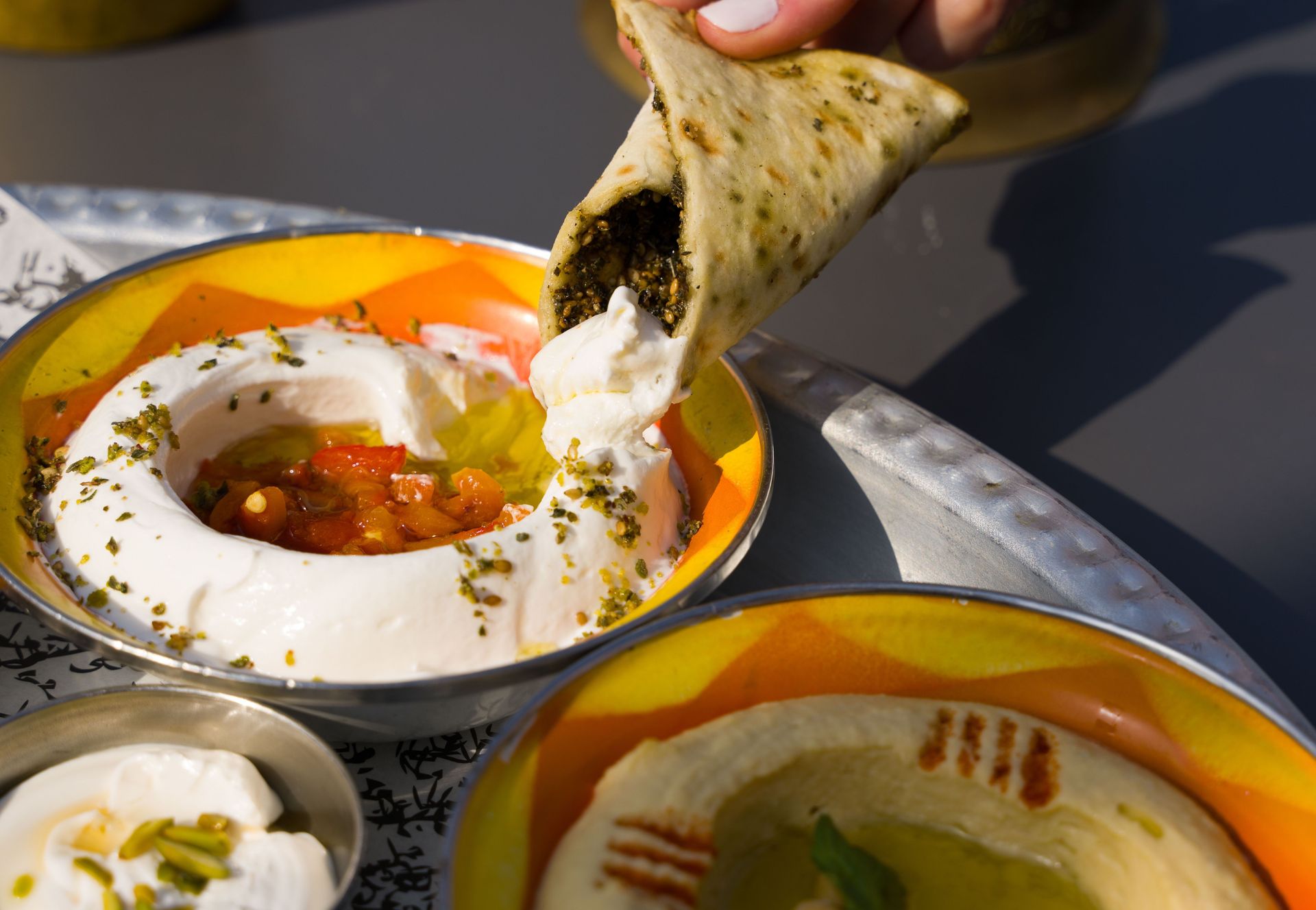
Al-mulayhiya is the heritage dish of the Northern Border Region, the northernmost territory of Saudi Arabia that borders Iraq to the east and Jordan to the west, and whose food culture reflects the Bedouin culinary traditions developed and exchanged across national boundaries by the nomadic communities of this desert borderland for centuries. The dish’s composition, lamb cooked with dried yogurt and meat broth, finished with pine nuts and parsley, and served with torn flatbread, places it firmly in the tradition of the Levantine and Bedouin fermented dairy-based meat dishes, whose most famous example is mansaf, the national dish of Jordan.
The dried yogurt, known as jameed in the Levantine tradition, gives al-mulayhiya its most distinctive flavor component: the fermented, dried yogurt dissolved into the cooking liquid produces a sauce whose tangy, complex depth is specific to the lactic acid fermentation process and whose flavor profile is unlike any fresh dairy product used in cooking. The pine nuts that finish the dish give it a distinctive crunch characteristic of the Levantine culinary tradition, and the parsley’s fresh herbal quality provides an aromatic contrast to the richness of the lamb and yogurt combination.
The Northern Border Region’s position as one of the least visited and least commercially developed areas of Saudi Arabia gives al-mulayhiya a specific quality as a heritage dish: it is not a dish that has been modified for tourist palatability or exported to the country’s major cities as a menu item in modern restaurants. It remains a regional food specific to a community and a landscape whose nomadic and semi-nomadic traditions have sustained it as a living culinary practice across the generations. The Wadi Rum-adjacent desert landscape of the Northern Border Region, whose sandstone formations and wide desert skies resemble the Jordanian terrain across the border, gives the food tradition its most geographically coherent setting: the same harsh, beautiful environment that produced the Jordanian mansaf produced its Saudi cousin al-mulayhiya on the other side of the border.
5 / 10
Zain Alabdeen Hammoudi / Pexels
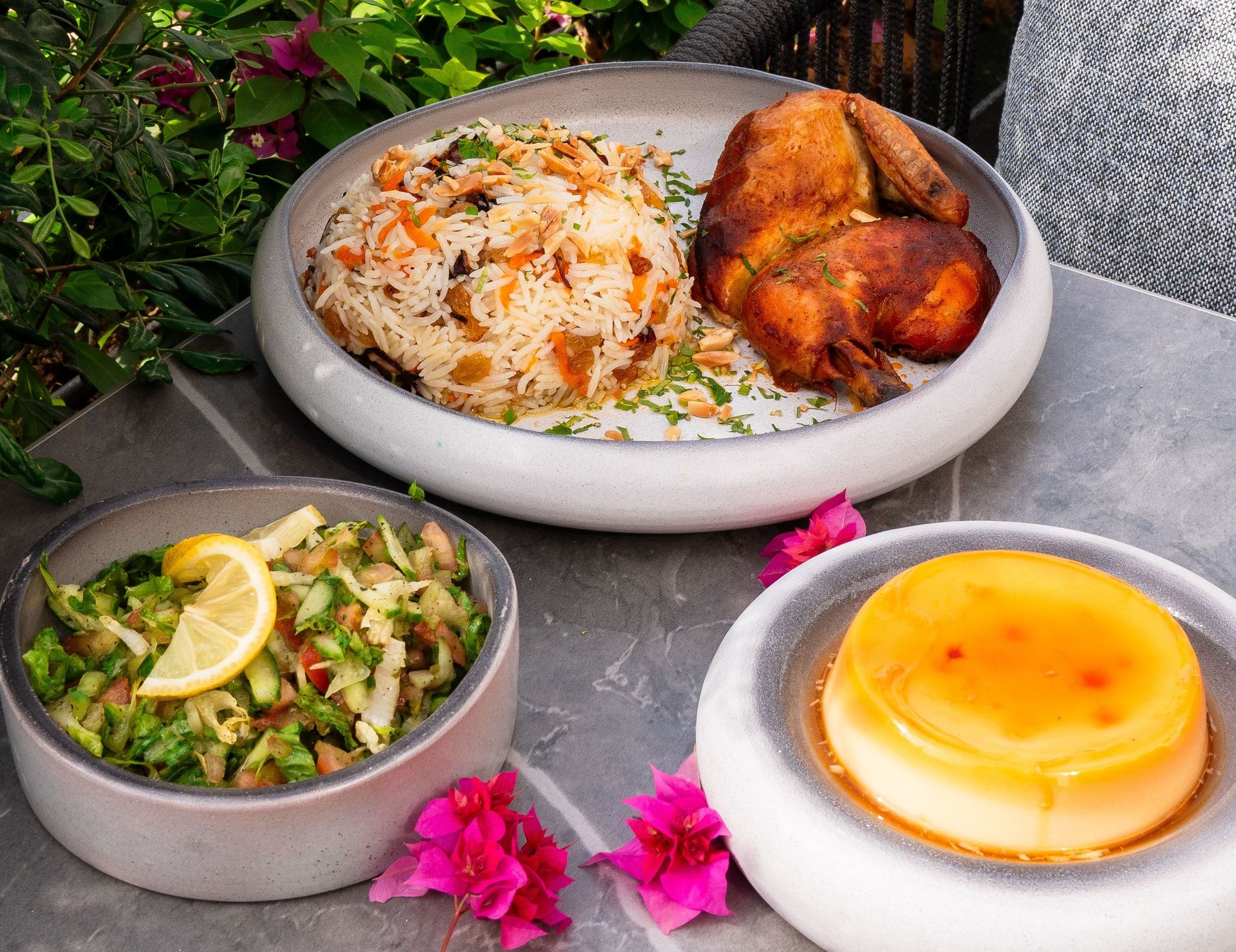
Saleeg is the heritage dish of the Makkah region, which encompasses both the Islamic holy city of Mecca and the coastal city of Jeddah, and its preparation reflects the specific culinary tradition of the Hijaz, the western coastal strip of Saudi Arabia, whose historical position as the gateway for the Hajj pilgrimage has made it the most culturally diverse and gastronomically cosmopolitan region in the country. The dish is a creamy, porridge-like rice whose consistency is achieved by slow cooking in milk or broth until the rice absorbs enough liquid to produce a texture closer to risotto than to steamed grain, and the finished rice is topped with roasted or boiled chicken that has been marinated in a spice blend specific to the Hijazi culinary tradition.
The special occasion status of saleeg gives the dish its social context: it is prepared for weddings, religious celebrations, and the welcoming of important guests, which places it in the category of prestige food specific to a region that has historically hosted visitors from every corner of the Islamic world and developed a hospitality tradition whose generosity and culinary ambition reflect the significance of the Hajj as the world’s largest annual human gathering. The Jeddah restaurant scene, among the most sophisticated in the Arabian Peninsula, has given the dish a contemporary interpretation alongside traditional home preparation, offering the visitor a range of contexts in which to encounter it.
The rice’s creamy consistency and the marinated chicken’s spice complexity give saleeg a sensory richness that the dish’s simple ingredient list does not predict, and the tradition of serving it with a side of meat broth for dipping the chicken gives the meal a structural flexibility specific to the Hijazi communal eating tradition. The Jeddah corniche, whose waterfront restaurants have given the Red Sea city a dining culture specific to a port city with centuries of international culinary exchange, now serves saleeg alongside contemporary Saudi and international dishes developed by the city’s cosmopolitan restaurant scene.
6 / 10

Ali Dashti / Pexels
Madini rice is the heritage dish of the Al-Madina region, home to Medina, the second holiest city in Islam, and its preparation reflects the culinary tradition of a city that has hosted Muslim scholars, merchants, and pilgrims for 1,400 years. The rice is prepared with white long-grain rice and marinated lamb, cooked together with onions, cardamom, mastic, cinnamon, saffron, tomato, and ghee in a combination that gives the finished dish a specific aromatic profile whose complexity reflects the spice trade connections of a city positioned on the ancient incense and spice routes that connected the Arabian Peninsula to the broader Indian Ocean trade network.
The mastic, a resin harvested from the mastic tree, grown primarily on the Greek island of Chios, gives madini rice its most distinctive aromatic element: the mild pine-and-cedar flavor of the dissolved mastic adds a complexity that other Saudi rice preparations lack. The saffron gives the grain a golden color and a floral warmth, which, when combined with cardamom and cinnamon, produces the specific aromatic signature of the Hijazi spiced rice tradition. The ghee, clarified butter whose cooking stability and flavor intensity exceed those of regular butter, provides the rice with its cooking fat and a richness that vegetable oil does not in the same sensory terms.
The marinated lamb cooked with the rice gives the madini rice preparation a unified cooking process in which the grain and the protein exchange flavor throughout the cooking time, producing a rice that is fully saturated with lamb fat and spice, and a lamb that has absorbed the aromatics of the rice. The resulting dish’s depth of flavor gives madini rice its most persuasive claim to be the most complex single rice preparation in the Saudi heritage inventory. The Medina context gives the dish its most historically resonant setting: eating madini rice in a city whose continuous occupation stretches back to the Prophet Muhammad’s migration from Mecca in 622 CE lends the meal a historical depth that few food traditions anywhere in the world can place around a simple rice-and-lamb preparation.
7 / 10
Muhammad Khawar Nazir / Pexels
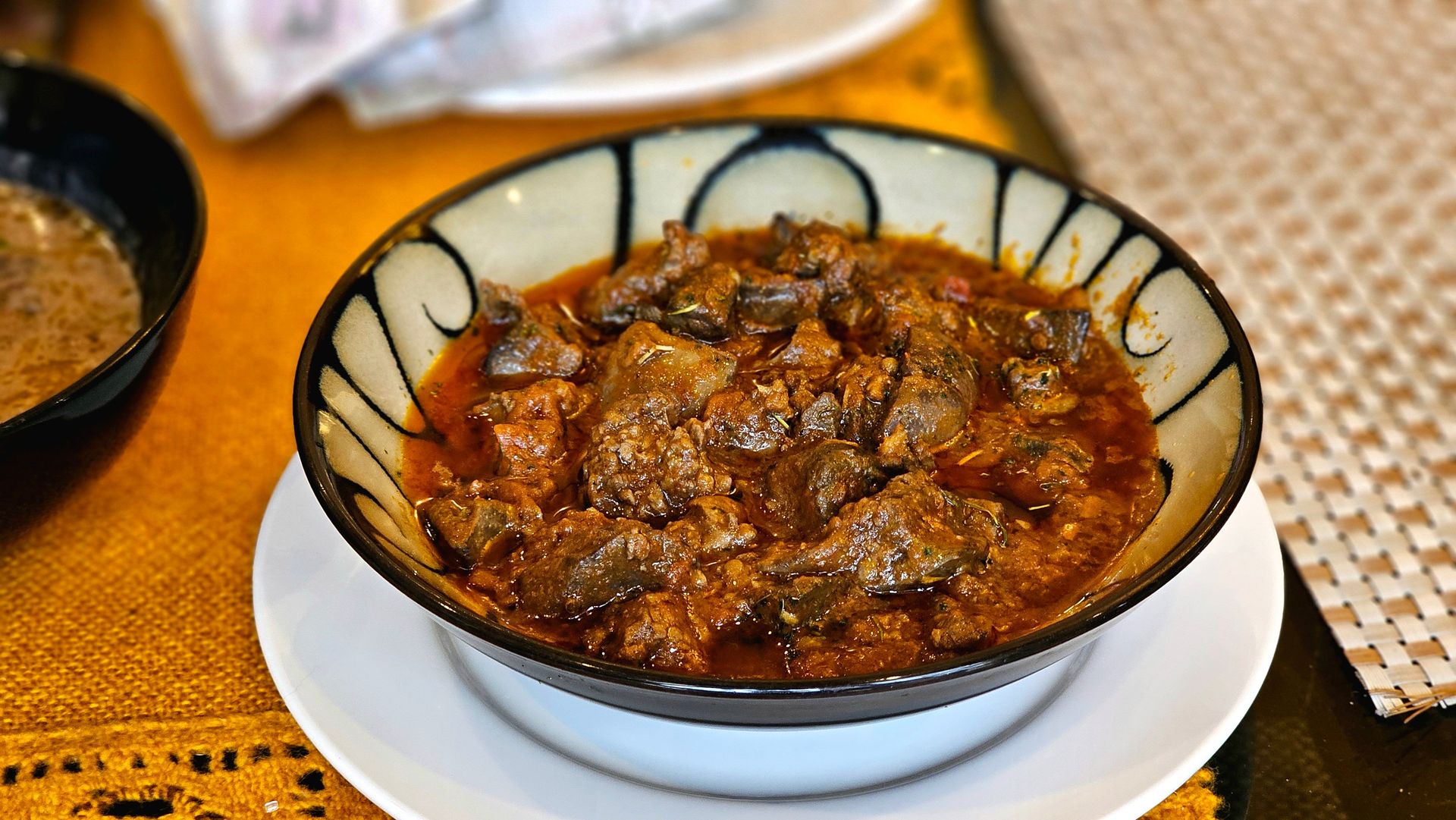
Al-margaouq is the heritage dish of the Riyadh region, the capital and largest emirate of Saudi Arabia, and its composition, a hearty stew of meat, pasta, and vegetables, reflects a cooking tradition specific to the Najd, the central highland plateau whose historically nomadic and semi-nomadic Bedouin communities developed a cuisine of nourishing, long-cooked one-pot dishes appropriate to the practical demands of life on the move across the Arabian interior. The pasta, an ingredient whose presence in a Gulf-region dish reflects historical trade connections between the Arabian Peninsula and the Persian Gulf maritime network, provides al-margaouq with its most unexpected textural component, relative to the grain and bread staples that dominate most Saudi heritage dishes.
The meat, typically lamb or goat, is slow-cooked in the spiced broth until tender before the pasta and vegetables are added, giving the stew a layered cooking sequence that builds the broth’s flavor progressively and adds depth to the final dish. The vegetables that complete the stew vary by household and season, reflecting the practical adaptability of a dish developed for communities whose available ingredients changed with the agricultural calendar and the trade routes.
Riyadh’s position as the capital and economic center of modern Saudi Arabia gives al-margaouq a visibility that the more regionally specific heritage dishes do not share: the dish appears in traditional Saudi restaurants throughout the city, and the Riyadh food scene’s growth as one of the most diverse and sophisticated in the Gulf region has given the heritage dish a contemporary audience alongside the traditional households whose kitchens have served it for generations. The Culinary Arts Commission’s documentation of al-margaouq as the capital’s heritage dish gives the stew a formal recognition that the traditional food culture had previously sustained without official designation, and the CAC’s broader work of identifying and promoting Saudi heritage dishes has given the country’s food tourism a specific program whose regional dimension rewards the traveler willing to move beyond the capital.
8 / 10

Credit: Saudipedia
Al-bukayla is the heritage dish of Al-Jouf, a region in northwestern Saudi Arabia, whose mild climate, relative to the surrounding desert, and fertile lands give it an agricultural character typical of an oasis territory, with date palm cultivation and olive groves producing the raw materials for the regional culinary tradition. The dish is a dessert made by working dates and flour into a smooth paste and then enriching the mixture with ghee, which gives the finished preparation a dense, sweet, and richly fatty character specific to the desert sweet tradition whose caloric density reflects the historical nutritional priorities of communities whose energy requirements and food storage conditions favored concentrated, shelf-stable energy sources.
The dates that form the foundation of al-bukayla are not the generic commercial Medjool variety but the specific cultivars produced in the Al-Jouf agricultural zone, whose particular sugar content, moisture levels, and flavor profiles reflect the soil and water conditions of this oasis territory. The ghee’s role in the preparation gives the paste its carrying fat, characteristic sheen, and richness, and the quality of the ghee, traditionally produced from the milk of animals pastured on the region’s vegetation, gives the dessert a flavor that the commercially produced alternative cannot replicate.
Al-Jouf is also the region of Saudi Arabia most associated with olive cultivation, producing an olive oil whose character reflects the elevated growing conditions of the northwestern highlands, and the region’s broader food culture, which includes bread baked in traditional clay ovens and honey from the beehives maintained among the date gardens, gives al-bukayla a specific sweet context within a food tradition that is among the most agriculturally rooted in the country. The Al-Jouf dates, harvested from a palm variety specific to this oasis territory, give the dessert’s primary ingredient a flavor complexity and sugar balance whose freshness at harvest season gives the al-bukayla prepared with newly harvested dates a quality specific to the autumn picking season.
9 / 10

Jon Sullivan / Wikimedia Commons
Keubaibat Hail is the heritage dish of the Ha’il region, a central Saudi emirate whose geographic position in the heart of the Arabian Peninsula shapes its culinary tradition, shaped by overland trade routes connecting the Gulf coast to the Levant and the Hejaz across the central plateau. The dish is a grape-leaf-wrapped package filled with cooked rice, onions, and peppers, prepared in the style of dolma found across the eastern Mediterranean and the Levant, and then served in a pot with lamb. The source’s description of the dish as Greek-inspired reflects the cultural and culinary exchange across the Ottoman trade network, which connected Mediterranean foods to the interior of the Arabian Peninsula over centuries of commercial contact.
The grape leaf gives the dish its most specifically Levantine ingredient: the leaves wrap the rice filling in a parcel that steams in the cooking liquid and absorbs the flavor of the lamb broth, whose gentle acidity the grape leaf itself contributes to the cooking environment. The rice filling, mixed with the onions and peppers before wrapping, gives the dolma its vegetable dimension, and the lamb that surrounds the parcels in the pot gives the cooking liquid its meat flavor, which is absorbed into the rice-filled parcels during cooking, giving the finished dish its unified, complex taste.
The Ha’il region’s association with the powerful Rashidi dynasty that controlled the central Arabian interior in the 19th century gives the area a historical political significance that the contemporary food heritage reflects indirectly: the trade and diplomatic connections of the Rashidi court with the Ottoman Empire and the broader Levantine commercial network gave central Arabia its most sustained historical exposure to the culinary traditions whose grape-leaf dolma style the keubaibat hail preserves. The Ha’il Camel Festival, held annually in the region, provides contemporary food culture with its most publicly visible social context and makes the heritage dish available in a festival setting that the local community has maintained as a platform for the region’s culinary and cultural traditions.
10 / 10
Ali Dashti / Pexels
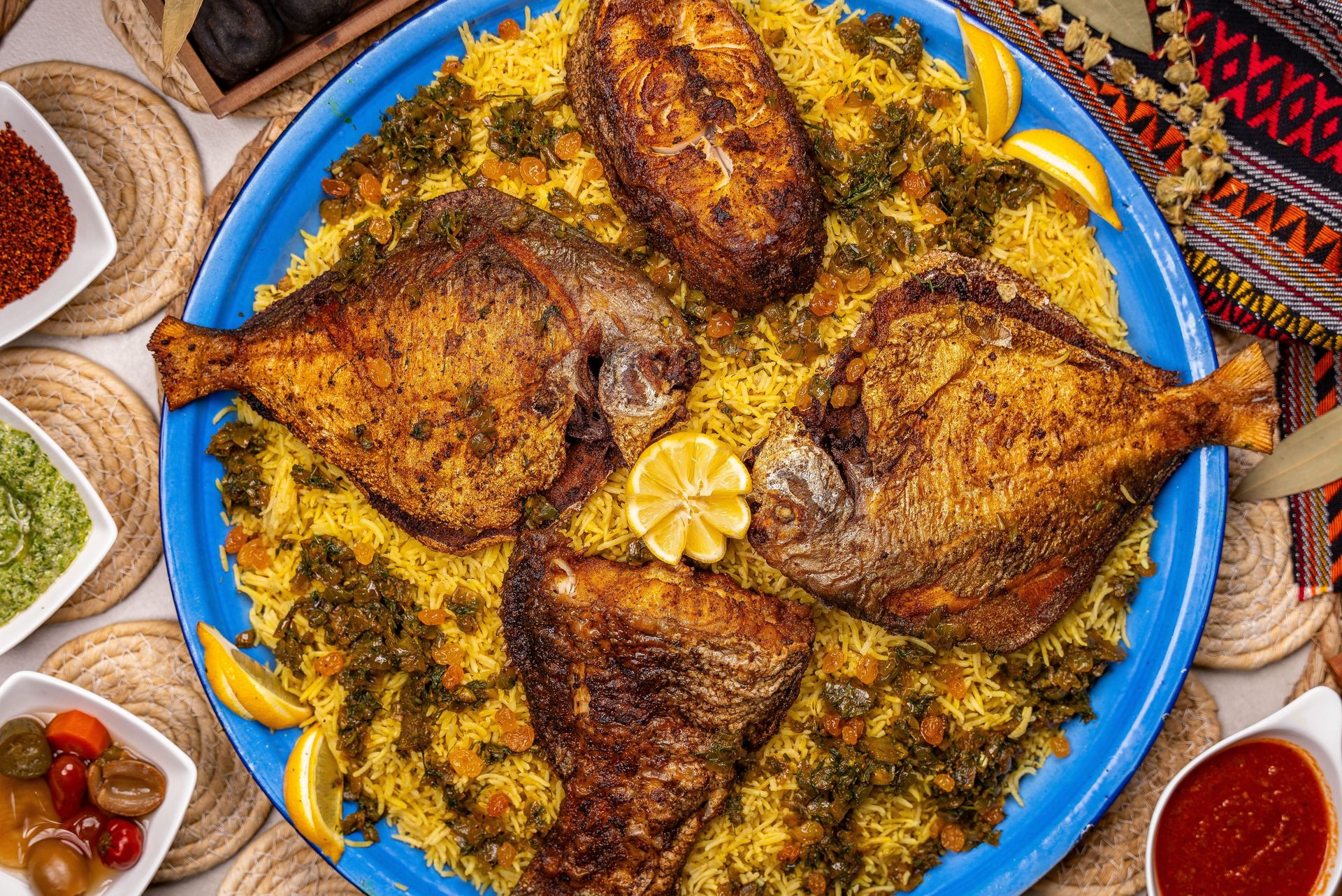
Al-sayadiah is the heritage dish of Tabuk, the northwestern Saudi region bordering Jordan and Egypt near the Gulf of Aqaba, and its Lebanese origins reflect the geographic and cultural proximity of this part of Saudi Arabia to the Levantine coastal tradition. The dish combines sautéed rice with caramelized onions, tomato paste, cumin, cinnamon, and turmeric, and is topped with white, flaky fish, giving it the character of Eastern Mediterranean fish and rice preparations, whose spice profiles and caramelized onion base define a culinary tradition from the Levant through the Gulf. The caramelized onions are the structural foundation of the dish: the long, slow cooking of the onions to a deep brown sweetness gives the rice its most important flavor contribution, and the preparation is its most labor-intensive step.
The white flaky fish that tops the dish reflects the access to the Gulf of Aqaba that Tabuk’s coastal territory provides, giving the inland rice preparation its marine protein from the Red Sea’s northern arm. The specific fish species used varies by availability, but the lean, mild-flavored white fish that Red Sea coastal communities have historically used provides the dish with a protein component whose neutrality allows the caramelized onion and spice base to remain the dominant flavor.
The Lebanese connection gives al-sayadiah its most specific culinary heritage link: the dish is well known across Lebanon as sayadieh, a classic seafood preparation found in the fish restaurants of Beirut and the northern Lebanese coastal towns. The Tabuk version’s inheritance of this Levantine seafood tradition through trade and cultural connections across the Gulf of Aqaba gives the Saudi heritage version a specific geographic logic: it is the part of Saudi Arabia closest to Lebanon by land and sea, and the food reflects that proximity. The Tabuk region’s development as a tourist destination under Saudi Vision 2030, which has included the NEOM megaproject and the development of the Sharm Tabuk Red Sea resort zone, gives al-sayadiah a future in the hospitality economy that the fish-rich Red Sea waters and the dish’s Lebanese culinary credentials make a natural fit for the region’s tourism expansion.
