
From coastal towns to mountain escapes, these U.S. destinations are at their best during the quieter shoulder season.
-1920x1080.jpg)
Yansi Keim / Unsplash
Cool mornings, thinner crowds and lower prices make shoulder season, the stretch between peak summer and low winter, an ideal window for exploring the United States. From mountain hikes and wildlife-filled drives to coastal strolls and cultural festivals, these particular destinations shine brightest in fall, when travelers find fewer lines, more room to roam and landscapes at their most photogenic across nearly every region of the country.
Timing matters considerably when planning around this particular window, since specific festivals, boat tours and rental services often run on limited fall schedules before closing entirely for winter. Booking ahead for popular activities still pays off even during this quieter season, since some of the most sought-after experiences below draw considerable demand despite the overall drop in summer-level crowds throughout the wider destination.
The 10 destinations below appear in Lonely Planet, covering the best shoulder season destinations across the United States. They range from desert cities to coastal towns and mountain lakes, offering travelers considerable variety in climate, landscape, and overall pace of travel. Several destinations also center on a single major fall event, whether a hot air balloon festival or a peak foliage display, giving travelers a genuine reason to time a visit to a specific week rather than simply picking any convenient date on the calendar. Weather stays a real consideration too, especially along the Gulf Coast, where hurricane season overlaps directly with the otherwise ideal shoulder season window through the end of November, so travelers headed toward the coast should keep flexible plans and travel insurance in mind before finalizing any nonrefundable bookings for the trip, since severe storm-related travel cancellations can occasionally strike with relatively little warning during some later hurricane seasons across the entire coastal region and its surrounding barrier islands.
Rosanne Rapata / Unsplash
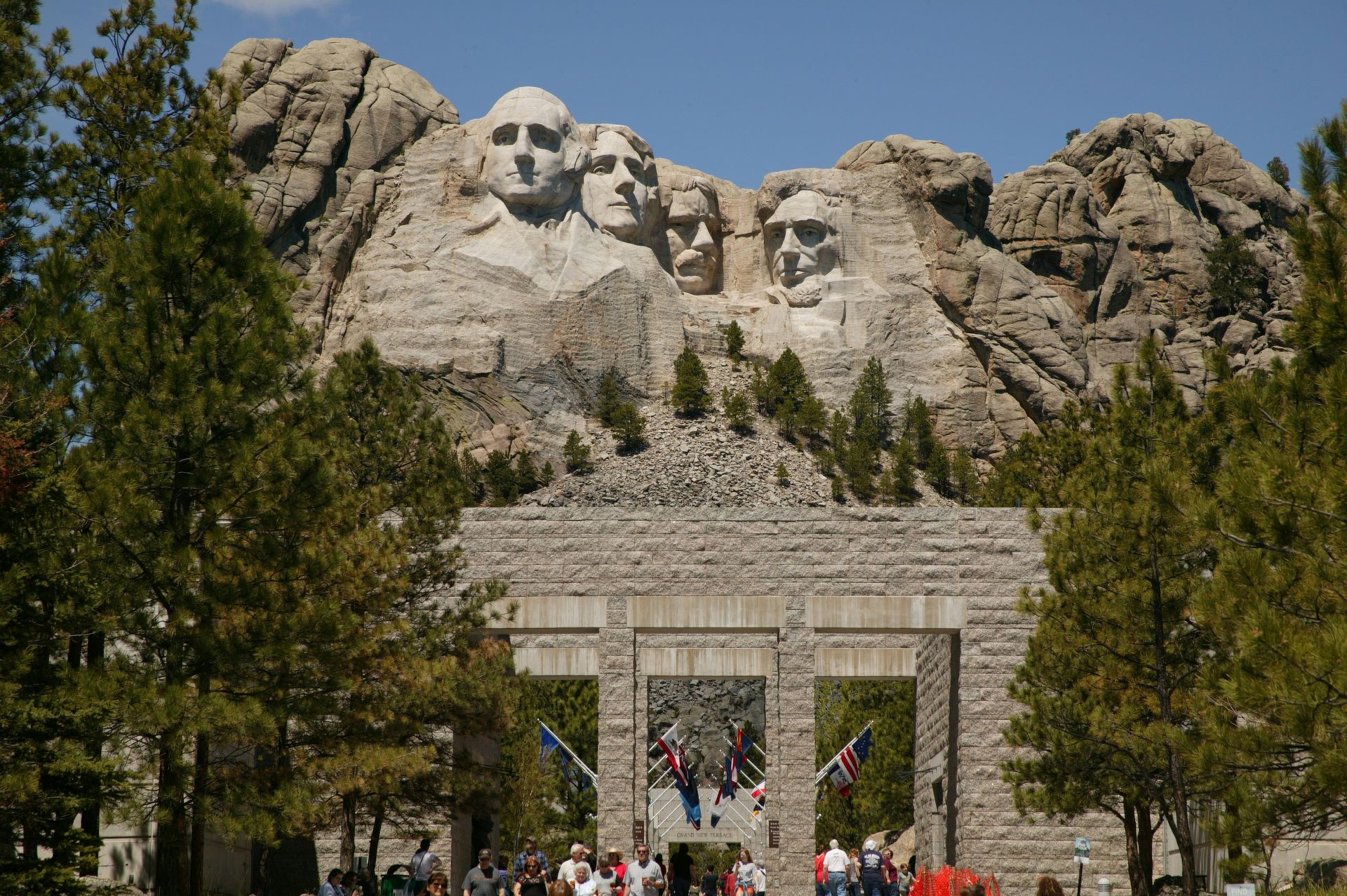
Rapid City sits ideally positioned near historical icons and national treasures, starting with Mount Rushmore, which marked its 100th anniversary in 2025. Early fall brings cooler weather and lighter crowds, making it a prime time to explore the 18-mile Wildlife Loop in Custer State Park, home to bison, pronghorn and wild burros, before continuing onto the Needles Highway, famed for its granite spires and narrow tunnels.
An hour east, Badlands National Park offers dramatic landscapes along the entire 39-mile Loop Road, with stops at Burns Basin Overlook and Pinnacles Overlook ranking among the most rewarding along the drive. In town, Main Street holds life-size bronze statues of past presidents, and Art Alley showcases graffiti-style murals throughout its winding passage.
Dinosaur Park sits uphill from downtown, where seven super-size concrete dinosaurs, including an 80-foot-long brontosaurus, have watched over the city since the 1930s. Wrapping up the day with a pint at Firehouse Brewing Company, South Dakota's oldest brewery, gives visitors a fitting end to a day spent bouncing between natural wonders and quirky city landmarks.
A rental car makes it considerably easier to pair in-town sights with day trips into the surrounding Black Hills, since public transportation between these particular attractions stays considerably limited. Sculptors began carving Mount Rushmore in 1927, and the project took 14 years to complete, employing hundreds of workers who faced considerable danger as they blasted and drilled directly into the granite cliff face. Travelers $TRV should book Badlands and Custer State Park visits on separate days if possible, since both destinations reward a full day of exploration instead of a rushed combined itinerary. Splitting the two parks across separate days also gives travelers a genuine buffer for unpredictable weather common in the Black Hills. This particular buffer also allows extra time for wildlife sightings that can stretch a scenic drive longer than planned. A pair of binoculars also earns its space in the car for spotting bison from a safe distance.

Nils Huenerfuerst / Unsplash
Madison’s compact downtown sits framed by Lake Mendota and Lake Monona, both well suited to a fall paddle across their calm autumn waters. The Dane County Farmers’ Market on Capitol Square $SQ runs Saturdays through early November, offering local produce, farm-fresh eggs, cheese curds and floral bouquets to browsing visitors throughout the morning.
Pairing a market visit with a guided tour of the architecturally striking Wisconsin State Capitol rewards travelers with a 360-degree observation deck offering considerable views across the city and its surrounding lakes. Nearby, Olbrich Botanical Gardens invites peaceful strolls, enhanced through late October 2026 by GLEAM, an outdoor art exhibit featuring large-scale light installations throughout the grounds.
Cycling the 17-mile Capital City State Trail delivers scenic farmland and lakeside views well beyond the downtown core, and architecture enthusiasts shouldn’t miss Frank Lloyd Wright’s Taliesin in nearby Spring Green, an important stop along the broader Frank Lloyd Wright Trail that also includes Madison’s own Monona Terrace.
Saturday visits require some planning, since road closures around the farmers’ market can complicate parking and navigation throughout the downtown area during peak market hours. The Wisconsin State Capitol’s dome ranks among the tallest granite domes in the country, and its considerable height gives the observation deck a genuine standing as one of the city's best vantage points. Travelers $TRV should confirm current kayak or canoe rental availability before arrival, since demand on the two lakes tends to climb considerably during the most colorful weeks of fall foliage. Booking a rental at least a day or two ahead helps travelers avoid missing out entirely during the busiest foliage weekends. Weekday mornings tend to offer the calmest water conditions before afternoon winds pick up across both lakes. A light jacket helps too, since mornings on the water can feel considerably cooler than the afternoon air. Layers work best, since the temperature difference between morning and midday can feel considerable across the two lakeside boardwalks.
JC Cervantes / Unsplash
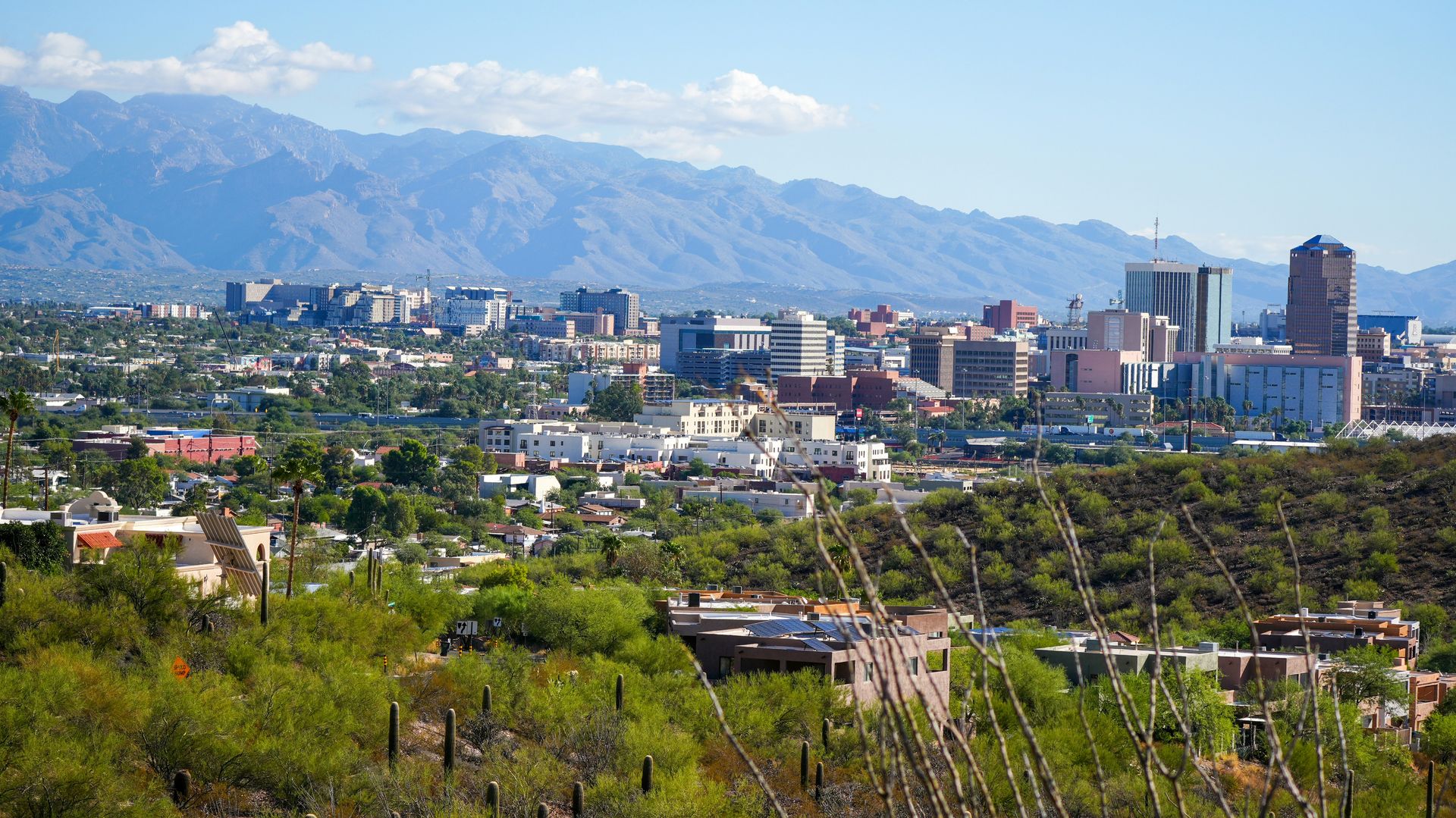
Cooler fall days make Tucson an ideal place to explore both the outdoors and the region’s considerable cultural offerings. The Arizona-Sonora Desert Museum spans 98 acres, combining a zoo, botanical garden, and natural history museum. At the same time, nearby Saguaro National Park features cactus-studded trails such as the Valley View Trail, which winds through saguaros, prickly pear, and teddy bear cholla.
Milder fall weather also suits a visit to the Pima Air & Space Museum, where visitors can get close to historic aircraft such as the B-36 Peacemaker and SR-71 Blackbird without wilting under Arizona’s considerable summer sun. San Xavier del Bac Mission offers a beautifully preserved glimpse into the region’s Spanish colonial history, giving culture-focused travelers a genuine counterpoint to the surrounding desert scenery.
Tucson’s food scene shines brightly too, and with more than 30 types of tacos available across the city, booking a taco tour with Tucson Bike Tours, which opens bookings in mid-October, lets visitors pedal between authentic taquerias while sampling the famous Sonoran hot dog along the way. Downtown’s historic Fourth Avenue district buzzes with funky galleries, offbeat bookstores and colorful murals reflecting considerable local character.
Outdoor activities reward an early start throughout the fall season, since the desert sun stays notably strong well into the cooler months despite the season’s overall milder temperatures. Saguaro cacti can live for more than 150 years and grow considerable arms only after reaching several decades of age, giving the park’s oldest specimens genuine historical weight beyond their striking desert silhouette. Travelers $TRV should carry plenty of water even on shorter desert hikes, since the dry air can dehydrate them faster than they typically expect during the cooler months. Bringing more water than feels necessary at the trailhead pays off considerably once the desert heat sets in mid-hike. Electrolyte tablets also help on longer trails, replacing minerals lost through sweat faster than plain water alone can manage. A wide-brimmed hat rounds out the essentials well for anyone spending a full morning outdoors.
Yuhan Du / Unsplash
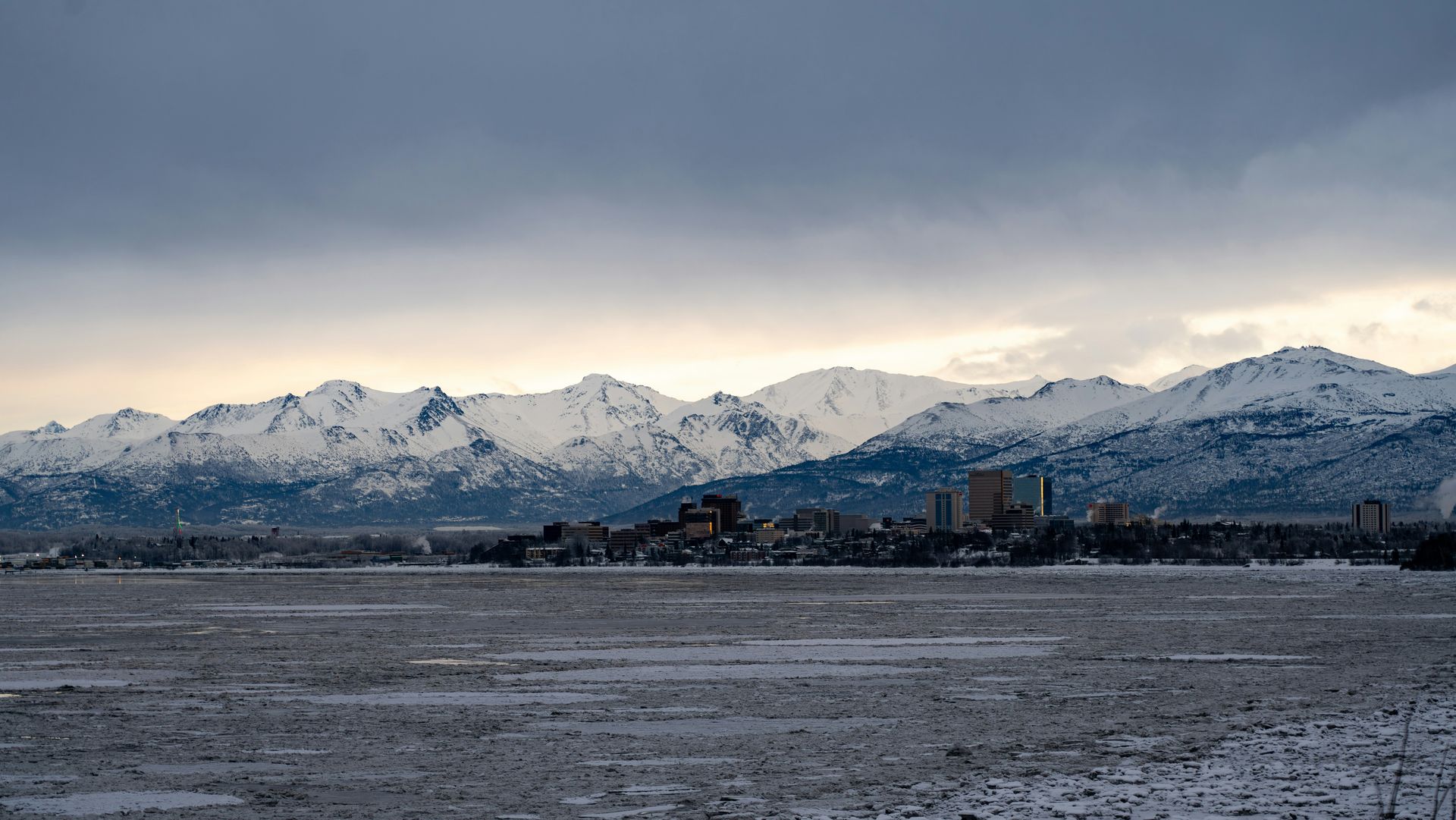
Early fall in Anchorage brings crisp days, fiery foliage and a genuine chance to spot the elusive aurora borealis, visible from mid-August through mid-April depending on conditions. The Anchorage Museum holds considerable collections of Alaskan Native art and historical artifacts. At the same time, the Alaska Native Heritage Center explores the state’s diverse Indigenous cultures, including traditional dwellings and celebrations throughout the grounds.
Driving south along the scenic Seward Highway brings travelers to Beluga Point for late-season whale sightings and to the Alaska Wildlife Conservation Center, home to bears, moose, caribou, and muskoxen living in large natural-habitat enclosures. Continuing onward to Whittier opens up a Prince William Sound glacier cruise, available through early October, while a flightseeing tour over rugged peaks and massive ice fields, including Knik Glacier and Colony Glacier, offers a distinctly different aerial perspective on the same dramatic terrain.
Settling in for the night at the Wildbirch Hotel, Anchorage’s first upscale boutique hotel, which opened in June 2025, gives travelers a comfortable base for exploring the wider region. Fall’s thinner crowds also mean considerably easier last-minute bookings for tours and cruises, making the season notably well suited to flexible, weather-dependent adventures.
Travelers $TRV should build extra flexibility into their itinerary around glacier cruises and flightseeing tours, since weather conditions can shift quickly enough to reshuffle even a carefully planned schedule. The Alaska Native Heritage Center represents 11 distinct cultural groups across the state, giving visitors considerable insight into the genuine diversity of Indigenous traditions found throughout this single region. Travelers hoping to see the aurora should check current forecasts and avoid areas with considerable light pollution, since even faint city glow can wash out fainter displays overhead. Driving a short distance outside the city center considerably improves the odds of a clear, unobstructed aurora view. Checking a real-time aurora forecast app before heading out saves considerable time compared with simply guessing at conditions. Patience also matters, since strong displays sometimes appear only after considerable waiting in the cold.
Jeffrey Clayton / Unsplash
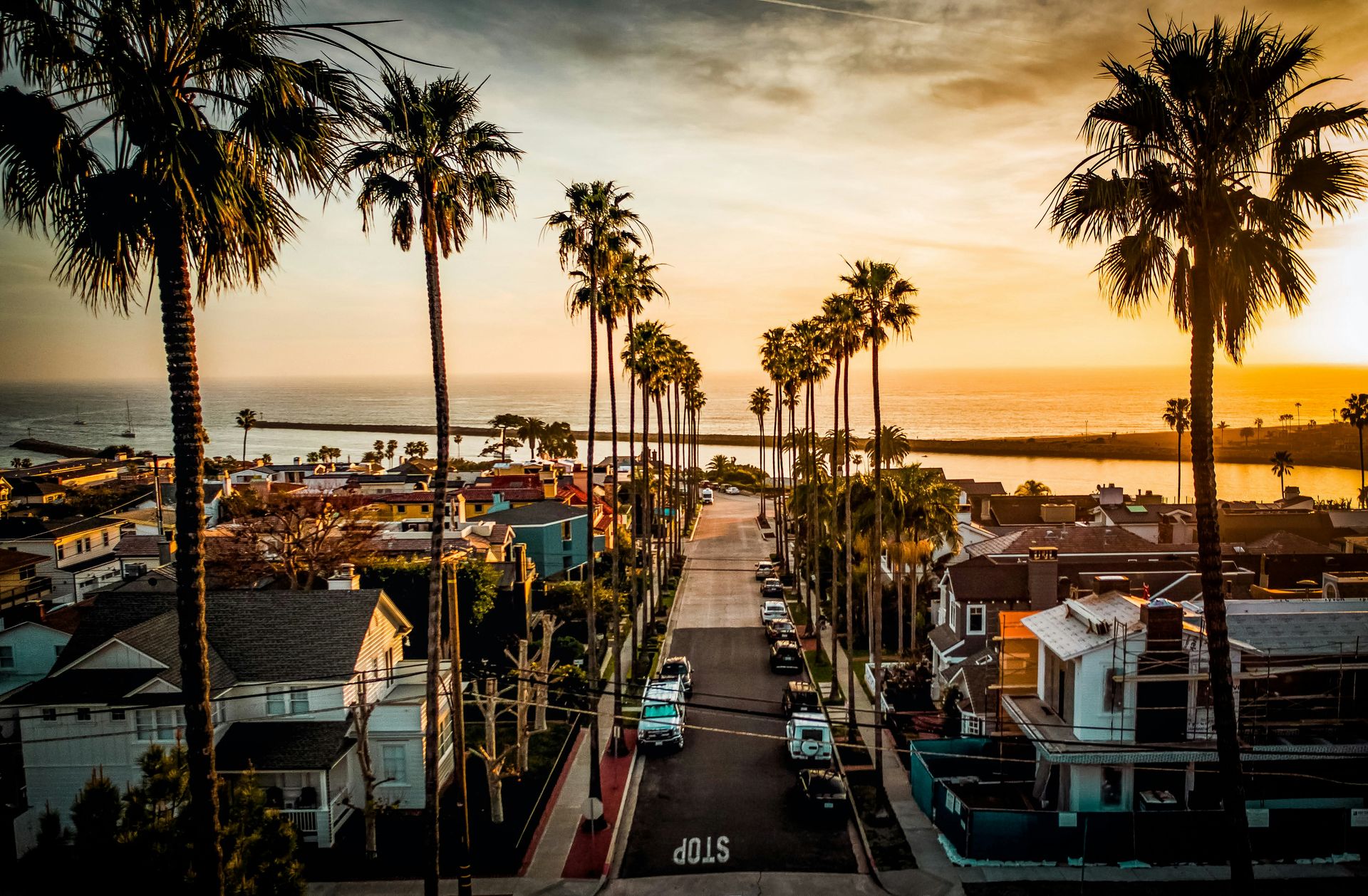
Cool coastal breezes make Newport especially inviting during the fall season, and strolling the famed Cliff Walk delivers dramatic ocean views framing opulent Gilded Age mansions such as The Breakers, Marble House and Rosecliff, each offering tours of their considerable grand interiors. Following the iconic 10-mile Ocean Drive, travelers reach Brenton Point State Park, where Narragansett Bay meets the open Atlantic Ocean.
Fort Adams State Park, once the nation’s largest coastal fortification, rewards a visit with a 75-minute guided tour delving into the fort’s history, design and restoration. At the same time, the 2.5-mile Bay Walk offers unmatched harbor views and considerably prime sunset viewing spots. The Sailing Museum and National Sailing Hall of Fame honors the legacy of competitive sailing and America’s Cup champions, giving maritime history enthusiasts a considerable dedicated stop within the broader itinerary.
Ending the day at the White Horse Tavern, one of the oldest restaurants in the United States, gives visitors a distinctly historic close to a day already packed with considerable coastal scenery and Gilded Age architecture.
Mansion and museum hours may shorten considerably in late October, so calling ahead before a visit helps travelers avoid an unwelcome surprise upon arrival at a specific site. The Breakers, the largest of Newport’s Gilded Age mansions, required considerable resources from the Vanderbilt family to build, employing hundreds of artisans and importing materials directly from across Europe during construction. Travelers $TRV should purchase combination tickets covering multiple mansions if planning to visit more than one, since bundled admission typically costs considerably less than separate tickets. Comparing ticket bundles online before arrival helps travelers pick the combination that best matches their specific interests. Visiting on a weekday also means shorter lines at the most popular mansions throughout the busier fall weekends. Arriving right when a mansion opens also helps beat the bulk of the day’s visitors. This small step considerably improves the overall experience at each stop along the tour.
Tristan Fox / Unsplash
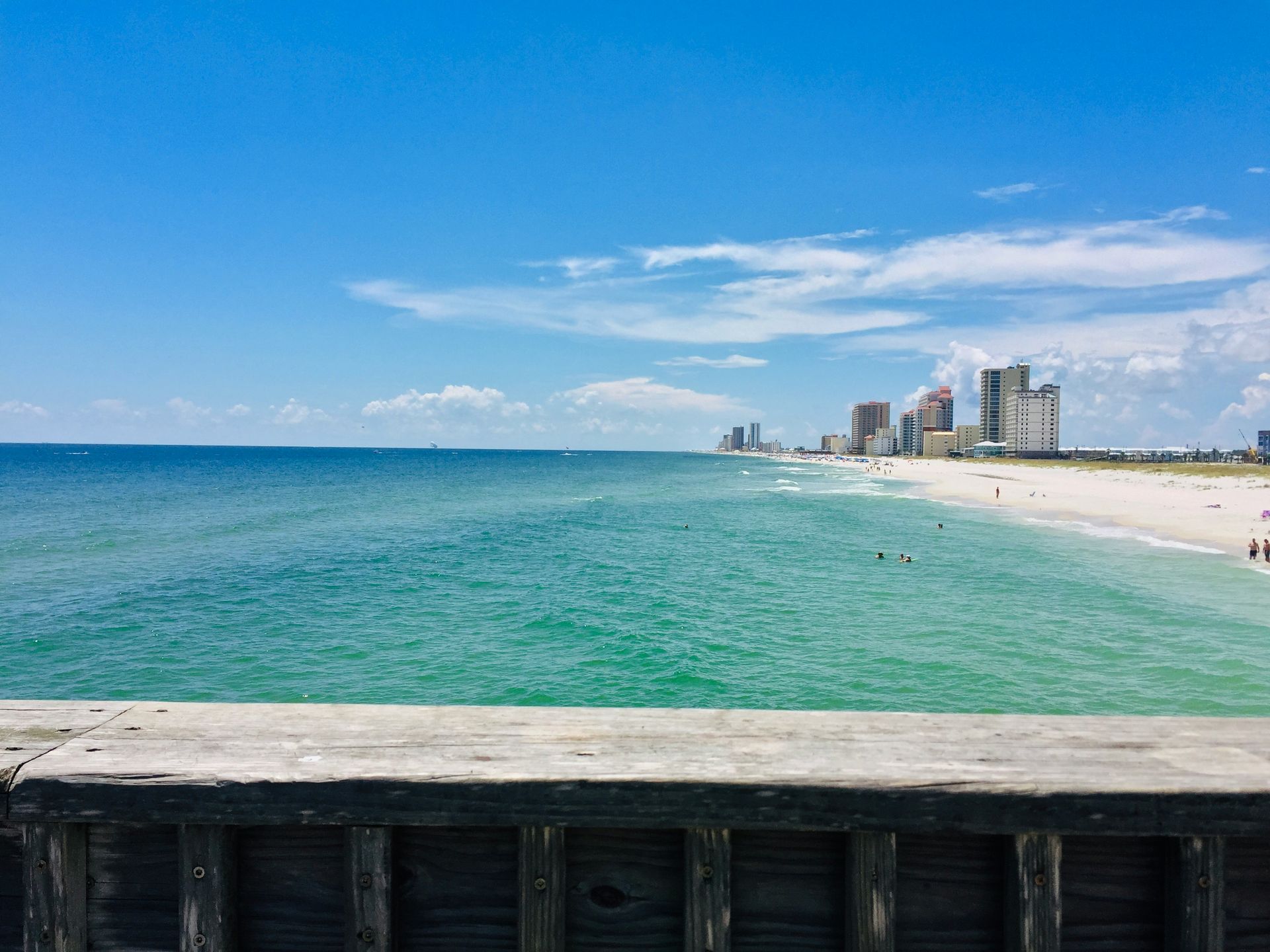
Cooler, less humid days make Alabama’s Gulf Coast notably ideal for outdoor adventures throughout the fall season. Gulf State Park offers 28 miles of multi-use trails for strolling or pedaling, with free bike rentals available for up to three hours, giving budget-conscious visitors ample access to the park without an additional rental fee.
Watching for migratory birds such as gulls and warblers, paddling on Lake Shelby, or casting a line from the 1,540-foot fishing pier all offer visitors a genuine range of outdoor activities within a single park. Nearby, Bon Secour National Wildlife Refuge offers peaceful nature trails and serves as a nesting site for loggerhead, green and Kemp’s Ridley sea turtles from May through October.
In Orange Beach, booking a dolphin cruise lets visitors watch playful pods in their natural habitat, and some operators, including Dolphins Down Under, feature glass-bottom catamarans for a distinctly different underwater view. October also brings the National Shrimp Festival, an open-air celebration of fresh seafood, live music and local art, and wrapping the day at The Hangout, a lively beachfront favorite, rounds out a visit with considerable sunset views and seafood feasts.
Hurricane season runs through November, so monitoring weather forecasts and booking flexible accommodations helps travelers avoid genuine disruption to a planned fall trip. Gulf State Park underwent considerable restoration following Hurricane Ivan in 2004, and the rebuilt facilities now incorporate considerably improved storm resilience compared with the park’s original pre-storm infrastructure. Travelers $TRV should reserve free bike rentals early in the day during peak fall weekends, since the limited three-hour rental window fills quickly once demand picks up. Arriving right at the rental counter’s opening time gives visitors the best shot at securing a bike before slots run out. Bringing a personal bike as a backup also guarantees a ride even if the free rental slots fill up. Checking tire pressure beforehand also makes for a smoother ride across the park’s longer paved stretches.
Raychel Sanner / Unsplash
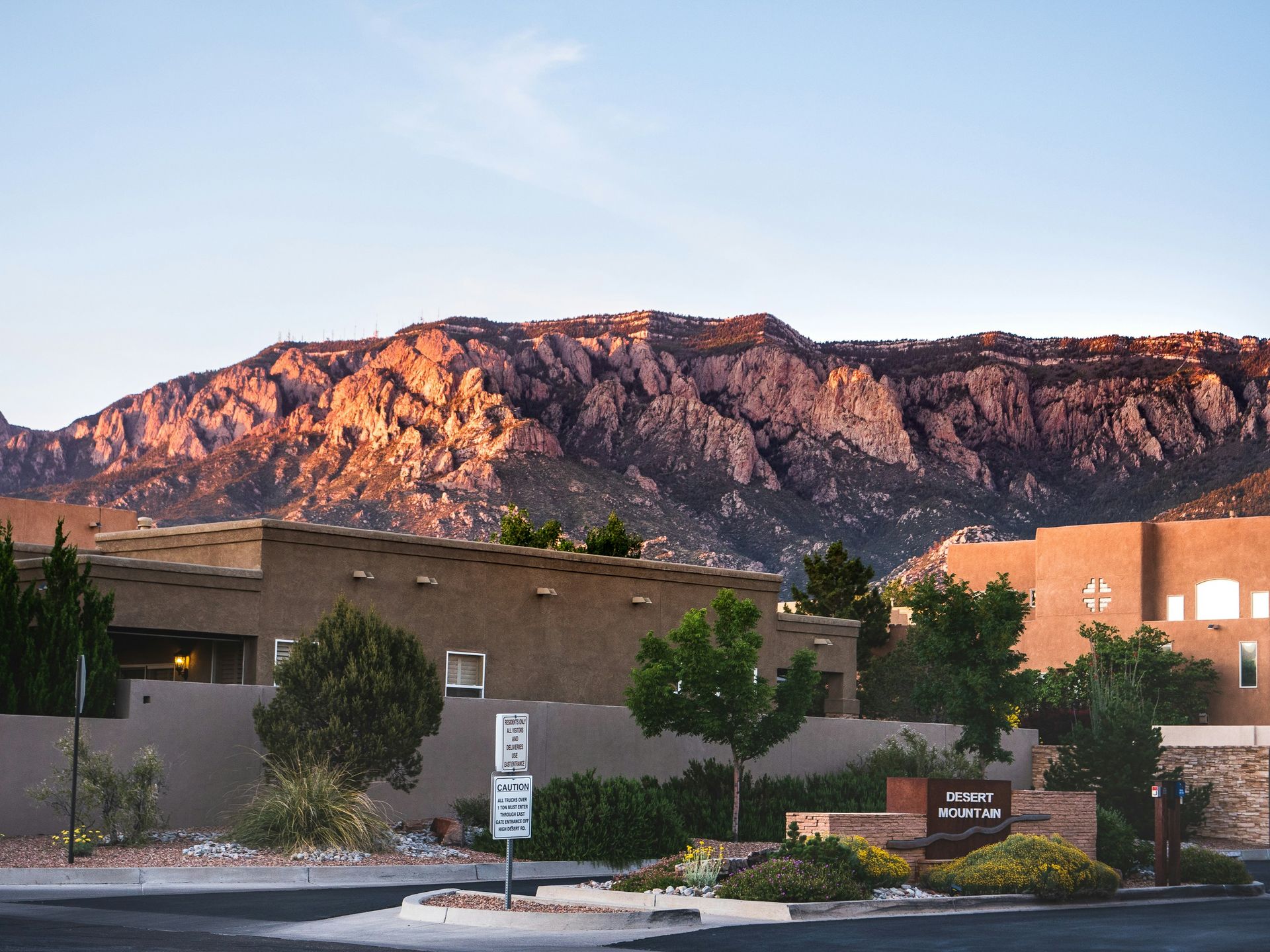
Golden cottonwoods and clear skies make Albuquerque a particularly ideal shoulder-season destination. In early October, the Albuquerque International Balloon Fiesta fills the sky with hundreds of colorful hot air balloons rising over the city. Wandering Old Town’s historic adobes, popping into local galleries and stopping at the New Mexico Wine Studio to sample reds and whites from the state’s family-owned wineries all give visitors considerable cultural texture beyond the balloon festival itself.
Petroglyph National Monument features more than 400 ancient rock carvings along the Piedras Marcadas Canyon Trail, offering history-focused travelers a genuine window into the region’s rich Indigenous heritage. A short drive brings visitors to Kasha-Katuwe Tent Rocks National Monument, which reopened in late 2024 after a four-year closure and remains known for its dramatic cone-shaped rock formations.
The Sandia Peak Tramway carries visitors to an observation deck high within the Cibola National Forest, delivering sweeping panoramas. At the same time, a day at the ABQ BioPark, home to a zoo, aquarium and botanical garden, offers a considerably different pace for travelers hoping to slow down between more active excursions.
Arriving early in the morning for the Balloon Fiesta rewards visitors considerably, since the mass ascension itself creates a distinctly magical spectacle best experienced from the very start. The Balloon Fiesta draws pilots from dozens of countries each year, and the event’s considerable mass ascension has grown into one of the most photographed hot air balloon gatherings anywhere in the world. Travelers $TRV should book accommodations well in advance for Balloon Fiesta week, since hotel rooms throughout the city sell out months before the event. Comparing rates across several booking platforms also helps travelers find the best available price well ahead of the event. Setting a price alert also helps travelers catch a sudden drop before the best deals disappear entirely. Booking well in advance also secures better seating for the evening glow events held throughout the week.
Virgilio de Carvalho / Unsplash
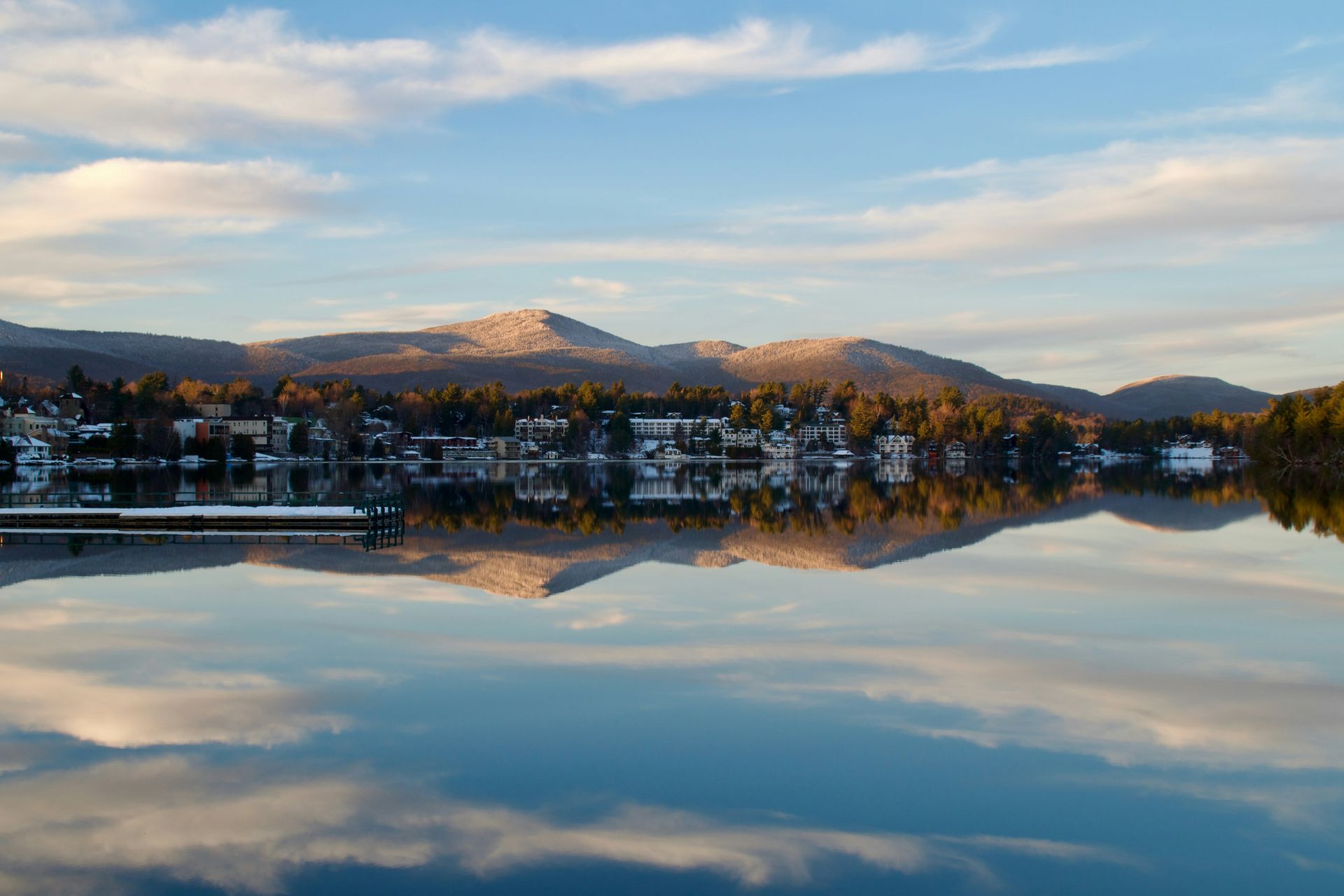
Lake Placid holds genuine charm throughout the fall season, rivaling its considerable reputation in winter. A gondola ride to the top of Little Whiteface Mountain delivers sweeping views across the Adirondack Mountains, and High Falls Gorge nearby holds four tumbling waterfalls well worth the short detour. Back in town, the Lake Placid Olympic Museum explores the thrilling legacy of the 1932 and 1980 Winter Games hosted in the surrounding region.
Mirror Lake offers a considerably more relaxed pace for kayaking, canoeing, or paddleboarding, with rentals available through mid-October. A 2.6-mile walking path that circumnavigates the lake offers visitors easy strolls with consistently scenic views. Adventurous travelers can take on the Saranac Lake 6er challenge, climbing six local peaks starting with the family-friendly Mount Baker.
In nearby Saranac Lake, riding the Adirondack Carousel, featuring 24 hand-carved animals native to the region, gives families a notably charming stop beyond the area’s more strenuous outdoor activities. This particular blend of accessible lake activities and considerably more demanding mountain challenges gives Lake Placid real range across varying fitness levels and travel styles.
Fall foliage draws considerable numbers of visitors, so booking gondola rides and watercraft rentals well in advance helps secure preferred times before the busiest weekends fill available slots. Lake Placid hosted the Winter Olympics twice, a considerable rarity for a town this small, and the surviving venues from both the 1932 and 1980 Games still host competitive events throughout the year. Travelers $TRV attempting the Saranac Lake 6er challenge should pace themselves over multiple days rather than rushing all six peaks at once, since the cumulative elevation gain adds up considerably. Starting with the easier peaks before attempting more demanding summits also helps build confidence throughout the multi-day challenge. Tracking progress over a few weekends also keeps the challenge feeling manageable rather than overwhelming. Celebrating each completed peak also keeps morale high throughout the challenge. A shared group chat also helps everyone stay coordinated across the multi-day effort.
Adam Bouse / Unsplash
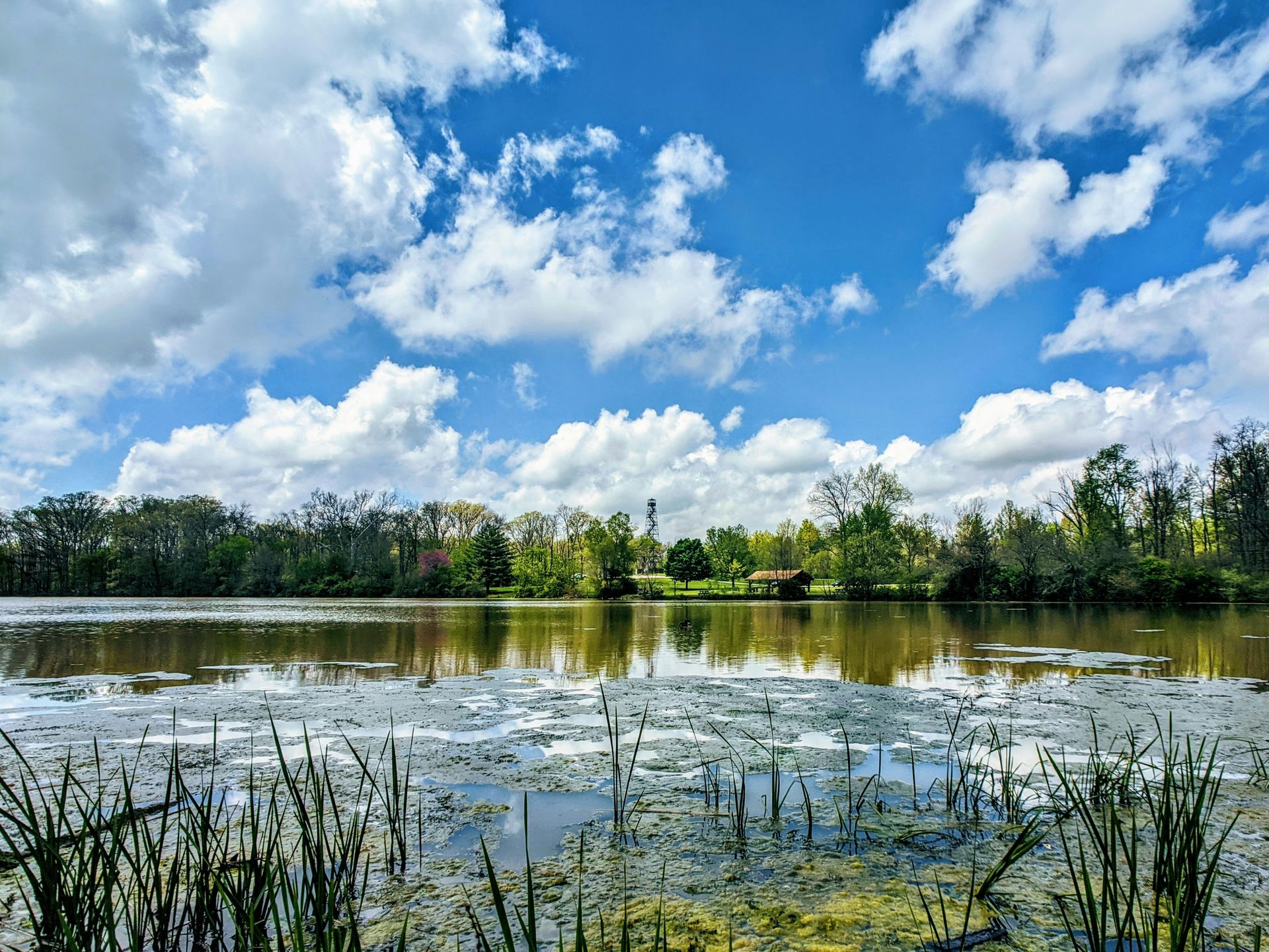
Bluffton offers a quiet coastal retreat filled with genuine Lowcountry charm along the May River. Visitors can paddle calm waters, stroll beneath moss-draped oaks and sample oysters, soft-shell crab or Gullah dishes such as okra gumbo and fried corn cakes throughout Old Town Bluffton’s considerable culinary offerings. Following the Shell $SHEL Art Trail leads visitors past 21 giant hand-painted oyster shells scattered throughout the historic district.
Art galleries, cafés, boutiques and historic sites, including the Church of the Cross, a striking example of Gothic Revival architecture, give Old Town considerable depth beyond its riverside scenery alone. Getting out on the water with May River Excursions offers either a sunset cruise or a hands-on ecology tour spotlighting blue crabs, shrimp, fish and coastal birds throughout the surrounding estuary.
Sipping curated wines at Wine Time Bluffton or trying craft spirits at Burnt Church Distillery rounds out an evening with considerable local flavor, and travelers hoping for a deeper nature escape can head to Hunting Island State Park before ferrying to St. Phillips Island for a twice-weekly naturalist-led wildlife tour.
Early mornings offer the best chance to spot coastal birds and other wildlife on guided excursions, since animal activity tends to slow considerably once the day’s heat sets in later in the morning. The Gullah culture found throughout the Lowcountry traces directly back to West African traditions preserved by enslaved communities, giving Bluffton’s food and art scene considerable historical and cultural depth. Travelers $TRV should book the St. Phillips Island naturalist tour well in advance of arrival, since the twice-weekly schedule limits the number of available spots considerably compared with more frequent regional excursions. Checking the tour operator’s current schedule online before planning the rest of a day trip helps avoid a scheduling conflict. Building in a flexible backup day also helps if weather or availability forces an unexpected schedule change. Packing sun protection also matters, since much of the tour takes place aboard an open boat deck. A light long-sleeve shirt adds extra coverage for anyone particularly sensitive to sun exposure.
Yohan Marion / Unsplash
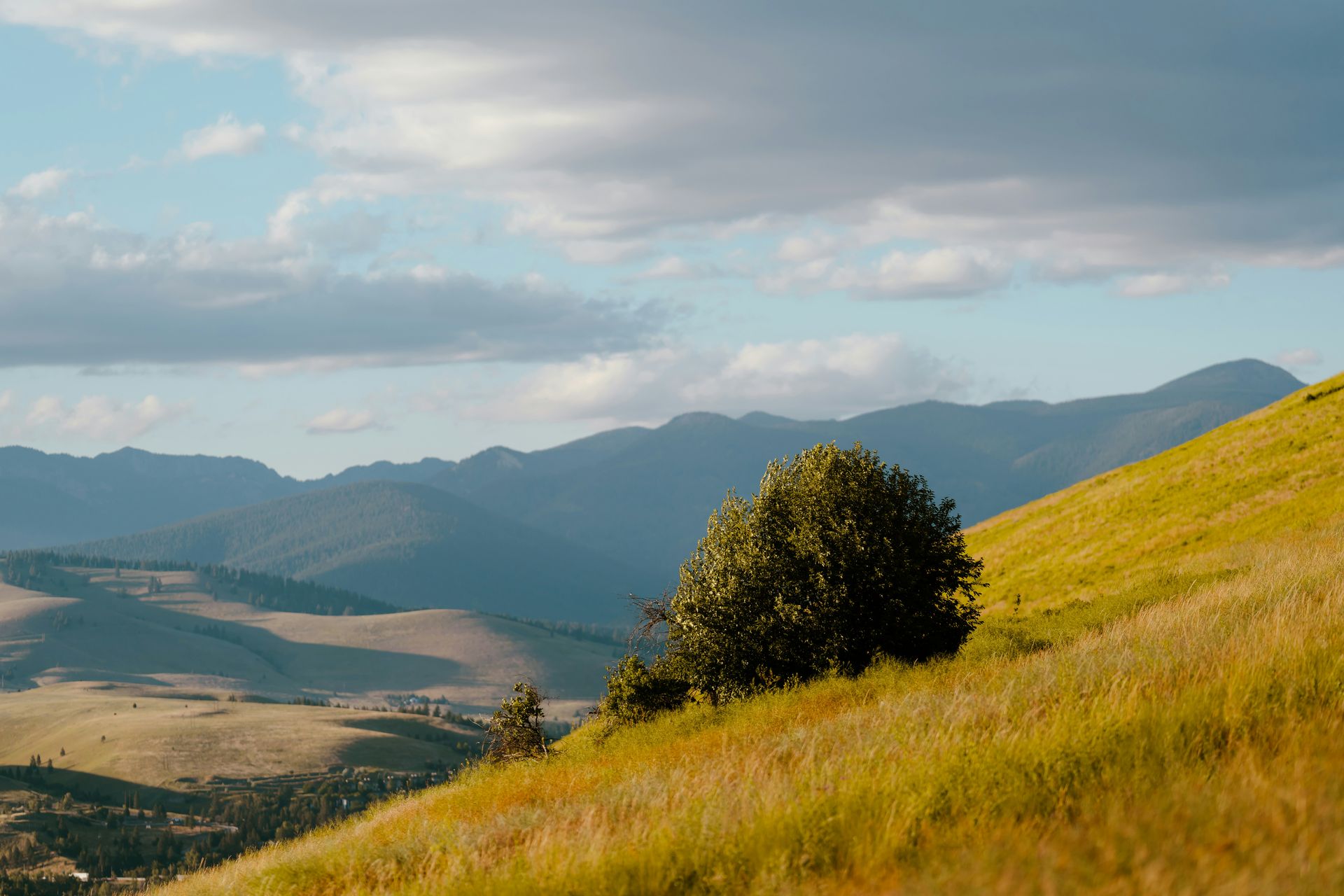
Missoula blends outdoor adventure with genuine small-town charm throughout the fall season. Starting the day with a morning hike to the “M” on Mount Sentinel or the “L” on Mount Jumbo delivers sweeping views across the Missoula valley and the University of Montana campus below. Strolling downtown afterward reveals local shops, art galleries and the popular Missoula Farmers’ Market, open Saturdays through October.
The Smokejumper Visitor Center offers a fascinating look at wildfire history, housed at the nation’s largest smokejumper base and providing visitors with genuine insight into the considerable dangers firefighters face while battling wildland blazes. Just outside town, guest ranches offer horseback riding, fly fishing, ATV rides and even cattle drives for travelers hoping for a more immersive experience.
All-inclusive properties such as The Resort at Paws Up and the Ranch at Rock Creek offer notably fall-friendly outdoor activities, striking scenery, and authentic ranch experiences that connect guests directly to the land and its history. This particular blend of urban hiking trails and considerably more rural ranch experiences gives Missoula real range for travelers hoping to combine both within a single trip.
Starting early in the morning for the “M” or “L” trails matters considerably, and packing water along the way helps, since both hikes are short but remain steep throughout. The Smokejumper Visitor Center sits at a base that has trained parachuting wildland firefighters since the 1940s, giving visitors considerable insight into a dangerous profession most travelers rarely encounter directly. Travelers $TRV booking a guest ranch stay should confirm which activities are included and which carry an additional fee, since packages can vary considerably between properties. Reading recent guest reviews for a specific ranch also helps set realistic expectations before committing to a longer stay. Calling the ranch directly with specific questions also clears up any remaining confusion before finalizing a reservation. Asking about cancellation policies also protects against any last-minute change in weather or personal plans. This small step avoids a considerable financial surprise if plans need to shift unexpectedly.