
Ski vacation rentals reward investors who look beyond famous resorts. AirDNA data highlights five U.S. markets where yield and price align
Gregory Adams / Getty Images
Ski vacation rentals occupy a rare corner of the short-term rental market. Demand is seasonal but highly predictable. Guests plan weeks or months in advance, coordinating group travel, lift tickets, and logistics that don't lend themselves to last-minute bookings. Predictable demand gives owners a clearer picture of what a full calendar year looks like before it begins.
But not every ski market delivers on that promise. The most talked-about resort towns — the ones with famous names and reliably deep powder — carry home prices that compress yields and thin out margins. A property earning impressive gross revenue can still disappoint as an investment if the purchase price is out of proportion with what it actually returns. Reputation, in other words, is not a substitute for math.
The more useful question is where demand and pricing align. Answering it means moving beyond headline revenue figures toward yield — the ratio of projected income to purchase price. A market with modest average nightly rates but attainable home prices can outperform a high-profile resort town on this measure. Several strong performers sit just outside the most expensive resort cores, in smaller cities and four-season destinations that attract travelers for reasons well beyond snow.
Short-term rental investors look at ski markets because booking patterns there differ from the broader market. Investors also benefit from the fact that mountain destinations often carry year-round appeal. Summer hiking, lake recreation, and cultural events extend revenue well beyond the ski window.
Short-term rental data platform AirDNA examined average revenue potential and average yield for STR properties currently listed for sale across ski-adjacent markets in the U.S. Five destinations rose to the top — not because they are the most famous ski destinations, but because their numbers make a compelling case for investors who start with yield and work backward.
Alex Potemkin / Getty Images
Average home price: $367K | Average yield: 15.1%
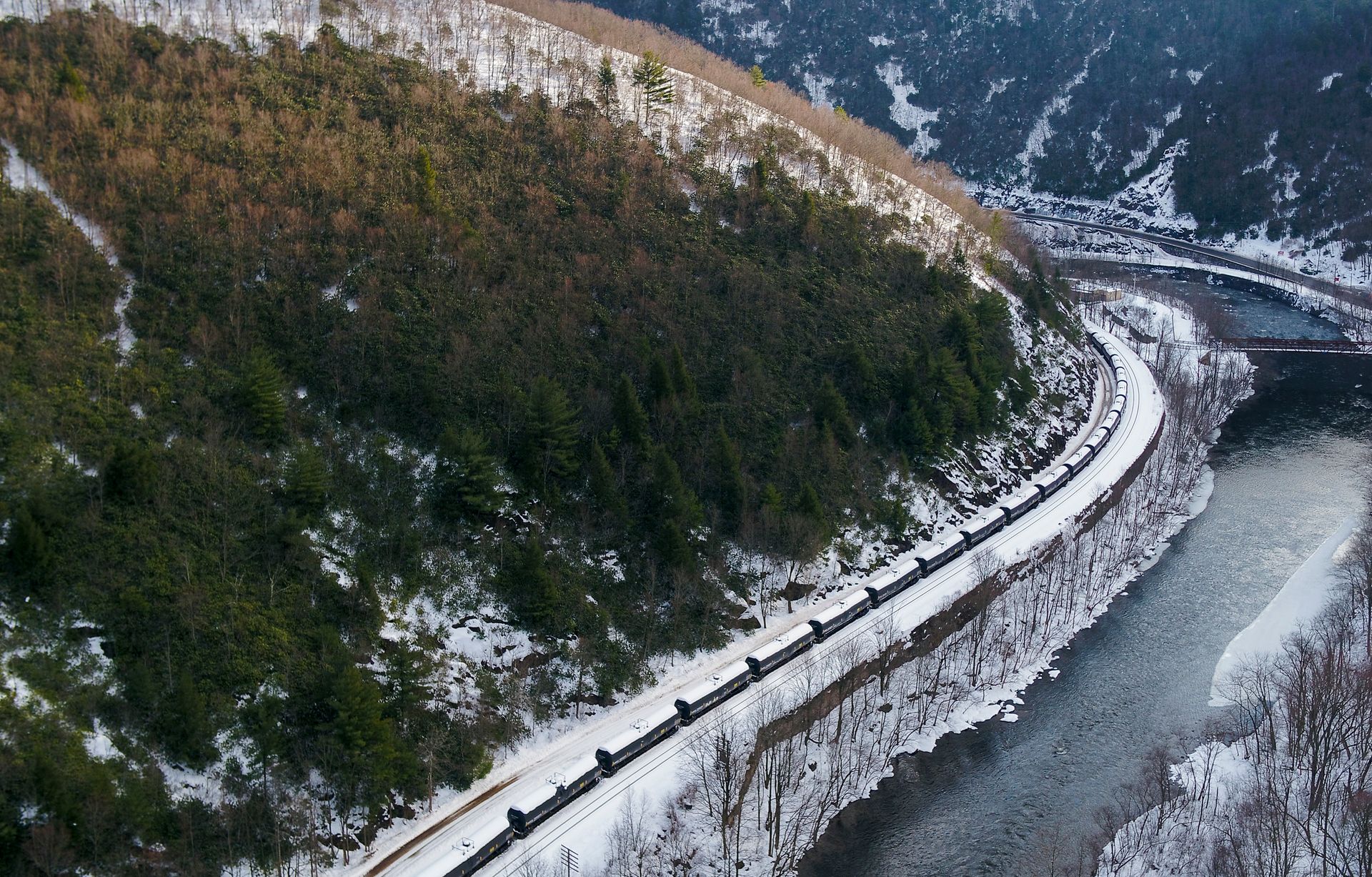
Five ski areas — Camelback Mountain, Jack Frost Mountain, Blue Mountain Resort, Big Boulder Ski Area, and Shawnee Mountain — give the Pocono Mountains a winter draw that few comparable markets can match. But skiing is only part of what makes this market perform. Warm-weather lake recreation, outdoor adventure, and amusement parks extend demand beyond the narrow winter window, keeping ski markets from going quiet for months at a time. Investors who value year-round occupancy over seasonal revenue spikes will find the breadth of demand here unusually accommodating.
Most mountain destinations offer a lodge and a slope. The Poconos add something harder to find at elevation: genuine town life. The communities of Stroudsburg and East Stroudsburg feature walkable downtowns with restaurants, shops, galleries, arts events, and local entertainment. Guests who spend a day on the mountain have somewhere to go afterward that doesn't require another hour in a car. This range of activity strengthens the appeal for travelers who might otherwise skip a purely ski-focused destination.
Market fundamentals are compelling across both communities. East Stroudsburg comes in below $370,000 on average home prices with a yield of more than 15% — a standout figure in any market category. Stroudsburg runs higher, around $470,000, with a yield of 10.4%. Average revenue potential across the area hits $50,000, which holds up well against markets with far steeper entry prices and thinner margins.
On the regulatory side, both boroughs maintain established licensing frameworks. East Stroudsburg Borough's Short-Term Rentals Ordinance 1379 outlines inspections and renewal requirements. Stroudsburg Borough code sets out additional compliance specifics. Investors who prepare for the licensing process will find the rules structured but workable.

Robert Landau / Getty Images
Average home price: $304K | Average yield: 12%
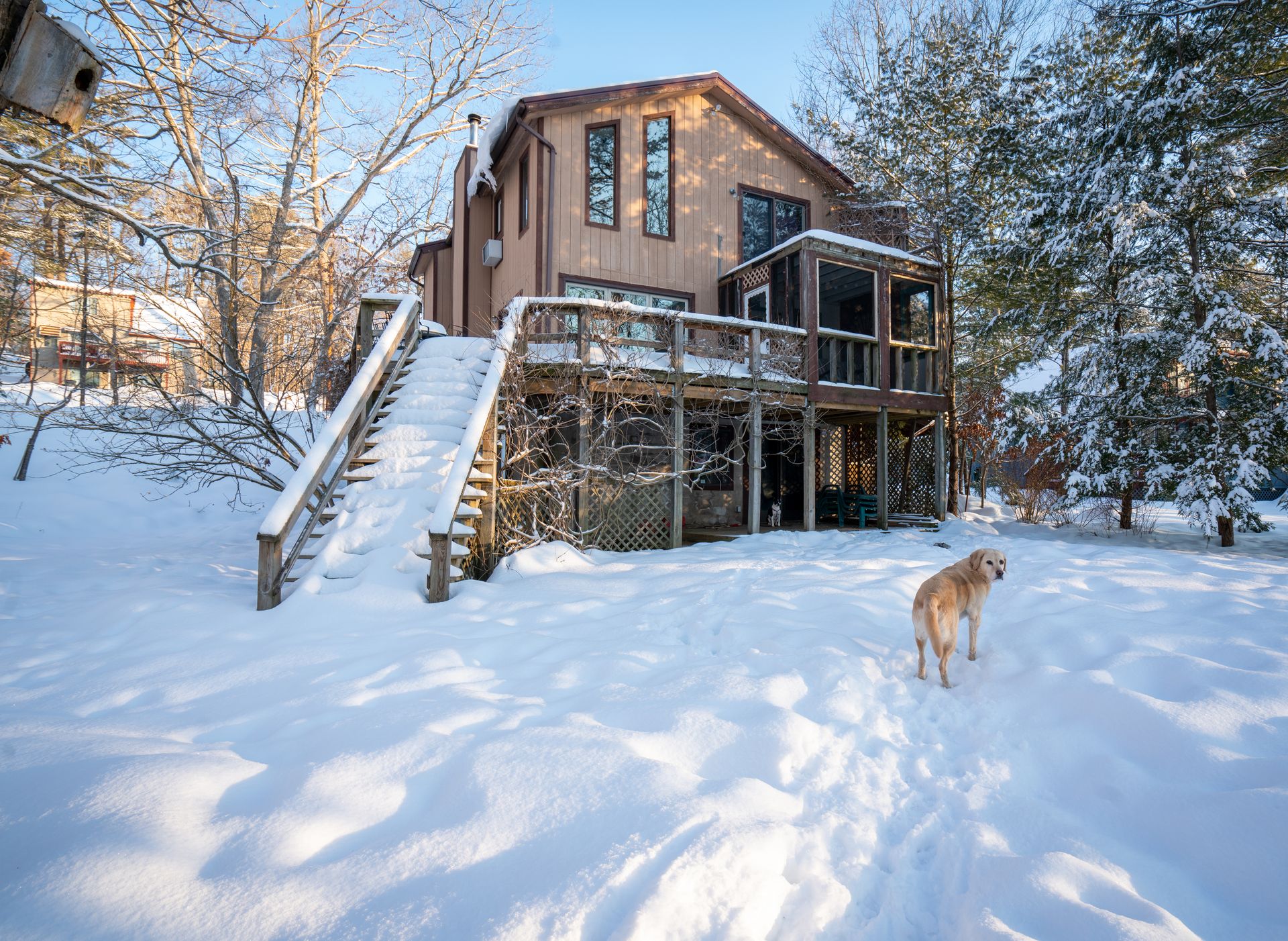
At just over $300,000, the average home price in Otsego Lake, Michigan, leaves room in the budget to invest in the property itself. That's a meaningful advantage in a market where amenities, such as a hot tub and a fire pit, can boost nightly rates without requiring a dramatic increase in acquisition costs. In ski and lake markets, those additions often move the revenue needle more than location adjustments alone.
Otsego Lake is a classic "Up North" lake destination, the kind of place where summer calendars fill with beach days, boating, and waterfront activity. The appeal doesn't fade when the water freezes. Winter ice fishing adds a colder-season draw, and enough variety surrounds the lake to prevent occupancy from collapsing in the shoulder months that hit pure-ski markets hardest. Four-season demand is the structural advantage here. Revenue doesn't depend on a single stretch of reliable snowfall, and investors avoid the risk of a poor snow year wiping out winter income.
An average yield of 12% signals a healthy relationship between what properties cost and what they return. Otsego Lake competes on efficiency, and at current prices, the return profile compares favorably to ski markets that demand a larger upfront commitment for a similar gross yield.
Regulatory uncertainty deserves attention before closing. A proposed Otsego County short-term residential rental ordinance would require operators to register and obtain an annual permit, suggesting the county is moving toward formal compliance requirements. Investors should monitor whether that proposal advances and factor potential compliance costs into projections. Local confirmation through county channels is a necessary step before committing to a purchase.

Matt Champlin / Getty Images
Average home price: $280K | Average yield: 11.8%
Proximity to Greek Peak Mountain Resort provides Cortland, New York, with its winter draw. The stronger investment case, though, rests on what the market offers when ski season ends. SUNY Cortland also generates travel traffic that doesn't follow a weather calendar. Campus visits, graduation weekends, and athletic events fill dates that would otherwise sit empty between winter and summer peaks. For an investor managing occupancy across 12 months, off-season demand matters more than most revenue projections suggest.
Cortland's position near the Finger Lakes region extends the warm-weather booking window further. Lakes, trails, and wine-country tourism draw visitors through summer and into fall. Guests arriving for a summer lake trip are the same guests who might return in February for a ski weekend. The destination earns repeat visits across seasons without depending on any single one to carry the year. Purchase prices remain low relative to comparable ski-adjacent markets, reinforcing the appeal for investors entering at a conservative cost basis.
An 11.8% average yield signals a strong income-to-cost ratio at current prices. But regulatory due diligence matters here. New York state launched a short-term rental registry in April 2025, and city-level requirements may add further compliance steps. Investors should confirm how local rules interact with state requirements before purchasing. A property meeting both layers will have a cleaner path to long-term operation than one that addresses them after the fact.

Posnov / Getty Images
Average home price: $320K | Average yield: 10.3%
Wausau, Wisconsin, draws visitors year-round because demand doesn't depend on a single attraction. Granite Peak Ski Area anchors winter travel. Rib Mountain State Park delivers hiking, panoramic views, and accessible trails for families and weekend visitors. The Leigh Yawkey Woodson Art Museum, part of a robust local event scene, gives guests reasons to visit rain or shine. Diversity of demand provides meaningful structural protection against the revenue volatility that affects markets where one attraction does all the work.
Occupancy data reflects the trend directly. Spring lows sit at 51%, while summer highs reach 75%. The spread is narrow for a market with a ski anchor, showing demand doesn't crater in the months between peak periods. If occupancy holds above 50% in the slowest month, cash flow stays relatively stable year-round. Many comparable ski markets show steeper troughs. Wausau's floor is higher than most, and the stability makes revenue projections more reliable over time.
Moderate home prices and a 10.3% gross yield produce strong cash flow without relying on appreciation. Operators who invest in winter amenities, such as a fire pit or heated outdoor space, can expect a further lift in nightly peak-season rates. The guest profile here — outdoor-focused, often returning annually — favors properties that lean into the experience.
Compliance in Wausau requires proper preparation. Marathon $MPC County mandates that Tourist Rooming Houses carry proper licensing, posted at the property. The City of Wausau also requires residential rental registration. Investors should account for both layers and verify current requirements before closing.
Douglas Sacha / Getty Images
Average home price: below $271K | Average yield: 10.2%
Few ski-adjacent markets in the Midwest combine a sub-$300,000 average home price with a double-digit yield. Bellefontaine, Ohio, does. Average yield comes in just over 10%, hitting the threshold many short-term rental investors treat as the floor for a viable acquisition. For investors who want exposure to a ski-adjacent market without committing to a high-end purchase price, Bellefontaine presents a rare pairing of accessibility and performance.
Mad River Mountain provides the ski season spike, drawing winter visitors to a destination that would otherwise see limited cold-weather tourism. Campbell Hill — the highest point in Ohio — adds an elevation-based outdoor draw for hikers and day-trippers during warmer months. Those two anchors create a seasonal demand structure that a single ski resort alone couldn't sustain, and serve different traveler profiles.
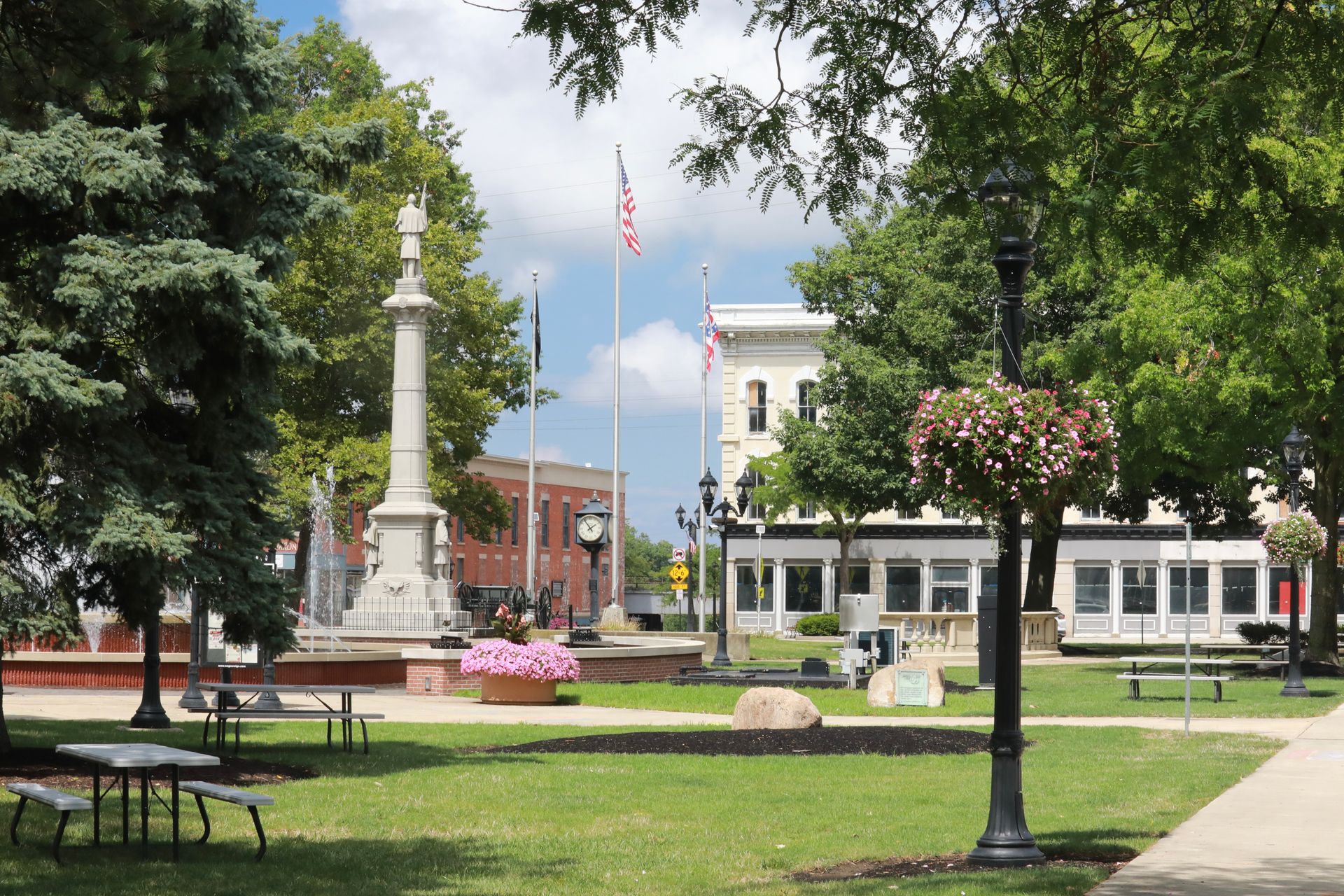
Downtown Bellefontaine provides a third layer. A revitalized walkable core with local shopping, dining, and cultural programming functions as a destination independent of the outdoor draws. Guests arriving for a ski weekend at Mad River Mountain have somewhere to spend an evening after the lifts close. Guests visiting for no particular outdoor purpose find enough in town to justify the trip. This layered demand structure smooths revenue across seasons in a way that pure mountain markets often struggle to replicate, reducing pressure on any single attraction to carry occupancy through slow periods.
Ohio leaves most short-term rental regulation to the city level. Logan County and the City of Bellefontaine have not published detailed STR rules online, so direct inquiries with local authorities are necessary before purchasing. The absence of a published framework doesn't signal hostility to short-term rentals, but investors can't verify requirements remotely.
Data from AirDNA reflects properties listed for sale as of December 2025. Average home prices, revenue potential, and yield fluctuate as listings change.