
St. George, Fort Myers, and 3 other small U.S. cities are the best for startups in 2026
Small cities give entrepreneurs lower costs and less competition. WalletHub ranked 1,334 of them to find where new businesses thrive

Jason Cameron / Getty Images
A founder who relocates from San Francisco to a city of 60,000 people trades competitive pressures for far more favorable conditions. Overhead drops. Customers are reachable. The local market rewards consistency over spectacle. Entrepreneurs who have made that kind of shift often describe the move as what let their company gain traction for the first time, ending years of cash-burning in a crowded metropolitan environment where every cost was punishing, and every competitor was better capitalized.
The choice of city shapes a business's odds from day one. Cheap office space extends a startup's runway. A fast-growing workforce provides the labor pool a scaling company needs. Access to investors determines whether a promising idea survives its first funding gap. These variables do not distribute evenly across American cities, and small cities — with populations between 25,000 and 100,000 — show striking variation. Some concentrate remarkable entrepreneurial energy. Others sap it through high costs, thin labor markets, or limited capital. The gap between the best and worst small cities in these conditions is wider than most founders realize.
WalletHub evaluated 1,334 small U.S. cities on their conditions for starting a business and ranked each city across three dimensions: Business Environment, Access to Resources, and Business Costs. It used 18 metrics, including small-business growth rates, startups per capita, investor access, office-space affordability, labor costs, corporate taxes, and cost of living. WalletHub graded each metric on a 100-point scale, where 100 represented the most favorable conditions for launching a business, then weighted and combined the results into an overall score. Business Environment carried 50 of the total 100 points, while Access to Resources and Business Costs were each worth 25.
The five cities below earned the highest overall marks.
1. St. George thrives on cheap space and surging firms
DenisTangneyJr / Getty Images
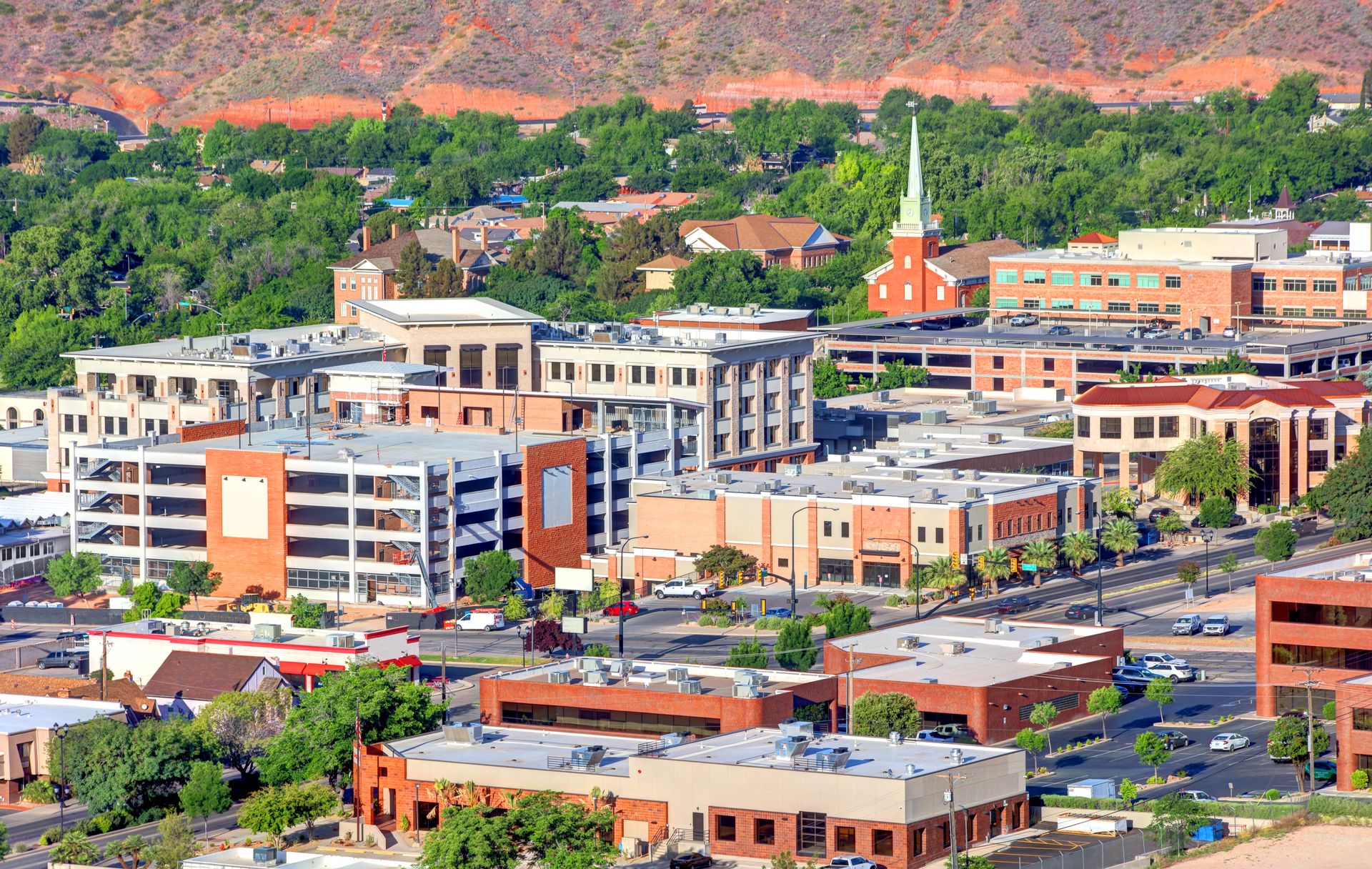
St. George, Utah, earned the top overall score of 64.62. Office space costs around $10.73 per square foot. The most expensive city in WalletHub's study charges close to $62 per square foot, so the separation is enormous, not a modest advantage. For an early-stage company negotiating its first lease, the difference can determine whether a business reaches profitability before it exhausts its capital. A founder in St. George captures, in overhead savings alone, a structural edge that competitors in pricier markets must compensate for through higher revenue or outside funding.
The city's Business Environment rank of second overall reflects more than cheap square footage. Between 2017 and 2023, the number of small businesses in St. George grew by nearly 42%. Growth at that pace signals that the conditions supporting new companies are durable, not the product of a single favorable year. St. George is among the top performers nationally in both startups per capita and the growth rate of small businesses. WalletHub assigned double weight to both metrics, reflecting their outsized importance to entrepreneurial vitality, and St. George excelled on both. A city where the number of businesses nearly doubles in six years is one where the market, culture, and infrastructure all pull in the same direction.
St. George residents commute an average of around 17 minutes, short enough to improve quality of life and make the city more attractive to workers who might otherwise choose a larger metro. That's an advantage for a startup founder hiring their first employees in a tight labor market. With a strong annual job growth rate, the city can supply the workers that a growing enterprise will need over the next several years. An entrepreneur in St. George can recruit into an expanding market, control costs through affordable space, and build in a place where the evidence favors small companies across every metric.
2. Fort Myers attracts capital while holding costs down
John Coletti / Getty Images
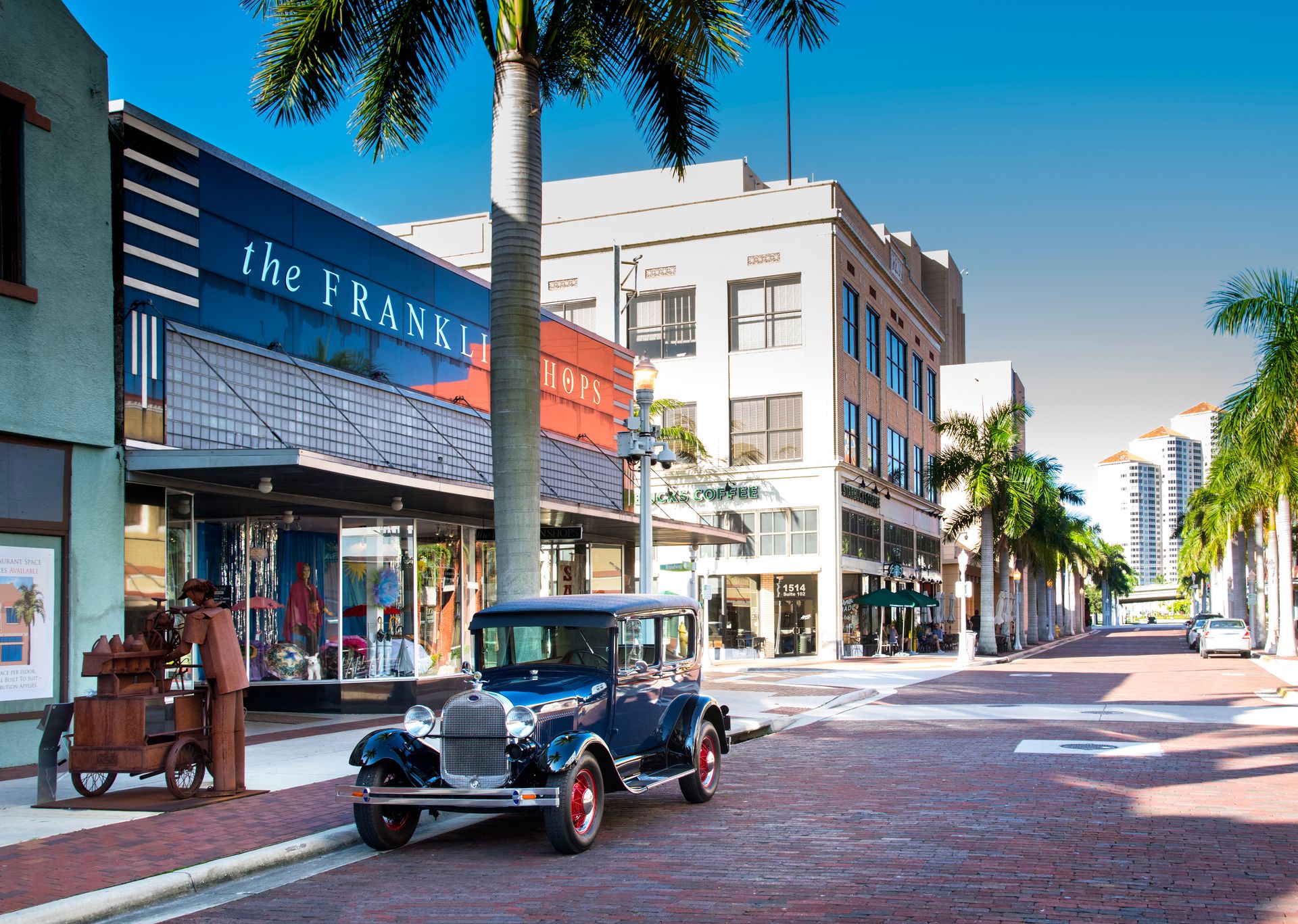
Fort Myers, Florida, finished second overall with a score of 62.33. Its standout characteristic is investor access. The city ranks among the country's highest for the number of investors per capita. WalletHub assigned double weight to this metric because capital access is often the barrier that prevents promising startups from scaling. A founder who cannot find early funding watches a viable concept stall before it builds any market presence. The absence of nearby investors makes every funding conversation harder and more time- and travel-intensive.
Abundant investor presence produced a measurable outcome. The number of small businesses in Fort Myers expanded by nearly 21% between 2017 and 2023. The pace is lower than the top-ranked cities in Utah, but it arrived alongside strong investor engagement, suggesting that Fort Myers businesses do not exist in isolation from capital. Capital backs them, and they grow because of it. Startups that secure investment tend to hire faster, reach customers with greater precision, and withstand downturns with greater resilience than those that bootstrap under constant cash pressure. The presence of active investors in a market also generates an informal support network of advisors, mentors, and potential partners that benefits every company in the ecosystem, not just those that raise funding.
Fort Myers ranked among the top 100 cities for office space affordability at an average of $12.20 per square foot. Combined with its Access to Resources rank of 44th and Business Costs position of 19th, the city, with low expenses and meaningful capital availability, presents a profile that few comparable markets match. Most markets that attract substantial investor activity also attract higher rents, higher wages, and higher tax burdens. Fort Myers holds costs down — and still draws the capital early ventures need. Founders looking for a place where their dollar stretches and their pitch finds a receptive audience have strong reason to put the city near the top of their list.
3. Washington, Utah, sustains near-42% small-business growth
davelogan / Getty Images
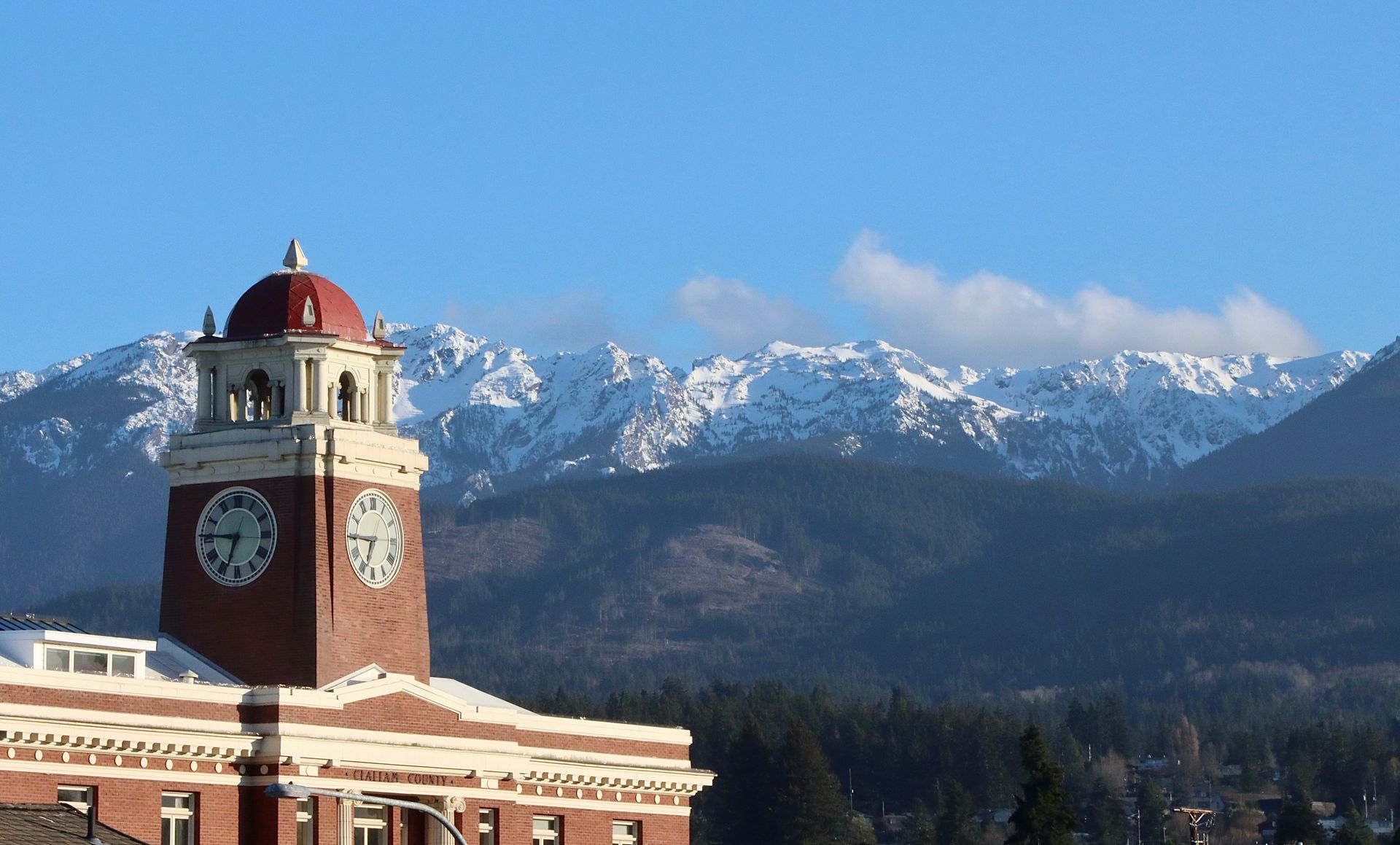
Washington, Utah, scored 61.56 to claim third place. Its most striking figure is also its most forward-looking: the city recorded the fourth-highest growth in the number of small businesses in the entire study, at nearly 42% between 2017 and 2023. The expansion unfolded despite a global pandemic, supply chain disruptions, and elevated inflation, forces that shuttered businesses across the country at an accelerated rate. That Washington could sustain and expand its small-business base through such turbulence shows its conditions are durable.
Startups per capita in Washington rank among the highest in the study. New companies do not inherit space vacated by closures. They take root here at a rate that outpaces the population driving them. A formation culture shapes the availability of suppliers, advisors, and complementary services, making each successive venture easier to launch and harder to isolate. A founder arriving in a market where others are building tends to find the infrastructure — legal services, accounting, marketing, fulfillment — already tuned to the needs of early-stage companies.
Washington is also among the top 100 cities in annual employment growth and working-age population growth. The cohort aged 16 to 64 is expanding, so the workforce available to new businesses will be larger next year than it is today. Entrepreneurs cite talent availability as the constraint that limits growth even when capital and space are in place. Washington's direction on both employment and population suggests that pressure will ease over time. A founder who plants a company in the city now builds into a labor market moving in their favor, gaining a foothold in an ecosystem whose strengths deepen as its headcount grows.
4. Bozeman balances costs across all four expense metrics
GummyBone / Getty Images
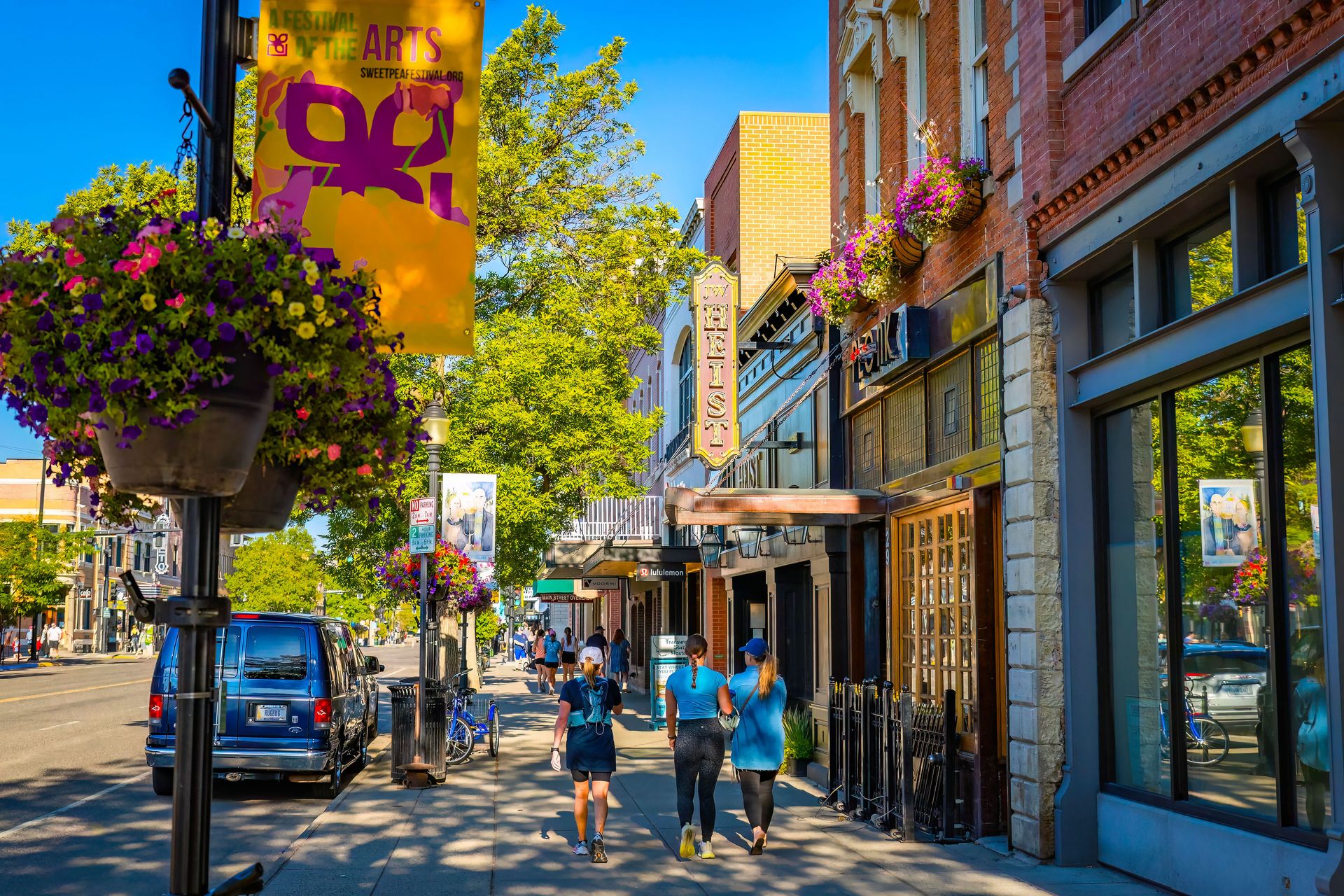
Bozeman, Montana, earned an overall score of 60.22 and a Business Costs rank of 19th out of 1,334 cities. Tied with Fort Myers for second-best in the cost dimension among the top five, the city covers all four cost metrics WalletHub tracked with consistent strength. Office space is affordable, labor costs are reasonable, corporate tax rates are low enough to support growth, and the cost of living is high enough to keep residents happy. Performing well across all four — excelling at none while suffering on none — places Bozeman's cost profile in the top tier. A founder who needs to control every cost — not just rent — will find Bozeman's across-the-board performance more valuable than a city that slashes one expense while quietly inflating another.
Its Access to Resources rank of 45th reflects a city that, despite its modest population, maintains solid access to financing and investors. The metrics in this dimension include the total annual value of small-business loans relative to the number of small businesses, investor access per capita, workforce educational attainment, higher-education assets, human-resource availability, working-age population growth, and recent job growth. Bozeman doesn't rely on a single resource advantage. It delivers across most of them at once. A company scaling in Bozeman is unlikely to discover that the resource it needs next is the one the city lacks entirely.
The Business Environment rank of 44th rounds out a scorecard with no weak dimensions. Bozeman's consistency is an asset for any founder wary of markets that underprice one thing and overcharge for another. The city does not lead the study on any one metric, but it avoids the trade-offs that undercut many of the cities ranked below it. Entrepreneurs who need their costs controlled, their workforce accessible, and their business climate functional get more from a city that delivers each adequately than they would from one that masters one and fumbles the rest.
5. Greenville secures the deepest resource access
DenisTangneyJr / Getty Images
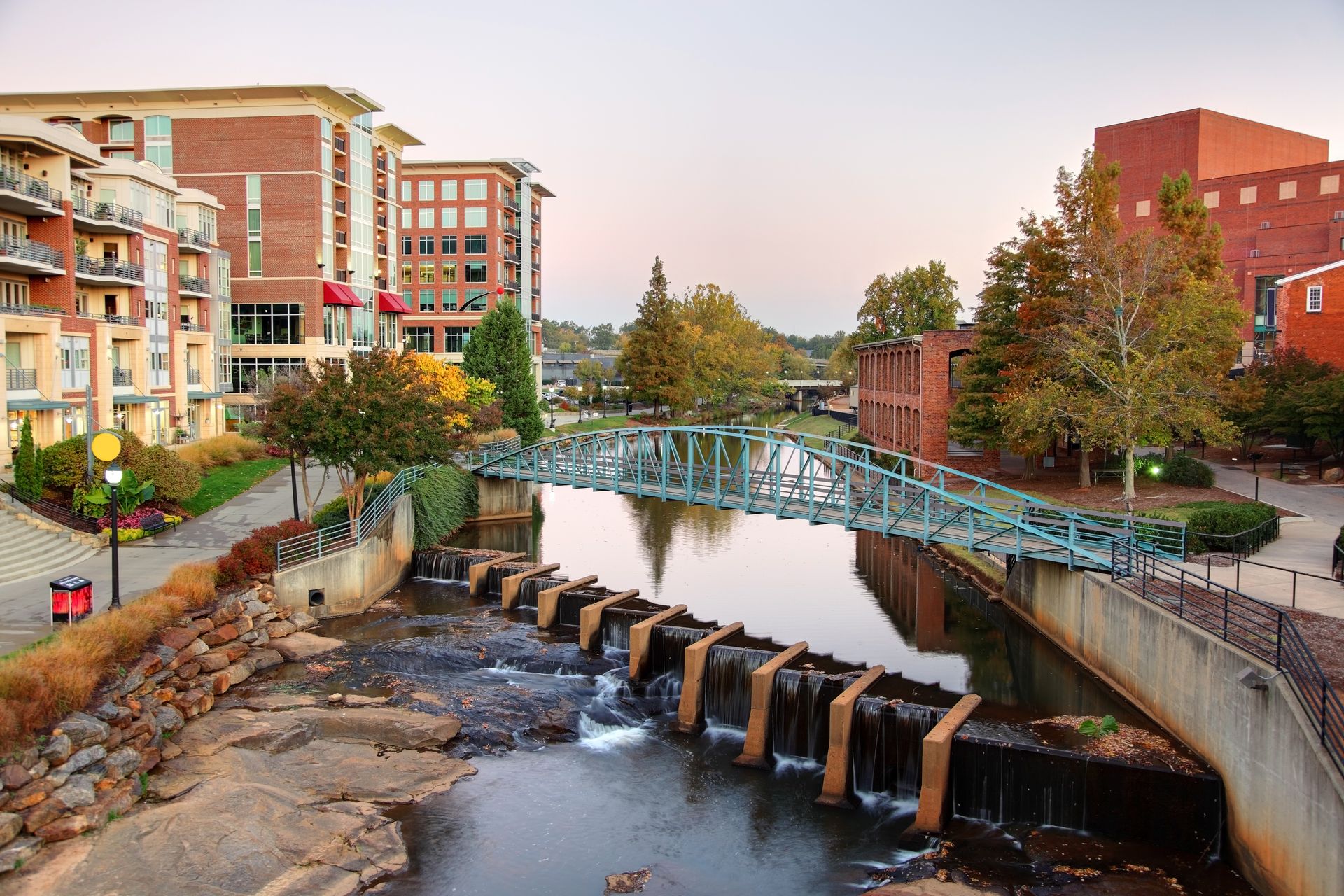
Greenville, South Carolina, posted an overall score of 60.08 and a Business Environment rank of 10th among more than 1,300 cities. A top-10 finish across the seven metrics that feed that dimension — including average workweek length, commute time, small-business growth, startups per capita, average revenue per business, revenue growth, and industry variety — shows the local economy is hospitable to new businesses and structured to keep producing them.
Industry variety is something founders often consider too late. A city's sectoral breadth shapes the ecosystem available to any given company. A market with diverse industries generates diverse supplier relationships, cross-sector talent, and a customer base that does not depend on the health of a single employer or sector. Greenville's top-10 Business Environment finish points to an economy with that breadth. A tech startup, a professional services firm, and a product manufacturer can each find relevant customers, collaborators, and hires in a market where no single industry commands the full workforce.
Its Access to Resources rank of 27th is the strongest of the five cities, and no other city in this group comes close. The 25-point weight assigned to Access to Resources in WalletHub's scoring system covers financing accessibility, investor access per capita, human-resource availability, higher-education assets, workforce educational attainment, working-age population growth, and job growth. A rank of 27th across those seven variables means Greenville's support infrastructure for new businesses is among the most developed of any small city in the country. The Business Costs rank of 181st is the city's softest score, but founders who prioritize a strong operating environment and reliable access to resources over the lowest possible overhead will find Greenville's overall proposition difficult to match among its peers.