
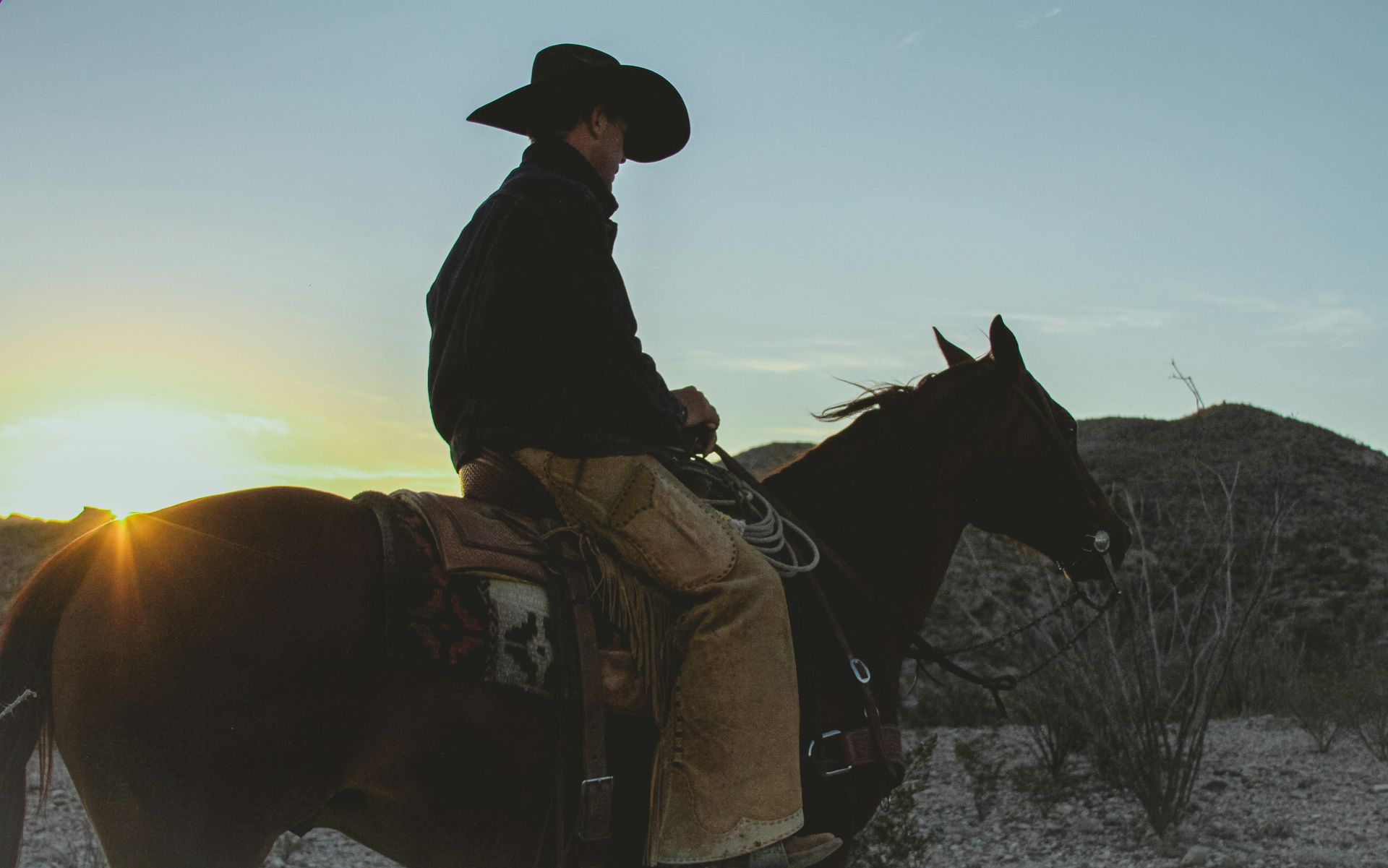
From Bandera's oldest honky-tonk in Texas to Deadwood's swinging-door saloons where Wild Bill Hickok was shot mid-poker game
Polina Portnaya / Unsplash
Cowboy hats and bootcut jeans have made their way from runways to city sidewalks, and crowds at country music festivals now rival those at some of the biggest pop and rock events anywhere in the country. Cowboy core clearly isn’t fading away, and if anything, the whole movement seems to be growing and evolving well beyond its traditional roots into something considerably broader than a passing fashion trend confined to a single season or city.
Scrolling short-form video or two-stepping at a country bar downtown captures only a small slice of what actually defines this culture, though. Genuinely experiencing cowboy core means spending real time in the small towns scattered across the American West, places where rodeo still functions as a way of life and horses occasionally serve as a practical mode of transportation rather than simply a photo prop for visiting tourists. Each July, more than a million visitors travel from around the world specifically for Canada’s Calgary Stampede, a 10-day rodeo and arts festival that has run continuously for more than 140 years, proving there’s a genuine, sustained appetite for experiencing North American cowboy culture firsthand instead of through a screen.
The 10 essential towns below appear in Lonely Planet and cover lesser-known cowboy destinations across the American West, beyond the bigger, more famous names. Each one offers a genuine slice of frontier culture without the crowds that now define more famous cowboy destinations elsewhere in the region. Some lean into rowdy outlaw history, others into working dude ranches, and a couple owe their current fame to a hit television series, but every single one rewards travelers willing to drive a bit further off the interstate in search of something genuinely authentic. A rental car makes it considerably easier to reach most of them.
Credit: Tour Texas
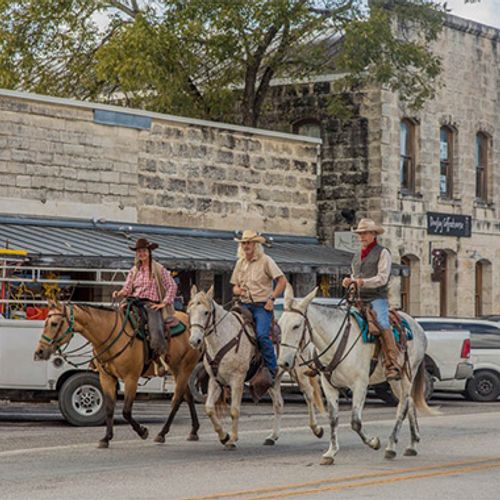
Bandera has proudly worn the title of Cowboy Capital of the World since the late 1800s, and the town backs up that claim with a genuine, lived-in cowboy culture instead of a manufactured tourist gimmick. A monument honoring the town’s many rodeo champions sits directly outside the courthouse, and seeing horses casually parked outside local stores remains a genuinely unremarkable, everyday sight throughout much of the town.
Western shops line Main Street, including The Cowboy Store and the Bandera General Store, which still serves root beer floats from its genuinely old-fashioned soda counter. Around the corner, Arkey Blue’s Silver Dollar claims the title of the oldest continuously operated honky-tonk anywhere in Texas, giving visitors a genuinely historic setting for an evening of live music and dancing.
Dinner at OST, a BYOB restaurant complete with a dedicated John Wayne Room, gives visitors a genuinely themed evening well suited to the town’s overall atmosphere. Staying at a working dude ranch such as Mayan Ranch rounds out a proper Bandera visit, and chuckwagon breakfasts alongside genuine trail rides set the tone for each following day spent exploring the surrounding hill country.
Travelers $TRV hoping to catch one of the town’s legendary steak nights should keep a close eye on the schedule at 11th Street Cowboy Bar, since these events draw genuinely large crowds and tend to sell out quickly once word spreads. Timing a visit around one of these steak nights specifically gives travelers one of the most authentic possible introductions to Bandera’s overall character. Few towns anywhere in Texas manage to feel this genuinely lived-in instead of staged specifically for passing tourists. Visitors planning a multiday stay should also consider a horseback riding lesson through one of the local outfitters, since several welcome complete beginners. Bringing cash also helps at several of the smaller, family-run shops along Main Street. A rental car remains the easiest way to reach the surrounding dude ranches from town.
Glenna Haug / Unsplash
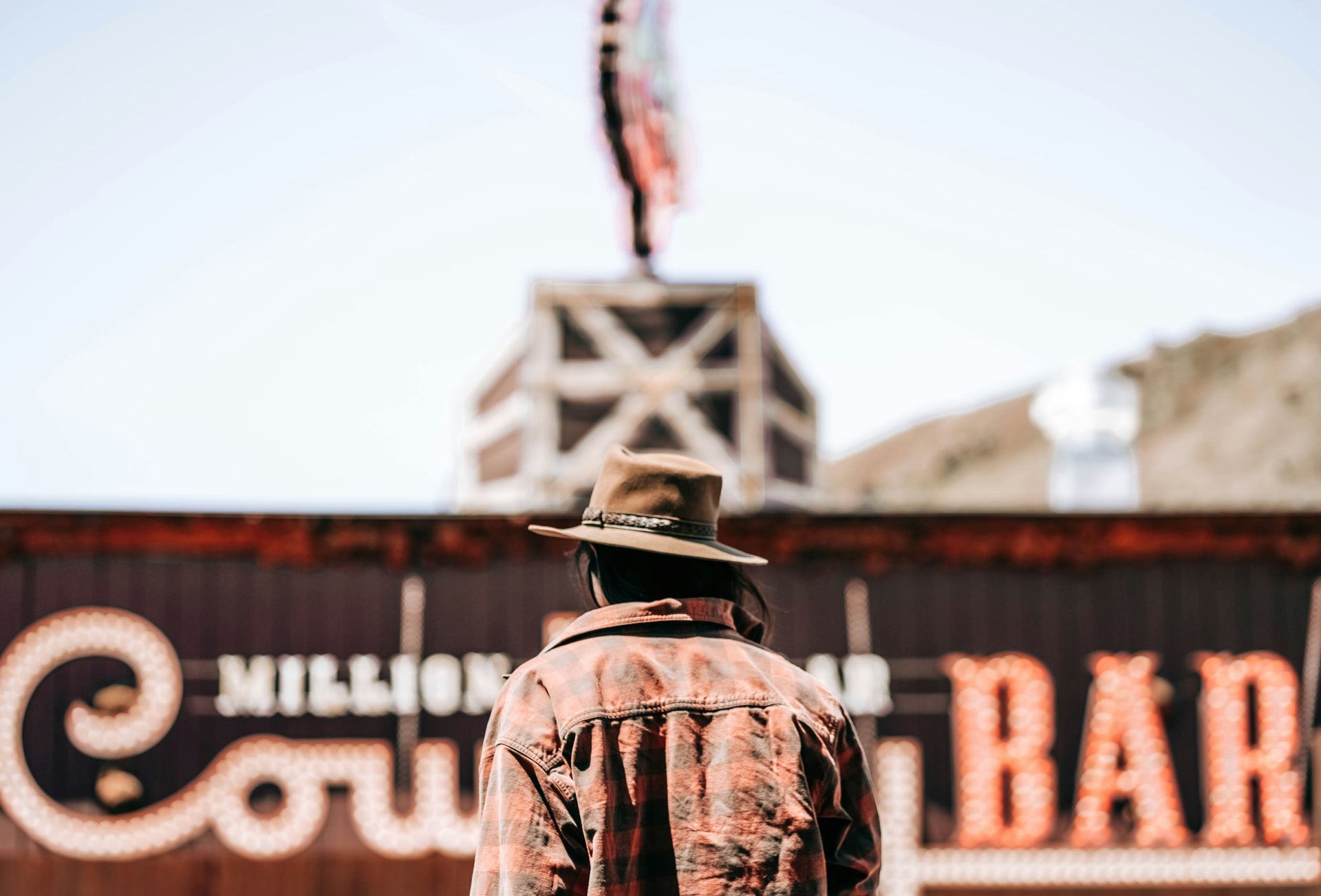
Jackson has earned the nickname "the Last of the Old West," and the small Wyoming town manages to blend genuine luxury with deep-seated cowboy culture in a way that few other Western destinations do. Visitors can ride a stagecoach around the town’s central square, catch the long-running summer rodeo, or dine on elk and bison steak inside a restaurant once occupied by a wildlife museum, giving the town a genuinely varied set of cowboy-themed experiences within easy walking distance of each other.
The Million Dollar Cowboy Bar ranks as a genuine local icon, complete with saddle barstools and nightly live music that draws both longtime residents and curious visitors passing through town. Numerous dude ranches scattered just outside Jackson itself offer everything from genuinely rustic cabins to ultra-luxurious, all-inclusive retreats, giving travelers real flexibility depending on their preferred level of comfort and budget.
Heart Six and Triangle X $TWTR both rank among the area’s most highly regarded dude ranches, offering visitors a genuinely well-rounded introduction to ranch life without sacrificing comfort entirely. Travelers $TRV hoping to go all-in on frontier travel should consider Darwin Ranch instead, recognized as the most remote guest ranch anywhere within the Lower 48 states, a genuinely serious commitment for visitors seeking real isolation.
Rusty Parrot Lodge and Spa delivers the full cowboy treatment for travelers who want luxury alongside authenticity, and its dedicated Cowboy Concierge can arrange private trail rides or even set up a custom belt buckle loan for the duration of a stay. Winter shouldn’t be overlooked either, since sleigh rides, skiing, snowboarding, ice skating, and nearby hot springs all combine to make a quiet, genuinely magical off-season visit. Few towns anywhere in the West manage to pair this much genuine luxury with such deeply rooted cowboy tradition within the same small footprint. Visitors booking a summer stay should reserve accommodation well in advance, since Jackson’s popularity has grown considerably over recent years. Booking ranch stays several months in advance remains wise, given how quickly rooms fill.
Tucker Riggins / Unsplash
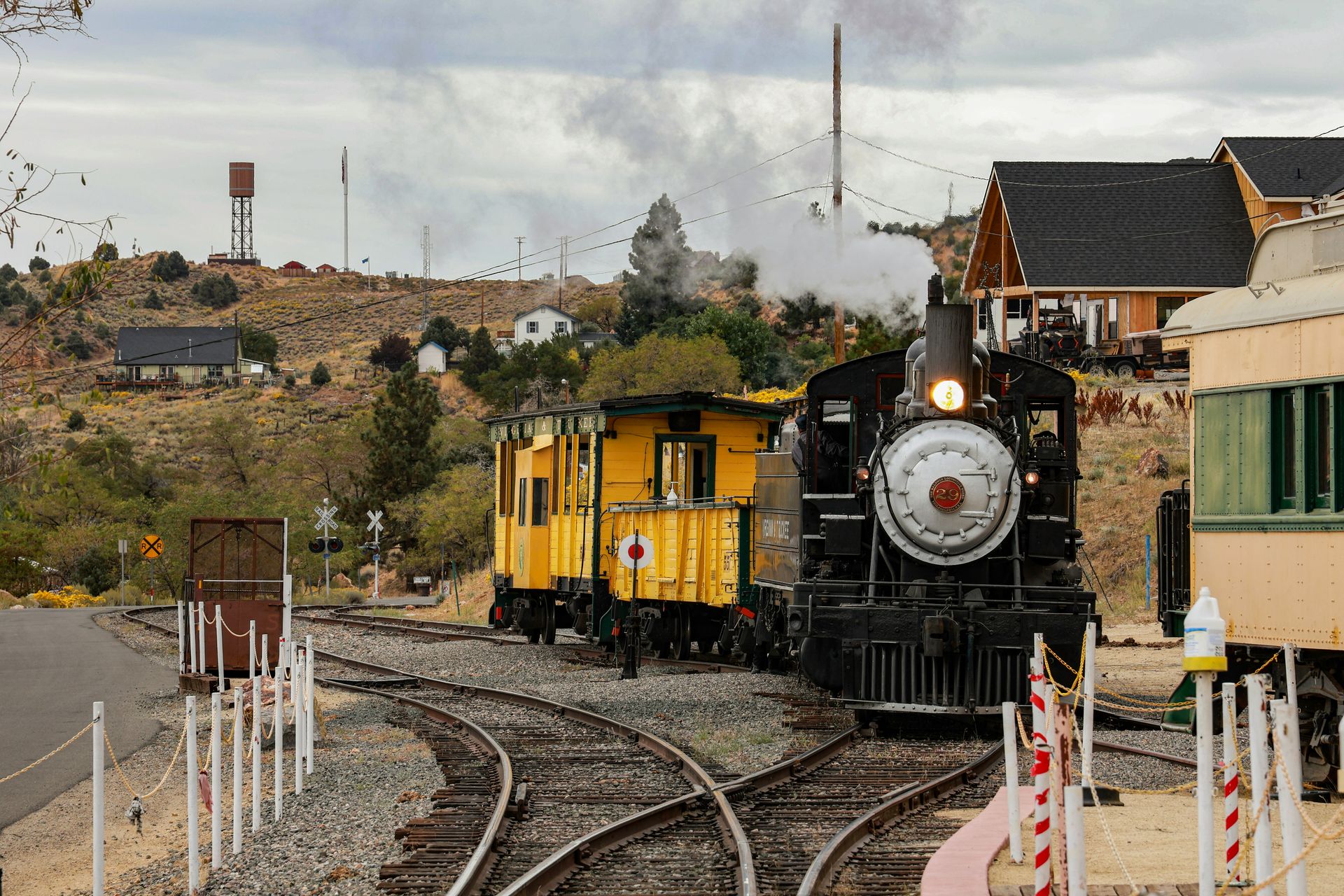
Virginia City looks and feels remarkably like a movie set, except everything here is genuinely real rather than staged for a camera. Montana Territory’s former gold rush capital remains strikingly well preserved throughout, from its wooden boardwalk paths to the vintage saloons still lining Wallace Street, giving visitors a genuinely immersive sense of stepping directly into the 1880s.
Catching a cabaret show at Brewery Follies gives visitors a lively, entertaining evening well suited to the town’s overall theatrical atmosphere, and travelers feeling genuinely adventurous can spend the night at the allegedly haunted Fairweather Inn for an extra dose of frontier-era intrigue. Hopping aboard the Alder Gulch Shortline Railroad for a 1.5-mile ride takes visitors directly to Nevada City, a former ghost town that has since become a genuinely engaging living history museum.
Day trips to nearby Dillon and Bannack round out a longer Virginia City visit particularly well. Dillon combines rural ranching culture with genuinely top-tier fly fishing and, somewhat unexpectedly, a rare Patagonia outlet store, while Bannack ranks among the country’s best-preserved ghost towns, offering visitors an equally immersive but distinctly different historical experience.
Travelers $TRV planning a multiday visit to this part of Montana should budget real time for all three destinations instead of rushing through Virginia City alone. Spreading a visit across Virginia City, Dillon, and Bannack gives travelers a genuinely comprehensive sense of the region’s layered mining, ranching, and outlaw history within a single manageable itinerary. Few towns anywhere in Montana preserve this much genuine gold rush history across such a small, walkable downtown core. Visitors driving between all three towns should allow extra time for photo stops, since the surrounding scenery rewards a slower pace throughout the trip. Comfortable walking shoes also help considerably, given the town’s uneven wooden boardwalks. A rental car remains the easiest way to reach both Dillon and Bannack comfortably. Cell service throughout this part of Montana also stays genuinely limited.
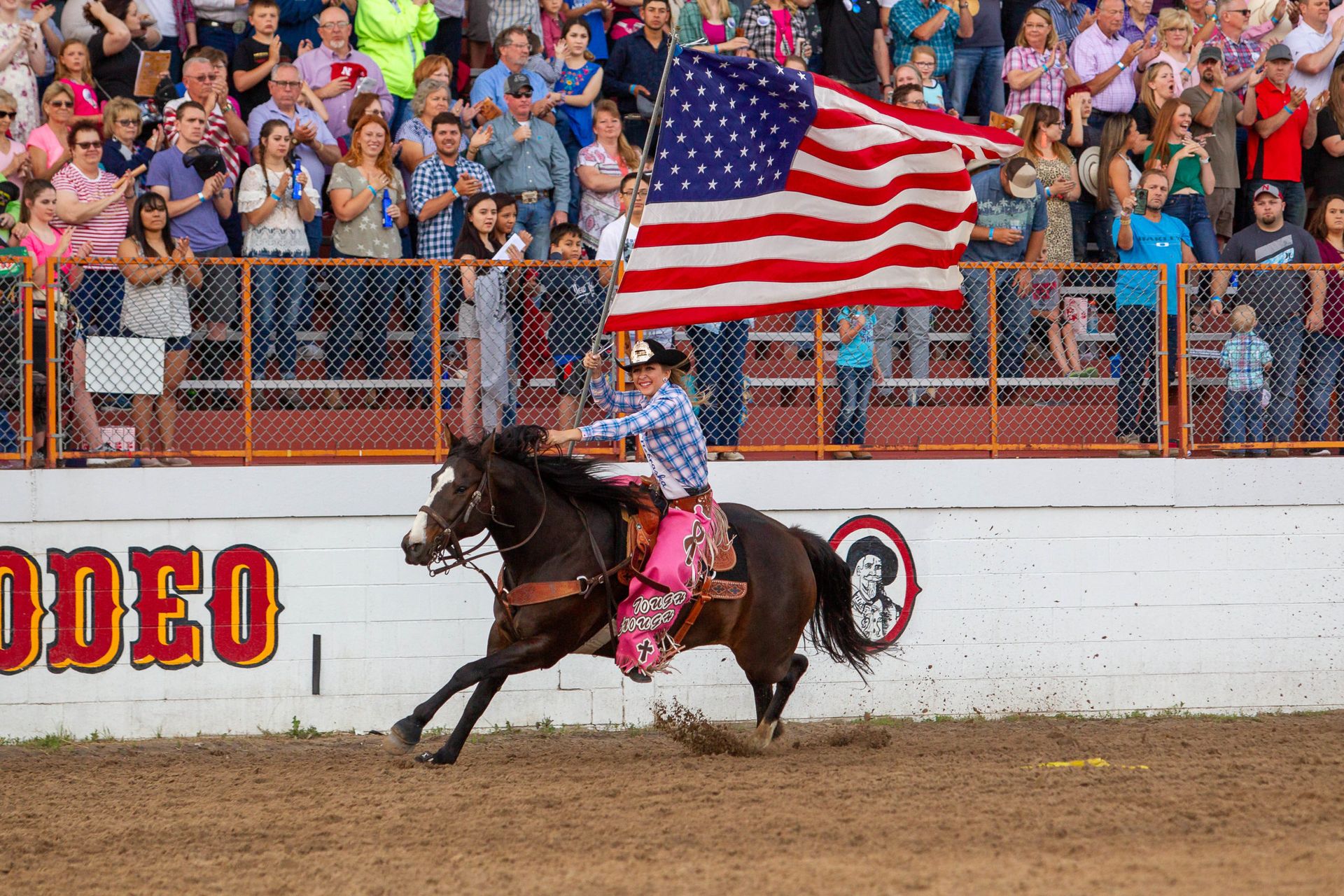
Credit: NEBRASKAland Days
Buffalo Bill Cody once called North Platte home, and his original ranch, now preserved as a state park, still includes a barn and a Second Empire-style mansion that together host tours and trail rides for curious visitors. The town honors this heritage each year through its NEBRASKAland celebration, featuring concerts, parades, and one of the country’s top rodeos sanctioned by the Pro Rodeo Cowboys Association.
The Historic Canteen District downtown blends the town’s cattle country roots with genuinely stylish restaurants that might surprise first-time visitors expecting a purely rustic dining scene. The Cedar Room brings a chic, industrial atmosphere to its menu of prime Nebraska beef, while North 40 Chophouse delivers a considerably more polished ranch vibe alongside cocktails that would feel entirely at home in a much larger city.
Travelers $TRV hoping to experience North Platte at its liveliest should plan a visit specifically in June, when rodeo season, trail rides, and a genuinely oddball local tradition called tanking all converge within the same general window. Tanking involves floating down a local river inside a livestock tank, a delightfully unusual pastime that feels distinctly rooted in Nebraska’s particular brand of rural creativity.
Combining a daytime rodeo with an evening at one of the Canteen District’s more polished restaurants gives visitors a genuinely well-rounded sense of North Platte’s dual identity. Few other towns on this list pair rugged rodeo tradition with this level of stylish, contemporary dining within such easy walking distance of one another. Few towns on this list balance rugged rodeo tradition with this level of genuinely polished, contemporary dining within easy walking distance. Visitors planning a June trip should book accommodation early, since rodeo season draws considerably larger crowds than at other times of the year. Reservations at the more popular restaurants also fill quickly during the busiest rodeo weekends. A rental car remains the easiest way to reach the state park and surrounding attractions. Layered clothing also helps, given how much temperatures can swing throughout a single day in Nebraska.
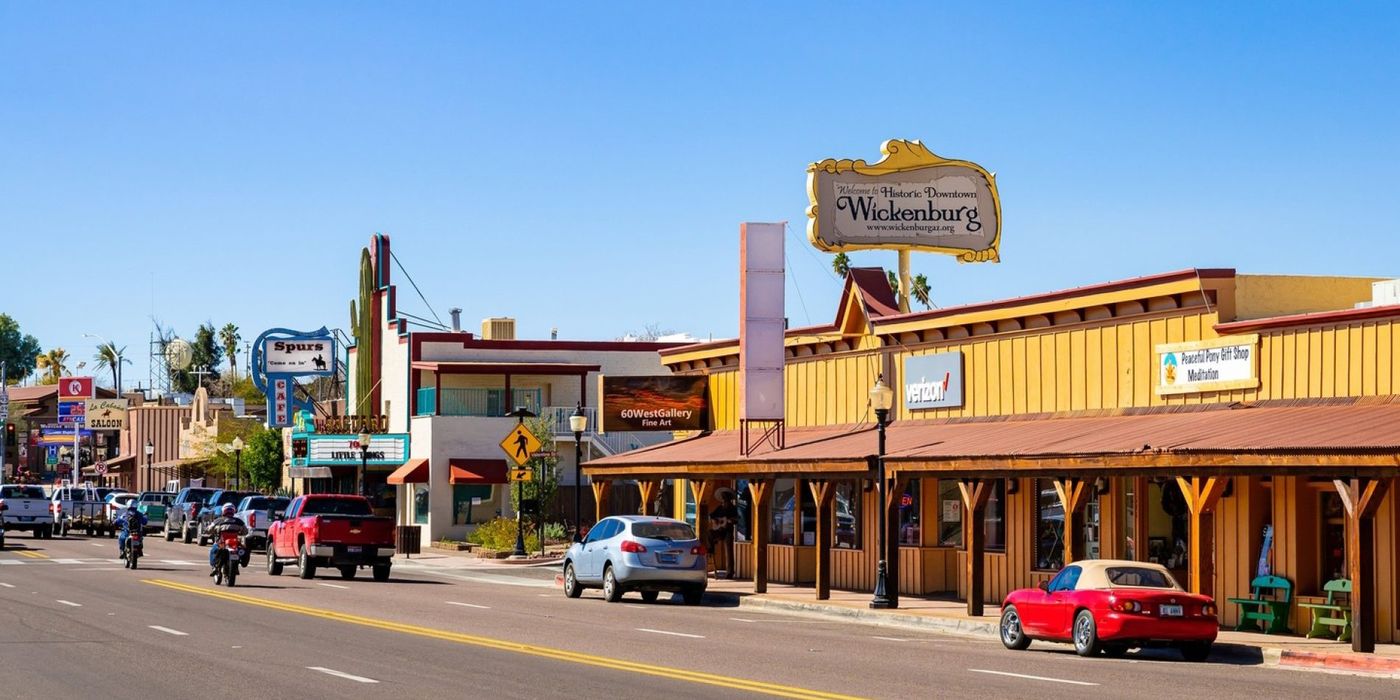
Credit: Visit Arizona
West of Phoenix, Wickenburg proudly holds the title of Team Roping Capital of the World, and the town genuinely lives and breathes rodeo culture year-round. Nearly 10 arenas throughout the area host events regularly, and February’s Gold Rush Days specifically bring high-stakes professional rodeo competitions, gold panning demonstrations, and carnival rides into town for an especially lively stretch of the calendar.
Downtown Wickenburg has its own charm well beyond the rodeo scene, featuring Western murals scattered throughout the area, shops filled with genuine turquoise jewelry, and the Saguaro Theater, which has been open continuously since 1948 and still screens classic Westerns for visitors and longtime locals alike.
Wickenburg has also earned recognition as Arizona’s dude ranch capital, and visitors can saddle up for trail rides before sleeping in genuinely dreamy, century-old adobe buildings at Kay El Bar. Travelers $TRV should specifically plan a winter or spring visit for this particular experience, since many ranches and horseback outfitters throughout the area scale back their operations considerably once summer heat arrives.
Sampling a signature beef tallow cookie at Capital Patty gives visitors a genuinely unusual, memorable local treat worth seeking out during a Wickenburg stop. The town’s 200-year-old Jail Tree, allegedly once used as an open-air lockup for prisoners, adds another quirky historical footnote, well worth a quick photo stop on any walk through downtown. Few towns anywhere in Arizona combine this much genuine rodeo tradition with such a well-established dude ranch scene within the same small community. Visitors planning a Gold Rush Days trip should book accommodation well in advance, since the event draws considerably larger crowds than a typical winter weekend. Sunscreen and a wide-brimmed hat also help considerably, given the area’s intense desert sun. A rental car remains the easiest way to reach the surrounding ranches and desert trails. Layered clothing also helps, given how much temperatures swing between desert mornings and afternoons. Booking well ahead remains wise too.
Credit: Travel Nevada
Sitting directly on Highway 50, officially nicknamed the Loneliest Road in America, Ely functions as equal parts time capsule and genuine cowboy playground for travelers willing to make the drive. Wild West murals throughout downtown set an immediate tone, and stepping into the Nevada Northern Railway Museum carries visitors even further back in time, complete with themed train excursions running directly through the surrounding high desert.
Beyond the railway museum, Ely offers a genuinely eclectic mix of activities for curious visitors. Hunting for garnets in the surrounding hills, attending quirky local events such as a motorcycle rodeo or Nevada’s own Cowboy Kentucky Derby, or even delivering mail on horseback during the annual Pony Express Re-Ride, all give travelers a genuinely different kind of frontier experience beyond standard sightseeing.
Ely also functions as the best available base for exploring the Great Basin, one of the most remote and genuinely underrated national parks anywhere in the country. Ancient bristlecone pines throughout the park reward patient hikers, and the park ranks among the best stargazing locations anywhere in the world, thanks to its remote location and correspondingly minimal light pollution.
On the drive toward the park, stopping at Ward Charcoal Ovens State Historic Park rewards travelers with a genuinely striking sight: six perfectly preserved, beehive-shaped charcoal ovens still stand there today, once used to process silver mined throughout the surrounding region during the area’s mining boom. Few towns anywhere along this stretch of highway offer this much genuine isolation paired with such rewarding nearby natural scenery. Visitors planning a Great Basin day trip should fill up on gas beforehand, since services throughout this stretch of highway remain genuinely sparse. Warm layers also help even in summer, since desert nights here can turn surprisingly cold. A full tank of gas remains essential before setting out on any nearby desert drive. Cell service throughout this part of Nevada also stays genuinely limited. Downloading offline maps beforehand helps considerably.
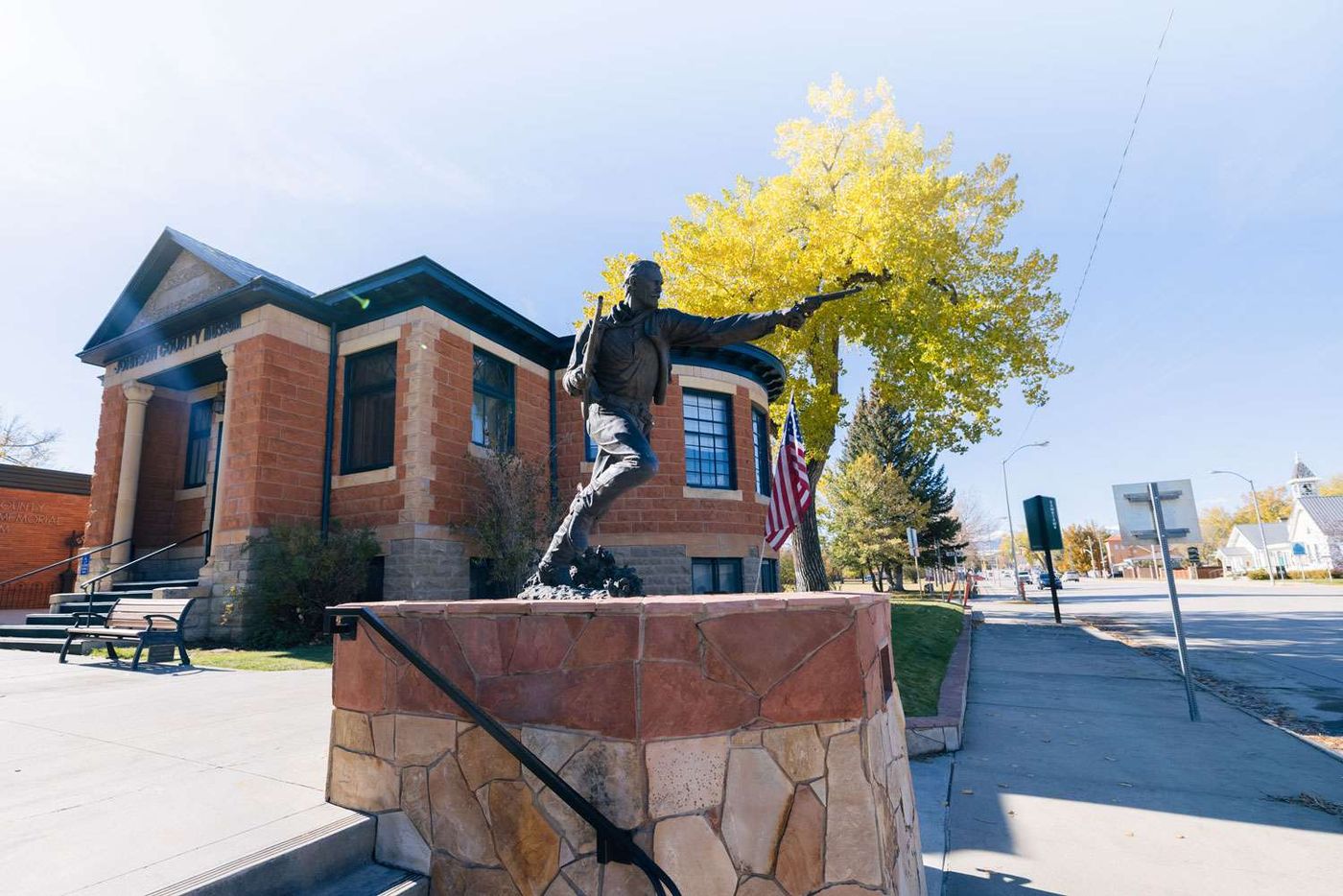
Credit: Visit Buffalo WY
Tucked between the Bighorn Mountains and the surrounding plains, teeny Buffalo packs a genuinely serious amount of cowboy credibility into a remarkably small footprint. The Jim Gatchell Memorial Museum houses one of the West’s most robust collections of frontier artifacts, and most of these pieces were originally gifted to the museum’s founder by Lakota people and soldiers who once served in the area.
Nearby, the historic Occidental $OXY Hotel once hosted guests including Butch Cassidy and the Sundance Kid, Teddy Roosevelt, and Ernest Hemingway, giving the building a genuinely remarkable guest history spanning outlaws, presidents, and literary giants alike. Author Owen Wister wrote his influential 1902 cowboy novel The Virginian while staying at the hotel, basing several characters and a pivotal shootout scene directly on real events in the surrounding area.
Buffalo also served as the inspiration for the fictional Absaroka County featured in the popular 2010s Netflix $NFLX series Longmire, giving the town an additional layer of pop-culture recognition beyond its genuine historical significance. Just beyond town, the fourth-generation, family-owned TA Guest Ranch sits directly on the site of the historic Johnson County War, while the legendary King’s Saddlery and Museum sits a scenic 30-minute drive away in nearby Sheridan.
Travelers $TRV with extra time should visit the famous outlaw hideout, Hole-in-the-Wall, located roughly 40 minutes south of Buffalo. The Hoofprints of the Past Museum in nearby Kaycee hosts in-depth guided tours every June, giving history-minded visitors an especially good reason to time their trip around that particular month. Few towns of this size anywhere in Wyoming pack this much genuine frontier history into such a small, unassuming downtown core. Visitors interested in the area’s literary connections should also seek out other Wister-related sites scattered throughout the surrounding Bighorn region. Checking opening hours in advance also helps, since several smaller sites keep limited seasonal schedules. A rental car remains the easiest way to reach Sheridan and the surrounding countryside.
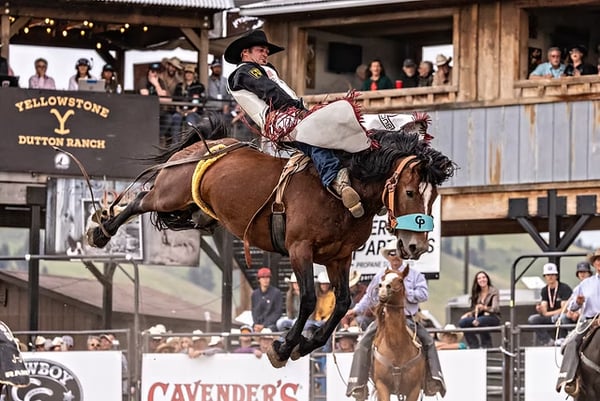
Credit: Darby Rodeo Association
Television’s Yellowstone put minuscule Darby, home to fewer than 900 residents, firmly on the map, though the genuine cowboy culture that originally drew Hollywood productions to the area long predates any television series. The Darby Rodeo kicks off summer each June with one of the world’s most intense bareback riding competitions, while Jimmy, known locally as the hat man, outfits both longtime residents and the show’s actual cast through his shop, Double H Custom Hats.
Despite the considerable spotlight brought by television fame, this extraordinarily beautiful Bitterroot Valley town has managed to maintain its genuinely bucolic charm throughout. Hiking trails around Trapper Creek and Lake Como offer quiet natural scenery well away from any camera crews, while browsing mom-and-pop shops such as Mr. T’s Mercantile gives visitors a genuinely unhurried, small-town shopping experience.
Sharing a drink with locals at 406 Saloon or exploring the Darby Pioneer Memorial Museum, housed inside a genuinely hand-hewn log homestead, rounds out a proper introduction to the town’s history beyond its recent television fame. Visitors specifically hoping to experience real ranch life firsthand can book a stay at Alta Ranch or the considerably more luxurious Triple Creek Ranch nearby.
Travelers $TRV hoping to stay at the actual ranch featured in Yellowstone should know that Chief Joseph Ranch accepts a genuinely limited number of cabin bookings each season. Securing a reservation requires planning well ahead of a trip, and visitors should expect to pay a real premium for the privilege of staying at what the show portrays as the Dutton family’s own ranch property. Few towns swept up by television fame manage to preserve this much genuine, unpolished small-town character despite the sudden spotlight. Visitors hoping to spot filming locations from the show should ask locally, since several sites remain accessible without requiring a formal tour. Booking dinner reservations ahead of time also helps, since the town’s few restaurants fill quickly on weekends. A rental car remains the easiest way to reach the surrounding trails and ranch properties.
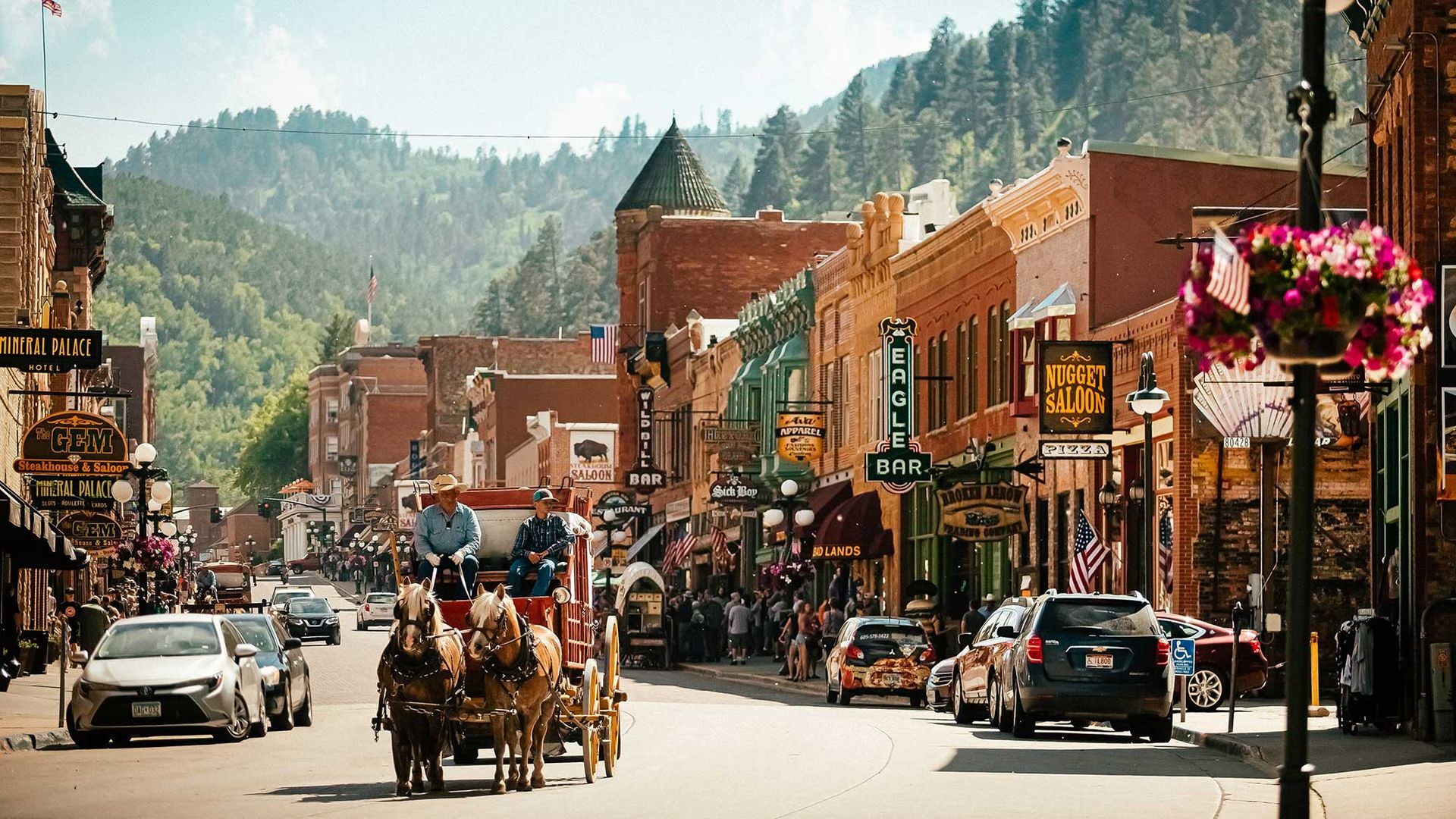
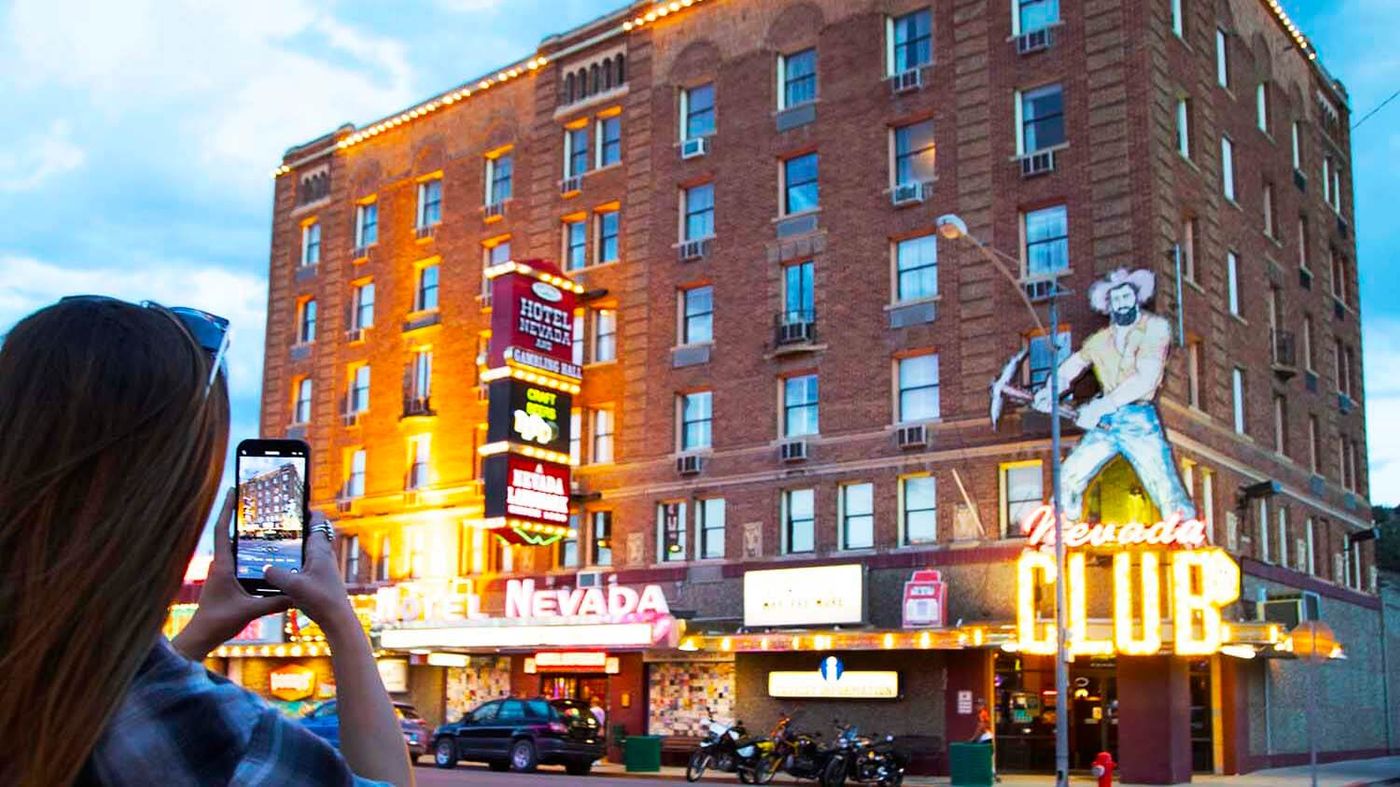
Credit: Travel South Dakota
Set within the fittingly rugged Black Hills, Deadwood wears its genuinely lawless legacy like a badge of honor instead of something to downplay for visitors. Downtown Deadwood, designated as a single large National Historic Landmark, stays packed with swinging-door saloons, rowdy casinos operating around the clock, and staged gunfight reenactments performed six days a week, with organizers specifically noting there’s no killing allowed on Sundays.
Saloon No. 10 gives visitors direct access to the exact spot where Wild Bill Hickok was famously shot mid-poker game, a genuinely chilling piece of history to absorb while standing at the same bar. His grave sits up the hill at Mt Moriah Cemetery, positioned directly alongside the grave of Calamity Jane, giving history-minded visitors a meaningful stop well beyond the town’s more rowdy attractions.
Touring The Brothel, a former Main Street bordello, gives visitors a deeper look into Deadwood’s raucous past, and the site notes candidly that the town’s brothel scene, while technically illegal throughout much of its operation, didn’t officially end until 1980. The Days of '76 Museum rounds out a proper historical tour, holding a genuinely large collection of stagecoaches and horse-drawn wagons well worth exploring in depth.
Travelers $TRV should avoid visiting during the Sturgis Motorcycle Rally each August unless they have a genuine interest in motorcycle culture. Hotels throughout the area fill up quickly during the rally, prices spike considerably, and the entire town shifts its focus almost exclusively toward biker-oriented events for the duration of the gathering. Few towns anywhere in the country lean into their own lawless history with this much genuine enthusiasm instead of quiet embarrassment. Visitors interested in the area’s mining history should also consider a side trip to nearby Lead, home to several well-preserved historic mining sites. Comfortable shoes also help considerably, given how much of downtown is best explored on foot. A rental car remains the easiest way to reach nearby Lead and the surrounding Black Hills.
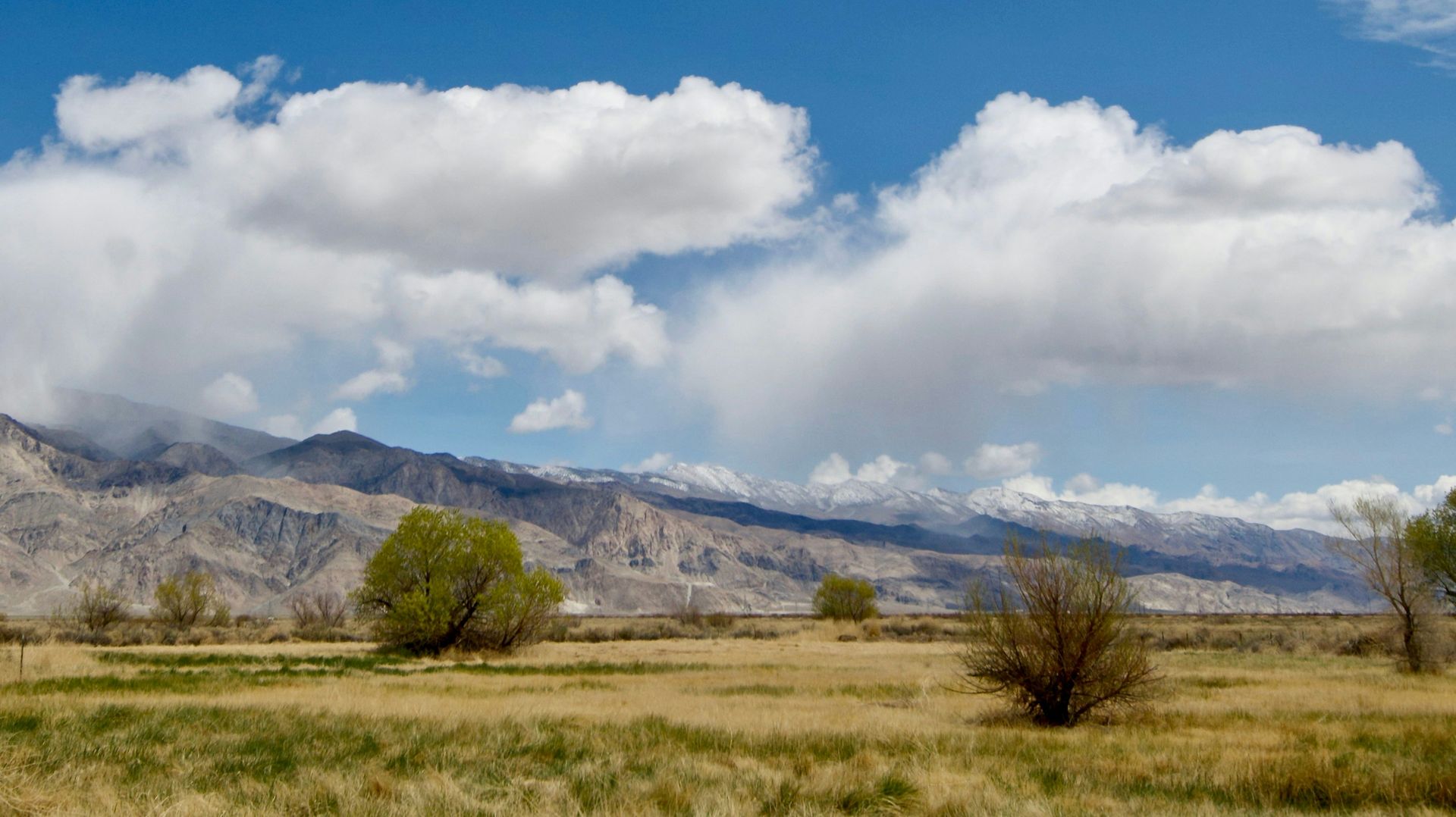
Vijayalakshmi Nidugondi / Unsplash
Sitting in the shadow of Mt Whitney, the tallest mountain anywhere in the lower 48 states, and tucked directly into the Alabama Hills’ genuinely otherworldly rock formations, Lone Pine feels like a classic Western film set for a genuinely good reason. The town has served as the actual backdrop for roughly 400 movies and television shows over the decades, many starring cowboy legends such as John Wayne and Cary Grant during Hollywood’s golden age of Western filmmaking.
Visitors can trace these stars’ footsteps directly at the Museum of Western Film History, which also showcases props from several non-Western productions, including Star Trek and Tremors, giving the museum a genuinely broader appeal beyond just cowboy film enthusiasts. A self-guided driving tour along scenic Movie Road offers an equally rewarding way to experience the same dramatic landscape that once filled countless movie screens.
Lone Pine itself remains endearingly unassuming despite its Hollywood connections, holding an old-school hardware store packed floor to ceiling with genuine local character, Jake’s Saloon for an evening drink, and the Dow Villa Motel, once a regular haunt for visiting movie stars during location shoots. The town also serves as a genuinely convenient base for exploring the wider Eastern Sierra region, including Sequoia and Yosemite during the summer months, and Death Valley outside of summer, all strung along the scenic Highway 395 corridor.
Travelers $TRV with extra time should make room in their itinerary for the Manzanar National Historic Site, located just 9 miles north of town. This powerful, genuinely somber stop tells the story of more than 10,000 Japanese Americans interned there during World War II, offering a meaningful counterpoint to the area’s more lighthearted Hollywood legacy. Few towns this small anywhere in California carry this much combined cinematic and natural significance within such easy reach of a single highway. Visitors planning a Movie Road drive should download an offline map beforehand, since cell service throughout the Alabama Hills remains genuinely unreliable.